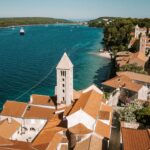
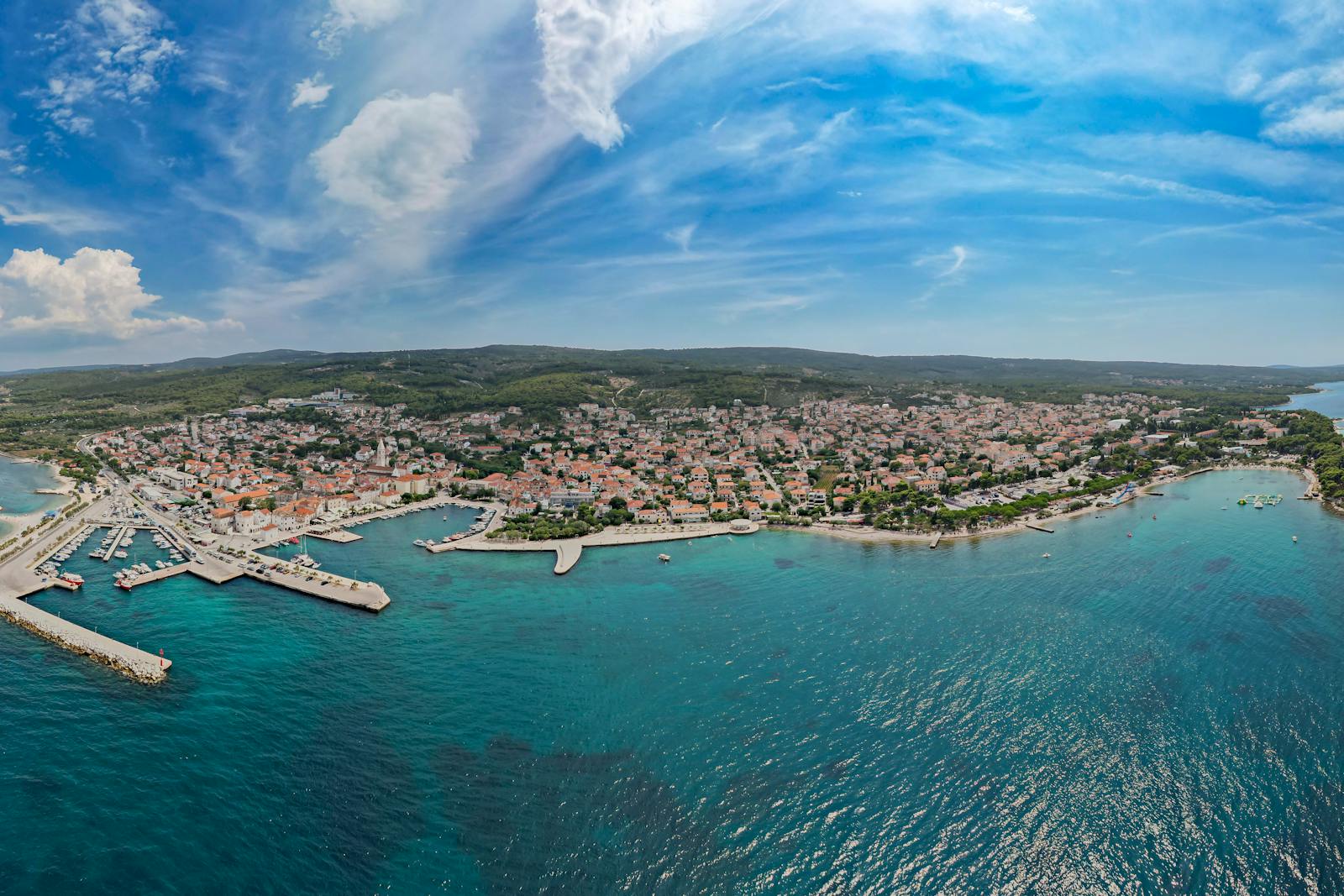
If you’re thinking about a holiday on the Adriatic, chances are you’ve already considered one of the most accessible Croatian islands — a place historically (and rightly) nicknamed the Golden Island. Krk in Croatia offers a truly unique blend of deep history, stunning wild beaches and excellent infrastructure that makes getting here remarkably easy.
One huge advantage is the massive bridge connecting the island to the mainland, so there’s no need to wait for a ferry or pay extra crossing fees. Just to give you an idea: since 2020 this grand bridge has been completely toll-free, which makes Krk an ideal destination even for spontaneous road trips.
In this guide I’ll walk you through 12 specific things to see and do so you can make the most of the island. We’ll wander the ancient lanes of the main town, explore the famous winemaking village perched on a cliff, and I’ll point you to the most beautiful beaches and the smartest spots to base yourself.
TL;DR
- Access: A 1,430-metre bridge leads from the mainland to the island and has been completely free for all vehicles since 2020.
- History: The main town of Krk boasts the third most extensive town walls in Croatia and a magnificent Frankopan Castle.
- Swimming: In the south you’ll find the resort of Baška with its famous pebble beach, nearly two kilometres long, with a sandy seabed.
- Wine and romance: Vrbnik is a picturesque hilltop town on a cliff where the unique white wine Žlahtina is born.
- Curiosities: You can try squeezing through Klančić alley, which measures just 43 centimetres across.
- Day trips: From the town of Punat you can easily hop on a taxi boat to the tiny green islet of Košljun with its Franciscan monastery.
- Ferries: From the port of Valbiska you can easily cross by ferry to the neighbouring islands of Cres or Rab.
The full destination guide: Istria & Kvarner — guide and what to see
When to visit Krk Island: weather and seasons
Krk Island is one of the sunniest places in all of Europe, racking up an impressive 2,500 hours of sunshine a year. If you love proper heat and swimming, the main season runs from June to August, when air temperatures stay steadily between 25 and 30 degrees and the sea warms up to a glorious 23 to 27 degrees.
Bear in mind, though, that July and August are the absolute peak of the season, which naturally means packed beaches, busier restaurants and significantly higher accommodation prices. That’s why I’d warmly recommend considering the shoulder months — May, June or September — when the weather is still lovely for swimming but the narrow lanes of the historic towns and the more remote coves are far quieter. Spring also brings beautifully blooming countryside, which you’ll especially appreciate on trips into the green interior.
If your main interest is sightseeing, cycling and sampling the local cuisine, October offers by far the best accommodation prices and still pleasant temperatures for staying active outdoors. The autumn months are also perfect for long hikes across the fascinating lunar landscape in the south of the island, where you’d needlessly suffer under the direct summer sun. Outside the main summer months, you’ll simply love not having to push through crowds of tourists — and you’ll soak up the authentic island atmosphere far better.
Where to stay on Krk Island: best hotels and areas
💡 Tip for accommodation and experiences: We prefer to search for places to stay on Booking.com, which usually has the best cancellation policies. For tickets, tours and activities, it pays to compare and book through GetYourGuide.
Choosing the ideal location mostly comes down to the type of holiday you prefer, because each part of the island has its own slightly different and very distinctive atmosphere. The town of Krk itself is a brilliant compromise if you want historic sights, excellent restaurants and easy access to the well-kept beaches nearby — all within reach.
Right in the town centre I can recommend the lovely Boutique Hotel Marina, which sits right by the sea and offers superb service and gorgeous views straight over the harbour with its moored boats. If you’re travelling with family and your main goal is relaxed swimming in shallow waters, definitely consider the resort of Baška in the far south of the island.
Baška is famous for its iconic long beach, and here you’ll find, for example, the well-equipped Corinthia Baška Sunny Hotel, with spacious pools just a few steps from the sea. For lovers of total peace, breathtaking views and romance, the unbeatable choice is historic Vrbnik on the rugged east coast.
Here you can stay at the luxurious Hotel Vinotel Gospoja, which elegantly blends modern design with a long winemaking tradition and offers some of the very best views of the mainland. Another popular and very quiet area for families is the smaller resorts of Malinska and Njivice in the northwest, which are close to both the mainland bridge and the island airport. Their promenades are pleasantly shaded by mature pines — something you’ll really appreciate on hot summer days.
12 things to do on Krk Island in Croatia
The island is fairly compact, but it offers a huge range of experiences — from exploring medieval fortresses and swimming in wild coves to tasting outstanding local food. Here are twelve specific spots you shouldn’t miss.
1. Krk town and its historic walls
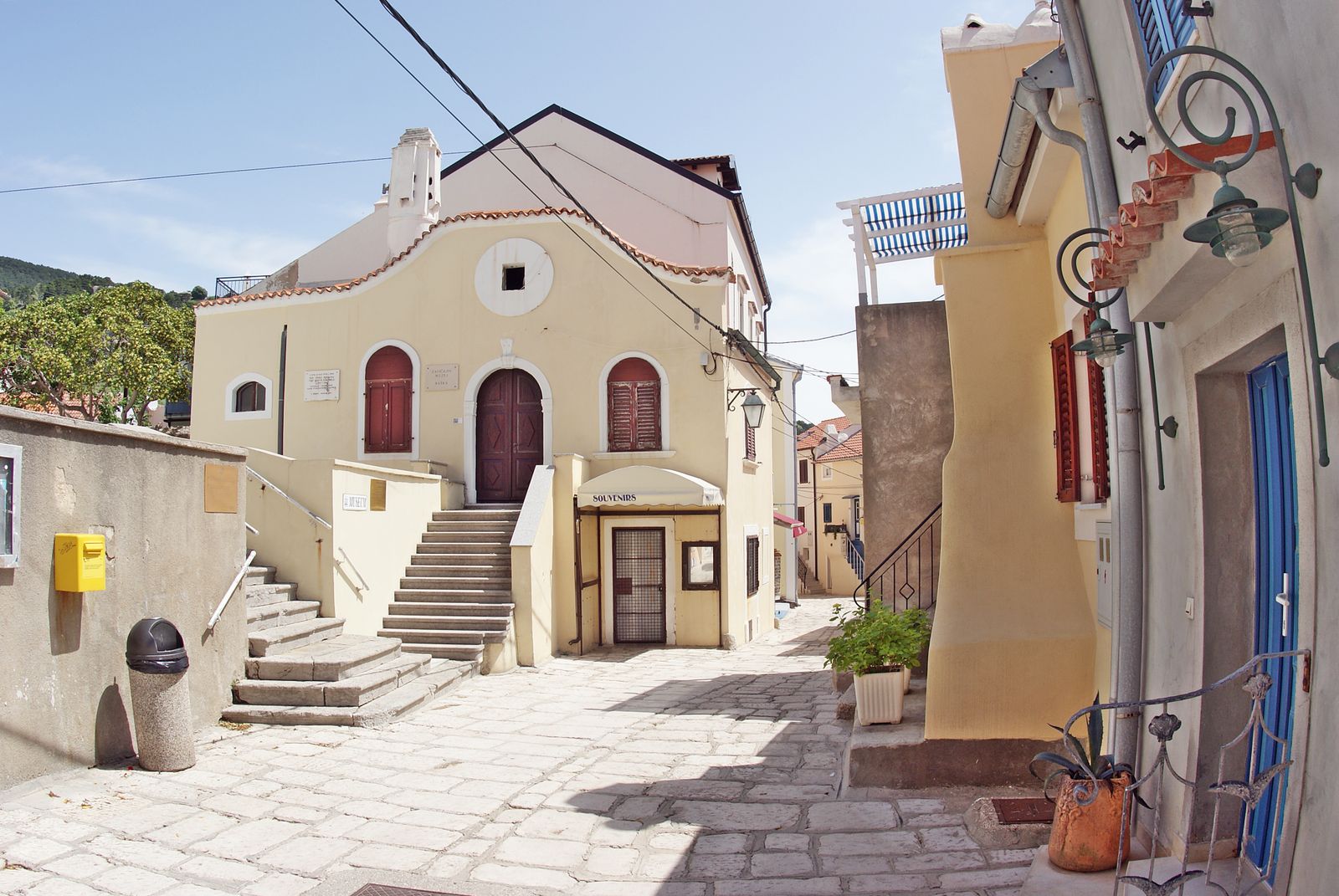
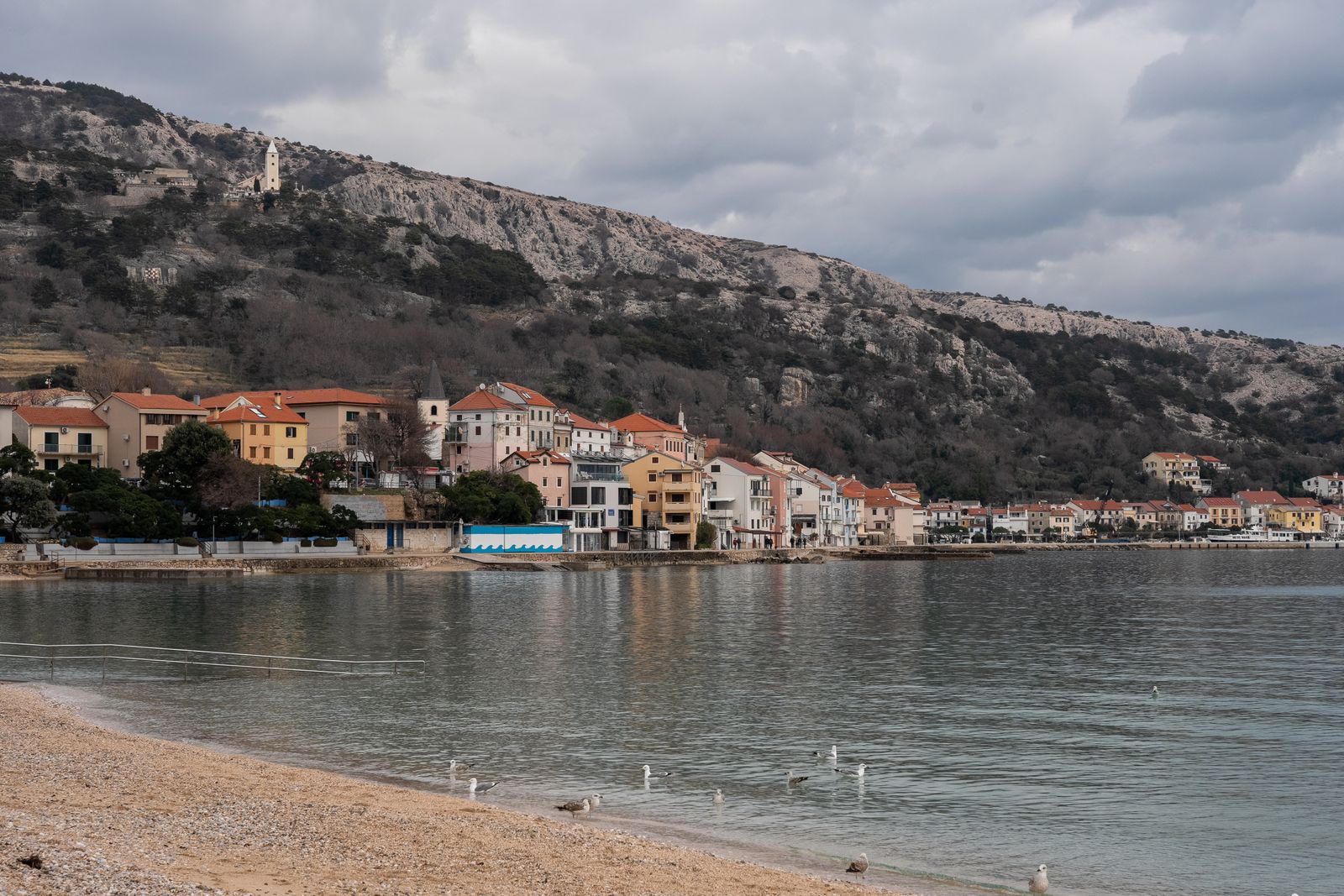
The island’s main town is undoubtedly one of the oldest settlements on the entire Adriatic, with a fascinating history stretching back more than two thousand years. At first glance you’ll be enchanted by its majestic walls — which, incidentally, are the third most extensive fortifications in all of Croatia, after Ston and Dubrovnik.
A stroll through the old town feels like genuine time travel, because the narrow stone lanes are lined with ancient houses, small family cafés and local shops full of traditional handmade goods. The atmosphere is utterly unmistakable and immersive, especially in the early evening, when the warm light of the setting sun turns the old stones into gorgeous golden hues. Try stopping for a moment on the main square, Vela placa, which has served as the very heart of island life for centuries and where you can quietly watch it pulse around you.
💡 Tip: The best way into the old town is through the ancient town gates that still guard the historic centre. Be sure to set aside plenty of time to simply get lost in the maze of lanes, because that’s exactly how you’ll stumble upon the most interesting little galleries and romantic hidden squares.
2. Frankopan Castle and Kamplin square
Right by the sea, on the picturesque and quiet Kamplin square, stands the imposing Frankopan Castle, gradually built by the famous noble family between the 12th and 15th centuries. You’ll recognise it instantly by its characteristic towers — the oldest surviving square tower dates back to 1191, while the mighty round tower was added a little later, around 1476.
The moment you step into the spacious stone courtyard, you’ll feel the grandeur of this historic place, which once bravely protected the town from pirate attacks from the sea. In the 16th century the Venetians also remodelled the entire structure, giving the castle its unique present-day form. Today the whole castle complex is fully open to the public, and after climbing the old walls it offers absolutely fantastic panoramic views over the entire historic centre and the endless open sea.
💡 Tip: I’d recommend planning your visit to this medieval castle for the early morning or late afternoon, so you can avoid the worst of the summer heat and enjoy the best light for photographing the monuments. Admission is very reasonable, and the breathtaking view from the highest tower is absolutely worth it.
3. Cathedral of the Assumption of the Virgin Mary
Right next to the medieval castle you’ll find another unmissable architectural gem — the striking Cathedral of the Assumption of the Virgin Mary. This beautiful 12th-century Romanesque building conceals an incredibly rich history, as it was originally built on the old foundations of ancient Roman baths and later on the ruins of an early Christian basilica from the 5th century.
Inside the cathedral itself, you’ll be immediately struck by the grand decoration and serenely peaceful atmosphere, which contrasts sharply with the bustle on the sun-drenched square outside. Special attention is deserved by the intricately carved column capitals and the beautifully decorated altars, which perfectly reflect the incredible skill of the stonemasons of the time.
💡 Tip: While touring the main cathedral, don’t forget to look into the adjoining Church of St Quirinus, cleverly connected to the cathedral itself. This particular church features a wholly unusual two-storey Romanesque architecture, which is a genuine historical rarity in this part of the Adriatic — definitely not one to overlook.
4. Baška and the famous pebble beach Vela plaža
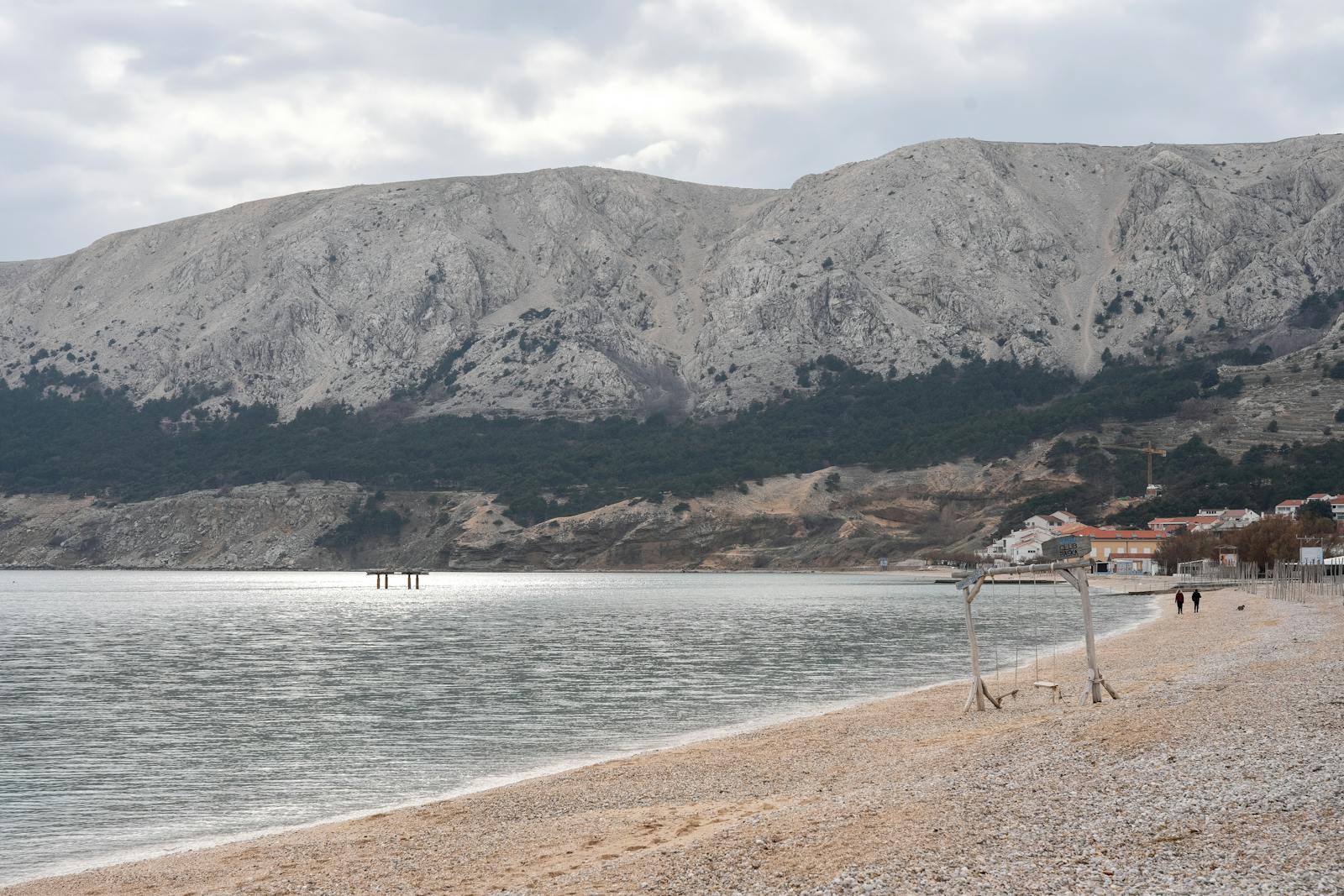
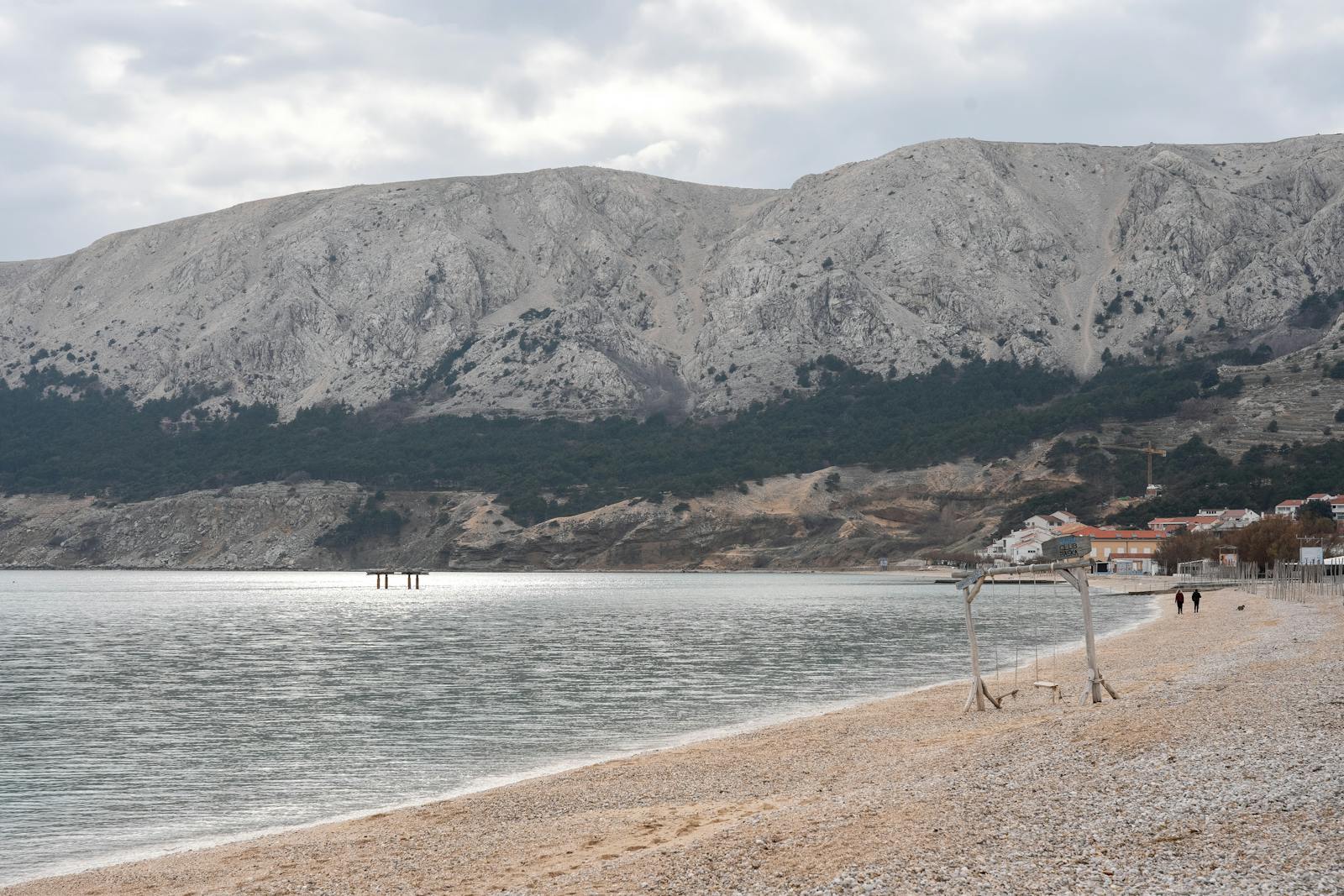
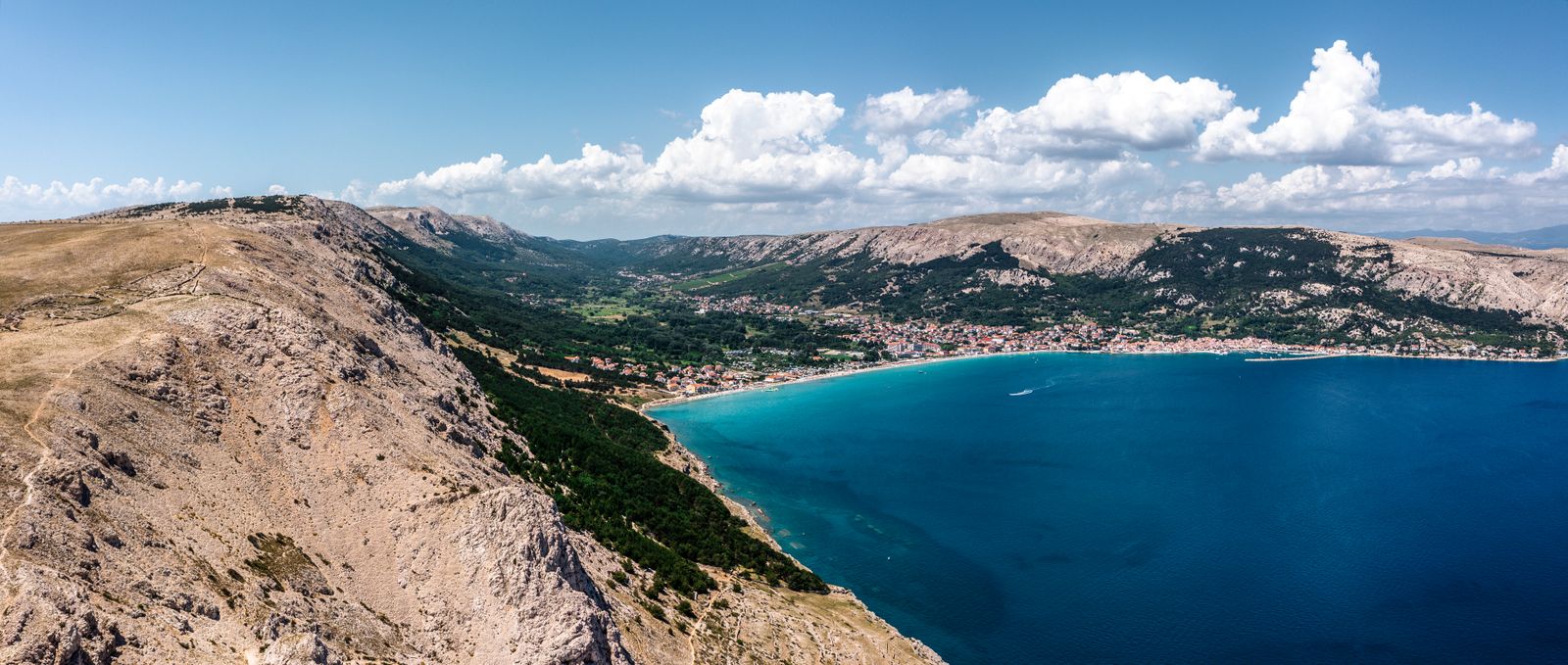
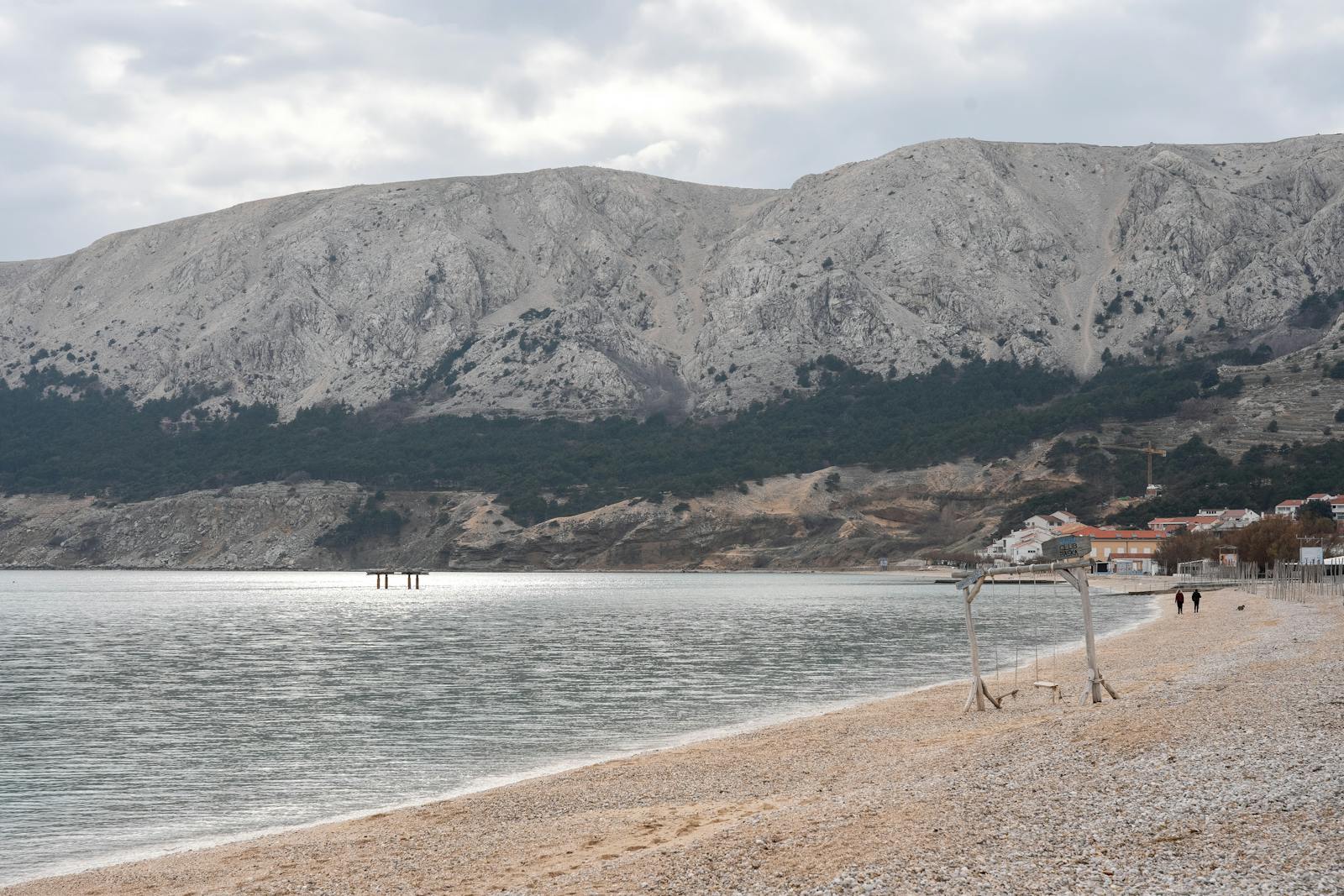
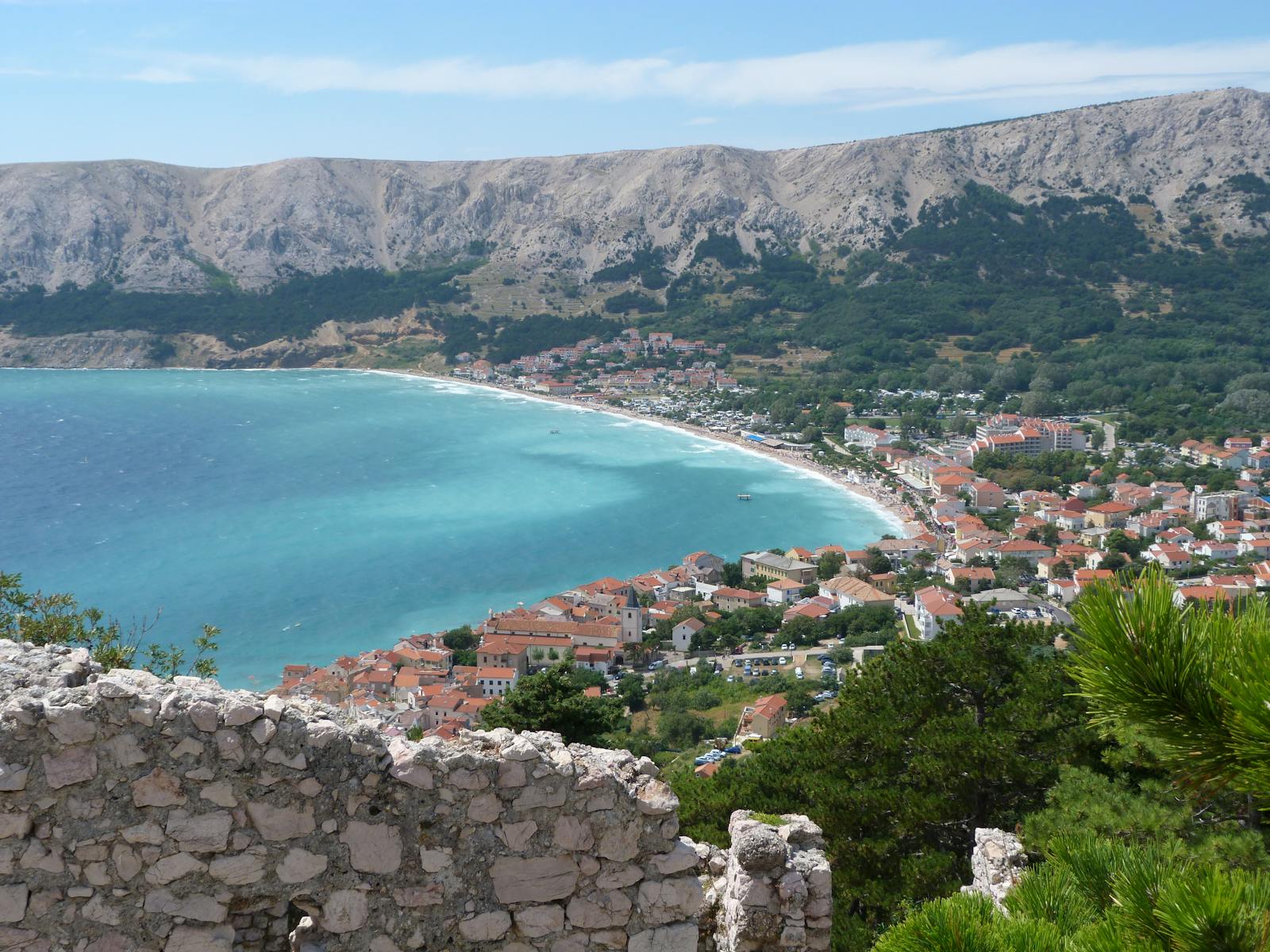
If you head to the hot southern tip of the island, you’ll arrive at the popular resort of Baška, proud home to one of the most famous and beautiful beaches in all of Croatia. The iconic Vela plaža is an impressive 1.8 to 2 kilometres of pebble beach, which thanks to its sheer cleanliness has long held the prestigious Blue Flag eco-award.
What makes this beach so special and hugely popular, especially with families with young children, is the surprisingly soft sandy seabed and the very gentle, safe entry into the water. The sea here shimmers in gorgeous turquoise shades, and the dramatic backdrop of the deep bay is formed by steep, sun-baked hills that look almost majestic and create a perfect photogenic contrast to the azure surface.
💡 Tip: Because Vela plaža is extremely popular right across Europe, in the peak summer months it tends to fill up to the last spot fairly early. If you’re after more peace on holiday, I’d warmly recommend hitting the beach very early in the morning, or instead walking along the marked coastal trails to the smaller and far more secluded romantic coves nearby.
5. The mystery of the Baška Tablet in Jurandvor
Just a short way before busy Baška lies the seemingly unremarkable little village of Jurandvor, which nonetheless hides one of the greatest and most precious historical treasures of the entire Croatian nation. It was here, in the small and humble Church of St Lucy, that the famous Baška Tablet was discovered — historians date it to around the year 1100.
This massive stone monument is one of the absolute oldest written records in Old Church Slavonic Glagolitic script and carries enormous cultural and symbolic significance for all the locals. Although the precious original was moved to the Academy of Sciences in the capital, Zagreb, for safety reasons, in the ancient Church of St Lucy you can see up close a perfectly faithful copy and soak up the mysterious atmosphere of this magical place.
💡 Tip: While touring the old church, be sure to have the guides tell you the captivating story of how this heavy stone tablet was discovered entirely by chance in the church’s original floor. Around the building you’ll also find partly uncovered remains of an old Benedictine abbey, which you can wander through at your own leisurely pace.
6. Vrbnik: clifftop town and Žlahtina wine
On the rugged east coast of the island you simply can’t miss the utterly stunning hilltop town of Vrbnik, which rises dramatically on a steep limestone cliff some fifty metres above the sea. This romantic historic settlement, with more than nine hundred years of rich tradition, was once a hugely important centre of the Frankopan nobility and a cradle of old Glagolitic literature.
Today, however, Vrbnik is known worldwide above all for its local gastronomy, because exclusively here on the Vrbnik field, covering roughly 211 hectares, the unique indigenous white wine called Žlahtina is born. The result of the local winemakers’ careful work is a very dry, incredibly fresh and delicious wine whose subtle flavour pairs perfectly with traditional Adriatic cuisine and warm summer evenings.
💡 Tip: In the local taverns I definitely recommend trying the renowned speciality called šurlice — outstanding hand-made island pasta. If you prefer meat-free dishes, the šurlice served with fresh fragrant tomatoes, local mushrooms and grated island sheep’s cheese are absolutely superb, generously drizzled with homemade olive oil. Local restaurants often prepare meaty specialities too, like the famous Krk lamb or various Kvarner fish, but the vegetarian pasta versions with a chilled glass of Žlahtina are a genuine gourmet treat.

7. Klančić: squeezing through the narrowest street in the world
As you wander the shady stone lanes of ancient Vrbnik, you’re guaranteed to come across one very unusual — and for many, rather entertaining — tourist attraction. Here you’ll find an inconspicuous alley named Klančić, which guidebooks very often (and rightly) crown with the unofficial title of the narrowest street in the world.
At its absolute narrowest point between the old stone houses it measures an incredible 43 centimetres across, so getting through successfully requires a bit of physical agility and, for adults, sometimes a good amount of breathing in. No wonder it’s a hugely popular spot for funny holiday photos, with plenty of curious visitors grinning as they test whether they can squeeze through to the other side without getting stuck.
💡 Tip: This charming little alley is fairly well hidden in the confusing maze of the old town, so it may take you a while to find it among the winding lanes. Don’t be shy about asking the locals — they’re used to tourists and will happily point you in the right direction with a smile, perhaps even throwing in a funny story about stuck travellers.
8. Punat and the boat trip to Košljun islet
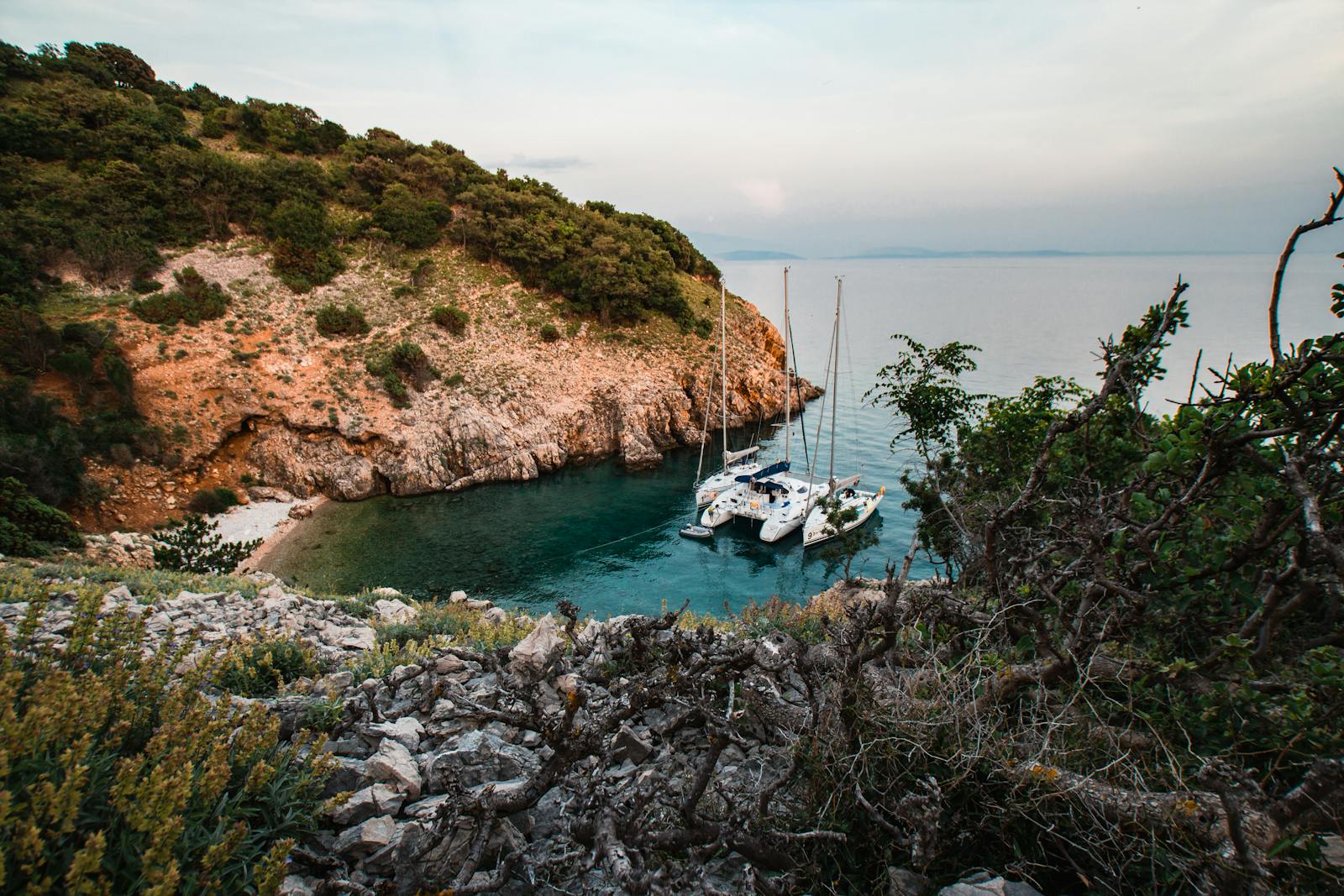
On the sheltered southwest of the island sits the peaceful town of Punat, well known among sailors thanks to its sprawling Puntarska draga bay and one of the largest and best-equipped marinas in the entire Adriatic region. But the real and utterly unique gem of this enclosed bay is the tiny green islet of Košljun, which covers just six hectares and sits picturesquely right in the middle of the calm water.
The whole round islet is a strictly protected nature reserve with more than five hundred species of rare plants, and its unmissable landmark is the historic Franciscan monastery dating back to 1447. The monks here still live quietly to this day and carefully look after fascinating museums, where you can view extensive ethnographic collections and a rare historic copy of the famous Ptolemy atlas.
💡 Tip: Getting to Košljun islet is genuinely very easy, because small excursion taxi boats regularly depart from the harbour promenade in Punat. The crossing across the calm bay takes only about eight to ten minutes, and a return ticket costs you around a friendly five to ten euros per person.
9. Malinska and Njivice for a laid-back holiday
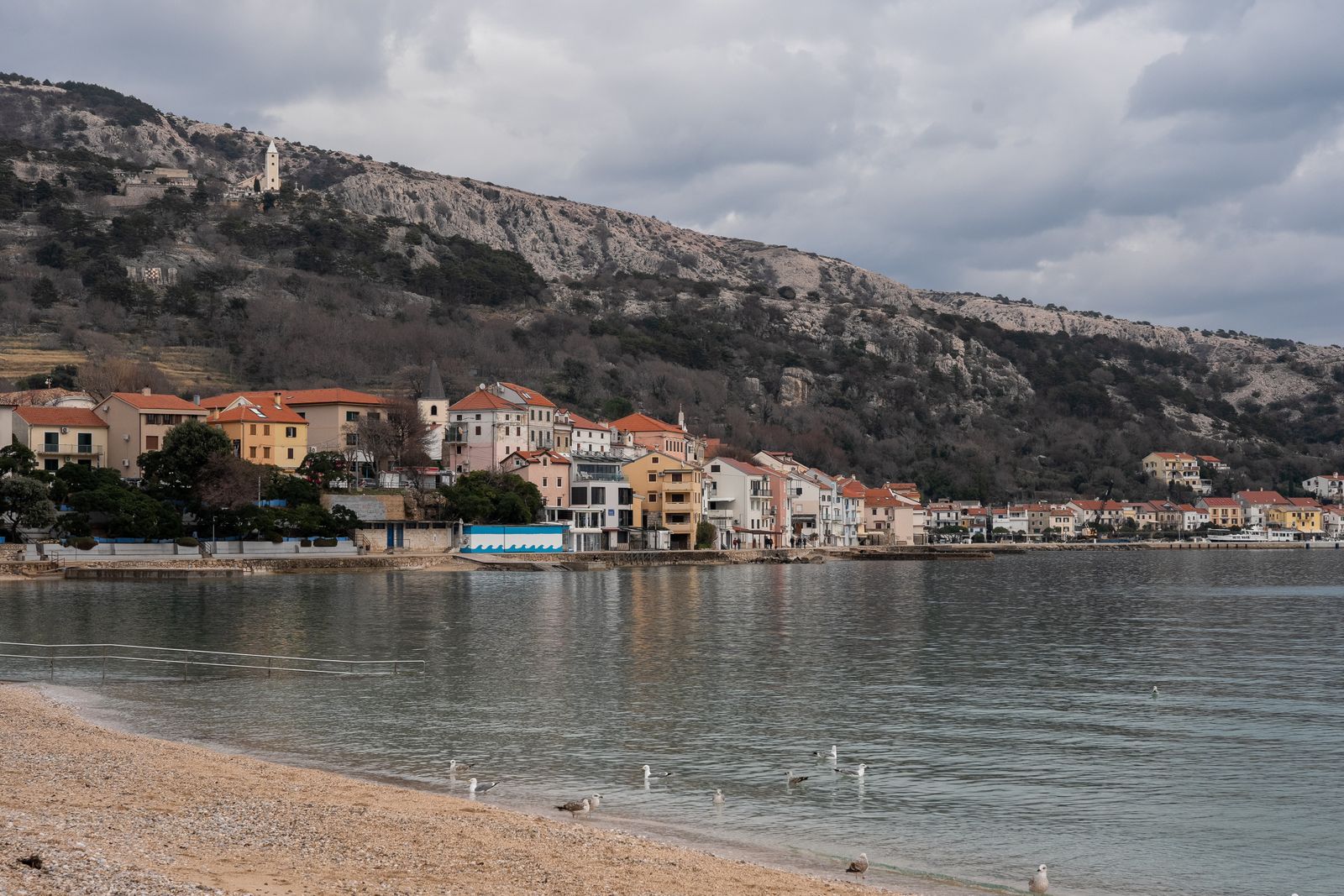
If you’re after a slightly quieter, distinctly relaxing atmosphere on your holiday, the northwest coast with its popular family resorts of Malinska and Njivice is an absolutely ideal choice. These pleasant holiday towns have beautiful, long paved promenades stretching along the sea, which positively invite long evening strolls at sunset and endless lingering in cosy local cafés.
In Malinska itself you’ll find well-kept, clean beaches like Rova or Rupa, which rightly carry the prestigious Blue Flag award for excellent water quality. Also very popular among tourists and cyclists is the so-called Paradise Path (Rajska cesta), a beautiful six-kilometre coastal trail richly shaded by pines that smoothly links Malinska with neighbouring, peaceful Njivice.
💡 Tip: These popular resorts are strategically very close to Rijeka International Airport, which — as you may already know — doesn’t actually lie on the mainland but, surprisingly, right here on Krk Island near the ancient town of Omišalj, perched on an 85-metre cliff. From the arrivals hall you can reach the sea and your accommodation in just a few minutes’ drive, which is absolutely priceless after a flight.
10. Biserujka Cave and underground karst beauty
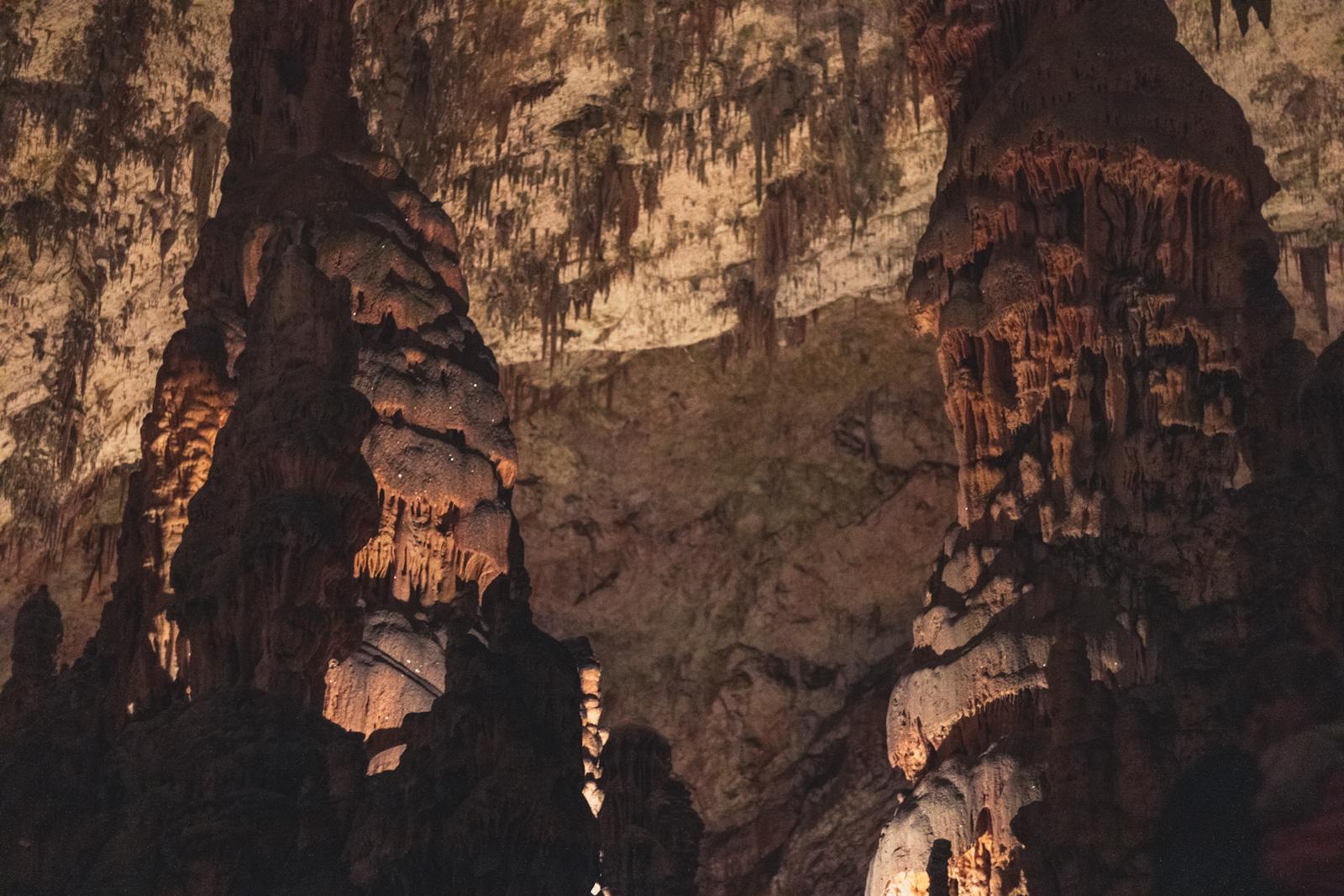
This sun-drenched island offers not only perfect swimming and ancient monuments but also some very interesting dark underground spaces for adventure seekers. Just by the picturesque village of Rudine, which falls under the municipality of Dobrinj and sits right above Soline bay, hides the fascinating Biserujka karst cave, with the first surviving written mentions dating all the way back to 1834.
This mysterious cave is roughly one hundred and ten metres long and made up of seven smaller underground chambers, incredibly richly adorned with dripstone formations, stunning stalactites and mighty stalagmites. The whole intricate underground space is now beautifully and sensitively lit, with a safe, well-maintained path running through it, so the tour is genuinely comfortable and completely effortless, even for families with young children.
💡 Tip: Underground, a steady and refreshing temperature of around fifteen degrees holds all year round, which makes the cave an absolutely perfect natural refuge from the scorching summer heat. Just don’t forget to pack at least a light hoodie in your daypack, so that after the sharp transition from thirty-degree heat outside into the humid cave environment you don’t needlessly catch a chill and spoil the rest of your holiday.
11. Wild beaches and coves around Stara Baška
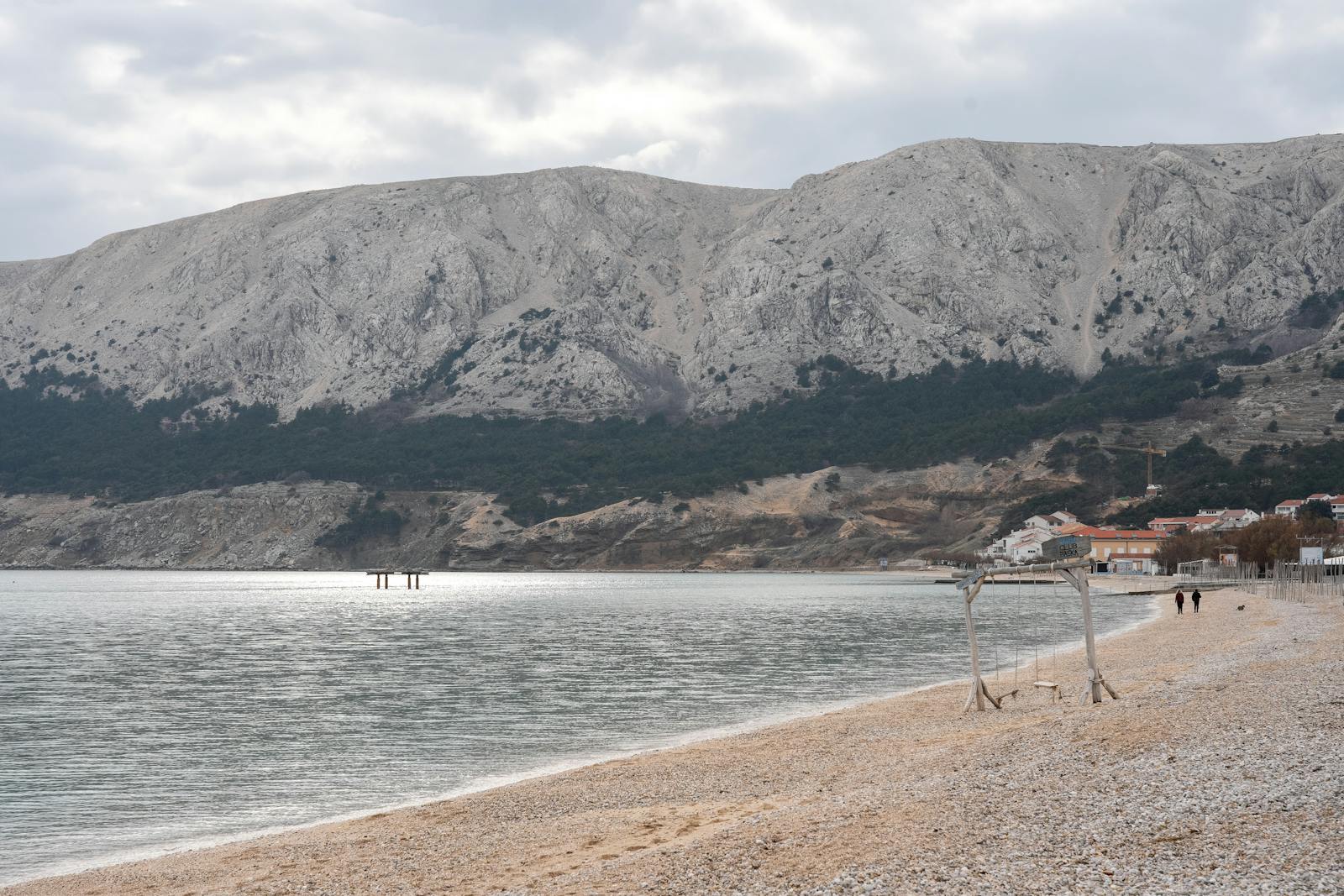
For those of you who deliberately avoid busy, overcrowded town beaches on holiday, there’s the picturesque little village of Stara Baška on the more rugged southwest coast. This more deserted spot is the legendary, sought-after gateway to wild, completely undeveloped coves that have retained their natural, raw character to this day.
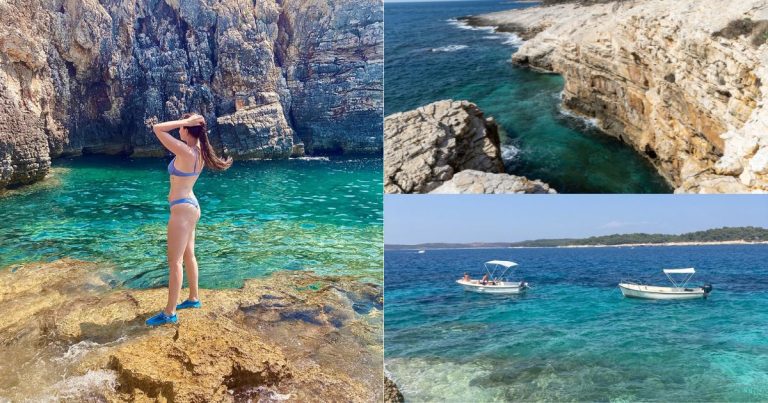
One of the most beautiful and photogenic beaches on the entire island, according to locals and travellers alike, is the stunning Oprna beach. There’s no convenient paved road leading down to it, though — just a fairly steep, dusty trail winding straight down from the main road to the cliffs. Your reward for the slightly more demanding, sweaty descent is absolutely crystal-clear water and gorgeous, completely uninterrupted panoramic views of the neighbouring islands across the way.
💡 Tip: On these remote wild beaches you’ll generally find absolutely no natural shade, no sunbed rentals and no stalls with chilled refreshments. So definitely pack plenty of drinking water for the whole day, your own parasol and, above all, sturdy water shoes, because getting into the sea over the sharp stones and rocks can be quite uncomfortable barefoot.
12. Cycling and exploring the island on two wheels
Krk Island is an absolute, genuine paradise for lovers of active holidays, because winding smoothly across it are roughly three hundred kilometres of very well-marked and maintained cycle paths. These varied routes safely guide you through centuries-old shady olive groves, dense fragrant forests and the utterly barren, fascinating lunar landscape that resembles the surface of another planet.
The crown jewel for more demanding, experienced cyclists is the local flagship route, around forty kilometres long. It usually starts in the south at Baška, climbs relentlessly across the parched lunar plateau mentioned earlier, scenically passes the fertile green vineyards with the renowned Žlahtina variety and ends grandly in historic Vrbnik. Just be prepared for a total elevation gain of around one thousand metres, so conquering it requires genuinely decent fitness — or at least a well-charged, quality e-bike.
💡 Tip: In spring the island regularly hosts a very popular mass event called Krk Bike Story, which brilliantly combines competitive cycling with a relaxed taste of the local island gastronomy. If you arrive on the island without your own bike, don’t worry — you can very easily rent one in every larger resort, as the modern local rental shops are genuinely well and generously equipped for tourists.
Map of points of interest for your phone
Where to go next from Krk Island
Thanks to its strategic location, Krk is an absolutely ideal base for exploring the surrounding area. Since the bridge to the mainland is completely free, you can easily plan trips to nearby bustling Rijeka or explore the whole gorgeous Kvarner region in detail, which we wrote about in our article on the journey through the Julian Alps to Zadar.
If you’re tempted to explore more islands and experience the real Croatia by boat, head to the busy port of Valbiska on the west coast of Krk. From here, reliable ferries run by the national company Jadrolinija regularly sail to two interesting neighbouring islands.
The crossing to the large island of Cres into the port of Merag takes about twenty-five minutes, and you’ll pay roughly €29.50 for a car. If you head to the popular sandy island of Rab into the port of Lopar, the journey takes about eighty minutes and the price for a car is around €45.70, with off-season prices typically about twenty percent lower. Always check the current timetables carefully in advance on the official website. If you’re still looking for inspiration for the whole trip, take a look at our general article on where to go on holiday in Croatia or browse our tips on accommodation in Croatia in detail.
Frequently asked questions
Is there a toll for the bridge to Krk island?
No, crossing the majestic bridge connecting the island to the mainland has been completely free for absolutely all vehicles since June 15, 2020. Previously, a fairly high toll was charged here, but this was permanently abolished by the Croatian government, which today makes arriving on the island much easier and, above all, cheaper for all travelers.
Is Krk the largest Croatian island?
For many years this was confidently stated in all guidebooks, but recent and much more precise measurements have finally shown that Krk island is almost exactly the same size as the neighboring island of Cres (both have approximately 405 square kilometers). However, Krk is certainly the most populated and, thanks to the bridge, the most accessible Croatian island.
Where is Rijeka Airport located?
Although this international airport bears the name of the large port city of Rijeka located on the mainland, it is actually surprisingly located right on Krk island. You’ll find it about seven kilometers from the picturesque historic town of Omišalj. During the summer season, it primarily receives regular flights from various European low-cost airlines.
Can I find sandy beaches on the island?
The Croatian island of Krk is predominantly a typical island of pebble and stone beaches, or features romantic rocky coves. The most famous long Vela plaža in the resort of Baška has a pebbly shore, but underwater it has a very pleasant and soft sandy bottom, which families with small children especially appreciate during summer fun.
How much does the ferry to nearby islands cost?
From the island port of Valbiska you can easily get by Jadrolinija ferry to Cres island (to Merag port) for approximately €29.50 for one car. The trip to the sandy island of Rab (to Lopar port) will cost you approximately €45.70 per car. These prices are indicative for the main summer season; outside of it, tickets are usually cheaper.
When is the best time to visit?
For die-hard lovers of really hot summer and all-day swimming in the sea, the absolutely most ideal months are July and August. However, if you prefer active recreation, cycling, hiking on vacation, and you’ll appreciate fewer tourists in the streets, I warmly recommend going instead in May, June, or during sunny September.
What local food must I try?
During your visit, you absolutely must not miss tasting the excellent local white wine Žlahtina, which is produced exclusively in the Vrbnik area. With it, definitely order the excellent traditional island pasta called šurlice at a restaurant. They taste absolutely fantastic, for example, with local grated sheep’s cheese, fresh tomatoes, or spring asparagus.
Can I make reservations for excursions on the island through GetYourGuide?
Yes, plenty of amazing island activities and popular boat trips from Krk can be reserved online without any problems and well in advance. Very often you’ll find the most interesting and best-value offers on verified platforms like GetYourGuide, which will ultimately save you a lot of precious time searching on-site.
Tips and Tricks for Your Vacation
Don’t Overpay for Flights
Search for flights on Kayak. It’s our favorite search engine because it scans the websites of all airlines and always finds the cheapest connection.
Book Your Accommodation Smartly
The best experiences we’ve had when looking for accommodation (from Alaska to Morocco) are with Booking.com, where hotels, apartments, and entire houses are usually the cheapest and most widely available.
 🚗 Car rental on the roadVerified rental cars in Istria and Kvarner
Search with the DiscoverCars comparison engine — it compares prices from dozens of local and international rental companies, and most bookings come with free cancellation.
Compare car prices in Istria and Kvarner →Don’t Forget Travel Insurance
Good travel insurance will protect you against illness, accidents, theft, or flight cancellations. We’ve had a few hospital visits abroad, so we know how important it is to have proper insurance arranged.
Where we insure ourselves: SafetyWing (simple monthly subscription) and TrueTraveller (for extra-long trips).
Find the Best Experiences
Get Your Guide is a huge online marketplace where you can book guided walks, trips, skip-the-line tickets, tours, and much more. We always find some extra fun there!