The Emerald City, as Seattle is fondly known, is one of the most beautiful and greenest cities on the northwestern coast of the United States. Nestled between Puget Sound and Lake Washington, it’s surrounded by majestic mountains and dense forests. All of this comes together to create an unforgettable setting that captivates every visitor. Seattle isn’t just home to world-famous companies like Amazon, Microsoft, and Starbucks — it’s also a city bursting with a vibrant cultural scene, outstanding food, and endless outdoor adventures. If you’re looking for the best things to see and do in Seattle, you’re in for a real treat.
During my visit to Seattle, I fell completely in love with its unique vibe. You expect modern architecture, but just outside the city you’ll find raw wilderness — you can stand atop a skyscraper with views across the entire city in the morning and be hiking through the mountains by afternoon. It’s a place that serves up some of the best coffee in the world, incredibly friendly people, and an atmosphere that simply steals your heart.
Let’s explore the very best that Seattle has to offer — from iconic landmarks and hidden gems to day trips into the surrounding nature. And of course, I’ve included some practical tips to help you make the most of your trip and avoid any hiccups along the way.
The full destination guide: USA Travel Guide — guide and what to see
TL;DR
- The best time to visit Seattle is from June to September, when the weather is most settled with minimal rainfall and temperatures around 22–28°C (72–82°F); September offers gorgeous weather with fewer tourists.
- Top attractions include Space Needle, Pike Place Market with the original Starbucks and its famous fish-throwing market stalls, the Seattle Great Wheel, and a waterfront packed with interesting shops and restaurants.
- If you want to save time, you can buy skip-the-line tickets for most attractions in advance through GetYourGuide.
- Getting around the city is easy — combine walking with public transport (Link Light Rail, buses), and in summer take advantage of the free Waterfront Shuttle along the waterfront.
- You don’t need a car in the city — for day trips to the surrounding nature, rent one just for those specific days; parking downtown is expensive (use public garages with the Downtown Parking programme).
- Try local specialities like clam chowder, fresh salmon, oysters, or coffee from local roasters; Seattle is also a paradise for vegetarians and vegans.
Where to Stay in Seattle
It’s well worth staying in the city centre, as you’ll save on transport and, more importantly, a lot of time. Right in the heart of downtown, you’ll find one of the most popular hotels — Mayflower Park Hotel. If you’re looking for extremely budget-friendly accommodation, check out Green Tortoise Hostel Seattle. You can also browse more options on Booking.com.
When to Visit Seattle
Seattle has a reputation as a rainy city (though we didn’t experience that during either of our visits), but the truth is that the weather changes dramatically throughout the year. Timing your visit right can make all the difference to your experience.
Summer – The Ideal Time to Visit
Summer (June to September) is hands down the best time to visit Seattle. The weather during these months is sunny and settled, with minimal rainfall and pleasant temperatures around 22–28°C (72–82°F). The days are long, with the sun not setting until around 9pm, giving you plenty of time to explore.
July and August are the warmest months but also the busiest with tourists. If you want great weather without the biggest crowds, consider visiting in June or September. Locals often regard September as the most beautiful month of the year — the weather is usually still gorgeous, but the peak tourist season is winding down.
Summer is also the season of festivals and outdoor events. In early August, the city hosts the Seafair festival featuring the Blue Angels air show and hydroplane races on Lake Washington.
Spring and Autumn
Spring (March to May) and autumn (October to November) each have their own charm. In spring, Seattle dresses up in colourful blooms — especially the famous cherry blossoms on the University of Washington campus, which typically flower in late March. The weather is still changeable, though, with more frequent showers and temperatures around 15–18°C (59–64°F).
Autumn brings stunning foliage to the city’s parks and lower accommodation prices. September and early October can still be very pleasant, while from mid-October onwards, rain and fog become more frequent. October also sees the Refract glass art festival, showcasing the region’s rich glassmaking tradition.
Winter
Winter (December to February) is the season that lives up to Seattle’s rainy reputation. November and December are the wettest months — the rain is usually a fine drizzle, but it can be relentless. Temperatures hover around 5–10°C (41–50°F), and while snow in the city is rare, the surrounding mountains get plenty of it.
The upside of a winter visit? Lower accommodation prices, minimal tourist crowds, and the chance to go skiing in the nearby mountains (e.g. Snoqualmie Pass, just an hour’s drive from the city). In February, Seattle Museum Month offers 50% discounts on admission to many museums.
It’s worth noting that Seattle’s weather can change quickly at any time of year. Always be prepared for a possible shower and dress in layers that you can add or remove as needed.
25 Best Things to See and Do in Seattle
Seattle is a city full of contrasts and incredible experiences. From iconic landmarks to hidden gems, from bustling markets to tranquil parks — here are 25 things you absolutely shouldn’t miss during your visit.
1. Space Needle
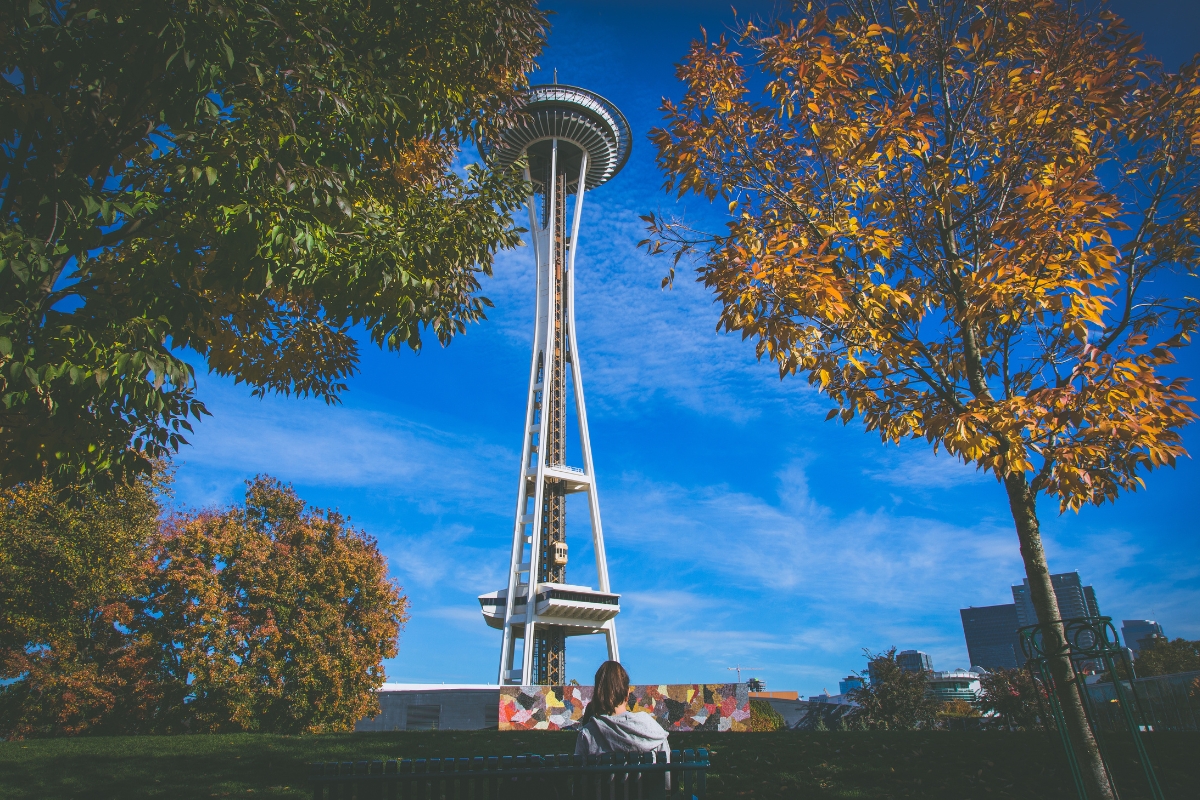
The Space Needle is without doubt the most iconic symbol of Seattle. This 184-metre-tall futuristic tower was built for the 1962 World’s Fair and remains the most photographed structure in the city to this day. From its observation deck, you’ll be treated to a stunning 360° panoramic view of the city, the harbour, the surrounding mountains, and — on a clear day — the majestic Mount Rainier.
For the brave, there’s a glass floor that lets you look straight down beneath your feet. Admission ranges from $32–37 depending on the time of day, with sunset slots being the most sought-after. I’d recommend booking your tickets in advance on GetYourGuide to skip the queues, especially during peak season.
2. Pike Place Market – The Heart of the City
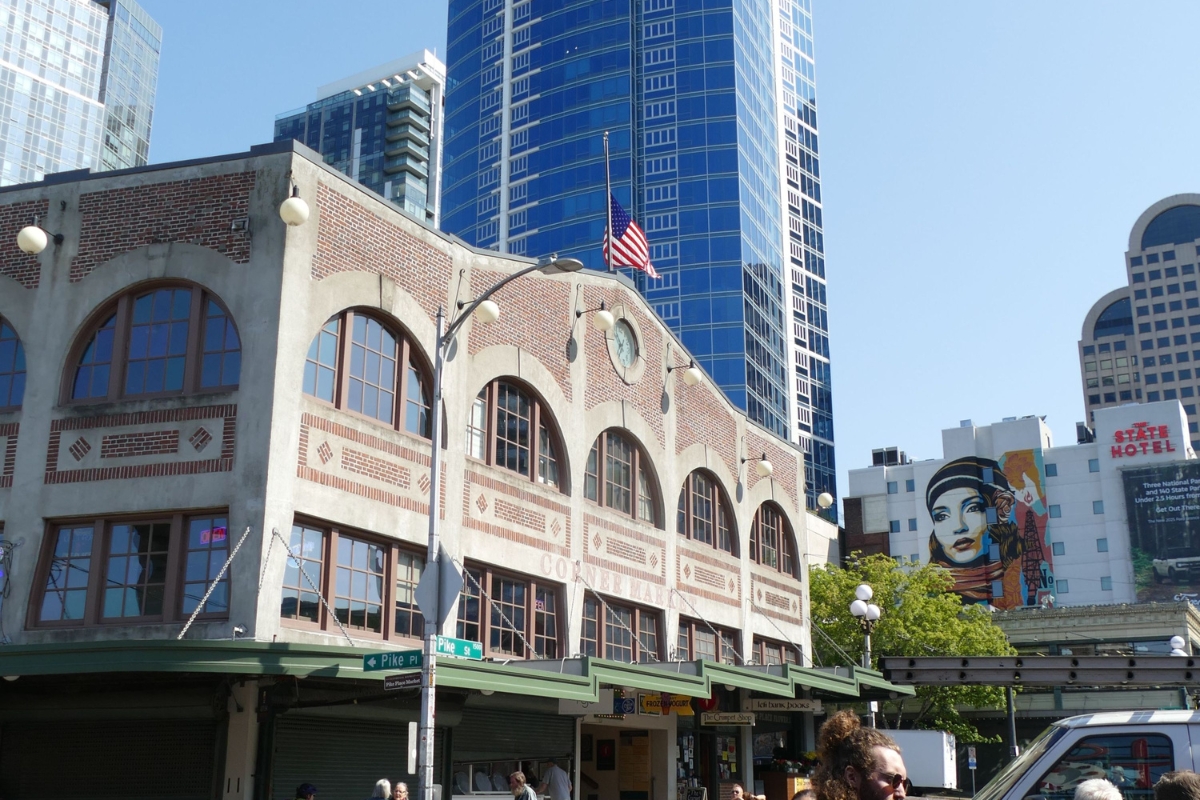
Pike Place Market is one of the oldest continuously operating farmers’ markets in the USA (since 1907) and the true heart of Seattle. Here you can soak up the authentic atmosphere of the city, watch the famous fish-throwing at Pike Place Fish Market, sample local specialities, or pick up fresh fruit and vegetables.
Don’t miss the very first Starbucks, which opened in 1971 right across from the market. Be prepared for a queue of tourists taking photos, though. Nearby, you’ll also find the quirky Gum Wall — a wall covered in thousands of pieces of chewing gum that’s become an unlikely tourist attraction.
The market is also packed with small restaurants and cafés where you can try local specialities like clam chowder (a creamy soup with clams) or fresh pastries. Head to Pike Place Chowder, for instance, where they serve one of the best versions of this soup in the city.
3. Seattle Waterfront
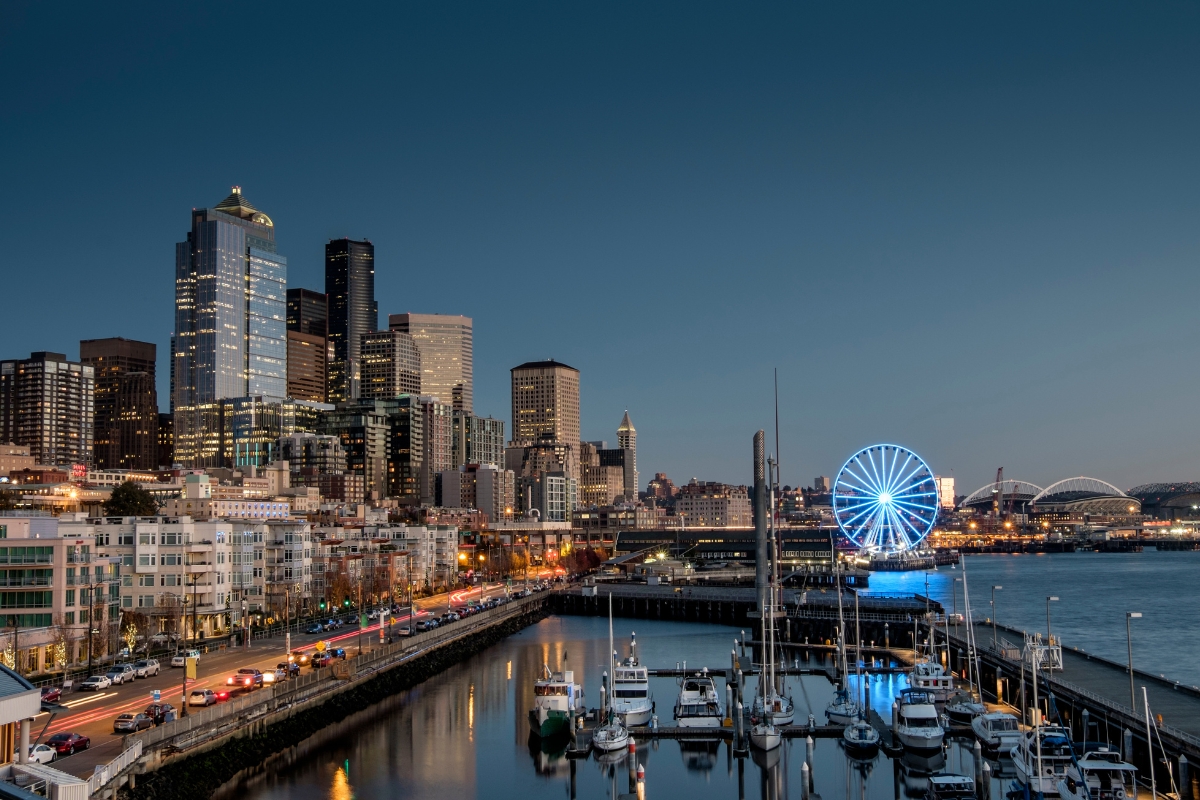
Seattle’s waterfront along Elliott Bay is a brilliant spot for a stroll with views of the ocean and the skyline of skyscrapers. On Pier 57, the Seattle Great Wheel — a giant observation wheel — offers unique views of the city and the bay. Nearby you’ll also find the Seattle Aquarium and Miner’s Landing entertainment centre with restaurants and shops.
From Pier 55, you can set out on a Harbor Cruise sightseeing boat trip around the bay. From the deck, you’ll see the city skyline with the Space Needle, and on a clear day, Mount Rainier looming in the background. The one-hour cruise costs around $30 per adult.
Another popular experience is the ferry ride to Bainbridge Island from Colman Dock. This 35-minute crossing takes you to a peaceful island with a charming little town, and the journey itself offers gorgeous scenery. A return ticket costs approximately $8.50.
4. Museum of Pop Culture (MoPOP)
Near Space Needle, you’ll find the fascinating Museum of Pop Culture (MoPOP), designed by the legendary architect Frank Gehry. The building itself is a work of art — its vibrantly coloured, undulating metal facade looks like a smashed-up guitar.
Inside, you’ll discover interactive exhibits dedicated to music, sci-fi, fantasy, horror, video games, and pop culture in general. Among the highlights are sections devoted to local music legends like Nirvana, Jimi Hendrix, and Pearl Jam, complete with original instruments and other artefacts.
Sci-fi and fantasy fans are in for a treat with impressive exhibits dedicated to Star Wars, Star Trek, and Harry Potter. The museum also hosts regular special exhibitions and interactive programmes for visitors of all ages.
5. Chihuly Garden and Glass
Just a stone’s throw from Space Needle lies Chihuly Garden and Glass, a stunning exhibition of works by world-renowned glass artist Dale Chihuly. This Washington native is famous for his monumental glass installations that combine colours and shapes inspired by nature.
The exhibition features eight galleries, a spectacular glass garden, and the impressive Glasshouse — a 12-metre-tall glass pavilion with a hanging 30-metre glass installation in shades of red, orange, and yellow. At sunset, when light streams through the coloured glass, the atmosphere inside the Glasshouse is absolutely magical.
The outdoor garden blends Chihuly’s glass creations with carefully selected plants, creating a harmonious whole that shifts with the seasons. This was one of my absolute favourite spots in all of Seattle — it’s a true feast for the eyes and the soul.
6. Pioneer Square and Underground Tours
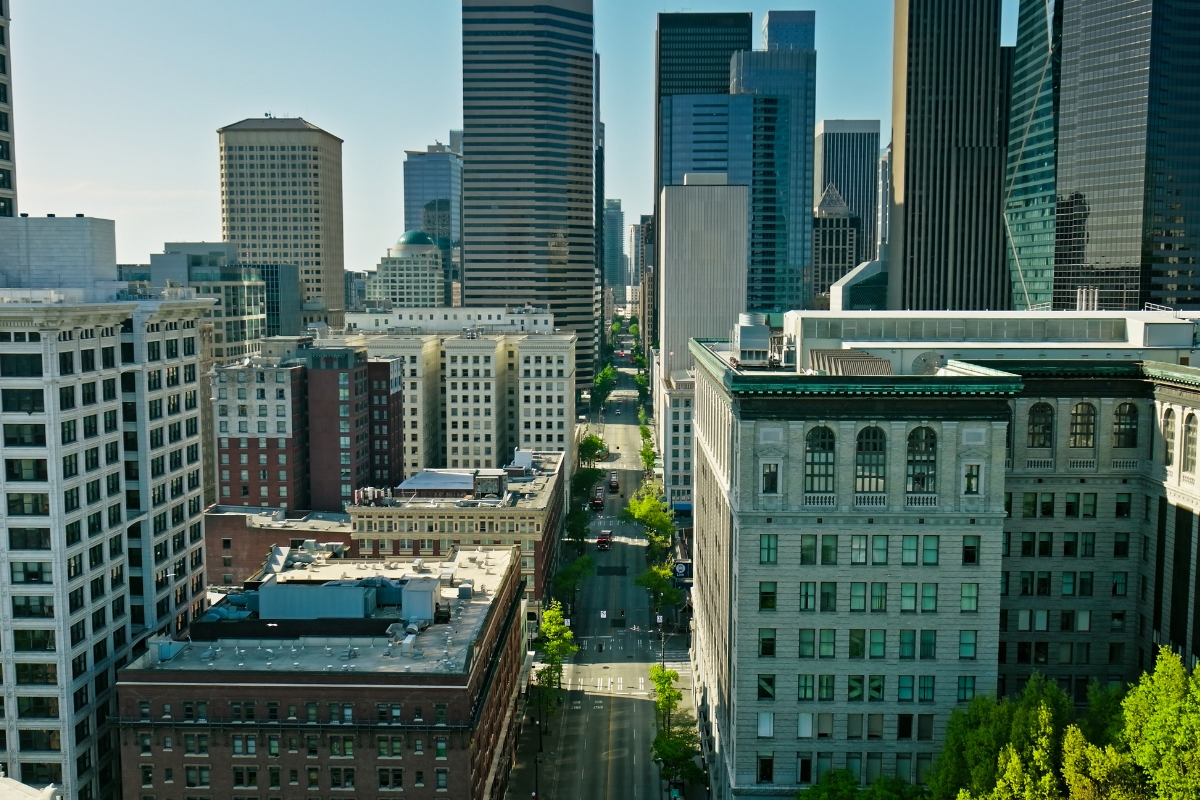
Pioneer Square is the oldest part of Seattle, filled with beautiful Victorian architecture, art galleries, and cafés. Here’s the fascinating bit: after the Great Fire of 1889, the entire area had to be rebuilt at a higher level — the original streets were buried underground.
You can explore these underground spaces on the popular Underground Tour, which takes you through a labyrinth of subterranean passages while sharing captivating stories about the city’s history. You’ll learn how Seattle literally rose from its own ashes and transformed from a wild port town into a modern metropolis.
Back on the surface, the ornate Smith Tower from 1914 catches the eye — it was once the tallest skyscraper in the western United States. Its observation deck with a Prohibition-era cocktail bar is well worth a visit, offering lovely views over downtown and the harbour.
7. Kerry Park – The Best View of the City Skyline
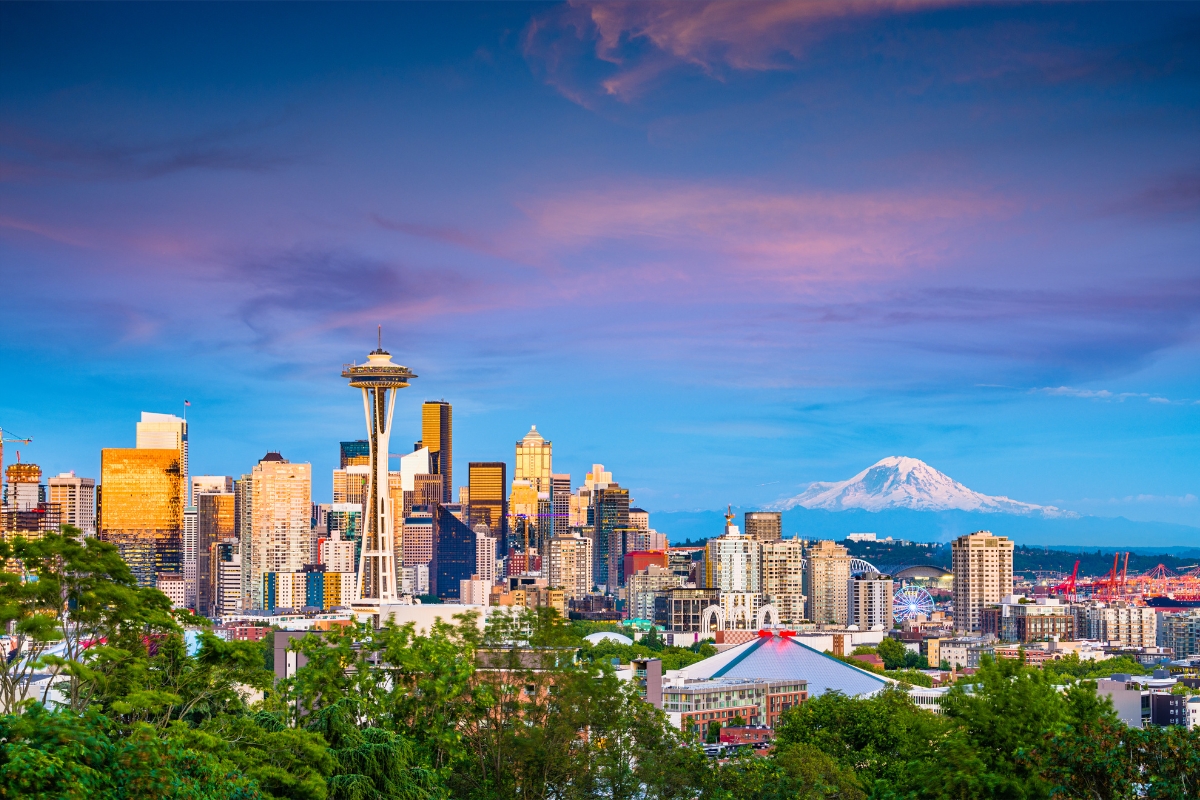
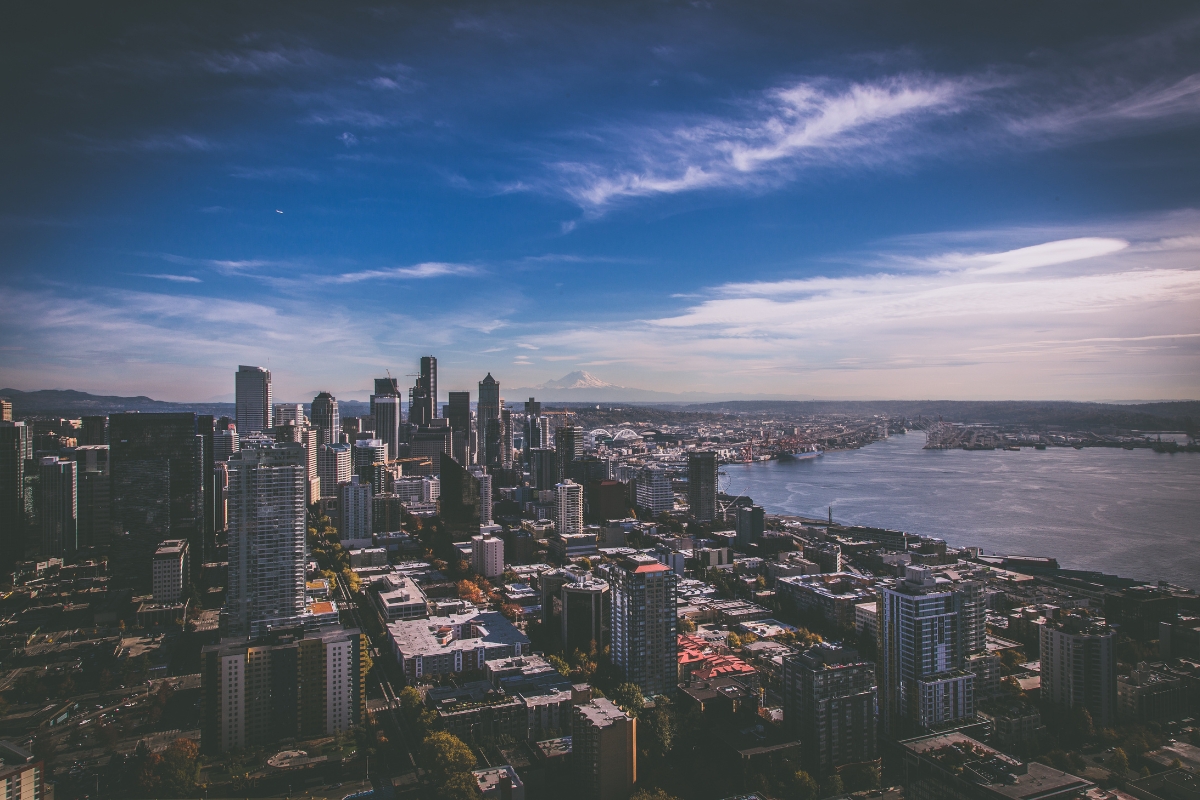
Kerry Park on Queen Anne Hill offers what many visitors and locals consider the finest view of the Seattle skyline. From this small park, you can admire the iconic silhouette of the city with Space Needle in the foreground, the downtown skyscrapers behind it, and the majestic Mount Rainier in the background (on a clear day).
It’s particularly stunning at sunset, when the sky turns golden and pink and the city lights gradually flicker to life. It’s no surprise that Kerry Park is a favourite spot for photographers and romantics alike. Entry is free, and the park is open daily from 6am to 10pm.
For an even better experience, I’d suggest arriving shortly before sunset, finding a good spot (the park gets popular at this time), and staying through blue hour, when the city is bathed in a magical blue glow.
8. Olympic Sculpture Park
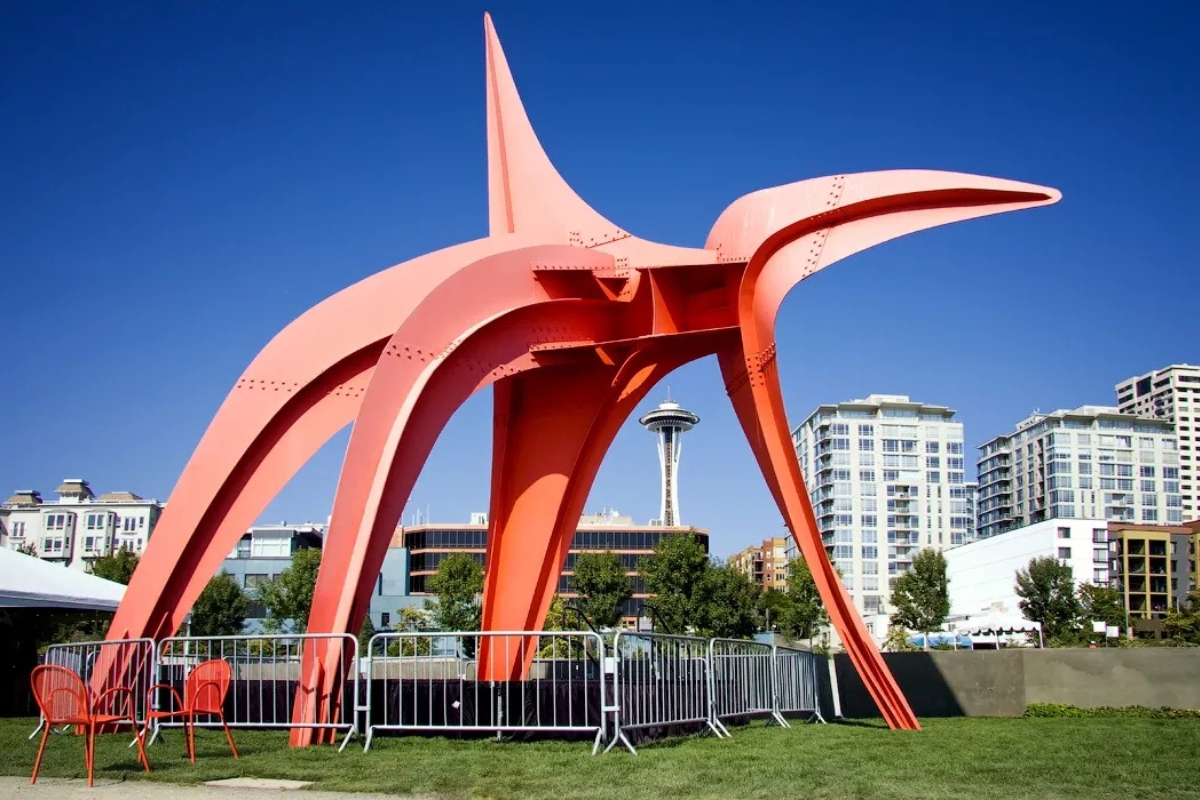
Stretching along the waterfront near the city centre, Olympic Sculpture Park is a free-access park dotted with modern sculptures and offering views over Puget Sound. This 9-acre park opened in 2007 and blends art with nature in a way that delights art lovers and those who simply want to enjoy a nice view and some fresh air alike.
Among the best-known works are the monumental red “Eagle” by Alexander Calder and “Echo” — a 14-metre white head by Jaume Plensa. The park is connected by pathways that wind between sculptures, trees, and flower beds all the way down to the shoreline.
Olympic Sculpture Park is a wonderful spot for a picnic, a rest, or just a quick stop on a waterfront walk. Entry is free, and the park is open daily from sunrise to sunset.
9. Seattle Central Library
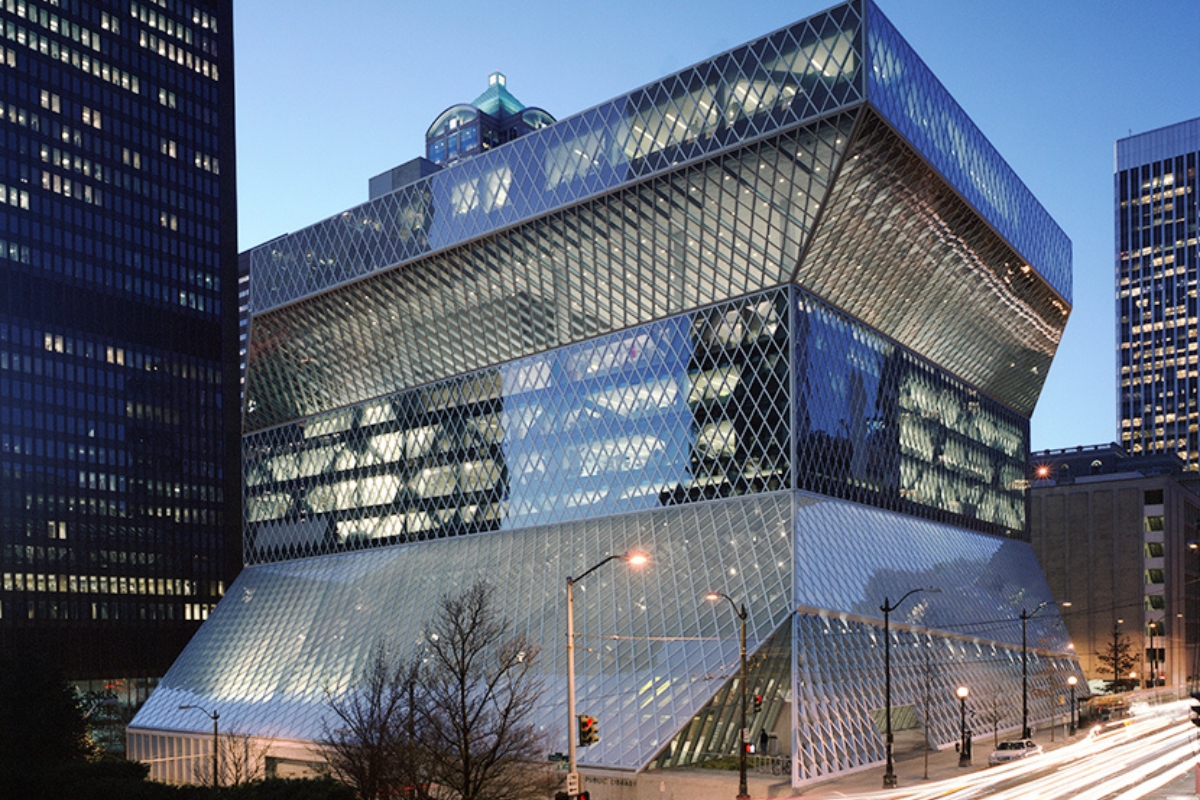
Architecture lovers will be wowed by the Seattle Central Library in downtown — a futuristic building of glass and steel designed by architect Rem Koolhaas. This 11-storey structure with its diagonal lattice facade is considered a masterpiece of modern architecture.
The interior is every bit as impressive as the exterior. Take the glass lift up to the 10th floor, where there’s a free observation area with city views. Also worth seeing is the “Book Spiral” — a four-floor spiral where books are arranged in the Dewey Decimal System in one unbroken sequence — and the dazzling red interior of the 4th floor.
The library is open daily and admission is free. Regular guided tours are also available, introducing you to the architectural details and concept behind this unique building.
10. Fremont Troll and the Artsy Fremont District
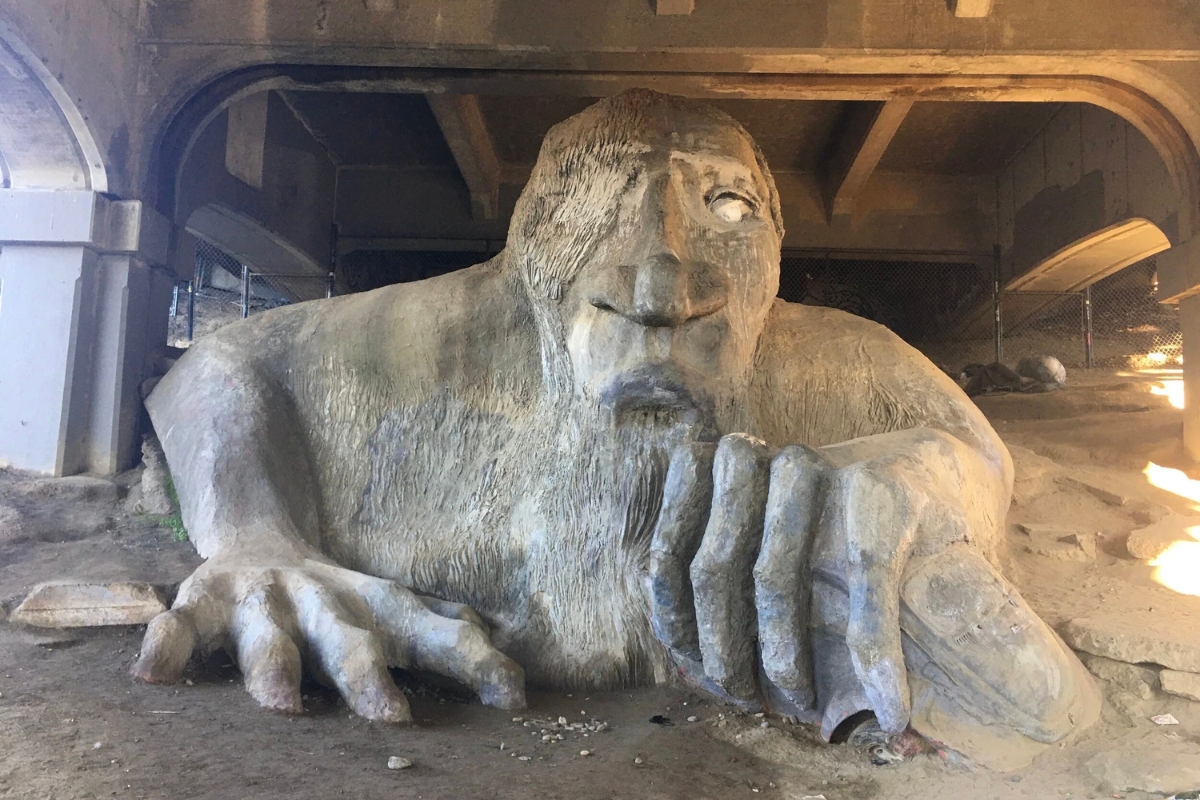
Fremont prides itself on its reputation as an artistic “republic” and is packed with quirky attractions. The most famous is the Fremont Troll — a giant troll sculpture under the Aurora Bridge, clutching a real Volkswagen Beetle. This wonderfully bizarre statue was created in 1990 and has since become the symbol of the neighbourhood.
In this bohemian part of town, you’ll also find other curious sculptures such as “Waiting for the Interurban” (a group of people waiting for a tram, regularly dressed up in various costumes by locals) and a statue of Vladimir Lenin (yes, really).
Fremont is also home to plenty of cafés, restaurants, and microbreweries. Fremont Brewing serves excellent craft beers (a pint for around $5–6) in a lovely atmosphere — visitors can help themselves to free pretzels and apples with their beer. If you’re visiting Fremont on a Sunday, don’t miss the Fremont Sunday Market — a popular flea market with food, artisan goods, and antiques.
11. Gas Works Park – An Industrial Park with a View
Gas Works Park is a unique urban park built on the site of a former gasification plant. The large rusty machines of the old factory have been preserved as industrial sculptures and a monument to the city’s industrial past.
The park sits on the shore of Lake Union and offers gorgeous views of downtown Seattle across the water. It’s a favourite spot for picnics, kite-flying (thanks to the steady breeze off the lake), and watching seaplanes land on the lake.
The hill in the centre of the park, known as “Kite Hill”, is a popular place for watching the 4th of July fireworks or simply relaxing while taking in the panoramic views. Gas Works Park is open daily from 6am to 10pm, and entry is free.
12. Ballard Locks (Hiram M. Chittenden Locks)
The Ballard Locks are a fascinating feat of engineering that connects the saltwater Puget Sound with the freshwater Lake Union and Lake Washington. Every day, dozens of vessels pass through — from small kayaks to large yachts and commercial boats.
The most captivating part is watching the locks fill and empty to equalise the water level between the sound and the lakes. Near the locks, you’ll also find a unique fish ladder where you can watch salmon migrating upstream through viewing windows, particularly during the spawning run (July–October).
The complex also includes a beautiful botanical garden with colourful flower beds and rare plants. Admission to the entire site is free, and guided tours are available to explain how this ingenious system works.
13. Columbia Center Sky View Observatory
While the Space Needle is the iconic landmark, the highest viewpoint in the city is actually at the Columbia Center — the tallest skyscraper in Washington State at 284 metres. The Sky View Observatory on the 73rd floor provides a 360° view of the city, the surrounding mountains, Puget Sound, and on a clear day, Mount Rainier.
The advantage of this observatory is that from here, you can see the Space Needle itself as part of the city panorama. What’s more, admission is lower than at the Space Needle (around $20) and the queues tend to be shorter. There’s also a café in the observatory where you can enjoy a coffee or a glass of wine with breathtaking views.
For the best experience, visit the observatory just before sunset — you’ll see the city in daylight, during the sunset, and at night when all the lights come on.
14. Washington Park Arboretum
On the eastern edge of downtown, you’ll find Washington Park Arboretum — a sprawling 230-acre park with a rich collection of trees, shrubs, and plants from around the world. The park is managed by the University of Washington and serves as both a living laboratory and a peaceful retreat for residents and visitors alike.
The park is particularly beautiful in spring, when cherry blossoms, magnolias, and rhododendrons burst into bloom. Autumn, meanwhile, puts on a spectacular show of colourful foliage. Several trails wind through the arboretum — the most popular is Azalea Way, lined with azaleas, rhododendrons, and cherry trees.
Part of the arboretum includes a Japanese Garden (small admission fee for this section), which is considered one of the finest Japanese gardens outside Japan. Designed according to traditional principles, it features ponds, bridges, a tea house, and meticulously maintained trees and shrubs.
15. Museum of Flight
For aviation and space enthusiasts, the Museum of Flight near the former Boeing factory is an absolute must. It’s one of the largest air and space museums in the world, with more than 175 aircraft and spacecraft, thousands of artefacts, millions of photographs, and numerous interactive exhibits.
Key exhibits include the first ever Boeing 747 (Jumbo Jet), Concorde (the only one on the US West Coast), the original Air Force One, and a replica of the first Boeing plane. The museum also offers flight simulators and a 3D cinema.
Part of the exhibition is dedicated to space exploration, including a genuine Space Shuttle training module. Admission is around $25 per adult, but the museum is worth every penny — you could easily spend an entire day here.
16. Pacific Science Center
The Pacific Science Center at Seattle Center is an interactive science museum that entertains and educates visitors of all ages. It features hundreds of hands-on exhibits that bring the principles of physics, biology, mathematics, and other sciences to life in a fun and engaging way.
Top attractions include a butterfly house where you can walk among freely flying tropical butterflies, and a laser show in the planetarium. The animatronic dinosaur exhibits at life size are also hugely popular.
The centre regularly screens films on its giant IMAX screen and hosts special events and science demonstrations. Admission is around $20 per adult, though you can often find discounts or combination tickets with other Seattle Center attractions.

17. Alki Beach in West Seattle
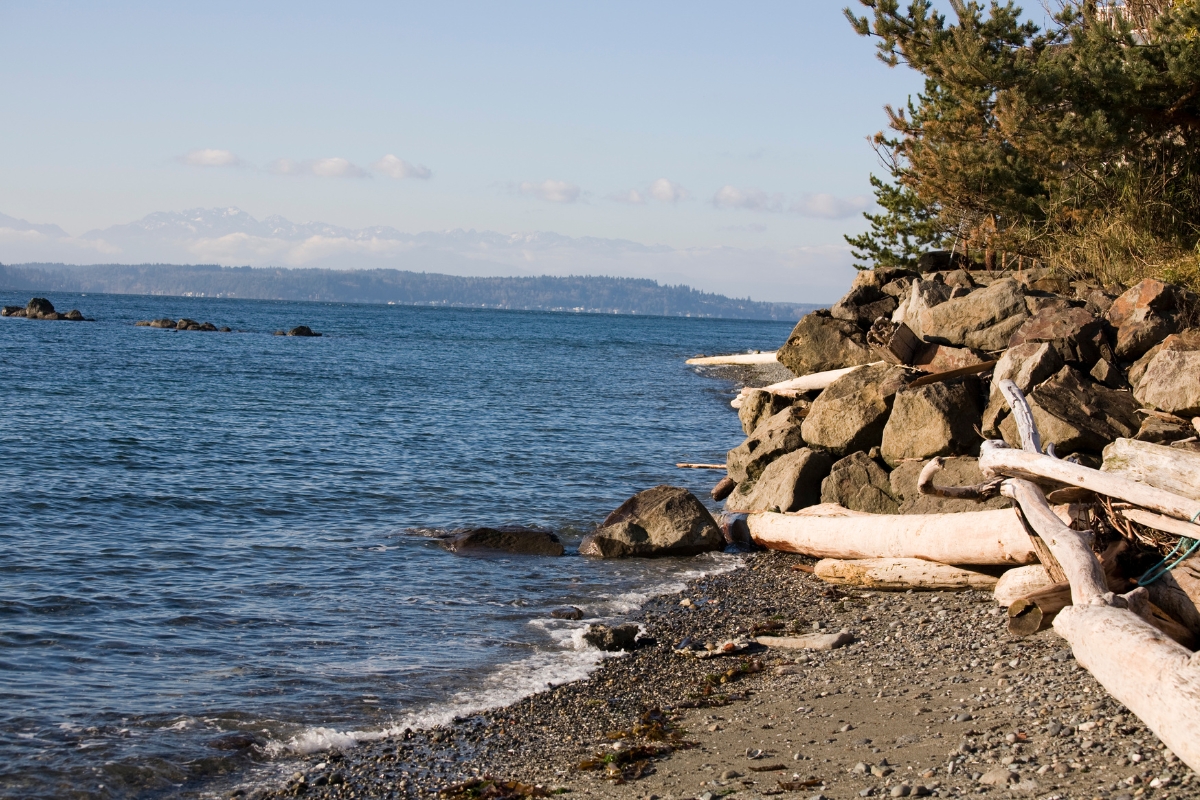
Alki Beach in West Seattle is a favourite spot for relaxing by the water. This 2.5-mile-long beach with its promenade offers stunning views of downtown Seattle across Elliott Bay. It’s a great place for walks, cycling, beach volleyball, or simply sitting back and soaking up the view.
Although it’s a “beach,” swimming is more of a token gesture given the chilly waters of Puget Sound. In summer, however, Alki becomes a social hub, with a string of restaurants, cafés, and bars with outdoor seating lining the promenade.
Alki Beach is at its most beautiful at sunset, when the sun dips behind the Olympic Mountains to the west and downtown Seattle is bathed in golden light. You can easily get to the beach by water taxi from downtown (a lovely experience in itself) or by car via the West Seattle Bridge.
18. Chinatown-International District
The Chinatown-International District is a vibrant neighbourhood where Chinese, Japanese, Vietnamese, Filipino, and other Asian cultures blend together. It’s a fantastic place for sampling authentic Asian cuisine, exploring specialist shops, and learning about the rich history of Seattle’s Asian communities.
Visit Uwajimaya, a massive Asian supermarket with a food court where you’ll find everything from fresh sushi and bubble tea to exotic fruit. The Wing Luke Museum tells the story of Asian American history and culture through compelling exhibits and guided tours of the historic district.
In February, the colourful Lunar New Year Festival fills the streets with dragons, lions, music, and dancing. Year-round, you can also visit the Kubota Garden (a bit further south) — a hidden gem that blends Japanese garden artistry with Pacific Northwest plants.
19. Capitol Hill – The Nightlife Hub
Capitol Hill is a trendy neighbourhood bursting with bars, cafés, and vintage shops, and it serves as the centre of Seattle’s nightlife and LGBTQ+ community (you’ll spot it by the rainbow crossings on the streets). During the day, browse the boutiques on Broadway or pop into Elliott Bay Book Company — a renowned independent bookshop with a café.
After dark, Capitol Hill transforms into an entertainment hub. Neumos hosts live alternative music gigs, while Cha Cha Lounge and Unicorn offer a unique vibe with arcade games and eccentric décor. Wine lovers should check out Poco Wine Room, while beer fans will appreciate The Pine Box — a craft beer bar housed in a converted former funeral home.
The neighbourhood is also a foodie’s paradise — you’ll find everything from upscale restaurants to street food. Don’t miss Melrose Market, a smaller version of Pike Place with artisan shops, restaurants, and an oyster bar.
20. Ferry to Bainbridge Island
The ferry ride to Bainbridge Island is one of the best excursions from downtown Seattle. The 35-minute crossing offers gorgeous views of the Seattle skyline, Puget Sound, and the surrounding mountains. The ferry costs around $8.50 per person (return) and runs every hour.
Once you arrive, the charming little town of Winslow awaits with galleries, boutique shops, and restaurants, all within walking distance of the terminal. I’d recommend visiting the Bainbridge Island Museum of Art (free entry), tasting wine at a local winery, or strolling to Eagle Harbor Waterfront Park.
For more active visitors, bike hire is available so you can explore more of this 17-square-mile island. Also worth a visit is the Bloedel Reserve — a 150-acre garden with forests, ponds, and formal gardens (admission $20).
21. Mount Rainier National Park (Full-Day Trip)
Mount Rainier, a majestic stratovolcano rising to 4,392 metres (14,411 ft), is visible from Seattle on clear days and offers one of the best full-day trips from the city. Mount Rainier National Park is approximately 2–3 hours’ drive away and features spectacular alpine meadows, glaciers, and dozens of hiking trails.
For a day visit, I’d recommend the Paradise area on the mountain’s southern slope. From here, the popular Skyline Trail — a roughly 6-mile loop — takes you to Panorama Point with views of Mount St. Helens and Mount Adams. In summer, wildflowers blanket the meadows and you might spot marmots or herds of elk.
Park entrance costs $30 per vehicle (valid for 7 days). On peak-season weekends, queues can form at the gates — set off early in the morning. Keep an eye on the forecast too, as Rainier’s summit is often shrouded in cloud. But on a clear day, it’s an absolutely unforgettable experience.
22. Olympic National Park (Full-Day Trip)
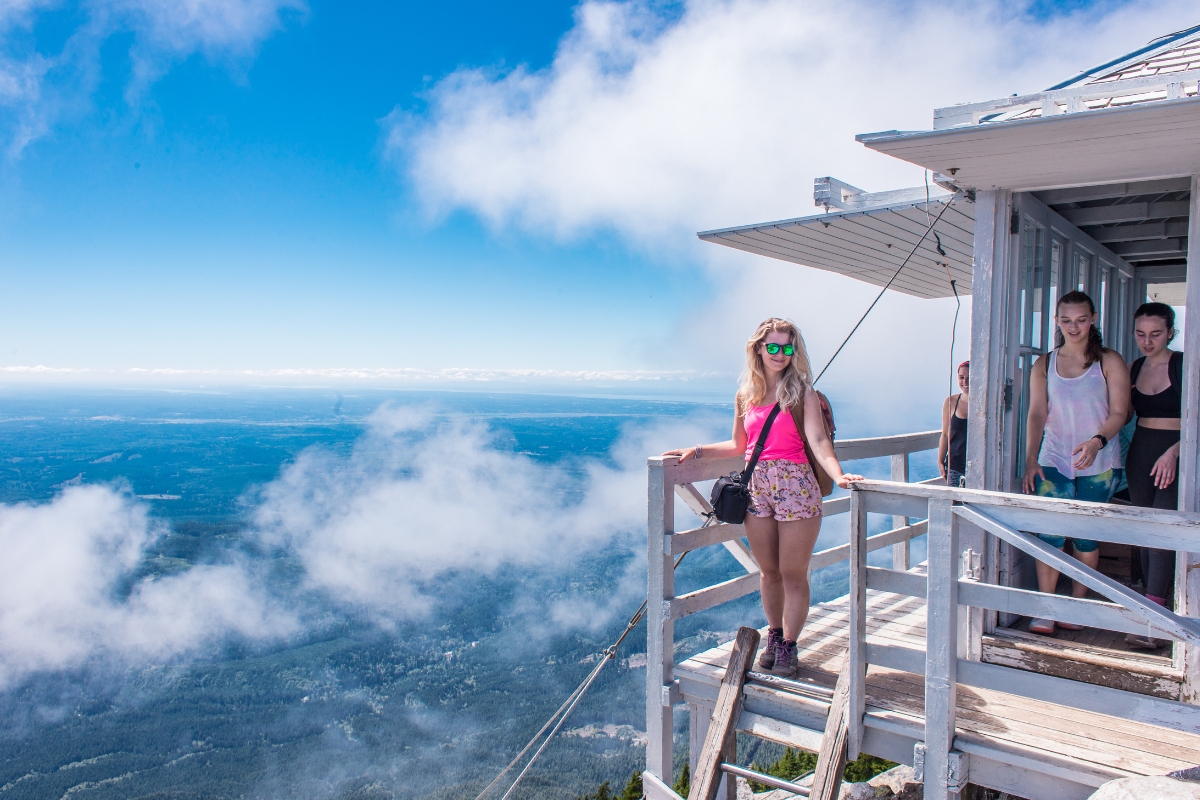
To the west of Seattle lies the vast Olympic National Park, a biosphere reserve encompassing snow-capped peaks, rainforests, and wild Pacific coastline. For a day trip, you can manage Hurricane Ridge — a mountain ridge with a scenic drive and visitor centre above the town of Port Angeles.
The journey from Seattle takes around 3 hours, including a 30-minute ferry crossing over Puget Sound. From Hurricane Ridge, try the short Hurricane Hill Trail — an easy paved path with sweeping views of the Olympic range and, on a clear day, all the way to Canada and the Cascades.
On the way back, you can stop at the turquoise glacial Lake Crescent and nearby Marymere Falls. Park entrance is $30 per vehicle. For a longer trip (2–3 days), I’d also recommend visiting the Hoh Rainforest (a unique temperate rainforest) and the coastal beaches at Rialto or La Push.
23. Snoqualmie Falls (Half-Day Trip)
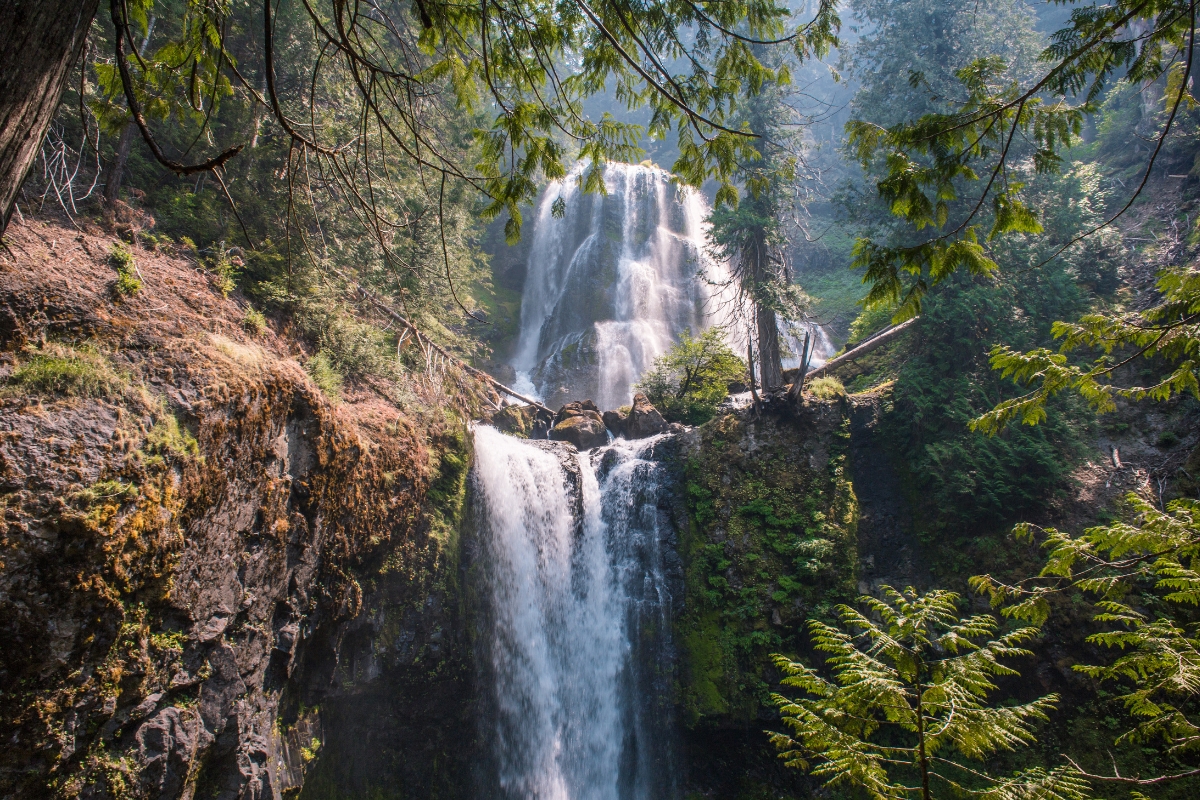
Less than an hour east of Seattle lies the picturesque Snoqualmie Valley with the impressive Snoqualmie Falls. This 82-metre (268 ft) waterfall, famous as the opening shot of the TV series Twin Peaks, is one of the most visited natural attractions in Washington State.
There’s a viewing platform by the falls (free entry) and a short trail down to the base. Perched on the cliff above the waterfall is the historic Salish Lodge & Spa, where you can enjoy lunch with a view or treat yourself to a spa treatment.
You can combine the trip with a visit to the town of Snoqualmie and its railway museum, or with a short hike in the area. Popular trails include Rattlesnake Ledge (5 miles round trip, with lake views) or the more challenging Mount Si for fitter hikers.
24. Winery Visits in Woodinville
Surprisingly, just 30 minutes from Seattle lies Woodinville — a wine country hub with more than 100 wineries and tasting rooms. While most of the grapes are grown in eastern Washington, many winemakers bring their products closer to the city’s consumers.
Woodinville is divided into four wine districts: Hollywood District (home to flagship estates like Chateau Ste. Michelle), Warehouse District (smaller family-run wineries), Downtown, and West Valley. You can join an organised tasting tour or explore the area at your own pace.
Beyond wine, Woodinville also boasts several craft breweries, distilleries, and excellent restaurants using local produce. It’s a wonderful way to enjoy a countryside atmosphere and superb Washington wines without a long journey.
25. Catch a Seattle Seahawks or Mariners Game
Seattle has a passionate sports culture, and attending a game can be an unforgettable experience. The NFL’s Seattle Seahawks play at Lumen Field, where fans known as the “12s” create one of the loudest atmospheres in American football. The season runs from September to January.
The baseball team Seattle Mariners play at T-Mobile Park from April to October. The stadium is renowned for its excellent architecture and panoramic views of downtown. Even if you’re not a die-hard sports fan, the stadium atmosphere, local food and drinks, and the social experience make it well worthwhile.
Seattle also has an NHL ice hockey team, the Seattle Kraken, who play at the renovated Climate Pledge Arena. It’s best to buy tickets in advance, especially for Seahawks games, which frequently sell out.
Map of points of interest for your phone
Getting Around Seattle and Beyond
Seattle has a well-functioning public transport system and is friendly to both pedestrians and cyclists, so you really don’t need a car in the city. Here are your main options for getting around:
Public Transport – Getting Around the City
The backbone of Seattle’s public transport is the bus network (King County Metro) and the Link Light Rail. The Link is a rapid transit line connecting downtown with neighbourhoods to the north (University District, North Seattle) and, crucially, with the airport to the south — the journey to/from Sea-Tac Airport takes around 30 minutes and costs just $2.75.
A standard fare is $2.75 for 2 hours within the city (including transfers). You can buy tickets from machines at Link stations or from the bus driver (cash only, exact change required). A more modern option is the Transit GO Ticket mobile app, where you can purchase tickets online.
A fun quirk is the Monorail from 1962, which shuttles between Seattle Center (near Space Needle) and Westlake shopping centre downtown. A ride costs $3.50, and it’s more of a tourist attraction than serious transport, but it’s handy for a quick hop from downtown to the Space Needle.
Free Waterfront Shuttle – Free Along the Waterfront
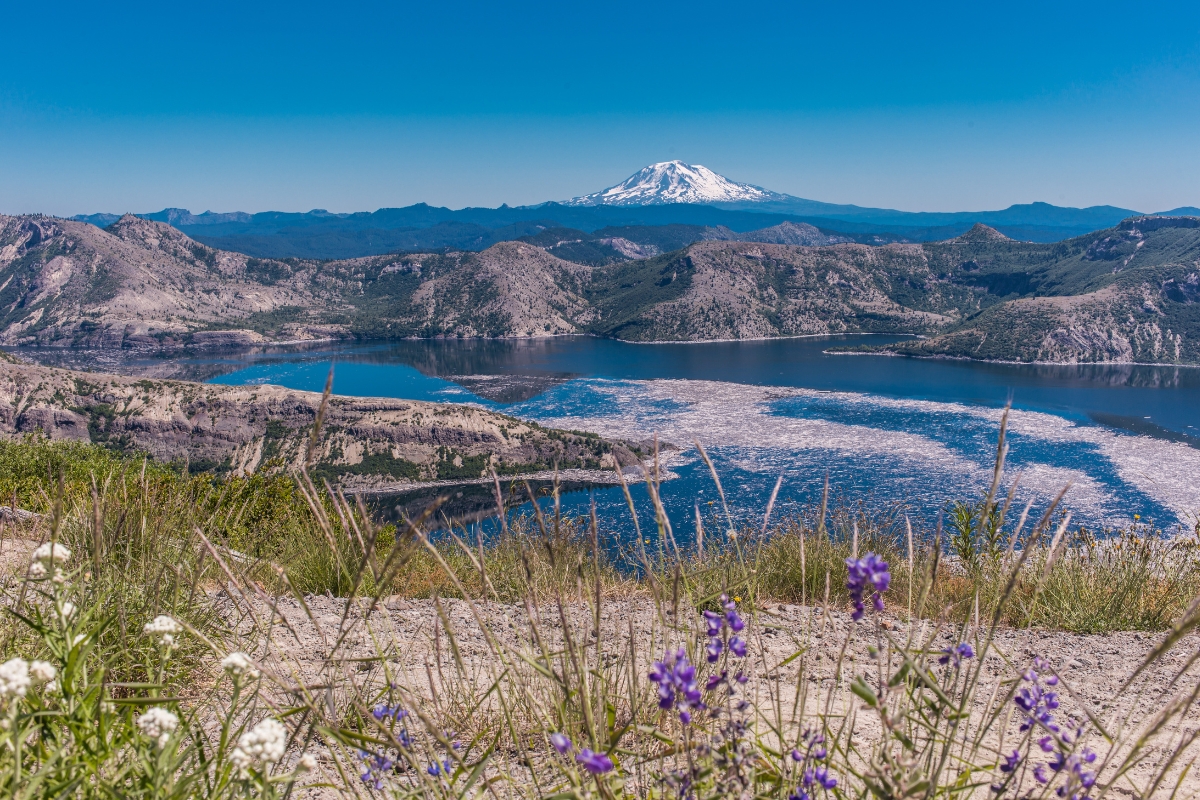
A seasonal bonus for tourists is the Free Waterfront Shuttle — a complimentary hop-on, hop-off bus along the waterfront. It typically runs in summer (usually May to September), daily from around 10am to 8pm. The shuttle runs from Seattle Center/Space Needle along the waterfront (Piers 56/62/69) to Pioneer Square and the stadiums at the south end of downtown, departing every 15 minutes or so.
It’s a brilliant way to move between the main tourist spots for free — the shuttle is air-conditioned, wheelchair-accessible, and dog-friendly. In the evenings, it even adds a special loop around the downtown hotels.
On Foot, by Bike, or by Scooter
Downtown Seattle is fairly compact, and many sights can be reached on foot. Be warned, though — the city is hilly (the First Hill and Queen Anne areas in particular will give your calves a workout). Pedestrian crossings are well respected, but expect longer traffic light cycles at the wider junctions.
Seattle has invested in cycle lanes and paths — for example, around Lake Union or across to West Seattle. Hiring a bike or electric scooter is easy thanks to shared services like Lime, Veer, and Bird. Everything works through mobile apps — unlocking costs around $1 with a per-minute rate of roughly $0.25.
Taxis, Uber, and Lyft
Traditional taxi services (Yellow Cab and others) operate in Seattle, but locals tend to use Uber and Lyft more frequently. Both cover the city reliably — a ride from downtown to the airport costs around $40–50 (depending on traffic), while shorter trips around the city typically range from $10–20.
The advantage of Uber/Lyft is that you summon them via the app wherever you are, with no need to hail a cab on the street. Another option in the city centre are pedicabs, which offer rides to tourists in summer — though treat these more as a novelty experience than serious transport.
Car Hire and Parking
If you’re planning trips outside the city, hiring a car may come in handy. Car rental in Seattle is available both at Sea-Tac Airport and at numerous city-centre locations. Prices vary by season — summer is the most expensive. As a rough guide, expect to pay around $50–100 per day for a standard car when booked in advance.
Worth noting: hiring directly at the airport tends to be significantly more expensive due to airport surcharges — on average 18% higher than city-centre branches. A weekly rental there works out roughly $86 more. If your itinerary allows, you can save by taking the Link Light Rail from the airport to downtown (just $3) and picking up the car in the city instead.
Parking in downtown Seattle is metered and fairly pricey. Street parking is generally paid Monday to Saturday, typically 8am–8pm. Street parking rates are around $2–4 per hour depending on the area. Sundays and public holidays are free.
In the centre, public car parks are often better value, especially for longer stays. The city has partnered with operators to create the “Downtown Parking” programme — several garages near Pike Place and the waterfront offer discounted rates of $3–4/hour for up to 4 hours. Many garages in the business district also offer evening and weekend flat rates of around $7 for the whole night or day.
Where to Eat in Seattle
Seattle is a culinary hotspot — thanks to its proximity to the sea, fresh seafood takes centre stage, while the city is also a haven for café culture, craft breweries, and innovative gastronomy. You’ll find everything from street food stalls to fine dining with views.
Seafood and Local Specialities
In Seattle, you absolutely must try the local salmon, which ranks among the best in the world — it’s often served grilled or smoked on a cedar plank. The oysters are also renowned (particularly those from nearby Hood Canal).
A classic local speciality is clam chowder — a thick, creamy soup with clams and potato; one of the best is allegedly served at Pike Place Chowder right on Pike Place Market (a regular award winner). Seafood lovers should head to Elliott’s Oyster House on Pier 56 (wide selection of oysters and bay views) or the legendary Ivar’s (a local chain dating back to the 1930s).
For cheaper seafood, try fish and chips at one of the stalls on the market or along the waterfront. Crab cakes and grilled prawns are also popular at many waterfront eateries.
International Cuisine
Seattle is a multicultural city, so you’ll find authentic Asian food everywhere — head to Chinatown for dim sum (try Jade Garden), Little Saigon for excellent Vietnamese phở, or Japantown for sushi and ramen (Sushi Kashiba near Pike Place is a standout).
For outstanding Thai food, try Bangrak Market or the vegetarian Thai restaurant Araya’s Place (fully vegan menu). For Mexican street food, grab tacos at the taquería Los Agaves in Ballard, or browse the Latin American stalls at Pike Place Market.
European classics are represented by the French restaurant Maximilien (romantic dining with Elliott Bay views) or the Italian bistro Serious Pie (famous for its pizzas). And of course there’s American comfort food too — a burger at the iconic Dick’s Drive-In (a beloved retro fast-food joint) or proper BBQ at the acclaimed Jack’s BBQ.
Vegetarian and Vegan Options
Seattle is brilliantly accommodating for plant-based diners. Among the most celebrated vegetarian restaurants are Cafe Flora (an institution running for over 30 years, with creative vegetarian dishes and a beautiful interior with a winter garden) and Plum Bistro on Capitol Hill — a stylish spot serving a 100% vegan menu.
Also worth a mention are Harvest Beat in Wallingford, which serves a seasonal vegan five-course tasting menu, and Wayward Vegan Café (diner-style, hearty breakfasts, burgers — all plant-based). Pi Vegan Pizzeria in the U-District was even the first fully vegan pizzeria in the USA.
Most mainstream restaurants in Seattle also have vegetarian-friendly options, and finding good food as a vegetarian or vegan is no problem at all — the choice is genuinely impressive.
Coffee and Cafés in Seattle
Seattle is the birthplace of Starbucks, but definitely don’t stop there — the city has one of the best café scenes in the world. Beyond the symbolic visit to the first Starbucks near Pike Place (brace yourself for a queue), explore the local roasters.
You’ll find outstanding coffee at Storyville Coffee (right above Pike Place Market), Victrola Coffee (Capitol Hill), Caffe Ladro, or Milstead & Co. in Fremont. A special mention goes to the Starbucks Reserve Roastery on Capitol Hill — a premium roastery and café in one, where you can taste rare coffees prepared in various styles.
In Seattle, lingering with a cup of coffee and watching the world go by is something of a local pastime — especially on rainy days, when the city’s cafés become a second living room for Seattleites.
Breweries and Drinks
An evening in Seattle often involves a glass of craft beer — the Pacific Northwest is famous for its craft beer scene. The city alone is home to dozens of microbreweries: highlights include Fremont Brewing (popular beer garden, pints from the tank for around $5–6), Pike Brewing Co. (right by Pike Place Market, with a small beer museum), and Elysian Brewing (famous for its pumpkin beer).
Beyond beer, Seattle is also known for its cocktail bars. Rooftop bars with views are especially worth visiting, such as The Nest at the Thompson Hotel, or the historic bar at the Smith Tower Observatory, decked out in Prohibition-era style.
What to Watch Out for in Seattle
Seattle is generally a safe and pleasant city for travellers. That said, it’s worth keeping a few practical things in mind to ensure your trip goes smoothly.
Safety in the City
Like other large cities, Seattle has some issues with homelessness and drugs in the city centre. The main tourist areas such as the Waterfront, Pike Place Market, Seattle Center, and so on are safe and well-patrolled — even in the evenings, there are plenty of people around along with private security.
However, you may occasionally encounter homeless individuals or people under the influence of drugs, particularly around 3rd Avenue and Westlake Park downtown. These blocks aren’t outright dangerous, but they can feel uncomfortable. It’s advisable to avoid isolated or poorly lit areas at night — for instance, parts of Pioneer Square in the late hours.
If you stick to the main streets and tourist areas, the risk of incidents is minimal. As anywhere, don’t leave valuables unattended and keep an eye out for pickpockets in crowds (e.g. at Pike Place Market). Theft, however, is relatively uncommon.
Weather and What to Wear
Seattle is famously rainy, so even in summer, keep a lightweight waterproof jacket or at least a compact umbrella to hand. The rain is usually a gentle drizzle, but it can last all day. In winter, bring warm clothing — the damp cold at around 5°C (41°F) has a real bite to it.
Layering is key — it might be raining at 10°C (50°F) in the morning, then the sun comes out and it’s suddenly 20°C (68°F) by afternoon. For mountain hikes, equip yourself with sturdy footwear, a windproof jacket, and a spare layer at all times, as mountain weather changes even faster.
In summer, there’s an occasional risk of poor air quality from wildfire smoke in the region. If this happens, check local news and health advisories — strenuous outdoor activities are not recommended when pollution levels are high.
Traffic Tips
Rush hours are on weekdays around 7–9am and 4–6:30pm, when traffic jams build on the motorways (I-5 running through the city and I-90/I-405 heading east). Plan extra time for journeys during these hours.
The city centre has many one-way streets — using GPS navigation is a good idea to avoid unnecessary loops. It’s also important to watch for bus lanes and tram tracks — some lanes downtown are reserved for public transport only. As mentioned, the entire length of 3rd Avenue downtown is buses and trolleybuses only from 6am to 7pm.
When parking on the street, pay close attention to signage — especially the “Peak Hour” no-parking restrictions on main routes, where stopping during rush hour is prohibited. These are strictly enforced, and your car would be towed immediately.
Rules and Local Customs
Recreational marijuana is legal in Washington State (21+), but only in private spaces. Smoking or consuming any drugs in public (including marijuana) is illegal and can result in a fine. Cannabis products can be purchased at licensed dispensaries, but keep in mind that you cannot bring them into or out of the USA.
In restaurants and bars, a tip of around 15–20% of the bill is expected, unless a service charge has been automatically added. Wait staff in the US often earn only the minimum wage and rely on tips. In some cafés and fast-food spots, the tablet at the till may also prompt you to leave a small tip — it’s not compulsory, but it’s appreciated when the service is good.
Alcohol is sold only to those aged 21 and over — shops may ask to see your ID, and bars may not let you in without it in the evening.
Frequently Asked Questions
How do I get from the airport to downtown Seattle?
The Link Light Rail runs from Sea-Tac Airport to downtown Seattle. The journey takes approximately 30 minutes and a ticket costs 2.75 USD. Trains run every 8-10 minutes during peak hours, making it the most economical transportation option. Alternatively, you can take a taxi or Uber/Lyft (around 40-50 USD) or an airport shuttle bus.
How many days do I need to explore Seattle?
If you want to see the main highlights, 2-3 days will suffice. However, if you’d like to visit nearby national parks or take day trips outside the city, I’d recommend at least 5-7 days.
How expensive is Seattle?
Seattle is one of the pricier American cities, but because it’s large, if you book accommodation in advance and choose your restaurants wisely, it’s not as bad as you might think.
Tips and Tricks for Your Vacation
Don’t Overpay for Flights
Search for flights on Kayak. It’s our favorite search engine because it scans the websites of all airlines and always finds the cheapest connection.
Book Your Accommodation Smartly
The best experiences we’ve had when looking for accommodation (from Alaska to Morocco) are with Booking.com, where hotels, apartments, and entire houses are usually the cheapest and most widely available.
 🚗 Car rental on the roadVerified rental cars in the United States
Search with the DiscoverCars comparison engine — it compares prices from dozens of local and international rental companies, and most bookings come with free cancellation.
Compare car prices in the United States →Don’t Forget Travel Insurance
Good travel insurance will protect you against illness, accidents, theft, or flight cancellations. We’ve had a few hospital visits abroad, so we know how important it is to have proper insurance arranged.
Where we insure ourselves: SafetyWing (simple monthly subscription) and TrueTraveller (for extra-long trips).
Find the Best Experiences
Get Your Guide is a huge online marketplace where you can book guided walks, trips, skip-the-line tickets, tours, and much more. We always find some extra fun there!