If you’re thinking about a trip to northern Portugal, I completely understand — and I have to say that the Douro Valley Portugal is a place that will absolutely take your breath away. ☺️ Picture steep hillsides blanketed with endless rows of grapevines, a lazy river carving its way through a deep canyon, and centuries-old wine estates where port wine slowly matures in cool cellars. This region is raw, photogenic, and incredibly authentic, so if you’re looking for the true heart of Portugal, you’ve found it.
In this article, you’ll find exactly 14 things to see and do in the Douro Valley to make the most of your visit. I’ll share advice on how to get around, where to find the most enchanting places to stay, and what to watch out for when tasting the local fortified wine. You’ll also discover why it’s best to leave your high heels at home and how to plan a smart trip from Porto — whether you opt for a scenic train ride or a romantic river cruise.
TL;DR
- Oldest demarcated wine region: The Douro Valley is a UNESCO World Heritage Site where grapes are grown on steep slate terraces, with all work still done by hand.
- Train from Porto: The Linha do Douro railway is ranked among the most beautiful train journeys in the world, with the best river views between Peso da Régua and Pinhão.
- River cruises: Choose a full-day cruise from Porto passing through massive lock gates, or a shorter one-hour cruise on a traditional rabelo boat from the town of Pinhão.
- Stay at a winery: Sleeping at a working vineyard estate — known as a quinta — is the most authentic experience the region has to offer.
- When to visit: September is the most magical time, when the traditional grape harvest takes place and you can even try stomping grapes with your bare feet.
- Beware of port wine: This fortified wine packs 20% alcohol and is deceptively sweet — make sure to drink plenty of water between tastings.
The full destination guide: Portugal — guide and what to see
Douro Valley Portugal Weather: When to Visit
This is an absolutely crucial question, because the weather in northern Portugal can be quite fickle and very different from the sun-drenched south. The best time to visit is without a doubt September and October, when the entire valley transforms into stunning autumn colours and the famous grape harvest is in full swing. Temperatures during this period hover around a very pleasant 20 to 25°C, which is ideal for sightseeing and lingering on terraces overlooking the vineyards.
If you’re planning a summer visit, brace yourself — the valley acts like a giant natural furnace. In July and August, temperatures regularly push past 40°C, and because the vines grow on steep slate slopes, the sun bounces relentlessly off the stone. During these months, I’d recommend scheduling all activities for early morning and spending your afternoons by the pool with a chilled glass of white wine — otherwise the heat will drain you fast.
Spring between March and May offers beautifully green, blooming landscapes, but you’ll need to be prepared for changeable weather and frequent showers. Winter from November to February is damp, chilly, and windy, so if you visit during this period, definitely pack a good waterproof jacket and a sturdy umbrella. The green hills of northern Portugal aren’t green by accident — Atlantic weather fronts bring plenty of rainfall throughout the cooler months.
Douro Valley Portugal Hotels: Where to Stay
💡 Accommodation & experiences tip: We usually search for accommodation on Booking.com, which tends to have the best cancellation policies. For tickets, tours, and activities, it’s worth comparing options on GetYourGuide.
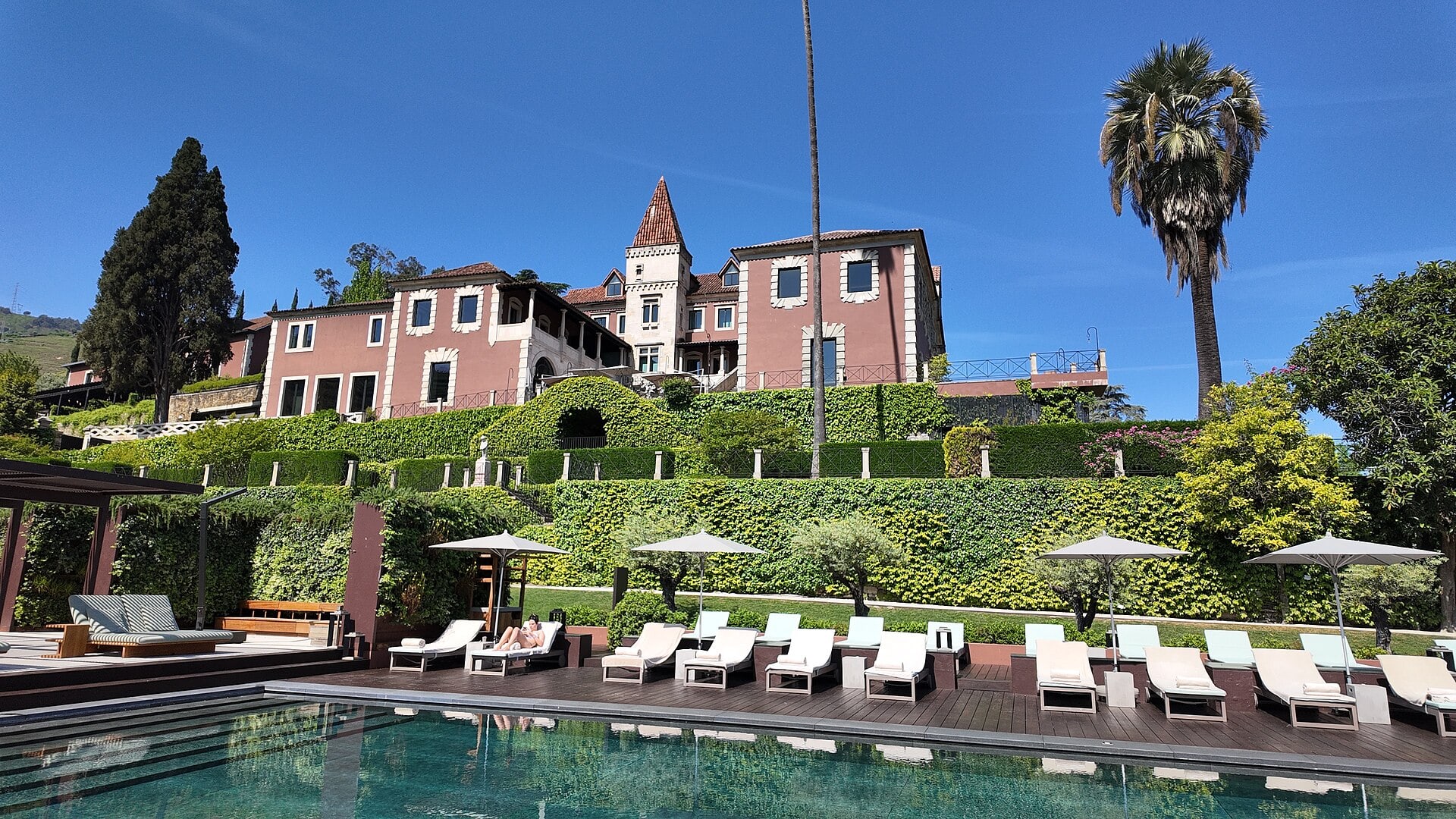
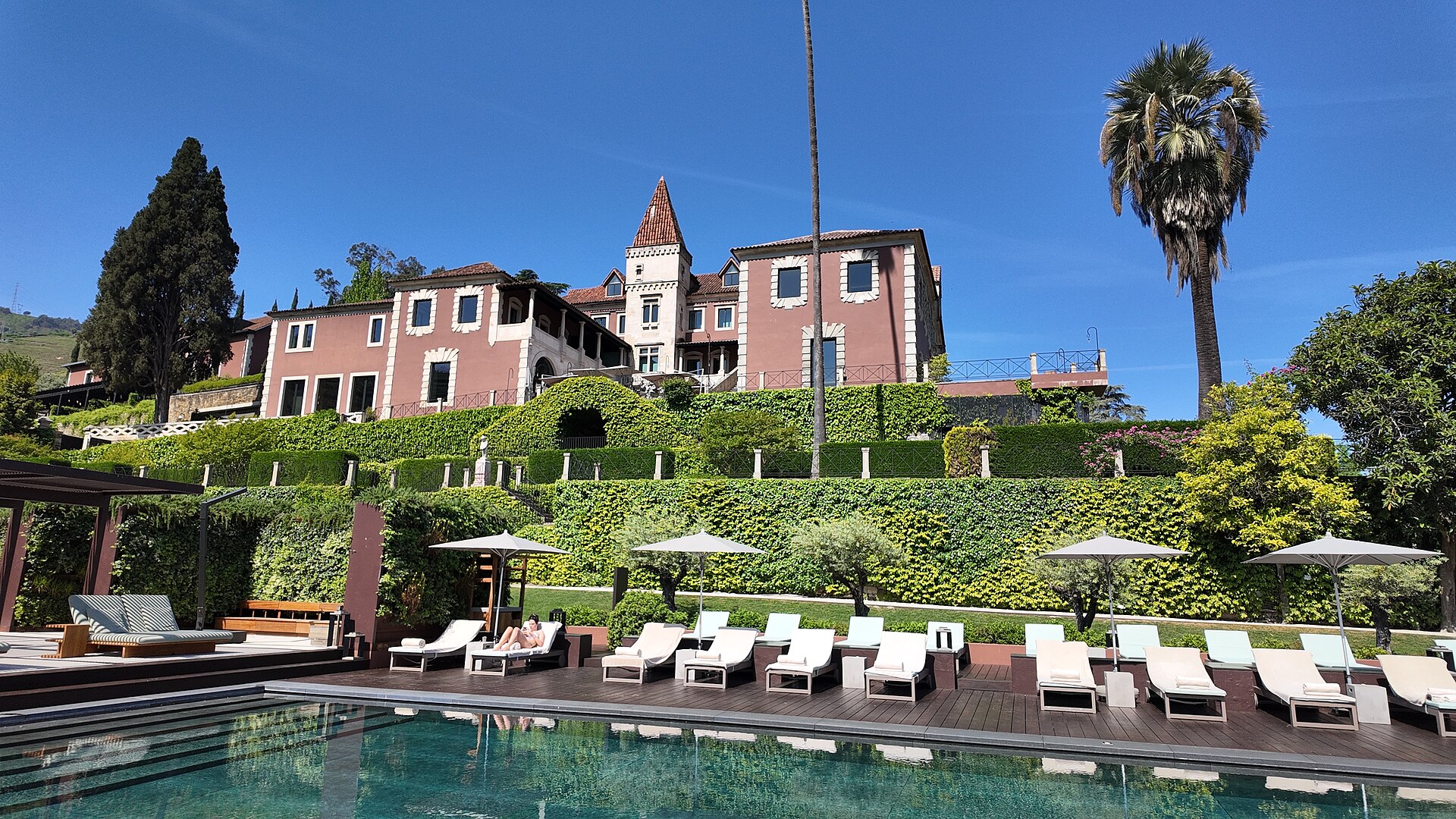
If you want to experience true romance and soak up the atmosphere of the region, staying at a working wine estate is an absolute must. These estates are called quintas, and many have been transformed into gorgeous boutique hotels offering complete tranquillity, luxurious pools overlooking the terraces, and evening tastings hosted by the owners themselves. Prices per night range from around €150 to €400, but trust me — the experience is worth every penny.
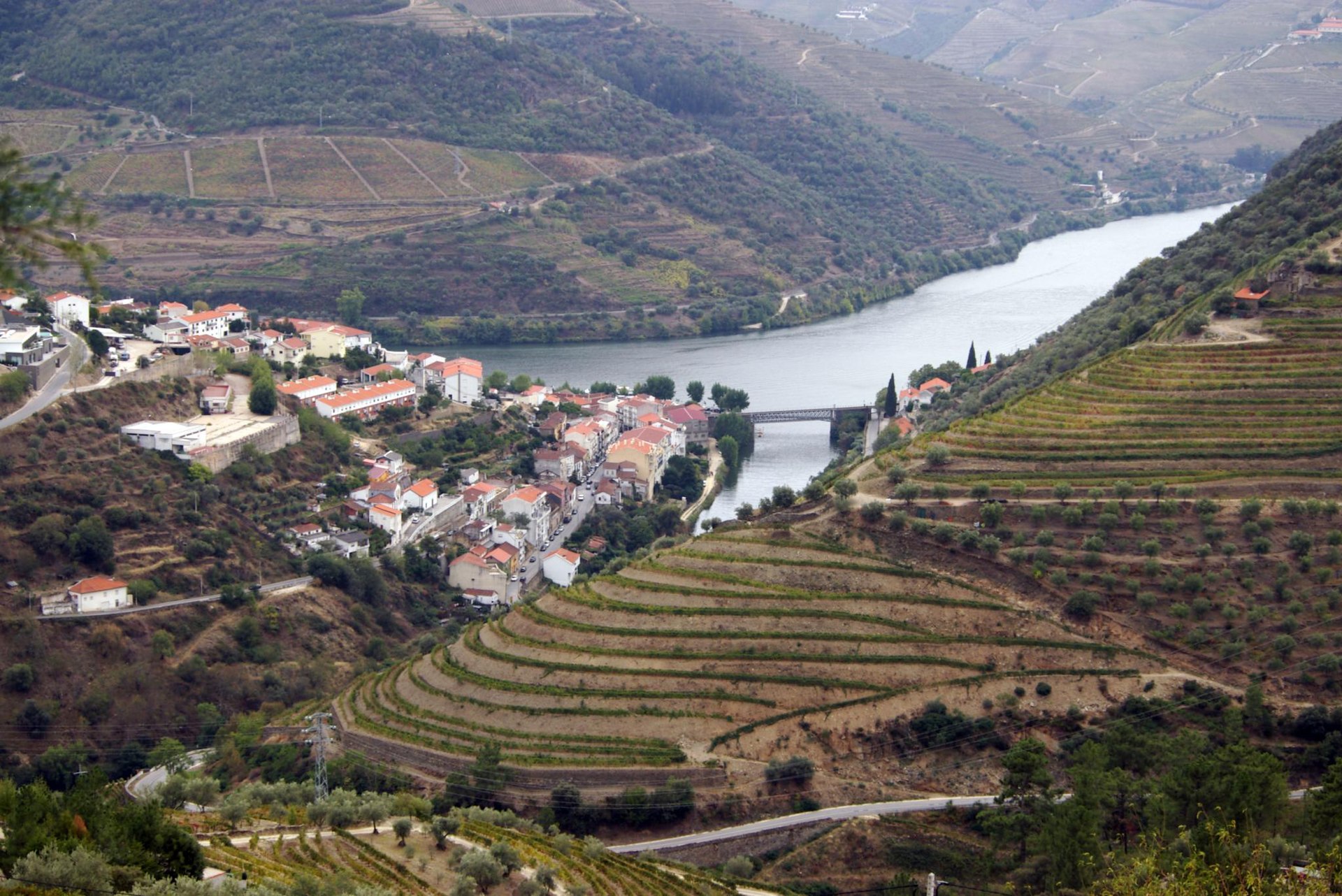
For a strategic base to explore the area, look for accommodation around Peso da Régua or Pinhão. The little town of Pinhão is considerably more picturesque and peaceful, sitting right in the heart of the finest vineyards with plenty of charming guesthouses within walking distance of the river. Peso da Régua, on the other hand, is slightly larger and busier, but it’s a perfect transport hub with a great selection of restaurants and more affordable hotels for those on a tighter budget.
When booking accommodation on Booking.com, always double-check whether the hotel or guesthouse has its own car park, because parking in the narrow streets of small towns can be a real headache. If you’re after a truly unique experience, have a look at Quinta da Pacheca near Régua, where guests can sleep in giant wooden wine barrels set among the vines.
14 Best Things to Do in Douro Valley Portugal
Let’s dive into the very best this fascinating region has to offer so you can plan the perfect itinerary. From iconic viewpoints and historic trains to deep wine cellars, I’ve put together a complete guide to the most beautiful places and activities you absolutely shouldn’t miss. You’ll see that it’s not all about drinking wine — it’s also about incredible history and rugged nature.
1. UNESCO Terraced Vineyards
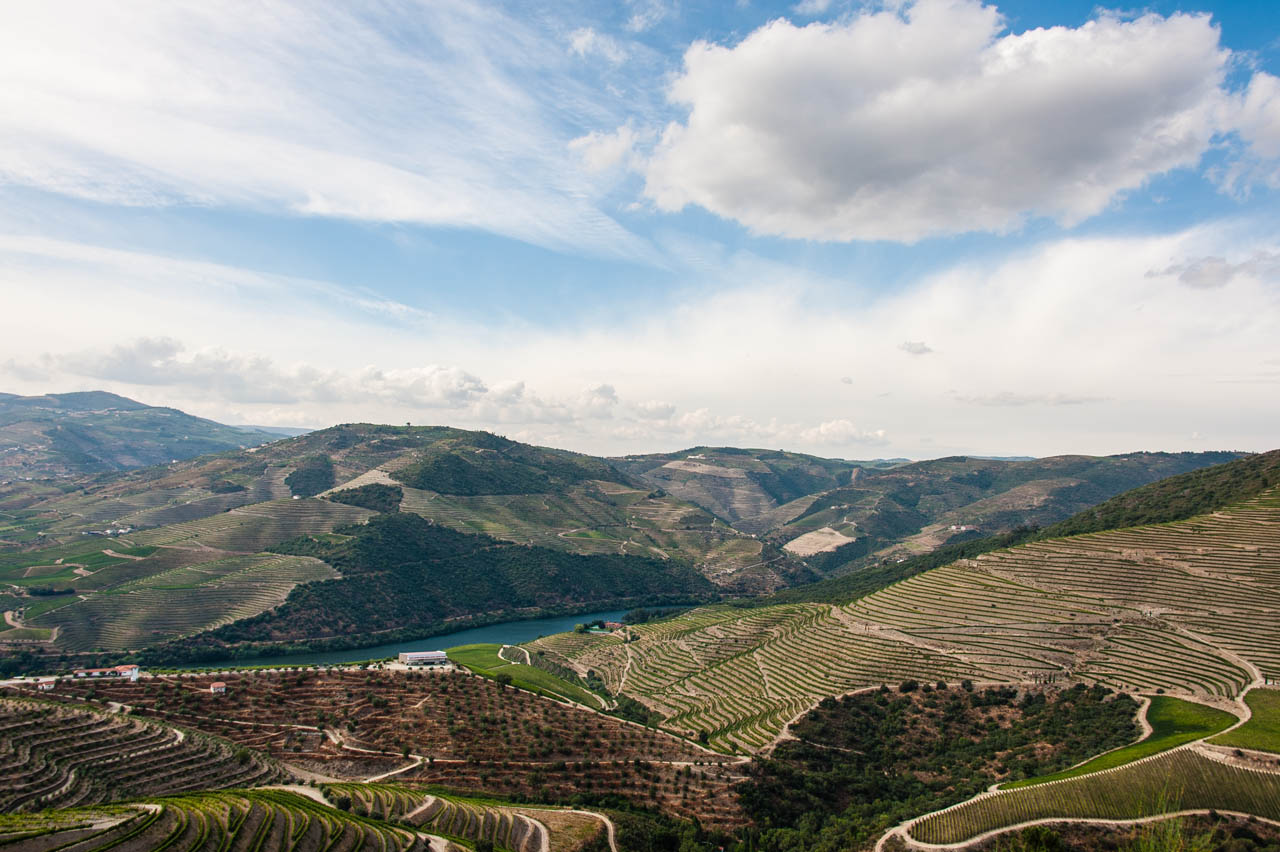
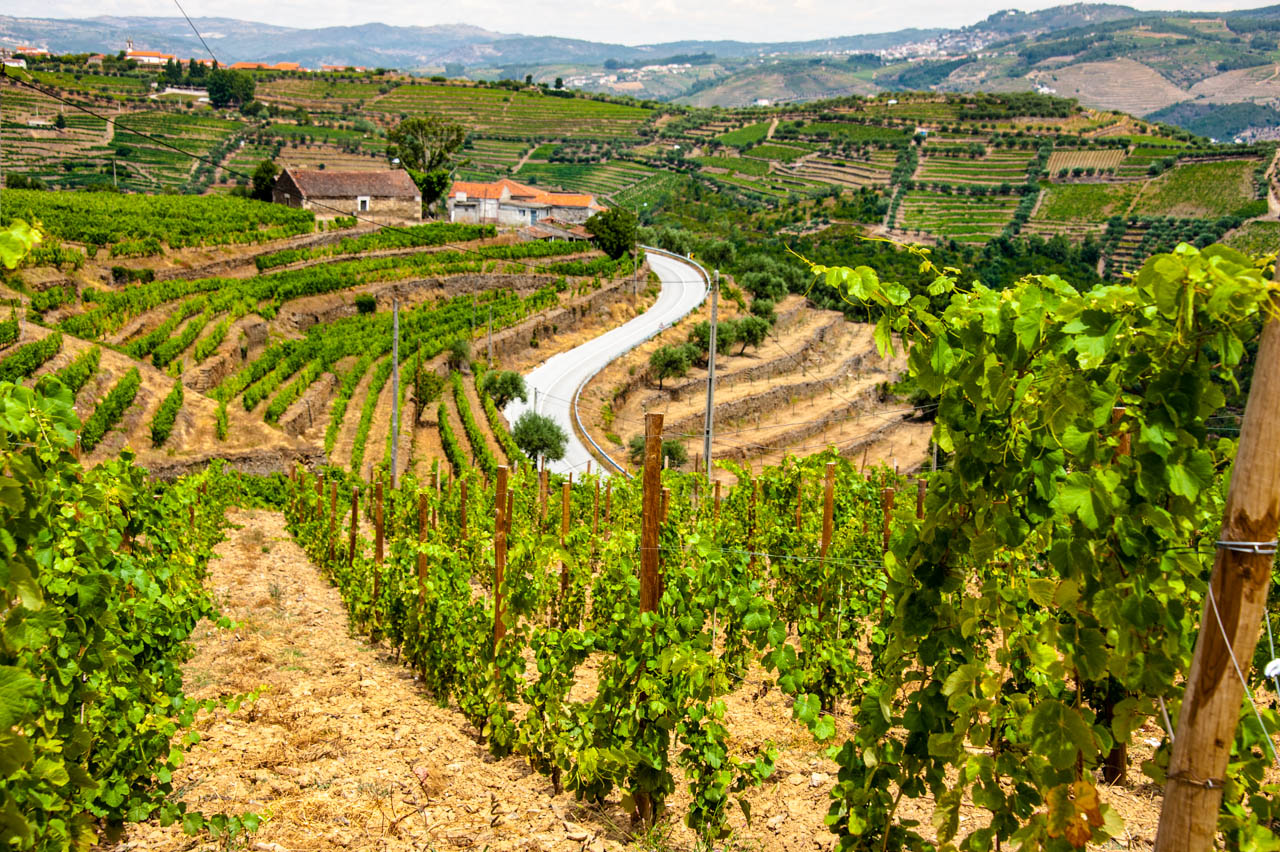
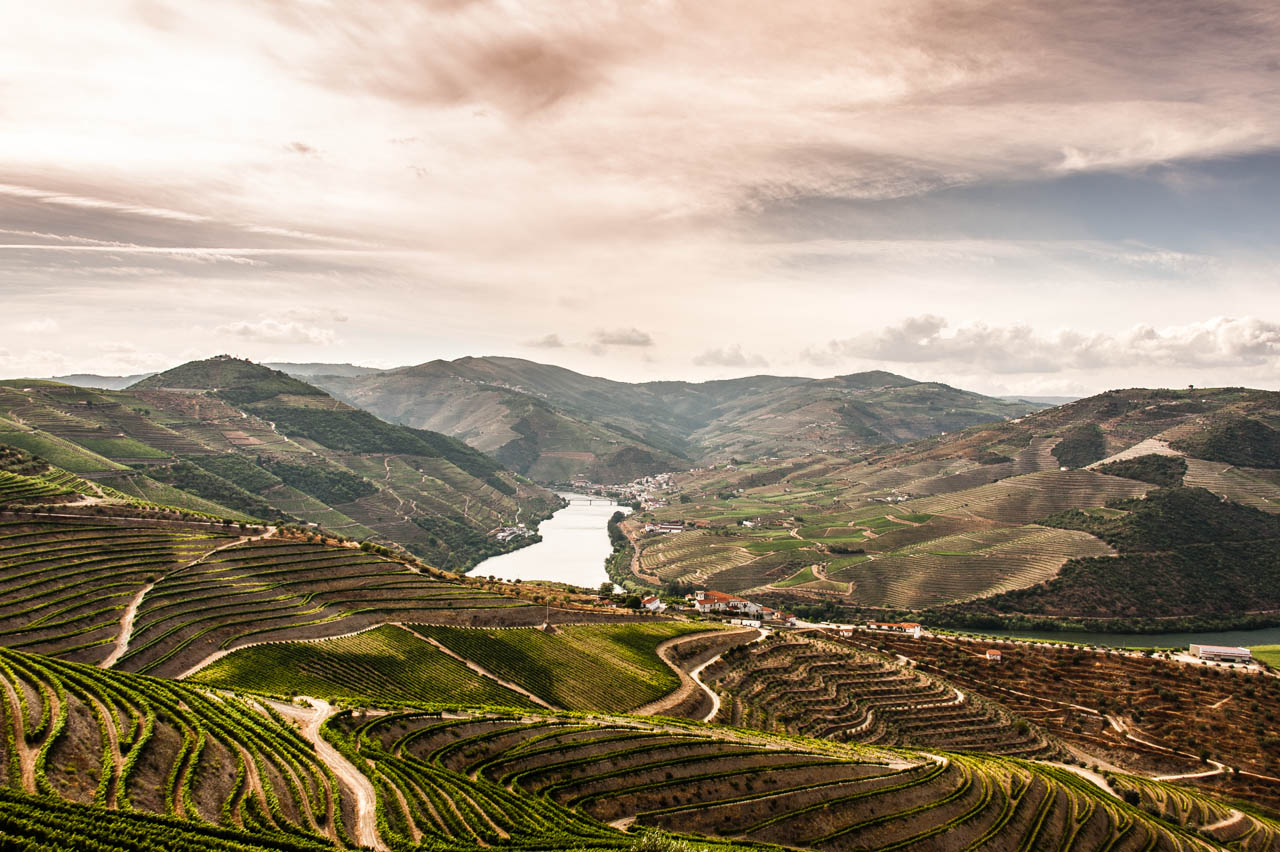
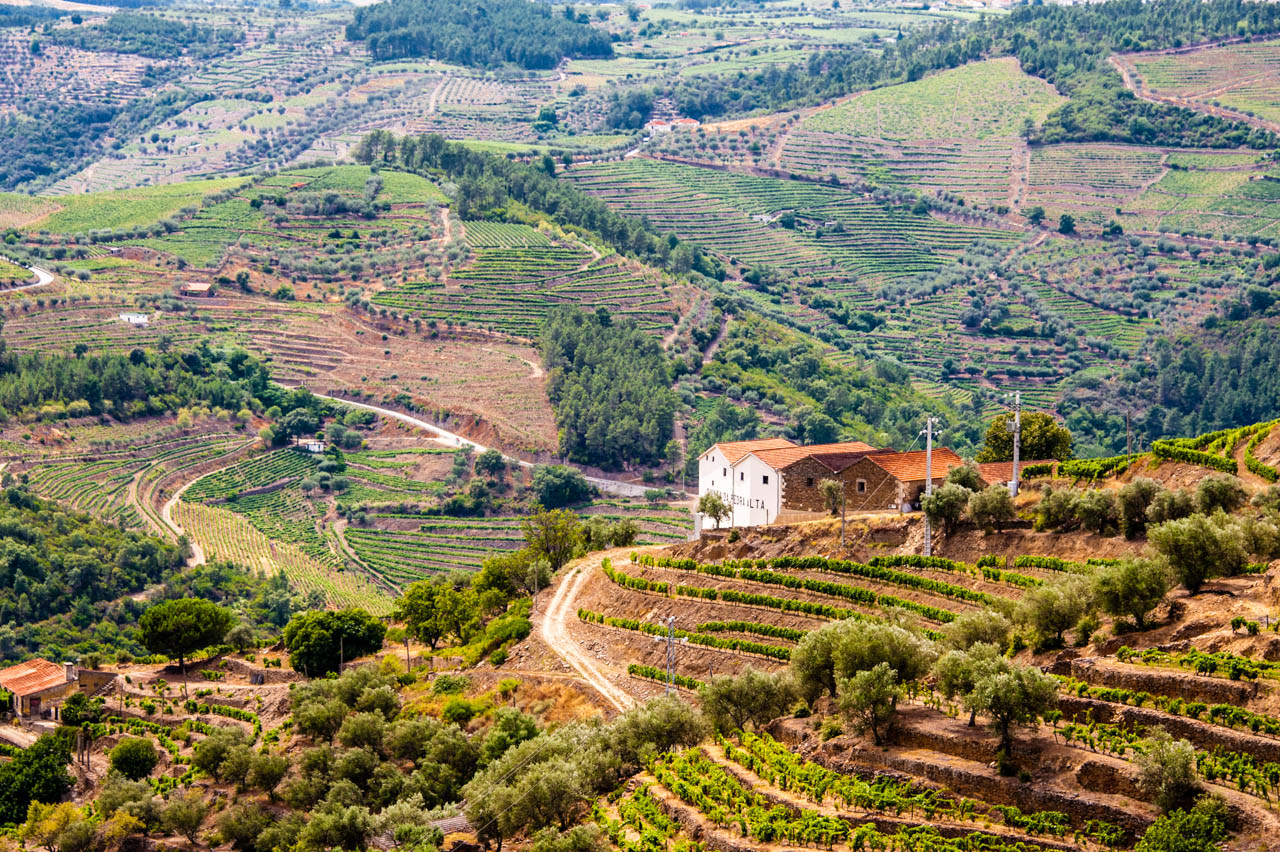
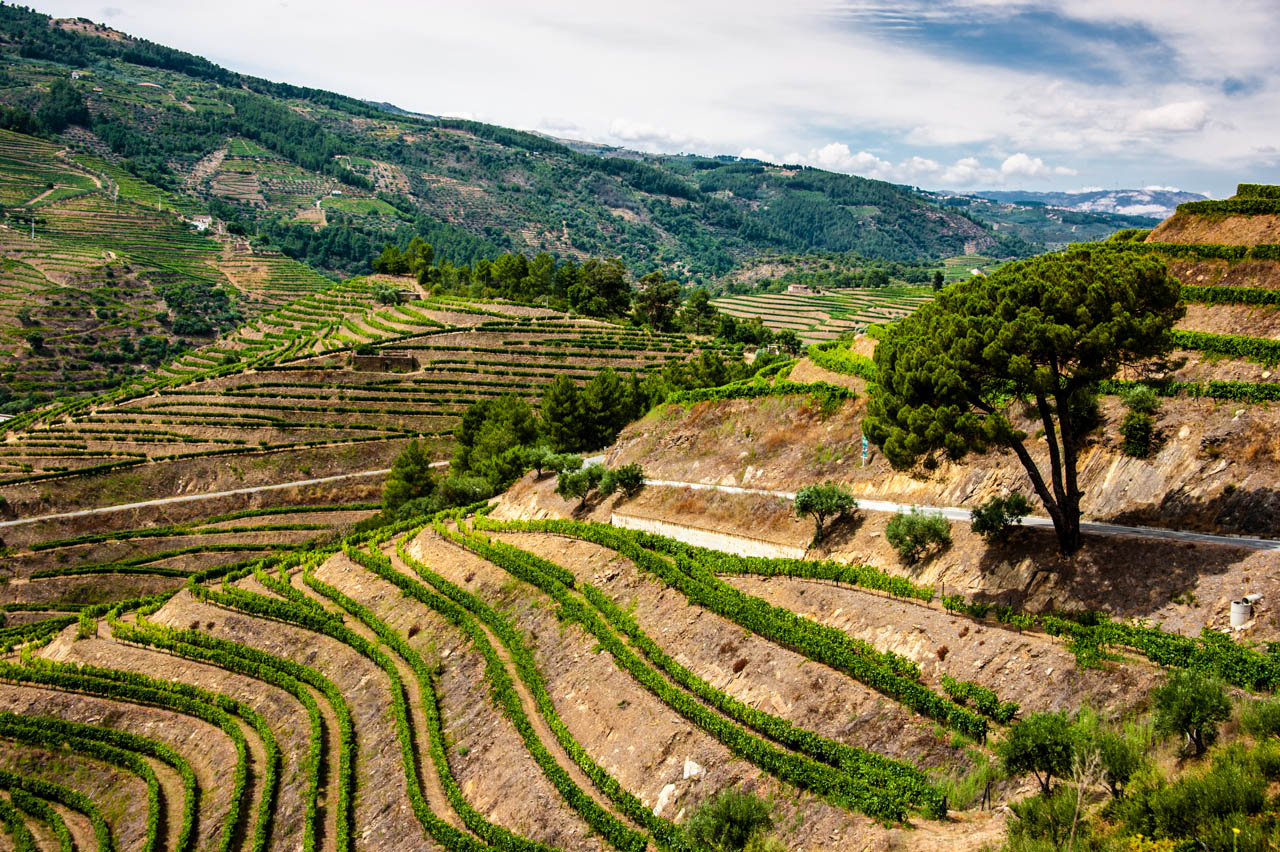
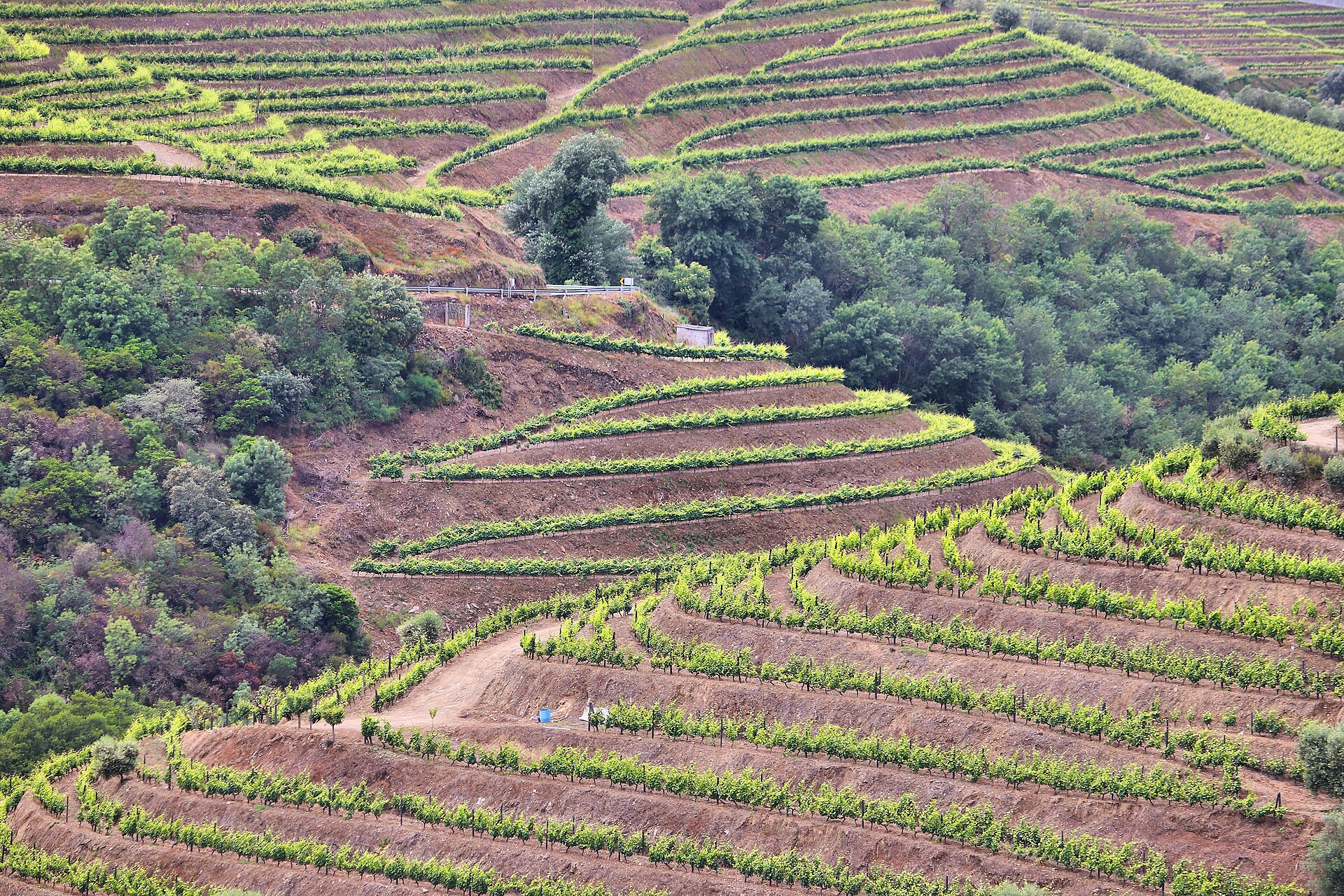
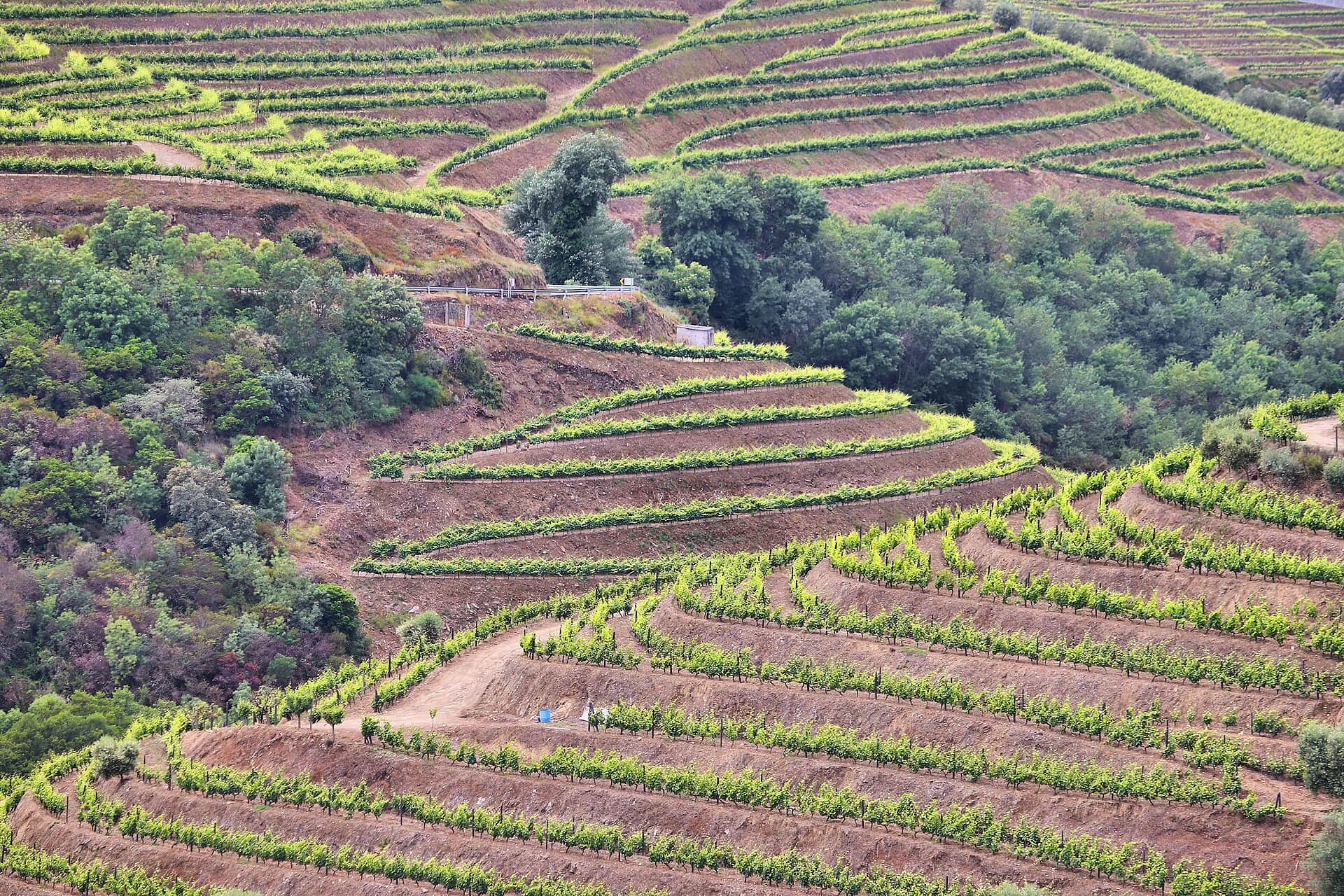
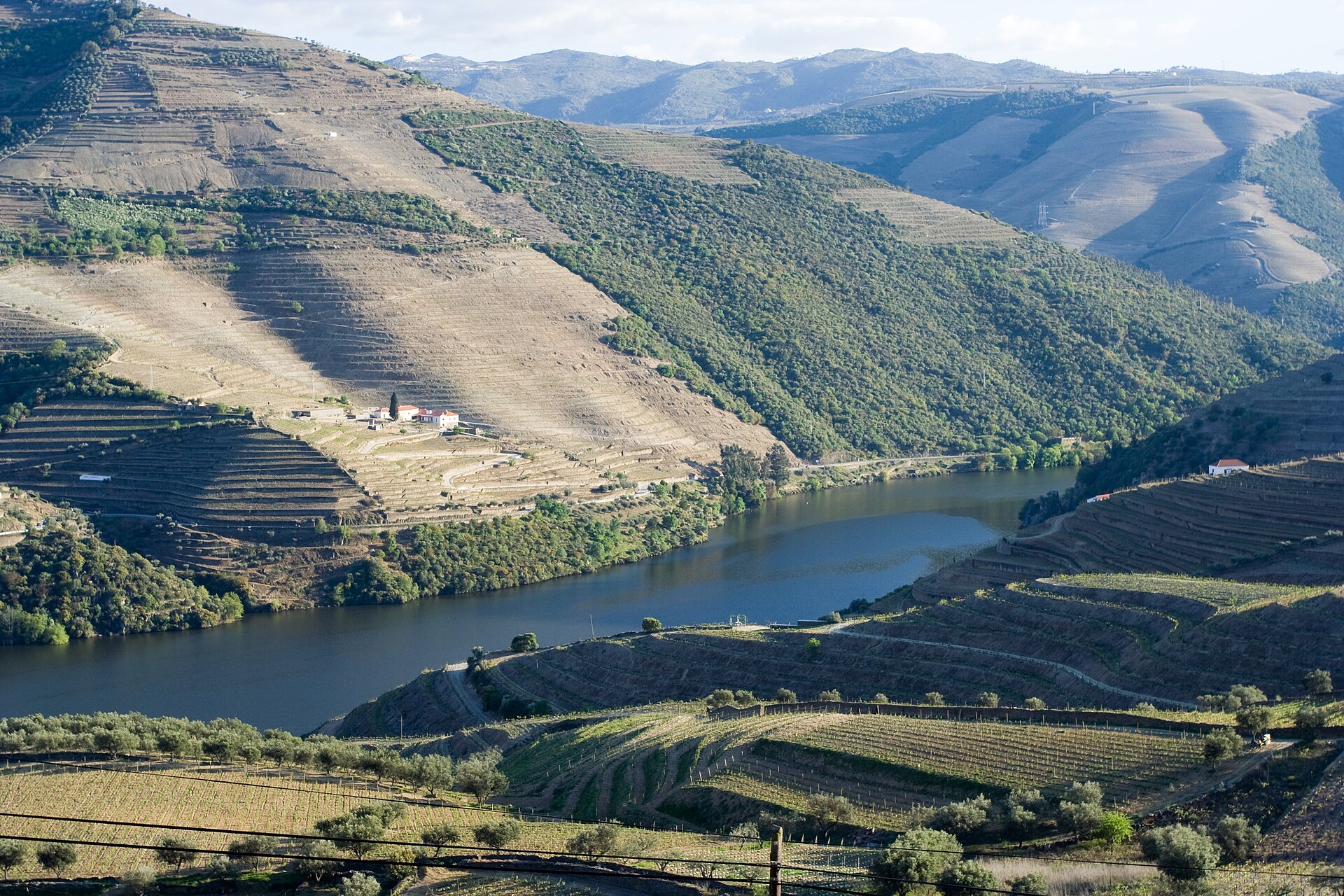
The Douro River Valley (Alto Douro Vinhateiro) is the oldest demarcated wine region in the world, with its boundaries officially drawn as far back as 1756. The landscape is inscribed as a UNESCO World Heritage Site, and you’ll understand why at first glance — the steep hillsides tumbling down to the river are covered with thousands of meticulously maintained terraces. These terraces were built over centuries of back-breaking labour, with farmers literally smashing through hard slate to plant the first vines.
Working on these vineyards is incredibly gruelling even today and is still done almost entirely by hand. Machines simply can’t navigate these steep slopes, so during harvest season the grapes are still carried in heavy wicker baskets on workers’ backs, down steep stone steps to the roads below. It’s a tough land where the sweat and toil of local people is reflected in every drop of the phenomenal wine produced here.
💡 Local tip: The most beautiful view of the terraces’ symmetry comes early in the morning, when a light mist still lingers in the valley and the rising sun gradually illuminates each hillside one by one.
2. Full-Day River Cruise from Porto to Régua
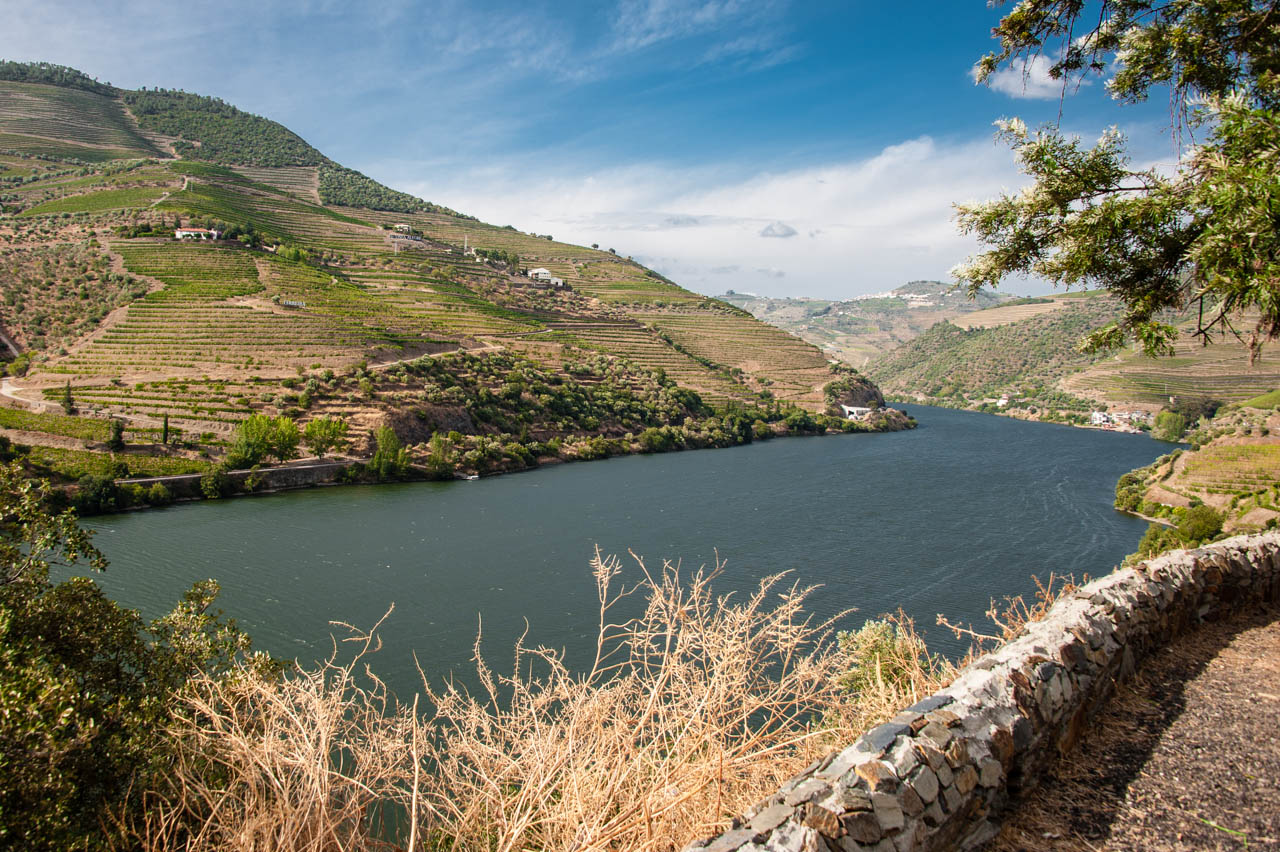
If you love comfort and want to watch the landscape gradually shift from industrial suburbs to wild countryside, a full-day cruise from Porto is a superb choice. Tour boats depart early in the morning from the famous Ribeira waterfront, and the upstream journey to Peso da Régua takes roughly six to seven hours. During the trip, you’ll be served a traditional Portuguese lunch on board while you sit back, sip wine, and watch the riverbanks drift by.
The biggest technical thrill of the entire cruise is passing through the massive dams that tamed the Douro River in the last century. The Carrapatelo lock overcomes an incredible 35-metre height difference, making it one of the highest in Europe — and gliding through that enormous, dark concrete chamber is a truly fascinating moment. From Régua, you typically return to Porto by train or a special coach transfer, which speeds up the whole trip nicely.
3. Scenic Train Ride on the Linha do Douro
The railway line that hugs the Douro River regularly features in rankings of the world’s most beautiful train journeys — and it’s an experience you really shouldn’t miss. Trains depart from the iconic São Bento station in Porto, and the journey to the heart of the wine country takes just over two hours, passing through dozens of tunnels and across countless historic bridges. You can easily purchase tickets in advance through the official CP (Comboios de Portugal) app. Travelling from the UK, you can fly into Porto with airlines such as Ryanair, easyJet, or British Airways from London, Manchester, and other major airports.
The real visual wow factor — the most stunning stretch of the journey — comes on the section between Peso da Régua and Pinhão. The train hugs the riverbank so closely that at times it feels like you’re gliding right across the water’s surface.
💡 Local tip: When travelling from Porto, make sure to grab a seat on the right-hand side of the train (in the direction of travel) for the best uninterrupted views of the river and surrounding vineyards — the left side mostly faces the rock face.
4. Pinhão Train Station and Its Blue Azulejos
When you step off the train in the little town of Pinhão, don’t rush away from the station — because the building itself is a huge work of art. The station walls are decorated with 24 stunning panels of traditional blue-and-white azulejo tiles, installed in 1937 and created by the renowned artist J. Oliveira. Entry is completely free, and the station operates as normal, so you can admire the artwork even without a valid ticket.
The tile scenes on the walls work like a beautiful comic strip, telling the story of the entire region and the winemaking process. You’ll see historic rabelo boats sailing down the untamed river, women carrying baskets of grapes on their heads, and the traditional grape-stomping in massive stone vats. It’s a perfect showcase of Portuguese pride in their own history and craft — and something you absolutely can’t miss.
5. Short Cruise on a Traditional Rabelo Boat
If you’d rather not spend an entire day on a large tour boat from Porto, I highly recommend a shorter cruise directly from the town of Pinhão. Here you can board a traditional wooden boat called a rabelo, which was historically used to transport wine barrels down the wild rapids of the valley to the cellars in Vila Nova de Gaia. Today, these boats are fitted with quiet motors and offer an incredibly romantic view of the vineyards from river level.
A one- or two-hour cruise will cost you roughly €10 to €20, and a small port wine tasting on board is often included in the price. During the cruise, you’ll spot famous wine estates (quintas) perched on the slopes above the river and glide beneath an elegant iron bridge designed by the legendary Gustave Eiffel. It’s a far more intimate and authentic experience than a cruise on a big modern catamaran packed with tourists.
6. Visiting Quintas and Tasting Douro Valley Wine
Being in the Douro Valley and not visiting a local winery would be a cardinal sin — because this is exactly where the magic that’s famous the world over is born. I’d recommend choosing one or two smaller, family-run quintas and booking your visit in advance, as English-speaking guides get snapped up very quickly during the summer season. During the tour, you’ll learn all about the complex fortification process, where grape brandy called aguardente is added to the fermenting must to stop fermentation and keep the wine sweet.
At the tasting itself, you’ll be able to compare the differences between a young, deep red, and fruity Ruby port and an older, oxidised, nutty Tawny port that ages in small oak barrels. I do have to warn you about the treacherous nature of port wine, though — it packs 20% alcohol and its sweetness makes it dangerously easy to drink. Never go to a tasting on an empty stomach, and make sure to alternate every glass with plenty of water, unless you want the afternoon sun to completely knock you out. 😅

7. Scenic Road N222
If you decide to explore the region by hire car, you’re in for one of the greatest driving experiences in Europe. The stretch of road N222 between Peso da Régua and Pinhão was once voted the best driving road in the world, thanks to its perfect mix of long straights and exhilarating bends. The road winds closely along the surface of the Douro River the entire way, and the views from the car window are so breathtaking you’ll want to stop and take photos every five minutes.
When hiring a car in Portugal, there’s one absolutely essential practicality you mustn’t forget. Always request an electronic toll device called Via Verde from the rental company, because most Portuguese motorways are fully electronic with no barriers or toll booths. Cameras on overhead gantries simply read the number plates of passing cars, and if you don’t have the device, you’ll face massive headaches and fines trying to pay the charges retroactively at the post office.
8. Wine Museum in Peso da Régua
The town of Peso da Régua serves as the unofficial capital of the entire wine region and makes an ideal starting point for all your excursions. The biggest draw in town is the interactive Museu do Douro, housed in a beautifully restored historic building that traces the full history of viticulture in this rugged land. You’ll discover how the slate terraces were built, how tough life was for local farmers, and how vital a role the river played before the dams were constructed.
The exhibition is very modern, the labels are in excellent English, and at the end of your visit, a small tasting in the museum café naturally awaits. Régua also boasts a lovely riverside promenade perfect for an evening stroll at sunset, and you’ll find a wide range of restaurants that are a bit cheaper than in the nearby and more touristy town of Pinhão.
9. The Gem of Lamego and the Bom Jesus Steps
Just a short drive south of the Douro River lies the elegant historic town of Lamego, which you definitely shouldn’t leave off your itinerary. The town’s main landmark is the magnificent pilgrimage site Santuário de Nossa Senhora dos Remédios, perched high on a hilltop and reached via a monumental Baroque staircase of nearly 700 steps. The staircase is richly adorned with blue azulejo tiles, statues, and fountains, creating a truly stunning optical illusion when viewed from below.
If you’d rather not climb all those steps on foot, you can drive right up to the sanctuary and then walk the staircase comfortably downhill into the town centre. Lamego is also famous for producing excellent sparkling wine called Raposeira, which makes a refreshing and delightful alternative to the heavy, sweet port — so be sure to stop at one of the local cafés for a glass.
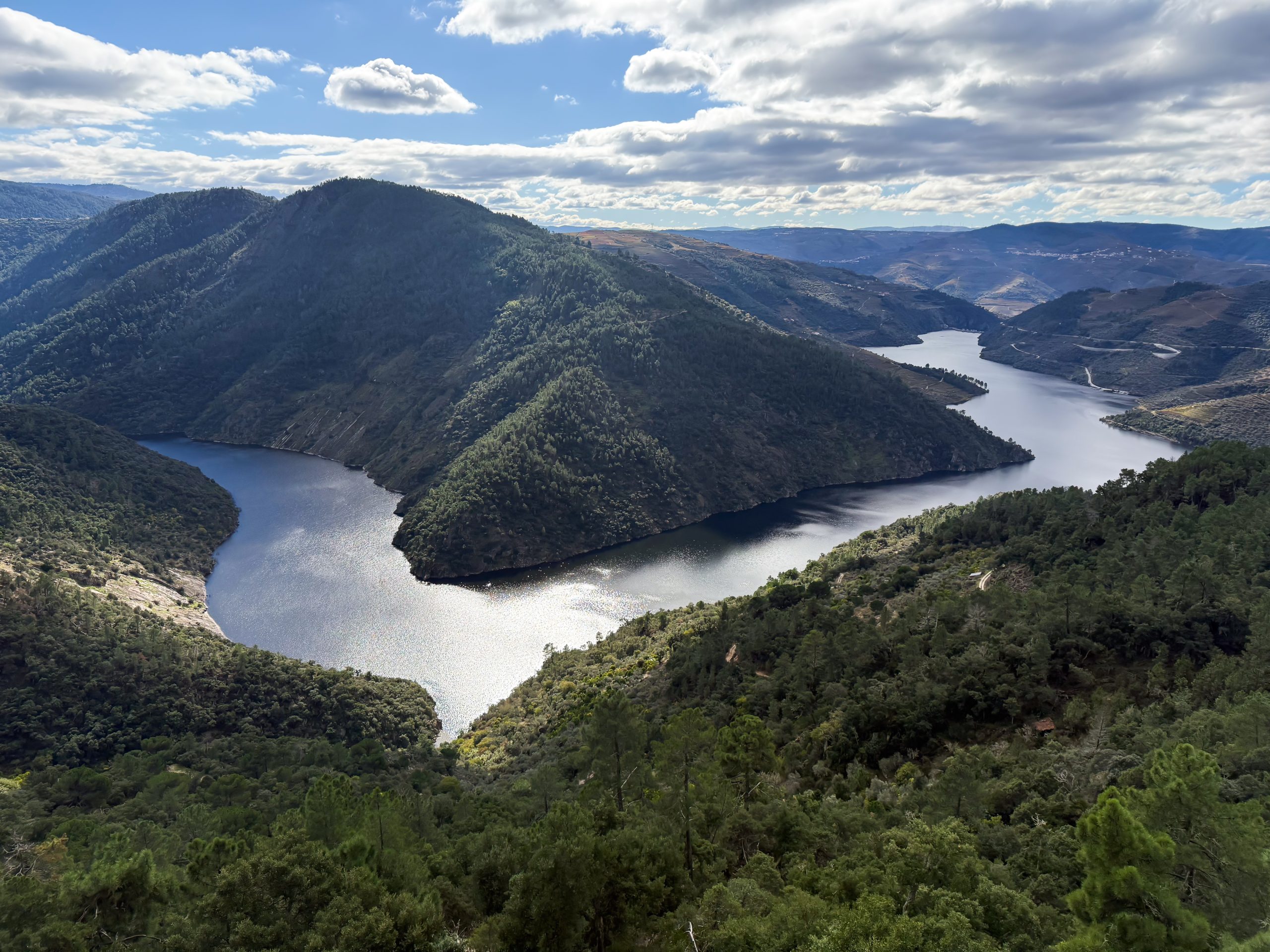
10. Miradouro São Leonardo de Galafura Viewpoint
There are dozens of gorgeous viewpoints scattered across the valley, but this one might just be the most spectacular of them all. The São Leonardo de Galafura viewpoint sits 640 metres above sea level and offers an absolutely jaw-dropping panoramic vista of the winding Douro River flanked by endless vineyard terraces. The famous Portuguese writer Miguel Torga once described this place as a vast geological poem — and standing here gazing into the valley, you’ll understand exactly what he meant.
The drive to the viewpoint is a bit narrow and winding, but the reward is a peaceful spot that most coach tours thankfully never reach. At the top, you’ll find a small chapel and pleasant picnic tables tucked in the shade of trees, so I’d suggest picking up some fresh bread, cheese, and olives from a bakery and treating yourself to the most romantic lunch with a view.
11. Grape Harvest and Grape Stomping in September
If you manage to time your trip to Portugal for September, you’re in for a truly once-in-a-lifetime cultural experience. During the September grape harvest (vindimas), the entire valley buzzes with incredible energy — the air is thick with the scent of fermenting must, and you’ll see dozens of pickers with wicker baskets on the steep slopes. Many local wineries offer special tourist programmes during this period, and you can actively get involved.
The biggest highlight is, of course, the traditional grape stomping, which some of the finest estates still do the old-fashioned way. Visitors can wash their feet and, accompanied by traditional songs, stomp grapes in large granite vats called lagares. It’s enormous fun — you’ll definitely end up covered in purple juice — but you’ll walk away with a memory that will last a lifetime.
12. The Traditional Village of Provesende
To escape the tourist bustle along the river, I recommend heading high into the hills to visit the charming historic village of Provesende. Time seems to have stood still here, and you can wander through narrow cobbled lanes lined with old noble houses that date back to the golden era of the port wine trade. In the middle of the village square sits an old fountain and a historic pillory, where local grandfathers sit watching the rare visitors who pass through.
In the village, you’ll stumble upon a tiny traditional bakery wafting with the scent of freshly baked bread, and a handful of modest little cafés where you can grab a strong espresso for barely €1. It’s an ideal spot for a quick afternoon stop if you’re driving through the vineyards from Pinhão northward towards Vila Real — and you’ll get the feeling you’ve discovered the real, unvarnished Portugal.
13. A Stop in Historic Amarante
Although Amarante doesn’t sit directly on the Douro River but on its tributary the Tâmega, it’s an absolutely perfect stop on the drive from Porto into the wine country. The town is dominated by the stunning stone bridge of São Gonçalo and the monastery of the same name, whose imposing Renaissance façade is reflected in the calm waters of the river. The town has a wonderfully relaxed and romantic atmosphere, a beautiful historic centre, and plenty of greenery lining the riverbanks.
Amarante is famous across Portugal for its distinctive sweets sold in local cake shops — which have, shall we say, rather unconventional phallic shapes linked to Saint Gonçalo, the patron saint of matchmakers and fertility. Do stop here for an excellent coffee and try some of the traditional egg-yolk pastries, which will give you a great energy boost before the rest of your drive into the hills.
14. Portuguese Gastronomy in the Valley
Travelling through northern Portugal is a spectacular culinary adventure — even if you don’t eat meat. The foundation of every good meal at a local tavern (tasca) is crusty fresh bread, excellent local cheeses, olives, and thick vegetable soups like the famous caldo verde made from kale and potatoes (just ask the waiter to leave out the chouriço sausage). Other great options include various omelettes, rice dishes, and traditional sweet desserts loaded with egg yolks and almonds.
The local non-vegetarian specialities are hearty and rustic — think the famous salt cod dish bacalhau or the heavy meat stew cozido à portuguesa, often washed down with a full-bodied red wine straight from the region. Watch out for the custom known as couvert — when you sit down and the waiter automatically brings bread, cheese, and olives, it’s not a complimentary gift. If you eat the starters, you’ll typically be charged €2 to €5, but if you’re not interested, just politely decline and the staff will take them away. 😉
Map of points of interest for your phone
Where to Go Next from the Douro Valley
If you have more time in Portugal, it would be a real shame to stay only in the north — this country offers an incredible array of contrasts. While you’re in the region, a thorough exploration of the city of Porto is an absolute must, with its steep alleyways and melancholic atmosphere.
From there, I’d recommend catching a high-speed train south to experience sun-drenched Lisbon, from where it’s just a short hop to the fairy-tale town of Sintra filled with palaces, or the laid-back seaside resort of Cascais. If you’re craving wild ocean waves — some of the biggest on the planet — make a stop at the surf mecca of Nazaré along the way.
And if it’s warm sand, white cliffs, and swimming you’re after, head straight to the Algarve region in the far south. You can set up base in the lively town of Lagos or explore the wild beaches around Sagres. Also well worth a visit are the romantic town of Carvoeiro, historic Silves with its stunning castle, or the peaceful Tavira near the Spanish border. You can also pop into the local markets — check out things to do in Loulé — and fly home from Faro airport, near which you’ll also find the charming fishing town of Olhão.
Frequently Asked Questions
How do I get from Porto to the Douro Valley?
The most comfortable and scenic option is by train, which departs from São Bento station in Porto and takes about two hours to reach the town of Peso da Régua. You can also rent a car and take the A4 motorway followed by the scenic N222 road, or book an organized full-day river cruise directly from the Ribeira waterfront.
When is the best time to visit the vineyards?
The absolute best time to visit is September, when the traditional grape harvest takes place in the valley, temperatures are very pleasant, and the landscape is painted in beautiful autumn colors. Spring is also lovely and green, but you’ll need to expect frequent rain showers, while July and August bring extreme heat exceeding 40 degrees Celsius (104°F).
What’s the difference between Ruby and Tawny Port?
Ruby Port ages in large barrels or stainless steel tanks without contact with air, has a deep red color, and tastes very fruity and sweet. Tawny, on the other hand, ages in smaller oak barrels where it gradually oxidizes, developing a lighter russet to brown color and complex notes of nuts and caramel.
Can I visit wineries without a prior reservation?
During peak summer season and the autumn harvest, I definitely wouldn’t recommend it, as English-language tour slots at the best estates are often sold out weeks in advance. If you’re traveling in winter, you might get lucky with a walk-in, but it’s always better to secure your spot at least a few days ahead online.
What exactly does the word Quinta mean?
Quinta is a traditional Portuguese word for a farm or estate, and in the Douro Valley this term is used exclusively for wineries where grapes are grown and wine is produced. Many of these historic buildings now function not only as production facilities but also as luxury hotels and tasting centers for tourists.
Do I need a special toll device for the motorways?
Yes, if you’re renting a car, definitely request an electronic transponder called Via Verde from the rental company. Most Portuguese motorways don’t have traditional staffed toll booths but use electronic gantries that read license plates, and without the device you’d have to go through the hassle of paying outstanding charges at post office branches.
Is the Douro Valley suitable for traveling with young children?
Traveling with kids is possible here, but you need to consider that the region is very hilly, strollers are practically unusable on steep vineyards and cobblestone streets, and summer brings extreme heat. The main activity in the area is also wine tasting, so younger children may find the itinerary somewhat tedious and boring after a while.
Tips and Tricks for Your Vacation
Don’t Overpay for Flights
Search for flights on Kayak. It’s our favorite search engine because it scans the websites of all airlines and always finds the cheapest connection.
Book Your Accommodation Smartly
The best experiences we’ve had when looking for accommodation (from Alaska to Morocco) are with Booking.com, where hotels, apartments, and entire houses are usually the cheapest and most widely available.
 🚗 Car rental on the roadVerified car rentals in Portugal
Search with the DiscoverCars comparison engine — it compares prices from dozens of local and international rental companies, and most bookings come with free cancellation.
Compare car prices in Portugal →Don’t Forget Travel Insurance
Good travel insurance will protect you against illness, accidents, theft, or flight cancellations. We’ve had a few hospital visits abroad, so we know how important it is to have proper insurance arranged.
Where we insure ourselves: SafetyWing (simple monthly subscription) and TrueTraveller (for extra-long trips).
Find the Best Experiences
Get Your Guide is a huge online marketplace where you can book guided walks, trips, skip-the-line tickets, tours, and much more. We always find some extra fun there!