Portugal is home to many magical places, but few possess the intense, almost tangible atmosphere of Fatima Portugal. Whether you’re a devout pilgrim or simply someone fascinated by history and unexplained events, this town will draw you into its extraordinary story. In 1917, the Virgin Mary reportedly appeared to three young shepherd children on a remote hillside, and ever since, this once-sleepy village has transformed into one of the world’s most important pilgrimage sites. Today, millions of visitors flock here each year, seeking peace, hope, or simply wanting to witness the place where modern history was shaped.
If you’re planning a trip to central Portugal, Fatima absolutely deserves a spot on your itinerary, as it offers a completely different experience from the bustling coastal cities. Prepare yourself for vast open squares, the quiet reverence of thousands of people from every corner of the globe, and architecture that spans from traditional Neo-Baroque to stark modernism. Let’s take a closer look at how to plan your visit to this unique destination so you can make the most of it and avoid any unnecessary stress.
TL;DR
- The heart of the entire complex is the Chapel of the Apparitions (Capelinha), which stands on the exact spot where the Virgin Mary appeared to three young shepherds in 1917.
- The biggest influx of pilgrims arrives on 13 May and 13 October each year, when the main anniversary pilgrimages take place and accommodation sells out months in advance.
- The sanctuary complex is enormous, and entry to all basilicas and chapels is completely free, so there’s no need to book any tickets beforehand.
- To get here from London, fly to Lisbon and take a long-distance bus rather than the train, because the Fátima railway station is more than twenty kilometres from the actual town centre.
- A visit to Fatima pairs perfectly with a day trip to the nearby Batalha Monastery or the castle in Tomar, creating an ideal full-day programme.
- Don’t forget to dress appropriately — this is a sacred site, and covered shoulders and knees are required when entering the churches.
The full destination guide: Portugal — guide and what to see
When to Visit Fatima Portugal
Getting the timing right is absolutely crucial when visiting Fatima, because the town’s atmosphere changes dramatically depending on the season and the specific date. If you want to experience the incredible mass of people and the overwhelming religious energy, plan your trip around 13 May or 13 October. These dates commemorate the first and last apparitions — the sanctuary is bursting at the seams, and the evening candlelight processions are utterly breathtaking. Bear in mind, though, that accommodation prices skyrocket during these periods and restaurants are hopelessly packed.
For a calmer visit without the crowds, aim for spring or autumn instead — specifically April, June, or September. The weather during these months is ideal for long walks around the sprawling complex, and you won’t be suffering under the scorching sun typical of summer. During July and August, the enormous paved esplanade turns into a baking hot furnace with absolutely no shade, so if you do visit in summer, plan to arrive early in the morning or late in the afternoon. Winter, on the other hand, brings a very quiet Fatima with frequent rain and cold winds — which might actually suit those seeking space for quiet contemplation.
Where to Stay in Fatima
💡 Accommodation & experience tip: We usually search for places to stay on Booking.com, which tends to have the best cancellation policies. For tickets, tours, and activities, it’s worth comparing options on GetYourGuide.
If you don’t want to treat Fatima as just a quick day trip, I’d highly recommend staying at least one night so you can experience the magical atmosphere of the evening candlelight procession. The town is perfectly set up for visitors and offers a huge range of hotels in every price bracket, all clustered within easy walking distance of the main sanctuary. Most of them are easy to find and book through Booking.com — just make sure you reserve well in advance during major feast days and weekends.
An excellent choice is Hotel Santa Maria, located just steps from the main esplanade, offering elegant, peaceful rooms with outstanding breakfasts. If you’re after somewhere with exceptional views, try Steyler Fatima Hotel, which boasts beautiful gardens and an incredibly serene, relaxing atmosphere. For travellers on a tighter budget, Hotel Fatima is a great option — it may feel a touch more traditional, but it more than makes up for it with a perfect location right at the entrance to the complex and wonderfully friendly staff.
12 Things to Do in Fatima Portugal
The sprawling sanctuary complex and its surroundings offer far more than just one main building. Let’s walk through the most interesting spots you absolutely shouldn’t miss during your visit.
1. The Enormous Sanctuary Esplanade (Esplanada)
The moment you step into the main complex, you’ll likely be stunned by its sheer scale — the esplanade is actually twice the size of the famous St. Peter’s Square in Vatican City. This vast paved expanse forms the heart of Fatima, connecting the old basilica at one end with the modern one at the other. During the major anniversary pilgrimages, this space fills with hundreds of thousands of worshippers singing and praying together.
In the middle of the square, you’ll notice a marble pathway that leads straight across to the Chapel of the Apparitions. Many pilgrims travel this route on their knees as an act of penance — it’s an incredibly powerful and emotional sight regardless of your own beliefs. If you’re visiting on a hot summer day, make sure you bring a hat and a bottle of water, because there is absolutely no shade anywhere on the square.
💡 Insider tip: The best photos of the entire complex are taken from the steps of the old basilica, where you’ll have a sweeping view across the whole Esplanade with the modern church opposite — especially stunning just before sunset.
2. The Chapel of the Apparitions (Capelinha das Aparições)
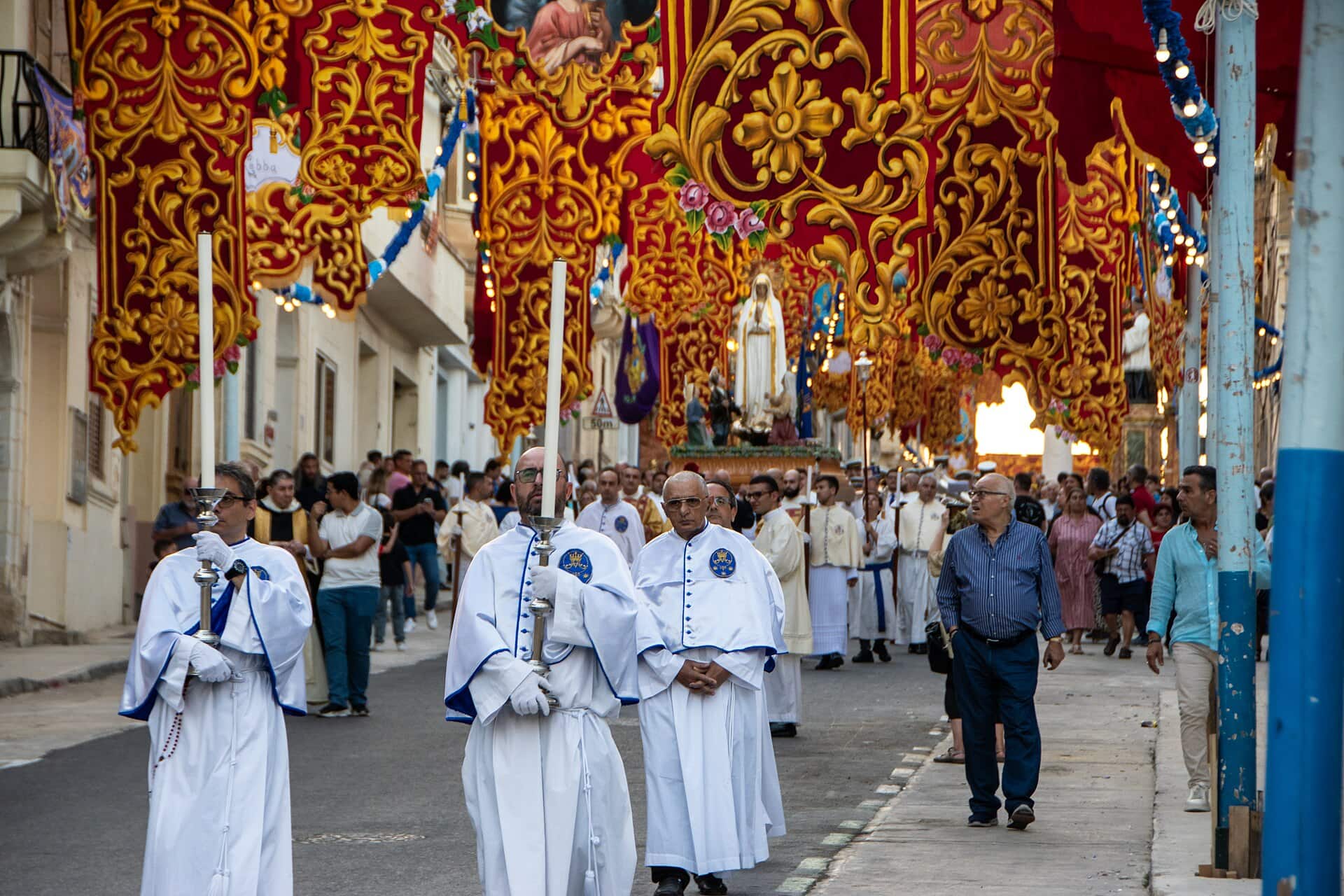
This unassuming open-air chapel is the most important and sacred spot in all of Fatima, standing on the exact location where five of the six Marian apparitions took place in 1917. The original small structure was built in the 1920s, following instructions the children reportedly received. Today, the chapel is sheltered under a large modern canopy, beneath which regular masses are held in numerous languages.
Inside the chapel, you’ll see a glass-enclosed pedestal with a statue of Our Lady of Fatima, which marks the precise spot where a small holm oak tree once stood — the tree above which the apparitions occurred. Embedded in the statue’s crown is a bullet that was removed from Pope John Paul II’s body after the assassination attempt in 1981, as the Pope believed that Our Lady of Fatima in Portugal had saved his life. Pause here for a moment and soak in the incredibly concentrated energy that people from across the world bring to this place.
3. Basilica of Our Lady of the Rosary
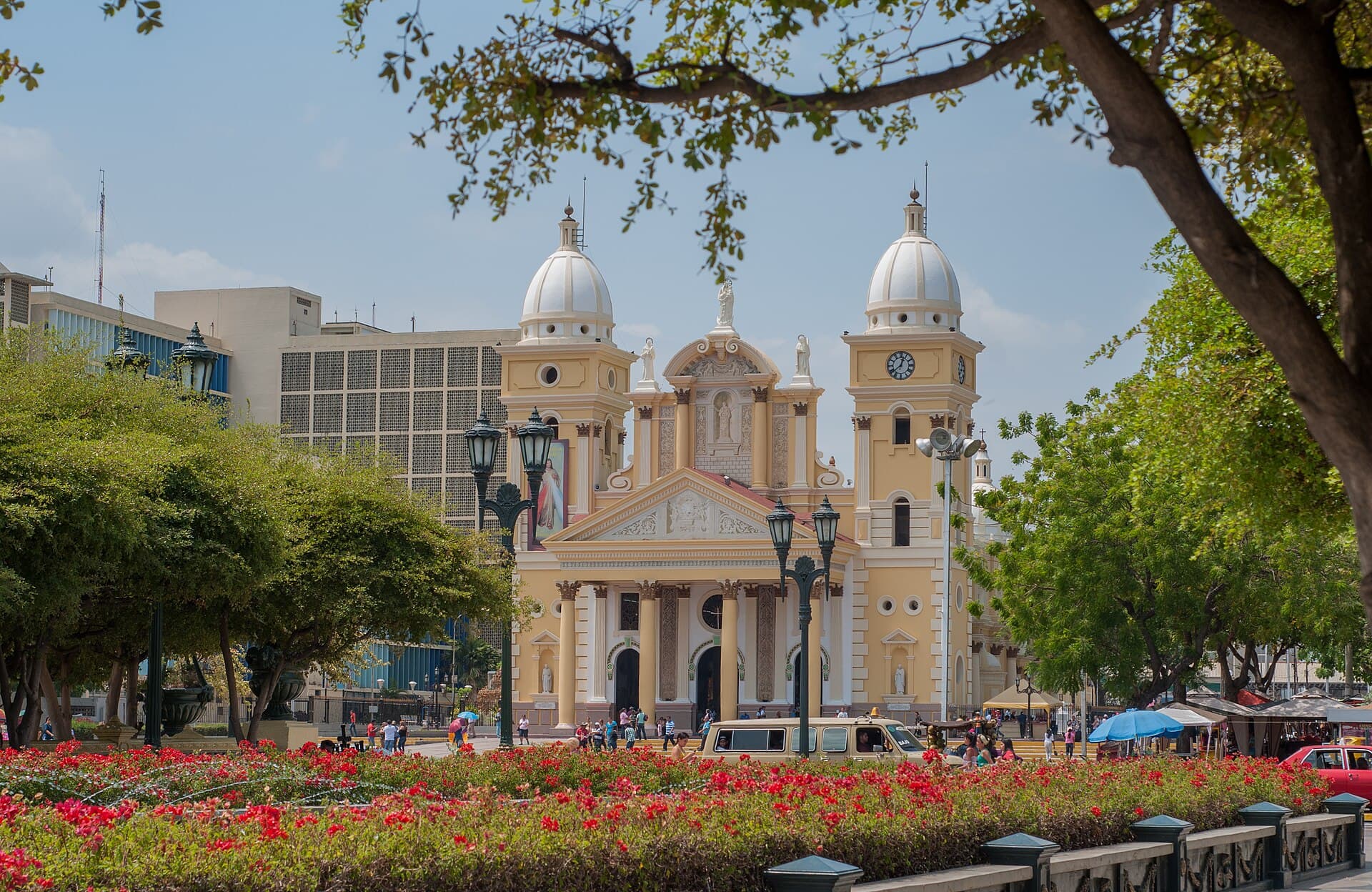
This beautiful Neo-Baroque structure of white limestone, which dominates the entire complex, began construction in 1928, and its bell tower soars to an impressive sixty-five metres. The Basilica of Our Lady of the Rosary (Basílica de Nossa Senhora do Rosário) will captivate you at first sight with its elegant colonnades that connect it to the adjacent buildings, lending the whole place a majestic, almost regal air. Inside, you’ll find a richly decorated interior with stunning stained-glass windows depicting detailed scenes from the apparitions.
The most significant features, however, are found in the side naves, where you’ll discover the tombs of all three young shepherds — Francisco, Jacinta, and Lúcia. While Francisco and Jacinta died very shortly after the apparitions during the Spanish Flu pandemic, Sister Lúcia lived as a nun in a convent and passed away in 2005 at the age of 97. Steady streams of visitors file past their tombs, so arm yourself with patience if you want to get a closer look.
4. The Modern Basilica of the Holy Trinity
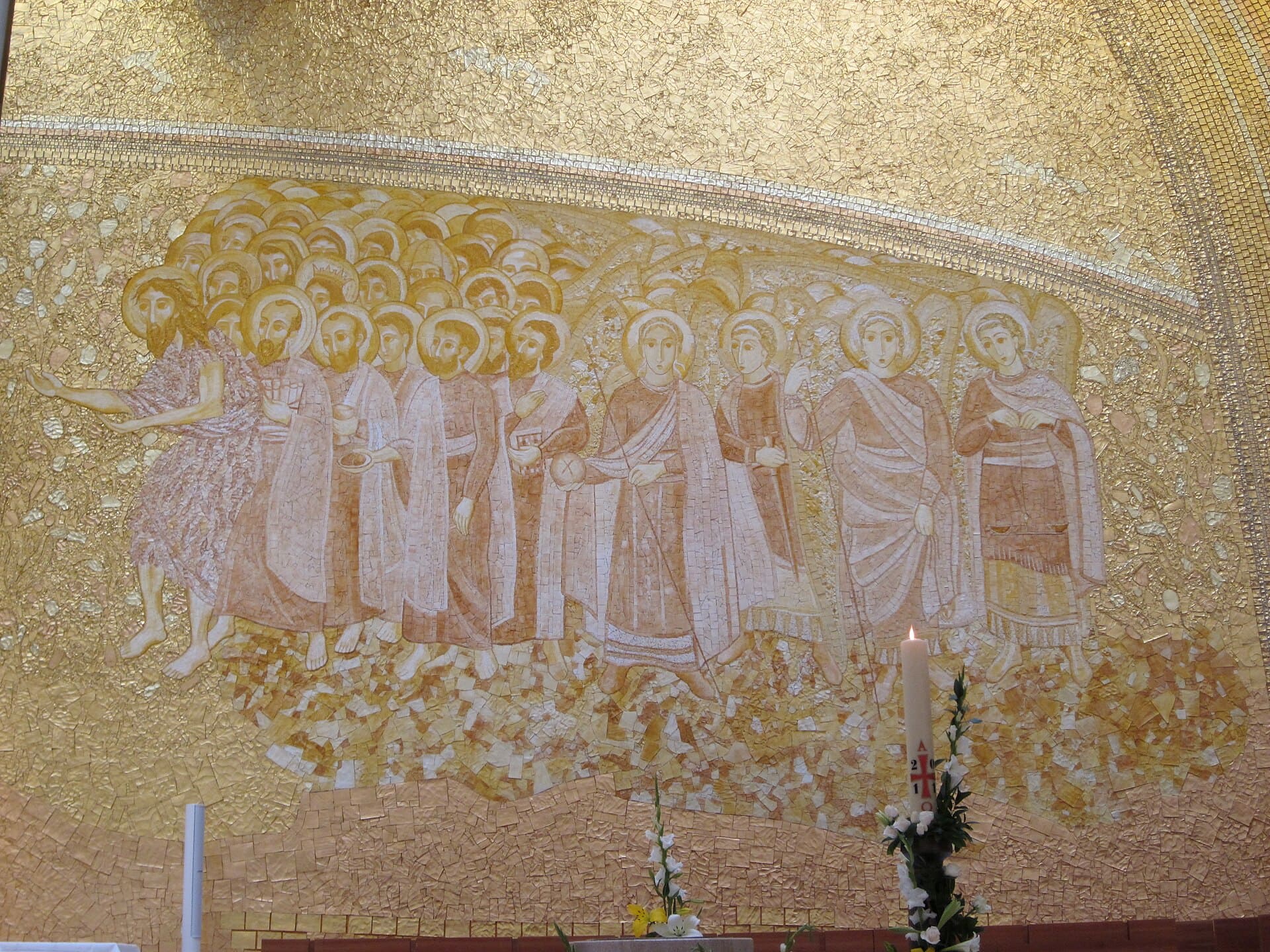
At the opposite end of the vast square stands a building that represents a complete architectural contrast to the old basilica. The Basilica of the Holy Trinity (Basílica da Santíssima Trindade) was completed in 2007 to address the constant capacity shortage caused by ever-growing crowds of pilgrims. From outside, it looks like an enormous, low concrete disc that deliberately hugs the ground so as not to obstruct the view of the old sanctuary.
Step inside, however, and you’ll be overwhelmed by its gigantic circular interior, which can seat an incredible 8,500 people. The design is intentionally stark and minimalist, playing with natural light to create a truly unique atmosphere for quiet reflection. Don’t miss the massive golden mosaic behind the main altar and the beautiful bronze doors adorned with biblical scenes.
5. The Story of the Apparitions and the Museum (Museu do Santuário)
To fully understand what Fatima is all about, you need to know the fascinating story from 1917, when a radiant figure appeared to three young children. It all began in May and continued on the thirteenth of each month through to October, when the famous Miracle of the Sun — the Fatima Portugal miracle — was witnessed by tens of thousands. During these encounters, the children received three secrets, the last of which, concerning the attempted assassination of the Pope, wasn’t revealed by the Vatican until the year 2000.
If you want to delve deeper into this history, head to the sanctuary’s museum, where you’ll find the permanent exhibition “Fatima: Light and Peace.” It houses the most precious gifts donated to the shrine by pilgrims and world leaders, including the stunning golden crown of Our Lady. You’ll learn details about the harsh lives of the village children at the time and how the Catholic Church was initially deeply sceptical about the apparitions.

6. The Evening Candlelight Procession
If there’s one experience that makes staying overnight in Fatima absolutely worthwhile, it’s the nightly Rosary prayer combined with the candlelight procession. This tradition takes place from spring through autumn every evening around half past nine, and thousands of people take part. Everyone gathers at the Chapel of the Apparitions, lights thin wax candles, and the square is instantly transformed into a shimmering sea of flickering lights.
After the communal prayer, which is recited alternately in many different languages, a silent procession carrying the statue of Our Lady moves across the entire esplanade. Even if you’re not religious, this moment will likely move you deeply with its serene, mystical energy. Candles with paper wind-guards can be purchased for a small donation right on the square from special stands.
💡 Insider tip: Position yourself roughly halfway across the square, close to the marked procession route — you’ll have a perfect view of the approaching procession and the glow of candlelight from both sides.
7. The Village of Aljustrel and the Shepherds’ Birthplaces
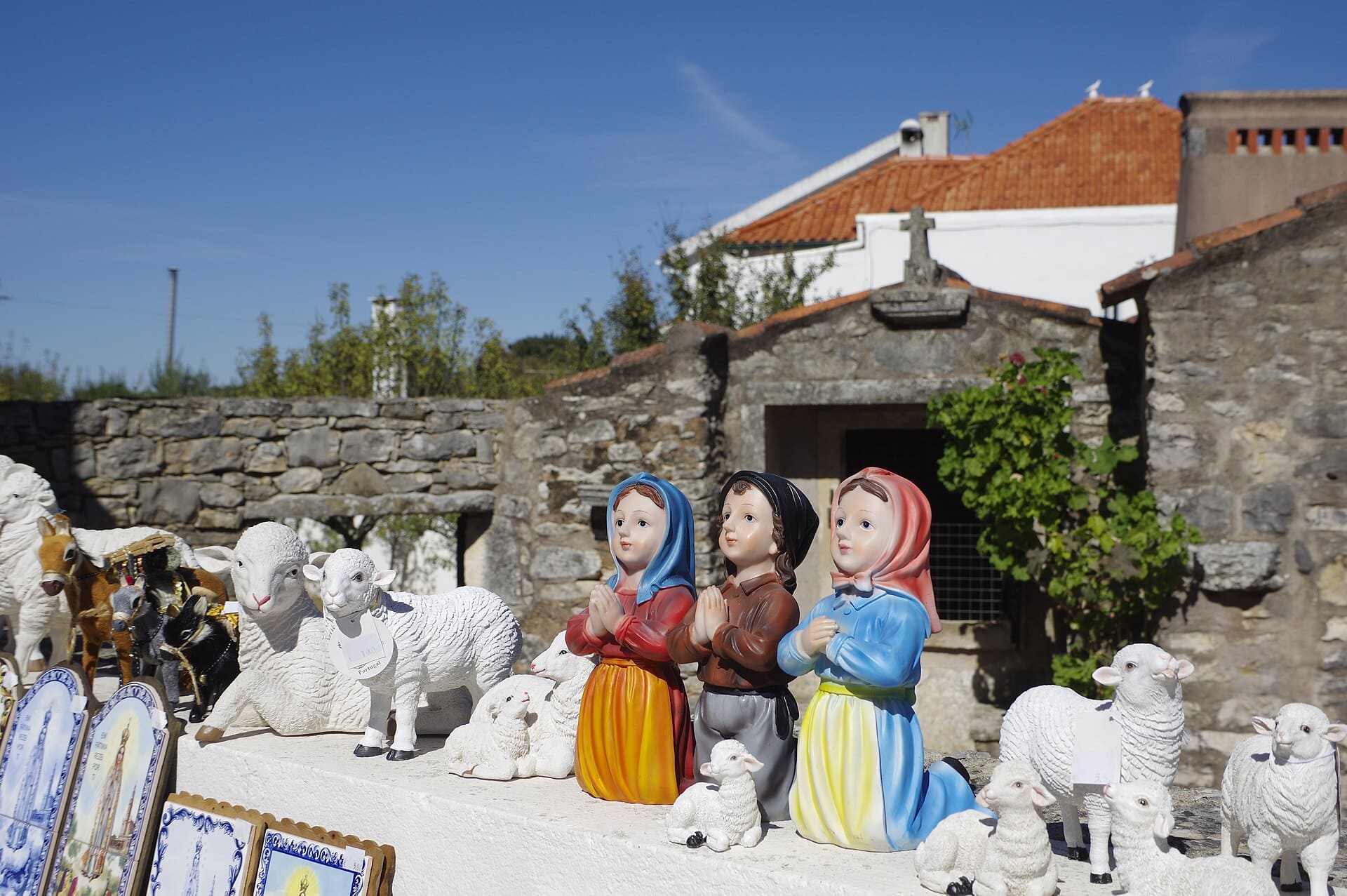
About two kilometres from the main sanctuary lies the tiny hamlet of Aljustrel, where all three children were born and raised. This village has retained the charm of early twentieth-century Portuguese countryside, even though it’s naturally been adapted for tourist traffic. You can reach it on a pleasant walk, or hop on the small tourist train that regularly shuttles between Fatima’s centre and the village.
The biggest draw here are the original homes of Sister Lúcia and her cousins, which are open to the public and free to enter. Inside, you’ll see period furniture, old farming tools, and the humble conditions in which the young shepherds lived. It provides a wonderful contrast to the grand basilicas in the centre and helps you better imagine the real lives of the story’s main characters.
8. The Stations of the Cross to Valinhos (Via Sacra)
The path the children regularly walked from the village of Aljustrel to graze their sheep on the pastures near Fatima has been transformed into a beautiful and peaceful Way of the Cross. The route winds through shady olive and oak groves, with fifteen small chapels spaced along it — funded by Hungarian Catholic refugees after the Second World War. It’s the perfect escape from the bustle of the main square and ideal for a quiet stroll in nature.
Just off this path lies a place called Valinhos, where the fourth apparition of the Virgin Mary took place in August 1917. The children came here because, on the usual day of the apparition, the local mayor had imprisoned them — he didn’t believe their story and tried to force them into admitting they’d made the whole thing up. Today, the spot is marked by a simple stone monument surrounded by mature trees, and an incredible silence reigns here.
9. Loca do Cabeço and the Angel of Peace
Even before the Virgin Mary appeared to the children, they reportedly experienced a series of other supernatural encounters in 1916. On a rocky hillock near the village of Aljustrel called Loca do Cabeço, the so-called Angel of Portugal, also known as the Angel of Peace, allegedly appeared to them three times. The angel was said to have been preparing the children for the events that would unfold the following year.
Today, you’ll find a striking life-size sculpture group here that depicts the children kneeling before the radiant angel among large limestone boulders. The location is slightly off the main tourist trail, so you’ll often find only a handful of quiet pilgrims here. Ancient olive trees tower around the statues, and the atmosphere feels perhaps even more authentic than on the paved square in the town centre.
10. Grutas da Moeda Stalactite Caves
If you need a break from the religious theme for a while, head to the stunning limestone caves of Grutas da Moeda, just a few minutes’ drive from Fatima’s centre. These caves were discovered in 1971 by two local hunters chasing a fox, who stumbled upon an extensive underground system full of spectacular stalactite formations. The caves are now beautifully illuminated and open to the public.
The tour route stretches just under four hundred metres and takes you down to a depth of forty-five metres below the surface. You’ll see pools, massive stalactites, and formations that locals have given poetic names like the Shepherd’s Room or the Fountain of Tears. The temperature inside stays around eighteen degrees year-round, making a visit to the caves a very welcome cool retreat on a sweltering summer day.
11. Strategic Day Trip: Combining Fatima with Batalha and Tomar
Fatima has the enormous advantage of being situated close to several other Portuguese historical gems, making it a perfect base for exploring the wider region. Just a short drive away you’ll find the Batalha Monastery, a masterpiece of late Gothic architecture and a UNESCO World Heritage Site that will leave you in awe with its Unfinished Chapels and intricate stone lacework. It’s an absolute architectural wonder that you simply must see with your own eyes.
Another nearby stop is the town of Tomar, home to the monumental Convent of the Order of Christ, which was once the seat of the legendary Knights Templar. Combining Fatima, Batalha, and Tomar creates a perfect historical triangle that, with a well-planned itinerary, can even be covered in a single packed day. If you don’t have your own car, there are plenty of organised tours that regularly link all three destinations.
12. Where to Eat (Vegetarian Survival Guide)
Traditional Portuguese cuisine leans heavily on meat and seafood, which can be a bit of a challenge in Fatima with its classic pilgrim dining halls. Don’t worry, though — local cafés and pastelarias offer plenty of excellent meat-free options. Be sure to try the local sheep’s cheese, a hearty vegetable soup called sopa de legumes, or traditional omelettes, which any decent bistro will happily prepare for you.
You absolutely must not leave without trying the traditional sweets, crowned by the famous flaky pastry cups filled with egg custard known as pastéis de nata. You’ll find dozens of brilliant bakeries where you can pair this treat with excellent Portuguese coffee and recharge after a long day of walking around the complex. The cafés around the main square tend to be pricier, so don’t be afraid to wander into the side streets where you’ll find much more authentic and affordable spots.
Map of points of interest for your phone
Where to Go from Fatima
Once you’ve soaked up the atmosphere of this unique place, central and southern Portugal has plenty more fantastic destinations to offer. Fatima sits right on the motorway corridor connecting the country’s two largest cities, so it’s very easy to head north from here and explore Porto, or venture into the stunning Douro Valley for some wine tasting. If you’re heading back south instead, our comprehensive Lisbon Guide will help you lose yourself in the winding alleys of Alfama.
Fancy some ocean breeze and wild nature? Set your sights on the western coast. In no time you’ll reach the town of Nazaré, famous for its giant waves and surfing records. You’ll also find surfers and hip cafés in the charming town of Ericeira. If you prefer history and fairy-tale architecture, don’t miss the palaces and castles of Sintra, or the medieval walls and cherry liqueur of Óbidos. And for those who love sun-drenched sandy dunes, we’ve compiled a guide to the Most Beautiful Beaches in Portugal, whether you’re heading down to the Algarve to Sagres or to the cliffs near the village of Carrapateira. And before your next adventure, make sure to read up on the Typical Portuguese Food you absolutely need to try.
Frequently Asked Questions
Is there an entrance fee to visit Fátima?
No, the entire sanctuary complex, including both main basilicas and the Chapel of the Apparitions, is completely free to enter. There are no tickets or time slots required. You’ll only need to pay a small admission fee if you want to visit some of the specific museums and exhibitions in the surrounding area.
What’s the best way to get to Fátima from Lisbon?
I’d definitely recommend taking the Rede Expressos long-distance buses, which depart from Lisbon’s Sete Rios terminal. The journey takes about ninety minutes and drops you off right in the town center, just a short walk from the sanctuary.
Why shouldn’t I take the train to Fátima?
Although there is a Fátima train station on the map, it’s actually located more than twenty kilometers from the pilgrimage site itself, out in the middle of nowhere. You’d have to take an expensive taxi from the station, which doesn’t make sense either time-wise or budget-wise.
Is there a dress code at the sanctuary?
Yes, this is a sacred site with great religious significance. Modest clothing is required, which in practice means you should have your shoulders covered and ideally your knees as well. Avoid short shorts, miniskirts, and low-cut tank tops, or you may not be allowed inside the basilicas.
How much time should I set aside for visiting Fátima?
If you just want to see the main square, both basilicas, and the Chapel of the Apparitions, three to four hours should be enough. However, if you want to soak up the atmosphere, visit the village of Aljustrel, or experience the evening candlelight procession, plan on spending a full day with an overnight stay.
Are all parts of the complex wheelchair accessible?
Yes, Fátima is very well equipped and nearly the entire main complex, including both basilicas, is barrier-free and easily accessible. The smooth, level surfaces of the square and the presence of ramps make this a very friendly destination for people with reduced mobility.
Is Fátima interesting for people who aren’t religious?
Absolutely. Even if you’re not religious, the enormous scale of the square, the architectural contrast of the buildings, and especially the incredibly powerful atmosphere of thousands of people united by a single purpose will leave a deep impression on absolutely everyone.
Where can I buy souvenirs or candles?
You can get wax candles for the evening procession or as an offering directly in the complex at special stands for a voluntary donation. Traditional souvenirs, rosaries, and figurines can be found in dozens of shops lining the streets in the immediate vicinity of the main sanctuary.
Tips and Tricks for Your Vacation
Don’t Overpay for Flights
Search for flights on Kayak. It’s our favorite search engine because it scans the websites of all airlines and always finds the cheapest connection.
Book Your Accommodation Smartly
The best experiences we’ve had when looking for accommodation (from Alaska to Morocco) are with Booking.com, where hotels, apartments, and entire houses are usually the cheapest and most widely available.
 🚗 Car rental on the roadVerified car rentals in Portugal
Search with the DiscoverCars comparison engine — it compares prices from dozens of local and international rental companies, and most bookings come with free cancellation.
Compare car prices in Portugal →Don’t Forget Travel Insurance
Good travel insurance will protect you against illness, accidents, theft, or flight cancellations. We’ve had a few hospital visits abroad, so we know how important it is to have proper insurance arranged.
Where we insure ourselves: SafetyWing (simple monthly subscription) and TrueTraveller (for extra-long trips).
Find the Best Experiences
Get Your Guide is a huge online marketplace where you can book guided walks, trips, skip-the-line tickets, tours, and much more. We always find some extra fun there!