

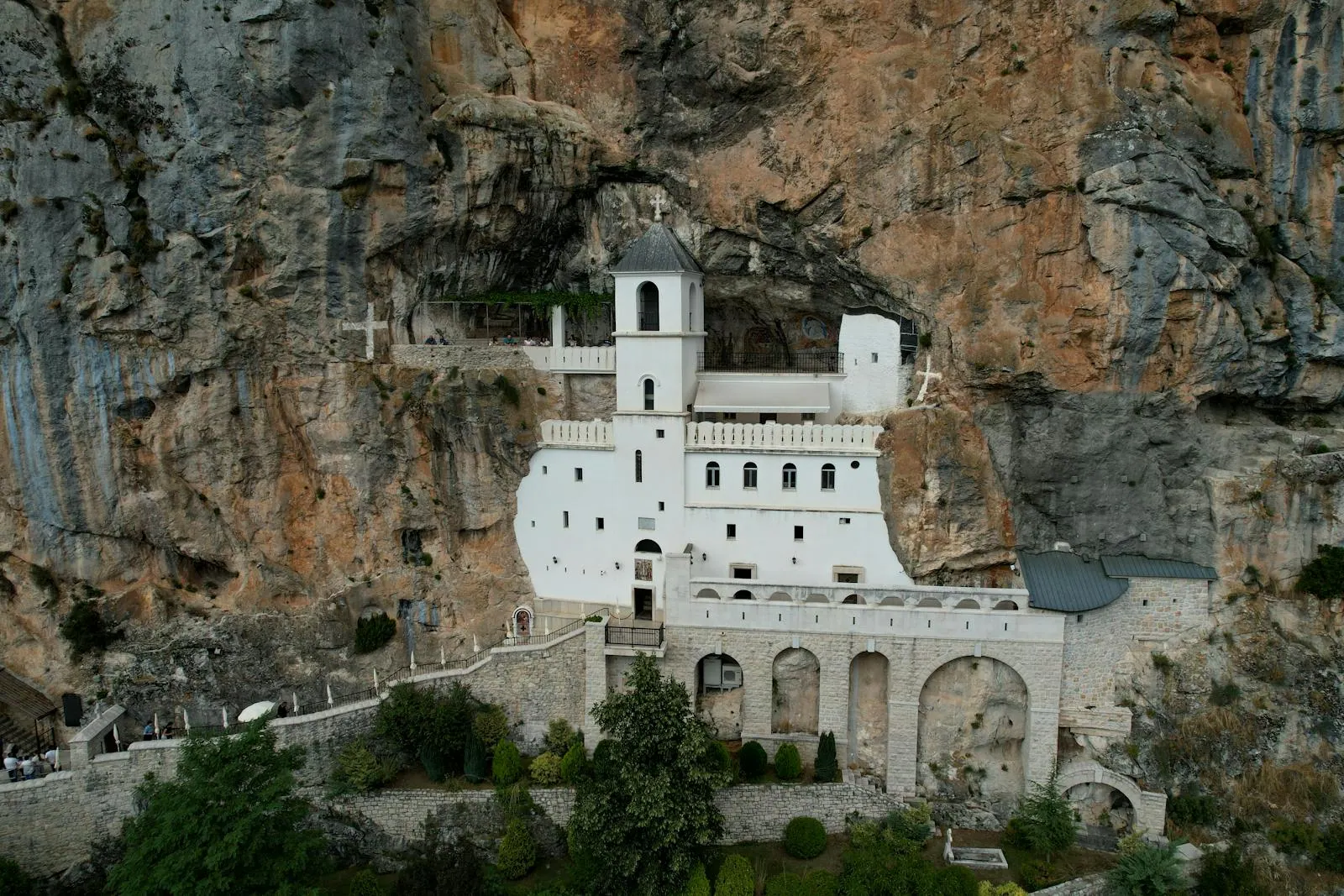
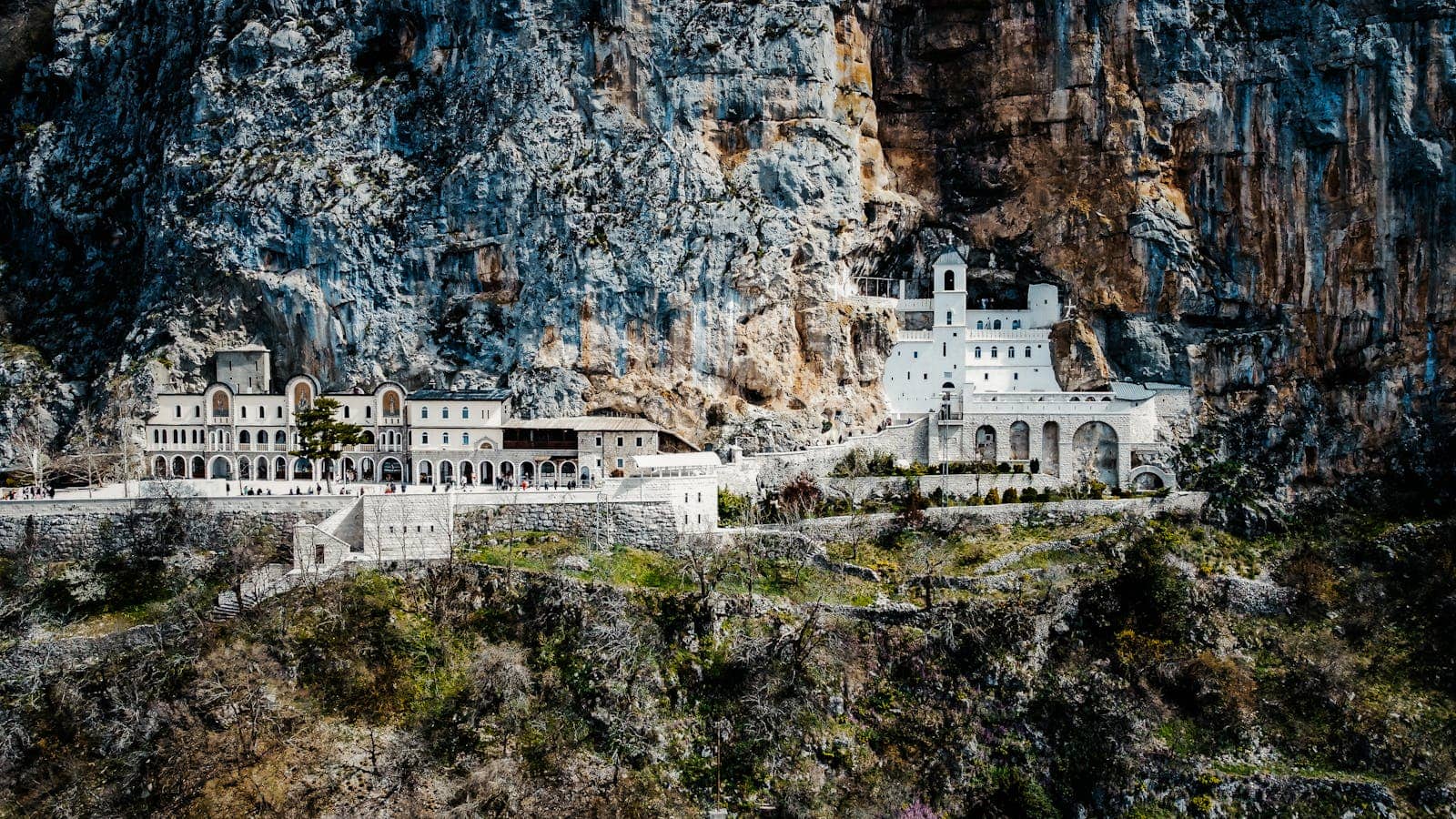
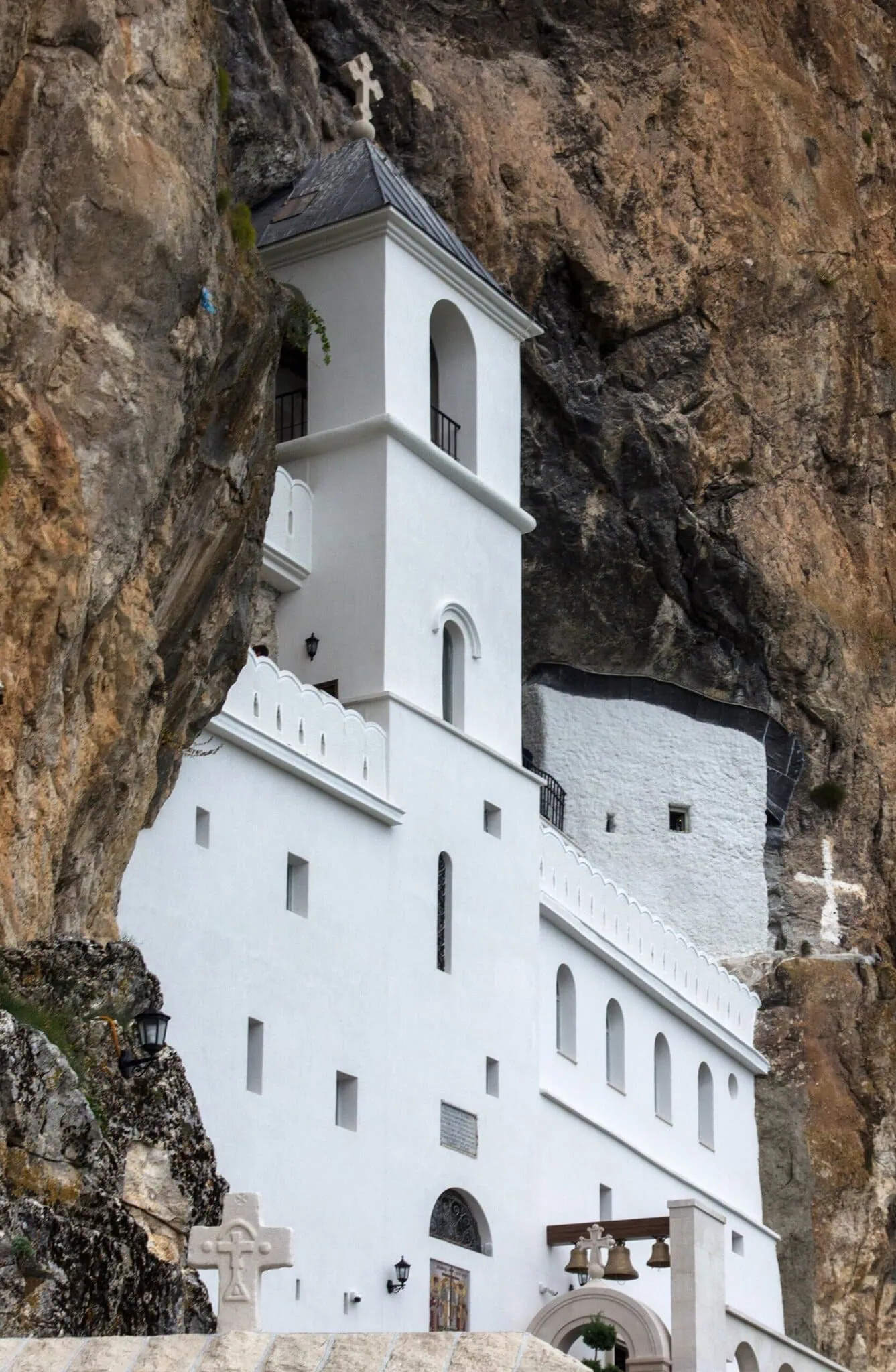
A dazzling white façade grown straight into a sheer rock wall, with a deep valley below. Ostrog Monastery in Montenegro looks almost unreal in photos, but trust me, in person its sheer majesty will absolutely blow you away. It’s one of the most striking places in the entire Balkans.
Although it’s the most important centre of Montenegrin Orthodoxy, visitors come here from all over the world regardless of their faith. They’re drawn not only by the fascinating architecture balancing on the edge of a precipice, but also by the incredibly powerful atmosphere and gorgeous views over the countryside.
In this article we’ll take a close look at 8 practical tips on what to see and do at Ostrog Monastery. I’ll show you how to handle the narrow access road, where to base yourself strategically, and which strict rules you need to prepare for before you go in.
TL;DR
- Entry and crowds: Entry to the whole complex is completely free. If you want to avoid the huge queues, arrive as early in the morning as you can.
- Strict dress code: You’ll only be let inside with your shoulders and knees covered. Forget shorts or summer spaghetti-strap tops.
- Two parts of the complex: The monastery is split into the lower (Donji) and the unique upper (Gornji) section. They’re connected by a narrow road and a forest walking trail.
- Parking and the drive: A very narrow, winding road leads up to the upper monastery. Less confident drivers can park at the bottom and take the local minibus.
- No photography: Absolute silence reigns inside the cave chapels, and there’s a strict ban on taking photos.
- Sleeping with the monks: For those truly interested, the lower monastery offers modest accommodation in shared dormitories for a voluntary donation.
When to visit Ostrog Monastery
Timing your visit right is absolutely crucial for this trip. The summer months get extremely hot here, because the rock wall heats up intensely during the day. The best plan is to arrive right after opening, ideally around eight in the morning.
In peak season from July to August, the car park by the upper monastery fills up before ten in the morning. Turn up later and you’ll not only crawl along in a queue of cars, but also face a long line at the entrance to the cave chapels that can stretch to an hour.
The one date you should absolutely avoid is 12 May, when the feast of Saint Basil is celebrated. On this day hundreds of thousands of pilgrims from all over the Balkans descend on the site, roads collapse into gridlock, and waits are measured in long hours. Another equally busy date is the moveable feast of Pentecost, which usually falls in late May or early June.
Where to stay near Ostrog Monastery
💡 Tip for accommodation and experiences: We prefer to look for places to stay on Booking.com, which usually has the best cancellation terms. For tickets, tours and activities it pays to compare and book through GetYourGuide.
If you want to experience the early-morning atmosphere without the crowds, it makes sense to sleep as close to the complex as possible. A popular hotel search engine is Booking, where you’ll find plenty of interesting options in the nearby towns of Danilovgrad and Nikšić. I’ve put together some specific accommodation tips for you to choose from.
The biggest draw in the area is the Hotel Sokoline, just about a kilometre and a half from the lower monastery. It’s built on a high cliff, and from its terraces you have a direct view of the illuminated monastery in the rock. The rooms are modern, and morning coffee with a panorama like that is simply unforgettable.
Another great choice is the more traditional Old House Kontic near the town of Nikšić. It’s a beautifully renovated family house offering total peace and a huge garden. It works out very reasonably priced, and it’s roughly fifteen minutes’ drive to the monastery.
If you’re travelling with the family and looking for more spacious digs, try Apartmani Vinici in the small town of Danilovgrad. It offers a lovely view of the surrounding mountains, an on-site restaurant and hassle-free free parking, which is always welcome when road-tripping around the Balkans.
8 tips on what to see and do at Ostrog Monastery
Let’s take a detailed look at everything waiting for you in this unique complex. The place offers a fascinating blend of history, architecture and natural beauty. I’ll show you how best to organise your visit, so you don’t miss any of the important parts of the complex and can avoid any potential hiccups.
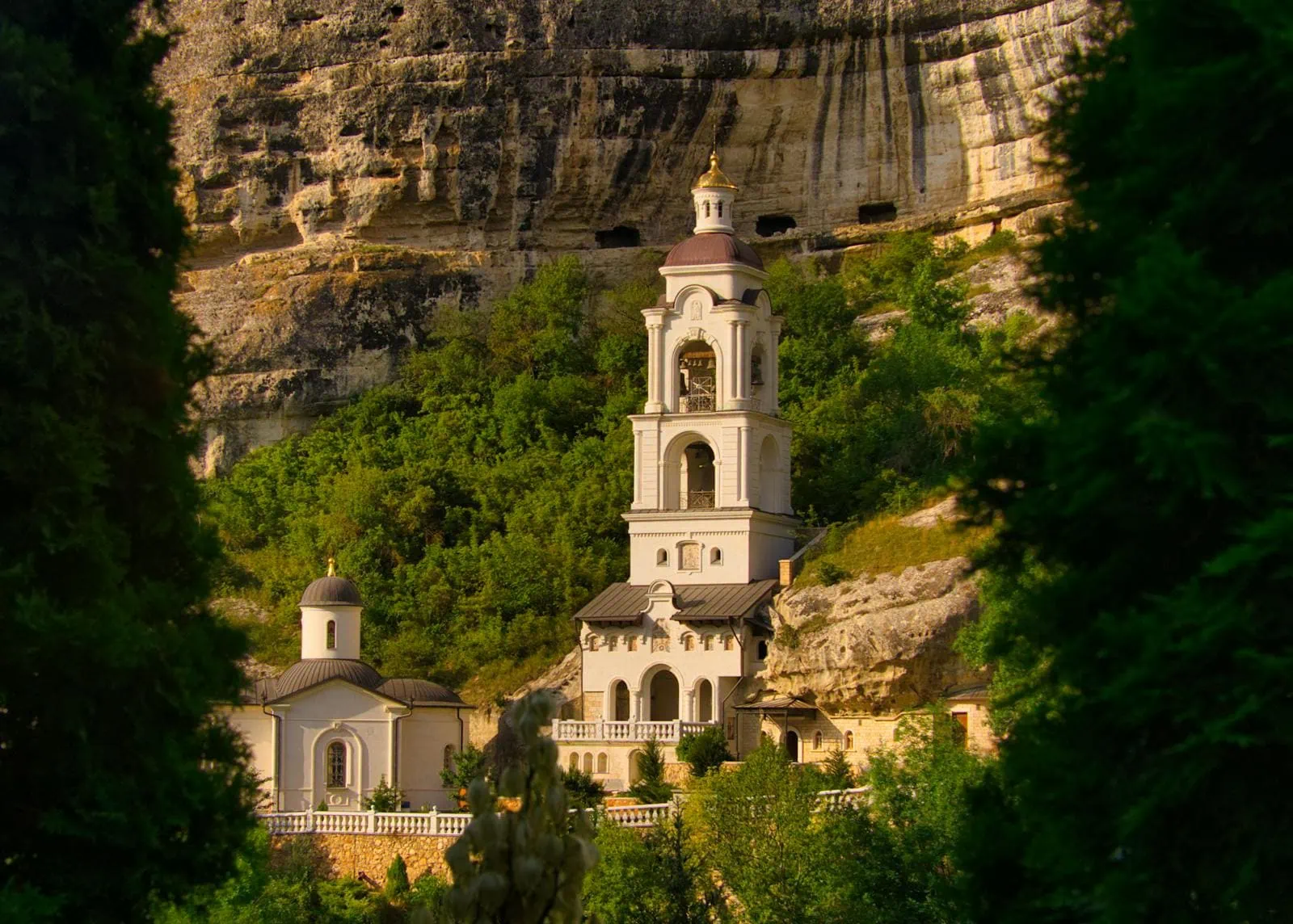
1. Dive into the history and legends
The origins of this place trace back to Saint Basil of Ostrog, an important monk and bishop who fled here in the 17th century to escape Turkish raids. He found refuge in the cool caves high up in the rock, where he carved out the first chapel and living cells for his monastic community with his own hands.
When the monks opened his grave seven years after his death in 1671, they found his remains completely intact. The church immediately recognised this as a sign of holiness, and ever since, people seeking healing have pinned their hopes on his coffin. These are among the famous Ostrog Monastery miracles that still draw pilgrims today.
Today Saint Basil is venerated across the entire region. What’s fascinating is this place’s immense tolerance, because not only Orthodox Christians but also Catholics and Muslims from neighbouring countries come here to pray with reverence.
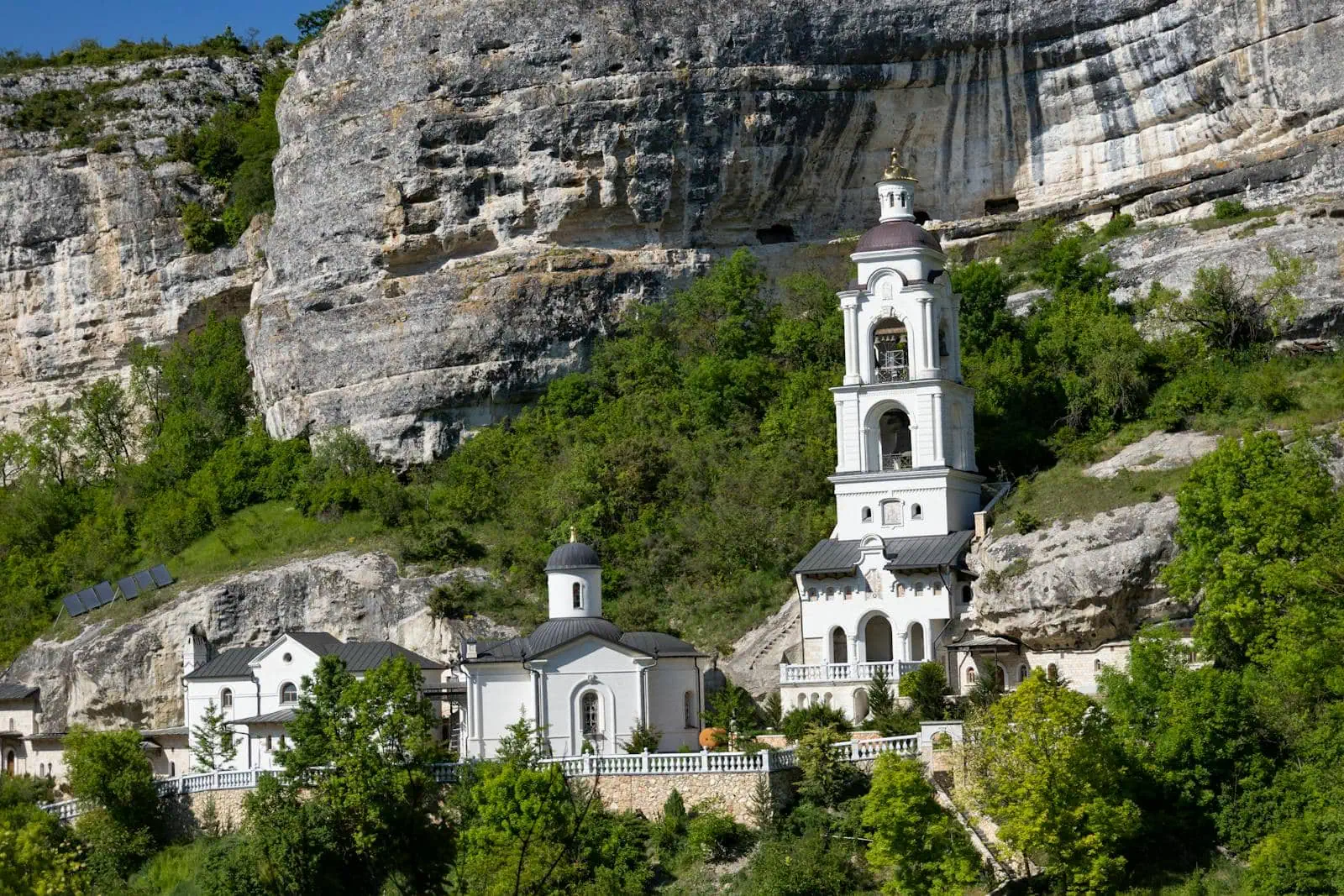
2. Gornji Manastir: a miracle carved into the rock
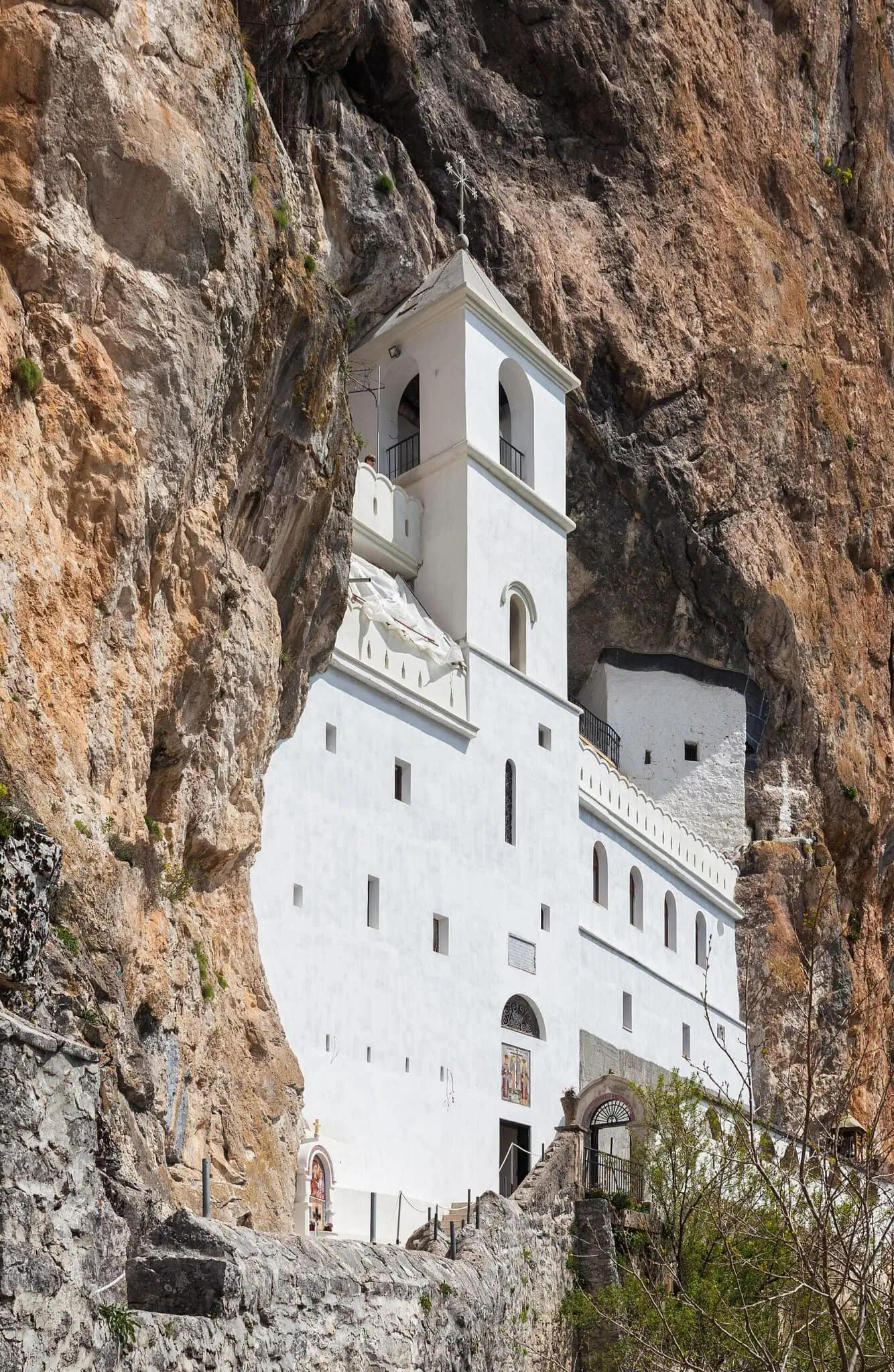
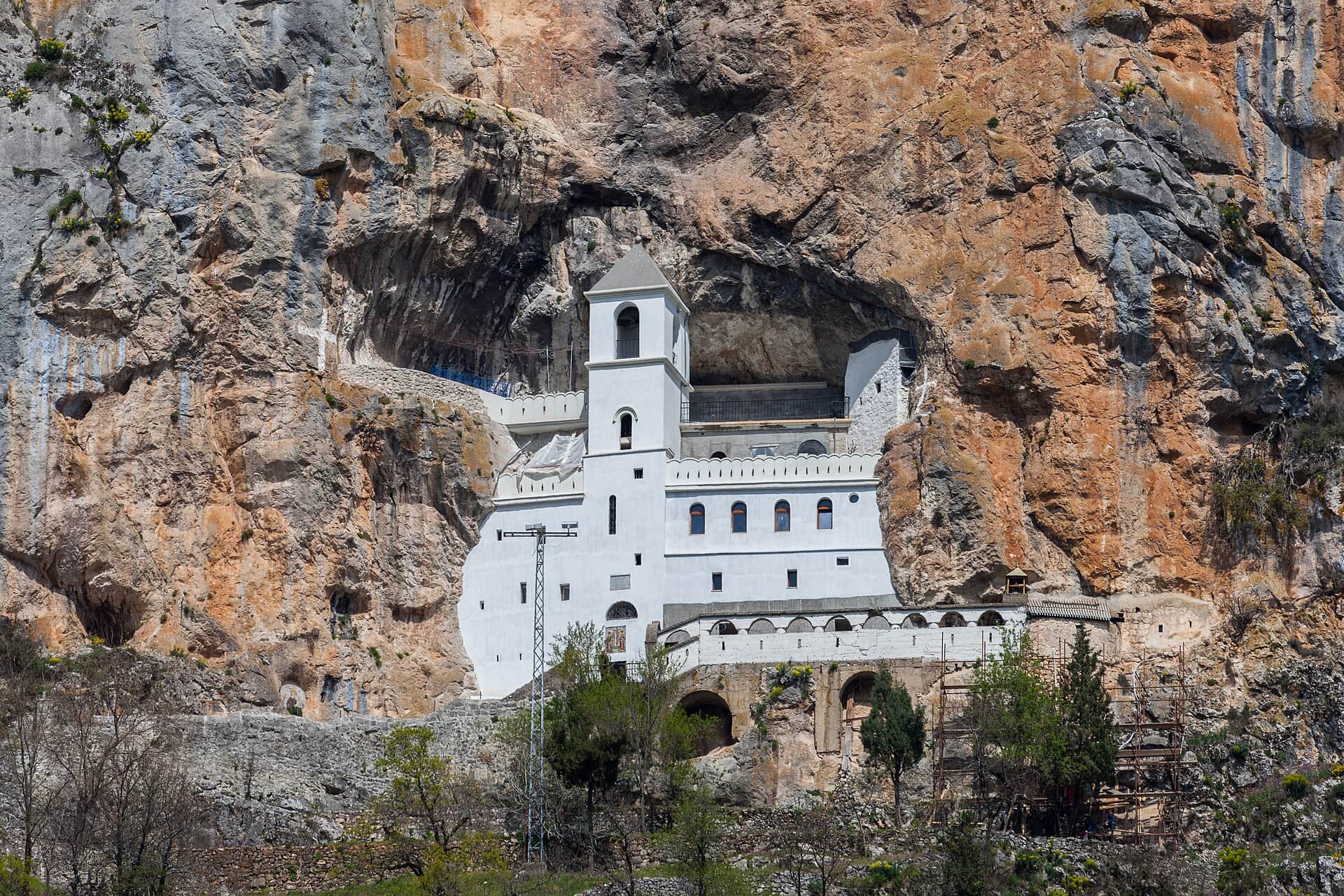
The upper monastery (Gornji Manastir) is exactly the iconic structure you know from the photos. Its dazzling white façade looks as if it had landed on the vertical rock wall from another world. A roughly three-kilometre road leads up here from the lower complex, and the drive itself offers stunning views.
At the heart of the complex are two small cave chapels. The most important one is called the Church of the Presentation of the Blessed Virgin and houses a glass coffin holding the remains of Saint Basil. You have to bow deeply to enter, which symbolises humility before the sacred site.
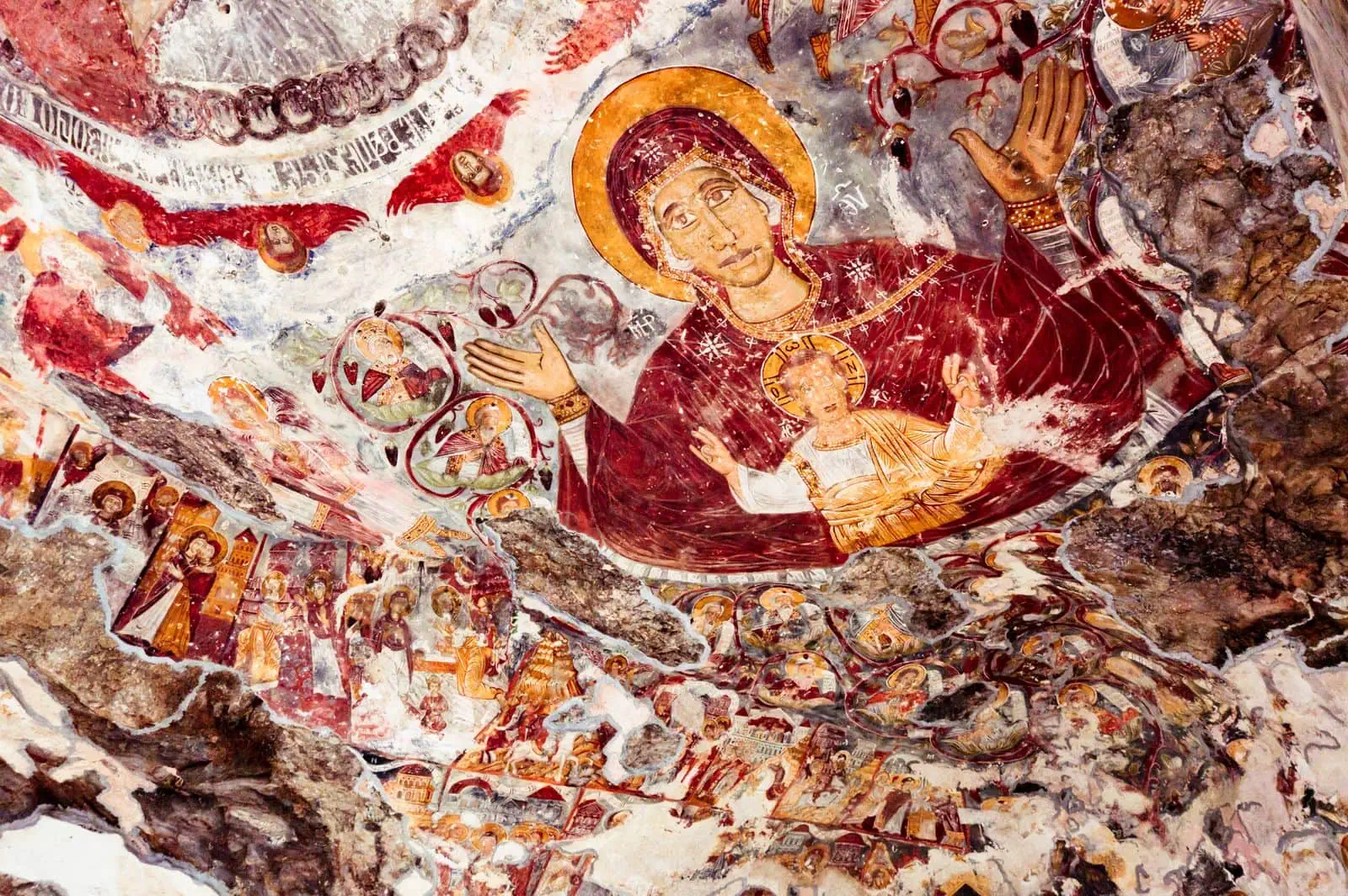
The 17th-century wall frescoes here are painted directly onto the raw stone, so the colours follow the natural bumps and hollows of the rock. Remember that inside these intimate spaces there’s an absolute ban on photography, which the monks enforce very strictly.
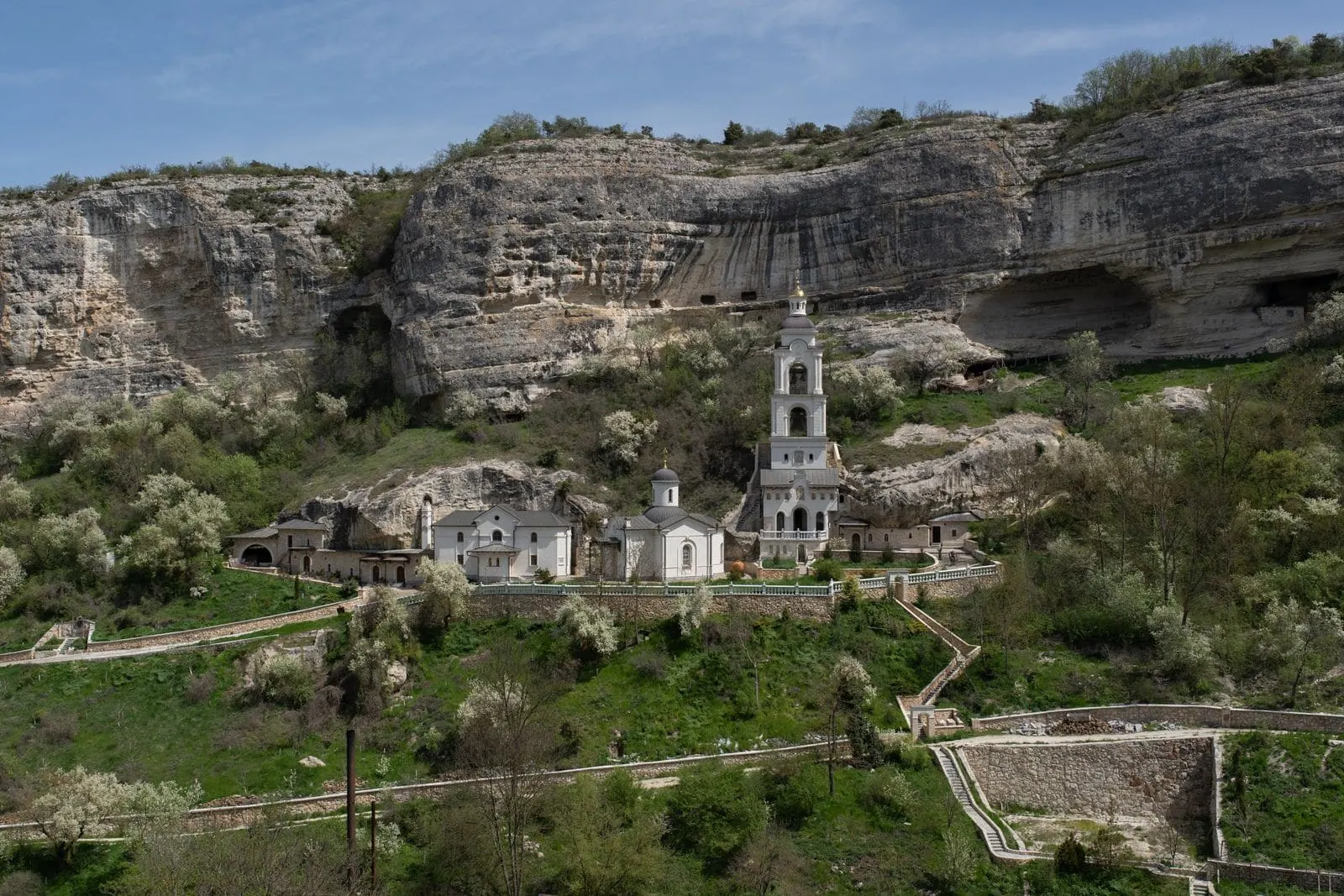
3. Donji Manastir: a peaceful stop in the valley
The lower Ostrog Monastery (Donji Manastir) is often unfairly overlooked by tourists, since everyone rushes straight up to the rock. It was built as late as the 19th century and offers a much calmer, more contemplative atmosphere than the crowd-packed upper section.
At the centre of this lower complex is the Church of the Holy Trinity from 1824. You’ll also find sprawling monks’ cells, facilities for pilgrims and, above all, a natural spring with fresh water where you can refresh yourself before the possible climb.
Stopping at the bottom is worthwhile from a practical point of view too. There’s a large, well-organised car park where you can weigh up whether you dare drive all the way up or would rather take the footpath or local transport.
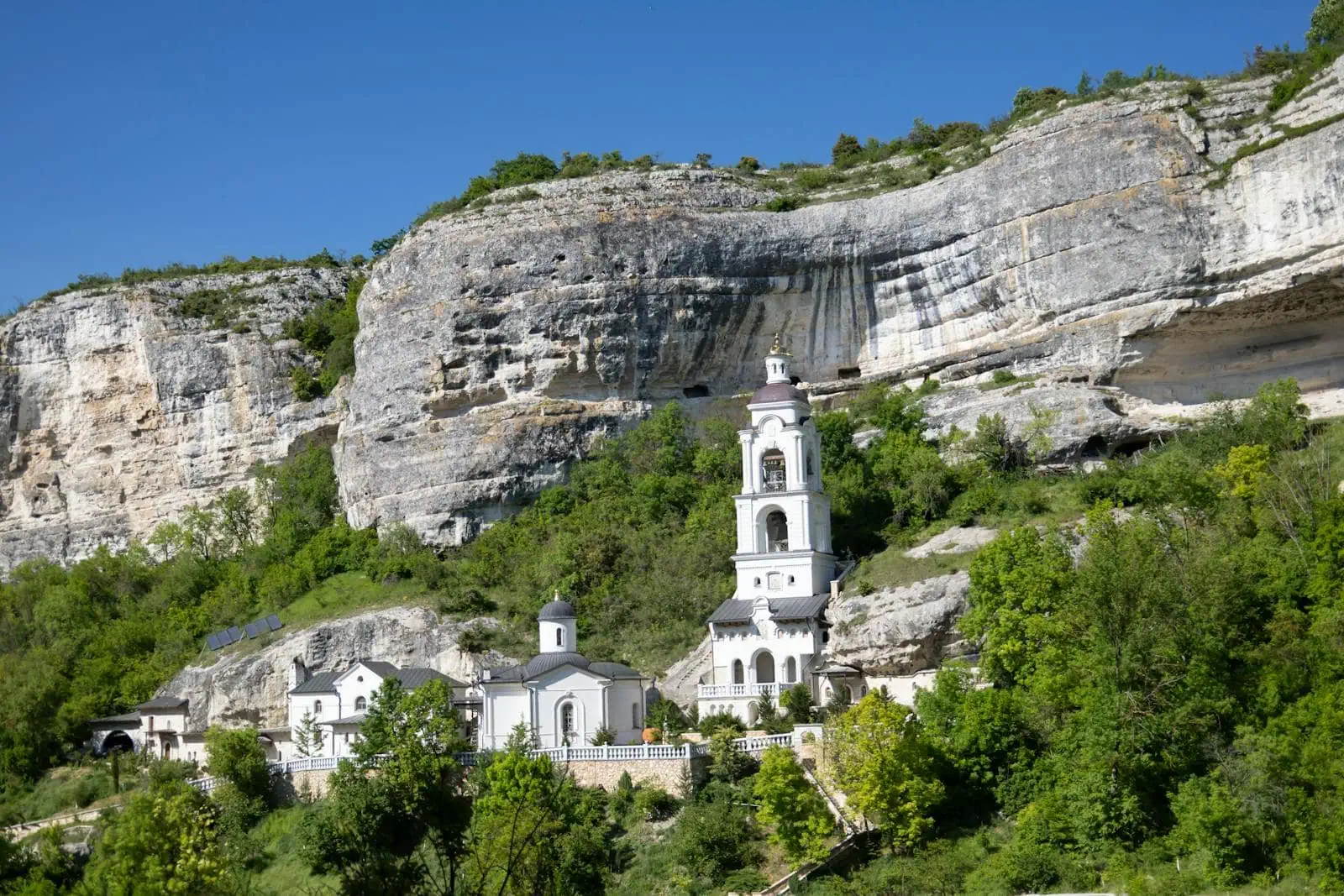

4. The pilgrimage trail through the forest
Instead of driving between the lower and upper monasteries, you can set off along the old forest trail. The route is about two kilometres long and the climb takes you thirty to sixty minutes, depending on your pace and the weather on the day.
The path is stony and in places made up of old steps, so sturdy footwear is an absolute must. You’ll commonly meet pilgrims walking this stretch completely barefoot for religious reasons, but you should definitely keep your trainers on.
After tackling the first switchbacks you’ll come across a lovely viewing platform. It’s the perfect spot for a short rest, opening up a fantastic view over the Zeta River valley and the surrounding green hills.
5. Respect the strict dress code
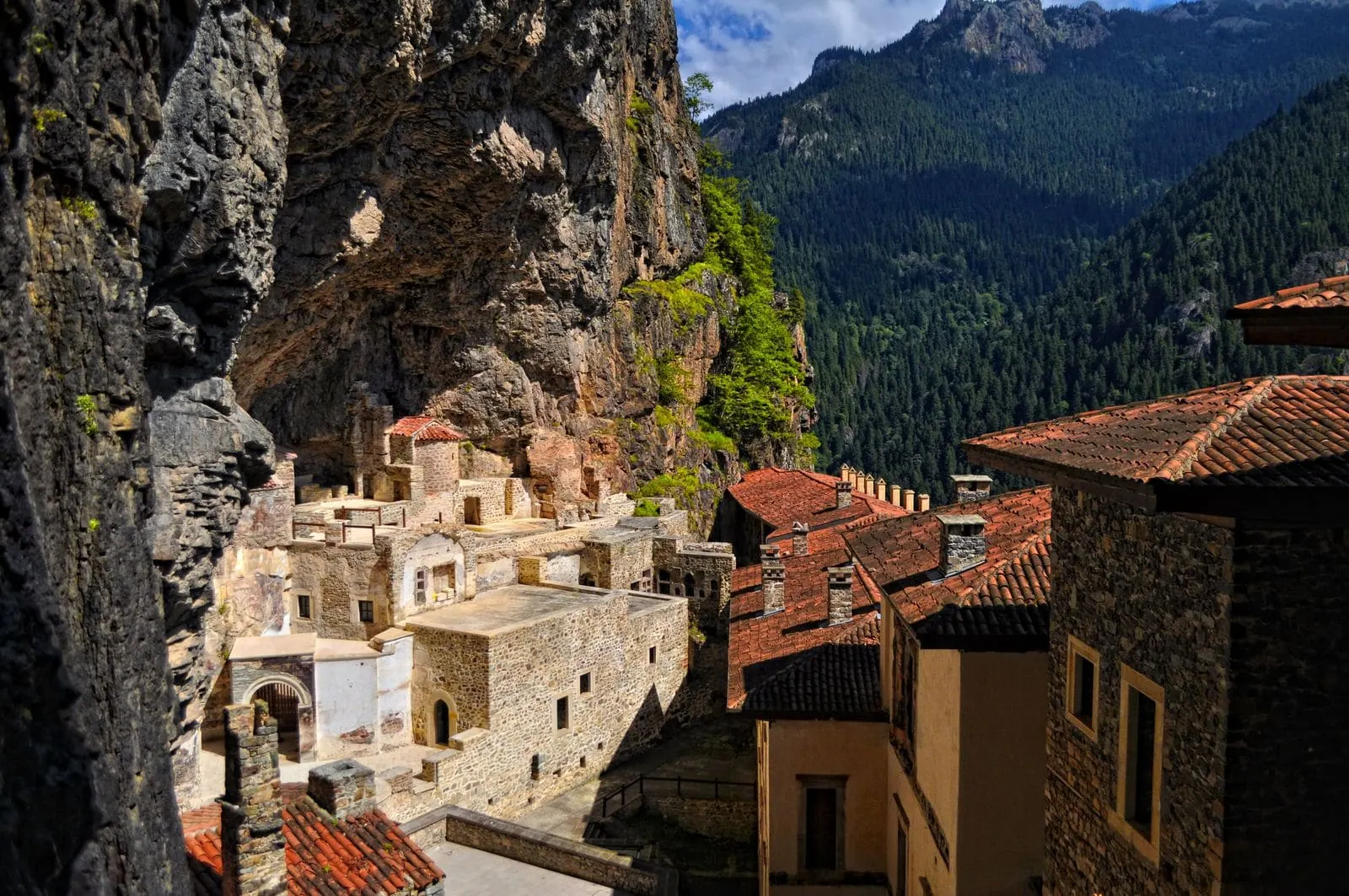
Ostrog Monastery isn’t a tourist attraction but a living sacred site, and you need to treat it accordingly. The basic Ostrog Monastery dress code rule is to keep your shoulders and knees covered, with no exceptions for men or women.
If you turn up in shorts or a spaghetti-strap top, they simply won’t let you in. At the entrance staff do sometimes lend out fabric wraps for free, but you can’t rely on it. Especially in summer, there often aren’t enough to go around.
The best solution is to arrive at the car park in your summer clothes but carry lightweight long trousers or a skirt and a shirt in your backpack to quickly change into before entering. Women are also advised to drape a scarf over their hair inside the chapels.
6. Free entry and sleeping with the monks
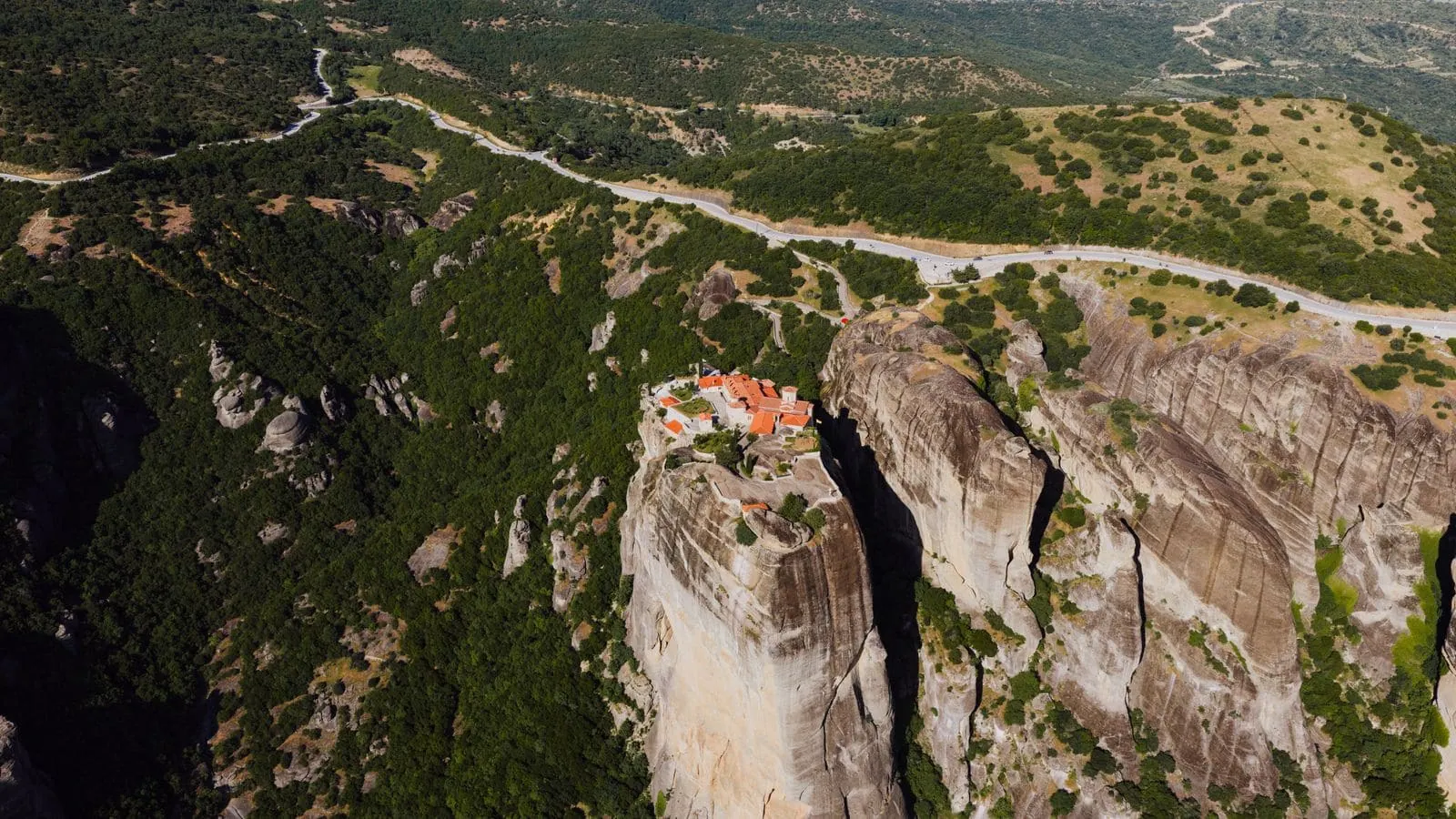
Unlike many European landmarks, entry to the entire monastery complex is completely free. At the entrances you’ll only find baskets for voluntary donations, into which you can (but don’t have to) drop any amount you like.
For travellers seeking a deep and authentic experience, the lower monastery offers the chance to stay overnight. Don’t expect any hotel comforts, though. You sleep in shared dormitories separated for men and women, and you pay just a symbolic voluntary donation of around five euros.
You can’t book in advance — it works on a first-come, first-served basis. You’ll also need to embrace the monastic routine. The wake-up call comes at half past five in the morning, since the morning liturgy is a compulsory part of staying at the monastery.
7. Master the drive along the narrow road
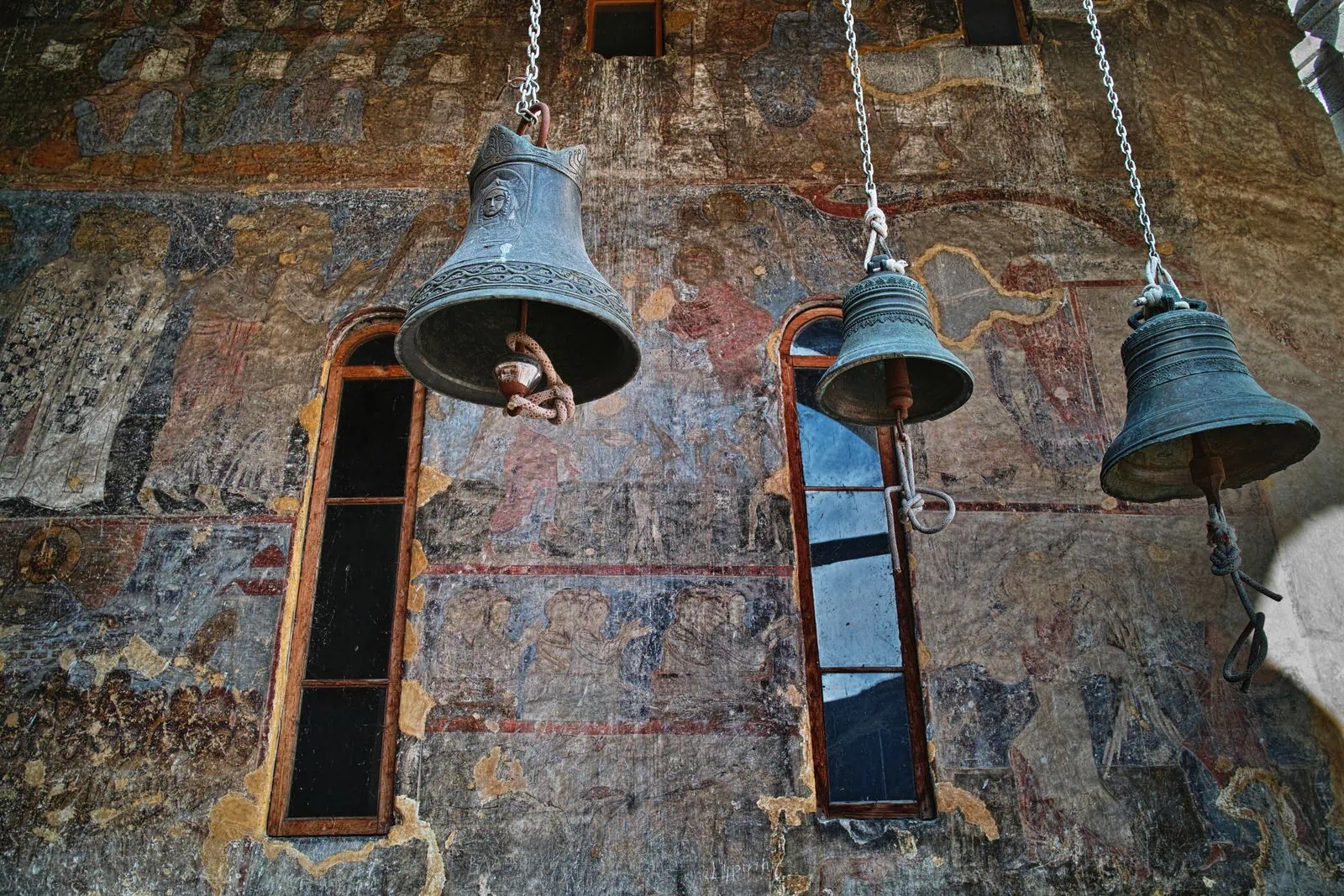
The drive from the lower to the upper monastery is a serious adrenaline rush for many drivers. You’ll face a very narrow road cut into the hillside, full of hairpin bends and little rock tunnels where two cars can only squeeze past each other with great difficulty.
In the summer months you’ll also have to reckon with tourist coach traffic. The rule is to drive very slowly and sound your horn before blind bends. It can be done in a standard car, but it takes nerves of steel.
If you don’t fancy driving in conditions like these, park at the bottom. From Donji Manastir local minibuses shuttle back and forth regularly, safely taking you up to the upper complex for a small fee of around two euros.
8. Local treats and a road-trip stop
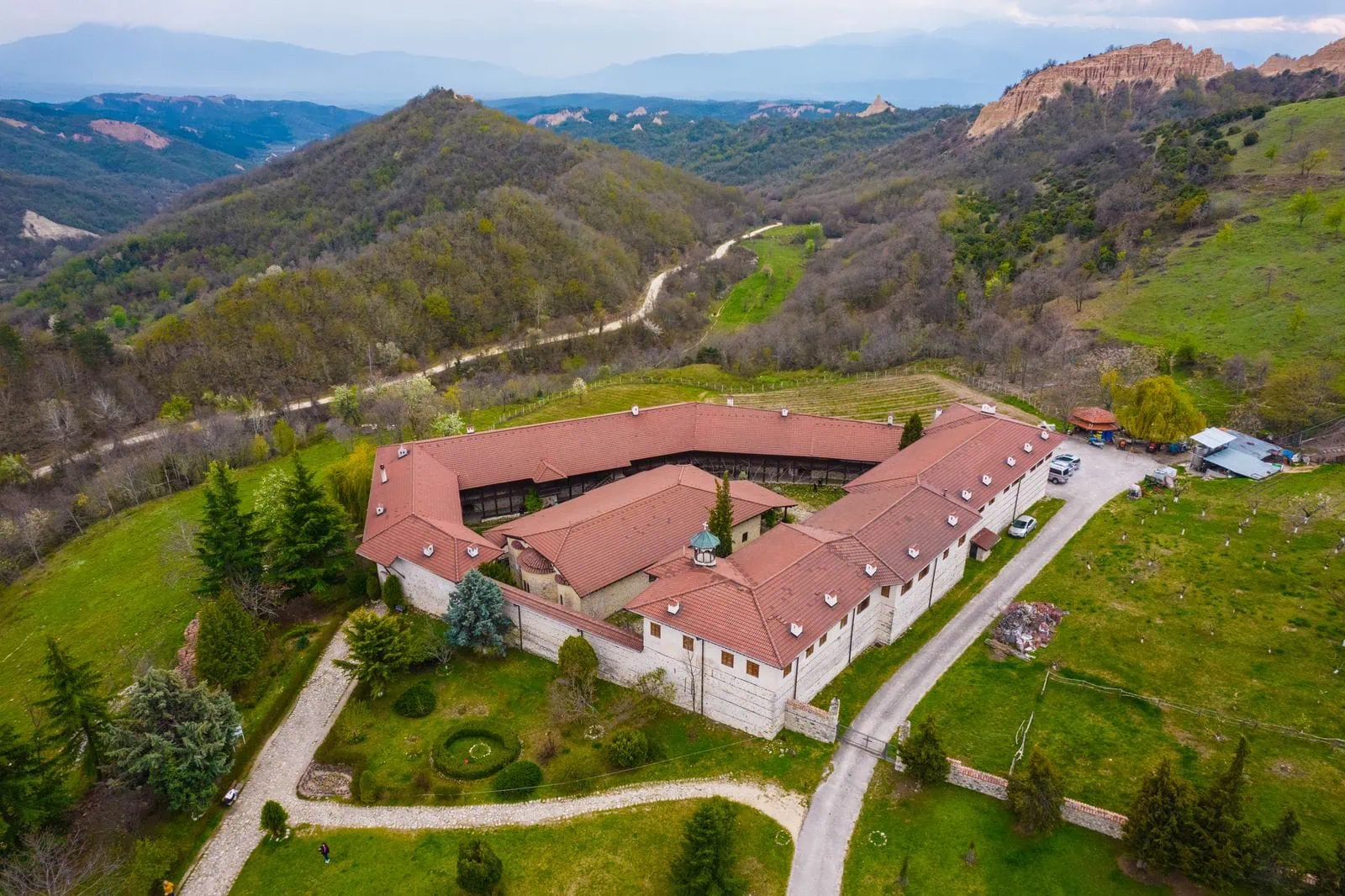
The monastery sits in a strategic spot, right between the capital Podgorica and the mountainous Durmitor National Park to the north. It’s an absolutely ideal stop to stretch your legs if you’re driving from the coast up into the Montenegrin mountains.
From the upper terraces you get a breathtaking view of the Bjelopavlići plain. It’s a vast green lowland hemmed in by mountain ranges, forming a huge contrast to the grey rocks the monastery is carved into.
On your way back down to the main road, be sure to stop at one of the local vendors. Along the roadside, stallholders sell fantastic homemade honey and strong natural syrups, most often made from pomegranate or cornelian cherry, which make a brilliant edible souvenir.
Where to go next in Montenegro
Visiting Ostrog takes roughly half a day, so you’ll have plenty of time to head off and explore more of the beauty of this small but incredibly diverse country. If you go north, be sure to swing by the town of Nikšić, where you can grab a great lunch, then carry straight on into the wild mountains towards Žabljak.
If you’re curious about what else not to miss in the country, I’ve put together a detailed article Holiday in Montenegro: 15 tips for the sea and the mountains. You’ll find plenty of inspiration there on how to combine swimming on the Adriatic coast with high-mountain hiking, which is a truly unique experience in Montenegro.
Frequently asked questions
Is entry to Ostrog Monastery free?
“`html
Yes, entrance to both the lower and upper monastery is completely free for all visitors. If you wish, you can leave a voluntary donation in the special baskets at the entrance, or purchase thin wax candles inside.
“`
What’s the dress code at the monastery?
The rules are very strict. Both men and women must have their shoulders and knees covered. Shorts, miniskirts or summer tank tops are forbidden. They do occasionally lend fabric wraps at the entrance, but it’s much safer to bring your own long clothing.
Can you drive up to the upper monastery by car?
Yes, the road goes all the way up, but it’s very narrow, steep and full of hairpin bends. During the season there’s heavy traffic. If you’re not confident behind the wheel, leave your car at the lower car park by Donji manastir and use the local minibuses.
How long does the hike up take?
“`html
The forest rocky path between the lower and upper monastery measures roughly two kilometers. Walking at a normal pace will take you between thirty to sixty minutes. Don’t forget to bring sturdy and comfortable shoes.
“`
When is the best time to visit?
Experience the most peaceful atmosphere on weekdays early in the morning, ideally right after 8 o’clock. Definitely avoid May 12th, when a mass pilgrimage takes place for the feast of Saint Basil and endless queues form here.
Can I stay overnight at the monastery?
Yes, the lower monastery offers modest accommodation in communal separate dormitories for men and women. There’s a voluntary contribution of around five euros. Rooms cannot be reserved in advance and you must expect a wake-up call at half past five in the morning.
Can people of other faiths enter the monastery?
Absolutely. The monastery warmly welcomes visitors of all faiths as well as tourists without religious affiliation. The only thing the monks strictly require is respecting the dress code, maintaining silence in the chapels, and no photography indoors.
Tips and Tricks for Your Vacation
Don’t Overpay for Flights
Search for flights on Kayak. It’s our favorite search engine because it scans the websites of all airlines and always finds the cheapest connection.
Book Your Accommodation Smartly
The best experiences we’ve had when looking for accommodation (from Alaska to Morocco) are with Booking.com, where hotels, apartments, and entire houses are usually the cheapest and most widely available.
 🚗 Car rental on the roadVerified rental cars in Montenegro
Search with the DiscoverCars comparison engine — it compares prices from dozens of local and international rental companies, and most bookings come with free cancellation.
Compare car prices in Montenegro →Don’t Forget Travel Insurance
Good travel insurance will protect you against illness, accidents, theft, or flight cancellations. We’ve had a few hospital visits abroad, so we know how important it is to have proper insurance arranged.
Where we insure ourselves: SafetyWing (best for everyone) and TrueTraveller (for extra-long trips).
Why don’t we recommend any Czech insurance company? Because they have too many restrictions. They set limits on the number of days abroad, travel insurance via a credit card often requires you to pay medical expenses only with that card, and they frequently limit the number of returns to the Czech Republic.
Find the Best Experiences
Get Your Guide is a huge online marketplace where you can book guided walks, trips, skip-the-line tickets, tours, and much more. We always find some extra fun there!


