

Minus twenty-five degrees. That number scares off most people planning their first trip above the Arctic Circle, and pushes them into buying a polar expedition kit worth thousands. So let’s get this straight in the very first sentence: you don’t need that much new gear. The dry Arctic cold is surprisingly easy to handle, the key is proper layering, and the most important item (the thermal overalls for safaris) is provided on the spot anyway. This Lapland packing guide will show you exactly how. ☺️
In this guide you’ll find a complete packing list for Lapland: how the layering system works in extreme cold, what to actually buy and what to borrow, how to protect your hands, feet and face, what to do with electronics in the freeze, and how to pack for summer. After you get back, you’ll realise that half your fear of the Arctic winter was for nothing.
If you’re still deciding on dates and a plan, take a look at our articles on when to go to Lapland and what to see in Lapland.
TL;DR
- The basics = 3 layers: merino thermal base layer (plus a spare set), fleece or wool, a waterproof insulated jacket and trousers.
- The details that matter most: a hat that covers your ears, a neck gaiter instead of a scarf, mittens (plus thin gloves underneath), wool socks and winter boots one size up.
- Thermal overalls for husky, snowmobile and reindeer tours are provided on the spot, even in children’s sizes. Don’t buy them.
- Don’t forget: swimwear (sauna!), a rich cold-weather face cream, sunglasses, a headlamp, a thermos and a power bank, as the cold eats batteries.
- Summer is a whole different story: layers, a waterproof jacket, sturdy boots and, above all, mosquito repellent.
What the cold in Lapland is really like
Before we dive into the list, a quick reality check. In Rovaniemi, winter temperatures usually range between −5 and −20 °C, and in January and February they can drop below −30 °C (you’ll find the current forecast at the Finnish Meteorological Institute). It sounds brutal, but there’s one big BUT: Lapland’s cold is dry. Without humidity, and often without wind, −15 °C is easier to handle than a damp, drizzly −3 °C back home.
The second bit of good news: in Lapland you move between heated interiors and short spells outdoors far more than you’d expect. Trouble only strikes if you work up a sweat (wet layers get icy cold) or if you underestimate your hands, ears and feet. That’s exactly what the system below is built to handle.
Layering: 3 layers that cover everything
Forget about one “mega jacket”. In Arctic cold, what works is a three-layer system that you add and remove depending on your activity and the weather.
- 1. Base layer (next to skin): thermal underwear, ideally merino, a long-sleeve top and bottoms. It keeps you warm, wicks away sweat and doesn’t smell. Bring two sets, one for activities and a dry one for the evening. Avoid cotton, it gets cold when wet.
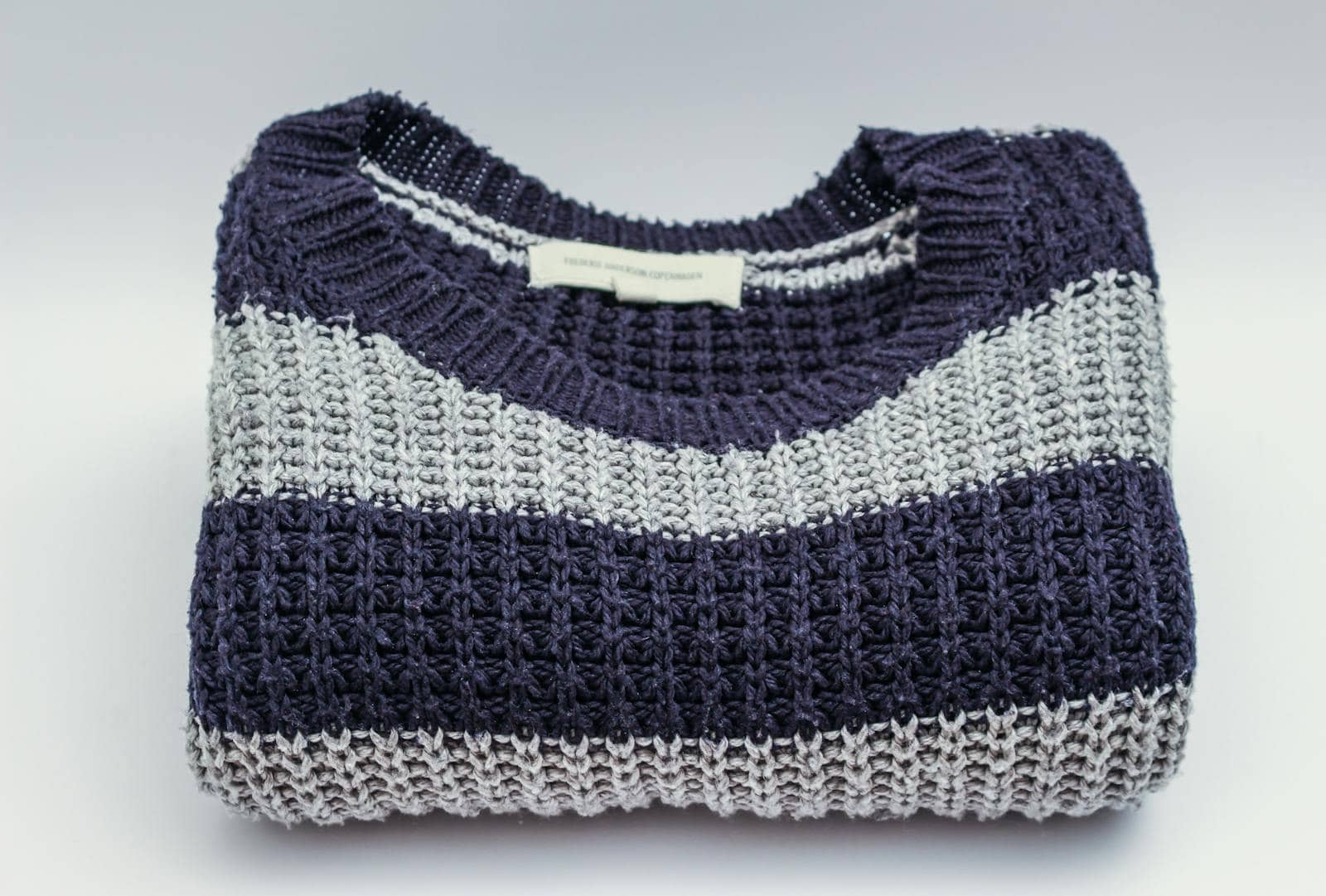
- 2. Insulating layer: a fleece hoodie, a wool jumper or a light down jacket. In the coldest weather, feel free to layer two thinner ones, the air trapped between them insulates.
- 3. Outer layer: a waterproof, windproof winter jacket (ideally a longer one that covers your bum) and insulated waterproof trousers. A ski outfit does the job perfectly, no need to buy anything special.
💡 Tip: The golden rule is don’t over-layer. If you sweat while walking, that wet clothing will chill you fast in the cold. Better to set off feeling “a little chilly”, after a few minutes of moving you’ll be just right.
Head, hands, feet: where the cold is won or lost
Ninety percent of discomfort in the cold comes down to three spots: your ears, your fingers and your feet. This is where it pays not to cut corners.
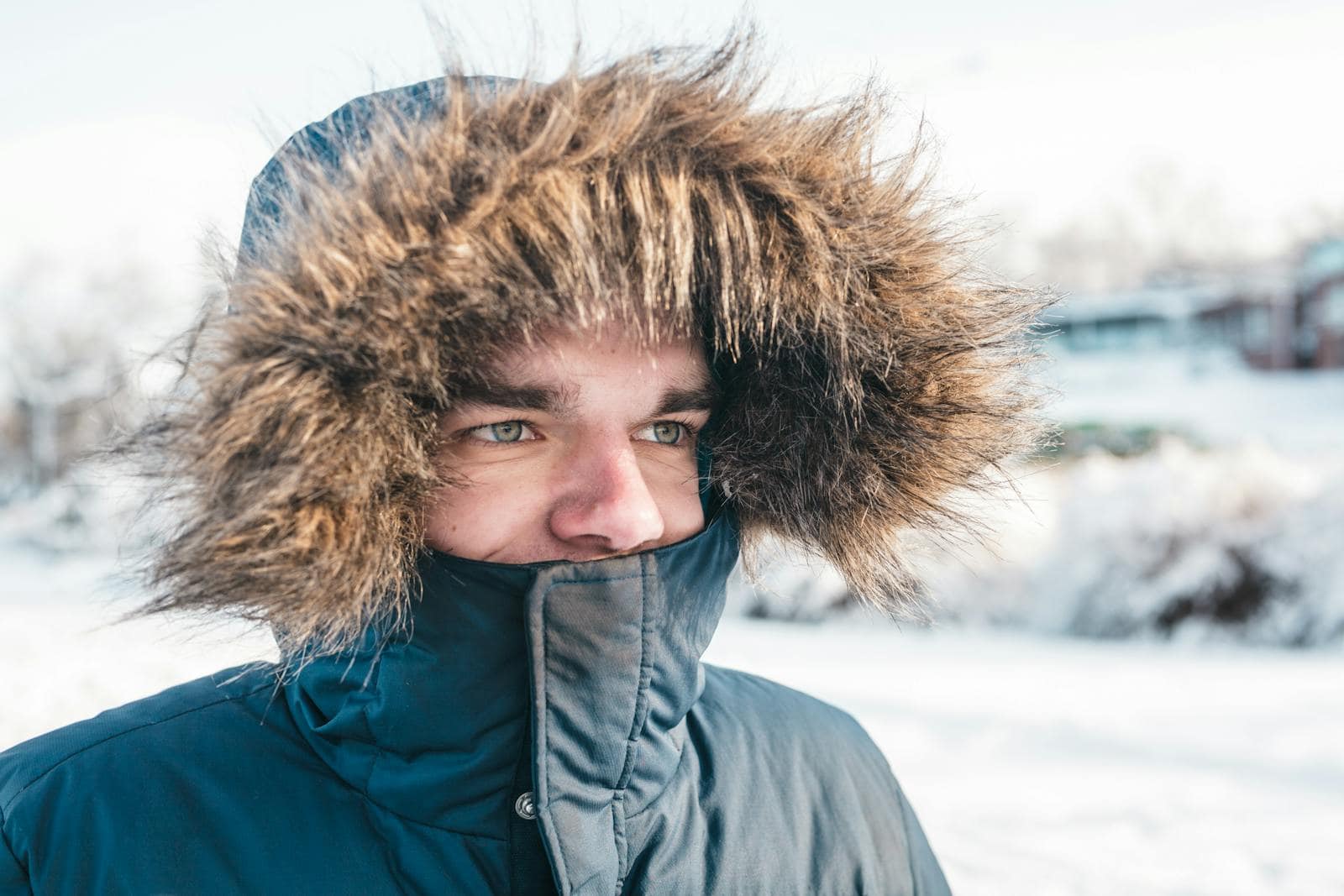
- Head: a warm hat that covers your ears, plus a neck gaiter (a multifunctional buff or fleece tube) that you can pull up over your chin and nose. A scarf comes loose and lets the wind sneak underneath.
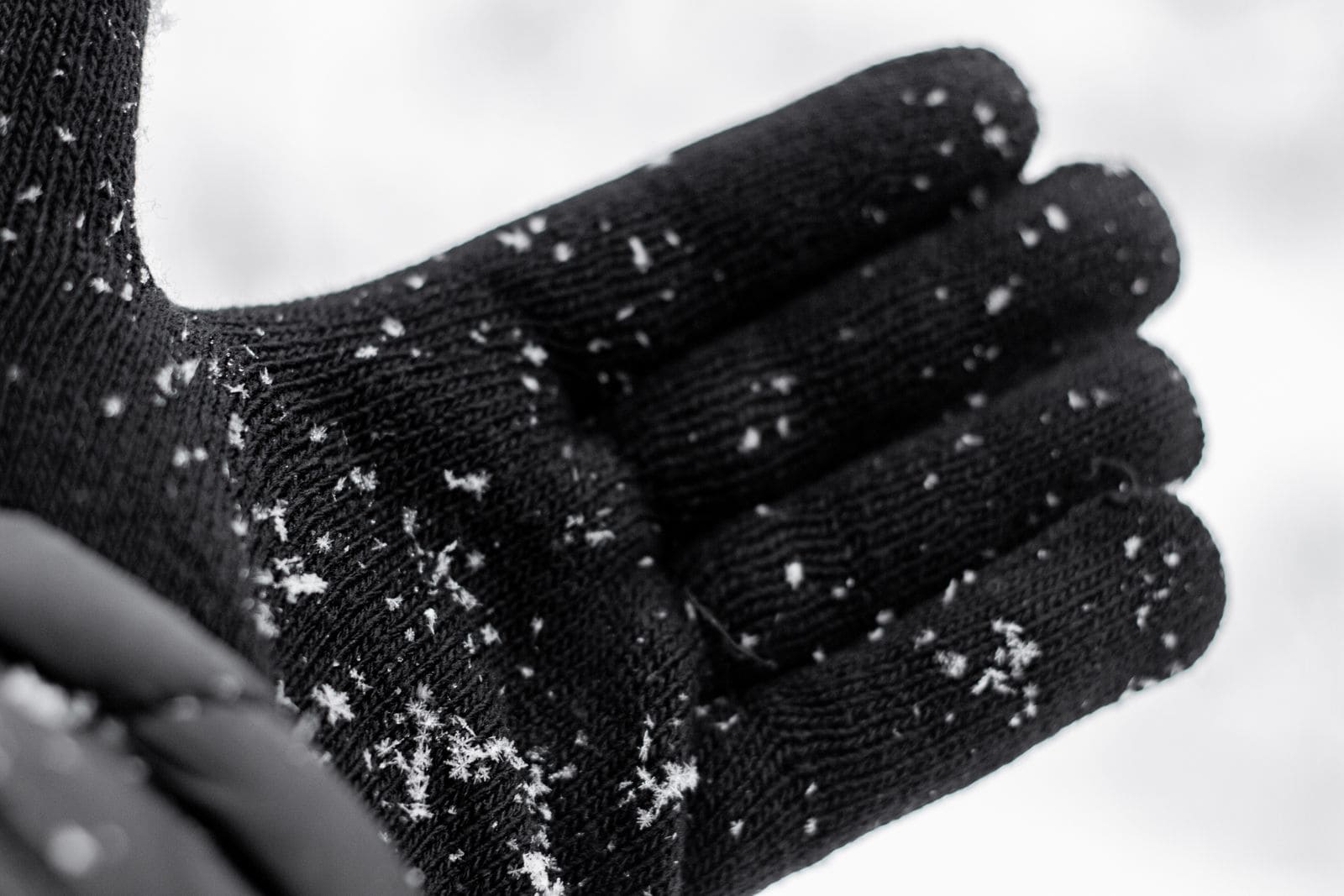
- Hands: mittens keep you far warmer than fingered gloves. Wear thin gloves underneath so you can snap photos of the aurora without exposing bare fingers. A spare pair is handy, wet gloves = end of the fun.
- Feet: wool socks (not three pairs of cotton socks piled on!) and winter boots one size up with a good sole. Air around your toes insulates, cramped toes freeze. For town, quality winter boots are enough; snow boots with a membrane are a bonus.
- Face: a rich cold-weather cream (water-free base) for adults and children alike. And sunglasses, the March sun on the snow is blinding.
What’s provided on the spot (so you don’t need to buy it)
This is the single most important tip in the whole article: on organised activities you get the polar gear on site. Husky safaris, snowmobiles, reindeer farms and aurora hunts, all of them typically include an Arctic thermal overall, winter boots, mittens and a balaclava or helmet in the price, even in children’s sizes. You can check this yourself in the activity descriptions on Visit Rovaniemi.
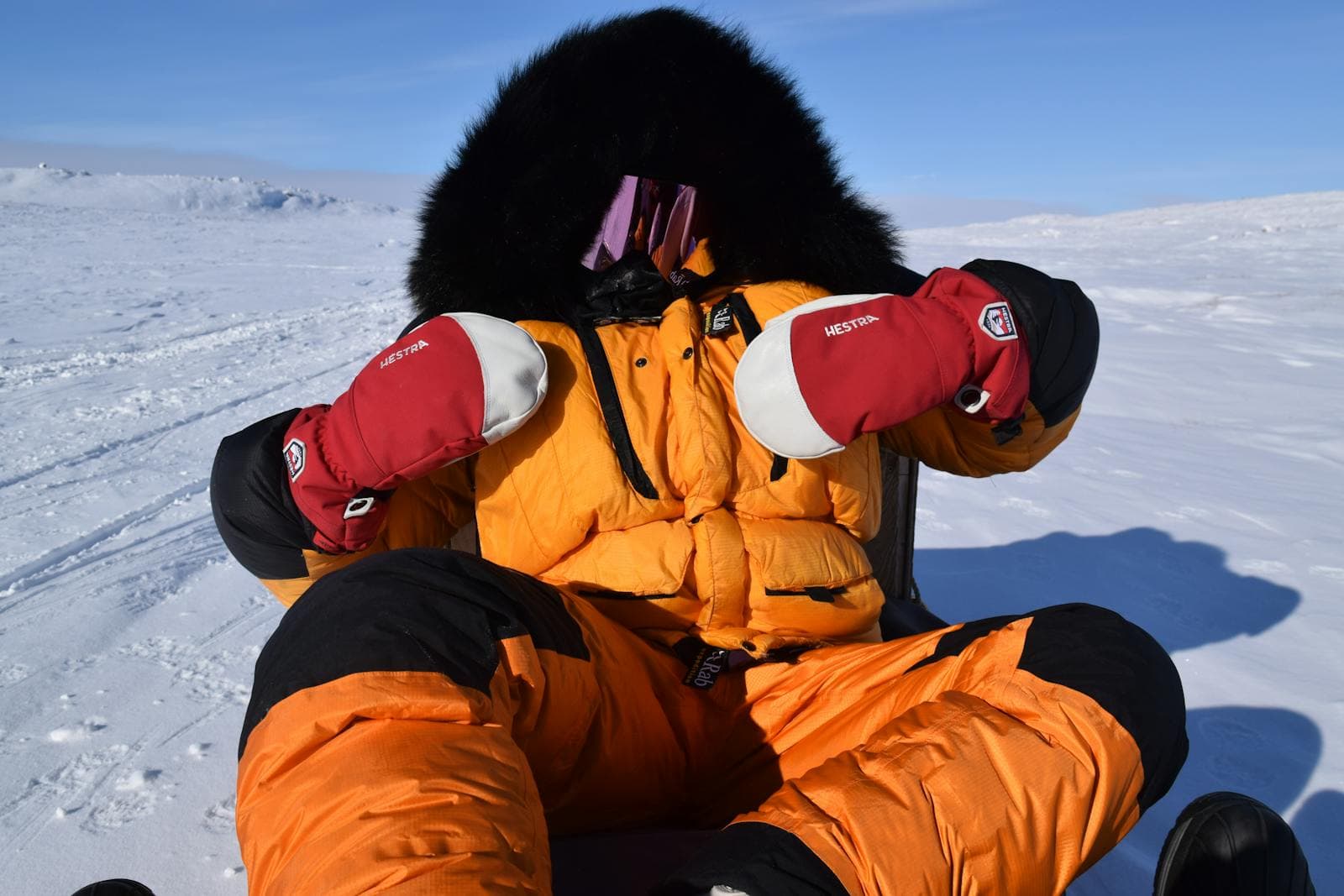
So your own gear really only needs to cover everyday walking around town, Santa Claus Village and evening aurora watching. The layers described above are more than enough for that. And if you’re missing anything, Finnish shops (even ordinary supermarkets) sell good, affordable winter clothing, so you can pick it up locally.
The complete winter packing list for Lapland
Here’s the full list for a 4–6 day trip in one place, so you’ve got something to tick off:
- 2× merino thermal set (top + bottoms), 4–6× wool socks, underwear
- 2× fleece or jumper, 1× light down jacket (for temperatures below −20 °C)
- waterproof winter jacket + insulated trousers (a ski outfit)
- a hat that covers the ears, neck gaiter, mittens + thin gloves, spare gloves
- winter boots one size up, comfy shoes for the hotel
- swimwear! (sauna and the ice hole are part of the Finnish experience) + a quick-dry towel
- rich cold-weather face cream, lip balm, sunglasses
- headlamp (it’s dark by afternoon), thermos, power bank
- medication, travel insurance, a card plus some euros in cash (though almost everything is paid by card)
- optional: sleep mask, hot water bottle, heated boot insoles, a tripod for aurora photography
💡 Tip: How to fit all of this into your luggage without paying baggage fees is something I cover in detail in the article on cabin baggage and backpacks for flights. Winter gear is bulky, so for Lapland it usually pays off to share one checked bag between two people.

Where to stay (and what to pack because of it)
Your choice of accommodation affects your packing too. At a city-centre hotel like Santa’s Hotel Santa Claus in Rovaniemi, city gear and swimwear for the sauna will do. At out-of-town resorts like Apukka Resort, an extra headlamp comes in handy (for evening walks between cabins), and for glass igloos, such as at Kakslauttanen Arctic Resort, pack a sleep mask for the brighter nights at the start and end of the season. You’ll find a complete overview of accommodation in the articles on what to see in Rovaniemi and glass igloos in Lapland.
Electronics and photography in the cold
The cold is a battery killer. A phone that lasts all day at home will drain in an hour or shut off entirely in the freeze. Keep it in an inside pocket close to your body, take it out only for photos, and pack a power bank (also kept warm). For a camera in the cold, spare batteries kept close to your body help, and for the northern lights don’t forget a tripod, I explain how to set it up in the article on the northern lights in Lapland.
Watch out for condensation: when you come in from −20 °C into a warm room, let your camera acclimatise inside your backpack or a sealed bag, otherwise it will fog up inside. And if you’re driving in winter, remember that the rental company provides the extra gear (an ice scraper, cables), more in my Lapland itinerary.
And what about summer? A completely different list
Summer in Lapland (June to August) has temperatures of 15 to 20 °C and you pack for it much like an autumn trip in the mountains: layers, a waterproof jacket, sturdy boots for trekking in the national parks, and swimwear for the lakes.
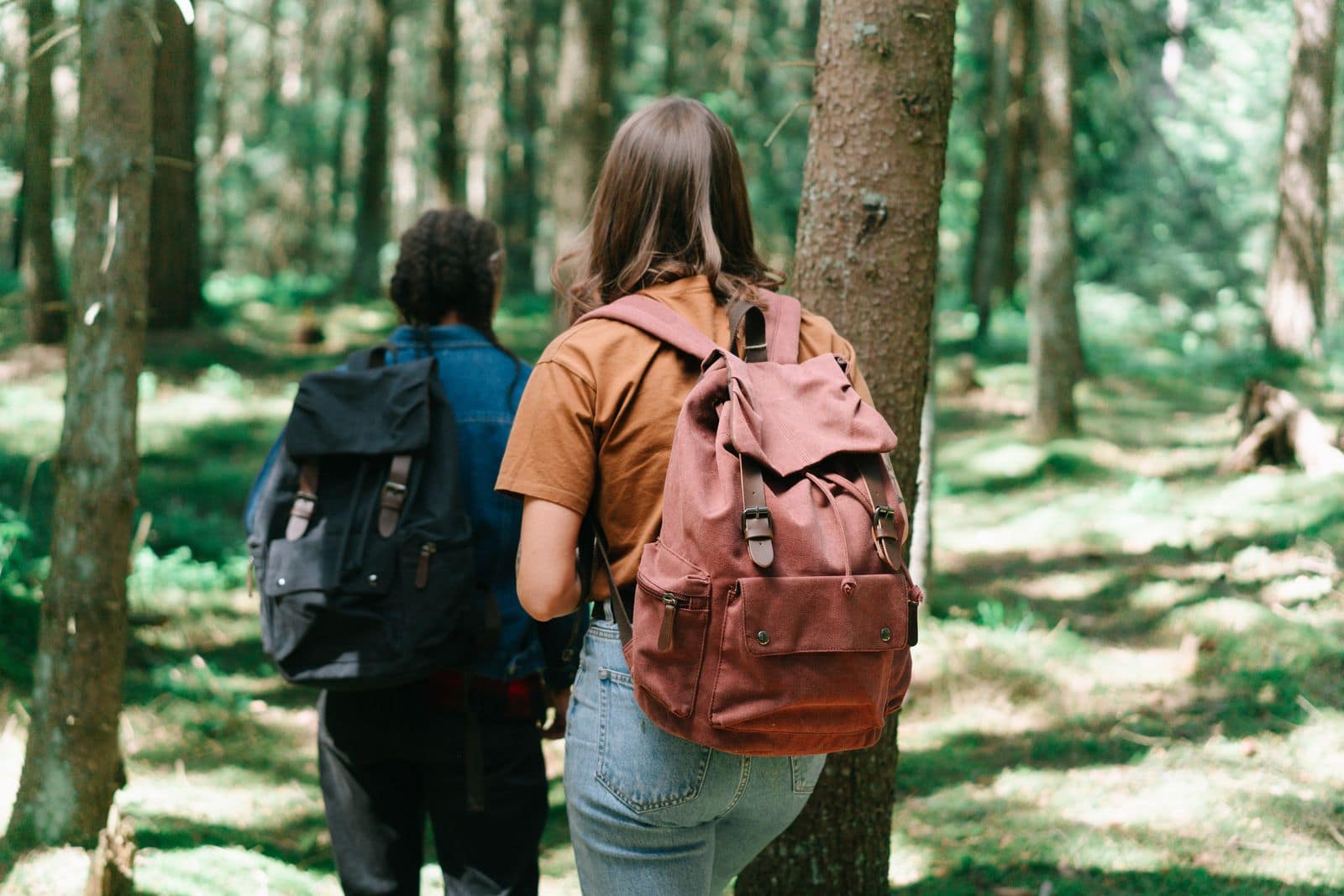
Two summer specials: mosquito repellent (in June and July there are hordes of them, especially near water) and a sleep mask, because the midnight sun never sets and the bright nights can throw off your sleep more than the cold ever will. You’ll find exactly when summer and the midnight sun peak in the article on when to go to Lapland.
Where next: more articles to read
All packed? Then it’s time to sort out the plan and the dates:
- Lapland: 20 tips on what to see and do
- Itinerary: a 6-day winter road trip through Finnish Lapland
- Lapland with kids: tips for a family winter holiday
Frequently asked questions about packing for Lapland
What to bring to Lapland in winter?
The base is three layers: merino thermal underwear (2 sets), fleece or jumper and a waterproof winter jacket with insulated trousers. Add a hat that covers your ears, a neck warmer, mittens, wool socks, winter boots one size larger, swimsuit for the sauna, rich moisturizer for the cold, headtorch and power bank.
Do I need to buy special polar clothing?
No. For organized activities (huskies, snowmobiles, reindeer, northern lights hunting), they’ll lend you thermal overalls, boots and mittens on site, even for children. Your gear only needs to cover regular walking around town, for which a quality ski outfit and layers are sufficient.
How to dress for −30 °C?
Layering: merino thermal underwear, two insulating layers (fleece + lightweight down jacket), waterproof outer layer, mittens with thin gloves underneath, hat over ears, neck warmer over nose, and wool socks in boots one size larger. And most importantly, don’t overdress – sweat gets cold in freezing temperatures.
Why bring a swimsuit to Lapland?
Because of the sauna, it belongs to Finland just like snow. Lots of hotels have sauna included in the price and a classic is avanto, a dip into a cut hole in a frozen lake. Without a swimsuit (and quick-dry towel) you’d miss out on a big part of the Finnish experience.
How to protect your phone and camera in the cold?
The cold quickly drains batteries: keep your phone in an inner pocket close to your body, spare batteries and power bank somewhere warm. After returning to warmth, let your devices acclimatize in your backpack, otherwise they’ll fog up inside. For photographing the Northern Lights, a tripod and thin gloves under mittens come in handy.
What to pack for Lapland in summer?
Summer has 15 to 20 °C, pack like for the mountains: layers, waterproof jacket, sturdy boots, swimsuit. Two specialties: repellent (mosquitoes in June and July) and sleep mask, because the midnight sun doesn’t set and the bright nights mess up sleep.
Is a carry-on enough for Lapland?
For a winter trip it’s tough, layers and boots are bulky. A proven model is one checked bag for two people plus carry-on backpacks. Have the bulkiest items (jacket, boots) on you in the plane and take advantage of the fact that activity overalls are available for rent on site.
Tips and Tricks for Your Vacation
Don’t Overpay for Flights
Search for flights on Kayak. It’s our favorite search engine because it scans the websites of all airlines and always finds the cheapest connection.
Book Your Accommodation Smartly
The best experiences we’ve had when looking for accommodation (from Alaska to Morocco) are with Booking.com, where hotels, apartments, and entire houses are usually the cheapest and most widely available.
 🚗 Car rental on the roadVerified rental cars in Finland
Search with the DiscoverCars comparison engine — it compares prices from dozens of local and international rental companies, and most bookings come with free cancellation.
Compare car prices in Finland →Don’t Forget Travel Insurance
Good travel insurance will protect you against illness, accidents, theft, or flight cancellations. We’ve had a few hospital visits abroad, so we know how important it is to have proper insurance arranged.
Where we insure ourselves: SafetyWing (best for everyone) and TrueTraveller (for extra-long trips).
Why don’t we recommend any Czech insurance company? Because they have too many restrictions. They set limits on the number of days abroad, travel insurance via a credit card often requires you to pay medical expenses only with that card, and they frequently limit the number of returns to the Czech Republic.
Find the Best Experiences
Get Your Guide is a huge online marketplace where you can book guided walks, trips, skip-the-line tickets, tours, and much more. We always find some extra fun there!


