

Singapore feels like a city from the future, one that dazzles you at first glance with its cleanliness, greenery and flawless organisation. It’s the perfect gateway to Asia for anyone who feels a little intimidated by the continent, yet it also lures seasoned travellers with its incredible architecture and world-class food. People often fly here on a so-called stopover, a stay of a few days on the way to Australia, Bali or other Asian destinations, and trust me, this stop is absolutely worth it.
If you’re thinking about heading to this stunning city-state, get ready for a huge cultural mix, where Chinese, Malay and Indian cultures meet in perfect harmony. The city is famous for its strict laws, which make it one of the safest places in the world, but also for its reputation as a luxurious and fairly expensive destination. With a bit of planning, though, you can enjoy a fantastic holiday here without breaking the bank.
In this article I’m bringing you a complete guide with 21 tips on the very best places you definitely shouldn’t miss. Together we’ll look at where to base yourself strategically, how local transport works, what to watch out for when it comes to the strict rules, and how to make the most of Singapore.
TL;DR
- Ideal length of stay: Aim for 3 to 4 days, which is the perfect amount of time to soak up the atmosphere and see the highlights.
- Top attractions: The absolute icons are Gardens by the Bay with its glowing trees, the view from Marina Bay Sands and the entertainment island of Sentosa.
- Transport: You can get everywhere on the brilliant, spotless metro (MRT), where you simply tap in with an ordinary contactless card.
- Food for everyone: Even though it’s an expensive city, you can eat fantastically well for just a few dollars in the so-called hawker centres, with a huge choice for vegetarians too.
- Laws: Remember that chewing gum and e-cigarettes (vapes) are completely banned here and can’t even be imported.
- Mandatory paperwork: Before you fly, you must fill in the free online immigration form, the SG Arrival Card.
The full destination guide: Asia — guide and what to see
When to Visit Singapore
Singapore lies just a stone’s throw from the equator, which means the climate here is tropical all year round. You can count on it always being hot and humid, with daytime temperatures steadily hovering between 26 and 32 degrees Celsius. There’s no classic high season in the sense of summer and winter, so you can go pretty much whenever you like and you’ll always warm up.
If I had to recommend the absolute best time, though, come here between February and April, when statistically there are the most sunny days and the least rainfall. From December to early March, on the other hand, the city is affected by the monsoon, which brings more frequent rain. Don’t be put off, though, because the local tropical downpours may be intense, but they usually last only a short while before the sun comes back out.
Accommodation and flight prices can also be heavily influenced by major local events and holidays. It gets extremely expensive and busy in October during the Formula 1 races (F1 Singapore GP), so unless you’re a motorsport fan, it’s best to avoid that window. On the flip side, the Chinese New Year celebrations at the turn of January and February, or the Hindu festival of lights Deepavali in autumn, are a real treat, when the streets come alive with an incredible atmosphere.
Practical Info: Visa, Transport and Laws
There’s great news for UK citizens: you don’t need a visa for tourist trips of up to 90 days. What is absolutely essential, and without which you won’t be allowed on the plane, is the mandatory electronic declaration called the SG Arrival Card. You have to fill this in online no more than 3 days before arrival. It’s completed exclusively for free on the official Singapore government website (ICA), so be very careful of scam sites that will try to charge you a fee for “arranging” it.
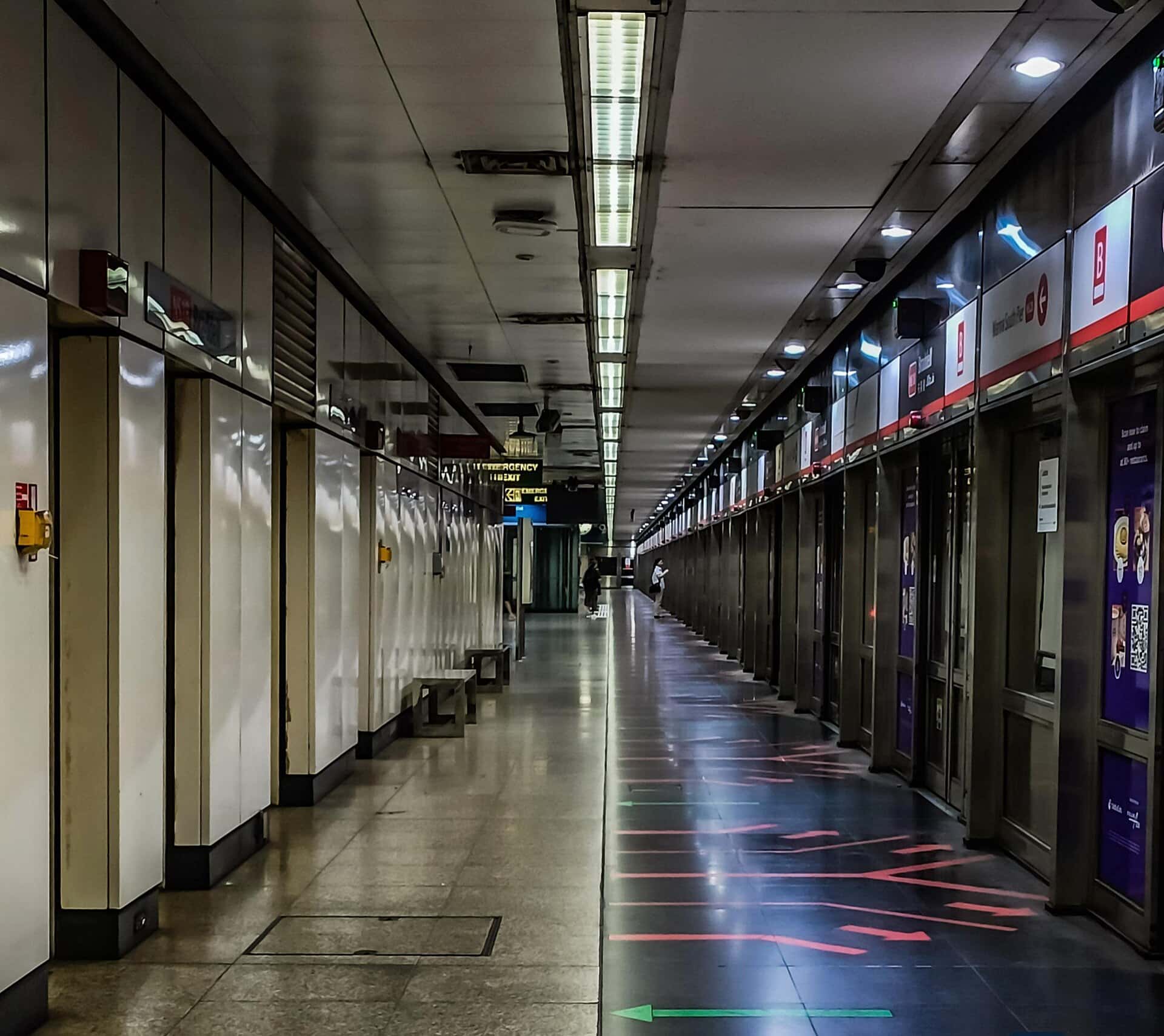
Getting around the city is incredibly easy thanks to the backbone metro network known as the MRT. The metro is perfectly clean, safe and strongly air-conditioned, so it often doubles as a pleasant refuge from the heat outside. These days tourists don’t need to buy any special tickets, because the gates run on the SimplyGo system. At both entry and exit you just tap your regular contactless card or your phone with Apple/Google Pay. A single ride will cost you roughly 0.80 to 2.50 Singapore dollars (SGD). An alternative is the Grab app, which is the Asian equivalent of Uber.
Singapore is often ranked as one of the most expensive destinations in the world, and the official currency is the Singapore dollar (1 SGD is roughly £0.58). The most expensive item in your budget will clearly be accommodation, along with alcohol, which is heavily taxed here. On the other hand, you can save enormously on food if you eat at local canteens, or hawker centres, where you can grab fantastic meals from just 5 to 10 dollars. A more modest backpacker can get by on around 80 to 100 SGD a day, while if you’re staying in a nicer hotel, budget for at least 200 to 250 SGD daily.
The city is often nicknamed the “fine city”, and not just because it’s beautiful, but mainly because of its system of fines and extremely strict laws that are genuinely enforced. I certainly don’t want to scare you with this; you just need to respect the local rules. Eating and drinking on the metro is strictly forbidden (a fine of up to 500 SGD), crossing on a red light (jaywalking) is punished similarly, and vandalism can even land you a caning. Drug smuggling carries the death penalty here, which is worth bearing in mind when you pack your bags.
One thing British tourists really need to watch out for is the strict ban on e-cigarettes (vapes) and chewing gum. Vapes are completely illegal; you not only can’t smoke them, you can’t even import or own them. You won’t be able to buy chewing gum here, and importing it is also illegal. Ordinary smoking is only allowed in specially marked yellow zones, otherwise you risk a fine of around 1,000 dollars. Thanks to these rules, though, Singapore is one of the safest places on the planet, where you can happily stroll around even in the middle of the night.
Where to Stay in Singapore
💡 Tip for accommodation and experiences: We love searching for places to stay on Booking.com, where the cancellation terms are usually the best. For tickets, tours and activities, it pays to compare and book through GetYourGuide.
Your choice of accommodation depends mainly on your budget and on what kind of atmosphere you’re expecting from the city. The most popular area for a first visit is Marina Bay, where you’ll find the best views and luxury hotels, but you’ll need to reckon with a higher price. A great alternative is the area around Orchard Road for shopping lovers and its proximity to the metro, or the historic districts of Chinatown and Kampong Glam, which offer great value for money and a wonderful atmosphere.
If you dream of swimming in the most famous rooftop pool with a view over the city, you’ll have to stay at Marina Bay Sands. This iconic three-towered hotel is admittedly pricier, but keep one crucial thing in mind: the famous infinity pool is open exclusively to hotel guests and you can’t buy a separate ticket for it. A night here usually starts at 400 to 700 SGD and up, but for the experience many travellers treat themselves to at least one night.
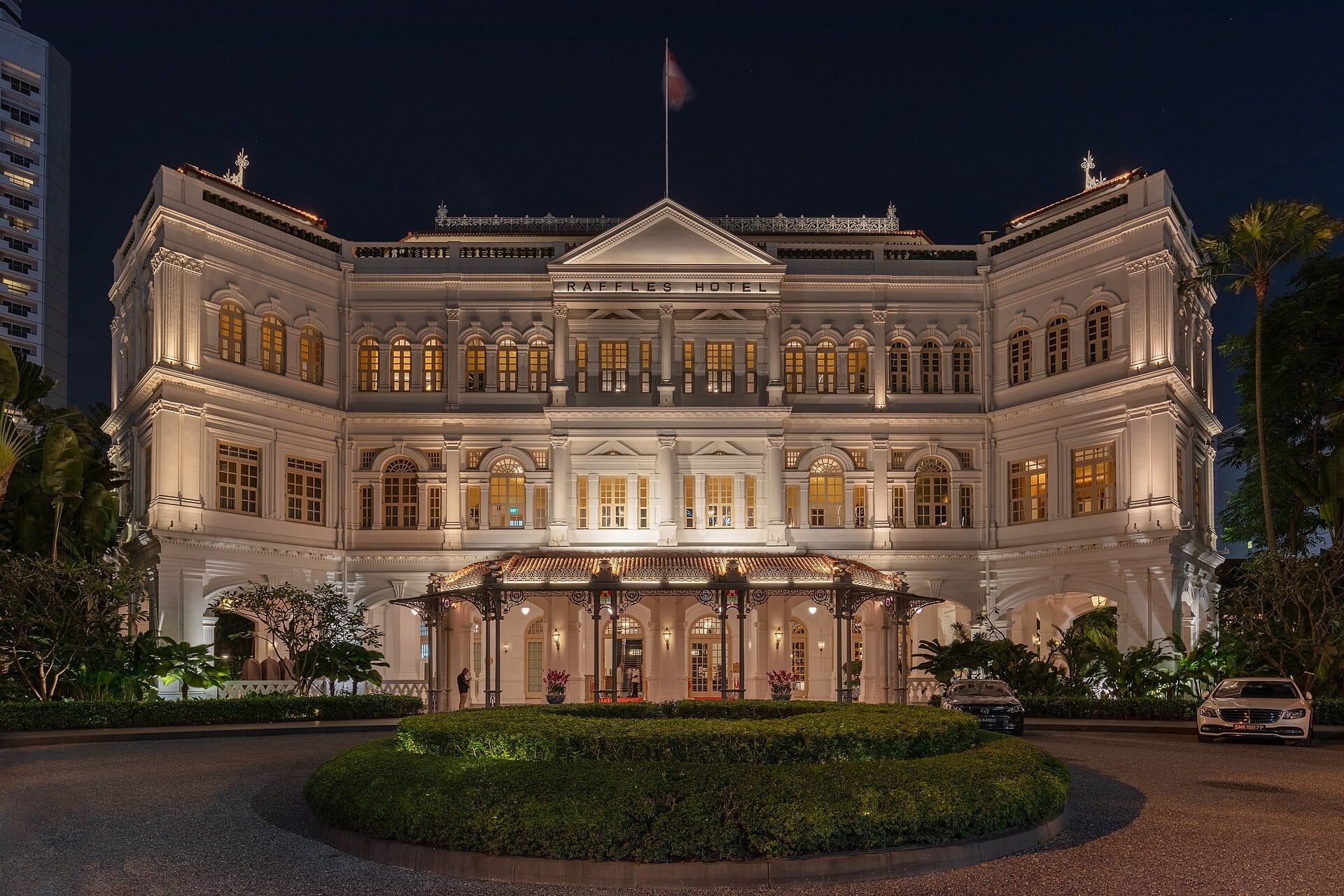
For lovers of absolute classics and colonial history, there’s the legendary Raffles Hotel, where among other things the famous Singapore Sling cocktail was invented. It’s one of the most luxurious hotels in Asia, with price tags over 1,000 SGD a night. The luxurious The Fullerton Hotel also boasts a gorgeous historic building overlooking the river; it once served as the main post office and today offers stunning service at slightly friendlier prices than Raffles.
If you’re after the golden middle ground, modern and stylish accommodation is on offer at Hotel G Singapore near the arts district, or the very popular YOTEL Singapore Orchard Road, which stands out for its futuristic design and clever use of smaller rooms. For families with children, or for those who want to combine the city with a beach, I recommend the resorts on Sentosa island. Here the Shangri-La Rasa Sentosa stands out as the only hotel with direct beach access, or the utterly exclusive Capella Singapore, which is the very embodiment of tropical calm. Ordinary travellers most often go for clean, modern hostels or smaller boutique hotels right in the heart of Chinatown.
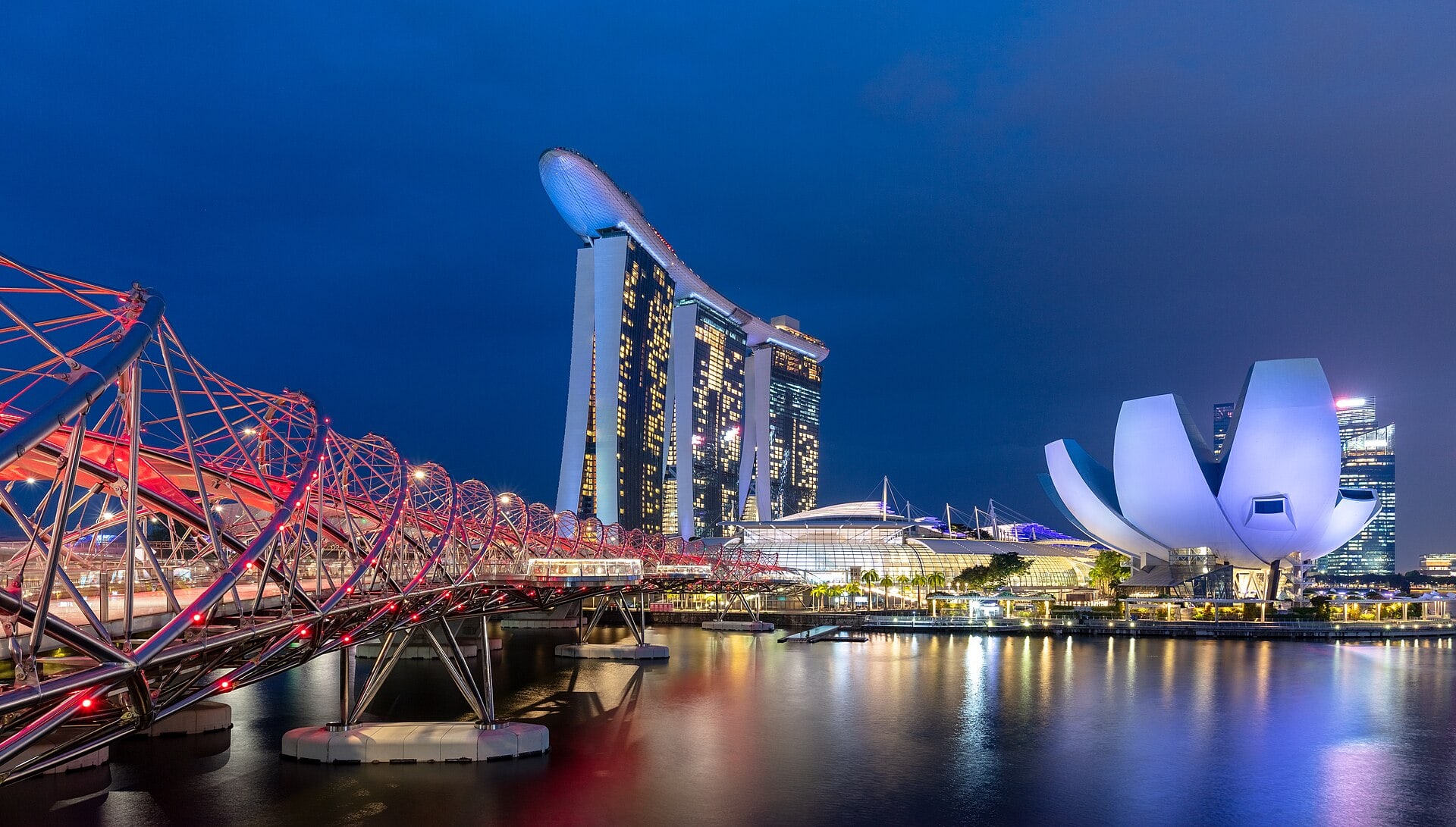
21 Best Things to See and Do in Singapore
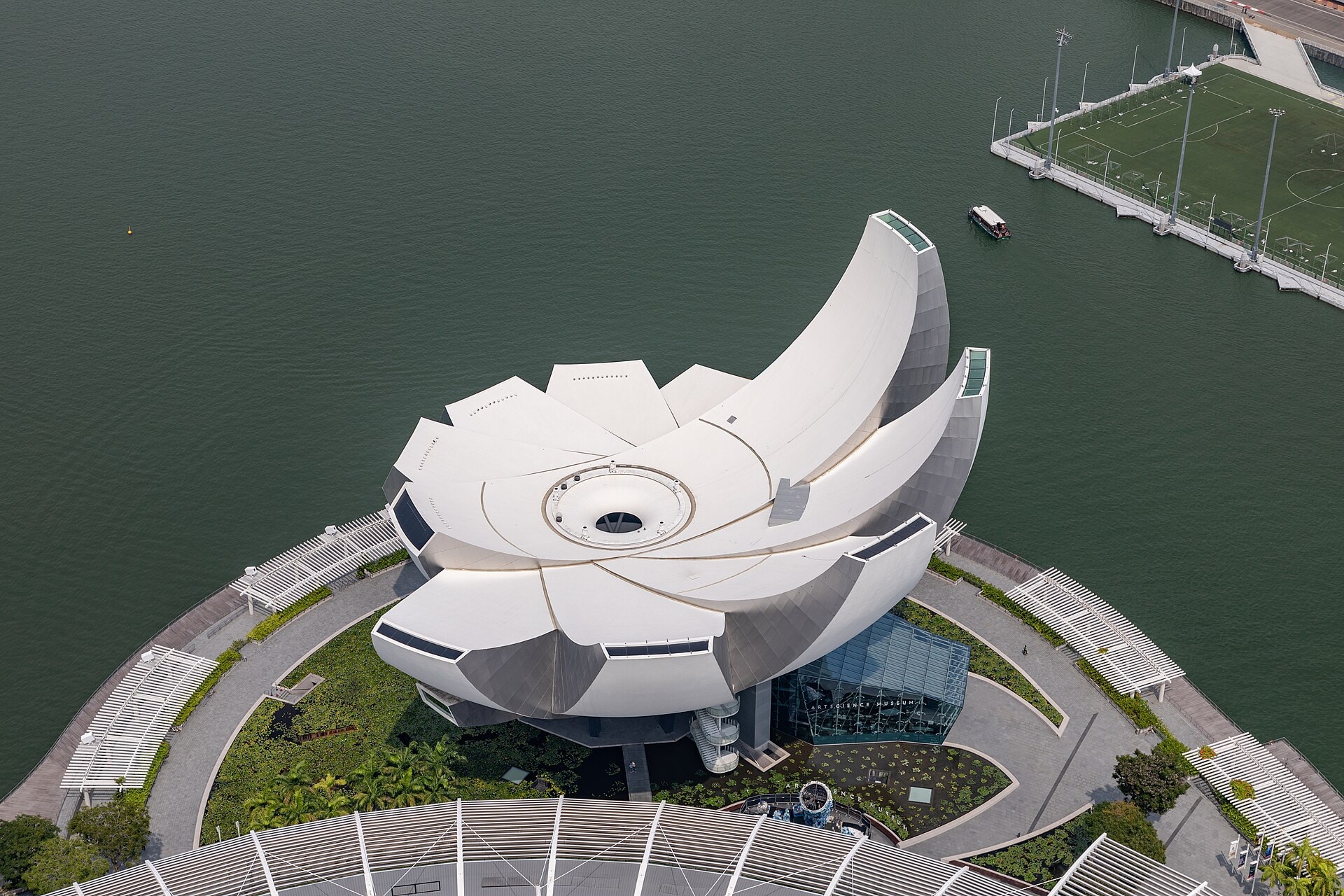
1. Marina Bay Sands and the SkyPark Viewpoint
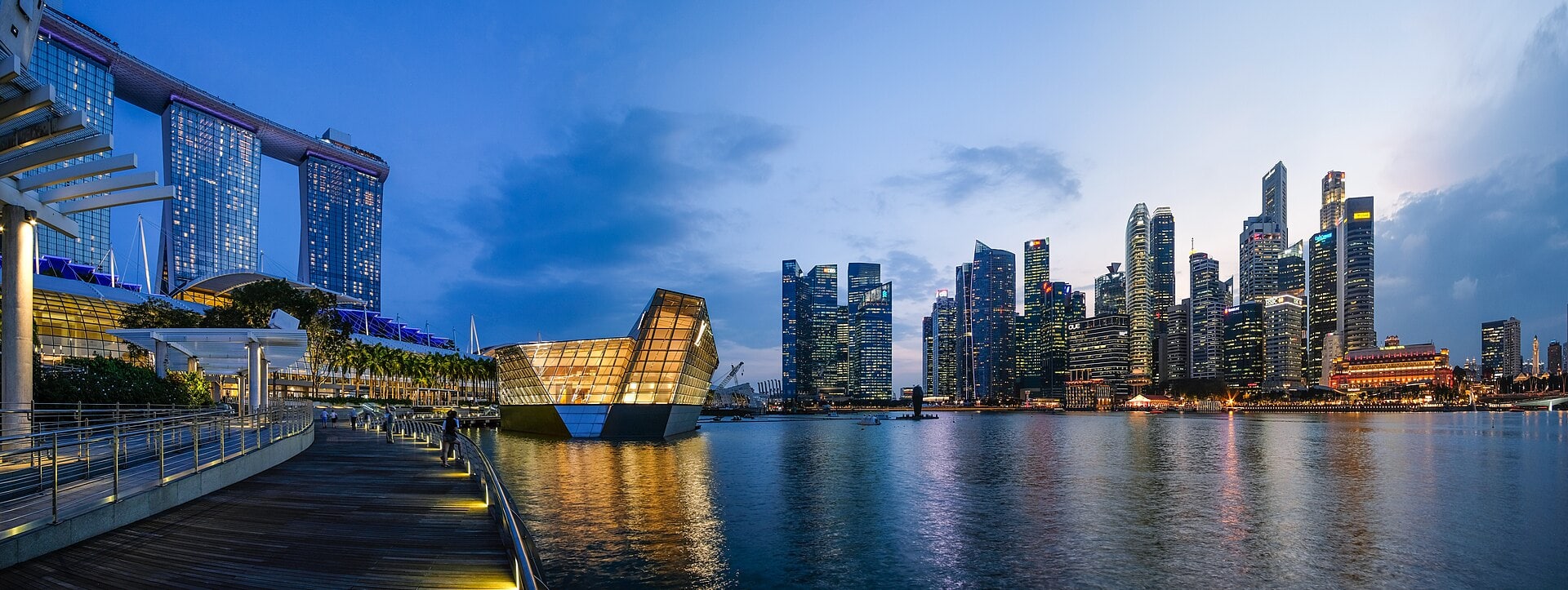
This iconic building, shaped like a ship resting on three skyscrapers, defines the Singapore skyline. Even if you’re not staying at the hotel, you can head up to the breathtaking SkyPark Observation Deck, located at a height of 200 metres. From up there you’ll get a jaw-dropping 360-degree view over the whole city, a sea full of cargo ships and the neighbouring gardens.
Tickets can be bought online and cost around 35 SGD for an adult off-peak, while at busier times before sunset you’ll pay a bit more, around 39 SGD. I recommend heading up just before dusk, so you can see the city both in daylight and beautifully lit up after dark. It’s usually open from 10:00 to 22:00 and the easiest way to get there is by metro to Bayfront station.
💡 Tip: As I already mentioned, you can get up to the viewpoint, but security won’t let you near the iconic infinity-edge pool without a hotel key card. For tickets to the viewpoint itself, or combined tickets to the attractions, I recommend checking GetYourGuide, where you can often find good-value bundles.
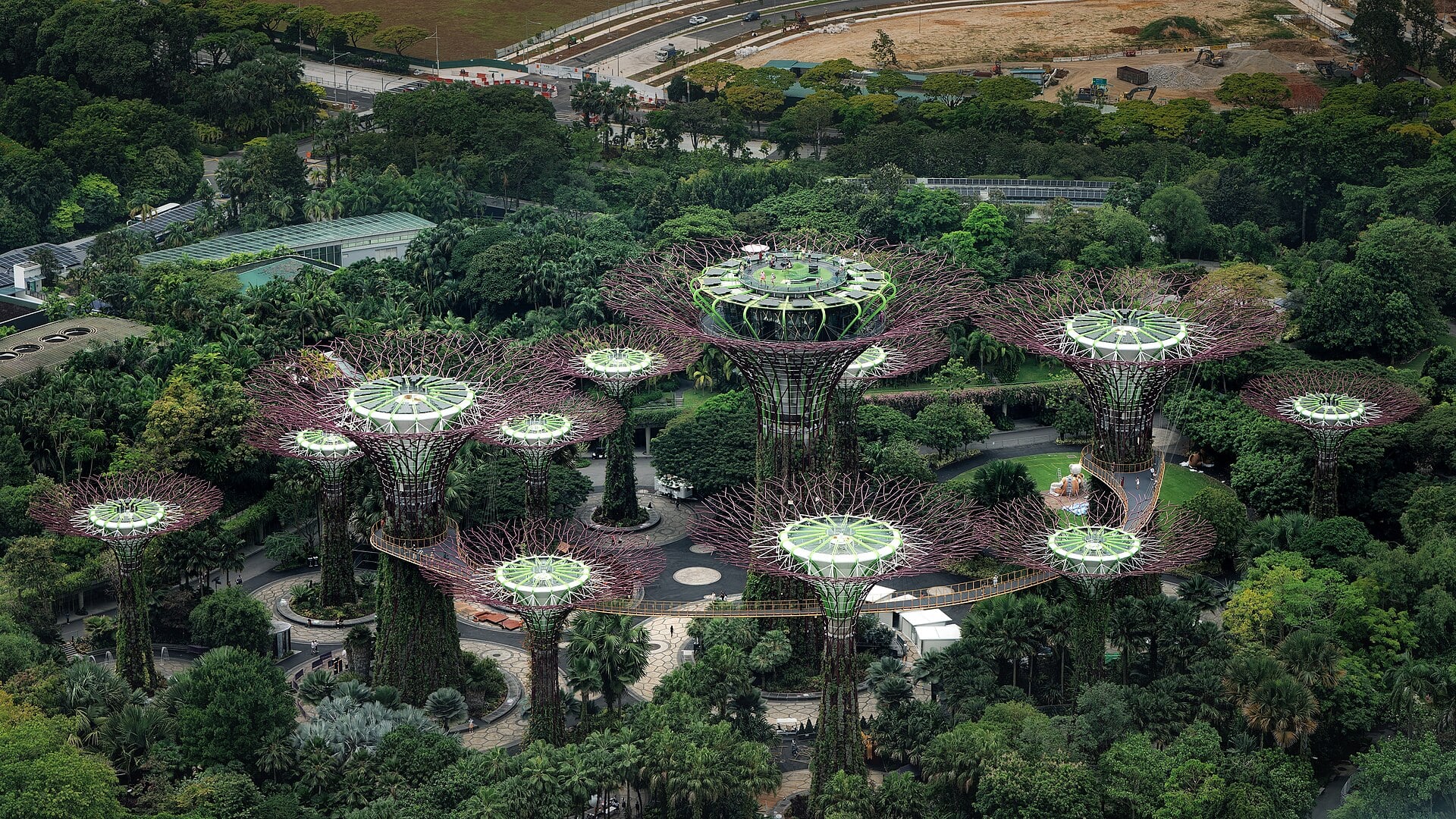
2. Gardens by the Bay and the Magical Supertrees
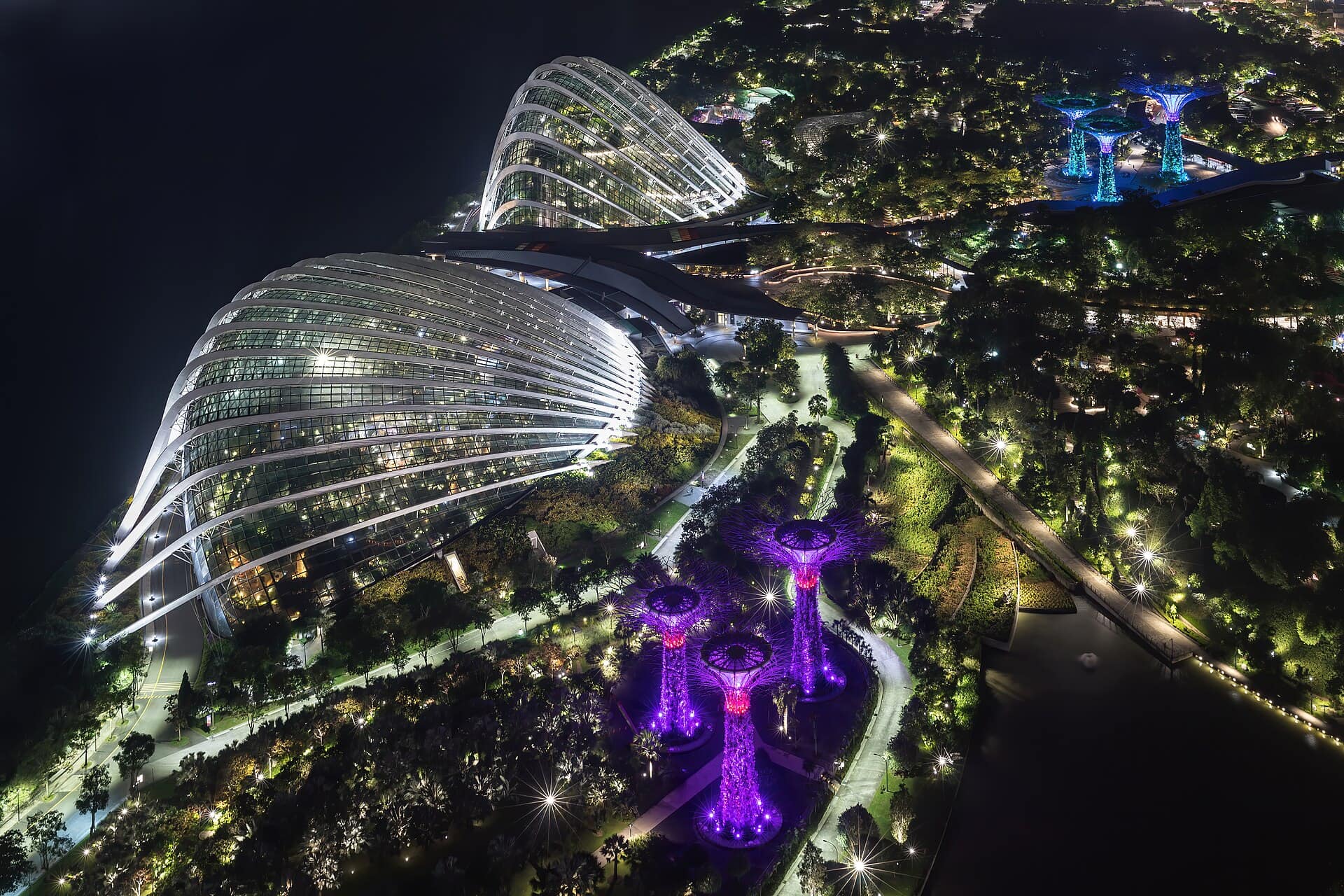
Right behind Marina Bay Sands stretch these utterly futuristic gardens, which are probably the biggest tourist showstopper in the city. The best-known part is the so-called Supertree Grove, a grove of enormous artificial trees covered in living plants. Strolling beneath these giants is completely free and it’s an experience you won’t forget.
Every evening there’s a light and music show called Garden Rhapsody, which is also completely free. It takes place daily at 19:45 and 20:45, lasts around 15 minutes and the trees literally dance to the rhythm of the music. If you want to see the gardens from above, you can pay around 14 SGD to access the OCBC Skyway, an elevated walkway connecting the individual trees.
The gardens also hide two enormous paid conservatories. Cloud Forest conceals a giant indoor waterfall and a misty rainforest, while the Flower Dome is listed in the Guinness Book of Records as the largest glasshouse in the world, packed with flowers from all corners of the planet. A combined ticket to both conservatories comes to roughly 30 to 32 SGD.
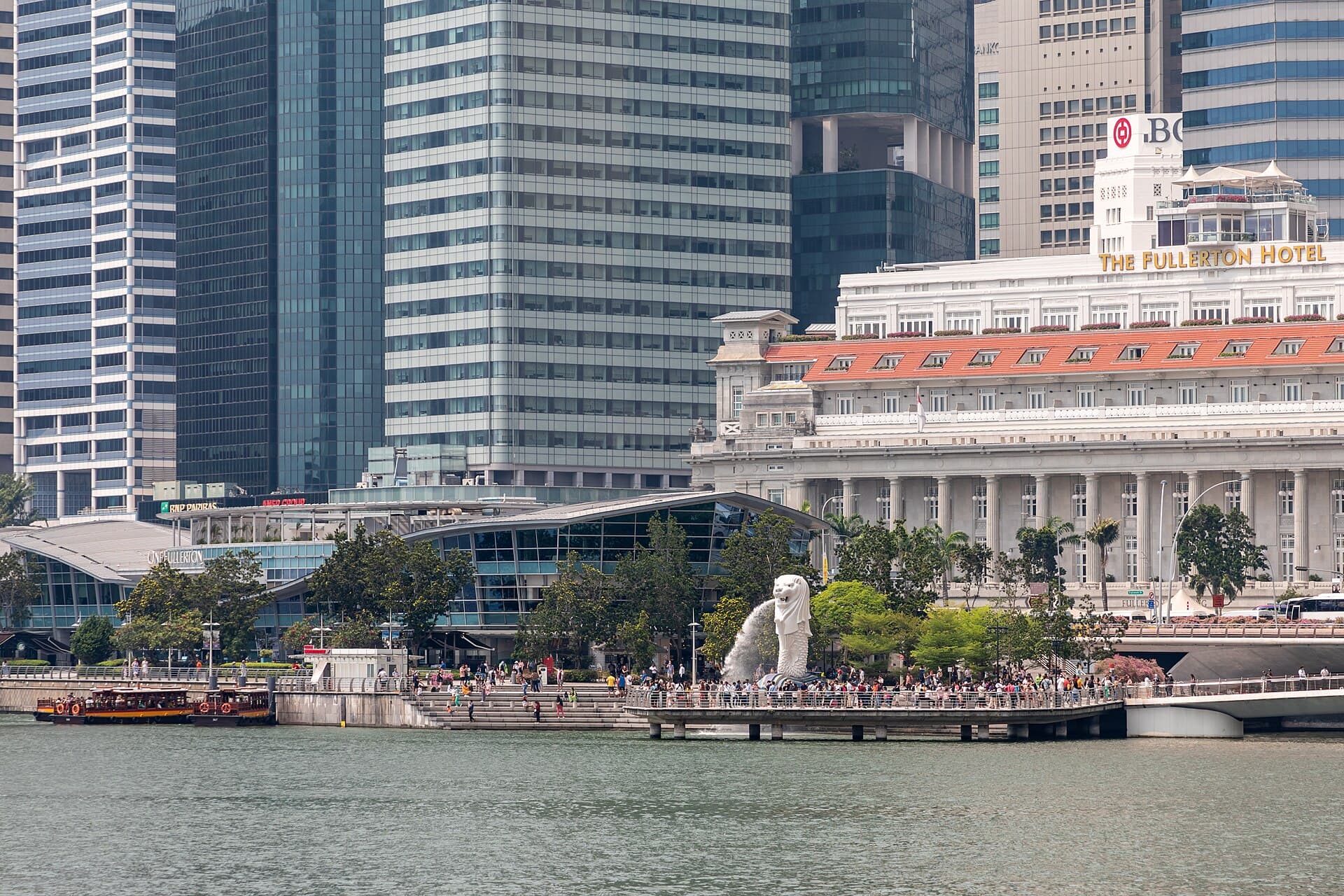
3. Merlion Park and the Symbol of the City
The Merlion is a mythical creature with the head of a lion and the body of a fish, and it’s the official mascot and symbol of Singapore. The main statue stands a respectable 8.6 metres tall and spouts water straight into the bay. This is the spot for the most classic tourist photos, because directly across the water rises the majestic Marina Bay Sands.
The park is open around the clock and free of charge. Apparently the best light for photos is early in the morning, when you’ll also avoid the crowds of tourists who flock here during the day. You can walk comfortably to the Merlion from Raffles Place metro station.
💡 Tip: The stop at the statue itself won’t take you more than 15 to 20 minutes. It’s not a place where you’d spend half a day, but rather a great photo stop on your walk around Marina Bay.
4. The Entertainment Island of Sentosa
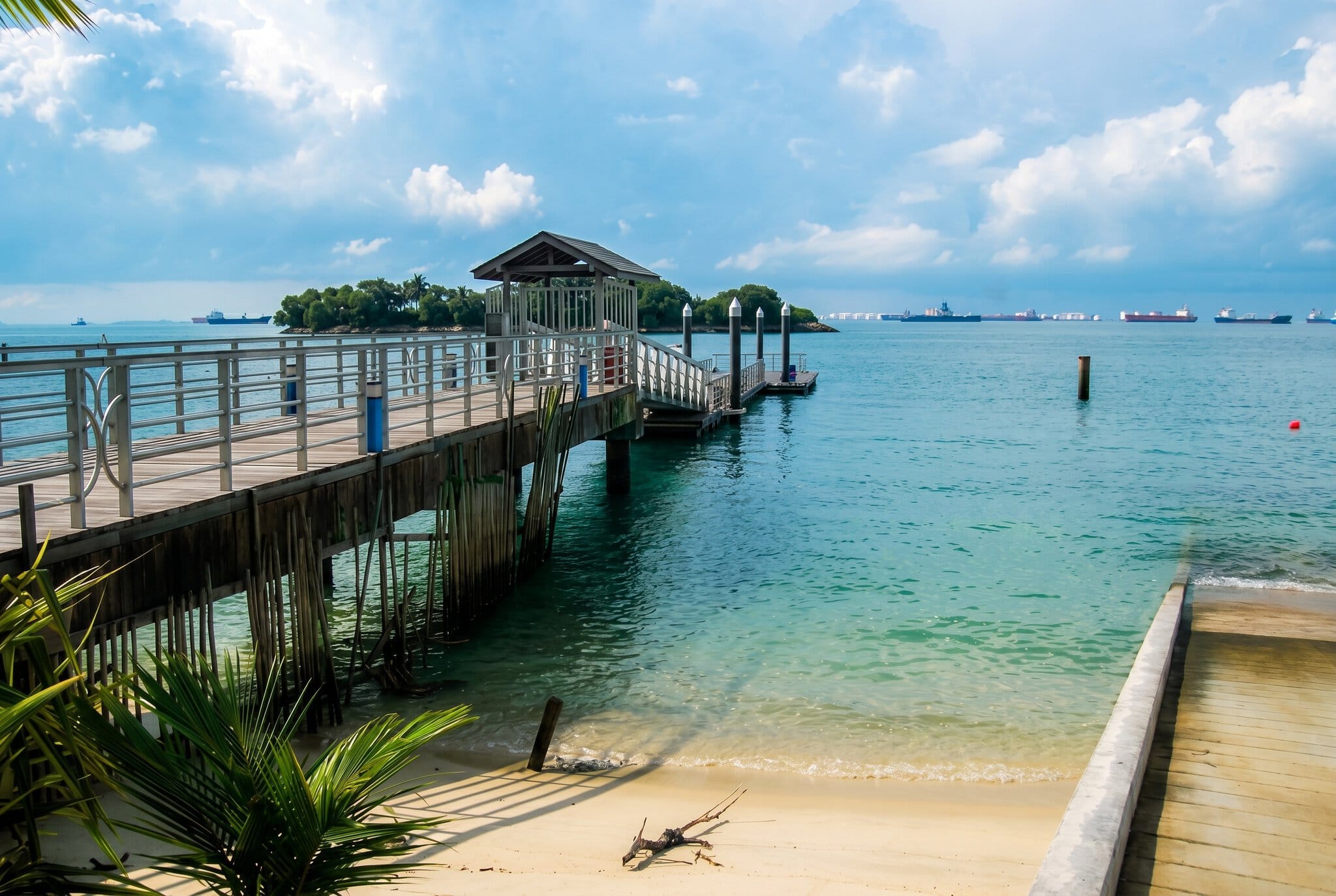
Sentosa is an island lying to the south of the city that has been completely transformed into one enormous amusement park and relaxation zone. You’ll find artificial beaches, theme parks, luxury resorts and an endless array of attractions here. It’s a place where locals and tourists from all over the world come to have fun, and you could easily spend several days here.
Getting to the island is an experience in itself. You can take the Sentosa Express train, which departs from the VivoCity shopping centre next to HarbourFront metro station. If you want to save money, there’s also a wooden pedestrian Boardwalk that leads here; it’s covered and access via it is free. For beautiful views, I recommend taking the cable car, which costs around 35 SGD.
5. Universal Studios Singapore
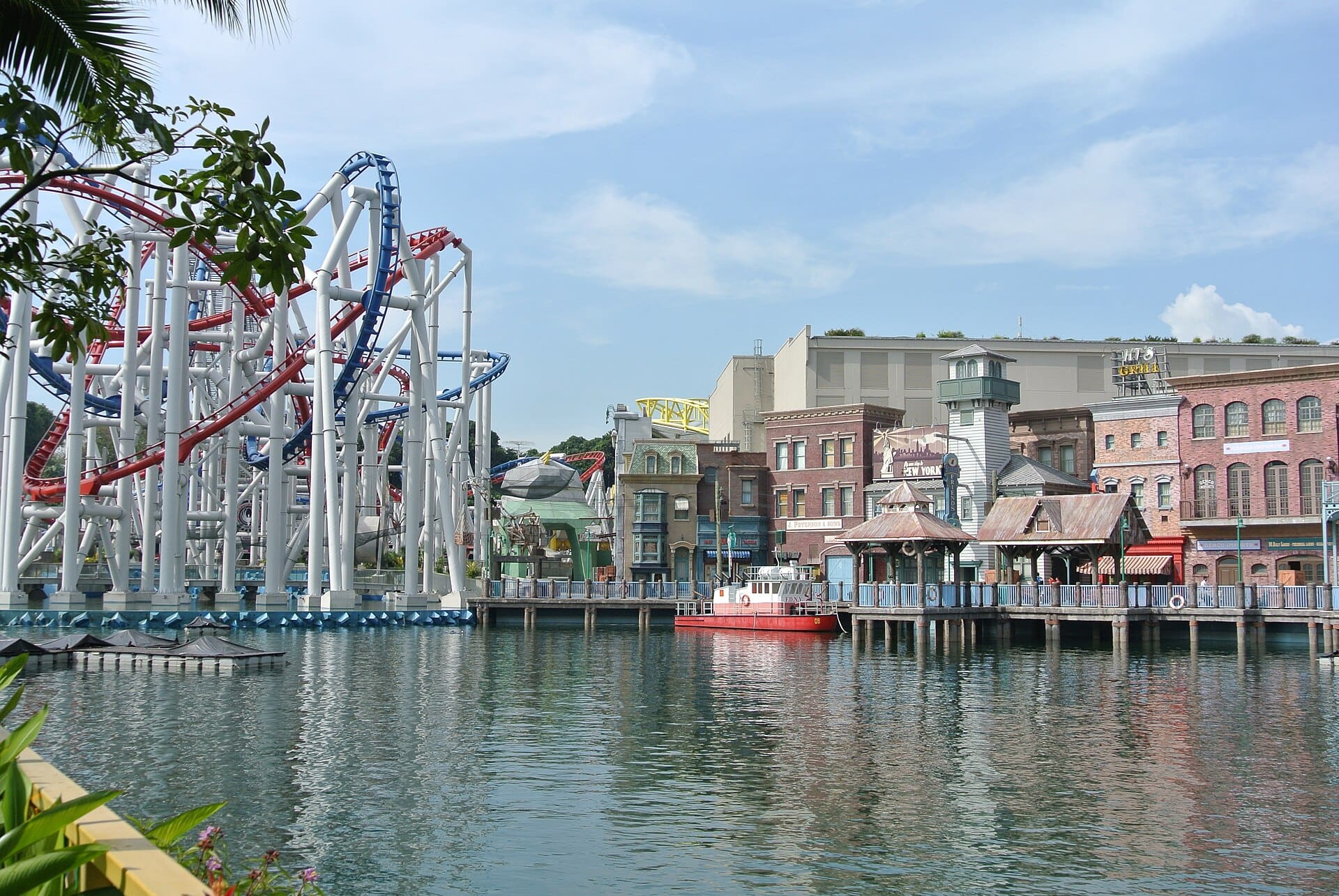
Right on Sentosa island you’ll find this legendary film theme park, which will thrill not just kids but adults too. The park is divided into several themed zones, including the popular Minion Land full of Minions, Sci-Fi City with its huge roller coasters, and a zone dedicated to ancient Egypt.
A basic one-day adult ticket starts at around 83 SGD, a child’s at 62 SGD. Definitely set aside a whole day for your visit, because there are loads of attractions and in high season you can wait quite a while in the queue for the best roller coasters.
6. S.E.A. Aquarium and Skyline Luge
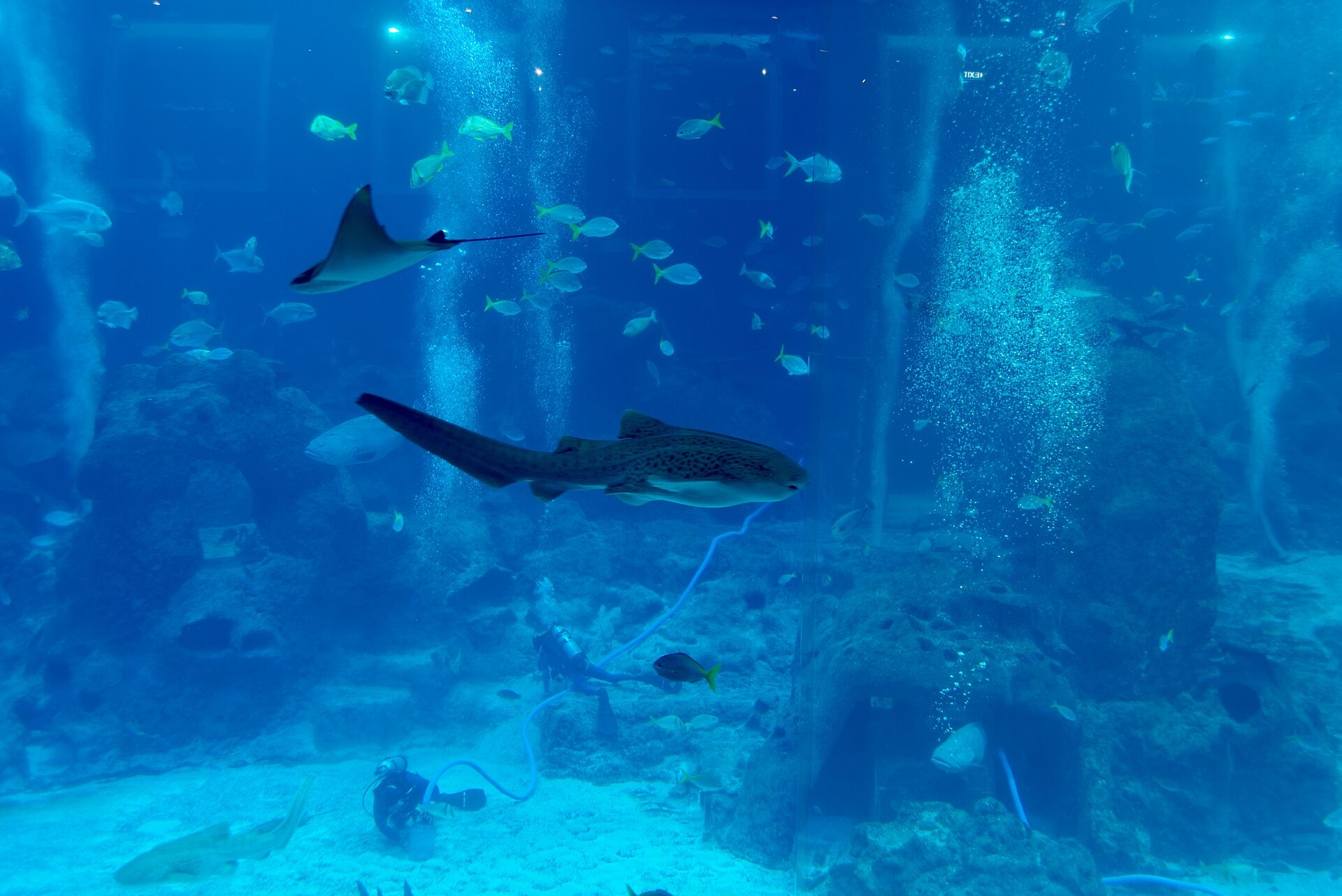
Right next to Universal Studios you’ll find the S.E.A. Aquarium, which is one of the largest and most beautiful aquariums in the world. You’ll walk through glass tunnels with giant manta rays, sharks and thousands of colourful fish swimming overhead. It’s a wonderful escape from the afternoon heat into an air-conditioned environment.
If you like a bit of adrenaline, you mustn’t miss the Skyline Luge. You ride up on a chairlift and then zoom back down a concrete track on special three-wheeled carts that you steer yourself. Luge tickets start at around 27 SGD, and it often pays to buy the so-called Fun Discovery Passes, which combine several Sentosa attractions and save you money.
7. The Beaches on Sentosa Island
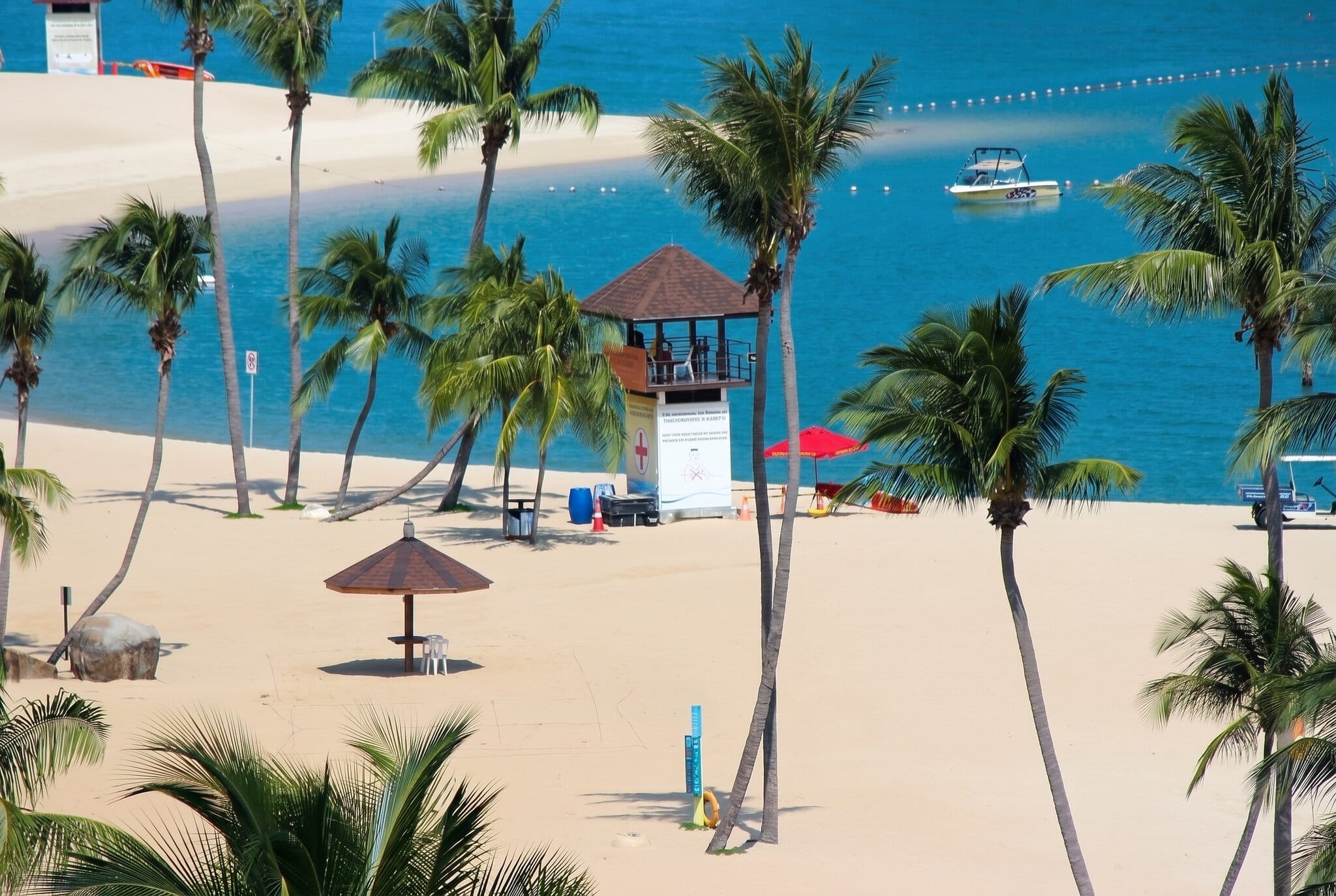
Although Singapore isn’t a typical beach destination, on Sentosa they’ve created three lovely artificial beaches with white sand imported from neighbouring countries. Access to all the beaches is completely free and a free beach tram shuttles between the different sections, so you needn’t worry about long treks in the heat.
Each beach has a slightly different vibe. Siloso is full of adrenaline and fun, home to the iFly wind tunnel and the giant MegaZip zipline. Palawan Beach, with its iconic rope bridge to a small islet, is absolutely ideal for families with children. Tanjong Beach, on the other hand, is the most peaceful zone, where people escape to rest and relax in luxury beach clubs.
8. Singapore Zoo (Mandai)
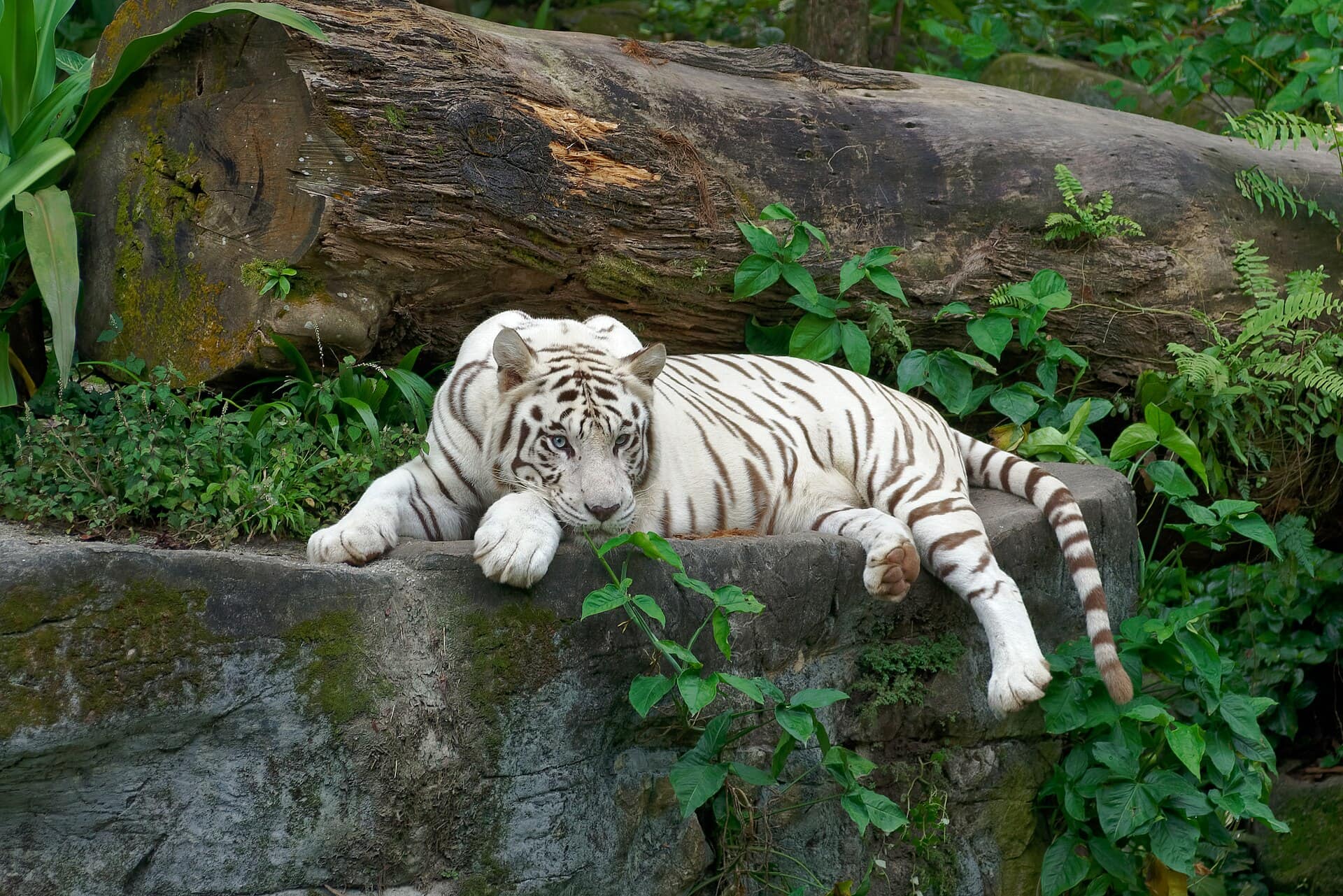
The local zoo regularly ranks among the very best in the whole world. Its uniqueness lies in the concept of the so-called open zoo. The animals here don’t live in classic cages but in huge enclosures, separated from visitors only by natural barriers, moats or glass, so you feel as if you’re walking right through the jungle.
The grounds are a little way from the centre in the Mandai area, but it’s definitely worth the trip. You’ll find white tigers, orangutans roaming freely in the treetops and plenty of other endangered species. I recommend arriving right at opening time, when the animals are at their most active and it isn’t so hot yet.

9. The World’s First Nocturnal Zoo: Night Safari
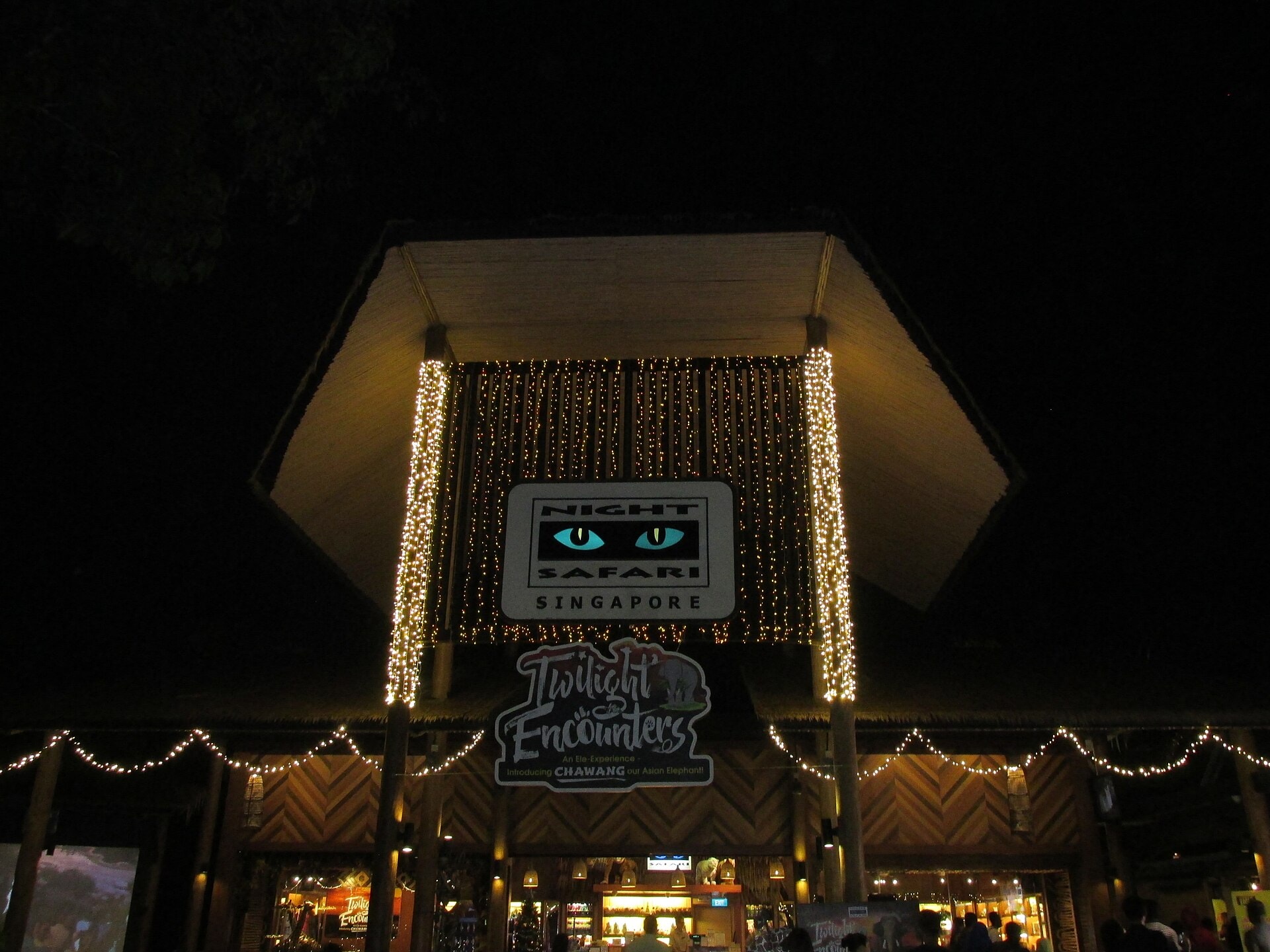
Right next to the daytime zoo lies a world first: the first Night Safari on the planet. It doesn’t open until 18:00 and runs until midnight, so you can move on here smoothly after your daytime visit. It’s an absolutely fascinating experience, because so many animals are active precisely at night.
The core of the programme is a ride on a special open tram, which takes you through a night-time rainforest full of wildlife, all lit only by very dim light simulating moonlight. A combined ticket for the Night Safari and one of the other parks comes to roughly 128 SGD, which is a great choice for nature lovers.
10. River Wonders and Bird Paradise
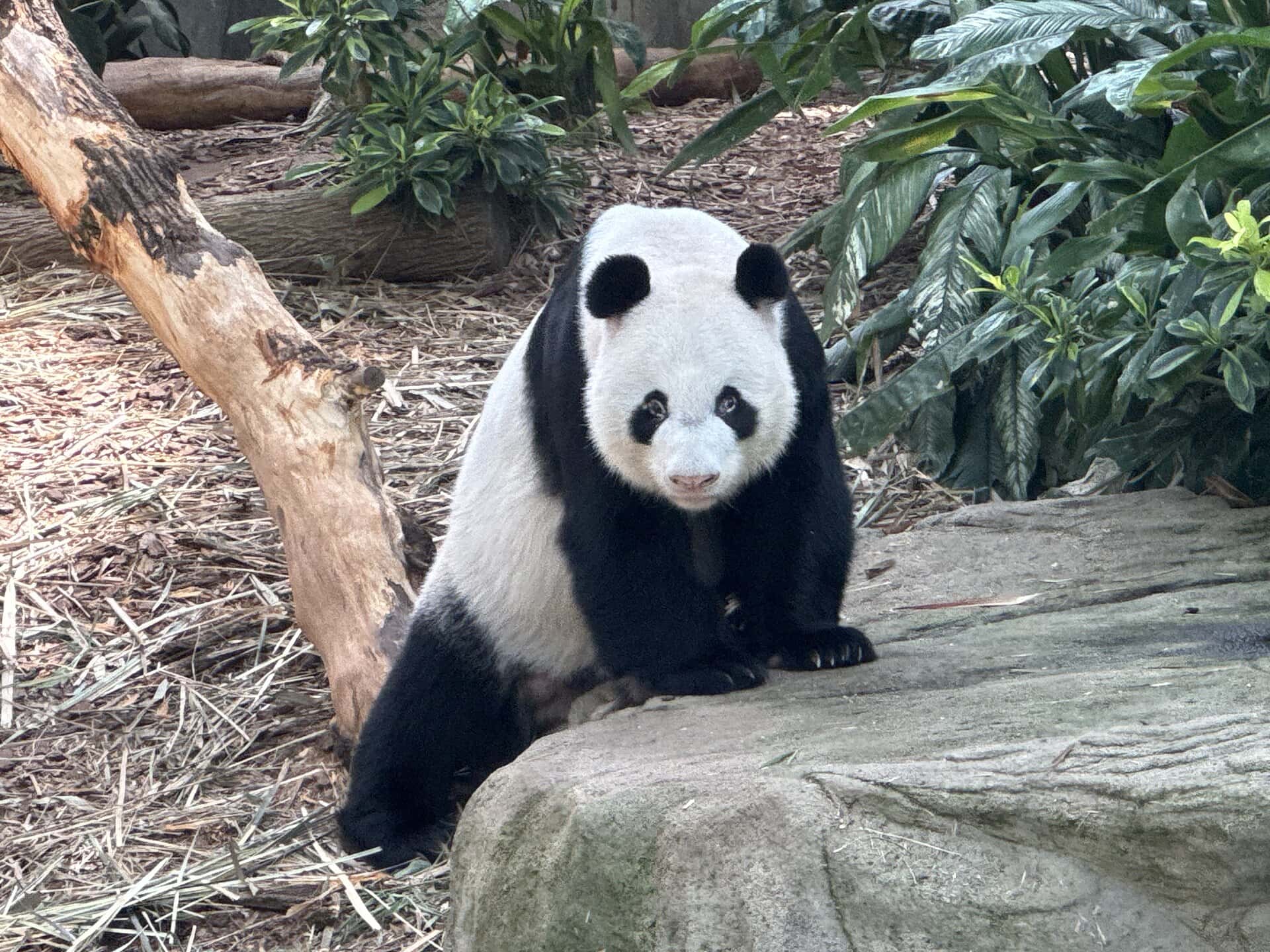
The Mandai area is rounded out by two more fascinating animal parks. River Wonders (formerly River Safari) specialises in the ecosystems of the world’s rivers. The biggest draw here are undoubtedly the giant pandas, which have their own huge air-conditioned pavilion and are a massive attraction for tourists from all over the world.
Bird Paradise, meanwhile, is a brand-new bird park to which the birds from the original Jurong Bird Park have been relocated. If you plan to visit several parks, it definitely pays to buy the multi-park ticket for around 118 SGD for an adult (88 SGD for a child), which lets you into all four animal parks.
11. The Chinatown District
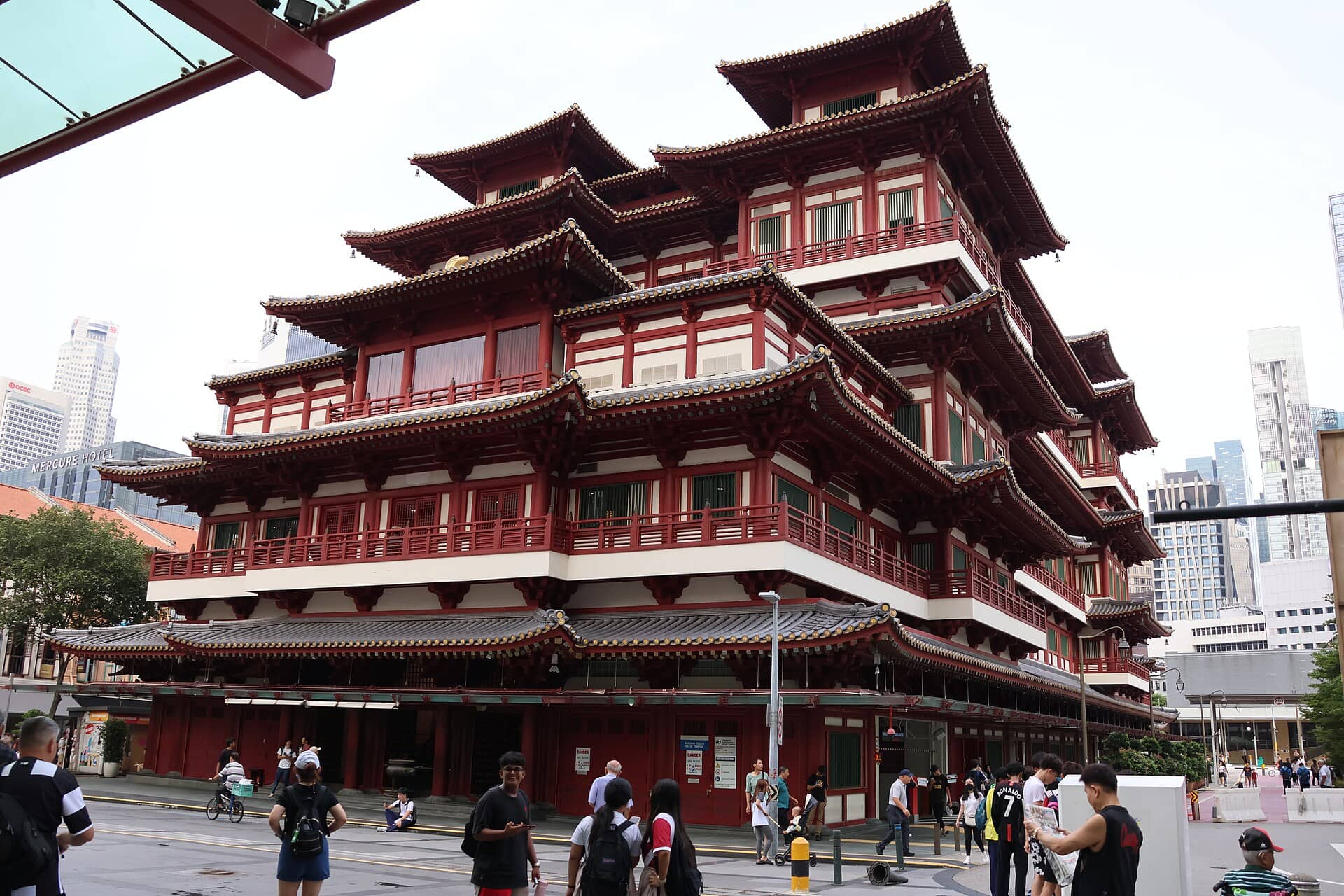
This historic district is a perfect contrast to the modern skyscrapers in the centre. You’ll find gorgeous colourful houses, narrow lanes full of lanterns and the wonderful atmosphere of old China. The most convenient way to get here is by metro straight to Chinatown station.
The unmissable landmark is the huge Buddha Tooth Relic Temple, where admission is free and which houses the sacred relic of Buddha’s tooth. Curiously, just a short walk away stands Sri Mariamman, the oldest Hindu temple in Singapore. In the evening the streets come alive thanks to the famous Chinatown Food Street, where the smells of all kinds of Asian specialities waft from the grill stalls.
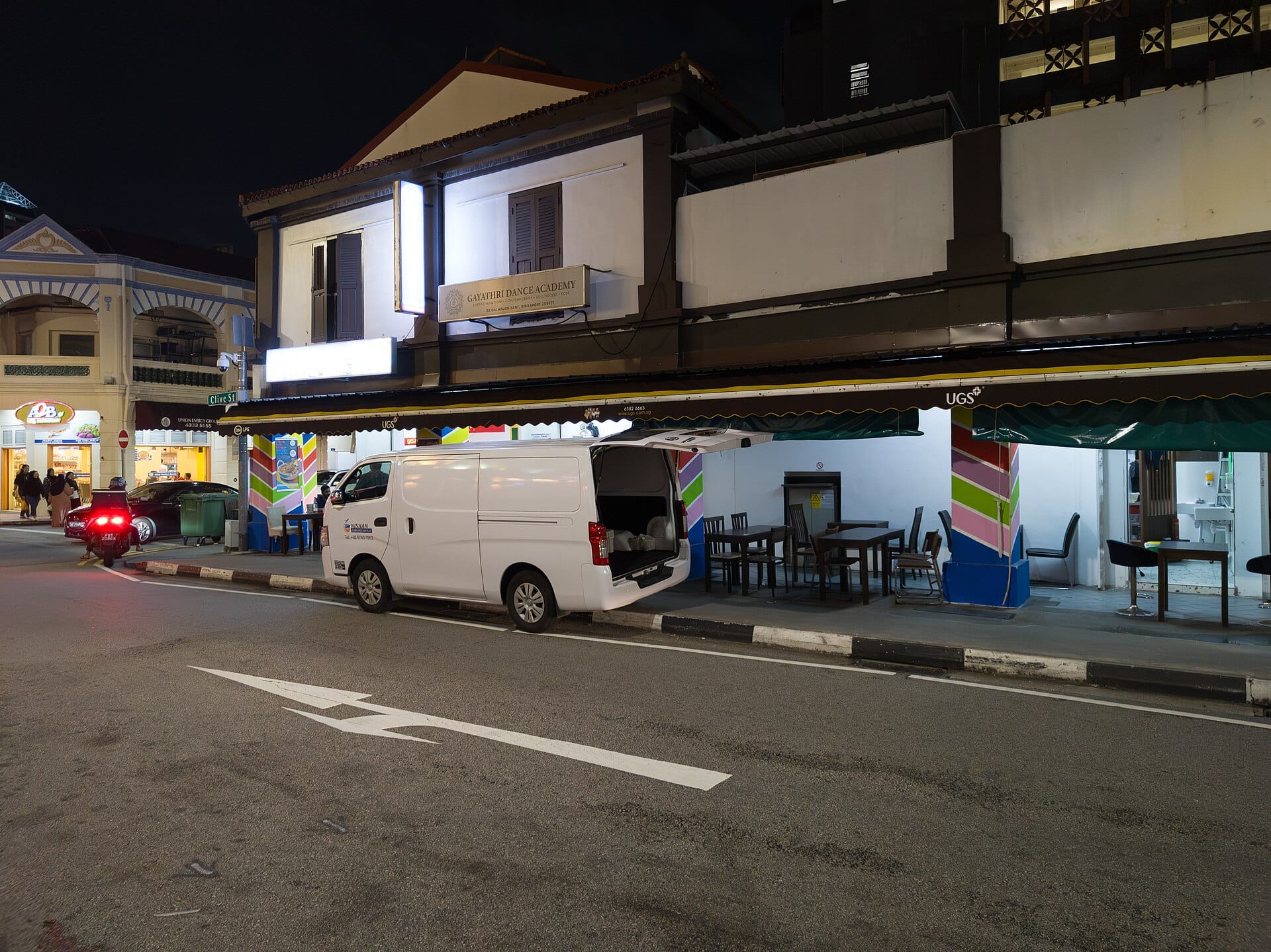
12. Colourful Little India
The moment you step out at Little India metro station, you find yourself in a completely different world. The air here smells of curry and incense, and loud Indian music plays everywhere. It’s an incredibly lively and colourful district that instantly draws you in.
Definitely worth a photo is the House of Tan Teng Niah, probably the most colourful building in the whole city, and the beautiful Hindu temple Sri Veeramakaliamman. For shopping lovers there’s the round-the-clock Mustafa Centre, where you can buy literally everything from electronics to jewellery.
💡 Tip: For vegetarians this district is an absolute gastronomic paradise. Pop into the local Tekka Centre market and try crispy dosa pancakes with lentil sauce or traditional Indian thali served on a banana leaf. It’s incredibly delicious and costs almost nothing.
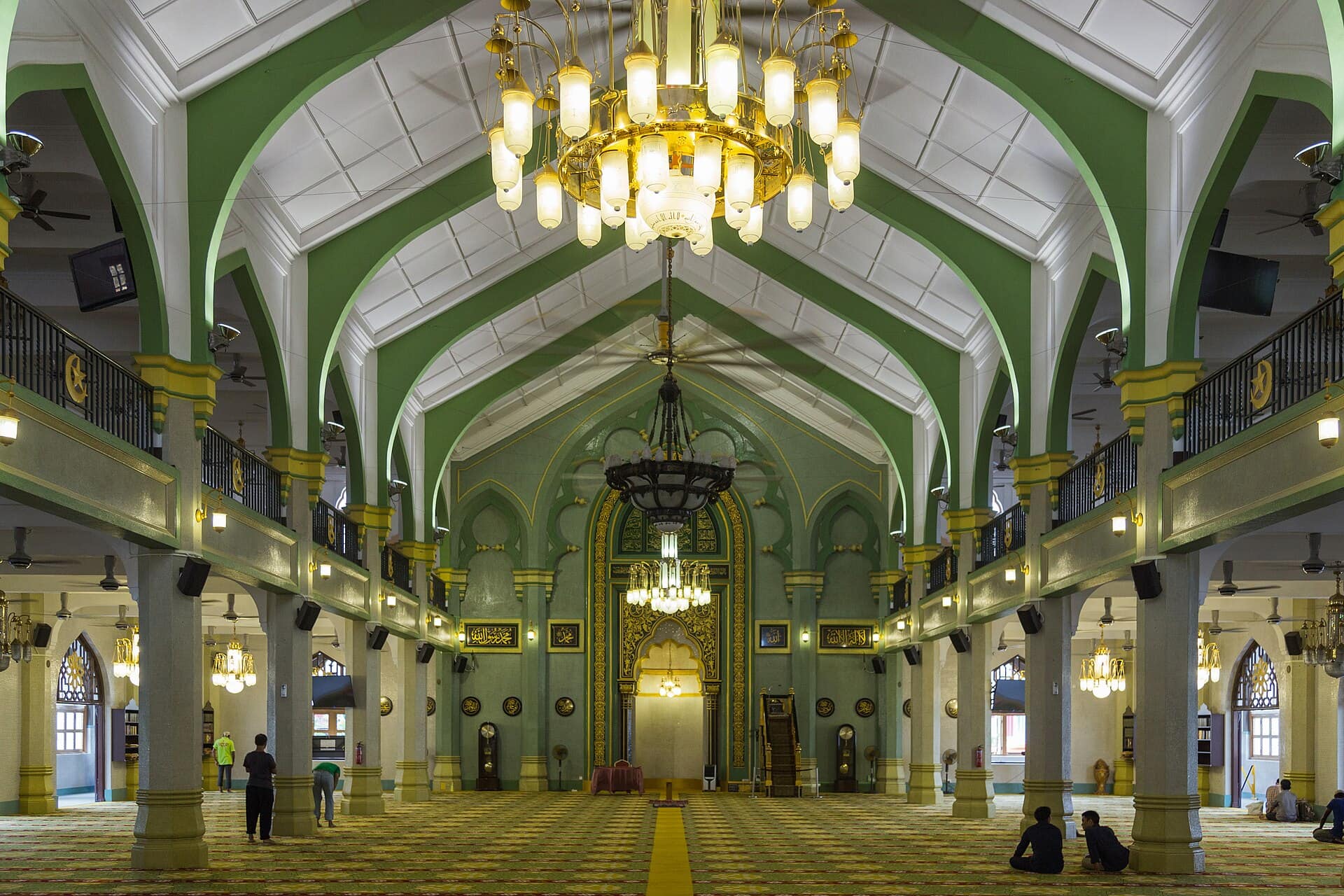
13. Kampong Glam and Haji Lane
This district is the historic heart of Singapore’s Malay and Arab community. Its centrepiece is the majestic Sultan Mosque with its huge golden dome. Tourists can even look inside for free; just come during visiting hours (typically mornings and afternoons, except Fridays) and wear decent clothing, which they’ll lend you at the entrance if needed. You can get here from Bugis metro station.
Just one street over lies the famous Haji Lane. This narrow alley is a paradise for hipsters and Instagrammers, packed with gorgeous street art, small independent boutiques and stylish little cafés. It’s an ideal spot for an afternoon coffee and picking up original souvenirs.
14. The Shopping Paradise of Orchard Road
If you love shopping, this is one place you mustn’t skip. Orchard Road is a boulevard over two kilometres long, lined with the most luxurious shopping centres in the world. It’s also a great refuge from the tropical heat, because the malls are connected underground and the air conditioning is cranked up everywhere.
Among the best-known malls are the futuristic ION Orchard, home to over 300 shops, and the luxurious Paragon and Takashimaya. Even if you’re not planning to buy anything, it’s worth a wander here to soak up that big-city atmosphere and admire the elaborate window displays of the world’s top brands.
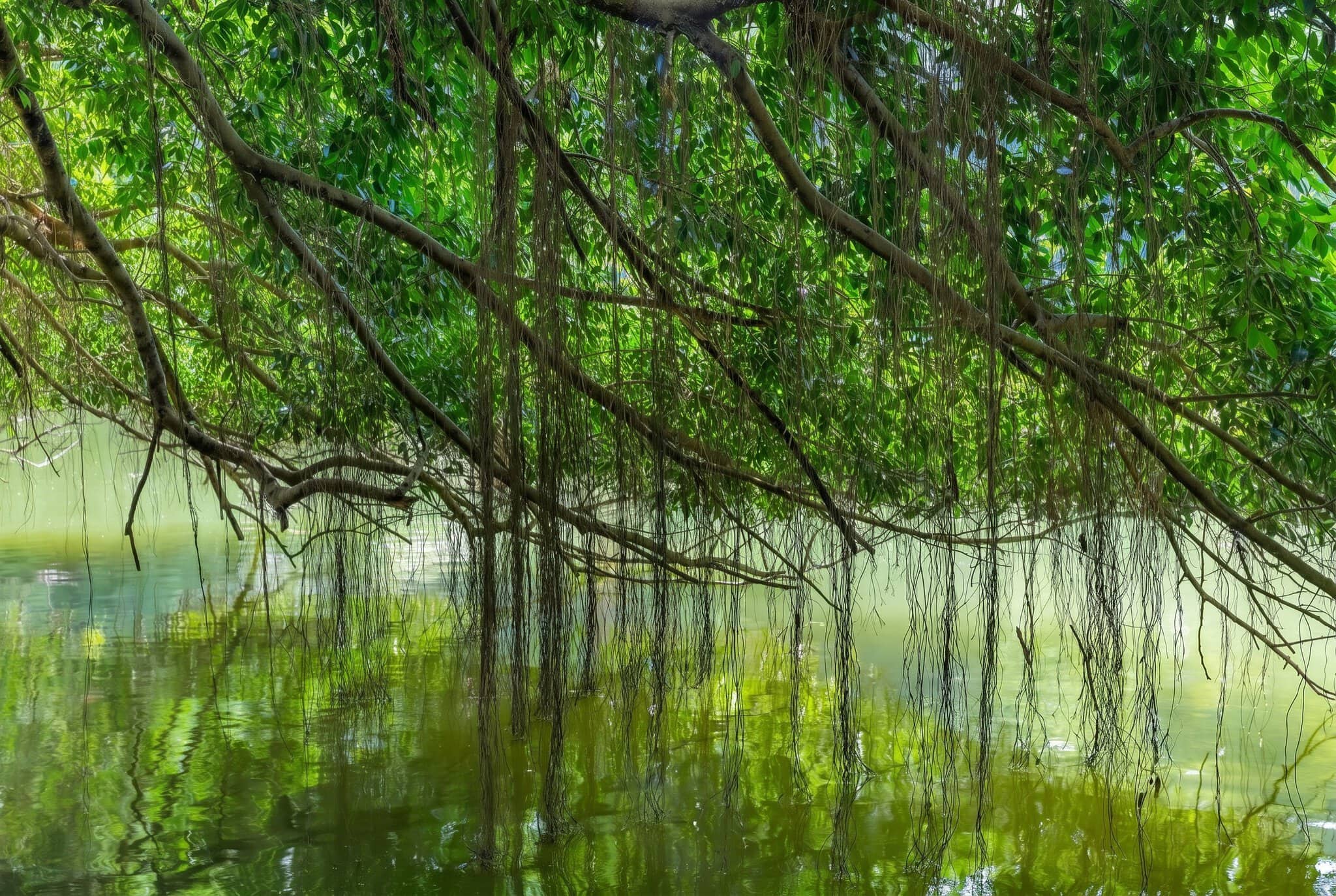
15. Singapore Botanic Gardens (UNESCO)
Singapore is often called a “city in a garden”, and these botanic gardens are clear proof of it. They were the very first site in Singapore to be added to the UNESCO World Heritage list. The gardens are enormous, beautifully maintained, and entry to the main grounds is completely free. The Botanic Gardens metro station drops you right at the entrance.
The greatest jewel is the paid section called the National Orchid Garden. For an entry fee of around 15 SGD you’ll see over 60,000 gorgeous orchids of every possible colour and shape. It’s a calm oasis in the middle of a bustling city, where locals come to jog or practise tai chi in the morning.
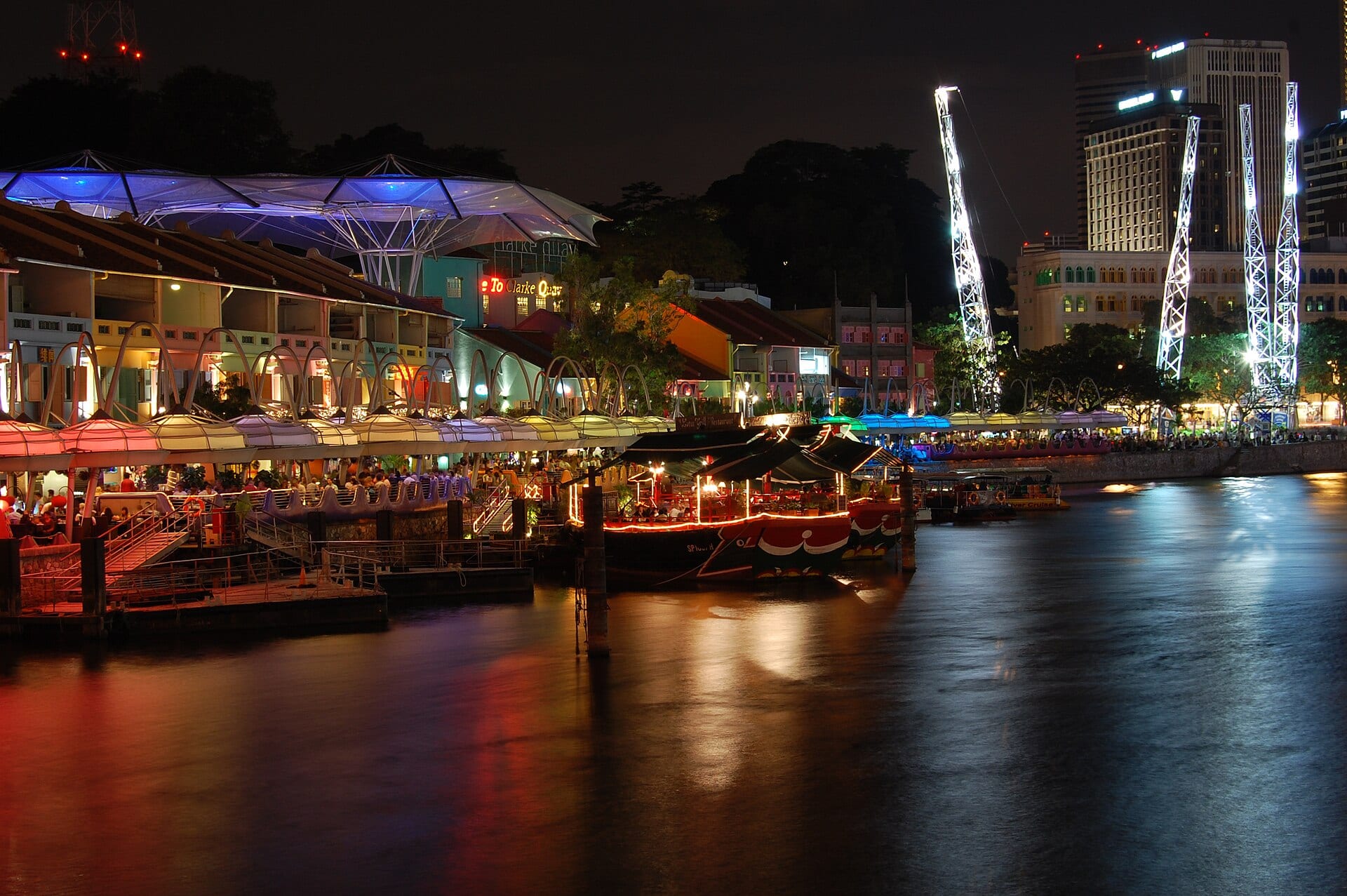
16. Clarke Quay and a River Cruise
Clarke Quay is a historic quay lying right on the river, where merchant ships once moored. Today the original colourful merchant houses (shophouses) have been converted into lively bars, restaurants and nightclubs, which glow beautifully in the evening. You step out right at the Clarke Quay metro station of the same name.
This is the ideal starting point for the popular Singapore River Cruise. The trip on a traditional wooden boat lasts around 40 minutes and costs about 28 SGD. From the water you’ll see the city from a completely different perspective, sail beneath historic bridges and reach Marina Bay, where there’s a gorgeous view of the evening skyline.
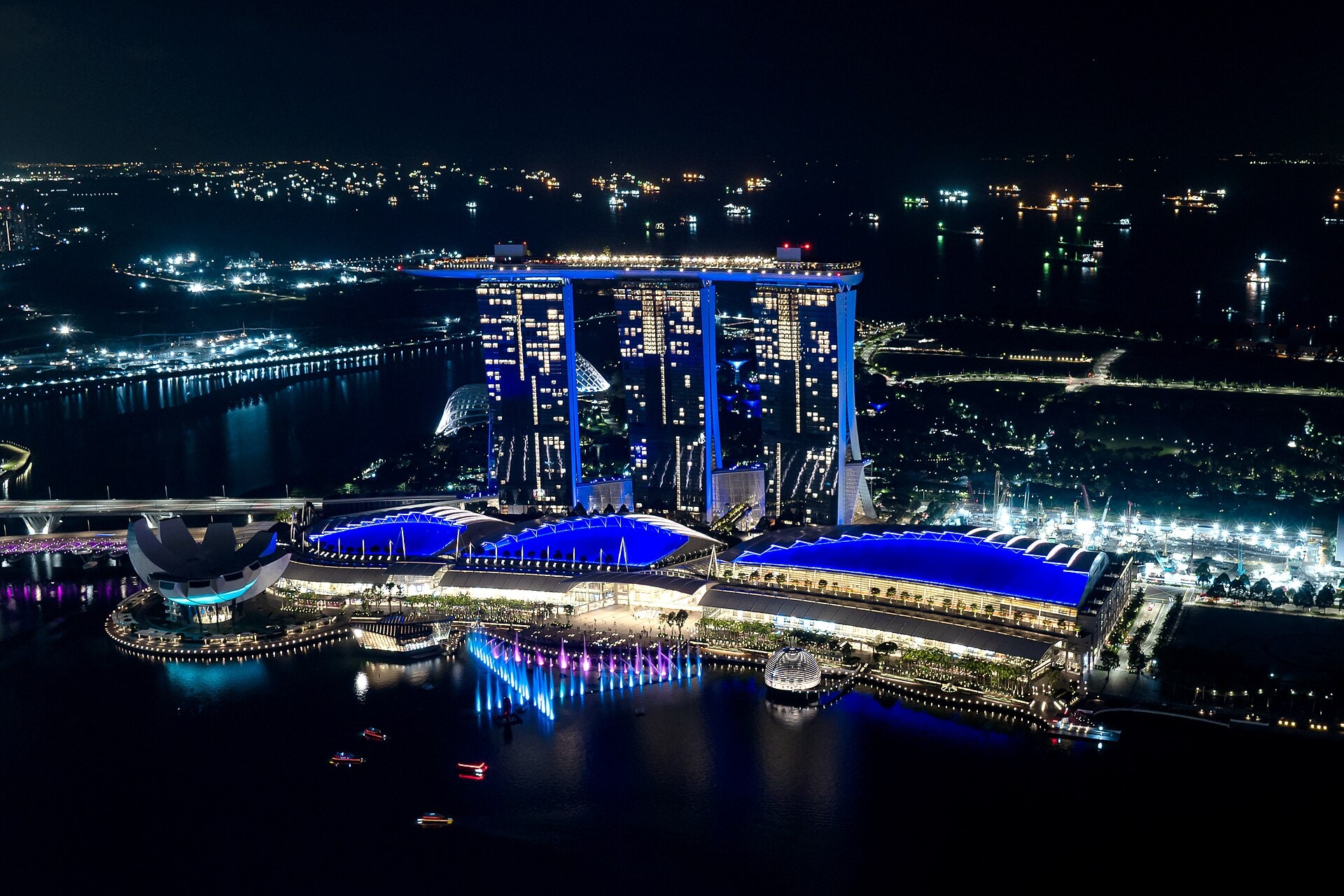
17. The Spectra Light and Water Show
While Gardens by the Bay has its evening tree show, Marina Bay offers a stunning performance called Spectra. This water, light and laser show is completely free and takes place right on the water in front of the Marina Bay Sands shopping mall (Event Plaza).
The show runs every day at 20:00 and 21:00, with a third showing added at 22:00 on Fridays and Saturdays. Over fifteen minutes you’ll see a synchronised dance of giant water fountains accompanied by orchestral music and light effects projected directly onto the misted water.
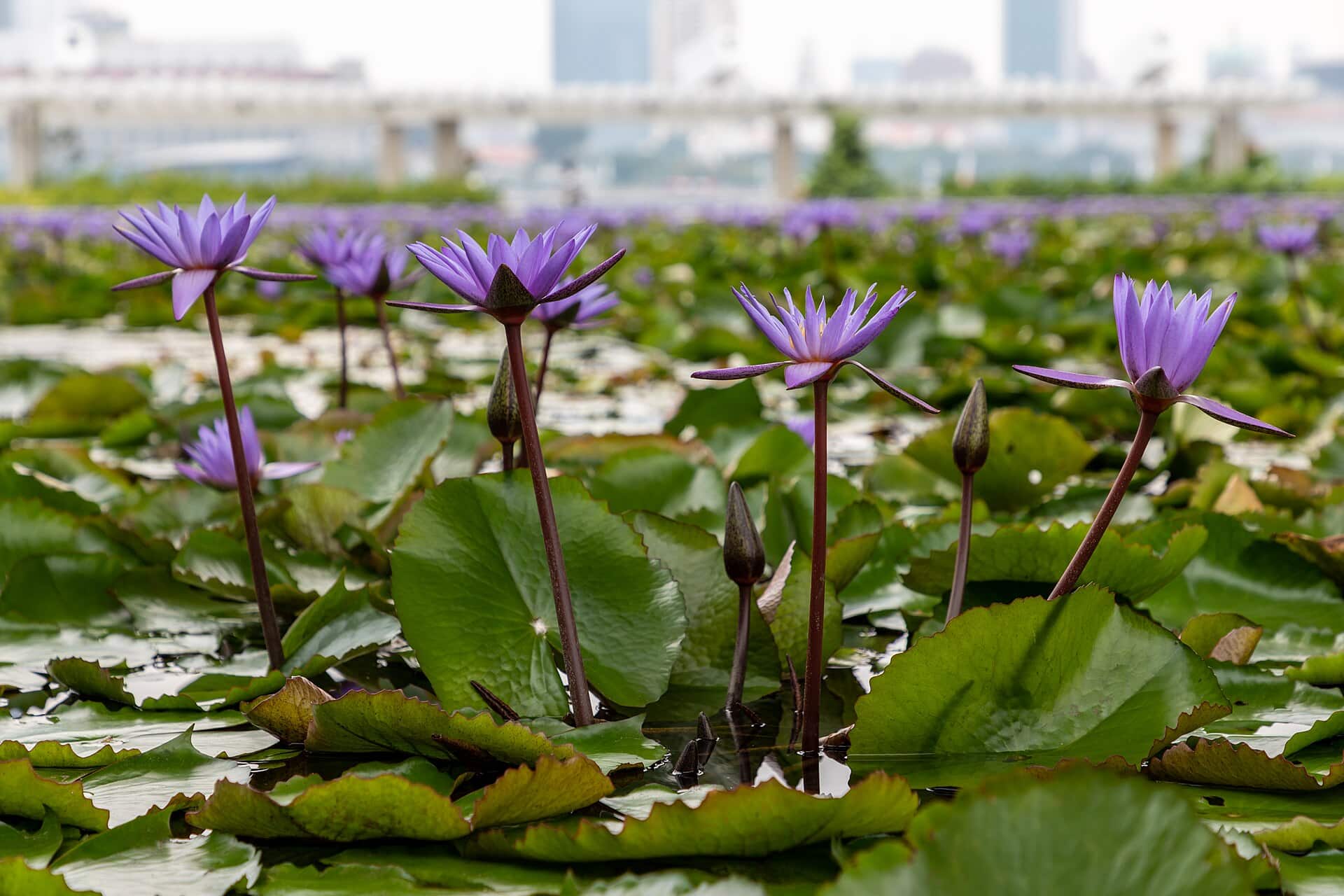
18. ArtScience Museum
You can’t miss this building, because it’s shaped like a giant blooming lotus flower and sits right by the water next to Marina Bay Sands. As the name suggests, the ArtScience Museum brings together the worlds of art, science, design and technology in fascinating interactive exhibitions.
The admission price varies depending on which specific exhibitions you want to see, but it usually starts at 15 SGD. The most popular are the installations by the Japanese collective teamLab, which are full of digital light and respond to visitors’ movements. It’s a great place for families and lovers of modern art alike.
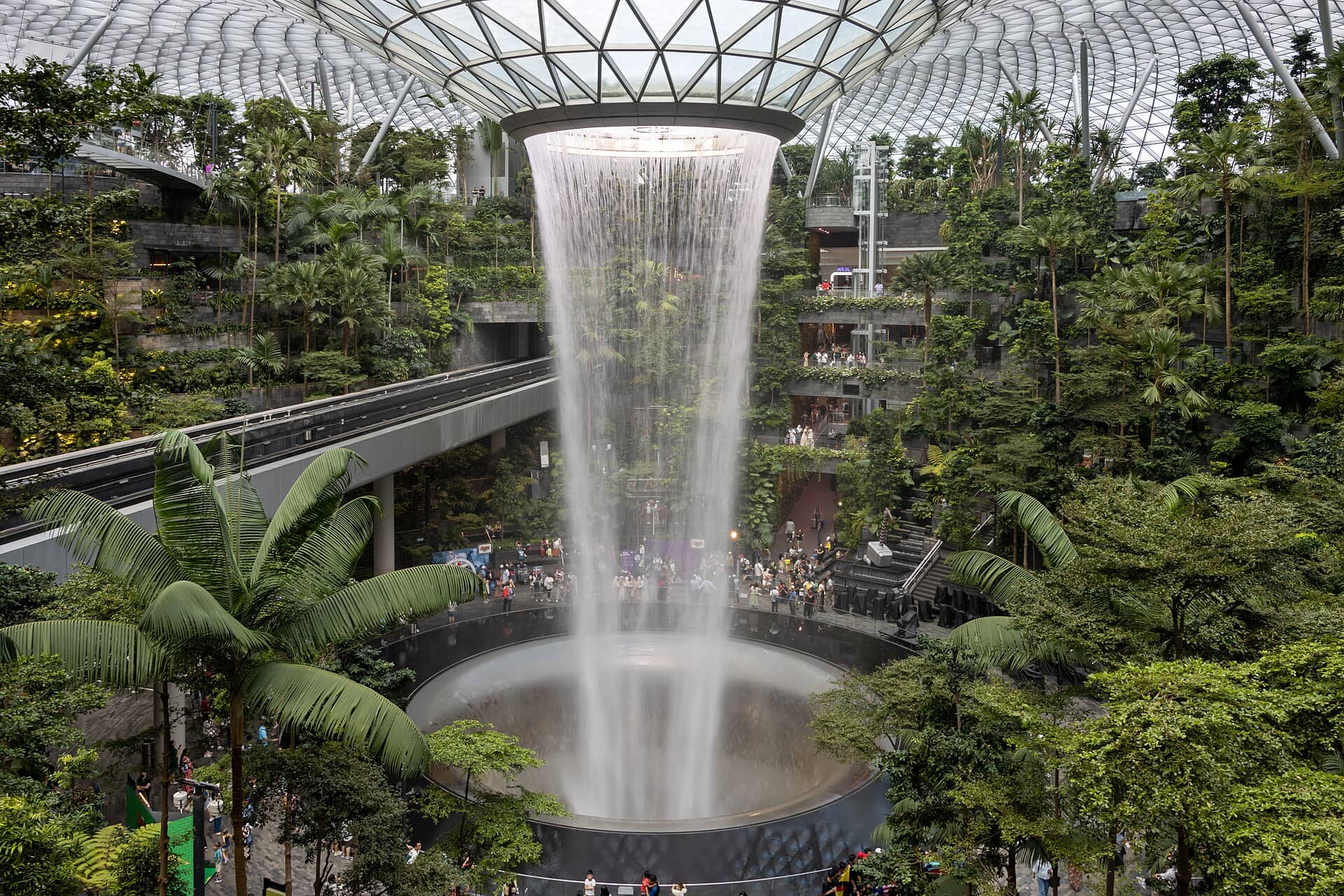
19. The Waterfall at Jewel Changi Airport
It sounds unbelievable, but one of the biggest attractions in the entire country is located right at the airport. The Jewel Changi complex is an enormous architectural marvel and its heart is the Rain Vortex, which at 40 metres is the tallest indoor waterfall in the world. Water falls through a giant window in the roof straight into a multi-storey indoor rainforest.
The best part is that entry to the Jewel complex is completely free and you don’t even need a boarding pass, because it’s located in the public area before check-in. There are over 280 shops and restaurants around the waterfall. It’s ideal to save your visit for your arrival or departure day, so you don’t have to travel back from the city to Changi Airport station. In the evening between 20:00 and 21:00 the waterfall is lit up and accompanied by music.
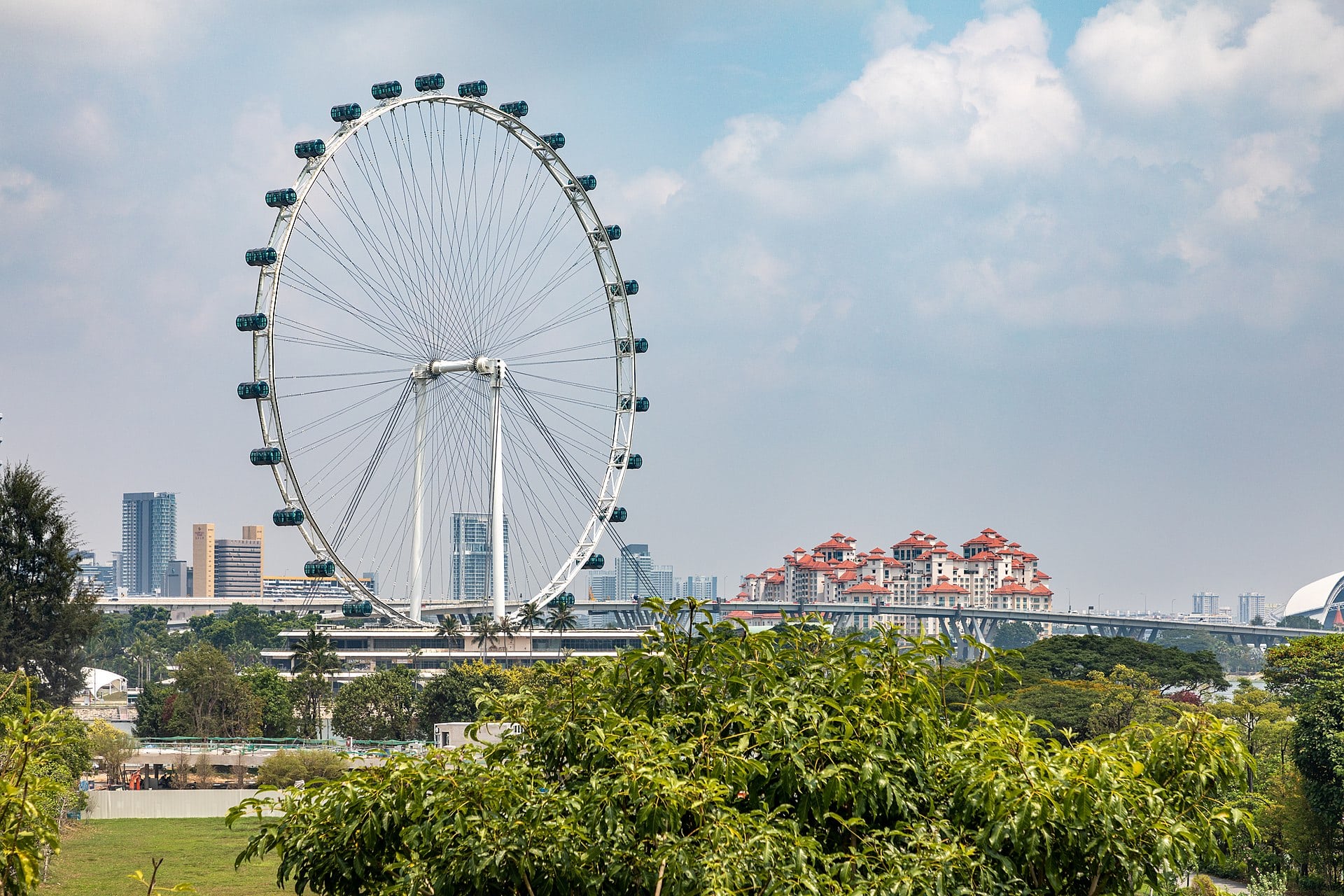
20. The Singapore Flyer Observation Wheel
If you love bird’s-eye views, this giant observation wheel, which for a long time held the title of the tallest in the world, is sure to catch your eye. A ride in the glass air-conditioned capsule lasts about 30 minutes and a ticket costs around 40 SGD.
From up here you’ll see the whole city, the historic centre and the sea laid out in front of you. Travellers often debate whether the view is better from here or from the rooftop of Marina Bay Sands. Many say the view from the hotel roof is a touch better and you can wander around freely there, but the wheel offers a smooth rotating experience and the privacy of your own capsule.
21. Off the Beaten Track
Once you’ve explored the biggest sights, head out to discover a slightly different side of the city. Pulau Ubin island is wonderful; you get there on a traditional wooden boat (a bumboat) from Changi Point jetty for around 4 SGD. Time has stood still on the island; you can rent a bike and cycle through an old Malay village and wild countryside, a complete contrast to the modern centre.
Also worth a mention is the hipster district of Tiong Bahru, which stands out for its beautiful 1930s art deco architecture and today is full of independent bakeries and cafés. And if you’re after the best evening photo spot, take a walk across the Helix Bridge. It’s a futuristic pedestrian bridge shaped like a DNA double helix that glows fantastically purple and blue at night.
Where to Go Next from Singapore
Thanks to its enormous Changi Airport, Singapore is an absolutely perfect springboard for further travels around Asia. The airport here repeatedly wins titles for the best in the world, and Singapore Airlines offers fantastic connection options. If you’re only stopping over on a long flight, be sure to read our itinerary for a 2-3 day stopover in Singapore, where you’ll find tips on how to squeeze the most out of a short amount of time.
Many travellers continue on from here to a popular island in the Indian Ocean, so if you’re drawn to nature, tea plantations and wild elephants, check out our tips for a holiday in Sri Lanka. And if you’re fascinated by modern skyscrapers and a desert atmosphere as a contrast to the Asian jungle, a holiday in Dubai might appeal on your next trip; it serves as a similarly excellent transit hub on flights from Europe.
Frequently Asked Questions
Is Singapore really that expensive?
Yes, it ranks among the most expensive cities in the world, especially when it comes to accommodation in better hotels and alcohol in bars. On the other hand, you can save tremendously here if you eat with the locals at hawker centres, where you can get excellent food for 5 to 10 SGD, and use the cheap and reliable public transport.
How does eating at hawker centers work?
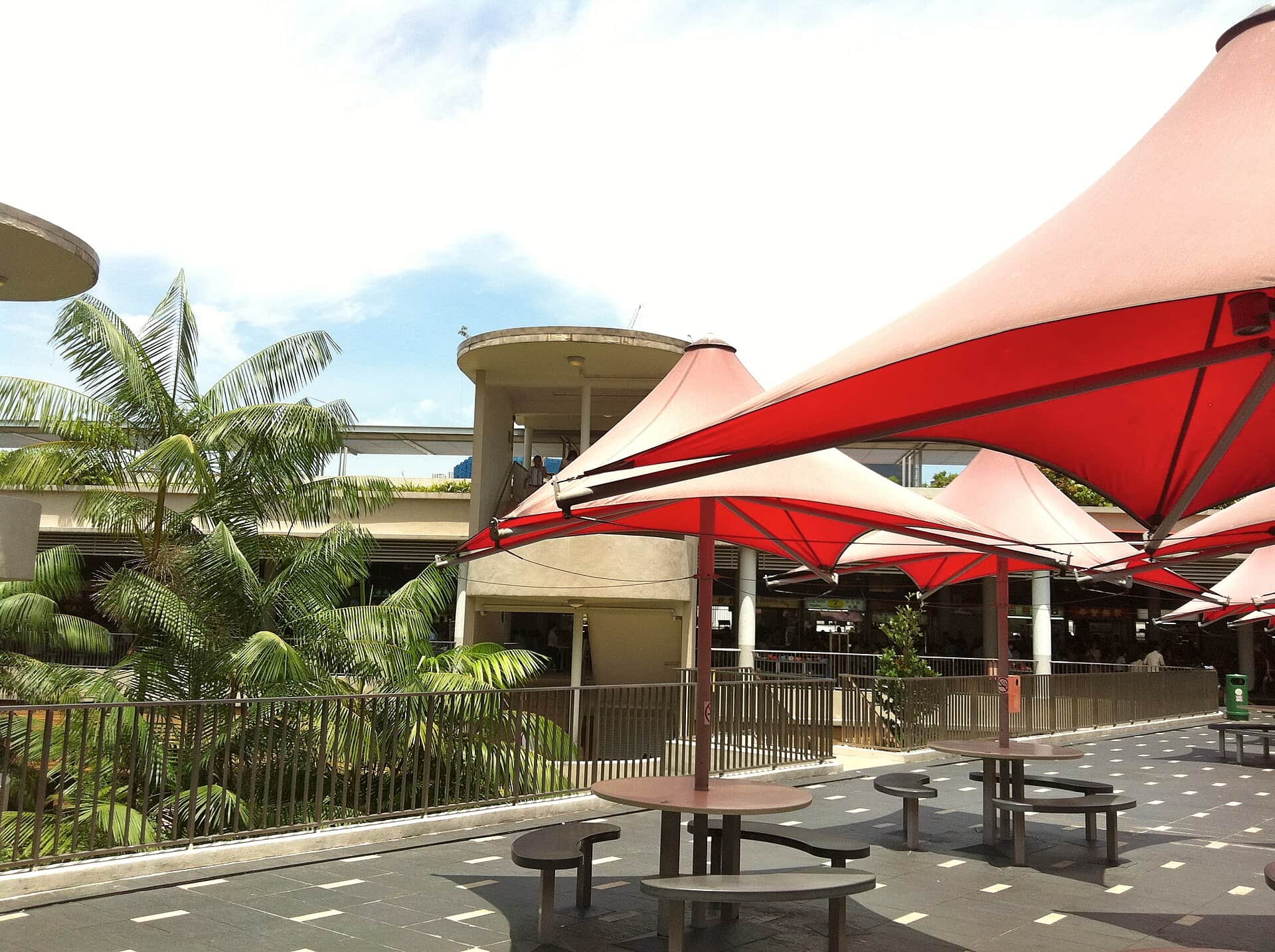
Hawker centres are huge covered halls full of dozens of small food stalls. It’s an absolute gastronomic phenomenon, you’ll find all kinds of Asian cuisines under one roof. The system is simple: find a free table (locals often reserve them by placing tissue packets), order your food at a stall, pay in cash or by app, and bring it to your table yourself.
How is it in Singapore with food for vegetarians?
For vegetarians, it’s an absolute paradise. Especially in neighborhoods like Little India, you’ll find a huge number of purely vegetarian restaurants. Tofu is commonly used here, and many local Chinese dishes can be prepared in vegetarian versions. You can happily leave the local meat and seafood specialties, like the famous chilli crab or Hainanese chicken rice, to the carnivores and enjoy Indian flatbreads, noodles, and fruit juices.
Are the laws in Singapore really that strict?
Yes, the rules are indeed very strictly enforced here and omnipresent cameras monitor order. Be especially careful about the absolute ban on electronic cigarettes (import and smoking) and chewing gum. Never eat or drink in the metro and don’t throw litter on the ground. The reward for these strict rules, however, is perfectly clean streets and a feeling of absolute safety even at night.
How many days do I need to visit Singapore?
For those visiting the city for the first time, 3 to 4 full days are ideal. In this time, you’ll be able to leisurely explore the Marina Bay area, the gardens, the main historic quarters, and set aside time for Sentosa Island as well. If you’re just stopping over, you can manage to see the biggest highlights even in a very intensive 2 days.
Can I get by with English in Singapore?
No problem at all. English is one of the four official languages (alongside Malay, Mandarin, and Tamil) and is commonly taught in schools. Everyone from taxi drivers to shop assistants to people on the street speaks English fluently, although sometimes with a typical local accent called “Singlish”.
What are the outlets like in Singapore?
In Singapore, they use British Type G sockets with three rectangular pins, and the voltage is the same as ours, 230 V. So definitely don’t forget to pack a travel adapter, although modern and more luxurious hotels nowadays often offer international sockets or direct USB ports in the wall.
Tips and Tricks for Your Vacation
Don’t Overpay for Flights
Search for flights on Kayak. It’s our favorite search engine because it scans the websites of all airlines and always finds the cheapest connection.
Book Your Accommodation Smartly
The best experiences we’ve had when looking for accommodation (from Alaska to Morocco) are with Booking.com, where hotels, apartments, and entire houses are usually the cheapest and most widely available.
Don’t Forget Travel Insurance
Good travel insurance will protect you against illness, accidents, theft, or flight cancellations. We’ve had a few hospital visits abroad, so we know how important it is to have proper insurance arranged.
Where we insure ourselves: SafetyWing (best for everyone) and TrueTraveller (for extra-long trips).
Why don’t we recommend any Czech insurance company? Because they have too many restrictions. They set limits on the number of days abroad, travel insurance via a credit card often requires you to pay medical expenses only with that card, and they frequently limit the number of returns to the Czech Republic.
Find the Best Experiences
Get Your Guide is a huge online marketplace where you can book guided walks, trips, skip-the-line tickets, tours, and much more. We always find some extra fun there!


