

The Canadian Rockies are an absolute dream, packed with turquoise lakes and peaks that soar into the sky — but they can really put you through the wringer if you underestimate the prep. The weather in Alberta ignores the calendar completely, and the distances between the individual parks are downright brutal. Whether you’re heading out for a summer camping trip in Jasper or winter skiing around Lake Louise, a properly packed bag will save your skin out here.
I’ve put together a summer and winter packing list for 2026 — everything from bear spray and merino socks to a plug adapter. With a well-packed bag, you won’t be caught off guard by snow in July, aggressive mosquitoes by the lakes, or a phone with no signal in the middle of the wilderness.
TL;DR
- Essential paperwork: You need a biometric passport valid for at least six months after you return, plus an approved electronic eTA registration for 7 CAD (around £4).
- A winter jacket even in summer: June is known as the so-called monsoon month, and snowfall in July is no anomaly in the mountains.
- Bear spray can’t fly: Never bring it from home — airport security will confiscate it without mercy as a dangerous weapon.
- Buy it in Canada: You’ll find bear spray in any larger store like Canadian Tire for roughly 50 to 60 CAD (about £30 to £35).
- The sockets are different: Canada’s grid runs on 120 V and you’ll need a Type A or B adapter with flat pins, otherwise you won’t charge a thing.
- No signal: The Icefields Parkway stretches 232 kilometres with not a bar of signal anywhere, so downloaded offline maps are an absolute must.
- Cotton kills: Forget cotton T-shirts — once you sweat through cotton in the mountains and the wind picks up, you’re at serious risk of rapid hypothermia.
The full destination guide: North America — guide and what to see
When to Visit the Canadian Rockies
Planning a trip to Alberta comes down to exactly what you want to experience and how much you fear the cold. The main summer season runs from July to August, when all the high-alpine trails are open and the lakes glow that gorgeous turquoise. Be prepared, though, for enormous crowds and accommodation prices that climb to astronomical heights during this period.
If you want to catch the famous golden larches, the ideal time is the second half of September, when the forests turn beautiful autumn shades. June is often labelled the monsoon month by locals — full of rain — and plenty of higher-elevation trails may still be under snow. For more, definitely read our detailed article on when to visit Banff, where we break down each month in more detail.
The winter months from December to March, on the other hand, are a paradise for lovers of winter sports and frozen waterfalls. Temperatures routinely drop to minus 20 or even minus 30 degrees Celsius, so without top-notch gear you won’t last long outside. A big new perk for 2026 is the so-called Canada Strong Pass, which gives you free entry to the national parks from 19 June to 7 September — saving you a fair bit of money.
Where to Stay in the Canadian Rockies
💡 Accommodation and experiences tip: We love searching for accommodation on Booking.com, which usually has the best cancellation policies. Tickets, tours and activities are then worth comparing and booking through GetYourGuide.
Finding accommodation in the national parks takes a strong will and, ideally, a booking made six months in advance. Prices for a plain double room in high summer season regularly start above 600 CAD per night (roughly £350) and availability disappears at an unbelievable pace. The town of Banff itself is iconic and sits right in the heart of the action, but the commercial pressure there has become genuinely overwhelming in recent years.
A far better and more authentic alternative is the neighbouring town of Canmore, just a twenty-minute drive from the park gates. In Canmore you’ll find friendlier prices, a great atmosphere and fantastic views of the Three Sisters mountain. Basecamp Resorts apartments, for example, offer excellent facilities where you can cook your own dinner after a hike and save on pricey restaurants.
If you’re still set on staying right in Banff and have a more generous budget, take a look at the stylish Moose Hotel and Suites on the main street. For booking accommodation I traditionally recommend using Booking.com, where you often get the option of free cancellation — always handy with Canada’s unpredictable weather. Just be sure to lock in your accommodation before you even buy your flights, so you don’t get any nasty surprises on arrival.
9 Tips on What to Pack for the Canadian Rockies
Packing for such a specific destination is worlds apart from a regular summer holiday in Europe. Let’s take a look together at the 9 most important gear categories you simply can’t do without in the Canadian wilderness.
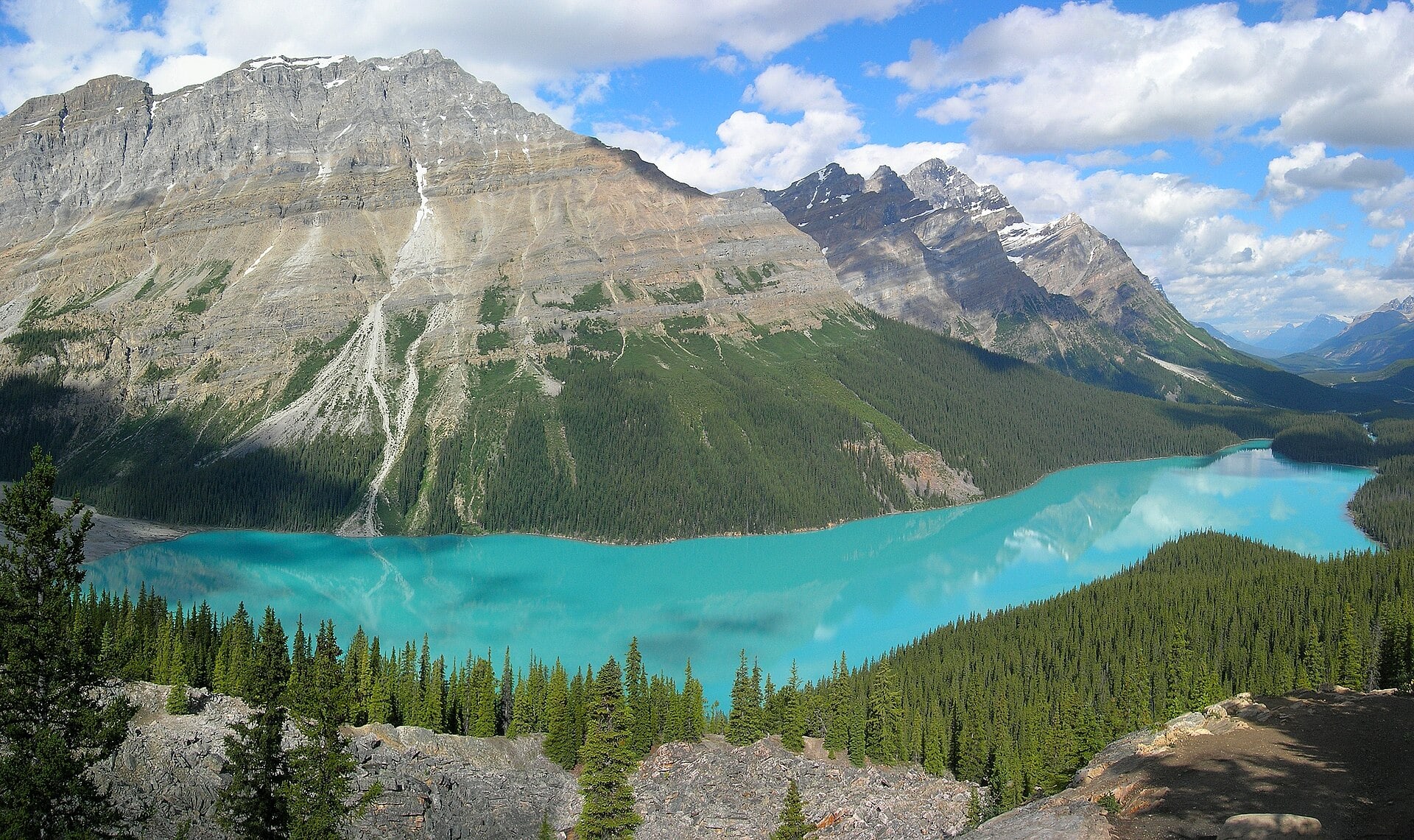
1. Documents, Paperwork and Canadian Visas
Canadian bureaucracy is very strict and forgives absolutely no mistakes. If your paperwork isn’t in perfect order, your trip will end before you even board the plane. The absolute basic is a biometric passport that’s valid for at least six months after your planned return home. Airlines will refuse to check you in without mercy if you don’t meet this rule, and you’ll ruin your entire holiday.
The second essential is the electronic eTA registration, which is mandatory for UK travellers on arrival. You arrange it online on the official government website for exactly 7 CAD (around £4) and it’s valid for five years or until your passport expires. Save the confirmation on your phone just in case, and ideally print it too, so you have it to hand at border control.
Healthcare in North America is extremely expensive, and as a non-resident, any injury will strip you financially bare. Quality insurance with a medical expenses limit of at least £200,000 to £400,000 is an absolute must, so definitely check out our SafetyWing travel insurance, which perfectly covers mountain hiking too. If you plan to rent a car, don’t forget to arrange an International Driving Permit before you leave the UK.
💡 Tip: Always make physical photocopies of your passport and insurance and stash them at the bottom of your main suitcase. Carry the original documents exclusively in your hand luggage, close to you.
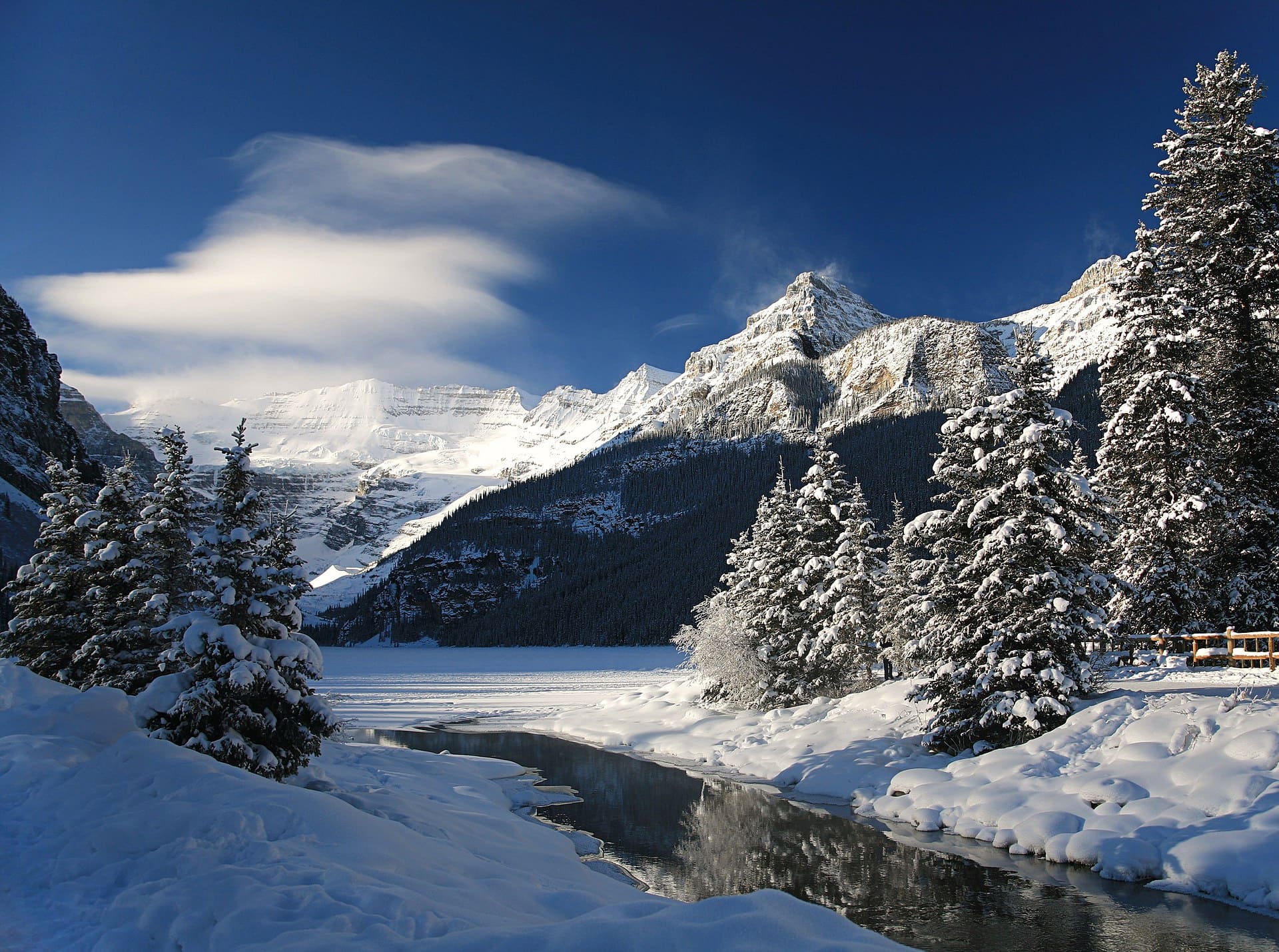
2. Layering and Clothing for Summer Hiking
The weather in the Rockies lives a life of its own, and a normal calendar summer basically doesn’t exist here. Locals love to joke that you’ll experience all four seasons in a single day — and they’re absolutely right. Even in mid-July you can be caught out by a heavy snow flurry on the ridges, and morning temperatures often drop to freezing.
The key to success is the so-called layering principle, where you stack several thin, functional layers. Merino wool clothing is an absolute miracle — it regulates temperature brilliantly and, best of all, doesn’t stink even after three days of heavy sweating on the trail. Pack at least three short-sleeved merino T-shirts and one long-sleeved top with built-in UV protection against the harsh mountain sun.
Into your daypack for every summer outing, always throw a warm fleece, a light packable down jacket and a quality hardshell jacket. A waterproof layer made from Gore-Tex will save you from icy winds and unexpected downpours that sweep in within minutes in the mountains. If you plan to sleep in a tent, forget thin summer sleeping bags entirely and take a model with a comfort rating of at least minus seven degrees Celsius.
💡 Tip: Zip-off hiking trousers might not look like the height of fashion, but in Canada you’ll appreciate them every single day. Head out in the morning with long legs on and easily turn them into shorts in the afternoon sun.
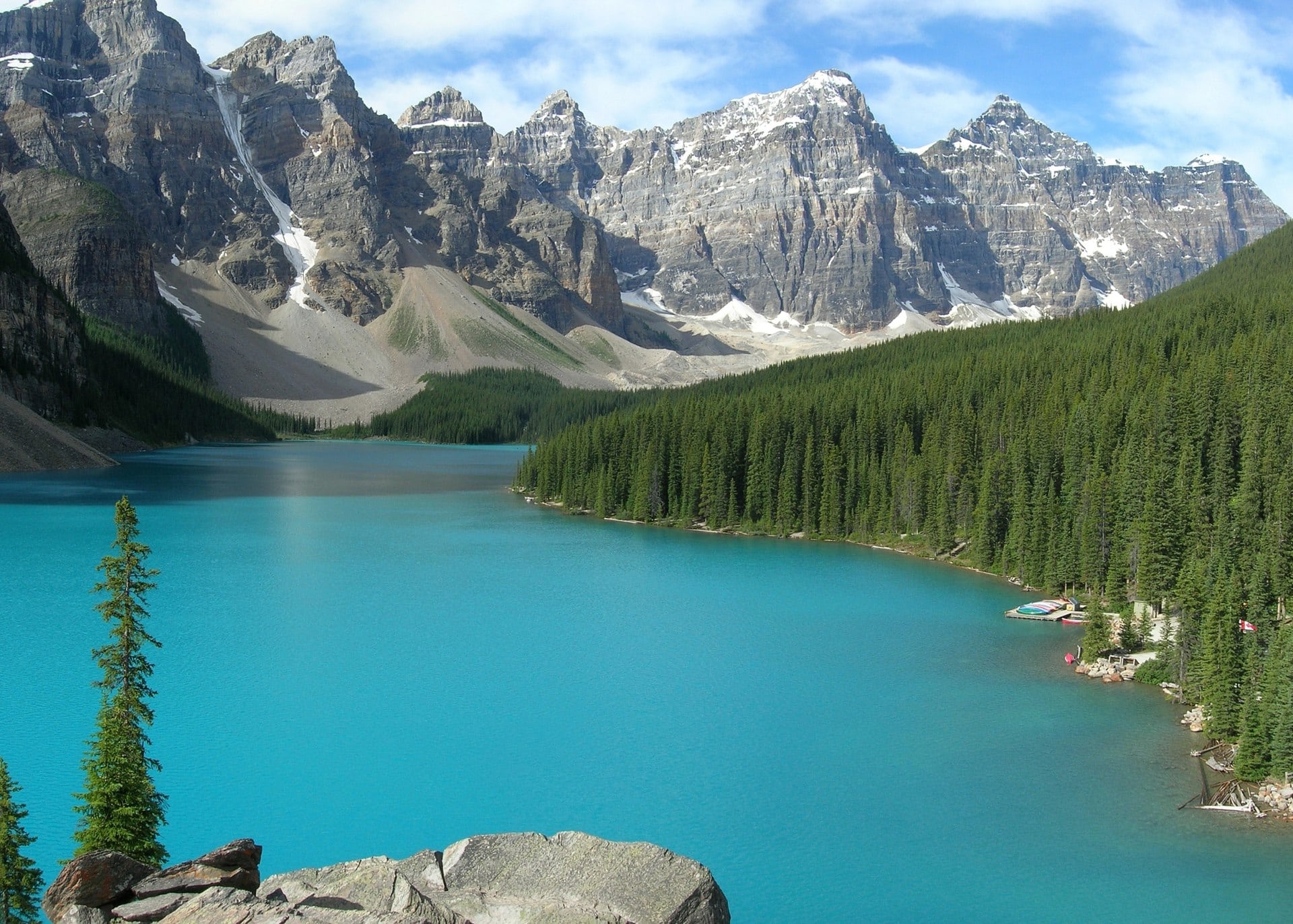
3. Winter Gear for Extreme Cold
The winter season from December to March transforms Alberta into a fairy-tale but merciless icy kingdom. Winter temperatures here routinely fall to minus 20 or minus 30 degrees Celsius, and when the wind blows, it feels even colder. This is where the fun ends and your gear has to be one hundred percent reliable, or you risk serious frostbite within a matter of minutes.
The base layer must again be quality merino, for both the upper and lower halves of your body. The main insulating layer should be a proper thick down jacket rated to minus twenty degrees, over which you throw a waterproof hardshell jacket. For your legs, get properly insulated snow trousers, under which you can fit thick fleece trousers for the coldest days.
Protecting your extremities and head is absolutely critical in these conditions, and you mustn’t underestimate it. Mittens keep you far warmer than classic fingered gloves, because your fingers stay together and retain body heat better. Underneath, wear just thin touchscreen liner gloves so you can operate your camera or phone without exposing bare skin to the freezing air.
💡 Tip: Pack a supply of disposable chemical hand and foot warmers. In the morning you simply unwrap them, pop them into your boots or gloves and they’ll keep you warm for a full eight hours.
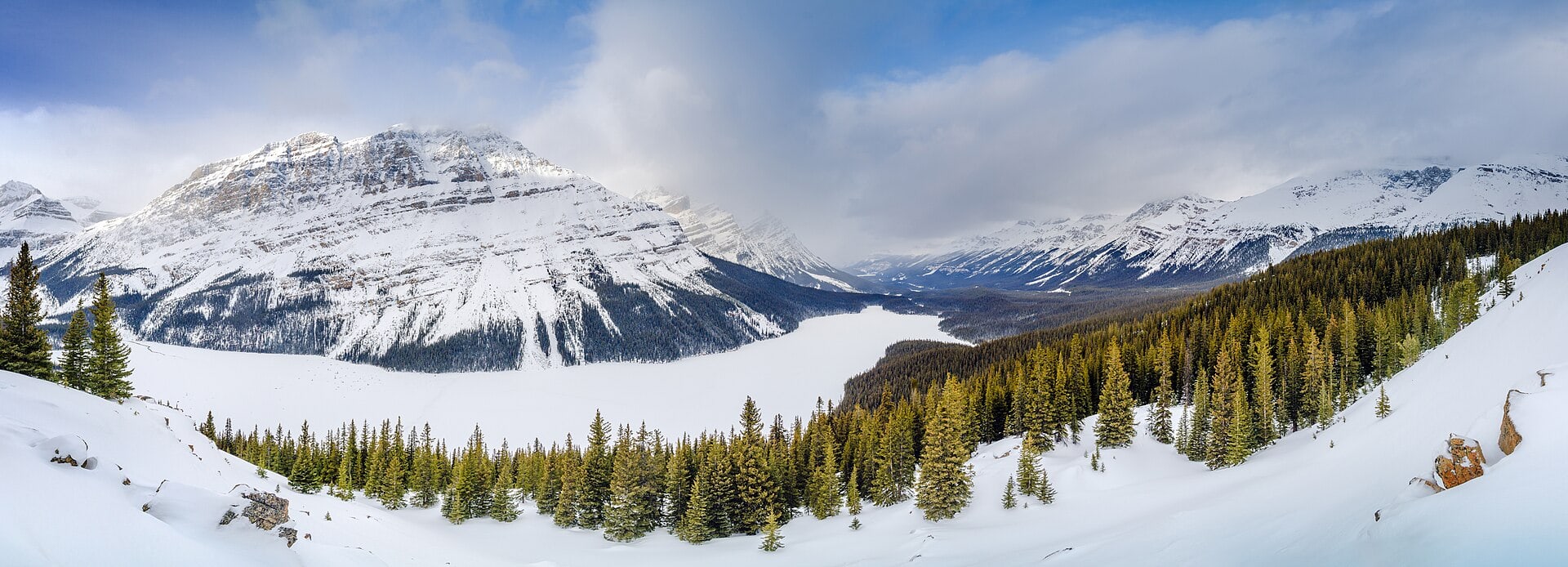
4. The Right Footwear for Demanding Terrain
Your feet will take a real beating in the Canadian national parks, which is why choosing your boots is the single most important item on the whole list. For summer hiking you need sturdy ankle boots with a waterproof Gore-Tex membrane to keep your feet dry even when crossing muddy streams. Never, and I mean never, bring brand-new boots freshly pulled out of the box.
Bloody blisters from unbroken-in boots will reliably wreck your entire holiday on the very first day on the trail. You must have your boots properly broken in at home, ideally over several longer walks in your local hills. Besides hiking boots, pack a comfy pair of trainers for evening strolls around town and light sandals or flip-flops, which you’ll appreciate in the campsite showers.
In the winter months you’ll need to swap summer boots for proper insulated winter boots that can handle arctic cold. Quality ice grips like Yaktrax are an absolute must for winter and spring trails, and you can’t do without them. Popular routes like Johnston Canyon are covered in slick, clear ice from November to April, and without metal spikes on your soles you’ll take a nasty tumble.
💡 Tip: If you’re unsure how to pick the right footwear, check out our detailed guide on how to choose hiking boots, where you’ll find plenty of useful advice.

5. Protection Against Bears and Safety in the Forest
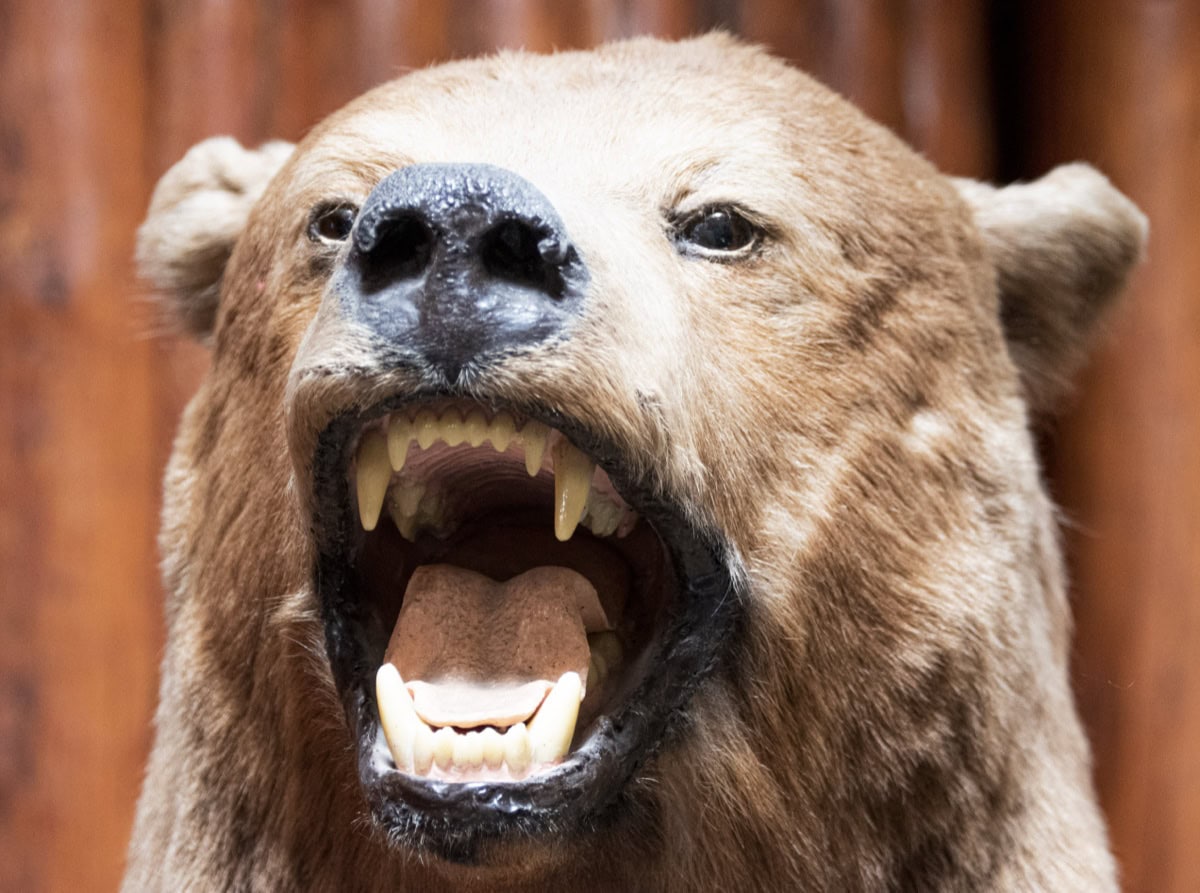
The Canadian national parks are home to a huge population of black bears and the feared grizzlies. You’re moving through their natural territory, and fatal incidents happen even to very experienced mountaineers, as the sad case of a couple in the Red Deer River valley in autumn 2023 unfortunately showed. Silence in the forest truly kills here, so you must constantly make noise, chat loudly, or clip a small Bluetooth speaker to your bag.
Your main defensive tool is a special bear spray that works on the basis of highly concentrated pepper gas. The crucial warning is that you absolutely cannot take bear spray on a plane — not even in checked luggage in the hold. It’s considered a dangerous weapon and a pressurised canister, so airport security would confiscate it immediately and you’d face a lot of hassle.
You have to buy the spray after landing in Canada, at outdoor equipment shops or the Canadian Tire chain. It’ll set you back roughly 50 to 60 CAD (about £30 to £35) and it’s an investment that could save your life. Carry the spray strictly clipped to your chest or your bag’s hip belt, because tucked away at the bottom of your rucksack it’s completely useless in a sudden encounter with a bear.
💡 Tip: When you buy the spray, ask the shop assistant to show you right there how to release the safety catch. In a crisis you only have seconds to react and you must be able to do it almost blind.
6. Electronics, Sockets and Reliable Connectivity
Travelling around North America calls for a small tweak to your usual electronics kit. Canadian sockets run on 120 V and have two narrow flat slots, so without the right adapter you’re completely stuck. Buy a quality travel adapter (Type A or B) before you leave home, because at the airport or in tourist centres you’ll pay three times the normal price.
Cold mountain weather and constant photographing of stunning panoramas will drain your phone battery incredibly fast. A powerful power bank with a capacity of at least 20,000 mAh is an absolute must for every full-day outing, so you don’t end up without navigation in the middle of the forest. Roaming with a UK SIM could financially ruin you, so I recommend sorting out mobile data the modern way.
Download an app to your phone and buy an electronic SIM card that activates the moment you land. The Bell and Telus networks offer great coverage, which you can get through Holafly eSIM, where you’ll find packages with unlimited data too. Bear in mind, though, that the famous Icefields Parkway is completely without signal for all 232 kilometres, so you must download all your maps in Google Maps and AllTrails to offline mode beforehand.
💡 Tip: In winter, always carry your phone and spare camera batteries in an inner jacket pocket as close to your body as possible. Body heat will stop them from draining quickly in the cold.
7. Protection Against Harsh Sun and Aggressive Insects
High altitude in the Rockies means the layer of atmosphere protecting you from the sun is much thinner. The UV radiation here is absolutely brutal even on overcast days, and you can burn in just a few dozen minutes. Quality zinc-based sunscreen with SPF 50+ should be compulsory kit on every outing.
Don’t forget to protect your lips either, as they suffer most of all in the dry, windy mountain climate. A proper SPF 30 lip balm will save you from painfully cracked lips, which take a really long time to heal. Sunglasses with a quality UV filter shouldn’t leave your eyes, especially when you’re near glaciers or snowfields where the sun reflects off the surface.
In the summer months, specifically June and July, unbelievable clouds of mosquitoes hatch around the mountain lakes. These insects are extremely aggressive and ordinary insect repellents don’t work on them at all, so get a strong product containing at least 30% DEET. If you plan on an evening barbecue or camping by the water, long sleeves and trousers made from a sturdier fabric are the best natural defence.
💡 Tip: In the winter months, swap your regular face creams for rich, oily, water-free versions. Icy wind at minus thirty will literally dry your skin to a crisp.
8. First-Aid Kit and Dealing With Health Issues
Although you’ll find huge, well-stocked pharmacies like Shoppers Drug Mart in Canadian towns, you must always have basic supplies with you in your bag. Your first-aid kit should contain enough pain and fever medication, such as classic ibuprofen or paracetamol. Altitude headaches are a common occurrence that can spoil your first few days of acclimatisation.
The roads leading to the most beautiful lakes and viewpoints are full of sharp bends and endless switchbacks. Motion-sickness tablets will be appreciated by you and your kids alike if you suffer from nausea during long drives or on the shuttle buses. Be sure to pack anti-diarrhoea medication like Imodium too, in case the local food doesn’t agree with you.
Walking in the mountains all day, even the best boots will occasionally cause painful pressure sores. Compeed hydrocolloid blister plasters are an absolute miracle that works like a second skin and lets you keep walking pain-free. Don’t forget strong antihistamines either, in case of an unexpected allergic reaction to an insect bite or local plants.
💡 Tip: Always carry prescription medication in its original packaging with the patient’s name on it, and just in case, take a doctor’s note written in English to avoid problems at customs.
9. What Definitely Not to Pack and Leave at Home
Just as important as what to pack is knowing what will only take up space in your bag or cause problems. As we’ve already mentioned, bear spray bought at home cannot cross the airport threshold, so don’t take it with you at all. You’ll save yourself a lot of stress at security and pointless money on a confiscated item.
Canada is a huge fan of cashless payments, and a Visa or Mastercard will get you everywhere from a luxury restaurant to buying a bus ticket. Don’t carry an unnecessarily large wallet stuffed with cash — a small emergency reserve of around 100 to 200 Canadian dollars is plenty. Everything else you’ll sort with a tap of your card or smartwatch.
When choosing clothes, remove from your list anything made from one hundred percent cotton. Wet cotton in the mountains equals rapid hypothermia, because this material holds sweat, takes ages to dry and will keep chilling you in a cold wind. Instead of your favourite cotton hoodie, reach for modern fleece or wool, which keep their insulating properties even when damp.
💡 Tip: If you’re heading to Canada primarily to ski, rent heavy skis or a snowboard at the resort itself. You’ll save on oversized baggage fees on the flight and make your transfers easier — just bring your own helmet and goggles.
Where to Go Next From the Canadian Rockies
Once you’ve made that long journey across the ocean, it would be a huge shame to limit yourself to just Banff and Jasper. The province of Alberta and neighbouring British Columbia offer so many stunning places that you could spend months here and still keep discovering something new. Plenty of travellers opt to fly into Vancouver and then drive right across the entire mountain range heading east.
If this exact route tempts you, definitely don’t miss our detailed itinerary for the epic Vancouver → Banff road trip, where you’ll find tips on the best stops along the way. You should stop by the emerald-green Emerald Lake in Yoho National Park or the surfing paradise on Vancouver Island.
A big topic for the summer 2026 season is getting to the most famous turquoise lakes, which you can no longer reach by private car. The shuttle system is fairly complicated and tickets vanish at lightning speed, which is why we’ve put together a big guide on the Moraine Lake and Lake Louise shuttle. And if you’re trying to save on flights and thinking of travelling light, check out our article on how to pack for hand luggage only.
Frequently Asked Questions
Do I need a large amount of cash for Canada?
You definitely don’t need it. Canada operates almost 100% cashless and you can pay with a regular debit or credit card absolutely everywhere, from gas stations to national park entrances. I recommend having some small cash around 100 CAD (roughly €65) as an emergency reserve in case a payment terminal goes down somewhere in a remote location.
Can I pack bear spray in my checked luggage on a plane?
No, it’s absolutely not possible. Bear spray is classified by airlines as a dangerous weapon and pressurized container, so it’s not allowed in the cabin or in checked luggage in the hold. You’ll need to buy it after arriving in Canada at stores like Canadian Tire for approximately 38 to 45 EUR.
What power adapter will I need in Canada?
North America uses a different electrical system than we do in Europe. Canadian outlets run on 120 V voltage and you’ll need a type A or B travel adapter, which has two flat parallel pins. Most modern electronics like phones and laptops handle the lower voltage without any problems, but check the labels on your chargers.
Is it necessary to have a winter jacket during the summer months?
Yes, a light packable down jacket and a quality waterproof jacket should be part of your backpack even in July. Weather in the Rocky Mountains is extremely unpredictable and morning temperatures at the lakes often drop close to zero. Moreover, June is known as the monsoon month and a snow flurry on the ridges is not unusual during summer.
Can I handle hikes in the Rocky Mountains in regular sneakers?
For the paved asphalt paths around the town of Banff, sneakers will suffice, but definitely not for real mountain trails. For safe hiking on challenging terrain, you need sturdy ankle-high hiking boots with Gore-Tex membrane, which you’ve already properly broken in back home. The terrain is often rocky, full of roots, and very slippery after rain.
Will my Czech SIM card work in the national parks?
It will work, but roaming charges for data outside the European Union will financially destroy you within a few minutes. A much smarter solution is getting a virtual eSIM card from companies like Airalo or Holafly, which offer affordable data packages for North America. Don’t forget to download offline maps though, because in many places in the mountains there’s no signal at all.
Do I really need a winter sleeping bag for summer camping?
Definitely yes. If you’re sleeping in a tent, regular summer sleeping bags designed for Czech campsites won’t be enough for you in Canada. Nights in the mountains are very cold and temperatures can drop below freezing at any time, so you need a sleeping bag with a comfort rating of at least minus seven degrees Celsius and additionally a warm hat. EXCERPT: Are you heading to Canadian national parks and don’t know what to pack? We bring you a complete packing list for summer and winter full of practical tips.
Tips and Tricks for Your Vacation
Don’t Overpay for Flights
Search for flights on Kayak. It’s our favorite search engine because it scans the websites of all airlines and always finds the cheapest connection.
Book Your Accommodation Smartly
The best experiences we’ve had when looking for accommodation (from Alaska to Morocco) are with Booking.com, where hotels, apartments, and entire houses are usually the cheapest and most widely available.
 🚗 Car rental on the roadVerified rental cars in Canada
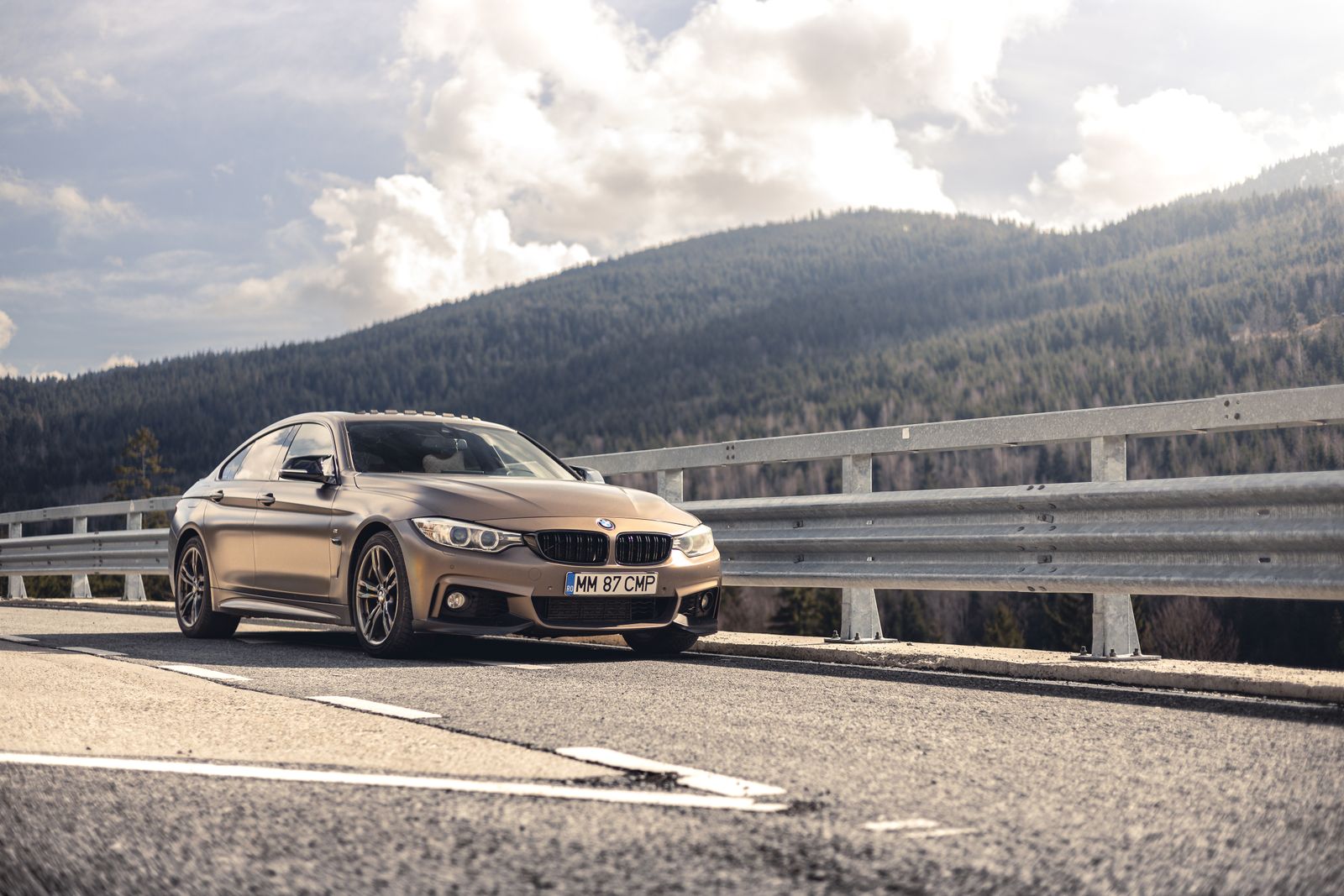
Search with the DiscoverCars comparison engine — it compares prices from dozens of local and international rental companies, and most bookings come with free cancellation.
Compare car prices in Canada →Don’t Forget Travel Insurance
Good travel insurance will protect you against illness, accidents, theft, or flight cancellations. We’ve had a few hospital visits abroad, so we know how important it is to have proper insurance arranged.
Where we insure ourselves: SafetyWing (best for everyone) and TrueTraveller (for extra-long trips).
Why don’t we recommend any Czech insurance company? Because they have too many restrictions. They set limits on the number of days abroad, travel insurance via a credit card often requires you to pay medical expenses only with that card, and they frequently limit the number of returns to the Czech Republic.
Find the Best Experiences
Get Your Guide is a huge online marketplace where you can book guided walks, trips, skip-the-line tickets, tours, and much more. We always find some extra fun there!


