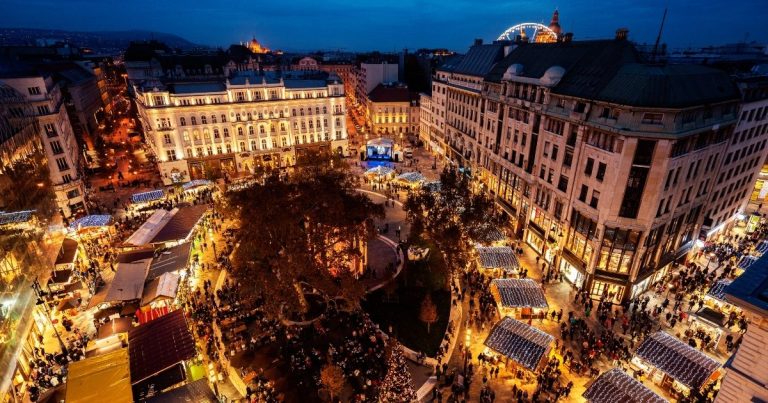
Budapest, Hungary works like the perfect magnet that pulls you in and never quite lets go. Hop on a flight from London and a couple of hours later you step out into a metropolis whose wide boulevards and grand architecture put it firmly on par with neighbouring Vienna. And yet the price tags in its hotels and cosy cafés still come as a very pleasant surprise.
Lukáš and I come back to the Hungarian capital again and again, because it offers a fantastic mix of rich history, steaming thermal baths and absolutely brilliant food. Every single time we stroll along the riverbank in the evening and gaze at the floodlit Parliament, we’re struck all over again by just how vast and majestic this city really is.
But the neighbourhood where you finally rest your head will radically shape your entire experience of the trip. Budapest can be incredibly quiet and romantic, yet on the flip side it can also be wild and noisy right through to the small hours. It all comes down to which street you tuck yourself into.
Before you start picking a specific hotel for the weekend, you need to get your bearings on what’s currently happening in the city. The rules of the game are changing dramatically in 2026, and plenty of old travel habits simply no longer apply. So I’ve put together a detailed guide to the very best neighbourhoods.
TL;DR
- Airbnb ban in the centre: From 2026, the upscale 6th district (Terézváros) enforces a total ban on short-term rentals. On top of that, no new apartment licences are being issued anywhere in Budapest.
- Best area for first-timers: If it’s your first visit, stay in the flat 5th district (Belváros-Lipótváros), from where you can comfortably walk to all the major sights.
- Peace and romance: Looking for quiet and stunning views? Choose the historic 1st district (Buda), which sits on a hill and empties out beautifully in the evening.
- Party and nightlife: For lovers of bars and cheap beer, the 7th district (Erzsébetváros) is the obvious choice, home to the famous ruin bars — just brace yourself for noise until morning.
- Seniors travel free: All EU citizens over 65 ride Budapest’s public transport completely free — just show your ID card.
- Tourist tax: Expect your hotel to always add the so-called IFA tax, which comes to 4% of the net room price per night.
- Famous baths closed: The iconic Gellért Baths are undergoing a huge renovation and will stay shut until at least 2028 — head to Széchenyi or Rudas instead.
The full destination guide: Hungary — guide and what to see
6 things you need to know about staying in Budapest, Hungary
Budapest is split into two completely different halves, divided by the broad sweep of the Danube. On one side lies flat, pulsating Pest, full of shops and bars, while on the other rises the hilly, historic Buda. Let’s take a look at the best locations.
1. The 5th district (Belváros-Lipótváros) as the ideal base
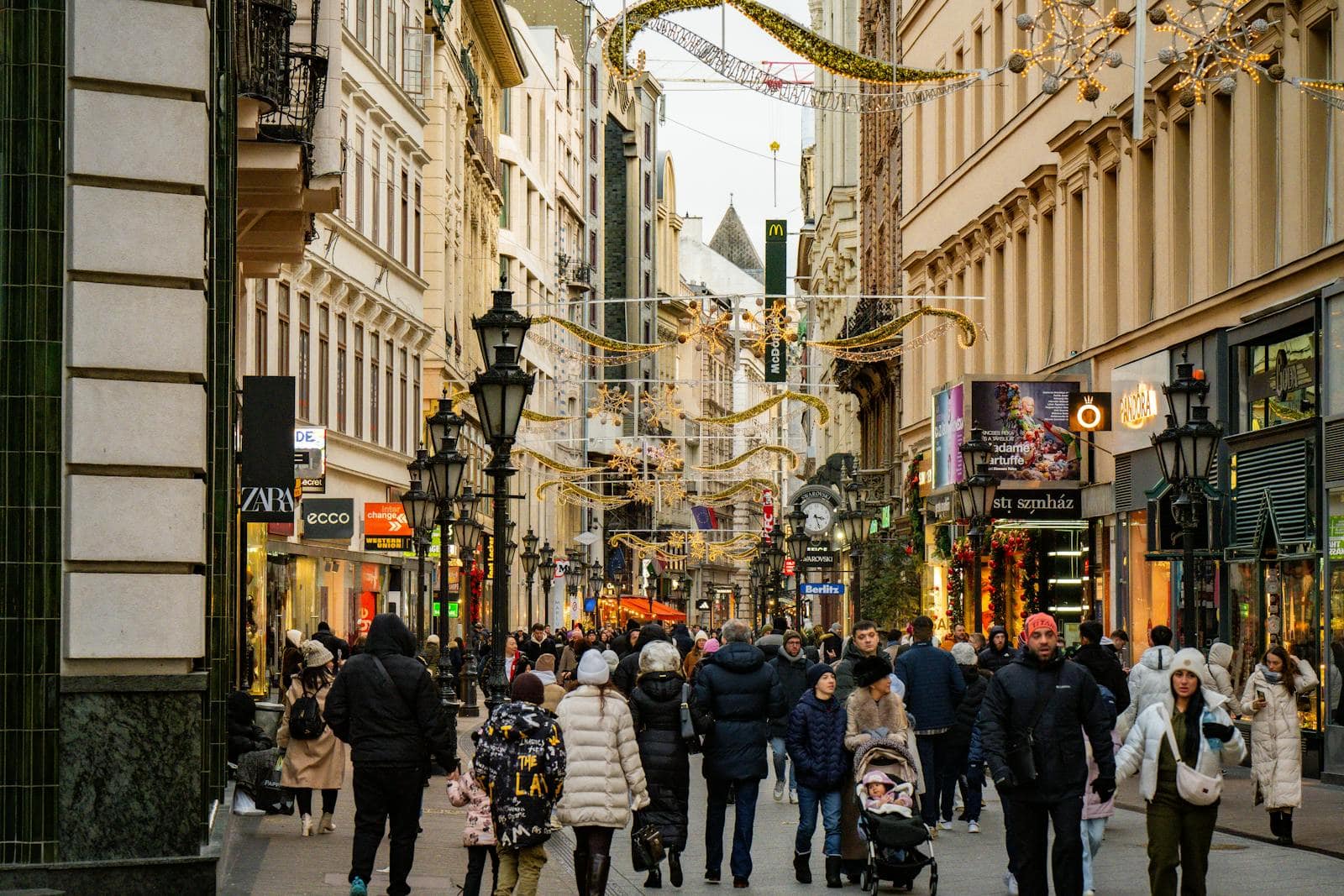
This is the absolute heart of Pest and, in our view, the best all-round choice for any traveller. You’ll be staying right next to the stunning Parliament — incidentally one of the most beautiful government buildings in the world, with an incredible 691 rooms. A short walk away you’ve also got St Stephen’s Basilica and the famous Chain Bridge.
The northern part of this neighbourhood (Lipótváros) works more as a business and gastronomy hub, where you’ll find excellent restaurants. We love discovering modern vegetarian bistros here that do great hummus or proper veggie soups. The southern part (Belváros) is packed with very elegant shops and picturesque little cafés where you can enjoy a superb espresso.
The biggest advantage of the 5th district is the fact that you can comfortably walk everywhere. It’s simply the best choice for your first visit, for culture-minded travellers and for couples in love. The atmosphere is wonderfully grand, the streets are clean, and you’ll feel very safe even after dark.
It can be fairly busy during the day, but at night the district is much calmer than the neighbouring areas. As for prices, mid-range hotels here typically run around €75 to €110 per night. If you’re after luxury, you could choose the gorgeous Aria Hotel Budapest, or the modern and brilliantly rated Hotel Vision, which sits just a stone’s throw from the river.
💡 Tip: If you stay in this area, head out early for a morning walk along the Danube. You’ll have the view of Buda Castle bathed in morning sun all to yourself, before the riverbank fills up with crowds of tourists and their cameras.
2. The romantic 1st district (Buda and Castle Hill)
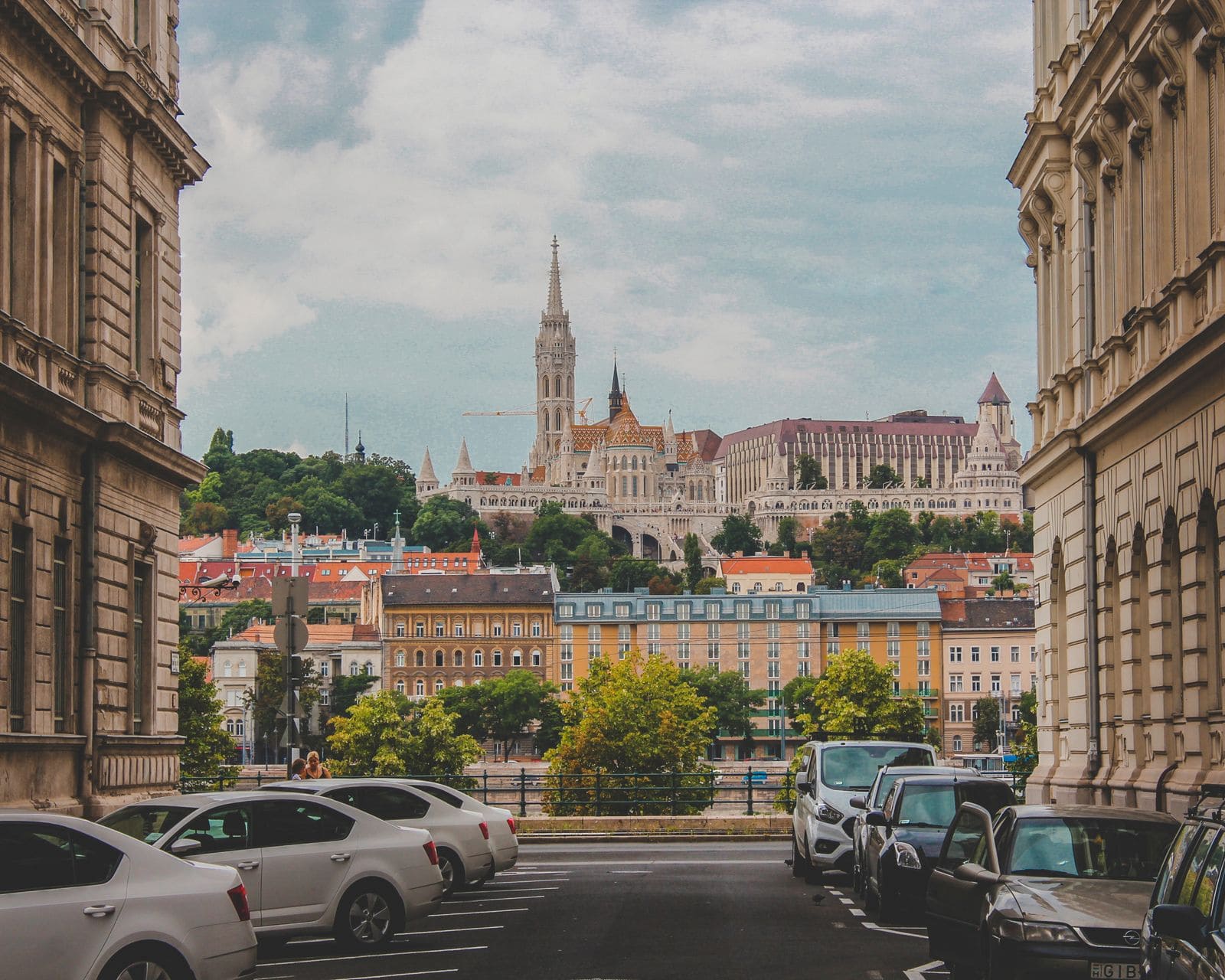
Just cross the river and you’re suddenly in a completely different world. Cobbled lanes, the pastel façades of old townhouses and breathtaking panoramic views from the Fisherman’s Bastion make Buda the most postcard-perfect part of the whole city. Lukáš and I love that moment when we ride up to the top and the city lies spread out at our feet.
Choose this location when you’re after total peace and romance. By day, crowds of day-trippers throng around the main sights, but once the sun sets and the buses leave, the streets empty out like magic. The neighbourhood takes on an almost magical, very slow atmosphere that begs for long evening walks hand in hand.
You do have to reckon with one significant downside, though, because you’re simply on a big hill. Exploring the city therefore means a bit more physical effort, unless you want to keep paying for the funicular or waiting for a bus. You won’t find many open bars or buzzing restaurants up here in the evening either — for a lively night out you always have to head down into Pest.
For accommodation we can warmly recommend the lovely Boutique Hotel Victoria, which offers rooms with a direct view of Parliament on the opposite bank. If you want to experience real tranquillity, book your room well in advance, because capacity in the historic buildings on the hill is fairly limited and disappears fast. We always enjoy visiting the little wine bars here, where they serve excellent local cheeses and olives alongside the wine.
💡 Tip: Castle Hill is ideal if you want to get up early and photograph the Fisherman’s Bastion without the crowds. Around seven in the morning you’ll meet only a few dog walkers and the odd wedding couple posing for photos — otherwise all that beauty is yours alone.
3. The party hub in the 7th district (Erzsébetváros)
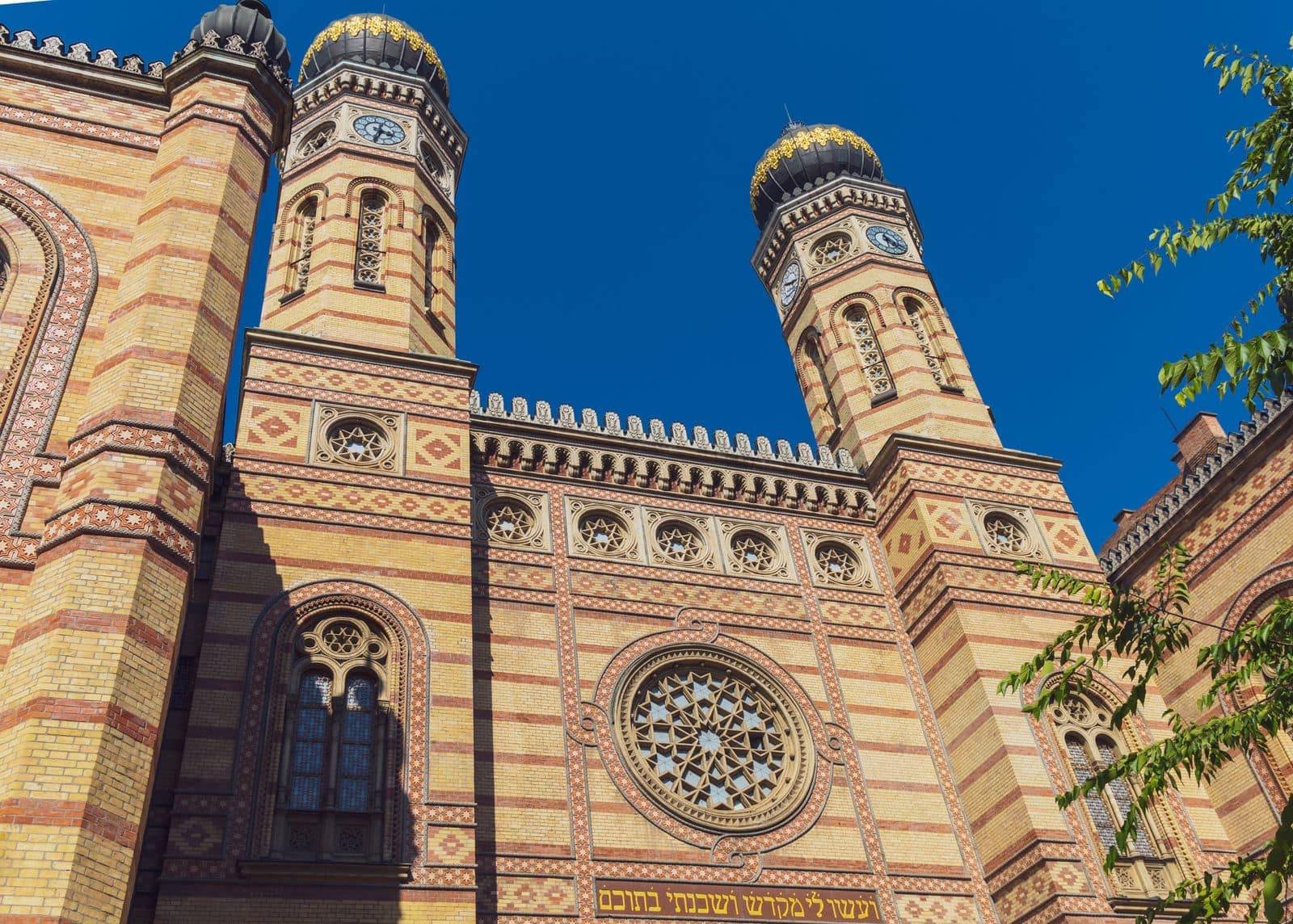
This is the absolute epicentre of Budapest’s nightlife and a place that never sleeps. The former Jewish Quarter, where the magnificent Great Synagogue still stands on Dohány Street (it’s the largest in all of Europe), turns into one giant, very wild party after dark. The streets fill with people and music spills out from everywhere.
This is exactly where you’ll find the famous Budapest ruin bars, crowned by the legendary and hugely photogenic Szimpla Kert. If you want to sample craft beers in industrial spaces or join an organised bar crawl, you’re in exactly the right spot. Local guides will happily lead you through the best venues for a fee of around €15 to €20.
I have to honestly warn you, though, that this is definitely not a neighbourhood for families with children, or for anyone who’s even a slightly light sleeper. The street noise doesn’t die down even at four in the morning, and the shouts of partying tourists carry into every window. It’s simply a place for young backpackers and stag and hen dos who want to soak up that proper social atmosphere.
For food, definitely head to the popular Karaván street-food courtyard, where the two of us had an absolutely top-notch vegan lángos and excellent veggie burgers. If you’re after a good base, the party hostel Wombats City Hostel is very popular, or AVAIL Hostel, which sits literally thirty metres from the main action on Kazinczy Street.
💡 Tip: If you stay in this neighbourhood, pack a good pair of earplugs. Even the best-rated hotels here struggle with street noise, especially during warm summer nights when most bars have their terraces open.
4. Local atmosphere in the 9th district (Ferencváros)
If you want to experience Budapest a little more like a local, veer slightly south in your accommodation search. In recent years Ferencváros has transformed from a plain industrial zone into a very pleasant and sought-after residential neighbourhood. It’s a great and often much cheaper alternative to the centre itself.
You’ll also find the famous Great Market Hall (Nagyvásárcsarnok) here, an enormous and architecturally stunning building. The ground floor is hung with strings of local sausages for meat lovers, but we always head upstairs, where they make hot lángos with cheese and garlic or sell fresh sweet pastries. It’s a fantastic experience, and you can pick up excellent ground paprika as a souvenir too.
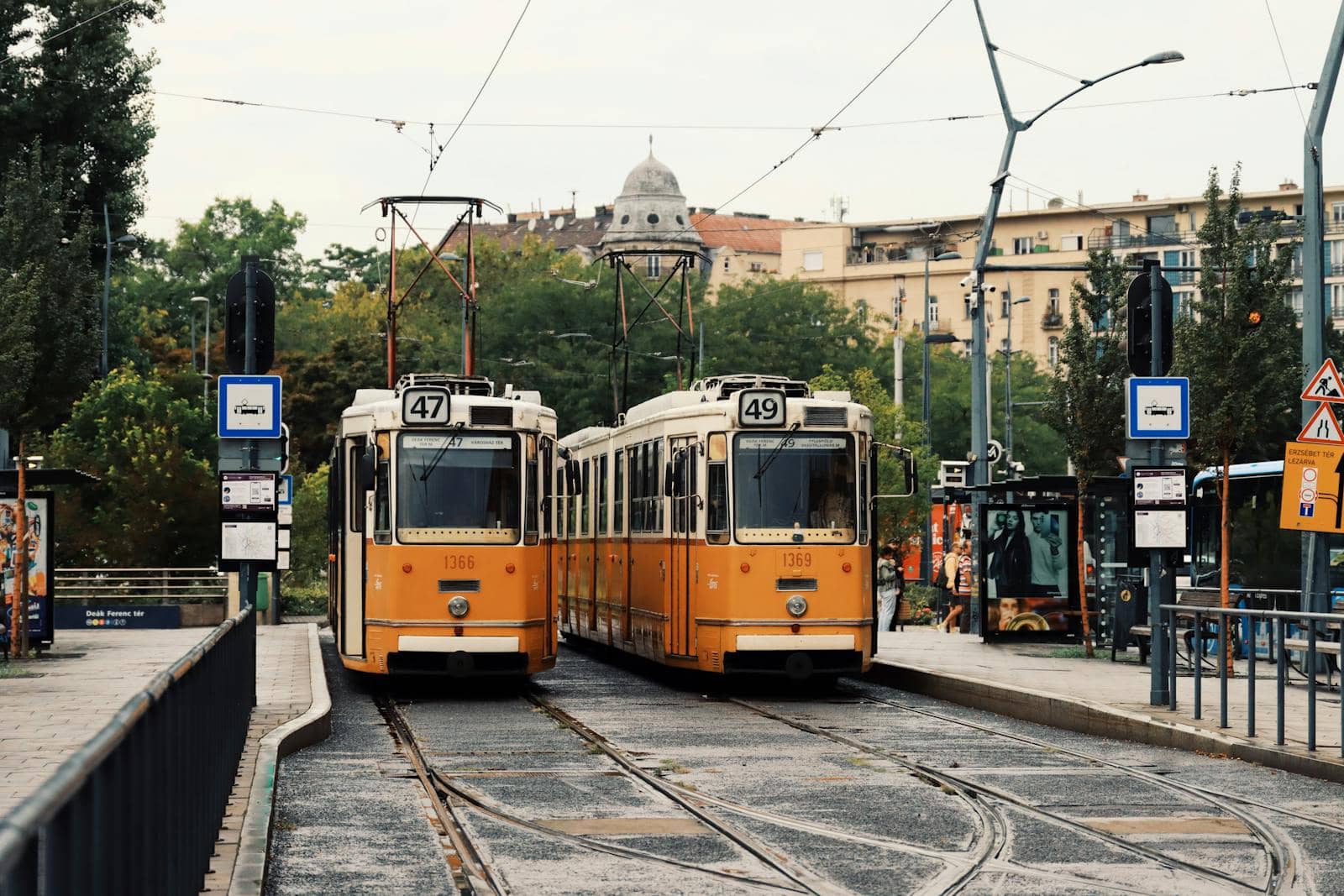
Besides the market hall, this neighbourhood offers plenty of genuinely great local cafés and a lovely promenade right along the Danube. You won’t be staying right next to Parliament, but the whole area is superbly served by the yellow trams that run here literally every few minutes. You can reach the centre in ten minutes.
Accommodation prices here are noticeably friendlier than in the 5th district. You can find very nice modern apartments as well as smaller family-run hotels where they’ll take great care of you. It’s an ideal choice for travellers who like their peace and quiet but don’t want to stay right out on the fringes.
💡 Tip: Try to find accommodation near tram line number 2. It runs right along the river and offers one of the most scenic rides in all of Europe for the price of an ordinary public transport ticket.
5. Where to stay with children
Travelling with kids, the easiest way to reach Budapest from the UK is by air — there are plenty of direct flights to Budapest from London, Manchester and other airports, with budget carriers like Ryanair, Wizz Air and easyJet flying the route. The flight takes a little over two and a half hours, so it’s an ideal distance even for smaller travellers. Once you land, the city’s airport is well connected to the centre by a direct bus.
When looking for family accommodation, focus primarily on hotels with secure parking in the 5th district, or look a little further from the busy centre. A wonderful choice is the area around the green Margaret Island (Margit-sziget), an enormous oasis of calm in the middle of the river. You’ll find a brilliant mini-zoo, lots of playgrounds and, in summer, a popular outdoor pool.
If you’re going in autumn or during the cold winter, consider staying right inside the Aquaworld Resort Budapest complex at the very north of the city. It boasts an incredible eleven indoor slides and huge pools that will keep the kids entertained all day when it’s raining outside. A regular shuttle bus runs from the resort to the centre.
For families it’s definitely worth getting a multi-day ticket for the dense public transport network. You can buy either a 24-hour or 72-hour pass, which lets you hop freely onto the metro or trams whenever little legs start to ache. Transport here runs absolutely reliably.
💡 Tip: The M4 metro line is the only one in the whole city that’s fully step-free and fitted with modern lifts at every station. If you’re travelling with a pushchair, look for accommodation near the stops on this green line — you’ll save yourself a lot of stress.

6. The Airbnb ban in 2026 and price traps
This is absolutely crucial information if you were used to automatically opening the Airbnb app when planning a trip and hunting for a private flat. Budapest has decided to crack down hard on the touristification of the centre and the rocketing rents that were pushing locals out to the edges of the city. The Constitutional Court has upheld the strict changes.
From 1 January 2026, the upscale 6th district (Terézváros) enforces a total, uncompromising ban on short-term rentals. We’re talking about the popular area around Andrássy Avenue and the State Opera, where there was a huge concentration of apartments. Roughly 2,700 listings vanished from there overnight, and you legally won’t find any Airbnb here — just around 40 traditional hotels remain.
Don’t try to get around this ban via dodgy online offers. Flat owners face crippling fines of up to 2,000,000 forints and possible sealing of the entire flat, so you could turn up and have nowhere to sleep. What’s more, until the end of 2026 there’s a city-wide freeze on issuing new apartment licences across the whole of Budapest.
This stagnant supply is, of course, pushing the prices of the remaining flats and traditional hotels steeply upward. The situation may change further, as even the historic 1st district is actively considering joining the strict regulation soon. If you insist on a private flat with a kitchenette, you currently need to filter listings in districts 5, 7, 8 or 9, where it still works legally for now.
💡 Tip: Keep a very close eye on the events calendar. During the Formula 1 at the end of July (24–26 July 2026) or the popular Sziget festival in August (11–15 August 2026), the city fills to bursting and accommodation prices shoot up by 30 to 60%.
Practical summary and rough prices
While Budapest is still fairly kind to our wallets, the real prices depend heavily on the tourist season and your chosen type of accommodation. The official Hungarian currency is still the forint (HUF). You can pay with euros in many large hotels and restaurants, but the rate they offer tends to be pretty poor, so it’s always better to just pay by card.
As a rough guide, one euro is around 390 to 400 forints, but always check the rate in your banking app before you travel. As for accommodation itself in 2026, hotels in the very centre will cost you on average 25,000 to 60,000 HUF per night, which works out at roughly €65 to €155 for a double room.
If you’re travelling on a tight budget, you can grab a bed in a shared party hostel from a pleasant €15 per night. When you settle the bill, one extra item will surprise you, and that’s the local tourist tax, or IFA. Budapest charges exactly 4% of the net price of your accommodation per night, automatically added to the final bill. Only guests under 18 or students are exempt.
But we’ve got one absolutely brilliant piece of news for the older generation. This perk is woefully little-known, but all EU citizens over 65 ride Budapest’s public transport completely free. You don’t need to arrange any special pass — if an inspector carries out a random check, you simply show your ID card or a valid passport.
If you’re heading to the city mainly for a wellness break, I must point out one important thing. The iconic and much-photographed Gellért Baths are undergoing a very extensive renovation and will stay completely closed until at least 2028. As an alternative, definitely choose the huge outdoor Széchenyi Baths, or our favourite Rudas Baths, which have a fabulous rooftop hot tub with a stunning panoramic view of the Danube (entry there costs around 6,300 HUF).
Where next
Choosing the right neighbourhood to stay in is, of course, only the first — albeit absolutely essential — step towards a perfect trip. Once you’ve booked your hotel and know where you’ll be resting your head, it’s time for the more fun part of the planning. Budapest is enormous, and if you’re only going for a long weekend you need to plan your time pretty well so you don’t spend half the day just shuttling around on the metro.
We’ve walked this city back and forth and discovered loads of spots you often won’t even find in your standard printed guidebooks. That’s why we’ve put together a genuinely comprehensive list of all our favourite stops. It includes not just the best-known landmarks you simply have to see, but also tucked-away cafés, great viewpoints and practical tips on how to dodge the worst queues.
So be sure to check out our main article 66 things to do in Budapest. You’ll find out which thermal baths we reckon are the very best, where to head for the tastiest vegetarian street food, and which spots are better saved for the evening, when the lighting gives them an utterly unrepeatable atmosphere. With this guide you’ll put together your itinerary in no time.
Frequently asked questions
Where to stay in Budapest for the first time?
If you’re heading to the Hungarian capital for the very first time, the best choice is District V (Belváros-Lipótváros). You’ll be staying in the absolute heart of the city, you can easily reach all the main sights like the Parliament or St. Stephen’s Basilica on foot, and you’ll find a huge number of great restaurants and cafés here.
Does Airbnb still work in Budapest?
The situation changed radically in 2026. In the luxurious District VI (Terézváros), a complete ban on short-term rentals is in effect, so you won’t find legal Airbnb there anymore. In other districts, apartments are still operating, but the city has stopped issuing new licenses across the board, which naturally drives up the prices of all available accommodation.
Is it true that seniors ride public transport for free?
Yes, it’s a huge benefit that’s little known in our country. All European Union citizens over 65 years old have completely free public transport. You don’t need to buy any ticket or get a special card – during inspections on the metro or tram, just show the inspector your valid Czech ID card or passport.
Where to look for accommodation for nightlife?
The undisputed centre of nightlife is District VII (Erzsébetváros), which is the former Jewish Quarter. You’ll find the most famous Budapest ruin bars here, including the legendary Szimpla Kert. It’s an ideal spot for young travellers, but be prepared for the fact that the noise in the streets doesn’t die down even at four in the morning.
Are the Gellért Baths open?
Unfortunately, they are not. The iconic Gellért Baths are undergoing a massive and long-term renovation and will remain closed to the public at least until 2028. As a great alternative, we recommend visiting the Széchenyi Baths in the City Park, or the historic Rudas Baths, which offer a rooftop jacuzzi with a view.
Can I pay in euros at hotels?
Although many larger hotels and restaurants in the center commonly accept euros, it’s not advantageous at all. Merchants charge their own, often very poor exchange rate. The best option is to pay everywhere possible with a regular payment card, or withdraw local forints (HUF) from an ATM.
What does IFA tax mean on a hotel bill?
IFA is an abbreviation for the local tourist tax that hotels and guesthouses must pay to the city. In Budapest, this tax amounts to exactly 4% of the net price of your accommodation per night. The fee is automatically added to your final bill at checkout, and only students and children under 18 are exempt from it.
Is Budapest safe for evening walks?
Yes, the center of Budapest (especially districts V and I) is considered very safe even after dark. The streets are well-lit and full of people. As in any big city though, watch out for pickpockets on crowded trams or at markets, and at night it’s better to avoid deserted side streets on the outskirts of the city.
Tips and Tricks for Your Vacation
Don’t Overpay for Flights
Search for flights on Kayak. It’s our favorite search engine because it scans the websites of all airlines and always finds the cheapest connection.
Book Your Accommodation Smartly
The best experiences we’ve had when looking for accommodation (from Alaska to Morocco) are with Booking.com, where hotels, apartments, and entire houses are usually the cheapest and most widely available.
 🚗 Car rental on the roadVerified rental cars in Hungary
Search with the DiscoverCars comparison engine — it compares prices from dozens of local and international rental companies, and most bookings come with free cancellation.
Compare car prices in Hungary →Don’t Forget Travel Insurance
Good travel insurance will protect you against illness, accidents, theft, or flight cancellations. We’ve had a few hospital visits abroad, so we know how important it is to have proper insurance arranged.
Where we insure ourselves: SafetyWing (simple monthly subscription) and TrueTraveller (for extra-long trips).
Find the Best Experiences
Get Your Guide is a huge online marketplace where you can book guided walks, trips, skip-the-line tickets, tours, and much more. We always find some extra fun there!