The year 2025 brought the New York subway its lowest crime rate in sixteen years. Yet many travellers still arrive in the United States with a slight knot in their stomach. TV news and Hollywood thrillers paint a picture of dark alleys where danger lurks on every corner. You’ve probably invested a fair bit of money in your flights and you’re looking forward to the trip of a lifetime, so don’t let needless worry spoil the fun. People often ask whether New York is safe for the average tourist, and New York safety is one of the most common concerns before a first visit.
The answer is a clear yes. The American metropolis ranks among the safest big cities in the USA for tourists. Violent crime exists, but it’s concentrated in specific areas well away from the tourist trail. It very rarely affects ordinary visitors. You’re far more likely to come across skilled pickpockets in a crowd or street hustlers trying their luck on inattentive foreigners.
I’ve put together a clear, fact-based guide for you. You’ll get practical advice on how to move around the city, what to watch out for and how to protect your belongings. The aim is to give you the confidence to focus purely on exploring the wonders of Manhattan and the surrounding boroughs.
TL;DR
- New York ranks among the safest large American cities and violent crime stays away from tourists.
- Watch out for pickpockets in crowds and street scammers on Times Square.
- Never take anything “for free” from strangers and never give your name to street sellers.
- The subway runs around the clock and in 2025 reported the lowest crime rate in 16 years.
- At night, board the well-lit middle car where the train conductor sits.
- Tourists have no reason to visit neighbourhoods like Brownsville, East New York, Hunts Point or Mott Haven.
- Healthcare in the USA costs astronomical sums, so always travel with quality insurance.
The full destination guide: New York — guide and what to see
Is New York Safe? Reality Versus the Myths
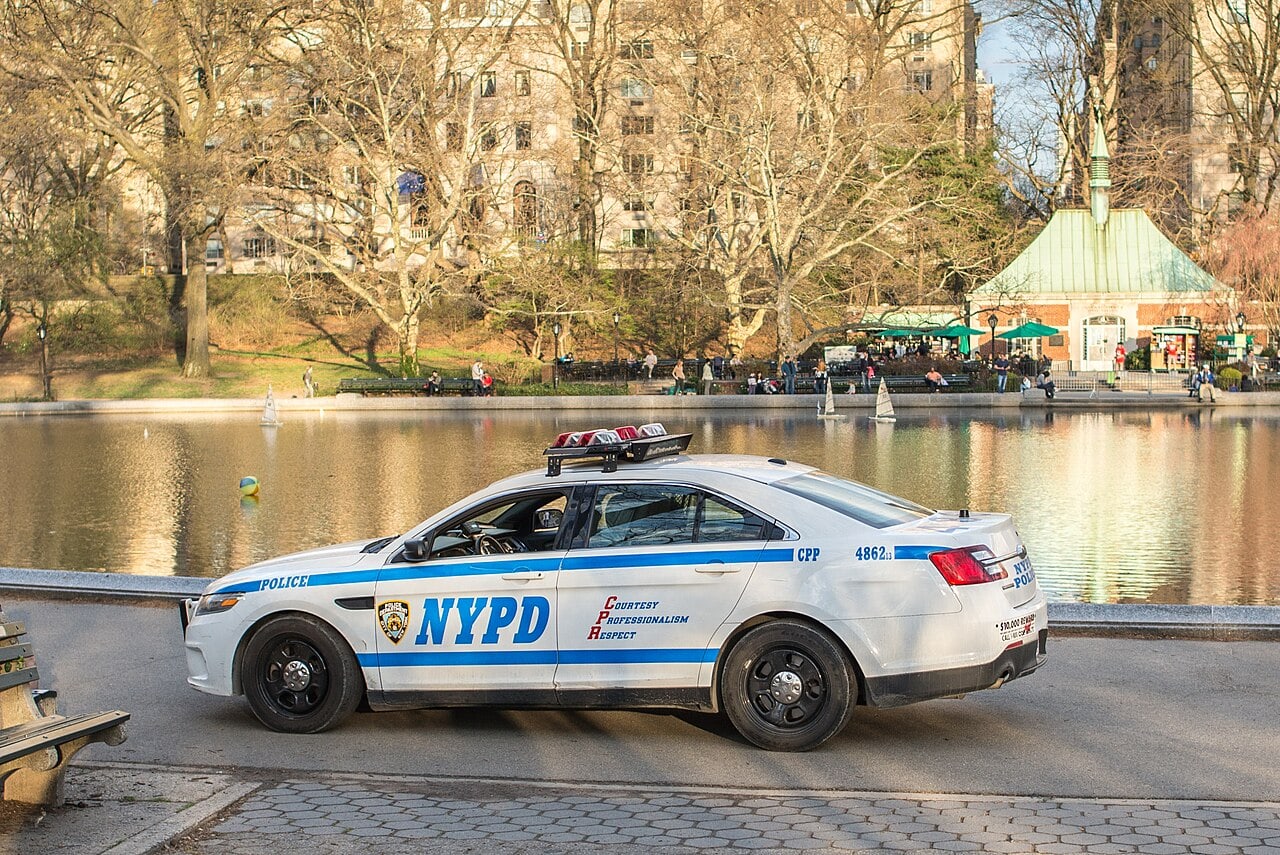
When you step off the plane, you might subconsciously brace for the tense atmosphere you’ve seen in films. You’ll quickly discover, though, that the streets buzz with ordinary life, people rushing to work and tourists photographing skyscrapers. Manhattan feels more like a giant living beehive than a danger zone. The city’s tourist core is patrolled by large numbers of police, and cameras monitor most public spaces. Any sense of threat soon gives way to awe at the architecture.
The statistics back up the experiences of millions of visitors. Violent crime is concentrated in specific gang conflicts on the city’s edges. Ordinary tourists are not affected by violence. The media often pick out the most shocking cases and play them on a loop, which leaves you with a distorted view of everyday life in the city. The real problem for visitors tends to be losing a wallet through a moment of carelessness.
It pays to keep the same common sense you’d use in London or any other European capital. Don’t carry more cash than you need and don’t flash expensive valuables in quiet places. If you stick to the areas meant for visitors, you’ll have a calm and trouble-free stay. The city never sleeps, which brings the advantage of constant eyes on the streets.
The Most Common Scams and How to Avoid Them
Local scammers rely on your politeness and your reluctance to start a confrontation. They target confused visitors who can’t say no quickly and firmly enough to unwanted attention. Assertiveness is your best defence. You don’t have to respond to every greeting from a stranger on the street. Here’s my list of the most common tricks you’re very likely to encounter during your stay.
Fake Characters on Times Square
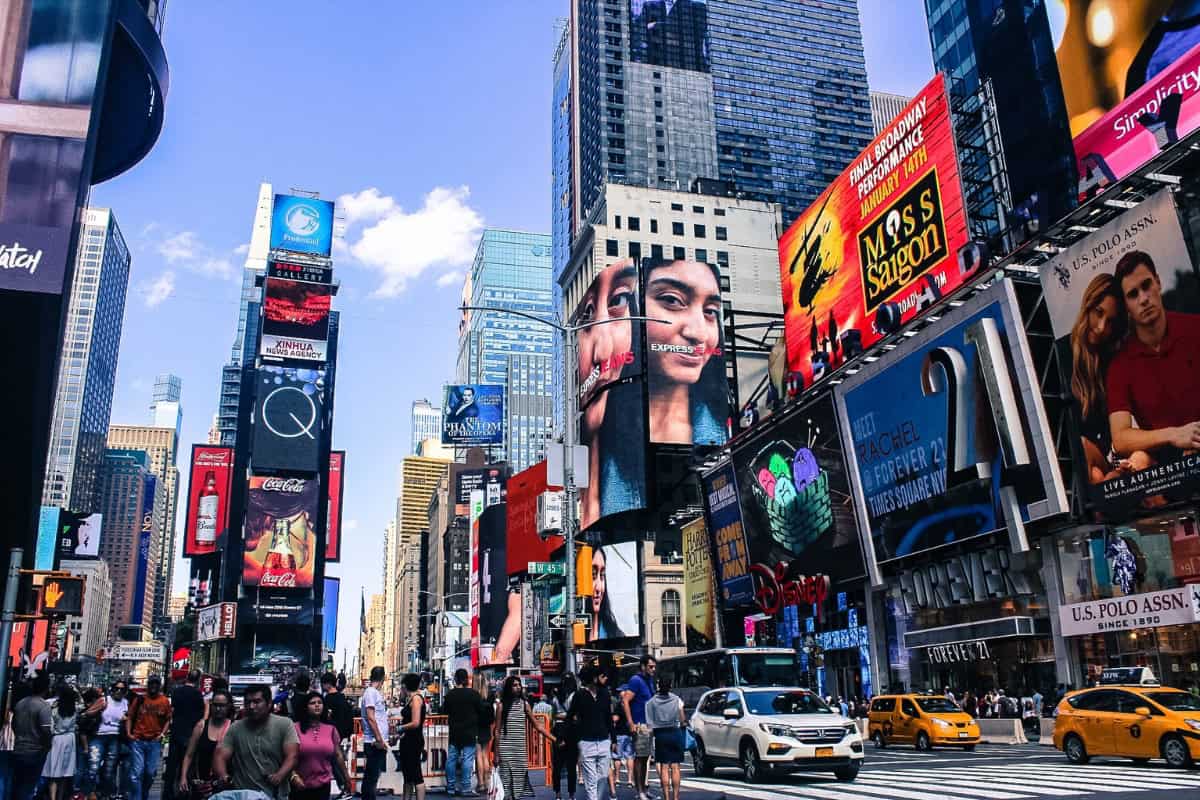
As you stroll beneath the glowing neon of Times Square, you’ll meet dozens of people in costume. Elmo, Spider-Man or Minnie will wave cheerfully and lure you in for a photo together. But the moment you press the shutter, the friendly mood vanishes. The characters start aggressively demanding a hefty tip for the snapshot. They’ll often surround you in a group, creating uncomfortable psychological pressure.
⚠️ Warning: These people don’t work for the city or any official studio. If you do want a photo, always agree on an exact price beforehand. If you’re not interested, simply don’t pose with them and don’t give them any attention. That way you’ll save yourself a ruined afternoon.
CD and Mixtape Sellers
You’re walking along the pavement when a smiling young man unexpectedly presses a CD into your hand. He asks for your name, which he then writes straight onto the case with a marker. At that point he tells you that you have to pay for the signed CD, because he can’t sell it to anyone else now. Out come the arguments about supporting local artists, and the pressure builds.
💡 Tip: Never take anything from a stranger’s hand. Keep your hands by your sides or in your pockets. If someone does manage to force a disc on you, put it down on the ground and walk away. Above all, never give your name to strangers on the street.
Fake Monks With Bracelets
In parks and on busy avenues you may come across men dressed in traditional robes. They look peaceful and, with a smile, hold out a small beaded bracelet or a gold medallion. If you accept the gift, they immediately pull out a notebook and demand a donation for their temple. They often show you large sums supposedly given by people before you.
This is an organised scam. Real Buddhist monks never aggressively demand money on the street. Ignore their outstretched hands and keep walking. There’s no need to feel guilty about turning down a “holy man”.
Fake Tickets for the Statue of Liberty
Around Battery Park in Lower Manhattan, dozens of sellers in vests hang about. They offer ferry tickets to the Statue of Liberty and claim the official ticket office is sold out. In reality, they sell you overpriced tickets for boats that never actually dock at the island and only circle it from a distance. You lose your money and your precious time.
Buy tickets for the official cruise only from Statue City Cruises. You can also use trusted platforms like GetYourGuide. Give the touts hanging around the park a wide berth.
Airport Taxis and the So-Called Flat Rate
After a tiring flight into JFK, helpful men in the arrivals hall will offer you a ride. They promise an attractive fixed rate with no waiting. They lead you to an unmarked car, and at the end of the journey they demand several times the amount they promised. The official yellow cabs have a fixed base fare of $70 from JFK to Manhattan, plus tolls and airport fees. The realistic final price comes to somewhere between $85 and $115.
Watch out: Ignore the touts in the hall. Head outside the terminal and join the queue at the official taxi stand. A dispatcher will assign you a licensed car. You can also safely use the well-known ride-hailing apps.
There’s one simple golden rule for all street interactions. If someone offers you something “for free” and won’t take no for an answer, walk away immediately. In these situations, you have to leave your politeness aside.
New York Subway Safety and Travelling at Night
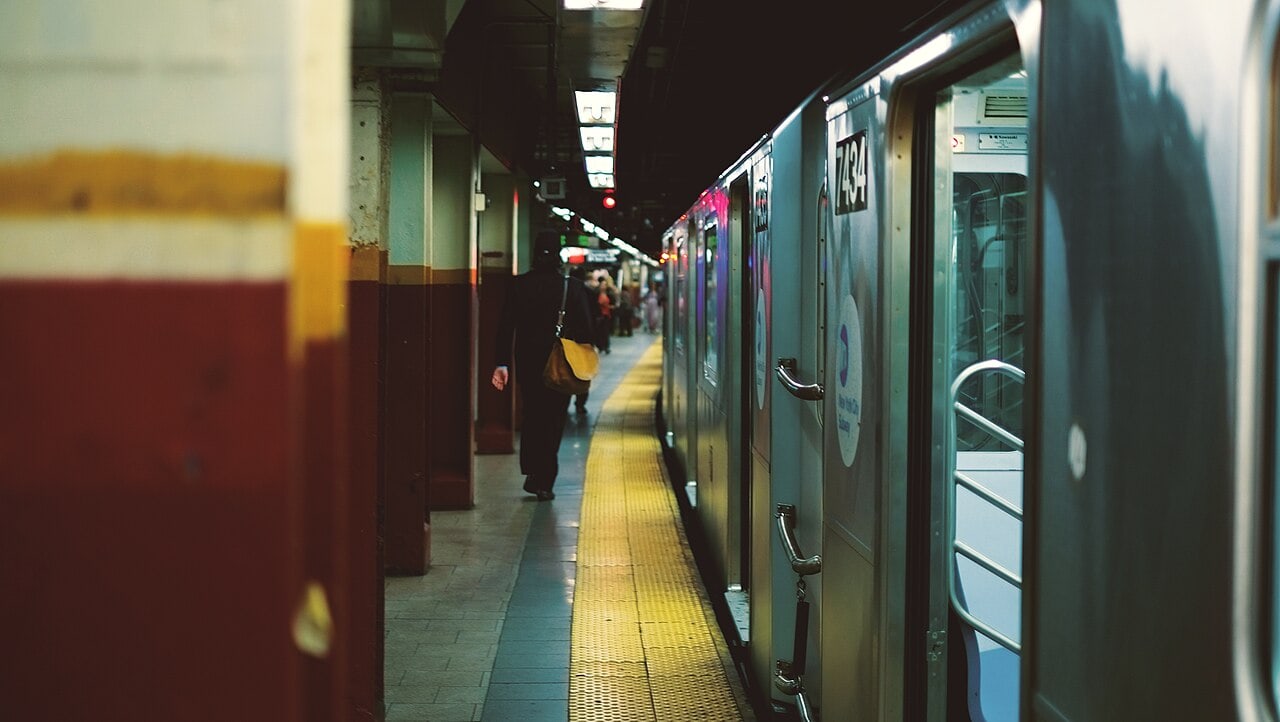
The subway is the artery of the entire city, running reliably twenty-four hours a day, seven days a week. Although the stations can sometimes look grimy and uninviting, the statistics are clear. The year 2025 brought the lowest subway crime rate in 16 years. During the day, thousands of ordinary New Yorkers pack into the carriages, and a ride is a safe and quick way to get around. Just watch out for pickpockets, especially during the morning and evening rush hours when people are squeezed together.
At night and in the early morning, travelling underground calls for a little more attention. Platforms empty out and the gaps between trains grow longer. Always stand back from the platform edge and keep an eye on your surroundings. Don’t get absorbed in your phone screen. Take your backpack off your shoulders and hold it firmly in front of you. That way you’ll prevent anyone from snatching it the moment the doors close.
💡 Tip: On night rides, board only well-lit cars where other passengers are already sitting. The ideal choice is the middle car, where the conductor sits. You can spot where this car stops by the distinctive black-and-white striped sign hanging above the platform.

Which Areas to Avoid
The vast majority of places your guidebook will send you to pose no risk at all. Manhattan and the main tourist parts of Brooklyn and Queens are patrolled by police and the streets stay safe. There are, however, specific neighbourhoods that struggle with higher crime. Luckily, a tourist has no reason whatsoever to travel there, since they offer no sights or attractions. Just remember these names and don’t book accommodation in them.
In Brooklyn, steer clear of the residential areas of Brownsville and East New York. These neighbourhoods have long struggled with social problems and gangs. In the South Bronx, skip Hunts Point and Mott Haven. If you’re heading to the Bronx for a Yankees baseball game or the famous zoo, you’ll be in safe zones. The problem areas lie well off those routes.
Manhattan itself is safe, but in the evening I’d suggest extra caution on the outer streets of Hell’s Kitchen towards the Hudson River. The long avenues by the water empty out quickly after dark, and they lack the natural buzz of shops and restaurants. It’s better to stick to the main thoroughfares closer to the centre of the island, where crowds keep flowing well into the small hours.
Practical Safety Tips for New York City
Prevention solves most unpleasant situations before they even arise. A little preparation before you fly and a few simple habits on the ground will save you plenty of trouble. Focus on protecting your documents, your money and your health. Here are the concrete steps every responsible visitor to the United States should follow.
 🚗 Car rental on the roadVerified car rentals in New York
Search with the DiscoverCars comparison engine — it compares prices from dozens of local and international rental companies, and most bookings come with free cancellation.
Compare car prices in New York →Travel Insurance Is a Must
Healthcare in the USA is among the most expensive on the planet. Even a routine treatment or a short ambulance ride can climb into the thousands of dollars. Never travel to New York without quality insurance with a high coverage limit. A broken leg without a policy could leave you in financial ruin for years. For US trips I recommend SafetyWing travel insurance, which is designed with American healthcare costs in mind.
Protecting Your Money and Documents
Pickpockets love tourist crowds on Times Square, outside Rockefeller Center or while boarding the ferries. Don’t keep all your money and cards in one place. Split your cash across several pockets. Never leave your wallet in your back pocket, and in a dense crowd it’s best to take your backpack off and hold it in front of you. Don’t pull out big wads of notes on the street just to pay for a coffee.
Document Copies and the Hotel Safe
Before you fly, photograph your passport, your ESTA authorisation and your travel insurance on your phone. Email the copies to yourself. If you lose your documents, this will speed up dealing with the authorities considerably. Keep your passport and any larger sum of money locked in the hotel safe. For everyday walks around the city, an ID card or a copy of your passport and one payment card are all you need.
The 911 Emergency Line
If you find your health at risk, become the victim of a crime or witness a fire, call the universal number 911. The operators are used to dealing with foreigners and can arrange an interpreter if needed. For non-urgent reports or general questions about the city, there’s the 311 information line.
Tips and Traveller Experiences
When we ask our readers and seasoned travellers about their impressions after returning from the USA, the answers are strikingly similar. Their original fears from films dissolve within the first day. New York is far safer than it looks on TV. People enjoy evening walks and feel relaxed.
- Travellers confirm that in tourist areas they feel comfortable even alone and after dark.
- The most common real experience is minor scams on Times Square, which you can simply ignore and walk past.
- On the subway, they’ve learned to keep an eye on their phone and bag, especially near the carriage doors.
- Everyone we asked strongly recommends taking out travel insurance, because the peace of mind is well worth those few extra euros.
Your trip should be about discovery, great food and unforgettable views. Follow the basic rules and you won’t run into any trouble. For more verified information about the city, current events and official advice for visitors, I recommend following the official NYC tourism website.
Where to Stay (Safe Neighbourhoods)
Choosing the right area for your hotel or apartment plays a big part in how you feel about the city overall. Most of Manhattan offers a great and safe base. Tourists most often choose Midtown, which sits right in the heart of the action close to the main attractions. The streets here are alive well into the night and you’ll meet people everywhere.
If you’re after a quieter residential vibe with beautiful architecture, look at the Upper West Side or Upper East Side lining Central Park. These neighbourhoods are home to families, everything is orderly and you’ll find excellent cafés. Greenwich Village, with its narrow tree-lined streets, is another great choice where you’ll feel very relaxed and safe.
You can stay safely almost anywhere in Manhattan. Take a look at hotels in Midtown or the family-friendly Upper West Side, or compare all accommodation in New York.
Where to Next
Got the safety questions sorted and ready to start planning your actual itinerary? I’ve put together detailed guides to help you build the perfect plan for your trip. Get inspired by my tips and discover the best places in the city.
Frequently Asked Questions
Is New York safe for tourists?
Yes, New York is among the safest major cities in the USA. Violent crime rarely affects tourists and main tourist areas are safe even in the evening. The main risk is pickpockets and scammers, not violence.
Is it safe to ride the New York subway?
Yes. The metro runs 24/7 and in 2025 recorded the lowest crime rate in 16 years. At night we recommend boarding a lit carriage with people, the middle carriage near the conductor, and keeping an eye on your backpack and phone.
What scams to avoid in New York?
Pay extra attention to fake mascots in Times Square (Elmo, Spider-Man), CD and mixtape sellers, men in yellow robes forcing bracelets on you, and fake Statue of Liberty ticket sellers at Battery Park. A simple rule applies: refuse anything offered for free by a stranger who won’t take no for an answer, and keep walking.
Which neighborhoods in New York should you avoid?
As a tourist, there’s no reason to visit Brownsville and East New York in Brooklyn or Hunts Point and Mott Haven in the South Bronx. Manhattan and the main tourist areas of Brooklyn and Queens are safe.
Is New York safe at night?
In main tourist areas, yes. Times Square, Midtown, Greenwich Village and Brooklyn Bridge area are lively even late in the evening and safe. We recommend sticking to well-lit streets and avoiding remote docks and dark alleys on the outskirts.
Do I need travel insurance for New York?
Travel insurance is practically a necessity in the USA. American healthcare is among the most expensive in the world — even a simple ambulance ride can cost thousands of dollars. Insurance with coverage of at least €40,000 for medical care and repatriation is an absolute must.
Tips and Tricks for Your Vacation
Don’t Overpay for Flights
Search for flights on Kayak. It’s our favorite search engine because it scans the websites of all airlines and always finds the cheapest connection.
Book Your Accommodation Smartly
The best experiences we’ve had when looking for accommodation (from Alaska to Morocco) are with Booking.com, where hotels, apartments, and entire houses are usually the cheapest and most widely available.
Don’t Forget Travel Insurance
Good travel insurance will protect you against illness, accidents, theft, or flight cancellations. We’ve had a few hospital visits abroad, so we know how important it is to have proper insurance arranged.
Where we insure ourselves: SafetyWing (simple monthly subscription) and TrueTraveller (for extra-long trips).
Find the Best Experiences
Get Your Guide is a huge online marketplace where you can book guided walks, trips, skip-the-line tickets, tours, and much more. We always find some extra fun there!