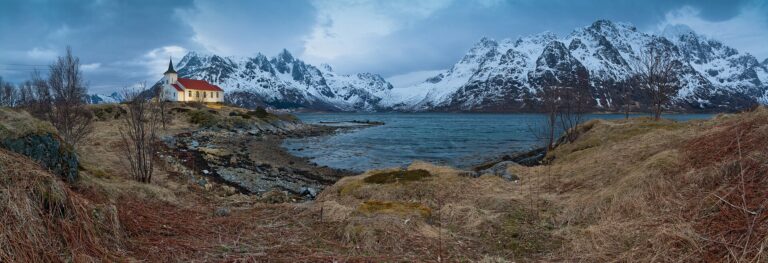
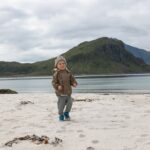
When most people picture northern Norway, they imagine little red fishing cabins and mighty mountains rising straight out of the ocean — but you only really feel that sense of being utterly small against nature once you’re out on the water. A cruise into Trollfjord, Norway is one of the most iconic experiences in all of Lofoten, because it takes you somewhere you simply can’t reach by land. Picture a channel so narrow you feel as though you could reach out and touch the sheer rock walls on both sides, while white-tailed eagles circle overhead with their enormous wingspans. If you’re planning a trip to this Arctic paradise, choosing the right boat and understanding the local weather will absolutely make or break your overall experience. It really doesn’t pay to jump on the first vessel you spot in the harbour, because the differences in comfort and the whole experience are huge.
TL;DR
- Where the cruises depart: The vast majority of boats leave from Svolvær, the main town in Lofoten, while a smaller number operate from nearby Svinøya.
- How long it takes: A standard sightseeing cruise usually lasts 3.5 to 4 hours, an ideal length even for those who aren’t keen on long stretches on the water.
- Two completely different types of boat: You can pick either the fast, hard-riding RIB inflatables or the quiet, heated hybrid catamarans (such as the popular Brim Explorer).
- Rough price for 2026: Budget around 1,200 to 1,500 NOK (roughly £90 to £115) per adult, depending on the type of vessel and the season.
- What you’ll see: Beyond the narrow fjord itself, the main draw is spotting huge white-tailed eagles and resting seals in their natural habitat.
- The Yr.no app is a must: The weather here changes by the hour, so constantly checking the Norwegian weather app will save your bacon.
The full destination guide: Lofoten — guide and what to see
6 Things You Need to Know About Trollfjord, Norway
1. 💡 Tip: Trollfjord and its dramatic geography
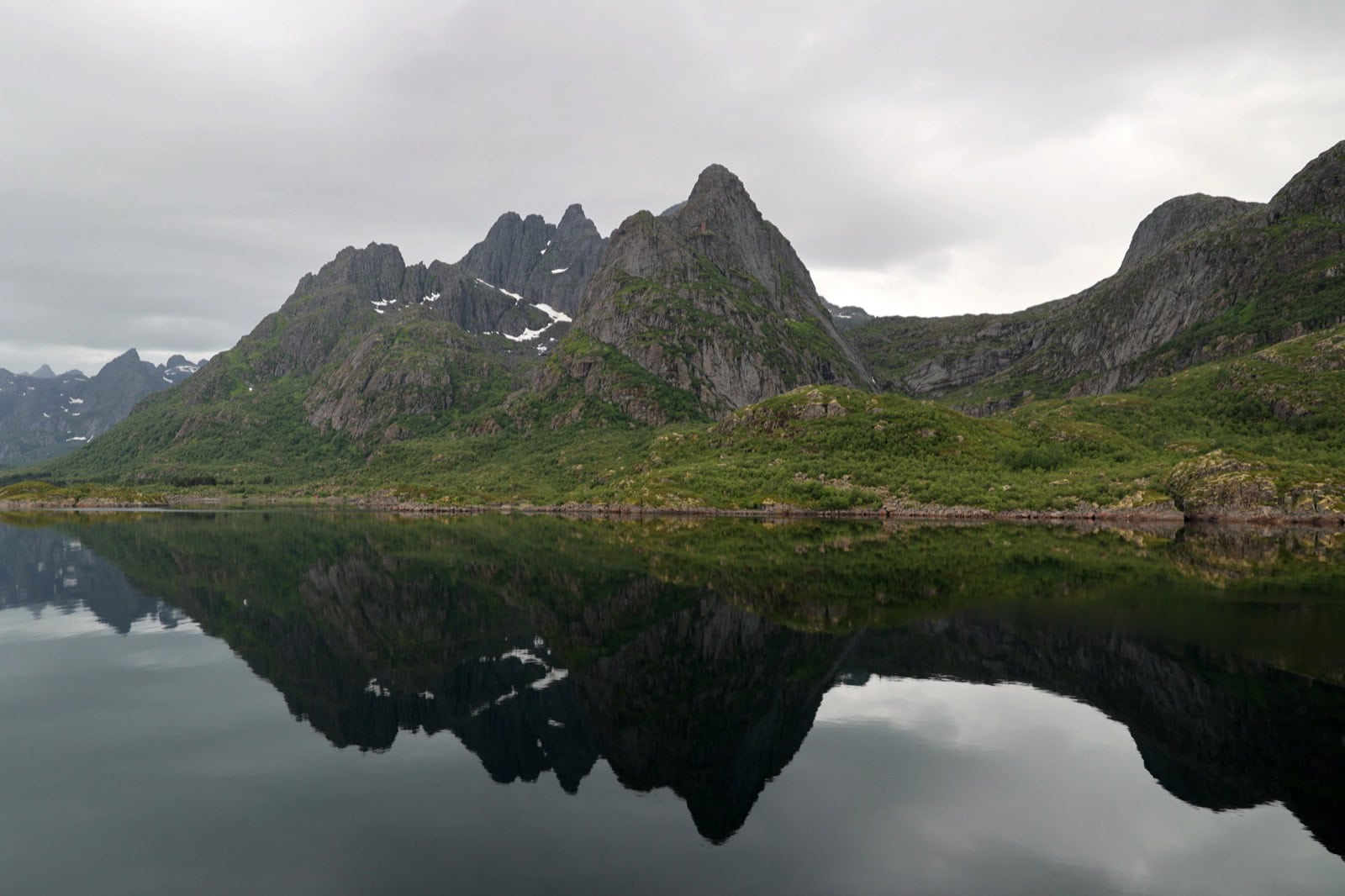
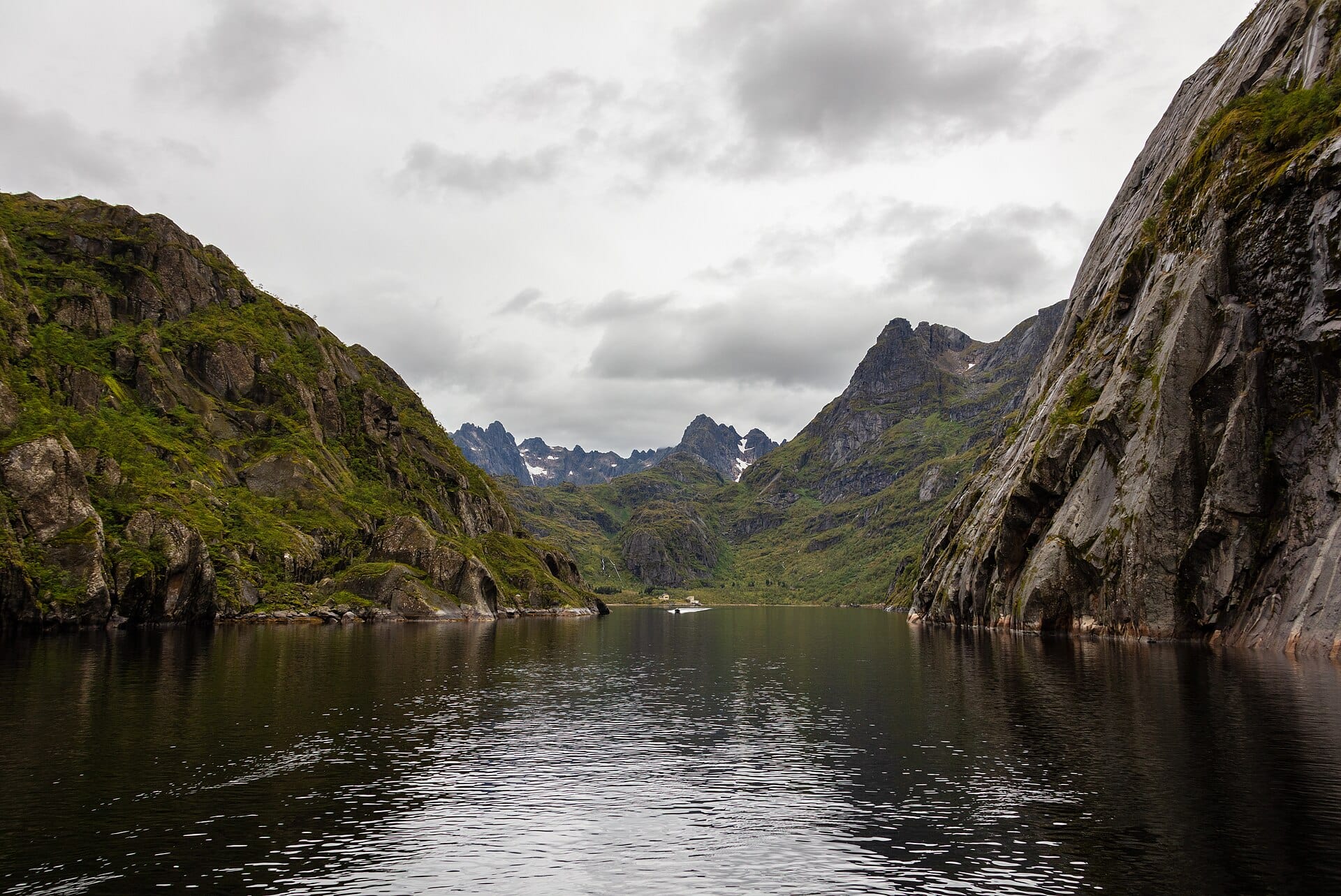
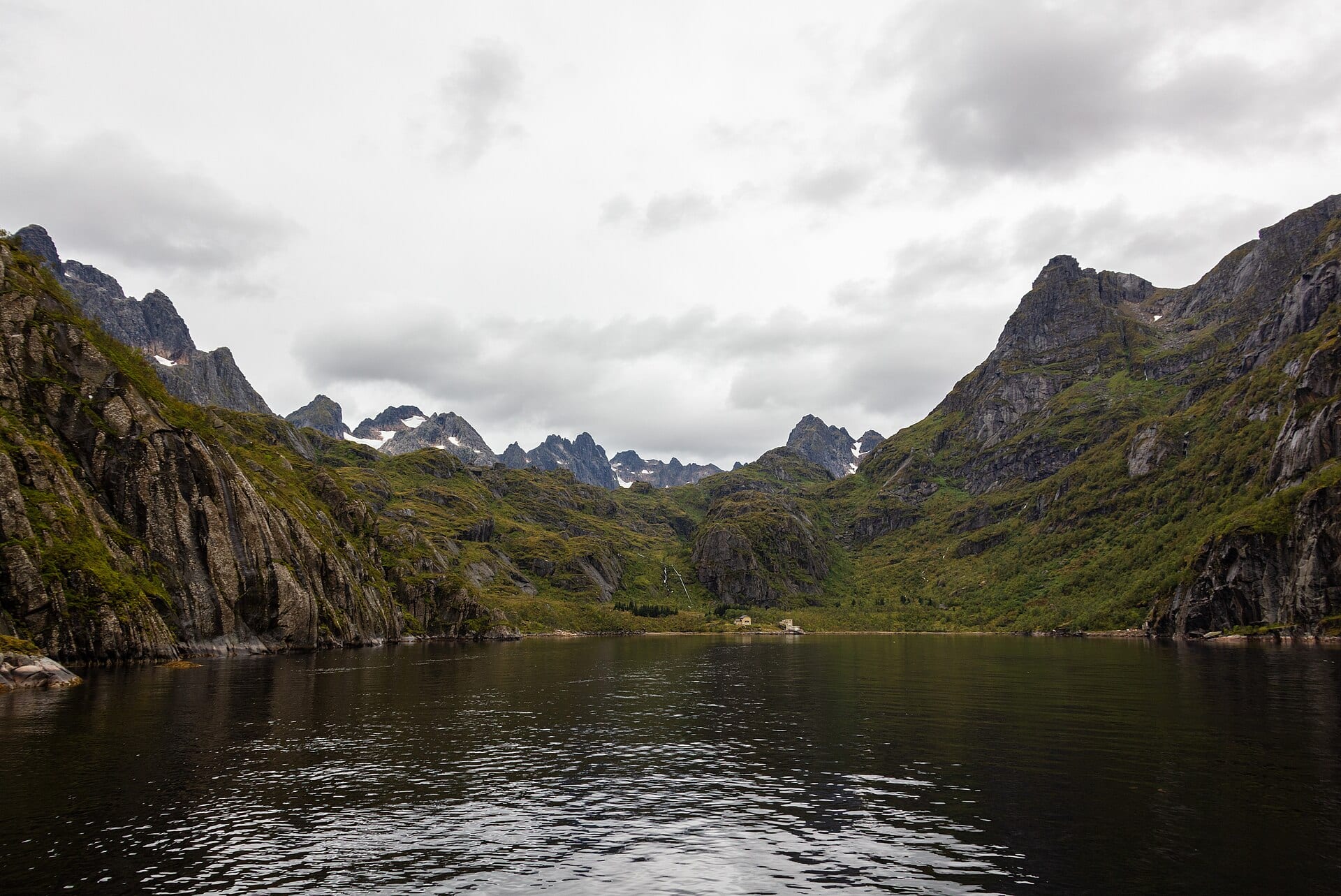
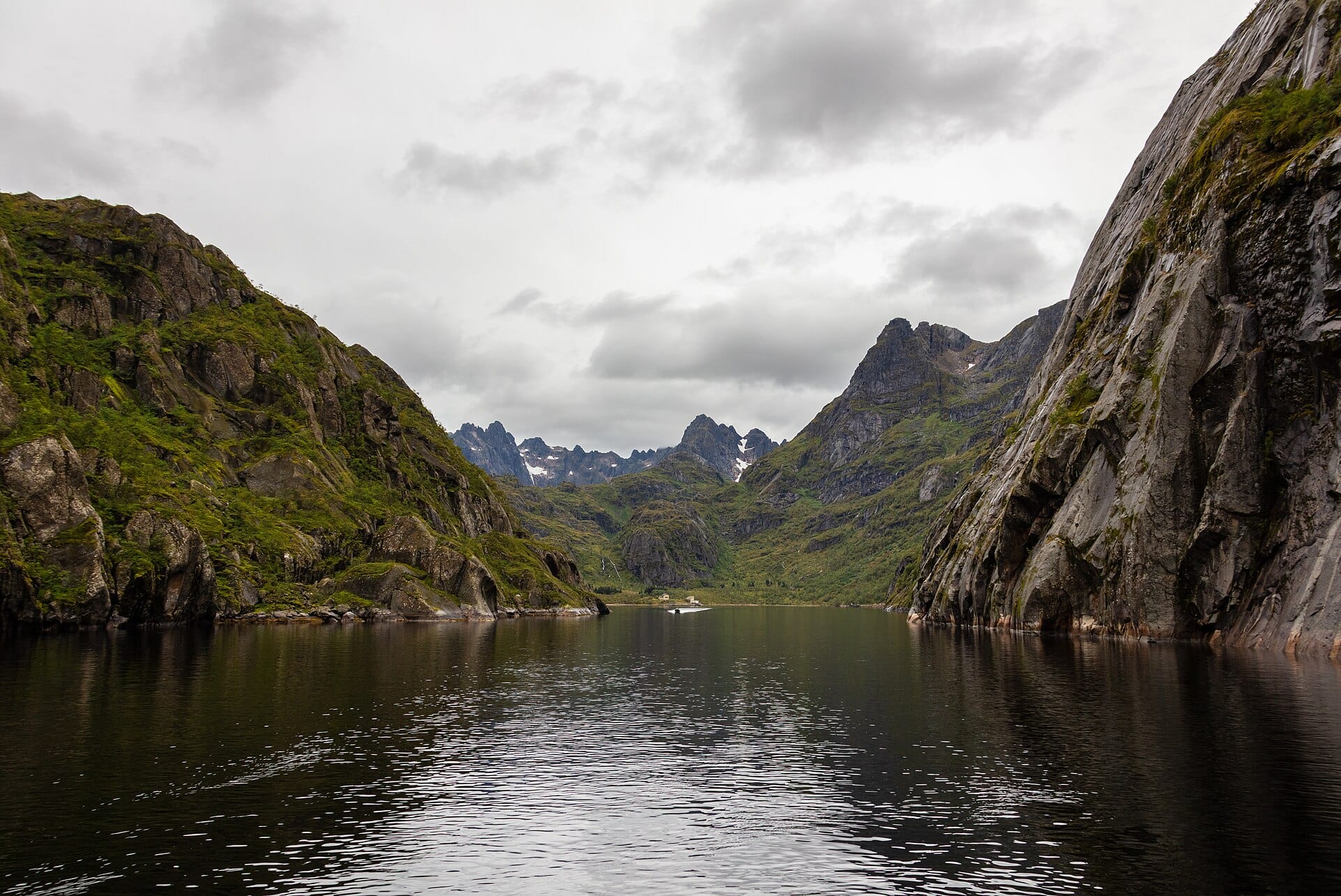
Trollfjorden itself is actually just a very short, incredibly narrow side branch of the much larger Raftsundet strait, which separates the Lofoten archipelago from the neighbouring Vesterålen islands. What makes the place so fascinating is the entrance mouth, just 100 metres wide, beyond which the fjord widens slightly into a dark stretch of water hemmed in by vertical walls. The mountains known as Trolltindan tower up to a staggering height of over a thousand metres, creating the feeling that the uncompromising Nordic wilderness might swallow you whole at any moment.
As the boat slowly glides in, the cliffs seem dangerously close and the shadows of the mountains fall across the water even on the sunniest summer days. Thanks to this extreme topography, the water inside the fjord is often surprisingly calm and sheltered from the worst gusts blowing off the open sea. Norwegian weather can be incredibly treacherous, and a local saying goes that here you’ll get sun, clouds, rain and a gale in a single afternoon. Average summer temperatures in late June hover around 12 to 15 degrees Celsius, so you’ll definitely appreciate this sheltered refuge from the icy wind. It really is fascinating to watch the skilful captains manoeuvre the larger vessels in such a tight space, turning them elegantly on a sixpence before heading safely back out to open water.
💡 Tip: If you enjoy photography, don’t forget to pack a wide-angle lens — those enormous vertical walls rising straight out of the water simply won’t fit into the frame with a standard focal length. The golden rule is to keep a constant eye on the Norwegian weather app yr.no, which will help you pick the best window for your cruise.
2. 💡 Tip: Quiet electric boats versus fast RIB inflatables
As soon as you arrive at the harbour in Svolvær, you’ll immediately notice the ever-present adverts for so-called RIB safaris, or cruises on fast rigid inflatable boats. For these trips you’re kitted out in a thick yellow suit, you sit astride special saddle seats and you tear across the surface at huge speed. It’s an adrenaline-packed ride, but the boats slam hard into the waves and every jolt travels straight up your spine. For safety reasons, most operators have a strict minimum age of six to eight years, so if you’re travelling with younger children or you’re after a more contemplative, photo-focused experience, give this type of vessel a wide berth.
A far more elegant and comfortable alternative for all ages is the modern hybrid-electric boats, such as the very popular Brim Explorer. This cruise usually lasts three and a half to four hours, and the huge advantage is the completely silent electric drive, which means you don’t disturb the wildlife with engine noise and you can soak up the pure peace of the Arctic. Inside the boat you’ll find a spacious, fully heated lounge with enormous panoramic windows, clean roomy toilets fitted with a baby-changing table, and a little café where you can easily grab a hot herbal tea or a traditional Norwegian cinnamon bun.
💡 Tip: The heated interior of the electric catamarans is an absolute lifesaver the moment it starts raining horizontally outside and you still want to enjoy the breathtaking views of the fjord in complete warmth and comfort. For families with children, it’s an absolute must.
3. 💡 Tip: Where the boats depart and how to handle parking
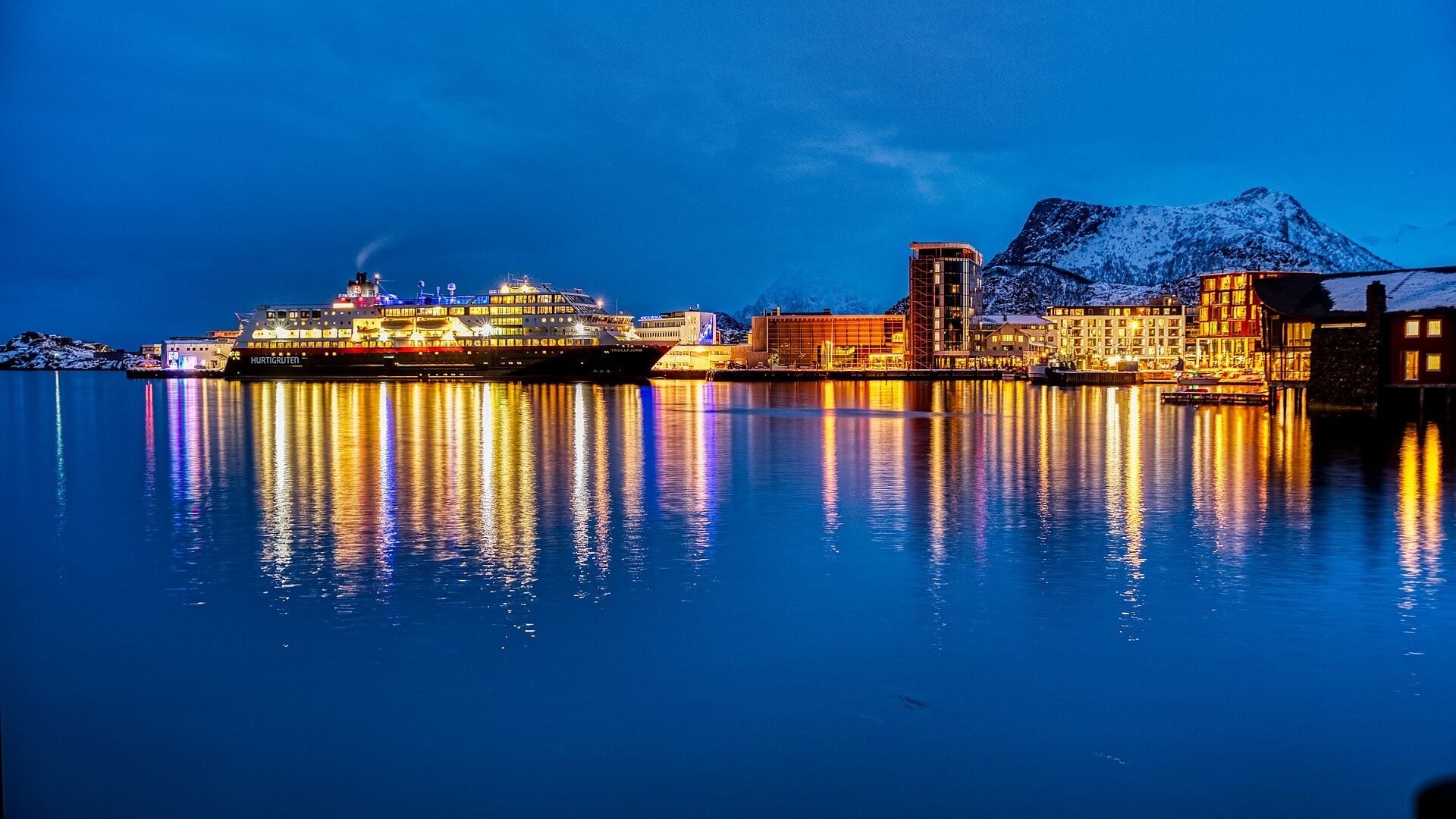
The absolute hub for the vast majority of cruises into Trollfjord is the town of Svolvær, which serves as the unofficial capital and the biggest logistical centre of all Lofoten. The terminals of the individual boat companies are located right on the main harbour promenade in the town centre, so it’s practically impossible to miss them when you arrive. A smaller number of operators also depart from the historic island of Svinøya, which is connected to Svolvær itself by an iconic bridge and offers a slightly calmer atmosphere before boarding.
The biggest logistical challenge in Svolvær, especially in the peak summer season, tends to be parking the car, because free spaces in the harbour vanish at lightning speed and the local rules can be strict. I’d definitely recommend downloading the EasyPark app in advance, which works flawlessly all over Scandinavia and will spare you the confusion of hunting for coins or puzzling over complicated Norwegian parking machines. Budget around 40 NOK per hour for parking. Try to arrive at the terminal at least thirty to forty minutes before the scheduled departure so you can park calmly, get through check-in and grab the best seats by the windows.
💡 Tip: If the sky clouds over after your cruise and it starts bucketing down, pop into the Magic Ice ice bar right in Svolvær, where you’ll get a warm poncho and can admire sculptures carved from ice. Alternatively, drive about thirty minutes to nearby Henningsvær and warm up with an excellent coffee at the hipster Trevarefabrikken, set in a former factory building with a huge indoor space.
4. 💡 Tip: Wildlife spotting along the way
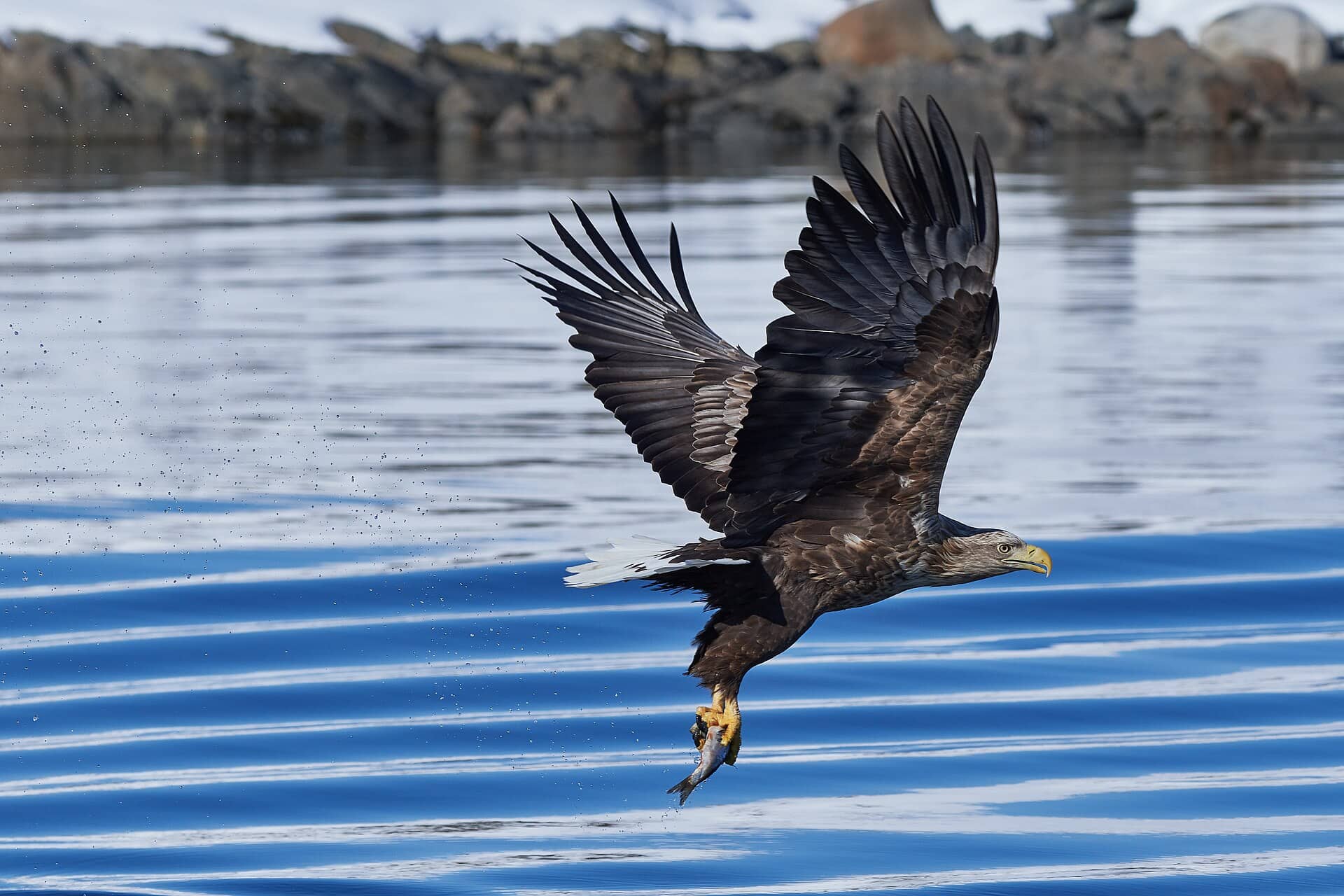
The sightseeing cruise to the fjord is definitely not just about the sheer cliffs themselves — it’s one of the very best opportunities to watch wild Nordic fauna up close. The Raftsundet strait is home to a huge and very active population of white-tailed eagles, which have an incredible wingspan of over two metres and soar majestically high above the surrounding peaks. Experienced captains and crews know exactly where these magnificent birds of prey nest, and they’ll often bring the vessel to a longer stop so you can photograph the birds in complete peace against the cloudy Arctic sky.
Beyond the eagles, you’ll have a really good chance of spotting a sizeable colony of seals, which love basking on the flat rocks along the shore whenever the sun breaks through for a moment. Eco-friendly electric boats have a huge, undeniable advantage here, because they can approach the cliffs completely silently, so they don’t startle the sensitive animals and you can watch them undisturbed in their natural calm. These icy waters are also occasionally incredibly generous with unexpected surprises, and with a bit of luck you can spot the distinctive dorsal fins of orcas or smaller whale species in the distance.
💡 Tip: Don’t forget to pack a good pair of binoculars for the cruise. Even though the boats try to get as close as possible and the eagles occasionally swoop right down to the surface, they often perch quite high up on the steep rock ledges, where the naked eye can barely make them out.

5. 💡 Tip: When to go and how much the cruise costs
The season for a stunning visit to Trollfjord runs practically all year round, but the overall experience differs dramatically depending on which month you arrive in the Lofoten Islands. The main summer months from June to August offer the fascinating phenomenon of the midnight sun, so you can happily set off on a late-evening cruise and have natural daylight available for the entire trip. Winter cruises between February and April, on the other hand, have an unbelievably mystical atmosphere of snow-covered peaks, but you’ll need to reckon with very limited daylight and genuinely biting cold on the outdoor decks.
Price-wise, Norway is obviously not a cheap destination, and the cruise is a fairly significant line in your travel budget. For the 2026 season, set aside around 1,200 to 1,500 Norwegian kroner (roughly £90 to £115) per adult passenger, while children under three travel free on most boats. The golden rule of the Lofoten traveller is to book your tickets for a day when the forecast predicts at least partly broken cloud. In thick, impenetrable fog, all you’ll see of the majestic mountains is a flat grey veil.
💡 Tip: It’s ideal to combine the cruise with a strategic split in your accommodation. If you’re planning a longer road trip around the islands, divide your stay between two bases. Spend three nights in the south around Reine and another four nights in the north near Svolvær. That way you save yourself the tiring four-hour transfers that would needlessly drain the energy you’d rather spend on the experiences themselves.

6. 💡 Tip: What to pack on board against the cold and seasickness
No matter how pleasantly warm it is on shore in Svolvær, remember the absolutely crucial golden rule that out on the open water the perceived temperature will always be several degrees lower. The cold Arctic wind funnelling through the mountain channels can very quickly cut through even good clothing, which is why diligent layering is an absolute must, even in the middle of summer. Use quality merino wool as your base, add a warm mid-layer, and top it off with a reliable waterproof and, above all, windproof jacket that will let you last more than five minutes on the outdoor viewing deck.
If you occasionally suffer from motion sickness, you needn’t be overly worried about this particular cruise, as the route runs mostly through sheltered waters between smaller islands, where large ocean swells barely form. Even so, it’s very sensible to take a trusted seasickness tablet about an hour before departure if you know for certain you have a sensitive stomach. On the modern hybrid catamarans, should sudden queasiness strike, you can always duck quickly into the heated interior, fix your gaze on the distant horizon through the huge windows and settle yourself with a hot herbal tea.
💡 Tip: You’re guaranteed to work up an appetite in the fresh air once you’re back at the harbour. Since main courses in Norwegian restaurants commonly cost 200 to 400 NOK (around £15 to £30), I’d recommend heading to the local cafés instead. A hearty vegetarian soup with fresh bread is a great choice, or the famous cinnamon bun (kanelbolle). If you find yourself further south, stop by the historic Bakeriet bakery in the village of Å, where they bake in the original oven from 1844, or treat yourself to a lovely cake at Bringen Kaffebar in Reine.
Map of points of interest for your phone
Practical Summary and Rough Prices
Planning your budget and logistics in Norway takes a bit of maths and strategic thinking. With these rough figures (calculated for the 2026 season), you’ll get a clear idea of how much the trip will cost and how best to organise it. Prices may vary slightly depending on the specific operator and time of day.
- Ticket for the electric catamaran (Brim Explorer): approx. 1,250 NOK (£95)
- Ticket for the adrenaline RIB inflatable: approx. 1,100 NOK (£85)
- Parking in Svolvær (EasyPark): approx. 40 NOK per hour (£3)
- Coffee and cinnamon bun on board or in a café: approx. 120 NOK (£9)
- Duration: 3.5 to 4 hours from departure to returning to the dock
If you’re flying into Lofoten via Evenes Airport (EVE), reckon on the drive to Svolvær taking roughly two and a half hours of actual driving. There are direct flights from London and other UK airports to Norway, often with Norwegian or SAS, usually via Oslo. Your accommodation strategy is absolutely key here. If you want to avoid moving from one hotel to another at all costs, the ideal choice is a single central base in the Ballstad area. It sits exactly in the middle of the archipelago, so you can reach the southernmost Reine in about an hour and northern Henningsvær in an hour and twenty minutes.
An even better solution for longer stays, though, is splitting your accommodation into two parts to keep the daily transfers to a minimum. Spend three nights exploring the dramatic south around the villages of Reine and Hamnøy, then move north for four nights to the Svolvær or Henningsvær area, from where you can comfortably do the cruise into Trollfjord. As for food, Norwegian prices can spring some unpleasant surprises, so it pays to buy basics in Coop Extra supermarkets and to seek out local farms for warm lunches, such as the family-run Aalan Gård, where you can buy fantastic homemade cheese and herbal tea without paying over the odds for restaurant service.
💡 Tip for accommodation and experiences: We like to look for places to stay on Booking.com, which usually has the best cancellation terms. Tickets, tours and activities are worth comparing and booking through GetYourGuide.
Where to Next
If you want to plan a complete itinerary and discover what else this unique corner of the world has to offer, be sure to check out our big guide to Lofoten, where you’ll find detailed tips on accommodation and the most beautiful beaches. Also explore our in-depth article on the gateway town itself, Svolvær, so you know where to head for an excellent coffee or a walk after your cruise.
Frequently Asked Questions
Are there toilets available on the boat?
If you choose a larger sightseeing boat or a modern hybrid catamaran like the Brim Explorer, you’ll find absolutely clean, warm and spacious flush toilets inside, which are often equipped with a practical changing table for small children. On fast adrenaline-fueled RIB boats there are no toilets and you have to manage the entire cruise in one go in a special waterproof suit, which can be uncomfortable for some people.
Can I handle a cruise if I suffer from seasickness?
The route itself largely follows protected inland waters and narrow straits, where sea waves are absolutely minimal, so the sailing is usually very calm and smooth. For complete peace of mind, however, take motion sickness medication well in advance and choose a larger catamaran, which is much more stable on the water than a small rocking boat.
Is it warm inside the boat when it’s raining and windy outside?
Absolutely yes, the ecological excursion boats have a large glass-enclosed salon that is fully heated to a comfortable room temperature throughout the entire cruise. You can comfortably watch the entire magnificent Nordic scenery and wildlife in complete warmth and dryness, ideally with a hot mug of herbal tea in hand, even when typical Lofoten bad weather prevails outside.
Can I bring my own food and drinks on board?
Most sightseeing cruise operators have absolutely no problem with this. Especially if you follow a specific vegetarian diet or are traveling with children, feel free to pack your own prepared snacks and a thermos of hot tea in your backpack. However, on larger boats there’s also a reliable small café offering basic refreshments and excellent hot beverages.
Will I see sea eagles with absolute certainty?
Wild nature will of course never provide you with a hundred percent guarantee, but the Raftsundet strait boasts one of the highest concentrations of these majestic predators in all of Europe. What’s more, experienced captains and boat crews know their natural territories so perfectly that the chances of successfully spotting them during the cruise are truly enormous and you’ll rarely leave disappointed.
Can the cruise be cancelled if the weather is bad?
If the ship’s captain himself judges that the current weather conditions are dangerous, the cruise is automatically cancelled and your money will be immediately refunded in full. However, if it’s “just” raining heavily outside or there’s thick fog, the boats normally depart according to schedule. Always make sure to carefully check the cancellation terms with the specific company when purchasing your ticket.
What time of day is best for a boat trip?
During the main summer months, evening cruises are extremely popular among visitors, as the sun doesn’t set below the horizon at all and creates beautiful soft light in the sky, ideal for photography. Morning cruises, on the other hand, tend to be noticeably calmer, the fjord is often shrouded in photogenic morning mist, and you’ll encounter far fewer boats on the water, which enhances the sense of tranquility.
Tips and Tricks for Your Vacation
Don’t Overpay for Flights
Search for flights on Kayak. It’s our favorite search engine because it scans the websites of all airlines and always finds the cheapest connection.
Book Your Accommodation Smartly
The best experiences we’ve had when looking for accommodation (from Alaska to Morocco) are with Booking.com, where hotels, apartments, and entire houses are usually the cheapest and most widely available.
 🚗 Car rental on the roadVerified rental cars in Norway
Search with the DiscoverCars comparison engine — it compares prices from dozens of local and international rental companies, and most bookings come with free cancellation.
Compare car prices in Norway →Don’t Forget Travel Insurance
Good travel insurance will protect you against illness, accidents, theft, or flight cancellations. We’ve had a few hospital visits abroad, so we know how important it is to have proper insurance arranged.
Where we insure ourselves: SafetyWing (simple monthly subscription) and TrueTraveller (for extra-long trips).
Find the Best Experiences
Get Your Guide is a huge online marketplace where you can book guided walks, trips, skip-the-line tickets, tours, and much more. We always find some extra fun there!