

Nova Scotia is the kind of dream that lodges itself in your mind after a single photo: a rocky lighthouse at the edge of the world, colourful fishing cottages and ocean stretching past the horizon. But then comes the practical part — how much does it actually cost, when is it worth flying out, and can you pull off the trip on your own or are you better off booking a tour? These are exactly the questions we were asking ourselves, which is why we put this hub together.
You’ll find three things here: up-to-date tour and flight prices that we refresh every morning; our own tips from the road and articles on individual spots; and a clear plan for when and what to book so you don’t overpay. No fluff — just what you really need to plan your trip.

What to see and do in Nova Scotia
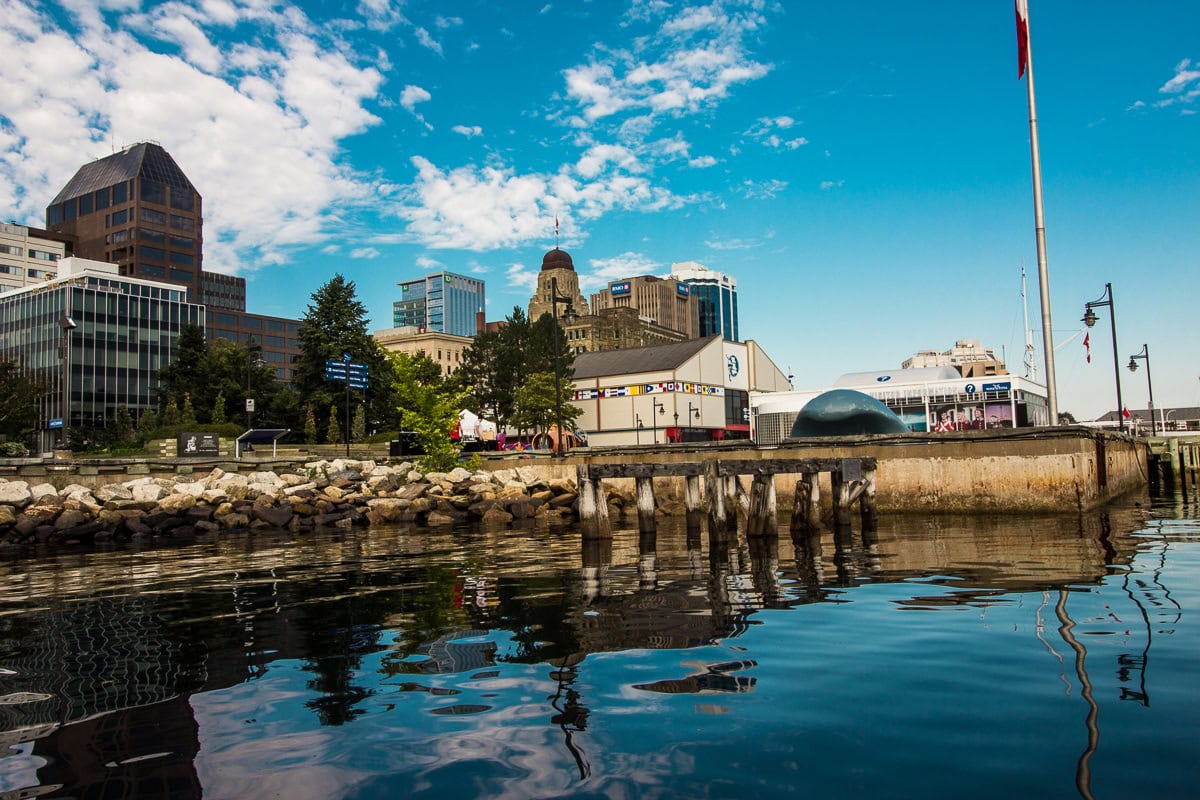
Nova Scotia is smaller than you’d expect, but packed to bursting. Start in the capital, Halifax — from here you can reach anywhere, and the city itself offers a harbour, a fortress and fantastic food. From here it’s a short hop to the province’s most photographed spot, the iconic lighthouse at Peggy’s Cove.
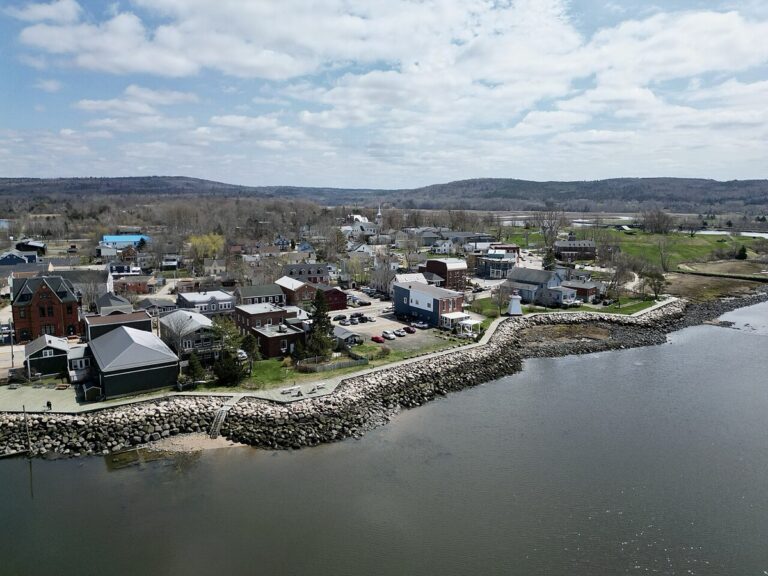
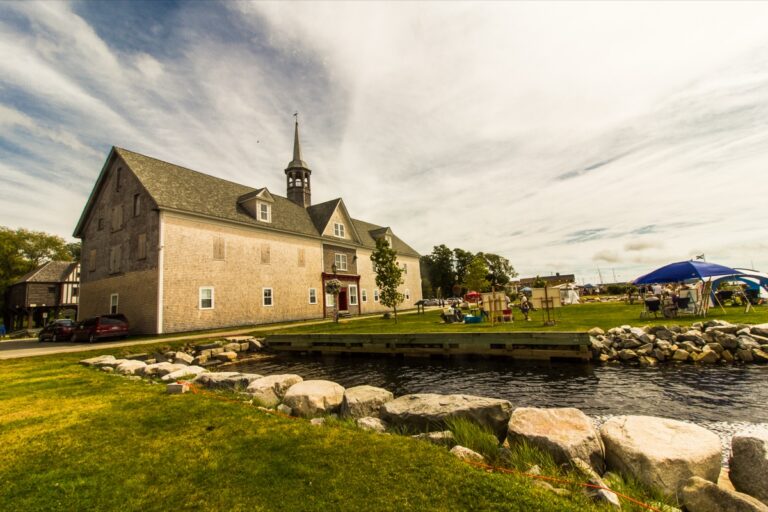
The coast south of Halifax is dotted with storybook towns. Don’t miss colourful Lunenburg, a UNESCO World Heritage site, neighbouring Mahone Bay with its three churches by the water, and if you love the wild, head to Kejimkujik National Park with its lakes and canoes.
On the other side of the peninsula lies the Annapolis Valley — a wine lover’s paradise with the university town of Wolfville and Canada’s oldest European settlement, Annapolis Royal. On the Bay of Fundy, home to the world’s highest tides, don’t forget Digby, the scallop capital.
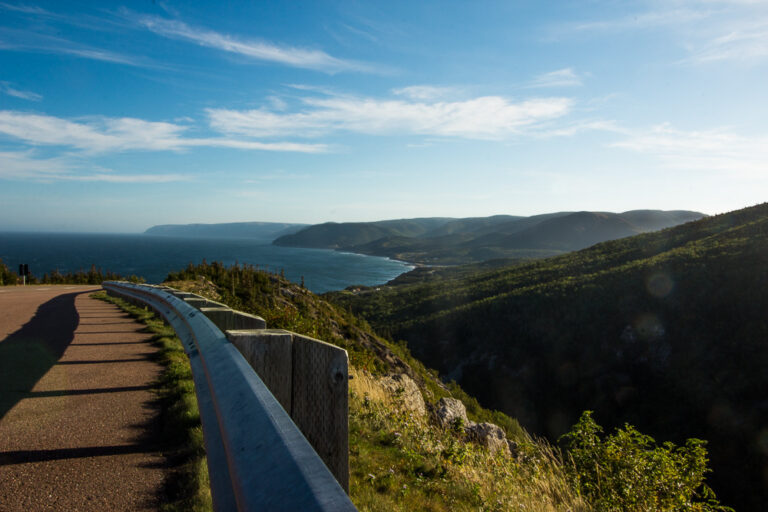
And then there’s the highlight of the whole trip — Cape Breton Island in the north. The legendary Cabot Trail loop ranks among the world’s most beautiful scenic drives and winds through Cape Breton National Park, with its cliffs, forests and ocean lookouts.

When to visit Nova Scotia
The best time to visit Nova Scotia is from June to October. Summer (June–August) brings pleasant temperatures around 20–25 °C, long days and the most open attractions, restaurants and ferries. But it’s also the priciest and busiest period, so book accommodation and rental cars well in advance.
Our insider tip is September and early October. The weather is still warm, the crowds thin out, prices drop, and the autumn colours arrive on Cape Breton — the leafy forests blaze into fiery shades and the Cabot Trail becomes utterly unforgettable at this time. In fact, it’s the season many people come for above all.
Out of season (November–May), many businesses, museums and smaller accommodations close, and the weather turns harsh and windy. Spring tends to be cold and rainy. If you’d rather not be fighting closed doors, it’s best not to plan your trip outside the summer and autumn months.






How to get to Nova Scotia
There’s no direct route to Nova Scotia from Europe — you’ll always have at least one connection. The main gateway is Halifax Airport (YHZ), which you’ll usually reach via a European hub (London, Frankfurt, Amsterdam, Paris) or via North American cities like Toronto or Montreal. Expect a total travel time of roughly 12–16 hours, connection included.
Once you land in Halifax, we recommend planning around a car straight away — the province is vast and public transport between the towns is practically non-existent. If you’d like to combine Nova Scotia with New Brunswick or Newfoundland, ferries run here too (for instance from Maine in the US or from Newfoundland), but for a standard trip from Europe, flying to Halifax and renting a car on the spot is by far the most practical choice.
Renting a car
In Nova Scotia, a car pays off almost always. Public transport between the towns and national parks is practically non-existent, and the biggest draws — the Cabot Trail, Peggy’s Cove, the south coast — can’t be done without one. Going carless only makes sense if you’re planning a short stay purely in Halifax and the surrounding area with the odd day trip.
- Book ahead through a rental comparison site — supply is tight in season and on-the-spot prices tend to be significantly higher.
- Watch your insurance and deposit. We recommend full coverage (zero-excess CDW); the deposit hold on your card can run into the tens of thousands.
- Factor in ferries if you’re combining Nova Scotia with Newfoundland or the US — you take the car with you, and you should book spaces in advance.
- Pick up your car right at Halifax airport — you’ll skip the transfer and set off straight away.
Where to stay in Nova Scotia
Where to stay depends mainly on whether you’re travelling from a single base or moving along a loop. We lean towards the latter — Nova Scotia is best discovered on the move, so pick 2–3 bases depending on the areas you want to explore.
- Halifax — the perfect start and finish to a trip, with the most hotels and restaurants, close to Peggy’s Cove and the south coast.
- Lunenburg / Mahone Bay — charming guesthouses and B&Bs on the south coast, great for romance and quiet.
- Annapolis Valley (Wolfville) — wine country with cosy hosts and excellent food.
- Cape Breton (Baddeck / Ingonish) — an essential base for the Cabot Trail; book accommodation ahead, as it fills up fast in season.
Outside the towns and in the national parks, campgrounds and cabins are also popular, especially in Kejimkujik and Cape Breton. If you’re travelling in peak season, secure your Cape Breton accommodation a good 2–3 months ahead — availability here is limited.
Package tour or independent travel?
Nova Scotia is a destination where both work — it really comes down to how much you enjoy planning yourself and how comfortable you are driving on the other side of the world.
A tour pays off when…
- you don’t want to deal with transport, accommodation or route planning,
- you’re heading overseas for the first time and want the reassurance of organisation,
- a fixed itinerary and the company of fellow travellers suit you,
- you’d rather not drive long distances.
Go it alone when…
- you want the freedom to stop wherever you like and change your plans,
- you don’t mind getting behind the wheel and clocking up hundreds of kilometres,
- you want to save money and tailor your budget to your priorities,
- you’re drawn to discovering smaller towns and spots off the main routes.
The two of us firmly recommend going it alone with a car — Nova Scotia is ideal for it: easy to navigate, safe and full of beautiful roads. A tour makes sense for those who want everything arranged and don’t want to drive themselves. But for most travellers, an independent trip is both more rewarding and cheaper.
Budget: daily costs in Nova Scotia
Nova Scotia isn’t as cheap as Southeast Asia, but it’s not extremely expensive like Scandinavia either. Below you’ll find a rough daily budget per person (excluding flights), based on two people travelling with a shared car and accommodation.
| Level | Accommodation | Food | Transport & activities | Total/day |
|---|---|---|---|---|
| Backpacker | 40 C$–65 C$ (campsite, hostel) | 25 C$–35 C$ | 35 C$–55 C$ | ≈ 100 C$–155 C$ |
| Standard | 90 C$–145 C$ (B&B, motel) | 40 C$–65 C$ | 55 C$–80 C$ | ≈ 180 C$–290 C$ |
| Comfort | 175 C$–290 C$ (hotel, resort) | 70 C$–120 C$ | 90 C$–145 C$ | ≈ 340 C$–560 C$ |
The prices are approximate and reflect a per-person budget for two people travelling together. The biggest item is usually car rental and fuel — plan for those separately, as they’re spread across the whole trip rather than counted per day.
How to save when planning
- Buy flights 3–5 months ahead. For summer dates to Halifax, prices climb as the date approaches; the best value is usually found in spring for a summer departure. Search for flights with our finder.
- Book Cape Breton accommodation 2–3 months ahead. In peak season availability vanishes fast and last-minute means overpaying. Our accommodation tips.
- Reserve your car in advance. On the spot it tends to be pricier and harder to find in season — more in the car rental section.
- Travel in September instead of August. You’ll save on both flights and accommodation, the weather is still lovely and the crowds thin out.
- Book limited-capacity activities and tours early — whale watching or boat trips, for instance, often sell out in season. What to book early.
- Watch for early-bird tour deals. If you prefer an organised trip, check out the current tours — the best prices usually come at the start of sales, not at the last minute.
Practical information
- Language: English, with traces of Gaelic and French (Acadian) heritage here and there, but you’ll get by everywhere.
- Payments: cards work absolutely everywhere and you’ll hardly need cash. Be prepared for tax and tipping (15–20 %) to be added on top, so the bill comes out higher than the listed price.
- Connectivity: the easiest option is an eSIM for Canada — activate it before you fly and you’ll have data for navigation the moment you land. Signal is good in the cities, but expect dropouts in the national parks and on remoter stretches of the Cabot Trail.
- Documents: for Canada you’ll need a valid passport and an electronic eTA authorisation — sort it out online in advance.
- Safety: Nova Scotia is very safe. Pay more attention to nature instead — the weather by the ocean changes fast, so take care on the cliffs and around the Bay of Fundy tides.


