

When my mum and I first visited western Canada and explored the area around Vancouver, we were absolutely blown away by the nature — but it was immediately clear that next time we’d need to do the real Vancouver Island road trip. The island is a whole chapter of its own, and so many of you have been asking how to actually get there from the mainland and what there is to see. I haven’t personally criss-crossed every last corner of the island yet, but since we’re planning a big return to Canada, I’ve done such thorough research that I can serve up the best possible itinerary for you. I spent what felt like dozens of hours poring over maps and guidebooks, so this really is a polished plan with all the bells and whistles.
Brace yourself — Vancouver Island isn’t some tiny islet with a few trees that you can pop over to for an afternoon. It’s roughly half the size of Ireland, and you’ll find everything here from ancient rainforests and wild surf beaches to quaint British-style towns where afternoon tea is still a serious affair. If you’re planning your dream loop through this part of Canada, get your cameras ready and pack comfortable shoes, because the ocean views and endless forests will genuinely take your breath away. ☺️ My mum and I have always been completely captivated by this landscape, and I reckon it’ll get you too.

TL;DR
Here’s a quick summary for those of you who are in a rush and just need the key highlights of our Canadian loop. Of course, I’d recommend reading the full article — it’s packed with personal insights and practical tips.
- Ideal length: You’ll need a minimum of 7 days for this loop to avoid spending the entire holiday behind the wheel.
- Route in a nutshell: Vancouver, Victoria, Tofino, Parksville, Campbell River, and Telegraph Cove.
- Top experiences: Orca watching, surfing Pacific waves, walking through ancient rainforest, and visiting the market with goats on the roof.
- Transport: BC Ferries are an absolute must — without booking in advance, you simply won’t get your car on the ferry during peak season.
- Budget: Canada isn’t cheap, and the island is even pricier — be prepared for high accommodation costs (especially in Tofino).
If any of that sounds familiar, or you’ve already got flights booked, let’s dive into the finer details. I promise that with this guide, nothing on the island will catch you off guard.
The full destination guide: British Columbia — guide and what to see
Before You Go: Practical Information and Planning
Let’s take a look at how to actually plan a road trip around Vancouver Island in British Columbia, what to watch out for, and roughly how much it’ll cost. Canada’s west coast has its own quirks, and it pays to know what you’re getting into so you’re not blindsided by sold-out ferries or unpredictable weather once you arrive.
I’m the type of traveller who likes to have things under control, so I don’t leave much to chance. My mum would happily just pack a bag and go, but trust me — when it comes to Vancouver Island, doing your homework at the computer beforehand pays off enormously.
When to Visit Vancouver Island
If you want guaranteed sunshine and pleasant temperatures, the ideal time to visit is hands-down late June to early September. Keep in mind, though, that this is also when most Canadians and Americans descend on the island, so accommodation prices skyrocket and the most popular spots can be heaving with tourists. We always try to find a happy medium, so I’d say the sweet spot is May or September — the weather is still fairly decent, but the crowds have largely thinned out.
Winter (November to February) is very rainy, but Tofino has its own special magic during this period — it’s called storm watching, and it’s exactly what it sounds like: you sit cosily in your hotel room with a coffee in hand, watching the Pacific literally rage outside the window. I’ll admit, it seriously tempts me. 😅 Whenever you decide to go, I always recommend layering your clothing, because the weather here can change from one minute to the next.
How to Get to the Island and Ferry Tips
Most travellers start their trip in Vancouver itself. From the UK, you can find direct flights to Vancouver from London Heathrow with British Airways or Air Canada, and there are connecting options from other UK airports. Once in Vancouver, you’ll need to load your rental car onto a BC Ferries vessel. For this itinerary, the best route is from Tsawwassen terminal (just south of Vancouver) to Swartz Bay (just north of Victoria). The crossing takes about an hour and a half and is practically a scenic cruise in its own right — you can often spot seals or even whales right from the upper deck with your camera at the ready.
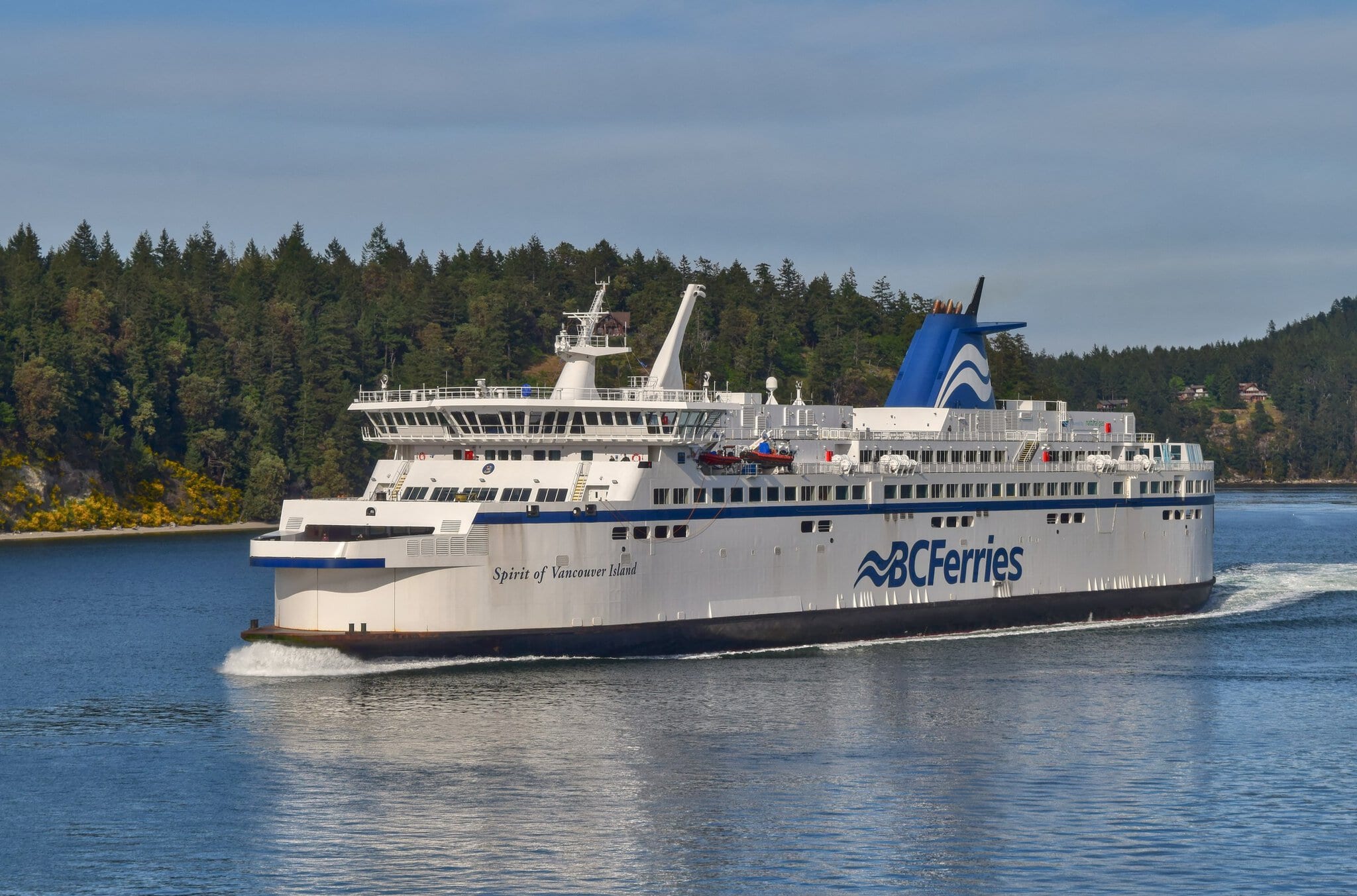
Now seriously, don’t underestimate this: you need to book ferries online several weeks in advance. Without a reservation during peak season, you could easily spend half a day queuing and still not make it onto the boat (and trust me, it won’t just be you losing your patience — it’ll be the whole car). 😅 With a pre-purchased ticket, you just need to arrive at the gate roughly 45 minutes before departure and you’ll board stress-free.
Car Hire and Driving
You really can’t do without a car on the island — public transport outside the capital Victoria is pretty limited. The roads, however, are beautiful, wide, and in excellent condition, so you don’t necessarily need a massive 4×4 SUV; a standard car will do just fine. I’ve had consistently good experiences with DiscoverCars, which I use all over the world because it lets you instantly compare all the major hire companies. Definitely pick up your car at Vancouver airport so you’re sorted from the start.
As for the actual driving, Canadians are incredibly considerate and calm behind the wheel. The main thing to get used to is their 4-way stop intersections, where the rule is simple: whoever arrived first, goes first. It sounds complicated, but after a few goes you’ll realise it’s actually beautifully smooth and everyone just gives each other a friendly wave.
Food: Where to Eat Well on the Island
Travel and good food go hand in hand, and I have to say western Canada really delivers on the culinary front. Forget boring fast food (though you can obviously get a cracking burger here too) — the stars of the show are fresh fish, incredible seafood, and local farm-to-table produce from the surrounding valleys.
If you want to properly enjoy the local food scene, be prepared for the fact that dining out isn’t exactly cheap. On top of the menu price, you’ll always need to add tax plus roughly 15 to 20% tip, which is essentially expected in Canada.
Our Specific Restaurant Recommendations
In Tofino, we discovered an absolute gem for anyone who loves casual dining. If you’re into Mexican food with a Pacific twist, you absolutely must visit the legendary Tacofino. Their fish tacos with fresh cod, crunchy cabbage, and utterly perfect salsa became such a hit that they now have locations on the mainland too — but the original orange truck in Tofino has the best surfer vibe by far.
As for the northern part of the island, salmon and hearty fried fish reign supreme. In the town of Campbell River, grab a meal at the popular Dick’s Fish & Chips, which you’ll find just a stone’s throw from the water. Crispy fish pieces with a generous serving of homemade chips and views of the harbour are exactly what you need after a long day in the wild outdoors.
Where to Stay and Budget Tips
Budget planning is probably the least fun part of trip preparation, but there’s no getting around it. Canada generally isn’t a cheap destination, and Vancouver Island is one of those places where prices climb quite high, especially during peak summer season.
🏨 Recommended Hotels in Victoria BC
- Luxury: Fairmont Empress Victoria
- Mid: Inn at Laurel Point
- Budget: HI Victoria hostel
Browse all hotels in Victoria BC on Booking.com (via our affiliate link with aid 2397601).
I’ve put together a basic overview so you know roughly how much to have set aside before you travel. Personally, I prefer the middle ground — the cheapest hostels don’t appeal and I don’t need gold taps in the bathroom either.
Accommodation and Day-to-Day Costs
Accommodation on Vancouver Island will set you back a pretty penny — I’ll be upfront about that. Tofino in particular has far too little capacity for the number of people wanting to stay there, so the best beachfront spots get snapped up before you’ve even finished your morning coffee. Book three to four months in advance, no excuses. A decent double room during peak season averages around 250 to 400 CAD per night (roughly €170 to €270), and in Tofino it can easily be double that.
In terms of overall budget, a ferry crossing for a car and two people costs around 100 to 120 CAD one way. Restaurant meals run about 25 to 40 CAD per main course. All told, I’d budget roughly €2,200 to €3,000 for a week-long road trip for two (excluding flights to Canada, but including car hire, petrol, accommodation, and food). It obviously depends on how much luxury you treat yourselves to, or whether you occasionally opt for a supermarket shop and a picnic in the wild — something my mum and I love doing.
Itinerary: 7-Day Vancouver Island Road Trip Step by Step
This route combines the very best of Vancouver Island — a touch of Britain, a dose of wilderness, a splash of whales, and goats on a roof thrown in for good measure. A little bit of everything. It’s fairly intensive in terms of driving, but I promise every stop is worth it, and by the end of the trip your memory card will be bursting with incredible photos.
I’ve arranged the days logically so you minimise dead driving time and get the most out of every area. If you’d like, you can always add an extra day at certain stops — especially around the national parks, you could easily spend a whole week.
Accommodation Overview Day by Day
For easy reference, here’s a quick overview of where to sleep each night. You can click through to all the hotels on Booking.com via our partner link (it doesn’t cost you any extra, but it helps me keep writing guides like this).
| Day | Location | Recommended hotel (budget level) | Booking |
|---|---|---|---|
| 1–2 | Victoria | The Magnolia Hotel & Spa (luxury) / The Embassy Inn (mid-range) | Hotels Victoria |
| 3–4 | Tofino | Long Beach Lodge Resort (luxury) / Pacific Sands Beach Resort (mid-range) | Hotels Tofino |
| 5 | Parksville | The Beach Club Resort (mid-range) | Hotels Parksville |
| 6 | Campbell River | Painter’s Lodge (authentic wooden resort) | Hotels Campbell River |
| 7 | Return to mainland | — | — |
💡 Tip: During peak season (July–August), book all accommodation ideally 4–6 months in advance. Tofino and Victoria sell out first, with other locations following a few weeks later.
Day 1. From the Mainland to British Elegance
Your first day starts fairly early, heading from Vancouver to Tsawwassen ferry terminal. I’d recommend booking a 9 or 10 a.m. sailing so you arrive on the island with plenty of time and don’t lose half your day. After disembarking at Swartz Bay, hop in the car and drive about half an hour south, straight into the heart of Victoria — which, incidentally, is the capital of the entire Canadian province of British Columbia (yes, it’s not Vancouver, as many people assume 😅). Parking in the centre is fairly straightforward, with plenty of underground car parks available.
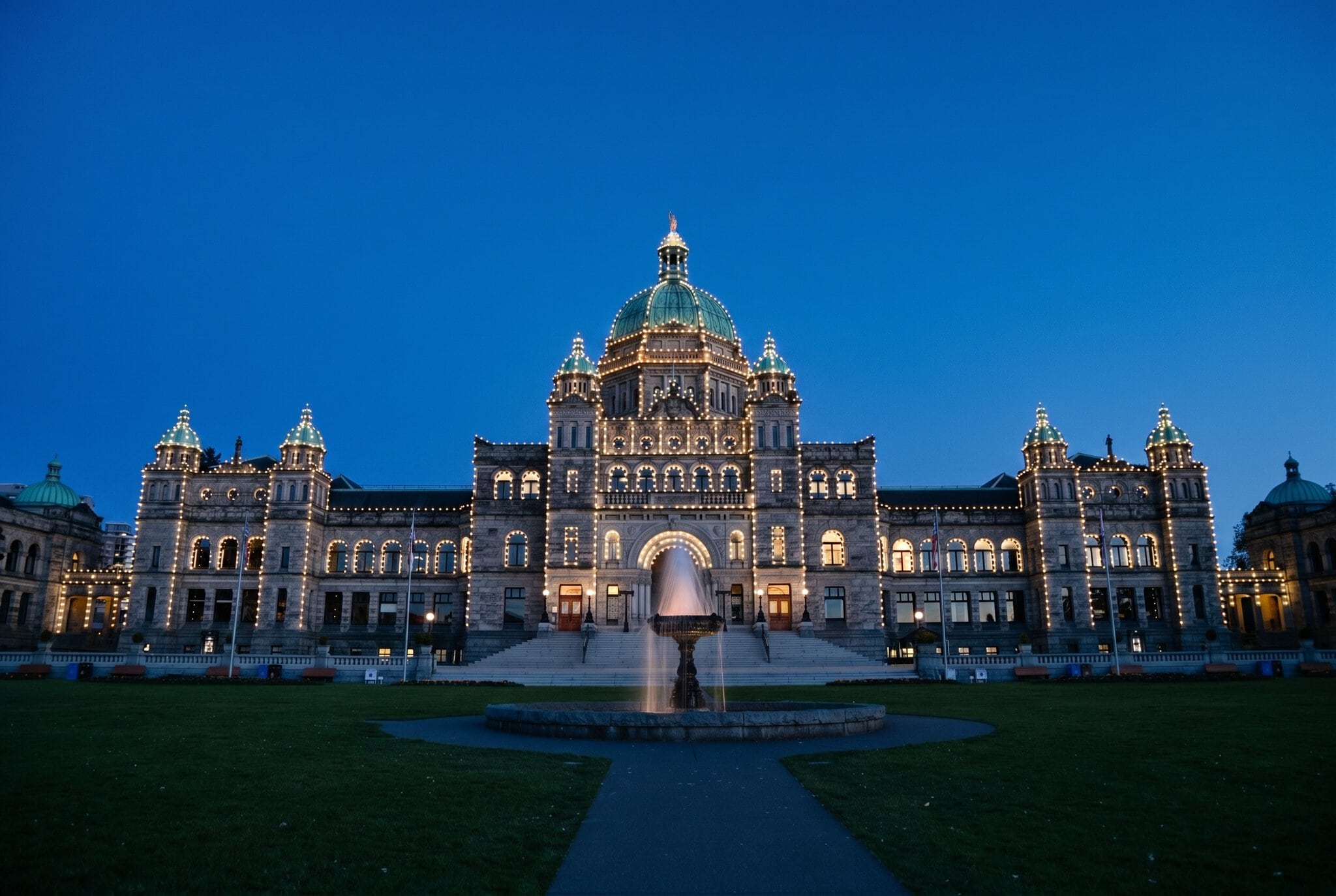
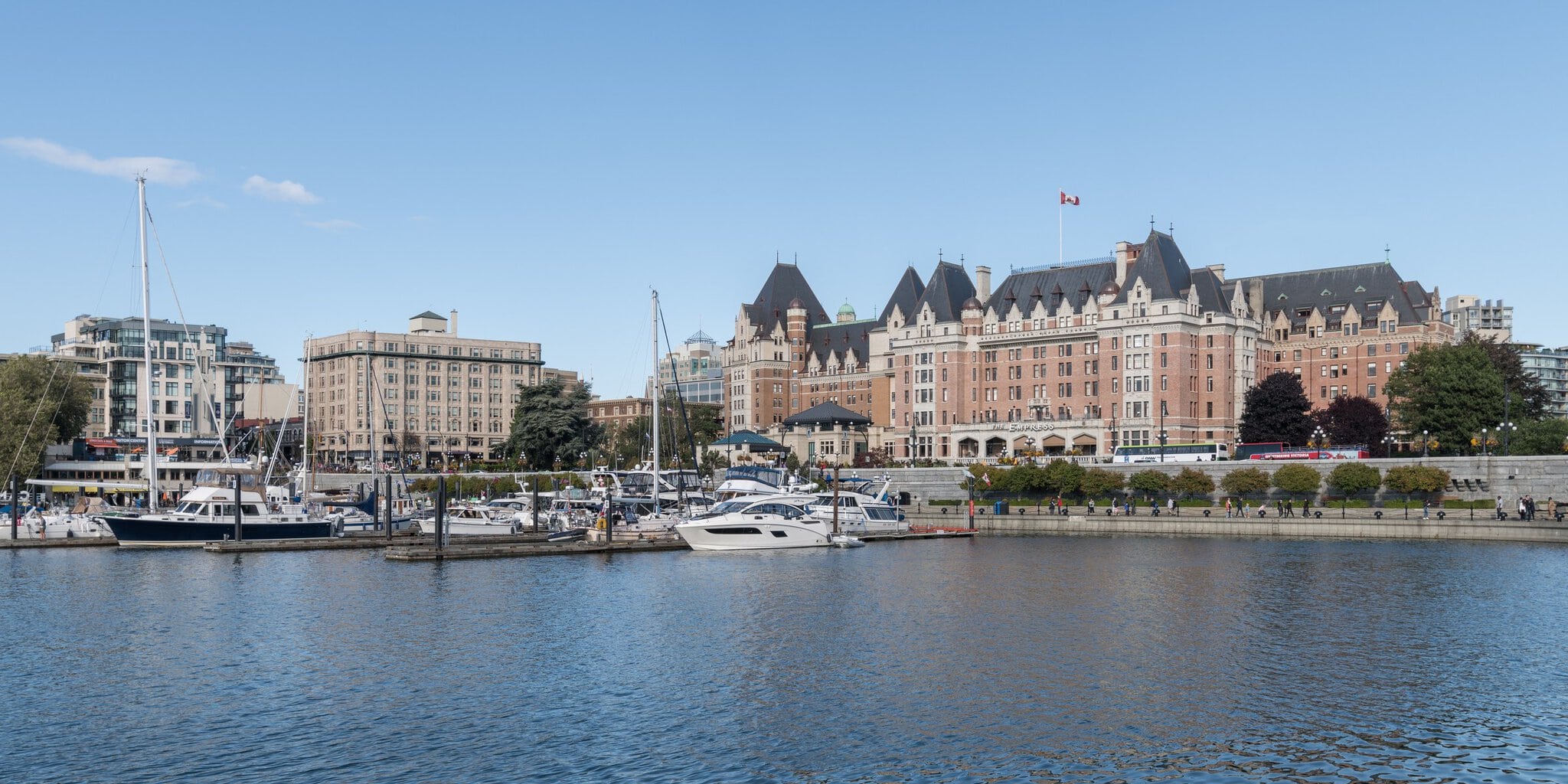
Victoria is an utterly charming city with an incredibly strong British atmosphere. Spend the afternoon strolling around Inner Harbour, a buzzing waterfront packed with street performers and gorgeous views. The iconic Fairmont Empress hotel towers directly above the harbour, looking like an old English castle. You can book a traditional afternoon tea here, though the price tag (around 90 CAD / roughly €60 per person) is quite eye-watering. For dinner, head to the pub Bard & Banker, which serves excellent beer and has live music in a stunning historic interior.
Where to stay in Victoria:
If you want to treat yourself, The Magnolia Hotel & Spa is top-notch, right in the city centre. For a more affordable but still excellent option, check out The Embassy Inn, just a short walk from the harbour and Parliament.
Day 2. Dream Gardens and Ocean Bliss
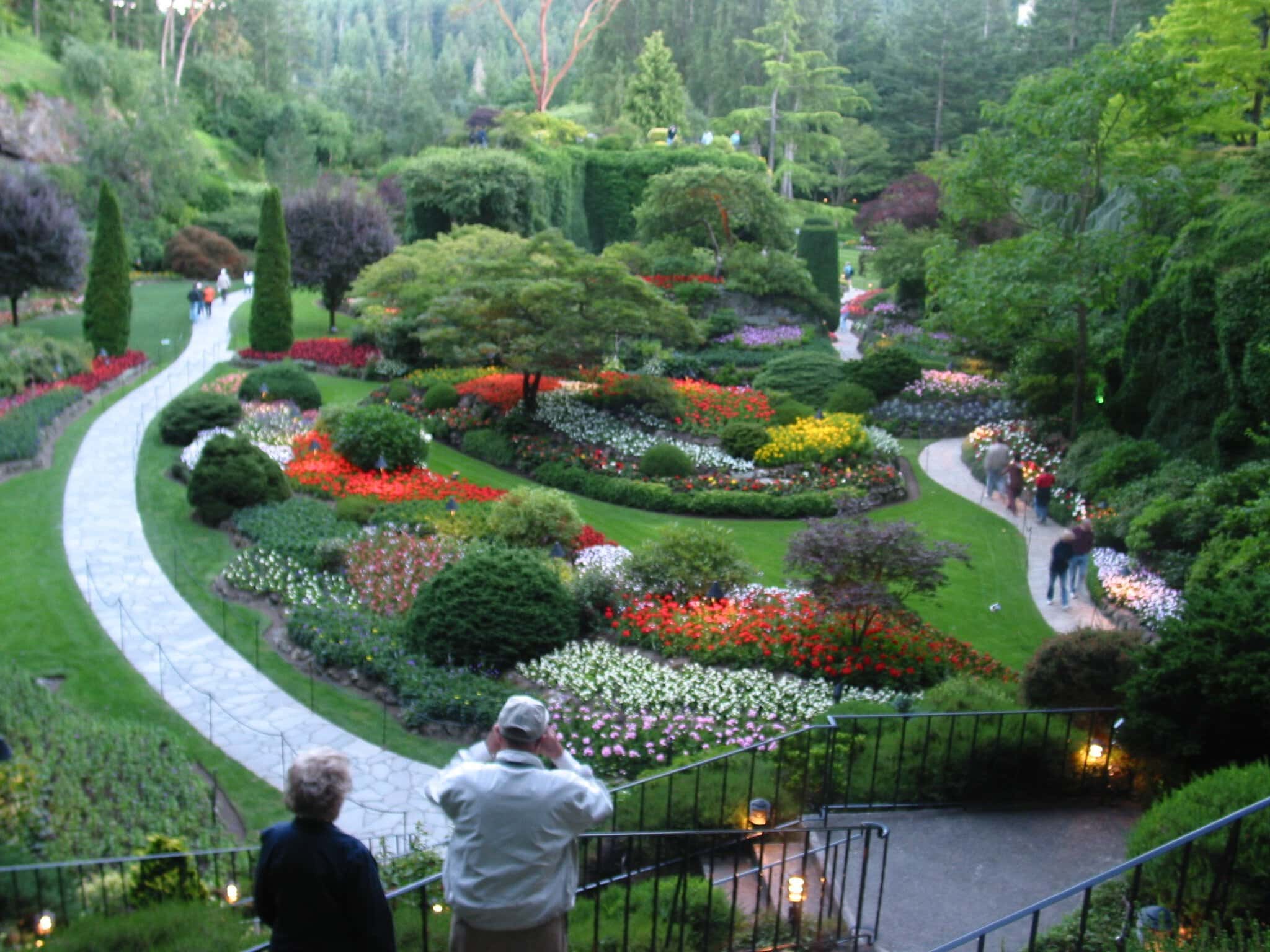
On day two, I’d recommend starting bright and early with a visit to Butchart Gardens. They’re about a 30-minute drive north of the centre and arguably the most famous attraction in the entire area. Admission is around 40 CAD (roughly €27), but once you step inside, you’ll understand why. A former limestone quarry has been transformed into an unbelievable floral paradise where every plant is trimmed to absolute perfection, and the Sunken Garden looks like something out of a fairy tale. A morning visit is ideal for beating the biggest crowds from tour buses.
After lunch, head back to Victoria and take a wander through Beacon Hill Park. It’s a huge, free-to-enter park right by the ocean where peacocks roam freely and the viewpoints let you gaze across the strait to the snow-capped peaks of Washington State in the US. It’s a wonderfully laid-back spot — perfect for grabbing a takeaway coffee and just soaking up the seaside atmosphere. On the way back, it’s well worth driving along Dallas Road, which runs right along the waterfront and offers some of the best ocean views you’ll find anywhere.
Day 3. Into the Wilderness of the West Coast
Today you’re in for the longest and arguably most beautiful drive of the entire trip, crossing the island from sunny Victoria to wild Tofino on the west coast. The journey takes roughly 4 to 5 hours of pure driving time, but the road winds through mountains, past crystal-clear lakes, and you’ll constantly want to pull over for photos. Once you pass the town of Port Alberni — your last chance to stock up on cheaper supplies at a large supermarket — the road starts to narrow. This is where you enter true wilderness, so make sure you’ve got a full tank.
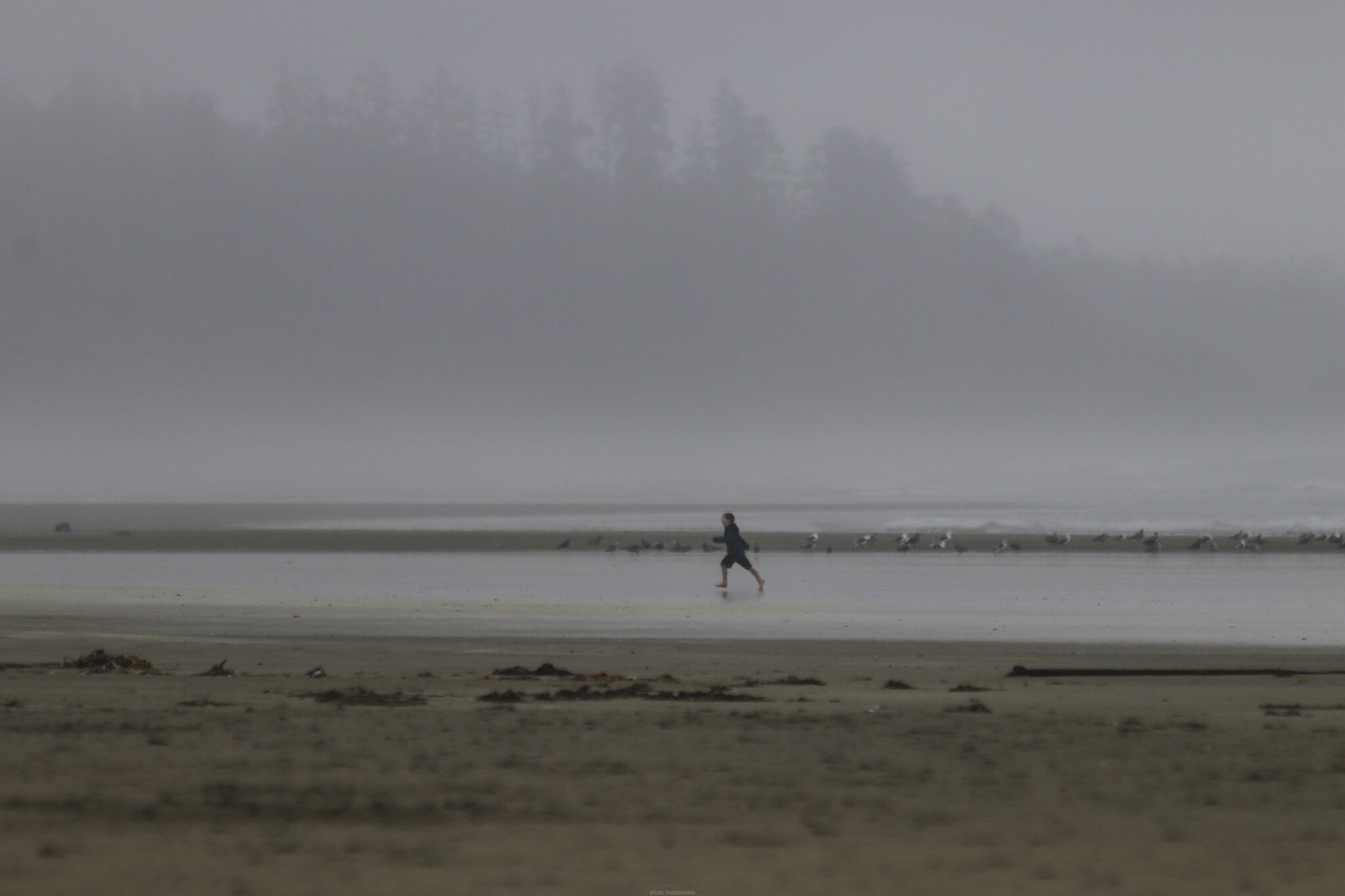
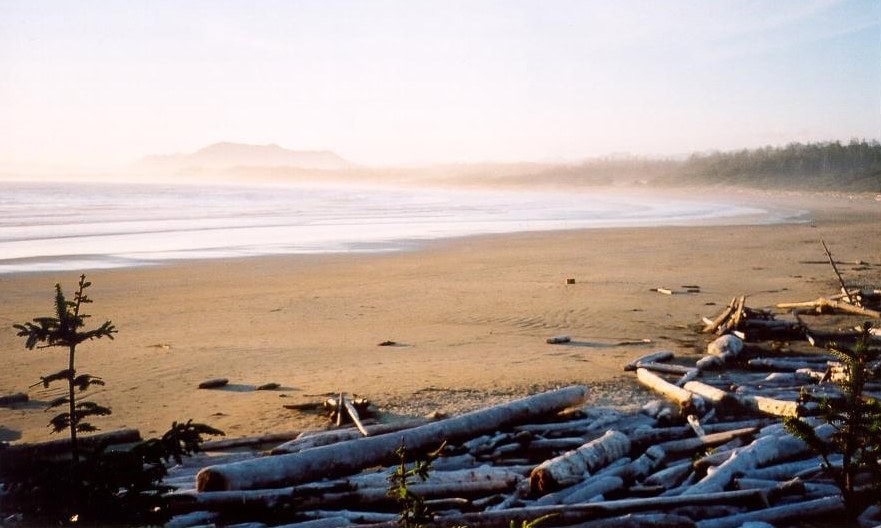
Your destination is the renowned Pacific Rim National Park. Before you reach Tofino itself, definitely stop at the coast. Long Beach is a vast sandy stretch battered by Pacific waves, littered with gigantic driftwood logs. It’s raw, wild, and windswept, so pack a jumper even in summer. Then you’ll arrive in Tofino — a quirky little surfer town full of surf shops, cosy cafés, and bistros serving fresh seafood (we’d recommend the legendary Tacofino).
Where to stay in Tofino:
One of the most beautiful places to lay your head is Long Beach Lodge Resort, where you have a direct view of the ocean and the sunsets are the stuff of legend. If it’s full (which happens often), take a look at Pacific Sands Beach Resort, right next to the famous Cox Bay.
Day 4. Surfing and Hot Springs in the Rainforest
Tofino is the unofficial surf capital of Canada, and even if you’ve never stood on a board, you should at least soak up the atmosphere at Cox Bay, where surfers in wetsuits are leaping into the cold water from the crack of dawn. You can book a beginner’s lesson, or simply stroll along the beach, breathe in the salty air, and admire how gracefully people catch those massive waves. I’m more the type who cheers from the shore with a hot tea in hand.
In the afternoon, book yourself one of the best experiences the island has to offer — a trip to Hot Springs Cove. These are natural hot springs hidden deep in the rainforest, with no road access whatsoever. You need to travel roughly an hour and a half by boat (or fly by floatplane) and then walk about two kilometres along wooden boardwalks through the forest. The spring water sits at nearly 50°C and cascades over rocks directly into the icy ocean. It’s not a cheap excursion (the boat trip runs around 150 to 180 CAD / roughly €100 to €120), but the feeling of sitting in hot water while gazing out at the wild ocean is absolutely priceless.
Day 5. A Cathedral of Trees and Goats on a Roof
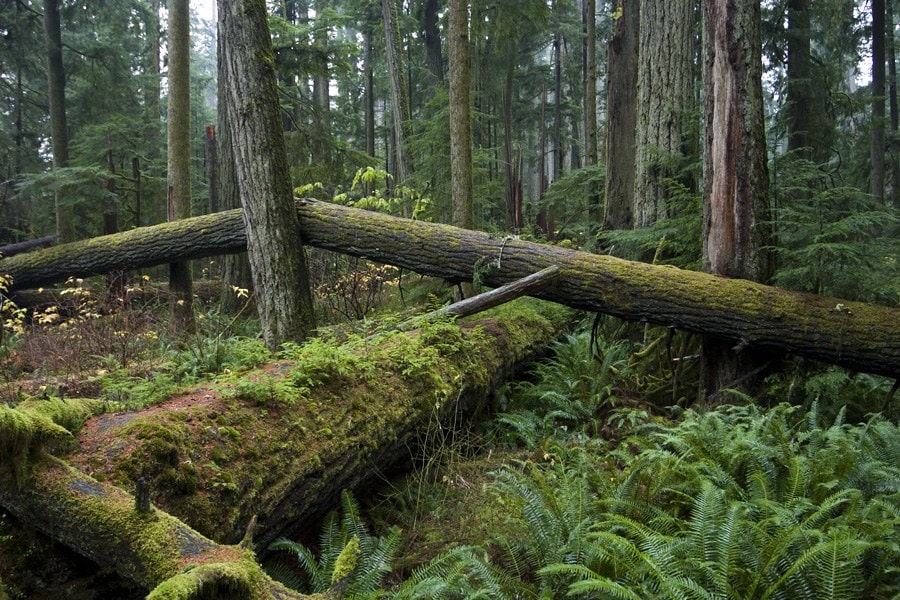
This morning you’ll bid farewell to Tofino and head back to the east side of the island along the same stunning road. On the way, definitely stop at MacMillan Provincial Park, known for good reason as Cathedral Grove. One of the last remaining stands of old-growth rainforest grows here, with Douglas firs and western red cedars over 800 years old. The trunks are so thick you’ll feel like a small child standing next to them, and the light filtering through the canopy creates an almost sacred atmosphere. This is where you’ll appreciate quality hiking boots, as the trails can get quite muddy.
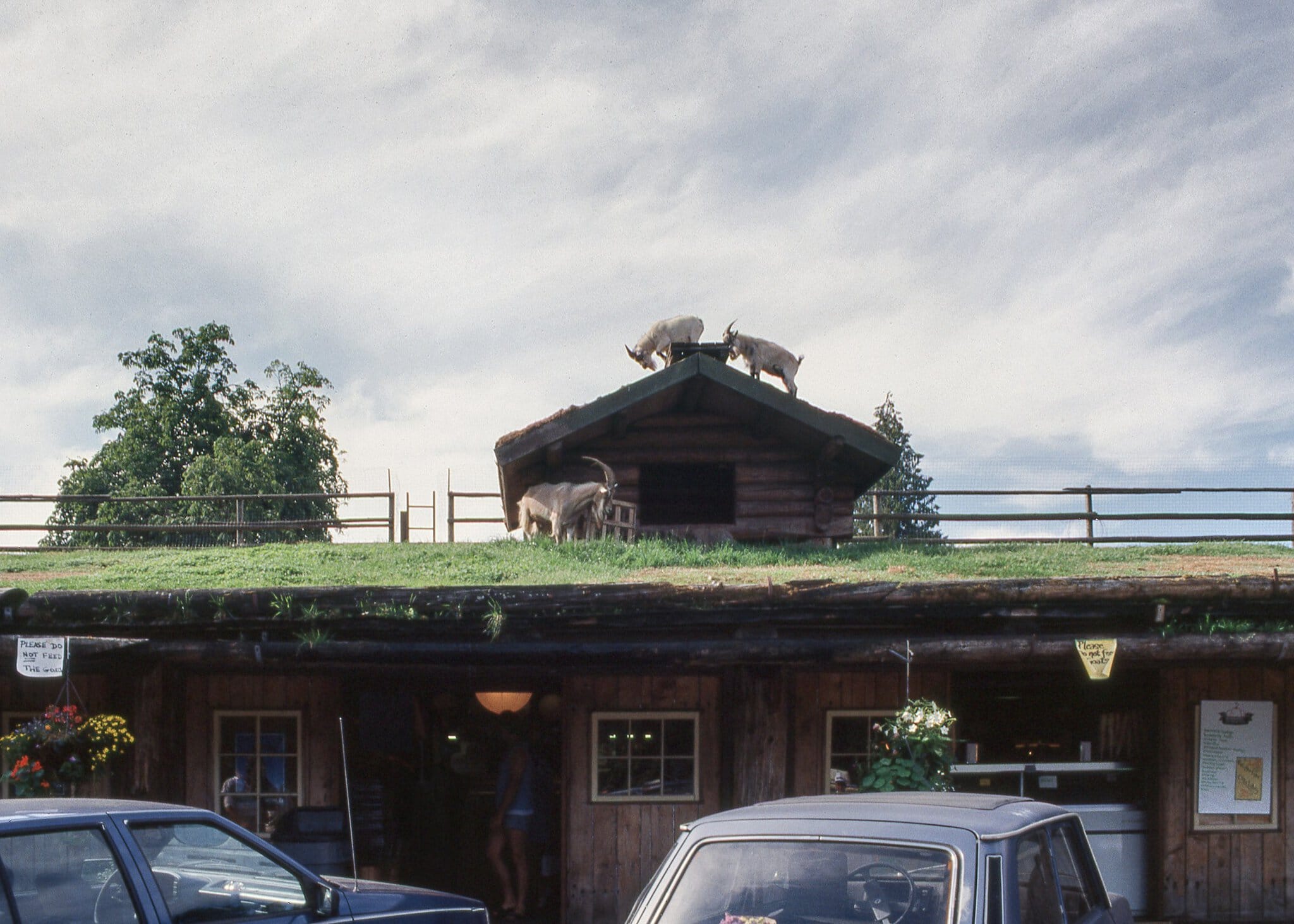
In the afternoon you’ll reach the village of Coombs, famous for one completely bizarre attraction. They have the renowned Old Country Market, on whose grass-covered roof live goats roam freely and graze 😁. It’s admittedly a bit of a tourist trap packed with people, but it’s so amusing that you simply have to stop, buy some excellent homemade ice cream, and snap that obligatory goat-on-the-roof photo. For the evening, drive on to the nearby coastal town of Parksville. The sea here is much calmer than Tofino, and thanks to the long, shallow beaches it’s considerably warmer too — you can actually swim here in summer.
Where to stay in Parksville:
The absolute classic here is The Beach Club Resort, located right on the main promenade with gorgeous views from the rooms of a beach that stretches for miles at low tide.

Day 6. Majestic Mountains in the Oldest Park and Heading North
From Parksville, head northwest into the island’s interior, where Strathcona Provincial Park awaits. It’s the oldest provincial park in British Columbia and offers a completely different landscape to the coast. Here you’ll find rugged mountains with snow-capped peaks, wild rivers, and deep valleys. The main draw for visitors is the stunning, intensely turquoise Buttle Lake. The road runs right along its edge, so you can stop at dozens of small pull-offs and take in incredible views where the mountains are mirrored on the still water.
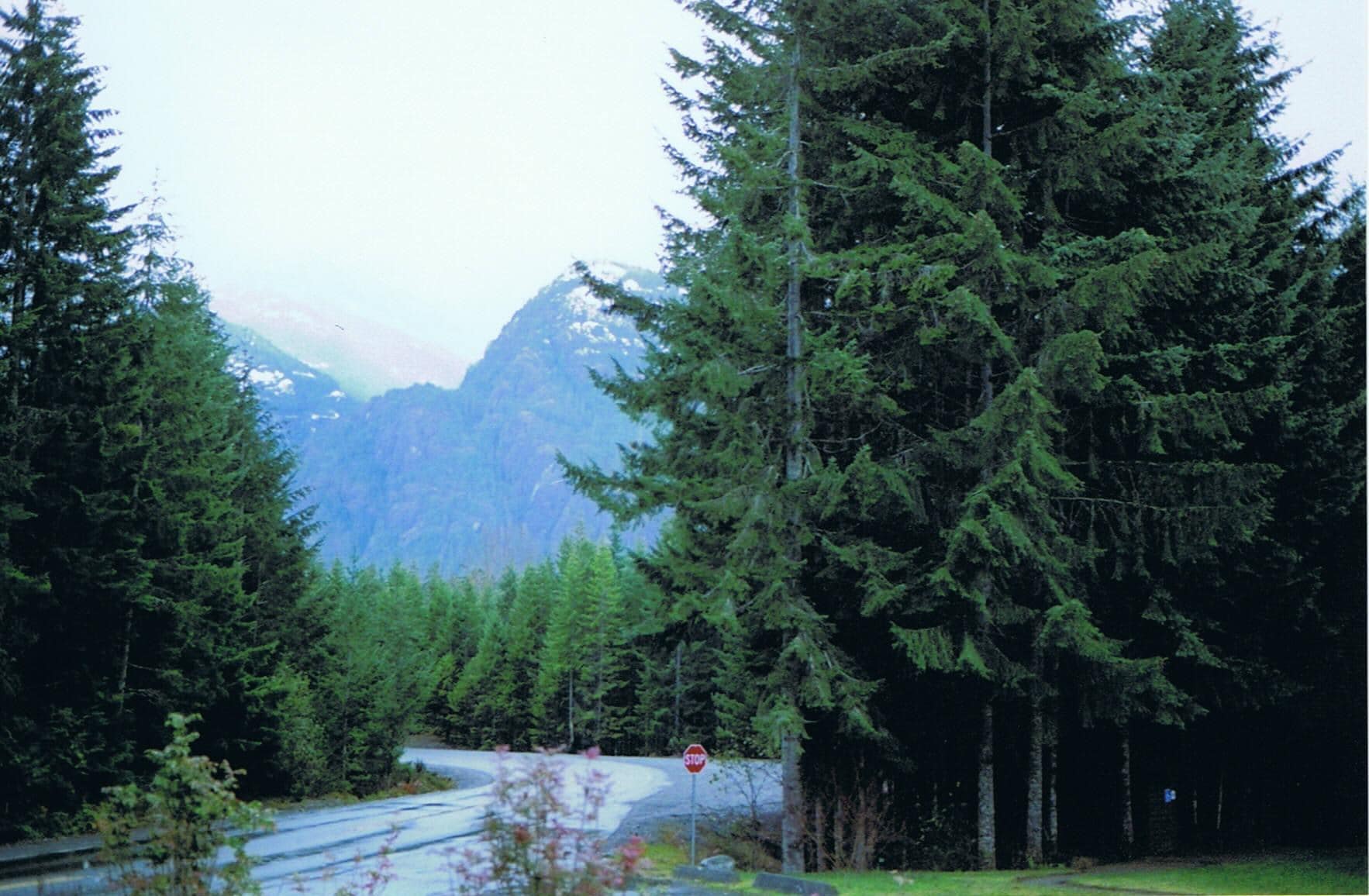
There are plenty of shorter hikes to waterfalls — for instance, the very easy walk to Lupin Falls or the slightly longer trail to Myra Falls, which cascade down the rocks in stages. Around 5 p.m., head back to the coast and drive on to the town of Campbell River. Known as the Salmon Capital of the World, it’s the ideal launching point for further northern adventures. For a great dinner, pop into Dick’s Fish & Chips — the seafood is absolutely fresh and the portions will definitely fill you up after a day of hiking.
Where to stay in Campbell River:
For an authentic experience, try the legendary Painter’s Lodge. It’s a somewhat older, traditional wooden resort, but it oozes genuine old-Canada atmosphere and sits right on the water with a fantastic view across the strait.
Day 7. Orca Watching at Telegraph Cove and the Return
Your final day starts with a slightly longer drive. From Campbell River, head about two hours further north to the tiny historic village of Telegraph Cove. This little settlement is built entirely on wooden stilts over the water and looks incredibly picturesque, like something from an old film. But the main reason everyone comes here lies a little further out in the cold ocean waters. The nearby Johnstone Strait is one of the best places in the entire world to observe orcas (killer whales) in their natural habitat.
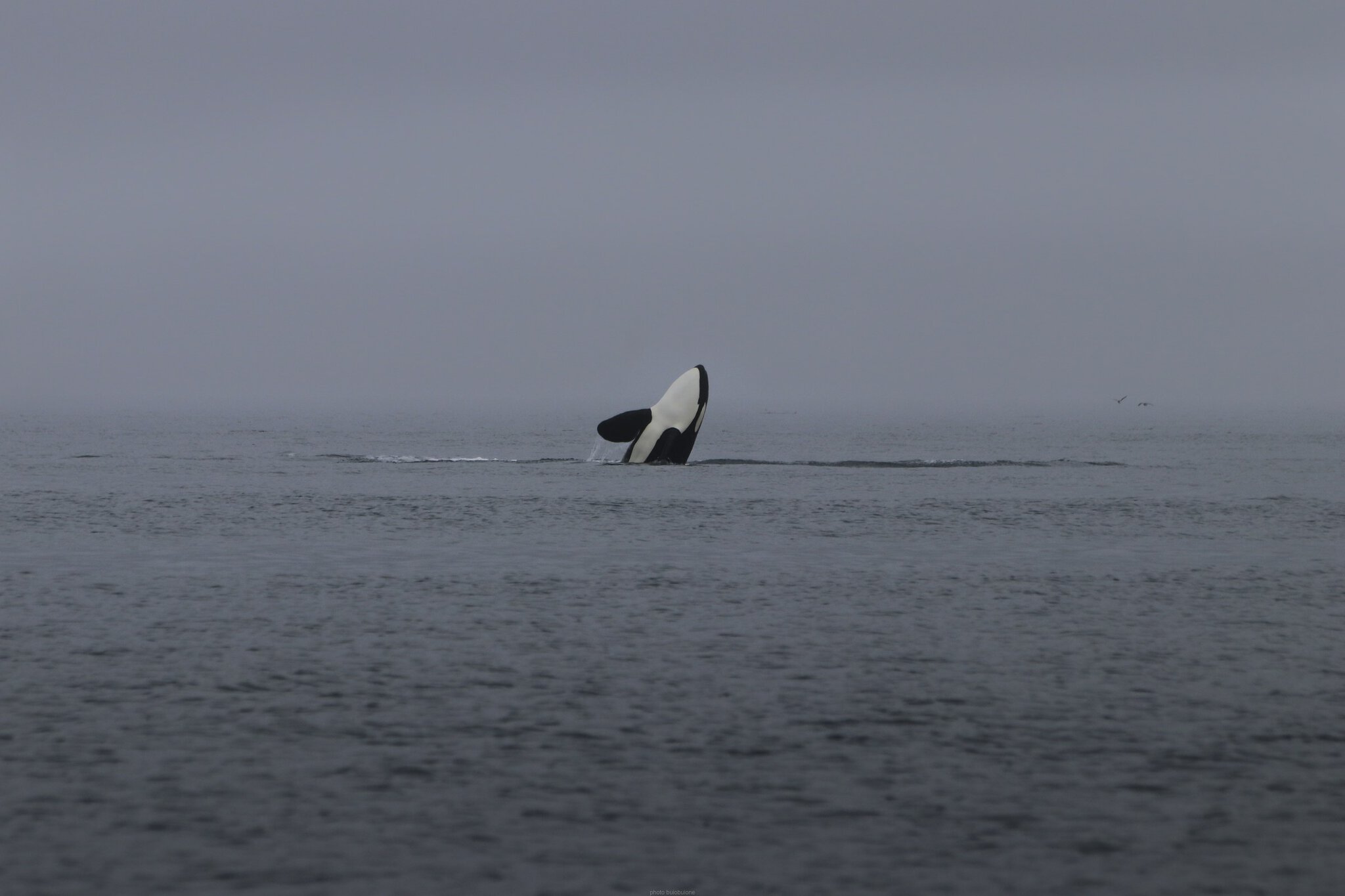
Book a morning boat excursion with a licensed guide, settle onto the deck, and keep your eyes peeled. Seeing those majestic black-and-white dorsal fins gliding smoothly out of the water just metres from your boat is a goosebump-inducing experience. The whales hunt passing salmon here and travel in large family pods. After this powerful experience, all that’s left is the gradual return to reality. Get in the car and drive south to Nanaimo ferry terminal (about a three-hour drive), from where you’ll catch an afternoon or evening ferry back to the mainland and Vancouver.
Map of points of interest for your phone
Short Version: Pacific Marine Circle (If You Only Have 2–3 Days)
I understand that not everyone has a full week to drive around the entire island, and your Canadian holiday may need to be split between plenty of other destinations. If you’re heading here and only have two or three days earmarked, the ideal alternative is a route called the Pacific Marine Circle.
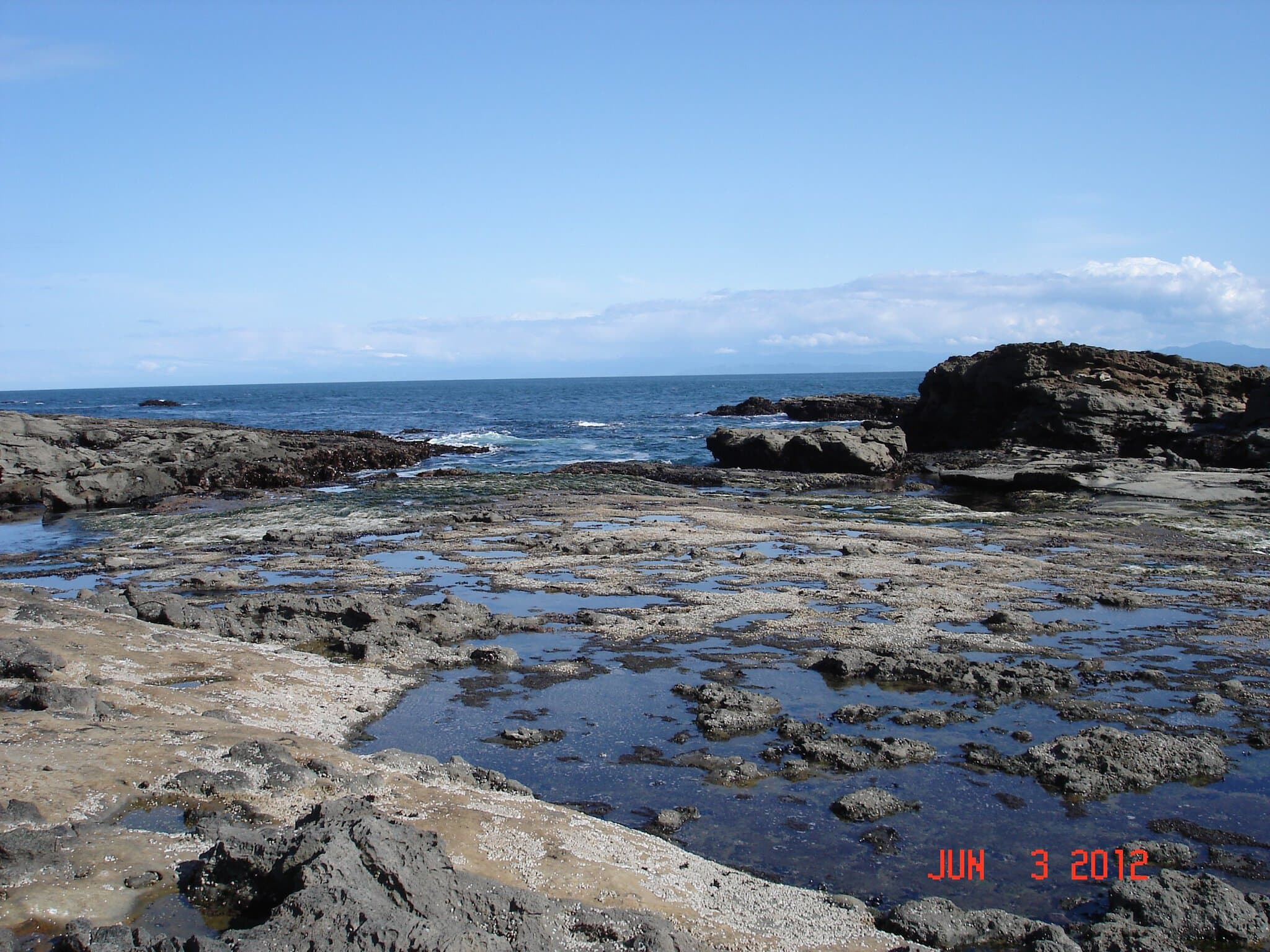
It’s a roughly 289-kilometre loop that starts and ends in Victoria. Think of it as a taster of everything the island has to offer, just in a much more compact and time-friendly package — and one my mum and I thoroughly recommend for anyone on a tight schedule.
What You’ll See on This Shorter Loop
The route takes you through the sleepy seaside town of Sooke towards the wild beaches near Port Renfrew. There, you absolutely must explore the famous Botanical Beach with its beautiful natural rock pools that appear at low tide, teeming with marine life.
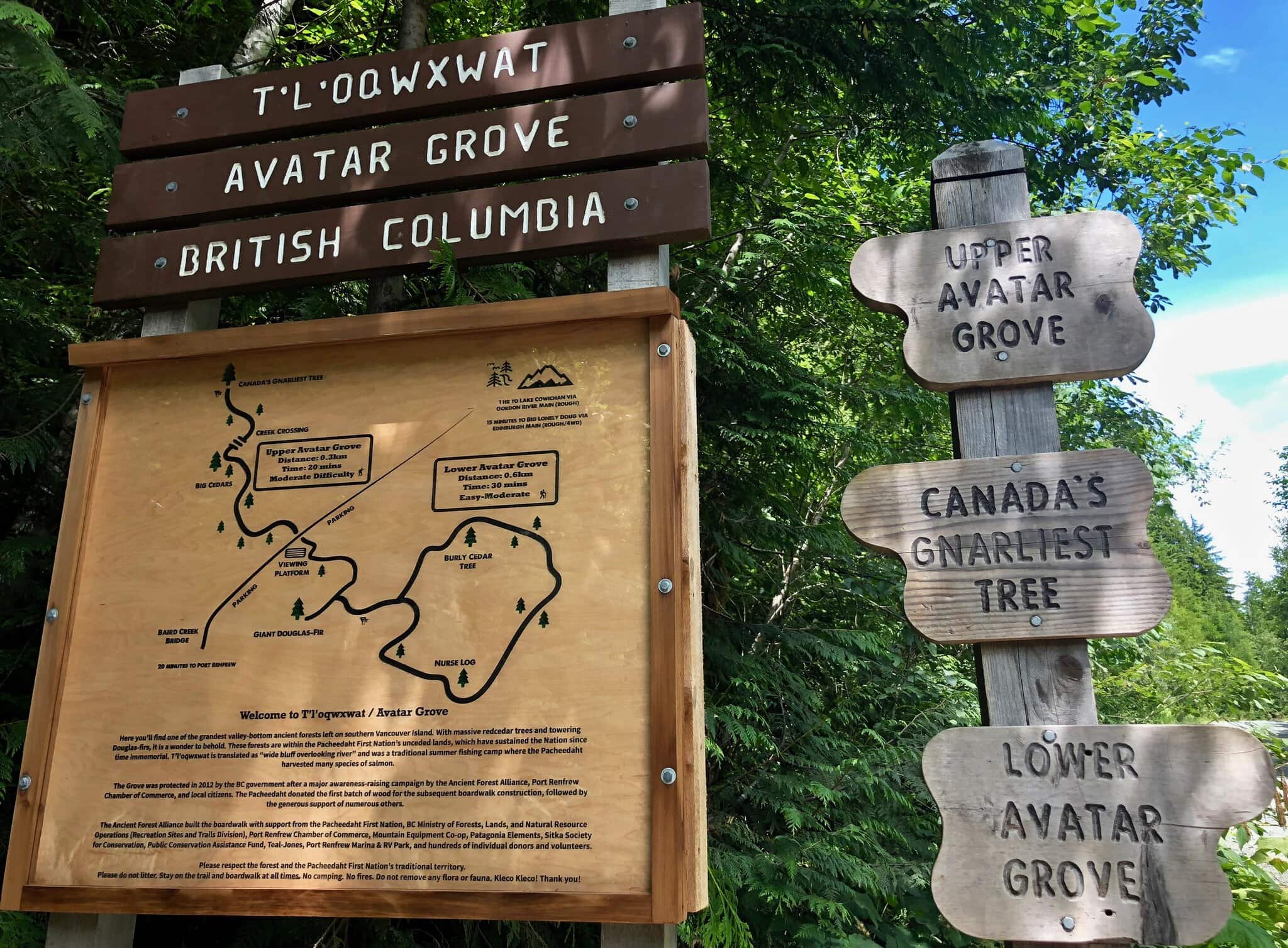
The road then curves inland towards Cowichan Lake and through a valley dotted with charming little farms, cideries, and vineyards before leading you back to the ferry. You can drive it over a long weekend, and even though you won’t see the far north or Tofino, you’ll absolutely take away that quintessential Canadian wilderness feeling.
Where Else to Go in Canada
If you’re still in the planning stages for your road trip and wondering what else not to miss in Canada, definitely check out our other articles from this region. A great starting point is our detailed guide on what to see in Vancouver — without question one of the most beautiful cities in the world, where the ocean meets the mountains.
I think it’s precisely this combination — the rugged island coastline on one side and the snow-capped peaks of the Rocky Mountains on the other — that keeps drawing us back to Canada time and again. The country is vast, and each province offers a completely different vibe.
National Parks in the Interior
And if you’re heading straight from the coast to the national parks in the interior, the Canadian Rockies are an absolute must. There you’ll find the most famous turquoise lake of them all, which we covered in our big article on Lake Louise and Banff National Park.
You’ll find hundreds of kilometres of hiking trails there, and I guarantee that when you see those lakes surrounded by glaciers, you’ll understand why people flock here from all over the world. It’s well worth heading to the lakes early in the morning, before the first crowds of tourists arrive with their cameras — the morning stillness and the reflection of the mountains on the water is one of the most powerful experiences you’ll take home from Canada.
Travel Tips and Tricks
To wrap up, here are a few of my personal, purely practical tips. These are services I routinely use when organising any international trip, not just to Canada.
They always save me loads of time at the computer and, more importantly, money — which we’d rather spend on great food or boat trips once we’re there. Hopefully these tips will help with your planning too.
Finding Flights
For cheap flights to Vancouver, we always start by searching on Skyscanner or Google Flights, which are great for comparing airlines and finding clever connections. From the UK, you can often find direct flights from London Heathrow with British Airways or Air Canada, or good-value connecting options via hubs like Amsterdam or Reykjavík.
We always try to book flights at least a few months in advance, especially for the summer season when prices to Canada typically shoot up. Being flexible by a few days either way can also make a surprising difference to the fare.
Car Hire
As I mentioned earlier in the article, I’ve had consistently great experiences with DiscoverCars, which I use with a clear conscience all over the world. They have completely transparent terms and an enormous selection of every vehicle category, from compact cars to campervans.
In Canada, automatic transmission is the absolute standard, so don’t worry at all if you’re used to driving a manual back home. You’ll get the hang of it within five minutes, and on those long Canadian highways you’ll end up really appreciating it.
Booking Accommodation
Booking.com is hands down our favourite hotel search engine. In Canada, it’s especially worth collecting levels in their Genius loyalty programme, because 10 to 15% discounts on already expensive British Columbia accommodation can save you a genuinely significant amount in the end.
I also love that most properties offer free cancellation. That’s particularly handy for places like Tofino, where you book months and months in advance but still want the flexibility to shuffle your itinerary by a day at the last minute.
 🚗 Car rental on the roadVerified rental cars in British Columbia
Search with the DiscoverCars comparison engine — it compares prices from dozens of local and international rental companies, and most bookings come with free cancellation.
Compare car prices in British Columbia →Don’t Forget Travel Insurance
This is non-negotiable for us. Canada is outside the EU (and any reciprocal healthcare agreements with the UK are very limited), and medical treatment there is astronomically expensive — so travelling without insurance is a real gamble.
If you’re looking for reliable, tried-and-tested cover for travellers, definitely read our SafetyWing review. It’s the insurance we’ve been happily using for years because you can set it up from home in a few clicks and it covers everything that matters.
Mobile Data Without the Hassle
Having online maps and internet constantly at your fingertips is an absolute essential on any road trip abroad. We now swear by digital SIM cards, which save you from hunting around the airport for a shop.
Check out our Holafly review. You simply load an eSIM onto your phone at home, and the moment you land in Canada you’ve got unlimited data — so you can start navigating to the ferry terminal straight from the airport without a single hitch.
FAQ — Frequently Asked Questions About Vancouver Island
Western Canada and Vancouver Island can be a bit of a puzzle to plan, so I regularly get similar questions in my inbox and comments. Here are the answers to the most common ones, all in one handy place.
How long does the ferry ride to Vancouver Island take?
The crossing from Tsawwassen terminal near Vancouver to Swartz Bay (Victoria) takes about an hour and a half. The journey itself is very comfortable, with restaurants, cafés, and observation decks on board. However, when you factor in arrival at the terminal and boarding, you should allow around three hours total.
Do I need a 4×4 vehicle to explore the island?
No, a regular car is perfectly fine for the route described in this itinerary. All the main roads between Victoria, Tofino, and Campbell River are paved highways. You’d only need an SUV if you were planning to venture deep into the forests on logging roads.
Are there bears and other wild animals on Vancouver Island?
Yes, Vancouver Island has one of the largest populations of black bears and cougars in all of North America. On hiking trails, it’s important to make noise, ideally travel in groups, and always pack out all your trash and food to avoid attracting animals to your car or campsite.
Do I need to book the ferries in advance?
I highly recommend it. Especially during summer months and on weekends (or during Canadian public holidays), ferries can be sold out several days ahead. If you show up without a reservation, there’s a good chance you’ll spend hours waiting at the terminal for a spot that may never come.
Is the long drive to Tofino really worth it?
Absolutely. Tofino and Pacific Rim offer a completely different, rugged and wild landscape compared to the calm east coast, and it’s probably the place you’ll remember most from the entire island.
What are gas prices like on the island?
Gas on Vancouver Island (especially in more remote areas like Tofino or north of Campbell River) tends to be significantly more expensive than on the mainland around Vancouver. We recommend always filling up your tank in larger towns like Victoria or Nanaimo, where prices are more reasonable.
Can you see whales and orcas right from the shore?
Occasionally yes, you might get lucky and spot water spouts from passing whales in the distance from west coast beaches. However, if you want a guaranteed sighting and to see orcas up close (especially in the north near Telegraph Cove), it’s definitely worth paying for a professional guided boat tour.
Tips and Tricks for Your Vacation
Don’t Overpay for Flights
Search for flights on Kayak. It’s our favorite search engine because it scans the websites of all airlines and always finds the cheapest connection.
Book Your Accommodation Smartly
The best experiences we’ve had when looking for accommodation (from Alaska to Morocco) are with Booking.com, where hotels, apartments, and entire houses are usually the cheapest and most widely available.
Don’t Forget Travel Insurance
Good travel insurance will protect you against illness, accidents, theft, or flight cancellations. We’ve had a few hospital visits abroad, so we know how important it is to have proper insurance arranged.
Where we insure ourselves: SafetyWing (best for everyone) and TrueTraveller (for extra-long trips).
Why don’t we recommend any Czech insurance company? Because they have too many restrictions. They set limits on the number of days abroad, travel insurance via a credit card often requires you to pay medical expenses only with that card, and they frequently limit the number of returns to the Czech Republic.
Find the Best Experiences
Get Your Guide is a huge online marketplace where you can book guided walks, trips, skip-the-line tickets, tours, and much more. We always find some extra fun there!


