

Planning a trip to the Adriatic this year and wondering which month will be the best for your journey? For many of us Croatia feels almost like a second home, but the Croatia weather is definitely not the same everywhere or all year round. While in southern Dalmatia you can still sunbathe well into October, the mountainous inland areas may already surprise you with the first frosts. Whether you’re longing for a warm sea above twenty-five degrees, or you’re after ideal conditions for strolling through historic towns without a drop of sweat on your brow, getting the timing right is absolutely key to success. I’ve put together a detailed guide to the Croatia weather for 2026, where we’ll take a close look at both air and sea temperatures month by month. You’ll discover when to avoid the crowds, which winds might complicate your ferry crossing, and which month is that famous golden middle ground for a perfect and cheaper holiday.
TL;DR
- The sea is warmest in August: Water temperatures along the whole coast climb to 25 to 26 °C, which is ideal for families with children and warmth-lovers.
- September is the best compromise: You still get a lovely warm sea around 23 to 24 °C, far fewer tourists and much friendlier accommodation prices.
- The south is warmer than the north: If you want to extend your summer, head to southern Dalmatia (Dubrovnik), where you can swim later than in northern Istria.
- May is for hardy swimmers only: The sea is only around 18 °C, but it’s an absolutely fantastic time to visit national parks and historic sights.
- Hvar offers the most sunshine: This island boasts more than 2,700 hours of sunshine a year, making it one of the sunniest spots in Europe.
- Watch out for autumn rain in the south: In November, Dubrovnik gets the most rainfall of the entire year, so it’s not the ideal time for coastal walks.
- The bora wind can bring transport to a halt: Especially in winter and spring, this cold, powerful wind can cancel ferries to the islands.
9 Things You Need to Know
If you want to get the absolute most out of your Croatian holiday, you need to understand how the local climate actually works. It’s not just about checking the average temperature on an app — you need to know the specifics of each region and the tricky nature of the local winds. Let’s take a look at nine absolutely essential facts that will help you plan your trip exactly the way you want and avoid any nasty surprises.
1. Climate Differences Between North, South and Inland
Croatia definitely doesn’t have one single, universal weather pattern — it splits into two completely different climate zones. While the coast enjoys a classic Mediterranean climate with hot, dry summers and mild winters, the inland region just behind the majestic Velebit mountain range has a continental climate. There the winters are very cold, snowy, and the year-round temperature swings are far more dramatic.
Even along the coast itself, you’ll notice huge differences depending on whether you head to northern Istria or all the way south to Dalmatia. Istria and Kvarner are a touch milder, which you’ll appreciate in the sweltering summer, but the sea here cools much faster in autumn and drops to a mere ten degrees in winter. That means a noticeably shorter swimming season around Pula or Rovinj.
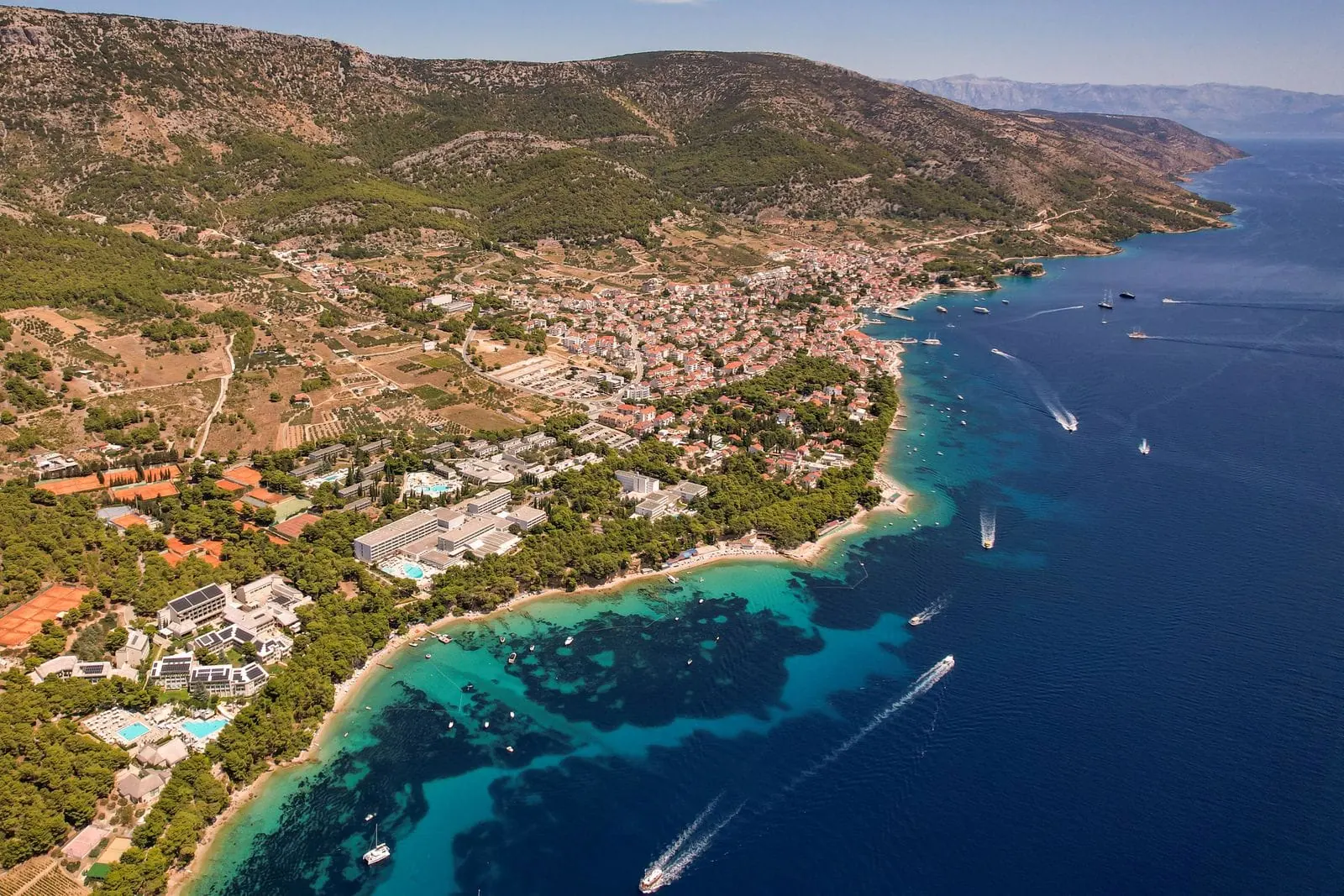
Central and southern Dalmatia around Split and Dubrovnik, on the other hand, is the warmest part of the whole country. Summer temperatures here regularly reach thirty-one degrees, and the sea keeps its wonderfully pleasant warmth well into October. In southern Dalmatia you’ll be able to swim considerably longer and with far greater certainty of clear skies.
💡 Tip: If you’re planning your holiday for late September or early October, definitely head as far south into Dalmatia as possible, where you have the best chance of sunshine and a warm sea.
2. Winds That Can Cross Your Plans
Coastal winds are an absolute phenomenon in Croatia, and locals literally run their daily lives by them. The most respected is the infamous bora (bura in Croatian), a very cold, dry, gusty wind blowing from the northeast over the mountain massifs towards the sea. It’s strongest in winter and spring, when its gusts can occasionally exceed a barely believable 200 kilometres per hour. It whips up sharp waves and regularly cancels ferries run by the state company Jadrolinija as well as the smaller fast catamarans.
Another notable wind is the jugo, or sirocco, which comes from the south straight off the African continent. It brings enormous heat, high humidity, often heavy rain and sometimes even fine Saharan dust. The jugo raises long, rolling swells and can blow for several days on end. According to old local legends, it apparently brings bad moods, fatigue and headaches to the residents.
In summer you’ll thankfully most often encounter the pleasant wind known as the maestral, which blows from the west to northwest. It’s a typical thermal wind that starts up in the late morning and reaches a strength of two to five on the Beaufort scale. In the afternoon it beautifully cools hot summer days and dies down again towards evening, creating absolutely ideal conditions for yachting and sailing.
3. When You Can Realistically Swim and the Sea Temperature
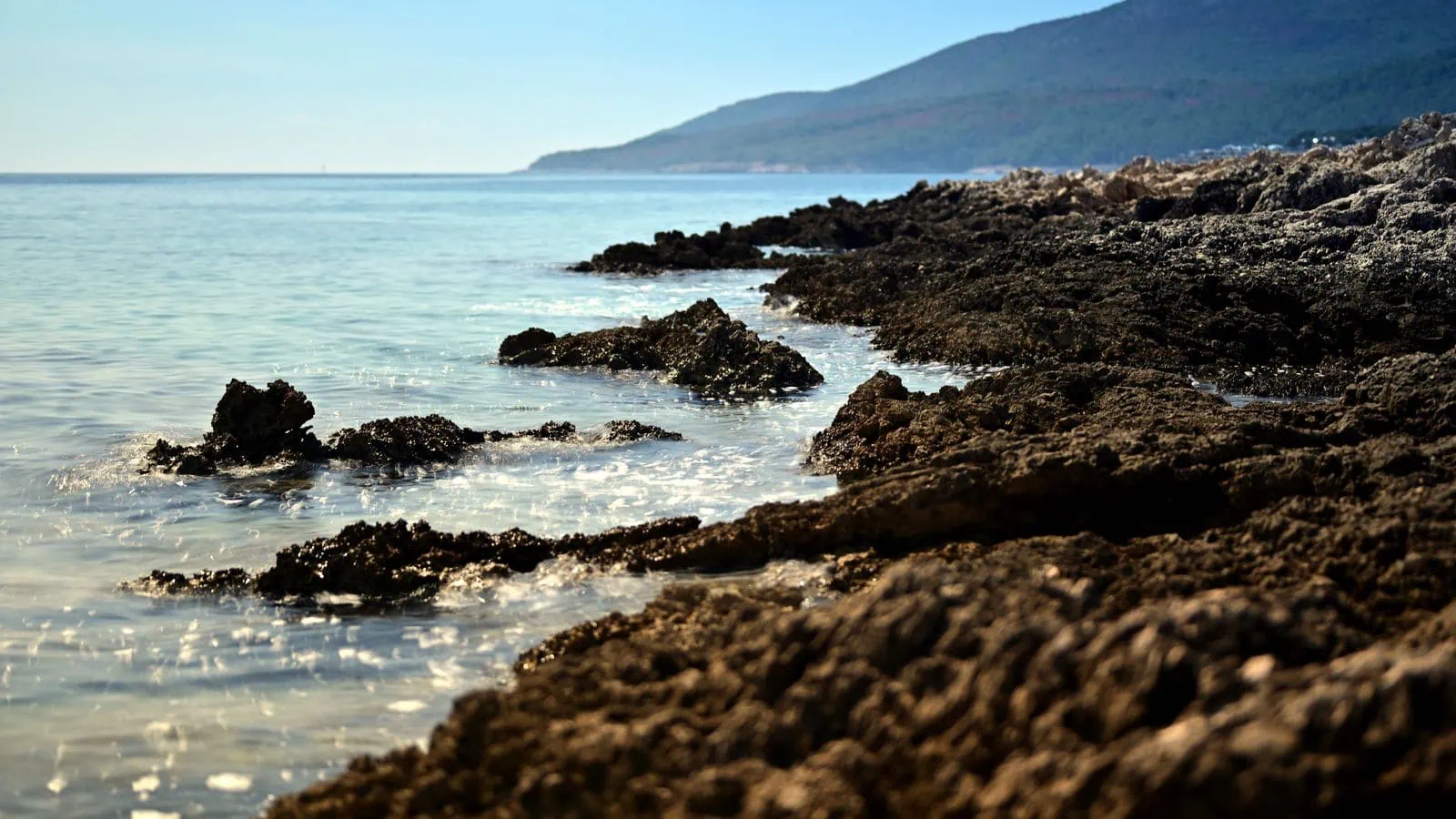
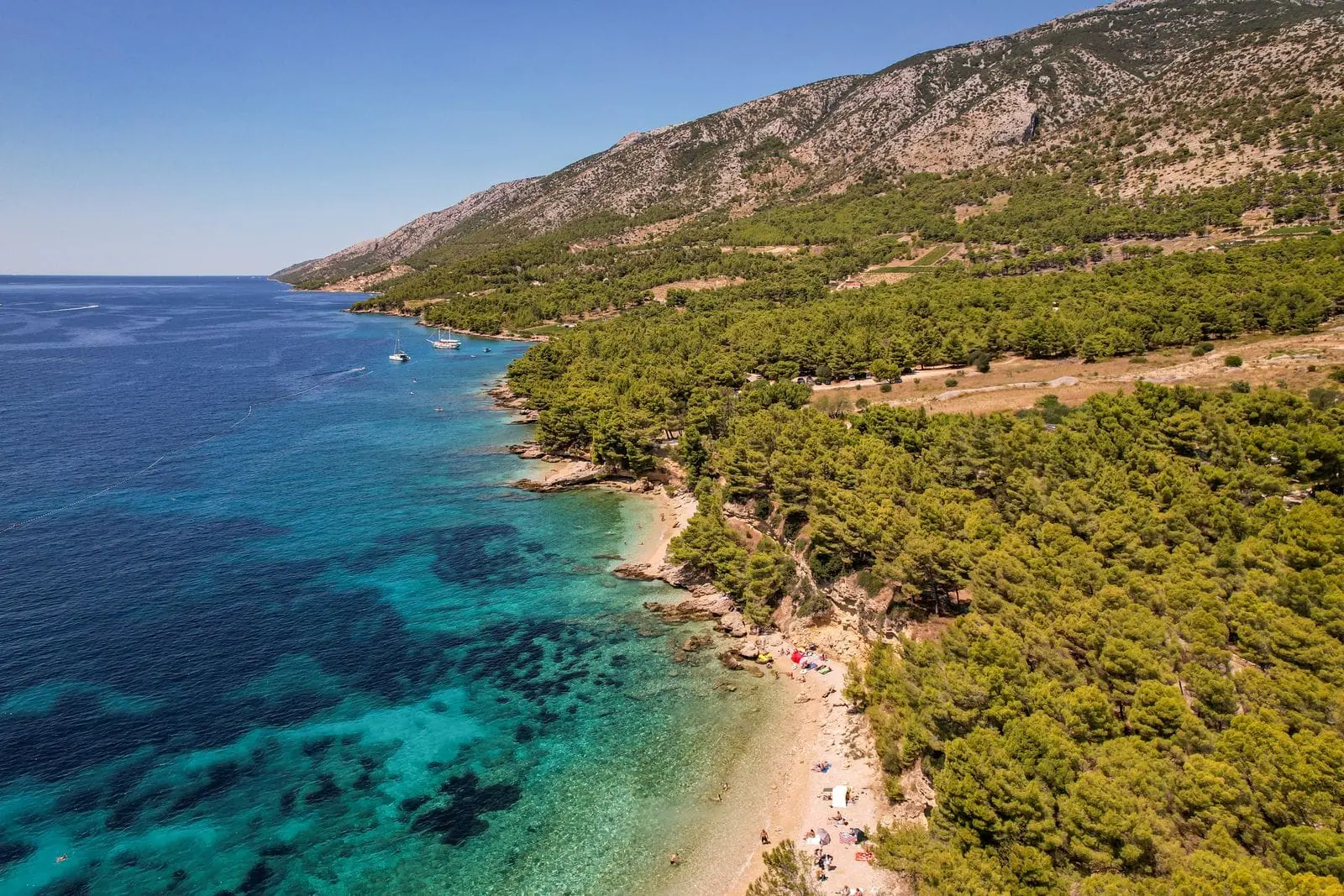
Many travellers mistakenly assume that the warmest air automatically means the warmest sea, but water has huge thermal inertia. That’s why the sea in August is noticeably warmer than in July, reaching its absolute annual peak of around 25 to 25.5 °C. In the south, in enclosed shallow coves, the water at the end of summer can even hit a glorious twenty-six degrees.
Along the whole coast, the water temperature climbs over the magic twenty-degree mark from mid-June, and the Adriatic holds onto this pleasant warmth all the way through to late October. For families with small children or more sensitive types, though, the comfort threshold is usually around twenty-two degrees. That reliably narrows the true, carefree swimming season down to the months from June to September.
Paradoxically, the Adriatic is coldest in February and March, when the water in the north drops to a mere ten or eleven degrees and in the south hovers around thirteen. In May the surface slowly starts to wake up under the spring sun. But with an average temperature of around eighteen degrees, it’s really only fun for the hardiest of swimmers.
💡 Tip: If you’re chasing the warmest water in all of Croatia, head in August to the shallow, sheltered coves in the south of the islands, where the sea temperature can locally climb to an incredible 26 °C.
4. Shoulder Season in May and June
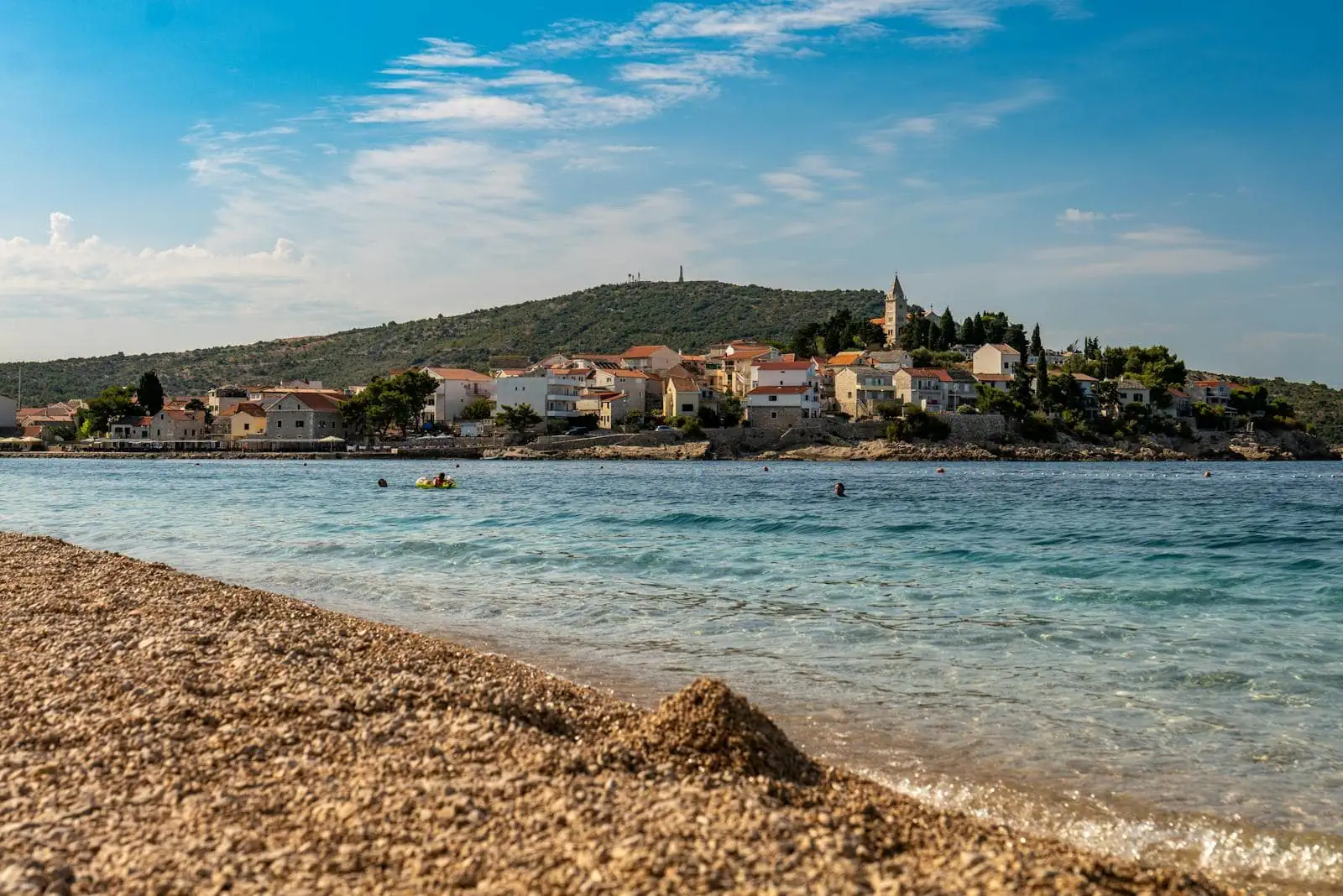
The spring months in Croatia are a time of nature’s beautiful awakening and absolute calm before the main summer storm. May offers wonderful daytime temperatures between 22 and 24 °C, creating absolutely fantastic conditions for hiking, cycling and exploring historic centres. The narrow streets of the old towns are still half-empty, and you can wander around the sights for hours without swimming in your own sweat. The sea is only eighteen degrees, but the sun already packs a real punch and you can sunbathe beautifully on empty beaches.
June already brings full-blown summer weather with more than ten hours of sun a day and an absolute minimum of rainfall. Air temperatures on the coast rise to a summery 27 to 28 °C, and the sea gradually warms to a comfortable twenty-two degrees. So from mid-June you can reliably and very pleasantly swim throughout the country.
The biggest advantage of this shoulder season is the modest crowds and considerably friendlier prices for accommodation and restaurant service. You get a completely authentic experience, you can sit down at the famous spots without a prior reservation, and the staff will have far more time for you. The vegetables at the markets are fresh and the whole country feels beautifully well-rested.
This spring time is ideal for visiting the famous national parks of Plitvice Lakes or Krka. In spring, the majestic waterfalls here are full of crystal-clear meltwater from the mountains and the surrounding scenery glows in every shade of fresh green. In the summer months, these natural gems often turn into dried-up trickles surrounded by an impenetrable throng of people, but May and June show them off in full glory.
5. Peak Season in July and August
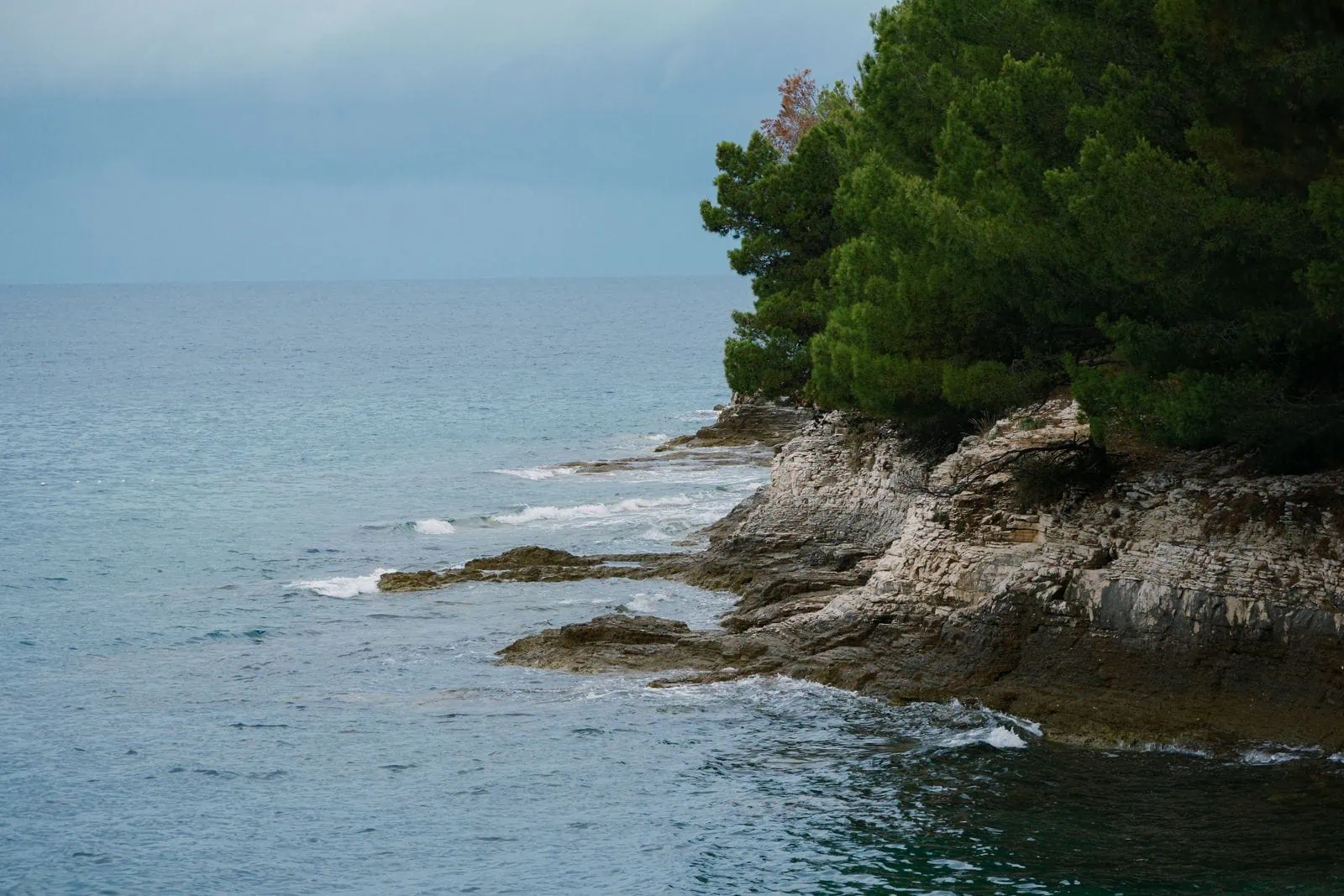
July and August are the months when the Croatian coast is literally bursting at the seams and the sun beats down with the greatest possible intensity. The air stays steadily between 29 and 31 °C, while inland the summer temperatures can commonly reach an extreme thirty-three degrees and more. The sea in July is a lovely twenty-five degrees, and in August it reaches its annual peak, creating absolutely perfect conditions for spending all day in the water.
During this period there’s an absolute minimum of rainfall, the sky is almost constantly azure blue and the days are very long. In Dubrovnik, for example, July sees on average just around thirty millimetres of rain. Occasionally a quick, very intense summer storm may appear, but it tends to pleasantly clear the air. The cooling maestral wind helps disperse the afternoon heat on the beaches, making even these tropical temperatures quite bearable.
The price for perfect beach weather, though, is the maximum crowds, full car parks and the very highest prices of the whole year. For visiting historic sights and long town explorations, these holiday months are genuinely very demanding. That’s why I recommend heading out into the city streets either very early in the morning at sunrise, or late in the evening when the heat lets up a little.
💡 Tip: If you want to go on the popular boat trips, snorkelling excursions or try evening wine tastings in summer, you have to plan well ahead. The best activities tend to sell out, so it’s better to secure your tickets and tours in advance through trusted platforms like GetYourGuide. That way you’ll avoid disappointment on the spot and long queues at the ticket office.
6. Late Season in September and October
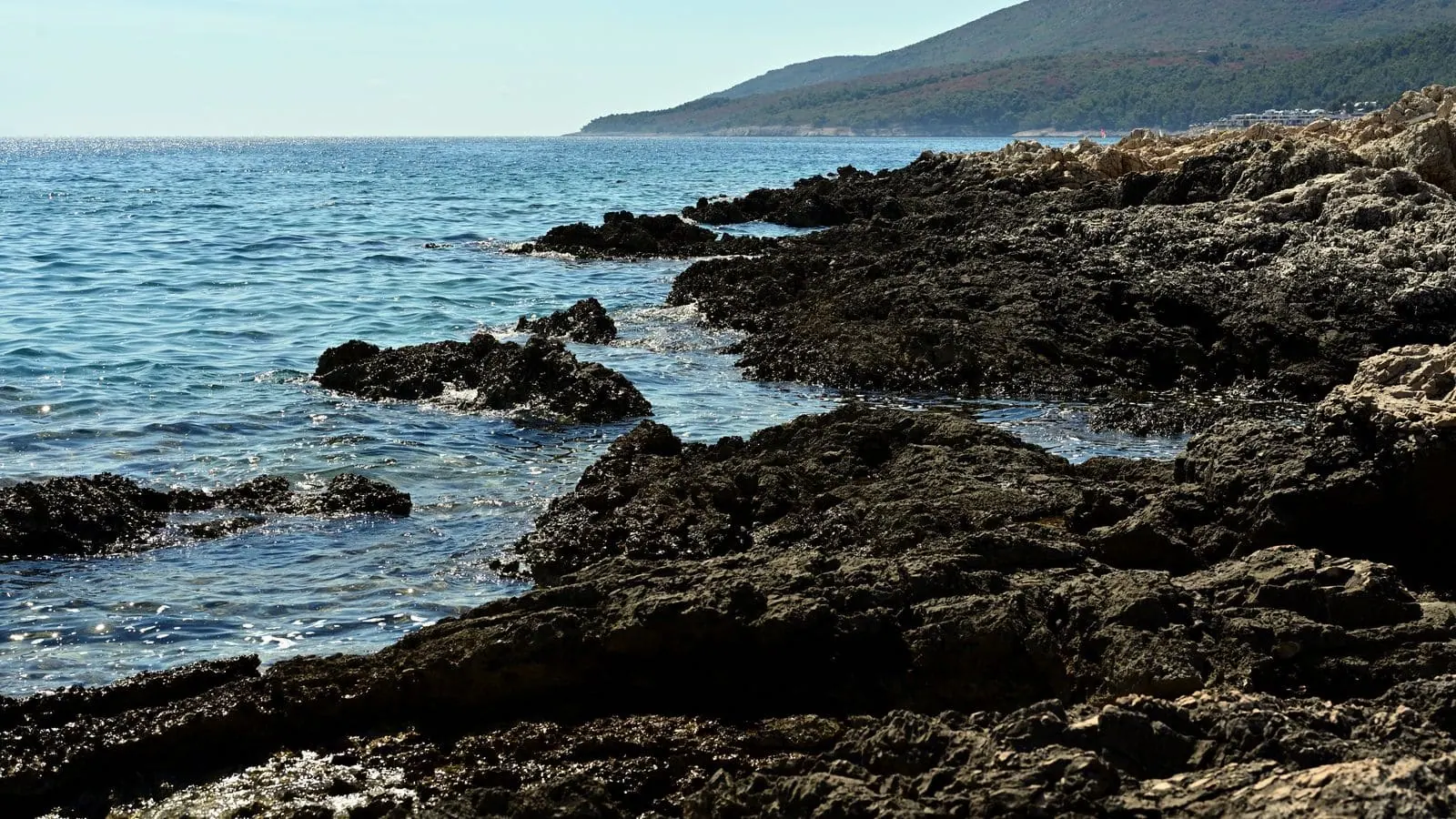
September is considered the absolute holy grail of Croatian holidays among seasoned travellers, and once you try it, you won’t want to go at any other time. It offers the best possible compromise between beautiful weather and total tranquillity. Air temperatures in September drop to a very pleasant 24 to 26 °C, but the sea, after the hot summer, is still fantastically warm at a wonderful 23 °C. In the mornings the water is often even warmer than the air.
In September the beaches slowly empty out, children go back to school, and you can enjoy swimming and sightseeing in complete peace. In October things start to slowly shift. While the first half of the month very often still offers a lovely, warm Indian summer, in the second half you simply have to prepare for more frequent cloud and shorter days.
October still has around twenty degrees in both the air and water, but the risk of heavy rain showers rises significantly, especially in southern Dalmatia. While in summer it barely rains at all in the south, the autumn months here are among the wettest in the whole country. In Dubrovnik, October can see up to 130 millimetres of rainfall, so a light rain jacket is a must.
This autumn time is absolutely perfect for lovers of quality wine and local gastronomy. The whole country is in the midst of a lively grape harvest, the gradual olive harvest begins, and the atmosphere in the local family taverns is wonderful. You can savour a great pizza topped with fresh truffles or excellent homemade pasta in complete peace, without a tired waiter breathing down your neck for the next waiting reservation.
7. Winter and Off-Season Months
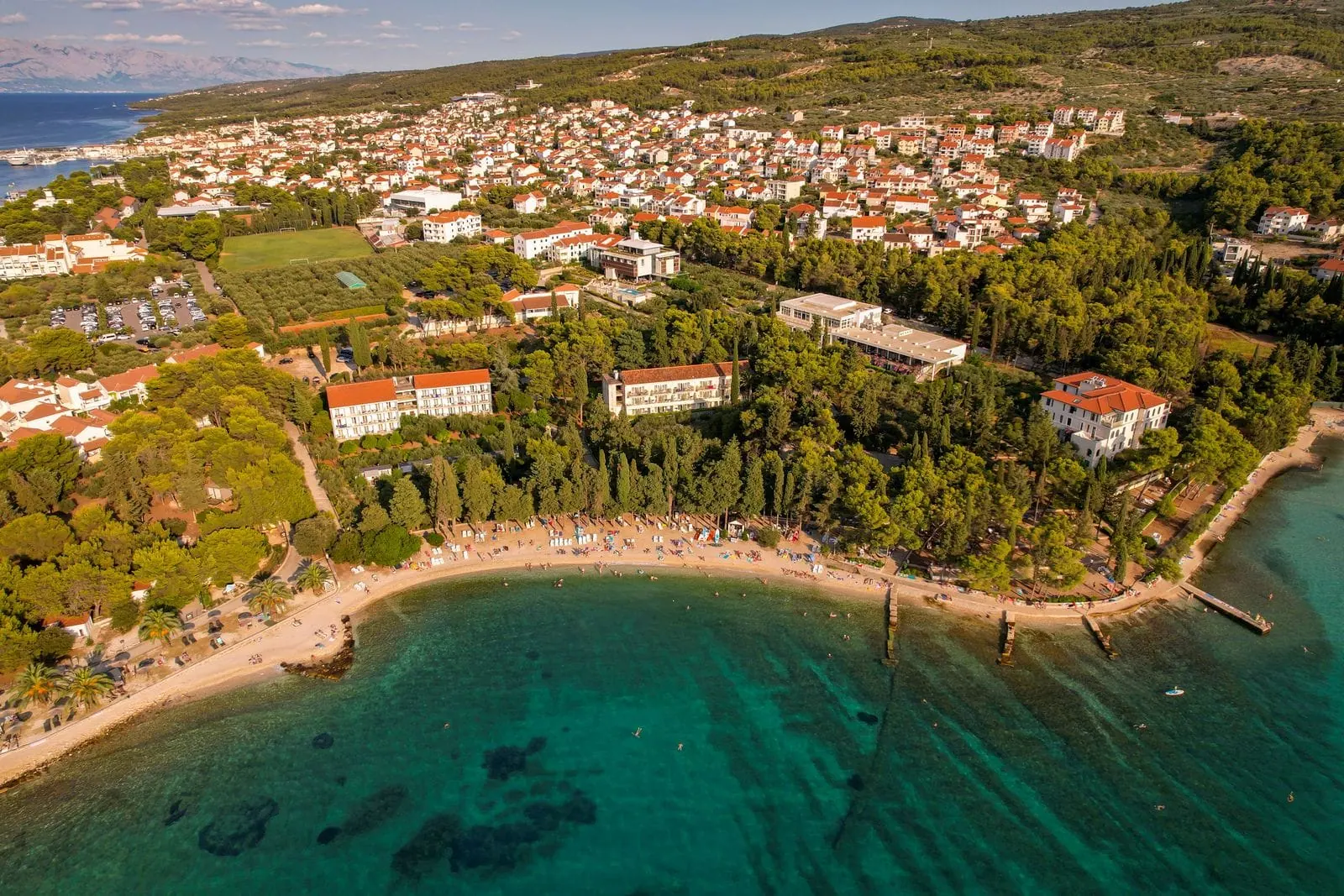
From November to April, coastal Croatia falls into a deep winter slumber, which has its own distinctive, very melancholy charm — but it’s definitely not the time for summer fun. Sea temperatures fall to 11 to 17 °C, so you can forget about swimming with absolute certainty. Most hotels, restaurants and small shops on the islands and in the smaller resorts are completely closed throughout winter, and the streets are deserted.
The weather on the coast in winter tends to be relatively mild, but very often surprisingly rainy and extremely windy. In Dubrovnik, for example, November sees roughly 145 millimetres of rainfall, making it the wettest month of the year. On top of that, the icy bora can push the felt temperature well below zero even on days when the bright sun is shining. A warm, waterproof jacket is an absolute necessity in this period.
Boat services and ferries switch to a very limited winter schedule and are extremely prone to cancellation due to bad weather and big waves. If you decide to head out to the islands in winter, you need a very flexible itinerary and to accept that you might not get back to the mainland for a few days.
Winter, on the other hand, is an absolutely wonderful time for visiting the big historic towns without a single tourist. Walking the deserted medieval walls of Dubrovnik or the quiet Diocletian’s Palace in Split is a magical, lifelong memory. You can also head inland to the famous, beautifully decorated Christmas markets in Zagreb, or warm up in one of the many excellent thermal spas near the capital.
8. When to Go Depending on Your Goal
Choosing the right month should depend entirely on what exactly you want to do on holiday and what your priorities are. For classic beach lounging and daily swimming, the months from June to September are the obvious choice. The absolute optimum for families with small children who need the water like their morning coffee is the warm month of August.
If your main goal is exploring beautiful historic towns and wandering through national parks, plan your trip for May, June or the turn of September and October. In these months the weather is wonderfully bearable and you’ll safely avoid the hellish summer heat that turns walking across the sun-baked stone in town centres into real torture.
For lovers of active holidays, such as keen cyclists or hikers and trekkers, very similar rules apply. The ideal window for physical exertion is the months of April to June, followed by September and October. On the hills you won’t be scorched by the aggressive sun, and nature offers its most beautiful and freshest colours.
And if you’re looking for a smart way to save significantly and get the cheapest possible holiday, keep an eye out for dates in May and October. Outside the main holiday months, prices for lovely accommodation often fall to half of the summer rates. That way you can afford considerably more luxury, an apartment right by the beach or a better view for a mere fraction of the cost.
9. Where to Find the Best Sunshine and Avoid the Rain
If you want to be almost one hundred percent sure your dream holiday won’t be rained out, you should know that rainfall in Croatia is spread very unevenly. Summer along the whole coast brings an absolute minimum of rain, the days are long and full of sun. In Dubrovnik, for example, July sees on average just thirty millimetres of rain, which is an absolute minimum.
Autumn and winter, by contrast, are considerably wilder and, paradoxically, the wettest month on the whole southern coast is November. So if you’re going to explore the towns outside the main season, a light waterproof jacket and a decent little umbrella definitely shouldn’t be missing from your suitcase.
The absolute king of sunny weather and blue skies is the famous island of Hvar. This gorgeous piece of land boasts an incredible 2,718 to 2,760 hours of sunshine a year and offers around three hundred sunny days annually. That makes it not only the sunniest island in all of Croatia, but one of the very sunniest places in all of Europe.
💡 Tip: If you’re heading to the coast any time from June to September, don’t forget to pack a good pair of water shoes. Most Croatian beaches are made of fine pebbles or sharp rocks where walking barefoot hurts. What’s more, the crystal-clear waters here are full of sea urchins, which can very quickly and painfully ruin an entire holiday for a bare foot.
Practical Summary and Approximate Prices
To make your planning for 2026 as easy as possible, I’ve put together a clear table of average temperatures. Remember that the northern coast (Istria and Kvarner) is always a little cooler than the southern coast (the Dalmatia region), which shows mainly in the sea temperature during the fringe months of the season.
| Month | Air North (°C) | Air South (°C) | Sea North (°C) | Sea South (°C) | What to expect |
| :— | :— | :— | :— | :— | :— |
| January | 9.8 | 12.6 | 12.5 | 14.0 | Winter, windy, frequent bora. Only good for crowd-free towns. |
| February | 10.7 | 13.0 | 11.0 | 14.0 | Shortest, very cold days. The sea is at its annual low. |
| March | 13.9 | 15.2 | 11.5 | 14.0 | Spring slowly wakes up, great for cycling and treks. |
| April | 17.8 | 18.2 | 14.0 | 15.0 | Pleasantly warm in the sun, but the sea is still icy. |
| May | 22.3 | 22.8 | 18.0 | 18.0 | Lovely and warm for trips, swimming only for the hardy. |
| June | 26.8 | 26.9 | 22.5 | 22.0 | Shoulder season. Summer begins, the sea is fine, few people. |
| July | 29.5 | 29.7 | 25.0 | 24.5 | Peak season. Hot, minimal rain, packed beaches. |
| August | 29.4 | 30.1 | 25.5 | 25.0 | Warmest sea. Maximum crowds, highest resort prices. |
| September | 24.3 | 26.2 | 23.0 | 23.5 | Ideal compromise. Water is warm, air bearable. |
| October | 19.4 | 21.9 | 20.0 | 20.5 | End of season. The south turns rainy, but it’s fine in the sun. |
| November | 14.8 | 17.5 | 16.5 | 17.5 | Wettest month in the south. Everything closes and goes quiet. |
| December | 11.1 | 13.8 | 14.5 | 15.5 | Christmas markets in the towns, cold wind on the coast. |
Note: The values represent long-term averages of maximum daily air temperatures and average water temperatures. During extreme summer heatwaves, daytime temperatures can rise well above 33 °C.
💡 Accommodation and experiences tip: We prefer to look for accommodation on Booking.com, which tends to have the best cancellation terms. For tickets, tours and activities, it’s worth comparing and buying through GetYourGuide.
Where to Go Next
If you’re already clear on when to go, take a look at some more practical articles that will help you put together the perfect itinerary for your Adriatic journey.
- A complete planning guide: where to go on holiday in Croatia.
- We’ll help you find the best apartments and hotels: accommodation in Croatia.
- Discover the heart of Dalmatia in our guide to Split.
- Head to the pearl of the Adriatic with our tips for Dubrovnik.
Frequently Asked Questions
When is the sea warmest in Croatia anyway?
You’ll find the warmest water always in August, when the sea temperature, thanks to its enormous thermal inertia, reaches an average of 25 to 25.5 °C along the entire coast. In the sheltered shallow bays of southern Dalmatia, the water can even approach an amazing 26 °C by the end of August, which is especially appreciated by families with small children and people who simply don’t like any temperature shocks when entering the water.
Can you swim in the sea already at the beginning of May?
Unfortunately, in May in Croatia only the truly hardcore cold-water swimmers will take a dip. The water temperature during this spring month averages only around 18 °C, which is really quite chilly for casual recreational swimming. However, May is absolutely fantastic for sunbathing on empty beaches and long hikes in national parks, where you definitely won’t be bothered by the oppressive summer heat.
Where should I go to have the best chance of warm weather?
If you’re looking for the longest summer and highest temperatures, head to the very south to Dalmatia. The area around Split and Dubrovnik is noticeably warmer year-round than northern Istria and Kvarner. The sea cools down much more slowly here in autumn, so in southern Dalmatia you can often still enjoy a very comfortable swim in early October, when the north is already getting colder.
Does it rain in Croatia during summer vacation?
During July and August, the Croatian coast receives an absolute minimum of precipitation, so a classic all-day rain is extremely rare here in summer and the days are full of sunshine. However, a short and very intense summer storm may appear, which passes quickly and beautifully clears the air and provides a refreshingly cool break for a moment.
What is the bora wind and how will it affect my vacation?
Bora (bura) is a very cold and fierce northeasterly wind that comes from the inland across mountain massifs. It can blow in gusts at tremendous speeds and ferries and fast catamarans to the islands often stop running because of it. Bora is strongest in the winter months and spring, but it can surprise you locally even in the middle of summer.
Why does everyone say September is the best time to go?
September offers the best balance between great weather and comfort. After August, the sea is still wonderfully warm at around 23 to 24 °C, but the air no longer has that killer thirty degrees and you can actually breathe normally. Add to that the fact that the beaches clear of crowds of families with school-age children and accommodation prices drop noticeably.
What shoes should I pack for the beach?
Whether you’re traveling in any month from May to October, definitely bring water shoes with you. The Croatian coastline consists mostly of pebble and rocky beaches, where walking barefoot isn’t very pleasant, and moreover there are lots of sea urchins beneath the surface that you definitely don’t want to step on, as that can ruin your entire vacation.
Do ferries to the islands run year-round?
Yes, the main transport routes operate year-round, but from November to April, Jadrolinija switches to a very limited winter schedule. Connections don’t run as frequently and moreover are very prone to cancellation due to strong winds during the winter months, so you always need to leave a large time buffer for your return to the mainland to avoid missing your journey home.
Tips and Tricks for Your Vacation
Don’t Overpay for Flights
Search for flights on Kayak. It’s our favorite search engine because it scans the websites of all airlines and always finds the cheapest connection.
Book Your Accommodation Smartly
The best experiences we’ve had when looking for accommodation (from Alaska to Morocco) are with Booking.com, where hotels, apartments, and entire houses are usually the cheapest and most widely available.
 🚗 Car rental on the roadVerified rental cars in Croatia
Search with the DiscoverCars comparison engine — it compares prices from dozens of local and international rental companies, and most bookings come with free cancellation.
Compare car prices in Croatia →Don’t Forget Travel Insurance
Good travel insurance will protect you against illness, accidents, theft, or flight cancellations. We’ve had a few hospital visits abroad, so we know how important it is to have proper insurance arranged.
Where we insure ourselves: SafetyWing (best for everyone) and TrueTraveller (for extra-long trips).
Why don’t we recommend any Czech insurance company? Because they have too many restrictions. They set limits on the number of days abroad, travel insurance via a credit card often requires you to pay medical expenses only with that card, and they frequently limit the number of returns to the Czech Republic.
Find the Best Experiences
Get Your Guide is a huge online marketplace where you can book guided walks, trips, skip-the-line tickets, tours, and much more. We always find some extra fun there!


