

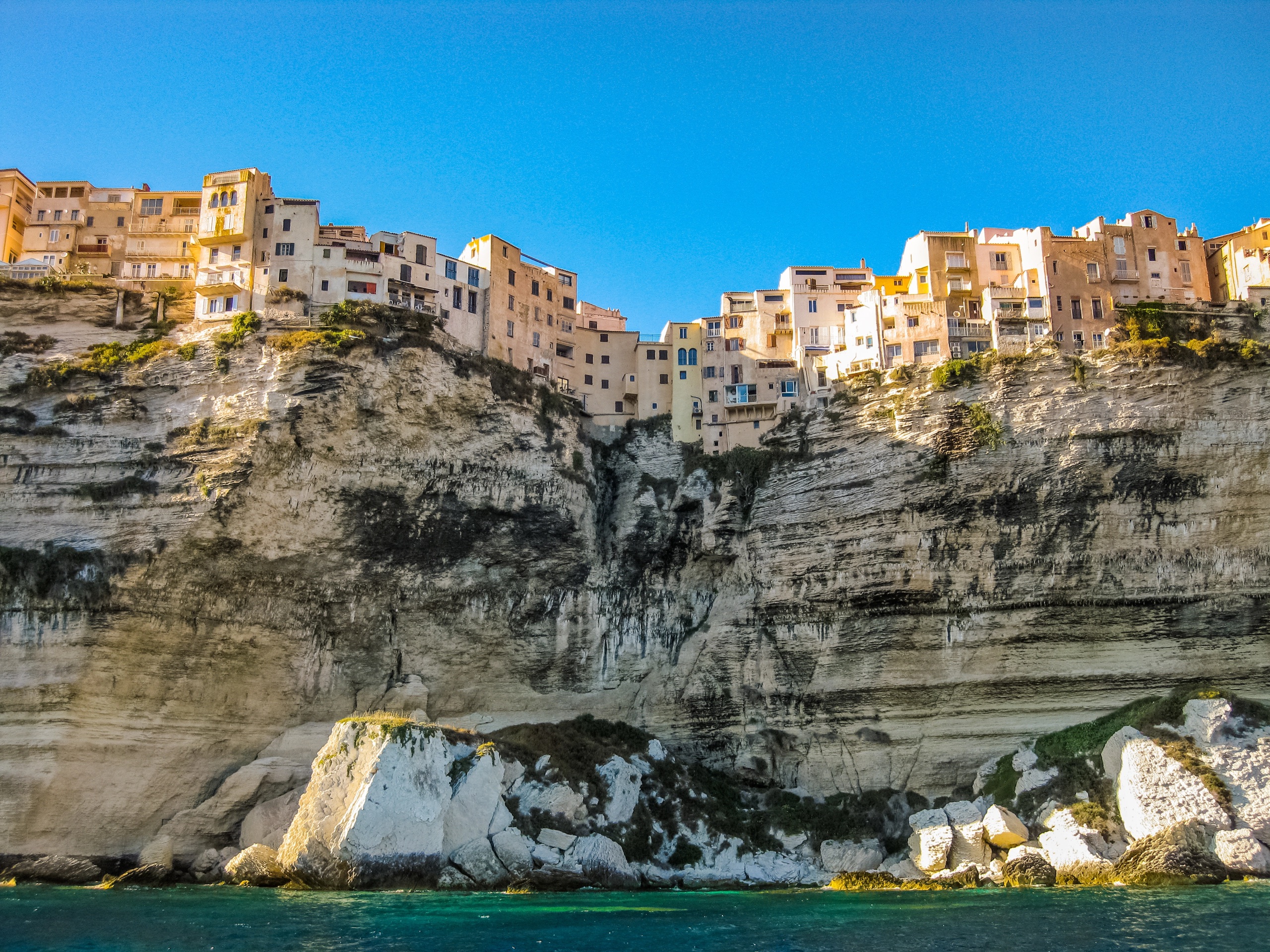
If you’re looking for a place where rugged island romance meets absolutely breathtaking architecture, you need to head all the way south to Bonifacio, Corsica. This town literally defies the laws of gravity, balancing right on the edge of dazzling white limestone cliffs. It looks as though the ancient houses could slide straight into the churning waves of the Mediterranean at any moment.
In this article you’ll find exactly 11 things to see and do in Bonifacio, from exploring the narrow streets of the old town to boat trips along the cliffs and lazy days on the white-sand beaches. I’ll also tell you where to stay strategically, how to dodge the worst of the summer crowds, and what to watch out for when planning your budget for 2026. Get ready to be completely captivated by Bonifacio’s raw beauty — the kind you won’t easily find anywhere else in Europe.
TL;DR
- Best views: Walk along the clifftop on the Campu Romanilu trail, where you’ll snap the most iconic photos of the entire town.
- Historic experience: Descend the 187 steps of the Escalier d’Aragon, carved directly into the sheer rock face below the citadel.
- Best from the water: Take a boat trip along the cliffs — only from the sea will you fully appreciate Bonifacio’s majesty and get a glimpse inside the sea caves.
- Caribbean beaches: Make a day trip to the Lavezzi Islands, or head to the mainland beaches of Petit and Grand Sperone with their fine white sand.
- When not to go: Avoid August, when the island is bursting at the seams, the roads grind to a halt and accommodation prices soar to absurd heights.
- Transport and parking: You can’t get by without a car on Corsica, but in Bonifacio itself it’s best to leave it in a car park near the harbour.
When to visit Bonifacio and how to avoid the crowds
Corsica has a very particular rhythm, and choosing the right month to visit is absolutely key to how much you’ll enjoy your whole holiday. As soon as you step off the ferry, you’ll be hit by the distinctive scent of the maquis — an intoxicating blend of wild thyme, rosemary, myrtle and sun-baked earth. If you can, steer well clear of August, because that’s when the French and Italians take their nationwide holidays and storm the island en masse. During this period there are two to three times as many people in Bonifacio as in July, and accommodation prices shoot through the roof. The narrow Corsican roads turn into one long car park, and finding a parking spot near a beach becomes a superhuman feat.
The ideal time to visit is May, June and especially September, once the worst of the heat has passed. The sea is still beautifully warm after the summer, and daytime temperatures hover around a very pleasant 24 to 28 degrees. That’s perfect weather for combining sightseeing and swimming without being roasted alive. On top of that, you’ll have a far better chance of grabbing a table at a restaurant without booking ahead, and you won’t be queuing at every turn.
Getting to Corsica from the mainland is most often done by Corsica Ferries. The quickest route runs from Nice to Bastia, taking roughly six to seven hours. If you sail from Toulon, expect eight to ten hours, while the route from Marseille is the longest of all, with eleven to fourteen hours on board. A foot passenger pays between €40 and €100 for a ticket, but with a car the price in August can easily climb to as much as €1,000. Travellers from the UK will usually fly into Figari (the airport closest to Bonifacio) or Bastia — there are seasonal direct flights, but you’ll often need to connect via Paris, Nice or Marseille.
Unfortunately, you really can’t manage without a car on the island, as public transport is highly unreliable. Relying on local buses means spending your holiday waiting at stops where the bus may never turn up at all. A car, on the other hand, gives you complete freedom to discover empty coves and mountain passes at your own pace.
💡 Tip: Even outside the peak season, book your ferry tickets well in advance. Ship capacity is limited and last-minute prices rise at an astronomical rate.
Where to stay in Bonifacio
💡 Accommodation and experiences tip: We like to look for places to stay on Booking.com, which usually has the best cancellation terms. For tickets, tours and activities, it’s worth comparing and buying through GetYourGuide.
When looking for accommodation in Bonifacio, you’ll have to choose between two main areas, each with its own undeniable pros and cons. The first option is the historic old town (Haute Ville) up on the cliffs, which offers an utterly unique, romantic atmosphere. You’ll have stunning sea views and the best landmarks literally a few steps from your room. The downside, however, is the extremely tricky parking and the need to lug your suitcases up steep cobbled lanes, which is really no fun in the summer heat. What’s more, you shouldn’t drive into the citadel itself without first arranging it with your hotel.
The second and far more practical option is the area down by the harbour (the Marina), where you’ll find plenty of restaurants and cafés. A major plus is the flat terrain with better parking options in large car parks. It’s uphill to the historic centre from here, but you can take the tourist train or simply enjoy a leisurely stroll that takes about fifteen minutes. Explore the options well in advance via Booking, because capacity in Bonifacio is very limited and the best places sell out as early as spring.
- Hotel Genovese: A gorgeous luxury hotel right inside the citadel, boasting its own pool overlooking the harbour and top-notch service for a romantic getaway for two.
- Hotel Solemare: A great choice right by the harbour, where you’ll have a lovely view of the moored yachts and the old town towering above you, plus much easier access by car.
- Santateresa: A popular hotel right on the cliff’s edge in the historic centre, offering rooms with a breathtaking view straight across to Sardinia and the surrounding sea.
💡 Tip: If you’re travelling by car, always check in advance whether the hotel offers its own dedicated parking. Public car parks in Bonifacio can easily cost €25 a day in 2026, and in season they’re hopelessly full.
11 things to see and do in Bonifacio
Let’s take a look together at the best of what this Corsican town has to offer. You’re in for steep cliffs, historic ramparts, Caribbean-style beaches and superb island cuisine.
1. The old town (Haute Ville) and the majestic citadel
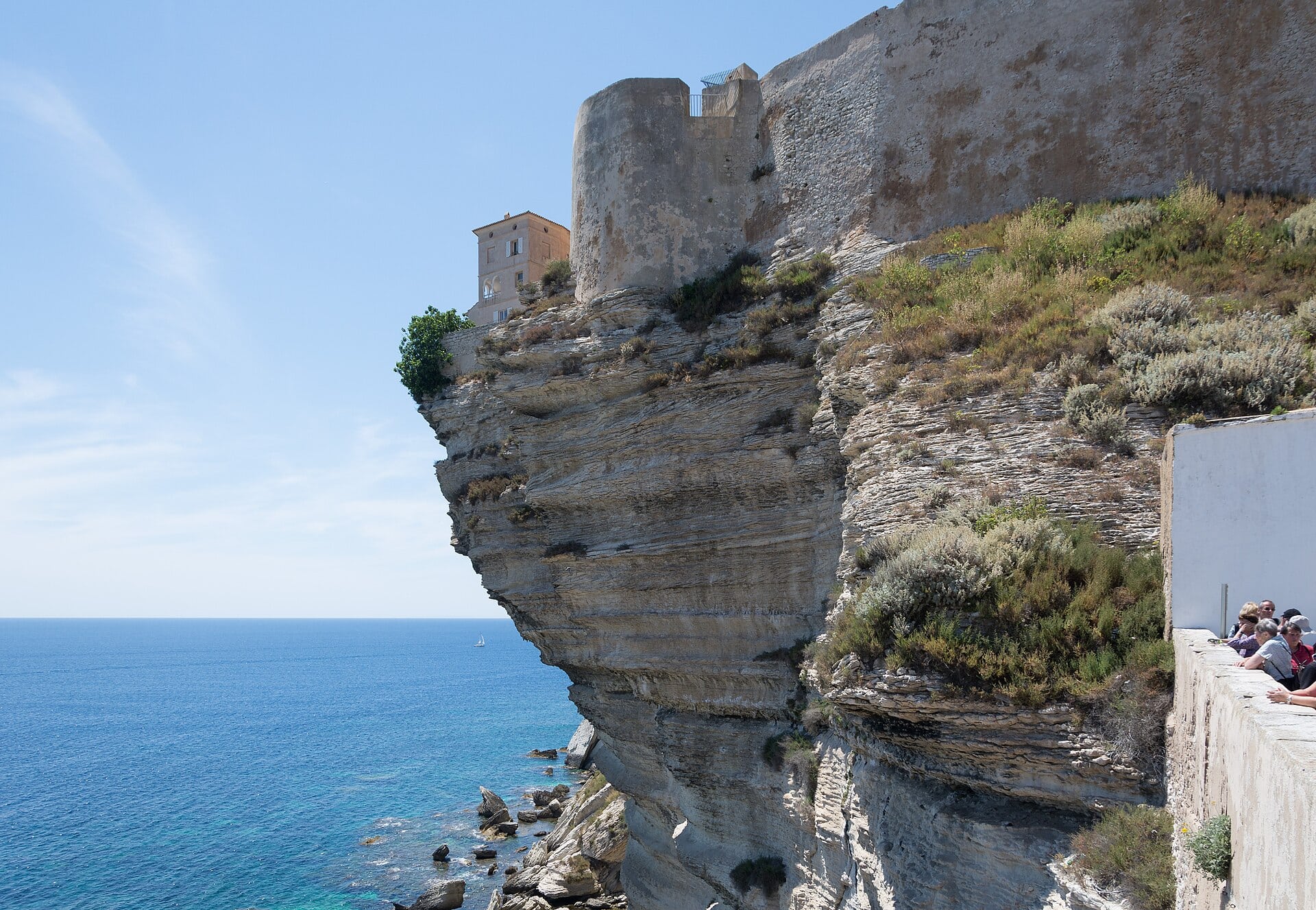
A walk through Bonifacio’s historic core, known as the Haute Ville, is like stepping back in time to the days when the island was ruled by the Republic of Genoa. The whole town is encircled by mighty ramparts, which were originally accessible only via a drawbridge. Inside lies a fascinating maze of narrow, shady lanes that instantly draw you in with their atmosphere. The houses here are built very close together to protect residents from the fierce wind and the summer sun, and many of them are connected by massive stone arches.
It’s in these lanes that you’ll catch the full force of that distinctive Corsican maquis scent. Napoleon Bonaparte once said of this particular fragrance that he could recognise his native island blindfolded thanks to it. Stop at one of the picturesque little squares, where you can enjoy an excellent coffee and soak up the local calm. Don’t miss the chance to try the traditional vegetarian specialities made from chestnut flour or the excellent local cheese, brocciu.
Once you’ve wound your way through the entire old town, don’t forget to walk right to the cliff’s edge behind the church of Sainte-Marie-Majeure. From here you’ll be treated to a vertigo-inducing view straight down onto the churning sea. It’s the spot where you truly grasp just how perilous, yet fascinating, the location Bonifacio was built on really is.
💡 Tip: Head into the old town either early in the morning or in the early evening, when the soft light turns the limestone walls golden. At these times the lanes aren’t nearly as crowded with day-trippers from the cruise ships.
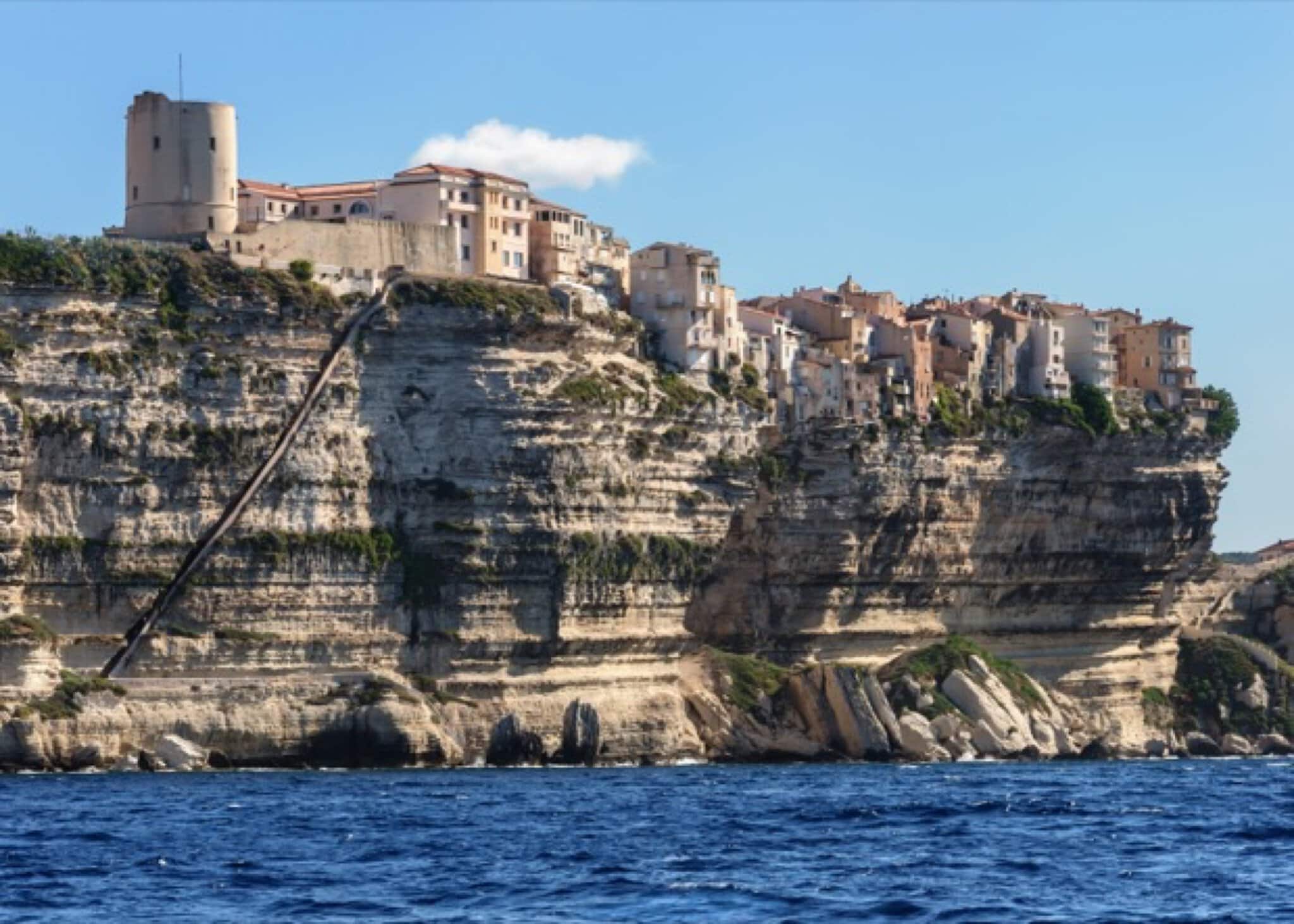
2. The Aragon Steps (Escalier d’Aragon)
If your knees are in good shape and you’re not afraid of a bit of physical effort, this is one legendary experience you definitely shouldn’t skip. The Aragon Steps consist of exactly 187 steps carved into the sheer rock face at an angle of almost forty-five degrees. They lead from the citadel itself all the way down to the sea, and the sight of them commands real respect. A romantic legend claims they were cut by Aragonese soldiers in a single night during a failed siege of the town in 1420.
The reality is rather more modest and less dramatic, though. These steps were in fact built over many years by local Franciscan monks to reach a vital spring of drinking water in the rock. The descent is utterly fascinating, as you head down a narrow gully in the limestone with the sea waves crashing loudly right below you. At the bottom you can see the narrow path just above the water that once served for collecting it.
The climb back up is a proper workout that’s guaranteed to set your thighs burning. But the feeling after conquering the final step is well worth the effort, and the views from halfway up the cliff are absolutely breathtaking. A ticket costs around €6 in 2026, and it’s money well spent.
💡 Tip: For safety reasons, you’re only allowed down in sturdy shoes, so forget the flip-flops. Also avoid visiting at midday, because there’s no shade in the rock gully and the sun beats down with incredible intensity.
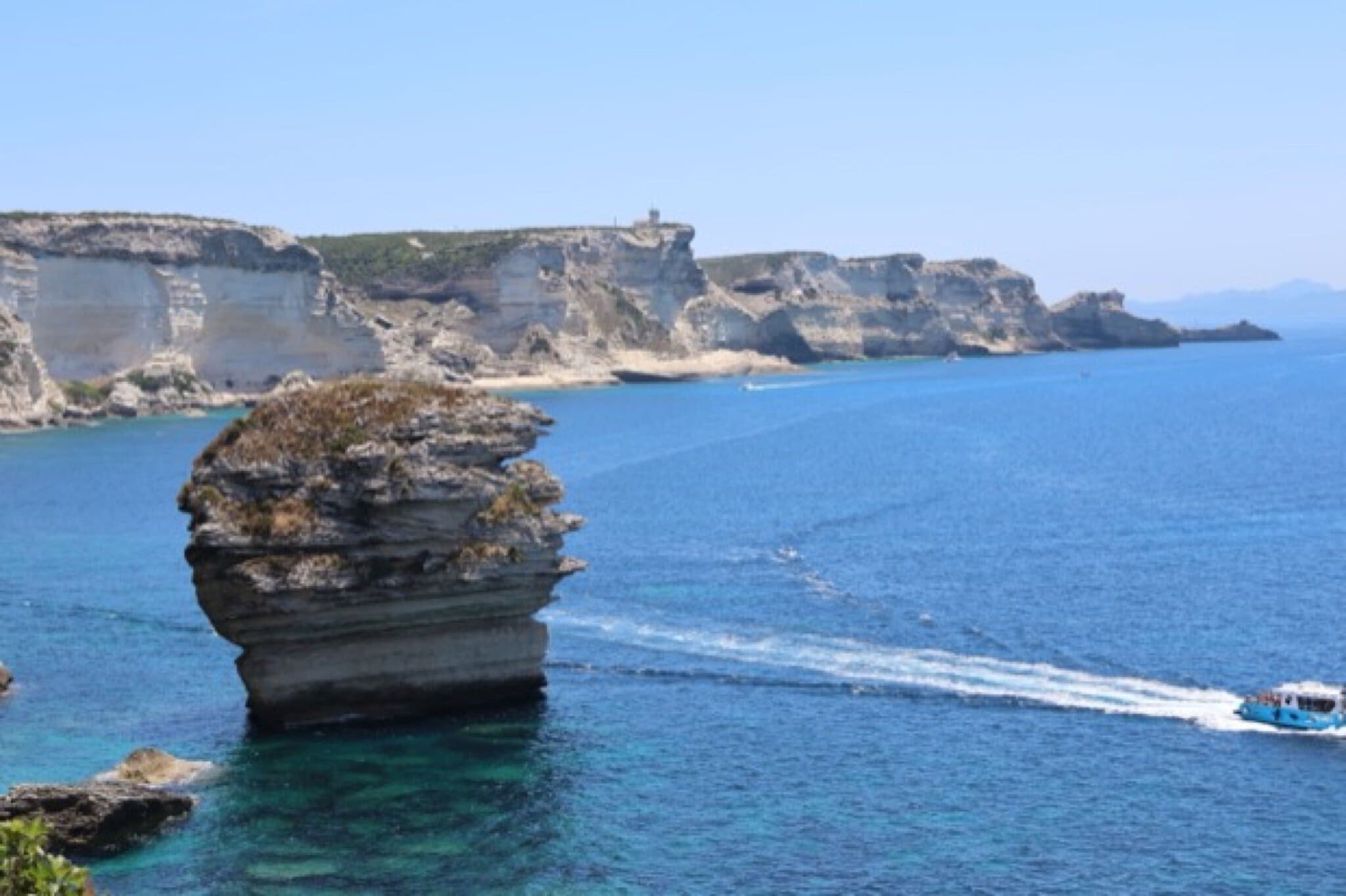
3. Boat trip beneath the cliffs and into the sea caves
To fully appreciate the sheer scale of Bonifacio, you absolutely must see it from the water. A number of boats set off from the harbour each day on a roughly hour-long cruise that takes you right beneath the dazzling white limestone cliffs. Only from this lower perspective do you truly realise just how close to the precipice the entire old town sits. The houses right on the cliff edge look as though they might slide straight into the waves at any moment — a sight you won’t easily find anywhere else in Europe.
During the cruise the captain also takes you into fascinating sea caves that the water has hollowed out of the limestone over millennia. The most famous of all is undoubtedly the Grotte de Sdragonato, into which the boats carefully glide through a narrow opening. The curious thing about this cave is a large hole in the ceiling whose shape perfectly resembles a map of Corsica. That makes it perhaps the most popular and most photographed moment of the whole trip.
Besides the caves, from the boat you’ll also see the famous Aragon Steps in their full length and discover just how steep they really are. I’d recommend booking tickets for these sightseeing cruises online well in advance, for instance via portals like GetYourGuide. In peak season the best cruise times sell out very quickly.
💡 Tip: Don’t forget to bring a light windbreaker even in the height of summer. The open sea around Bonifacio is often very windy, and the caves themselves can feel distinctly chilly.
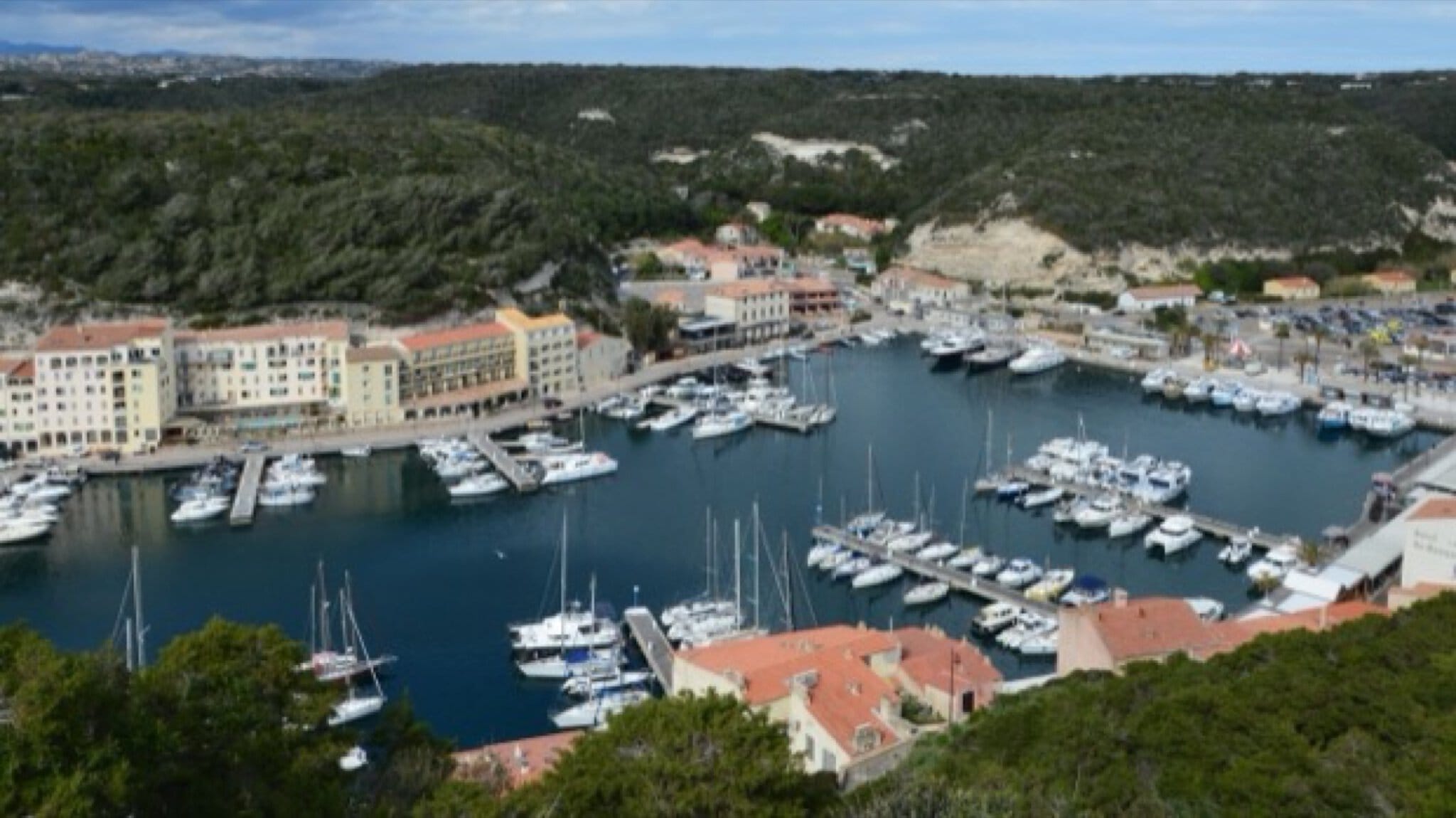
4. The harbour and lively marina
While the old town on the cliff exudes deep history, the marina down by the water is the modern, bustling heart of Bonifacio. The harbour cuts deep inland like a Norwegian fjord and is superbly sheltered from strong winds and treacherous sea currents. That has long made it one of the safest and most popular anchorages in the entire Mediterranean. Today, alongside small, weathered fishing boats, the most luxurious millionaires’ yachts from all over the world drop anchor here — worth a closer look in their own right.
The broad promenade along the water is lined with dozens of restaurants, bars and cafés where tourists mingle with locals. Be sure to stop for a while and try a refreshing local Pietra beer, brewed from chestnuts, with its distinctive full flavour. It’s an ideal spot for an evening stroll once the sun has dipped below the horizon. At that moment the entire mighty citadel towering over the harbour is beautifully lit up, creating a magical backdrop for your photos.
You can also come here to shop for local souvenirs, as the area around the marina is full of small boutiques and shops selling Corsican products. They sell excellent cheeses, olive oils and traditional herb blends from the wild maquis.
💡 Tip: Prices at the restaurants right on the waterfront are often steeply marked up. It’s worth heading into the parallel streets a little further from the sea, where you’ll find more authentic spots with delicious vegetarian pizza or pasta at far more reasonable prices.
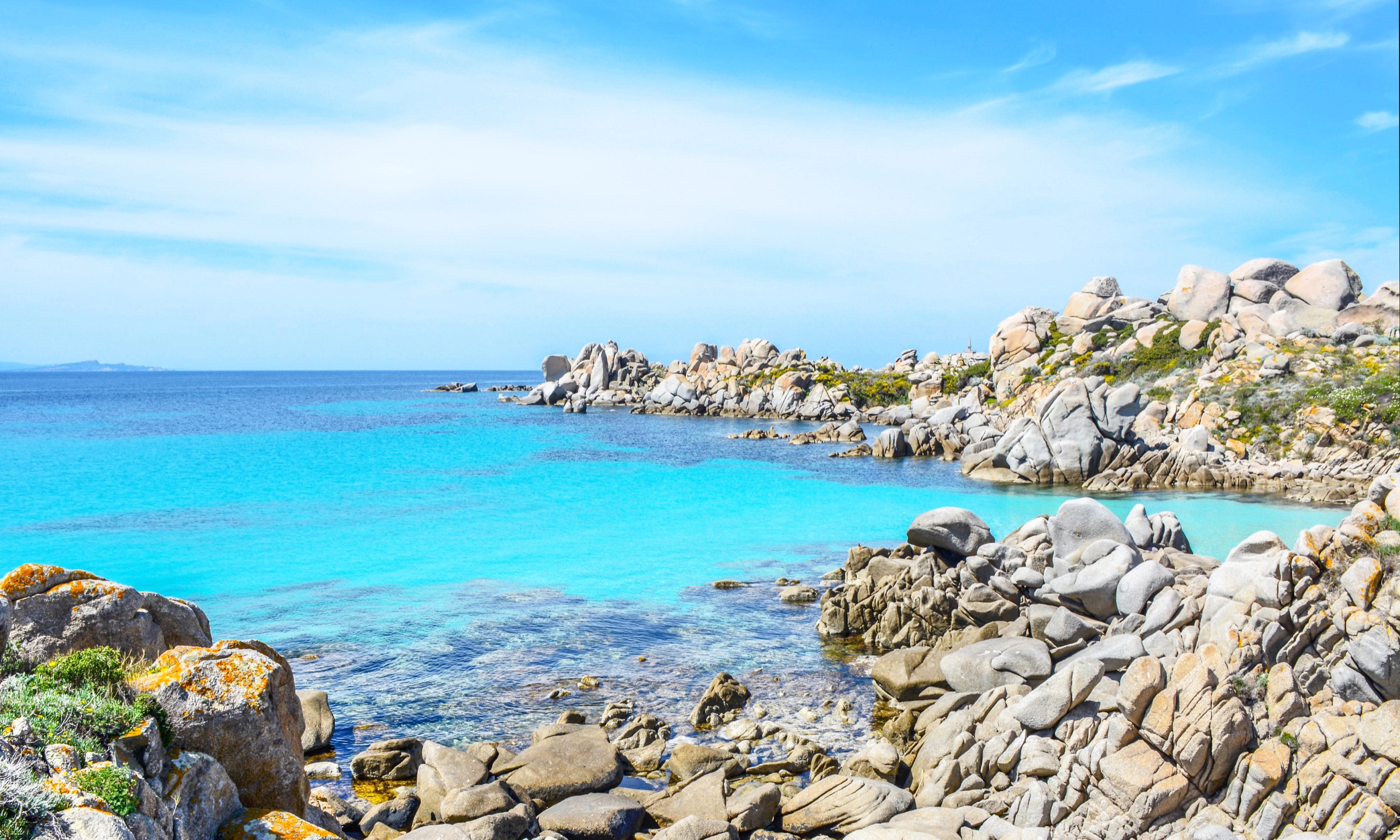
5. The Lavezzi Islands, a slice of the Caribbean
About ten kilometres from Bonifacio lie the Lavezzi Islands, a strictly protected nature reserve and one of the most beautiful spots in the entire Mediterranean. They’re made up of a cluster of smooth granite boulders scattered across crystal-clear azure water. The result is breathtaking scenery that rivals the famous beaches of the Caribbean or the Seychelles. The water here is incredibly clean and teeming with colourful fish, so a snorkel and diving mask are an absolute must to pack.
Boats to the Lavezzi Islands leave the Bonifacio harbour several times a day, and the journey itself takes about thirty minutes. It’s a fantastic day trip for anyone who loves swimming in wild nature far from civilisation. But on the islands, don’t expect any tourist infrastructure whatsoever. There are no restaurants, no drinking-water stalls, no flushing toilets, and you won’t even find any natural shade from mature trees.
It’s simply pure, raw, untouched nature that gives you absolutely nothing for free. But it’s precisely thanks to this absence of commerce that the islands keep their magic and don’t feel like a giant amusement park. You’ll find your own granite boulder to leap from into the crystal water and watch the shoals of fish right beneath you.
💡 Tip: Come prepared as if for a wilderness expedition. Bring a huge supply of drinking water, a sturdy parasol, food for the whole day and good sun cream, because the sun reflects unpleasantly off the granite rocks and burns twice as hard.
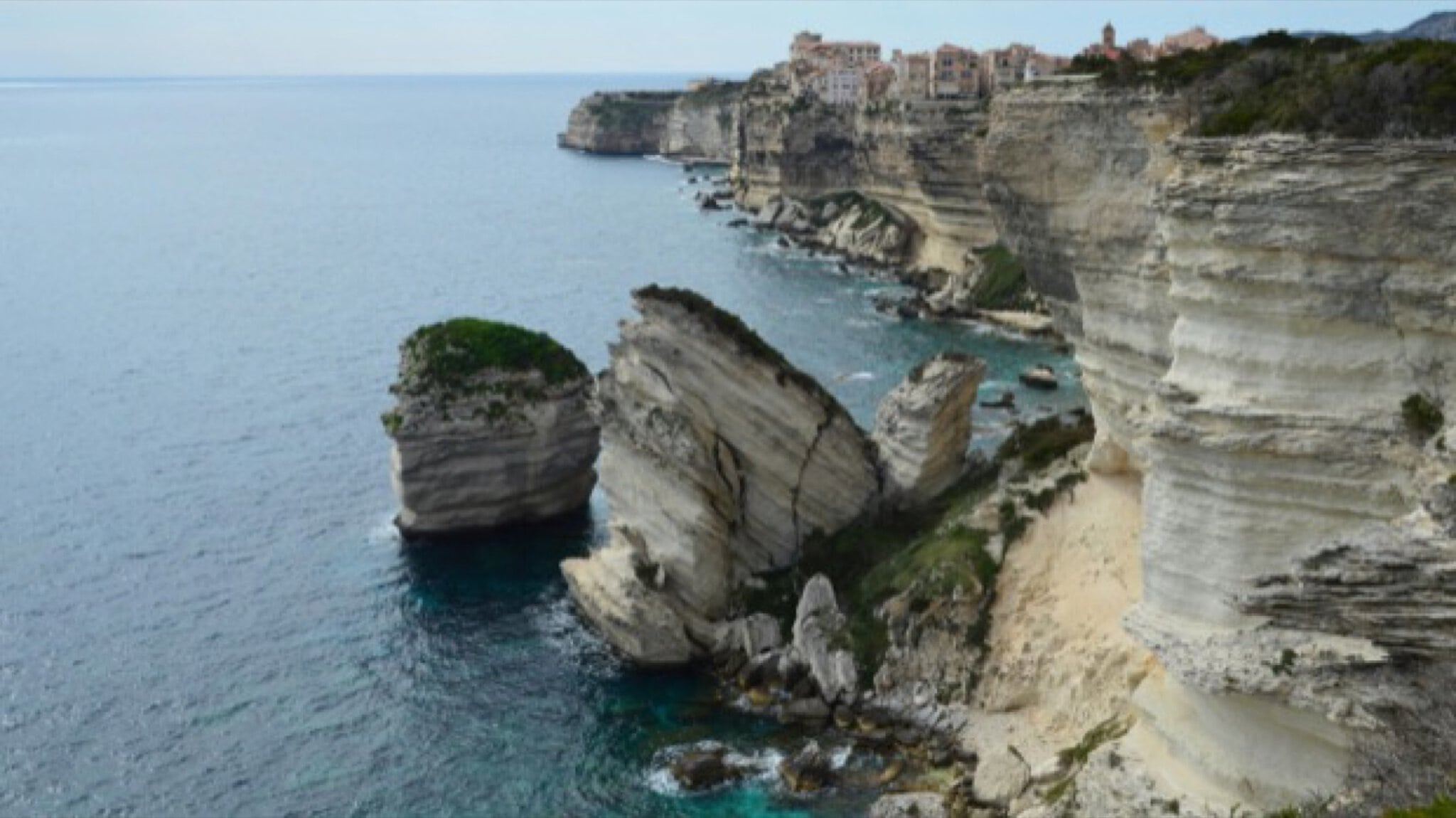

6. The Campu Romanilu scenic trail
If you’re after that most iconic photo of Bonifacio — the one you surely know from the covers of every guidebook — you need to take a walk along the cliffs opposite the town. The trail begins near the little chapel of Saint-Roch and runs right along the very edge of the dazzling white limestone cliffs towards the nearby lighthouse. It’s from here that you’ll get that absolutely perfect side-on view of the entire citadel and the historic houses, balancing perilously close to the abyss.
The walk itself is fairly undemanding, mostly flat, and with a bit of care even families with children can manage it. But you do have to watch every step extremely carefully, because for obvious reasons the cliffs aren’t protected by any railing and a fall would be fatal. Especially in the strong wind that’s so typical of Bonifacio, it’s best not to get too close to the edge.
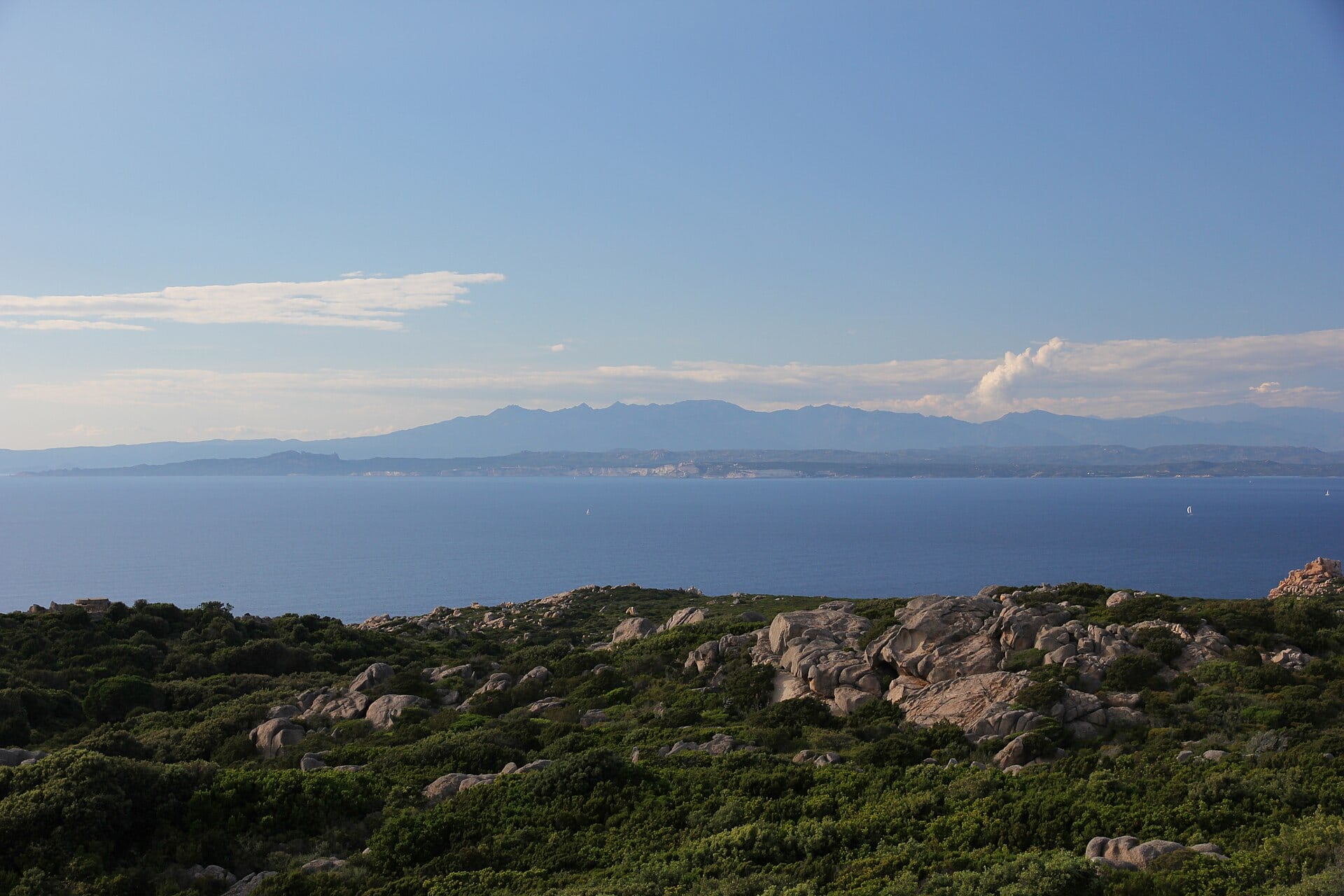
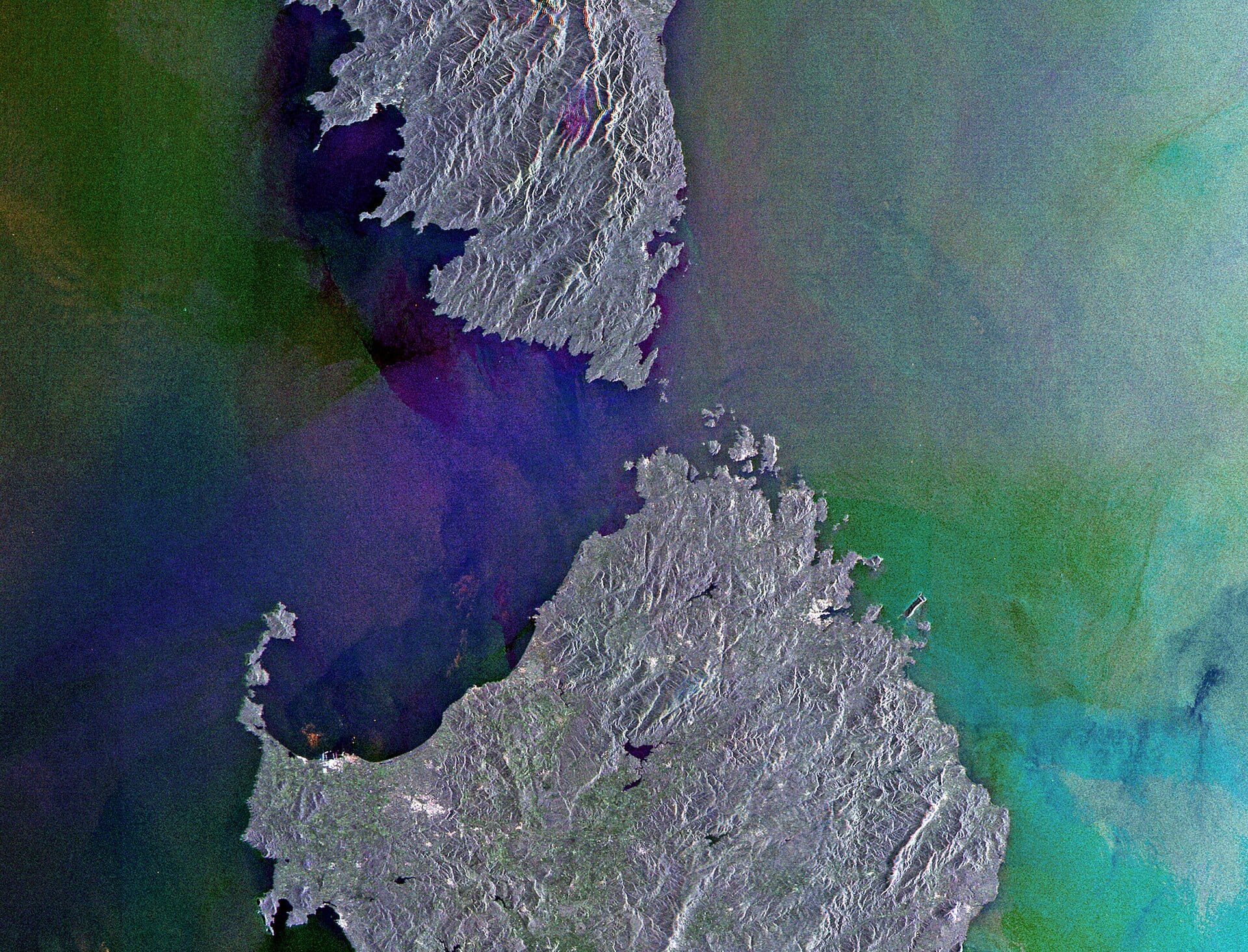
Besides the stunning views of the town itself, you’ll also be treated to a view of the open sea. On a clear day you can see neighbouring Italian Sardinia perfectly clearly from here — just twelve kilometres away across the choppy strait.
💡 Tip: You’ll capture the very best photos here during the so-called golden hour just before sunset. That’s when the cool, white limestone rocks take on an incredibly warm, almost orange glow.
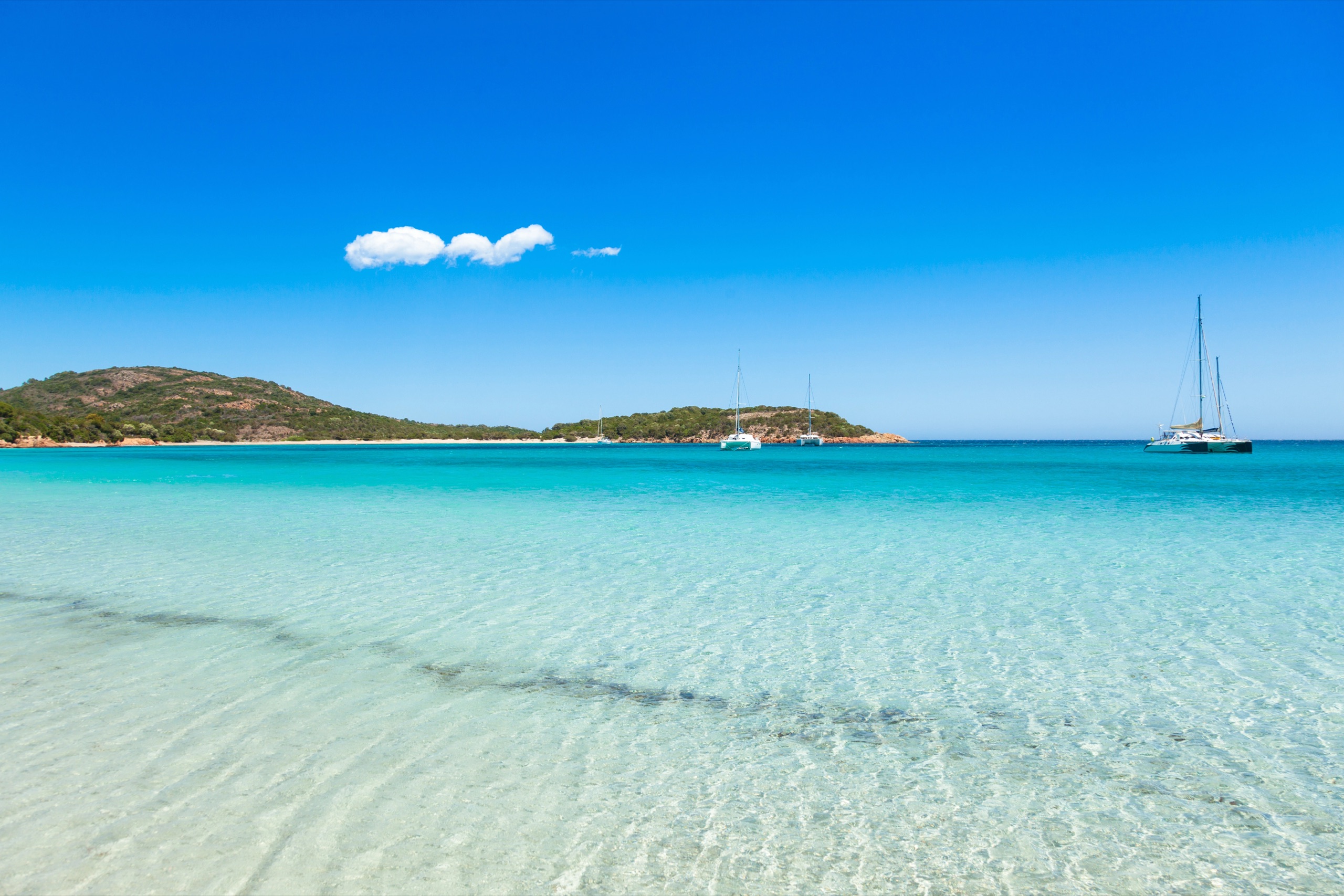
7. Petit Sperone beach
Corsica is famous the world over for its stunning beaches, and the ones in the immediate vicinity of Bonifacio rank among the very best. Petit Sperone is a small, perfectly sheltered cove covered in sand so incredibly fine and white that it feels like smooth flour to the touch. The water here is very shallow, protected from the big waves of the open sea, and in the sunshine it shimmers in every shade of turquoise. That makes it an absolute paradise for anyone who loves endless swimming and lazing in the shallows.
Getting here requires a short walk, which fortunately puts off the lazier tourists for good. You have to leave your car in a dusty car park near Piantarella beach and walk about fifteen minutes along a narrow path past the prestigious golf course. The route isn’t signposted, but just follow the stream of people carrying towels and you can’t go wrong.
Your reward for the short trek is wonderful swimming in a cove that still retains its relatively wild character. There are no noisy beach bars blasting music to spoil it, and not even any sun-lounger rentals. It’s pure nature, where you spread your towel directly on the finest sand.
💡 Tip: Given how genuinely small this beach is, in peak season every free spot fills up very quickly. So I’d recommend heading here early in the morning, around nine o’clock, to bag yourself a good spot.
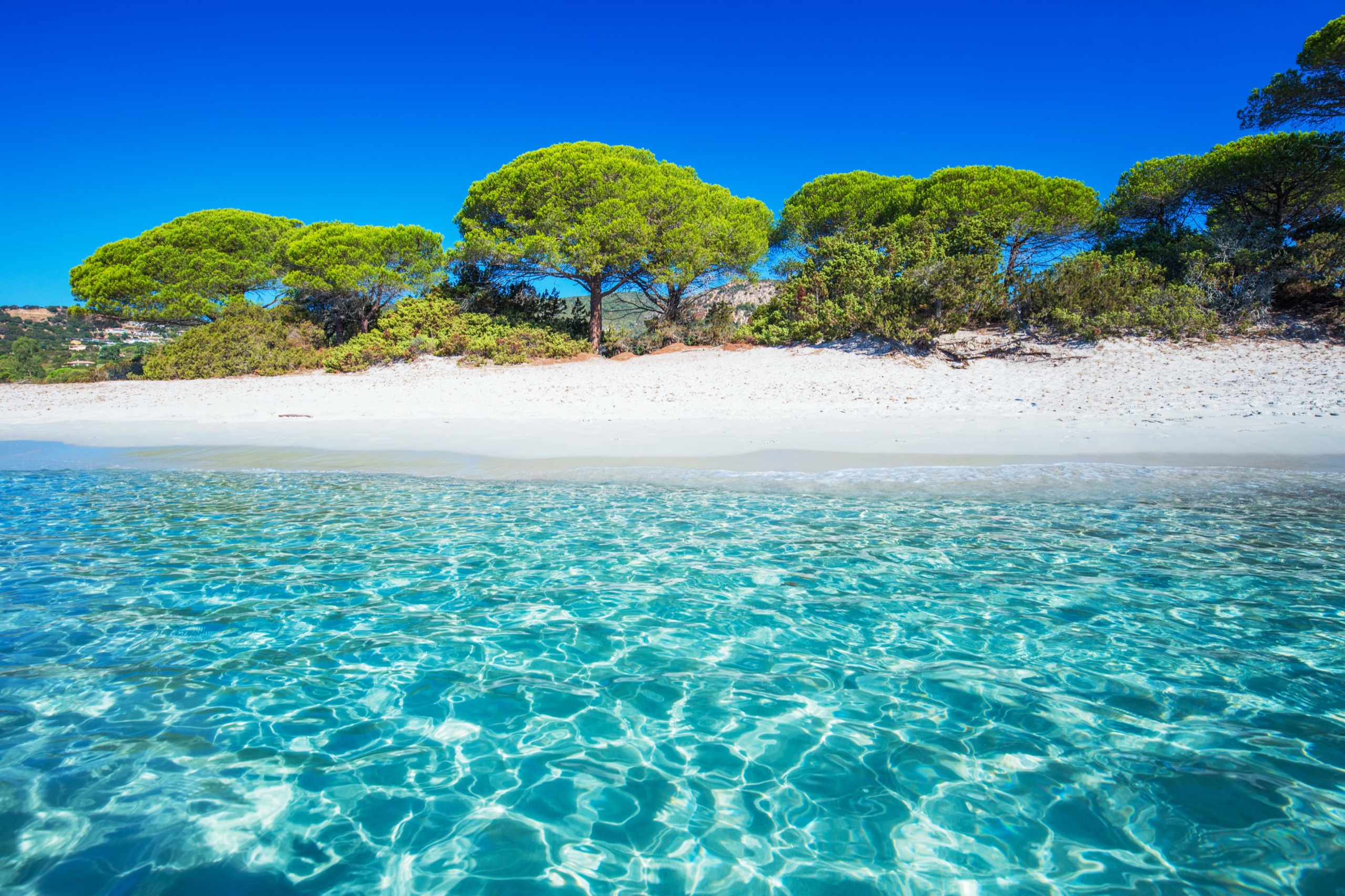
8. Grand Sperone beach
If Petit Sperone is already too crowded for you and you’re after a bit more peace and quiet, just keep walking for about another ten minutes further south. You’ll reach its bigger sister, Grand Sperone beach. This beach is noticeably wider, far more open and offers incomparably more room to spread out your towels and parasols. The fine white sand and crystal-clear turquoise water are of course still there, but thanks to the more open setting, there’s often a very pleasant breeze that brings welcome relief during the hot summer months.
The views from this beach look straight out at the granite Lavezzi Islands and, clearly outlined in the distance, Italian Sardinia, which lends the whole swimming experience a wonderful holiday vibe. Unlike the smaller beach, the water here slopes off a little more quickly, making it an ideal spot for stronger swimmers. They can give their bodies a proper workout in the crystal-clear sea without having to wade hundreds of metres through the shallows.
Despite being larger, this beach also keeps its hallmark of untouched nature. Once again, don’t expect any service, showers or lifeguards. It’s simply a great stretch of beautiful coastline that has so far escaped mass commercialisation.
💡 Tip: On the way from the car park to these beaches you’ll find absolutely no refreshment stalls or toilets. So you’ll have to carry all your food, and above all plenty of fluids, in your backpack from the car.
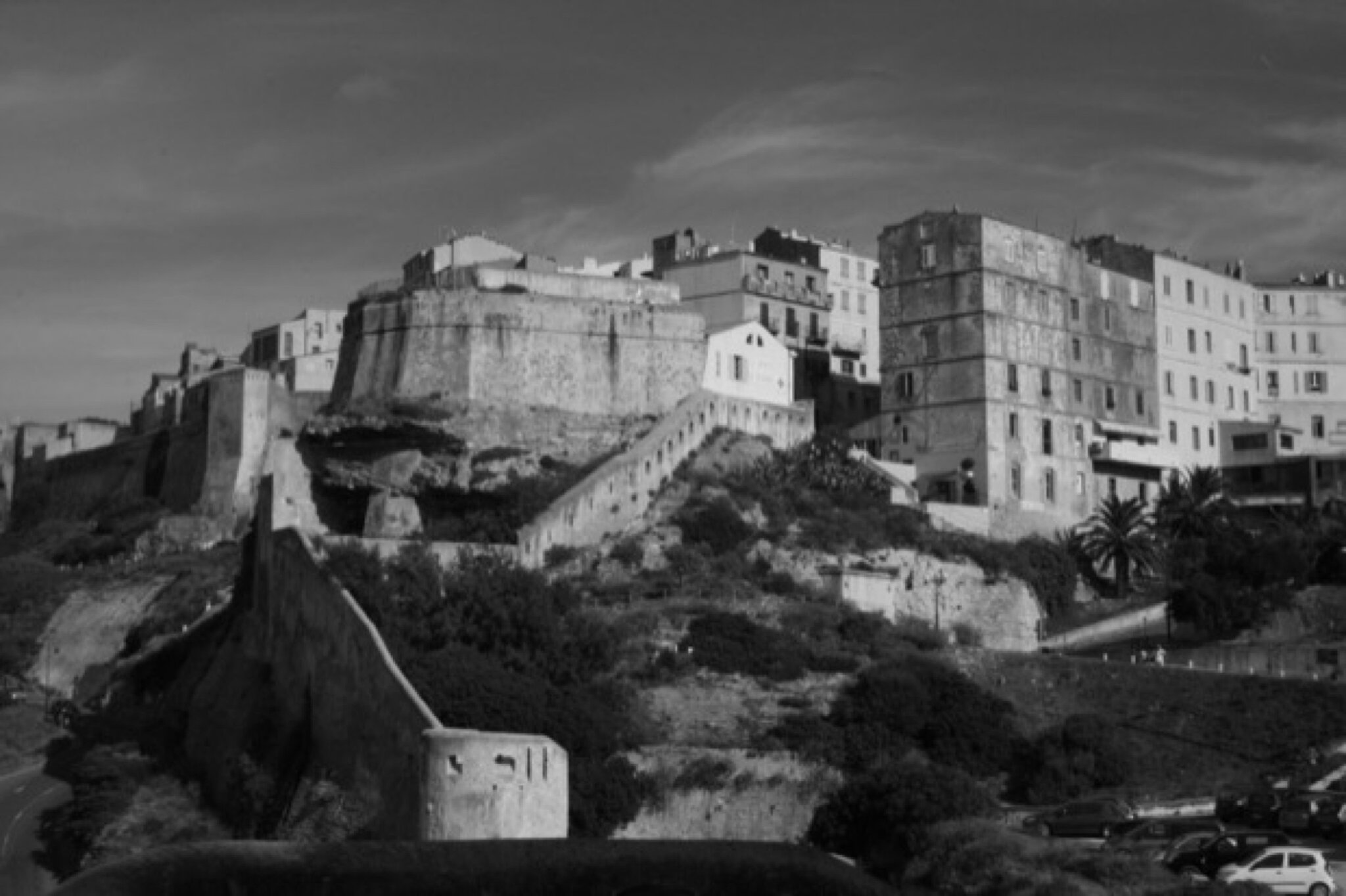
9. The Bastion de l’Étendard and the historic ramparts
For lovers of rich island history and great views, a visit to the Bastion de l’Étendard is an absolute must. This mighty sixteenth-century artillery fortress was the town’s main line of defence against devastating attacks from the mainland, and to this day it astounds with its massive stone architecture. For an admission fee of around €5, you can enter the cool vaulted underground halls. Inside there’s a very nicely put-together exhibition on Bonifacio’s turbulent history and its defensive system.
The real highlight, though, is the walk along the upper walkways of the old ramparts. From here you’re treated to gorgeous panoramic views of the harbour far below, the dazzling chalk cliffs and the endless open sea. The grounds around the fortress are also tastefully complemented by a beautiful landscaped garden, the so-called Jardin des Vestiges. There you can rest for a while in the shade of the historic ruins and recharge for more exploring.
From here you’ll also see exactly where enemy ships used to approach and just how advantageous the town’s strategic position was. Thanks to its sheer size, the bastion is impossible to miss and forms the most impressive part of the entire town’s fortifications.
💡 Tip: You can buy a ticket to the Bastion as part of a good-value combo with entry to the Aragon Steps, saving yourself a few euros and gaining a really comprehensive historical experience of the whole town.
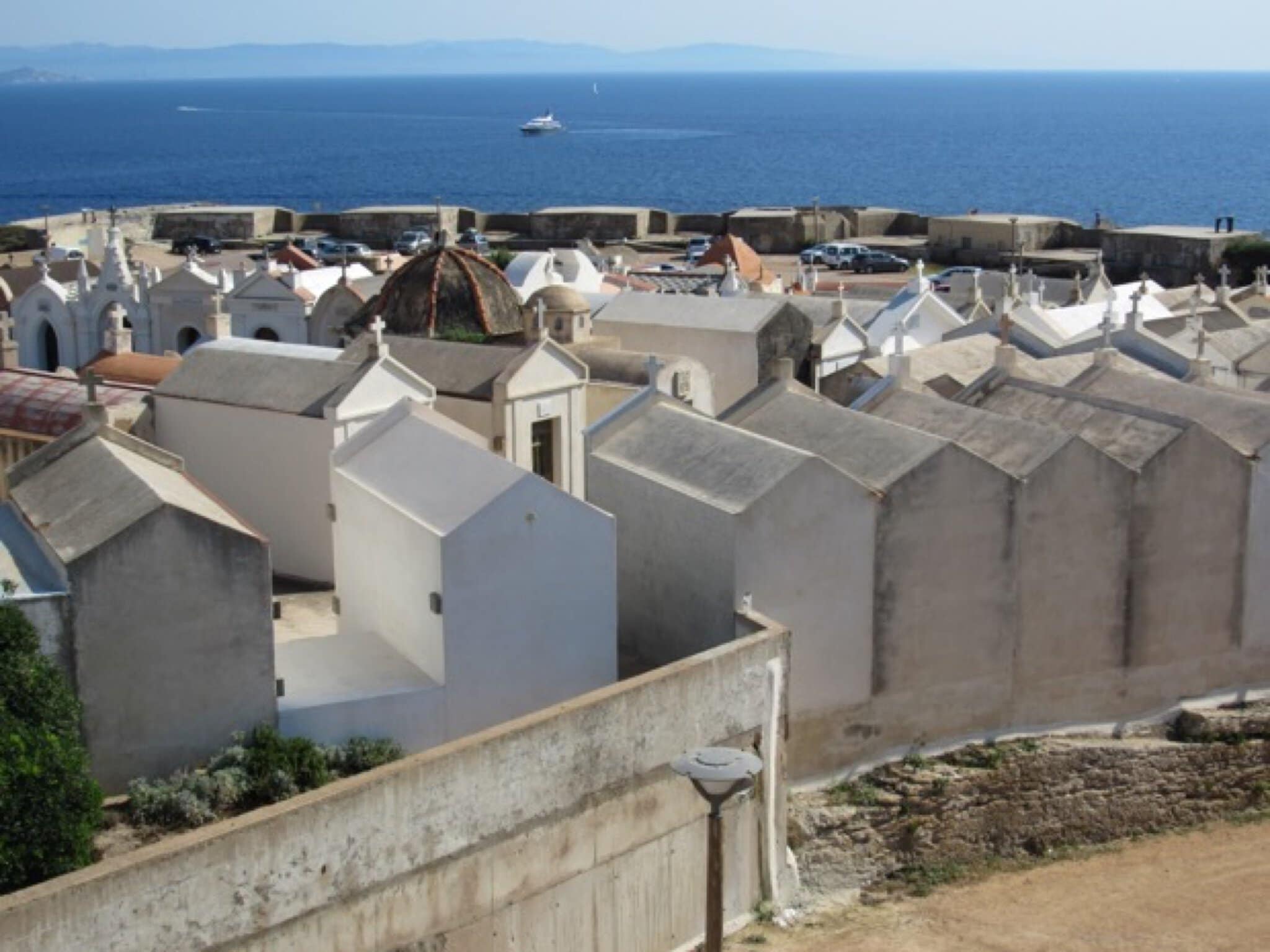
10. The marine cemetery (Cimetière Marin)
It might seem odd at first glance to include a cemetery among the tourist tips, but the one in Bonifacio is genuinely striking and radiates an incredibly deep sense of calm. It sits at the very end of the limestone peninsula, not far from the old monastery of Saint Francis. It’s made up of hundreds of brilliant-white family tombs and small, richly decorated mausoleums, carefully arranged in neat rows so that it literally resembles a miniature town.
The dazzling white tombs contrast sharply with the deep blue sea behind them, creating in real life an incredibly photogenic yet deeply contemplative atmosphere. You’ll find the tombs of prominent seafaring families who lived in Bonifacio for centuries. The whole place is a powerful reminder of how closely the lives of the local people were always bound to the treacherous, unpredictable sea. A stroll here in the evening sun among the crosses and statues is a wonderfully soothing experience after a busy day in the centre.
The whole cemetery is also set in a very dramatic location right on the cliff’s edge, which adds to its uniqueness. Occasionally local cats stop by, basking on the white marble and completing that quintessential Mediterranean idyll.
💡 Tip: Please behave here with the utmost respect for the local people, for whom it’s still a functioning resting place for their ancestors. Keep completely quiet and don’t photograph anyone who has come here to remember a loved one.
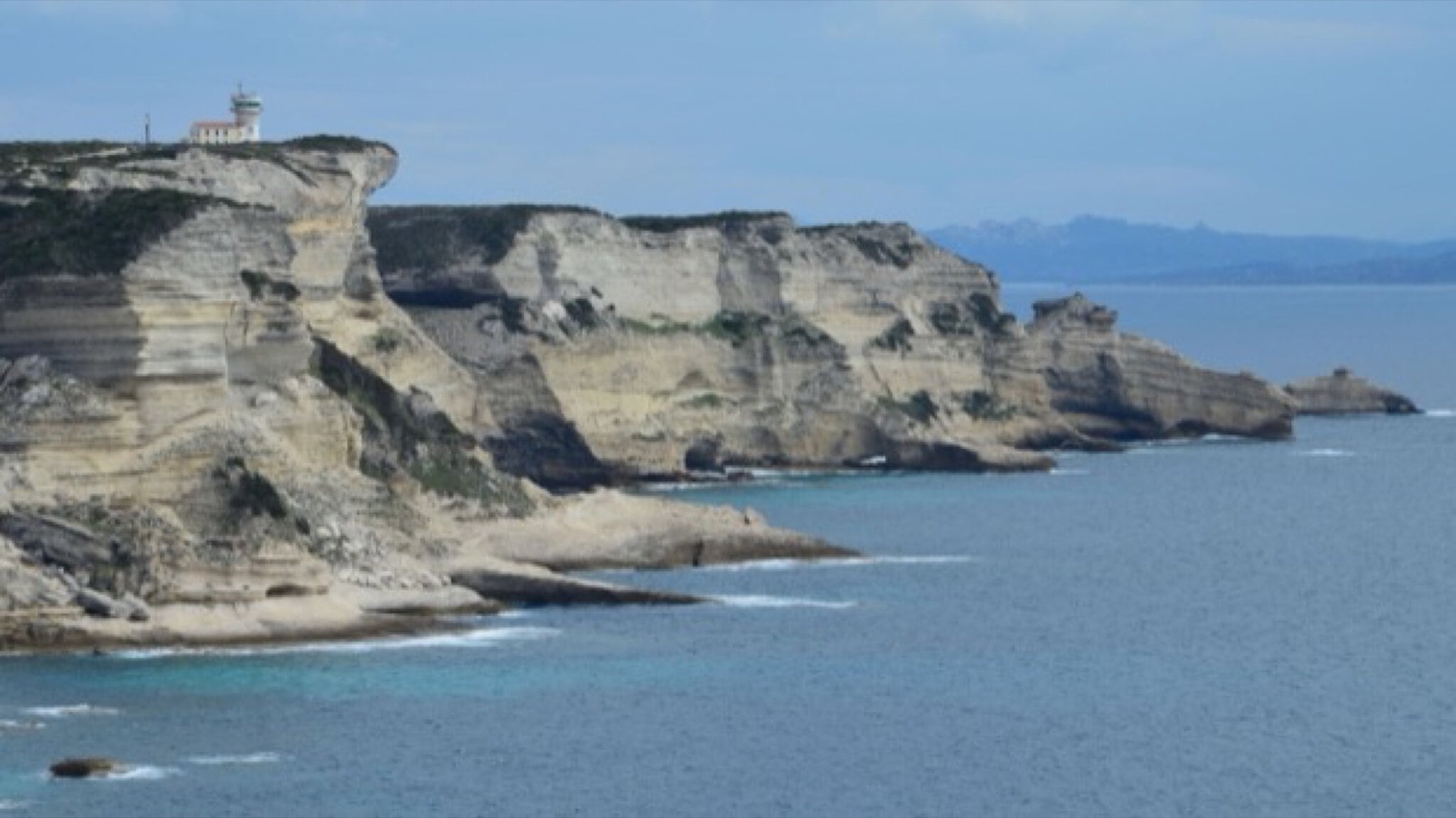
11. The Pertusato lighthouse (Phare de Pertusato) and sunset
If you’re looking for the absolutely perfect place to round off a long day in Bonifacio, take a trip to the Pertusato lighthouse, which stands proudly on the southernmost tip of all Corsica. You can get here either via a longer but exceptionally beautiful hike straight from town along the clifftops, or by driving to a car park and walking just the last part of the way. The landscape in the immediate vicinity of the lighthouse is incredibly rugged, full of limestone fissures and bizarre rock formations, so in many places it feels almost lunar.
Climb carefully all the way down to Saint-Antoine beach, where you’ll find a fascinating cave into which sunbeams pour during the day through a huge opening right in the ceiling. The lighthouse itself then provides an absolutely fantastic backdrop for watching the sunset. At that moment the entire strait between Corsica and Sardinia is bathed in rich gold and purple light and the sea turns the most incredible shades. It’s the best moment to sit down quietly on a sun-warmed rock and simply soak up the raw atmosphere of this amazing island.
It’s a place where you feel the immense power of nature as the waves crash thunderously against the limestone blocks far below you. But be prepared for a strong sea wind that’s almost always blowing here.
💡 Tip: For an evening visit to the cliffs around the lighthouse, be sure to pack a head torch or a good flashlight, because the way back to the car isn’t artificially lit and the limestone terrain is full of treacherous holes and bumps.
Where to go next from Bonifacio
Once you’ve explored Bonifacio and its immediate surroundings, I’d recommend heading further north along the coast. If you love swimming and Caribbean-style scenery, don’t miss the area around Porto-Vecchio and its beaches, where you’ll find the famous Palombaggia bay lined with umbrella pines and red rocks, or the horseshoe-shaped Santa Giulia bay with its incredibly calm lagoon. The nearby Rondinara beach is also worth a stop — thanks to its shell-like shape and shelter from the wind, it’s been ranked among the most beautiful beaches in the world.
If you have a car and crave a bigger adventure, the whole of Corsica offers endless possibilities. Head to the historic mountain town of Corte in the very heart of the island, go and see the blood-red granite cliffs of the Calanques de Piana on the west coast, or take on a stretch of the famous and very demanding GR20 trek. The island is so varied that you won’t be bored for a single moment, and every day you’ll discover a completely different world.
Frequently asked questions
How long does it take to tour Bonifacio?
You’ll need one packed day for the historic center itself with the citadel, harbor, and Aragonese Steps. However, if you want to add a boat trip, explore the surrounding cliffs from the sea, and head out to Sperone beaches or take a full-day boat excursion to the nearby Lavezzi Islands, I recommend setting aside at least three full days for the entire Bonifacio area.
Where can you park in Bonifacio?
Parking is the pain of the entire city. Don’t drive into the citadel itself at all unless you have secured hotel parking there. The best option is to use the large paid parking lots down by the harbour (P1 to P5). In the high season of 2026, expect prices easily around €20–25 per day and the need to arrive really very early in the morning before the capacity fills up completely.
Can I manage the Aragonese Steps with kids?
Physically, older children can handle it without any problems and often have more energy than adults. However, it’s important to hold their hand firmly the entire time and pay attention to safety, because the stairs are very steep and narrow. Entry with small children in a carrier is absolutely not recommended for safety reasons, and a stroller is of course completely out of the question here.
Is Bonifacio an expensive city?
Yes, Bonifacio, together with Porto-Vecchio, is among the absolutely most expensive places in all of Corsica. Accommodation prices in season can be up to double compared to the interior, and the same applies to luxury restaurants in the marina. You can save money by traveling outside the main season and eating in the more tucked-away streets of the historic center, where you’ll find more affordable establishments.
How to get from the airport to Bonifacio?
The nearest airport is Figari (FSC), which is only about 20 kilometres away, roughly half an hour’s drive by car. During the summer season, shuttle buses run from here to Bonifacio, but their frequency isn’t ideal and the connections aren’t entirely reliable. The most convenient solution is to rent a car directly at the airport, or alternatively use local taxis.
Do I need a car in Corsica?
“`html
If you want to see more than just one city and its immediate surroundings, a car in Corsica is an absolute necessity. Public bus transport does exist, but connections are infrequent, often don’t link up with each other, and buses won’t take you at all to the most beautiful remote beaches or to the starting points of hiking trails in the mountains.
“`
When is the best time for a trip to the Lavezzi Islands?
The best option is to catch the very first morning boat that departs from the harbour. This way you’ll avoid the worst midday heat and get a chance to secure a good spot on the beach before the crowds of other tourists arrive from the excursion boats. Don’t forget to check the wind forecast, as boats don’t sail at all for safety reasons when there are strong waves.
Are the beaches around Bonifacio sandy?
Yes, the coastline south of Bonifacio offers some of the best sandy beaches in Europe. Beaches like Petit Sperone, Grand Sperone, or nearby Rondinara have very fine, light sand and shallow entry into the water, while the town of Bonifacio itself is surrounded by rather inaccessible and steep limestone cliffs dropping into the sea.
Tips and Tricks for Your Vacation
Don’t Overpay for Flights
Search for flights on Kayak. It’s our favorite search engine because it scans the websites of all airlines and always finds the cheapest connection.
Book Your Accommodation Smartly
The best experiences we’ve had when looking for accommodation (from Alaska to Morocco) are with Booking.com, where hotels, apartments, and entire houses are usually the cheapest and most widely available.
 🚗 Car rental on the roadVerified rental cars in France
Search with the DiscoverCars comparison engine — it compares prices from dozens of local and international rental companies, and most bookings come with free cancellation.
Compare car prices in France →Don’t Forget Travel Insurance
Good travel insurance will protect you against illness, accidents, theft, or flight cancellations. We’ve had a few hospital visits abroad, so we know how important it is to have proper insurance arranged.
Where we insure ourselves: SafetyWing (best for everyone) and TrueTraveller (for extra-long trips).
Why don’t we recommend any Czech insurance company? Because they have too many restrictions. They set limits on the number of days abroad, travel insurance via a credit card often requires you to pay medical expenses only with that card, and they frequently limit the number of returns to the Czech Republic.
Find the Best Experiences
Get Your Guide is a huge online marketplace where you can book guided walks, trips, skip-the-line tickets, tours, and much more. We always find some extra fun there!


