

Montenegro may be a fairly small Balkan country in terms of size, but when it comes to weather and trip planning, the Montenegro weather can genuinely surprise you with its incredible variety. On a single day in August, you can swim in the warm sea down south and a few hours later shiver high up in the mountains, where night-time temperatures drop into single digits. Getting the timing of your holiday right is therefore absolutely crucial, and it depends mainly on whether you’re planning to soak up the sun on the beach, conquer the peaks of Durmitor National Park, or have a little bit of everything. I’ve put together a detailed guide to the local climate so you know exactly what you’re getting into and can avoid the disappointment of rained-out days or, on the other hand, the unbearable summer humidity.
TL;DR
- Best month for everything: Mid to late September offers the perfect balance, because the sea still holds a lovely 23 to 24 °C, the air sits at a pleasant 27 °C, and the main crowds have already gone.
- Warmest water: The peak of the swimming season falls in July and August, when the sea temperature ranges between 25 and 26 °C, but you’ll have to put up with serious heat and top-tier prices.
- Mountain hiking: For treks in Durmitor, the safest and most comfortable window runs from June to September, with summer daytime temperatures in Žabljak hovering around just 22 °C.
- Ski season: If you’re heading for the slopes at Kolašin or Savin Kuk, you’ll have the best guarantee of quality snow cover in January and February.
- Watch out for rain: Although September is fantastic temperature-wise, rainfall jumps sharply this month, so it’s worth packing an umbrella in case of afternoon showers.
- Regional extremes: While the southern town of Ulcinj is the warmest spot with sandy beaches, the Bay of Kotor is one of the rainiest and, in summer, one of the most humid locations in Europe thanks to the surrounding mountains.
The full destination guide: Montenegro — guide and what to see
12 Things You Need to Know
1. Two Completely Different Climates in One Small Country
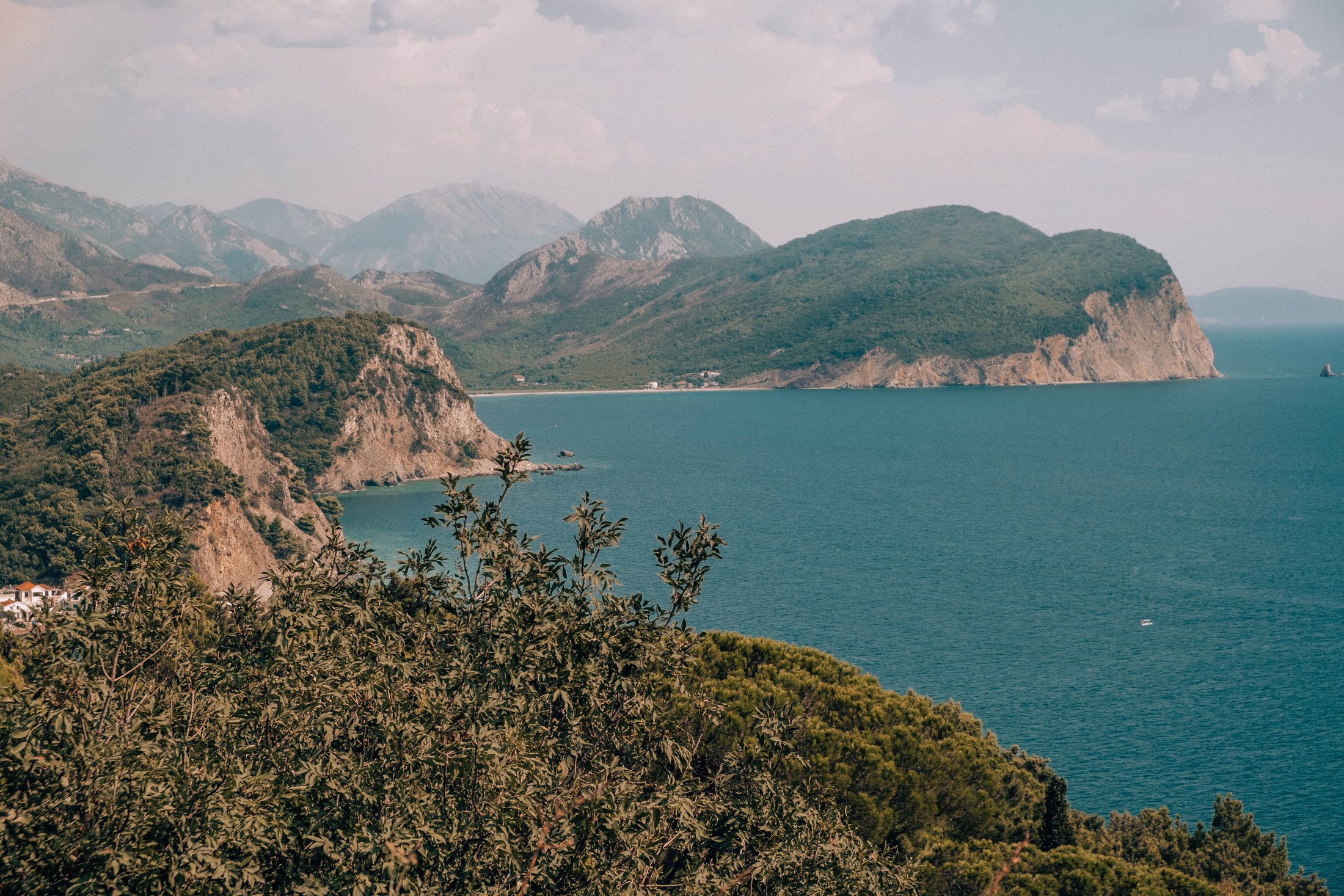
Take a look at the map and you’ll see that Montenegro covers an area of just under 13,800 square kilometres, yet it hides two entirely different climate worlds. The coast enjoys a classic Mediterranean climate with hot, dry summers that flow seamlessly into very mild but rainy winters. But travel just a few dozen kilometres inland and you’ll find yourself in a harsh mountain climate.
This enormous contrast is best seen in midsummer through real numbers. While in August you’ll be sweating in coastal Budva at a tropical 30 to 31 °C in the shade, at that very same moment up in the mountains of Žabljak the daytime reading is a refreshing 22 °C. The difference is even more striking at night: by the sea temperatures won’t drop below 20 °C, while in the mountains you’ll absolutely need a warm jumper at 9 °C.
💡 Tip: If you’re planning to combine lazing on the beach with mountain trips during a single holiday, always pack warm layers. The mountains don’t forgive, and even in the middle of August a chilly wind in Durmitor National Park can catch you off guard.
2. The Sea Temperature Rises Slowly but Holds Its Heat
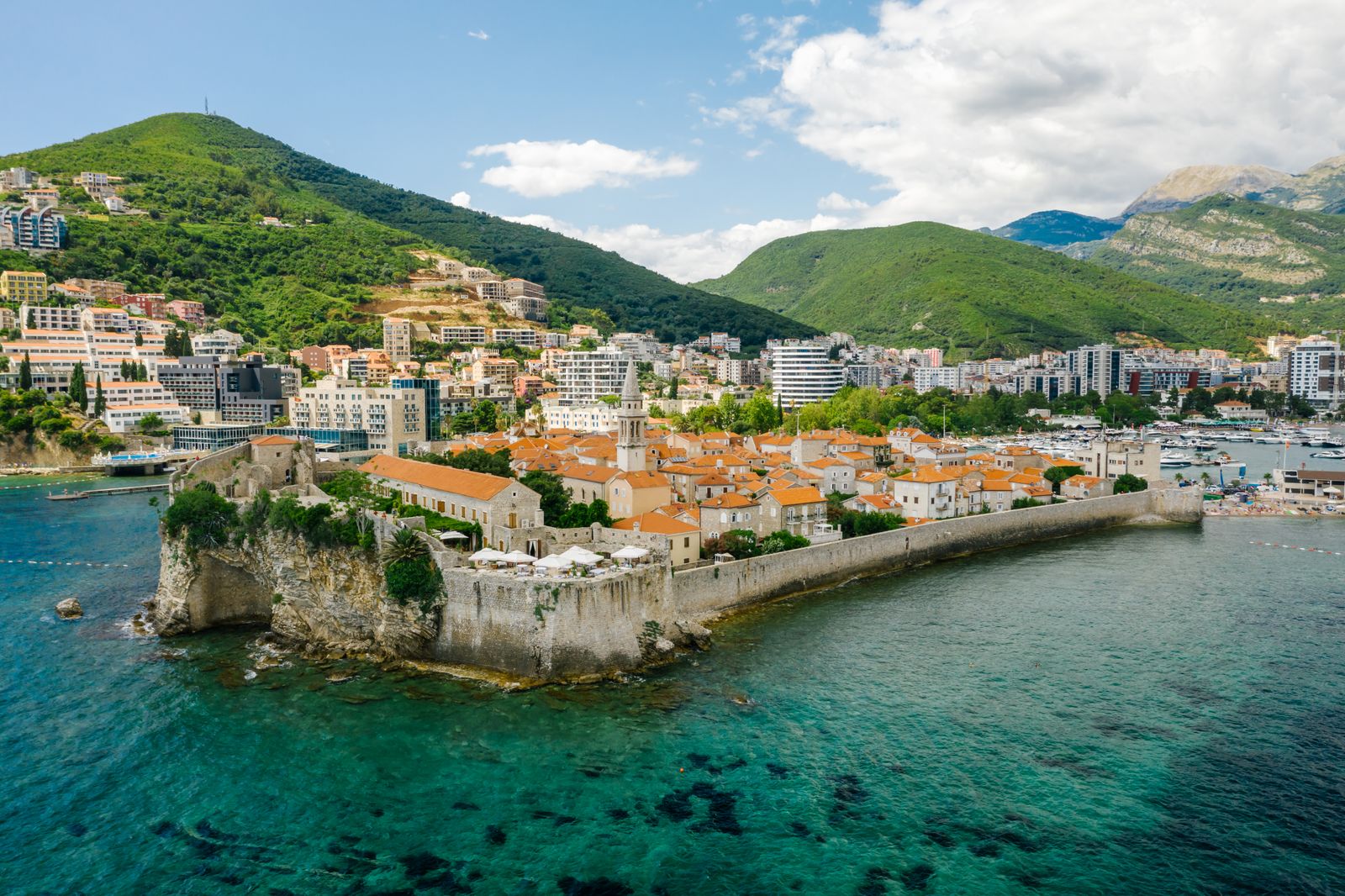
For most travellers, the absolutely key question is exactly when you can swim comfortably in Montenegro and how warm the water is. The Adriatic warms up rather slowly in spring, and in May it’s only around 18 to 19 °C, which suits the hardier types. The turning point comes during June, when the water temperature climbs to a more acceptable 21 to 23 °C, kicking off the full summer season.
The sea peaks in July and August at an average of 25 to 26 °C, which feels like a pleasantly warm bath. The great advantage of the Adriatic is its ability to store heat, so the water stays at a lovely 23 to 24 °C right through September. Only in October does the water start to cool noticeably, dropping towards the 20 °C mark.
💡 Tip: If you’re after the warmest possible water, head south to the resort of Ulcinj. The long sandy beaches here, with their very gentle slope into the sea, act like a solar panel, and in season the water is always about half a degree warmer than in the rest of the country.
3. Spring on the Coast and in the Mountains (March–May)
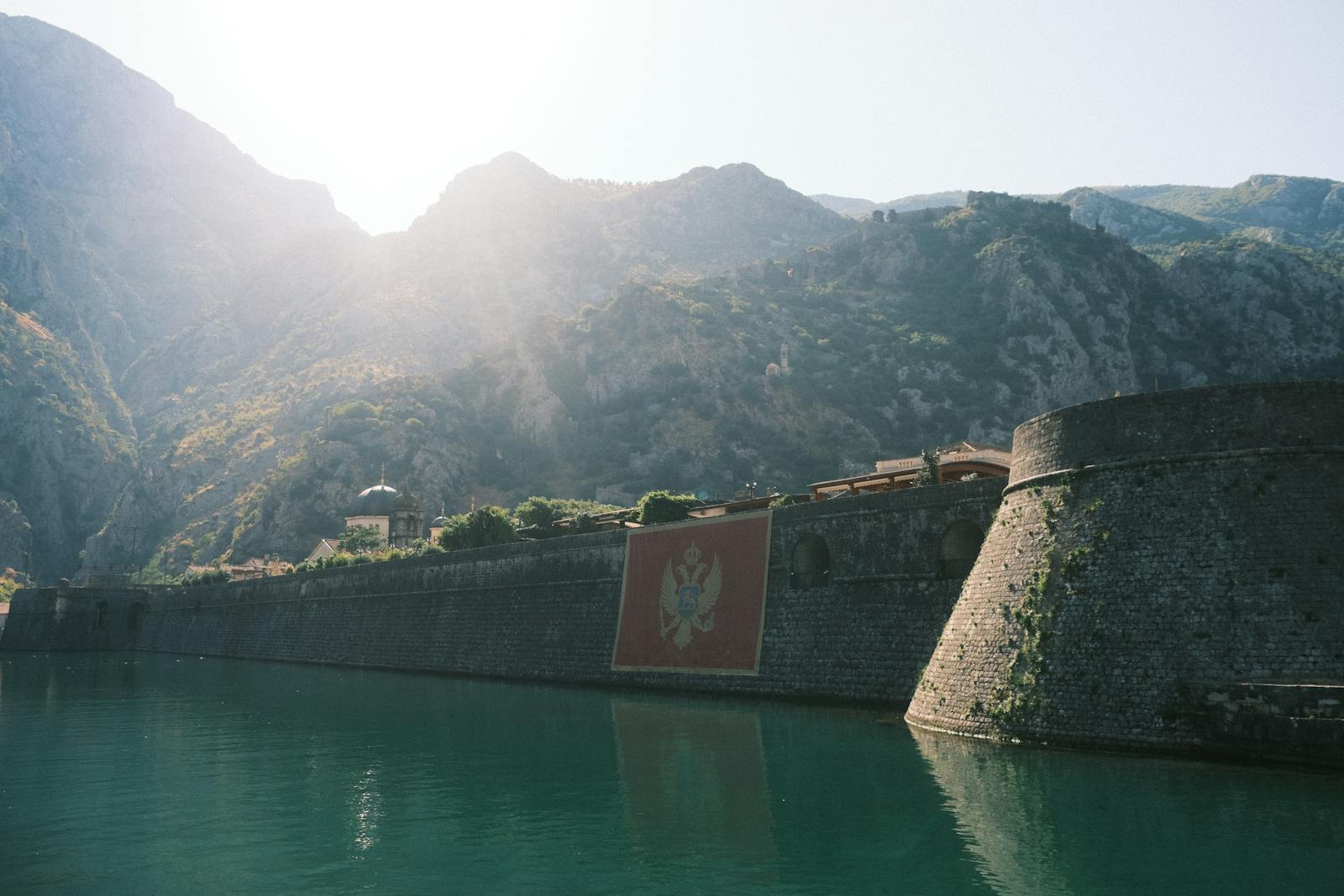
The spring months are a time of huge change in Montenegro, with nature waking up. On the coast, temperatures climb to a very pleasant 19 °C as early as April and even up to 24 °C in May, creating absolutely ideal conditions for exploring monuments and historic towns. The sun already has some strength, but you won’t be suffering in the oppressive summer heat, so strolling along the walls of Kotor is a genuine pleasure.
While down by the sea the plants are already in bloom and people are sitting outside café terraces, the situation in the mountains is completely different. Up in Žabljak you can usually still ski until around the end of March, and in April and May the mountains go through a period of massive snowmelt. High-altitude hiking trails tend to be muddy or even completely impassable under a layer of wet snow, which severely limits walking opportunities.
💡 Tip: May is by far the best month for adrenaline-fuelled rafting on the Tara River. The melting mountain snow pushes the river to its highest level, the currents are wild, and you’ll get the best possible white-water experience — something that slowly fades as summer progresses.
4. Summer by the Sea (June–August) and Its Pitfalls
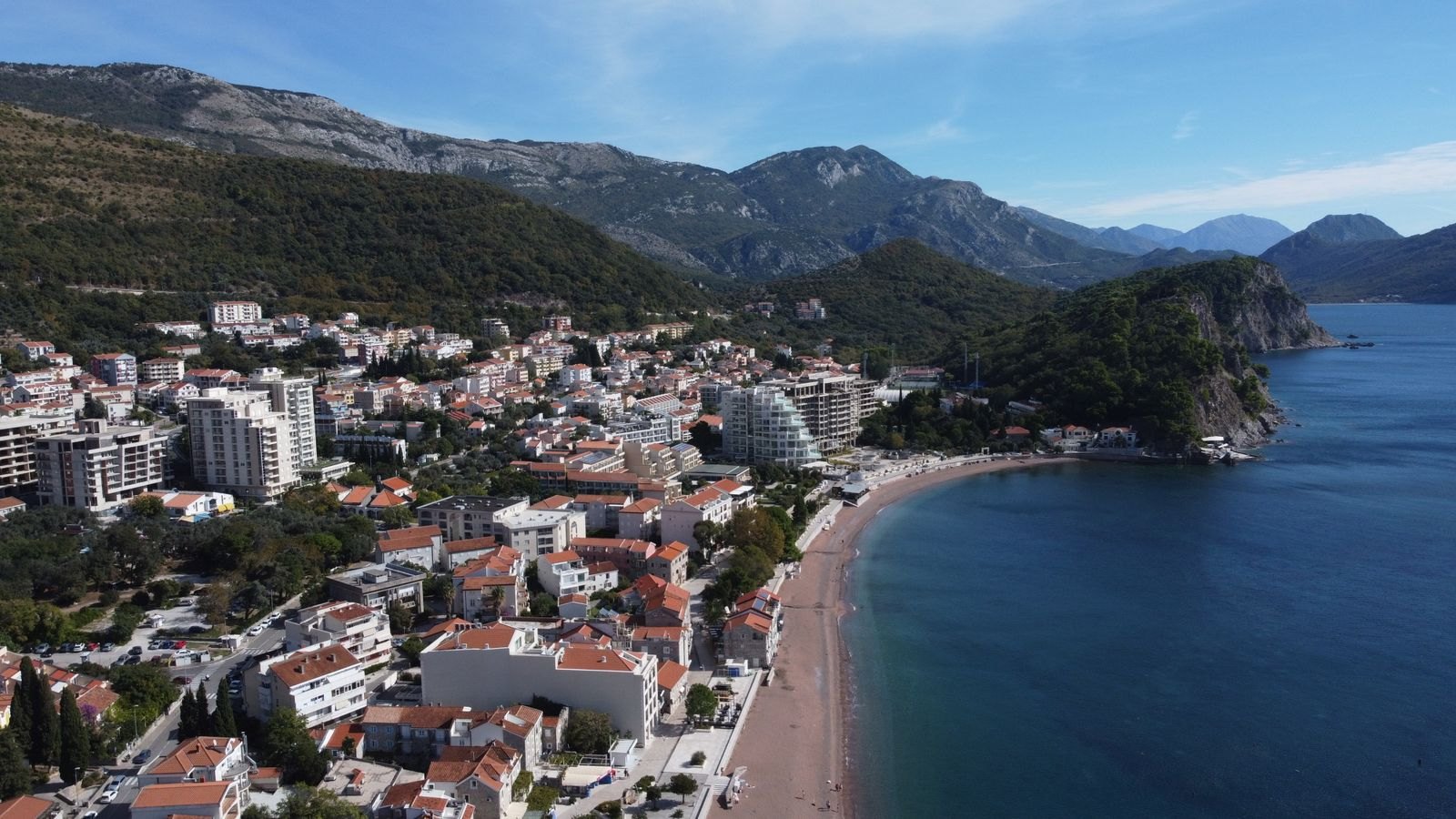
The summer months from June to August are the main tourist season, when the largest numbers of visitors pour into the country. The coastal weather is very stable during this period, the days are long and full of sunshine, and rainfall in July and August is absolutely minimal. Daytime temperatures regularly exceed 30 °C and only rarely drop below 20 °C at night, so air conditioning in your room is practically a necessity.
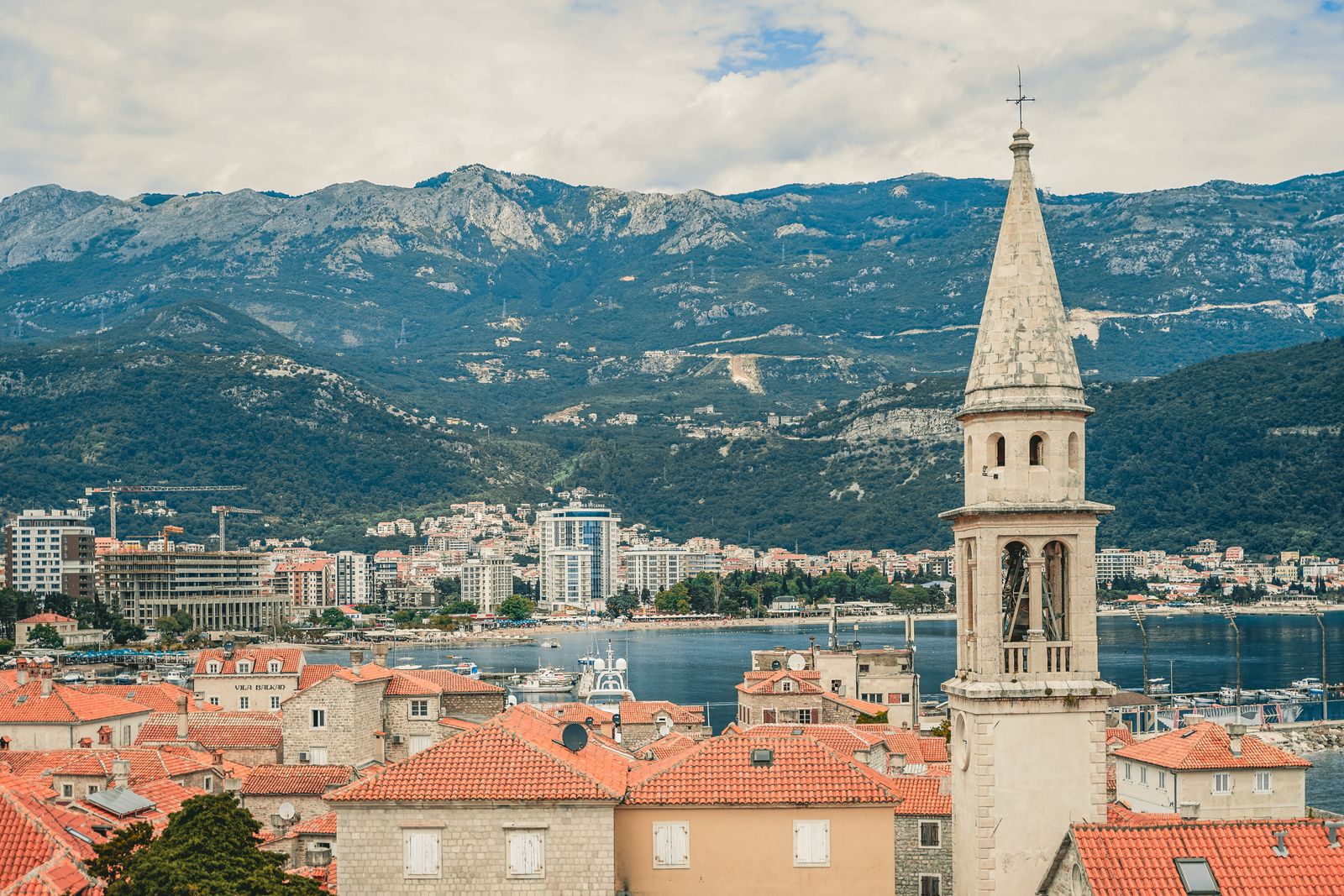
But along with the perfect beach weather come a few downsides you need to bear in mind. The coast, especially around Budva and Kotor, gets extremely crowded, long queues form on the Adriatic Highway, and accommodation prices climb to their yearly peak. The Bay of Kotor in particular sees giant cruise ships arrive in summer, capable of completely clogging the narrow historic streets with thousands of day-trippers.
💡 Tip: If you have to travel in peak summer because of the school holidays, I’d recommend going in June rather than August. The sea is already swimmable, the days are the longest of the year, but the crowds and prices haven’t yet reached their absolute, insane peak.
5. The Autumn Ideal and Indian Summer (September–November)
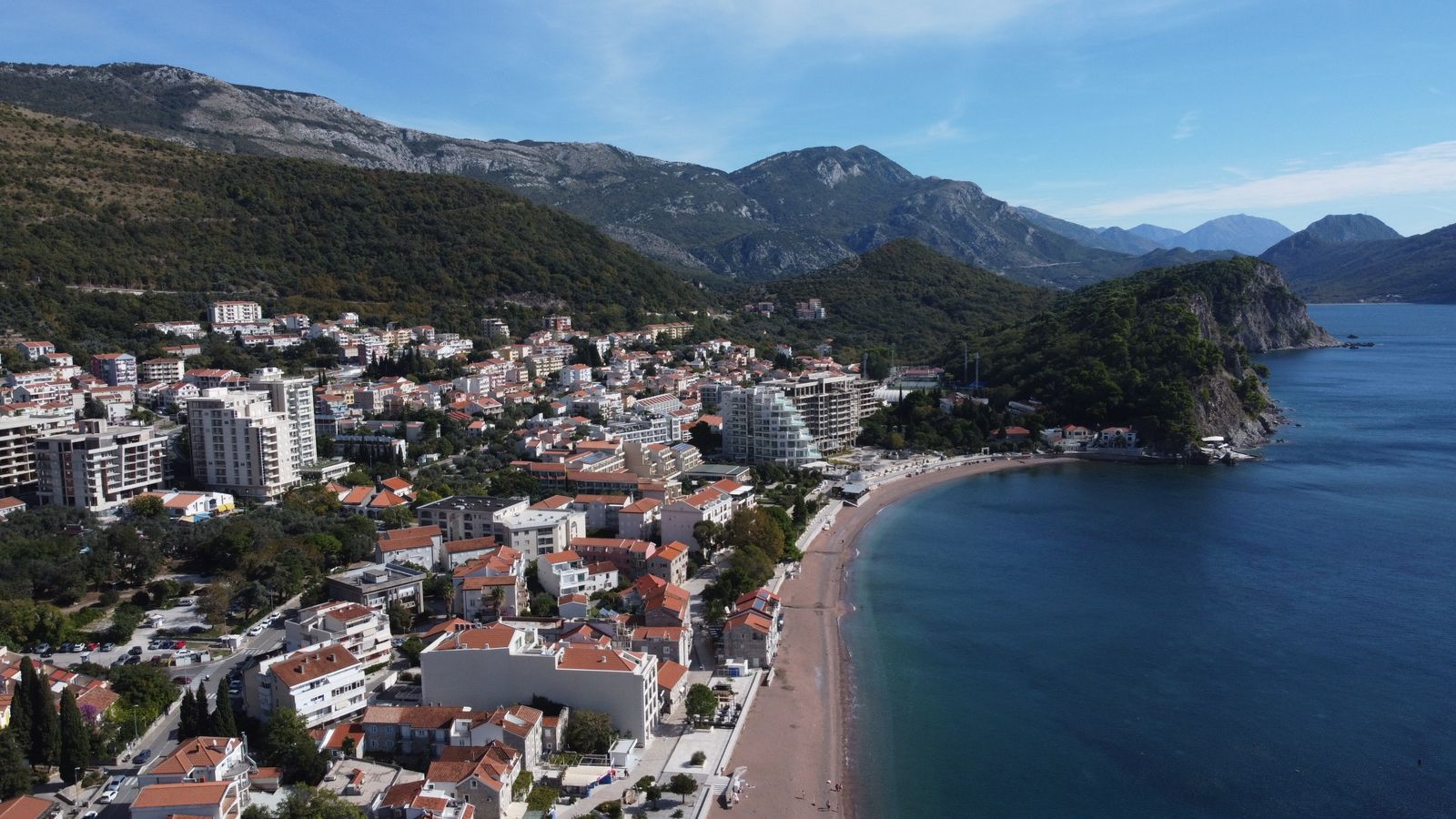
Experienced travellers absolutely agree that the autumn months offer the best of both worlds for a visit to Montenegro. The first half of September is clearly the most balanced period of the entire year, because the sea is perfectly warmed after summer to 23 to 24 °C, the air sits at a pleasant 27 °C, but the oppressive August heat and endless crowds are already gone.
Early October still offers beautiful days with temperatures around 23 °C, perfect for sitting outside and for easy excursions. You do need to bear in mind, though, that the character of the weather starts to shift in autumn, and September brings a sharp rise in rainfall. While August sees an average of just 45 millimetres of rain, September brings 134 millimetres, which means more frequent afternoon showers and thunderstorms.
💡 Tip: If you’re planning an autumn holiday, definitely pack a compact umbrella or a light raincoat. The rain can be intense, but it usually doesn’t last long, and after a storm the sky quickly clears again.
6. Winter and Skiing (December–February)
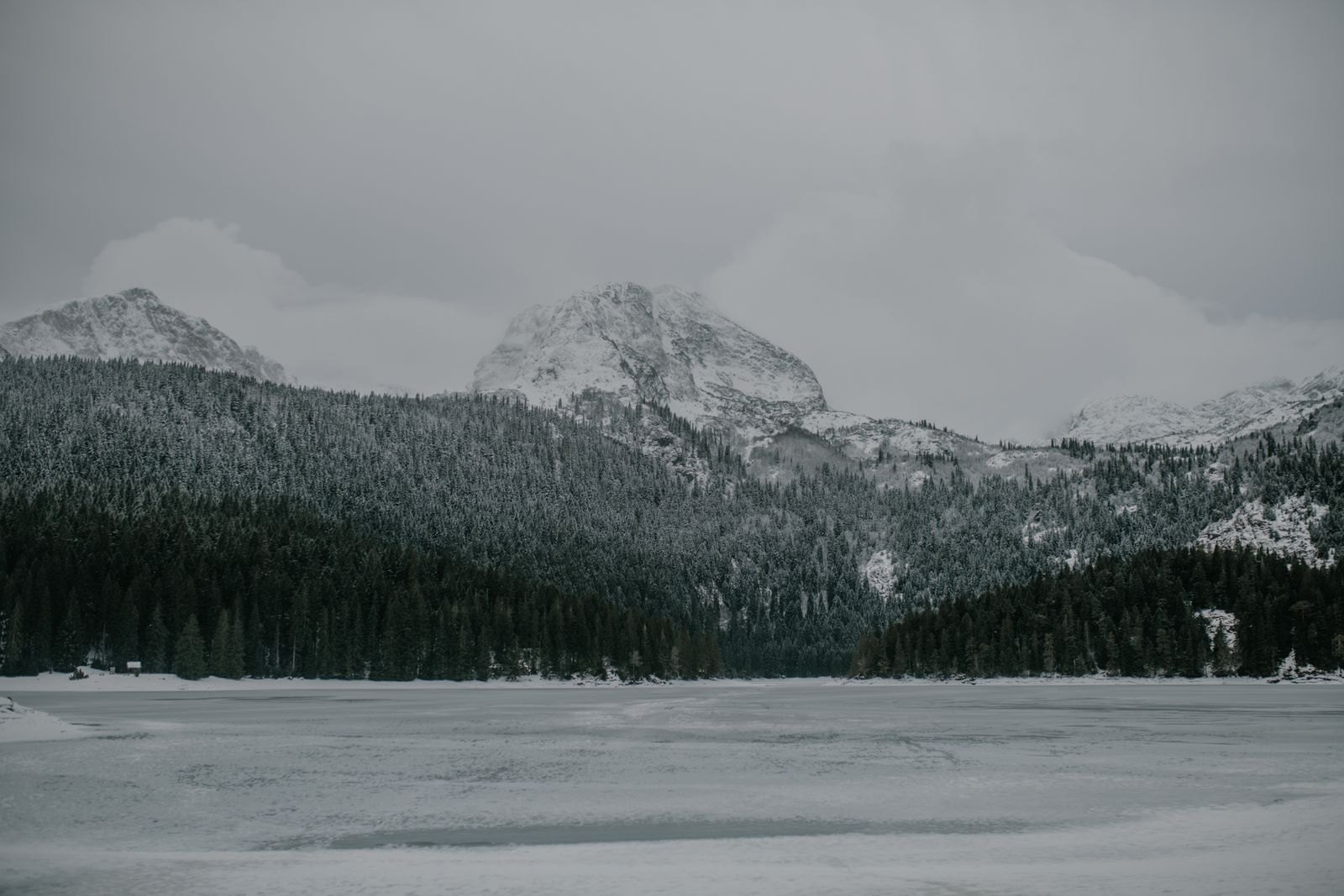
Say the word Montenegro and most people picture sun-drenched beaches, but the country also offers proper winter fun. The ski season at the Kolašin and Savin Kuk (near Žabljak) resorts typically runs from December to March, with the most reliable natural snow cover in January and February. Durmitor National Park has snow for an impressive average of 150 days a year.
While it’s freezing and snowing in the mountains, winter on the coast has a completely different character. Around Budva or Ulcinj, January daytime temperatures hover around 13 to 14 °C, which doesn’t sound bad, but the winter months by the sea are extremely rainy. December, with an average of 179 millimetres of rain, is the wettest month of the year, and on top of that many restaurants and hotels in the coastal resorts close completely over winter.
💡 Tip: The Kolašin 1450 and newer Kolašin 1600 resorts together form the largest connected ski area in the country, but check the current lift operations before you travel. Some planned modernisations of the area have reportedly been pushed back to the 2026/2027 season.
7. Regional Extremes: The Hot South and Humid Bay of Kotor
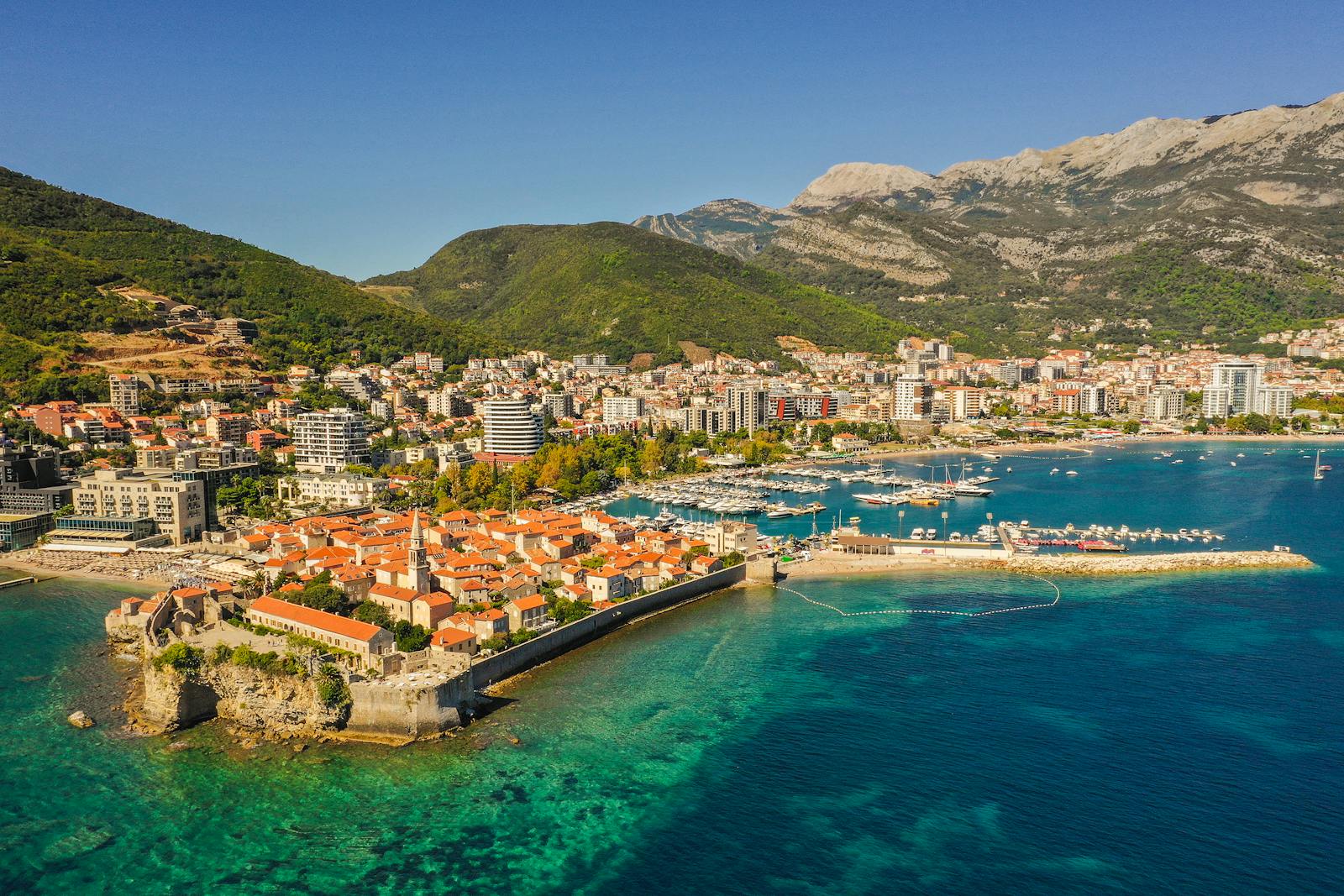
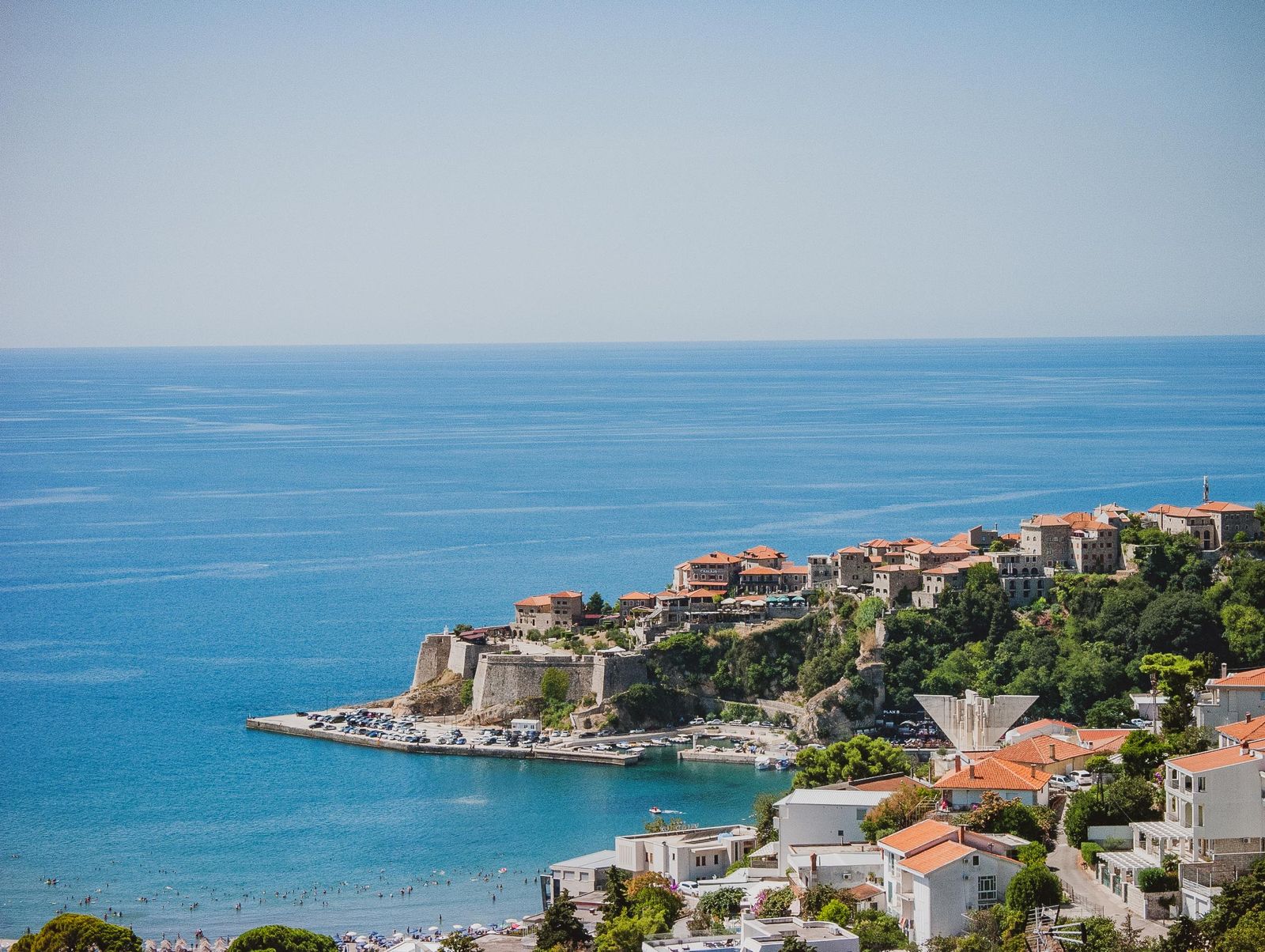
The weather on the coast changes significantly depending on which bay you happen to be in. Right at the very south, near the border with Albania, lies the town of Ulcinj, officially the warmest and sunniest spot in the entire country. Thanks to its open location and long sandy beaches, such as the famous Velika Plaža, daytime summer temperatures here regularly climb above 31 °C and the sun shines for more than 2,500 hours a year.
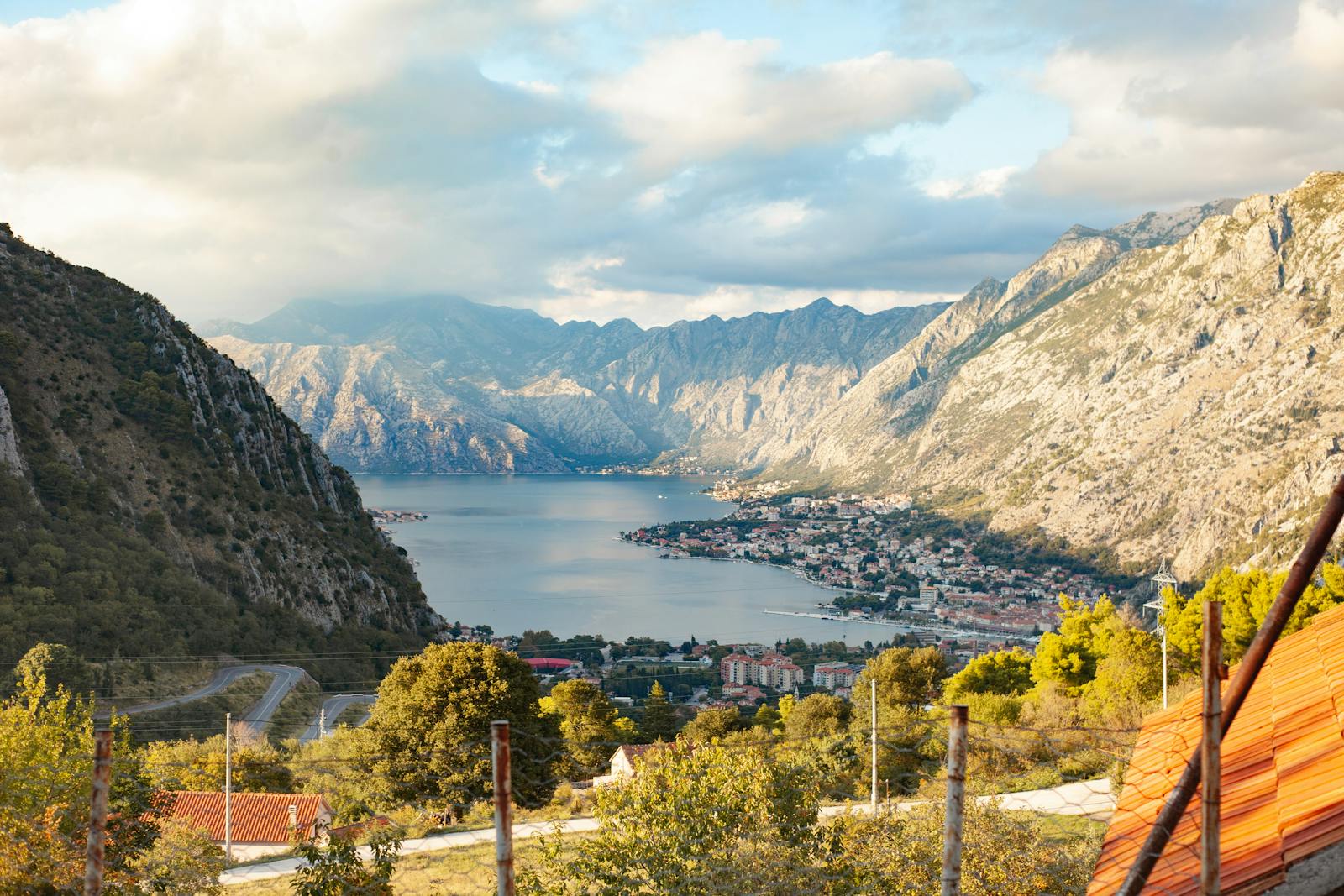
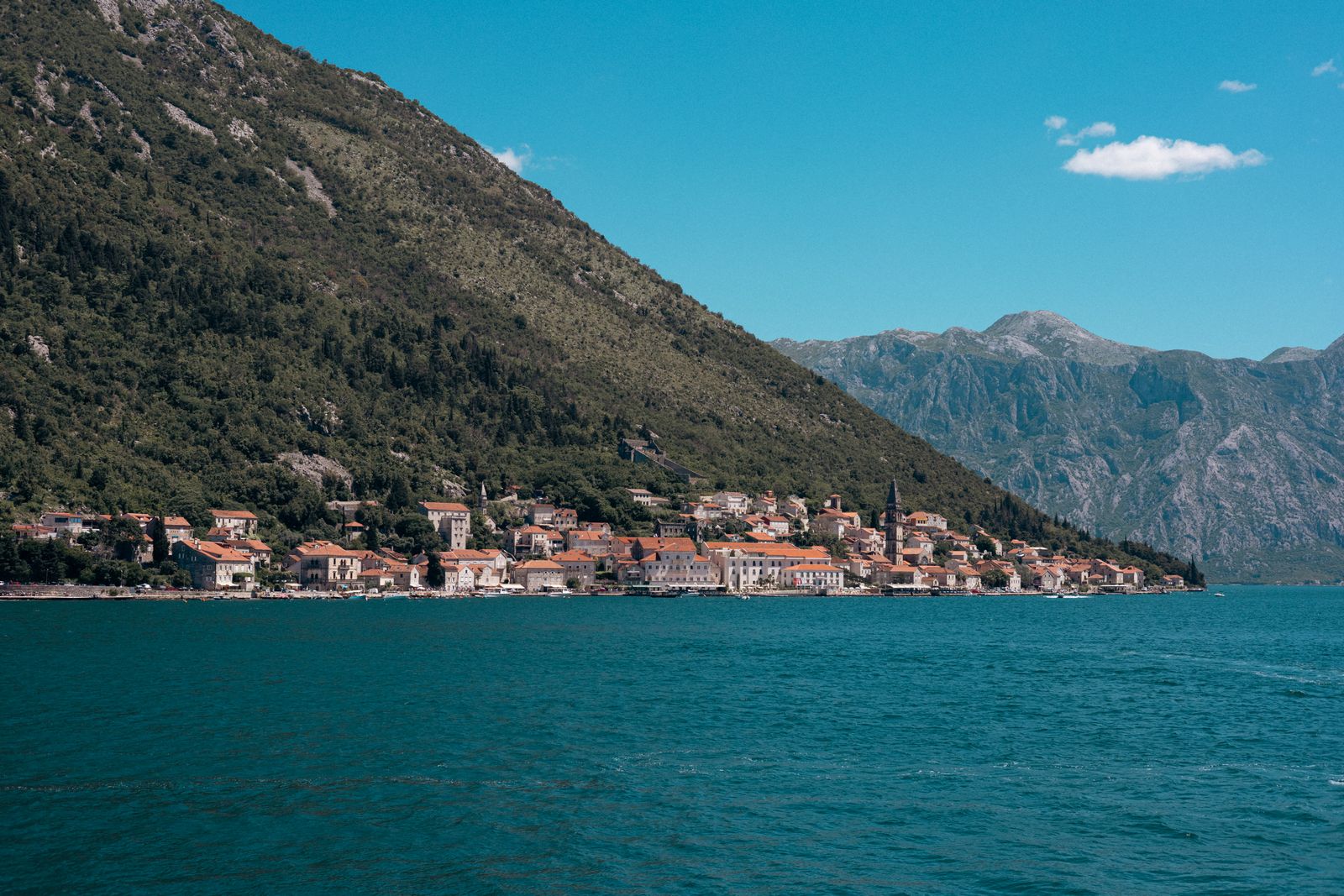
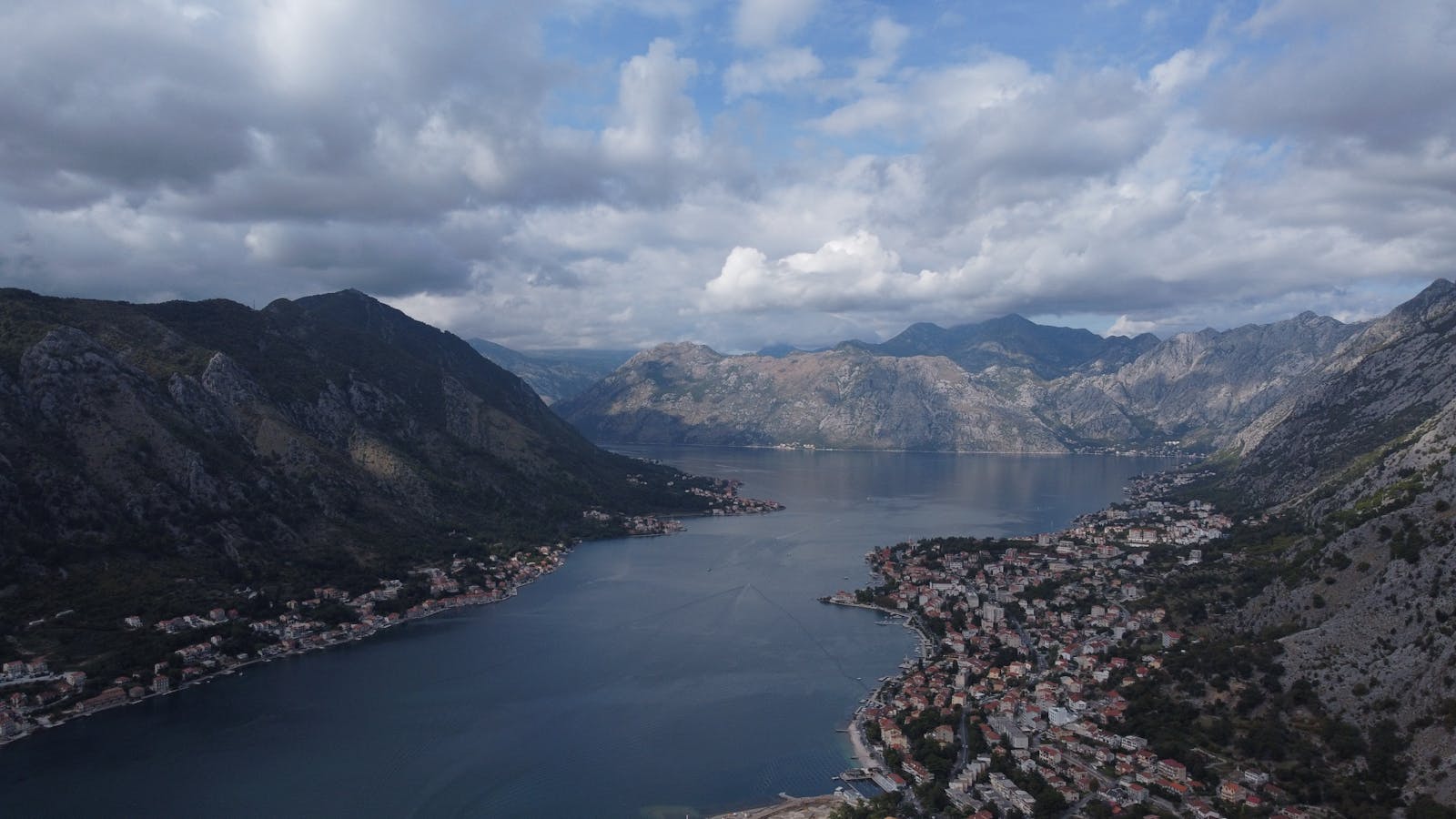
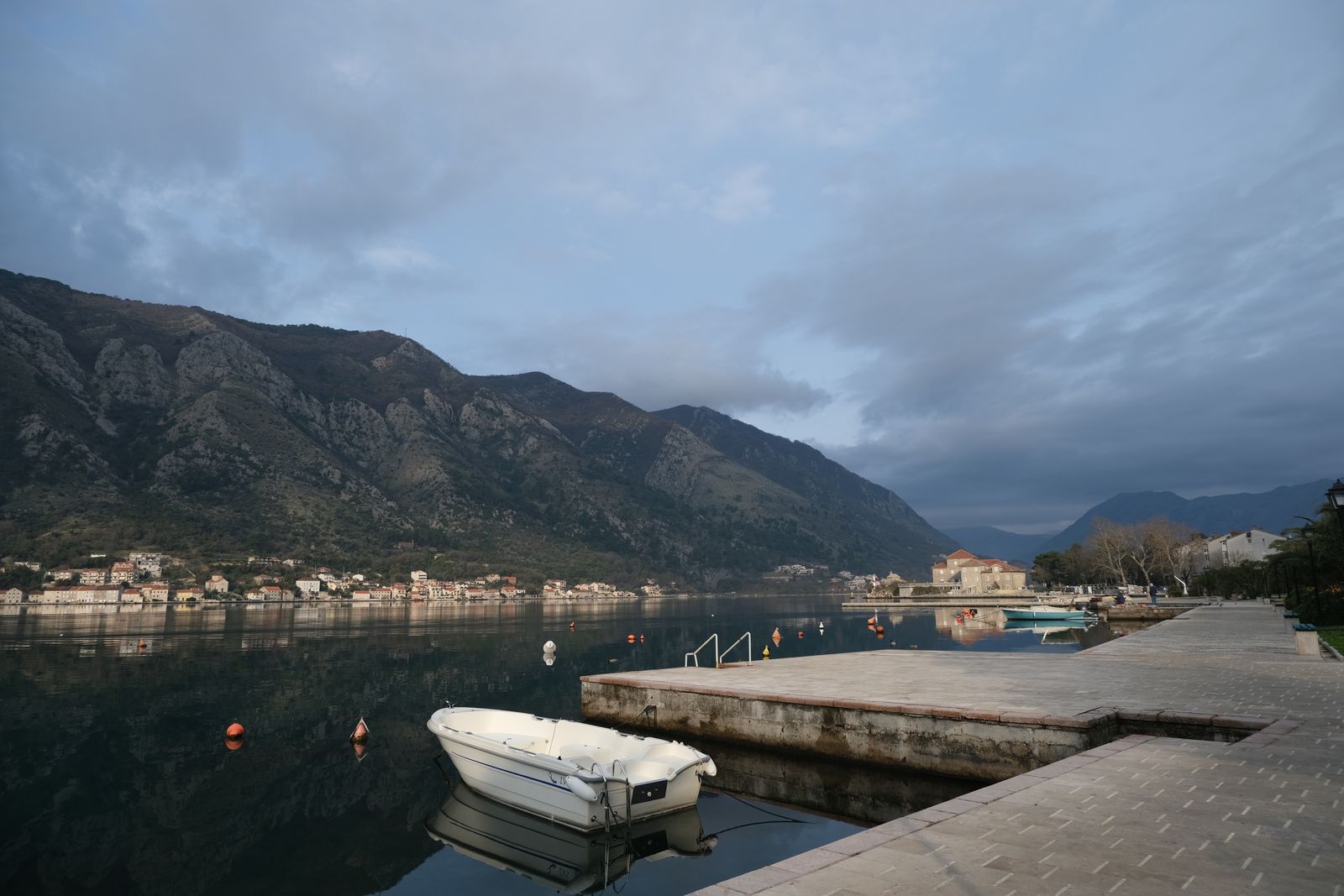
At the opposite end of the spectrum lies the magical Bay of Kotor. This deep fjord-like bay is hemmed in on all sides by high, steep mountains, creating a truly unique microclimate. In summer the mountains block the natural flow of wind, so Kotor is often very heavy and oppressively humid, while in winter the steep peaks cover the sun by early afternoon, making it noticeably cooler than on the open riviera around Budva.
💡 Tip: The Bay of Kotor acts as a huge cloud trap, and the nearby village of Crkvice holds the all-European record for rainfall with almost 5,000 millimetres a year. Bear in mind that it rains far more often around Kotor than down south near Ulcinj.
8. The Ideal Time for Mountain Treks
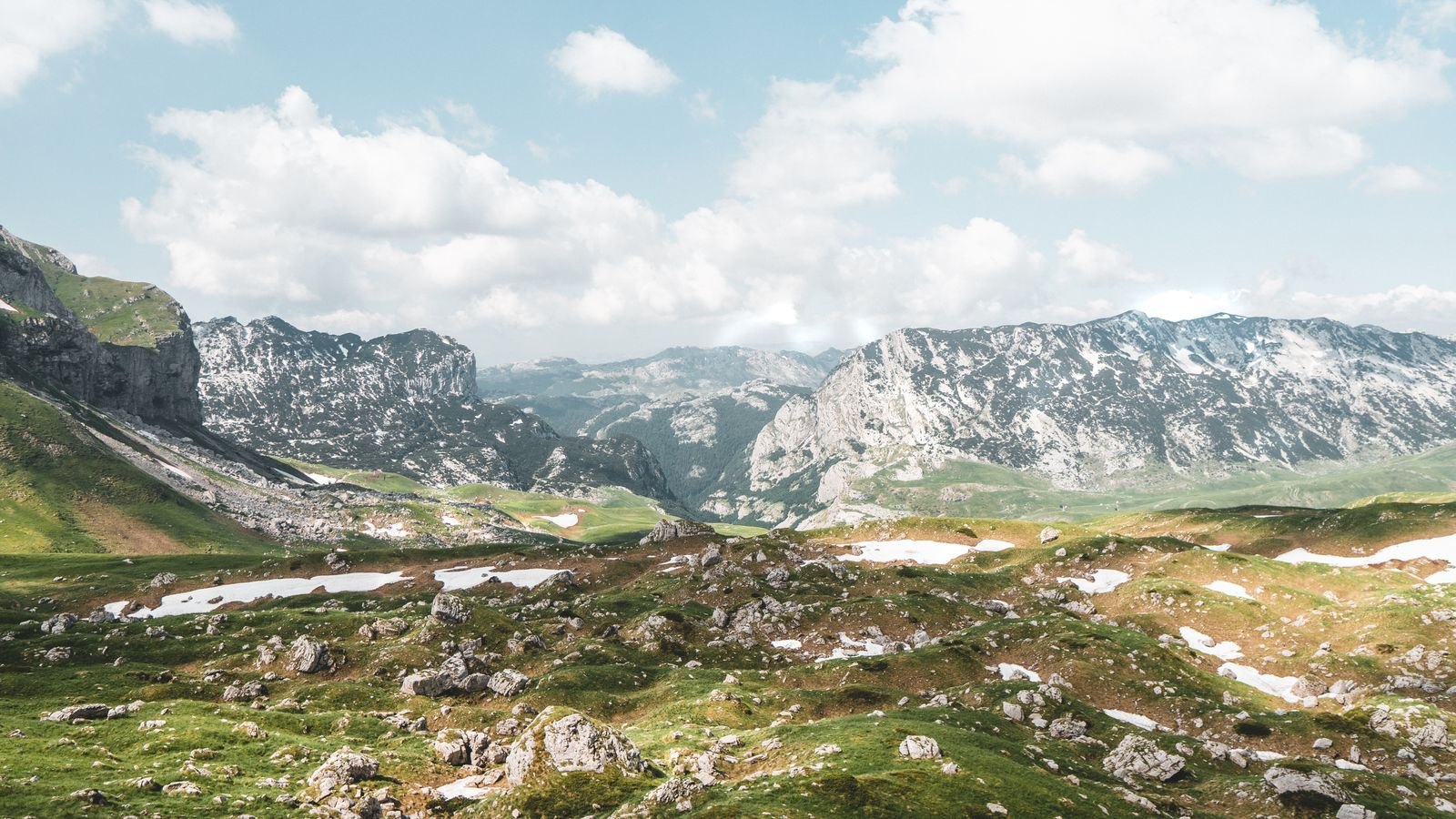
The national parks of Durmitor, Biogradska Gora and Prokletije draw lovers of untouched nature, but planning trips to these areas demands respect for the mountain climate. The best and safest window for high-mountain hiking opens from June to September. During these months the snow disappears even from the highest passes below the Bobotov Kuk summit, and temperatures sit in a pleasant range of 19 to 22 °C.
Seasoned hikers agree that the undisputed king for walking is September. The air is beautifully clean and fresh, the sky tends to be reliably clear, and the day-trippers who come up from the sea over summer thin out. By contrast, in May and June you have to expect very frequent afternoon thunderstorms in the mountains, which form from the rapid evaporation of moisture.
💡 Tip: Whichever summer month you head into the mountains, always plan your tougher treks for early morning. Afternoon weather changes in Durmitor can be extremely fast and fierce.

9. The Winds That Shape Both Mood and Weather
When planning your trip you don’t need to worry about hurricanes or destructive tropical storms — they steer clear of Montenegro. The Mediterranean climate is, however, strongly influenced by three local winds that can fundamentally change the character of the weather. In winter and early spring, the coast is ruled by the bora, a very cold, gusty and dry wind from the mountains, which can push the wind-chill close to freezing.
Throughout the year, but most strongly in autumn, you may encounter a wind called the jugo, which blows from the south and brings warm but very humid air along with heavy rainfall. In summer, on the other hand, you’ll enjoy the maestral, a very pleasant afternoon sea breeze that cools the scorching beaches beautifully and creates great conditions for sailing.
💡 Tip: If you love kitesurfing or windsurfing, make the most of the summer winds at the southern tip of Velika Plaža near Ulcinj, where the wind blowing off the Albanian mountains creates some of the best conditions in the eastern Mediterranean.
10. Crowds and Prices Changing From Month to Month
The weather and temperatures have an absolutely direct and major impact on the price of accommodation and services across the country. Montenegro sees enormous swings, and during the peak season in July and August, prices are commonly double those of the shoulder months. On top of that, more than 90 percent of all overnight stays in the whole country are concentrated on the coast during this period, so peace and quiet is little more than a dream.
If you want to save money while keeping a very decent chance of nice weather, turn your attention to the so-called shoulder season. June and September offer summer temperatures, but accommodation is noticeably cheaper, the restaurants aren’t packed, and you won’t be wasting precious time stuck in traffic jams.
💡 Tip: If you want to save even in the middle of the hot summer, avoid the premium, pricey spots like Budva, Kotor or Tivat and head instead for the more southerly areas around Bar and Ulcinj, which are a little kinder to your wallet.
11. When the Swimming Season Finally Ends
The question of autumn swimming troubles many travellers trying to catch the last rays of sun. As already mentioned, September is completely problem-free for swimming. The comfortable beach season on the coast typically ends at the turn of September and October, when the nights start to lengthen noticeably and the air cools more quickly.
Hardier souls and lovers of empty beaches commonly swim well into the first half of October, because the water still holds a temperature of around 20 to 21 °C. The definitive end to swimming only comes with the arrival of the autumn rains and the first stronger bursts of the cold bora wind in the second half of October, after which the sea churns and rapidly cools below comfortable levels.
💡 Tip: If you head to the sea in October, I’d recommend looking for accommodation in sheltered bays where the sharp wind doesn’t reach. In autumn, the difference in how the temperature feels on an open beach versus in the lee can be enormous.
12. The Ideal Month for a Road Trip Across the Country
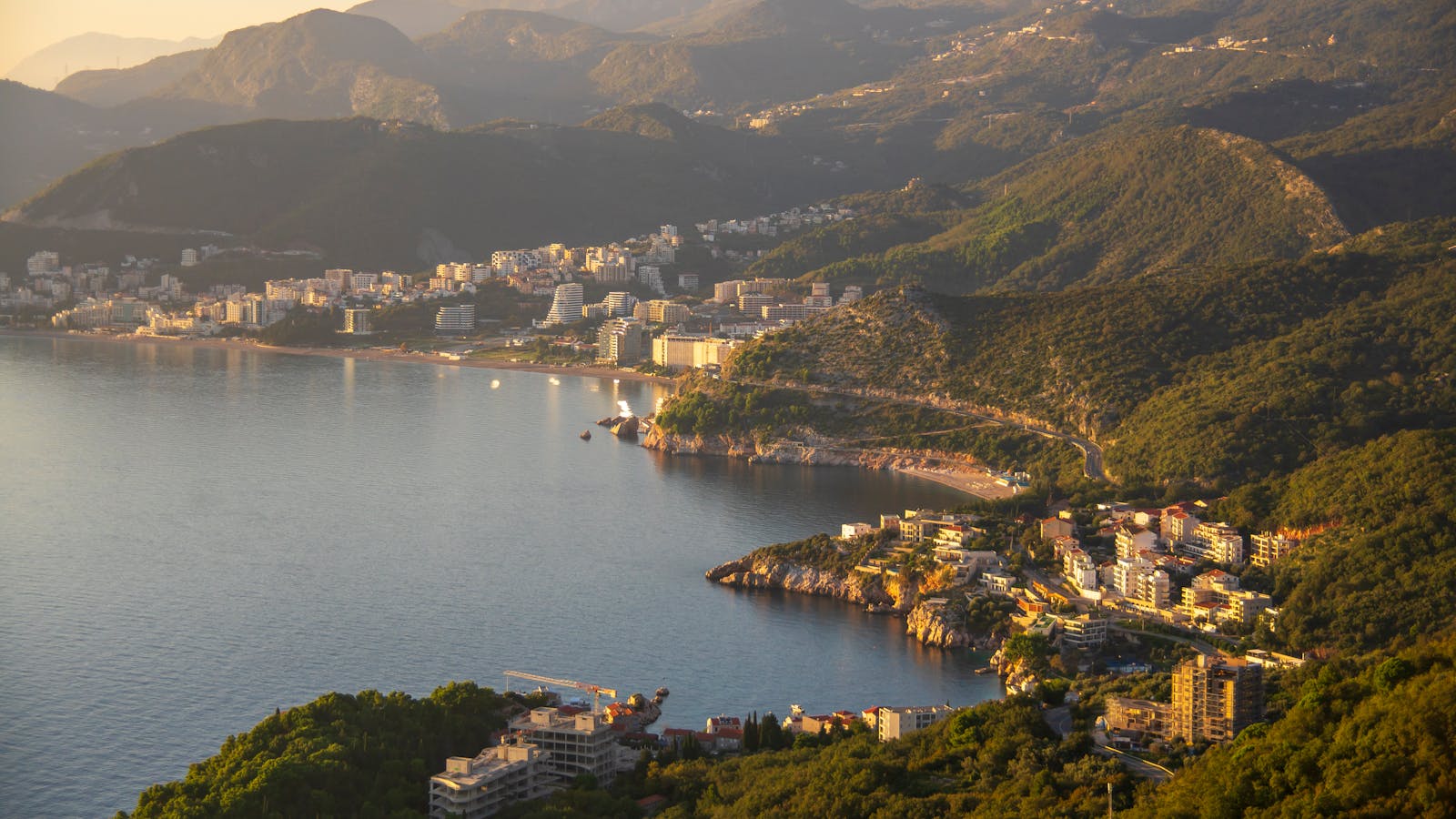
Combining a swim in the sea with trips into the mountains on a single journey is by far the best way to get to know Montenegro properly. The search for that sweet spot — when it’s lovely enough for swimming down below and there’s no snow left up top — leads you unmistakably to a few specific months. The best time for a nationwide road trip is late May, June, and of course September.
In these months you can be completely sure that the high mountain passes in Durmitor will be passable and safe, while you won’t be dying of heat on the drives along the coast. You’ll also avoid the worst traffic jams that regularly paralyse the Adriatic Highway in July and August and can turn a drive between two towns into an all-day ordeal.
💡 Tip: When planning your route, don’t forget that mountain drives take far longer than the map would suggest because of the winding roads, so always set aside plenty of daylight for the journey between the sea and Durmitor.
A Practical Summary and Rough Prices
To help you plan your trip in 2026, I’ve put together a clear table that shows exactly when and why to go for specific experiences.
| Planned activity | Best time to go | Why go then |
|---|---|---|
| Swimming and the warmest sea | July and August | Guaranteed water between 25 and 26 °C, minimal rain, but the highest prices. |
| Crowd-free beaches and mid-range prices | June and September | The water is acceptable (21–24 °C), summer temperatures without extremes or traffic jams. |
| Exploring towns without the heat | May, June, October | A pleasant 20–25 °C on the coast, ideal for strolling around Kotor without the swelter. |
| Mountain treks (Durmitor) | June to September | The snow is gone, daytime temperatures in Žabljak around 19–22 °C. September is the absolute top pick. |
| Rafting and white water | May to September | May offers wild water from snowmelt, summer is calmer and also good for swimming. |
| Winter skiing | January and February | The most reliable snow cover at the Kolašin and Savin Kuk resorts. |
| Cheapest holiday (off-season) | November to March | Coastal accommodation for a fraction of the price, but expect heavy rain and closed venues. |
💡 Tip for accommodation and experiences: We love searching for accommodation on Booking.com, where the cancellation terms tend to be the best. For tickets, tours and activities, it’s worth comparing and booking through GetYourGuide.
Where to Go Next
If you’re interested in more practical information for planning your trip, have a read of another article on the blog. You’ll find plenty of useful details that will come in handy before you set off:
Frequently Asked Questions
When is the best time to go to Montenegro to the sea?
The most balanced period is mid to late September. The sea maintains a temperature of around 23 to 24 °C, the air has a pleasant 27 °C, and you’ll avoid the biggest crowds and peak prices. However, if you require maximum heat with water above 25 °C, you’ll need to head out in July or August and expect full beaches.
Is the sea still warm in Montenegro in September?
Yes, and very pleasantly so. During September, the sea temperature hovers around 23 to 24 °C along the coast, and at the southern sandy beaches near Ulcinj it can be even a degree warmer. Paradoxically, the water is actually warmer than in June. The only risk in September is more frequent afternoon showers and thunderstorms.
What is the sea temperature in different months?
At the beginning of summer in June, the sea has a refreshing 21 to 23 °C. During July it warms up to 24 to 26 °C and in August reaches its maximum around 25 to 26 °C. In September it drops to 23 to 24 °C and in October hovers around just 20 to 21 °C. In winter it falls to 14 °C.
When does the swimming season officially end?
Comfortable swimming without goosebumps lasts along the entire coast roughly until the end of September. Hardier travelers commonly swim even in the first half or end of October, when the water still has around 20 °C. The season is then definitely ended by cooler night temperatures, rains and the cold autumn bora wind.
When can you ski in Montenegro?
The ski season in the main resorts of Kolašin and Savin Kuk near Žabljak lasts roughly from December to March. The most reliable conditions, with the deepest layer of natural snow, regularly occur in January and February. Durmitor maintains its snow cover for an average of around 150 days a year.
Is it very hot in Montenegro in summer?
Yes, it can get really hot on the coast. In August, which is the hottest month, daytime temperatures reach 30 to 31 °C. It’s particularly humid in the enclosed Bay of Kotor, where the mountains block the wind and the perceived temperature soars. However, you can easily escape the heat in the mountains, where it’s only 22 °C in summer.
What’s the difference between the weather on the coast and in the mountains?
The difference is enormous. While the coast enjoys a hot Mediterranean summer with 30°C and people swim in the sea, in the mountains just a few dozen kilometers away you’ll measure 22°C during the day and temperatures drop to 9°C at night. In winter it’s mild by the sea with rain, while the mountains get buried under a thick layer of snow.
Tips and Tricks for Your Vacation
Don’t Overpay for Flights
Search for flights on Kayak. It’s our favorite search engine because it scans the websites of all airlines and always finds the cheapest connection.
Book Your Accommodation Smartly
The best experiences we’ve had when looking for accommodation (from Alaska to Morocco) are with Booking.com, where hotels, apartments, and entire houses are usually the cheapest and most widely available.
 🚗 Car rental on the roadVerified rental cars in Montenegro
Search with the DiscoverCars comparison engine — it compares prices from dozens of local and international rental companies, and most bookings come with free cancellation.
Compare car prices in Montenegro →Don’t Forget Travel Insurance
Good travel insurance will protect you against illness, accidents, theft, or flight cancellations. We’ve had a few hospital visits abroad, so we know how important it is to have proper insurance arranged.
Where we insure ourselves: SafetyWing (simple monthly subscription) and TrueTraveller (for extra-long trips).
Find the Best Experiences
Get Your Guide is a huge online marketplace where you can book guided walks, trips, skip-the-line tickets, tours, and much more. We always find some extra fun there!
More from Montenegro
Full guide →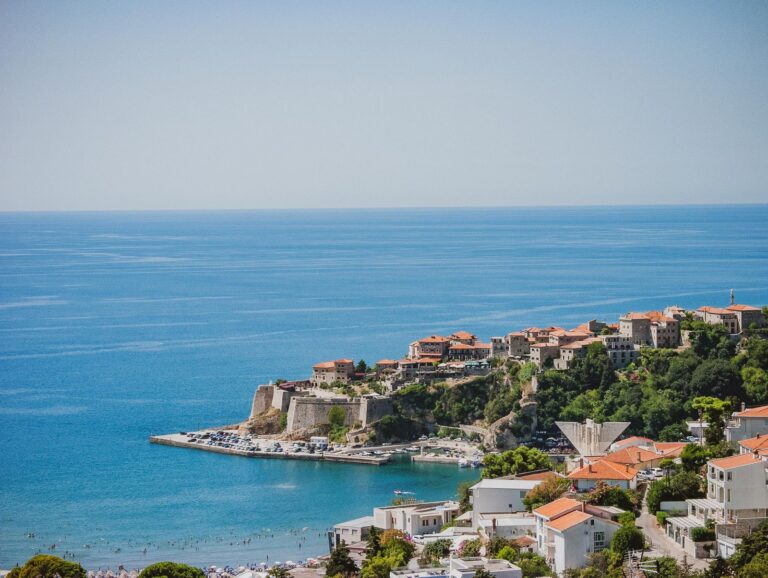 Beaches · most readUlcinj, Velika Plaža & Ada Bojana: 11 Tips for Montenegro’s Southernmost Coast
 What to seeOstrog Monastery: 8 Tips for a Cliff-Carved Pilgrimage Site 2026
 Day tripsTivat & Porto Montenegro: 10 Tips for the Luxury Marina and Beyond
 ActivitiesTara River Canyon & Đurđevića Bridge: Rafting, Zip-Line and Europe’s Deepest Canyon 2026
 What to seeDurmitor National Park & Žabljak: 12 Hikes, Crno Jezero and Bobotov Kuk


