

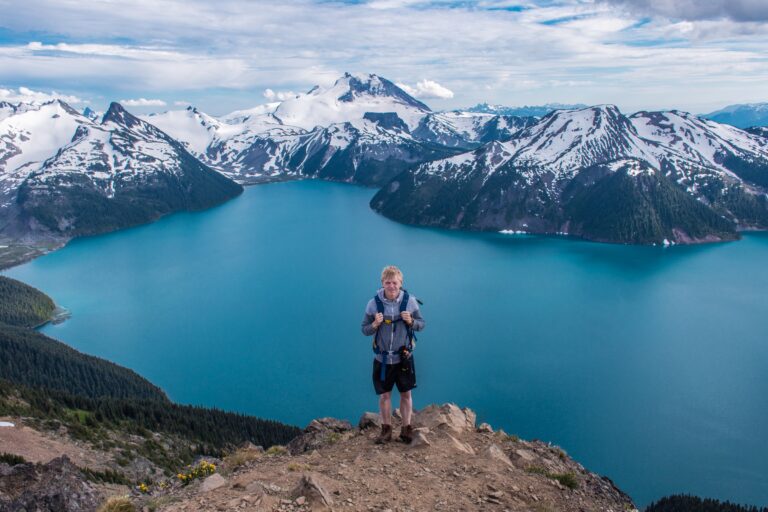
British Columbia is one of those dreams that runs through your head every time you see a photo of snow-capped mountains rising over the ocean or a bear by a river – and then comes the sobering question: how much does it actually cost, when’s the best time to go, and can we manage the trip on our own, or are we better off with a tour? We were stuck in exactly that uncertainty before we first set off there.
On this page you’ll find three things: up-to-date flight prices that we refresh every morning; our personal tips from our own trips and articles that are genuinely worth it (and which aren’t); and a simple plan for when and what to book so you don’t overpay unnecessarily.

What to see and do in British Columbia
British Columbia is huge and every corner is different. We’ve broken it down by what you want from the trip – from the big city through islands and a wine valley to the mountains.
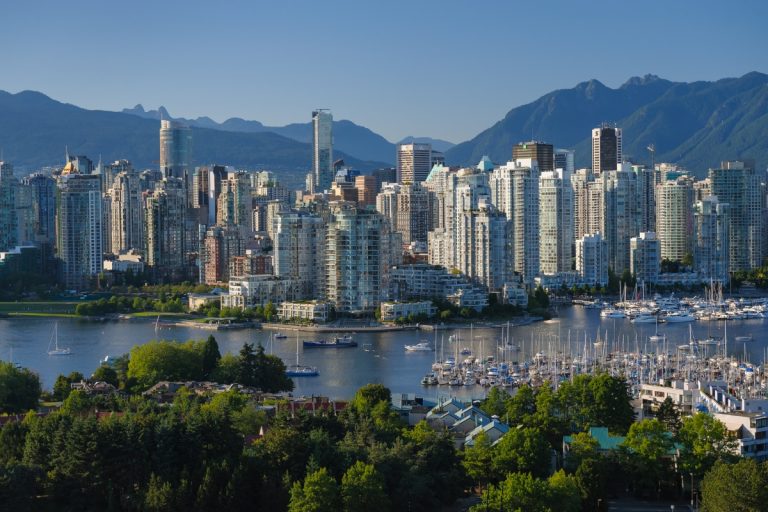
- Vancouver is the natural gateway to BC – Stanley Park, Granville Island and mountains in view right from downtown. Most trips start and end here.
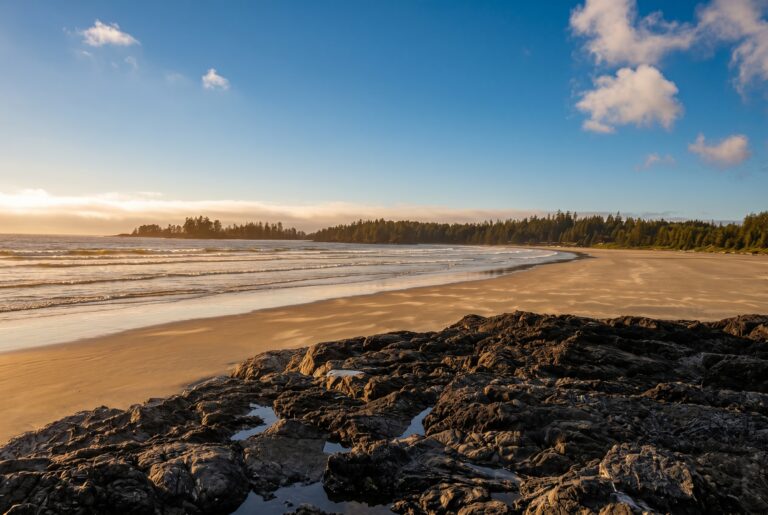
- Vancouver Island offers wild coastline, rainforests and a relaxed 7-day loop – our favourite region.
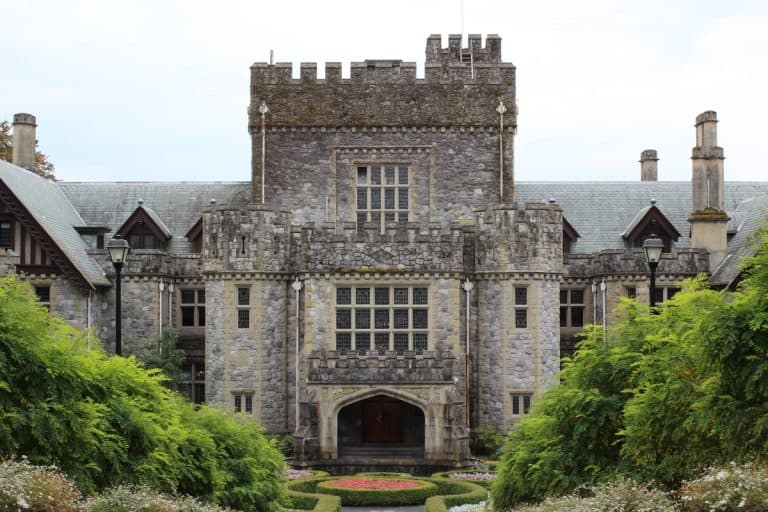
- Victoria, the provincial capital, is British and elegant – the Inner Harbour, Butchart Gardens and afternoon tea.
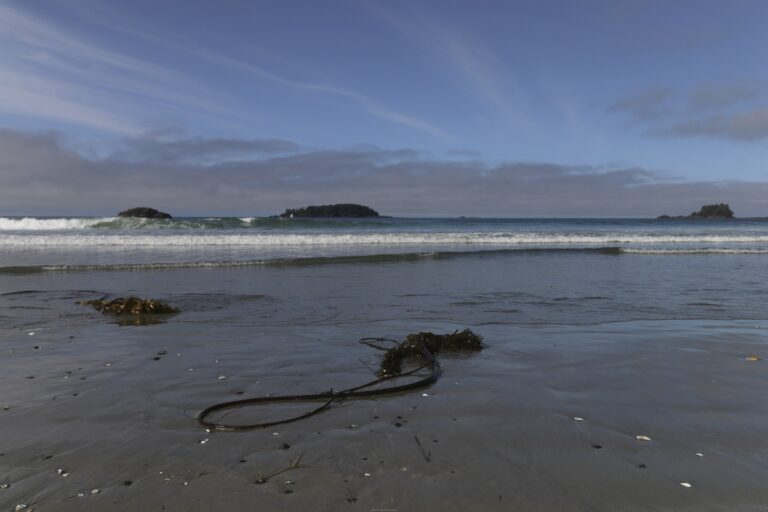
- Tofino is a paradise for surfers and storm lovers – in winter people come specifically for storm watching and Pacific Rim.
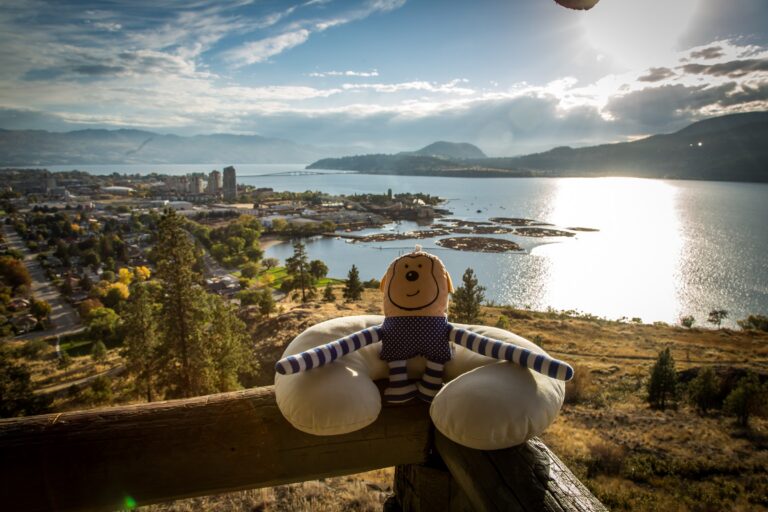
- Okanagan is a surprise for many – a warm lakeside valley full of wineries and hot springs.
- Whistler isn’t just skiing – in summer it makes a fantastic base for the mountains, biking and scenic gondolas.
If you have around 2–3 weeks, it all links up beautifully: Vancouver → ferry to the island → back and north to Whistler, or inland to the Okanagan. You’ll find specific routes and tips in the individual articles below.
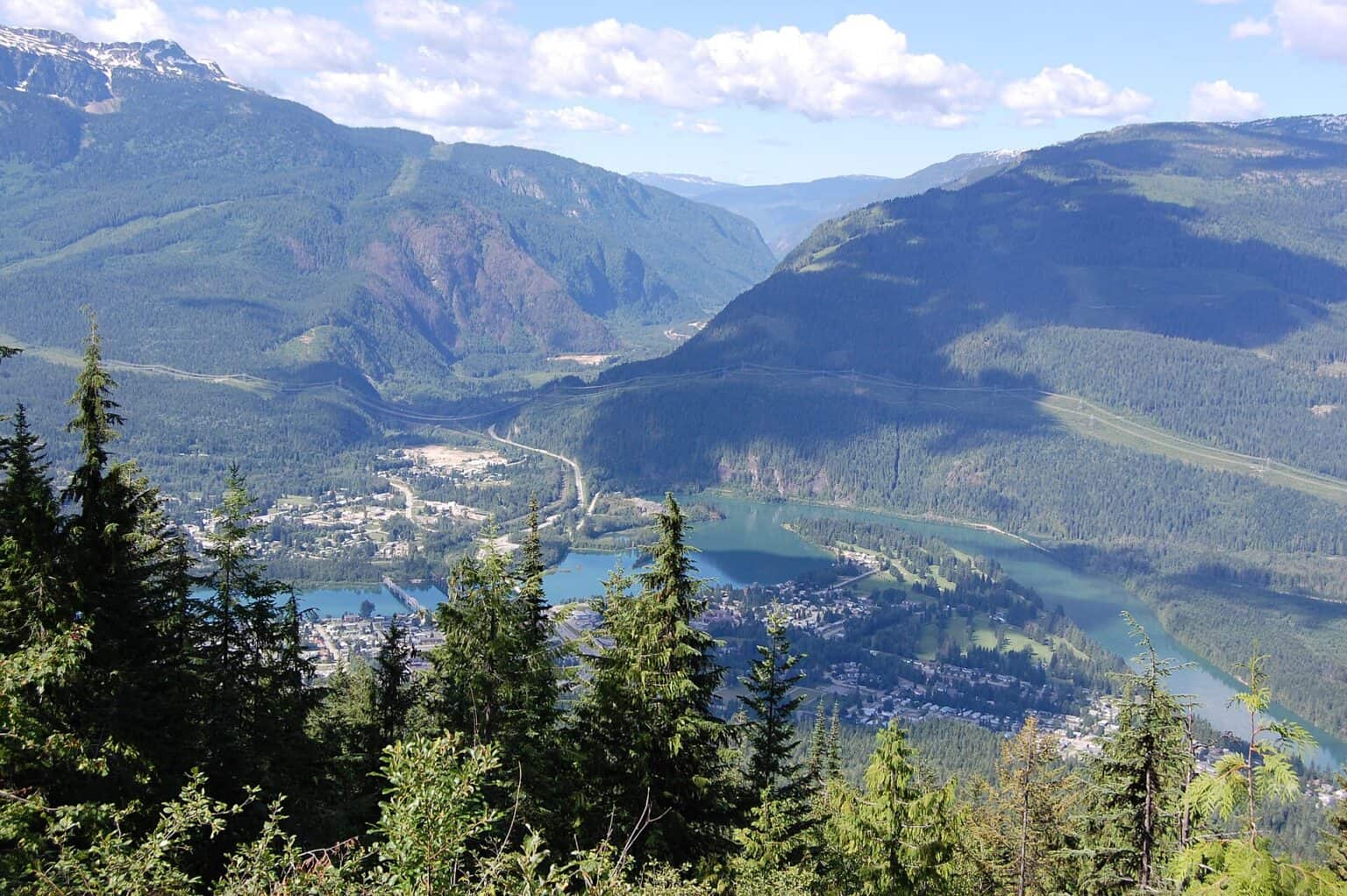
When to visit British Columbia
The best time for most travellers is from June to September. Summer brings long daylight, pleasant temperatures around 20–25 °C and every ferry, gondola and trail running at full tilt. July and August are the warmest, but also the priciest and busiest – if you can, opt for June or September, when it’s calmer and prices are gentler.
Spring (May) and autumn (October) are lovely for colours and fewer crowds, but the weather is already changeable and some activities may run on reduced hours. The Vancouver Island coast is generally wetter – expect rain even in summer, especially around Tofino.
Winter has two faces: Whistler is a top-tier ski destination from December to March, while people head to Tofino for winter storms and waves. If you dream of bears, whales and hikes, stick to summer.

How to get to British Columbia
There’s no direct flight from Czechia to British Columbia, so you’ll always fly with one stopover – most often via a European or North American hub. The main gateway is Vancouver Airport (YVR), from where you can carry on across the province. From Prague, count on roughly 12–15 hours of travel including the connection.
The best way to get around BC is by car – distances are large and public transport is sparse. To reach Vancouver Island and travel between coastal points you’ll take ferries (BC Ferries), which carry cars too; in season it pays to book ahead. There are also regional flights between Vancouver and the interior or the island, but for a classic road trip a car is the obvious choice.
Renting a car
In British Columbia a car is almost essential. Distances are enormous, public transport is sparse and the loveliest places lie outside the cities anyway. A car only doesn’t pay off if you plan to spend the whole time in Vancouver – there public transport is good and parking is expensive. The moment you want to head to the island, the mountains or the Okanagan, you can’t do without one.
- Where to book: through rental comparison sites and always in advance – in season prices and availability swing sharply.
- Insurance and deposit: watch for full coverage and expect a deposit hold on your credit card.
- Ferries: you can take your car on BC Ferries – in season reserve a spot for the vehicle ahead of time.
- Tip: check the mileage limit and fuel policy so you’re not caught out by surcharges.
Where to stay in British Columbia
Accommodation in British Columbia isn’t cheap, but the choice is wide. Vancouver and Victoria are the most expensive – it pays to stay a little out of the centre and commute in. Out in nature and in smaller towns (Tofino, Whistler, Okanagan) there are great motels, lodges and campgrounds that give the trip its true atmosphere.
- Cities (Vancouver, Victoria): hotels and apartments – book well in advance, as they go fast in summer.
- Nature (Tofino, the island): oceanside lodges and campgrounds – definitely book ahead, as capacity is small.
- Mountains (Whistler): apartments and resorts, much cheaper outside the ski season.
- Okanagan: motels and lakeside wine-country guesthouses, ideal for a relaxed road trip.
You’ll find our specific tips for specific places right in the articles on the individual destinations – that’s where we go into detail.
Package tour or independent travel?
British Columbia can be done either way – it comes down to how much you enjoy planning and driving. Here’s our honest comparison.
A tour is worth it when…
- you don’t want to deal with logistics, ferries and bookings on your own;
- you’re travelling far for the first time and want the certainty of a set programme and transport;
- you have no appetite for driving long routes on the other side of the world.
Go it alone when…
- you want the freedom to stop wherever you like and change plans on the fly;
- you enjoy planning and don’t mind driving;
- you want to tailor the trip better to your budget and your own pace.
The two of us are clear advocates of going it alone – BC is ideal for a road trip and a car opens up places no tour reaches. But if this is your first long-haul trip and you want peace of mind, an organized tour takes a lot of worries off your plate.
Budget: daily costs in British Columbia
| Level | Accommodation | Food | Transport & activities | Total/day |
|---|---|---|---|---|
| Backpacker | 45 C$–80 C$ (hostel, campsite) | 30 C$–45 C$ | 40 C$–70 C$ | approx. 120 C$–200 C$ |
| Standard | 120 C$–210 C$ (3★ hotel, motel) | 55 C$–90 C$ | 70 C$–130 C$ | approx. 240 C$–420 C$ |
| Comfort | 260 C$ and up (lodge, 4★) | 95 C$ and up | 145 C$ and up | approx. 510 C$ and up |
Prices are approximate, per person per day and don’t include flights or car rental. British Columbia is one of the pricier destinations — to restaurant prices add tax and a tip (around 15 %), which noticeably bumps up the budget.
How to save when planning
The biggest expense of the trip is usually the flight, so start there. Prices to Canada in summer tend to climb, so it pays to watch the connections 3–6 months ahead and buy as soon as the price drops below the usual level. Search for flights in our search engine.
- Accommodation: in season the best and cheapest spots go first, so book 2–3 months ahead, especially in Tofino and Whistler. You’ll find our accommodation tips on this page.
- Flights: avoid last-minute purchases and departures right on the weekend – Wednesday/Tuesday tend to be cheaper.
- Activities: whale watching, gondolas and popular hikes sell out in summer, so book early. Take a look at what to book early.
- Tour: if you’re considering an organized trip, keep an eye on the current tours right here on the page.
- Where you overpay: food in tourist hubs and last-minute fuel – shop at the supermarket and fill up in towns.
Practical information
- Language and entry: the language is English; to enter Canada you need an electronic authorization, the eTA – sort it out online before you travel.
- Payments: cards work absolutely everywhere, you barely need cash. Watch out for the tax and tip added on top of prices.
- Connectivity: the easiest option is an eSIM – activate it at home and you’ll have data the moment you land, with no hunting for a SIM at the airport.
- Safety: BC is very safe; have more respect for nature instead – bears, weather and distances.
- Tip: in the wild, drive with a full tank and a stock of food, as there can be big gaps between gas stations and shops.


