

When should you visit Australia? There’s no single right answer, because this country is enormous—almost the size of Europe. One week, you could be dealing with 32°C heat and heavy monsoon downpours in tropical Cairns, while people in Hobart, Tasmania, are reaching for winter coats at 12°C. That’s why it’s essential to choose the region you want to visit first, then find the best month to travel.
Many travellers make the mistake of booking flights for dates that suit them, only to discover—with dismay—that their dream destination is in the middle of the wet season or freezing cold. To make planning easier, we’ve put together a detailed guide to the climate across the continent. You’ll find clear advice on when to go diving, when to explore the scorching outback and when to discover the vibrant southern cities.
TL;DR
- The seasons are reversed: Christmas falls at the height of summer and peak season Down Under, while the southern hemisphere is in winter during the European summer holidays.
- Three very different climates: The tropical north has wet and dry seasons, the red centre swelters in summer, and the temperate south has four seasons much like Europe.
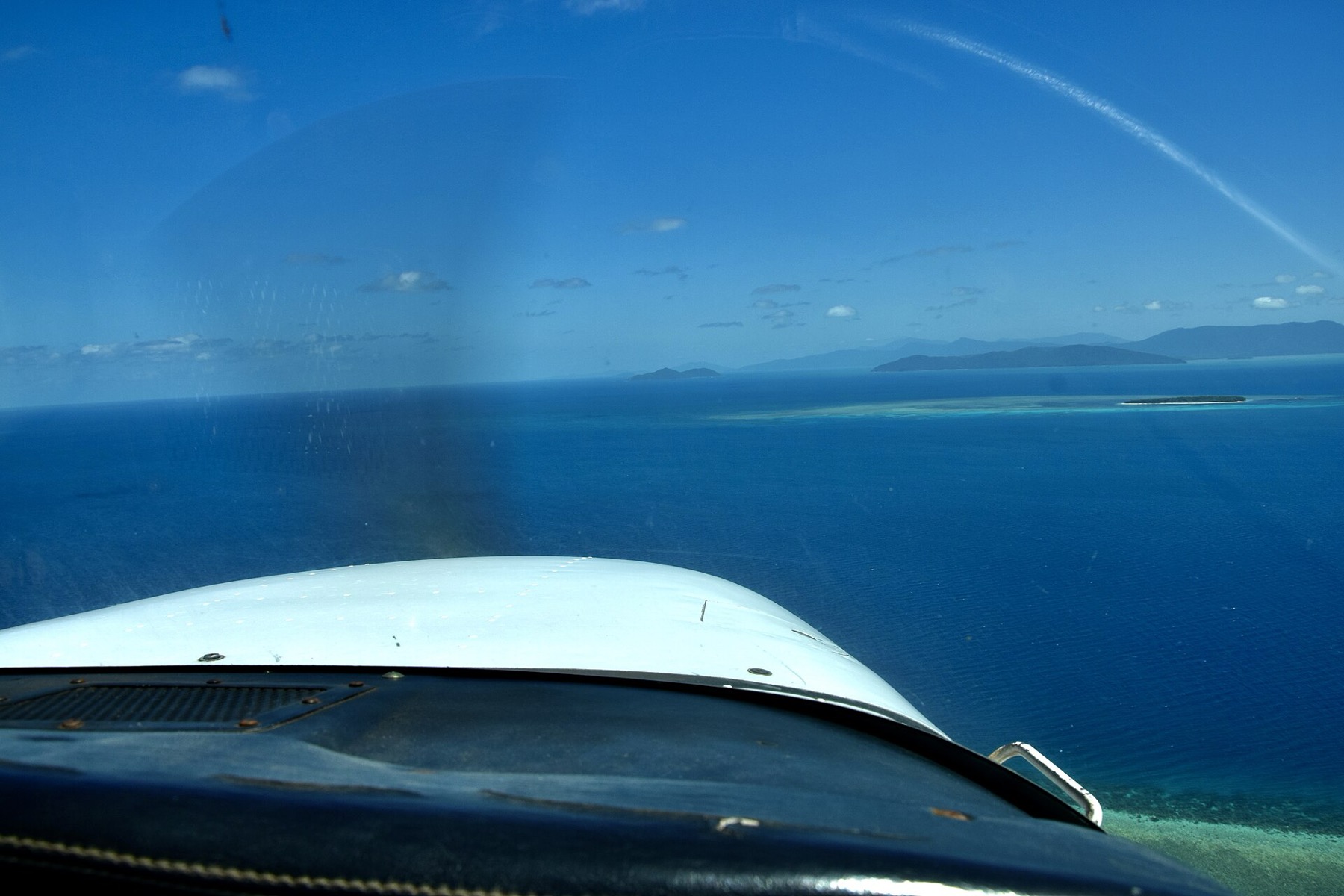
- Best time for the Great Barrier Reef: Visit Cairns and the reef during the Australian winter, from June to September. Temperatures are a pleasant 24–26°C, rainfall is minimal and the stinger season is over.
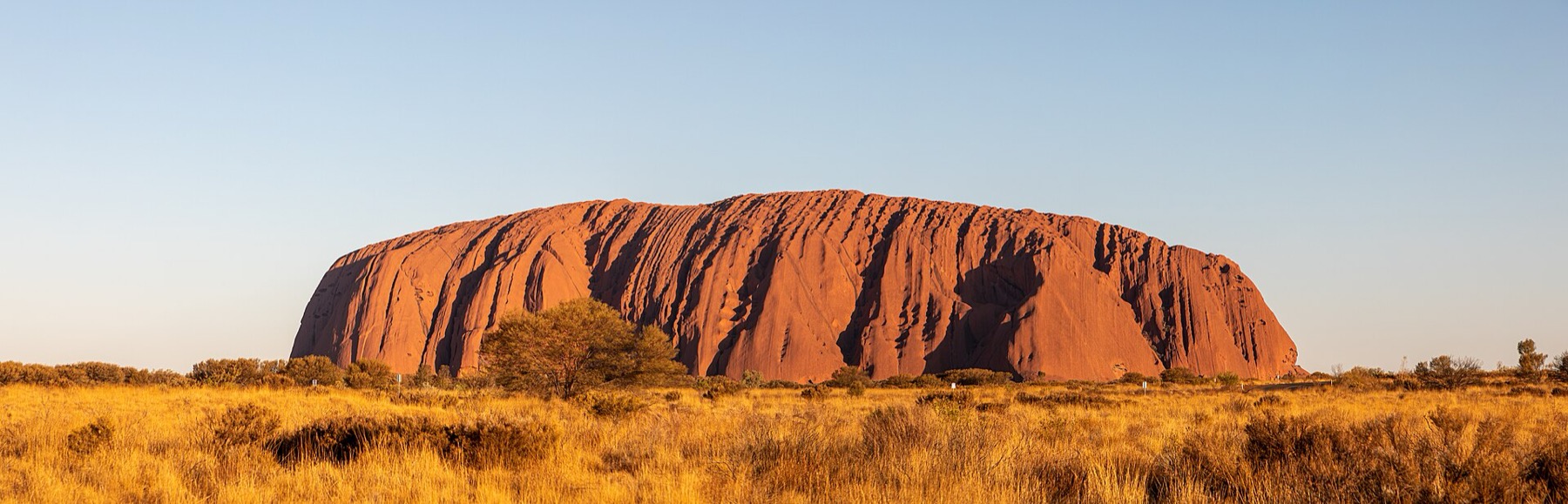
- When to visit sacred Uluru: May to September is ideal. You’ll avoid summer temperatures of up to 36°C, when walking trails in the park are often closed for safety reasons.
- Best months for the southern cities: Sydney, Melbourne and Adelaide are at their best from October to April, when it’s warm enough to explore, stroll along the coast and, if you like, swim.
- Watch out for cyclone season: It officially runs from 1 November to 30 April in the north, bringing dangerous tropical storms and persistent monsoon rain that can disrupt travel.
- Where the data comes from: Rather than relying on travel brochures, we calculated all the figures in this article using real historical weather data from the past decade.
Where the figures in this article come from
The figures in this guide come from real historical data, not travel brochures. We ran our own analysis using the renowned ERA5 reanalysis dataset, managed by the European Copernicus programme. Using the Open-Meteo interface, we analysed average air temperatures from 2015 to 2024, giving you a picture of actual weather conditions over the past decade.
We took the same careful approach with sea temperatures, using average figures from 2019 to 2024, so you can see just how warm the water is likely to be. There is one important caveat for large urban areas, though: sea temperatures for Melbourne and Hobart come from sheltered waters—Port Phillip Bay and the mouth of the Derwent River, respectively. Treat these figures as a guide, since the open, rough ocean is usually a little colder.
Why everything is the other way around in Australia
When people think of Australia, many picture endless beaches filled with surfers, hot golden sand and sunshine from dawn to dusk. The truth is that Australia doesn’t have one climate that applies everywhere. It’s a vast continent covering almost 7.7 million square kilometres, so it stands to reason that the weather isn’t the same along every stretch of coast.
The far north has a genuinely tropical climate with monsoons, much of the vast interior is arid desert, and the south lies in a temperate zone with a climate similar to Europe’s. With such geographic diversity, there’s no way to name one best month for visiting the entire country. You’ll need to make trade-offs based on where you’re headed.
But the biggest surprise for many international visitors is the reversed seasons, a result of Australia’s location in the southern hemisphere. When we’re decorating Christmas trees and looking out at snow, summer is just getting underway Down Under, bringing the year’s highest temperatures and peak tourist season.
Christmas is also when many Australians take time off and head to the coast for long summer holidays. In practice, that means the most expensive flights and hardest-to-find accommodation coincide with this period. Kiwi.com can be useful for finding cheaper flights outside peak season, including more complicated itineraries around the continent. By contrast, the European summer months of July and August bring a fairly chilly winter to Australia’s southern states, so you’ll definitely want a jumper and waterproof jacket.
Three Australias: north, centre and south
Let’s start in the north, where things get wild. Each climate zone follows a completely different set of natural rules, and what works well on the east coast may make no sense at all in the middle of the desert. Let’s take a closer look at what makes each region unique, so you know what to expect.
The tropical north (Cairns, Darwin, Broome)
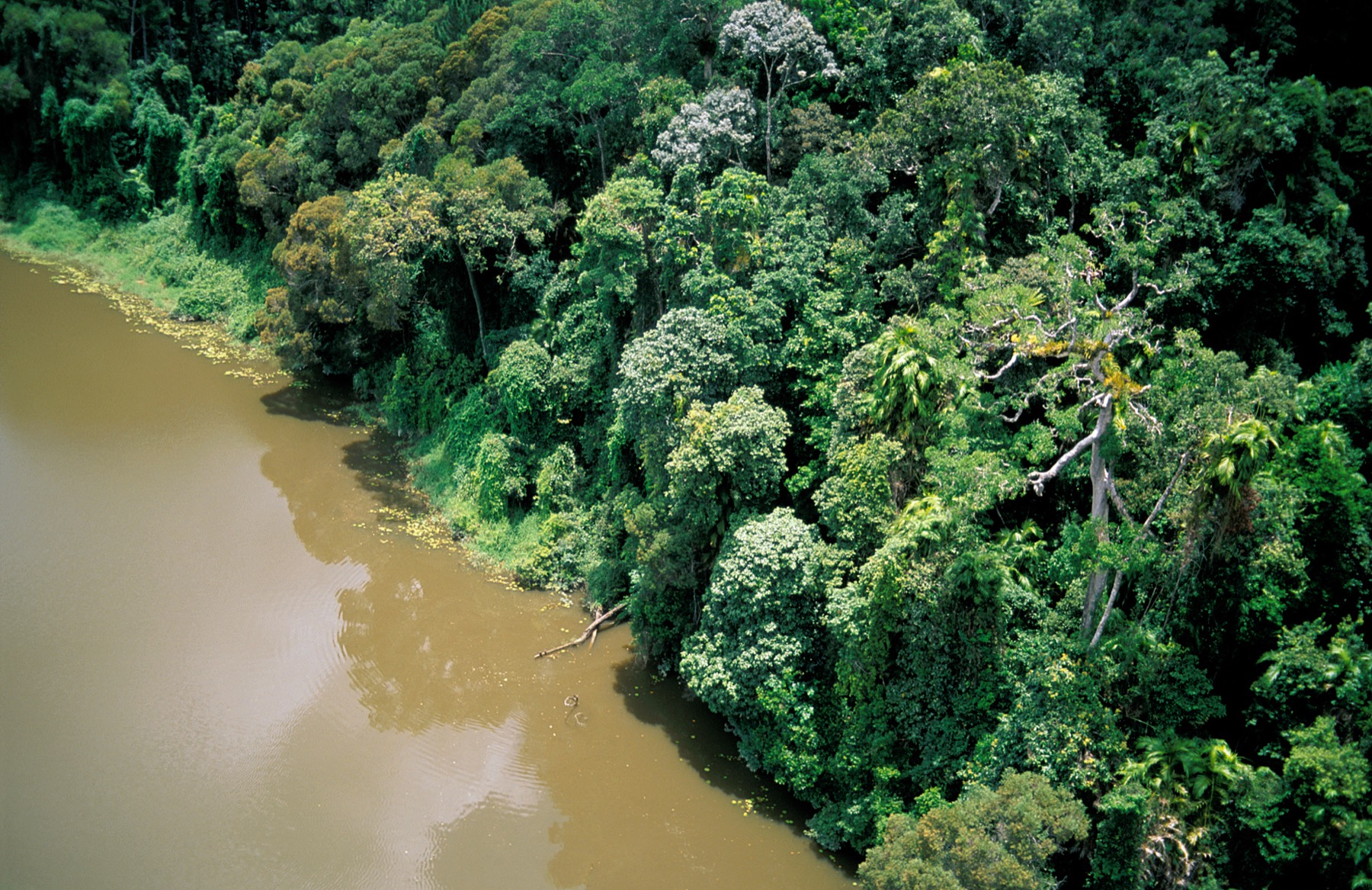
If you’re heading to the far north to see crocodiles or coral, forget the usual ideas of summer and winter. Here, the year is divided into wet and dry seasons. The wet and dry seasons determine what you can do, where it’s safe to go and what might be underwater. Temperatures stay high year-round: in Darwin, for example, the thermometer consistently reads between 29.6 and 32.2°C, whether you arrive in January or July.
The biggest seasonal change in this tropical zone is the humidity and sheer volume of rainfall. During the Australian summer, the wet season brings heavy monsoon rain and dangerous tropical cyclones. Many unsealed roads in national parks can end up hopelessly flooded and impassable. Australian winter—during the European summer holidays—brings wonderfully dry warmth without the oppressive humidity, making it the ideal time to visit.
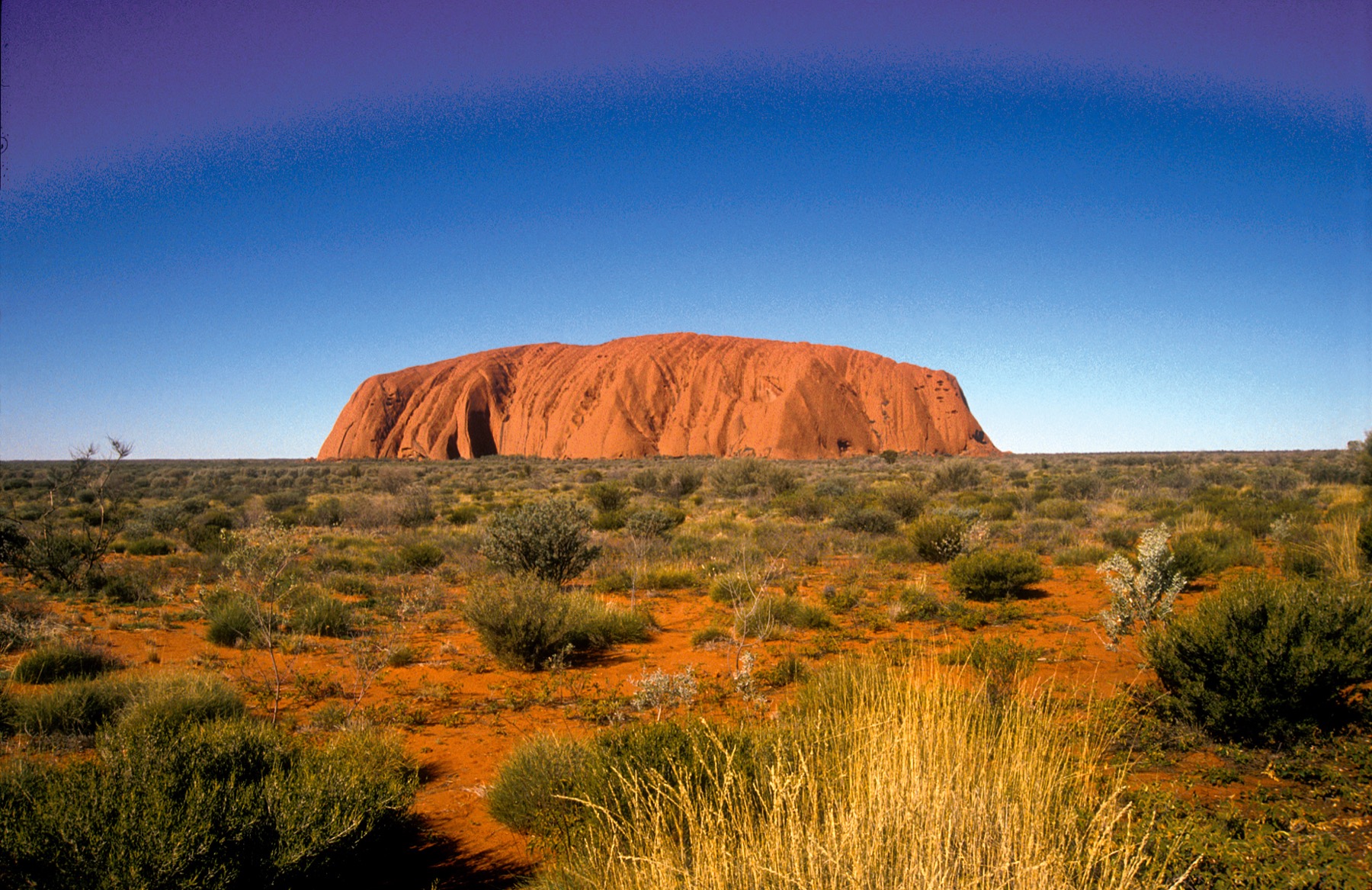
The red centre (Uluru, Alice Springs)
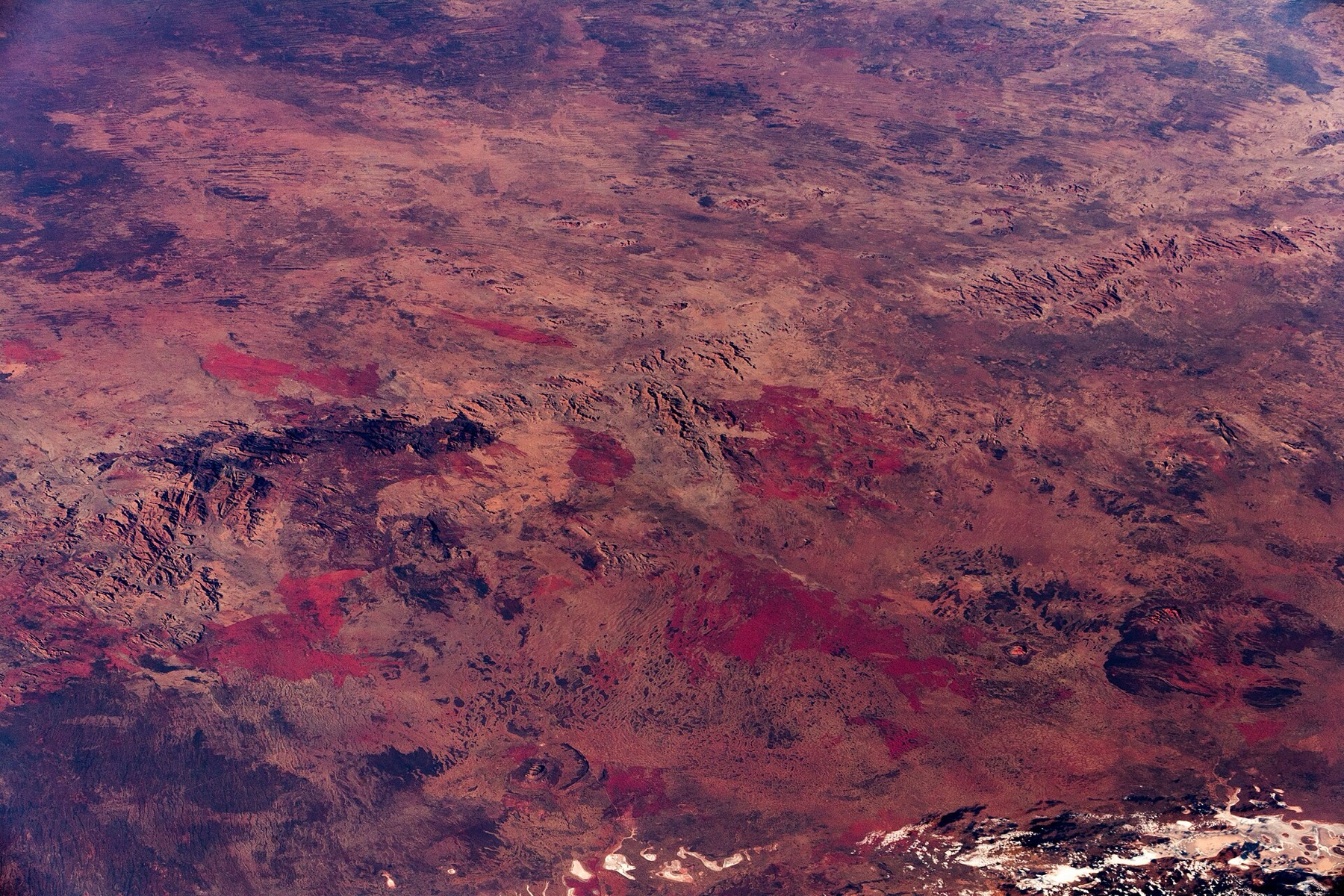
The heart of the continent is a vast, seemingly endless desert, known for its extreme temperature swings from one month to the next. The gap between scorching January, when temperatures reach an average of 36.4°C, and chilly June, with highs of around 19.7°C, is the biggest in the country. Spending time outside in direct sunlight during the hot desert summer can be exhausting and dangerous.
In winter, by contrast, the days are sunny and wonderfully pleasant for long walks around the rock formations—but be prepared for night-time temperatures to drop close to freezing. If you’re planning to rent a campervan or camp under the stars near the famous monolith, a good sleeping bag and genuinely warm clothes for the evening are essential. It can easily freeze before dawn.
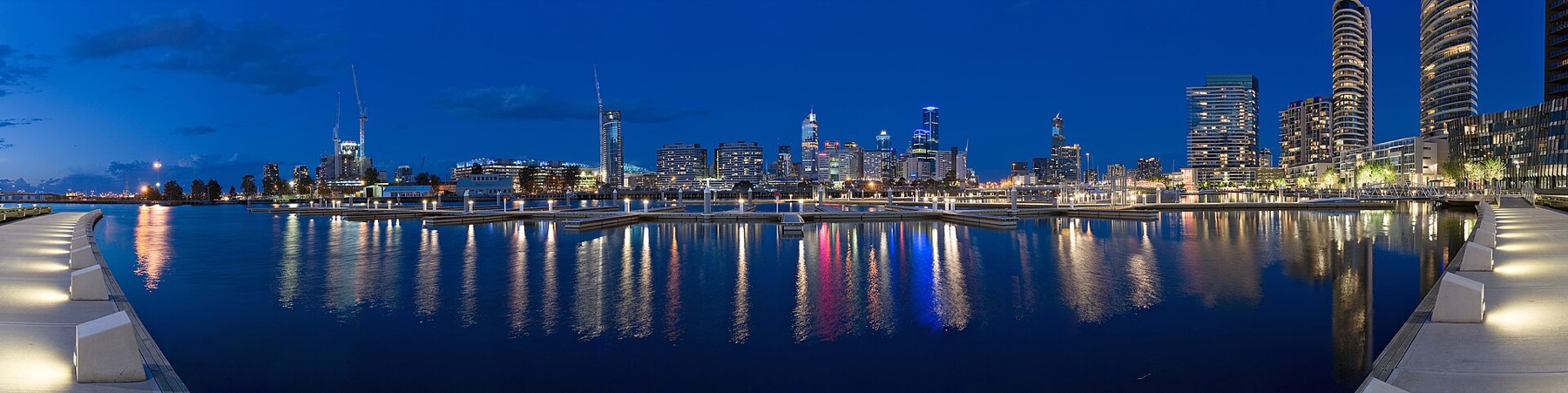
The temperate south (Sydney, Melbourne, Adelaide, Perth, Tasmania)
Most of Australia’s best-known cities lie in a temperate climate zone, where four seasons come and go much as they do in Europe. Summer, from December to February, brings long sunny days, high temperatures perfect for spending all day at the beach and plenty of fantastic outdoor festivals. Winter, on the other hand, brings a noticeable chill, with daytime highs in Melbourne and Hobart, Tasmania, dropping to just 12–14°C.
This is where you’ll feel the reversed seasons most clearly, so think carefully about what you want from your trip. Cool weather is no problem for gallery-hopping or enjoying a coffee—and Melbourne has plenty to offer—but forget about spending all day swimming in the southern ocean in July or August, unless you’re a seriously hardy swimmer.
When to go: a quick answer based on your destination
| I want to visit | Best months | Why |
|---|---|---|
| Great Barrier Reef, Cairns, tropics | June–September | Dry, 24–26°C, after stinger season |
| Uluru and the red centre | May–September | 19–28°C instead of 36°C |
| Sydney, Melbourne, southern coast | October–April | Warm weather and swimming |
| Tasmania | December–March | The only genuinely warm window |
| Darwin, Kakadu, Broome | May–September (dry season) | Avoid monsoons and cyclones |
| Perth and the west coast | October–April | It gets chilly there in winter, too |
| East coast and centre | May, September, October | Good compromise months |
The table makes it clear: there’s no one time of year that works for everything. If you want to see both the coral of the Great Barrier Reef and iconic Uluru and the Sydney Opera House in one trip, your ideal travel window shrinks to just a few months in spring or autumn.
May, September and October are the so-called shoulder months, and they’re hugely popular for long road trips across several states. In the south, it’s no longer—or not yet—cold enough for you to be wrapped up in a winter coat, while in the north you can avoid the worst monsoon rains and stifling summer heat.
If you’re only planning to explore one state or a smaller region, things get much simpler. Save green Tasmania for the southern hemisphere’s summer months: it can be truly cold and rainy at other times of year. The northern territories and the reef, on the other hand, are at their best just when many visitors from Europe are taking their summer holidays.
Temperatures month by month
Here’s the data for Australia’s most popular stops. Take a look and you’ll quickly see why timing matters so much. One thing that may jump out straight away is that tropical Cairns has its coolest months from June to August, when average daily highs reach a remarkably pleasant 23.9–24.5°C. For many visitors, that’s ideal weather for rainforest walks, diving and relaxing on a white-sand beach.
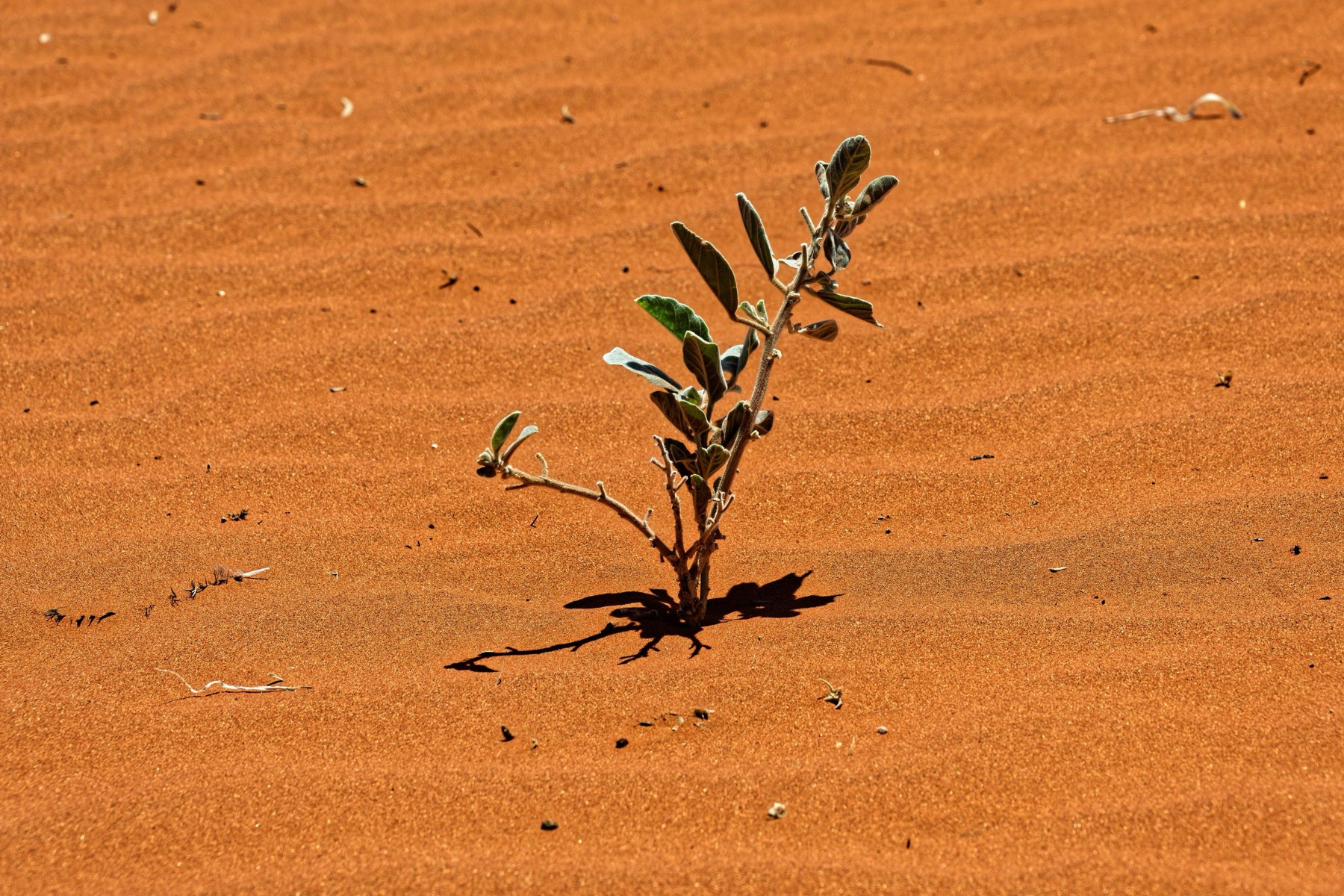
The figures also show just how extreme conditions can be in the desert interior. At majestic Uluru, January temperatures reach a punishing 36.4°C, while in June the mercury drops to a more manageable 19.7°C. This huge seasonal swing makes it clear why exploring the red centre is best planned for the Australian winter.
The vast west coast and isolated city of Perth are worth a closer look, too. Many people mistakenly assume it’s hot and summery all year round, but daytime highs in July reach just 17.4°C. That’s lovely for exploring the city, but if you were hoping to sunbathe in your swimsuit every day, you may be in for an unpleasant surprise: you’ll need a warm layer during the day.
| Destination | Jan | Feb | Mar | Apr | May | Jun | Jul | Aug | Sep | Oct | Nov | Dec |
|---|---|---|---|---|---|---|---|---|---|---|---|---|
| — | —: | —: | —: | —: | —: | —: | —: | —: | —: | —: | —: | —: |
| Cairns (tropics) | 29.9 | 30.3 | 29.3 | 27.9 | 25.9 | 24.5 | 23.9 | 24.4 | 25.8 | 27.5 | 28.9 | 29.5 |
| Darwin (tropics) | 30.1 | 30.2 | 30.6 | 31.5 | 31.3 | 30.2 | 29.6 | 30.4 | 31.2 | 31.9 | 32.2 | 31.4 |
| Broome (tropics) | 31.8 | 32.3 | 33.3 | 34.5 | 32.1 | 29.6 | 29.1 | 30.3 | 32.0 | 33.0 | 33.7 | 33.4 |
| Brisbane | 29.4 | 29.1 | 28.1 | 25.6 | 23.2 | 20.9 | 20.8 | 22.7 | 24.7 | 26.1 | 27.9 | 29.2 |
| Gold Coast | 27.6 | 27.5 | 26.7 | 24.6 | 22.4 | 20.5 | 20.2 | 21.7 | 23.3 | 24.5 | 26.0 | 27.2 |
| Airlie Beach | 28.7 | 28.9 | 28.2 | 26.3 | 24.0 | 22.4 | 21.7 | 22.7 | 24.4 | 26.3 | 27.8 | 28.4 |
| Uluru | 36.4 | 36.8 | 34.7 | 29.1 | 23.2 | 19.7 | 20.4 | 23.6 | 27.6 | 32.2 | 34.0 | 36.1 |
| Alice Springs | 35.7 | 35.9 | 33.7 | 28.8 | 23.0 | 19.9 | 20.6 | 23.8 | 27.5 | 32.1 | 33.7 | 35.6 |
| Perth | 29.9 | 30.2 | 28.3 | 24.5 | 21.2 | 18.4 | 17.4 | 17.5 | 19.3 | 21.7 | 25.3 | 28.5 |
| Sydney | 26.8 | 26.0 | 24.7 | 22.4 | 19.5 | 16.8 | 16.8 | 18.1 | 20.5 | 22.5 | 23.9 | 26.0 |
| Adelaide | 27.8 | 26.9 | 25.2 | 21.4 | 17.4 | 14.6 | 14.0 | 14.8 | 17.0 | 20.6 | 23.1 | 26.1 |
| Canberra | 27.4 | 26.0 | 23.4 | 19.1 | 14.3 | 11.1 | 10.6 | 12.1 | 15.7 | 19.5 | 22.5 | 25.8 |
| Melbourne | 26.4 | 25.6 | 24.0 | 20.0 | 16.2 | 13.6 | 13.2 | 14.2 | 16.5 | 19.6 | 21.8 | 24.6 |
| Hobart | 22.7 | 21.8 | 20.2 | 17.4 | 14.4 | 12.3 | 11.9 | 12.7 | 14.7 | 16.8 | 19.0 | 20.9 |
| Destination | Jan | Feb | Mar | Apr | May | Jun | Jul | Aug | Sep | Oct | Nov | Dec |
|---|---|---|---|---|---|---|---|---|---|---|---|---|
| — | —: | —: | —: | —: | —: | —: | —: | —: | —: | —: | —: | —: |
| Cairns (tropics) | 25.1 | 25.2 | 24.8 | 23.7 | 21.9 | 20.3 | 19.5 | 19.4 | 20.9 | 22.5 | 23.8 | 24.8 |
| Darwin (tropics) | 26.3 | 26.3 | 26.2 | 25.4 | 23.7 | 22.1 | 21.0 | 22.0 | 24.1 | 25.9 | 26.6 | 26.8 |
| Broome (tropics) | 27.4 | 27.5 | 27.4 | 25.6 | 21.7 | 19.2 | 18.2 | 19.5 | 22.4 | 25.1 | 27.0 | 27.9 |
| Brisbane | 21.0 | 20.7 | 19.9 | 16.5 | 13.6 | 11.3 | 10.3 | 11.1 | 13.3 | 16.0 | 18.1 | 19.9 |
| Gold Coast | 22.1 | 21.8 | 21.2 | 18.5 | 15.9 | 13.6 | 12.7 | 13.4 | 15.2 | 17.4 | 19.2 | 20.9 |
| Airlie Beach | 24.6 | 24.4 | 24.2 | 22.4 | 20.0 | 18.1 | 17.2 | 17.6 | 19.5 | 21.6 | 23.0 | 24.0 |
| Uluru | 24.2 | 23.6 | 22.1 | 16.4 | 10.9 | 7.5 | 6.8 | 9.3 | 13.2 | 17.6 | 20.3 | 23.2 |
| Alice Springs | 23.6 | 22.5 | 20.6 | 15.3 | 10.1 | 7.3 | 6.8 | 9.4 | 13.0 | 17.6 | 20.2 | 22.7 |
| Perth | 19.0 | 19.1 | 17.9 | 14.8 | 11.9 | 10.5 | 10.2 | 9.8 | 10.8 | 12.8 | 15.2 | 17.9 |
| Sydney | 19.6 | 19.3 | 18.0 | 14.6 | 11.2 | 9.1 | 8.3 | 8.8 | 10.9 | 13.6 | 15.8 | 17.9 |
| Adelaide | 17.5 | 17.0 | 15.9 | 13.4 | 10.9 | 9.1 | 8.5 | 8.9 | 10.0 | 12.1 | 13.9 | 16.0 |
| Canberra | 15.3 | 14.2 | 12.4 | 8.8 | 4.6 | 2.5 | 1.7 | 2.4 | 4.7 | 8.0 | 10.8 | 13.2 |
| Melbourne | 15.8 | 15.0 | 14.0 | 11.2 | 8.9 | 6.9 | 6.7 | 7.2 | 8.3 | 10.0 | 12.1 | 13.7 |
| Hobart | 13.5 | 12.8 | 11.6 | 9.4 | 7.0 | 5.5 | 4.9 | 5.3 | 6.6 | 8.2 | 10.1 | 11.8 |
Take a close look at the second table, which shows overnight lows, and you’ll see why packing layers is so important. In Canberra, July night-time temperatures fall to a frosty 1.7°C, while in Alice Springs, out in the desert, average July mornings dip to just 6.8°C. The days will probably be beautifully sunny, but you’ll need warm gear for sitting around the campsite in the evening.
How much it rains—and when
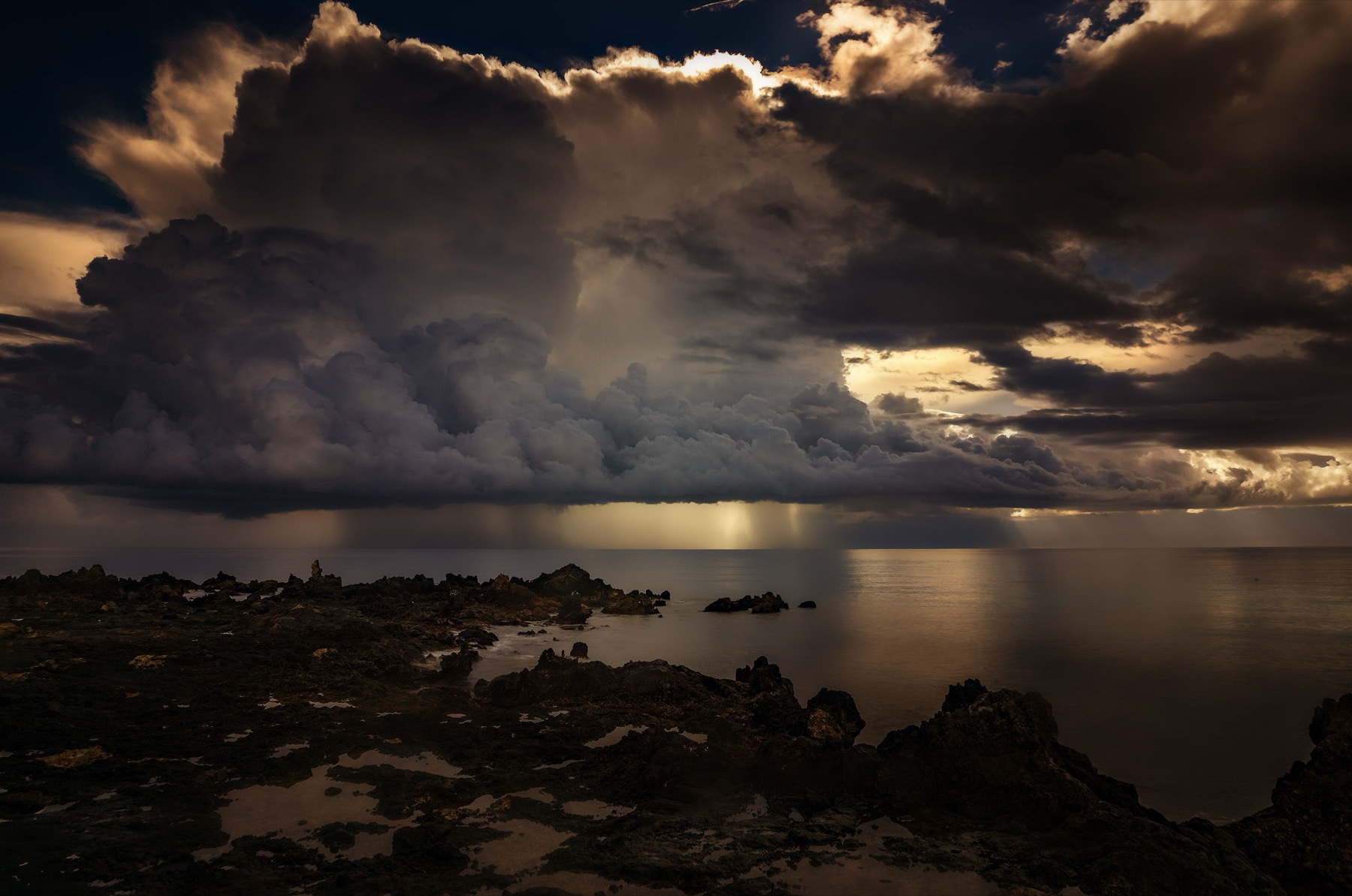
Here’s something that surprises people: summer in Australia doesn’t automatically mean dry weather. Take famous Sydney, which doesn’t really have a distinct dry season. Rain falls fairly evenly throughout the calendar year, with only modest fluctuations.
You may be surprised to learn that Sydney gets its most rain in March (151 mm), which is the start of autumn there. The colder winter months are a little drier, so whenever you visit Australia’s largest city, it’s worth keeping a compact umbrella or a lightweight rain jacket in your bag.
The humid tropical north is a completely different story, with rainfall heavily concentrated in one part of the year. Darwin has a clearly defined wet half and dry half: a massive 486 mm of rain falls in January, compared with just 4 mm in July and August. Summer brings incredibly intense downpours. The landscape turns beautifully green, but getting around can be difficult.
| Destination | Jan | Feb | Mar | Apr | May | Jun | Jul | Aug | Sep | Oct | Nov | Dec |
|---|---|---|---|---|---|---|---|---|---|---|---|---|
| — | —: | —: | —: | —: | —: | —: | —: | —: | —: | —: | —: | —: |
| Cairns (tropics) | 406 | 262 | 318 | 208 | 91 | 57 | 54 | 36 | 42 | 47 | 55 | 291 |
| Darwin (tropics) | 486 | 358 | 217 | 88 | 14 | 10 | 4 | 4 | 30 | 69 | 136 | 344 |
| Broome (tropics) | 323 | 97 | 71 | 19 | 19 | 6 | 1 | 5 | 2 | 2 | 14 | 101 |
| Brisbane | 131 | 177 | 149 | 59 | 68 | 43 | 38 | 31 | 48 | 113 | 101 | 117 |
| Gold Coast | 117 | 188 | 168 | 82 | 87 | 58 | 48 | 37 | 46 | 98 | 88 | 119 |
| Airlie Beach | 318 | 196 | 201 | 117 | 61 | 28 | 68 | 22 | 18 | 34 | 61 | 173 |
| Uluru | 60 | 14 | 16 | 11 | 14 | 17 | 4 | 9 | 16 | 18 | 26 | 40 |
| Alice Springs | 74 | 14 | 40 | 4 | 17 | 10 | 3 | 6 | 13 | 11 | 37 | 47 |
| Perth | 23 | 22 | 40 | 40 | 78 | 104 | 118 | 106 | 44 | 38 | 21 | 9 |
| Sydney | 99 | 107 | 151 | 96 | 62 | 77 | 64 | 49 | 49 | 75 | 81 | 66 |
| Adelaide | 41 | 18 | 18 | 49 | 67 | 87 | 87 | 83 | 56 | 47 | 44 | 24 |
| Canberra | 81 | 47 | 59 | 51 | 42 | 56 | 40 | 57 | 55 | 64 | 85 | 69 |
| Melbourne | 72 | 32 | 38 | 65 | 62 | 60 | 56 | 59 | 68 | 80 | 82 | 66 |
| Hobart | 59 | 40 | 55 | 39 | 56 | 59 | 43 | 61 | 51 | 79 | 72 | 66 |
Sea temperatures
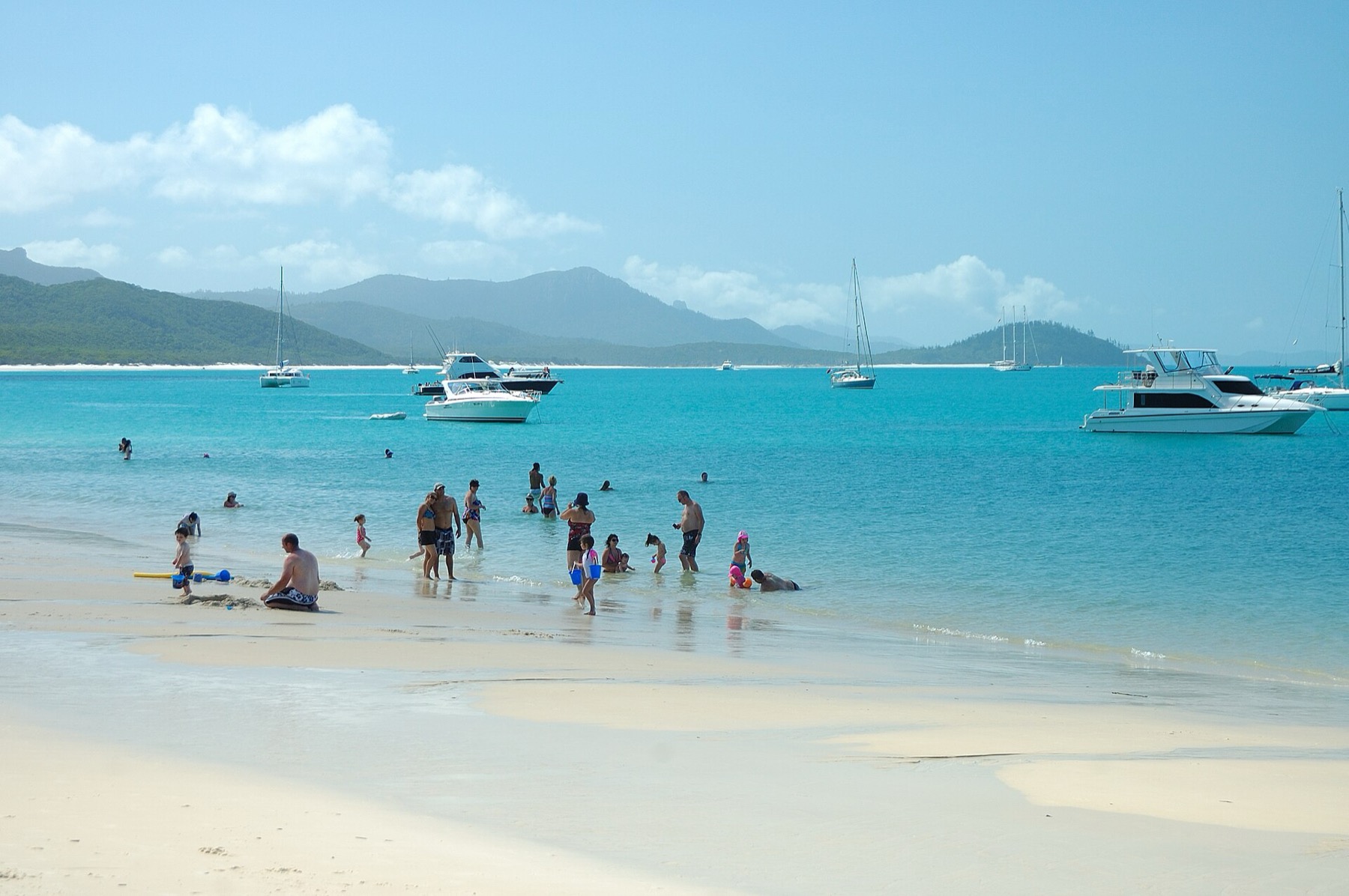
Most travellers focus entirely on air temperature when planning a holiday and forget that the sea takes quite a while to warm up. Water heats up more slowly than you might expect. Even when it’s 35°C outside, the sea can still feel like it remembers winter. If you want to swim in the warmest possible water, you’ll need to factor in this delay.
You can see this clearly in the figures for Sydney’s famous beaches, where the sea is demonstrably warmest in February, at 23.4°C—not January, as many people might expect. The same lag applies to popular surf spots such as the Gold Coast and Byron Bay. In the tropical north, around Cairns and Darwin, you don’t need to worry about water temperature: the ocean stays well above 24°C throughout the year.
There’s one important detail to bear in mind about the southern coast. Sea temperature readings for Melbourne and Hobart come from sheltered bays—Port Phillip Bay and the mouth of the Derwent River, respectively—where shallow water warms a little faster. Head to the exposed ocean beaches and the water will be a bit colder; you’ll need a wetsuit to swim comfortably.
| Destination | Jan | Feb | Mar | Apr | May | Jun | Jul | Aug | Sep | Oct | Nov | Dec |
|---|---|---|---|---|---|---|---|---|---|---|---|---|
| — | —: | —: | —: | —: | —: | —: | —: | —: | —: | —: | —: | —: |
| Cairns | 30.0 | 29.9 | 29.1 | 28.6 | 25.7 | 24.4 | 24.0 | 23.3 | 24.5 | 26.3 | 28.1 | 29.5 |
| Whitsundays | 28.5 | 28.9 | 28.2 | 27.1 | 24.0 | 22.9 | 22.1 | 21.6 | 23.2 | 24.8 | 26.7 | 27.9 |
| Broome | 30.5 | 31.7 | 31.5 | 29.0 | 25.3 | 23.7 | 22.1 | 24.2 | 27.1 | 29.4 | 31.3 | 31.3 |
| Darwin | 29.9 | 30.1 | 30.4 | 30.3 | 28.1 | 26.7 | 26.2 | 27.1 | 28.7 | 31.0 | 31.7 | 31.8 |
| Noosa | 26.0 | 27.1 | 26.8 | 25.6 | 23.4 | 22.1 | 21.0 | 20.9 | 21.7 | 22.7 | 24.0 | 24.8 |
| Gold Coast | 25.9 | 26.4 | 25.8 | 24.8 | 22.7 | 21.1 | 20.2 | 20.6 | 21.4 | 22.4 | 23.3 | 24.1 |
| Byron Bay | 25.4 | 25.8 | 25.7 | 24.7 | 22.7 | 21.2 | 20.2 | 20.4 | 21.2 | 22.1 | 22.7 | 23.6 |
| Ningaloo | 24.6 | 26.7 | 27.6 | 27.4 | 26.3 | 24.3 | 23.0 | 23.1 | 23.6 | 24.5 | 24.9 | 25.8 |
| Sydney (Bondi) | 22.4 | 23.4 | 23.1 | 21.8 | 20.9 | 19.7 | 17.7 | 17.7 | 18.4 | 19.0 | 19.9 | 20.6 |
| Perth | 23.5 | 23.6 | 22.8 | 21.1 | 20.2 | 18.8 | 17.6 | 17.7 | 18.3 | 19.3 | 20.6 | 22.4 |
| Adelaide | 21.9 | 22.3 | 22.1 | 19.2 | 16.6 | 14.7 | 12.9 | 13.3 | 15.0 | 17.0 | 18.9 | 20.5 |
| Melbourne | 19.6 | 19.6 | 19.1 | 17.3 | 15.8 | 14.6 | 13.2 | 13.0 | 13.4 | 14.6 | 16.4 | 17.9 |
| Hobart | 19.2 | 19.0 | 18.0 | 15.7 | 13.6 | 11.8 | 10.1 | 10.6 | 11.2 | 13.1 | 15.5 | 17.5 |
How much the weather changes over the course of a month
Travellers often only have time off during a particular shoulder-season month and wonder whether to book flights for the beginning of the month or the final weeks. This useful table shows the difference in daytime highs between the first and last third of each month. It helps you see exactly when temperatures shift and the weather starts to change dramatically.
For example, if you’re planning to explore Uluru in hot April, it’s well worth scheduling your trip for the very end of the month. The table shows that desert temperatures drop by a noticeable 4.2°C by late April, compared with the first ten days—a big difference when you’re out walking. The same information is useful in Canberra, where average temperatures rise quickly by 2.5°C as summer approaches in November.
| Destination | Jan | Feb | Mar | Apr | May | Jun | Jul | Aug | Sep | Oct | Nov | Dec |
|---|---|---|---|---|---|---|---|---|---|---|---|---|
| — | —: | —: | —: | —: | —: | —: | —: | —: | —: | —: | —: | —: |
| Cairns (tropics) | -0.3 | 0.2 | -0.3 | -1.8 | -1.6 | -0.1 | 0.0 | 0.8 | 1.0 | 1.5 | 0.8 | -0.3 |
| Darwin (tropics) | -1.2 | 0.1 | 0.0 | 0.9 | -0.8 | -0.3 | 0.0 | 0.9 | -0.1 | 0.9 | -0.5 | -1.5 |
| Broome (tropics) | -1.3 | 1.0 | 1.0 | -0.7 | -2.7 | -0.6 | 0.7 | 2.0 | 1.6 | 0.8 | 0.0 | -1.1 |
| Brisbane | 1.1 | -0.3 | -1.4 | -1.8 | -1.8 | -0.1 | 1.5 | 1.3 | 1.4 | 0.9 | 1.0 | -0.9 |
| Gold Coast | 1.2 | -0.2 | -1.2 | -1.8 | -1.5 | -0.2 | 1.1 | 1.2 | 1.1 | 1.2 | 1.0 | -0.4 |
| Airlie Beach | 0.3 | -0.2 | -0.6 | -1.9 | -1.5 | -0.2 | 0.3 | 1.0 | 1.3 | 1.7 | 0.9 | -0.4 |
| Uluru | 0.1 | 1.7 | -2.7 | -4.2 | -1.6 | -1.5 | 3.3 | 3.4 | 1.9 | 2.3 | 0.1 | 1.4 |
| Alice Springs | 0.6 | 2.3 | -2.3 | -3.2 | -1.1 | -0.6 | 3.6 | 2.5 | 1.9 | 2.1 | -0.2 | -0.4 |
| Perth | -0.3 | -1.3 | -2.5 | -2.8 | -1.8 | -2.1 | 0.4 | 1.6 | 1.8 | 1.9 | 3.1 | 2.8 |
| Sydney | 1.6 | -0.4 | -1.7 | -1.6 | -1.8 | -0.5 | 1.2 | 0.9 | 0.9 | 0.3 | 1.8 | 0.3 |
| Adelaide | -0.3 | 0.5 | -3.4 | -2.2 | -0.9 | -1.3 | 0.4 | 1.1 | 0.8 | 0.7 | 1.4 | 2.9 |
| Canberra | 0.5 | 0.1 | -3.6 | -1.8 | -2.3 | -1.0 | 0.7 | 1.7 | 1.9 | 1.6 | 2.5 | 2.3 |
| Melbourne | 0.8 | 1.0 | -3.1 | -2.1 | -1.7 | -0.6 | 0.5 | 1.2 | 0.5 | 0.4 | 2.1 | 2.3 |
| Hobart | 1.1 | 0.5 | -2.1 | -0.5 | -1.8 | -0.8 | 0.9 | 0.6 | 0.5 | 0.8 | 1.1 | 2.8 |
What the weather means in practice
Australia’s natural world is breathtaking—but it can also pack a serious punch if you underestimate it. Here are a few things worth thinking about before you go.
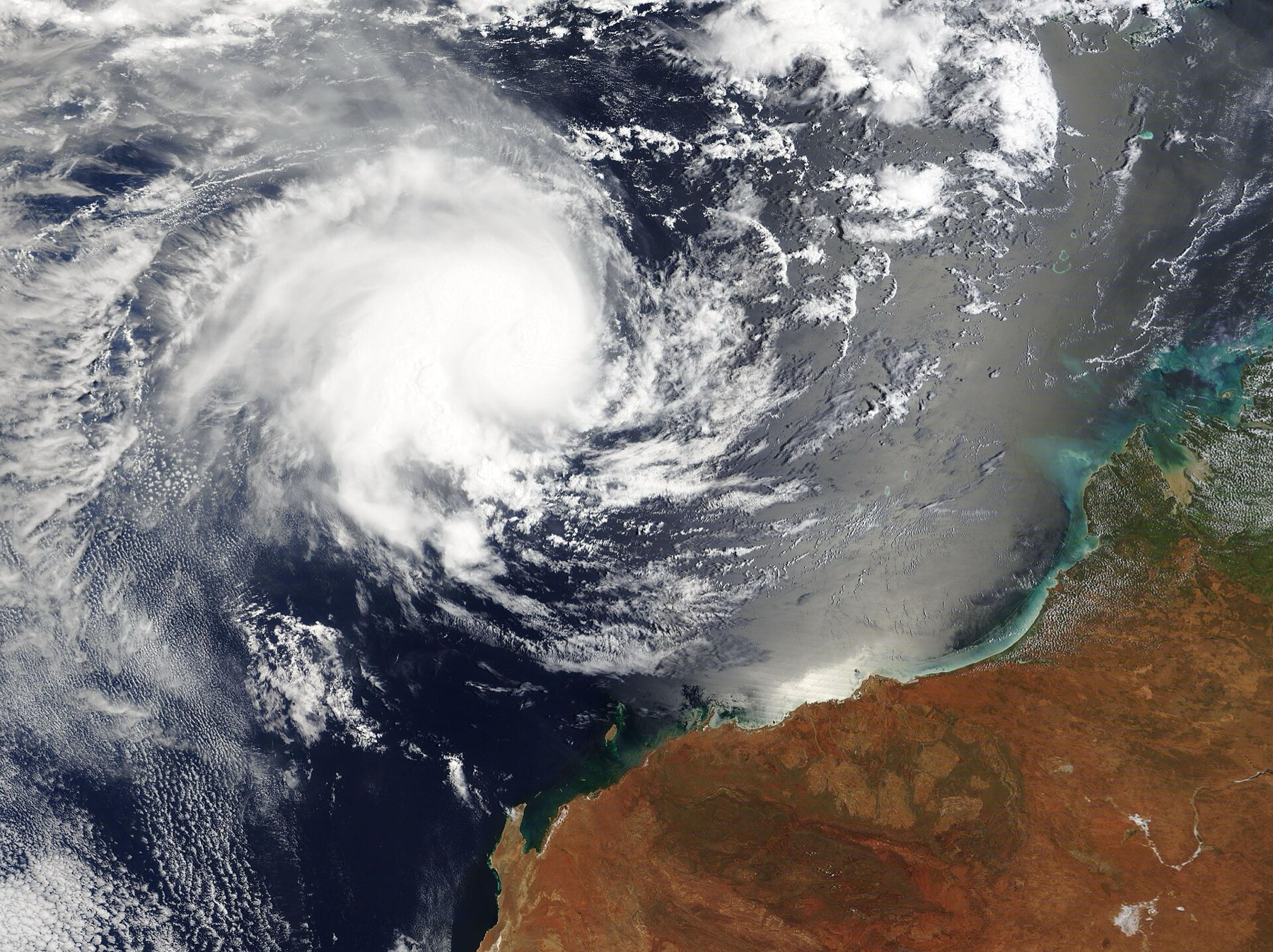
Cyclones in the north
Planning a tropical holiday comes with a few firm rules, and the most important is knowing that the official tropical cyclone season runs from 1 November to 30 April. On average, 10 cyclones form in the Australian region each season, and three or four make landfall. Along with powerful winds, these huge storms bring torrential monsoon rain that can bring transport to a standstill, cut entire towns off from supplies and turn tourist roads into impassable muddy tracks.
If you do travel to the region during the summer months, keep a close eye on forecasts from the official Australian Bureau of Meteorology website. Follow local authorities’ instructions if a storm is approaching, and never try to drive across flooded roads, even if the water doesn’t look very deep.
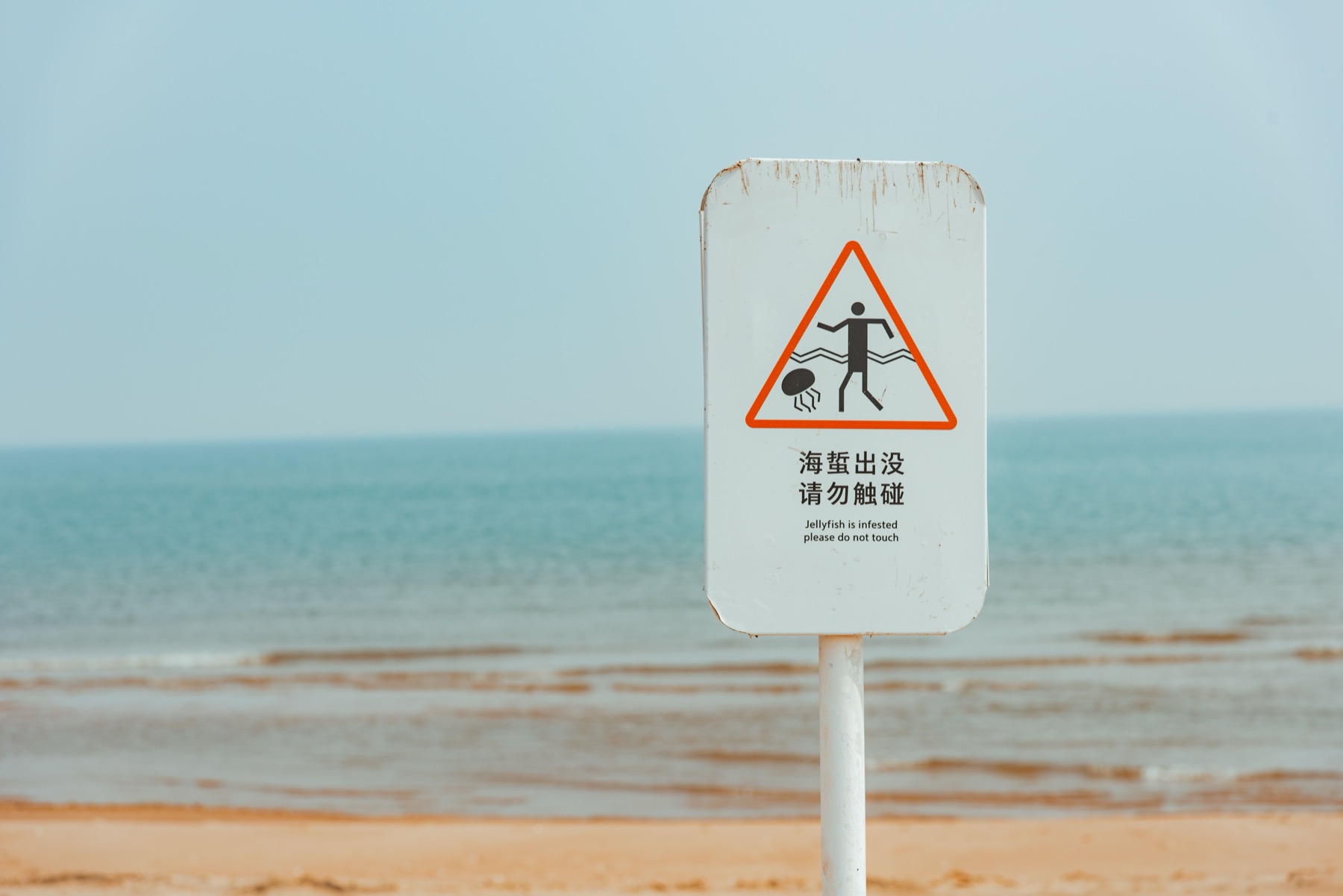
Jellyfish and crocodiles
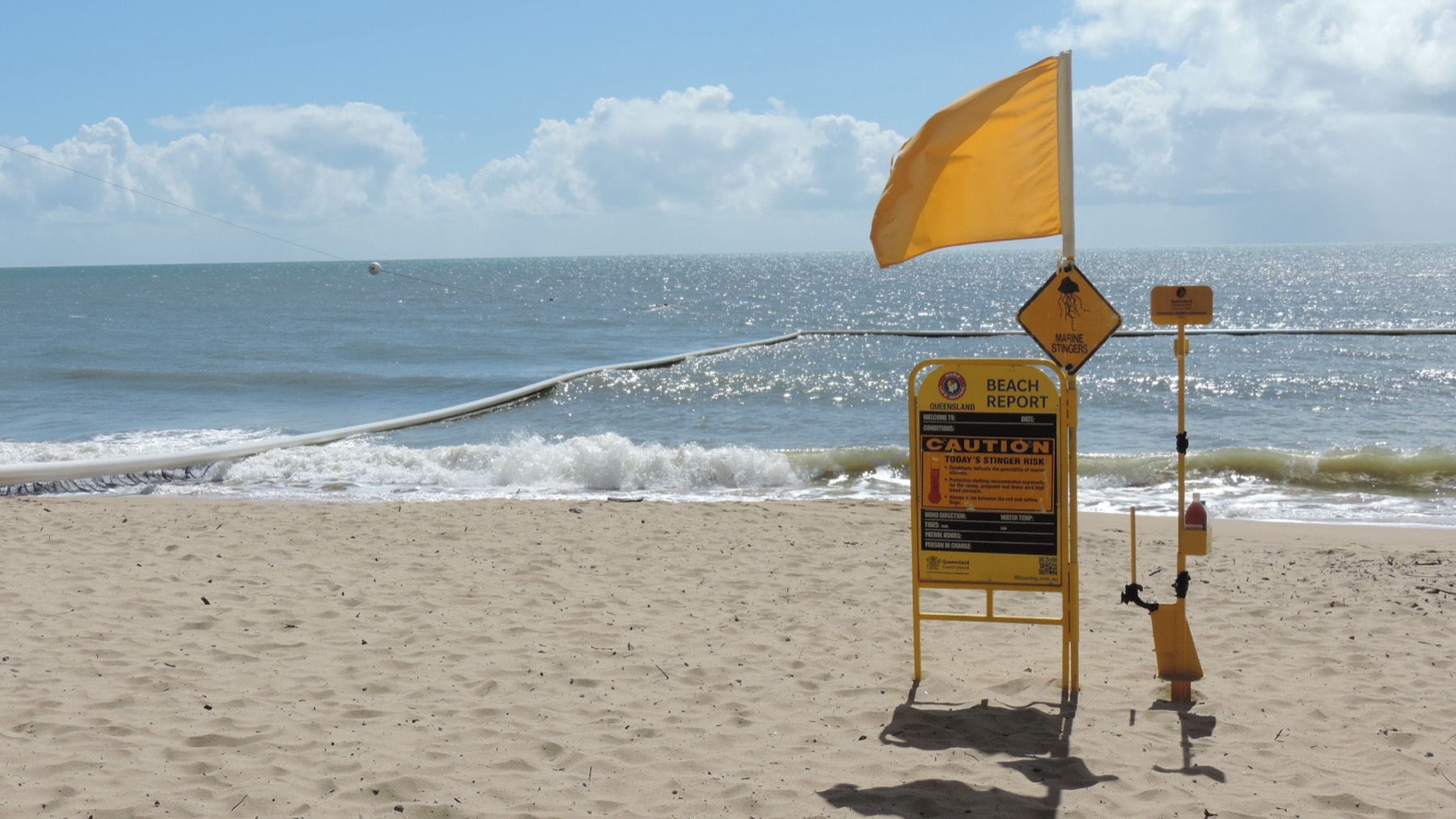
Many of us are used to taking a long summer swim in the sea without a second thought, but things are very different in northern Queensland. The so-called stinger season, when deadly jellyfish are present in the water, lasts roughly from November to May, so in the tropics people generally don’t swim in the sea from the beach. The exception is at beaches with specially installed stinger nets, such as Palm Cove, Trinity Beach, Yorkeys Knob and Kewarra. One important warning: Ellis Beach is NOT safe outside the net, despite misleading information that sometimes circulates online. In this tropical region, accommodation with a swimming pool—easy to find through Booking.com—is a necessity, not an unnecessary luxury.
Saltwater crocodiles deserve just as much respect. They live in rivers, estuaries and mangroves, and can also be found in the ocean. Always take yellow warning signs on beaches seriously, and stay away from the water’s edge after dark, when these animals are most active. If you’re booking a boat trip for snorkelling, it’s safer to choose a trusted tour in advance through GetYourGuide.
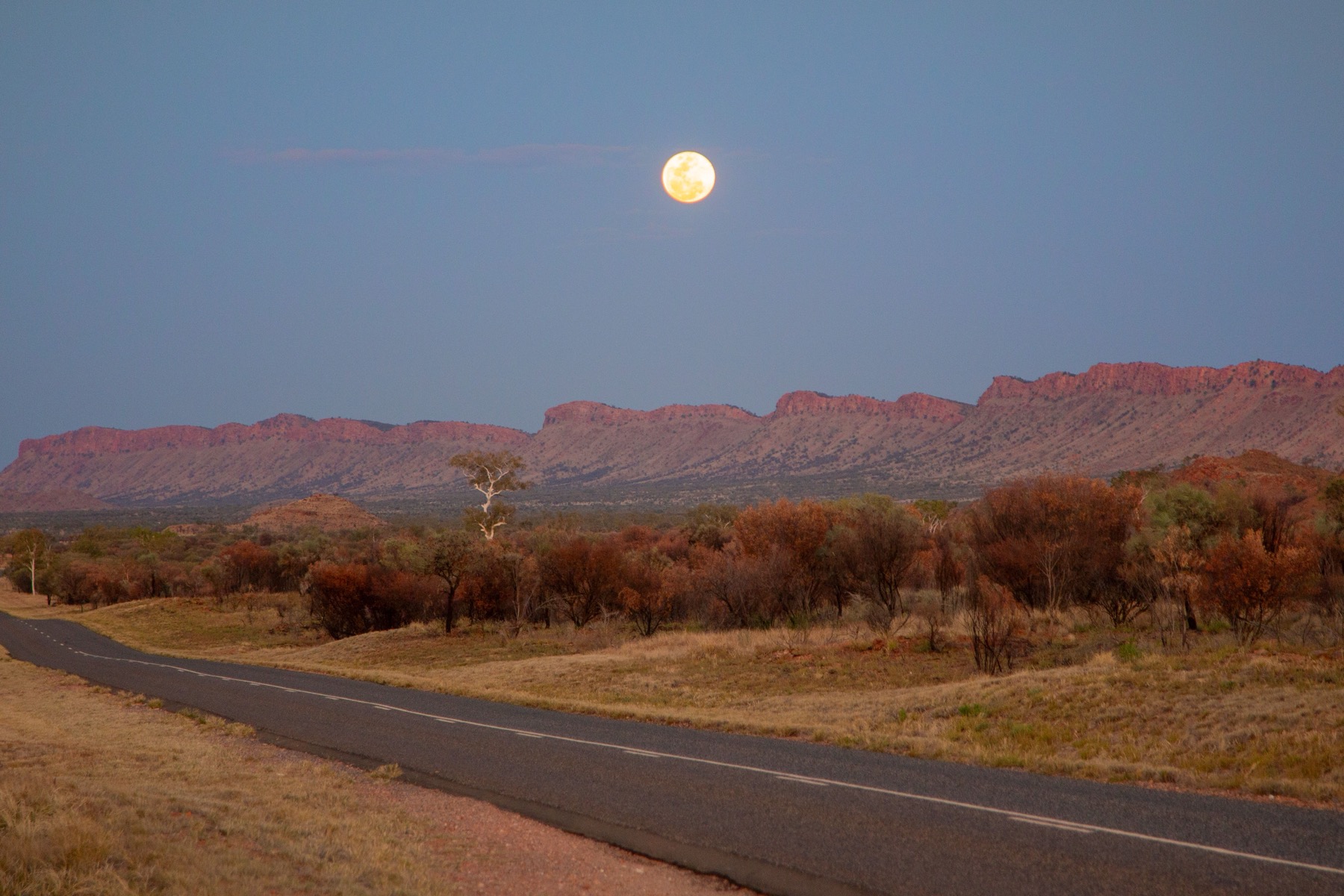
Heat in the outback
Visiting the interior during the summer means dealing with extreme heat, and it’s not something to take lightly. The summer sun is fierce: longer hikes are often closed in parks for safety reasons. If you do head out, follow this simple rule: carry one litre of water per hour and finish your activities before 10 a.m.
Mobile phone coverage often disappears completely in the desert, too. Before setting off for remote areas, make sure you have offline maps downloaded and enough fuel, as well as drinking water in case your vehicle breaks down. Parks Australia regularly updates information about closures around Uluru.
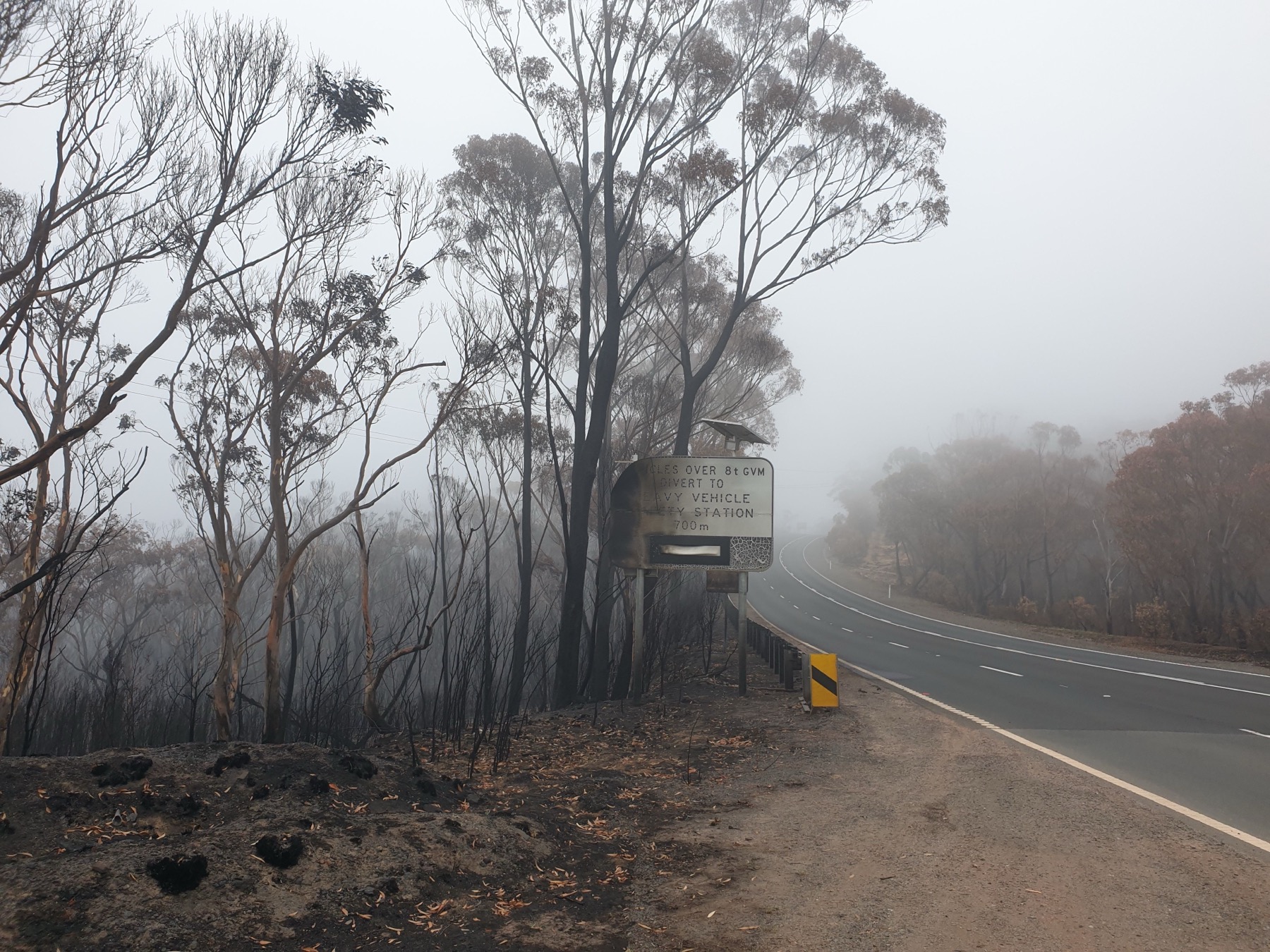
Bushfires
Dry summers and strong winds create ideal conditions for large bushfires, which repeatedly devastate huge areas of the continent. Always check the current status of every park you plan to visit, ideally on official websites such as nationalparks.nsw.gov.au or through local fire services.
Guidebook photos can be misleading: a park that looks like a postcard could be closed the next day. Always check current conditions before setting off. If you smell smoke or see a plume on the horizon, leave the area immediately—don’t wait for the flames to reach you. Winds can drive a fire forward at incredible speed in Australia.
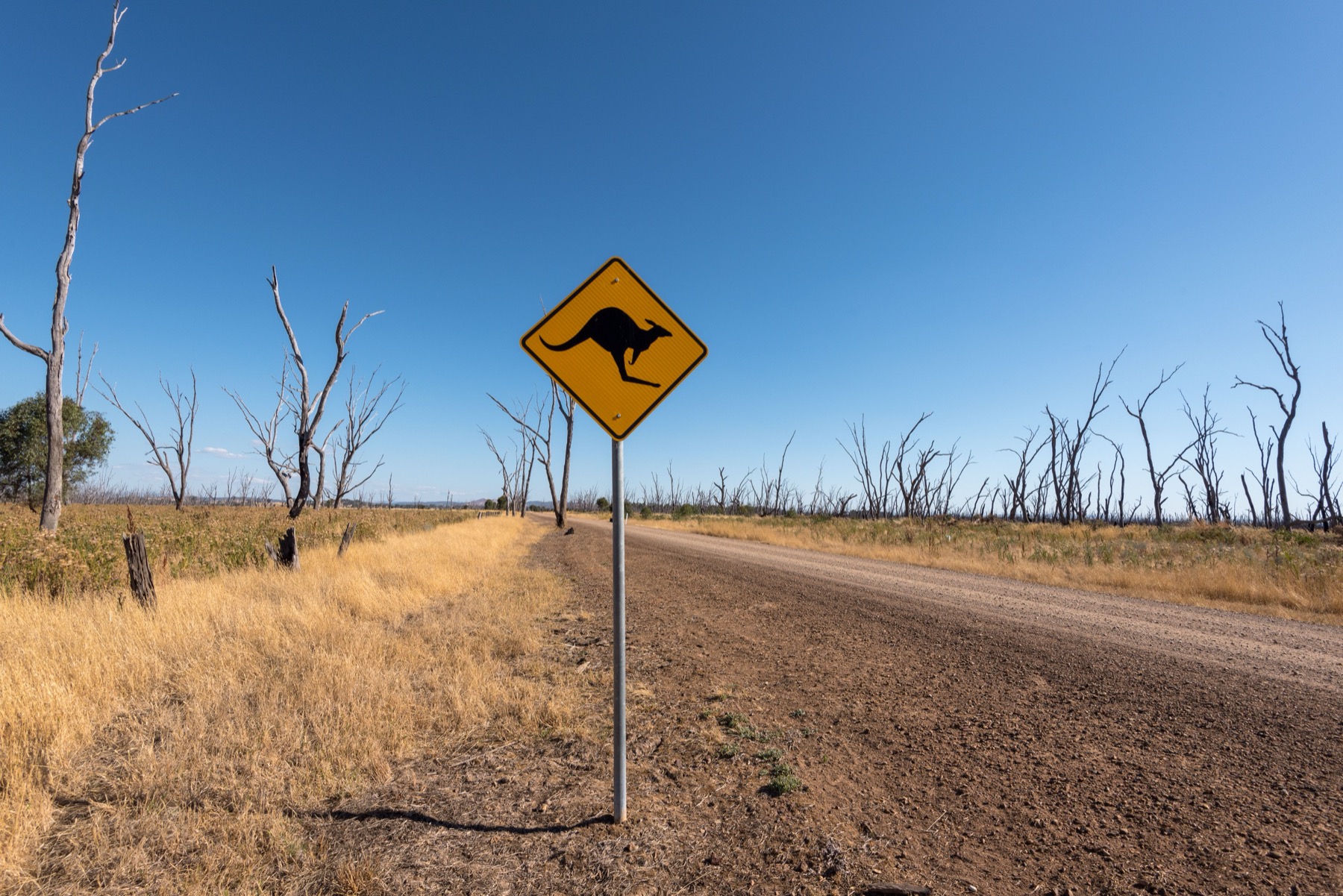
Wildlife on the roads
This advice applies to drivers across the entire continent, no matter where you are. Kangaroos and wombats are most active at dawn, dusk and night. Drive at no more than 65 km/h during these hours, and if an animal jumps in front of you, brake in a straight line—never swerve.
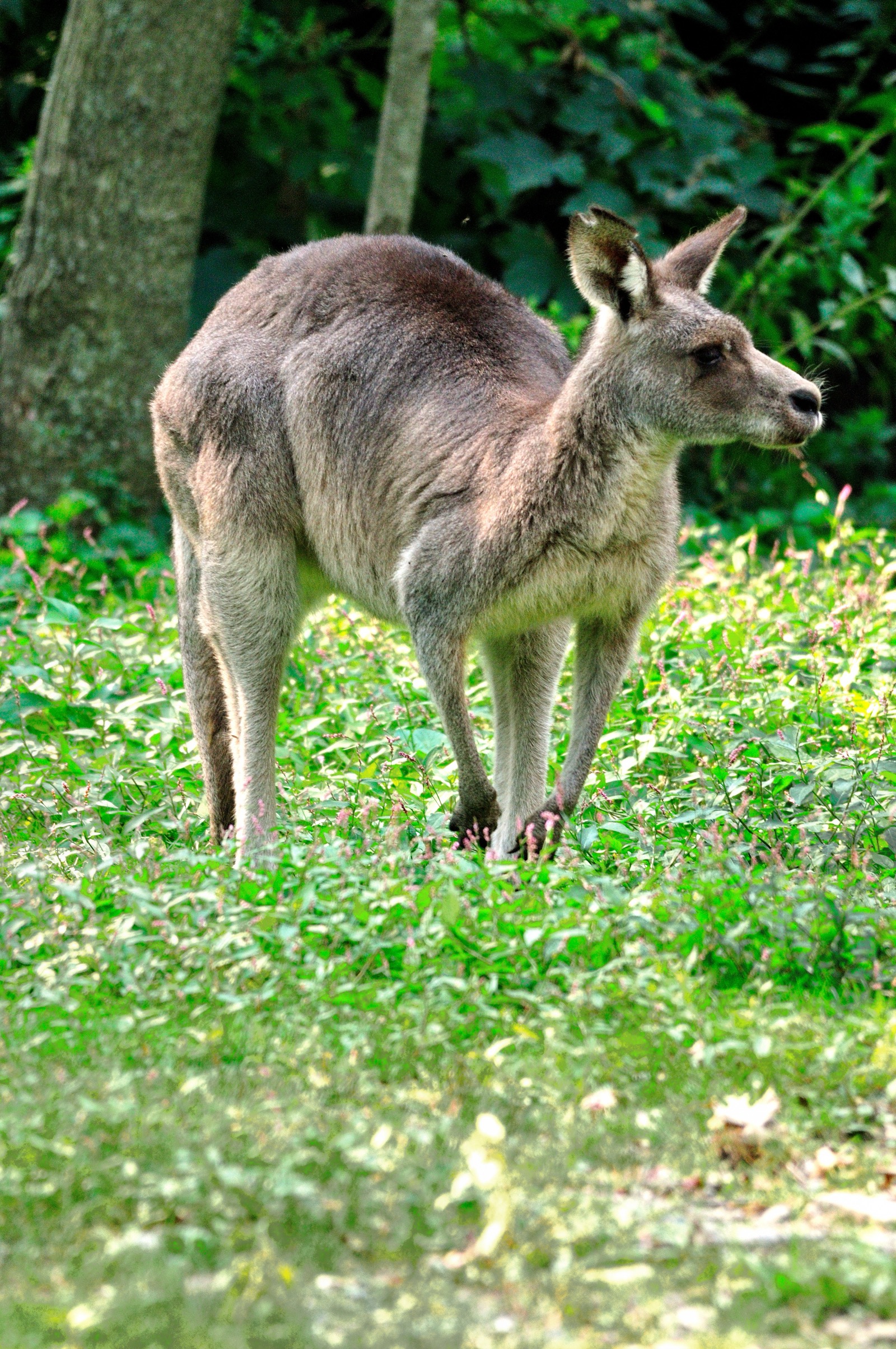
Be especially cautious in Tasmania. This beautiful island has the unfortunate reputation of being the world’s roadkill capital, and dead animals line almost every road. If you’re planning to rent a car through a service such as RentalCars.com, it’s worth paying extra for full insurance. Many standard policies don’t cover damage caused by collisions with wildlife after dark.
Where to go next
Once you have a rough idea of when you’ll be heading Down Under, it’s time to plan your route and choose the stops you’re most excited about. We’ve put together a detailed guide to Australia holidays: 30 beautiful places and practical tips, covering the key destinations you won’t want to miss. If you love long coastal drives, you may also enjoy our in-depth article on the East Coast of Australia: a two- to four-week itinerary from sunny Sydney to tropical Cairns.
Heading into the arid interior? Don’t miss our article on Uluru and the Red Centre: a complete guide to Australia’s red heart, where we take a closer look at travelling in the desert. You can also explore the underwater world in our guide to the Great Barrier Reef: tours, prices and how to experience it to find out where to see the best-preserved coral.
Frequently asked questions
When is summer in Australia?
The seasons in the southern hemisphere work exactly opposite to those in Europe. Australian summer officially begins on the first of December and lasts until the end of February, making it the peak tourist season full of the highest temperatures.
When should you visit the Great Barrier Reef?
The best window for visiting the tropical Cairns area opens during the Australian winter from June to September. Temperatures are a pleasant 24 to 26 °C, rainfall is very minimal, and most importantly, you’ll safely avoid the dangerous stinger season full of venomous jellyfish.
When should you visit Uluru?
Head to the red centre of the continent definitely between May and September. During this winter period, daytime temperatures reach a tolerable 19 to 28 °C, whereas in summer January the thermometer shows an extreme and health-hazardous 36 °C.
Is it warm in Australia all year round?
Definitely not, this enormous country doesn’t have a uniform climate. While in tropical Darwin in the north it’s consistently around 30 °C all year, in the south in Melbourne or Hobart, winter daytime highs drop to just 12 °C and you’ll need a jacket.
When is cyclone season?
The official tropical cyclone season on the northern coast runs every year from November 1st until April 30th. During this period an average of 10 powerful storms form and roughly 3 to 4 of them hit the Australian mainland at full strength.
When can you swim in Sydney?
The ocean in Sydney is warmest paradoxically at the end of summer in February, when the water reaches a pleasant 23.4 °C. In cold August, the sea temperature drops to 17.7 °C, which isn’t enough for warm-water lovers, but experienced cold-water swimmers regularly head into the waves.
Does it rain a lot in Australia?
It depends on the specific region, because while the desert centre is extremely arid, humid northern Darwin records a massive 486 mm of rainfall in January alone. In Sydney, surprisingly, it doesn’t rain the most in winter, but during autumn in March.
When is the cheapest time?
The most expensive season is exactly during the Christmas holiday period, when Australians have peak summer and travel on long vacations. If you want to save significantly on accommodation and flights, look for dates during spring or autumn months.
Does it snow in Australia?
Yes, Australia actually has functioning ski resorts in winter, which you’ll find primarily in the Snowy Mountains areas, Victoria, or in the high mountains on the island of Tasmania, where a fairly cold alpine climate prevails.
What’s the best month for the whole country?
If you’re planning a long road trip across states, choose the so-called transitional months like May, September, or October. These are a great compromise, when pleasant spring or autumn temperatures prevail in the south and in the north you’ll safely avoid the worst monsoons.
Tips and Tricks for Your Vacation
Don’t Overpay for Flights
Search for flights on Kayak. It’s our favorite search engine because it scans the websites of all airlines and always finds the cheapest connection.
Book Your Accommodation Smartly
The best experiences we’ve had when looking for accommodation (from Alaska to Morocco) are with Booking.com, where hotels, apartments, and entire houses are usually the cheapest and most widely available.
Don’t Forget Travel Insurance
Good travel insurance will protect you against illness, accidents, theft, or flight cancellations. We’ve had a few hospital visits abroad, so we know how important it is to have proper insurance arranged.
Where we insure ourselves: SafetyWing (best for everyone) and TrueTraveller (for extra-long trips).
Why don’t we recommend any Czech insurance company? Because they have too many restrictions. They set limits on the number of days abroad, travel insurance via a credit card often requires you to pay medical expenses only with that card, and they frequently limit the number of returns to the Czech Republic.
Find the Best Experiences
Get Your Guide is a huge online marketplace where you can book guided walks, trips, skip-the-line tickets, tours, and much more. We always find some extra fun there!


