

You may have been dreaming about Lisbon for a while now — yellow trams, the smell of grilled sardines, views from the hills above the Tagus and sunshine almost all year round. But between the daydream and an actual booked flight stands a whole pile of practical questions: how much does the whole thing really cost, when is the best time to go, and is a package tour worth it, or can you easily pull it off on your own? That’s exactly why we put together this hub — so you have everything you need in one place and don’t waste hours digging around the internet.
You’ll find three things here: current package and flight prices, which we refresh every morning so you’re looking at real numbers; our own tips from trips and articles covering places we’ve actually walked through in Lisbon and around it; and a concrete plan for when and what to book so you don’t overpay for nothing. No fluff — just the stuff that genuinely helps when you’re planning.

What to see and do in Lisbon
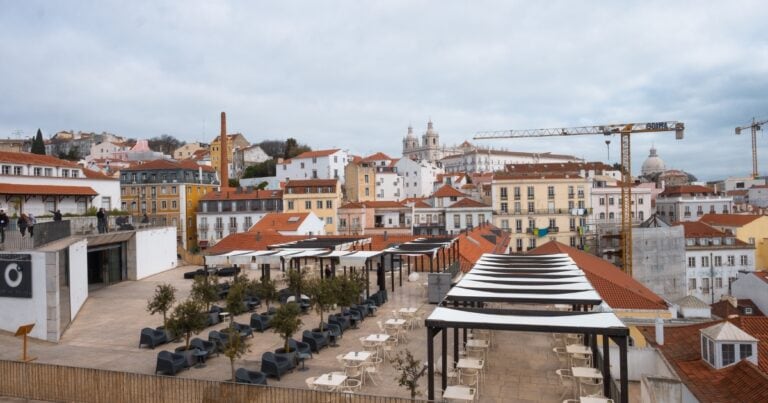
Lisbon itself will easily keep you busy for four days. Wander the historic Alfama district with its Sé cathedral, ride the legendary tram number 28, treat yourself to a proper pastel de nata in Belém, and climb up to one of the viewpoints (miradouros) where the city tumbles straight down into the river. We cover it all in detail in our Lisbon guide with 25 tips.
But the real magic begins when you head out of the city on day trips — and thanks to the suburban trains, that couldn’t be easier:
- Sintra – a fairy-tale town with the colourful Pena Palace, about 40 minutes by train from the centre. Hands down the best day trip of them all.
- Cascais – an elegant seaside resort with beaches and a laid-back vibe, perfect for half a day.
- Óbidos – a charming medieval town ringed by walls, where you can taste the cherry liqueur ginjinha.
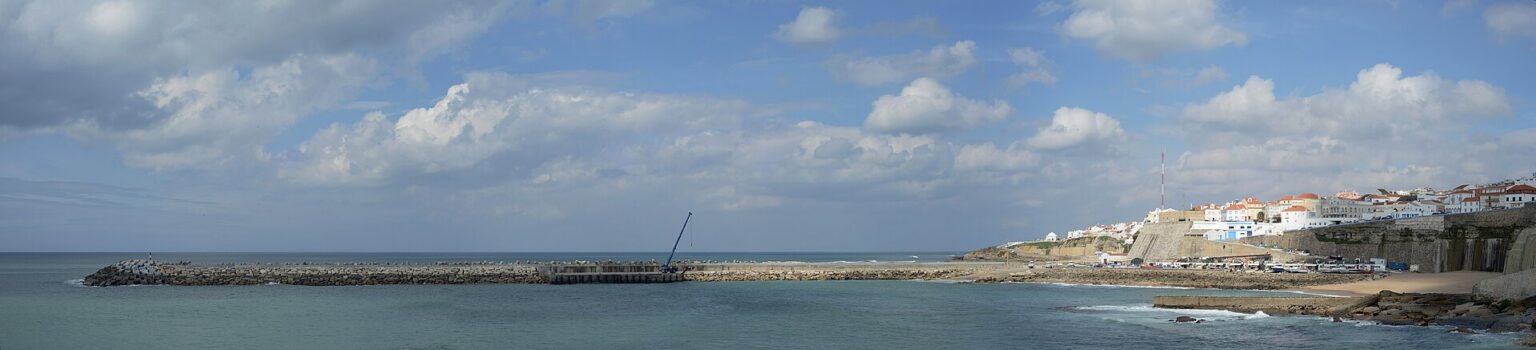
- Nazaré – a fishing town famous for its giant waves that draw surfers from all over the world.
- Ericeira – a surfers’ paradise and a calm alternative to the crowds, just a short hop north.
When to visit Lisbon
Lisbon has one big advantage: you can visit year-round. The nicest time, though, is spring (April–June) and September–October — temperatures around 20–26 °C, sunshine and still-bearable crowds. For us, this is the sweet spot between weather, price and peace and quiet.
Summer (July–August) is the hottest, easily over 30 °C, and above all the priciest and busiest. Unless you’re coming mainly for the beaches and can handle the heat and higher prices, feel free to skip it. Sintra and the viewpoints tend to be packed in summer, so expect queues.
Winter in Lisbon is mild — usually 14–16 °C during the day, though you should expect rainier days. On the plus side, flights and accommodation are noticeably cheaper and you’ve got the city almost to yourself. It’s more than enough for a classic city wander; just pack a waterproof jacket.




How to get to Lisbon
The easiest way is to fly. There’s a direct flight from Prague to Lisbon and the journey takes roughly 4 hours. If you catch a deal or fly off-season, you can grab return tickets really cheaply — it pays to keep an eye out. From smaller airports (Brno, Ostrava) there usually aren’t any direct connections, so expect a layover, most often at one of the big European hubs.
Driving from Czechia is of course possible too, but it’s over 2,500 km one way — it only makes sense as part of a longer road trip across the Iberian Peninsula, not for a week’s holiday. Humberto Delgado Airport sits right by the city, and you can reach the centre by metro or taxi in a matter of minutes, which is a huge bonus.
Renting a car
For Lisbon itself you don’t need a car — in fact it’ll be a burden. The centre is tight, parking is pricey, and you can comfortably reach the surrounding towns by train. A car only makes sense once you want to visit more places under your own steam: heading to the beaches, to Nazaré, Óbidos, or further north or south, where the trains don’t run quite so frequently.
- Book in advance through a rental comparison site — it tends to be pricier on the spot and may be sold out in season.
- Keep an eye on the deposit amount and insurance cover — the base price often doesn’t include full cover, and the top-up at the counter can be an unpleasant surprise.
- Portugal has electronic motorway tolls — check with the rental company how they handle them (transponder vs. surcharge) so the invoice doesn’t catch you out.
- It’s better to pick the car up only when you leave the city, not right after you land — you’ll save on the days you wouldn’t use it anyway.
Where to stay in Lisbon
Where to stay depends mainly on what you want from your trip. For a first visit, we recommend staying close to the centre so you have everything at hand and don’t have to deal with long commutes:
- Baixa and Chiado – right in the heart of it all, everything on foot, but pricier and busier. Great for a first visit.
- Alfama – the oldest and most atmospheric district with narrow lanes; watch out for the hills and dragging suitcases over the cobbles.
- Príncipe Real / Avenidas Novas – quieter, more modern areas with better value for money.
- Cais do Sodré and Bairro Alto – for those who want to be in the thick of the nightlife.
If you’re heading out mainly for trips around the area, also consider staying in Cascais or Sintra — it often works out cheaper, you get some peace and quiet, and you can hop into Lisbon by train in half an hour.
Package tour or independent travel?
Lisbon is a destination where travelling independently really is easy — but it’s not the best choice for everyone. Here’s our honest comparison:
A package tour is worth it when…
- you don’t want to sort out flights, transfers and accommodation separately and you want it all wrapped up in a single click;
- it’s your first time and having a rep and a ready-made programme puts your mind at ease;
- you’re after a specific few-day window and the package works out cheaper than piecing the holiday together yourself.
Go independent when…
- you want your own pace and the freedom to change plans with the weather and your mood;
- you’re planning several trips around the area (Sintra, Cascais, Nazaré) and want to arrange them your way;
- you enjoy hunting for cheap flights and accommodation and don’t mind doing a bit of planning.
The two of us love going to Lisbon independently most of all — the city and its surroundings are brilliantly connected by train and you can manage everything stress-free. But if you’re travelling for the first time, don’t want to deal with anything, or want the certainty of a ready-made package, a tour is a perfectly fine choice. There’s no wrong answer — just the one that suits you.
Budget: daily costs in Lisbon
Lisbon is one of the more budget-friendly Western European capitals — still cheaper than Paris or Amsterdam, but pricier than Prague. The figures below are a rough daily budget per person (excluding flights):
| Level | Accommodation | Food | Transport & activities | Total/day |
|---|---|---|---|---|
| Backpacker | 20 €–30 € (hostel) | 12 €–18 € | 8 €–16 € | approx. 40 €–65 € |
| Standard | 60 €–100 € (3★ hotel/apartment) | 25 €–35 € | 16 €–30 € | approx. 100 €–160 € |
| Comfort | 140 € and up (4★) | 45 € and up | 30 € and up | approx. 220 € and up |
Treat these numbers as a guide for outside the high season — in July and August accommodation prices climb noticeably.
How to save when planning
- Book flights 2–4 months ahead and steer clear of the school holidays — prices in July and August spike the most. Deals on the direct flight from Prague pop up regularly, so it pays to keep an eye out. Search for flights with our tool.
- Book accommodation well in advance, especially in the centre and in season — the good apartments go first. Outside peak season, though, you can sometimes snag last-minute deals. Take a look at our accommodation tips.
- Popular activities and trips (such as entry to the Pena Palace in Sintra) are worth booking online in advance — you’ll save time in queues. Here’s an overview of what to book early.
- Where you overpay the most: food on the tourist streets by the main sights, and taxis from the airport. Walk one street over and use the metro — you’ll notice the difference straight away.
- If you’d rather have it all served up for you, keep an eye on the current package deals — sometimes a package works out cheaper than piecing the holiday together yourself.
Practical information
- Language: the official language is Portuguese, but in tourist areas you’ll get by in English without any trouble. A few words like “obrigado/a” (thank you) always go down well.
- Payments: you can pay by card almost everywhere, so it’s worth having one. A bit of cash comes in handy for small cafés, markets and a glass of ginjinha.
- Connectivity: Portugal is in the EU, so roaming works just like at home. If your plan is on the smaller side, an eSIM with a data package is the simplest solution and your navigation will run worry-free.
- Safety: Lisbon is a safe city, just watch out for pickpockets on tram 28 and in crowds — the classic of any tourist capital.
- Transport: get yourself a rechargeable Viva Viagem card for the metro, trams and suburban trains — it works out cheaper than individual tickets.


