

Heading to the mountains and not sure what to pack? The contents of your luggage will largely depend on the activities you have planned and whether you’re going in winter or summer. To make sure you don’t forget anything, I’ve put together the ultimate mountain trip packing list that covers both seasons.
Planning and Preparing for a Mountain Trip
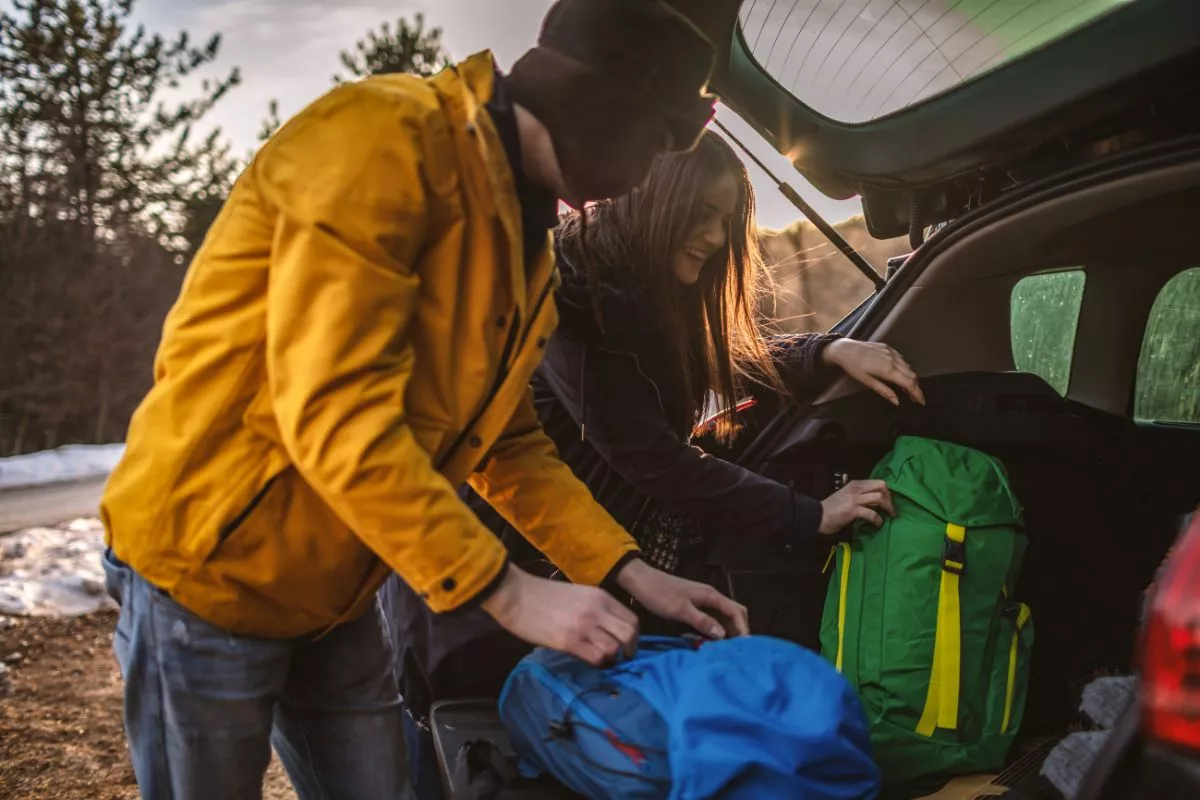
Whether you’re travelling for skiing, mountain hikes or alpine trekking, packing is unavoidable. The essentials include a suitable bag (a practical choice might be a hiking backpack), the right mountain gear and practical functional clothing. Your packing list will depend on your chosen activities, the number of days, the season and your personal preferences.
What to Pack for the Mountains in Winter
When you’re preparing for a winter mountain trip, it’s important to carefully consider what to bring so you’re fully equipped and ready for the unpredictable mountain conditions.
💡 You might also like: How to choose travel gear.
Clothing
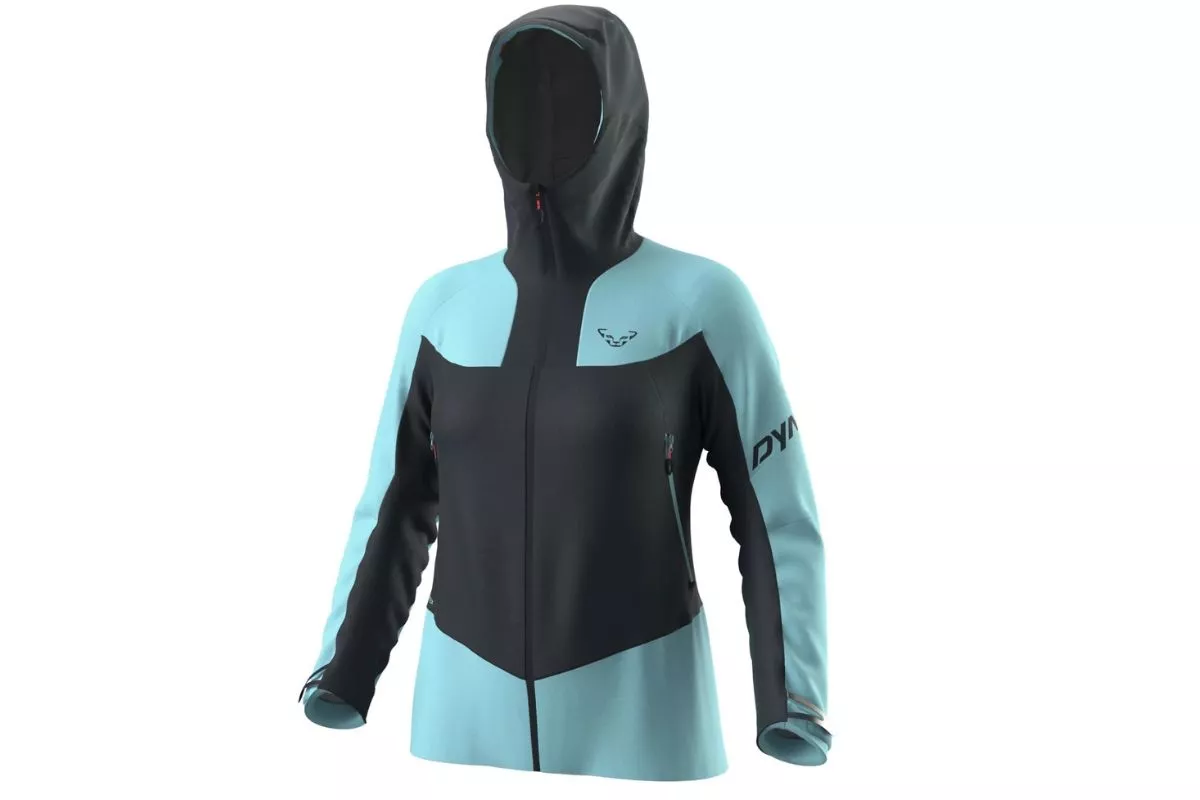
In winter, proper layering is essential in the mountains. The base layer should be functional underwear (such as nano boxer briefs) that wicks moisture and keeps your body dry. The second layer should be insulating – for example, a fleece jacket or sweater. For the outer layer, go with a waterproof and windproof jacket with a membrane (e.g. Radical Gore-Tex). Don’t forget warm socks, a hat, gloves and a scarf or neck gaiter to protect you from frost and wind.
Add the following to your mountain packing list:
- thermal base layers (check out the Craft Core Warm Baselayer set),
- underwear and socks (especially knee-high ones, such as Warg Merino Ski),
- short-sleeve and long-sleeve shirts,
- ski trousers and jacket (e.g. Trimm Marol jacket),
- waterproof trousers (e.g. Ortovox 3L Guardian Shell Pants),
- winter snow boots,
- neck gaiter,
- hat, gloves, scarf and balaclava for under your helmet.
Appropriate Footwear
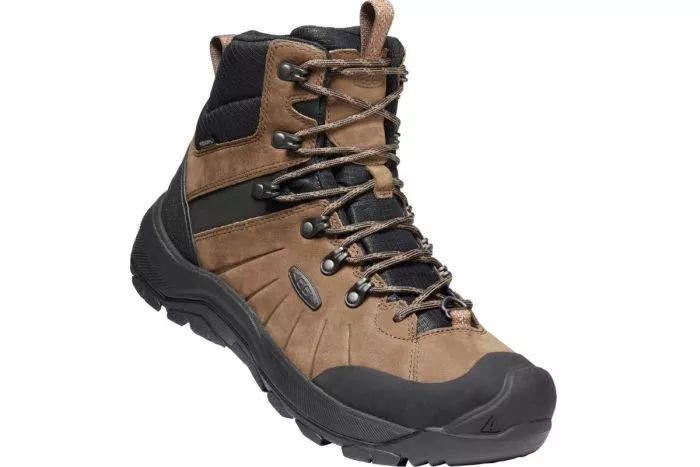
Quality winter footwear is the foundation of comfortable movement in the mountains. Choose boots with good insulation, waterproofing and a sturdy sole that provides stability even on slippery terrain. Waterproofing your boots is also important to keep your feet dry, even when it’s snowing or raining. Pack a waterproofing spray like Nikwax Nubuck Spray-on.
For men, I recommend the Revel IV MID Polar M trekking boots, and for women, the Kamik Iceland snow boots.
💡 TIP: Guide to the best trekking boots
First Aid Kit
You can either buy a pre-made first aid kit (such as the Lifesystems camping kit) or make sure to pack the following:
- any prescription medications you take,
- plasters,
- bandages,
- digestive medication,
- antiseptic,
- scissors,
- multi-purpose knife,
- thermometer,
- painkillers and fever reducers,
- antihistamines,
- hand sanitiser gel.
A frostbite cream, panthenol, sunscreen and lip balm with UV protection can also come in handy.
Carry-on Luggage
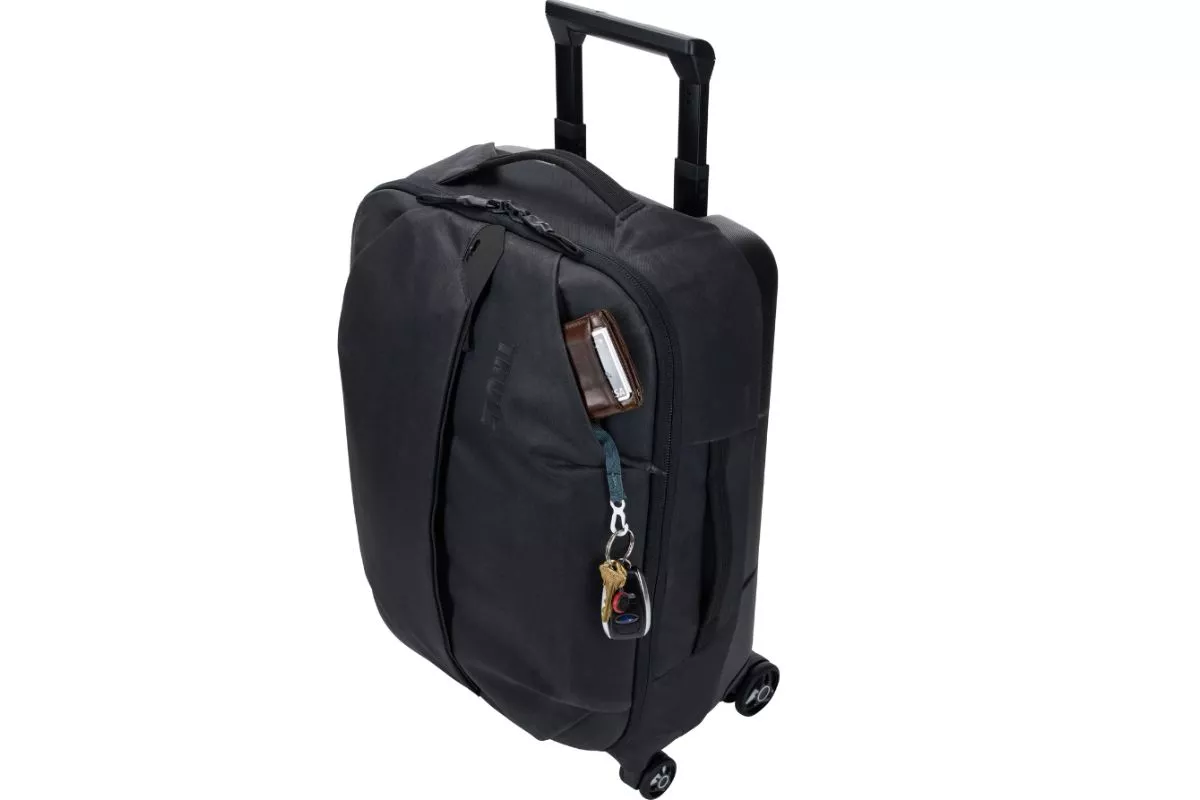
If you’re flying to the mountains, prepare a carry-on bag with all the essentials (in case your checked luggage gets lost). Find the best carry-on bags HERE.
Pack the following in it:
- ID and documents including your EHIC card (don’t forget travel insurance),
- wallet,
- boarding pass,
- personal medications,
- water bottle,
- a small snack,
- basic toiletries,
- phone, e-reader, laptop,
- charger and power bank,
- spare clothing and basic hygiene essentials.
Ski Equipment
If you’re planning to ski, don’t forget your complete ski gear. Skis, ski boots, poles, helmet, goggles and a back protector (such as the Acepac Sas-Tec Sc-1/CB52) – these are all essentials. Also remember sunglasses, ski gloves and thermal underwear under your ski outfit to keep you warm even after a full day on the slopes. You can either rent the gear or bring your own if you have it.
Toiletries
Hygiene is a must when packing for the mountains. Pack:
- toothbrush and toothpaste,
- shampoo and soap,
- deodorant,
- towel (e.g. the quick-dry Zulu Comfort),
- moisturising cream,
- sunscreen,
- comb,
- laundry detergent (check out Nikwax Tech Wash),
- tissues,
- toilet paper.
Documents, Money and Other Essentials
Always bring personal documents such as your passport, driving licence or national ID card. Keep money and payment cards safe, ideally in a waterproof pouch (like the Ferrino Busta). Don’t forget your insurance documents if you have travel insurance, and contact information for emergency services.
Other Useful Items
You might also find the following handy on a mountain trip:
- portable coffee maker,
- thermos flask,
- travel cookware,
- headlamp,
- lighter,
- avalanche transceiver (check this one),
- knife (True Utility Seven).
💡 TIP: Read our guide to portable coffee makers.
What to Pack for the Mountains in Summer
If you’re heading on a summer mountain vacation, it’s important to bring gear that ensures comfort and safety. The basics include lightweight and breathable clothing that wicks away sweat, but don’t forget warmer layers too, as mountain weather can be unpredictable.
Clothing
In summer, it’s important to wear lightweight, breathable materials that wick moisture well and dry quickly. But layering is still essential – the base layer should be functional, the second layer light and insulating (such as the Zulu Ore fleece) and the outer layer should protect against rain and wind.
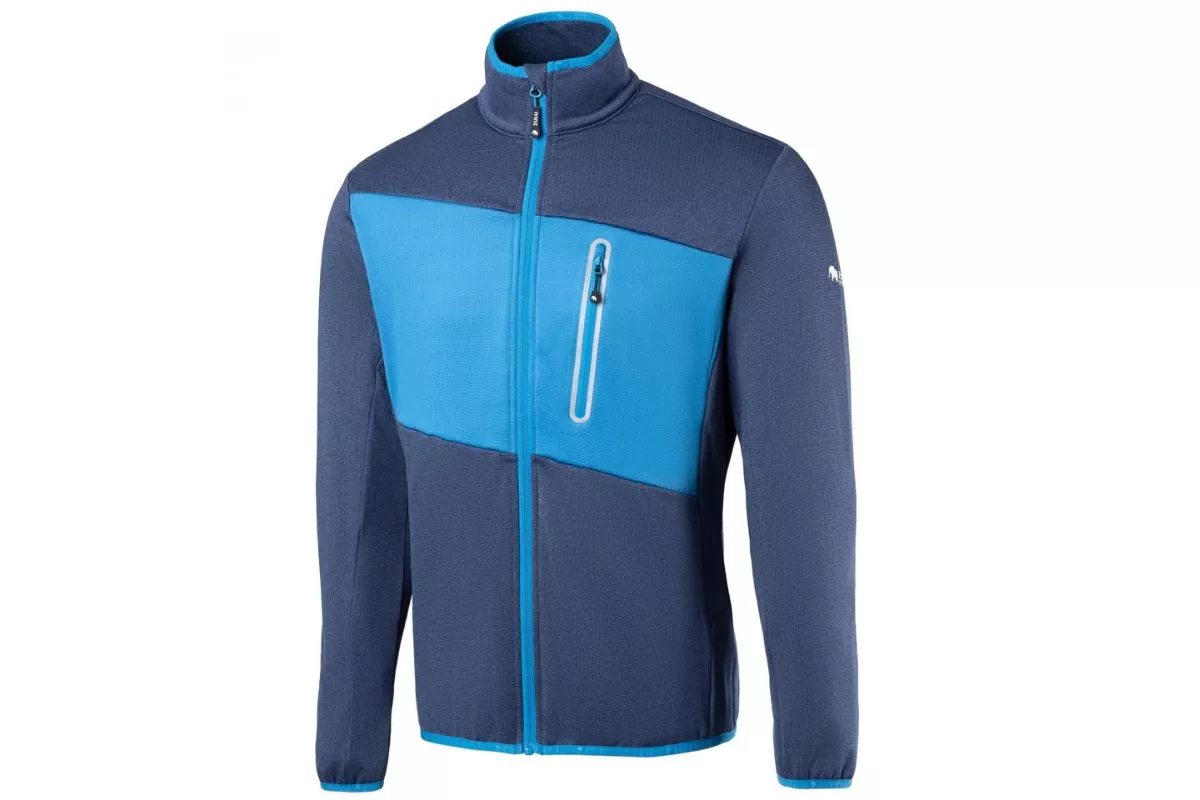
Don’t forget a hat or cap to protect you from the sun. It’s also a good idea to bring a spare t-shirt and socks so you can change after a strenuous hike. And if you’re planning to cycle, don’t forget cycling clothing (check this out for complete cycling gear).
As for clothing, pack:
- hiking boots,
- underwear,
- short-sleeve and long-sleeve shirts,
- sports leggings or shorts,
- waterproof trousers,
- fleece or midlayer,
- lightweight jacket,
- trekking poles (e.g. Leki Makalu FX Carbon trekking poles),
- swimsuit,
- hat or cap.
Appropriate Footwear
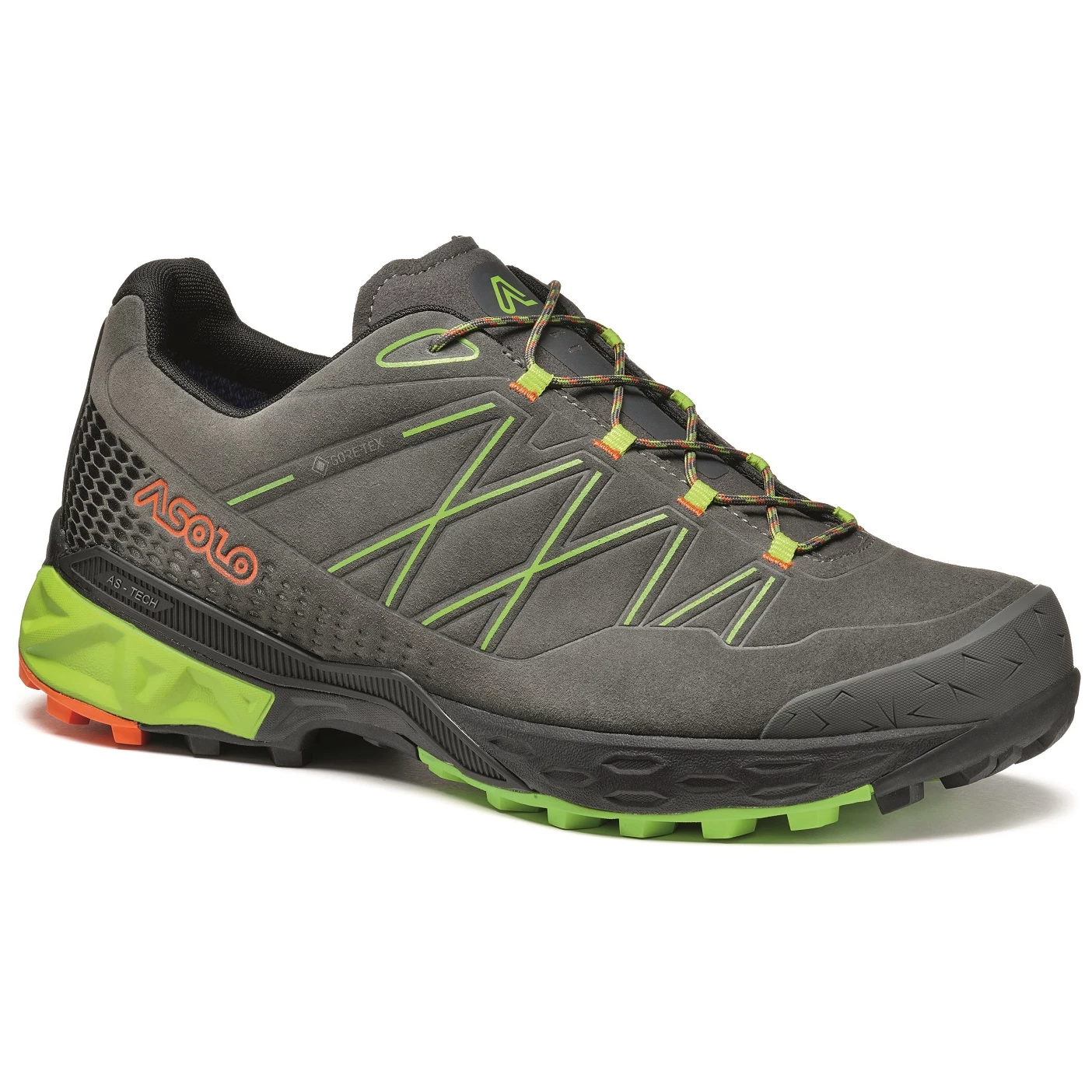
If you’re planning hikes in the mountains, you’ll need proper hiking boots. Footwear should be comfortable, breathable and, above all, have a sturdy sole that provides stability even on uneven terrain.
An excellent choice are the lightweight trekking boots Asolo Tahoe LTH GTX or the high-ankle Aku Alterra Lite Mid GTX boots.
Your boots should also be well broken in so they don’t pinch or cause blisters on long hikes. Don’t forget socks too – ideally made from functional materials that help prevent chafing and keep your feet dry.
First Aid Kit
As for the first aid kit, it won’t differ much from the winter version. Additionally, I’d pack:
- insect bite treatment,
- anti-chafing cream,
- sunscreen,
- after-sun gel or burn cream,
- cooling gel,
- insect repellent.
Carry-on Luggage
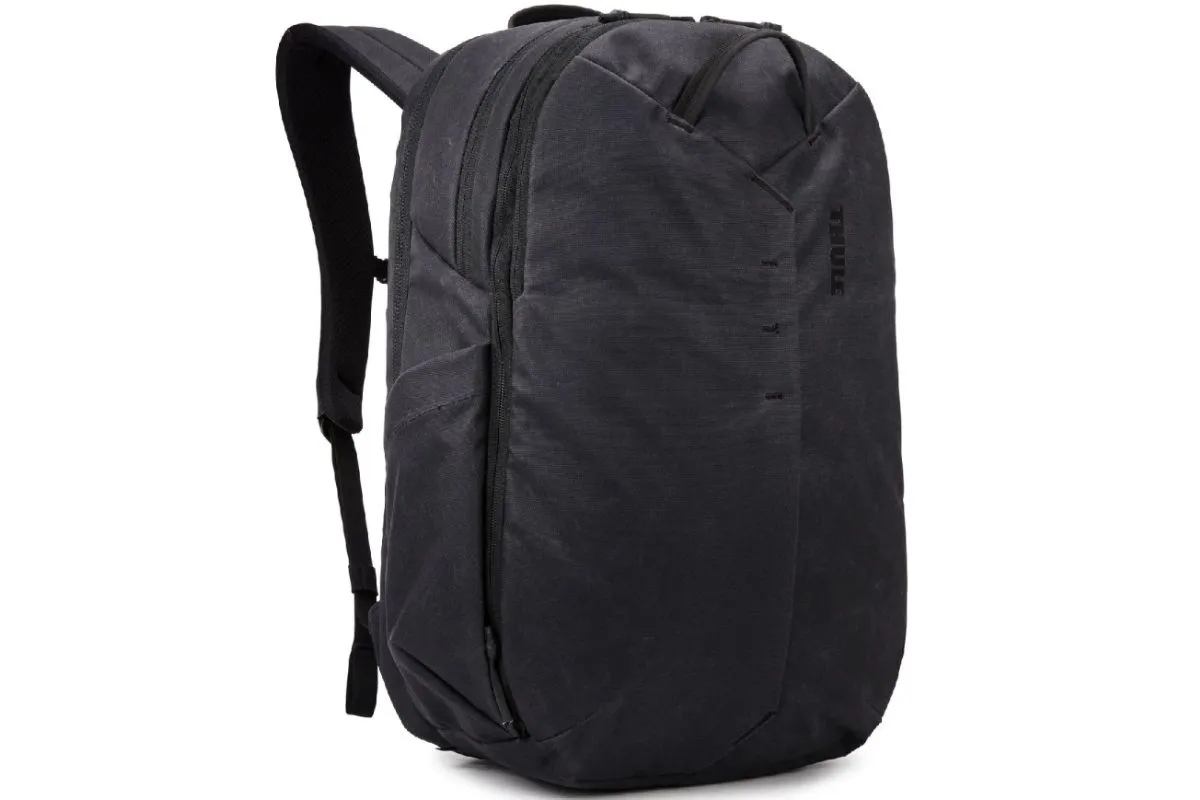
Not just for flights, but also for short day trips in the mountains, a smaller carry-on bag is useful. A backpack of around 20–30 litres is ideal for both purposes and sufficient for day hikes. I can recommend the Thule Aion travel backpack.
Pack your essentials such as a water bottle, snacks, sunscreen, rain jacket, first aid kit, documents, money and other necessities. The backpack should have padded straps for comfort even during longer wear.
💡 TIP: What can I take on a plane
Mountain Hiking Gear
For summer mountain hiking, be sure to bring a map, compass or GPS device so you can easily navigate the terrain. Telescopic trekking poles can help you stay stable and reduce strain on your joints during challenging ascents and descents.
Also pack a poncho or lightweight waterproof jacket. For longer hikes, don’t forget energy bars or trail food.
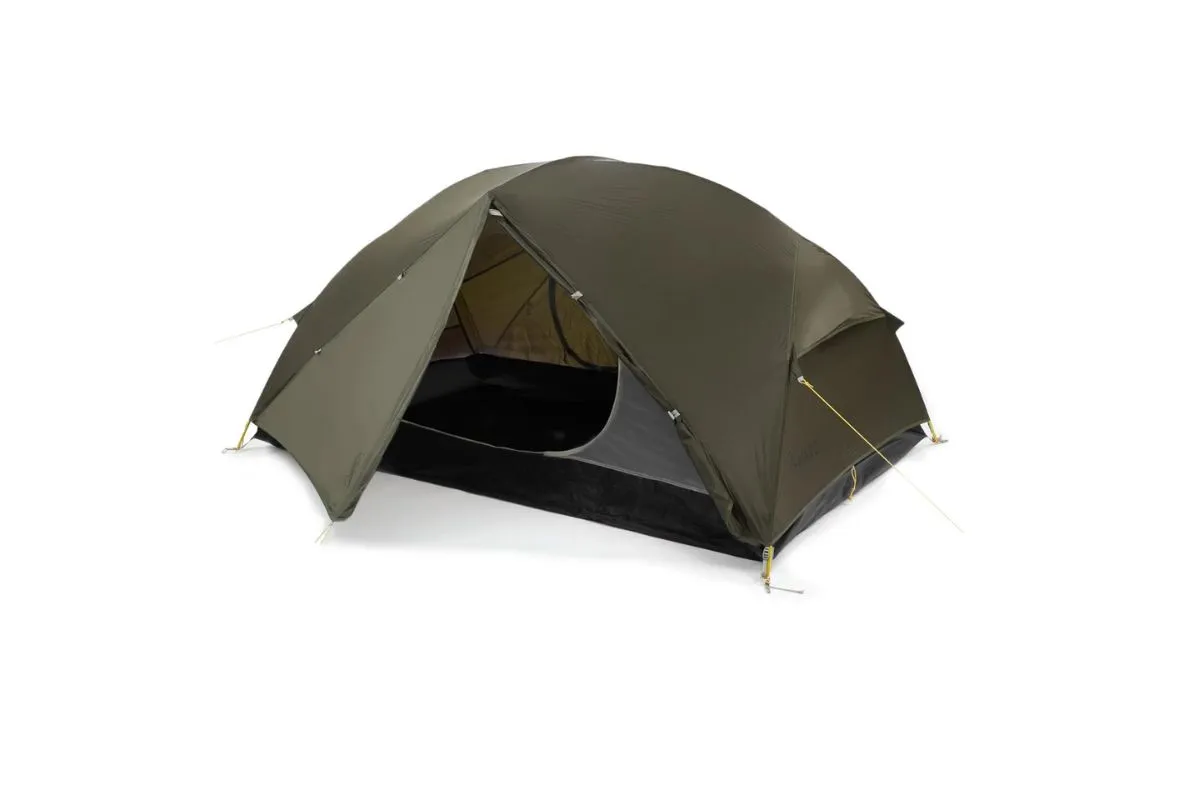
Depending on whether you’ll be doing day hikes or overnighting along the way, pack a sleeping bag, sleeping pad and tent as well. I recommend the Ultralight 700 sleeping bag by Zulu, the Warg NeoLite Insulated inflatable sleeping pad and the Warg Midi two-person tent.
Add the following to your mountain hiking packing list:
- hiking backpack,
- GPS or navigation device,
- trekking poles,
- water bottle or hydration bladder,
- trail food,
- sleeping bag, sleeping pad and tent,
- camping stove and cookware,
- headlamp.
💡 Also read: How to choose a sleeping bag
Toiletries
Pack basic toiletries. The list remains the same as mentioned above.
You might additionally want to bring wet wipes, antibacterial gel, high-SPF sunscreen, lip balm with UV protection and a quick-dry towel. It’s also practical to have a small pack of tissues or toilet paper with you in the mountains.
Documents, Money and Other Essentials
For every mountain trip, bring your documents such as a passport or ID card, payment card and some cash. If you’re a student, your ISIC card may come in handy. If you’re heading abroad, don’t forget travel insurance and contact details for emergency services in the area. Also remember your mobile phone, camera, chargers and a power bank.
Other Useful Items
For a summer mountain vacation, you might also find these useful:
- portable coffee maker,
- tarp or shelter,
- laundry supplies,
- water filters,
- clothesline and pegs,
- multitool knife.
💡 TIP: Camping gear and essentials
Frequently Asked Questions
What Are the Essentials for Winter Hikes?
For winter hikes, don’t forget:
Snowshoes or crampons: For better movement in deep snow or on icy surfaces.
Headlamp: With spare batteries, especially if you’re planning a long hike.
Better layering: Greater emphasis on insulation and protection against freezing temperatures.
Avalanche kit: If you’re in avalanche-prone areas – avalanche probe, transceiver, shovel.
What Should I Take on a Mountain Hike?
For a mountain hike, it’s important to bring:
Footwear: Quality trekking boots with good grip and ankle support.
Clothing: Multi-layer clothing (thermal base layer, mid layer, waterproof and windproof outer layer), hat, gloves and scarf.
Backpack: A comfortable backpack with sufficient capacity for your needs (e.g. 20–30 litres for a day hike).
Food and water: Energy foods, snacks, plenty of water or a water filter/purifier.
Navigation aids: Maps, compass, or GPS.
First aid: First aid kit, plasters, medication for common health issues.
Tools: Multitool knife, matches or lighter, emergency shelter (e.g. bivvy bag).
What to Pack for a Multi-Day Hike?
For a multi-day hike, don’t forget:
Tent or bivvy bag: For overnight stays.
Stove and cookware: For preparing meals.
Food and water supplies: Including foods that store well.
Hygiene essentials: Toilet paper, wet wipes.
What Are the Safety Rules in the Mountains?
Check the weather: Monitor the forecast and prepare for possible weather changes.
Tell someone your plans: Share your route and expected return time with someone you trust.
Know your fitness level: Adjust the difficulty of the hike to your physical ability.
Learn basic first aid: These skills can be invaluable in an emergency situation.
Tips and Tricks for Your Vacation
Don’t Overpay for Flights
Search for flights on Kayak. It’s our favorite search engine because it scans the websites of all airlines and always finds the cheapest connection.
Book Your Accommodation Smartly
The best experiences we’ve had when looking for accommodation (from Alaska to Morocco) are with Booking.com, where hotels, apartments, and entire houses are usually the cheapest and most widely available.
Don’t Forget Travel Insurance
Good travel insurance will protect you against illness, accidents, theft, or flight cancellations. We’ve had a few hospital visits abroad, so we know how important it is to have proper insurance arranged.
Where we insure ourselves: SafetyWing (best for everyone) and TrueTraveller (for extra-long trips).
Why don’t we recommend any Czech insurance company? Because they have too many restrictions. They set limits on the number of days abroad, travel insurance via a credit card often requires you to pay medical expenses only with that card, and they frequently limit the number of returns to the Czech Republic.
Find the Best Experiences
Get Your Guide is a huge online marketplace where you can book guided walks, trips, skip-the-line tickets, tours, and much more. We always find some extra fun there!


