

Přemýšlíte nad vaší nadcházející dovolenou a rádi byste si půjčili karavan? S karavanem můžete vyrazit na výpravu i bez předchozích zkušeností, ale pokud se chystáte za hranice, je dobré být připravený. Přečtěte si náš průvodce cestování karavanem, s kterým vás v Evropě už nic nezaskočí.
Kde si půjčit karavan
Po příchodu koronavirové pandemie se na internetu objevila velká spousta karavanů k pronájmu. Ačkoliv máme nyní větší výběr, tak se musíme mít více na pozoru. Mnozí soukromníci nemusí mít vůz v pořádku, případně nebudou disponovat dobrým pojištěním (takovým, kde nebudete platit 30 000 Kč spoluúčast za jakoukoliv drobnost).
Pro půjčení do zahraničí si musíte být jisti, že si půjčujete kvalitní, dobře opečovávaný karavan. A to je nejlepší u specializovaných firem. My jsme už několikrát jeli po ČR i zahraničí s karavanen Leontýna od pana Neckáře z firmy Pan Karavan. Za všechny jejich karavany dáme ruku do ohně.
Jaký si půjčit karavan
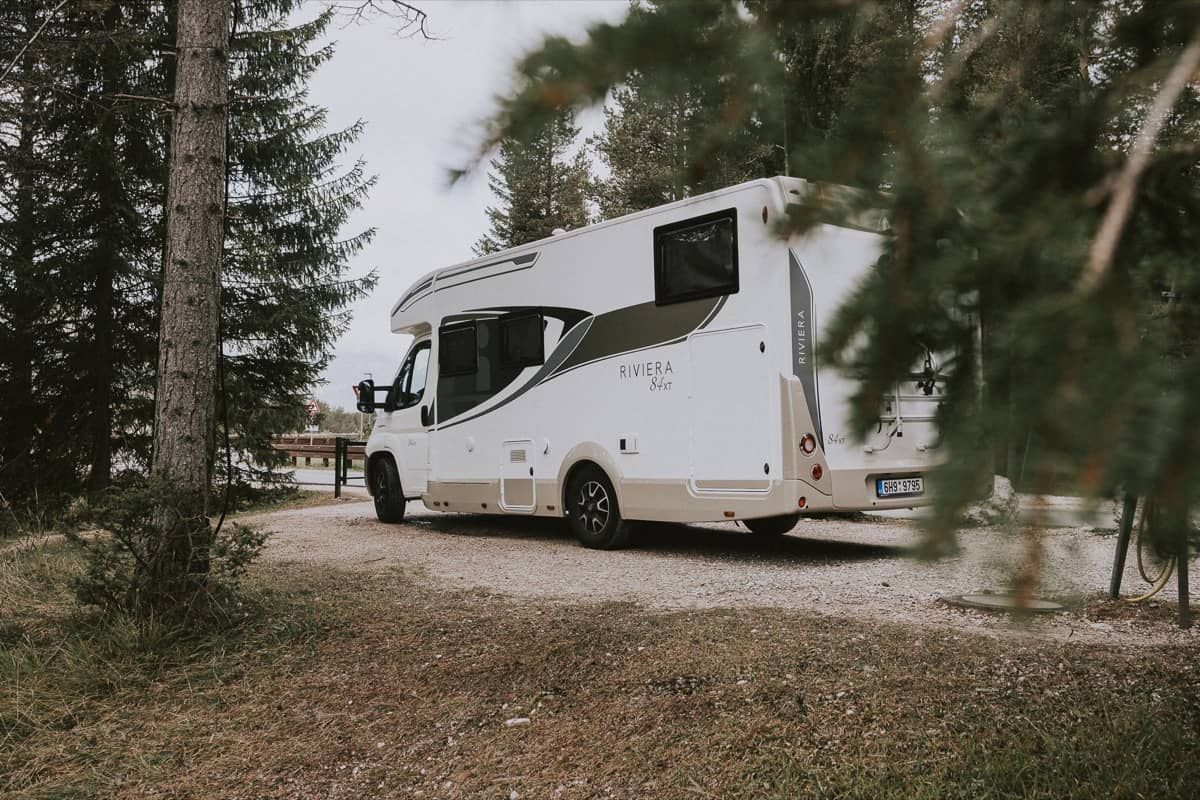
Výběr karavanu je stejně důležitý, jako výběr firmy, od které si ho půjčíte. Nejsem expert, abych vám dokázal poradit nejspolehlivější značku a model, ale měli byste vědět, že karavany mají různé stupně výbavy a liší se také tím, kolik lidí zvládnou na noc ubytovat.
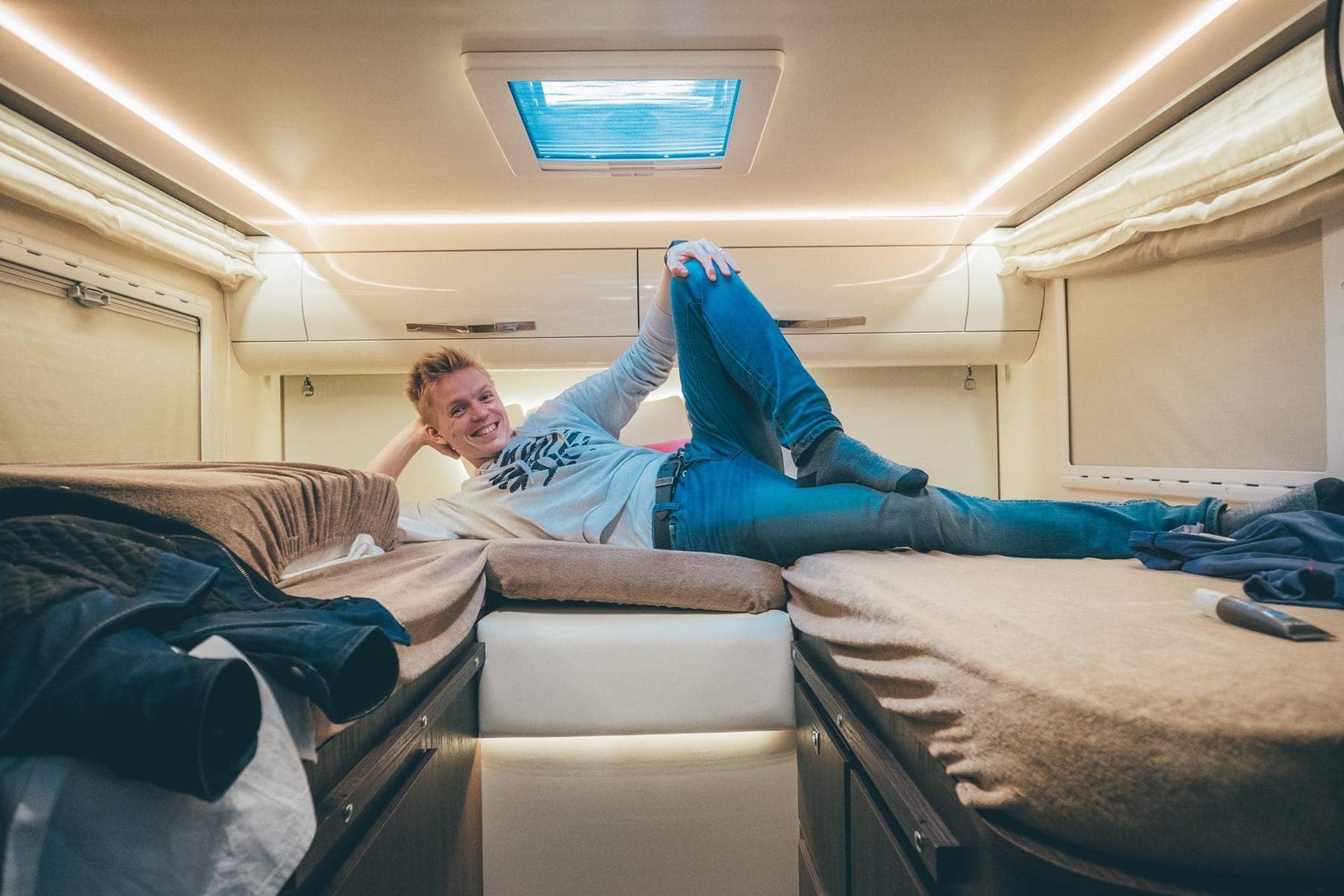
Většina karavanů uveze a vyspí se v nich 4 osoby, ale není problém sehnat i 6místný vůz. Pro maximální pohodlí vybírejte karavany nedávné výroby a s následujícím vybavením:
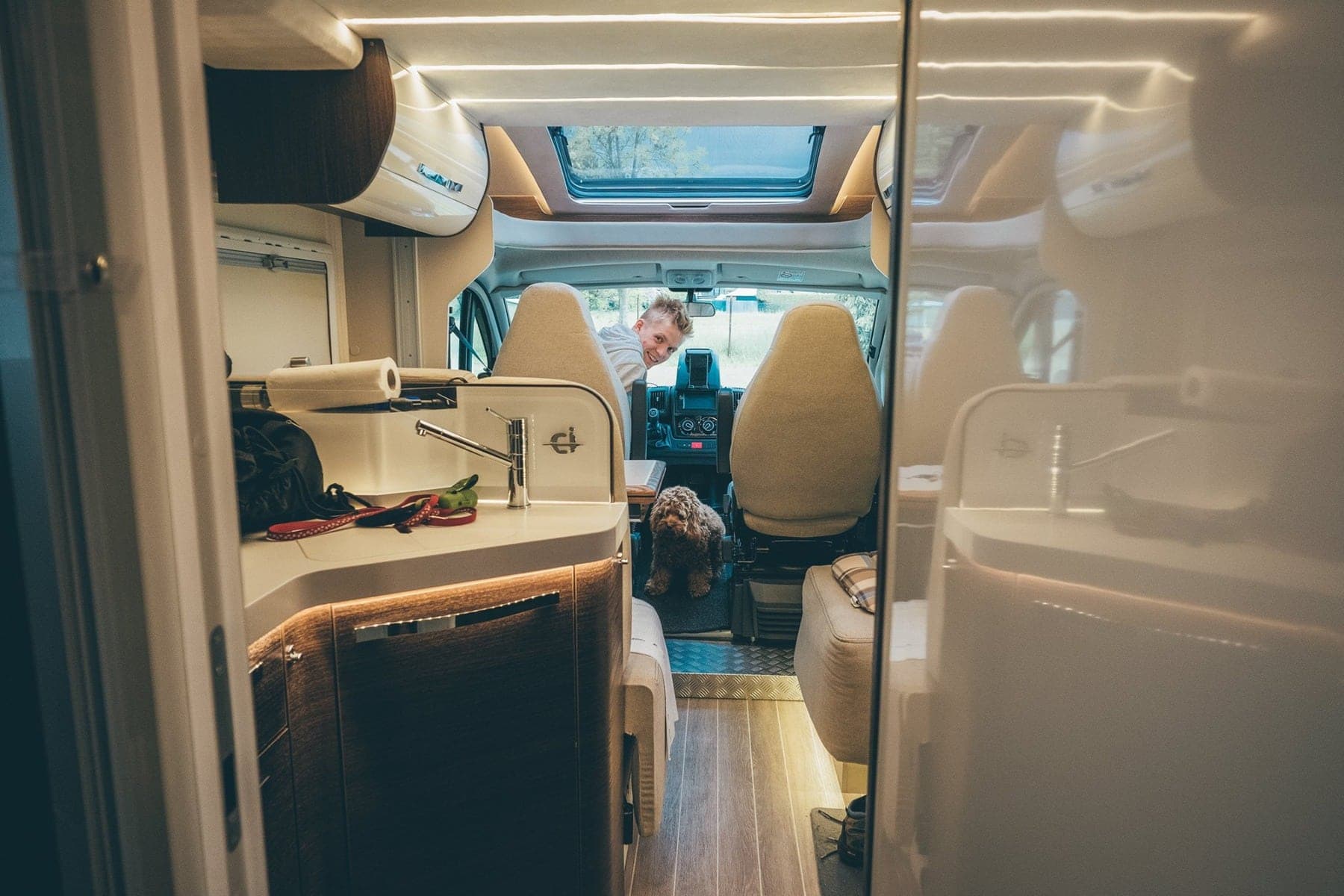
- chemické WC na tabletky
- lednička s kombinovaným zdrojem (přepínání mezi plynem a elektřinou, aby nedošlo k výpadku)
- sprcha s možností regulace ohřevu vody (na divoko nechcete tolik plýtvat elektřinou)
- alespoň malou koupelnu (bývá součástí WC)
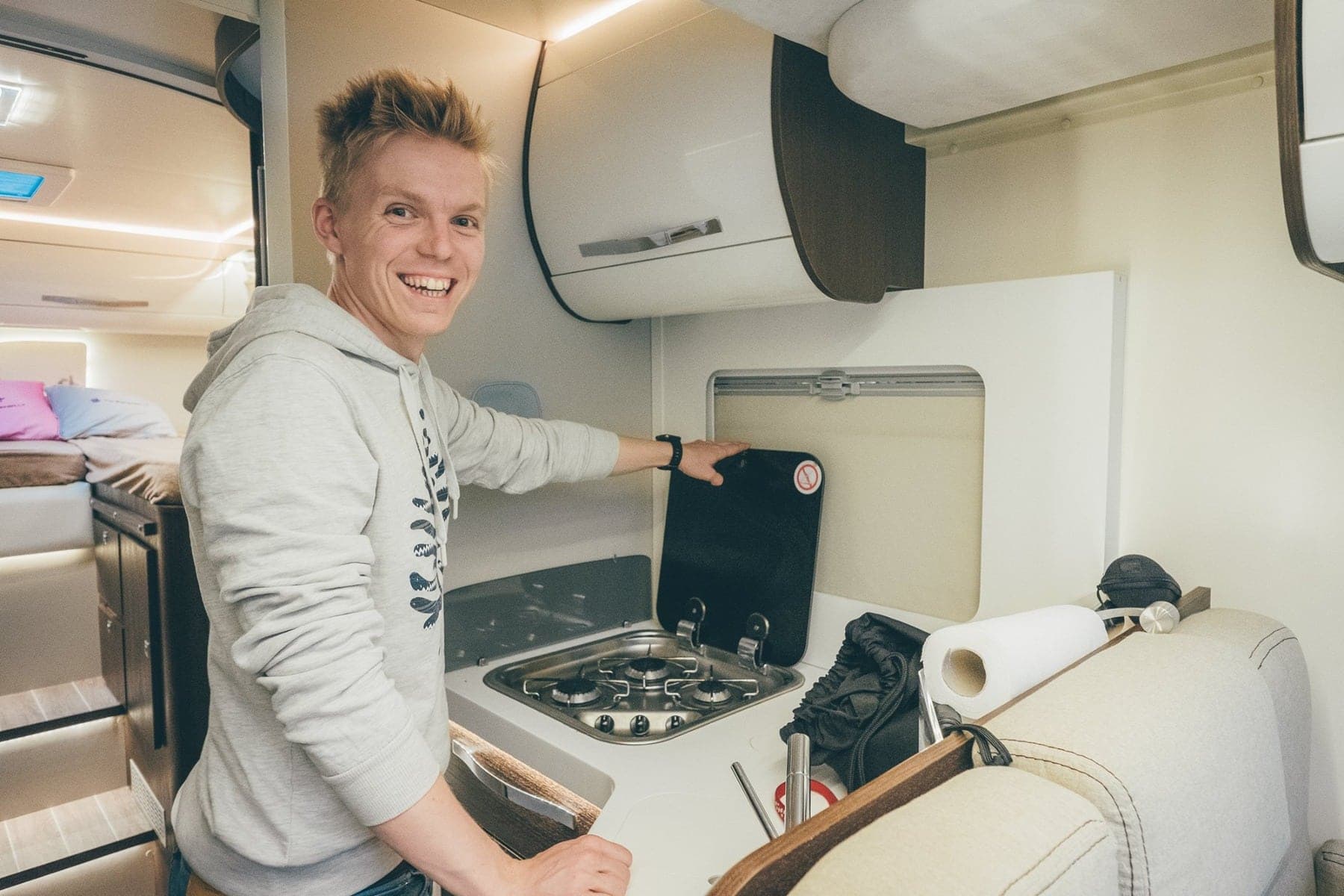
- kuchyň s plynovými hořáky
- solární panely (pro dobíjení baterií přes den)
- benzinové/plynové topení
- motorová klimatizace
Pokud s sebou plánujete vézt také kola, ověřte si, že je na karavanu k dispozici držák, případně zda je místo v tzv. garáži = kufr. zadní části karavanu, kde se běžně skladují rozkládací židle, stůl a další příslušenství.
Také bych se zamyslel nad tím, zda nepotřebujete markýzu. Pod markýzou se schováte před sluníčkem i deštěm a staví se jednodušeji, než přídavný stan. Pokud plánujete s karavanem ‚‚bydlet’’ na jednom míště, může se vám hodit stan, který pro karavan tvoří ‚‚přístavbu’’, ze které můžete na týden udělat předsíň.
Vše, co byste měli vědět o cestování karavanem
Před jízdou si nechte podrobně vysvětlit, jak správně provádět následující:
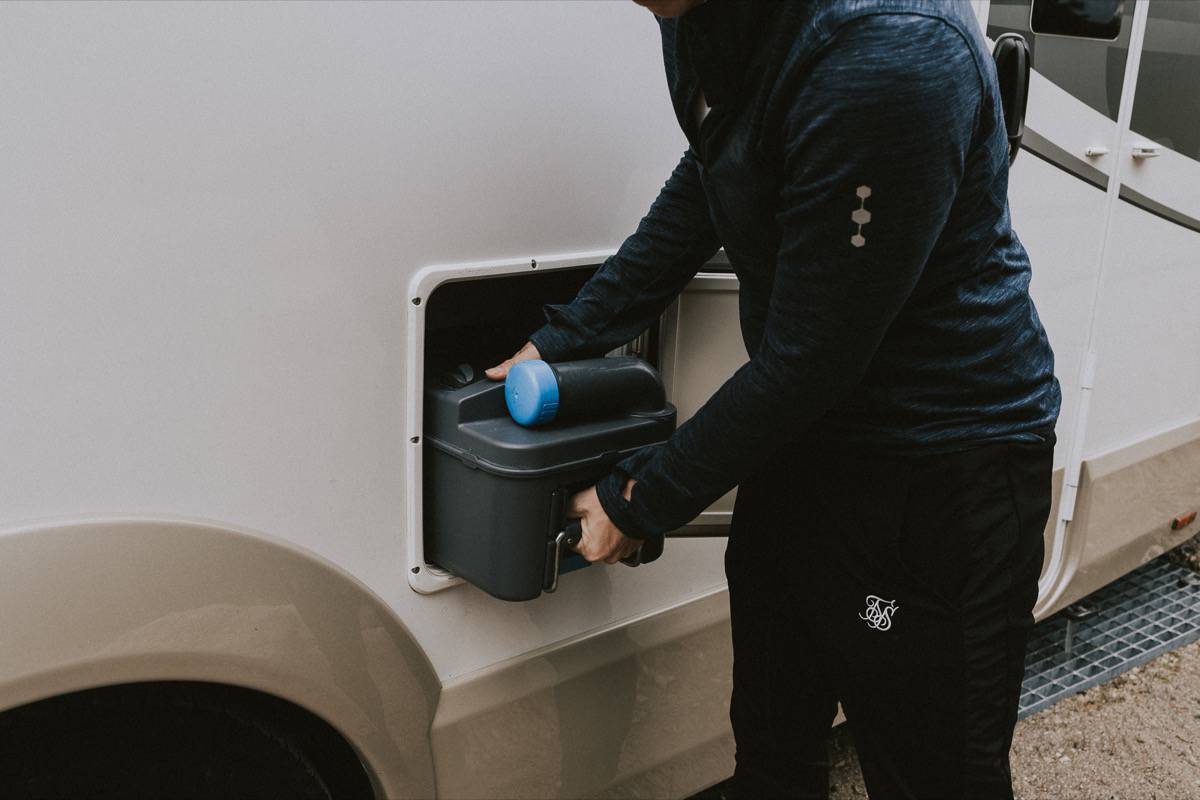
Výplach chemického WC
Chemické WC není možné vypustit jen tak někde do kanálu. V kempech pro to mají speciální výlevky. U nás to není časté, ale v jiných evropských zemích mívají výlevky i na benzinových pumpách.
Vypuštění znečištěné vody
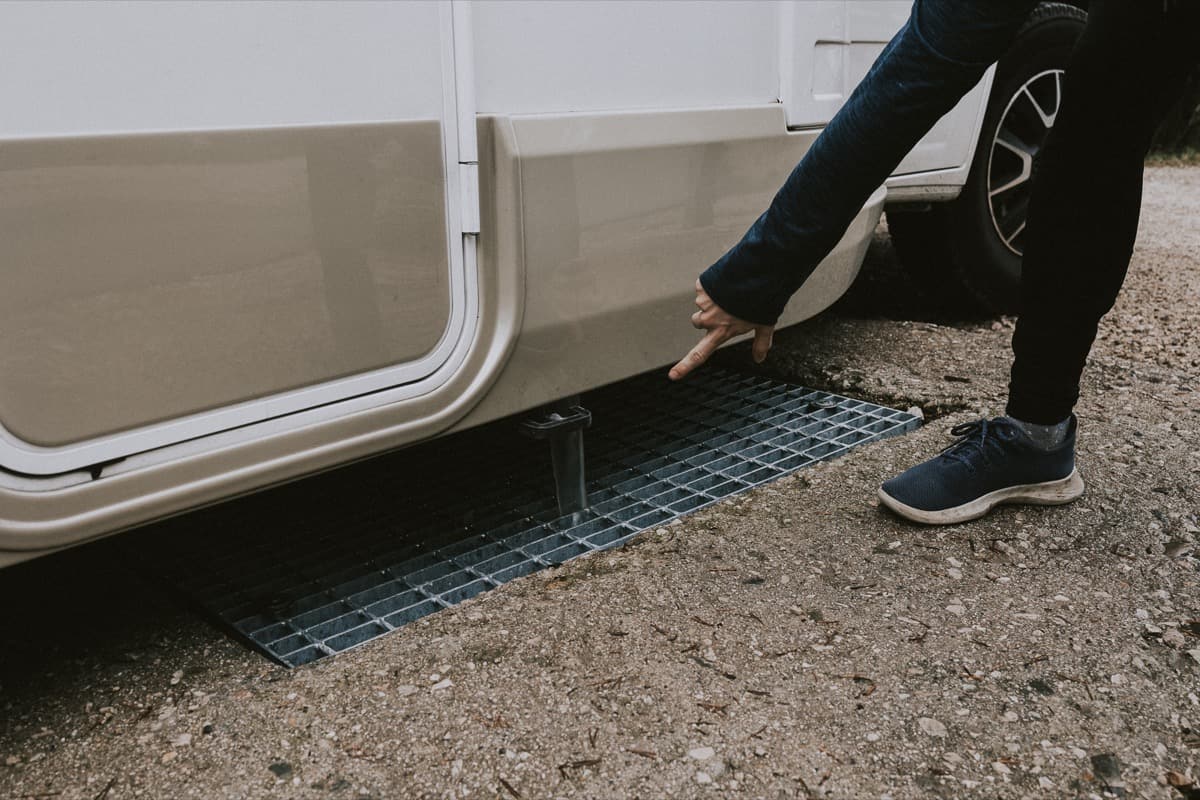
Karavany mají dvě nádrže na vodu – jednu na vodu čistou a druhou na vodu odpadní (ze sprchy, kohoutků apod.). Odpadní voda se vypouští ventilem ve spodní části vozu a vypouští se do kanálu. Pokud jedete s karavanem poprvé, nechte spolujezdce, aby vás při nájezdu na kanál navigoval. Musíte se trefit přesně! Pokud vytáhnete ventil mimo vpusť do kanálu, rozlije se vypouštěná voda všude kolem a mohu vám garantovat promáčené boty. 🙂
Dopuštění čisté vody
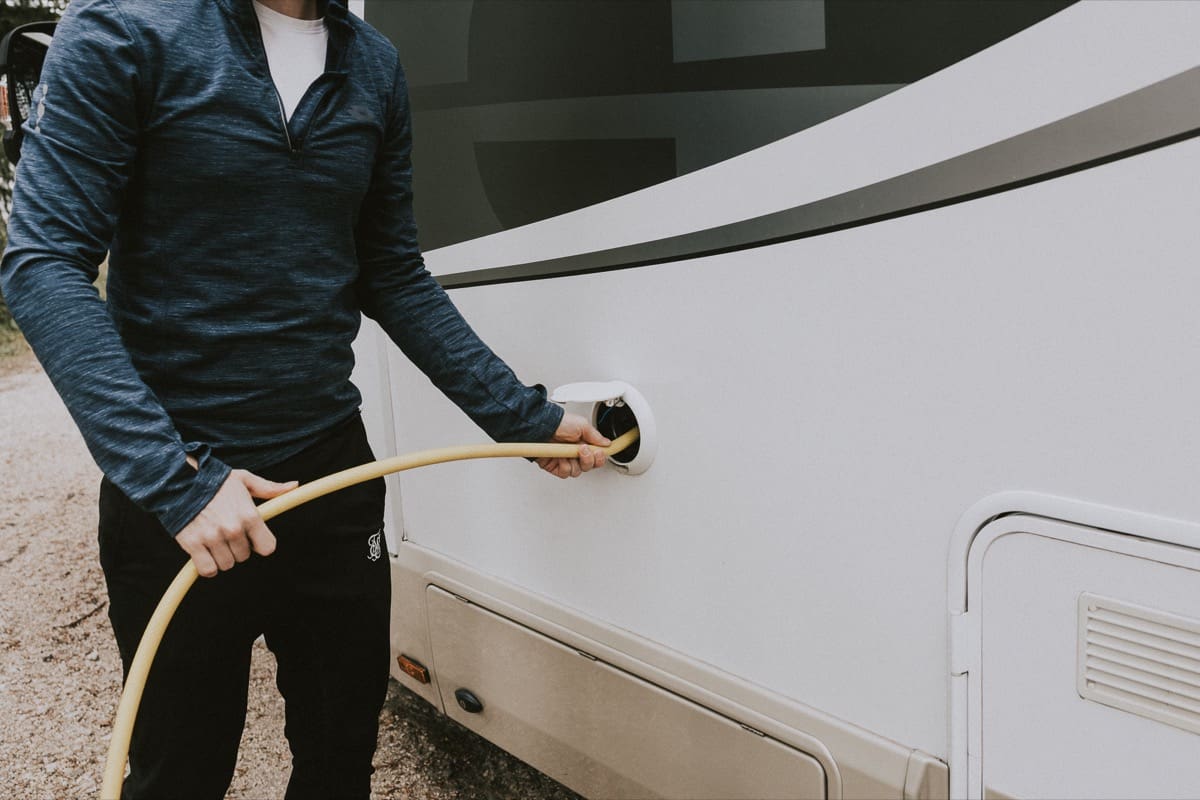
Voda se dopouští hadicí skrze vpusť na boku karavanu. Vždy se při dopouštění ptejte, zda je voda pitná. Ne vždy bývá v kempech a na benzínkách značeno, zda lze vodu používat i na pití.
Zapojení elektřiny
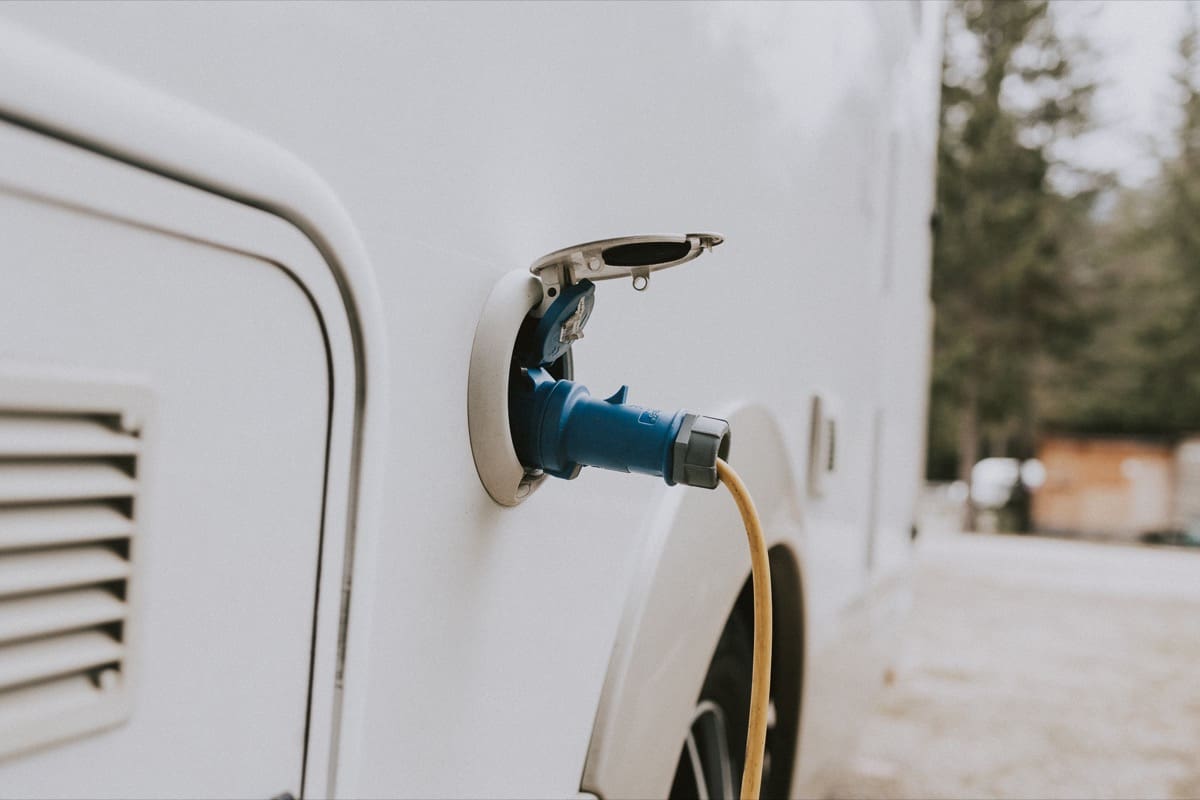
Karavan se solárními panely a spotřebiči zapnutými na eko režim (lednička, ohřev vody) vydrží 2-3 dny, než se vybije. V kempech i na stellplatzech u dálnic je většinou k dispozici elektrická přípojka (v ceně kempu). Doporučuji se připojit všude, kde to jde – můžete si pak dovolit vše rozsvítit, pořádně nahřát vodu a pokud máte elektrické topení, tak bez obav topit celou noc.
Výměna plynové bomby
Vždy se ujistěte, že vám pronajímatel předává vozidlo s plnou plynovou bombou. Výměna bomby je sice jednoduchá, ale v karavanu většinou nebývá náhradní a pro toho, kdo nemá s plynem zkušenosti, může být sháňka po bombě a její výměna nepříjemná nedovolenková záležitost.
Potřebuji na karavan speciální řidičský průkaz?
Drtivá většina karavanů spadá do kategorie vozů pod 3,5 tuny a stačí na ně řidičský průkaz skupiny B. Speciální řidičské oprávnění je potřeba pouze pro velké karavany, které připomínají autobus.
Jaké doklady potřebujete na cestování karavanem po Evropě?
Na obytné vozy s hmotnostní do 3,5 tuny (valná většina campervanů) vám stačí řidičský průkaz skupiny B (tedy ten pro osobní automobily). K vozidlu je potřeba s sebou mít malý technický průkaz a průkaz pojištění vozidla. Pokud je vozidlo půjčené, vezměte si s sebou také nájemní smlouvu v češtině i v angličtině.
Karavan a poplatky za dálnice a mýtné
Cestování karavanem po Evropě je obecně dražší, než cestování osobním autem. Kromě vyšší spotřeby je potřeba počítat s vyššími poplatky za dálnice a mýtné. Řada zemí má pro obytné vozy do 3,5 tuny samostatné tarify. Typicky bývají dražší také průjezdy tunely, především v Alpách.
Velmi zřídka se může stát, že vás budou chtít s obytným vozem zvážit. Například v Rakousku občas obytné vozy váží a pokutují nadbytečná kola nad povolenou provozní hmotnost vozu.
Aktuální výši dálničních poplatků pro všechny evropské země najdete na webu tolls.eu. Dálniční známku lze téměř vždy pořídit na benzínce před hranicemi, nebo on-line.
Doporučuji dálniční známky nakupovat on-line a s předstihem. Například v Portugalsku není jednoduché dálniční známku zakoupit mimo internet (musíte si zapůjčit krabičku s elektronickým čipem) a pokud nevstupujete do Portugalska přes hlavní hraniční přechod, nemusí se vám vůbec podařit ji pořídit.
Karavan a spotřeba
Běžná spotřeba karavanu se pohybuje mezi 10-12 litry na 100 kilometrů.
Jak se jezdí s karavanem
Pokud jste někdy řídili dodávku, nebudete překvapeni. A pokud ne, tak to zvládnete. Rozhodně doporučuji vybírat karavan s parkovací kamerou, nebo alespoň s parkovacími senzory. Třeba pak nebudete muset sbírat kousky rozbité blikačky, jako já. 🤡
Parkování karavanu ve městech
Jízda karavanem má svá omezení a nejvíce je pocítíte právě v rušných městech, kde je často nesnadné zaparkovat. Doporučuji si už předem najít na internetu vhodné místo pro parkování, případně si rovnou rezervovat místo.
💡 Jistotou je vždy vybírat placená větší parkoviště, kde na Googlu Street View vidíte parkovat i dodávky.
S karavanem nezajedete do téměř žádné podzemní garáže, protože mají většinou výškové omezení na 2,2 metru a karavany mají přinejmenším 3 metry na výšku (+ antény, střešní okna apod.).
Cestování karavanem trajektem
Obecně lze říci, že se s karavanem vejdete na jakýkoliv trajekt v Evropě. Lákavé je to především v Chorvatsku, kde se lze pohodlně přesouvat z ostrovu na ostrov. Trajekt se platí podle délky vozidla a několika ostrovech jsou přímo kempy se stáním pro karavany.
Cestování karavanem se psem
Karavan je pro psy ideální – během dne míváme psy venku u auta, vozíme si pro ně speciální výběh. Chystáte se na dovolenou karavanem se psem? Přečtěte si více v článku na webu Vsepropejska.
Kam vyrazit karavanem na dovolenou?
My jsme si to zamilovali v Dolomitech, kde je to ideální pro karavany. Vyrazili jsme na podzim, takže jsme neměli problém s tím, že bychom nesehnali místo v kempu. Pokud chcete jet na delší roadtrip, skvělá trasa je Německo – Francie – Španělsko – Portugalsko.
Parkování karavanu mimo kempy – kempování na divoko
V každé zemi je to s kempováním na divoko trochu jinak. Jak to je s kempováním v nejoblíbenějších destinacích?
TIP: Vyzkoušejte aplikaci Camperguru, kde najdete přehled nejlepších kempů i míst na kempování na divoko po celé Evropě.
Rakousko karavanem
V celém Rakousku je legální parkovat na místech vyhrazených pro karavany, tzv. Stellplatz. Najdete je na mapě pomocí mobilní aplikace Stellplatz-Radar.
Kempování na divoko je v Rakousku povolené jen jen ve čtyřech spolkových zemích:
- Horní Rakousko,
- Štýrsko
- Vorarlbersko
- v části Salcburska.
Slovinsko karavanem
Ve Slovinsku bohužel na divoko kempovat nelze. Jste tedy odkázáni na stellplatzy a kempy, případně soukromé osoby.
Černá Hora karavanem
Ani v Černé Hoře není legální kempovat mimo vyhrazená místa.
Cestování karavanem po Belgii
Ani v Belgii není možné kempovat v přírodě. Kvůli hustému zasídlení odlehlé místo ani nenajdete. V Belgii mají stellplatzy a není zakázáno parkovat na jakémkoliv parkovišti přes noc, pokud u něj není cedule zákazu.
Karavanem po Německu
V Německu lze jednu noc parkovat na všech parkovištích, kde není výslovný zákaz. Němci mají karavany rádi a stellplatzy najdete i uprostřed měst, například v Mnichově je jich hned několik o celkové kapacitě několika set stání.
Karavanem po Francii
Ve Francii není kempování na divoko zakázáno. Nesmíte ale kempovat u památek, na pobřeží a a chráněných přírodních lokalitách.
Kempování v Itálii – co vědět o cestování karavanem
V Itálii je kempování povoleno pouze na tomu určených místech, která jsou registrována a označena jako kempy. Kempování mimo tyto oblasti je zakázáno, a to jak veřejně, tak i na soukromých pozemcích.
Tips and Tricks for Your Vacation
Don’t Overpay for Flights
Search for flights on Kayak. It’s our favorite search engine because it scans the websites of all airlines and always finds the cheapest connection.
Book Your Accommodation Smartly
The best experiences we’ve had when looking for accommodation (from Alaska to Morocco) are with Booking.com, where hotels, apartments, and entire houses are usually the cheapest and most widely available.
Don’t Forget Travel Insurance
Good travel insurance will protect you against illness, accidents, theft, or flight cancellations. We’ve had a few hospital visits abroad, so we know how important it is to have proper insurance arranged.
Where we insure ourselves: SafetyWing (best for everyone) and TrueTraveller (for extra-long trips).
Why don’t we recommend any Czech insurance company? Because they have too many restrictions. They set limits on the number of days abroad, travel insurance via a credit card often requires you to pay medical expenses only with that card, and they frequently limit the number of returns to the Czech Republic.
Find the Best Experiences
Get Your Guide is a huge online marketplace where you can book guided walks, trips, skip-the-line tickets, tours, and much more. We always find some extra fun there!


