

The red continent “Down Under” should be on every traveller’s bucket list at least once in a lifetime. Playing with kangaroos, watching lazy koalas, diving at the Great Barrier Reef or witnessing the sunrise at magical Uluru are experiences that will stay with you forever. And although Australia has a reputation for being an expensive country, you can actually travel here on a budget. An Australia roadtrip is the ideal way to explore the continent — sleeping in the wild and cooking outdoors will keep your travel costs to an absolute minimum. Let’s take a look at the perfect Australia roadtrip and everything you need to know.
In this Australia guide, I’ll cover:
- Flights and travel insurance
- Travel visas
- Choosing the ideal route
- Hiring a car
- Camping in Australia
- Prices in Australia
Flights and travel insurance
If you’re flying to Australia from Europe, the flight will be one of your biggest expenses. With a bit of luck, you might snag return tickets on sale for around €600, but realistically expect to pay around twice that.
A great way to reach the red continent is to fly from New Zealand, or to visit Australia during a trip through Southeast Asia. Plenty of budget airlines fly to the smallest continent from these regions, offering much more affordable fares. Keep an eye on carriers like Jetstar, AirAsia and Scoot for competitive prices.
It goes without saying that you should arrange travel insurance before you depart. To find out which insurers offer the best coverage for the best price, read our comparison here.
Visas are a must for Australia
Don’t forget to sort out your visa before you travel. If your Australian adventure won’t last more than 90 days, the best option is the free electronic visa eVisitor 651, available to EU and UK passport holders. This is the entry permit most travellers choose. Applicants typically receive their visa confirmation via email within a few hours or days. The eVisitor visa is valid for one year, and you can enter the red continent multiple times on the same visa.
Best time for an Australia roadtrip
There’s no universal rule for when to visit the red continent. Your decision will depend on which areas of Australia you plan to explore. Although most of us imagine the country as a scorching, barren desert, the truth is that Australia actually has 6 different climate zones.
Many travellers choose to visit Australia during the European winter, from December to February. At this time of year, you’ll meet crowds of backpackers hoping for great weather and warm temperatures. The east and south coasts are definitely a good choice during this period, especially if you want to enjoy surfing or snorkelling. However, travelling through the outback in summer can be extremely uncomfortable, and you may encounter closed trails designed to prevent hikers from venturing out in dangerously high temperatures.
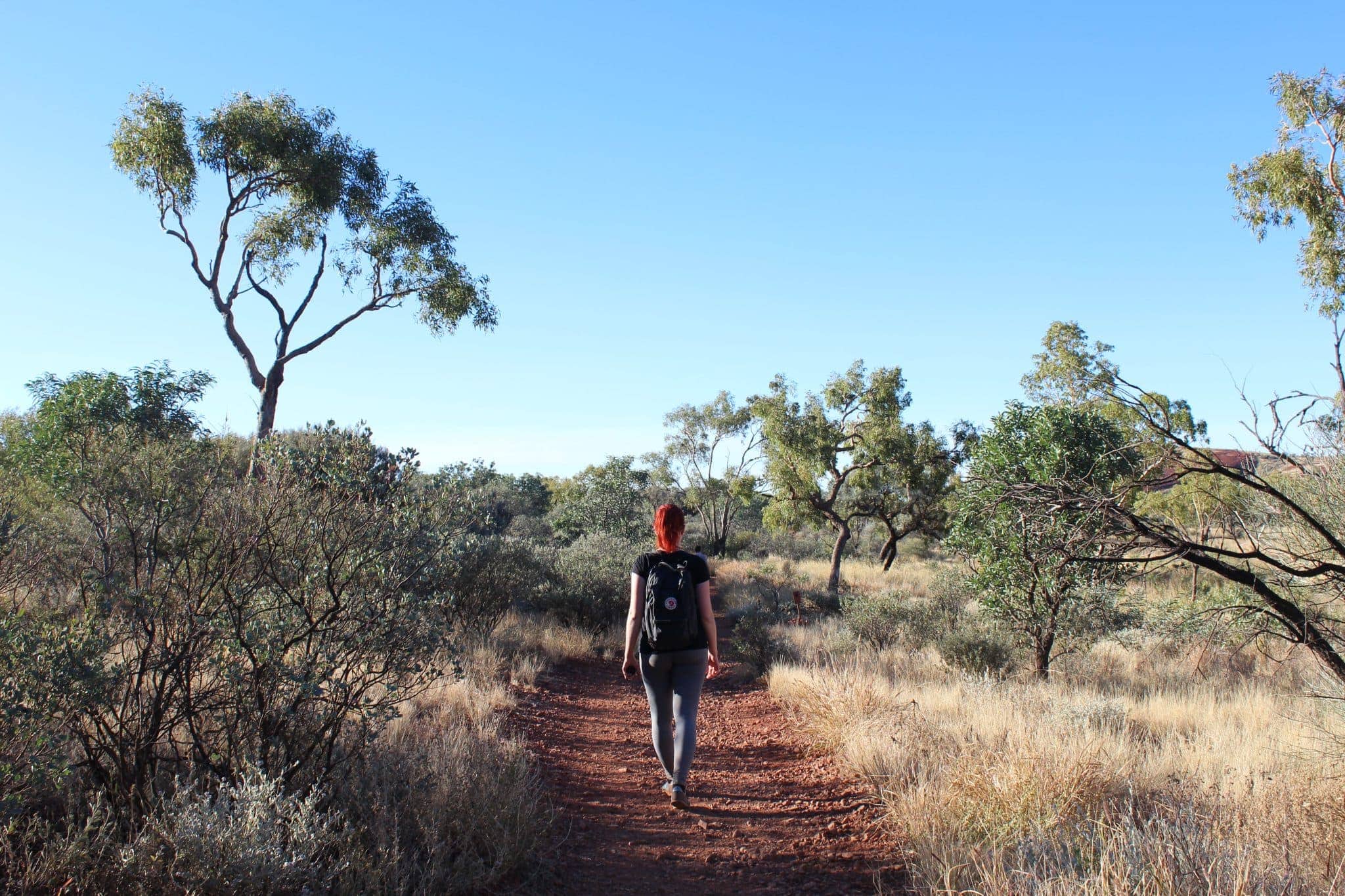
Australians themselves prefer to explore the red centre during the European summer. The period from June to September offers pleasant temperatures and campsites that aren’t overrun with tourists. If you decide to travel Australia at this time, keep in mind that it will be winter in the south of the continent — and by that I mean temperatures dropping below zero. We weren’t prepared for this, and some of those freezing sleepless nights will stay with us for the rest of our lives.
Best routes: where to go
Online you’ll find several popular routes designed to maximise experiences while minimising time behind the wheel. Probably the most popular is the east coast route, running from Sydney or Brisbane north to Cairns. The main attraction along this route is the Great Barrier Reef. If you love the ocean, surfing and diving, this is the road for you.
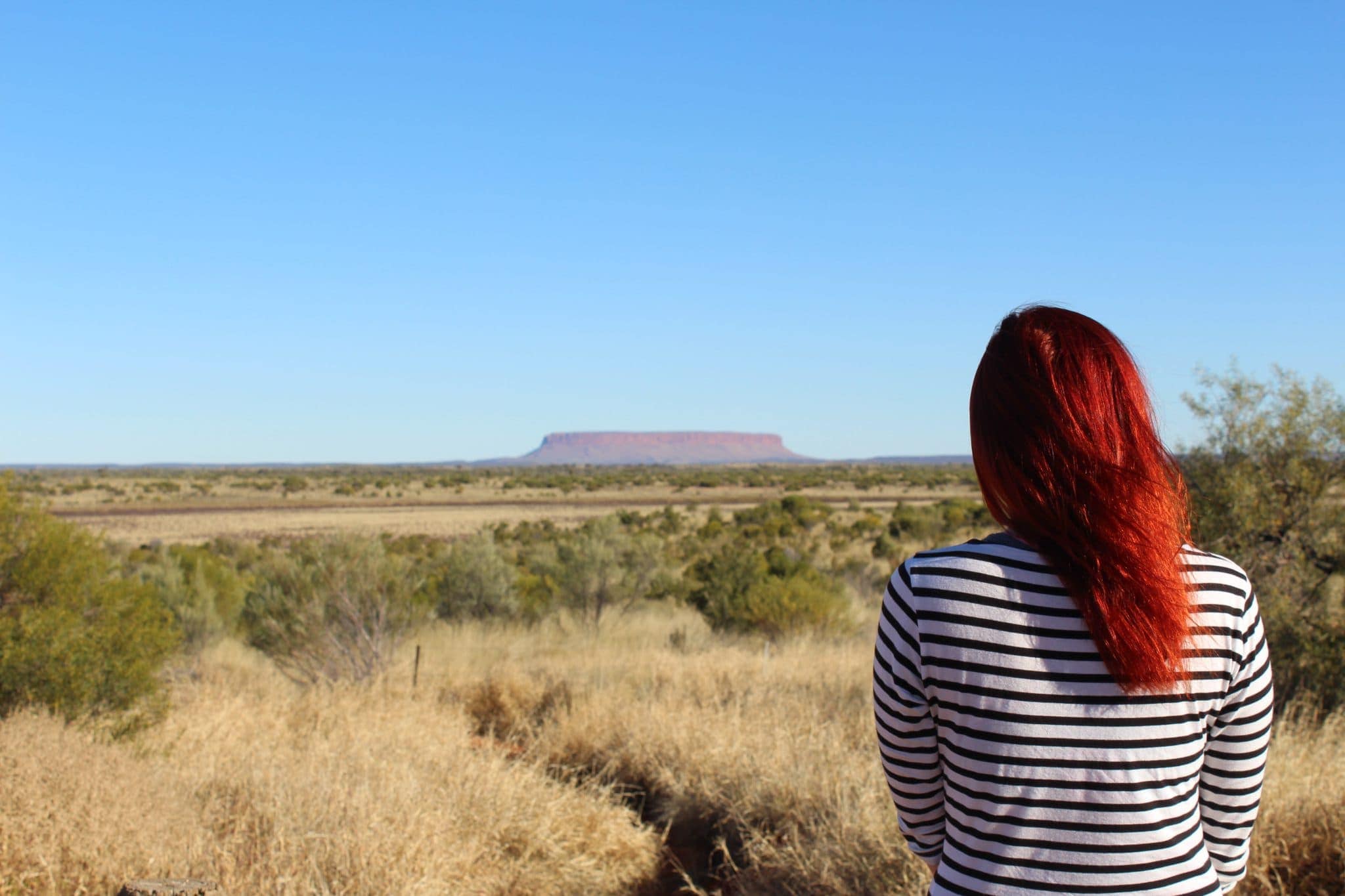
Slightly less travelled is the route through the centre, with Uluru as its golden — or rather red — highlight. You’ll start in Adelaide and finish in Darwin. This route is made for adventurers who want to experience the Australia they know from geography books. The downside is hundreds of kilometres spent in the car, with whole days passing without anything particularly noteworthy.
The third, southern route, runs from Perth to Melbourne. Not only will you drive one of the most beautiful roads in the world — the famous Great Ocean Road — but you can also stop off in pristine Tasmania along the way.
Consider these routes as suggestions only — ultimately, you can explore Australia however you like. Just make sure to calculate how many days you’ll need for your custom roadtrip. After much deliberation, we chose the route Sydney – Melbourne – Adelaide – Alice Springs – Darwin. Our main priorities were seeing the red centre, and we didn’t want to miss Sydney either. In one month we covered nearly 9,000 kilometres, and I can wholeheartedly recommend this route.
But even this route doesn’t have to be your limit. Flights to Australia are expensive, so don’t be afraid to embark on a three-month expedition, criss-crossing the red continent. I even know some adventurers who saw literally everything in Australia and drove more than 20,000 kilometres.
If sitting in a car all day isn’t your thing, you can combine your roadtrip with domestic flights. Plenty of budget airlines operate in Australia and can get you where you need to go for very little. You can hire a car in every major city, so the only thing left to plan is what to do about your camping gear.
Car hire
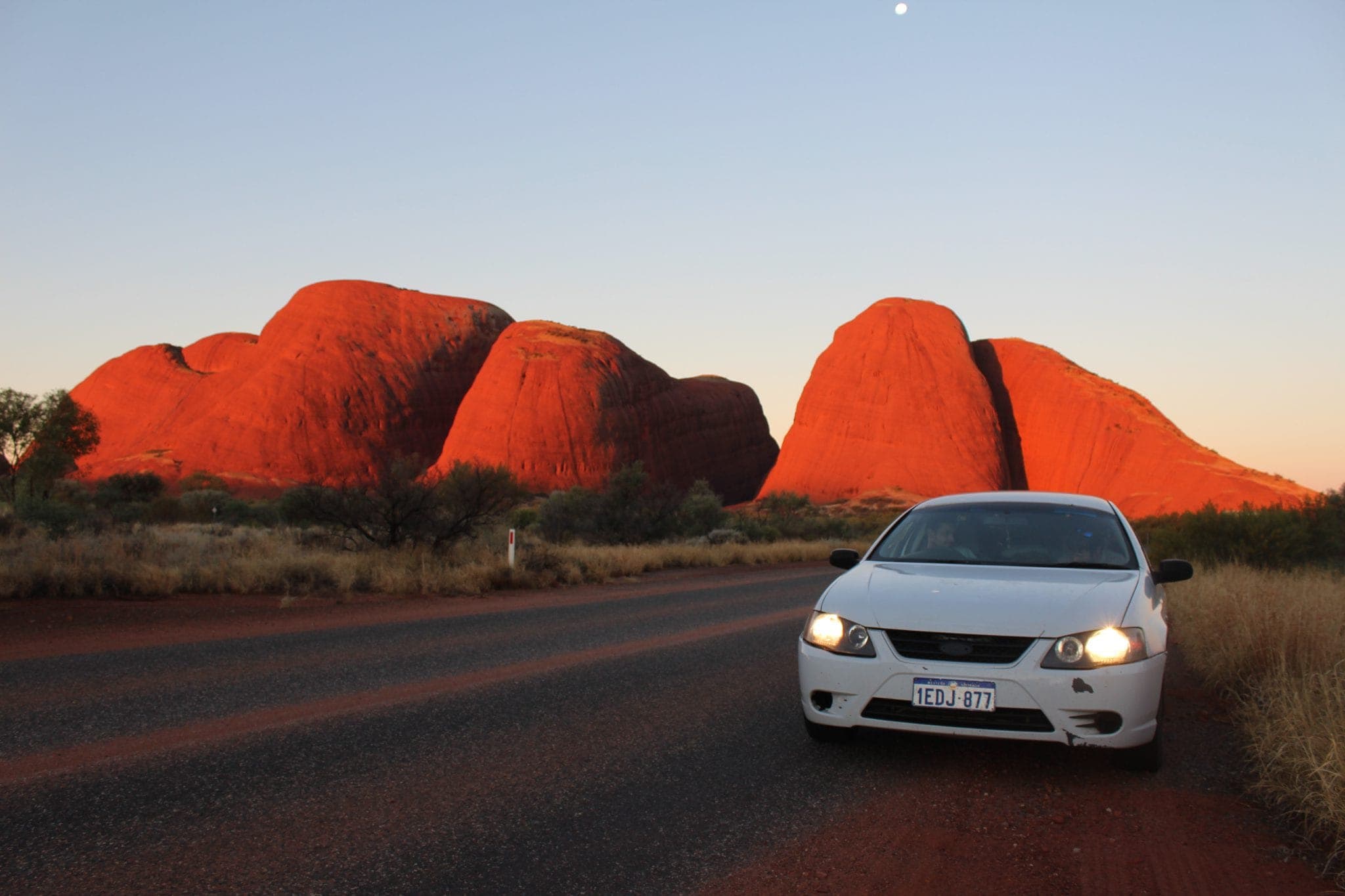
Another major expense in your budget will be hiring a car. Prices vary widely, and the biggest factor is the type of vehicle you choose. The cheapest options are small cars, regular sedans are a bit more, and campervans, vans and caravans are the most expensive. We opted for an affordable Ford Falcon estate, which comfortably fitted four of us plus all our luggage.
Choose your vehicle’s drivetrain based on your chosen route. If you plan to drive on unsealed roads, we recommend going for a 4WD. On the other hand, if you’re not easily deterred, you can cover decent distances off-road even with a two-wheel drive.
Car insurance is no less significant an expense than the rental itself. It’s entirely up to you whether or not you insure your temporary home on wheels. You can choose the often overpriced insurance directly from the rental company, or find a better deal with an external insurer. Be aware that even with insurance, coverage usually doesn’t apply when driving on unsealed roads. We opted for windscreen-only insurance, which cost us 70 AUD (around €42). It proved well worth it — our windscreen got cracked multiple times by stones flying off passing road trains.
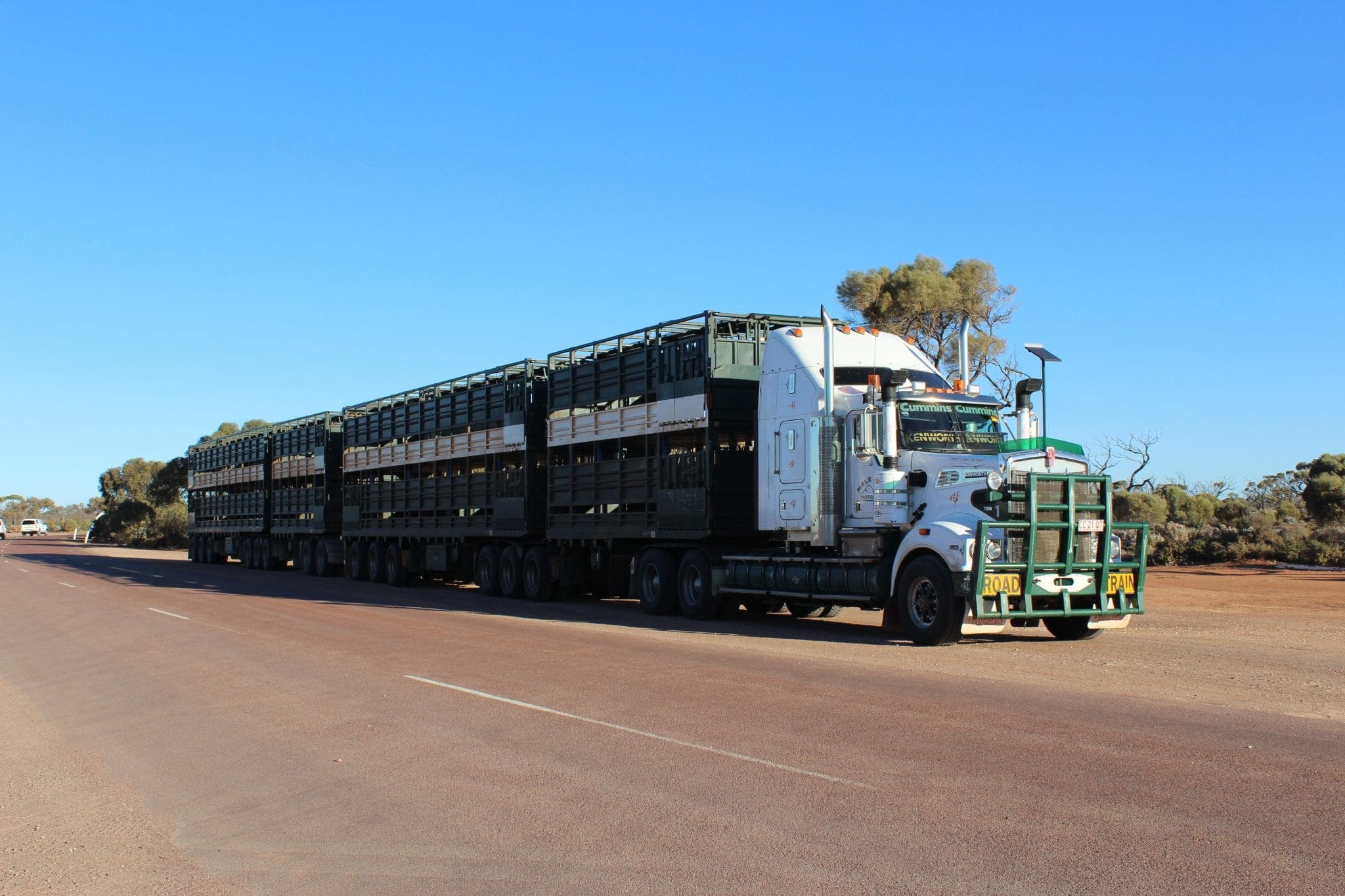
Rental companies will charge an additional fee if you return the car in a different city from where you picked it up. This is called a one-way fee, and it typically runs into hundreds of Australian dollars. In our case — picking up in Sydney and dropping off in Darwin — it was 200 AUD (around €120).
Our trusty car, which we affectionately nicknamed “The Ship”, cost us roughly 1,700 AUD (about €1,020) for a month, including windscreen insurance and the one-way fee. We rented from Travellers Autobarn, which I can recommend with a clear conscience. For those of you heading to Australia for a longer adventure, it may actually be worth buying a car outright. Just keep in mind the risk of breakdowns, and make sure you allow enough time at your final destination to sell it. To compare rental prices from multiple providers, we always use RentalCars.com.
Avoid driving at dusk and at night. There’s a high chance you’ll hit a kangaroo or other wildlife on the road.
Before you leave home, don’t forget to get an International Driving Permit — don’t get behind the wheel in Australia without one. In the UK, you can get one from the Post Office for around £5.50, and it’s issued on the spot.

Camping in Australia
Wild camping — as in “set up your tent or car wherever you please” — is illegal in Australia. To avoid hefty fines, follow the local rules and only sleep in designated spots. The easiest and most expensive option is staying at paid campsites. Fortunately, Australia has countless free campsites across the continent. To find them, you’ll want to download apps that map these locations.
Pick up a local SIM card with data for your trip. Consider an eSIM from Holafly or Yesim for hassle-free connectivity. Bear in mind, though, that you won’t find much signal in the outback.
The most well-known apps are Camper Mate and Wiki Camps — we recommend downloading them before your trip. Besides overnight spots, these apps also list showers, laundries, petrol stations and Wi-Fi hotspots. It’s important to know whether your vehicle has a “self-contained” certification. If it does, your choice of campsites will be much wider. But don’t worry — even without a built-in toilet and sink, you’ll find plenty of places where you can legally camp in Australia. Just don’t expect any luxury at the free sites — quite often the only “facility” will be a drop toilet.
You probably won’t want to haul camping gear across the globe, so I recommend bringing only the essentials. If you’re planning to rent a campervan on the red continent, most gear will be included with the rental. Everything else can be picked up cheaply at stores like Kmart. Our group brought just a quality sleeping bag, sleeping mat, headlamp and a water filter. Adapt the rest of your gear to the areas you’re visiting. In the outback, don’t forget extra water canisters for drinking water. Sunscreen and a hat are essential, and depending on the region and time of visit, you may also need very warm clothing.
Prices in Australia
Although Australia has a reputation for being expensive, prices aren’t quite as shocking as people make out. Unfortunately, I didn’t keep a detailed budget at the time, but excluding flights, my total spending came to roughly €1,600 (about 1,900 AUD). I spent a month on the red continent, shared a rental car with 3 friends, slept mainly at free campsites and prepared my own food. In short — a proper budget holiday in every sense.
Buying food at supermarkets is the most cost-effective option. We survived mainly on pasta, rice, beans, sausages, toast with peanut butter and hummus. For cooking, we used our camp stoves as well as good old campfires and the public barbecues found all over the country. When we wanted to treat ourselves, we’d pick up a rotisserie chicken from the supermarket, or grab a burger or fish and chips. A significant chunk of the budget also went on beer and wine, which we enjoyed practically every day on the road.
The price of petrol or diesel depends heavily on where you’re filling up.
The cheapest fuel we found was around 1.3 AUD per litre (roughly €0.78), but in the middle of the outback the price can climb above 2 AUD per litre (around €1.20).
If you want to enjoy the full Australian experience and pay for activities like surfing, diving or visiting a wildlife park, you’ll need to dig deeper into your wallet. National parks are generally free to enter, with the Uluru – Kata Tjuta area being an exception. But don’t let paid attractions put you off visiting the continent. You can still put together an amazing holiday itinerary while spending very little.
Books we recommend for planning an Australia roadtrip
Tips and tricks for travelling in Australia
What to packCheck out our packing guide for travellers, which will help you prepare. Choose the right travel backpack, browse travel gadgets and make sure you don’t leave anything important at home. Where to find flightsSearch for cheap flights on Kiwi — it’s our favourite flight search engine. Be sure to read our guide to finding cheap flights. Car hireWe regularly use the comparison site RentalCars.com to help us choose the best car rental provider. Booking accommodationBooking.com is our favourite hotel search engine. We always compare hotels with local flats and rooms on Airbnb (get a discount here). Read about how we find cheap accommodation. Don’t forget insuranceTravel insurance is an absolute must. For shorter trips we choose AXA (50% discount) and for longer journeys the British insurer True Traveller. Check out our comparison of all insurers and choose the one that suits you best. |
Tips and Tricks for Your Vacation
Don’t Overpay for Flights
Search for flights on Kayak. It’s our favorite search engine because it scans the websites of all airlines and always finds the cheapest connection.
Book Your Accommodation Smartly
The best experiences we’ve had when looking for accommodation (from Alaska to Morocco) are with Booking.com, where hotels, apartments, and entire houses are usually the cheapest and most widely available.
Don’t Forget Travel Insurance
Good travel insurance will protect you against illness, accidents, theft, or flight cancellations. We’ve had a few hospital visits abroad, so we know how important it is to have proper insurance arranged.
Where we insure ourselves: SafetyWing (best for everyone) and TrueTraveller (for extra-long trips).
Why don’t we recommend any Czech insurance company? Because they have too many restrictions. They set limits on the number of days abroad, travel insurance via a credit card often requires you to pay medical expenses only with that card, and they frequently limit the number of returns to the Czech Republic.
Find the Best Experiences
Get Your Guide is a huge online marketplace where you can book guided walks, trips, skip-the-line tickets, tours, and much more. We always find some extra fun there!


