Do you know what it feels like to stand on a cliff edge, with the icy Atlantic crashing below you, and have the distinct sensation that beyond that horizon there’s truly nothing left? That you’re at the very edge of the world — and yet it’s breathtakingly beautiful? That’s exactly how Lukáš and I felt when we first arrived in St. John’s Canada, on the island of Newfoundland. It was late afternoon, the sun was pushing through that trademark Newfoundland fog, and we were driving downhill towards the harbour. And then we saw them — the colourful houses. Rows of yellow, pink, turquoise, and orange facades, as if someone had tipped a giant box of jelly beans along the narrow streets. In that moment, I knew I was going to fall in love with this little city. ☺️
St. John’s is the capital of the province of Newfoundland and Labrador and one of the oldest cities in North America. It’s rugged, windswept, often shrouded in fog — and absolutely enchanting. It’s a place where wild nature meets a surprisingly vibrant cultural scene, where in June you can spot 12,000-year-old icebergs from Greenland drifting past the coast and in July watch humpback whales at arm’s reach. And in the evening? You head to George Street, which reportedly has the most bars per square foot in all of North America. As I say — the edge of the world, but definitely not boring. 😁
Newfoundlanders (locals are called “Newfies” and they wear it with pride) are some of the friendliest people we’ve ever met on our travels. Every other person will stop you, ask where you’re from, and launch into a story about their grandfather who fished for cod. And you just stand there, understanding about half of it because the Newfoundland accent is a chapter in itself, but somehow feeling completely at home. 😅
In this article, you’ll find 12 best things to see and do in St. John’s Canada — from Signal Hill with its legendary Cabot Tower to the most colourful neighbourhood of Jellybean Row, and on to iceberg spotting and whale watching. I’ll share when the best time to visit is, where to stay, what to eat, and how much it all costs. If you’ve been considering St. John’s NL Canada and wondering what to see and where to go, you’re in the right place.

TL;DR
- St. John’s is the capital of Newfoundland, one of the oldest and most colourful cities in North America, perched on the very eastern edge of the continent.
- Best time to visit is June–August — in May and June you’ll see icebergs, in July and August whales and puffins.
- The weather is unpredictable — even in summer expect temperatures around 15–22 °C, wind, and fog. A waterproof jacket is essential kit.
- Signal Hill and Cabot Tower offer the best views of the city and ocean, while Cape Spear is the easternmost point of all North America.
- Jellybean Row and the The Battery neighbourhood are a photographer’s paradise — fairytale-colourful houses.
- Iceberg Alley: in May and June, enormous icebergs aged 10,000–12,000 years drift past the coast, often visible right from the city.
- Whales and puffins: boat trips to Witless Bay, home to the largest puffin colony in North America and dozens of humpback whales.
- George Street reportedly has the highest concentration of bars per square foot in North America — and the Screech-In ceremony involving kissing a cod is an experience you won’t forget. 😁
- Must-try food includes toutons (fried dough with molasses), cod tongues, and fish and chips from Ches’s or Duke of Duckworth.
- The city is walkable, but for day trips (Cape Spear, Witless Bay, Gros Morne NP) you’ll need a car.
- From the UK, you can get here via Toronto or Montreal — expect a full day of travelling, but it’s well worth it. In summer, WestJet also flies seasonally from London.
- Budget for a week for two: approximately €1,800–2,500 (excluding flights), depending on your accommodation style and number of excursions.
The full destination guide: Canada — guide and what to see
When to visit St. John’s and how to get there
St. John’s is one of those places where timing really does make or break what you’ll experience. Icebergs, whales, puffins — each of these encounters has its own season, and if you want to hit the jackpot, it pays to plan ahead. As for getting there — I won’t sugarcoat it, Newfoundland isn’t exactly around the corner. But trust me, the journey is worth every layover hour.
Best time to visit St. John’s
June to August is hands down the best time to visit. Days are long (in June it stays light until around 9:30 pm), temperatures hover around 15–22 °C, and the city buzzes with cultural events and festivals.
If icebergs are what draw you, aim for May and June. That’s when enormous chunks of ice from Greenland, aged 10,000–12,000 years, drift past the Newfoundland coast. It’s called Iceberg Alley, and it’s one of the most awe-inspiring natural phenomena you can witness in North America. Some years dozens of icebergs drift by, other years just a handful — nature doesn’t take requests.
Whales and puffins peak in July and August. Twenty-two species of whale swim around Newfoundland, including one of the largest humpback populations on Earth. If you can time your visit for early July, you might catch both icebergs and whales at once — that’s the real jackpot.
⚠️ Weather warning: St. John’s is notorious for its wildly unpredictable weather. Locals say: “If you don’t like the weather, wait five minutes.” Fog, wind, and showers are common even in summer. Layer up and treat a waterproof jacket as non-negotiable — more on that in the practical tips section.
How to get to St. John’s from the UK
There are no direct year-round flights from the UK to Newfoundland, but getting here is easier than it sounds. St. John’s Airport (YYT) is just 6 km from the city centre and is served by regular domestic connections.
The most common route from the UK:
- Fly London → Toronto or Montreal (direct flights, approximately 7–8 hours)
- Connect to St. John’s (approximately 3–3.5 hours)
All in all, expect a full day of travelling, but with a sensible layover in Toronto it’s perfectly manageable. If you have a longer stopover in Toronto, consider a side trip to Niagara Falls — well worth it! We search for affordable flights on Kiwi.com — Lukáš and I use it regularly and always find good connections.
In the summer season, WestJet operates seasonal routes from Dublin, London, and Paris, so if you’re combining Newfoundland with a transatlantic trip, this can be a great direct option from the UK.
💡 TIP: Definitely hire a car once you arrive. St. John’s itself is walkable, but for day trips (Cape Spear, Witless Bay, Gros Morne) you’ll need wheels. We’ve had consistently good experiences with DiscoverCars, where you can compare prices from all the local agencies in one place. Summer rental prices in Newfoundland run around 45–65 CAD / €30–45 per day for a compact car.
Where to stay in St. John’s + how much it costs
Accommodation in St. John’s is a touch more affordable than in Toronto or Vancouver, though prices naturally climb in the summer season (June–August). As a rule of thumb, expect to pay 150–250 CAD (€100–170) per night for a double room in a mid-range to upscale hotel. Lukáš and I usually search for accommodation on Booking.com — we’ve built up loyalty points there and love comparing reviews with real guest photos.
Your best bet is to stay right in the city centre (Downtown), from where the harbour, George Street, Jellybean Row, and most restaurants are all within walking distance. If you prefer something quieter, the area around Quidi Vidi is charming and still close to the action.
Here are three places we recommend:
- Alt Hotel St. John’s — modern, clean design with harbour views. Brilliant location just off Water Street. Prices from around 180 CAD / €120 per night. If you’re into minimalist Scandinavian style, this one’s for you.
- Hilton Garden Inn St. John’s — a reliable choice right in the centre, with a pool and fitness centre. Rooms are spacious and breakfast is solid. Prices from around 200 CAD / €135 per night.
- Murray Premises Hotel — for those who want somewhere with soul. A boutique hotel housed in a historic 19th-century warehouse, right on the waterfront. Beautiful details, excellent location. Prices from around 220 CAD / €150 per night.
Rough budget for a week for two (excluding flights):
- Accommodation (7 nights): 1,260–1,540 CAD / €850–1,050
- Food (eating out twice a day): 700–1,050 CAD / €475–710
- Car hire + petrol: 500–750 CAD / €340–510
- Excursions and activities (whales, museums): 200–400 CAD / €135–270
- Total: approximately 2,700–3,700 CAD / €1,800–2,500 for two for a week
Prices are obviously approximate and depend a lot on whether you treat yourselves to fine dining at Mallard Cottage or grab fish and chips from Ches’s (honestly, both are brilliant 😁).
12 best things to see and do in St. John’s, Newfoundland
Let’s finally get to why you should actually go. St. John’s is a city that surprises you at every turn — from dramatic cliffs and historic lighthouses to colourful streets full of art, craft breweries, and a bar-packed lane where fishermen rub shoulders with hipsters on a Saturday night. Here are 12 places and experiences you absolutely can’t miss in St. John’s.
1. Signal Hill and Cabot Tower — the best views of city and ocean
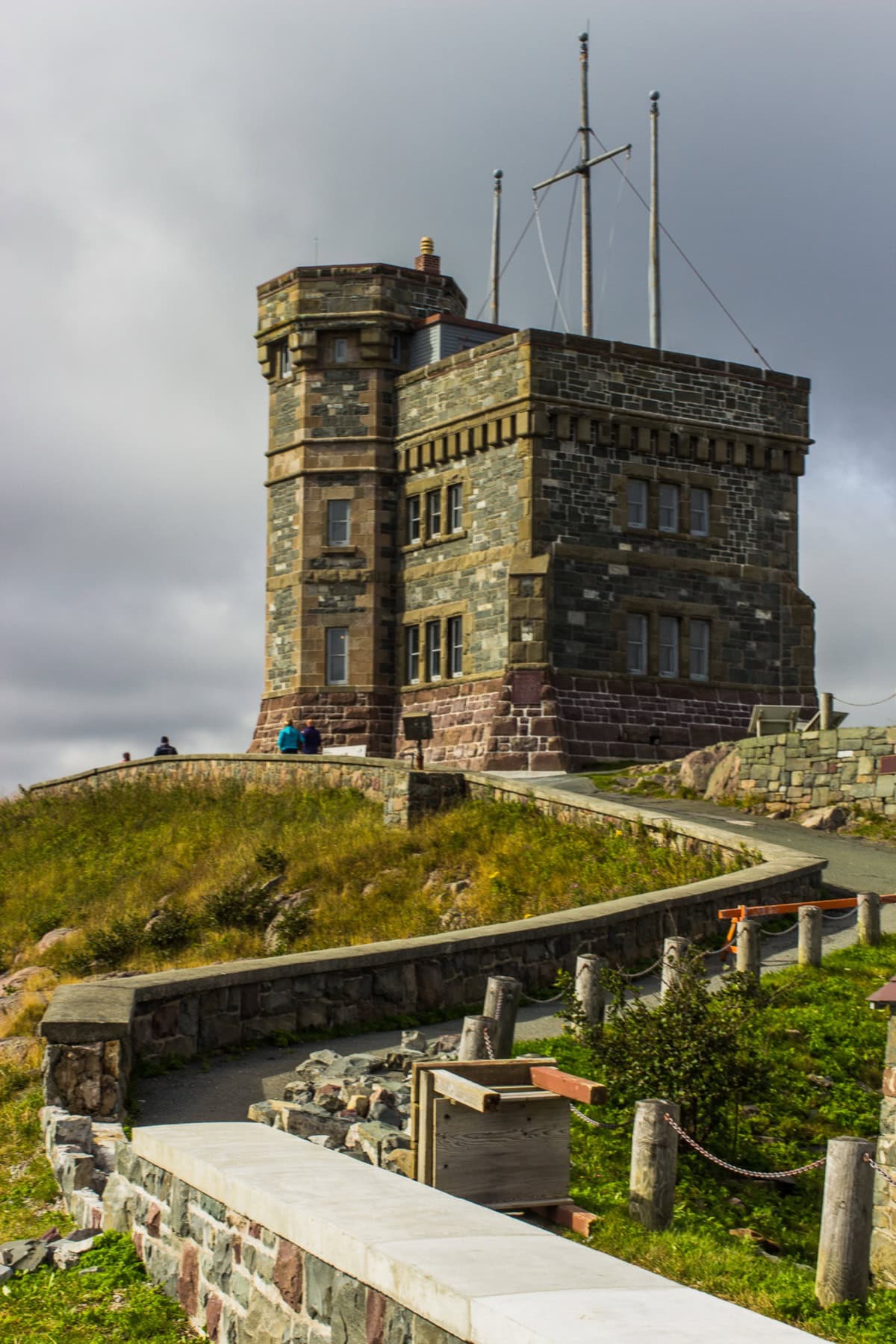
If you only do one thing in St. John’s, make it the climb up Signal Hill. This hill towering over the harbour entrance (known as The Narrows) is the city’s iconic landmark, and the views from the top are simply breathtaking — colourful rooftops on one side, the endless Atlantic on the other.
At the summit stands Cabot Tower, a stone tower built in 1897 to mark the 400th anniversary of John Cabot’s arrival in Newfoundland. But that’s not the only reason this spot is famous — it was right here in 1901 that Guglielmo Marconi received the first transatlantic wireless signal. Standing there gazing out at the vast ocean, you get a real sense of just how revolutionary that must have been.
From Cabot Tower, head out on the North Head Trail — a short but stunning path (about 1.7 km) that follows the cliff edge with open sea views. On a clear day you might spot whales from here, and if you visit in May or June, possibly icebergs too. Lukáš and I spent a good two hours here and left with a phone full of photos and the feeling that we hadn’t seen a better viewpoint anywhere in Canada.
💡 TIP: Head up Signal Hill either early morning (fewer tourists) or at sunset — the colours are incredible. Entry is free, and so is parking at Cabot Tower. It’s atmospheric in the fog too, but you won’t get the views — check the forecast first.
2. Jellybean Row — fairytale colourful houses
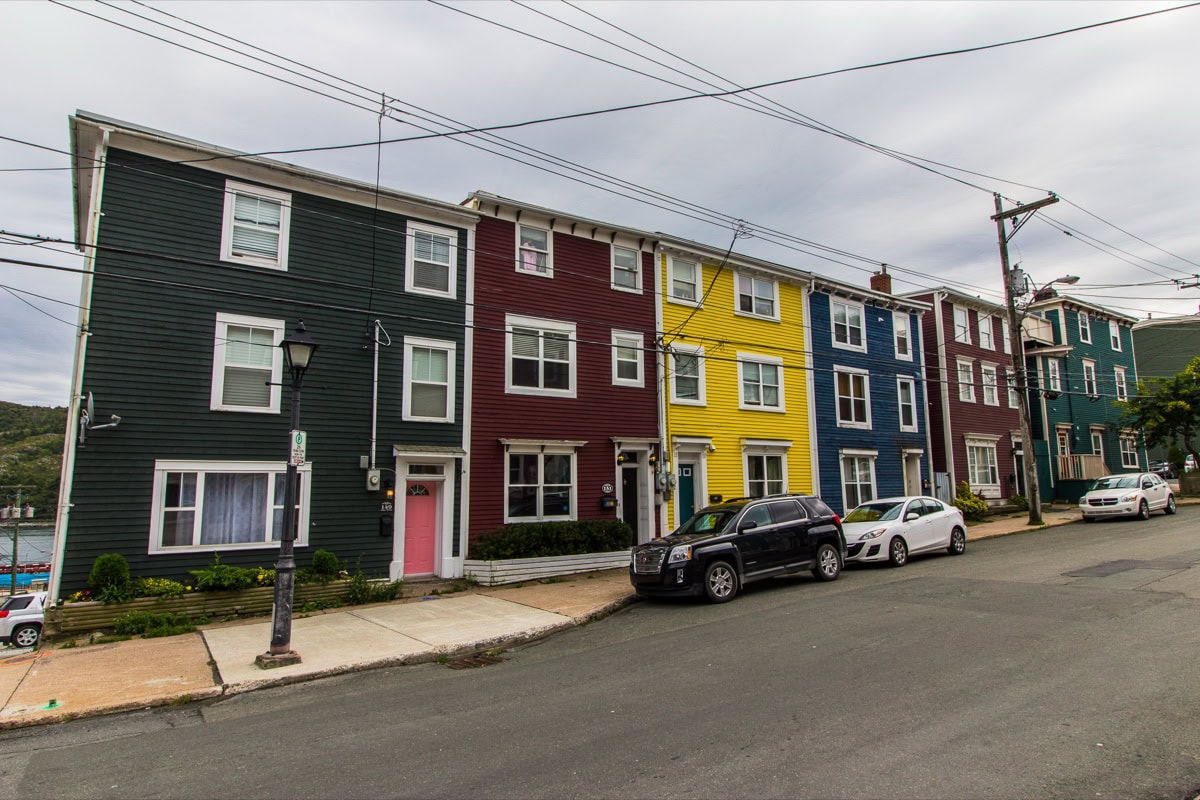
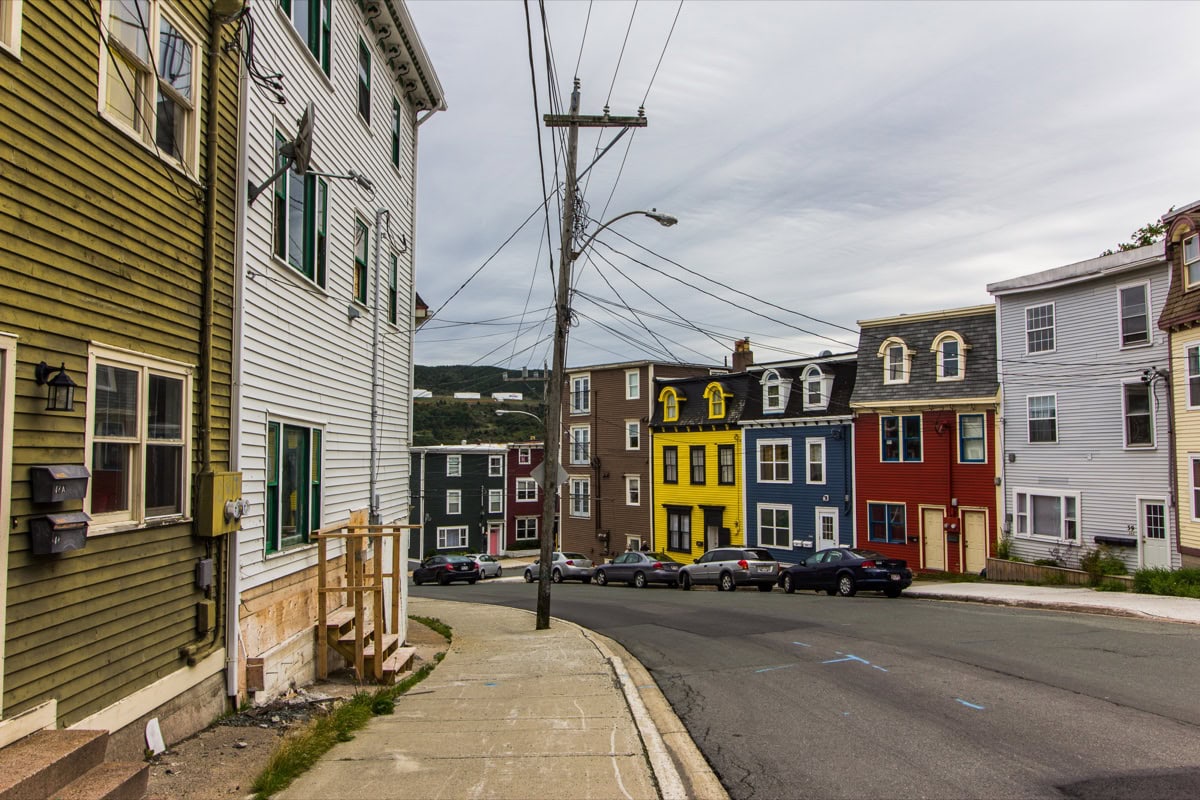
Jellybean Row. The name alone sounds like something out of a children’s book, and the place looks exactly like that. These are rows of Victorian terraced houses in the centre of St. John’s, painted in the most joyful colours imaginable — fuchsia, lemon, turquoise, lavender, fiery orange.
Why are the houses painted this way? There are several theories. One says that fishermen painted their homes in bright colours so they could spot them from the sea when returning through the fog. Another suggests that after the Great Fire of 1892, which destroyed most of the city, people chose vibrant colours during the rebuild as a symbol of hope and a fresh start. Whatever the truth, the result is utterly photogenic.
The prettiest stretches of Jellybean Row are on Gower Street, Prescott Street, and the surrounding lanes. There’s no admission fee, no roped-off attraction — you simply stroll through the city and soak up the palette. We went in the morning, when the streets were still empty and the light fell beautifully on the facades. Honestly, the photos from Jellybean Row are probably the most shared thing I’ve ever posted on Instagram. ☺️
3. Cape Spear — standing on the eastern edge of the continent
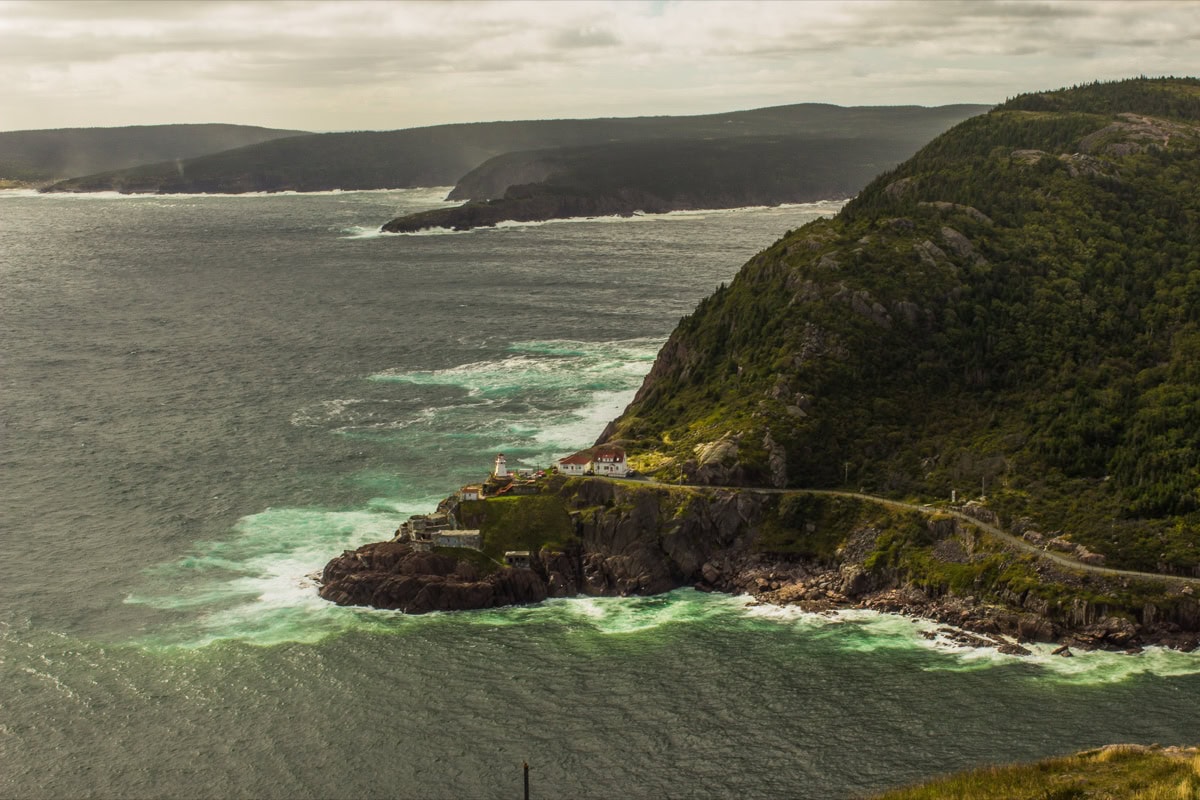
Cape Spear is where North America simply ends. You stand on a cliff and before you there’s nothing but ocean — the next land to the east is Ireland, roughly 3,500 km away. It’s the easternmost point of all North America, and the feeling of literally standing on the edge of a continent is indescribable.
On the headland stands Newfoundland’s oldest surviving lighthouse, built in 1836. It’s been beautifully restored and you can explore the interior, learning about the lives of lighthouse keepers in the 19th century. Next to it stands a newer lighthouse from 1955, still in operation. Beyond the lighthouses, you’ll also find remnants of Second World War fortifications — concrete bunkers and gun emplacements that once guarded the entrance to St. John’s harbour.
Cape Spear is only about 15 minutes’ drive from the centre of St. John’s, so there’s really no excuse. In May and June you can watch icebergs drifting past the coast, and in summer whales are frequently sighted here. We visited on a gorgeous evening and the sunset over the cliffs (or rather over the city behind us, since to the east there’s only sea 😅) was magical.
⚠️ Warning: It’s genuinely ferocious up at Cape Spear, even when the city centre is calm. Bring a warm layer and windproof jacket, even in summer.
4. The Rooms — culture, history, and the best indoor views in the city

From the outside, The Rooms looks like a futuristic structure perched on a hill above the city, but inside it houses a wonderful museum, gallery, and archive that tell the story of Newfoundland in a way no guidebook ever could.
The collections cover everything — from the culture of the indigenous peoples (Beothuk and Inuit) through fishing history to contemporary Newfoundland art. Lukáš and I were most captivated by the section on shipwrecks (Newfoundland has had hundreds) and the cod fishery that defined life on the island for centuries. If you’re into museums, you could easily spend 2–3 hours here.
And then there are the views. From the upper floors of The Rooms you get a panoramic vista of the entire city, harbour, and Signal Hill — and unlike Signal Hill, you’re warm and dry, which on Newfoundland is nothing to sniff at. 😉
Admission is around 10 CAD / €7, with free entry on Wednesday evenings. Closed on Mondays (outside the summer season).
5. George Street — more bars than houses
George Street is a short lane in the centre of St. John’s that allegedly boasts the highest concentration of bars and pubs per square foot in all of North America. Along a street barely 200 metres long, you’ll find over 30 venues — from Irish pubs and cocktail bars to rock clubs. On a Saturday night, the whole city seems to converge here.
But the real reason George Street is legendary is the Screech-In ceremony. It’s a ritual through which “non-Newfoundlanders” (i.e. all visitors) are officially made honorary Newfoundlanders. How does it work? You knock back a shot of Screech rum (a local dark rum with a seriously punchy flavour), recite an oath in the Newfoundland dialect (you’ll understand about half of it), and finally… kiss a cod. Yes, a real fish. 😅 You receive a certificate and the entire bar erupts in applause.
We did our Screech-In at Christian’s Pub and it was one of the funniest evenings of the whole trip. Lukáš acted as if kissing a cod was something he did every day, while I tried desperately not to burst out laughing. We recommend it 100% — it’s absurd, hilarious, and completely authentic.
If you prefer a more relaxed atmosphere, try Celtic Hearth or The Ship Pub, where there’s live music and a cosier vibe.
6. Quidi Vidi Village and brewery — a fishing village in the heart of the city

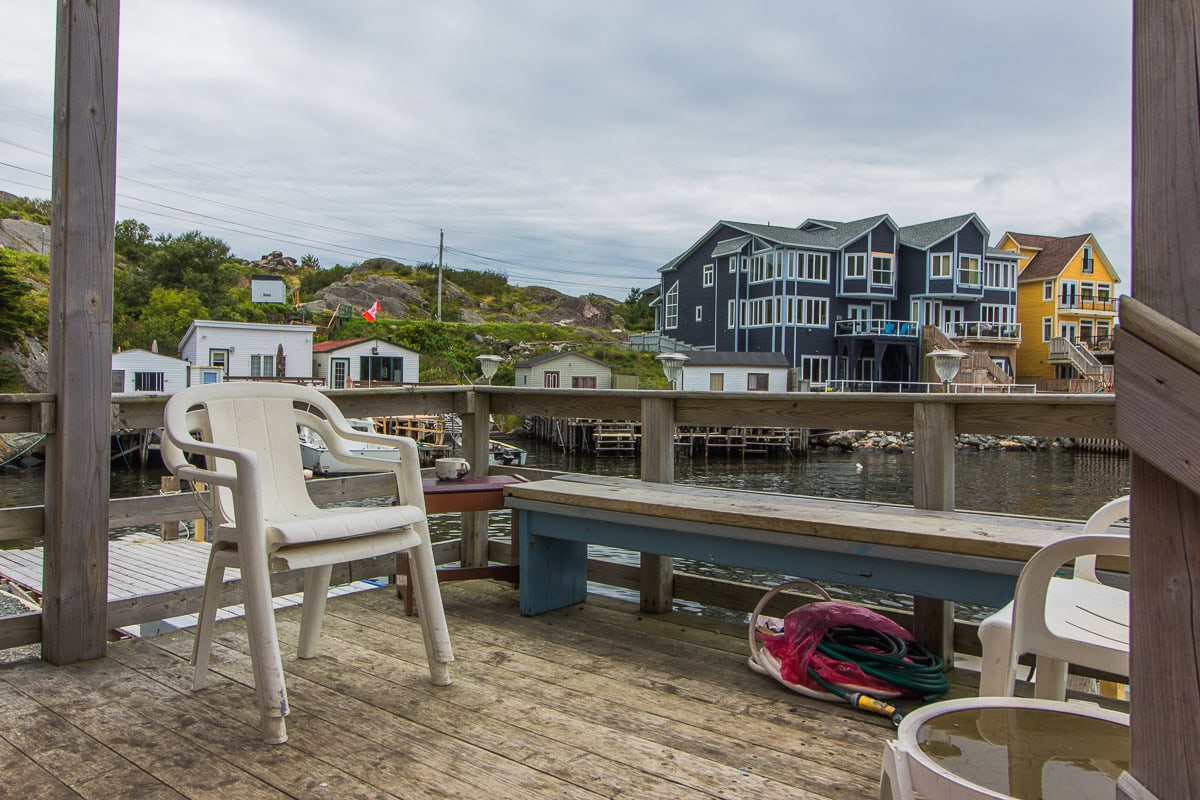
Quidi Vidi (pronounced “kiddy viddy” — and yes, it took us a while to figure that out 😅) is a picturesque fishing village nestled in a cove, just minutes from the centre of St. John’s. It’s one of those places where you feel like you’ve stepped back a hundred years — colourful fishing shacks, a calm inlet, boats bobbing gently at the dock.
The main draw is Quidi Vidi Brewery, a local craft brewery that makes beer with Newfoundland water and actual iceberg ice (yes, really from an iceberg!). Their Iceberg Beer is legendary and well worth a taste. The brewery offers tours and tastings, and even if you’re not a beer fanatic, the taproom with its harbour views is a lovely spot.
Around the cove there’s a pleasant walk, and you’ll also find Mallard Cottage — one of the best restaurants in all of St. John’s (more on that in the food section). Quidi Vidi is perfect for a leisurely morning or afternoon when you want to escape the bustle of the centre — though honestly, St. John’s never gets as crowded as Barcelona. ☺️
7. Iceberg watching (Iceberg Alley) — ancient floating giants
This is the experience that draws many people to Newfoundland in the first place. In May and June, enormous icebergs that have calved from Greenland’s glaciers drift south along the eastern coast, carried by the Labrador Current. It’s known as Iceberg Alley, and some of these colossal chunks of ice are 10,000–12,000 years old. Let that sink in — ice that formed when our ancestors were still hunting mammoths.
The icebergs come in all shapes and sizes — from smaller pieces (“bergy bits”) to massive tabular icebergs the size of a football pitch. Their colour shifts from brilliant white to an unreal turquoise and sapphire blue, depending on how the sunlight passes through the compressed ice.
Where to watch them?
- Cape Spear and Signal Hill — right from the shore, free of charge, brilliant with binoculars
- Fort Amherst — on the opposite side of The Narrows from Signal Hill
- Boat tours — if you want to get up close (and trust me, you do), there are boat tours that take you within a few dozen metres of the ice. It’s overwhelming. Expect to pay around 60–80 CAD / €40–55 per person.
💡 TIP: Keep an eye on IcebergFinder.com — it’s an interactive map showing where icebergs currently are. Some years there are loads, others just a few — it depends on currents and temperature. If icebergs are your primary reason for visiting, build flexibility into your itinerary.

8. Whale and puffin watching — Witless Bay is an absolute must
If you think whale watching from a boat is “just one of those touristy things,” Witless Bay will change your mind. This was one of the best wildlife encounters Lukáš and I have ever had.
Witless Bay Ecological Reserve is about 30 minutes’ drive south of St. John’s and is home to the largest Atlantic puffin colony in North America — more than 260,000 pairs nest on its rocky islands. And alongside them? Humpback whales. Dozens of humpbacks that come here in summer to feed. Around Newfoundland, 22 species of whale inhabit the waters, and this area hosts one of the largest humpback populations on Earth.
We went with O’Brien’s Whale and Bird Tours, the best-known operator in the area. A two-hour trip costs around 75 CAD / €50 per person, and it’s an investment that pays off a hundredfold. During our trip we saw three humpbacks, one of which breached completely clear of the water — I still get goosebumps thinking about it. And the puffins? Thousands. Everywhere. Flying, sitting on the water, diving for fish. They’re so absurdly adorable it feels like watching a cartoon.
Another excellent operator is Gatherall’s Puffin & Whale Watch. Peak season is July–August, but the first whales appear as early as June.
⚠️ Warning: It’s cold on the boat, even when it’s warm on land. Bring a warm layer, and if you’re prone to seasickness, consider taking tablets — the waves can be quite wild.
9. North Head Trail and East Coast Trail — a hiker’s paradise
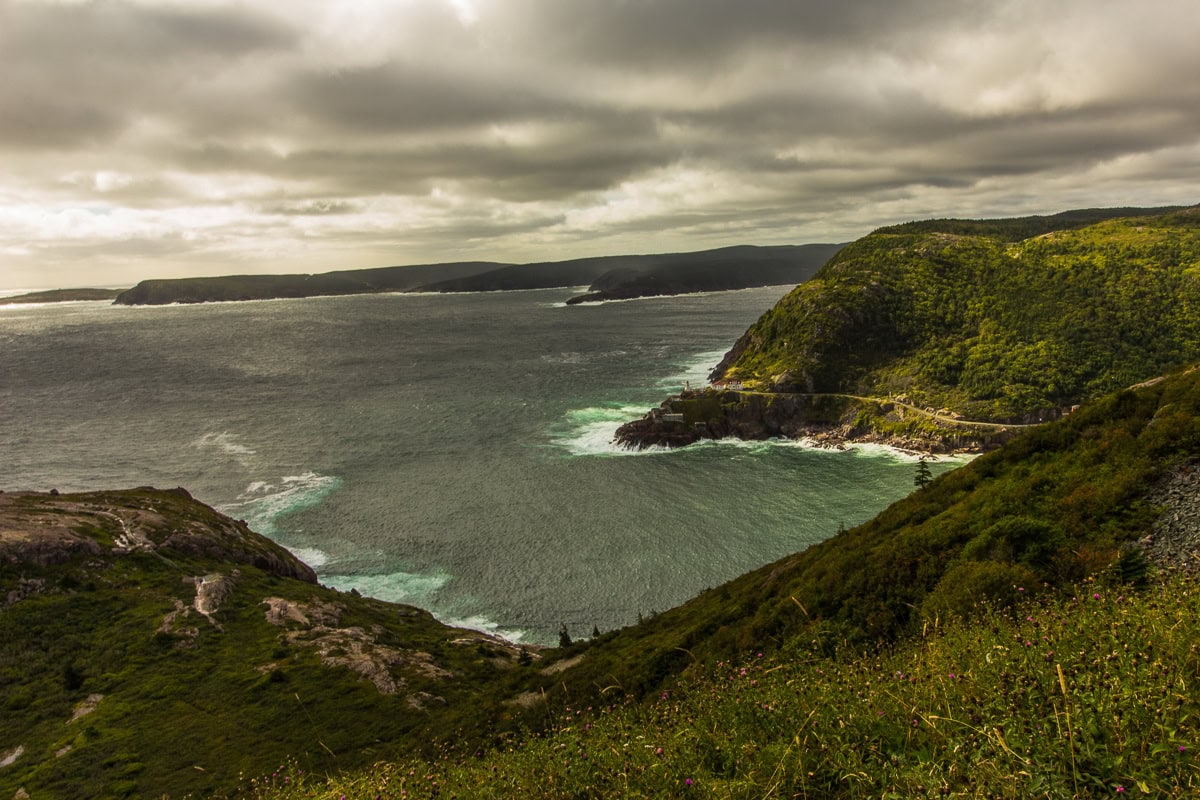
St. John’s and its surroundings are threaded with hundreds of kilometres of stunning coastal trails that rank among the best hiking in all of Canada. This part of Newfoundland is raw, rugged, and staggeringly beautiful — cliffs plunging straight into the ocean, heathlands carpeted with wildflowers, and views that genuinely take your breath away.
The North Head Trail (about 1.7 km) on Signal Hill is a perfect warm-up — a short but dramatic path along the cliff edge with open Atlantic views. Anyone can manage it, and the payoff is fantastic.
If you want something longer and wilder, the East Coast Trail is calling your name. It’s a network of coastal paths stretching across 336 km in 26 sections along Newfoundland’s eastern coast. You don’t have to do the whole thing — just pick a section and go. Popular ones include:
- Sugarloaf Path (10 km) — the most dramatic cliffs, close to St. John’s
- Cobbler Path (17 km) — through peat bogs and coastal meadows
- Cape Spear Path (16 km) — from Cape Spear to Maddox Cove, absolutely stunning
Lukáš and I did the Sugarloaf Path and it was one of the finest hikes we’ve done in North America. The terrain is challenging in places (wet rocks, steep climbs), but the ocean and cliff views are simply out of this world. At times we were completely alone on the trail — no crowds, no queues, just us and the Atlantic.
💡 TIP: Check trail conditions on eastcoasttrail.com — some sections undergo repairs after winter. And don’t forget proper hiking boots with good grip — wet Newfoundland rocks are treacherous. If you haven’t got a solid pair yet, check out our article on how to choose hiking boots.
10. The Battery — colourful houses clinging to the rock
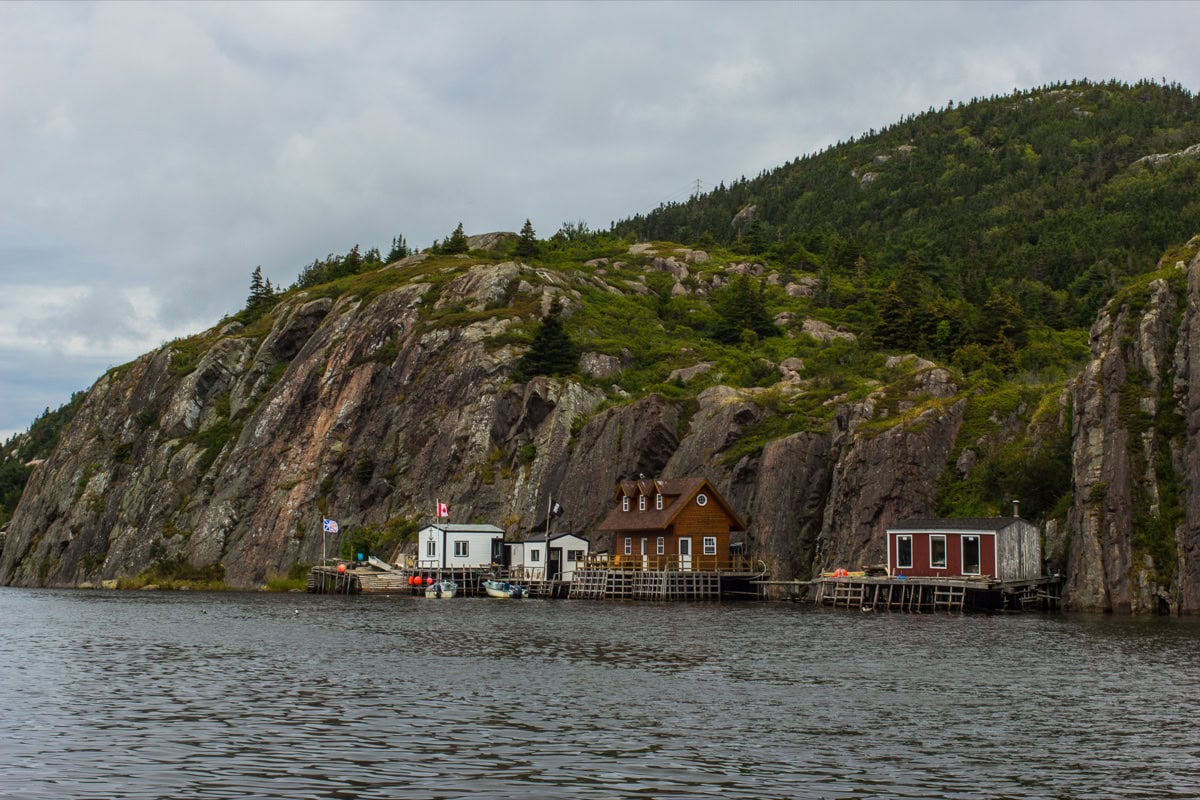
The Battery is one of the most photogenic parts of St. John’s and also one of those spots you’ll easily miss if you don’t know about it. This tiny neighbourhood huddles on the rocks right at the harbour entrance, beneath Signal Hill, and its colourful houses look as though they’ve been glued to the cliff face. Some of them essentially have been.
Historically, fishermen and their families lived here — houses were built wherever there happened to be space, with little regard for logic, terrain, or access. The result is a fascinating tangle of narrow paths, steep staircases, and houses in every colour, stacked on top of each other in irregular layers. It’s like Jellybean Row, but wilder and more raw.
The best views of The Battery are from Signal Hill or from the opposite side of the harbour — from there you see the whole neighbourhood in context, with cliffs and ocean as the backdrop. Walking through the quarter itself is also lovely, but be prepared for steep hills and narrow lanes. And please, remember that people actually live here — don’t photograph into their windows. 😉
11. Bowring Park — 200 acres of calm in the middle of the city

If you need a break from the cliffs, wind, and salt spray (and sometimes you really do), Bowring Park is your sanctuary. This park spans 80 hectares (200 acres) and is over a century old — and honestly, we were surprised by how beautiful it is and how few tourists we saw here.
You’ll find gorgeous gardens, waterfalls, duck ponds, footbridges, and kilometres of walking paths. There’s even a replica of the famous Peter Pan statue from London’s Kensington Gardens — copies exist in only a handful of places worldwide, and St. John’s is one of them.
Bowring Park is perfect for a picnic, a stroll with a coffee in hand, or simply hitting pause and taking a breath. We spent a pleasant afternoon here and Lukáš claimed the highlight was the bench by the stream where he fell asleep. 😅 Free entry, open year-round.
12. Day trip to Gros Morne NP — a UNESCO treasure on the west coast
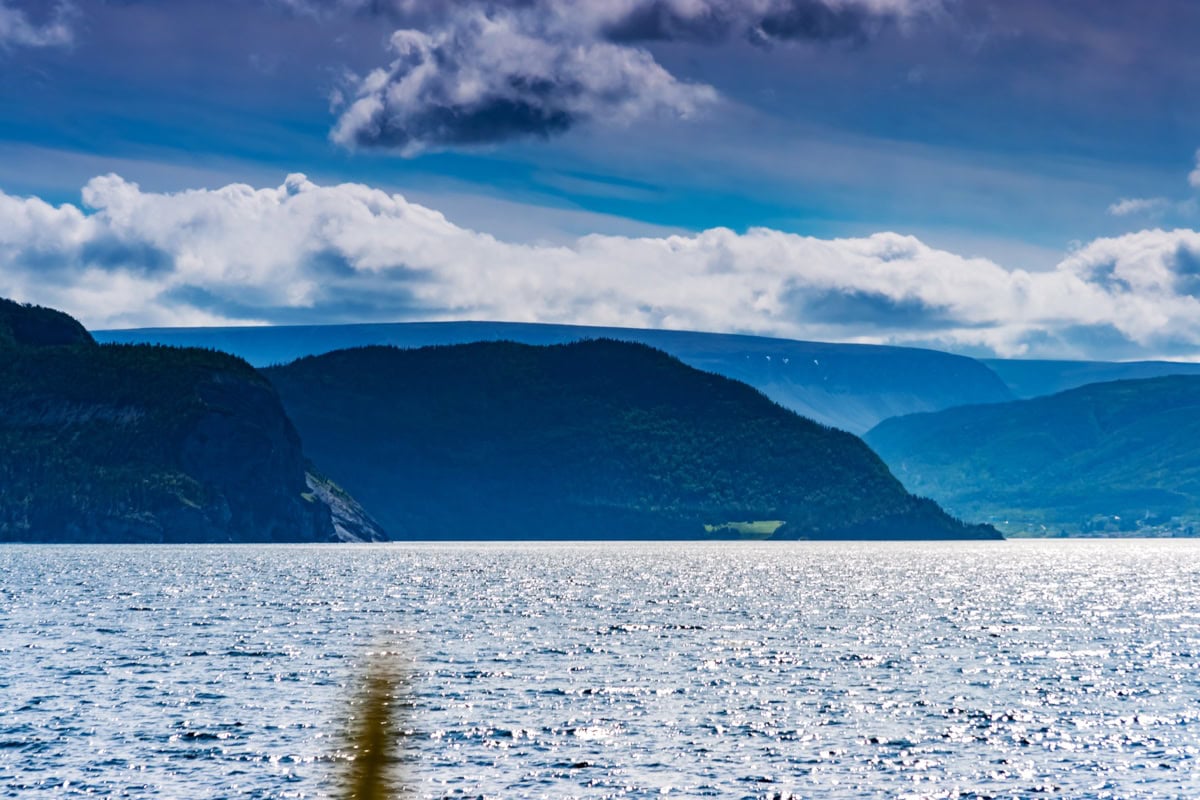
If you have more than 3–4 days on Newfoundland, a trip to Gros Morne National Park is an absolute must. This national park, inscribed as a UNESCO World Heritage Site, sits on the island’s western coast, roughly 5 hours’ drive from St. John’s — and believe me, it’s worth every minute behind the wheel.
Gros Morne is a place where tectonic plates are literally exposed on the surface — you’ll find the Tablelands, a flat mountaintop plateau of rusty-red peridotite, a rock that normally lies deep beneath the Earth’s crust. It looks like the surface of Mars plonked in the middle of green Canada. It’s a geological marvel and the very reason the park earned its UNESCO status.
Beyond the Tablelands, there are fjords (Western Brook Pond — technically a freshwater fjord with 700-metre-high walls), waterfalls, mountains, and some of the most spectacular hiking trails in Canada. The boat tour on Western Brook Pond was one of the finest experiences we’ve had anywhere in Canada — and we’ve seen the Rockies too.
💡 TIP: Ideally, plan 2–3 days for Gros Morne. A day trip from St. John’s isn’t realistic (10 hours of driving there and back). If you’re driving across the island, work Gros Morne into your itinerary as a standalone stop. If you’re planning a bigger Canadian road trip, check out our article about a road trip through western Canada — it’s a different part of the country, but the planning tips apply everywhere.
Map of points of interest for your phone
What to eat in St. John’s: a food lover’s guide
Newfoundland cuisine is honest, fisherman-hearty, and unexpectedly delicious. No fussy plating or over-the-top presentation — here you get proper food with a story and the taste of the ocean. That said, St. John’s also has a surprisingly sophisticated restaurant scene that would hold its own in any major Canadian city. Here’s a rundown of what you must try and where to find it.
Toutons — fried dough with molasses
Toutons are a classic Newfoundland breakfast and utterly addictive. Picture chunks of yeasted dough, fried golden in a pan, served with molasses (dark sugar syrup) or butter. It’s simple, rich, sweet, and absolutely glorious — especially on mornings when you’re still cold from an early hike up Signal Hill. The best toutons we had were at Mallard Cottage.
Fish and chips + Cod tongues
Fish and chips here aren’t fast food — they’re an institution. Fresh cod in crispy batter, homemade chips, and coleslaw. Full stop. The best fish and chips in town are at Duke of Duckworth (a friendly pub in the centre) or at Ches’s — a legendary local chain where the locals go. Portions at Ches’s are enormous and ridiculously affordable.
And then there are cod tongues — fried cod tongues. Sounds mad, looks suspicious, but the flavour is outstanding. They’re soft, delicate, a bit like a mushroom in batter. If you’re not afraid to experiment, this is the one.
Jiggs dinner — a Newfoundland Sunday feast
Jiggs dinner is a traditional Sunday lunch that’s been cooked here for generations. Everything goes into one pot: salt beef, cabbage, turnip, carrots, potatoes, and peas. It sounds simple, but after hours of slow cooking the combination of flavours is surprisingly complex and wonderfully warming. If you’re in St. John’s on a Sunday, ask at a restaurant whether they’re serving Jiggs dinner — it’s an authentic Newfoundland experience.
Where to eat — specific restaurants
- Mallard Cottage (Quidi Vidi) — arguably the best restaurant in the city. It’s housed in one of the oldest wooden buildings in North America and serves fantastic dishes from local ingredients. Book ahead, especially in summer!
- Merchant Tavern — elegant yet casual bistro with an open kitchen. Excellent steaks and fish.
- Duke of Duckworth — a classic pub with the best fish and chips in town and a great atmosphere.
- Ches’s Fish and Chips — a legendary local chain, massive portions for a few dollars. This is where the locals eat, and that’s always a good sign.
- Celtic Hearth — an Irish pub with live music and solid food. A brilliant spot for an evening of good beer and atmosphere.
Expect to pay around 15–25 CAD / €10–17 for a main course at a regular restaurant and 35–55 CAD / €24–37 at Mallard Cottage or Merchant Tavern. St. John’s is definitely not an expensive city for eating out, especially compared with Toronto or Vancouver.
Practical tips and travel advice
To round things off, here are some practical bits and pieces that’ll come in handy when planning your trip. St. John’s is tourist-friendly, safe, and relatively compact — but there are a few things worth knowing in advance to avoid any unpleasant surprises (mainly weather-related 😅).
What to pack
This is probably the most important piece of advice in the entire article: dress in layers and bring a waterproof jacket. The weather in St. John’s is legendarily unpredictable — it can be sunny in the morning, foggy by noon, rainy in the afternoon, and gorgeous again by evening. And the wind blows pretty much non-stop.
- Waterproof jacket with a hood — absolute necessity, even in summer
- Fleece or warm mid-layer — even in July it can be around 12 °C on the cliffs
- Hiking boots — if you’re planning the East Coast Trail or any hiking at all, wet rocks are treacherous. Check out our guide to the best hiking boots.
- Beanie and a light scarf — you’ll appreciate them at Cape Spear and Signal Hill
- Sunglasses and sun cream — when the sun comes out, it really goes for it
If you’re not sure what to pack, have a look at our detailed guide on how to pack everything into carry-on luggage. Yes, even for Newfoundland!
Currency and prices
The currency is Canadian dollars (CAD). The current exchange rate is roughly 1 CAD ≈ €0.68. You can pay by card everywhere — we needed cash only once during our entire stay, at a farmers’ market.
Watch out for tipping — in Canada it’s customary to leave 15–20% in restaurants. It’s not technically compulsory, but it’s expected and staff rely on it. When you pay by card, the terminal will automatically offer you a percentage tip option.
Overall, St. John’s is more affordable than Toronto, Vancouver, or Banff. Food, accommodation, and activities are roughly 10–20% cheaper than in those cities.
Safety
St. John’s is a very safe city. Crime rates are low, the people are friendly, and even late at night on George Street we felt completely at ease. Use common sense as you would anywhere, but there’s no need for any particular concerns.
The biggest “danger” is the weather — if you go hiking, check the forecast, wear proper gear, and stay well back from cliff edges. Wet Newfoundland rocks are slippery and the wind can catch you off guard.
Getting around the city
The centre of St. John’s is perfectly walkable — from the harbour to Signal Hill, from Jellybean Row to George Street, it’s all doable on foot. The city is hilly (brace yourself for steep lanes), but compact.
For trips outside the city (Cape Spear, Witless Bay, Gros Morne), you’ll need a car. Public transport (Metrobus) exists but services are infrequent and don’t cover the tourist spots in the surrounding area. Hiring a car at the airport is straightforward. As I mentioned above, we’ve had consistently good experiences with the comparison site DiscoverCars.com, where you can compare all the local agencies’ offers in one go.
Connectivity and eSIM
Mobile signal in the centre of St. John’s is fine, but in more remote spots (the East Coast Trail, the drive to Gros Morne) it can be weak or non-existent. If you don’t want the hassle of a local SIM card, we recommend an eSIM — travel eSIM cards activate in minutes and work brilliantly. We’ve written up our experiences with eSIM cards in a separate Holafly eSIM review.
Useful links and resources
- ✈️ Flights: Search for affordable flights on Kiwi.com — our go-to portal that also finds creative connecting routes.
- 🚗 Car hire: We regularly use the comparison site DiscoverCars.com to compare prices from all local agencies.
- 🏨 Accommodation: We search for hotels and apartments on Booking.com — love collecting Genius points and reading reviews from real guests.
- 🛡️ Travel insurance: Don’t forget insurance before heading to Canada — healthcare for visitors there is expensive. Check out our travel insurance tips in a separate article.
- 📱 eSIM: A travel eSIM card for Canada — read our Holafly review.
- 🎒 Packing: How to pack into carry-on luggage — yes, even for Newfoundland!
- 🥾 Boots: How to choose hiking boots — on wet Newfoundland rocks you’ll be grateful for every penny spent.
Frequently asked questions about St. John’s, Newfoundland (FAQ)
How many days do I need in St. John’s?
For the city of St. John’s itself and its immediate surroundings (Signal Hill, Cape Spear, Quidi Vidi, Witless Bay), 3–4 days is enough. If you want to add a trip to Gros Morne National Park (5 hours’ drive), plan for at least 6–7 days for the whole of Newfoundland. We spent 4 days in St. John’s and didn’t quite manage everything — we could easily have added another day for hiking the East Coast Trail.
When is the best time to visit St. John’s?
The best time is June to August. In May and June you’ll see icebergs (Iceberg Alley), and in July and August whales and puffins. The weather is unpredictable even in summer — temperatures around 15–22 °C, frequent fog, and wind. Winter (November–March) is harsh and most tourist activities are closed, so we wouldn’t recommend it.
How do I get to St. John’s from the UK?
There are no year-round direct flights from the UK. The most common route is via Toronto or Montreal — fly from London to Toronto (around 8 hours), connect, and then fly on to St. John’s (around 3 hours). Expect a full day of travel. In summer, WestJet operates seasonal flights from Dublin, London, and Paris. We recommend searching for flights on Kiwi.com.
Is St. John’s a safe city?
Yes, St. John’s is a very safe city with low crime rates. The locals are friendly and always happy to help. The biggest risk is the unpredictable weather, especially when hiking on cliffs — stick to marked trails, wear appropriate clothing, and check the weather forecast.
Where can I see icebergs near St. John’s?
Icebergs drift past the Newfoundland coast mainly in May and June (a period known as Iceberg Alley). From St. John’s, you can spot them from Cape Spear, Signal Hill, or Fort Amherst. For a closer encounter, we recommend boat tours that take you within a few dozen metres of an iceberg. Track their current positions on IcebergFinder.com.
How much does a holiday in St. John’s cost?
A rough budget for a week for two (excluding flights): accommodation approximately €850–1,050, food €475–710, car hire and petrol €340–510, activities €135–270. Total approximately €1,800–2,500 for two. St. John’s is more affordable than Toronto or Vancouver. Return flights from London typically range from £400–700 per person (with a stopover).
Is it worth visiting Gros Morne from St. John’s?
Absolutely, if you have the time. Gros Morne National Park (UNESCO) is one of the most beautiful places in Canada — fjords, geological wonders, and incredible hiking. However, it’s a 5-hour drive from St. John’s, so a day trip isn’t practical. Ideally plan 2–3 days in Gros Morne itself. If you only have 3–4 days on Newfoundland, stick to St. John’s and the surrounding area — there’s more than enough to keep you busy.
Tips and Tricks for Your Vacation
Don’t Overpay for Flights
Search for flights on Kayak. It’s our favorite search engine because it scans the websites of all airlines and always finds the cheapest connection.
Book Your Accommodation Smartly
The best experiences we’ve had when looking for accommodation (from Alaska to Morocco) are with Booking.com, where hotels, apartments, and entire houses are usually the cheapest and most widely available.
 🚗 Car rental on the roadVerified rental cars in Canada
Search with the DiscoverCars comparison engine — it compares prices from dozens of local and international rental companies, and most bookings come with free cancellation.
Compare car prices in Canada →Don’t Forget Travel Insurance
Good travel insurance will protect you against illness, accidents, theft, or flight cancellations. We’ve had a few hospital visits abroad, so we know how important it is to have proper insurance arranged.
Where we insure ourselves: SafetyWing (simple monthly subscription) and TrueTraveller (for extra-long trips).
Find the Best Experiences
Get Your Guide is a huge online marketplace where you can book guided walks, trips, skip-the-line tickets, tours, and much more. We always find some extra fun there!