

Cascais Portugal is one of those places that enchants you at first sight. When you step off the train that brings you here from Lisbon in just 45 minutes, you immediately feel the unique atmosphere of a former royal resort blended with the laid-back vibe of a seaside town. Palm-lined avenues, colourful houses, the scent of the ocean, and the sound of waves. That’s Cascais.
In the 19th century, the Portuguese royal family chose it as their summer residence, followed by aristocrats and artists from across Europe. During World War II, it provided refuge for exiles and spies – legend has it that Ian Fleming drew inspiration for his James Bond right here. Today, Cascais is a cosmopolitan town where a historic centre full of azulejo facades blends with modern galleries, renowned restaurants, and stunning beaches.
And what’s best? Cascais is a beautiful place where you can spend an entire day on the beach, cycle along the coastal path to the wild ocean, taste fresh seafood, and watch the sunset over the Atlantic.
TL;DR
- Best time to visit: May, June, September, and October offer pleasant weather with fewer tourists. Summer is ideal for swimming, with water temperatures reaching up to 22°C.
- Getting from Lisbon to Cascais: Trains from Cais do Sodré station run every 15–20 minutes, the journey takes 45 minutes, and costs around €2.50. It’s the most convenient way to travel.
- Accommodation: We recommend Hotel Baia (right by the beach) or Vila Gale Cascais (spacious apartments with a pool). For a romantic stay, choose Hotel Cascais Miragem with ocean views.
- Top activities: Cycling along the coastal path to Guincho Beach, visiting Boca do Inferno, tasting pastéis de nata in the historic centre, and a trip to Cape Cabo da Roca.
- Beaches: Top-rated are Praia da Rainha, Praia da Conceição, and the more remote Praia do Guincho.
Read also: What to See in Portugal
When to Visit Cascais: Seasons and Weather
Cascais enjoys a pleasant Mediterranean climate with mild winters and warm summers. Each season offers a slightly different atmosphere and different ways to enjoy the town. Understanding the Cascais Portugal weather will help you plan the perfect trip.
Spring (March–May)
The spring months are among the most beautiful times of the year. Temperatures hover around 17–22°C, which is ideal for city walks, cycling trips, and hikes in the Sintra-Cascais Nature Reserve. In March and April, you may encounter occasional rain, but May is generally more settled. There are far fewer tourists than in summer, so you can enjoy a calmer atmosphere. The sea is still rather cool (15–17°C), but the brave can already take a dip.
Summer (June–August)
Summer is when Cascais truly comes alive. Temperatures range between 25–30°C and the water warms up to a pleasant 20–22°C. July and August are the busiest months with the highest number of tourists. Beaches are packed, restaurants are full, and accommodation prices are at their peak. If you love beach life and don’t mind the crowds, this is the ideal time. Evenings are long and warm – perfect for strolling along the waterfront and dining at restaurants with ocean views.
Autumn (September–November)
September is one of the best months of the year. The water is still warm from summer (21–22°C), the weather is gorgeous, and tourist numbers drop significantly. October and November are milder (18–22°C) but still pleasant. You may encounter more rainy days, but the autumn light gives the town a special charm. It’s in autumn that you’ll get the best value for money – hotels lower their prices and you can enjoy Cascais in peace.
Winter (December–February)
Winters in Cascais are mild with temperatures around 12–17°C. You won’t be swimming (the water is around 14°C), but you can enjoy long walks along empty beaches, discover hidden corners of the town, and sit in a café by the window watching the ocean waves. For those seeking peace and an authentic atmosphere without tourist crowds, winter is a surprisingly appealing time.
You might also like: Where to Go on Holiday in Portugal
Where to Stay in Cascais
Choosing the right Cascais Portugal hotel depends on what type of holiday you’re looking for. The town offers a wide range of options from luxury hotels to family-run guesthouses.
If you want to be in the heart of the action and close to the beaches, focus on the area around the historic centre and the Marina de Cascais harbour. Here you’ll find a diverse selection of restaurants, cafés, and shops, all within easy reach. Hotel Baia is an excellent choice – it’s located just 20 metres from Praia da Conceição beach, has modern rooms with balconies, and serves outstanding breakfasts. Some rooms offer direct ocean views.
For families with children, Vila Gale Cascais is ideal. This hotel complex offers spacious apartments with kitchenettes, which you’ll appreciate when travelling with young children. The biggest draw is the enormous outdoor pool surrounded by palm trees, where kids can spend entire days. The hotel also has a kids’ club and organises entertainment programmes. It’s located a short walk from the centre, so you’re still within reach of all attractions but in a quieter area.
If you’re looking for a more luxurious experience, consider staying at Hotel Cascais Miragem Health & Spa. This five-star hotel is perched on a rocky cliff with breathtaking views of the Atlantic. It offers a wellness centre, several pools, a first-class restaurant, and private beach access.
For budget-conscious travellers, there are numerous guesthouses and inns in the historic centre. Residencial Solar Dom Carlos is a pleasant family-run guesthouse in a renovated 19th-century building. The rooms are simple but clean and cosy, breakfast is served in a charming dining room, and the staff are happy to help with trip planning.
13 Best Things to See and Do in Cascais
Cascais offers a surprisingly wide range of activities and interesting places. Whether you love history, nature, beaches, or gastronomy, you’ll find something for you here.
Historic Centre of Cascais
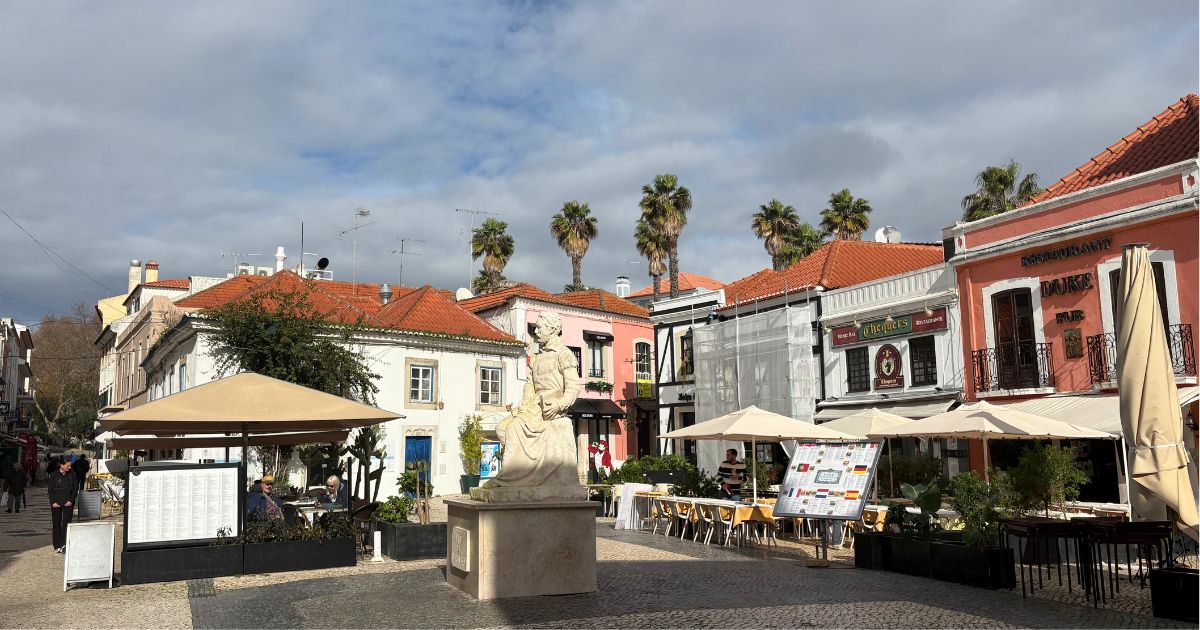
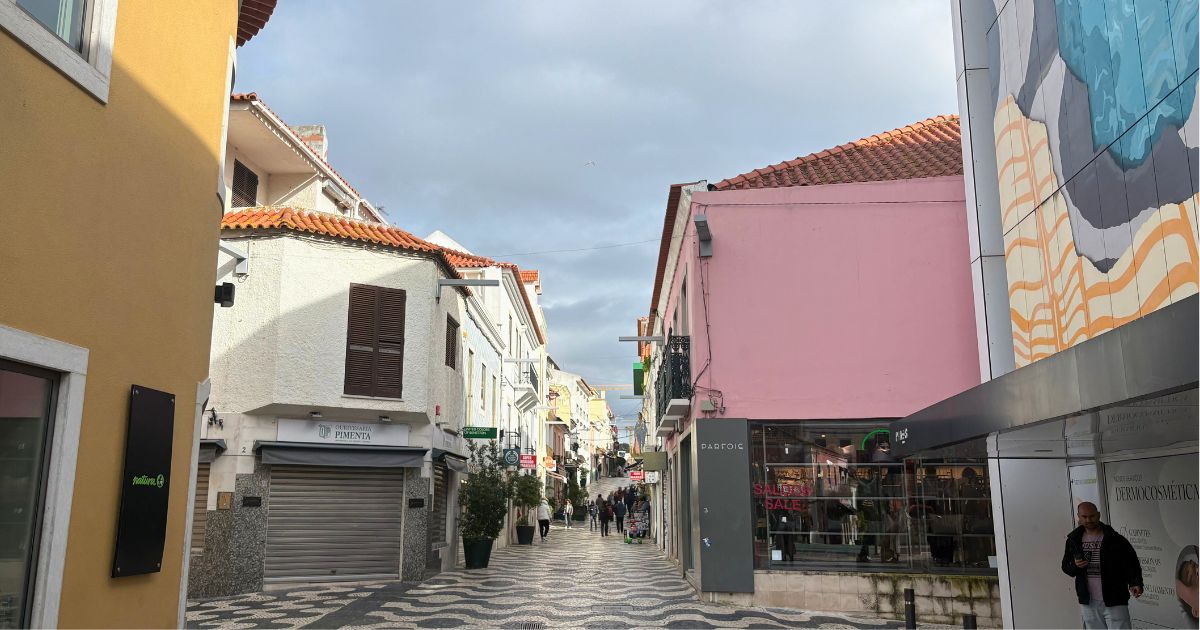
The heart of the town is a charming historic centre with narrow cobblestoned streets, whitewashed houses adorned with azulejos, and squares filled with cafés. Walking through the centre is like stepping back in time – around every corner you’ll stumble upon an architectural gem or surprising detail. The main square is called Praça 5 de Outubro and is surrounded by palm trees and traditional buildings. Here you’ll find the town hall, several shops selling hand-painted ceramics, and a café where you can try the famous pastéis de nata.
One of the most beautiful streets is Rua Frederico Arouca, which leads from the square towards the sea. Along it you’ll find boutiques with local fashion, galleries featuring contemporary Portuguese artists, and cosy wine bars where you can sample wines from the Alentejo region. In the evening, the centre comes alive – restaurants open their terraces, the aroma of grilled fish drifts through the streets, and locals gather for pre-dinner drinks.
Don’t miss Mercado da Vila, the traditional market where locals buy fresh fish, fruit, vegetables, and cheese. Even if you don’t buy anything, it’s worth visiting just for the atmosphere. The vendors are friendly and happy to offer you a taste of something.
Praia da Rainha Beach
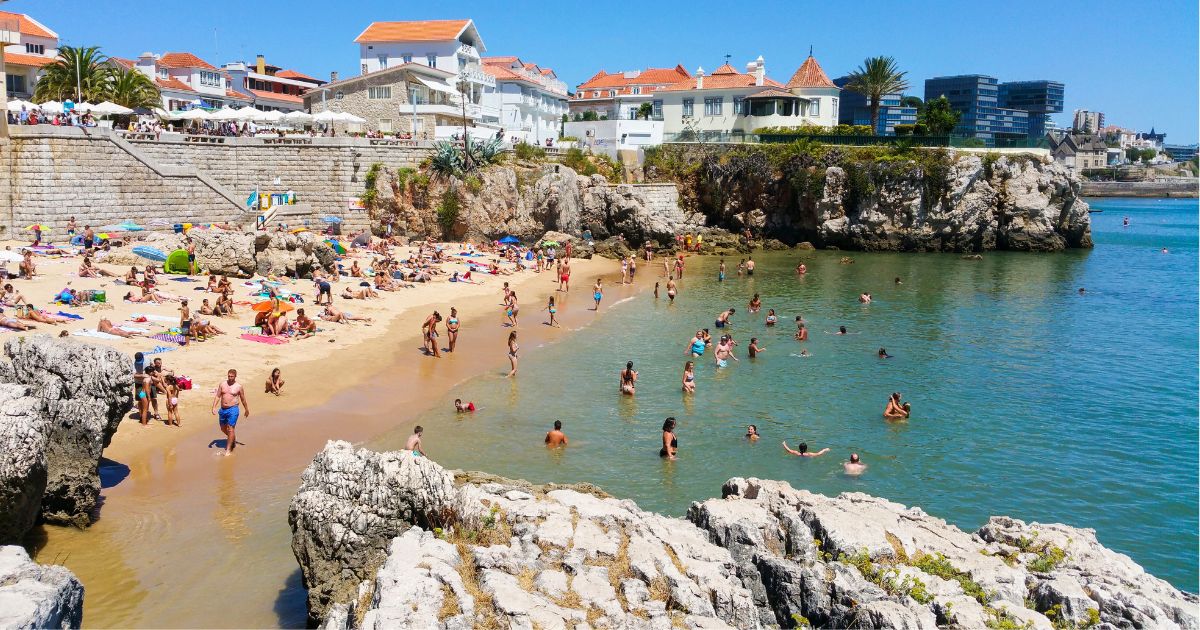
Praia da Rainha is a small romantic cove right in the town centre whose name translates to Queen’s Beach. It was named after Queen Amélie, who was particularly fond of it. It’s a cosy sandy cove surrounded by rocks where you can find peace even in the height of the season.
The beach isn’t very large, so in summer it fills up quickly. If you want to secure a spot, arrive in the morning. A nearby bar offers refreshments – from coffee and sandwiches to cold beer. In the evening, when most people have left, you can walk along the sandy strip and watch the sunset over the ocean.
Marina de Cascais
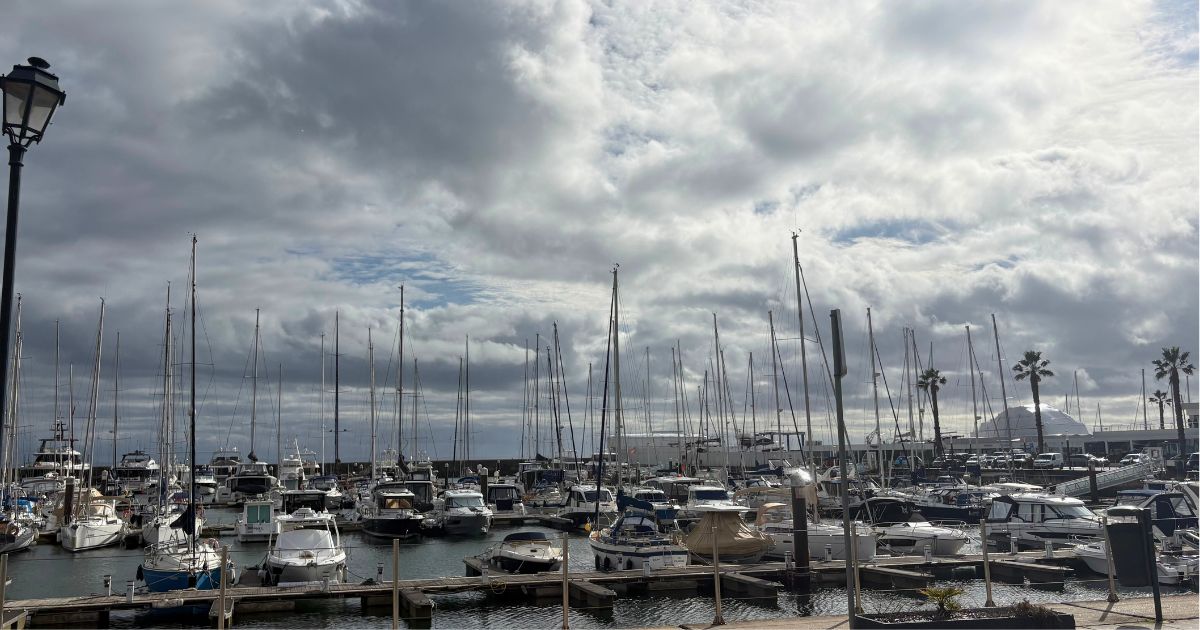
Marina de Cascais is a modern complex filled with luxury yachts, where the traditional fishing atmosphere blends with the elegance of a contemporary resort. The promenade along the marina is an ideal spot for an evening stroll. You’ll find a range of restaurants serving fresh seafood, sushi bars, and stylish cafés.
Especially in the evening, when the sun begins to dip towards the horizon and yachts bob on the waves, the marina takes on a magical atmosphere. You can sit on the terrace of one of the restaurants, order a glass of wine, and watch the harbour life unfold. In summer, various events take place here – from concerts to artisan markets.
If you enjoy unique experiences, you can book a yacht trip along the coast directly from the marina, go fishing, or head out for dolphin watching. Several companies offer various programmes from short two-hour cruises to full-day expeditions.
Boca do Inferno
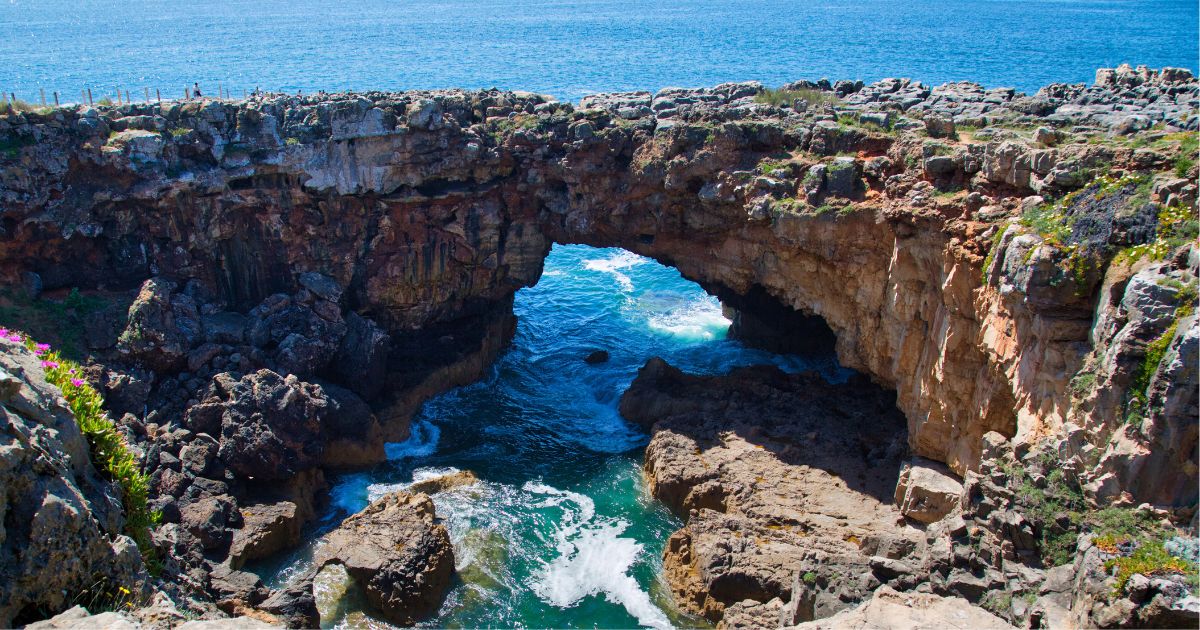
About two kilometres west of the centre lies one of Cascais’ most photographed natural attractions – Boca do Inferno, which translates to Hell’s Mouth. It’s a dramatic rocky chasm where waves crash against the cliffs and create impressive water eruptions. The best time to visit is during high tide or when the sea is rougher, when you can see waves spraying several metres high.
The place is surrounded by legends and mysterious stories. In 1930, British occultist Aleister Crowley staged his own death here – he left his coat and a farewell note on the rocks and fled to Berlin. When he appeared in Germany three weeks later, it caused an international sensation.
Boca do Inferno is easily reached on foot along the coastal promenade that leads from the centre along the cliffs. The walk takes about thirty minutes and offers stunning views of the ocean. If you’d rather not walk, you can take the bus or cycle. On site, you’ll find several souvenir shops and a café with a terrace overlooking the chasm.
Cycle Path to Guincho Beach
One of the most beautiful experiences in Cascais is cycling along the paved cycle path that runs along the coast to the wild Guincho Beach. The route is about eight kilometres long and offers breathtaking views of the ocean, cliffs, and green hills of the Sintra-Cascais Nature Park. The cycle path is separated from the road, making it safe even for families with children.
You can hire a bike from one of the rental shops in central Cascais – prices are around €10–15 per day. If you want to make the most of the trip, I recommend setting off in the morning when it’s cooler and less crowded. Along the way you’ll encounter plenty of joggers, cyclists, and inline skaters – locals use this route as their favourite sports playground.
Guincho Beach is a vast, wild expanse where strong ocean winds blow. This isn’t a beach for lounging on a sunbed – it’s a place for surfers, kitesurfers, and adrenaline sports enthusiasts. Waves can reach several metres and currents are strong, so swimming is recommended only for experienced swimmers. But even if you don’t go in the water, the atmosphere is incredible. The sand here is finer, almost white, and the beach is so large that even in peak season you can find a quiet spot.
By the beach you’ll find several restaurants where you can taste fresh seafood and watch surfers riding the waves. The return journey to Cascais is a bit more challenging as you’ll be cycling into the wind, but it’s well worth it.
TIP: Surfing in Portugal
Condes de Castro Guimarães Museum
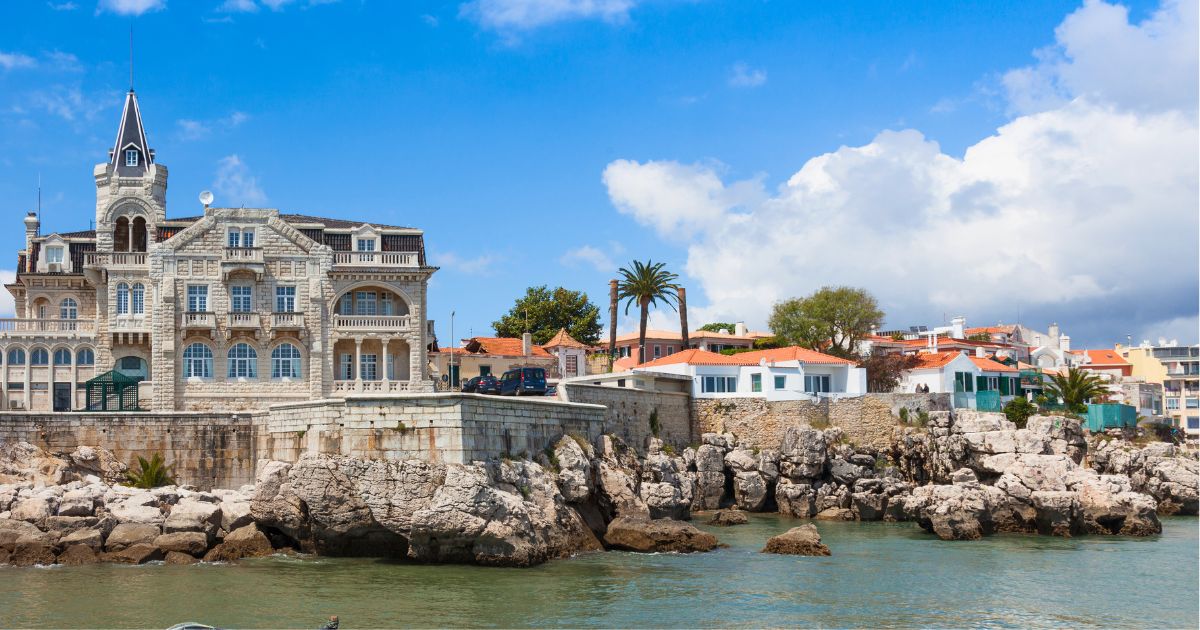
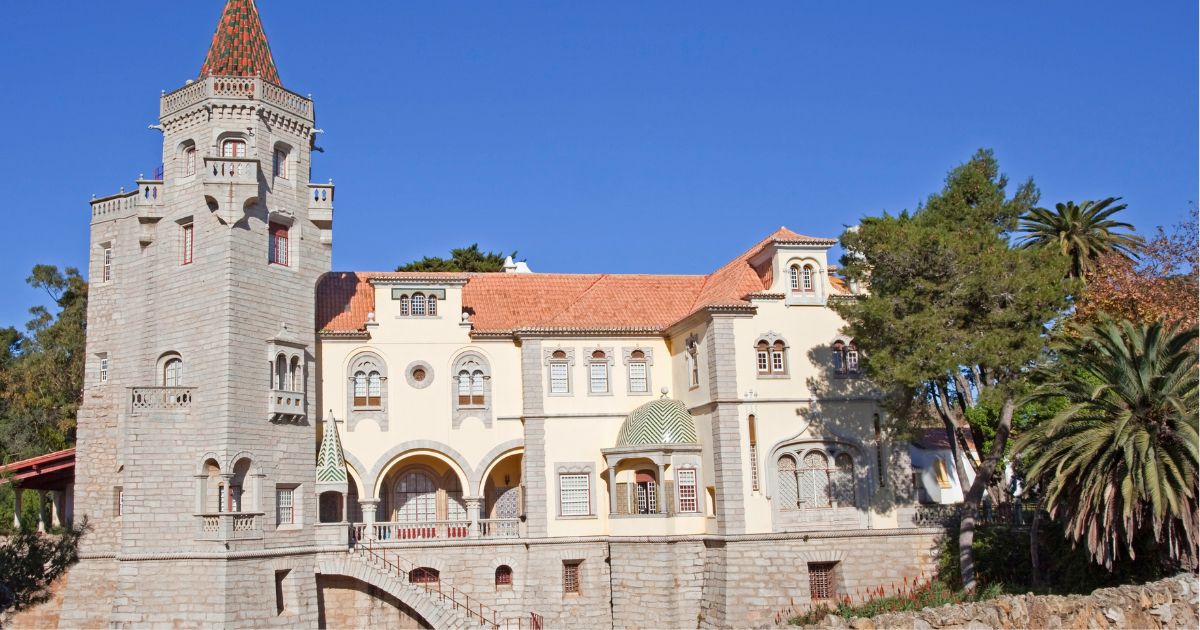
This museum, hidden within a gorgeous villa on the coast, is an architectural gem resembling a fairytale castle. The villa was built at the end of the 19th century by Irish nobleman Jorge O’Neil, a wealthy tobacco merchant and close friend of Portuguese King Carlos I. After his bankruptcy in 1912, the villa was purchased by banker Castro de Guimarães, who bequeathed it to the Portuguese state upon his death.
The museum interiors preserve the original atmosphere of an aristocratic residence – elegant salons with rich decoration, a library with thousands of rare books, collections of oriental art, historical maps, and antique furniture. The villa is surrounded by a beautiful park with exotic plants, ponds, and sculptures. You can easily imagine what life was like for high society at the turn of the century.
The museum is open every day except Mondays. Admission is symbolic and it’s truly worth visiting, even if you’re not usually a museum person.
Santa Marta Lighthouse
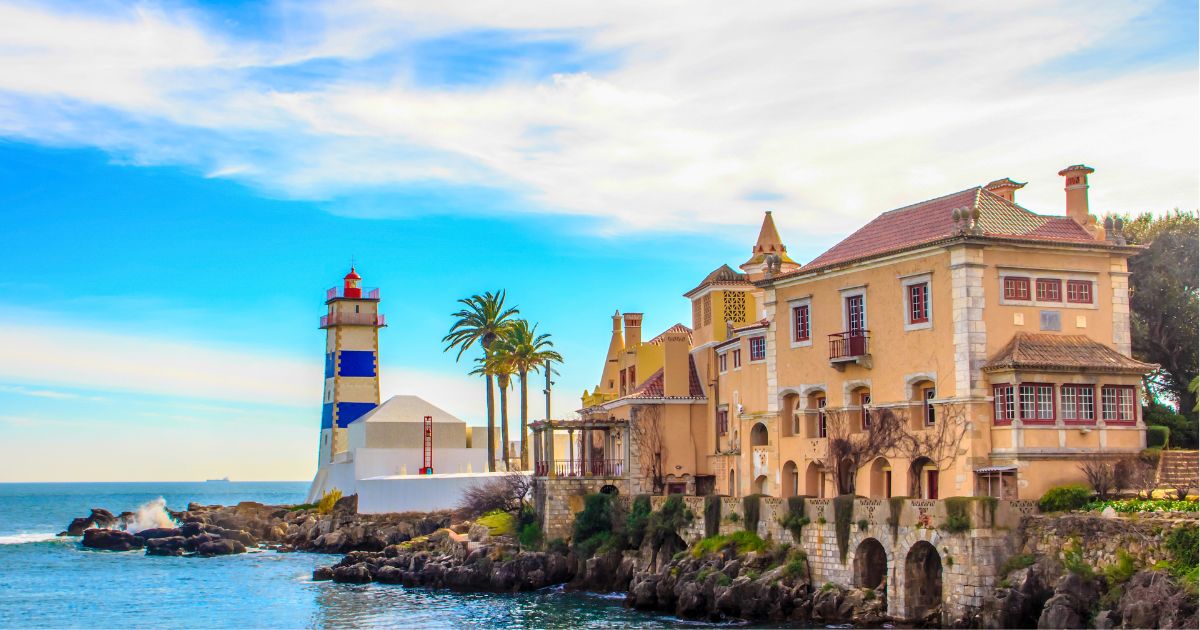
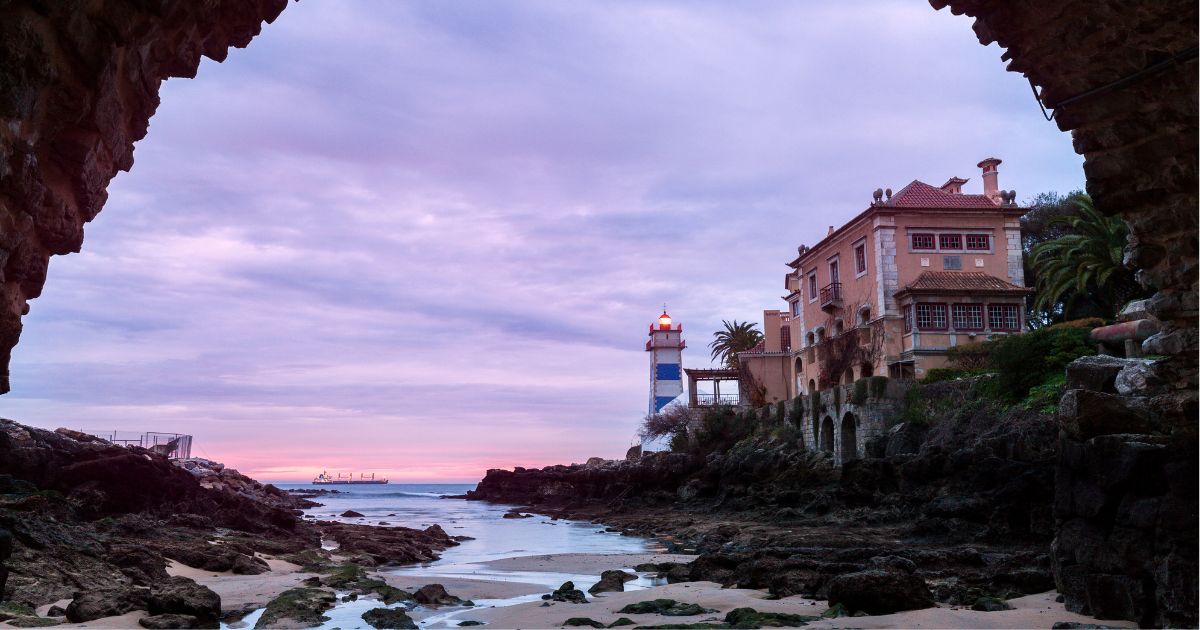
On the southern edge of town stands the white-and-red Santa Marta Lighthouse, which has been guiding ships entering the Lisbon Bay since 1868. The lighthouse is still operational and its light is visible up to 50 kilometres away. Part of the complex houses a lighthouse museum where you can learn about the history of maritime navigation and the significance of lighthouses for Portuguese seafarers.
The area around the lighthouse offers stunning views of the ocean and coastline. It’s a popular spot for photographers, especially at sunset when the sky lights up in shades of orange and pink. Near the lighthouse stands the elegant orange Casa de Santa Maria villa from the 19th century, which is occasionally open to the public for exhibitions and cultural events.
Cabo da Roca Cape
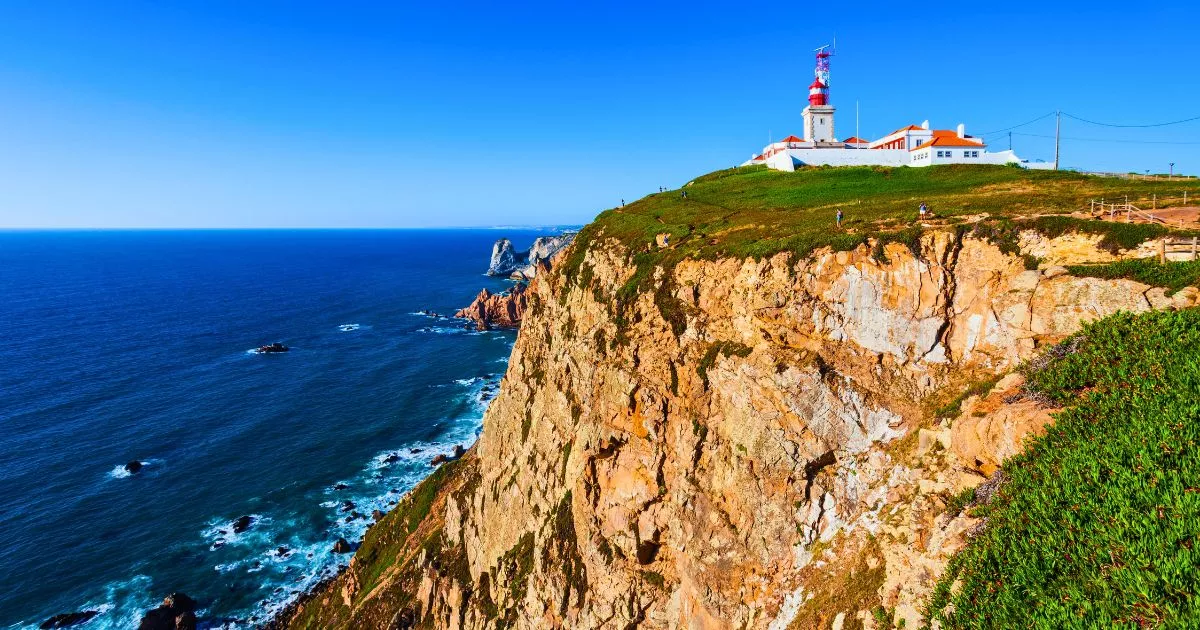
About ten kilometres west of Cascais lies Cabo da Roca – the westernmost point of continental Europe. Portuguese poet Luís de Camões poetically described it as the place “where the land ends and the sea begins.” On the rocky promontory, which rises 140 metres above the Atlantic, stands a lighthouse and a monument with the site’s coordinates carved into it: 38°47′ north, 9°30′ west.
The views are breathtaking – the endless blue of the ocean, dramatic cliffs, wild waves crashing against rocks, and the feeling that you’re standing at the edge of the world. The wind blows fiercely here, so bring a jacket. The place is deeply symbolic – it was from here that Portuguese navigators set off on their voyages of discovery into the unknown in the 15th and 16th centuries.
Cabo da Roca is accessible by bus from Cascais, by car, or by bicycle for the fit. The drive takes about twenty minutes. On Sundays, motorcyclists traditionally gather here. In the small shop, you can buy a certificate confirming that you’ve visited the westernmost point of Europe.
Beaches in Cascais: Where to Swim
Cascais offers a wide range of beaches for everyone. From small romantic coves sheltered by rocks to wild surfing beaches open to the ferocious waves of the Atlantic.
Praia da Conceição
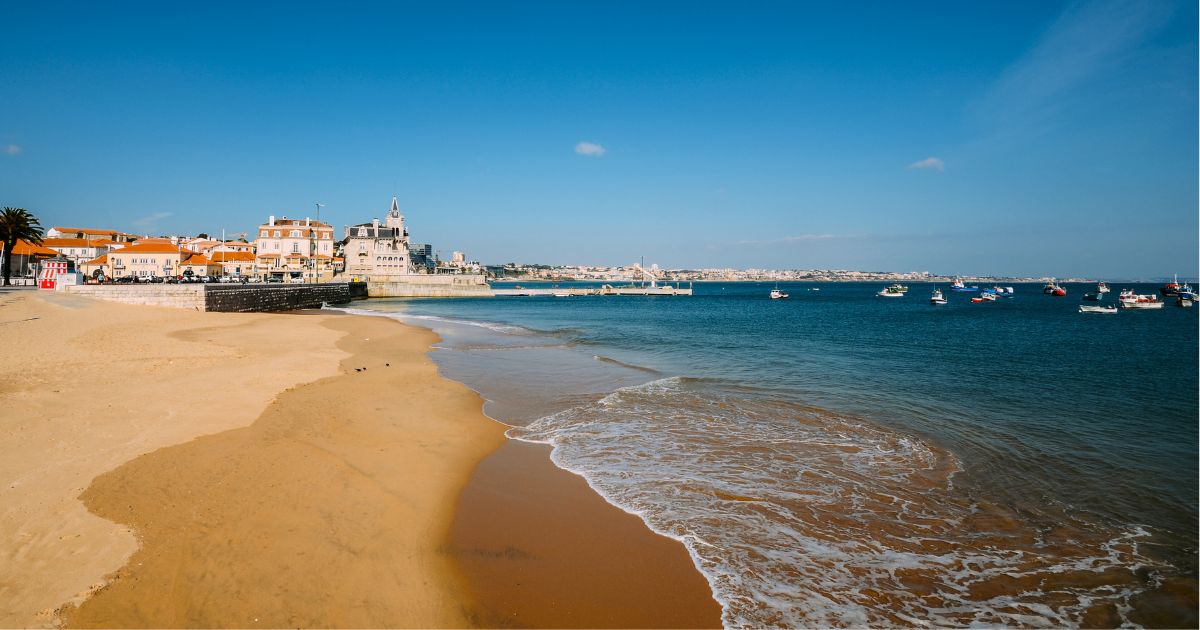
This beach is located directly opposite the train station and is one of the most popular family beaches. It’s fairly large, with fine golden sand, a gentle slope into the sea, and calmer waters thanks to its sheltered position in the bay. In summer you’ll find full facilities – showers, toilets, sunbed and parasol hire, and several beach bars.
The beach is popular with families because the water is shallower and the waves smaller than on the open beaches. In the morning it’s still relatively quiet; it begins to fill up in the afternoon. At sunset the atmosphere becomes more romantic – locals come to play beach volleyball, joggers pass by on the coastal promenade, and surfers catch the last waves.
Praia da Duquesa
Right next to Praia da Conceição lies the smaller Praia da Duquesa. It’s similar in character but a bit calmer and less busy. If you can’t find a spot at Conceição or it feels too crowded, just move over to Duquesa. The beach is also suitable for families and has good facilities. The advantage is that you can reach it on foot from the centre in just a few minutes.
Praia da Ribeira
A small beach right by the Marina de Cascais harbour. It’s not the kind of beach where you’d spend an entire day, but rather one for a quick stop. It’s popular with locals who come for a swim during lunch or in the afternoon. The atmosphere is busier due to the proximity of the harbour, but it has its charm – watching boats, yachts, and fishermen go by.
Praia de Santa Marta
This smaller beach is located by the Santa Marta Lighthouse and is a photogenic destination. It’s not as well-known as the other town beaches, so it’s a bit quieter. The sand is finer, the entry into the sea is gentle, and the views of the lighthouse and coastline are gorgeous. The beach doesn’t have as many facilities as the larger ones, but you’ll find at least showers and a small bar.
Praia do Guincho
If you’re looking for wildness, adrenaline, and an authentic connection with nature, Guincho is your beach. Located eight kilometres west of Cascais in the Sintra-Cascais Nature Park, it’s a paradise for surfers and kitesurfers. Waves here reach several metres, strong ocean winds blow, and currents are fierce. Swimming is recommended only for experienced swimmers.
The beach is vast, the sand nearly white, and the atmosphere raw. Around it you’ll find sand dunes, green hills, and no development – just nature in full force. Even if you haven’t come to surf, it’s worth making the trip just to cycle out, watch the surfers, and soak up the atmosphere of this place. By the beach you’ll find several restaurants serving fresh seafood and fish.
Read more: 15 Things to See in Nazaré
Food and Where to Eat in Cascais
Cascais is a gastronomic destination offering a wide range of culinary experiences. From traditional fishing restaurants to international cuisine.
Fresh Seafood
Cascais has a long fishing tradition, so the seafood and fish here is not only fresh but also prepared with respect for tradition. In restaurants around the harbour you’ll find classic dishes such as grilled sardines, baked mackerel, grilled octopus, or the traditional cataplana – seafood stewed in a copper pan with vegetables and spices.
One of the best seafood restaurants is Mar do Inferno near Boca do Inferno. You sit on a terrace overlooking the rough ocean and eat freshly caught prawns, oysters, crabs, or octopus.
For a more authentic experience, head to Furnas do Guincho near Guincho Beach. This family-run restaurant has been operating for several decades and is popular with locals. Their speciality is fish and seafood grilled over a wood fire. Portions are generous, prices reasonable, and the service friendly.
Pastéis de Nata
When visiting Cascais, you simply must try the famous Portuguese pastéis de nata – flaky pastry cups filled with custard cream. In Cascais you’ll find several excellent bakeries where these treats are baked fresh every day.
The most well-known is Casa da Guia, a patisserie with a terrace and ocean views. The pastéis here have crispy pastry and a delicate creamy centre – the consistency is perfect. They taste best warm, sprinkled with cinnamon and icing sugar, alongside a cup of strong Portuguese coffee.
Another excellent spot is Santini, which has Italian roots and is famous for the best ice cream in the region. Besides gelato, you’ll also find excellent cakes and pastries. In summer there are queues, but it’s worth the wait.
Local Wines
Portugal is a wine country with a long tradition, and Cascais offers an excellent opportunity to taste local wines. In the centre you’ll find several wine bars where you can go for a tasting. I recommend heading to Cave de Cascais, where a sommelier will help you choose wines based on your preferences.
The most popular wines come from the Alentejo region – full-bodied whites and robust reds. If you prefer lighter, fresher wines, try vinho verde from the north of Portugal. And of course, port wine is a must, perfect as a digestif after dinner.
Souvenirs and What to Bring Home
From Cascais you can take home not only beautiful memories but also some wonderful souvenirs.
Traditional Portuguese ceramics include azulejos – hand-painted ceramic tiles. In the shops you’ll find azulejos in various sizes and patterns, from traditional blue ornaments to modern designs. You can buy individual tiles for hanging or complete sets for tiling your kitchen.
Another typical souvenir is cork products. Portugal is the world’s largest producer of cork and you’ll find excellent wallets, bags, phone cases, and even jewellery made from this natural material. Cork products are eco-friendly, lightweight, and very practical.
For food lovers, the ideal gifts are Portuguese specialities – extra virgin olive oil, various cheeses from the Alentejo region, traditional Portuguese pastries, or canned seafood. At the Mercado da Vila market you’ll find plenty of stalls selling local delicacies.
Day Trips from Cascais
Cascais is an excellent base for day trips to the surrounding area. It’s located in the so-called golden triangle along with Lisbon and Sintra.
Sintra
The fairytale town of Sintra is located about fifteen kilometres north of Cascais and is a UNESCO World Heritage Site. The main attraction is the colourful Palácio da Pena, a romantic palace built on the highest peak of the Sintra mountains. The architecture combines Moorish, Gothic, and Renaissance elements, and the result is truly fairytale-like.
In Sintra you’ll also find the mystical Quinta da Regaleira with its Initiation Well, the Palácio Nacional de Sintra with its iconic chimneys, and the Moorish Castle (Castelo dos Mouros) with views of the entire surrounding area.
You can reach Sintra by bus from Cascais (about 30 minutes) or you can hire a driver-guide who will take you to all the sights.

Lisbon
The Portuguese capital is just thirty kilometres away and you can get there by train in 45 minutes. Lisbon offers endless possibilities – from the historic Alfama district with its narrow streets and viewpoints, through the more modern Chiado and Bairro Alto neighbourhoods, to the contemporary Parque das Nações area.
You can visit the Belém Tower, the Mosteiro dos Jerónimos monastery, ride the iconic Tram 28, or taste the best pastéis de nata at the Pastéis de Belém bakery. Lisbon is a city of contrasts where history mingles with a modern lifestyle.
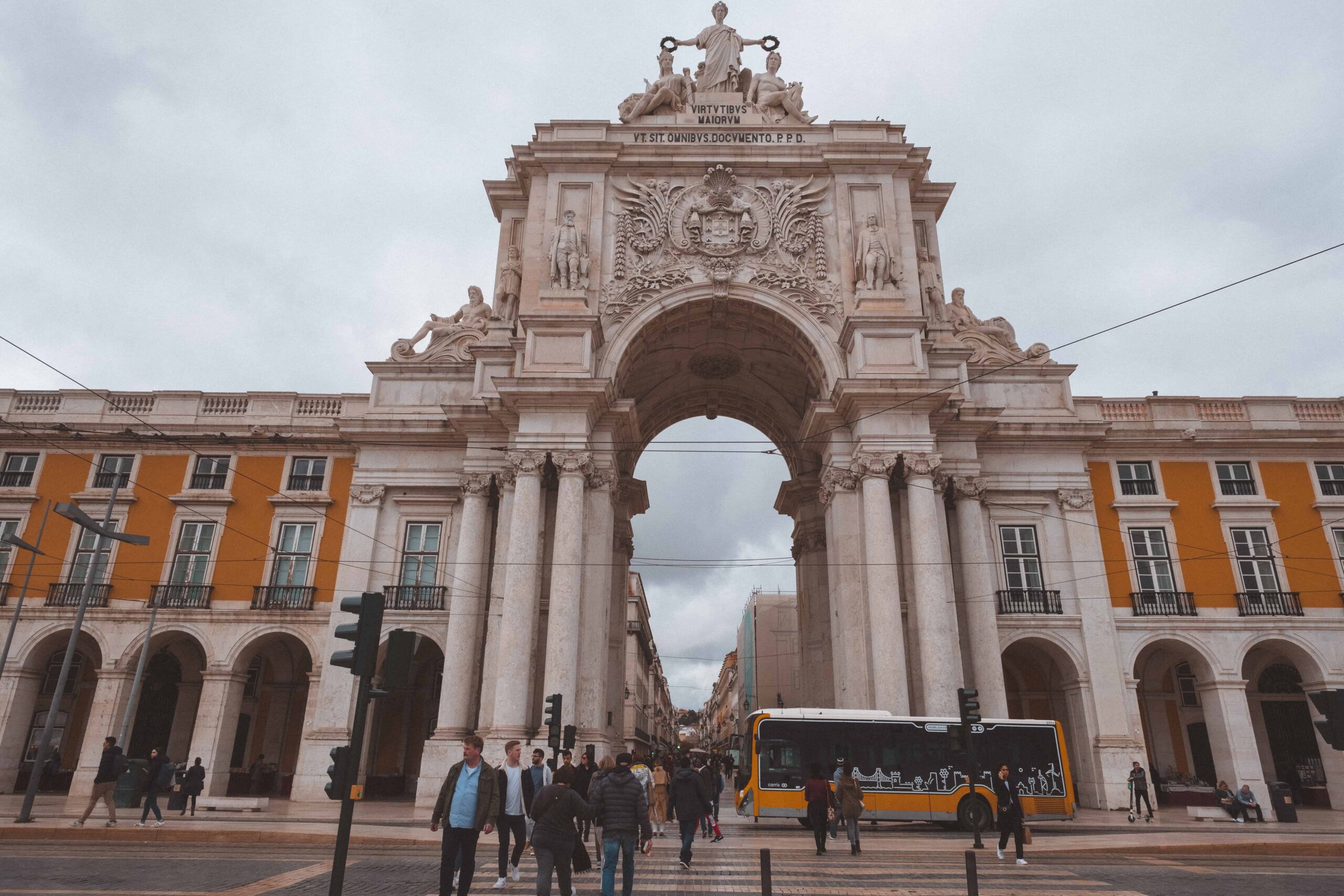
Estoril
The neighbouring town of Estoril is known for its luxury, casino, and elegant promenades. In the past, it served as a haven for European aristocrats and during World War II it was home to spies. It was here that Ian Fleming supposedly found inspiration for his James Bond.
The main attraction is Casino Estoril, the largest casino in Europe. Even if you don’t gamble, it’s worth popping in to see its opulent interiors. Estoril also has gorgeous beaches and palm-lined promenades. You can walk here along the coastal path from Cascais (about 5 km) or take the bus.
Practical Information and Tips
Here are some practical tips and information that might come in handy for your visit to Cascais.
Getting There
From London, there are frequent direct flights to Lisbon with airlines such as British Airways, easyJet, Ryanair, and TAP Air Portugal. The flight takes around two and a half hours. From Lisbon, continue by train or car to Cascais. Trains run from Cais do Sodré station every 15–20 minutes throughout the day, the journey takes 45 minutes, and costs around €2.50. It’s the most convenient way to get there. But if you want to see all the beautiful hidden spots, hiring a car is a better option.
If you’re driving, you can take the A5 motorway that connects Lisbon to Cascais. The journey takes about 25 minutes depending on traffic. Parking in Cascais is paid, but you’ll find public car parks near the centre.
Safety
Cascais is a very safe town. Crime rates are low and you can walk around the town even in the evening without worry. The usual precautions apply – don’t leave valuables in your car, and keep an eye on your bags and wallets in crowded areas.
Language
The official language is Portuguese, but in all tourist areas you can get by with English. The younger generation often speaks other languages too. Older people may struggle with English, but they’re very willing to help with gestures and goodwill.
Currency
In Portugal, the currency is the euro. Credit cards are accepted almost everywhere, including restaurants, shops, and hotels. You’ll find ATMs all over town. However, it’s a good idea to carry some cash for smaller purchases.
Frequently Asked Questions
How Long Should I Spend in Cascais?
For a comfortable visit covering the main attractions, two to three days is enough. If you want to combine your stay in Cascais with day trips to Sintra and Lisbon, plan for a week. Cascais is also a great base for a longer stay – you could easily spend two weeks here and discover something new every day.
Is It Better to Visit Cascais or Sintra?
It depends on what you’re looking for. Cascais is a seaside resort ideal for a beach holiday with excursion options. Sintra is a mountain town full of palaces and history. If you have time, visit both – they’re only half an hour apart.
Are There Sandy Beaches in Cascais?
Yes, all the town beaches in Cascais have fine sand. Guincho Beach even has nearly white sand reminiscent of tropical destinations.
Do I Need to Speak Portuguese?
No, you can get by with English almost everywhere. In tourist areas, hotel, restaurant, and shop staff speak English. However, learning a few basic Portuguese words like obrigado (thank you), por favor (please), and bom dia (good morning) will be appreciated by the locals.
Is Cascais Suitable for Families with Children?
Absolutely. The town beaches are safe with gentle entries into the sea, there are plenty of family-friendly restaurants, and activities like the cycle path or a visit to the lighthouse will keep children of all ages entertained. Many hotels offer family rooms and swimming pools.
Tips and Tricks for Your Vacation
Don’t Overpay for Flights
Search for flights on Kayak. It’s our favorite search engine because it scans the websites of all airlines and always finds the cheapest connection.
Book Your Accommodation Smartly
The best experiences we’ve had when looking for accommodation (from Alaska to Morocco) are with Booking.com, where hotels, apartments, and entire houses are usually the cheapest and most widely available.
Don’t Forget Travel Insurance
Good travel insurance will protect you against illness, accidents, theft, or flight cancellations. We’ve had a few hospital visits abroad, so we know how important it is to have proper insurance arranged.
Where we insure ourselves: SafetyWing (best for everyone) and TrueTraveller (for extra-long trips).
Why don’t we recommend any Czech insurance company? Because they have too many restrictions. They set limits on the number of days abroad, travel insurance via a credit card often requires you to pay medical expenses only with that card, and they frequently limit the number of returns to the Czech Republic.
Find the Best Experiences
Get Your Guide is a huge online marketplace where you can book guided walks, trips, skip-the-line tickets, tours, and much more. We always find some extra fun there!


