

When I first landed in Calgary with my mum, I had no idea how much that trip would change my life. The moment I first saw Banff, I fell in love — and it led to the most important decision I’ve ever made. That combination of the endless peaks of the Rocky Mountains and the incredible warmth of the local people hit me so hard that I decided to move here for a year.
I lived in bustling Calgary, but Banff, nestled in its mountain valley, also became my home. My husband (then boyfriend) and I drove the route from Calgary to the US border twice and even ventured all the way up to Alaska, coming back down to Vancouver. While we lived there, every spare day was spent in the mountains.
Yet when someone asks me for the best things to see, I always come back to the classic route. The loop from Alberta through the mountains to the Pacific is simply unbeatable. With a clear conscience and hand on heart, I can tell you that a Canada road trip itinerary through the west is the most beautiful journey you can take in your lifetime.
I’ve put together an itinerary and tips that don’t come from travel brochures but from our own thousands of kilometres behind the wheel, nights spent in the Canadian wilderness, and countless coffees in local bistros.
TL;DR
- Allow enough time: For the route from Calgary to Vancouver via Vancouver Island, ideally plan 21 days. 14 days is the absolute minimum, and you’ll have to rush.
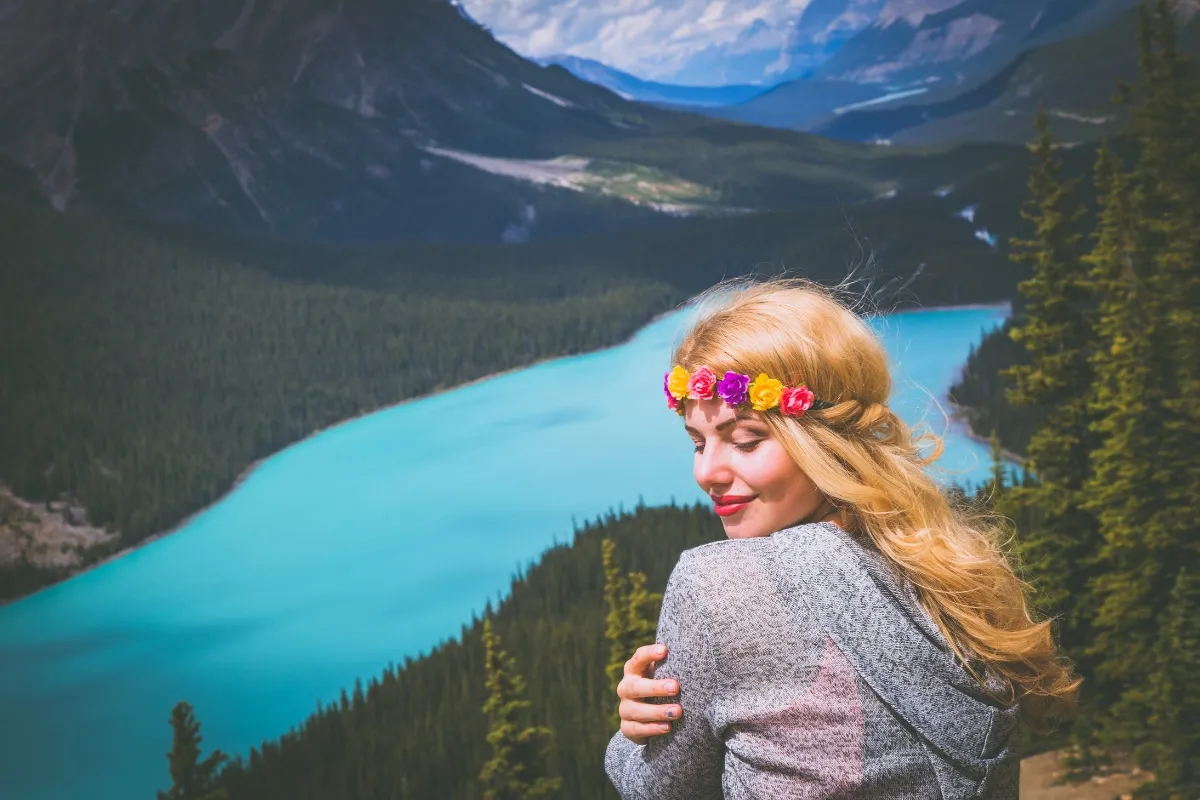
- Must-sees: The turquoise lakes in Banff (Moraine Lake and Lake Louise), the Icefields Parkway glacier road, the wild nature around Jasper, and the surfer town of Tofino.
- Reservations are essential: Book ferries to Vancouver Island and the shuttle bus to Moraine Lake (you can no longer drive there) months in advance.
- Car and gear: You don’t need a 4×4 — the roads are paved and in excellent condition. Budget for a Discovery Pass for national park entry.
- When to go: July and August are a safe bet. September is gorgeous thanks to the autumn colours and fewer mosquitoes, but mornings can be frosty.
Best Time for a Western Canada Road Trip
Choosing the right time is absolutely crucial when it comes to the Canadian wilderness, as mountain weather can be unpredictable and winter lasts a long time. If you want to be sure you can drive through all the mountain passes without snow chains and see the lakes in their turquoise glory, you need to hit the right window — and it’s a fairly narrow one.
The driving season in this region runs from May to October, but there are caveats. Outside this period, you’ll face winter conditions and closed campgrounds. The most popular months are July and August. This is when the Rockies are warmest, the days are long, and all the tourist attractions are operating at full capacity. The trade-off is higher prices and crowds. June is lovely, but higher-altitude lakes like Moraine Lake may still be frozen at the start of the month — they only get their iconic blue colour as the glaciers melt.
My personal favourite time for a western Canada road trip is September. The air is crisp, the mosquitoes have mostly given up, and best of all, the trees start turning golden, giving the mountains a stunning contrast. However, keep in mind that some specific locations have their own rules. For example, the famous road to Moraine Lake closes with the first major snowfall in October. Similarly, the Icefields Parkway is open year-round but can be temporarily impassable after a snowstorm in winter.
Day-by-Day Itinerary: From the Prairies to the Edge of the World
I’ve put this Canada road trip itinerary together so you can see all the essential highlights without burning out. It’s based on approximately 14 days of travel. If you have three weeks, simply add rest days in Jasper, Whistler, or on Vancouver Island, where time seems to pass a little more slowly.
Day 1: Calgary – Banff
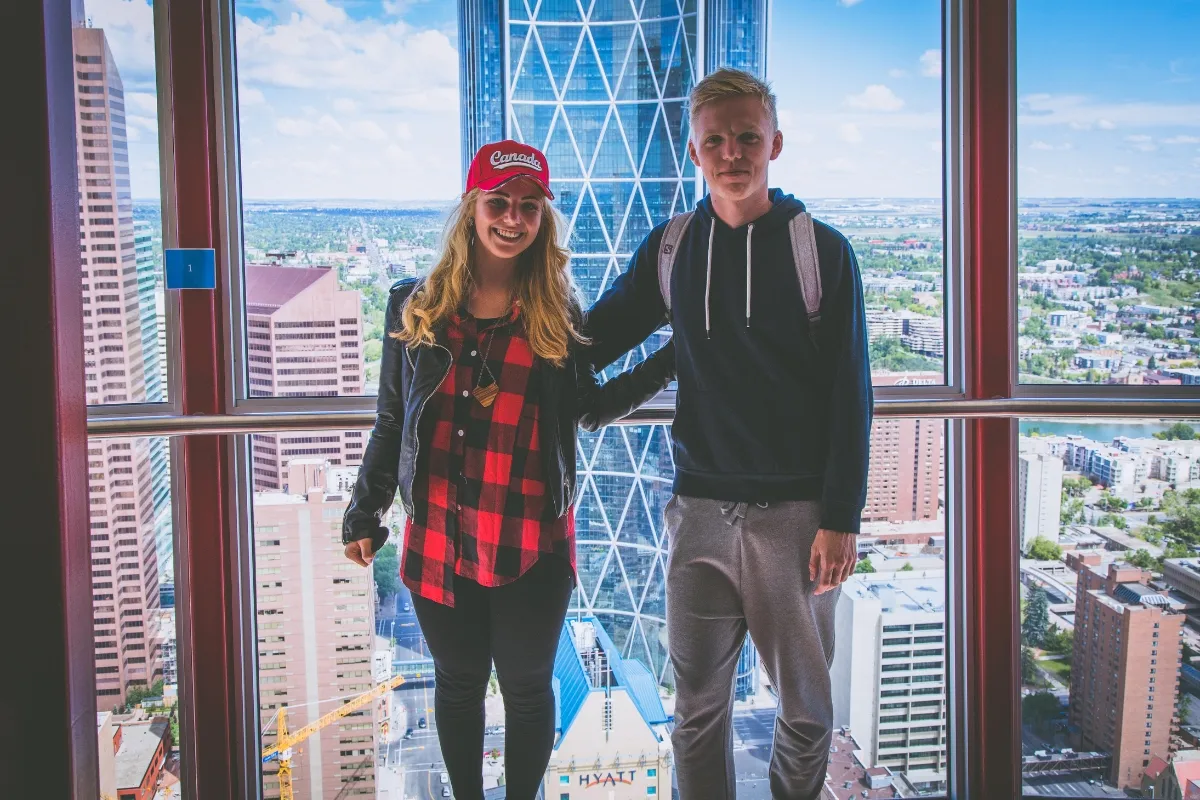
Your adventure begins with a flight into Calgary. After picking up your rental car at the airport, head straight west on the Trans-Canada Highway. The change in scenery is dramatic and never gets old — you drive across flat prairie for an hour, and then suddenly a massive wall of stone rises up before you: the Rocky Mountains. Within an hour and a half, you’ll pass through the national park gates and enter a different world. Your first stop is the town of Banff. Yes, it’s touristy and busy, but it has an unmistakable charm. Stroll down Banff Avenue with its iconic view of Cascade Mountain. In the afternoon, don’t miss the scenic loop around Lake Minnewanka. It’s a great spot for your first encounter with local wildlife — bighorn sheep often graze right by the roadside.
Accommodation tip: Moose Hotel & Suites – A stylish hotel in the centre of Banff with a rooftop pool and mountain views. An ideal base for exploring the national park.
Day 2: Banff – Lake Louise and Moraine Lake
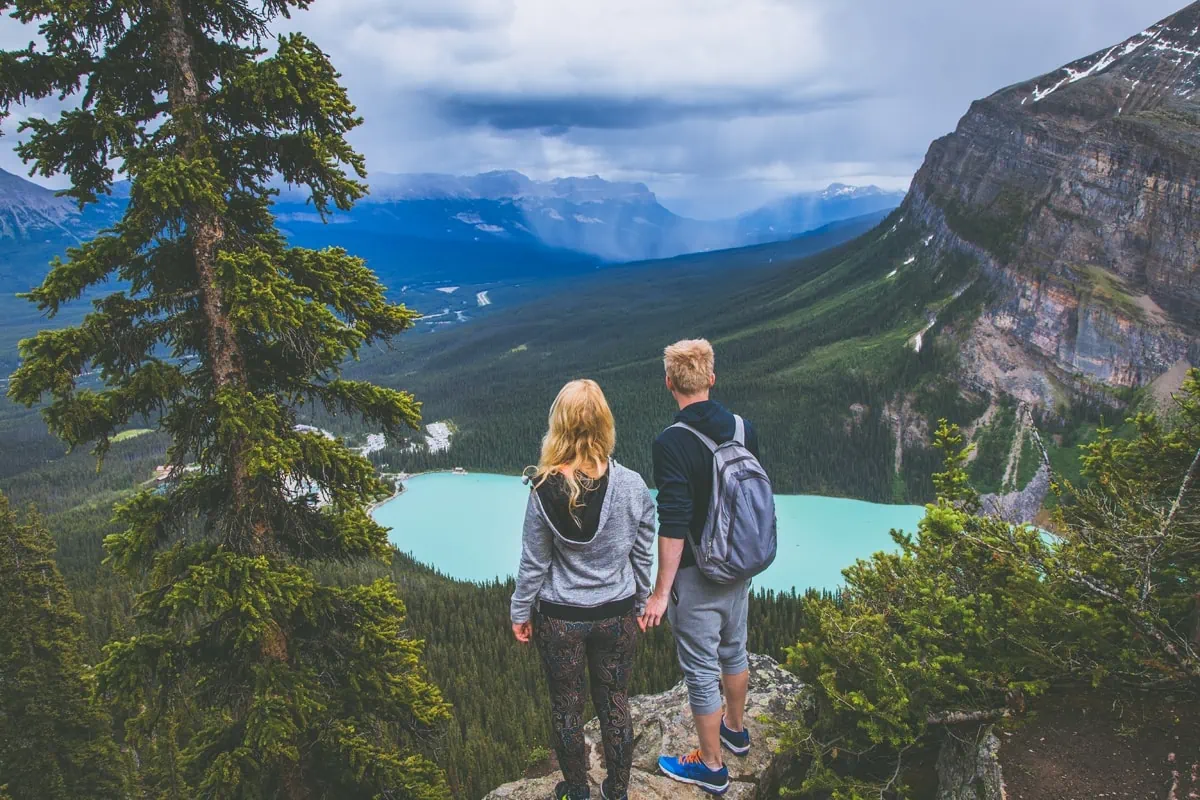
On day two, you need to get up early — and when I say early, I mean really early. Your targets are Lake Louise and Moraine Lake, the two most photographed lakes in Canada. The car park at Lake Louise fills up by seven in the morning, so if you don’t want the stress, use the shuttle bus from the overflow car park by the highway (reservation required!). Moraine Lake in the Valley of the Ten Peaks requires even more planning. Since 2023, private vehicles are no longer allowed, and you must book a Parks Canada shuttle bus. But the view of the turquoise water backed by towering peaks is so iconic that it’s worth the bit of bureaucracy. In the afternoon, hike up to the Lake Agnes Tea House, where you can enjoy tea with a view you’ll never forget.
Accommodation tip: Moose Hotel & Suites – A stylish hotel in the centre of Banff with a rooftop pool and mountain views. An ideal base for exploring the national park.
Day 3: Banff – Yoho National Park – Golden
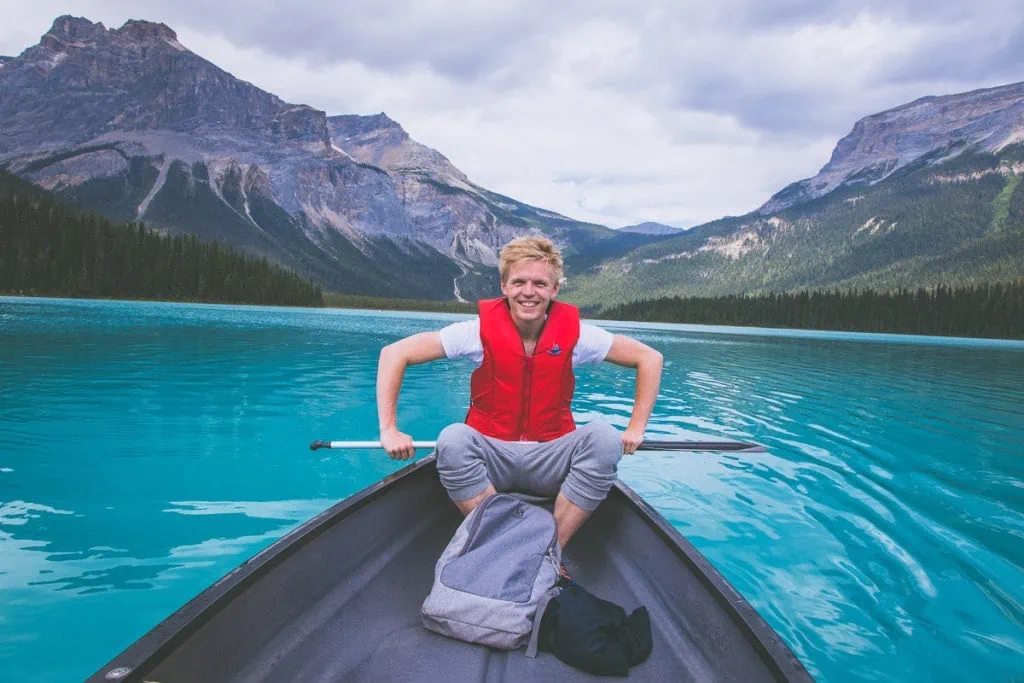
Today you’ll briefly leave Alberta and dip into British Columbia, into Yoho National Park. It’s less crowded than Banff and offers gems like Emerald Lake, where you can rent a canoe, and Takakkaw Falls, one of the tallest waterfalls in Canada. Along the way, you’ll also see an engineering marvel — the Spiral Tunnels carved inside the mountain for trains. In the evening, drive to the town of Golden, which is a great and often cheaper base for an overnight stay before the next big leg of your journey.
Accommodation tip: Moberly Lodge – A cosy lodge surrounded by nature near Golden. A perfect stopover between Banff and Jasper with beautiful views of the Columbia Valley.
Day 4: Golden – Icefields Parkway – Jasper
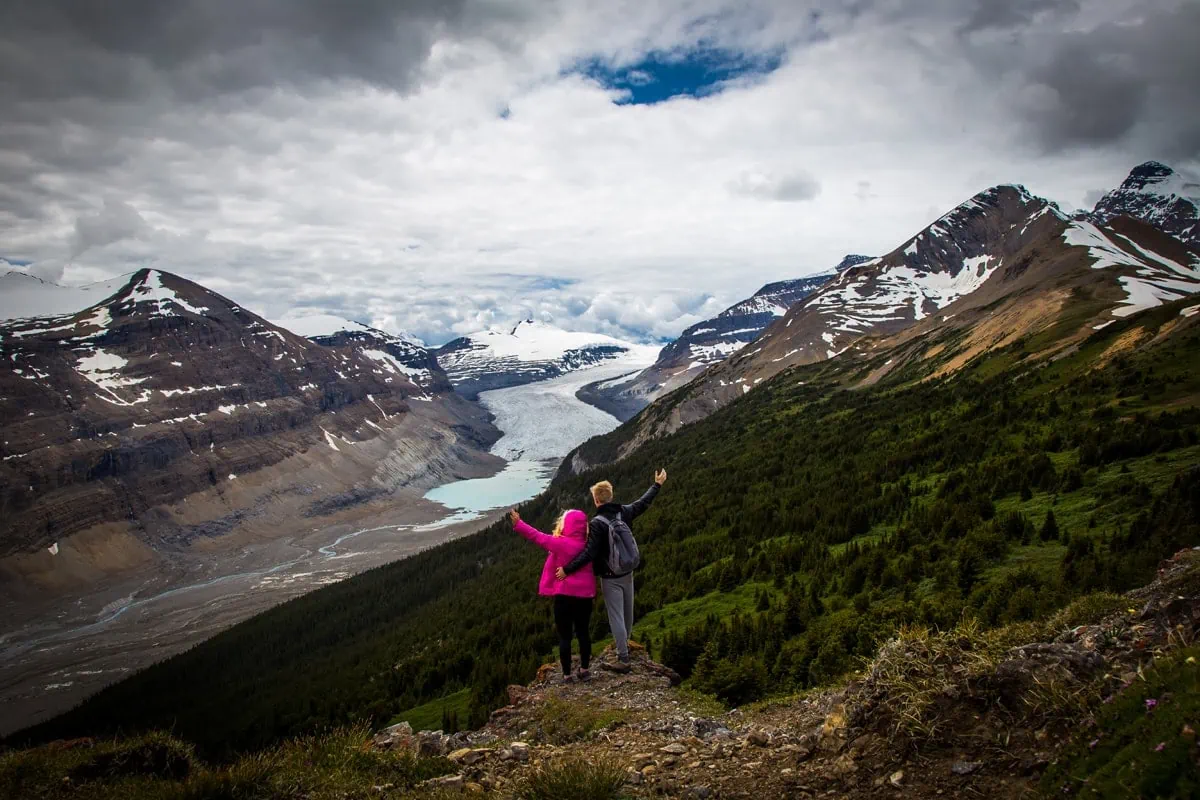
Get ready for the golden highlight of the entire road trip. Today you’ll drive the Icefields Parkway (Highway 93) north towards Jasper. Set aside the whole day for this stretch, because it’s not just a transfer — it’s a gallery of nature. You’ll want to stop every five minutes. You’ll see glaciers hanging directly above the road, the azure Peyto Lake shaped like a fox’s head, and of course the Athabasca Glacier. Here you can pay for a ride on a special ice explorer vehicle right onto the glacier, but even the view from the visitor centre is breathtaking. Important note: don’t forget to fill up your tank before entering this highway — there’s only one expensive petrol station along the way and you won’t find any mobile signal.
Accommodation tip: The Crimson Jasper – An elegant hotel near the centre of Jasper with an outdoor hot tub and mountain views.
Day 5: Jasper and Surroundings
Jasper, where you arrived last evening, is Banff’s wilder and calmer sibling. Here you have a much better chance of spotting a moose or an elk wandering right through town or through the campground. In the morning, head to Maligne Lake. On the way, stop at Maligne Canyon and keep your eyes peeled — it’s a favourite spot for bears. At the lake, you can take a boat cruise to the famous Spirit Island, one of the most photographed spots in Canada, or simply stroll along the shore.
Accommodation tip: The Crimson Jasper – An elegant hotel near the centre of Jasper with an outdoor hot tub and mountain views.
Day 6: Jasper – Kamloops
Today is a longer driving day heading into the interior. You’ll leave the mountains behind and head west. Stop at Mount Robson, the highest peak in the Canadian Rockies. If you’re lucky and the summit isn’t hidden in clouds, it’s an awe-inspiring sight. The landscape then changes — the mountains recede and the scenery around Kamloops starts to resemble semi-desert. It’s a fascinating contrast to the forests and glaciers you’ve seen so far. Kamloops isn’t a typical tourist destination, but it’s an ideal place to overnight and stock up on supplies.
Accommodation tip: DoubleTree by Hilton Kamloops – A comfortable hotel with a pool and restaurant, ideal for an overnight stop between the Rockies and the coast.
Day 7: Kamloops – Whistler
From Kamloops, you’ll continue towards the coast — but not via the shortest motorway route. Instead, take the scenic Duffey Lake Road (Hwy 99). It’s a narrow, winding mountain road offering stunning views, including Joffre Lakes. This section is more demanding to drive but absolutely gorgeous. In the afternoon, you’ll arrive in Whistler, a world-famous ski resort that comes alive in summer too. Even if you don’t ski, take the Peak 2 Peak Gondola, which connects two mountain peaks at record height.
Accommodation tip: Sundial Boutique Hotel – A boutique hotel right on Village Stroll in Whistler with mountain views. Within easy reach of all attractions.
Day 8: Whistler – Vancouver
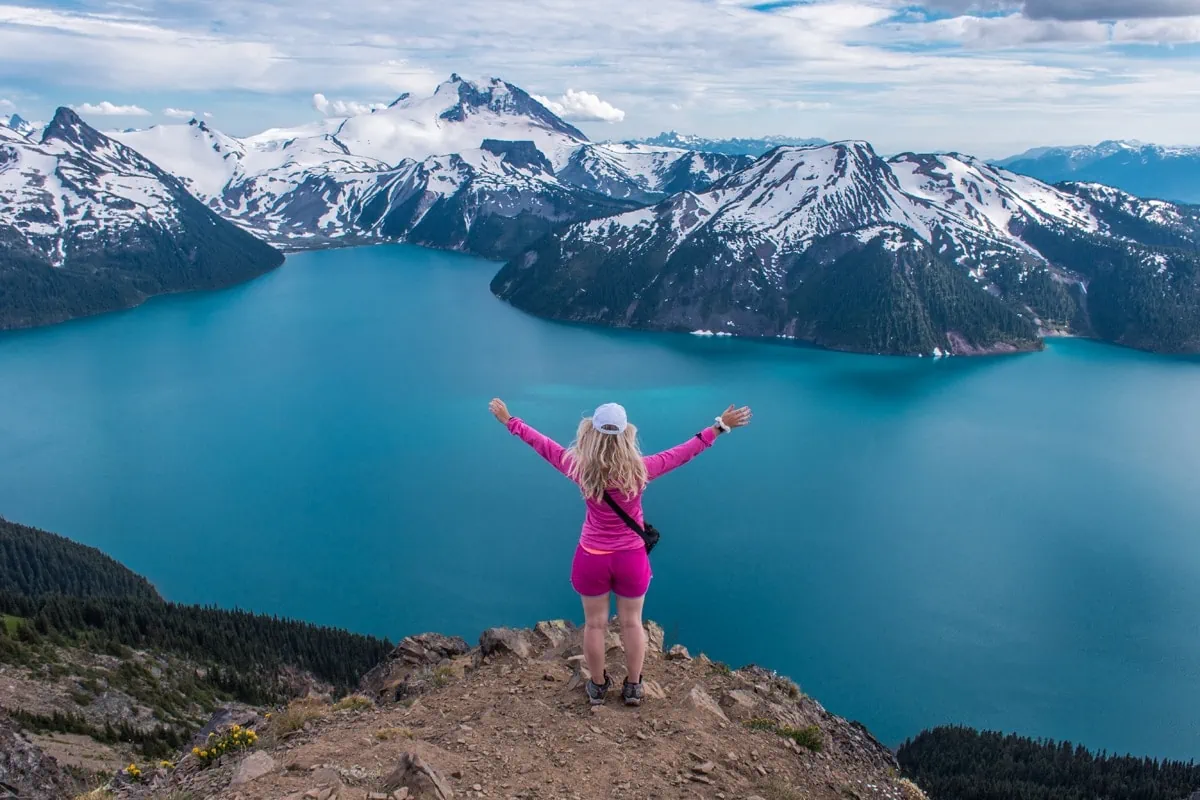
From Whistler to Vancouver, you’ll drive the Sea-to-Sky Highway. The name says it all — mountains plunge straight into the ocean and the views over Howe Sound fjord are unforgettable. Stop at Shannon Falls or ride the Sea to Sky Gondola in Squamish. Arriving in Vancouver is an experience in itself. The city, squeezed between the ocean and mountains, has a one-of-a-kind atmosphere that hits you the moment you spot the skyline.
Accommodation tip: L’Hermitage Hotel – An elegant boutique hotel in the centre of Vancouver with a pool and close to the city’s main attractions.
Day 9: Vancouver (City Tour)
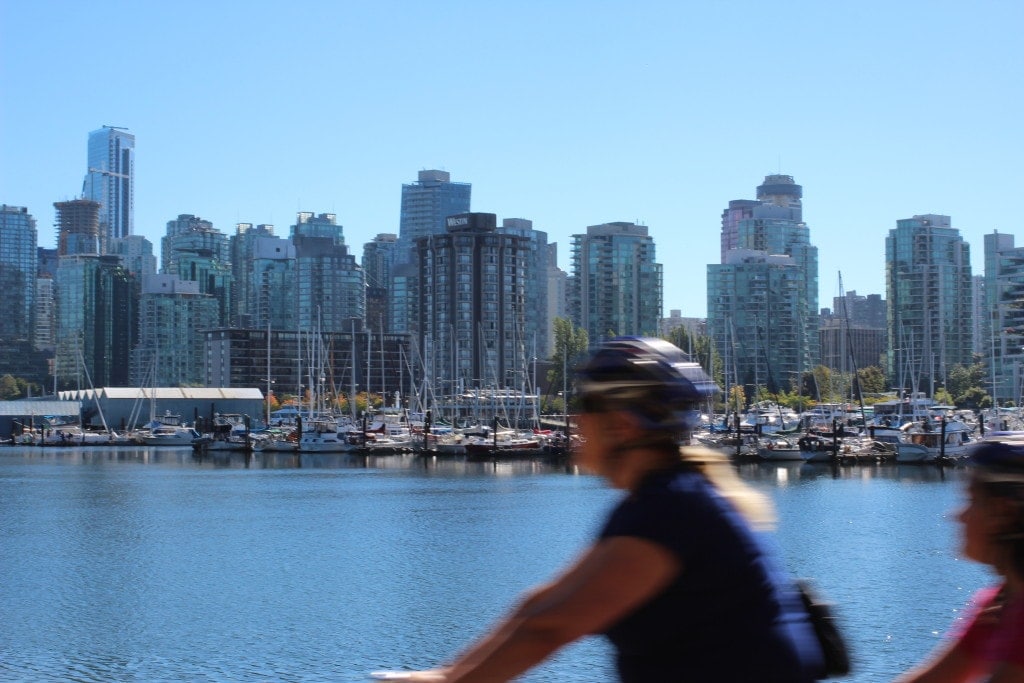
On day nine, leave the car parked and explore the city on foot. Vancouver is a fantastic city for walkers and cyclists. Rent a bike and ride along the Seawall around Stanley Park. Visit the historic Gastown neighbourhood with its steam clock, and definitely check out Granville Island Public Market. If you like heights, try the Capilano Suspension Bridge in North Vancouver. The city is also a paradise for foodies — the Asian cuisine here is world-class.
Accommodation tip: L’Hermitage Hotel – An elegant boutique hotel in the centre of Vancouver with a pool and close to the city’s main attractions.
Day 10: Vancouver – Victoria (Vancouver Island)
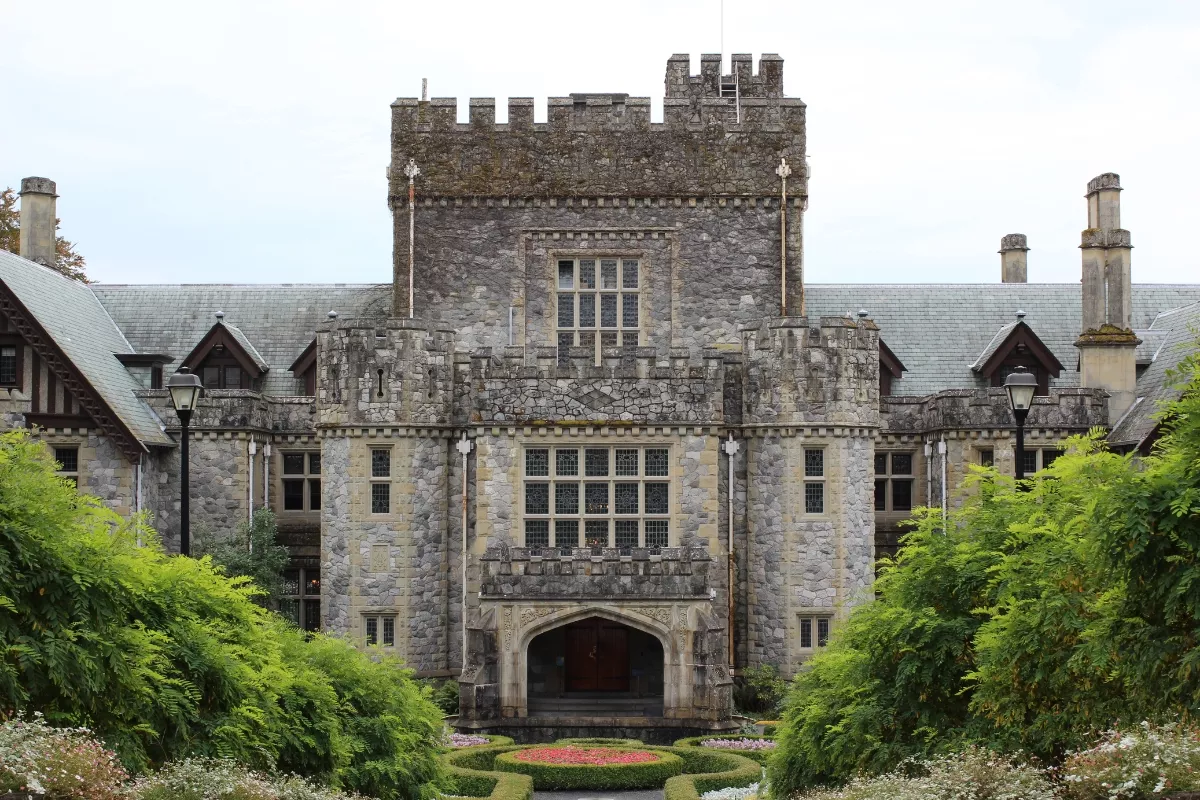
This is the part many people look forward to the most. You’ll take a ferry across to Vancouver Island. I strongly recommend booking your ferry ticket (e.g. from Tsawwassen to Swartz Bay) in advance — queues can be very long in summer. After disembarking, head to Victoria, the capital of British Columbia. It’s a city with a distinctly British atmosphere where you can enjoy afternoon tea and admire the Parliament Building. For flower lovers, Butchart Gardens are an absolute must.
Accommodation tip: Hotel Grand Pacific – A luxury hotel right on the Inner Harbour in Victoria with harbour views and close to the Parliament Building.
Day 11: Victoria – Tofino / Ucluelet
Today you’ll drive across the island to its wild west coast. The road is winding and long, but the destination is worth every minute. Stop at Cathedral Grove, where the trees are so ancient and enormous you’ll feel like an ant beneath them. Then continue along Highway 4 to the end of the world. Here, in the area of Tofino and Ucluelet, the road ends and the endless Pacific begins. Check into one of these towns and soak up the magical energy.
Accommodation tip: Pacific Sands Beach Resort – A resort right on Cox Bay beach with a kitchenette in every room. Perfect for surfers and nature lovers alike.
Day 12: Pacific Rim National Park
Dedicate the whole day to Pacific Rim National Park. Walk along the vast stretches of Long Beach, where surfers in wetsuits ride the misty waves. Visit the rainforest on the Rainforest Trail, where wooden boardwalks wind through moss-covered giants. Tofino is also a brilliant base for whale watching and spotting black bears searching for crabs on the shore at low tide. It’s raw, wild beauty that will completely absorb you.
Accommodation tip: Pacific Sands Beach Resort – A resort right on Cox Bay beach with a kitchenette in every room. Perfect for surfers and nature lovers alike.
Day 13: Tofino – Nanaimo – Vancouver
It’s time to say goodbye to the Pacific. Drive back across the island to the port of Nanaimo (Departure Bay). From there, take the ferry back to the mainland at Horseshoe Bay in North Vancouver. Again — booking the ferry in advance is essential. After disembarking, check into your hotel in Vancouver or near the airport to be ready for tomorrow’s flight.
Accommodation tip: L’Hermitage Hotel – An elegant boutique hotel in the centre of Vancouver with a pool and close to the city’s main attractions.
Day 14: Vancouver – Flight Home
Use your last day for souvenir shopping, one final coffee with a mountain view, or a stroll by the ocean before heading to the airport to return your car and catch your flight home.
Accommodation and Practical Tips for a Comfortable Trip
When planning a road trip through west Canada, accommodation is something you shouldn’t underestimate. In peak season, rooms in Banff and Jasper disappear months in advance and prices aren’t exactly budget-friendly. If you want to save money and don’t mind staying a bit further from the centre, look for hotels in Canmore instead of Banff, or in Hinton instead of Jasper. The price difference can be significant and the parks are just a short drive away.
For national park entry, you’ll need a permit. If you plan to visit multiple parks and spend more than a week in them in total (which you will on this itinerary), it’s worth buying an annual Discovery Pass. It covers the entire vehicle (up to 7 people) and grants access to Banff, Jasper, Yoho, Glacier, and Pacific Rim. You can buy it at visitor centres or at the gate when entering the first park — just hang it on your rear-view mirror.
If you’d like to plan car camping instead of hotels, there are plenty of great options along the route. It’s an excellent way to save money and enjoy a more authentic Canadian wilderness experience. You might also want to pick up a portable espresso maker to keep you caffeinated on those early morning starts at remote trailheads.
Food and Souvenirs: Maple Syrup and the Best Pies
Canada isn’t just about burgers and chips with gravy (poutine) — though you absolutely must try that too. Along the way, you’ll come across plenty of brilliant local eateries. When driving from Jasper towards Vancouver and passing through the town of Hope (yes, that’s where they filmed Rambo!), make a stop at the Home Restaurant. It’s one of those classic diners you know from the movies, and they bake the best homemade pies for miles around.
On Vancouver Island, in Coombs, look for the Old Country Market. You’ll recognise it easily — live goats graze on the roof. And in Tofino? It’s practically a requirement to queue at the Tacofino food truck. Their fish tacos are legendary. For a sweet treat, seek out a “Nanaimo bar” — an incredibly sweet, no-bake dessert that originated in the port town of Nanaimo.
What to bring home? The classic is maple syrup. Buy it in a tin — it’s easier to transport. Smoked salmon in a wooden gift box also makes a brilliant present and survives the flight home. Just please don’t buy a Bear Spray canister as a souvenir — you won’t be allowed on the plane with it, even in checked luggage. It’s classified as a weapon and an explosive.
How Much Does a Western Canada Road Trip Cost? (Budget)
I won’t lie to you — Canada isn’t a cheap destination, but every dollar spent is worth it. The biggest expenses will likely be your rental car and accommodation. Petrol is somewhat cheaper than in Europe, but given the distances, you’ll use quite a lot. For fuel on a route of roughly 2,500 km, budget approximately CAD 360–400 (around €240–270).
Another expense is ferries. A return trip to Vancouver Island for one car and two people will cost around CAD 260–300 (roughly €175–200). Don’t forget national park entry fees — the Discovery Pass costs about CAD 167 (approx. €110) for a group. Overall, this kind of holiday adds up, but the memories you’ll take home are truly priceless.
Trip Overview Table
| Day | Route (From – To) | Km (approx.) | Key Highlights |
|---|---|---|---|
| 1 | Calgary – Banff | 130 km | Arrival, Banff Avenue, Lake Minnewanka |
| 2 | Banff area | 50 km | Lake Louise, Moraine Lake (shuttle!), Lake Agnes |
| 3 | Banff – Golden | 100 km | Emerald Lake, Takakkaw Falls, Spiral Tunnels |
| 4 | Golden – Jasper | 310 km | Icefields Parkway, Peyto Lake, Athabasca Glacier |
| 5 | Jasper area | 100 km | Maligne Lake, Spirit Island, Maligne Canyon |
| 6 | Jasper – Kamloops | 440 km | Mt. Robson, landscape change, long driving day |
| 7 | Kamloops – Whistler | 300 km | Duffey Lake Road, Joffre Lakes, Whistler Village |
| 8 | Whistler – Vancouver | 120 km | Sea-to-Sky Highway, Shannon Falls, Vancouver |
| 9 | Vancouver | 0 km | Stanley Park, Gastown, Granville Island |
| 10 | Vancouver – Victoria | 115 km | Ferry Tsawwassen–Swartz Bay, Butchart Gardens |
| 11 | Victoria – Tofino | 320 km | Cathedral Grove, Pacific Rim Highway, Ucluelet |
| 12 | Tofino area | 50 km | Long Beach, Rainforest Trail, whale watching |
| 13 | Tofino – Vancouver | 200 km | Ferry from Nanaimo to Horseshoe Bay |
| 14 | Vancouver – Departure | 30 km | Last-minute shopping, car return, flight home |
Conclusion
This western Canada road trip is an experience you’ll remember for the rest of your life. The combination of majestic mountains, wild animals, endless forests, and the ocean is something that gets deep under your skin. Just like it did for me, when I stood there for the first time and couldn’t believe my own eyes.
Tips and Tricks for Your Vacation
Don’t Overpay for Flights
Search for flights on Kayak. It’s our favorite search engine because it scans the websites of all airlines and always finds the cheapest connection.
Book Your Accommodation Smartly
The best experiences we’ve had when looking for accommodation (from Alaska to Morocco) are with Booking.com, where hotels, apartments, and entire houses are usually the cheapest and most widely available.
Don’t Forget Travel Insurance
Good travel insurance will protect you against illness, accidents, theft, or flight cancellations. We’ve had a few hospital visits abroad, so we know how important it is to have proper insurance arranged.
Where we insure ourselves: SafetyWing (best for everyone) and TrueTraveller (for extra-long trips).
Why don’t we recommend any Czech insurance company? Because they have too many restrictions. They set limits on the number of days abroad, travel insurance via a credit card often requires you to pay medical expenses only with that card, and they frequently limit the number of returns to the Czech Republic.
Find the Best Experiences
Get Your Guide is a huge online marketplace where you can book guided walks, trips, skip-the-line tickets, tours, and much more. We always find some extra fun there!


