Spain is a country you simply can’t help falling in love with — and then coming back to again and again, because once is never enough. It certainly wasn’t for us. 😅 Luky and I spend at least two weeks in Spain every year, and we still can’t get enough of it. If you’re dreaming of a Spain roadtrip, you’re in exactly the right place.
In this article, you’ll find a complete 14-day Spain roadtrip itinerary — from Barcelona to Valencia, via Madrid, Toledo, Córdoba, Seville, Ronda, and Granada. For each day, I’ve included specific tips on places to visit, restaurants, accommodation, and an approximate budget. Basically everything you need to plan your Spain roadtrip stress-free and enjoy every single moment of it. Let’s dive in!
TL;DR
- Route: Barcelona → Costa Brava → Zaragoza → Madrid → Toledo → Córdoba → Seville → Ronda → Granada → Valencia (approx. 2,500 km)
- Ideal length: 14 days, can be extended to 17–21 days if you want a slower pace
- Best time: April–June or September–October; summer (July–August) is unbearable in Andalusia (40 °C+)
- Budget: Roughly €1,000–1,750 per person for 14 days (excluding flights), depending on accommodation style
- Car: Hire from around €25–40/day, cheapest through a comparison site like DiscoverCars
- Toll roads: Most motorways in Spain are free; some sections in Catalonia and the Basque Country are tolled (roughly €30–60 total for the whole trip)
- Must-see: Sagrada Família in Barcelona, Alhambra in Granada (book weeks ahead!), Alcázar in Seville, Mezquita in Córdoba, viewpoints in Ronda
- Set aside extra budget for food — the cuisine changes from region to region and it’s incredible everywhere
The full destination guide: Spain — guide and what to see
When to go on a Spain roadtrip and how to prepare
Spain is beautiful year-round, but picking the right season is crucial for a roadtrip. Northern and central Spain have mild summers, but Andalusia in July and August is genuinely brutal — temperatures regularly exceed 40 °C and walking around Seville at 2 pm feels like being inside an oven. That’s not an exaggeration, trust me. 😅
April to June is ideal in our opinion — everything’s in bloom, temperatures hover between 20–30 °C, there are fewer tourists than in summer, and accommodation prices are more reasonable. September and October are brilliant too, plus you can still swim (the sea is around 22–24 °C). March can be lovely in Andalusia, but Barcelona and Madrid are still fairly chilly.
How to get to Spain
The simplest approach is to fly into Barcelona and out of Valencia (or vice versa). You can find flights from London or Manchester to Barcelona with budget airlines like Ryanair, easyJet, or Vueling for around £30–100 one way. Search for cheap fares on Skyscanner or Google Flights — set flexible dates to find the best price.
If you prefer to drive your own car, it’s roughly 1,700 km from London to Barcelona (via the Eurotunnel or ferry and then through France), which is about 15–17 hours of driving. French toll roads will set you back around €80–100. It’s doable, but two days of driving each way is quite the slog — flying and hiring a car on the spot is much more comfortable in our experience.
Car hire
Lukáš and I have had consistently great experiences with DiscoverCars, which we use everywhere around the world. Car hire prices in Spain start at around €25–40/day for a smaller car, though peak season can be pricier.
Things to watch out for:
- Always get full coverage insurance — Spanish roads are generally good, but on mountain stretches (Ronda, Sierra Nevada) you’ll want the peace of mind
- Watch out for ZBE (Low Emission Zones) — Barcelona, Madrid, and Seville all have them; a newer rental car shouldn’t be a problem, but do check
- City parking is expensive (€2–3/hour) — look for accommodation with parking or park on the outskirts and use public transport
- Petrol costs roughly €1.50–1.70/litre
Where to stay and how much a Spain roadtrip costs
Accommodation in Spain is generally easier on the wallet than, say, France or Italy, though it depends on the season and the city. Barcelona and Madrid are the most expensive, while smaller Andalusian towns are a real bargain.
Approximate prices for a double room per night:
- Barcelona: €80–150 for a decent hotel in the centre
- Madrid: €70–130
- Seville, Granada: €50–100
- Smaller cities (Toledo, Ronda, Córdoba): €40–80
- Airbnb/apartments: often cheaper, especially for longer stays
Approximate budget for 14 days for two
- Accommodation: €800–1,500
- Car hire + petrol: €500–700
- Food and drink: €500–900 — depends on whether you cook occasionally
- Tickets and activities: €150–300
- Tolls + parking: €80–120
- TOTAL for two: roughly €2,000–3,500, i.e. €1,000–1,750 per person (excluding flights)
Top tip: Spaniards eat late — lunch around 14:00, dinner around 21:00. If you go for a menú del día (set lunch) at local restaurants, you’ll eat for €10–15 including a starter, main course, dessert, and a drink. It’s the best value meal in all of Spain and the locals know it.

Day by day: 14-day Spain roadtrip
Here’s where the good stuff begins — the detailed route, day by day. Get the car ready, load up a playlist of flamenco guitars (and the occasional reggaeton, we’re in Spain after all 😁), and let’s go.
Before we dive into the details, here’s a quick overview of the entire route — transfers between cities and where to sleep each night:
| Day | Route and transfer | Where to sleep |
|---|---|---|
| 1–2 | Arrive in Barcelona, explore on foot and by metro | Barcelona (2 nights) |
| 3 | Barcelona → Costa Brava (Tossa de Mar, ~1.5 hrs) | Costa Brava – Begur / Calella de Palafrugell |
| 4 | Costa Brava → Zaragoza (~3.5 hrs) | Zaragoza (1 night) |
| 5–6 | Zaragoza → Madrid (~3 hrs) | Madrid (2 nights) |
| 7 | Madrid → Toledo (~1 hr) → Córdoba (~3.5 hrs) | Córdoba (2 nights) |
| 8 | Córdoba – no transfer | Córdoba |
| 9–10 | Córdoba → Seville (~1.5 hrs) | Seville (2 nights) |
| 11 | Seville → Ronda (~2 hrs) | Ronda (1 night) |
| 12–13 | Ronda → Granada (~2.5 hrs) | Granada (2 nights) |
| 14 | Granada → Valencia (~4.5 hrs) | Valencia (1 night) |
Day 1. Barcelona — Gaudí, Gothic alleys and first tapas

Dedicate your first day to Barcelona — arrive, pick up the car (or leave that for the next day, as you don’t need a car in Barcelona and parking is a nightmare), and soak up the atmosphere of this wild, beautiful, chaotic city.
Start in the Gothic Quarter (Barri Gòtic) — wander through narrow medieval lanes, stumble upon the Cathedral of the Holy Cross, stroll across Plaça Reial, and let the atmosphere carry you away. From there it’s a short walk to the famous La Rambla — it’s a tourist trap, but you have to walk it at least once. Just don’t buy anything or eat there. 😅
In the afternoon, head to the El Born neighbourhood — it’s our favourite part of Barcelona. Narrow streets packed with independent boutiques, galleries, and fantastic tapas bars. For a late lunch or tapas, I recommend El Xampanyet (a traditional tapas bar with cava, always packed but absolutely worth it) or Bar del Pla (more modern tapas, excellent croquetas). If you’re into speciality coffee, stop by Satan’s Coffee Corner — the name is odd, the coffee is phenomenal.
Spend the late afternoon at the Sagrada Família — buy tickets online in advance, at least a week ahead, or you won’t get in. Gaudí’s unfinished basilica is something you simply have to see with your own eyes. Photos don’t do it justice. When you step inside and see the light streaming through the stained glass… your jaw will hit the floor.
For dinner, try La Pepita (fantastic tapas, slightly off the tourist trail) or treat yourself to city views from the rooftop bar El Taller.
Where to stay in Barcelona:
Stay around the El Born or Eixample neighbourhoods — you’ll be close to everything while being in a lively, authentic part of the city. We recommend Hotel Neri Relais & Châteaux (upscale, right in the Gothic Quarter) or Yurbban Passage Hotel & Spa (great value in Eixample).
Day 2. Barcelona — Park Güell, Montjuïc and the seaside promenade

Start your second day in Barcelona at Park Güell — again, buy tickets in advance and arrive early (ideally the first time slot) before the crowds descend. The mosaic terraces with views over the city and sea are magical. Gaudí was a genius, if a slightly mad one. 😁
From the park, head to Montjuïc — a hill overlooking all of Barcelona where you’ll find Fundació Joan Miró (if you’re into modern art), a botanical garden, and beautiful landscaped gardens. Take the cable car up (Teleféric de Montjuïc) — it’s an experience in itself.
For lunch, head down to Barceloneta — the seaside neighbourhood with a sandy beach and fish restaurants. Try fideuà (a Catalan take on paella but with noodles instead of rice) at La Mar Salada or Can Paixano (cheap, loud, brilliant — a quintessential Barcelona experience).
In the afternoon, stroll along the promenade, and if you’ve still got energy, visit Casa Batlló or Casa Milà (La Pedrera) on Passeig de Gràcia — more Gaudí masterpieces. Tickets are pricey (€25–35), but the interiors are worth every penny.
Spend the evening in one of the bars in El Raval or Gràcia — both neighbourhoods have a thriving food scene and far fewer tourists than the centre.
Where to stay:
Same accommodation as Day 1.
Day 3. Costa Brava — Tossa de Mar, Calella de Palafrugell and Cadaqués
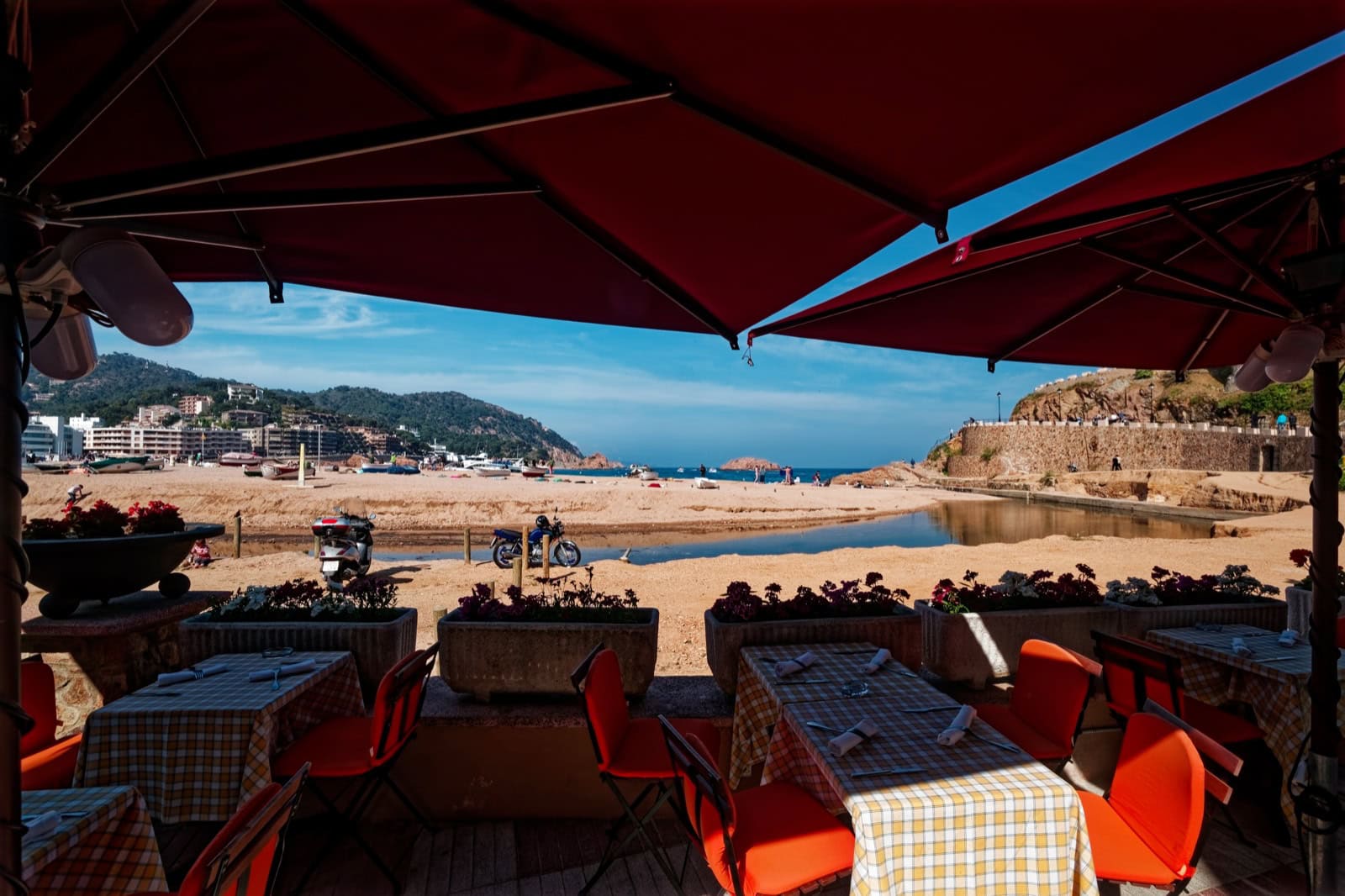
Today, pick up the car (if you haven’t already) and head north along the Costa Brava — one of the most beautiful stretches of coastline in the Mediterranean. Wild cliffs, turquoise coves, and picturesque fishing villages — this is Catalonia as most tourists from Barcelona never see it.
First stop: Tossa de Mar (about 1.5 hours from Barcelona). The medieval citadel (Vila Vella) perched on cliffs above the sea looks like something from a fairy tale. Walk the ramparts, scramble down to Platja Gran beach, and have lunch with a sea view. I recommend Restaurant Marina — fresh fish at fair prices.
In the afternoon, continue north to Calella de Palafrugell (about 1 hour) — whitewashed houses, fishing boats pulled up on the beach, and crystal-clear water. It’s arguably the most photogenic spot on the entire Costa Brava. Walk the coastal path (Camí de Ronda) towards neighbouring Llafranc — the walk is short (20 minutes) but the views are stunning.
If you’ve got the time and energy, push further north to Cadaqués (about 1.5 hours) — the town that Salvador Dalí loved. White houses, olive trees, rocky coves. It’s a bit out of the way, but absolutely worth the detour. Time seems to stand still here.
Where to stay on the Costa Brava:
Spend the night in Calella de Palafrugell or nearby Begur — both towns are gorgeous. I recommend Hotel Aigua Blava (right above the bay, stunning views) or the smaller Hotel Caleta de Calella (a family-run hotel steps from the beach).
Day 4. Costa Brava → Zaragoza
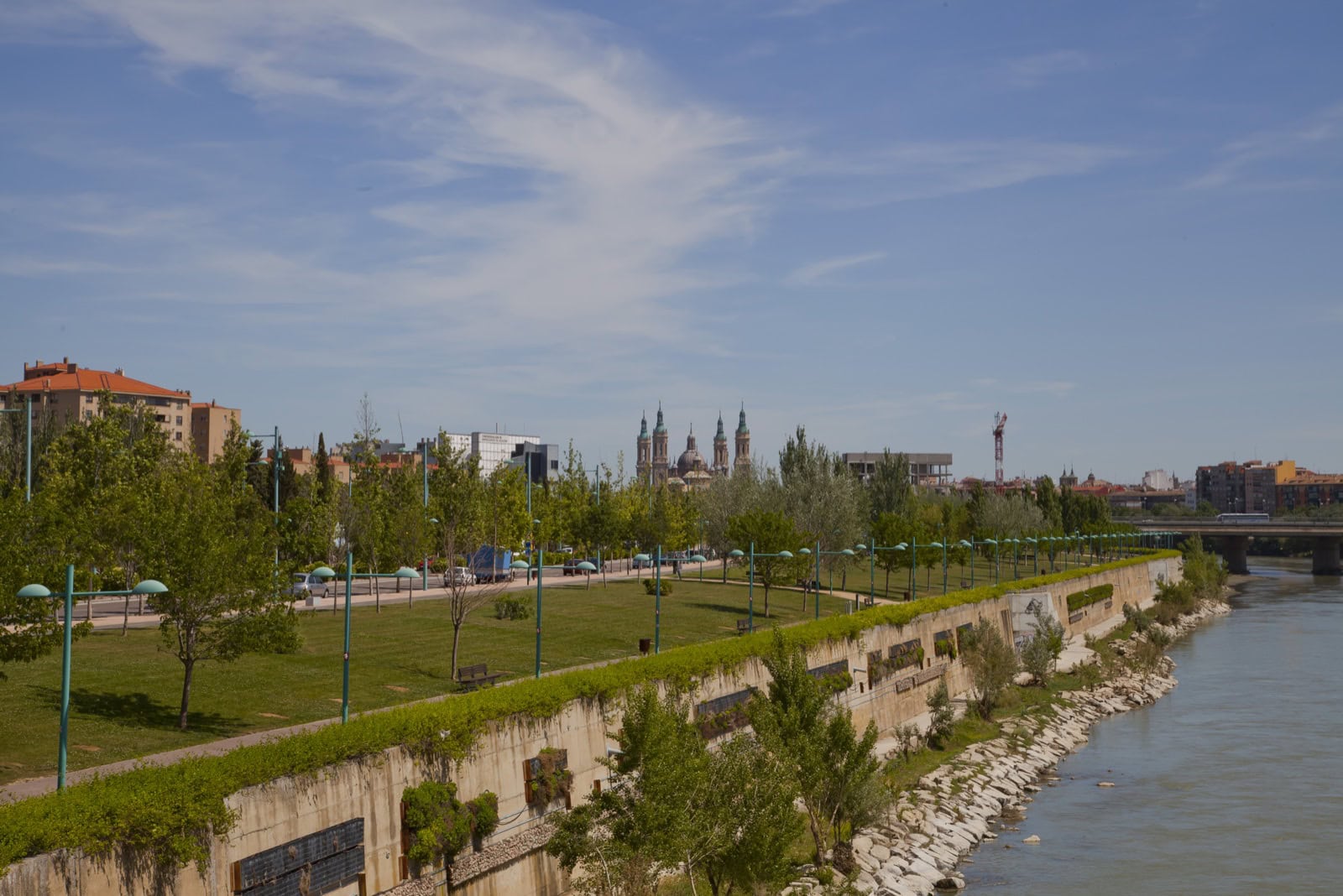
Enjoy one more morning on the Costa Brava — a swim, coffee with a view, a stroll. Around midday, set off towards Zaragoza (about 3.5 hours’ drive). The road cuts through the Catalan interior, and the landscape gradually shifts from coastal mountains to the plains of Aragon.
You’ll arrive in Zaragoza in the afternoon. Most tourists skip this city entirely — and that’s a shame, because it’s surprisingly beautiful with a cracking food scene. The main draw is the Basílica de Nuestra Señora del Pilar — a huge baroque basilica on the banks of the River Ebro and one of Spain’s most important pilgrimage sites. The view from the tower (€3) is fantastic, especially at sunset.
Wander through the old town, pop into La Seo (a cathedral with an incredible mix of styles — Romanesque, Gothic, Mudéjar, Baroque — all in one building) and at the Palacio de la Aljafería, explore a Moorish palace that’s like a mini Alhambra.
For dinner, head to El Tubo — a web of narrow streets packed with tapas bars. The idea is to hop from bar to bar, ordering one or two tapas and a drink at each. I recommend La Ternasca (Aragonese specialities) and Los Victorinos (excellent croquetas and jamón).
Where to stay in Zaragoza:
Zaragoza is pleasantly affordable. Stay in the centre near the basilica — Hotel Sauce (modern, great location, fair price) or Alfonso Hotel (more elegant, in a handsome building).
Day 5. Zaragoza → Madrid
In the morning, treat yourself to churros with chocolate at Churrería La Fama (a local institution since 1940), say goodbye to Zaragoza, and hit the road to Madrid (about 3 hours).
Once you arrive, park the car (use a car park near your hotel — you really don’t need a car in central Madrid and driving there is more stress than it’s worth) and head out on foot. Spend the afternoon exploring the centre: Puerta del Sol (the symbolic heart of Spain), Plaza Mayor (gorgeous square, though the terrace restaurants are overpriced and mediocre — sit down for a coffee at most), and Mercado de San Miguel — a covered market with tapas and wine. It’s a bit touristy, but the atmosphere is wonderful and you can sample a little bit of everything.
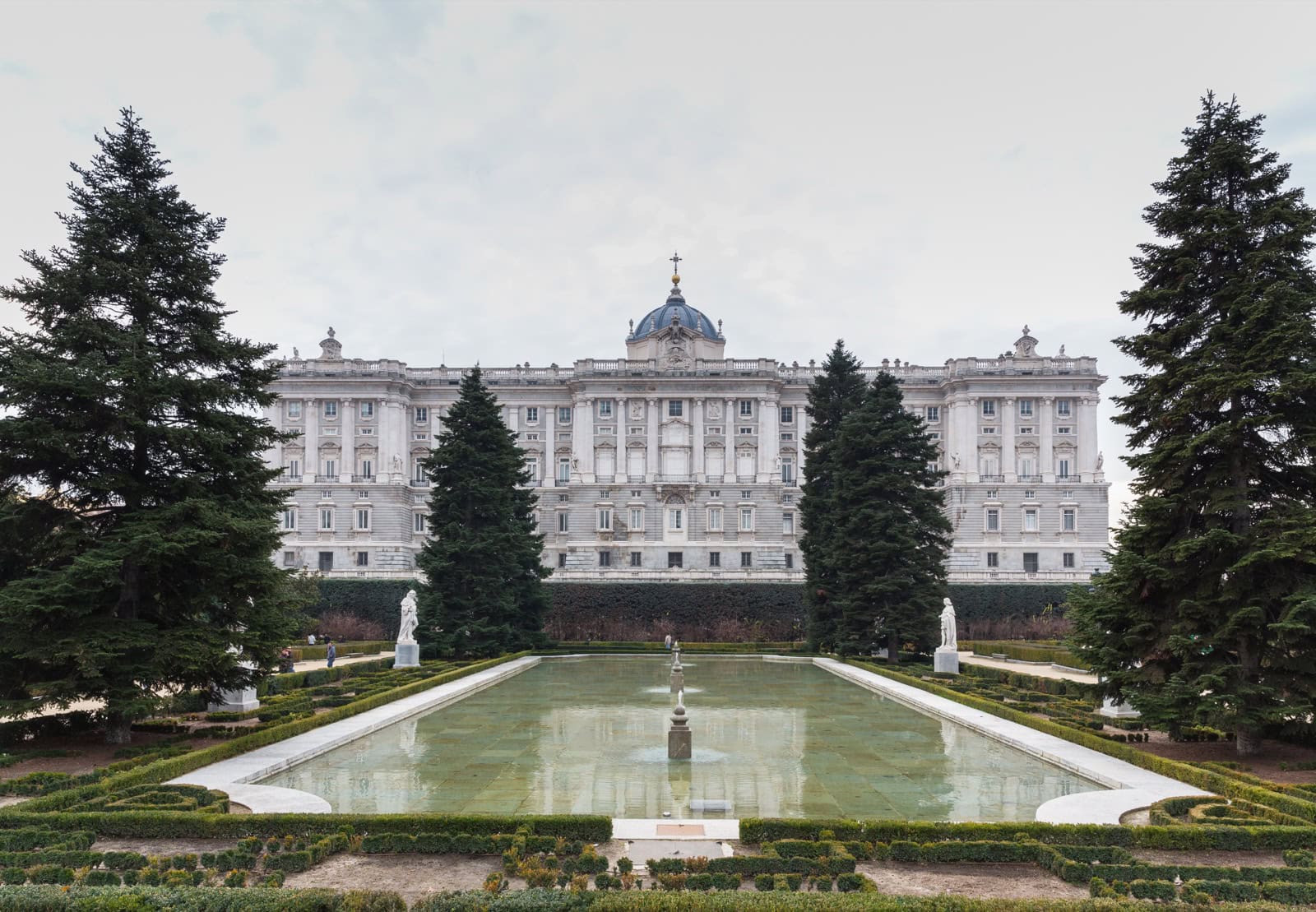
In the late afternoon, stroll past the Palacio Real (the Royal Palace — enormous, imposing, and you can visit the interior for €12) and continue to El Retiro Park — Madrid’s answer to Hyde Park. Hire a rowing boat on the lake, sit under the trees, and soak it all in. Locals come here to picnic, read, and play guitar — it’s lovely.
For dinner, head to the La Latina neighbourhood — the best tapas scene in Madrid. Try Casa Lucas (creative tapas), Juana La Loca (famous for their tortilla with caramelised onion), or Taberna La Concha (traditional and authentic).
Where to stay in Madrid:
The ideal neighbourhoods are La Latina, Malasaña, or Chueca — lively, full of restaurants and bars, and well connected by metro. I recommend URSO Hotel & Spa (a boutique hotel in a beautiful building) or Room Mate Alba (modern, more budget-friendly, excellent location near Puerta del Sol).
Day 6. Madrid — museums, Malasaña and rooftop bars
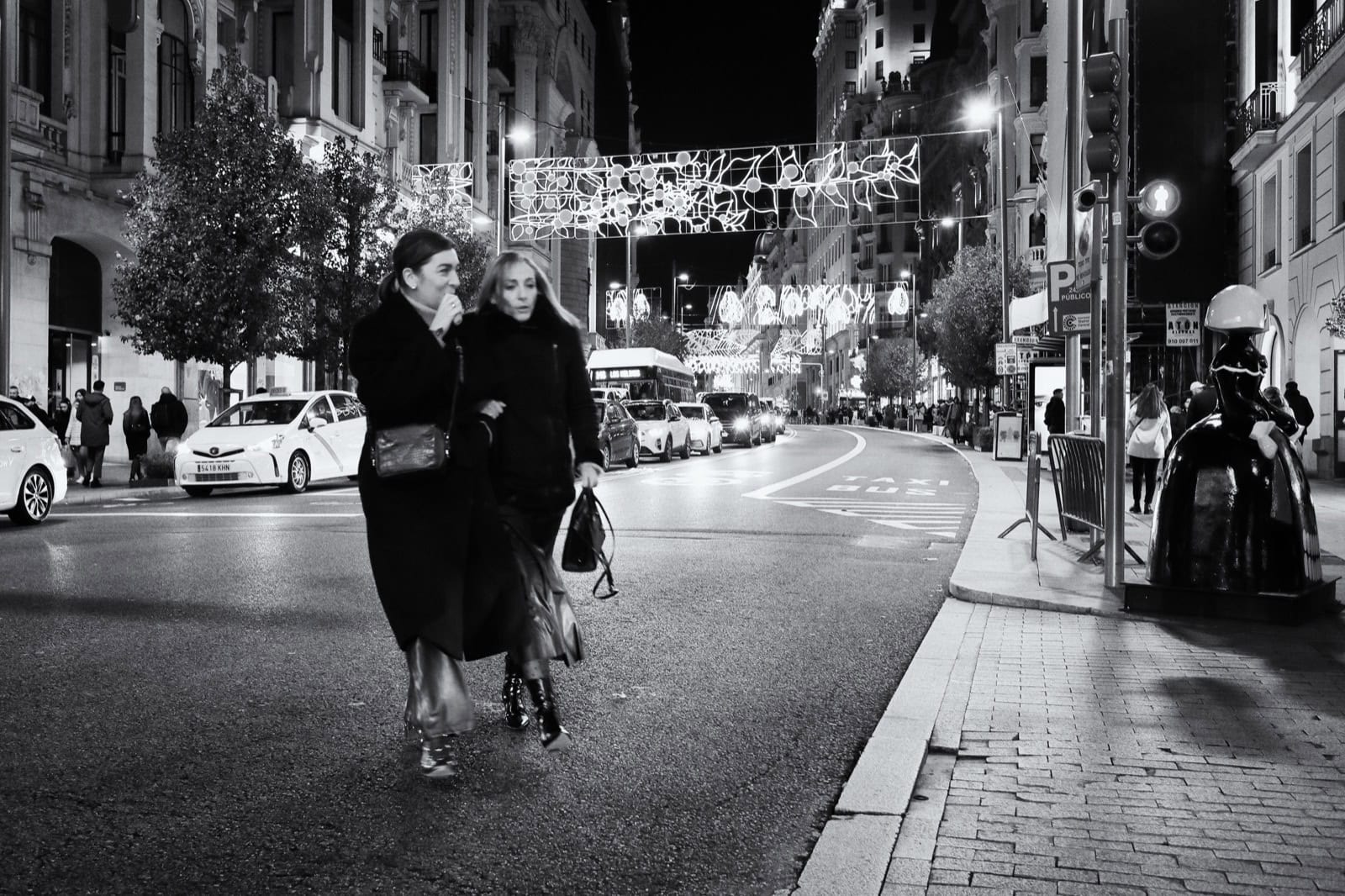
Devote your second day in Madrid to culture and the neighbourhoods you haven’t yet explored. Start the morning at Museo del Prado — one of the finest art museums in the world. Even if you’re not a huge art buff, the works by Velázquez and Goya will draw you in. Buy tickets online in advance — queues can be long in high season. Allow 2–3 hours inside.
If you’ve still got energy for another museum, the Museo Reina Sofía is just nearby — the main draw is Picasso’s Guernica. Admission is free after 19:00, Monday to Saturday (except Tuesday, when it’s closed).
For lunch, head to Malasaña — a hip neighbourhood brimming with independent cafés, vintage shops, and alternative bars. Have brunch at Federal Café or tapas at Bodega de la Ardosa (open since 1892 and serving what might be the best vermouth in Madrid).
In the afternoon, wander through Chueca (LGBTQ+ friendly, full of design shops) and let yourself get lost in the side streets. For a sunset drink, head to one of the rooftop bars — Círculo de Bellas Artes (€5 entry, but the 360° view is worth every penny) or Azotea del Círculo.
Save dinner for the Lavapiés neighbourhood — multicultural, authentic, with the best value-for-money food in all of Madrid. Try Taberna de Antonio Sánchez (Madrid’s oldest tapas bar, since 1830) or La Musa Latina (creative cooking at reasonable prices).
Where to stay:
Same accommodation as Day 5.
Day 7. Madrid → Toledo (half-day trip) → Córdoba
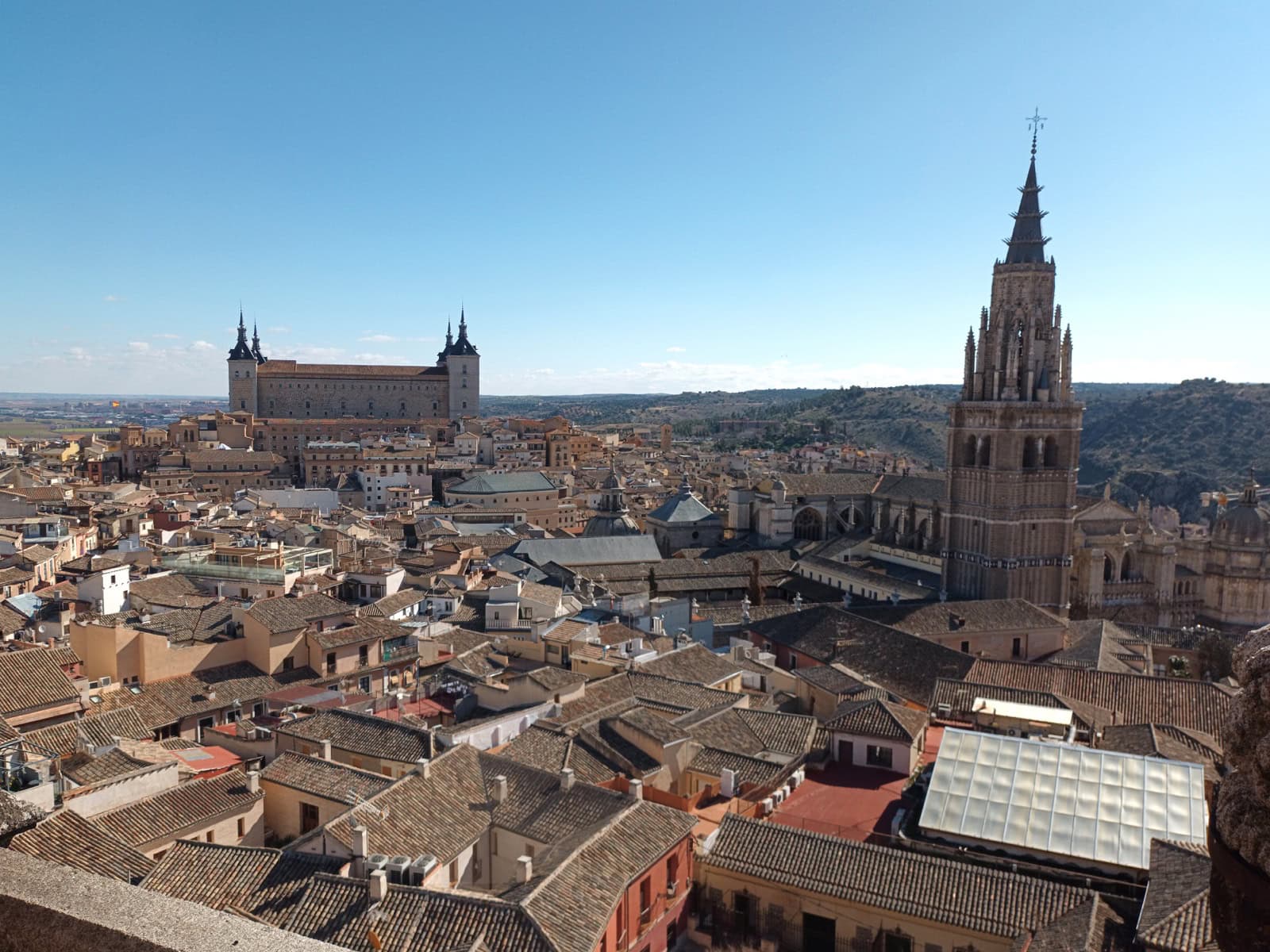
Head out early this morning to Toledo (about 1 hour from Madrid) — the city of three cultures, where Christians, Muslims, and Jews lived side by side for centuries. Toledo is like an open-air museum, and its entire historic centre is a UNESCO World Heritage Site.
Park by the river (easier than finding parking in the centre) and walk up into the town. The Catedral Primada is jaw-dropping (€12.50 entry, but worth it — the interior is one of the richest in all of Spain), the Alcázar offers views over the whole city, and the Synagogue of Santa María la Blanca is a beautiful testament to coexistence between cultures.
For a quick lunch, I recommend Restaurante Adolfo (traditional Castilian cuisine, famous for their lamb) or, for something cheaper, Bar Ludeña (a local institution with great croquetas).
After lunch (around 14:00–15:00), get back in the car and drive to Córdoba (about 3.5 hours). You’ll arrive in the early evening — the perfect time for a first stroll through the old town and dinner. Park up and head into the lanes of the Judería (Jewish quarter) — whitewashed houses, flower pots on the walls, the scent of jasmine. For dinner, try Taberna Salinas (since 1879, authentic Córdoban cuisine) or Bodegas Mezquita (excellent salmorejo — a cold tomato soup that you absolutely must try).
Where to stay in Córdoba:
Stay in the Judería or near the Mezquita. Hotel Hospes Palacio del Bailío (luxury in a historic palace with Roman ruins in the cellar — seriously) or Hotel Mezquita (simpler but right opposite the Mezquita, excellent value).
Day 8. Córdoba — Mezquita and Andalusian charm

Spend the morning at the Mezquita (Mezquita-Catedral) — and brace yourself, because it will leave you speechless. It’s a former mosque converted into a cathedral, and the contrast is utterly unique. Hundreds of columns with red-and-white arches, and right in the middle stands a Renaissance cathedral — there’s nothing else like it anywhere in the world. Entry is €13, though it’s free between 8:30–9:30 in the morning (limited capacity, arrive early). Again, buy tickets online in advance.
After the Mezquita, cross the Puente Romano (Roman bridge over the Guadalquivir) — the views back towards the Mezquita are iconic, the kind you’ve definitely seen on Instagram. On the other side is the Torre de la Calahorra with a small museum.
Lunch: Mercado Victoria — a modern food market with tapas stalls where everyone can find something they fancy (perfect for couples who can never agree on a restaurant 😅). Or go more traditional at Casa Pepe de la Judería — touristy, but the food is surprisingly good.
In the afternoon, explore the Patios de Córdoba — Córdoba is famous for its inner courtyards bursting with flowers. In May there’s the Patio Festival (UNESCO-listed), but even outside the season you can visit some. Don’t miss Palacio de Viana (12 courtyards, each more beautiful than the last, €5 entry).
Spend the late afternoon and evening wandering the lanes — Córdoba in the golden evening light is pure magic.
Where to stay:
Same accommodation as Day 7.
Day 9. Córdoba → Seville

In the morning, set off for Seville (about 1.5 hours) — the capital of Andalusia and, according to many, the most beautiful city in Spain. I won’t lie, for me personally it’s one of my favourite destinations anywhere. The energy, the colours, the scent of orange blossom drifting through the streets…
After arriving and checking in, head straight to the Alcázar (Real Alcázar de Sevilla) — a Moorish palace with stunning gardens that Game of Thrones fans will recognise as Dorne. Buy tickets online at least a week in advance (€14). The gardens are vast and gorgeous — allow at least 2 hours.
Right next door is the Catedral de Sevilla — the largest Gothic cathedral in the world and the third-largest church of any kind. Climb La Giralda (a former minaret converted into a bell tower) — the city views from the top are your reward. Entry €12, combined with the cathedral.
For a late lunch, head to the Triana neighbourhood — cross the bridge and immerse yourself in the most authentic part of Seville. Mercado de Triana has excellent tapas stalls, or sit down at Casa Cuesta (open since 1880). Triana is also the birthplace of flamenco — in the evening, catch an authentic flamenco show. La Casa del Flamenco or Tablao El Arenal are both great choices (tickets from €20, book in advance).
Where to stay in Seville:
The ideal neighbourhoods are Santa Cruz (historic centre, romantic lanes) or Triana (more authentic, cheaper). I recommend Hotel Casa 1800 (a beautiful boutique hotel in Santa Cruz with a stunning rooftop terrace) or Hotel Sacristía de Santa Ana (smaller, in Triana, great value).
Day 10. Seville — Plaza de España, Santa Cruz and tapeo

Start your second day in Seville at Plaza de España — and prepare yourself, because this square will take your breath away. A huge semicircular palace with tiled alcoves representing every Spanish province, a canal with rowing boats, and ornate bridges. Come in the morning before the crowds arrive. Entry is free.
From the square, stroll through Parque de María Luisa — a beautiful park full of fountains, pavilions, and parakeets (yes, wild parakeets, and there are loads of them). Just sit on a bench and take it all in.
Spend the rest of the morning in the Santa Cruz neighbourhood — the former Jewish quarter with lanes so narrow you can barely pass another person. Getting lost here is half the fun. Stop for coffee at La Cacharrería (the locals’ favourite café in Seville) or have breakfast at Bar Alfalfa.
In the afternoon, head to the Metropol Parasol (Setas de Sevilla) — a futuristic wooden structure that looks like giant mushrooms. The roof is walkable and offers views across the entire city (€5 entry, includes a drink). You’ll either love it or hate it — architecturally controversial, but the views are superb.
The evening is time for tapeo — the Sevillian ritual of bar-hopping, having a tapa or two at each place. Start at Bodeguita Antonio Romero (best pringá — a Sevillian speciality), continue to El Rinconcillo (the oldest bar in Seville, since 1670!) and finish at Casa Morales (excellent sherry and tapas in a historic setting).
Where to stay:
Same accommodation as Day 9.
Day 11. Seville → Ronda
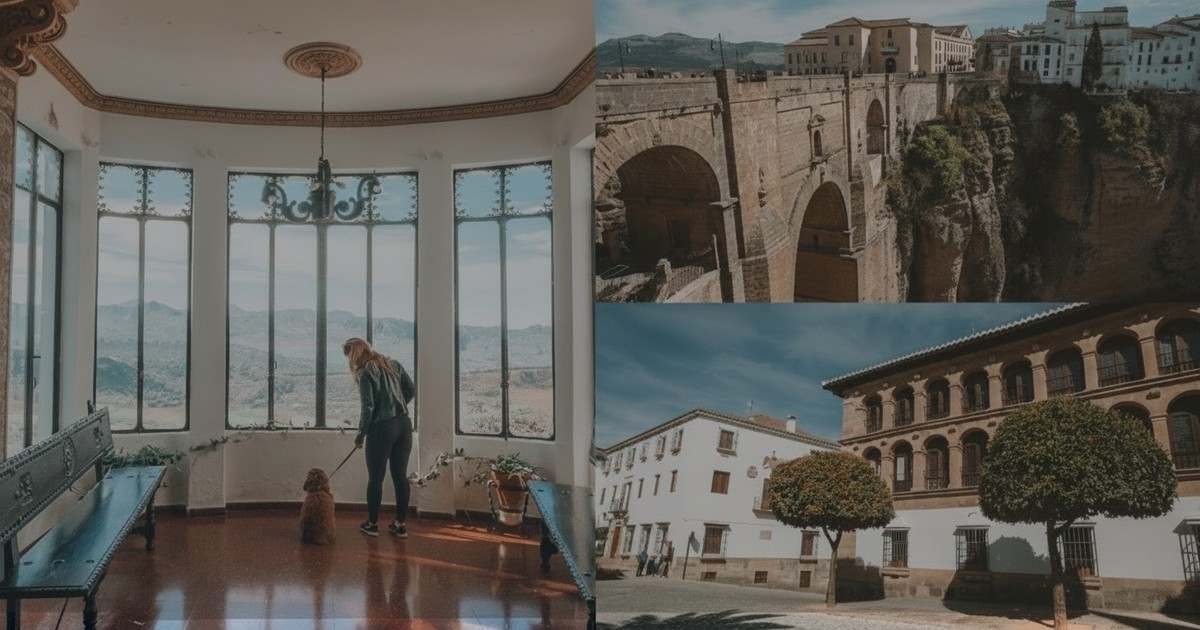
Leave Seville in the morning and make your way to Ronda (about 2 hours). The drive takes you through gorgeous Andalusian countryside — olive groves, white hilltop villages, sunflower fields. The journey itself is a highlight.
Ronda is a town perched on the edge of the dramatic El Tajo gorge — a 100-metre-deep canyon spanned by the iconic stone bridge Puente Nuevo from the 18th century. It’s one of the most photographed sights in Spain, and in person it’s even more spectacular than in pictures.
Start at the bridge and walk along both sides of the gorge — Mirador de Aldehuela and Mirador de Ronda offer the two best viewpoints. Then descend to the bottom of the gorge (the trail is steep but short) — the view looking up at the bridge from below is even more dramatic.
Wander through the old town — Baños Árabes (13th-century Arab baths, €3.50 entry), Palacio de Mondragón (a beautiful palace with Moorish gardens), and the Plaza de Toros — one of the oldest and most beautiful bullrings in Spain (€8 entry, interesting even if you disapprove of bullfighting — the museum explains the historical context).
For lunch, I recommend Restaurante Pedro Romero (right by the arena, traditional cuisine, named after a famous bullfighter) or Tropicana (a tiny tapas bar where the locals go — you’ll barely find it, but the croquetas are heavenly).
In the afternoon, take a short walk to Puente Viejo and Puente Árabe (older bridges below Puente Nuevo) and enjoy the golden afternoon light on the gorge.
Where to stay in Ronda:
One night in Ronda is enough, but it’s well worth staying overnight — the evening and morning light on the gorge is magical. Hotel Catalonia Ronda (right by the gorge, some rooms have views) or Aire de Ronda (smaller, cosy, with a pool).
Day 12. Ronda → Granada

Enjoy one more morning walk around Ronda (it’s a different town without the tourists) and set off around 10:00 for Granada (about 2.5 hours). The road winds through the mountains and is stunning — you’ll pass through the Sierra de las Nieves natural park.
You’ll arrive in Granada around lunchtime. And here I have to tell you about something genuinely brilliant: in Granada, you get free tapas with every beer or glass of wine. Yes, free. And not just a bowl of nuts — proper tapas that change with each round. The more you order, the better the tapas get. This is why Granada is a favourite with students from all over Europe. 😅
Head to the streets around Plaza Nueva and Calle Navas — this is where the highest concentration of free-tapas bars is. I recommend Bodegas Castañeda (a classic, seemingly eternal), Los Diamantes (best fried fish), and Bar Ávila (huge portions of tapas with every drink).
In the afternoon, climb up to the Albaicín quarter — the former Moorish neighbourhood with whitewashed houses, narrow lanes, and the best views of the Alhambra. The most famous viewpoint is Mirador de San Nicolás — the view of the Alhambra with the snow-capped Sierra Nevada mountains behind it is absolutely iconic. Come at sunset and bring a glass of wine. ☺️
For dinner, get lost in the lanes of the Albaicín — Ruta del Azafrán (creative Andalusian cuisine) or Arrayanes (excellent Moroccan food — a reminder of the city’s Moorish heritage).
Where to stay in Granada:
Stay in the Albaicín (atmosphere and views, but watch out for steep hills with suitcases) or near Plaza Nueva (more practical). Hotel Casa 1800 Granada (beautiful, rooftop terrace with Alhambra views) or Palacio de Santa Inés (historic palace at a fair price).
Day 13. Granada — Alhambra and Sacromonte quarter

Today is all about the Alhambra — and please pay attention here: buy tickets at least 2–3 weeks in advance, and in peak season even a month ahead. The Alhambra has a daily visitor limit and sells out. This is genuinely not an exaggeration — without a pre-purchased ticket you won’t get in, and missing it would be a real shame.
Entry is €14 and includes the Nasrid Palaces (the main highlight — timed entry slot!), the Generalife gardens, and the Alcazaba fortress. The Nasrid Palaces are the reason people travel here from all over the world — delicate stucco ornamentation, geometric mosaics, water features… it’s simply the finest example of Moorish architecture in existence. Don’t rush it — give it the whole morning.
The Generalife gardens are gorgeous — the summer residence of the Nasrid sultans, with fountains, rose beds, and views over the city. From the Alcazaba (the oldest part, a military fortress) you get fantastic panoramic views.
In the afternoon, head to the Sacromonte quarter — the Roma neighbourhood with cave dwellings carved into the hillside, where Romani people have traditionally lived and where Granada’s flamenco was born. You can visit the Museo Cuevas del Sacromonte (€5 entry) and in the evening, catch a flamenco show in a cave — a more authentic experience than anywhere else in Spain. Venta El Gallo or Cueva de la Rocío are excellent choices (around €25–35).
To round off the day, have tea at one of the teterías (tea houses) on Calderería Nueva street — Moroccan-style tea rooms with baklava and mint tea, where you’ll feel like you’ve been transported to Marrakech.
Where to stay:
Same accommodation as Day 12.
Day 14. Granada → Valencia
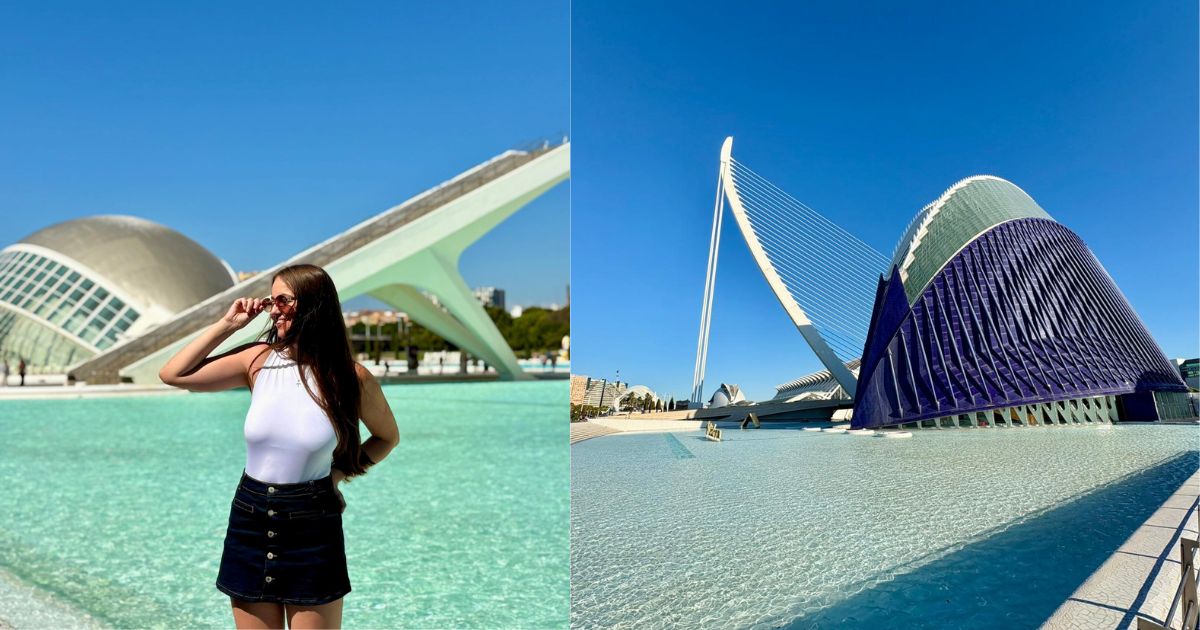
The last day of the roadtrip! Enjoy a relaxed breakfast (churros with chocolate at Café Fútbol — a Granada legend since 1952), say goodbye to Granada, and head for Valencia (about 4.5 hours, though the drive through La Mancha with its windmills is worth a photo stop).
You’ll arrive in Valencia in the afternoon. The city is wonderfully vibrant, colourful, and still slightly underrated — which is part of its charm. Start at the Ciudad de las Artes y las Ciencias — a futuristic complex of buildings by Calatrava that looks like it’s from another planet. Even if you don’t go inside (Oceanogràfic, science museum), the architecture from outside is staggering.
Walk along the bed of the former river — Turia Gardens — a 9 km-long park running through the entire city (the river was rerouted after floods in the 1960s and replaced with a park — a genius idea).
For your farewell dinner, have paella — you’re in Valencia, the birthplace of paella, so it’s practically obligatory. But a word of warning: authentic Valencian paella is made with chicken, rabbit, and beans — NOT with seafood (that’s a different dish). I recommend La Pepica (a classic since 1898, right on the beach) or Casa Carmela (paella cooked over a wood fire — about as authentic as it gets). For the seafood version (arroz a banda), try La Cigrona.
In the evening, wander through the El Carmen neighbourhood — street art, bars, a buzzing atmosphere. Say farewell to Spain with a glass of agua de Valencia (a cocktail of cava, orange juice, and gin — sweet, dangerously drinkable, and the perfect full stop for your roadtrip 😁).
Where to stay in Valencia:
For your last night, I recommend the centre — El Carmen or Ruzafa neighbourhood (hip, full of cafés). Caro Hotel (luxurious, in a historic building with Roman and Arabic elements) or One Shot Mercat 09 (modern design, great location near the market).
Map of points of interest for your phone
Practical tips to wrap up
What to pack
Spain from April to October means light clothing, but evenings in the mountains (Ronda, Granada) can get chilly. Comfortable shoes for cobblestones are a must — Andalusian towns are steep and paved with stone. If you’re planning any hiking, check out our tips on hiking boots. And definitely read our guide on how to pack in carry-on luggage only — even a two-week roadtrip can be done with just hand luggage.
Insurance and eSIM
For a roadtrip around Europe, I’d recommend having travel insurance — even a basic policy gives you peace of mind. You can read about our experience with insurance providers in our SafetyWing review. And if you want reliable mobile data (for navigation, Google Maps, reservations), check out our Holafly eSIM review — while UK mobile plans often include EU roaming, it’s worth checking your data allowance before you go.
What to watch out for in Spain
- Pickpockets — Barcelona and Madrid are notorious for this. Be vigilant on the metro, on La Rambla, and in tourist crowds. Don’t leave anything visible in the car.
- Siesta is real — between 14:00 and 17:00, many smaller shops and restaurants are closed, especially outside major cities.
- Spaniards eat late — if you go to a restaurant before 21:00 for dinner, you’ll likely be the only ones there. Embrace it — it’s part of the experience.
- Low Emission Zones (ZBE) — Barcelona, Madrid, and Seville all have them. A newer rental car shouldn’t cause any issues.
- Scorching heat in Andalusia — July–August means 40 °C+. Drink plenty of water and rest during midday.
Further reading: more Spain articles
Want to dive deeper into some of the roadtrip stops? Here are our detailed guides to individual cities and regions:
- What to see in Barcelona — 25+ tips on Gaudí masterpieces, the Gothic Quarter, and the best tapas
- Seville travel guide — 32 tips on what to see in Andalusia’s capital
- What to see in Granada — 15 tips including the Alhambra and the Albaicín
- Córdoba: 15 things to see — The Mezquita, Judería, and Córdoba’s patios
- Ronda: 10 things to see — The town perched above the El Tajo gorge
- Valencia: 27 things to see — The futuristic City of Arts and Sciences and the birthplace of paella
- 20 most beautiful places in Andalusia — Itinerary and map for exploring southern Spain
- Traditional Spanish food — What to try region by region
Frequently asked questions about a Spain roadtrip
Before you set off, here are answers to the questions our readers ask most often about planning a Spain roadtrip.
Tips and Tricks for Your Vacation
Don’t Overpay for Flights
Search for flights on Kayak. It’s our favorite search engine because it scans the websites of all airlines and always finds the cheapest connection.
Book Your Accommodation Smartly
The best experiences we’ve had when looking for accommodation (from Alaska to Morocco) are with Booking.com, where hotels, apartments, and entire houses are usually the cheapest and most widely available.
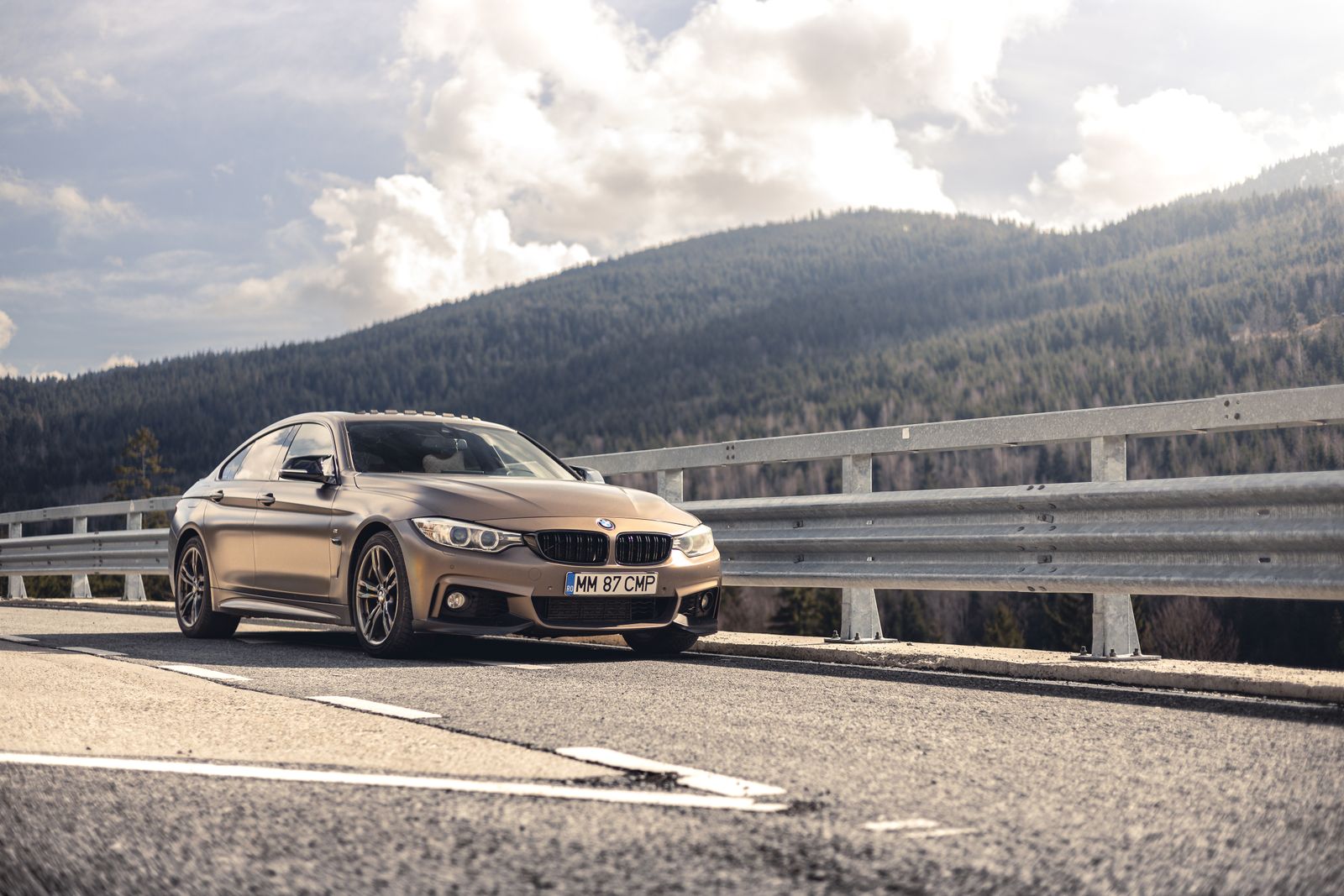 🚗 Car rental on the roadVerified rental cars in Spain
Search with the DiscoverCars comparison engine — it compares prices from dozens of local and international rental companies, and most bookings come with free cancellation.
Compare car prices in Spain →Don’t Forget Travel Insurance
Good travel insurance will protect you against illness, accidents, theft, or flight cancellations. We’ve had a few hospital visits abroad, so we know how important it is to have proper insurance arranged.
Where we insure ourselves: SafetyWing (simple monthly subscription) and TrueTraveller (for extra-long trips).
Find the Best Experiences
Get Your Guide is a huge online marketplace where you can book guided walks, trips, skip-the-line tickets, tours, and much more. We always find some extra fun there!