

People thought we were crazy when we announced before Christmas that we were driving to Spain by car for New Year’s Eve. “You know aeroplanes exist, right? This is pure masochism!” We didn’t overthink it — we started looking for accommodation on 19th December, and only then did we realise that Salamanca, our destination, was 2,500 km away. This 12-day road trip across Europe turned out to be one of the best adventures we’ve ever had.
Come along and see how our epic European road trip unfolded.
The drive was far from easy. But despite that, we consider this road trip one of the best — and cheapest — we’ve ever done.
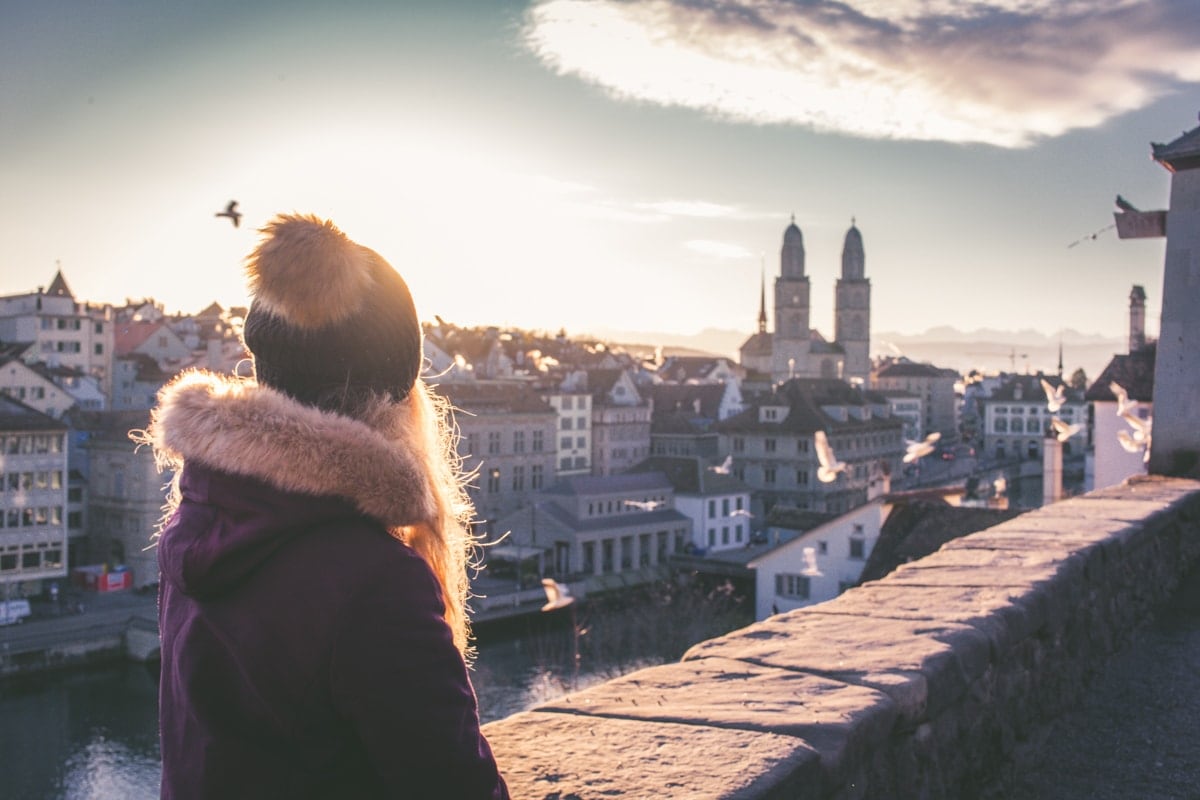
How to plan a road trip across Europe: Travelling in four saves money but can quickly turn into a horror
We were a bit nervous about travelling as a group of four. Many people had told us horror stories about falling out with travel companions after just one day, and for nearly four years we’d avoided group trips because of it. Somehow, we treated this New Year’s trip as a quick getaway — we didn’t realise it would end up taking 12 days.
Our lack of planning actually saved us from worrying that if we didn’t get along, we’d be suffering together 24 hours a day for 12 days straight.
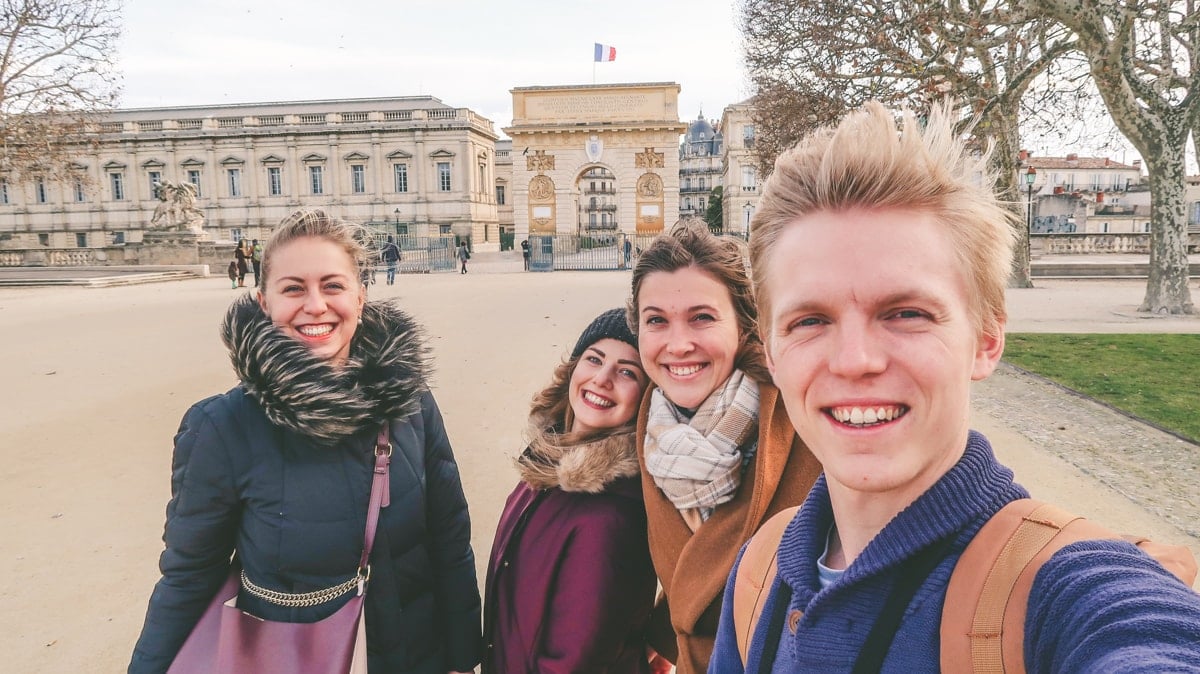
Thankfully, there was no bloodshed whatsoever — the only thing that suffered were our abs from laughing so hard.
Driving to Spain by car
Once our friends got over the shock that we were driving, the next comment was usually: “Lucky you, heading somewhere warm!” But that’s a big myth! Salamanca in winter is just as cold as central Europe.
The Spanish university city of Salamanca, where we were meant to arrive for New Year’s Eve, was at least 22 hours of driving south. We decided to break up the journey with two overnight stops — and eventually added a spontaneous third one.
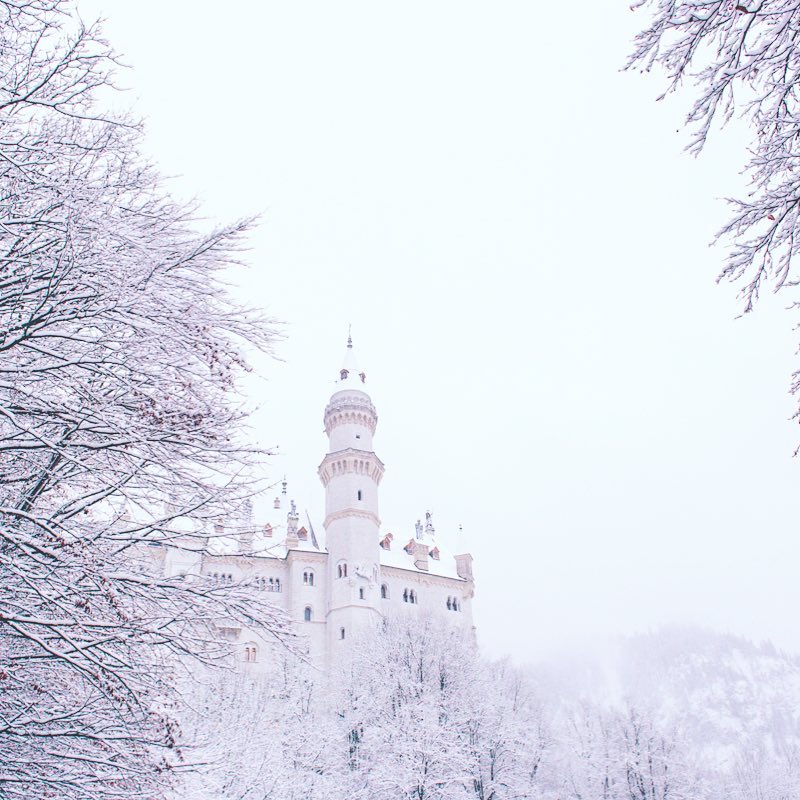
The blizzard that had followed us from the start didn’t stop us from making our first detour on the way to Zurich. We wanted to spice up the drive with a visit to the famous Neuschwanstein Castle, which supposedly inspired the Disney castle. It only added about an hour to our route to Zurich.
Driving across Europe: Neuschwanstein is packed with tourists even in winter
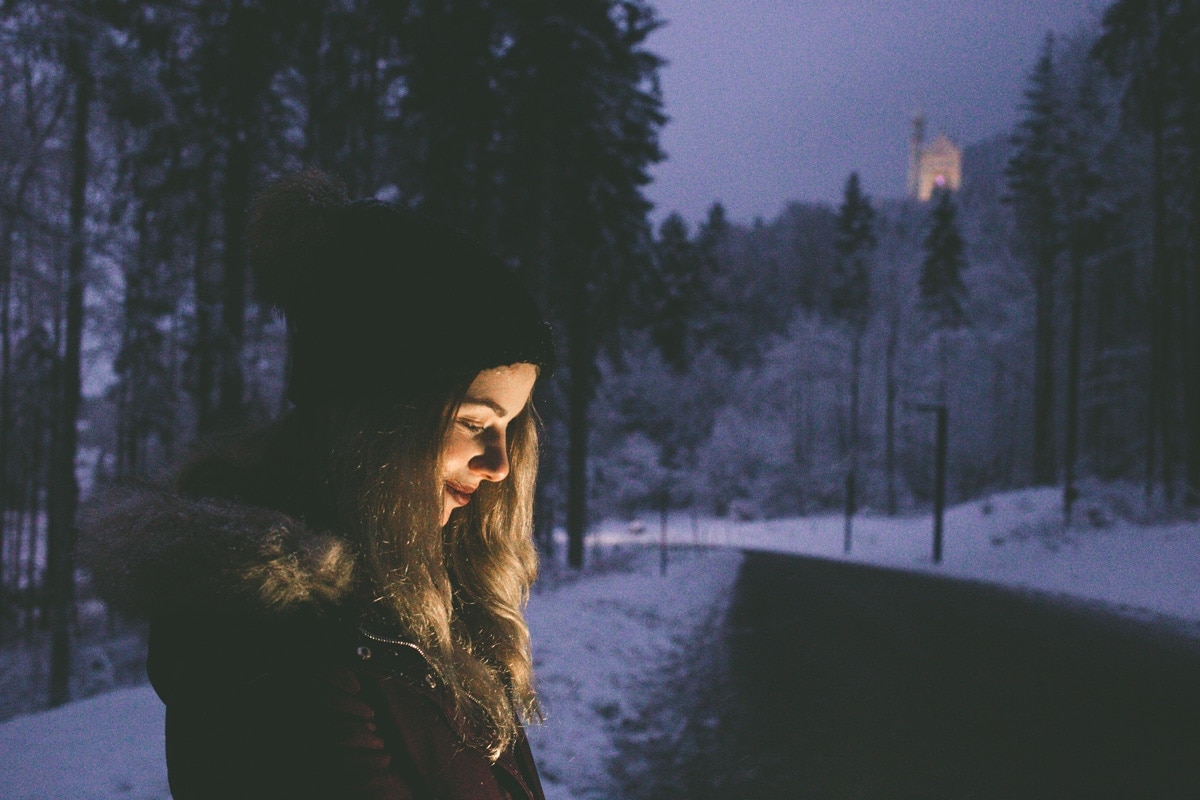
Even in winter, in terrible weather, crowds of tourists march up to the castle. So we didn’t have to worry that when darkness fell on the way back, we’d be surrounded by nothing but pitch-black forest with all sorts of bogeymen lurking in the shadows.
Zurich accommodation: Where we slept and how much it cost
After 776 km, we arrived in Zurich at half past nine and were grateful that the accommodation was self-check-in — no need to talk to anyone or fill in any forms.
Zurich accommodation with parking for 4 people cost us about €95: Swiss Star Zurich Airport
We wished we could stay in Zurich
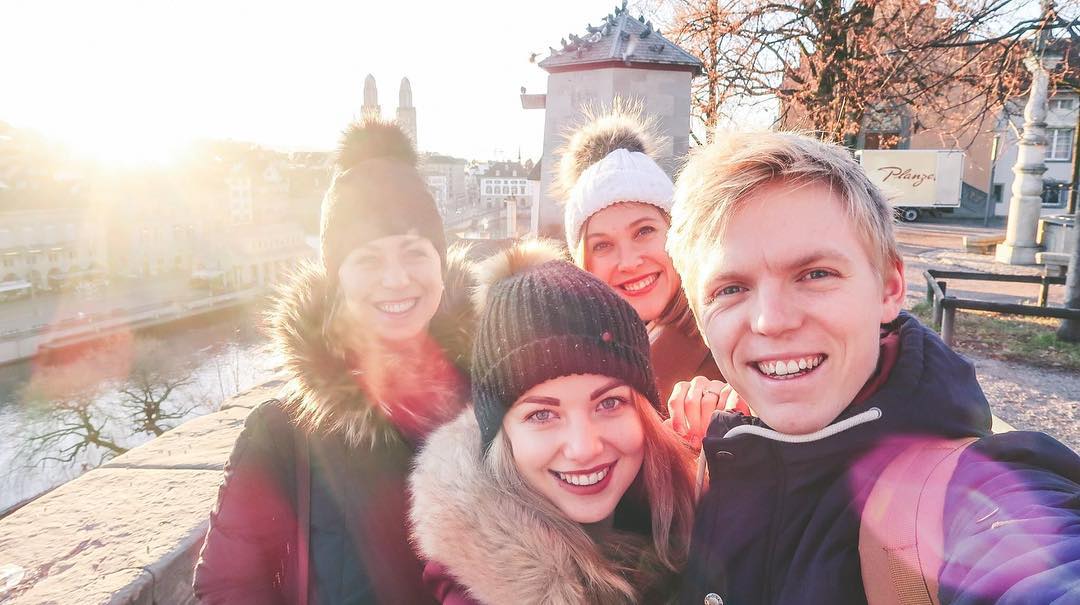
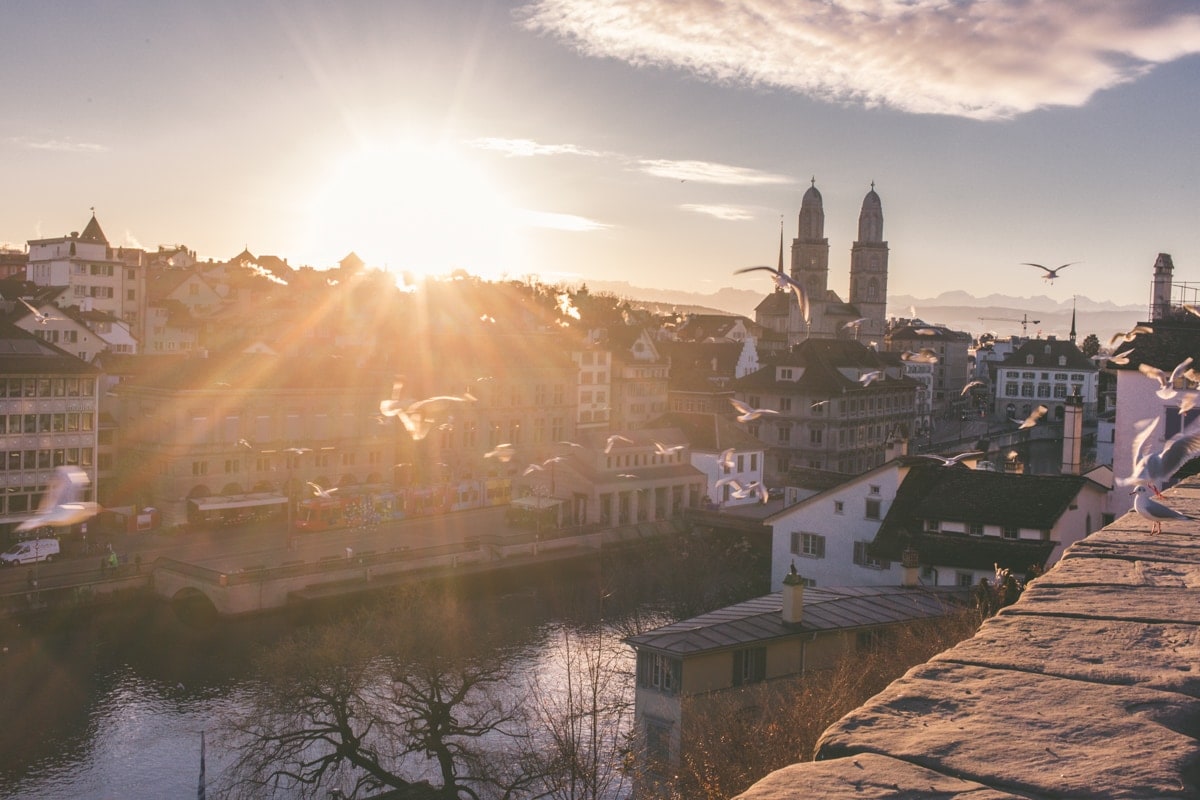
Zurich is one of those cities where we longed to stay longer. The weather the Swiss city had prepared for us was something we’d later look back on with fond nostalgia. Originally, we’d planned the Switzerland stop mainly because Apple products are several hundred euros cheaper in Zurich, and we were picking up new laptops.
But of all the cities we visited, Zurich was Lukáš’s and my favourite. In the end, we stayed not just for breakfast but also for lunch, and didn’t leave until around two in the afternoon.

Southern France accommodation: The most romantic stay for next to nothing
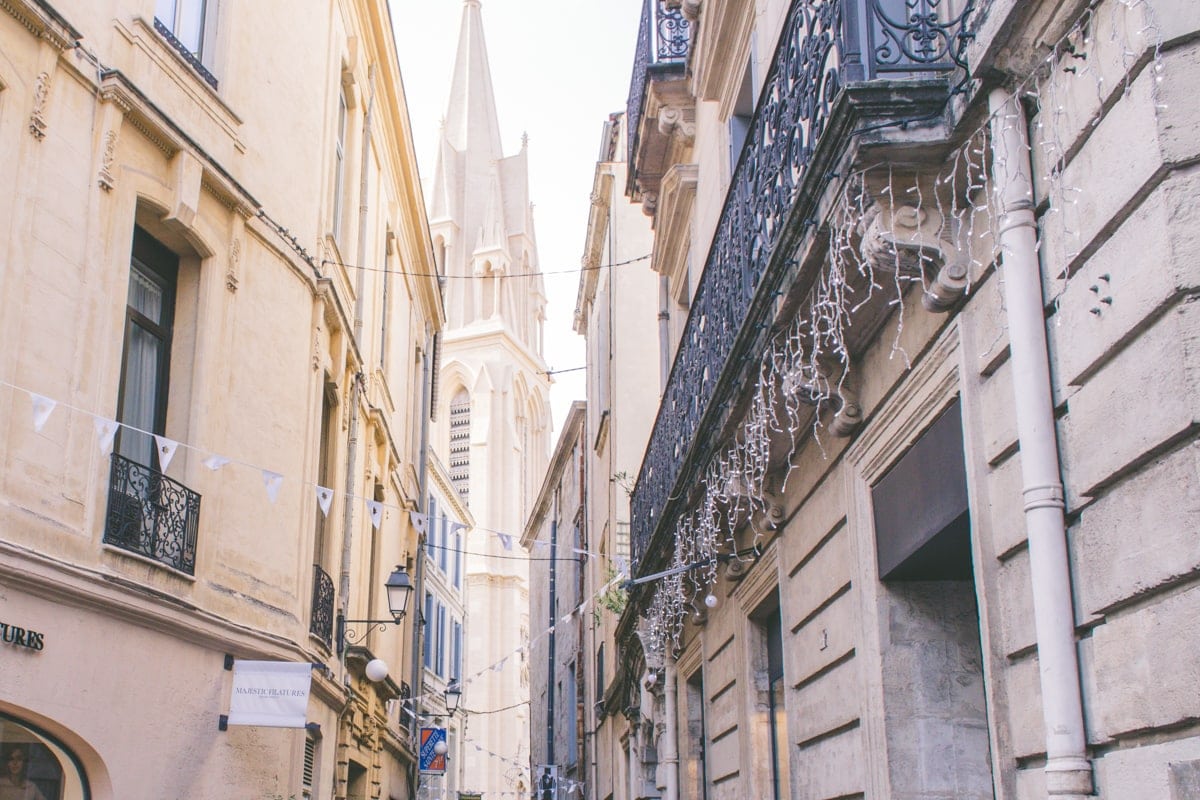
We covered another 725 km in eight hours, moving from Switzerland to the south of France. The streets weren’t as spotless, but there was salt in the air, palm trees lined the roads, and we checked into a romantic little garden cottage via Airbnb, which cost only about €57 for 4 people.
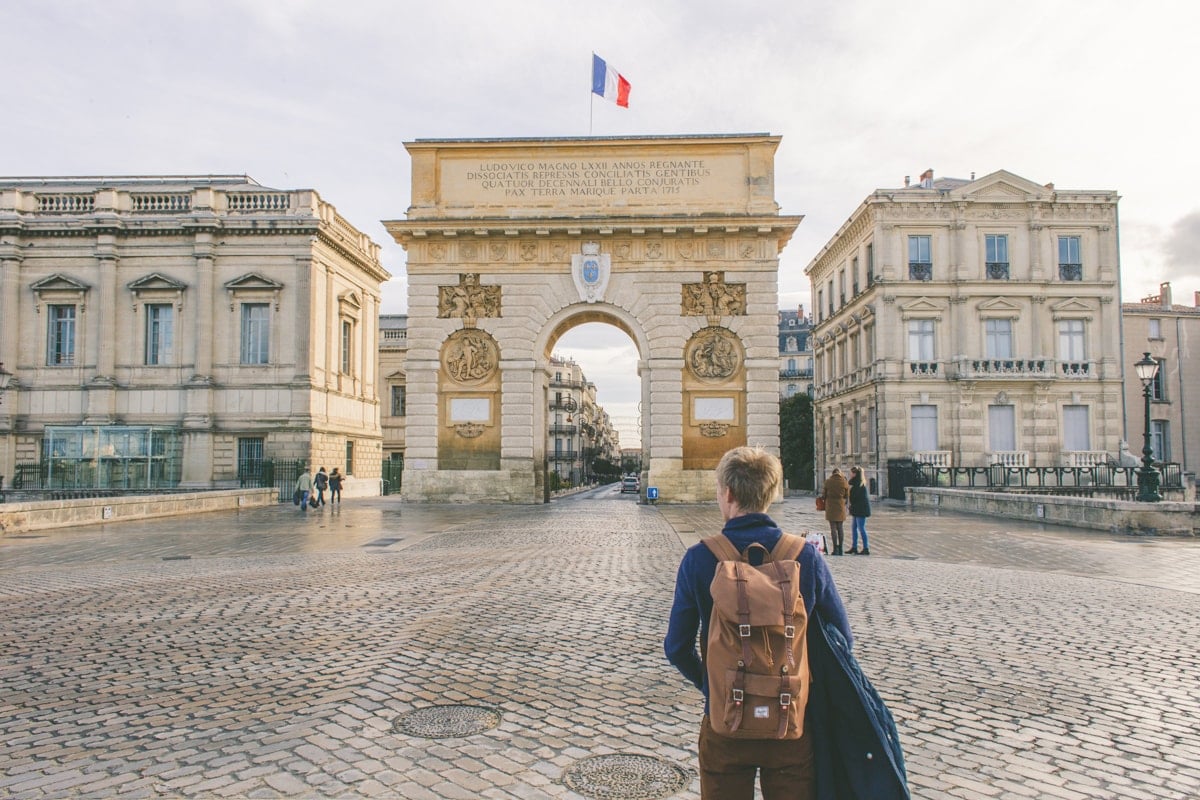
With the south came warmth. We were still wearing our woolly hats more out of principle than necessity — in reality, we were sitting at an outdoor café enjoying 16°C.
San Sebastián: An unplanned stop
Originally, we wanted to rush straight to Salamanca — no extra stops planned. But the girls, dreaming of tapas and wine, suggested a detour to San Sebastián.
Until that day, we didn’t actually know what tapas were. Essentially, they’re bite-sized portions of just about anything. The best ones we tried were a mini burger and goat’s cheese with caramelised onion on a baguette. Practically every bar had tapas, and no two places served the same ones.
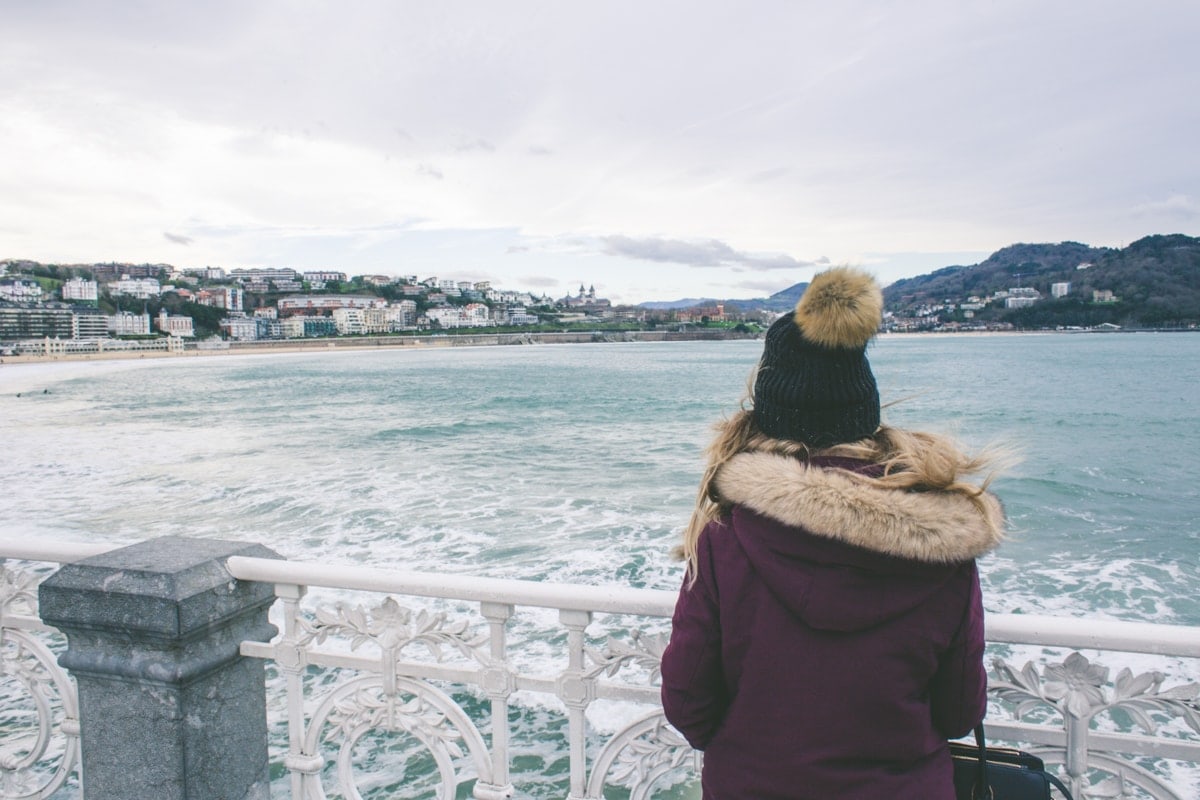
The day before New Year’s Eve, San Sebastián treated us to a massive fireworks display, and the streets were more packed than Piccadilly Circus on a Saturday night. We squeezed our way into bars, where we crammed in alongside the locals.
We half hoped it was just a pre-NYE thing, but we were told the Spanish are simply always out on the streets. We booked accommodation last minute (that same afternoon) and chose Pension Txingurri for about €86.
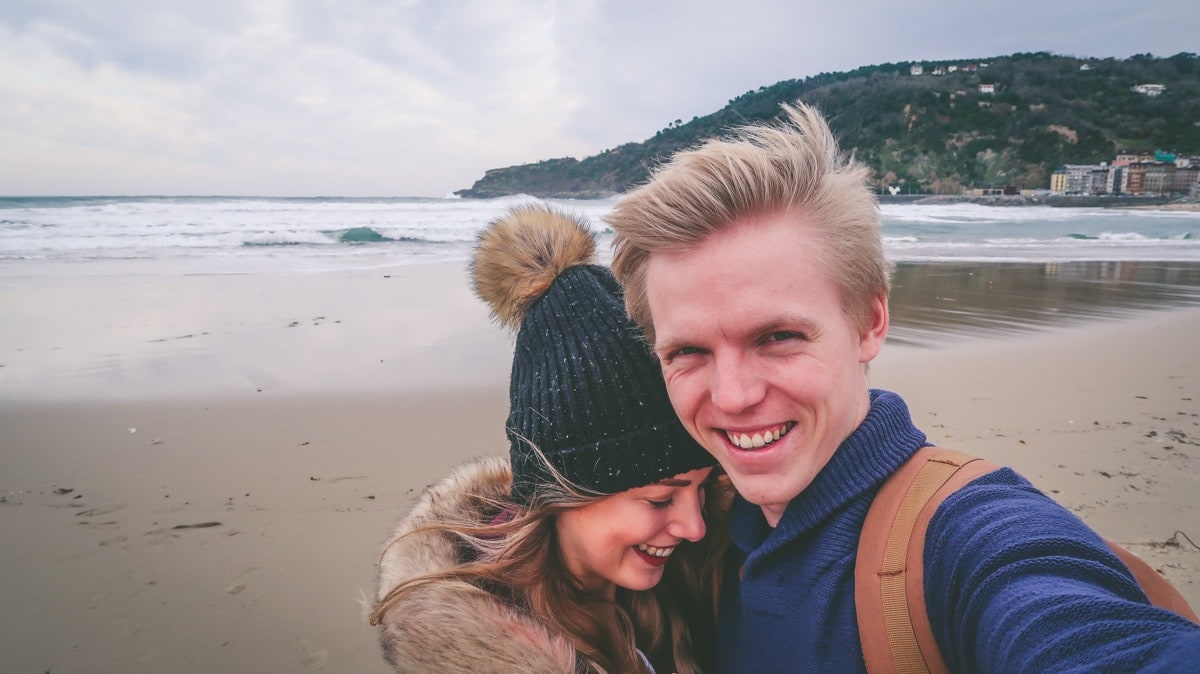
Road trip places in Europe: Salamanca
That morning, we discovered a real gem in Spain — Sakona Coffee Roasters. Gábi, who lives in Salamanca, had been complaining that good coffee shops are hard to find there. She urged us to drink a few extra coffees while we could, because we wouldn’t be having good coffee for a while. We did as she commanded, and we were glad we did. She was right.
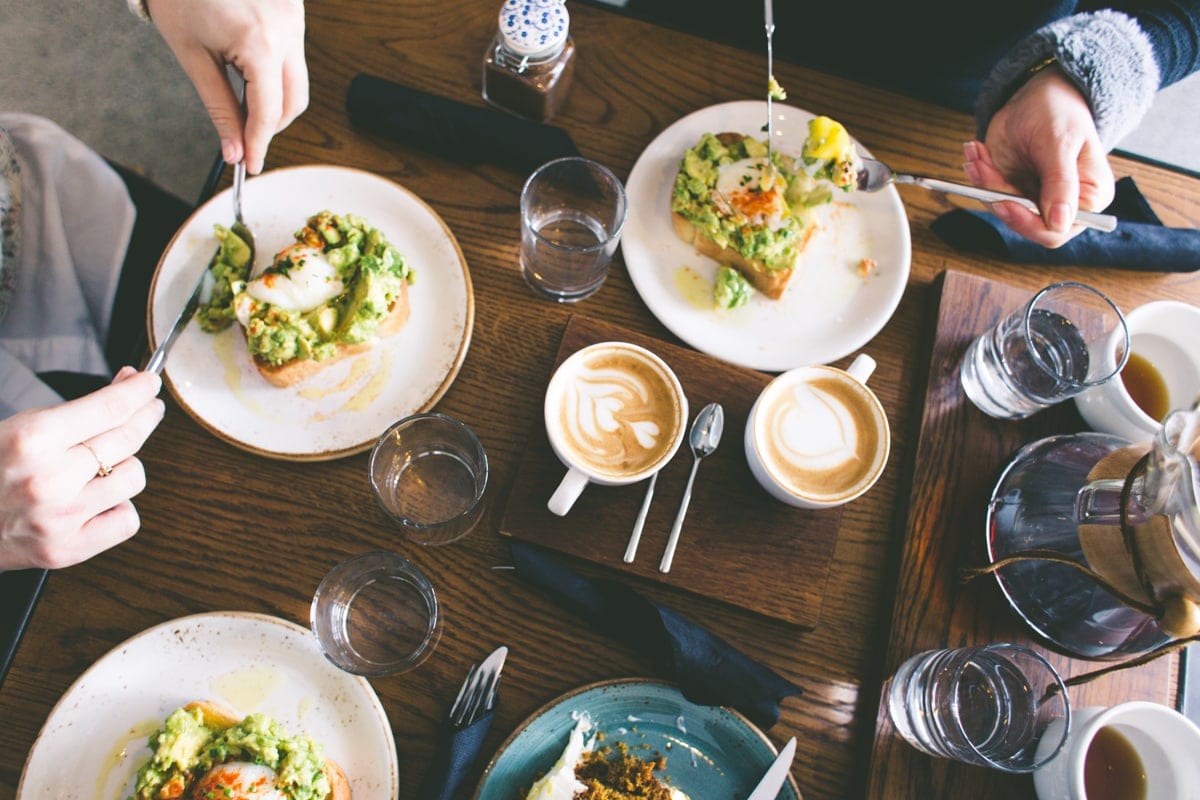
The New Year’s Eve party doesn’t start until 2am
After a total of 2,450 km driven, we arrived in Salamanca on New Year’s Eve around six in the evening, just as it was getting dark. In Spain, New Year’s Eve is celebrated with family — the festivities feel more like a British Christmas dinner — so the real party doesn’t kick off until around two in the morning.

Fighting over grapes and then eating them
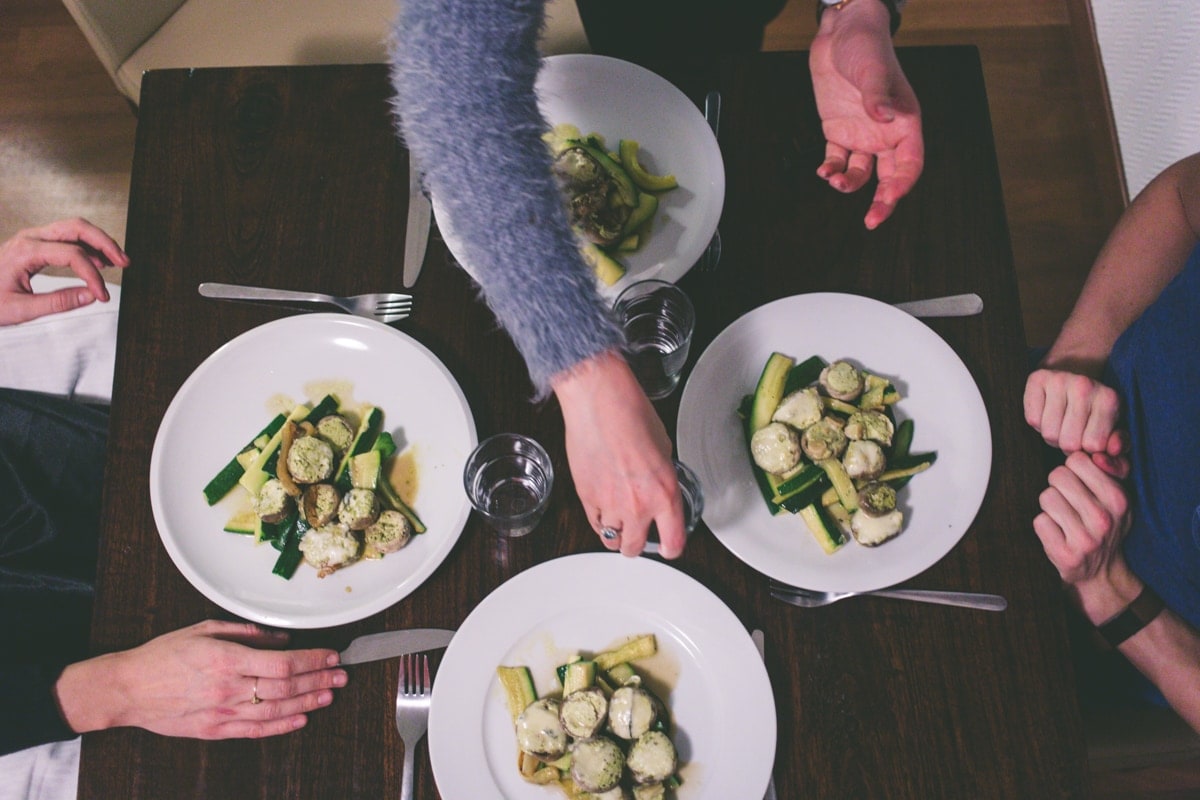
There was no rush. We prepared our own homemade tapas dinner, and just about managed to eat everything before midnight so we could head to the main square with a kilo of grapes. Getting hold of grapes before New Year’s Eve is a story in itself — it basically meant wrestling a dozen Spaniards for them.
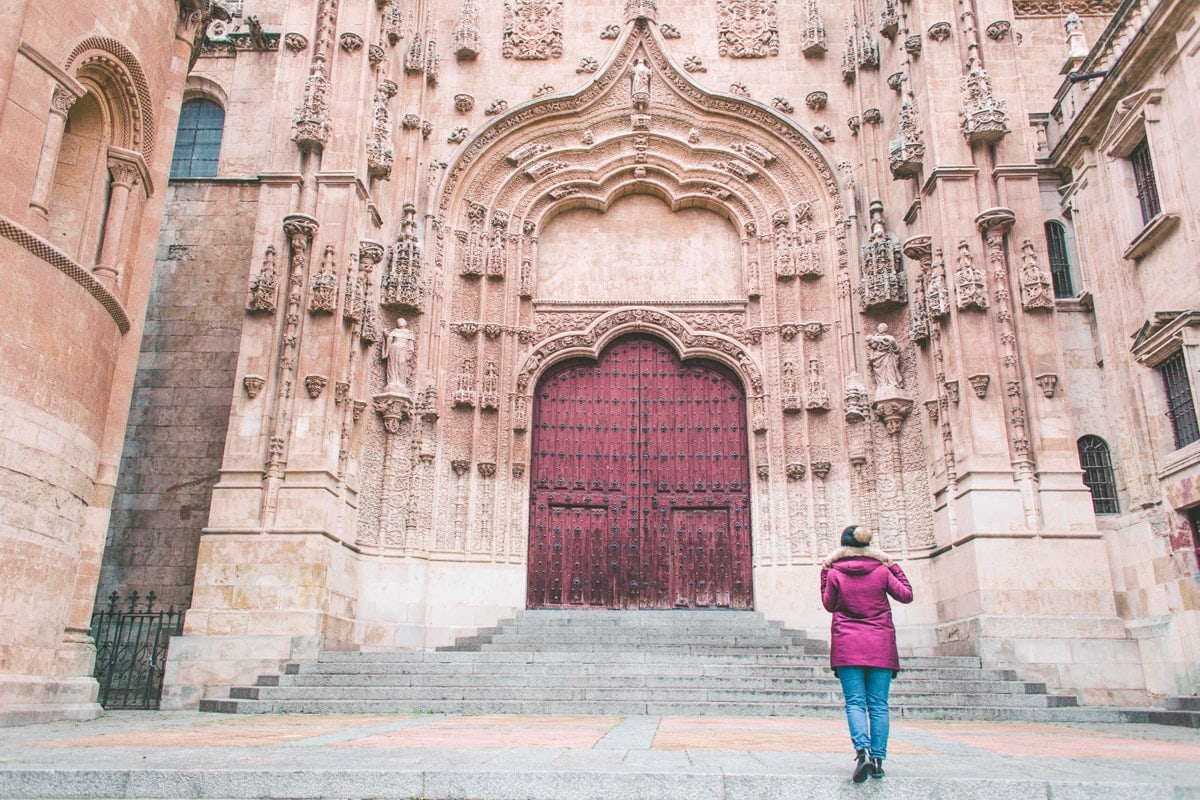
At 9am you won’t see a soul in the streets
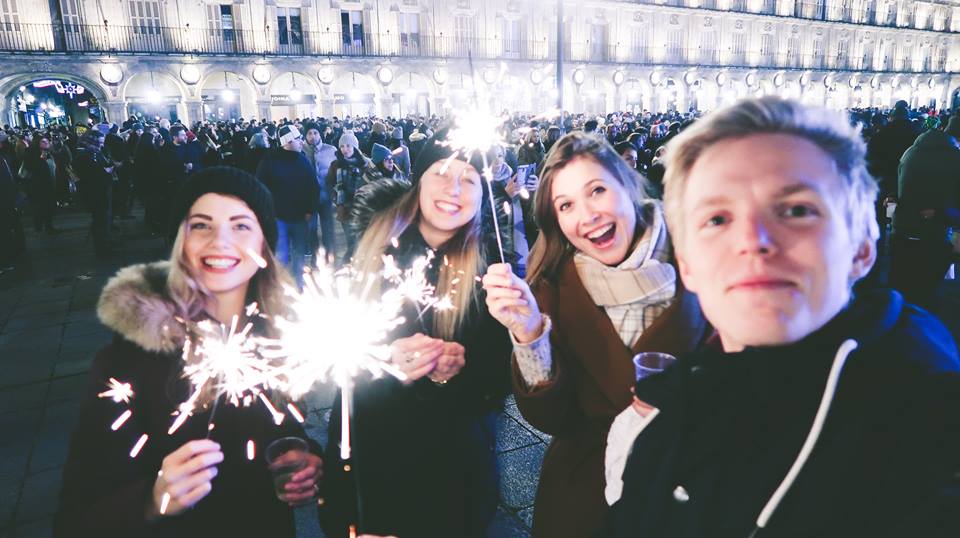
At midnight, the tradition is to eat one grape with each bell chime. So there we were on the square, ready and waiting for the bells, but the Spanish crowd was so loud we couldn’t hear them at all — and ended up chomping five grapes at once.
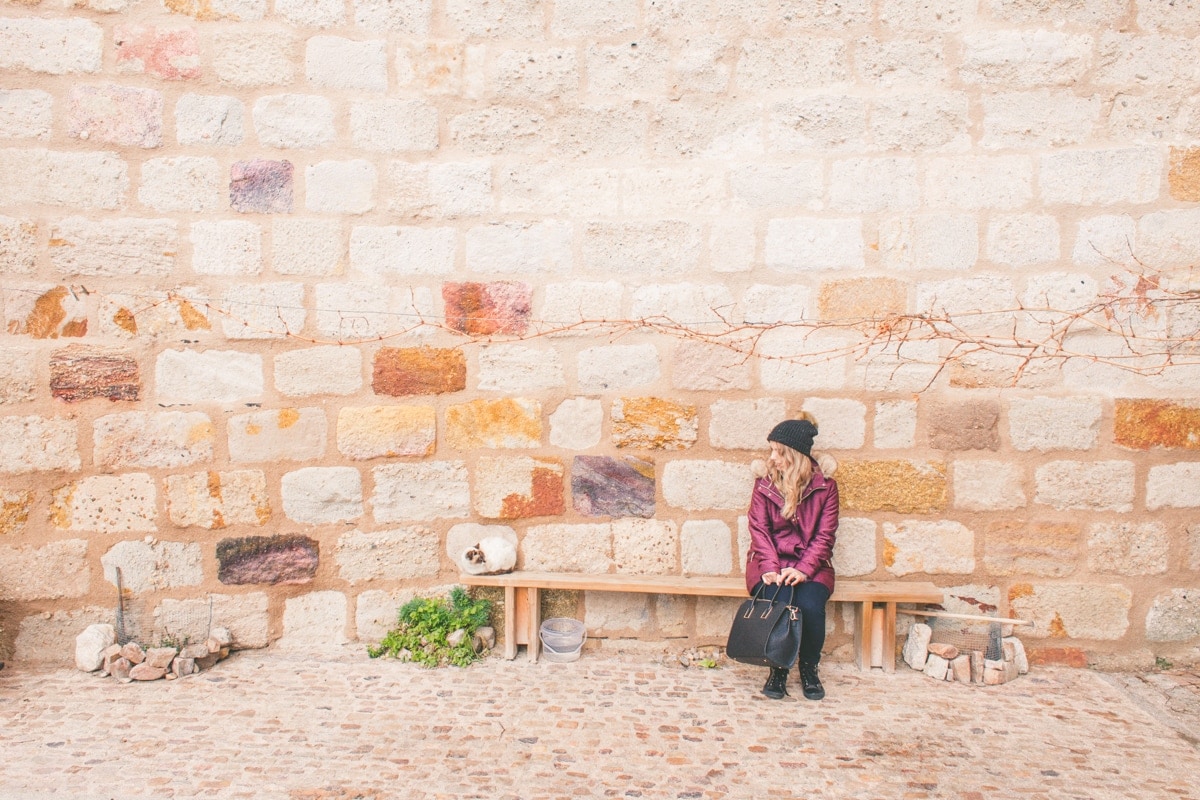
Once we’d recovered, we began exploring Salamanca and its surroundings. Salamanca is a university city, drawing students from all over the world, including our friend Gábi. The first thing that grabs your attention is the massive cathedral dominating the centre. The old town is very compact and enclosed — you can easily transport yourself back to the Middle Ages and imagine what life was like here centuries ago. Especially if you head out around nine in the morning. You won’t see a soul.
Spain lives at its own pace
We were beginning to understand that Spain runs on its own clock, and that clock doesn’t start ticking until around eleven in the morning. In the evening, on the other hand, you won’t find a single street corner without people. “Here, people go out around 10pm, concerts start at midnight. Everything’s shifted. When I tried to meet up at eight, they thought I was mad,” Gábi explained. But we couldn’t adjust that quickly — at times we suspected she’d be relieved when we left and stopped waking her at 7:30am.
How do people date in Salamanca?
If you want to get the Spanish talking, try asking: how does dating work in Spain? To summarise what we learned: “Everyone’s seeing everyone, and sometimes something comes of it. Usually not, though.” So friends-with-benefits situations are apparently the norm here. Traditional courtship as we know it in the UK simply doesn’t apply.
A village where the dead watch you and you get coffee at the butcher’s
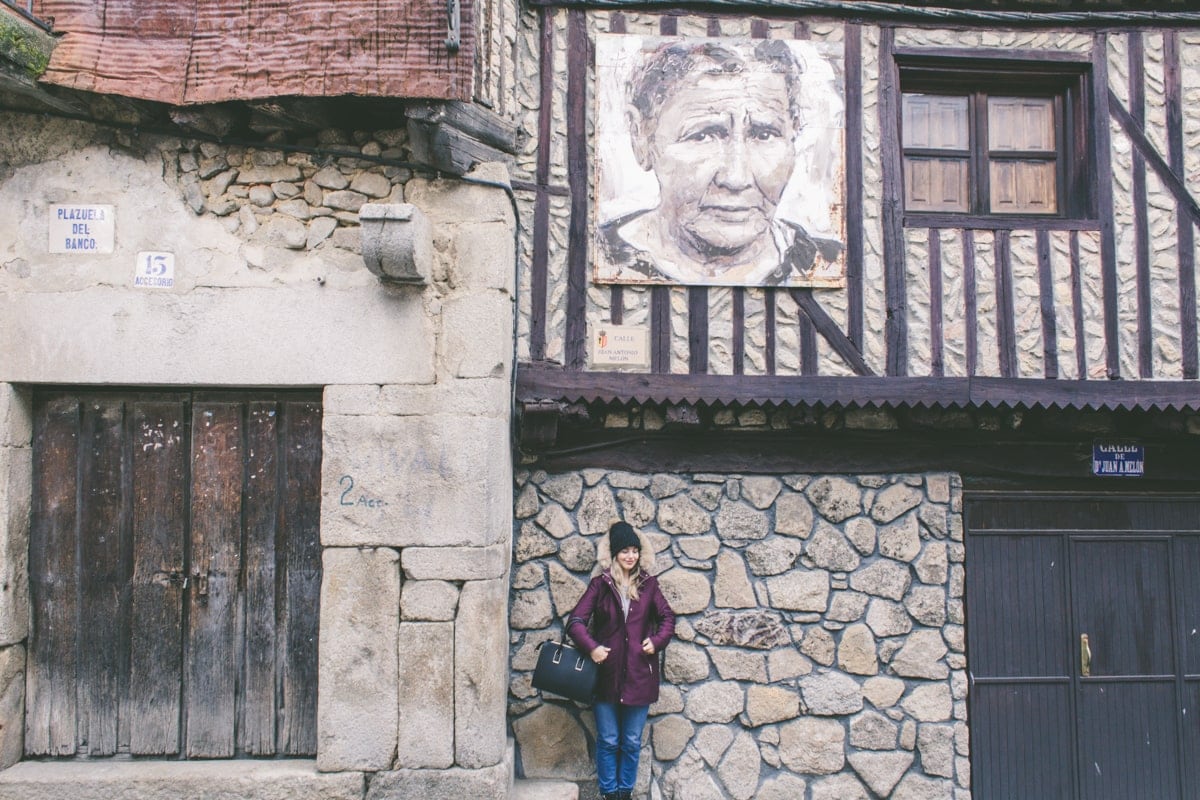
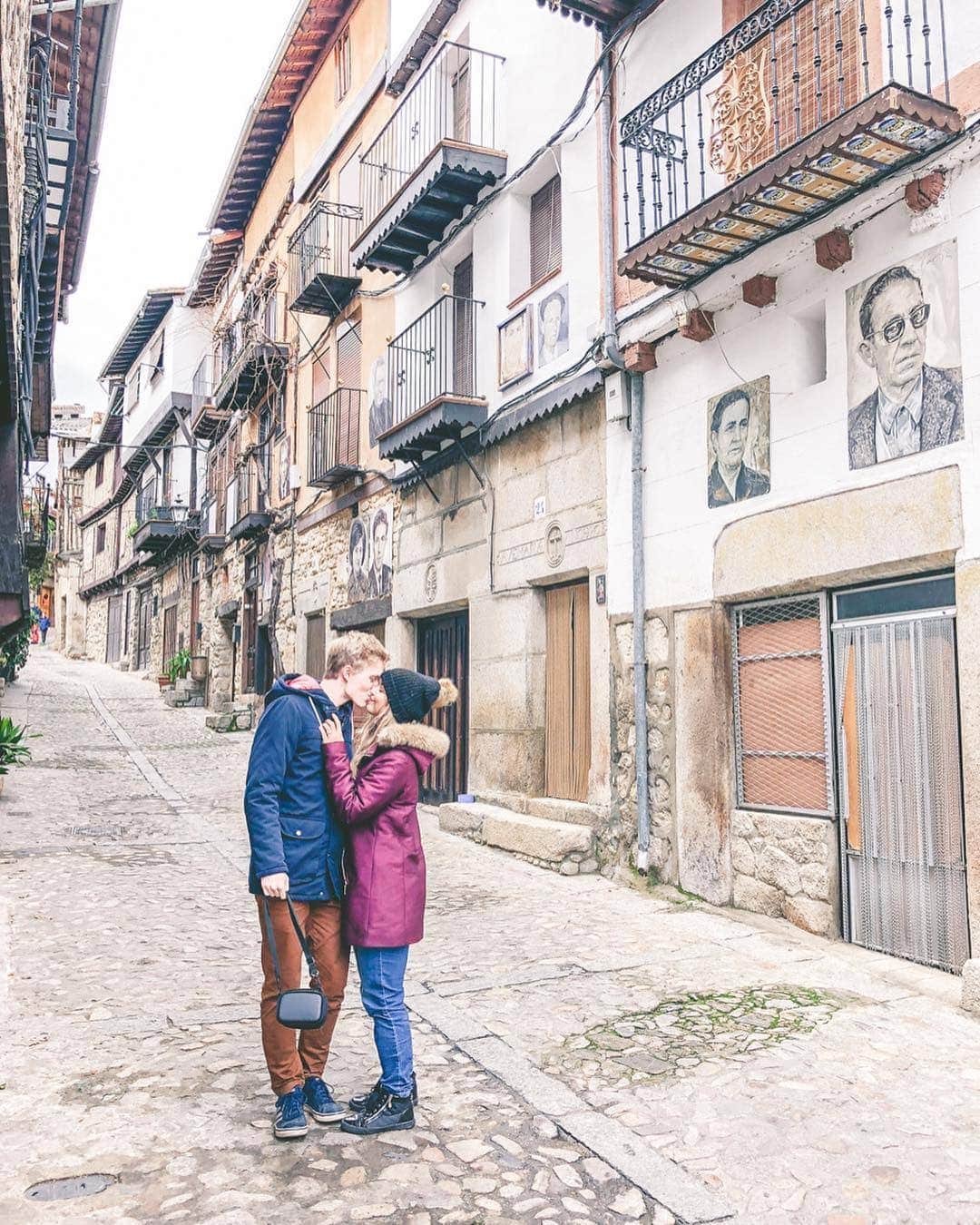
Our first day trip outside the city was to the Sierra de Francia. This mountain range, about 70 km away, isn’t just known for its enchanting nature (which you can’t fully appreciate in winter), but above all for its tiny villages that transport you a few centuries back in time. We were most fascinated by La Alberca and Mogarraz, where portraits of former residents hang on every house.
It felt a bit eerie at times, imagining portraits of our own ancestors staring down at us from the walls. We wouldn’t want to live here. La Alberca, on the other hand, was a beautiful, sleepy little town where even at eleven o’clock everything was still shut. We had to go to the butcher’s shop for our morning coffee.
Spain is cheaper than the UK — at least outside Madrid and Barcelona
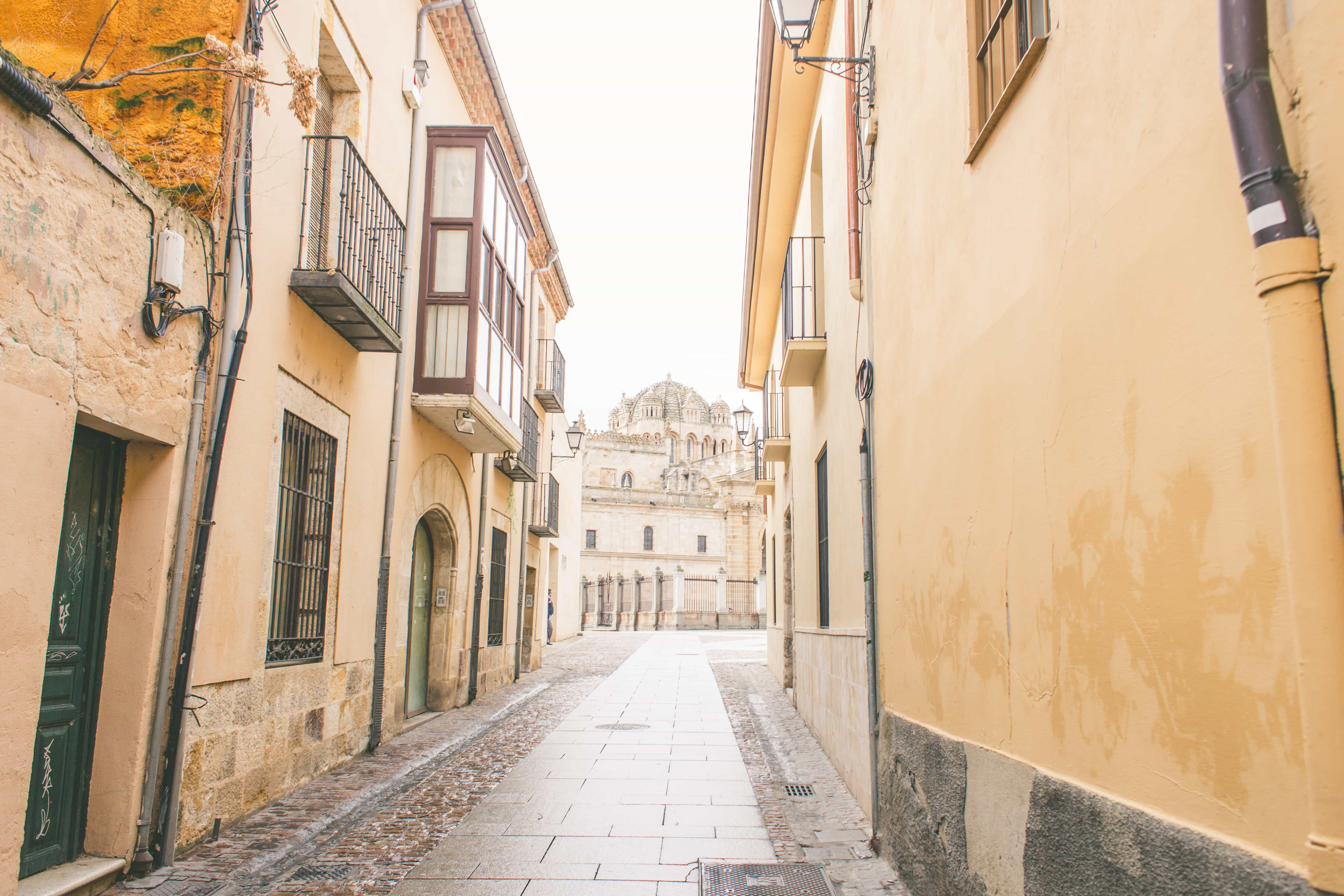
Our last day trip was to the city of Zamora, which lies on the River Duero and is supposedly halfway between Madrid and the Atlantic, about 45 km from the Portuguese border. It’s the capital of the Zamora province, one of nine provinces in the autonomous community of Castile and León. We headed there mainly for its incredible wealth of Romanesque architecture.
When wine replaces water
By Friday, it was time to head back. We were exhausted. Besides the daily excursions, we’d been drinking copious amounts of wine and eating enough food to last months. Spain, outside Madrid and Barcelona, is genuinely cheap — cheaper than the UK, and certainly cheaper than London. You can get a three-course menu del día for €10, and it comes with a free glass (or bottle!) of wine.
It was quite the gourmet week for us. When we weren’t in restaurants, food blogger Ivča was cooking, and we started feeling a bit embarrassed about how we’d been neglecting our own cooking lately.
Budget road trip across Europe: Mistake after mistake
On the way back, we had planned stops again. We were only three now — Gábi stayed in Spain — which of course skewed our finances a bit, making the per-person cost higher than if we’d been four the whole time.
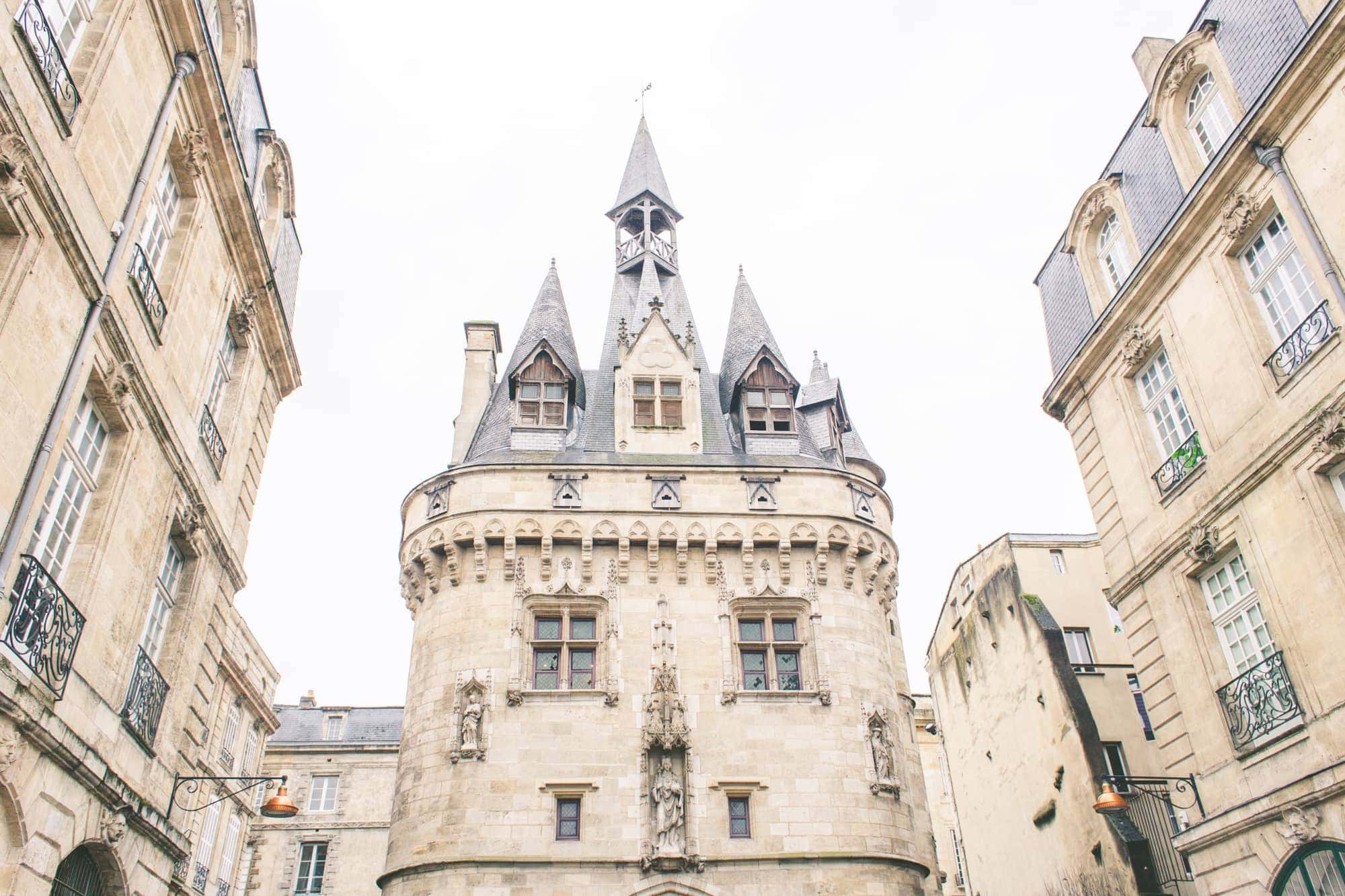
After 685 km, we arrived in Bordeaux, where instead of heading to bars, we went to the gym to make up for all the overeating and wine drinking. The hotel with a gym cost us a lovely €60 for three people. We had no workout gear, so we ran on the treadmill barefoot. Big mistake — the next day we could barely walk.
Sometimes you travel from pool to ocean, other times from bad to worse
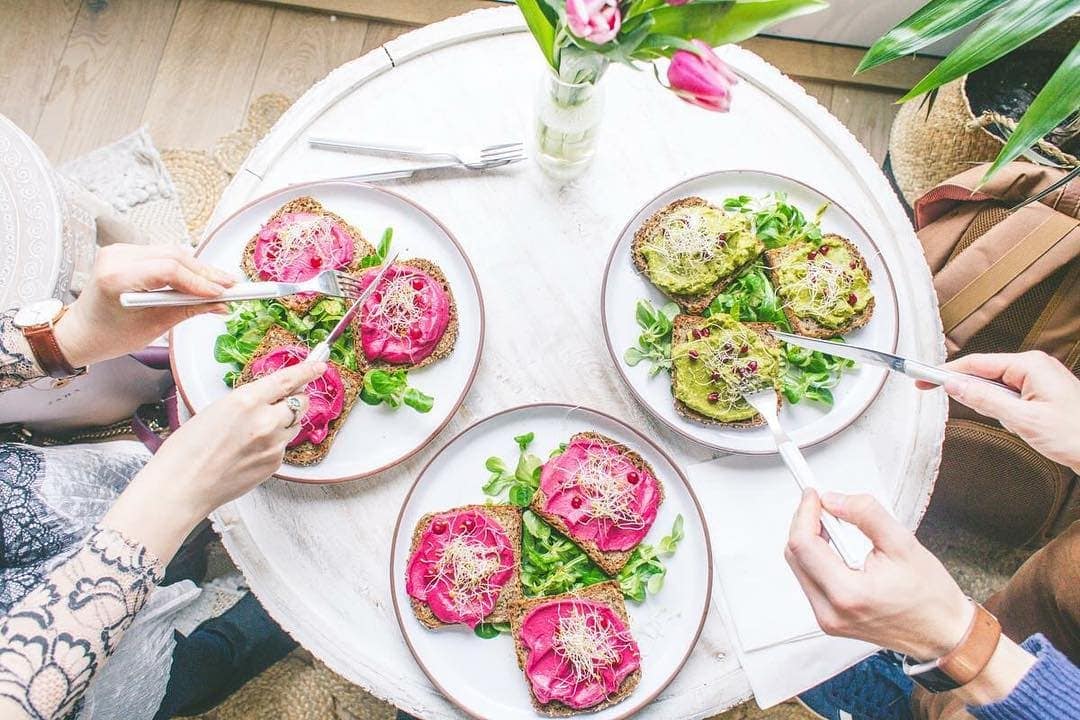
So the next morning we hobbled around the city, soaking in a dreary January day in France and looking for a café we’d found on Instagram. We ended up at Contrast. Although the food looked beautiful in photos, it was nothing special. Slightly disappointed, we started our walking tour of the city. But Bordeaux made up for it. Of all the French cities we visited on the trip, it was one of the best.
Which French city disappointed us?
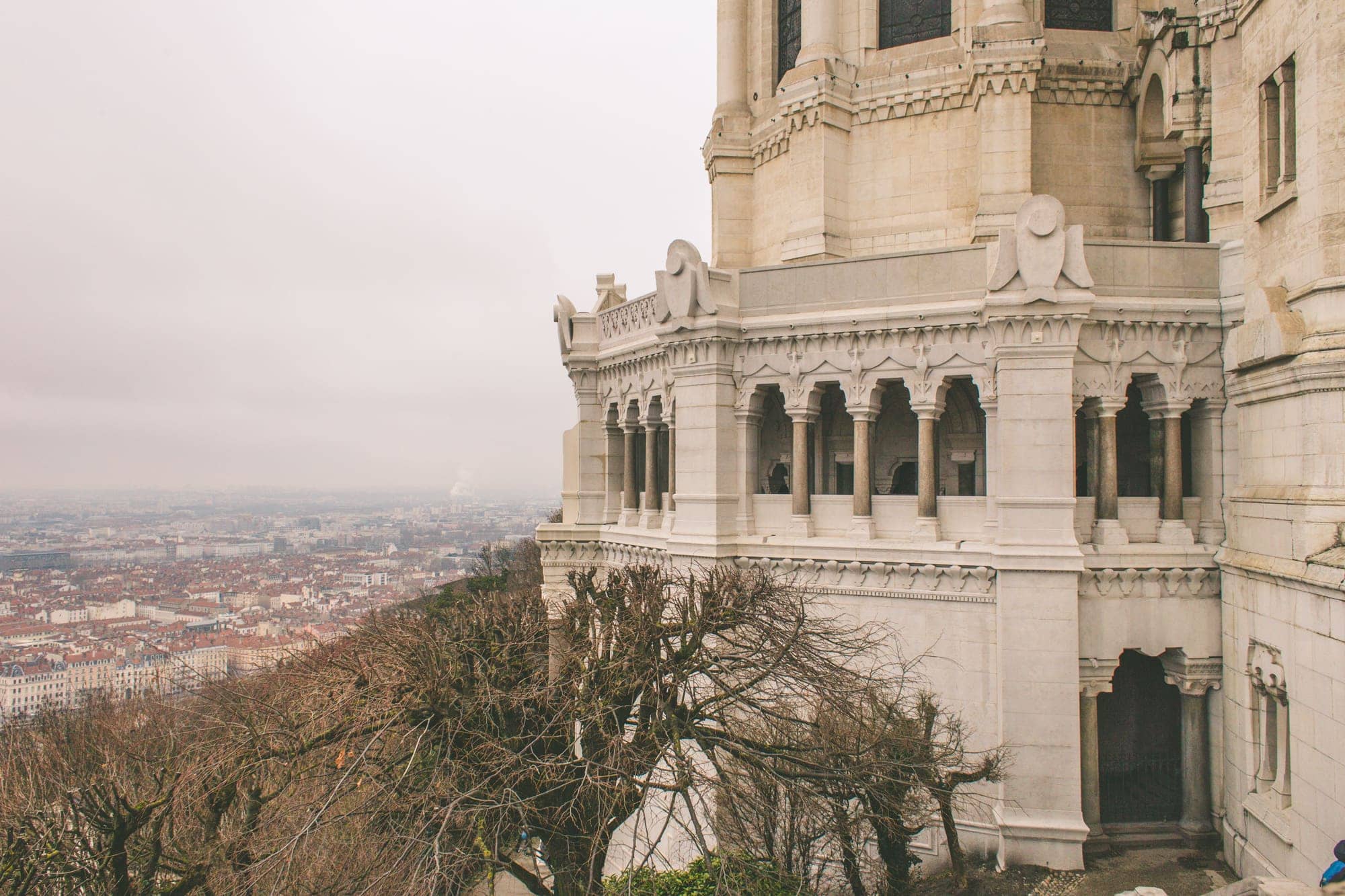
Lyon was the opposite. Another 556 km further on lies this historic city in east-central France, where we arrived after six hours of driving. Together with its suburbs and satellite towns, it forms France’s second-largest metropolitan area after Paris, with about 1.75 million people, making it roughly the 20th–25th largest in Europe.
The disappointment came with our smoke-filled accommodation, where we were scared to even take our shoes off. We ended up consoling ourselves with a bottle of wine, reminding each other it only cost about €48, and that we’d leave first thing in the morning.
Luckily you can just drive on
The city greeted us with miserable weather the next morning, and after seeing the cathedral and part of the historic centre, we decided we’d had enough. To brighten up the road trip, we headed to Geneva, which is only 149 km from Lyon.
But then there’s nothing you can do
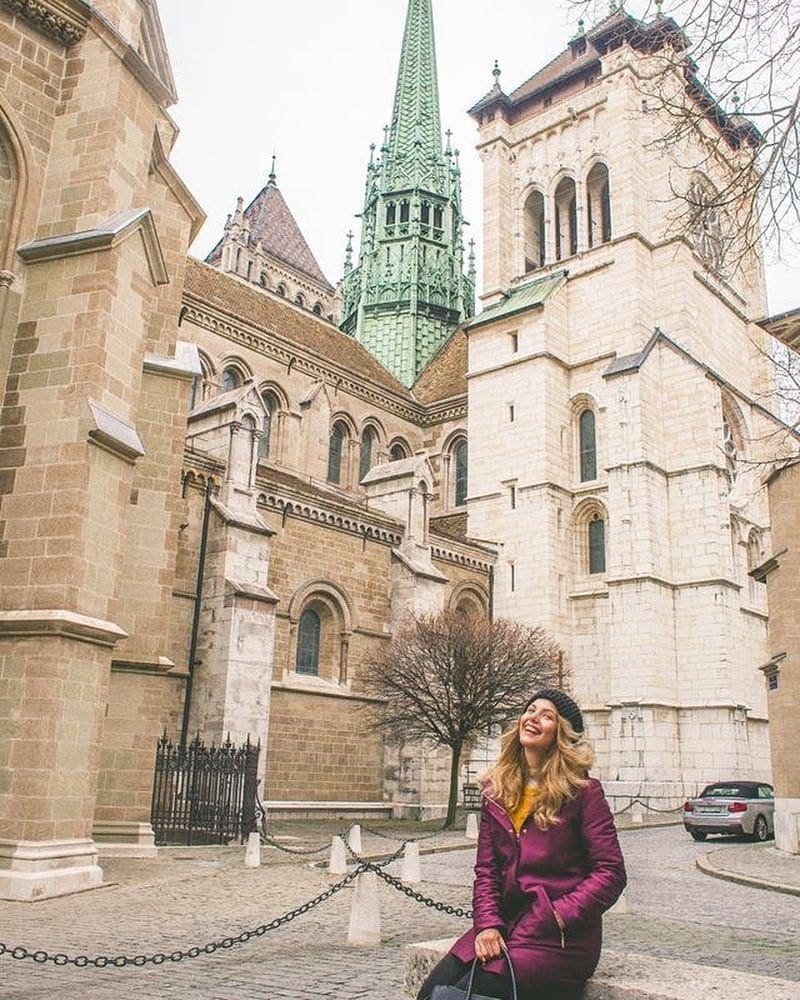
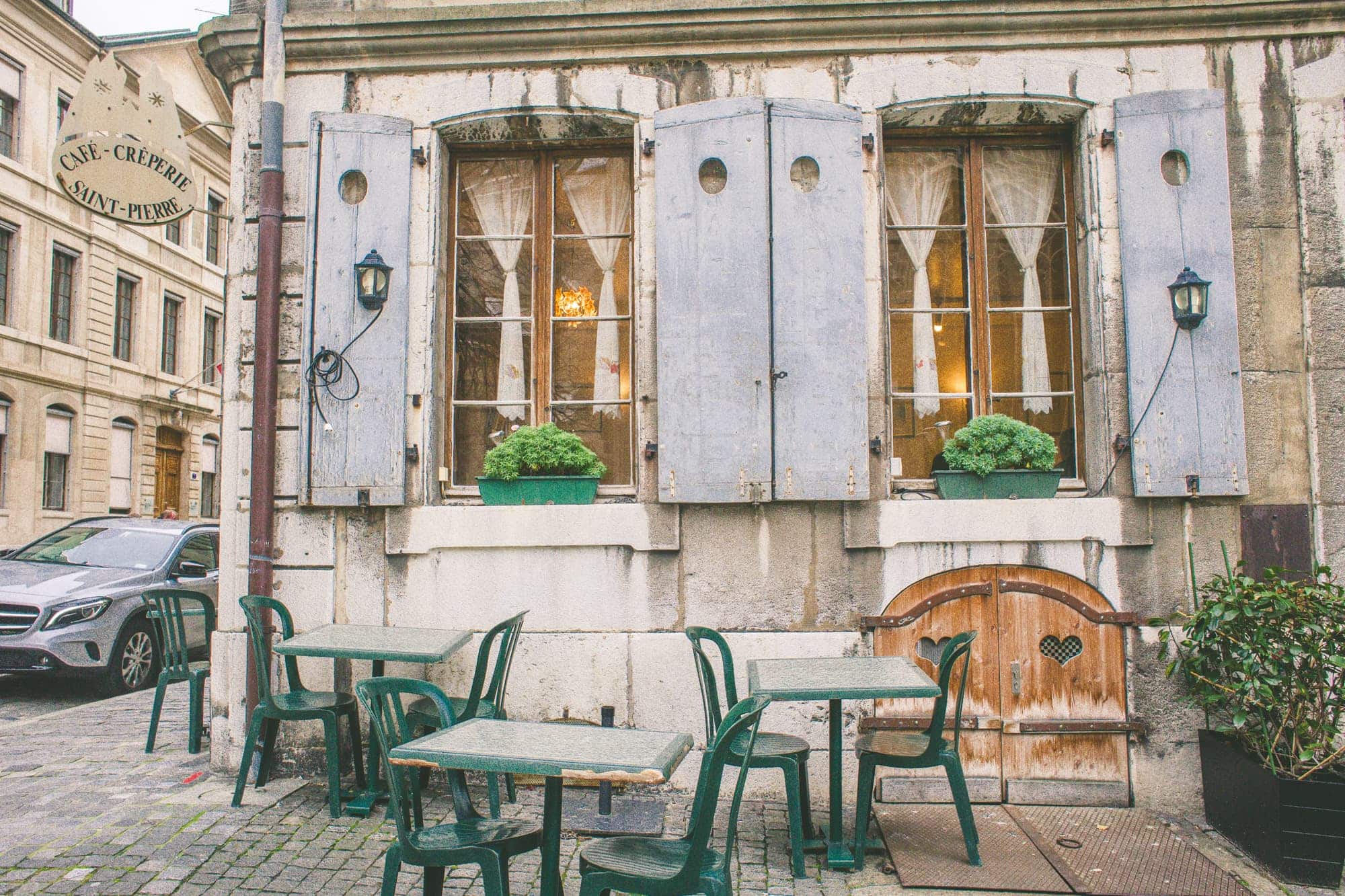
We arrived just in time for lunch, but being Sunday, many shops and some restaurants were closed. We spent a ridiculous amount of money on mediocre pancakes, and our mood kept sinking — until we started wondering whether to skip Strasbourg and just drive straight home. We were dreading the accommodation, which was just as cheap as the one in Lyon.
The prettiest French city looks German
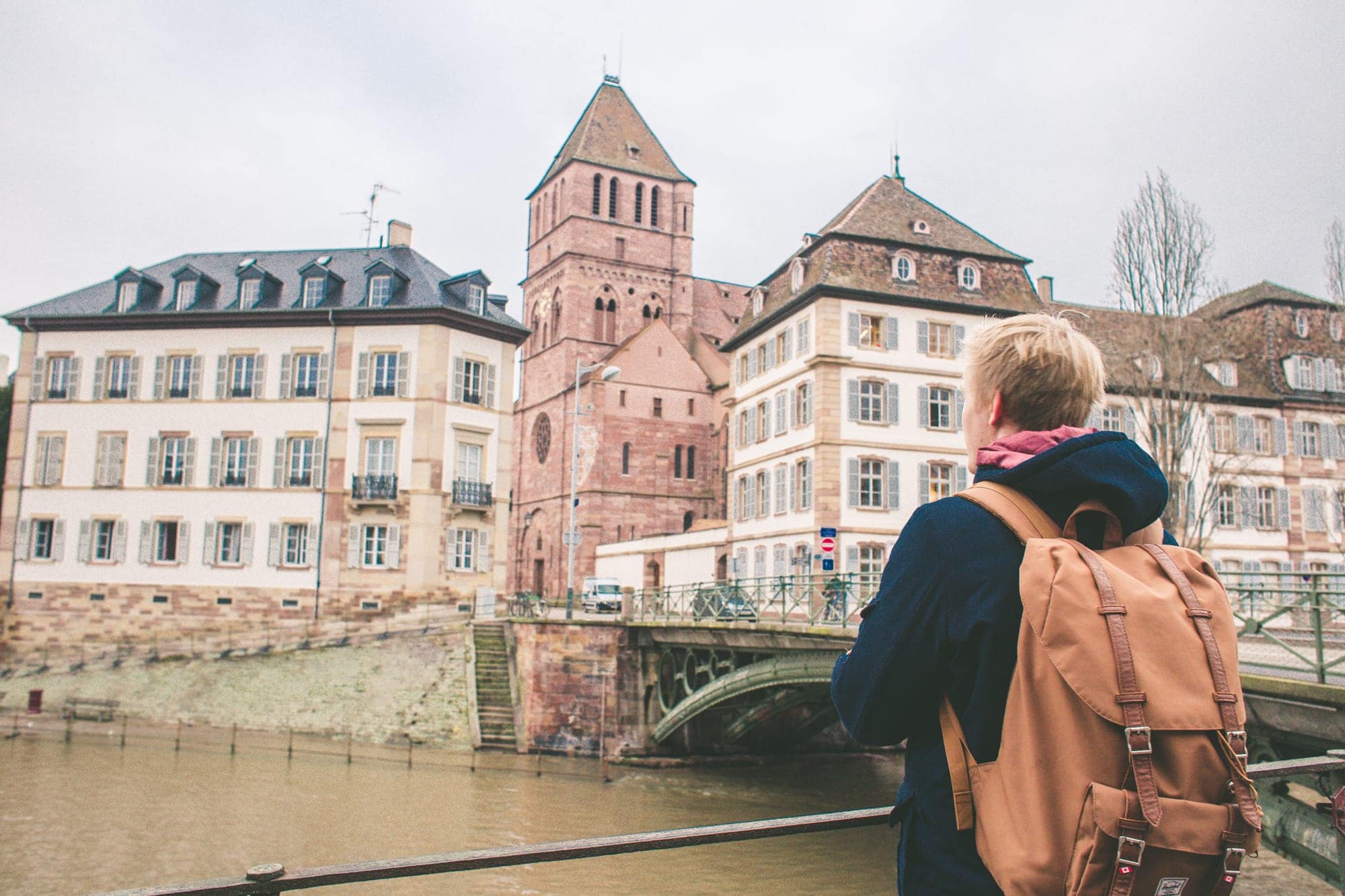
And the photos had looked similarly dodgy. In the end, we were so glad we didn’t skip it. The accommodation was about €47 for three and turned out to be luxurious. We opened another bottle of wine to celebrate the final stretch of our trip. We pushed through the exhaustion that had been deepening with each passing day, each bottle, and each kilometre, and crowned our journey with a tour of a city that sits on the left bank of the Rhine and looks more German than French.
“The prettiest French city on our trip looks like it’s German,” Lukáš declared. And no wonder — historically, it alternated between the two countries.
So how much did the whole road trip cost?
We were four people and then three. If we’d been four the entire route, we’d have definitely reduced the costs. Another advantage was that we had free accommodation in Salamanca at our friend’s place. On the other hand, we spent those days eating out at restaurants — Gábi wanted to show us the best places she’d been raving about during her few days with us. We paid for everything together, tracked it all in the Splitwise app, and divided it up at the end.
For three people, it came to roughly €425 per person (after deducting the share for the 4th person, who was with us for 2/3 of the trip). As you can see, the biggest expense was food.
- Car (fuel, tolls): €630 total
- Accommodation: €395 total
- Food: €465 total
How we chose accommodation
We tried to pick the cheapest accommodation possible, knowing it would mostly just be a place to sleep. Ideally, we looked for places with a kitchenette so we could cook our own dinner and sometimes breakfast. We booked through Booking.com and Airbnb.com. It cost us between €12–€24 per person per night, with Switzerland being the most expensive.
How much could you save compared to us?
If you cooked for yourselves the entire time, you’d save at least €250–€280. That’s roughly the amount you’d spend on accommodation for four people in Salamanca for the days we stayed for free at our friend’s place. So I’d estimate that a total cost of around €400–€430 per person would be realistic even on a low-cost budget. 🙂 And if you were four people the whole time, you might get it down to just under €400.
Frequently asked questions
What documents do I need for a road trip across Europe?
A valid passport, driving licence, and potentially an international driving permit. If you’re a UK citizen, make sure your passport has enough validity for travel in the EU.
How to plan your route?
We recommend planning your main stops in advance but leaving room for spontaneous detours. Use Google Maps or a road trip planner app to estimate driving times between destinations.
How much money to budget for a road trip?
Costs depend on your destinations, travel style, and season. Budget for fuel, accommodation, food, and motorway tolls. For a 12-day European road trip like ours, expect roughly €400–€500 per person on a budget.
Tips and tricks for travelling across Europe
What to packCheck out our packing guide for travellers to help you prepare. Choose the right travel backpack, browse our favourite travel gadgets, and make sure you don’t forget anything important. Where to find flightsWe search for cheap flights on Kiwi — it’s our favourite platform. Also check out our guide to finding cheap flights. Car rentalWe regularly use the comparison site RentalCars.com to help us pick the best car rental provider. Booking accommodationBooking.com is our go-to hotel search engine. We always compare hotels with local apartments and rooms on Airbnb (get a discount here). Read about how we find cheap accommodation. Don’t forget travel insuranceTravel insurance is an absolute must. For shorter trips, we use AXA (50% discount), and for longer trips, we go with True Traveller. Have a look at our comparison of all insurance providers and pick the one that suits you best. |
Tips and Tricks for Your Vacation
Don’t Overpay for Flights
Search for flights on Kayak. It’s our favorite search engine because it scans the websites of all airlines and always finds the cheapest connection.
Book Your Accommodation Smartly
The best experiences we’ve had when looking for accommodation (from Alaska to Morocco) are with Booking.com, where hotels, apartments, and entire houses are usually the cheapest and most widely available.
Don’t Forget Travel Insurance
Good travel insurance will protect you against illness, accidents, theft, or flight cancellations. We’ve had a few hospital visits abroad, so we know how important it is to have proper insurance arranged.
Where we insure ourselves: SafetyWing (best for everyone) and TrueTraveller (for extra-long trips).
Why don’t we recommend any Czech insurance company? Because they have too many restrictions. They set limits on the number of days abroad, travel insurance via a credit card often requires you to pay medical expenses only with that card, and they frequently limit the number of returns to the Czech Republic.
Find the Best Experiences
Get Your Guide is a huge online marketplace where you can book guided walks, trips, skip-the-line tickets, tours, and much more. We always find some extra fun there!


