I’ll admit that when we were planning our road trip through eastern Canada, Prince Edward Island was on the list more as a “well, if we’re nearby, why not” kind of stop. No big expectations. A small island, a few lighthouses, potatoes — that was pretty much my mental image. 😅
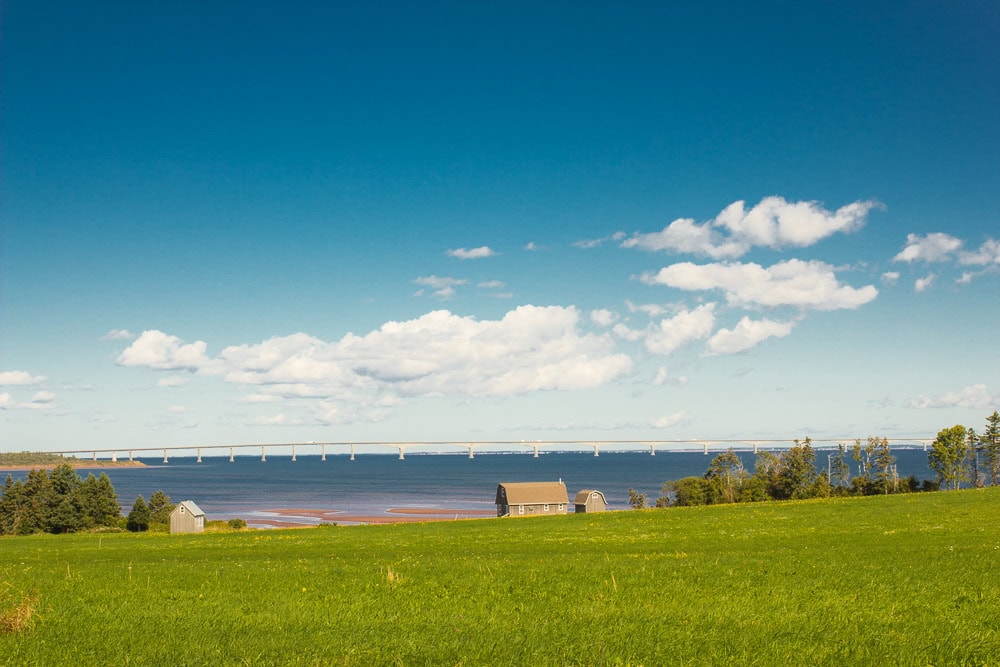
And then we crossed the Confederation Bridge, stopped in Charlottetown, and I realised just how wrong I’d been.
Charlottetown Canada is a town that charms you before you even have time to order your first lobster roll. Colourful Victorian houses, a harbour that smells of the sea, lanes filled with small galleries and restaurants where chefs personally go out fishing — all wrapped in an atmosphere so relaxed it feels like time has slowed down a little. It’s one of those places you visit for a day and leave with plans to come back for good.
In this article, you’ll find 15 things to see and do in Charlottetown and on Prince Edward Island — from the historic Province House, where Canadian Confederation was born, to the Peake’s Wharf waterfront and the best lobster restaurants on the island. I’ll also share when to visit, how much it all costs, and where to stay so everything is within walking distance.
TL;DR
- Charlottetown is the capital of Prince Edward Island — Canada’s smallest province. A town of about 40,000 people where the idea of creating Canada was born in 1864.
- The best time to visit is June to September — warm weather, everything open, festivals galore. July and August are the liveliest but also the priciest.
- Two to three days is enough for Charlottetown, but if you want to explore the whole island (and trust me, you do), plan for 4–5 days.
- Getting there: You can reach the island by car over Confederation Bridge from New Brunswick, by ferry from Nova Scotia, or by flying into Charlottetown Airport.
- The town is wonderfully walkable — the historic centre, waterfront, and most restaurants are all within easy reach on foot.
- Lobster, oysters, and potatoes are the three pillars of local cuisine. You can get a lobster roll on practically every corner, and it will be fantastic.
- Province House is where Canada was born — and admission is free.
- The musical “Anne of Green Gables” has been running at the Confederation Centre since 1965, making it the longest-running musical in Canada.
- Budget for two: Expect roughly €70–130/night for accommodation, €25–45/day for food for two, and activities to taste.
- Top tip: Hire a car and drive around the whole island — red cliffs, lighthouses, beaches, and farm stands selling fresh strawberries are everywhere you look.
The full destination guide: Canada — guide and what to see
When to visit Charlottetown and how to get to Prince Edward Island
Prince Edward Island is a place that lives and breathes with the seasons — and the difference between summer and winter Charlottetown is enormous. It’s not that the town ceases to exist in winter, but many restaurants and attractions close from October to May, and the atmosphere is completely different. So when you time your visit matters a great deal.
Best time to visit
June to September is peak season and hands-down the best time to visit. Temperatures hover around 20–25 °C, the water in the bays warms up to a pleasant 18–22 °C (which is practically tropical for Canada 😁), and the entire island buzzes with food, music, and theatre festivals.
July and August are the busiest months — the Anne of Green Gables musical is in full swing, the PEI Shellfish Festival takes place, and the town is packed with visitors. Accommodation is pricier and needs to be booked well in advance.
June and September are, in our opinion, the ideal compromise — the weather is lovely, everything is open, but the crowds are smaller and prices more reasonable. In September, the fall lobster season begins and the island turns shades of orange and gold.
October can be stunning for autumn colours, but bear in mind that some attractions will already be closed for the season.
How to get to the island
By car over Confederation Bridge: The most common way. The 12.9 km bridge connects New Brunswick to Prince Edward Island, and the crossing takes about 10 minutes. The toll is only charged when you leave the island — 50.25 CAD (roughly €35) for a car. Arriving is free, which is a lovely psychological trick — they let you onto the island for nothing, but you have to pay to leave. 😅
By ferry from Nova Scotia: The Northumberland Ferries service runs from Caribou (near Pictou) to Wood Islands on PEI’s south shore. The crossing takes 75 minutes and is a gorgeous experience. The fare for a car with driver is around 85 CAD (roughly €55), again only charged in one direction — when leaving the island.
By air: Charlottetown Airport (YYG) has connections to Toronto, Montreal, Halifax, and other cities. Flying makes sense if you’re coming from further afield. From the UK, you’ll typically fly to Toronto or Halifax (carriers like Air Canada, WestJet, or British Airways serve these routes from London), then catch a domestic connection to Charlottetown. Alternatively, fly into Halifax and drive to PEI — it’s about 3 hours and the scenery is beautiful.
If you’re planning a road trip through western Canada, the east coast is a completely different world — quieter, more maritime, and with its own unique atmosphere. The two make an ideal combination.
Search for cheap flights on Skyscanner or Google Flights — they’re great for finding connections with stopovers.
Where to stay in Charlottetown + how much a PEI holiday costs
Charlottetown is a small town and you can find accommodation within walking distance of everything that matters. The best bet is to stay right in the centre or near the waterfront — you won’t need a car at all for exploring the town itself.
Types of accommodation and rough prices
Historic B&Bs and boutique inns (€50–115/night) — This is arguably the loveliest way to experience Charlottetown. Victorian houses converted into guesthouses with home-cooked breakfasts, gardens, and owners who’ll point you to the best restaurants. Look around Great George Street and Fitzroy Street.
Hotels (€70–160/night) — There are several larger hotels in the centre, such as the Holman Grand Hotel right on Queen Street or the Delta Hotels by Marriott near the harbour. Comfortable and modern, but with less character.
Airbnb and apartments (€45–100/night) — A great option for longer stays. Plenty of hosts rent out entire cottages or flats in the centre.
Campsites and cabins (€18–60/night) — The island has loads of campsites, often right on the beach. Perfect if you have a car and want to explore the whole island.
How much does a holiday in Charlottetown cost
Prince Edward Island isn’t the cheapest destination in Canada, but it certainly won’t break the bank. Here’s a rough budget for two people for 4 days / 3 nights:
- Accommodation: €210–390 (€70–130/night)
- Food: €140–260 (€35–65/day for two — depends on how much lobster you eat 😁)
- Car hire: €85–145 (if you don’t already have one from your road trip)
- Activities and tickets: €55–145 (musical, food tour, kayaking…)
- Bridge toll/ferry: €25–55 (one way)
Total: roughly €515–995 for two for 4 days, depending on your travel style.
We’ve had consistently great experiences with DiscoverCars, which we use all over the world — it compares prices from all agencies and the insurance terms are clear upfront.
Travel insurance tip: For shorter trips to Canada, travel insurance is a must — have a look at our SafetyWing review, which we tested first-hand. And if you want hassle-free internet on the island, check out our Holafly eSIM review — it works a treat in Canada.
Charlottetown: 10 must-see places and things to do
Let’s dive into the best of what Charlottetown has to offer. The town may be small, but it’s surprisingly rich in experiences — from history and culture to culinary adventures. You can cover most sights on foot in a day or two, but you won’t want to rush. And that’s the best thing about Charlottetown.
1. Province House — where Canada was born

Province House is the reason Charlottetown is known as the “birthplace of Confederation”. It was right here, in September 1864, that politicians from the British colonies gathered and seriously discussed the idea of uniting into one country for the first time. Three years later, Canada was born.
The building itself is a beautiful neoclassical sandstone structure, built in 1847. Inside, you’ll find the Confederation Chamber — the room where those historic negotiations took place, preserved in its original state with period furniture. It’s a surprisingly intimate space — you expect a grand hall and instead find yourself in a cosy room, thinking about how the future of an entire nation was decided right where you’re standing.
Admission is free and a visit takes about 30–45 minutes. The guides (when guided tours are running) are genuinely enthusiastic and have a knack for making history engaging, even if you’d normally skip historic buildings.
Note: Province House has been undergoing extensive renovation. Check the Parks Canada website before your visit to confirm it’s open — a temporary exhibition is sometimes housed in the building opposite.
2. Victoria Row — the most photogenic street in town
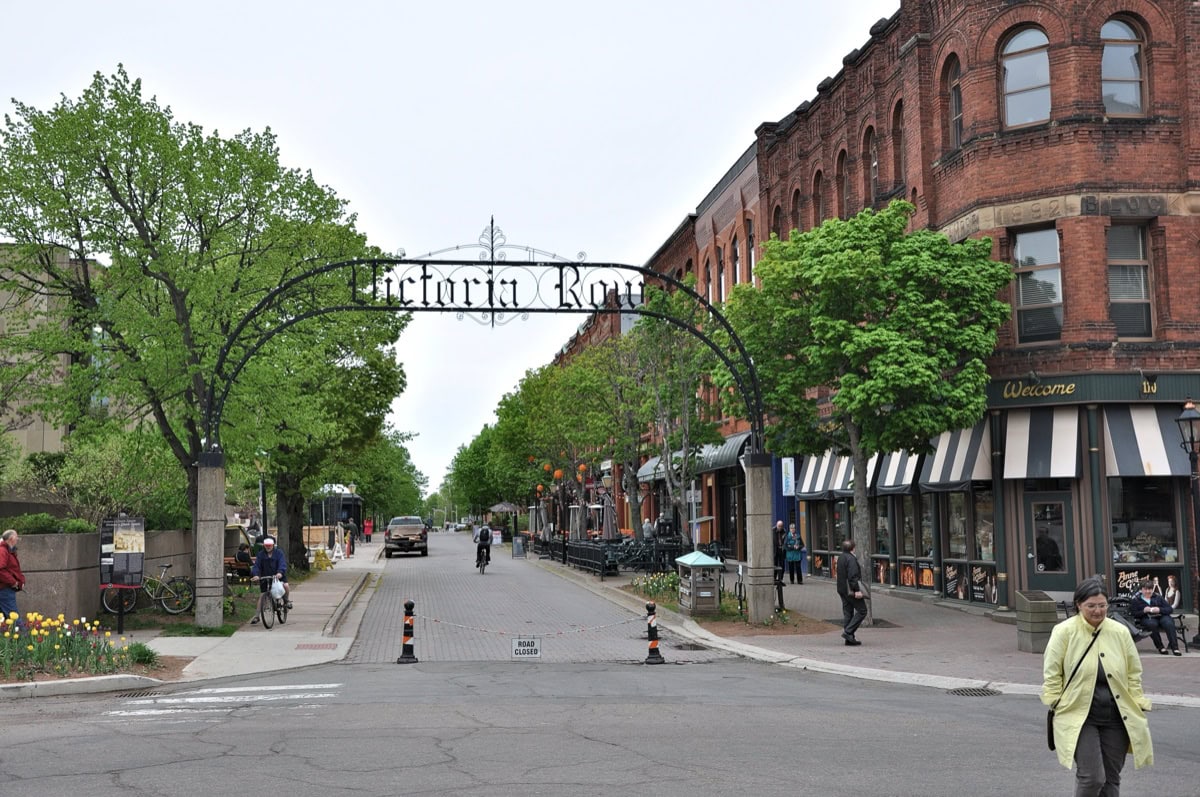
Victoria Row is a short street (officially Richmond Street between Queen and Great George) that closes to traffic in summer and transforms into a pedestrian zone brimming with restaurant patios, live music, and colourful Victorian facades. It’s arguably the most Instagrammable spot in Charlottetown — and rightfully so.
In the evening, when the fairy lights come on and music and aromas drift from the restaurants, Victoria Row has the feel of a tiny European quarter — a bit like someone took a slice of Lisbon and planted it in Canada. Grab a seat on a patio, order a glass of local wine (yes, they grow wine on PEI!), and watch the world go by. That’s all you need.
During the day, it’s pleasantly calm — you can pop into small galleries and boutiques. But the real magic happens after dark.
3. Peake’s Wharf and the historic waterfront — heart of the harbour
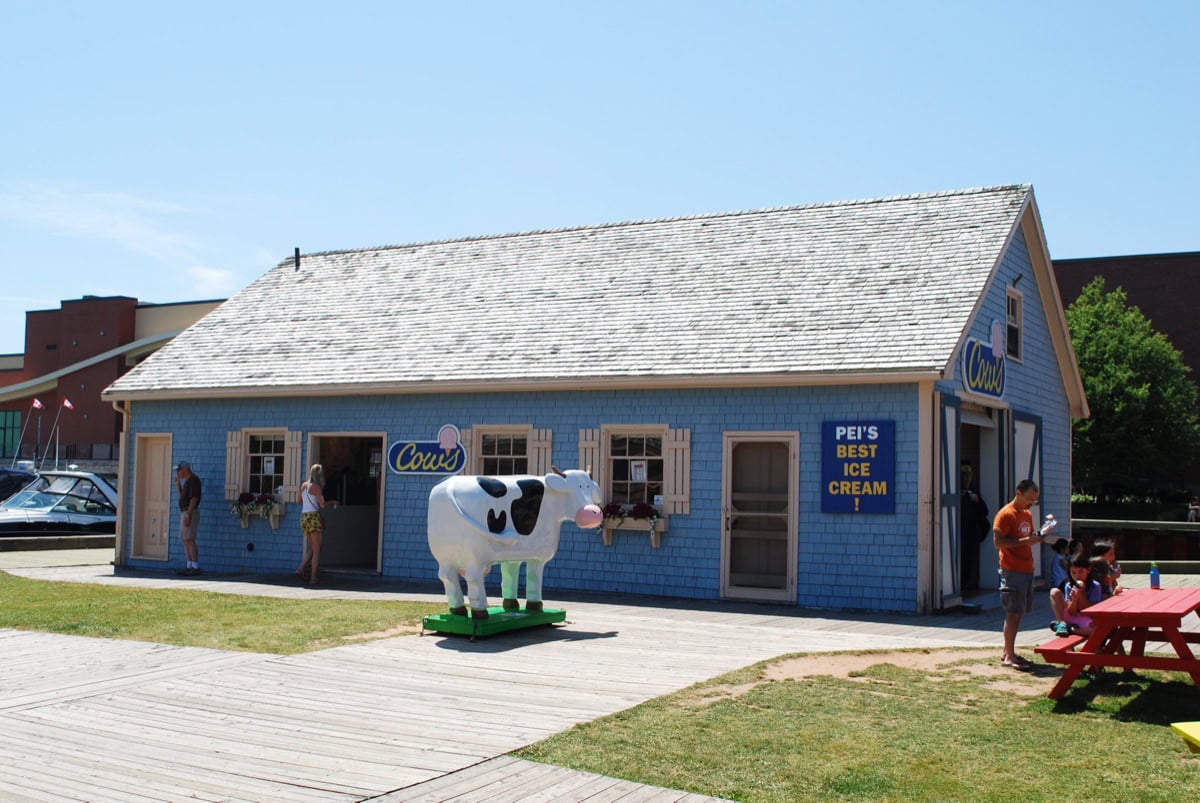
Peake’s Wharf is where Charlottetown meets the sea. A wooden pier lined with shops, ice cream stands, cafés, and a small harbour from which tour boats depart. It’s not some overcrowded tourist trap — it’s an authentic harbour where fishing boats moor alongside sailboats and tourist catamarans.
Stroll along the boardwalk, grab some COWS ice cream (a legendary island brand — more on that in the food section), and watch the boats. If you love sunsets, the waterfront is a brilliant spot to enjoy one.
Peake’s Wharf is also the starting point for harbour tours and lobster boat tours — you head out to sea, the captain shows you how lobsters are caught, and you soak up the views of the town from the water. Prices range from 40–65 CAD (€25–40) per person.
4. Confederation Centre of the Arts — a musical running for 60 years

The Confederation Centre of the Arts is a cultural centre built in 1964 to mark the centennial of that famous conference. But the main reason I’m including it is the musical “Anne of Green Gables — The Musical™”, which has been staged here every summer since 1965, making it the longest continuously running musical in Canada.
Even if you haven’t read Anne of Green Gables (the red-haired girl who arrives at a PEI farm and wins everyone over with her imagination and honesty), the musical is well worth seeing. It’s a charming, beautifully performed show with gorgeous costumes and live music. Tickets range from 30 to 85 CAD (€18–52) depending on your seat and the day of the week. Performances sell out in summer, so book ahead.
Beyond the musical, the centre houses a contemporary art gallery (free admission) showcasing Canadian artists with an emphasis on the maritime provinces. They often have interesting temporary exhibitions.
5. Great George Street — Victorian charm in every detail

If Victoria Row is the most photogenic lane, Great George Street is the most beautiful street in Charlottetown. It’s wide, lined with immaculately preserved Victorian houses in pastel shades — pink, blue, yellow, green. Every house looks like it belongs on a postcard.
The street runs from the harbour straight up to Province House, and walking along it, you’re tracing the footsteps of the delegates who in 1864 made their way from the ships to the Confederation negotiations. Today, you’ll find boutique accommodation, B&Bs, restaurants, and a handful of small shops.
Don’t miss St. Dunstan’s Basilica — a Gothic church with two imposing spires that’s visible from across the town. The interior is surprisingly stunning, with stained-glass windows and intricate decorations. Entry is free.
6. Founders’ Hall — an interactive journey through Canadian history
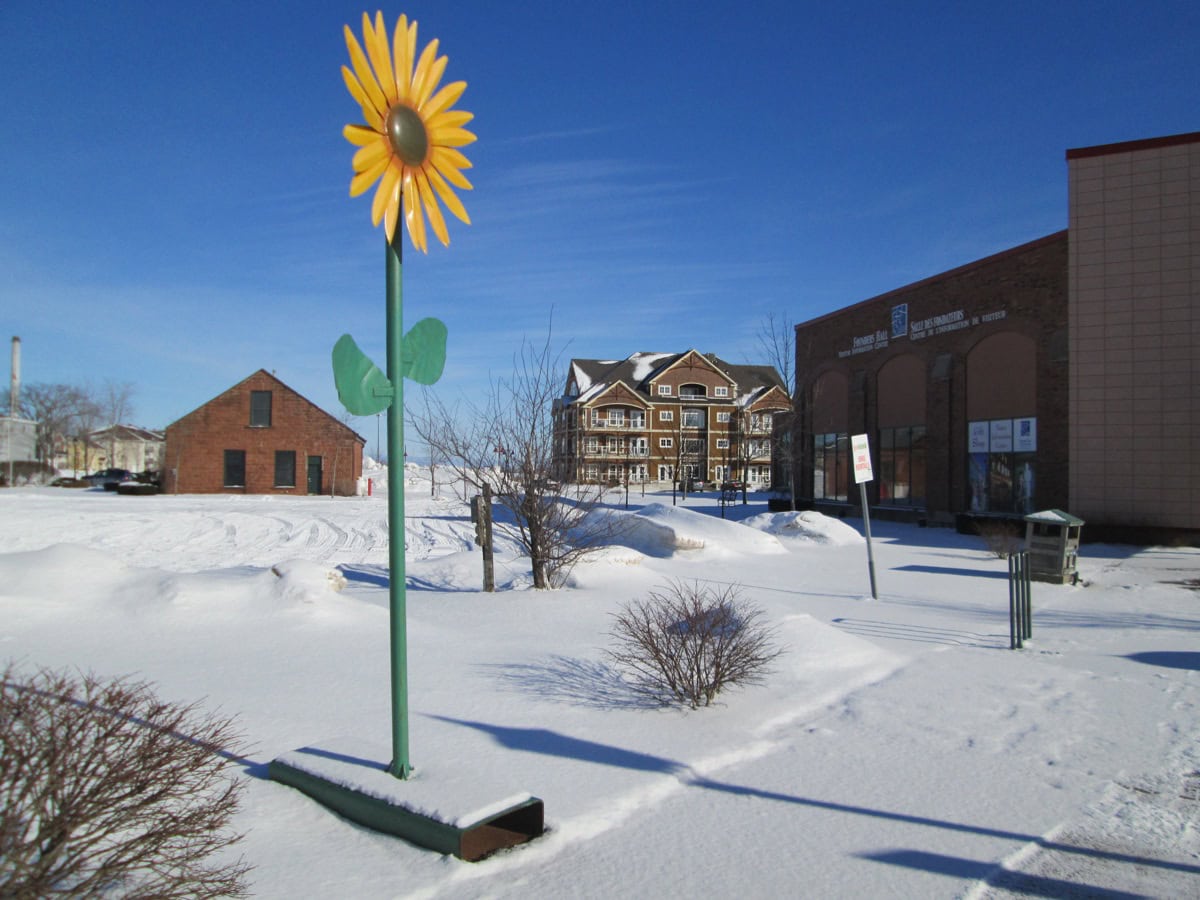
Founders’ Hall is an interactive museum dedicated to the birth of Canada. You walk through the journey from colonial times through the Confederation negotiations to modern-day Canada. It’s far from dry — the exhibits are well done, with multimedia elements, costumes, and replicas.
The section on why the colonies wanted to unite in the first place is particularly fascinating — economic pressures, fear of American expansion, the railways… When you think about it, it’s remarkable that a decision which shaped an entire continent was made in this tiny island town.
Admission is around 12 CAD (€7) per adult. A visit takes about an hour — longer if history is your thing.
Note: Check the current status — Founders’ Hall has been going through changes in recent years. A similar exhibition is also offered at the PEI Visitor Centre.
7. Charlottetown Farmers’ Market — a Saturday ritual for locals
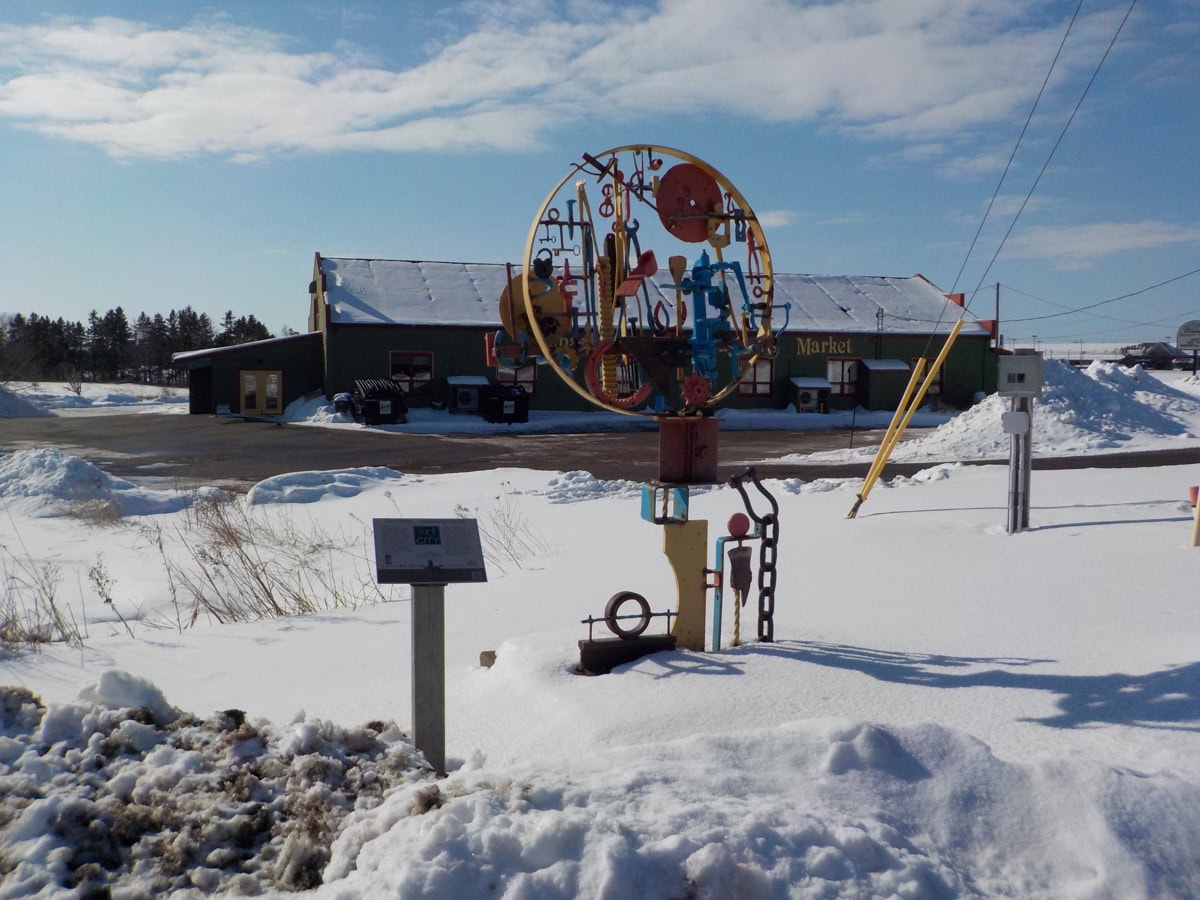
Every Saturday morning (from May to October, less frequently in winter), Charlottetown hosts a farmers’ market that’s one of the oldest in Canada. And this isn’t some tourist gimmick — it’s mainly locals who come, and you’ll feel right at home among them.
You’ll find fresh oysters (shucked right in front of you), homemade bread, cheeses, farm-fresh fruit and veg, jams, honey, and loads of other local delicacies. Plus coffee, of course. The market is housed in a building on Belvedere Avenue and the atmosphere is absolutely magical — people greet each other, chat away, and children dart between the stalls.
Tip: Arrive early, ideally around 9 am. The best stuff sells out fast, and you’ll enjoy a calmer atmosphere before the crowds turn up.
8. Confederation Bridge — an experience, not just a crossing
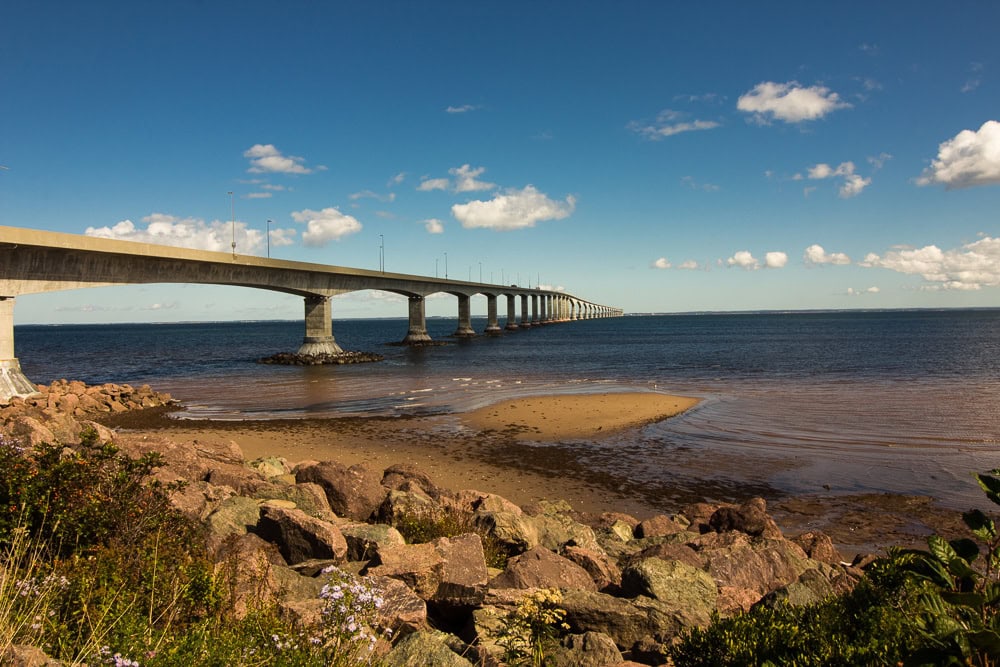
Confederation Bridge isn’t just a means of transport — it’s a feat of engineering and an experience in its own right. At 12.9 km, the bridge across the Northumberland Strait is the longest bridge over ice-covered waters in the world. The crossing takes about 10 minutes, and the views on both sides are spectacular — the endless expanse of sea, the outline of the island emerging in the distance.
Fun fact: The bridge was built between 1993 and 1997 at a cost of 1.3 billion CAD. Before it opened, the only way to reach the island was by ferry or plane. You can imagine how dramatically it transformed life for islanders.
The crossing is most beautiful at sunset — if you can plan for it, it’s well worth it. On the New Brunswick side, Gateway Village sits near the bridge with an information centre, shops, and a café where you can stop and photograph the bridge from the shore.
The toll of 50.25 CAD (roughly €35) is only charged when you leave the island. Arriving is free.
9. Beaconsfield Historic House — how the wealthy lived on the island
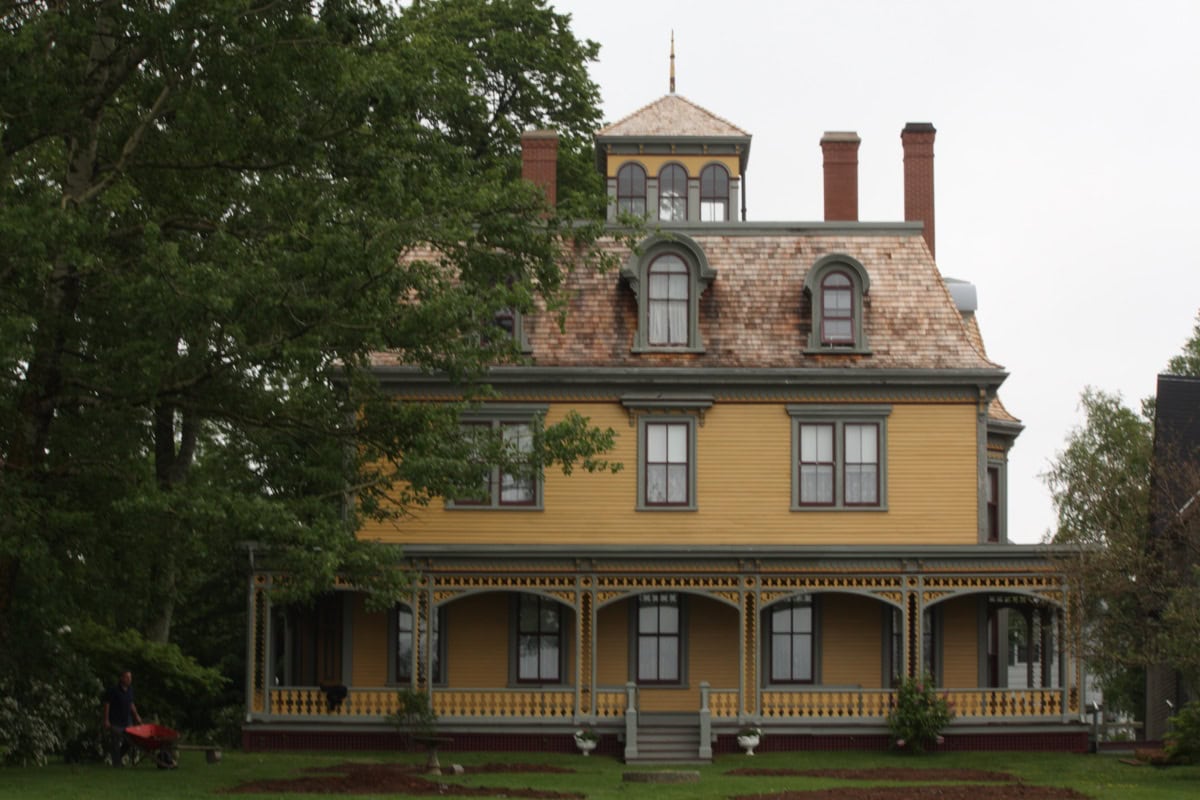
Beaconsfield Historic House is a stunning Victorian villa dating from 1877 and one of the most impressive residential buildings in Charlottetown. It was built by wealthy shipping magnate James Peake Jr. and today serves as a museum run by the PEI Museum and Heritage Foundation.
The tour shows you how affluent families lived on the island in the 19th century — preserved interiors, original furniture, a beautiful wooden staircase, and harbour views from the garden. In summer, concerts and talks are sometimes held in the grounds.
Admission is a modest 6 CAD (€4). The house is on Kent Street, a short walk from the centre.
10. Walking tour with the Confederation Players — history in costume
This is one of those activities where you think “this is going to be terribly cheesy” — and then it absolutely blows you away. The Confederation Players are actors in period costumes who guide you through Charlottetown’s centre and retell the story of Confederation as if you were part of the events of 1864.
The tours are free (funded by the city and Parks Canada), last about an hour, and run several times daily during the summer months. The actors are brilliant — funny, knowledgeable, and great at involving the audience. You’ll learn things you wouldn’t find in any museum and see the town through completely different eyes.
Tip: Tours usually depart from Founders’ Hall or Province House. Check exact times at the tourist information centre on the waterfront.

Map of points of interest for your phone
Beyond the city: 5 day trips around Prince Edward Island
Charlottetown is lovely, but it would be a shame not to venture out and explore the island. Prince Edward Island is small — you can drive across it in a few hours — but within that compact space, you’ll find an incredible diversity of landscapes. Red sandstone cliffs, endless beaches, patchwork farmland, lighthouses, and fishing villages. All within easy reach.
11. Cavendish and Anne of Green Gables Heritage Place — for fans of red-haired Anne
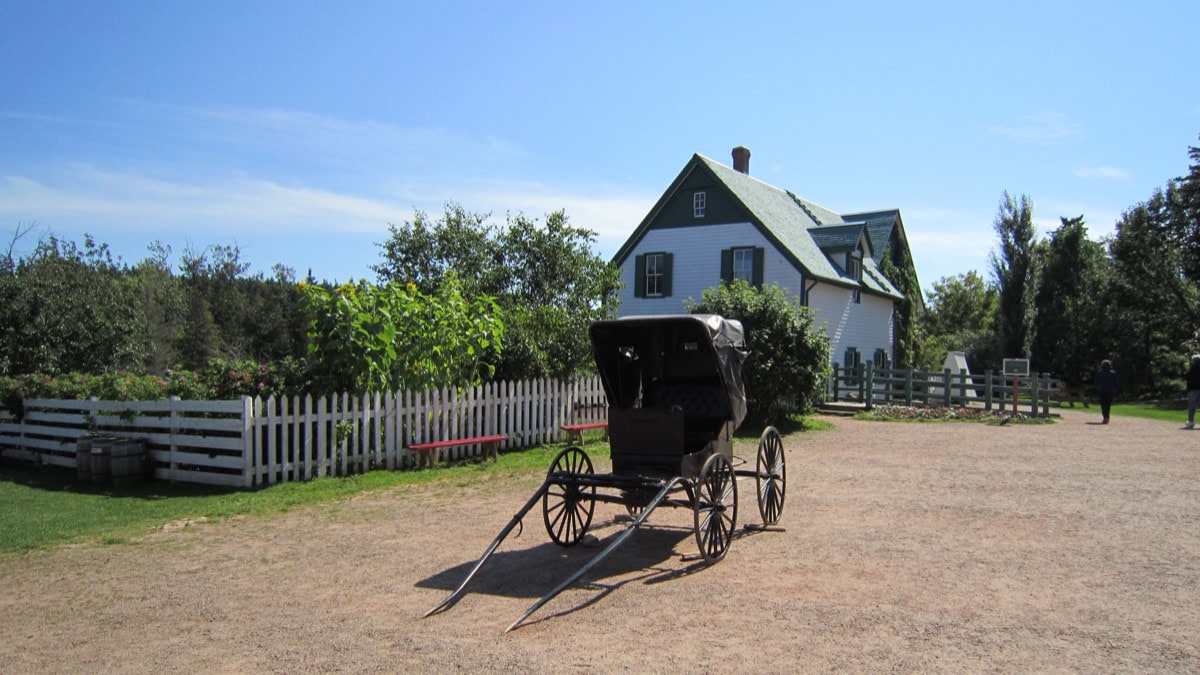
If you’ve ever read Anne of Green Gables (or watched the series — it’s been broadcast around the world), Cavendish is an essential stop. Green Gables Heritage Place is the farm that inspired author Lucy Maud Montgomery to write her beloved novel. The green house with white shutters sits amid meadows, looking exactly as you’d imagine.
You can walk the Haunted Wood Trail and Lover’s Lane — paths that Anne described in the books. Even if you haven’t read them, it’s a gorgeous walk through forest and meadows.
Cavendish is also home to PEI National Park, with its stunning red cliffs and sandy beaches. Cavendish Beach is one of the most beautiful on the island — red sand contrasting with turquoise water and white surf. National park entry is 8.50 CAD (€5) per person per day.
Distance from Charlottetown: 40 km, about 35 minutes by car.
12. Point Prim Lighthouse — the oldest lighthouse on the island
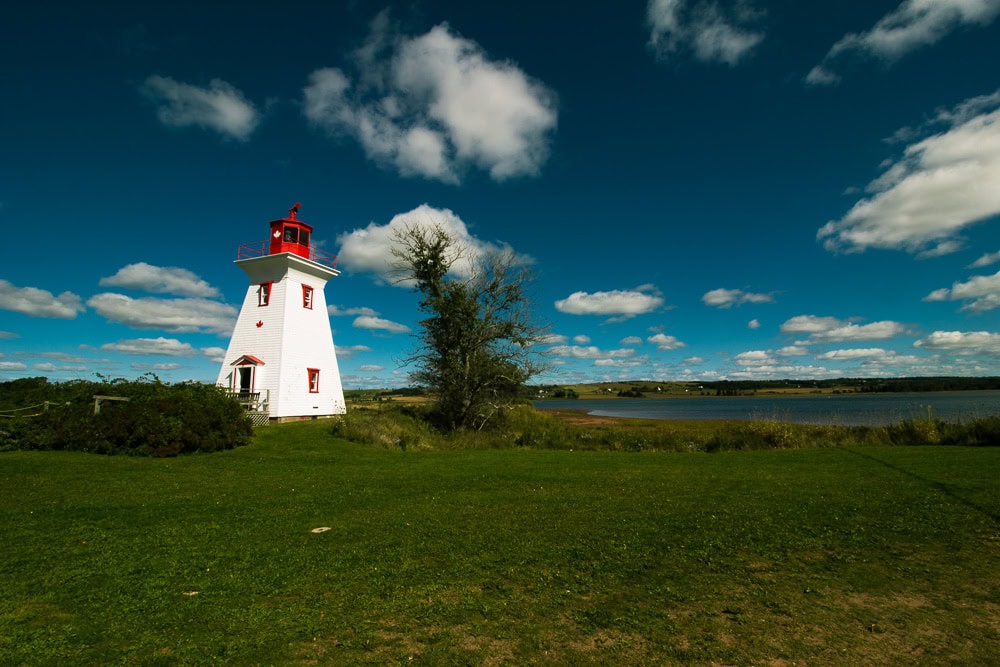
Point Prim Lighthouse has stood on the island’s southern tip since 1845 and is the oldest lighthouse on PEI. The round white tower looks exactly like a lighthouse should — simply perfect. You can climb to the top, and the views across the Northumberland Strait are breathtaking.
On your way back to Charlottetown, stop at the Point Prim Chowder House — a tiny seafood restaurant right by the water that serves arguably the best clam chowder on the island. You sit on the terrace, gaze at the sea, and spoon up a creamy soup brimming with clams. Bliss.
Distance from Charlottetown: 60 km, about 50 minutes by car.
13. North Shore — red cliffs and endless beaches
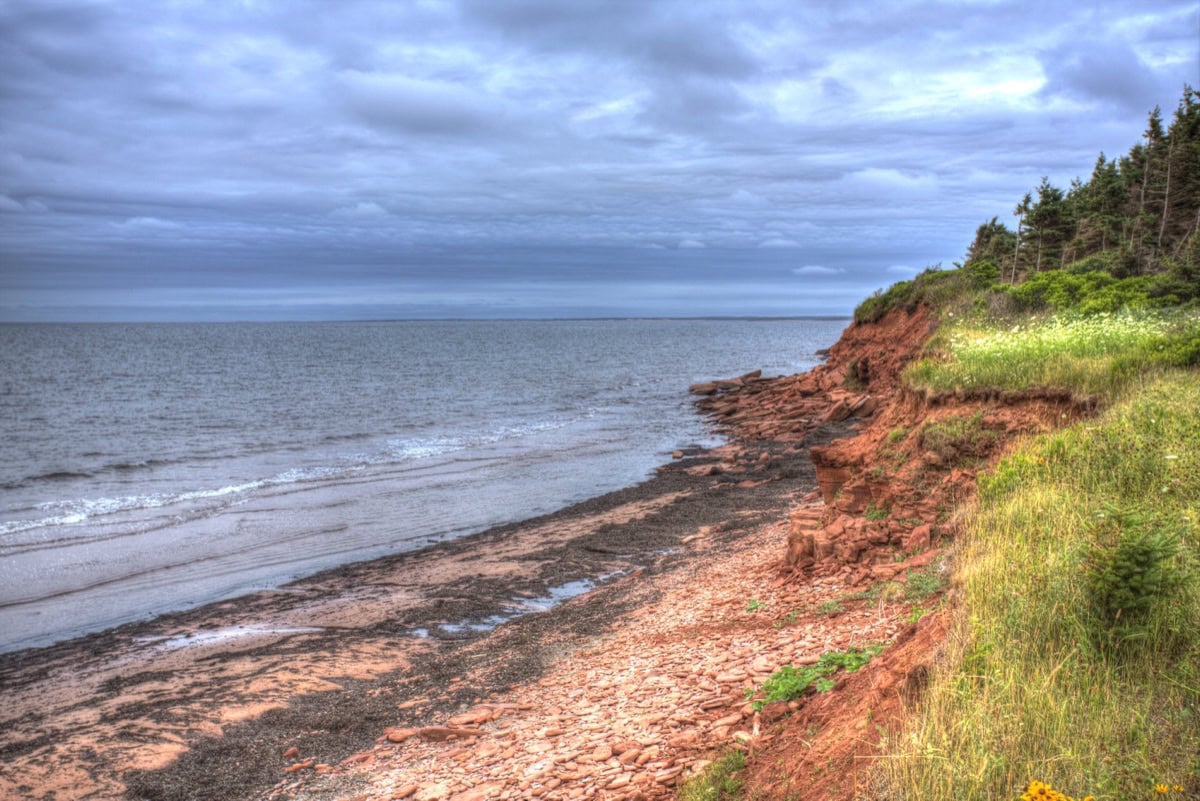
The north shore of PEI is what most people picture when they think of the island — dramatic red sandstone cliffs plunging into the sea, wide beaches with crimson sand, and grass-covered dunes. It’s stunning and utterly unlike anything you’ll see back home in the UK.
Beyond Cavendish Beach (see tip 11), it’s worth visiting Brackley Beach (quieter, fewer tourists) and Dalvay Beach (beside the historic Dalvay by the Sea hotel). On the north shore you’ll also find the Greenwich section of the national park — with spectacular dunes and boardwalks that wind through a unique ecosystem.
If you enjoy hiking, check out our tips on the best hiking boots — walking along beaches and dunes is wonderful, but you’ll want comfortable footwear.
14. Victoria-by-the-Sea — the cutest village on the island
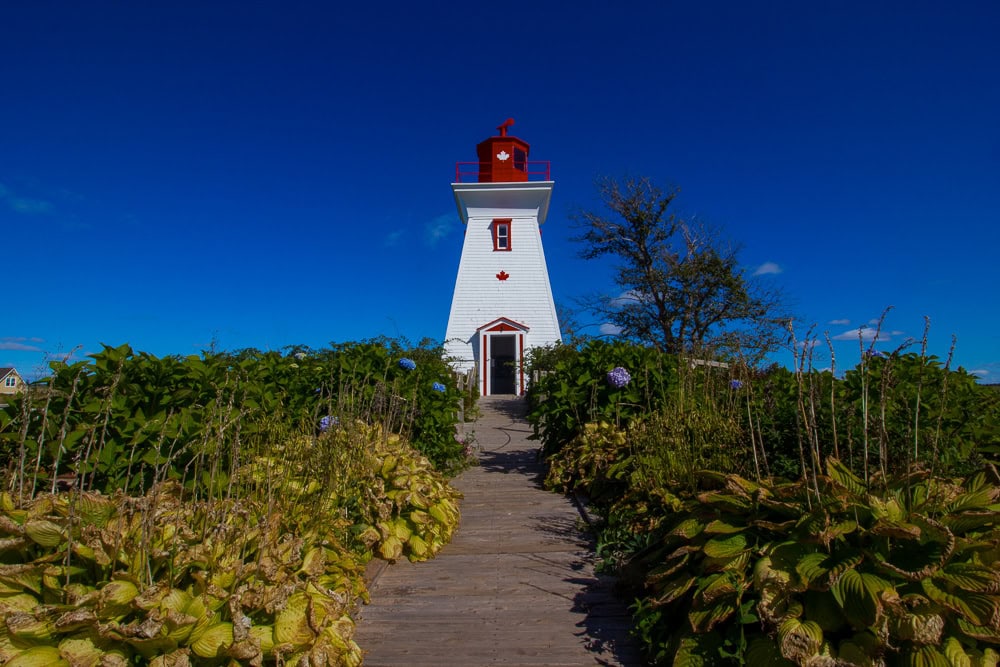
Victoria-by-the-Sea is a tiny fishing village on the south coast that looks like a film set. About forty colourful houses, a small harbour, a chocolate shop, a lighthouse, a theatre, and a handful of restaurants — that’s the entirety of Victoria, and it’s absolutely perfect.
Pop into Island Chocolates for handmade chocolate (the aroma greets you from halfway down the street), stroll to the lighthouse, and if there’s a show at Victoria Playhouse, snap up some tickets. It’s a tiny theatre with fantastic intimate performances.
For dinner, I’d recommend Landmark Café — a small restaurant with a changing menu based on whatever’s freshest. Book ahead — they only have a few tables.
Distance from Charlottetown: 35 km, about 30 minutes by car.
15. Central Coastal Drive — a road trip around the island
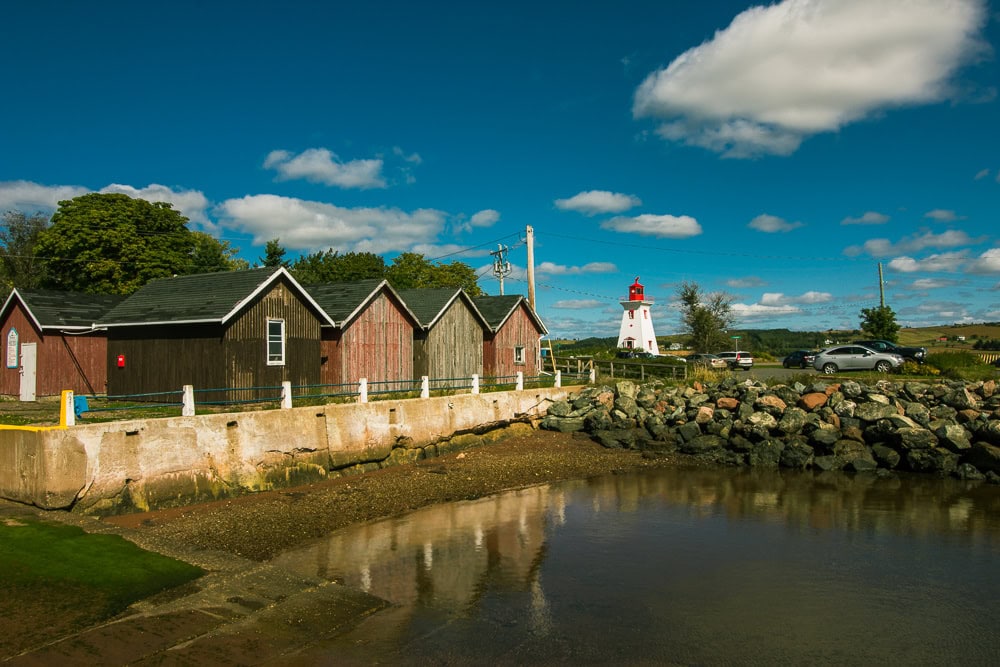
If you have more than two days on PEI, set off on the Central Coastal Drive — one of three signposted scenic routes on the island. The route follows the south and north shores and takes you through Charlottetown, Victoria-by-the-Sea, Cavendish, and back again. It’s about 253 km in total and can be driven in a day, but it’s better to spread it over two days so you can actually stop and enjoy things.
Along the way, you’ll pass potato fields (PEI produces a quarter of all Canadian potatoes!), red cliffs, lighthouses, fishing harbours, and nature reserves. The island has over 60 marked lighthouses — each one different, each one photogenic.
Practical tip: Phone navigation works perfectly on the island, but if you want hassle-free internet, check out our Holafly eSIM review.
What to eat and drink: a food lover’s guide
Prince Edward Island is a gastronomic paradise. Full stop. No exaggeration. This is a place where chefs can see the ocean their ingredients come from and the farmer who grows their vegetables. The “farm-to-table” concept isn’t a marketing buzzword here — it’s simply the way things work.
Lobster
On PEI, lobster isn’t just a menu item — it’s a way of life. A lobster roll — a warm buttery bun stuffed with fresh lobster meat — is probably the island’s most famous dish. Prices range from 20 to 35 CAD (€12–21) depending on the restaurant and size. Yes, it’s not cheap, but it’s an experience you’ll remember long after you’ve gone home.
Where to get one: Dave’s Lobster on Peake’s Wharf does a fantastic lobster roll. Water Prince Corner Shop in the centre serves lobster every which way — grilled, in soup, in a sandwich. There might be a queue, but it’s worth the wait.
If you want a truly authentic experience, head to a lobster supper — a community dinner where you’re served a whole lobster with potatoes, corn, and pie. New Glasgow Lobster Suppers is probably the most famous spot (they’ve been running since 1958), but you’ll find them all over the island.
Oysters
PEI oysters are considered among the best in the world — the salinity of the Atlantic gives them a distinctive, briny freshness. The island has over 100 oyster farms, and at the Charlottetown Farmers’ Market, they’ll shuck them right before your eyes.
At Claddagh Oyster House on Sydney Street, oysters come in all manner of styles — raw on ice, grilled, with champagne… A half dozen raw will set you back about 18–24 CAD (€11–15).
COWS ice cream
This is an island institution. COWS Ice Cream was born on PEI in 1983 and now has shops across Canada, but the original in Charlottetown (Peake’s Wharf) just hits different. They make their ice cream from local milk, and the flavours are fantastic — Gooey Mooey, Wowie Cowie, PEI Strawberry…
Their gift shop with witty cow-themed T-shirts is a favourite souvenir stop. A scoop costs around 6 CAD (€4).
Food tour
If you want to taste the maximum in a short time, a food tour of Charlottetown is a brilliant idea. A guide takes you to several restaurants and shops where you’ll sample lobster, oysters, cheese, chocolate, and learn loads about the local food culture. It costs around 80–120 CAD (€50–75) per person, but you’ll eat so much you can easily skip lunch.
More restaurant tips
- The Gahan House — a brewery and restaurant in one. A great spot for sampling local craft beers and pub grub.
- Sim’s Corner Steakhouse & Oyster Bar — if you’re after a fine-dining evening, this is the top address in town. Steaks and oysters.
- Receiver Coffee Co. — the best café in Charlottetown for specialty coffee. Several locations around town.
- Terre Rouge Craft Kitchen — modern Canadian cuisine made with local ingredients. Small, so book ahead.
- Leonhard’s — a fantastic café with homemade pastries and breakfasts. There can be a queue in the morning, but it’s worth the wait.
Practical tips to wrap up
Getting around the island
Charlottetown itself is brilliantly walkable — the centre is compact and everything important is within walking distance. But for exploring the island, you absolutely need a car. Public transport on PEI is practically non-existent (though some shuttle buses run to Cavendish in summer).
We’ve had consistently great experiences with DiscoverCars, which we use all over the world. On PEI, I’d recommend picking up the car either at the airport or in central Charlottetown.
What to pack
The weather on PEI is pleasant but changeable — the ocean wind is constant, and even in summer it can get chilly in the mornings and evenings. Definitely bring a windbreaker, a light jacket, and a rain mac. Plus comfortable shoes for strolling along beaches and through town. Have a look at our guide on how to pack into carry-on luggage — you can travel light on PEI, too.
Internet and connectivity
Mobile signal on the island works fine, but if you don’t have a Canadian plan, I’d recommend Holafly eSIM — set it up before you fly and you’ll have internet the moment you land.
Currency
The currency is Canadian dollars (CAD). You can pay by card practically everywhere; you’ll rarely need cash — perhaps only at some stalls at the farmers’ market. 1 CAD ≈ €0.65 (roughly — rates fluctuate).
Frequently asked questions about Charlottetown and Prince Edward Island (FAQ)
How many days should you spend in Charlottetown?
One to two days is enough for Charlottetown itself, but if you want to explore the rest of the island too (and I highly recommend it), plan for at least 3–5 days for the whole of Prince Edward Island. The island is small, but there are so many beautiful spots, beaches, and restaurants that you’ll be glad of every extra day.
How do I get to Charlottetown from the UK?
There are no direct flights from the UK to Charlottetown. The most common route is to fly to Toronto or Montreal (direct flights operate from London Heathrow with airlines like Air Canada and British Airways) and then take a domestic connection to Charlottetown. Alternatively, you can fly to Halifax (Nova Scotia) and drive to PEI via Confederation Bridge — it’s about 3 hours by car and the scenery along the way is beautiful.
Can you explore Charlottetown on foot?
Absolutely, and it’s the best way to see the town. The historic centre is compact — it’s only about a 10-minute walk from the waterfront to Province House. All the main attractions, restaurants, and shops are within easy walking distance. You’ll only need a car for trips outside the town.
Is Prince Edward Island expensive?
PEI is one of the more affordable destinations in eastern Canada — definitely cheaper than Toronto or Vancouver. In-season accommodation runs €60–150 per night, a restaurant meal costs €9–27 per person. Lobster is the pricier item, but less so than you might expect — a lobster roll at €12–21 is excellent value for the experience.
When is the best time to visit Prince Edward Island?
Peak season runs from June to September. The ideal compromise between weather, prices, and crowds is June or September. July and August are the warmest and liveliest months but also the most expensive and crowded. Off-season (October–May) is peaceful, but many attractions and restaurants are closed.
How many islands does Canada have, and how big is Prince Edward Island?
Canada has over 52,000 islands, making it the country with the most islands in the world. Prince Edward Island may be Canada’s smallest province (5,660 km² — roughly twice the size of Luxembourg), but it’s by no means its smallest island. PEI has about 170,000 residents and is the only province that is entirely an island. For context, Canada’s largest province by area is Québec, and its biggest city is Toronto.
Is PEI worth visiting with children?
Absolutely! Prince Edward Island is tailor-made for a family holiday. Safe beaches with gentle entry into the water, the Anne of Green Gables experience for young readers, COWS ice cream, farmers’ markets, lighthouses to explore, and an overall laid-back atmosphere where kids can run free. Many accommodations offer family rooms or cottages with kitchenettes.
Tips and Tricks for Your Vacation
Don’t Overpay for Flights
Search for flights on Kayak. It’s our favorite search engine because it scans the websites of all airlines and always finds the cheapest connection.
Book Your Accommodation Smartly
The best experiences we’ve had when looking for accommodation (from Alaska to Morocco) are with Booking.com, where hotels, apartments, and entire houses are usually the cheapest and most widely available.
 🚗 Car rental on the roadVerified rental cars in Canada
Search with the DiscoverCars comparison engine — it compares prices from dozens of local and international rental companies, and most bookings come with free cancellation.
Compare car prices in Canada →Don’t Forget Travel Insurance
Good travel insurance will protect you against illness, accidents, theft, or flight cancellations. We’ve had a few hospital visits abroad, so we know how important it is to have proper insurance arranged.
Where we insure ourselves: SafetyWing (simple monthly subscription) and TrueTraveller (for extra-long trips).
Find the Best Experiences
Get Your Guide is a huge online marketplace where you can book guided walks, trips, skip-the-line tickets, tours, and much more. We always find some extra fun there!