

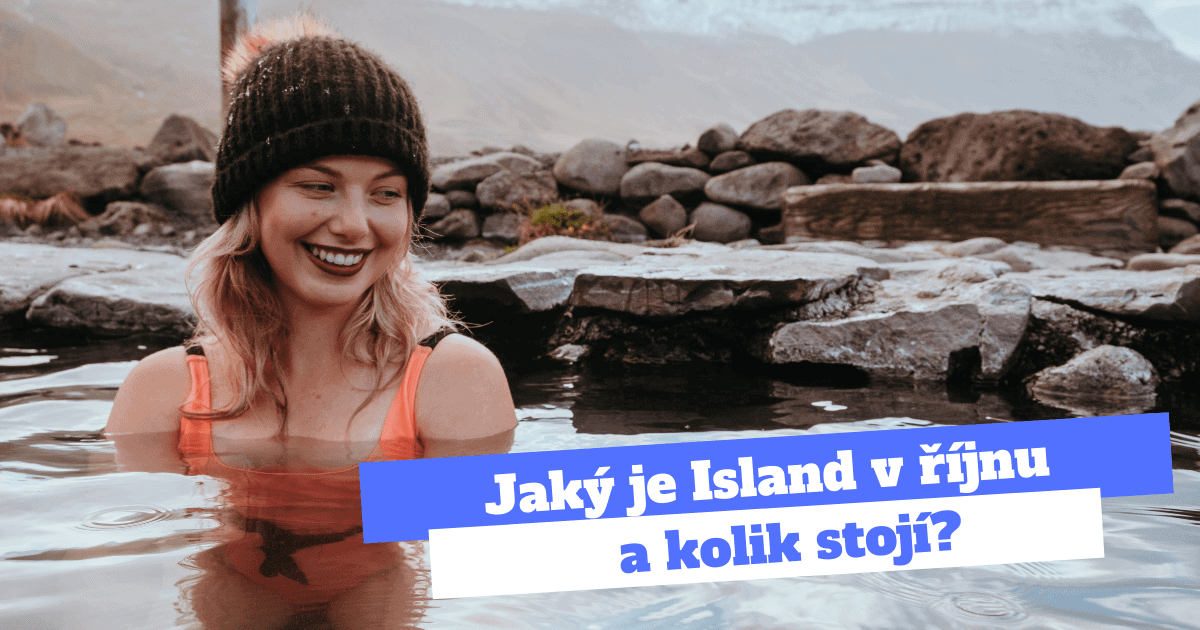
 At the end of September we set off for two weeks in Iceland, and we were a little worried — because on the first of October, winter officially begins in Iceland. No, I’m not making this up: shops and restaurants routinely put up signs reading “closed for the winter, reopening in April.” So what is Iceland like in October? What clothes should you pack, and how much did it all cost for the four of us, even though we didn’t camp?
Did you know we’re putting together travel itineraries from road trips we’ve done ourselves — costs included? We started with Canada and the USA, Uganda, and you can also join us in the Tatras or in Australia.
What’s Changed Since Our Trip (2026 Update)
The budget below comes from our actual trip at the turn of September and October, and we treat it as an authentic record. A few numbers have shifted since then, though, so you have a realistic picture when planning for 2026.
- New per-kilometre tax. From January 2026 you pay a tax for every kilometre driven (roughly €0.05 per km), which most rental companies add to your hire — for a lap of the island budget around €70–120 extra. The good news: petrol got cheaper at the same time (around 305 ISK/l in summer 2026), so what you pay for the car and fuel works out about the same.
- Flights. The budget airline PLAY went bust in autumn 2025. The main carrier is once again Icelandair; in season you can fly direct from the UK, while off-season expect a connection.
- Prices overall. Accommodation and food have gone up since then. Our trick still holds, though: travel in as large a group as possible and cook for yourself — car and accommodation costs get split, and you’ll save the most in the supermarket (Bónus is the cheapest).
- Paying. Iceland is practically cashless these days — you can pay by card absolutely everywhere. Just carry a physical card and PIN for self-service petrol pumps and parking machines.
What Temperatures to Expect
Right at the airport in Reykjavík I picked up a newspaper with a huge headline: “thank god summer’s over.” I half laughed, half panicked, and pulled a hat onto my head. But once I read the article properly, I realised it was just sarcasm. The Icelander had written that he was glad winter had arrived, because there had been no summer to speak of.
You might be surprised to learn that Iceland sees no extreme temperatures in winter, thanks to the warm Gulf Stream. Average temperatures range from -10°C to 0°C depending on whether you’re in the Lowlands or the Highlands.
In October the thermometer showed a low of just -1°C, yet it still felt bitterly cold. Why? It doesn’t matter what the thermometer reads — Iceland is battered all year round by such an insane, freezing wind that it can feel like -30°C.
What Clothes to Bring
Don’t even think about leaving your winter jacket at home. With waterproof clothing you can’t go wrong in Iceland. Money invested in a proper rain jacket, waterproof trousers and shoes will literally warm your heart in Iceland. Forget the umbrella — there’s a reason you won’t see them in any shop in Iceland. Yes, you guessed it: the wind. Hats and gloves will be your best friends.

Everyone will tell you to layer up. Instead of one thick, warm garment, go for several layers of thermal clothing. Again, you won’t regret it. And don’t forget your swimwear, because Iceland is a land of hot springs — and it would be a real shame not to slip into at least one of them.
To Camp or Not to Camp
Yes, there are people who camp in Iceland in October and November. But without the right gear, they talk of sleepless nights in unbelievable cold and sleeping in heated toilet blocks. If you’re travelling by car as a pair, sleeping in the car is one option — you’ll be cold, but you’ll survive a week that way. I wouldn’t push it for longer. I’d only really reach for a tent with good equipment and experience of camping in winter and extreme conditions. And don’t bring a sleeping bag with a comfort rating of -10°C, because it simply won’t be enough. If you do decide to camp, definitely read Radka and Ivar’s article about the rules for sleeping in your car and camping in Iceland.
How “Expensive” Is Accommodation?
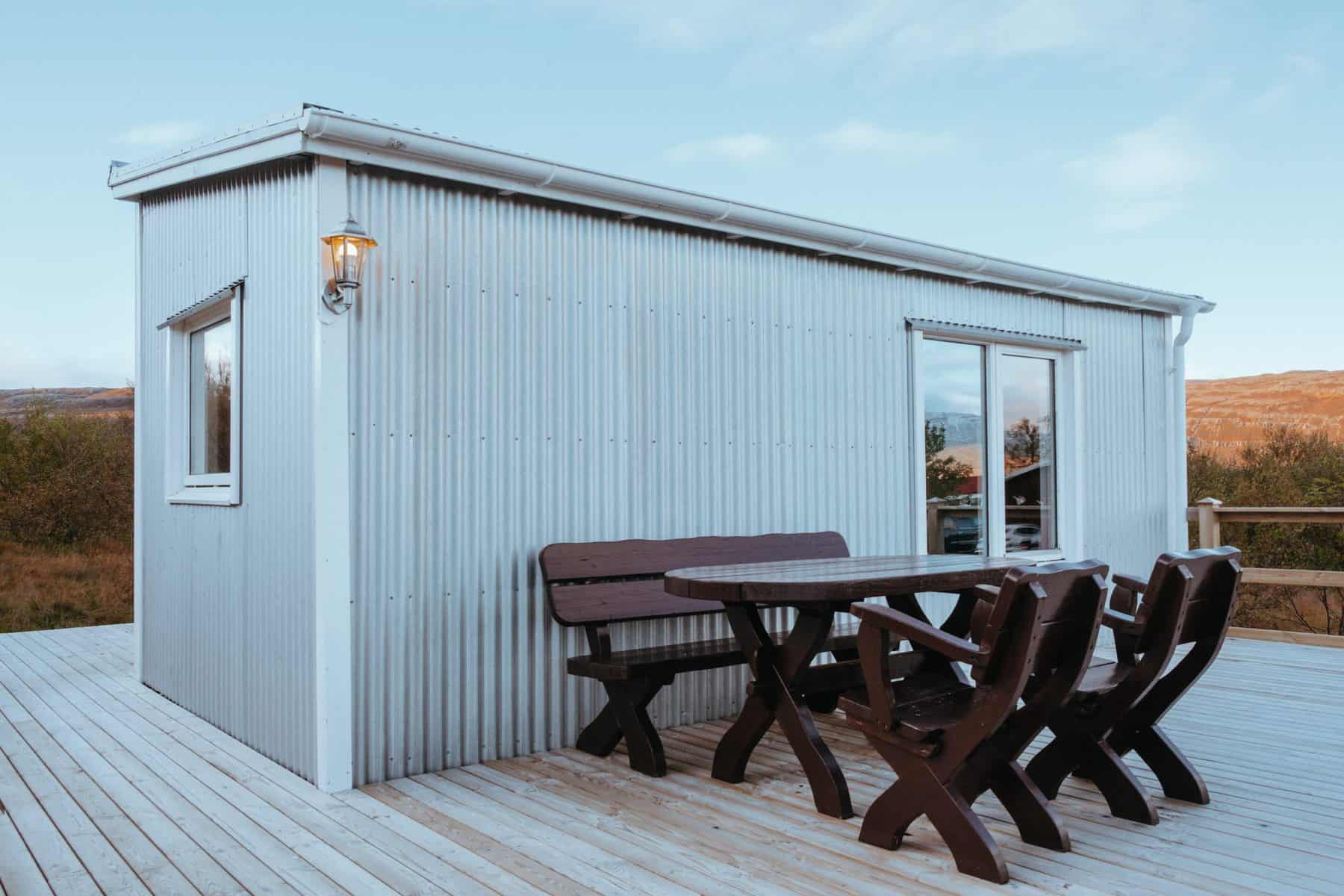
You can find accommodation for four people for €30–40 per person. For four people over 14 days it cost us €1,911, which works out to roughly €480 per person. You’ll sleep in cabins, budget hotels or hostels. There’s no need to fear Iceland’s hostels — most of them were genuinely lovely.
Why Pack a Packed Lunch, Even If You’re Not Trying to Save
In Iceland, eating in restaurants is at least three times more expensive than back home. If that doesn’t bother you, just keep a decent stock of food in the car anyway. Restaurants are definitely not on every corner (or even every other one), and in winter the less touristy spots — which is most of Iceland — are closed (yes, winter starts on 1 October).
How Much Groceries Cost in the Supermarket
If you cook and make your own packed lunches, you can save quite a lot on food. There’s no point bringing too much from home. Supermarkets have very similar prices to those in the UK; only fresh produce is noticeably pricier, and you can’t pack that in a suitcase anyway. The cheapest chain by far is Bónus — look out for its pink piggy logo.
We ate out only once — it cost €48 for the four of us — and the rest of the time we cooked and prepared snacks, so our total food bill came to just €265. That’s €66 per person (over 14 days), or €4.74 per person per day!
What Did We Cook?
We made Mexican tacos with avocado, lentil soup, chickpeas with peppers, and also classic pasta with pesto or tomato sauce. For breakfast we had bread with hummus or jam, yoghurt with muesli, or we’d make eggs and pancakes.
What’s the Most Expensive Part of Iceland
Petrol and car hire. Definitely get a 4×4 in Iceland, especially if you’re not coming in summer and want to go anywhere beyond the main Ring Road. Yes, you’ll hear about people getting around in a small car, but trust us — some roads are about the same quality as the ones in Uganda, and it’s not worth the risk. Renting a Suzuki Grand Vitara XL cost us €620.
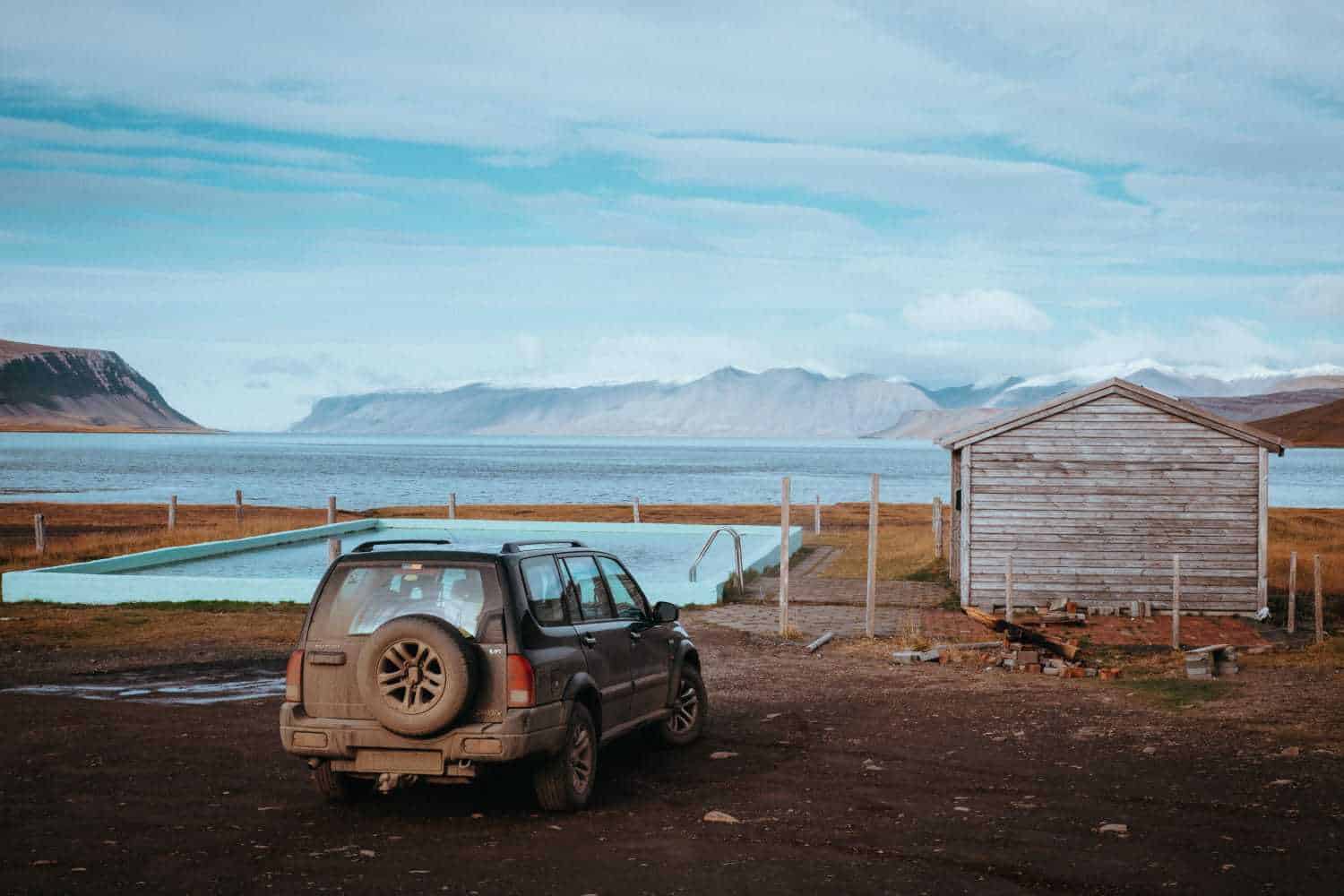
Petrol in Iceland costs €1.70–1.80 per litre, and if you want to drive around the island, count on about 3,500 km. Petrol cost us €800 in total.
How Much Did It Cost in Total?
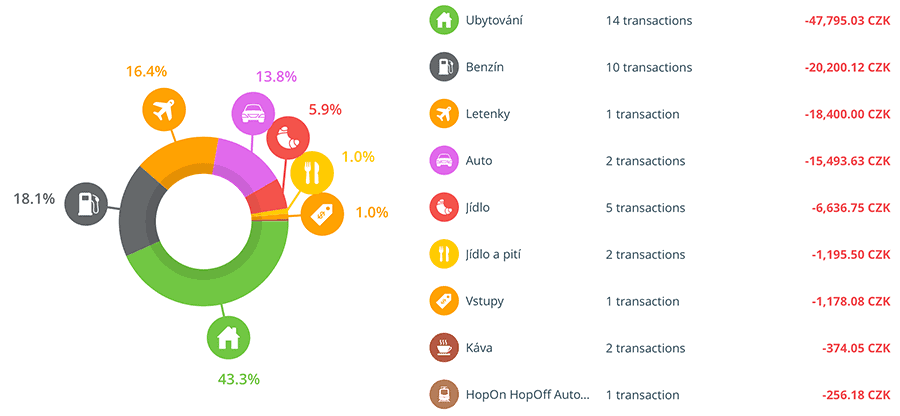
Two weeks in Iceland cost us €4,460 for four people, which is €1,115 per person. If you’re heading to Iceland and wondering how to save, we recommend travelling in the biggest group you can. We looked at the budget of Gabiinwanderland, who went as a couple for 9 days (mostly camping) and Iceland set them back €1,240! So you can comfortably sleep four in hotels, hostels and Airbnbs and Iceland will work out cheaper. Petrol and the car are the most expensive items.
Books We Recommend for Planning Your Iceland Trip
[visual-link-preview encoded=”eyJ0eXBlIjoiaW50ZXJuYWwiLCJwb3N0Ijo1Mzg0OCwicG9zdF9sYWJlbCI6IlDFmcOtc3DEm3ZlayA1Mzg0OCAtIFJvYWR0cmlwIHBvIElzbGFuZHU6IDE0ZGVubsOtIGl0aW5lcsOhxZkgKyB0aXB5IG5hIHVieXRvdsOhbsOtIiwidXJsIjoiIiwiaW1hZ2VfaWQiOjUzODg1LCJpbWFnZV91cmwiOiJodHRwczovL2xvdWRhdnlta3Jva2VtLmN6L3dwLWNvbnRlbnQvdXBsb2Fkcy8yMDE5LzAxL1BvbGFybmlfemFyZV9Jc2xhbmQtMzcweDIzMC5qcGciLCJ0aXRsZSI6IlJvYWR0cmlwIHBvIElzbGFuZHU6IDE0ZGVubsOtIGl0aW5lcsOhxZkgKyB0aXB5IG5hIHVieXRvdsOhbsOtIiwic3VtbWFyeSI6IkNodMSbbGkgYnlzdGUgdsSbZMSbdCwgamFrwqB0b2hvIGLEm2hlbSAxNC0xNSBkbsOtIHZpZMSbdCBuYSBJc2xhbmR1IGNvIG5lanbDrWNlPyBLYW0gc2UgcG9kw612YXQgYSBrZGUgc2UgdWJ5dG92YXQ/ICIsInRlbXBsYXRlIjoidXNlX2RlZmF1bHRfZnJvbV9zZXR0aW5ncyJ9″] [visual-link-preview encoded=”eyJ0eXBlIjoiaW50ZXJuYWwiLCJwb3N0Ijo1MjM1NSwicG9zdF9sYWJlbCI6IlDFmcOtc3DEm3ZlayA1MjM1NSAtIDE2IG5lamxlcMWhw61jaCBob3Jrw71jaCBwcmFtZW7FryBuYSBJc2xhbmR1LCBrdGVyw6kgbXVzw610ZSBuYXbFoXTDrXZpdCIsInVybCI6IiIsImltYWdlX2lkIjo1MjM2MiwiaW1hZ2VfdXJsIjoiaHR0cHM6Ly9sb3VkYXZ5bWtyb2tlbS5jei93cC1jb250ZW50L3VwbG9hZHMvMjAxOC8wNy8zMDg5MDY3NV84MzgwNzQyNDMwNDc4MDFfNjI0MTgwMjAwMzM1MDAyODI4OF9uLTM3MHgyMzAuanBnIiwidGl0bGUiOiIxNiBuZWpsZXDFocOtY2ggaG9ya8O9Y2ggcHJhbWVuxa8gbmEgSXNsYW5kdSwga3RlcsOpIG11c8OtdGUgbmF2xaF0w612aXQiLCJzdW1tYXJ5IjoiVnlyw6HFvsOtdGUgbmEgSXNsYW5kIGEgcGzDoW51amV0ZSBuYXbFoXTDrXZpdCB0eSBuZWprb3V6ZWxuxJtqxaHDrSBob3QgcG90eT8gR8OhYmkgaW4gV2FuZGVybGFuZCBuYSBJc2xhbmR1IHN0csOhdmlsYSBkdmEgbsOhZGhlcm7DqSB0w71kbnkgYSB2eWJyYWxhIHBybyB2w6FzIHR5IG5lamtyw6FzbsSbasWhw60uIiwidGVtcGxhdGUiOiJkZWZhdWx0In0=”] [visual-link-preview encoded=”eyJ0eXBlIjoiaW50ZXJuYWwiLCJwb3N0Ijo1Mjk5OSwicG9zdF9sYWJlbCI6IlDFmcOtc3DEm3ZlayA1Mjk5OSAtIDIwIG5lamtyw6FzbsSbasWhw61jaCBtw61zdCBuYSBJc2xhbmR1LCBrdGVyw6EgbXVzw610ZSBuYXbFoXTDrXZpdCIsInVybCI6IiIsImltYWdlX2lkIjo1Mjk4OSwiaW1hZ2VfdXJsIjoiaHR0cHM6Ly9sb3VkYXZ5bWtyb2tlbS5jei93cC1jb250ZW50L3VwbG9hZHMvMjAxOC8xMC9pc2xhbmQtdHlwaWNrZS1wb2Nhc2ktMzcweDIzMC5qcGciLCJ0aXRsZSI6IjIwIG5lamtyw6FzbsSbasWhw61jaCBtw61zdCBuYSBJc2xhbmR1LCBrdGVyw6EgbXVzw610ZSBuYXbFoXTDrXZpdCIsInN1bW1hcnkiOiJJc2xhbmQgamUgYXNpIG5lamtyw6FzbsSbasWhw60gYSBuZWpmb3RvZ2VuacSNdMSbasWhw60gemVtxJssIGt0ZXJvdSBqc21lIHPCoEx1a8OhxaFlbSBuYXbFoXTDrXZpbGkuIFbFr2JlYyBuZXDFmWVow6Fuw61tLCBrZHnFviB2w6FtIMWZZWtudSwgxb5lIHN0YcSNw60gamVkbm9kdcWhZSBuxJtrYW0gamV0IGEgYnVkZXRlIHrDrXJhdC4gQWxlIHDFmWVjZSBqZW4ganNvdSBtw61zdGEsIGt0ZXLDqSBieXN0ZSBuZW3Em2xpIHZ5bmVjaGF0LiIsInRlbXBsYXRlIjoiZGVmYXVsdCJ9″]Frequently Asked Questions About Iceland in October
What’s the weather like in Iceland in October?
Temperatures hover around 0 to 5 °C, but due to the icy wind it feels much colder. We measured a low of -1 °C and it was still properly freezing. Layer up, bring waterproof jacket and trousers, a hat and gloves — leave the umbrella at home, the wind will destroy it anyway.
How much does a holiday in Iceland cost in October?
Two weeks for four people (excluding flights) cost us roughly €1,120 per person, because we stayed in hostels and apartments and mainly cooked for ourselves. The most expensive things are the car with petrol and accommodation — the more people, the cheaper it gets.
Is it worth going to Iceland outside the season?
If you want to save money and avoid crowds, yes. However, bear in mind that from 1 October many services and restaurants close in less touristy areas, so having a food supply in the car is essential.
Can you eat cheaply and vegetarian in Iceland?
No problem. We cooked most of our meals ourselves — pasta with pesto, lentil soup, chickpeas, tacos with avocado, for breakfast bread with hummus or eggs. Our food costs came to only around €5 per person per day.
Tips and Tricks for Travelling Around Iceland
What to PackTake a look at our travel packing guide to help with your preparations. Choose the right travel backpack, check out our favourite travel gadgets, and make sure you don’t leave anything important behind.Where to Find FlightsHunt for cheap flights on Kiwi, our favourite booking portal. Be sure to read our guide on how to find cheap flights.Car HireWe regularly use the comparison site RentalCars.com, which helps us choose the right car provider.Booking AccommodationBooking.com is our favourite hotel search engine. We always compare hotels against local apartments and rooms on Airbnb (discount on your first stay). Read about how we find cheap accommodation.Don’t Forget InsuranceTravel insurance is an absolute must. For shorter trips we choose AXA (50% discount) and for longer trips the British insurer True Traveller. Take a look at our comparison of all the insurers and pick the one that suits you best. |
Tips and Tricks for Your Vacation
Don’t Overpay for Flights
Search for flights on Kayak. It’s our favorite search engine because it scans the websites of all airlines and always finds the cheapest connection.
Book Your Accommodation Smartly
The best experiences we’ve had when looking for accommodation (from Alaska to Morocco) are with Booking.com, where hotels, apartments, and entire houses are usually the cheapest and most widely available.
Don’t Forget Travel Insurance
Good travel insurance will protect you against illness, accidents, theft, or flight cancellations. We’ve had a few hospital visits abroad, so we know how important it is to have proper insurance arranged.
Where we insure ourselves: SafetyWing (best for everyone) and TrueTraveller (for extra-long trips).
Why don’t we recommend any Czech insurance company? Because they have too many restrictions. They set limits on the number of days abroad, travel insurance via a credit card often requires you to pay medical expenses only with that card, and they frequently limit the number of returns to the Czech Republic.
Find the Best Experiences
Get Your Guide is a huge online marketplace where you can book guided walks, trips, skip-the-line tickets, tours, and much more. We always find some extra fun there!


