

Planning a holiday in sunny Turkey? Whether you’re heading to the Turkish Riviera, bustling Istanbul, or magical Cappadocia, having the right gear will help you enjoy your trip to the fullest. Turkey offers stunning beaches, rich history, incredible cuisine, and friendly locals — and a solid Turkey packing list is the first step to a stress-free trip.
To help your holiday go smoothly, we’ve put together a complete guide on what to pack for a holiday in Turkey.
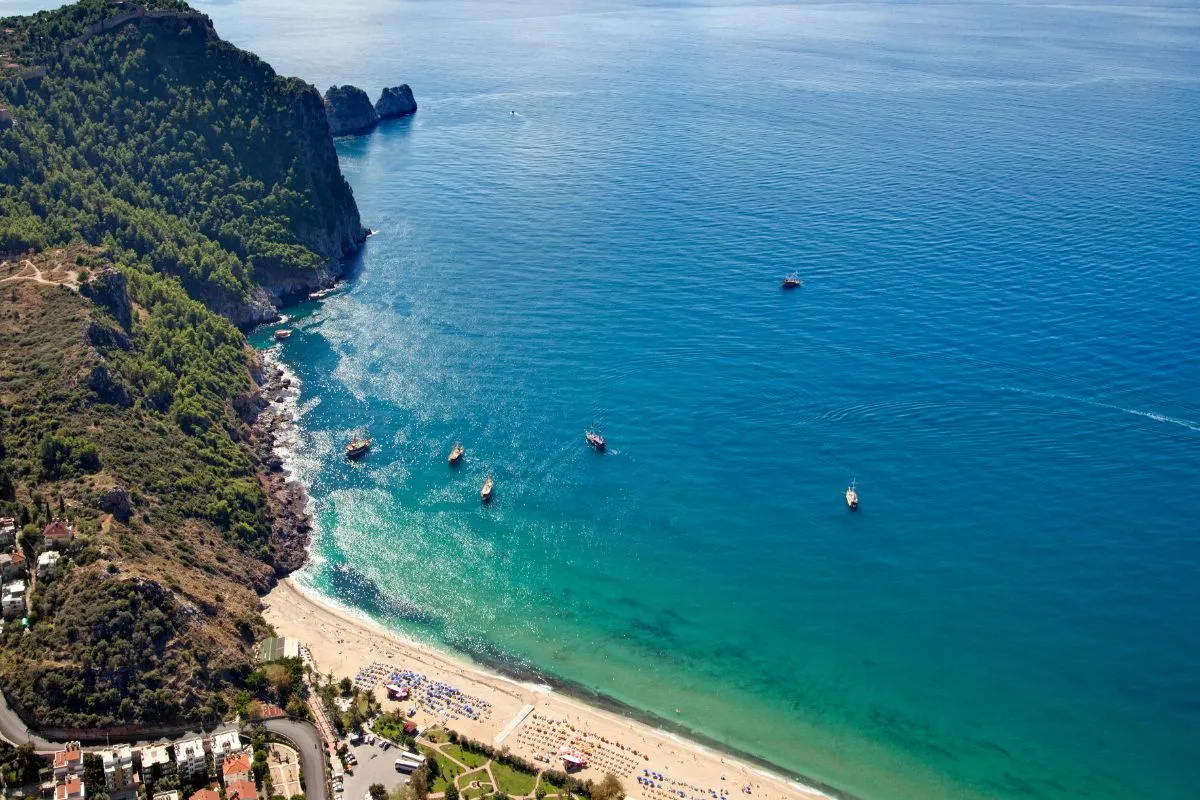
Turkey Packing List: What to Pack
We’ve put together a list of everything you’ll need for your holiday in Turkey.
💡Also read: 25 Things to Do in Antalya
Essential Documents and Money
Before you start packing clothes and swimsuits, make sure you have all the important documents sorted. Without them, your trip could end before it even begins.
Passport and Visa
Your passport is the absolute essential. It must be valid for at least 150 days from the date of entry into Turkey. Good news for British travellers — if you’re visiting for tourism purposes and your stay doesn’t exceed 90 days within a 180-day period, you don’t need a visa for Turkey. Even so, check your passport’s validity before travelling and make sure you meet all requirements.
Money and Payment Cards
The currency in Turkey is the Turkish lira (TRY). We recommend bringing both a payment card and some cash. In tourist areas and larger cities, cards are accepted almost everywhere, but at traditional markets (bazaars) or smaller street stalls, you’ll need cash.
It’s handy to carry a small amount in euros or pounds, which you can exchange on the spot at official exchange offices (CHANGE OFFICE). Alternatively, you can withdraw Turkish lira directly from ATMs. Before your trip, check with your bank what fees apply for overseas withdrawals.
And if you want to pay by card with favourable exchange rates, we recommend getting a Revolut card — you can have it as a physical card or on your phone.
Travel Insurance
Never travel without travel insurance. Even though Turkey is considered a safe destination, accidents can happen anywhere. Your insurance should cover medical care, lost luggage, and potential cancellation fees. If you’re travelling with a tour operator, insurance is often included in the package price, but always double-check.
💡We recommend travel insurance from SafetyWing.
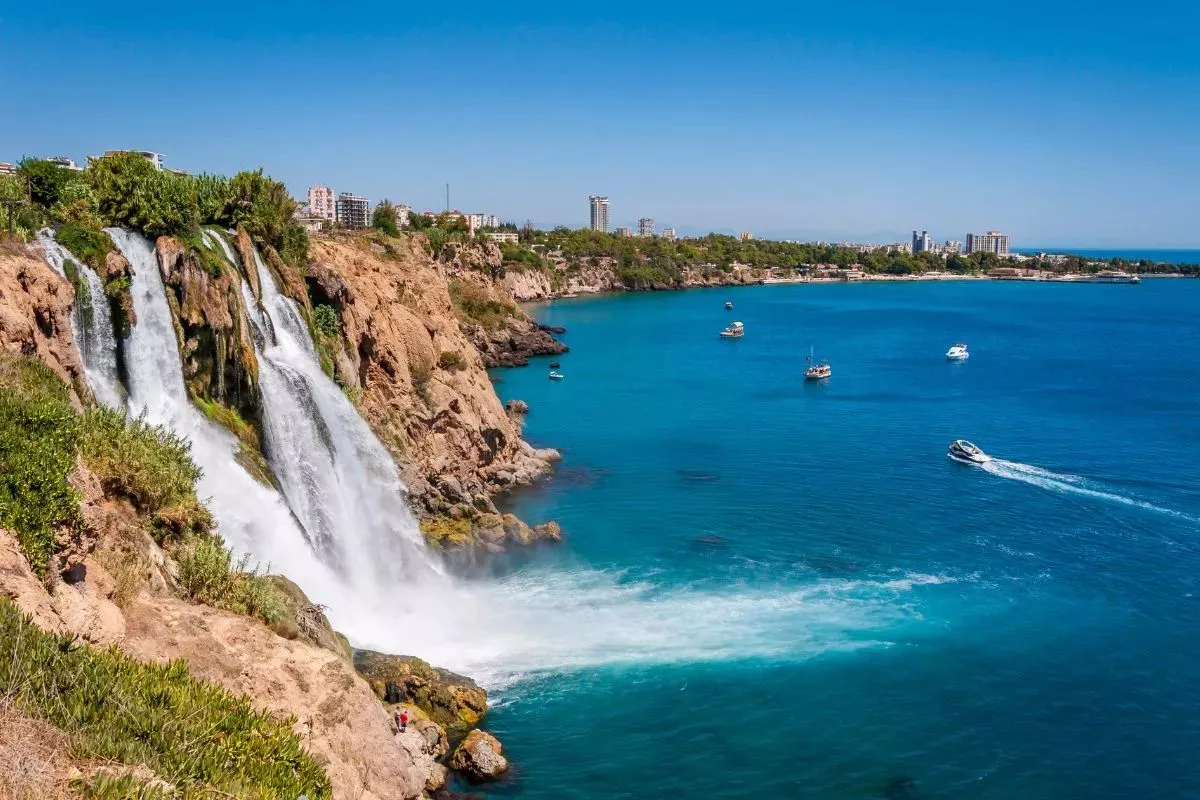
Clothing and Footwear for Turkey’s Climate
Turkey is a country with a diverse climate. During the summer months, temperatures can be very high, especially in July and August, when they can reach up to 40 °C (104 °F).
Summer Clothing
For a summer holiday, pack:
- Several lightweight t-shirts and tank tops made from natural fabrics,
- shorts and light skirts,
- a couple of swimsuits (ideally two, so you can dry one while wearing the other),
- a lightweight long-sleeve shirt for sun protection,
- light summer dresses for women,
- a hat, cap, or headscarf for sun protection.
Note that even in summer, a hoodie or light jacket can come in handy, particularly because of air conditioning in hotels and shops, or when it cools down in the evening.
Footwear for Different Occasions
For a holiday in Turkey, bring:
- Comfortable sandals for everyday wear,
- flip-flops or sliders for the beach,
- trainers or walking shoes for excursions and city walks,
- water shoes (if you plan to visit rocky or pebbly beaches).
Clothing for Visiting Mosques
If you plan to visit mosques or other religious sites, prepare appropriate clothing. Women should have their shoulders, neckline, and knees covered, and in some cases their hair as well (bring a scarf). Men should wear long trousers and have their shoulders covered.
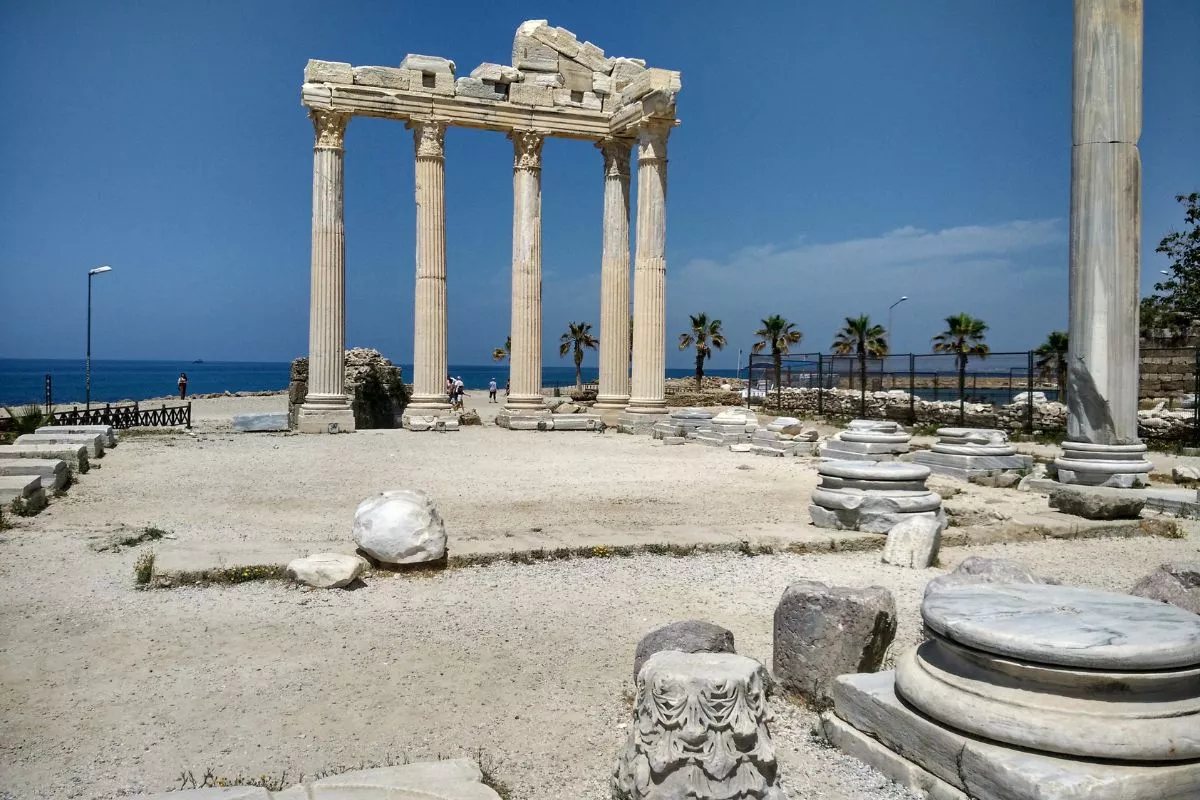
💡TIP: If you haven’t decided where to go in Turkey yet, we recommend Side.
Toiletries and Cosmetics
Most hotels provide basic toiletries, but there are some personal items you should bring from home.
Basic Hygiene
Don’t forget:
- Toothbrush and toothpaste,
- shower gel and shampoo (in small travel sizes, or pack waterless cosmetics),
- deodorant and perfume,
- feminine hygiene products,
- shaving supplies for men,
- contact lenses and solution (if you wear them),
- a small pack of wet wipes.
Sun Care Products
The sun in Turkey is very strong, so protection is essential:
- Sunscreen with a high SPF (30–50),
- after-sun cream with aloe vera,
- lip balm with UV protection,
- panthenol or another product for treating sunburn.
Personal First Aid Kit
Although you’ll find pharmacies almost everywhere in Turkey, it’s wise to bring basic medications with you.
Essential Medications
Pack in your travel first aid kit:
- Pain relief (ibuprofen, paracetamol),
- anti-diarrhoea medication (activated charcoal, Imodium),
- antihistamines for allergies (cetirizine, loratadine),
- cold and sore throat medication,
- blister plasters,
- antiseptic for minor cuts and scrapes,
- any prescription medications you take regularly — bring enough for your entire trip.
Electronics and Other Gear
It’s hard to imagine a modern holiday without technology.
Electronic Devices
Don’t forget to pack:
- Mobile phone and charger,
- camera with enough memory card space,
- a power bank for charging on the go,
- an e-reader or a book for the journey.
💡TIP: If you want to stay connected without roaming charges, consider getting an eSIM from Holafly or Yesim for easy mobile data in Turkey.
Beach Equipment
If you plan to spend time at the beach, bring:
- A beach towel (hotel towels usually can’t be taken to the beach, though beach towels are often available for hire — sometimes for a fee, sometimes included in all-inclusive packages),
- a beach bag,
- an inflatable lilo or swim ring (you can also buy these locally),
- snorkel mask and snorkel.
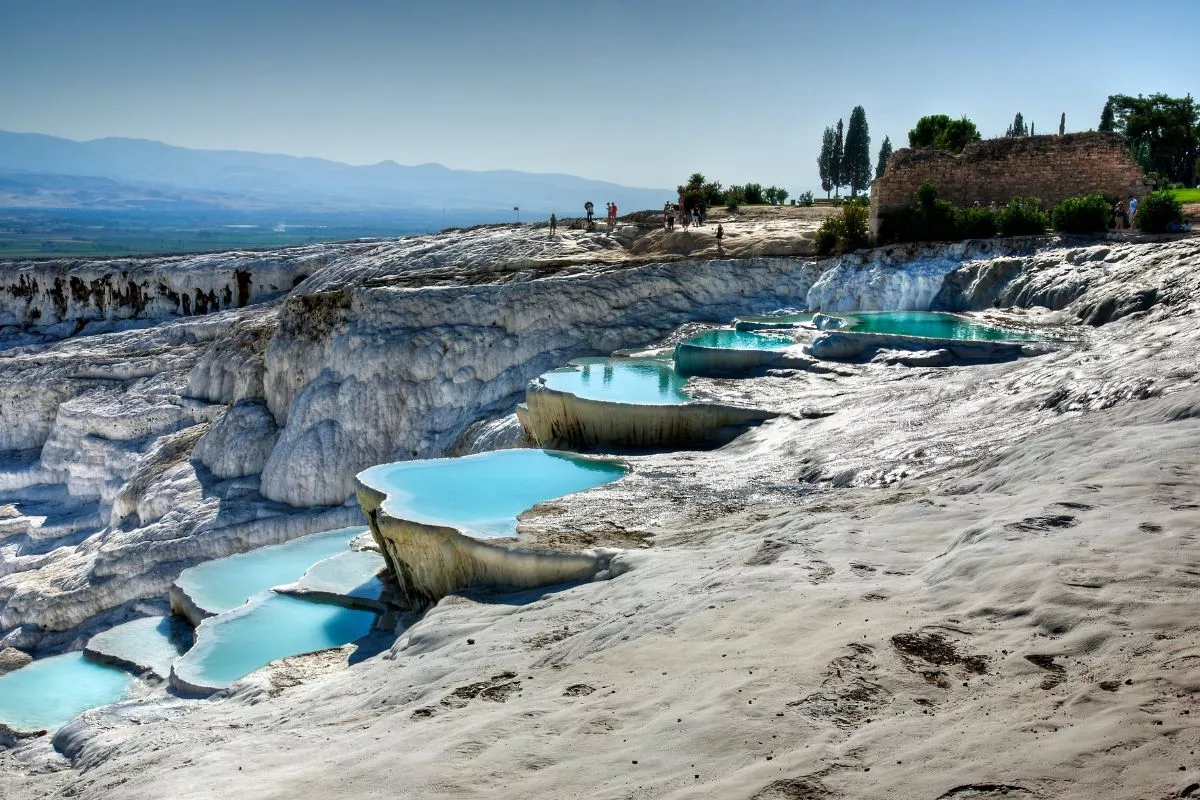
💡You might also enjoy: Pamukkale in Turkey
Other Useful Items
There are a few more items that can make your stay more enjoyable:
- A small sewing kit with needle and thread,
- nail clippers or small scissors,
- clothes pegs (for drying swimsuits on the balcony),
- a small daypack or bum bag for excursions,
- a phrasebook or translation app for basic Turkish,
- a reusable water bottle (you can refill it),
- a small pouch for valuables (passport, money, phone).
What to Watch Out for in Turkey
Turkey is a relatively safe country, but as with any trip abroad, it pays to be cautious and respect local customs.
Safety and Local Customs
- Alcohol: Drinking alcohol is legal in Turkey, but remember it’s a predominantly Muslim country. Be moderate and respect local customs.
- Photography: Don’t take photos of military buildings, and in some museums and monuments photography is prohibited.
- Bargaining: At bazaars, haggling is a normal part of shopping. Don’t be afraid to negotiate on the price, but stay polite.
- Tap water: While it’s technically drinkable in many areas, it’s recommended to drink bottled water to avoid potential stomach issues.
- Respect for religion: During Ramadan, be considerate towards fasting Muslims and avoid eating, drinking, and smoking in public during the day.
Health Precautions
- Stomach issues: To avoid digestive problems, drink bottled water, avoid ice in drinks from street vendors, and wash your hands thoroughly.
- Sunburn: The Turkish sun is very strong. Use sunscreen, wear a hat, and avoid direct sunlight during the midday hours.
- Mosquitoes: In some areas, mosquitoes can be a nuisance. Pack insect repellent.
💡Also read: Things to Do in Manavgat
Frequently Asked Questions
Do I Need a Passport for Turkey?
Yes, you need a valid passport to enter Turkey. It must be valid for at least 150 days from the date of entry into the country.
Do I Need a Visa for Turkey?
If you’re a British citizen travelling to Turkey for tourism for a stay not exceeding 90 days within a 180-day period, you don’t need a visa.
What Is the Weather Like in Turkey?
Turkey has a diverse climate. Along the Aegean and Mediterranean coasts, summers are hot and dry (June–September, with temperatures of 30–40 °C / 86–104 °F), while winters are mild and rainy. The interior has a continental climate with hot summers and cold winters. The best time to visit the coastal areas is from May to September.
Is Turkey a Safe Country?
Turkey is generally considered a safe destination for tourists. As in any country, however, basic safety precautions should be observed. Before travelling, we recommend checking the latest travel advice on the UK Foreign, Commonwealth & Development Office (FCDO) website.
Can I Drink Tap Water in Turkey?
In tourist areas, tap water is often chlorinated and technically safe to drink, but it may cause stomach issues due to its different mineral composition. We recommend drinking bottled water, which is very affordable in Turkey.
Where Are the Best Beaches in Turkey?
Some of the most beautiful beaches in Turkey include the Blue Lagoon in Ölüdeniz, the beaches of Antalya, Bodrum, Marmaris, Alanya, and Kemer. Many of these beaches have been awarded the Blue Flag for cleanliness and services.
Tips and Tricks for Your Vacation
Don’t Overpay for Flights
Search for flights on Kayak. It’s our favorite search engine because it scans the websites of all airlines and always finds the cheapest connection.
Book Your Accommodation Smartly
The best experiences we’ve had when looking for accommodation (from Alaska to Morocco) are with Booking.com, where hotels, apartments, and entire houses are usually the cheapest and most widely available.
Don’t Forget Travel Insurance
Good travel insurance will protect you against illness, accidents, theft, or flight cancellations. We’ve had a few hospital visits abroad, so we know how important it is to have proper insurance arranged.
Where we insure ourselves: SafetyWing (best for everyone) and TrueTraveller (for extra-long trips).
Why don’t we recommend any Czech insurance company? Because they have too many restrictions. They set limits on the number of days abroad, travel insurance via a credit card often requires you to pay medical expenses only with that card, and they frequently limit the number of returns to the Czech Republic.
Find the Best Experiences
Get Your Guide is a huge online marketplace where you can book guided walks, trips, skip-the-line tickets, tours, and much more. We always find some extra fun there!


