
When we set off on our three-month road trip through Canada and the USA, we had pretty naive ideas about what camping in the USA and Canada would actually look like. We imagined pulling into a campground every evening, lighting a fire, unfolding our camping chairs, and cooking a delicious dinner on our portable stove. How far that was from reality, we soon found out.
How Much Do Campgrounds Cost in the USA and Canada
Paying $25–$50 per night for a campground was financially unsustainable for us, so our evenings turned into a hunt for free places to sleep, cook, and find showers.
Over those three months, we learned a lot about car camping, and today we want to share it with you. If you have anything to add, feel free to leave us a comment below.
Where to Camp for Free in the USA and Canada
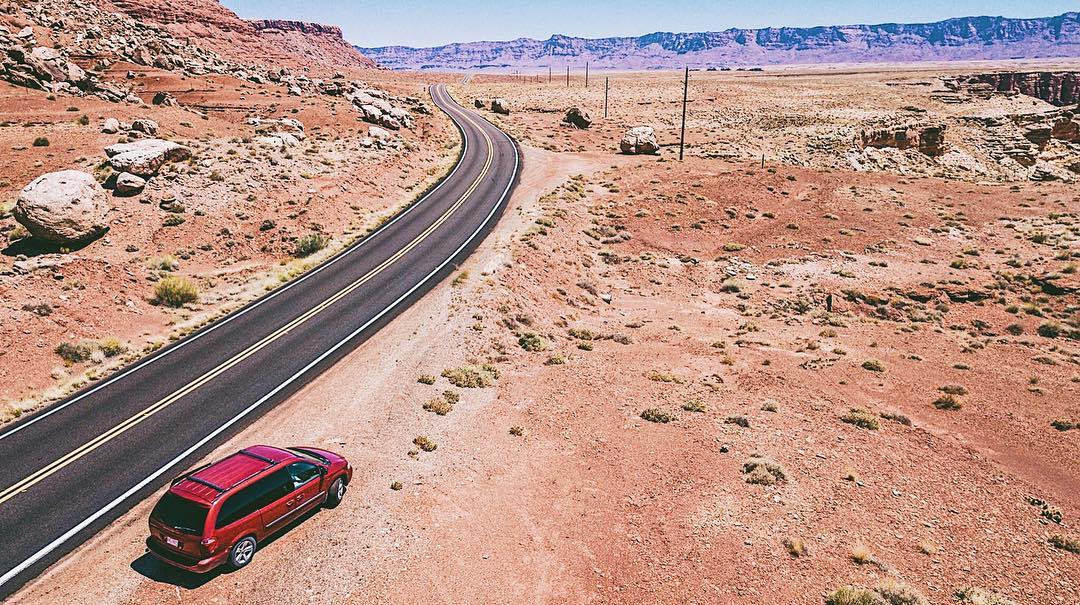
Sometimes it was easy, other times it required a great deal of improvisation, and occasionally we had to bend the rules. Here’s a simple list of places where we often camped for free:
Free Camping in the USA: Dispersed Camping
Our first choice was always to look for free campgrounds. On freecampsites.net you can find campsites that usually don’t have toilets and rarely have picnic tables, but camping at these spots is completely FREE. It works on a first-come, first-served basis. Some are basically just a flattened patch of dirt, while others are fairly well-maintained camping spots. This is what’s known as wild camping in the USA, and it’s a fantastic budget option.
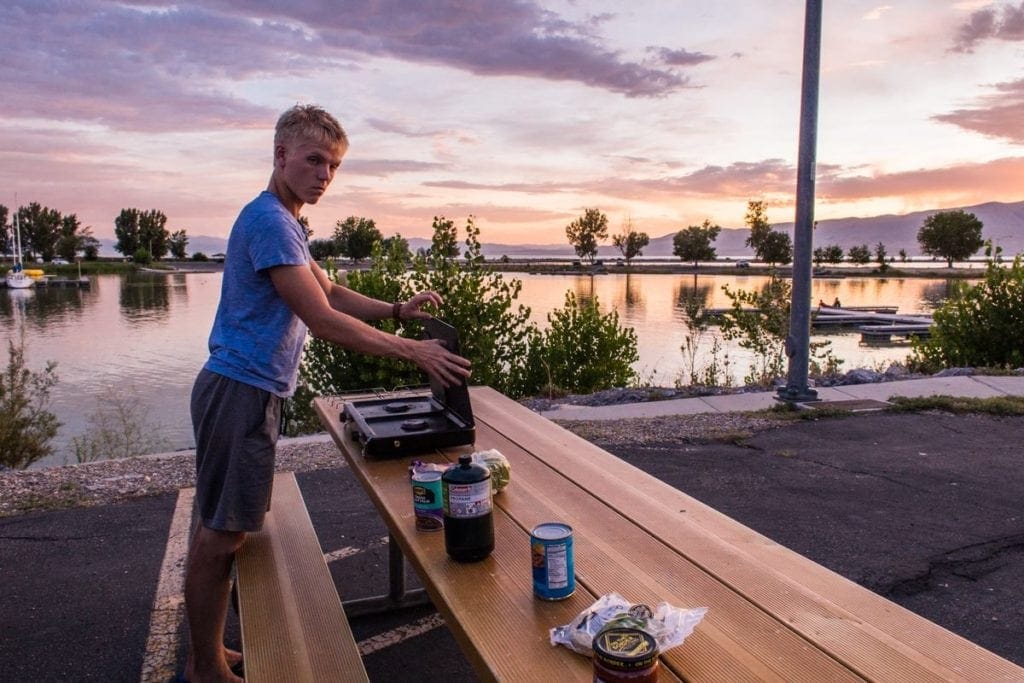
These campsites are on “land that belongs to all Americans” — public land managed by the Bureau of Land Management or the Forest Service — and they exist so you can enjoy nature without sharing a few square metres with dozens of other campers. The camping spots are often far apart, and sometimes you have to drive down very rough roads to reach them.
Rest Areas
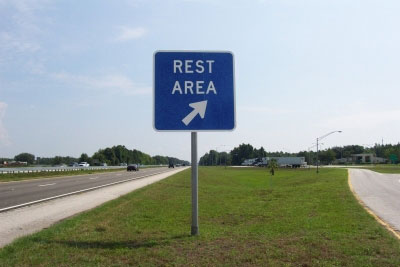
Along major highways, you’ll often find rest areas for truck drivers where you can stay for up to 8 hours. In Washington and Oregon, we slept at these very frequently because they have drinking water, toilets, picnic tables, and — most importantly — dark spots where streetlights won’t disturb your sleep.
Supermarkets – Camping in the USA
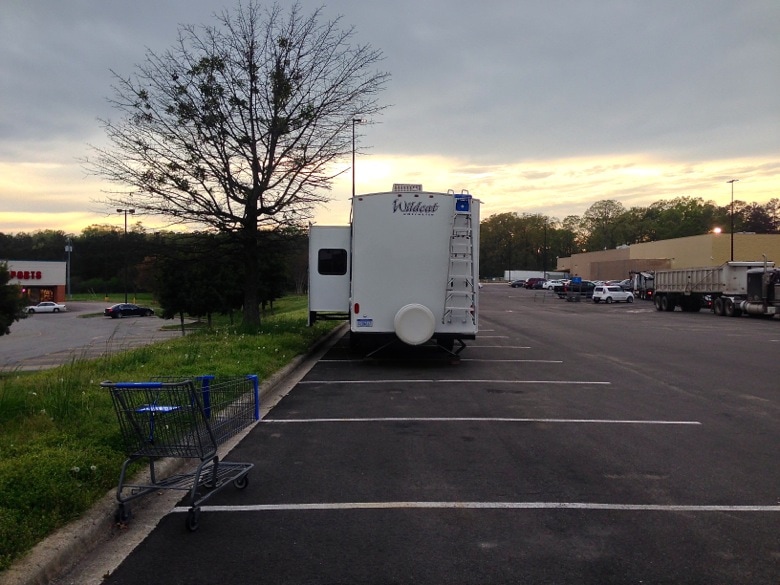
You can park overnight in most Walmart car parks. I’d recommend checking beforehand, or once you’re there, look around for motorhomes — RV campers use Walmarts extensively. You can also park overnight at other supermarket car parks, and most are listed on the aforementioned freecampsites.net. The downside of this type of parking is the amount of lighting — if your car windows aren’t well blacked out, it won’t make for a pleasant night’s sleep.
Truck Stops
A huge number of trucks travel across the USA, so many petrol stations are set up to cater to them. These truck stops have facilities for drivers, including showers. We occasionally slept in the car parks of these stations, but the noise from trucks and the bright lights don’t exactly make for a restful night.
Car Parks at Multi-Day Trailheads
Officially, you’re not allowed to do this, but when you’re desperate, it works. When we headed to Panorama Ridge Trail, we slept in the car right at the trailhead, where cars are parked overnight because people do this hike over several days. In cases like this, just park up, crawl into the back, and pretend you’re not there.
Gravel Roads
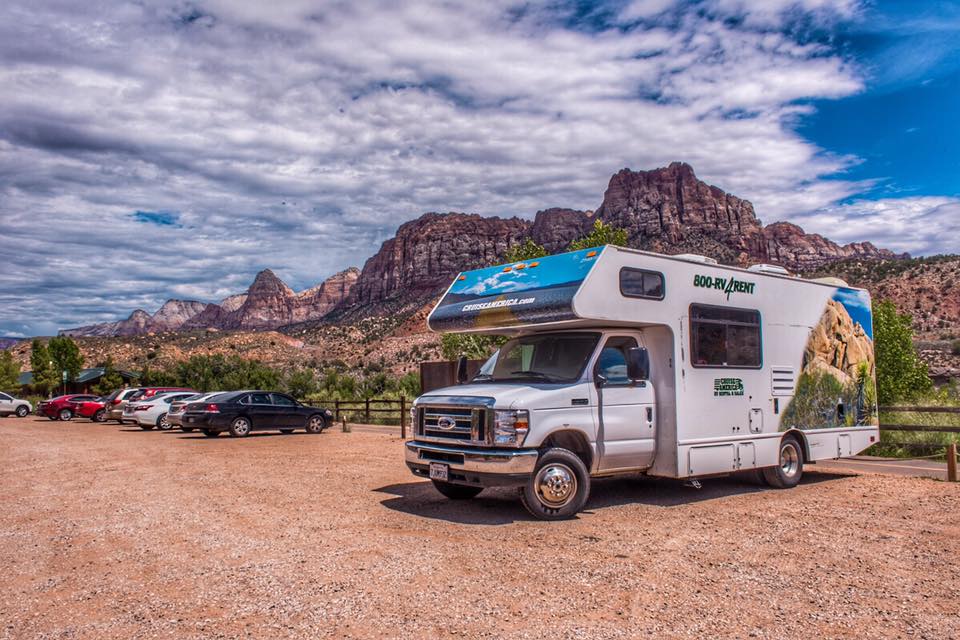
We used this option mainly in Alaska and the less populated areas of British Columbia. The risk is that you might end up on private property, so it really depends on your common sense and the specific location.
How to Find Free Camping Spots
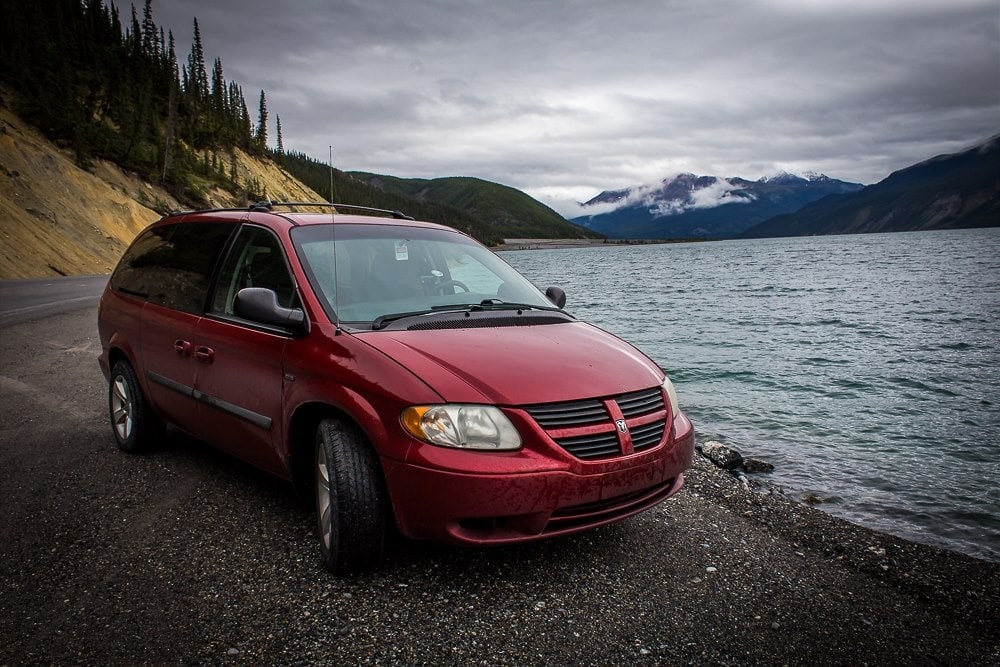
Finding a place to sleep in your car is often somewhere between an art and pure luck. Americans have special terms for this style of free camping: boondocking and freecamping are the most commonly used words we’d type into search engines.
What Never to Do
Don’t park in public park car parks in towns. It’s suspicious to be the only car somewhere. If a place clearly states “no overnight parking,” it’s more than likely they monitor it, and there’s nothing worse than being woken at 3 a.m. and told to move along. If you have no other option, choose a hotel car park rather than a residential area. Arrive late, leave early in the morning.
Where to Shower for Free in the USA
The more days we went without a shower, the worse our mood got. It deteriorated with every mile driven, and many of our evenings and mornings were consumed by a desperate search for showers. In the last two weeks, we would have paid anything for a daily shower, and it was the first thing we’d check about any place we were heading to.
Paid Showers at Campgrounds
Many campgrounds will sell you just a shower. Prices vary widely — it could be $1 or $10. Sometimes they’re timed, sometimes unlimited. The bad news is that in very touristy areas of both Canada and the USA, campgrounds are either discontinuing shower-only access or significantly raising the prices.
Laundromats
We came across laundromats with showers mainly in Alaska, British Columbia, and Washington State. Whether coin-operated or pay-up-front, the price was usually around $3–$6 and they were timed. We often managed to shower together, which you can’t do at campgrounds.
Truck Stops
The truck driver facilities mentioned earlier also have showers. However, if you’re not a truck driver, a shower will cost you $12. The good thing is that two people can shower together, and there’s no time limit.
National Parks and State Parks in the USA
We discovered this rather late, but at most national parks you receive a newspaper that lists where you can shower. Even smaller state parks — and there are thousands of them — usually have showers, either free or coin-operated. Entry to state parks is typically around $10 per vehicle.
Swimming Pools
Admission to a swimming pool can be cheaper than a shower at a campground. We took advantage of this in Oregon and California. For $3–$6 we’d pay for pool entry and simply use the showers.
Lakes and Rivers
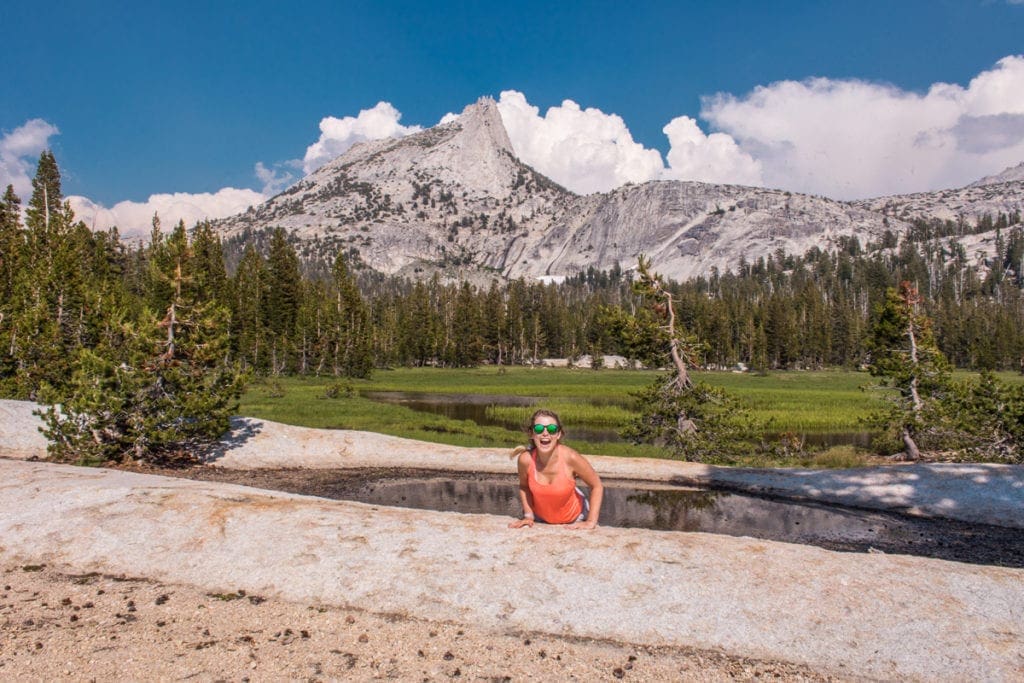
I’d recommend asking at visitor centres which lakes or rivers are best for swimming. We’re probably not the biggest lake people — we only swam in Lake Tahoe and then in Yosemite. The latter wasn’t exactly pleasant, as the water was about 13°C (55°F).
How to Stay Sane During Long Drives
When we drove to Alaska, the journey took 38 hours, and we did it over 3 days without a proper stop. Over those 3 months, we spent 4–12 hours a day driving. The radio kept playing the same songs on repeat, and our playlists got old very quickly. To keep from going mad, we listened to all sorts of educational podcasts and audiobooks. Here’s a selection of the best things we listened to — just for inspiration.
Audiobooks
Magazines
Podcasts
Tips and Tricks to Save Money While Travelling
What to PackCheck out our packing guide for travellers to help you prepare. Choose the right travel backpack, browse our travel gear recommendations, and make sure you don’t leave anything important at home. Where to Find FlightsSearch for cheap flights on Kiwi — it’s our favourite flight search engine. Make sure to read our guide on finding cheap flights. Car RentalWe regularly use the comparison site RentalCars.com to help us choose the best car rental provider. Booking AccommodationBooking.com is our favourite hotel search engine. We always compare hotels with local apartments and rooms on Airbnb (get a discount here). Read about how we find cheap accommodation. Don’t Forget Travel InsuranceTravel insurance is an absolute must. For shorter trips we go with AXA, and for longer trips we use True Traveller. Check out our comparison of travel insurance providers and pick the one that suits you best. |
Frequently Asked Questions
How far in advance should I book a campsite?
We didn’t make any reservations, but campgrounds near national parks were full. For popular locations, it’s advisable to book up to 6 months in advance — you can use sites like Reserve America to secure your spot.
How much do campgrounds cost in the USA?
Prices typically range from $40 to $50, and $60–$100 during peak season in national parks.
Is camping in the USA safe?
Yes, camping in the USA is safe.
Is camping in Canada safe?
Camping in Canada is safe — Canada is one of the safest countries in the world.
Tips and Tricks for Your Vacation
Don’t Overpay for Flights
Search for flights on Kayak. It’s our favorite search engine because it scans the websites of all airlines and always finds the cheapest connection.
Book Your Accommodation Smartly
The best experiences we’ve had when looking for accommodation (from Alaska to Morocco) are with Booking.com, where hotels, apartments, and entire houses are usually the cheapest and most widely available.
Don’t Forget Travel Insurance
Good travel insurance will protect you against illness, accidents, theft, or flight cancellations. We’ve had a few hospital visits abroad, so we know how important it is to have proper insurance arranged.
Where we insure ourselves: SafetyWing (best for everyone) and TrueTraveller (for extra-long trips).
Why don’t we recommend any Czech insurance company? Because they have too many restrictions. They set limits on the number of days abroad, travel insurance via a credit card often requires you to pay medical expenses only with that card, and they frequently limit the number of returns to the Czech Republic.
Find the Best Experiences
Get Your Guide is a huge online marketplace where you can book guided walks, trips, skip-the-line tickets, tours, and much more. We always find some extra fun there!


