

When I first laid eyes on those red sandstone cliffs rising dramatically above the turquoise water, I honestly wondered whether I’d been teleported to Mars. 😅 But then a wave hit — icy, North Atlantic, utterly awakening — and I knew I was still in Canada. Specifically on Prince Edward Island Canada’s smallest province, which punches well above its weight when it comes to natural beauty.
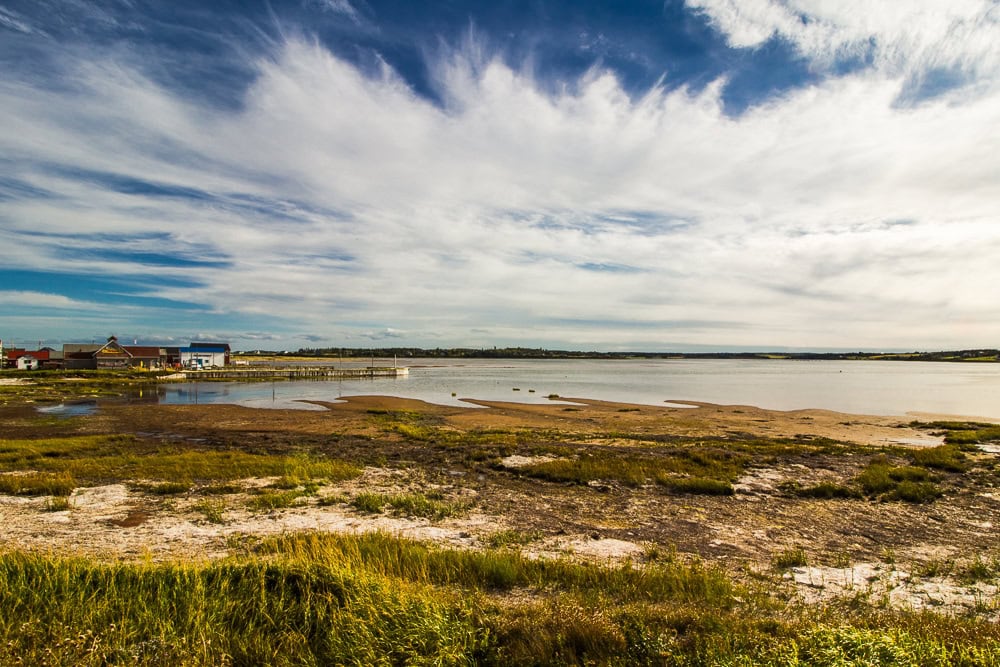
Prince Edward Island National Park is a place that wins you over with its sheer diversity. On one side, dunes covered in marram grass; on the other, red sandstone cliffs that look like they’ve been painted. In between, you’ll find beaches where seagulls outnumber people (even in July!), cycling paths running along the coast, and picturesque harbours where you can order fresh lobster straight from the fisherman.
In this article, you’ll find a complete guide to Prince Edward Island National Park — from the most beautiful beaches and viewpoints to practical tips on camping, accommodation, and where to find the best lobster roll on the island. I’ll tell you when to visit, how much it all costs, and what to watch out for so you leave the island feeling like you’ve seen the very best. I’ve put together 13 things to see and do that cover the entire park from Cavendish to Greenwich.
TL;DR
- Prince Edward Island National Park stretches along the island’s north shore for roughly 60 km and is famous for its red sandstone cliffs, dune systems, and red sand beaches.
- Best beaches: Cavendish Beach (iconic red cliffs), Brackley Beach (wide and peaceful), Greenwich Dunes (the wildest landscape in the park).
- Admission: The park is NOT free — a daily pass costs $8.50 CAD per adult (about £5), children under 17 get in free. Family admission is $17 CAD (about £10).
- Best time to visit: July and August for swimming, June and September for peace and lovely weather without the crowds.
- Camping: The park has 3 campgrounds (Cavendish, Stanhope, Robinsons Island) — book ahead, especially for July!
- Cycling: Gulf Shore Parkway is an absolutely gorgeous route along the coast — cycling is hands down the best way to explore the park.
- Food: Lobster suppers are an absolute must — New Glasgow Lobster Suppers are legendary.
- Getting around: A car is essential. Rentals are available on the island, but book early in summer.
- A Prince Edward Island National Park map can be downloaded from the Parks Canada website or picked up at the visitor centre in Cavendish.
- Anne of Green Gables: For fans of the book, the Cavendish area is a true pilgrimage site — the green house with white shutters is probably the most photographed building on the island.
The full destination guide: North America — guide and what to see
When to Visit and How to Get to Prince Edward Island National Park
Prince Edward Island is a place that really comes alive in summer — and the park is no exception. But timing your visit can dramatically shape your experience, so let’s break down exactly when to go and how to actually get to the island.
Best Time to Visit
July and August are the clear winners if you want to combine sightseeing with swimming. Air temperatures hover around 22–26 °C and the water in the Gulf warms up to around 20 °C, which is practically tropical for the Atlantic. 😁 Just bear in mind that July and August are peak season — Cavendish Beach in particular gets packed with families.
June and September are our insider recommendations. In June, everything is fresh and green, the beaches are half-empty, and accommodation is significantly cheaper. The weather is pleasant (17–22 °C), although the water is still too cold for a proper swim. September is beautiful thanks to the early autumn colours — the red cliffs combined with the first fall foliage look like something out of a painting.
October to May — the park is technically accessible year-round, but most services (campgrounds, visitor centres, bike rentals) only operate from June to September. In winter, you can go for a walk, but it’ll be just you, your thoughts, and the northwest wind on the beach.
How to Get to Prince Edward Island
There are two ways to reach the island:
Confederation Bridge — a 13 km-long bridge from New Brunswick and one of the longest bridges in the world over ice-covered waters. You only pay the toll when leaving the island ($49 CAD, about £28 per car). The crossing takes about 10 minutes, and the views over the Northumberland Strait are fantastic.
Ferry from Nova Scotia — Northumberland Ferries operates a service from Caribou to Wood Islands. The crossing takes 75 minutes, and again you only pay when leaving the island (about $82 CAD / £47 for car + driver). In summer, ferries run every one to two hours; less frequently in the off-season.
By air — Charlottetown Airport (YYG) has direct flights from Toronto, Montreal, and Ottawa. From the UK, you’ll typically fly into Toronto or Halifax and connect from there. From the airport to the park, it’s about a 40-minute drive.
If you’re planning a road trip across Canada, Prince Edward Island pairs perfectly with Nova Scotia and New Brunswick — the classic Maritime Provinces loop.
Car Rental
A car is absolutely essential on the island. Public transport is virtually non-existent, and the park is spread out — it’s over 50 km from Cavendish to Greenwich. We’ve had consistently great experiences with DiscoverCars, which we use all around the world. For PEI, I’d recommend booking well in advance, especially for July — cars can be in short supply during summer and prices skyrocket.
Getting around the park is straightforward. You can download a Prince Edward Island National Park map from the Parks Canada website ahead of time or pick up a paper copy at the Cavendish visitor centre. Roads are well-signposted and distances are short — you can drive through the entire park in about an hour.
Where to Stay and How Much a Holiday on Prince Edward Island Costs
Accommodation on PEI is pleasantly affordable compared to the rest of Canada — especially outside peak season. In July and August, however, prices jump up and some popular campgrounds and B&Bs sell out months in advance. Let’s look at your options and what it’ll all cost.
Camping in the Park
Prince Edward Island National Park camping is hands down the most authentic way to experience the park. Falling asleep under the stars with the sound of the surf in the background — no hotel can replace that.
The park has 3 campgrounds:
- Cavendish Campground — the largest with over 300 sites, closest to the main attractions. It has showers, a laundry, and a playground. Prices run about $28–36 CAD/night (£16–21). In July, it sells out fast — book at reservation.pc.gc.ca as soon as reservations open (usually in January).
- Stanhope Campground — smaller and quieter, right next to the gorgeous Stanhope Beach. Similar pricing. Popular with families and cyclists.
- Robinsons Island — the smallest and most basic, with no showers. But it’s also the quietest and closest to nature. Ideal if you want real solitude.
Tip: Book as early as possible. Cavendish Campground weekends in July can sell out up to 5 months ahead. Midweek you’ll have a better chance.
Hotels and B&Bs Near the Park
If you prefer a proper bed and a roof over your head, most accommodation is clustered around Cavendish and Brackley Beach.
In Charlottetown (40 minutes from the park) you’ll find the widest selection — from boutique hotels in Victorian houses to modern chain hotels. It makes a good base if you want to combine the park with exploring the provincial capital, which is also the Prince Edward Island capital.
13 Things to See and Do in Prince Edward Island National Park
Now let’s dive into the reason you’re here in the first place. The park stretches along the island’s north shore and offers incredible diversity — from iconic red cliffs and dunes bursting with wildflowers to picturesque fishing harbours. Here are 13 places and experiences you absolutely shouldn’t miss in Prince Edward Island National Park.
1. Cavendish Beach — the Iconic Red Cliffs Everyone Comes to See
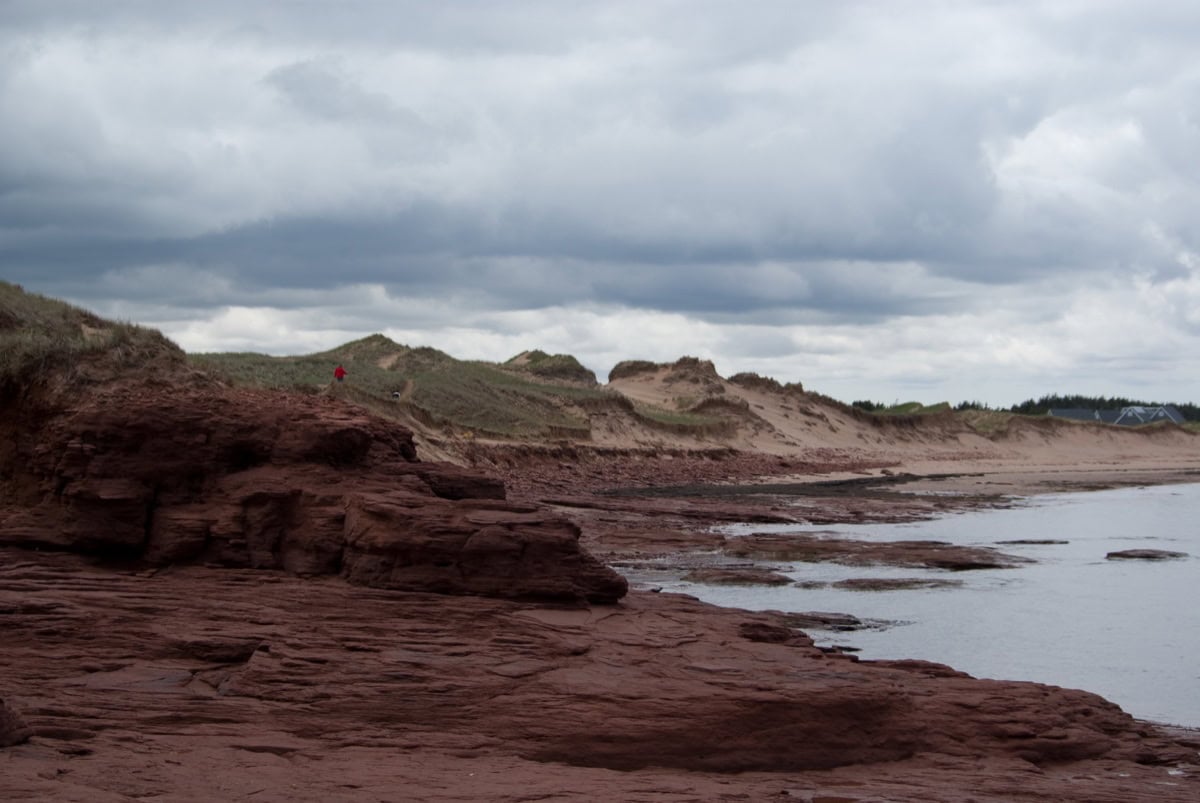
If you’ve ever seen a photo of Prince Edward Island, chances are it was Cavendish Beach. And I have to say — no photo does it justice. Those red sandstone cliffs are absolutely breathtaking. The red of the sandstone contrasted against the blue sky and turquoise gulf water creates a colour palette you’ll want to pocket and take home.
The beach itself is long, sandy, and pleasantly wide by Atlantic standards. In summer, the water is surprisingly comfortable — around 18–20 °C — and the gentle slope makes it ideal for families with children. Lifeguards are on duty in July and August.
But fair warning — Cavendish is also the busiest part of the park. It’ll be packed during peak season, especially around midday. Our tip: Arrive early in the morning (before 9:00) or late afternoon when most people are packing up. Watching the sunset at Cavendish Beach with the red cliffs as a backdrop is one of those moments when you’re tempted to chuck everything in and stay forever.
Parking is right at the beach (included in your admission) and there are toilets and changing facilities on site.
2. Greenwich Dunes — the Wildest Corner of the Park
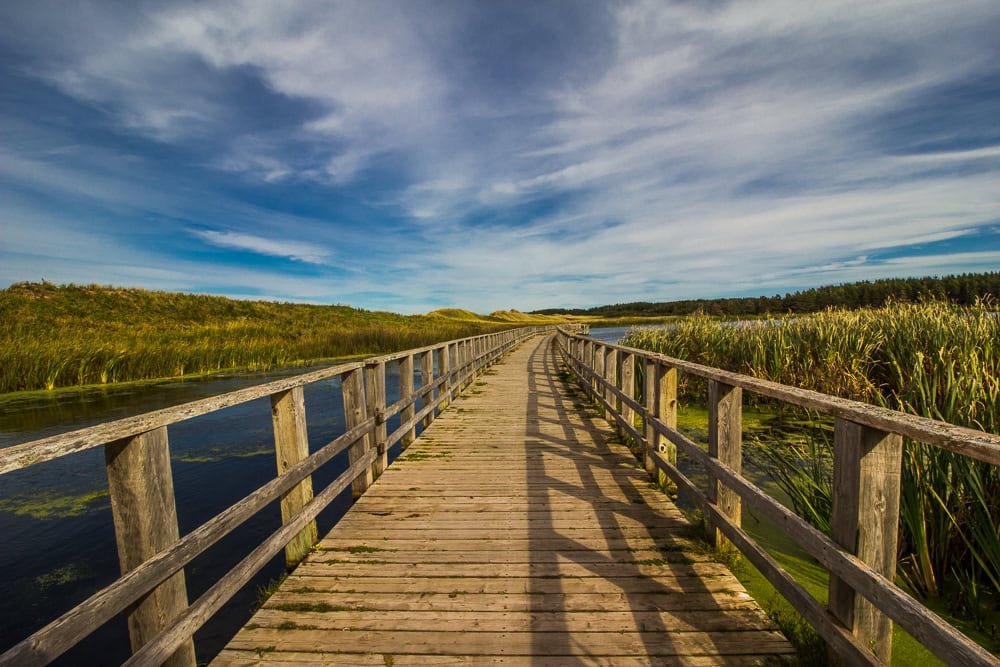
If you trust just one tip from this entire article, let it be this: go to Greenwich. It’s the eastern extension of the park, about 50 km from Cavendish, and most tourists never make it out here. Which is brilliant, because Greenwich is without a doubt the most beautiful spot in the entire park — and possibly the whole island.
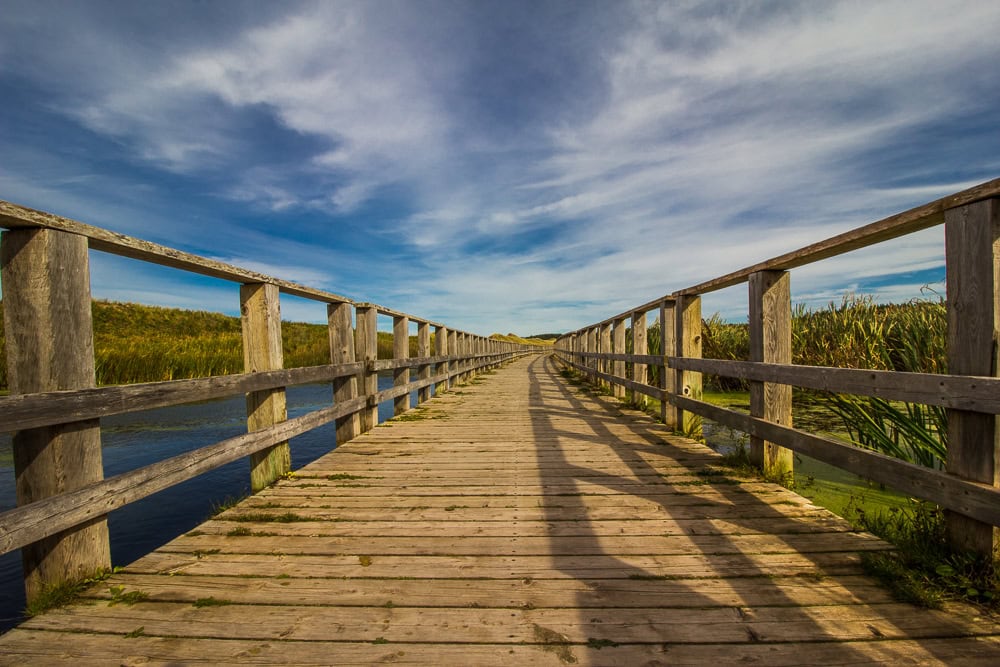
Access to the beaches and dunes is via a stunning boardwalk (Greenwich Dunes Trail, about 4.5 km return), which passes through three distinct ecosystems — forest, wetlands, and finally the monumental shifting dunes. These dunes are truly impressive — reaching heights of up to 20 metres and constantly moving with the wind. The system is one of the few of its kind in eastern Canada.
At the end of the trail, your reward awaits — a beach where you’ll very likely be completely alone. White sand, crystal-clear water, and silence broken only by the cries of terns. We spent an entire afternoon here and couldn’t bring ourselves to leave.
The Greenwich interpretation centre has an exhibition on the formation of the dunes and the archaeology of the area — it’s surprisingly engaging even if you think geology is boring. 😁
3. Brackley Beach — the Best for Swimming
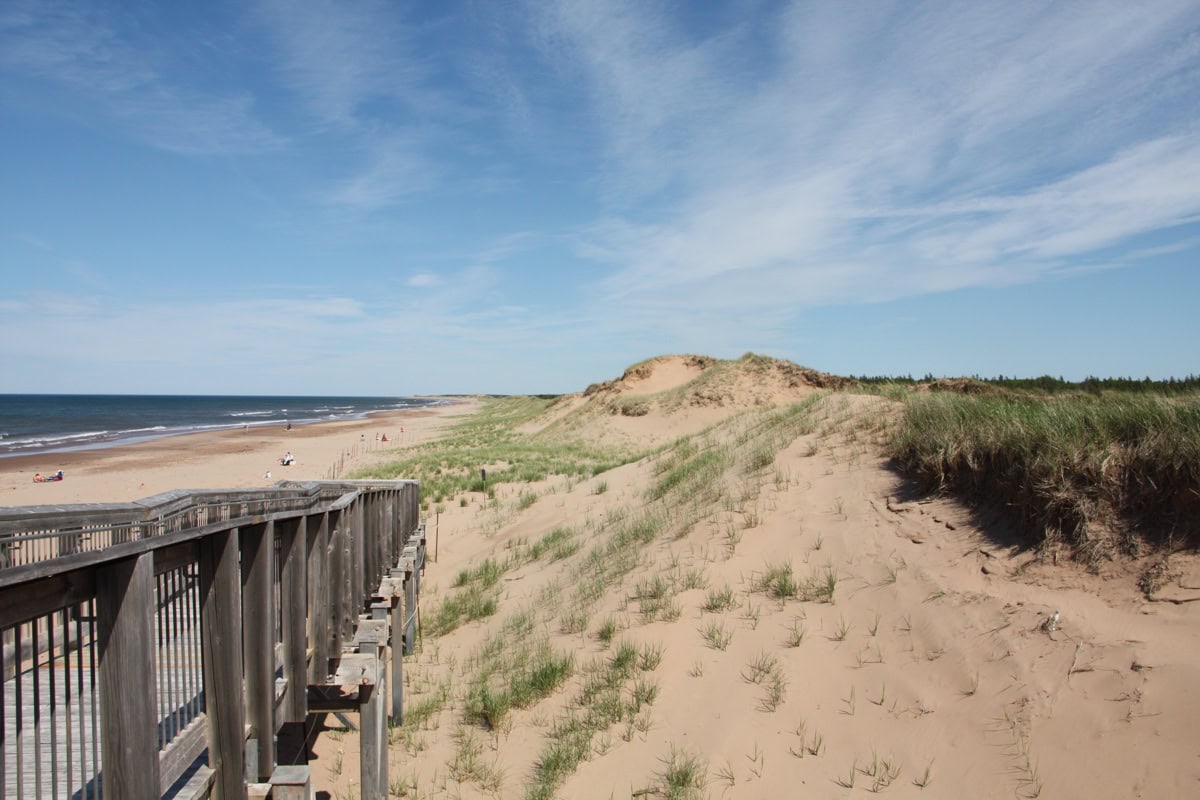
Brackley Beach is probably our favourite beach on the whole island when it comes purely to swimming and relaxation. It’s wide, long, with fine golden sand and a gentle slope into the water. Compared to Cavendish, there are significantly fewer people and the atmosphere is more laid-back.
The beach has excellent facilities — showers, toilets, changing rooms, and a small snack bar. Lifeguards are on duty during the season. Thanks to the shallow water, it’s a touch warmer here than elsewhere in the park, so you can stay in the sea for a good while even without a wetsuit.
Behind the beach, dunes stretch out covered in wild roses and marram grass — take a stroll along the boardwalk for beautiful views of the entire coastline. With a bit of luck, you might spot the endangered piping plover on your way to and from the beach — but please stick to the marked trails to avoid disturbing their nesting sites!
4. Gulf Shore Parkway by Bike — the Best Way to Explore the Park
If you only do one activity on PEI, make it a bike ride along Gulf Shore Parkway. This road runs along the coast from Cavendish through Brackley to Stanhope and offers some of the most stunning views on the entire island. It’s roughly 25 km one way — perfect for a half-day trip.
The route is mostly flat (PEI is blissfully pancake-flat 😅), so even less experienced cyclists can manage it easily. You can stop at any beach along the way for a swim or a snack before carrying on. On a bike, you’ll appreciate the scale and tranquillity of the park far more than you would from behind a windscreen.
You can rent bikes from several shops around Brackley and Cavendish — expect to pay about $25–40 CAD/day (£14–23). Some B&Bs and campgrounds offer bikes to guests free of charge.
Tip: Head out early in the morning when the road is nearly empty and the morning light on the red cliffs is absolutely magical.
5. Covehead Harbour — a Picturesque Port with the Best Lobster Roll
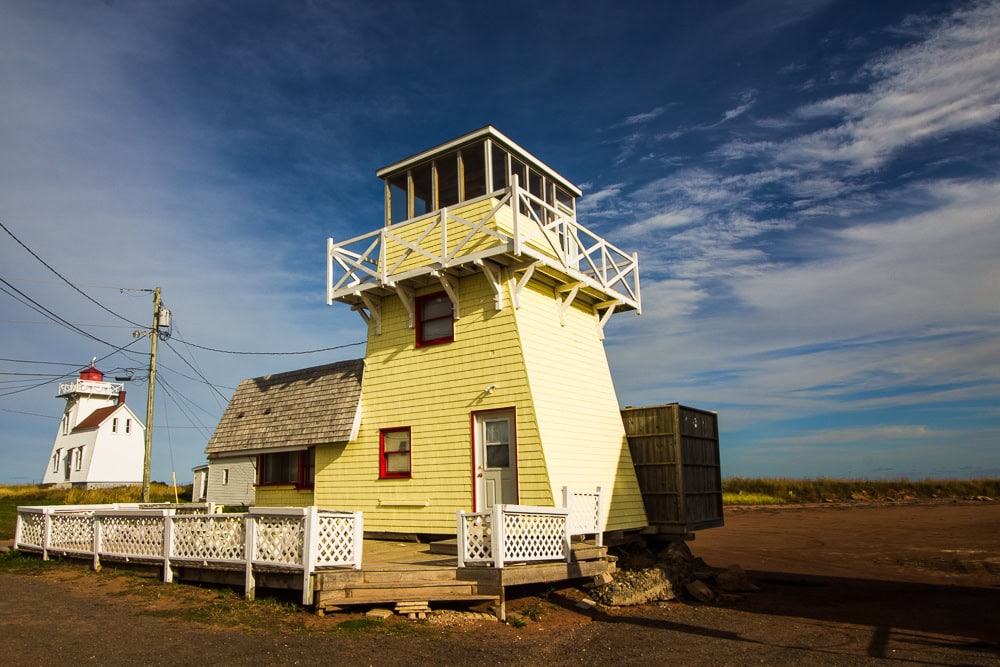
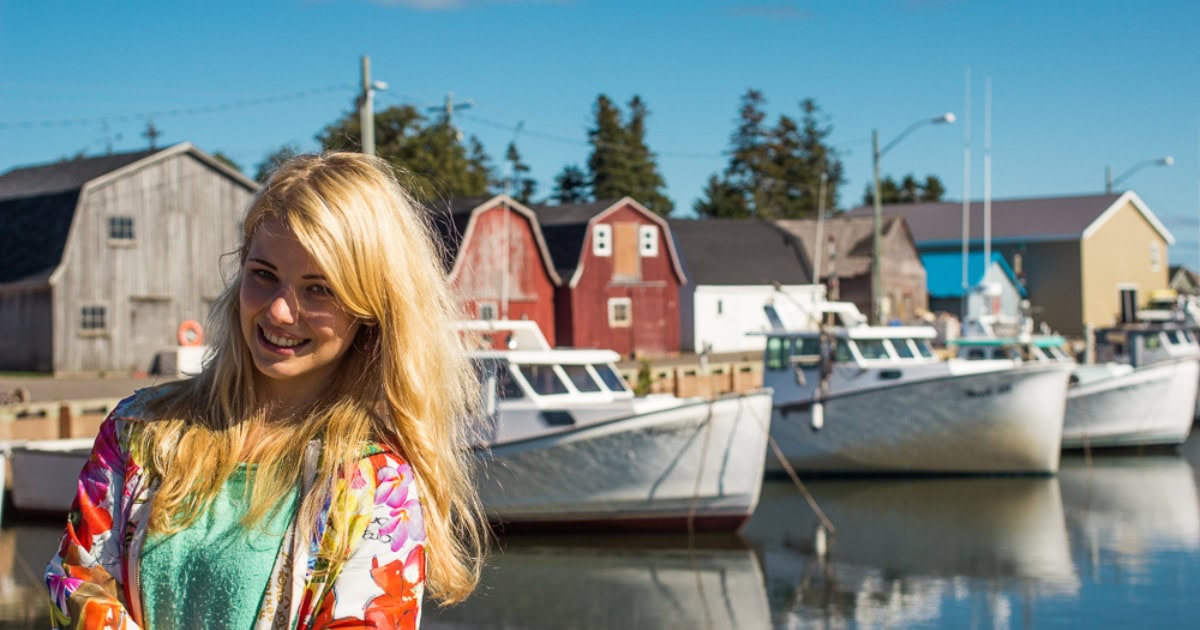
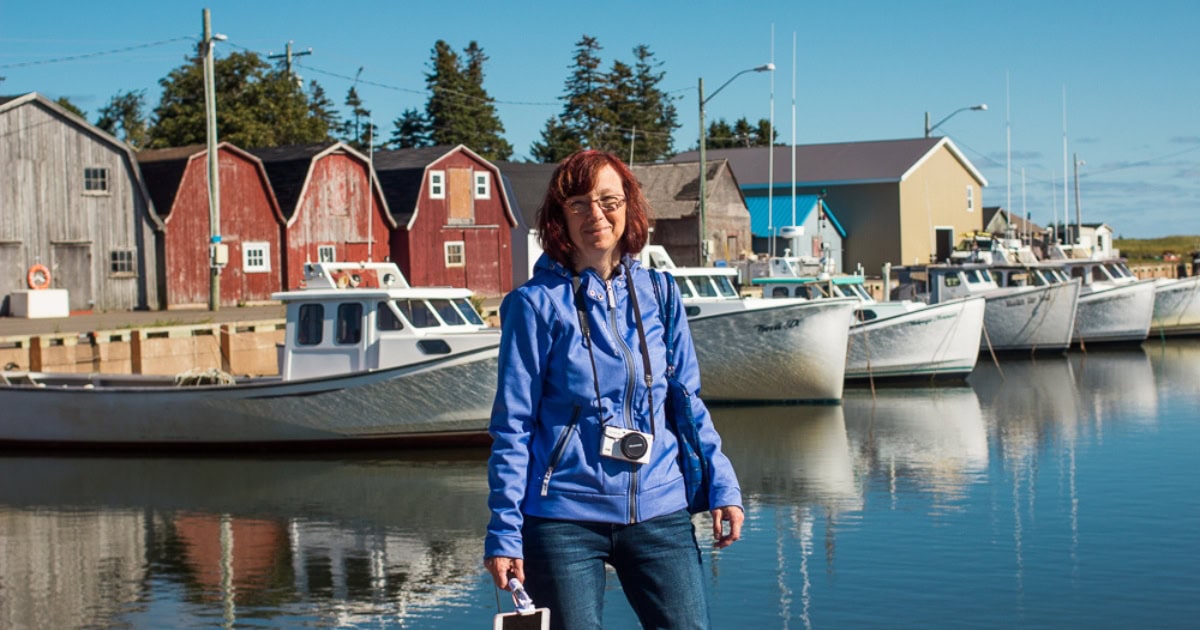
Covehead Harbour is one of those little fishing ports that make PEI so photogenic. Colourful fishing boats, stacks of lobster traps on the wharf, and calm gulf waters in the background — a quintessential Maritime scene.
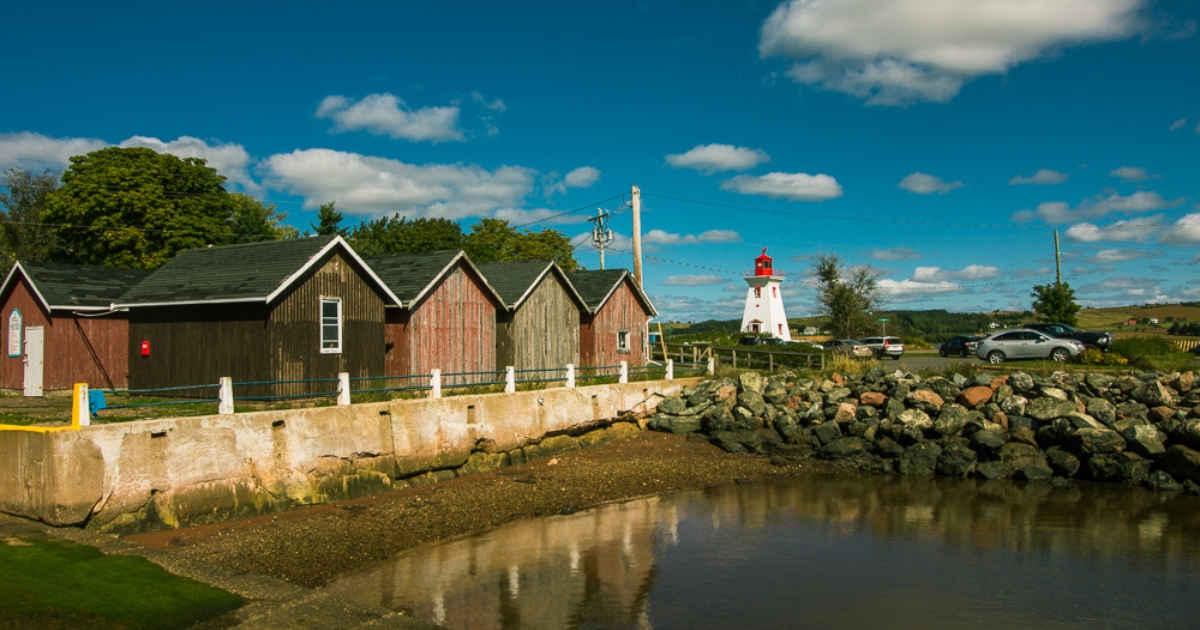
But Covehead Harbour isn’t just about photos. There’s the Covehead Harbour Lighthouse (small but charming) and, more importantly, Richard’s Fresh Seafood, which serves some of the best lobster rolls on the island. Fresh lobster, a buttery bun, eaten on a bench overlooking the harbour. You won’t find a better lunch on PEI.
The harbour sits right on Gulf Shore Parkway, so if you’re cycling, it’s the ideal halfway stop.
6. Green Gables Heritage Place — for Anne of Green Gables Fans
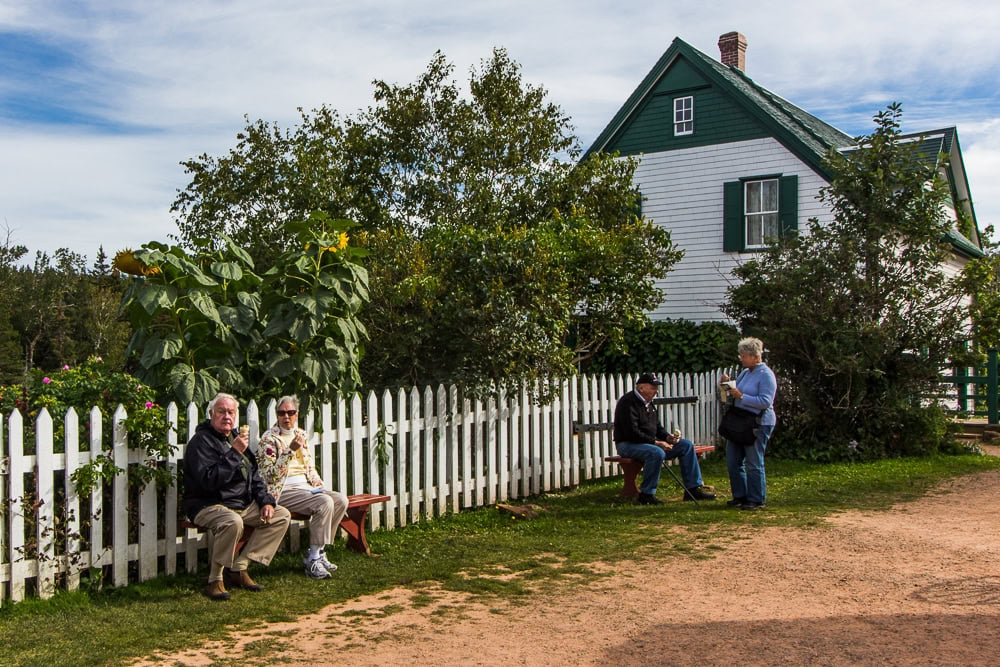
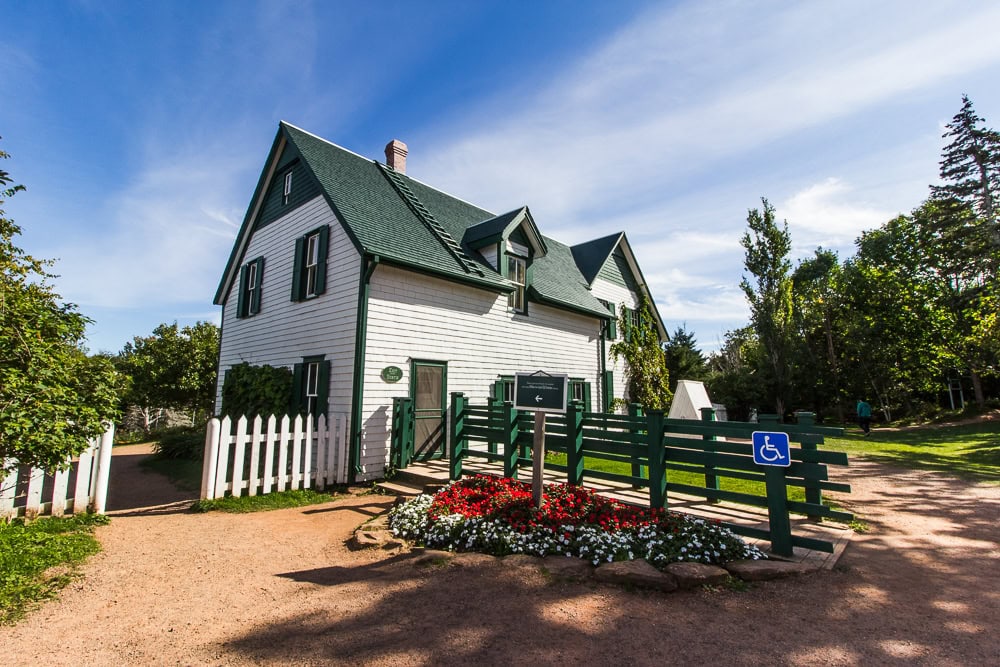
Even if you’ve never read Lucy Maud Montgomery’s “Anne of Green Gables,” this place is worth a visit. The green farmhouse with white shutters has become one of the most famous literary houses in the world — and thousands of visitors flock here each year, particularly from Japan and Korea, where Anne is a massive cultural phenomenon.
The house tour is actually quite enjoyable — the interior is furnished according to descriptions from the book, and the guides share stories about L. M. Montgomery’s life. Behind the house, woodland trails called Haunted Wood and Lovers’ Lane wind through the trees — the very paths the author described in the novel. They’re beautiful and peaceful, filled with the scent of spruce.
Admission is $8 CAD (about £5) for adults. Green Gables Heritage Place isn’t technically part of the national park, but it sits right next door — you can easily combine it with Cavendish Beach in a single day.
Honestly, if you haven’t read the book, half the magic might be lost on you. But even so — it’s a lovely walk through lovely countryside. And if you’ve got kids who know Anne, they’ll be over the moon. ☺️
7. Stanhope Beach and Cape Stanhope — Cliffs Without the Crowds
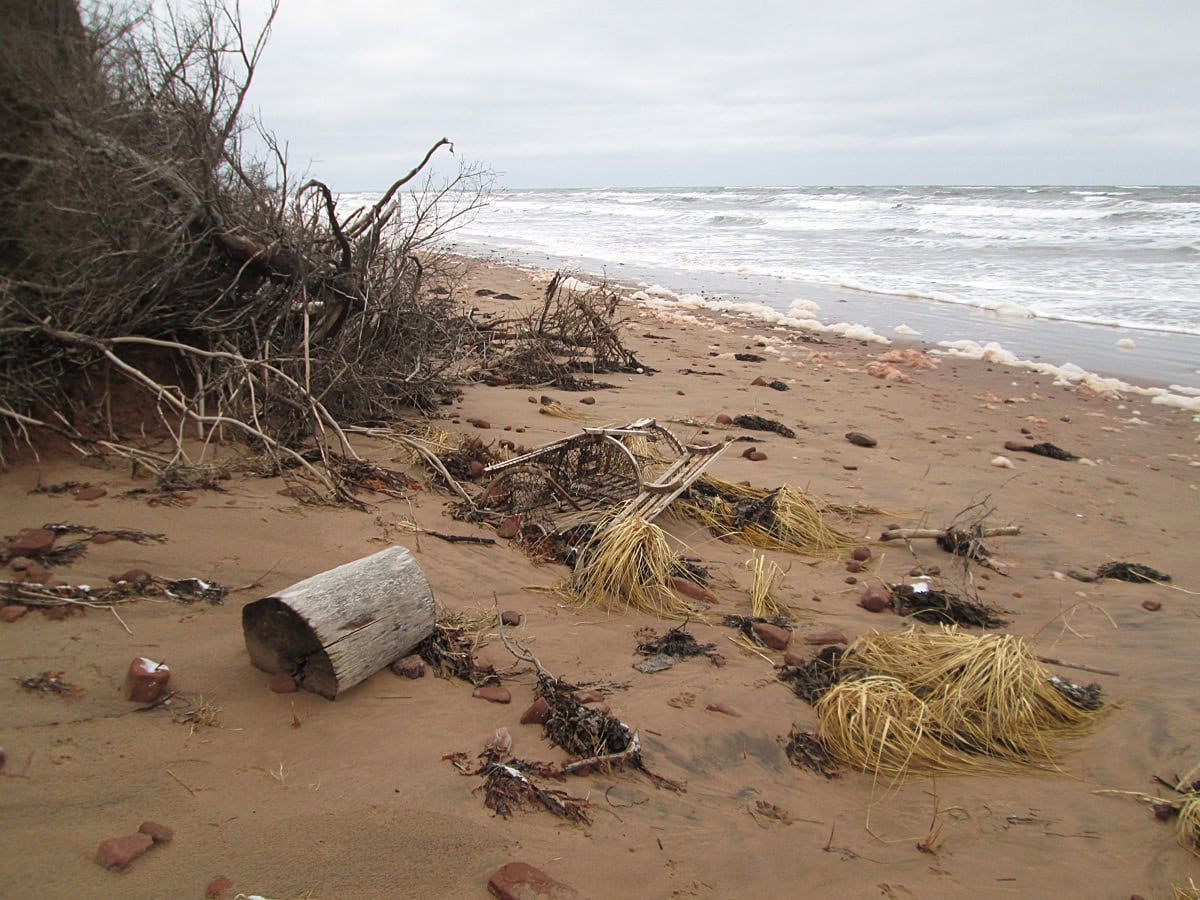
Stanhope Beach is the quieter sibling of Cavendish Beach. Just as beautiful, but without the crowds and hustle. The beach is long, the sand is fine, and the red cliffs rise up in all their glory. It’s arguably the best spot to see the red cliffs up close without having to wade through a forest of selfie sticks.
From the beach, you can walk to Cape Stanhope for fantastic views along the coastline. A short trail (about 2 km return) takes you to the cliff edge — but be careful, the sandstone cliffs are fragile and constantly eroding, so don’t get too close to the edge!
Nearby you’ll find Stanhope Campground — if you want a quieter camping spot than Cavendish, this is a brilliant choice.
8. Dalvay-by-the-Sea — a Historic Hotel at the Edge of the World
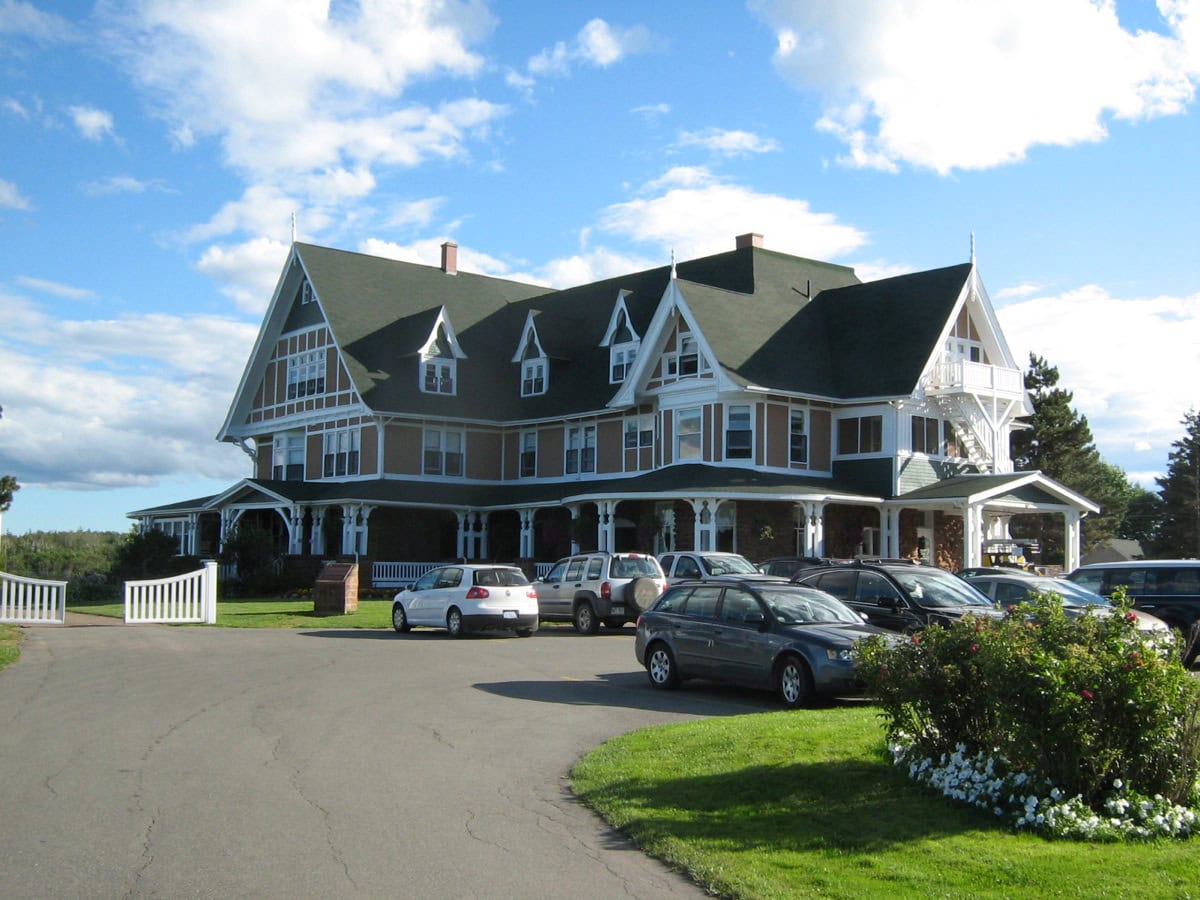
At the eastern end of the park stands Dalvay-by-the-Sea, a stunning Victorian mansion from 1895, now converted into a boutique hotel. Even if you’re not staying here (rooms are fairly pricey, starting from $250 CAD/night, about £143), definitely pop in for lunch or afternoon tea.
The restaurant at Dalvay is one of the best on the island — they serve seasonal, locally sourced cuisine with an emphasis on fresh seafood. You sit on the veranda overlooking Dalvay Lake, eating lobster that was pulled from the water that morning. That’s the kind of experience that makes travel worthwhile.
Behind the hotel, there’s a quiet beach and a lake where you can hire a kayak or paddleboard. The atmosphere here is completely different from Cavendish — old-world, tranquil, almost aristocratic.
9. Robinsons Island Trail — a Walk Through Wetlands and Woods
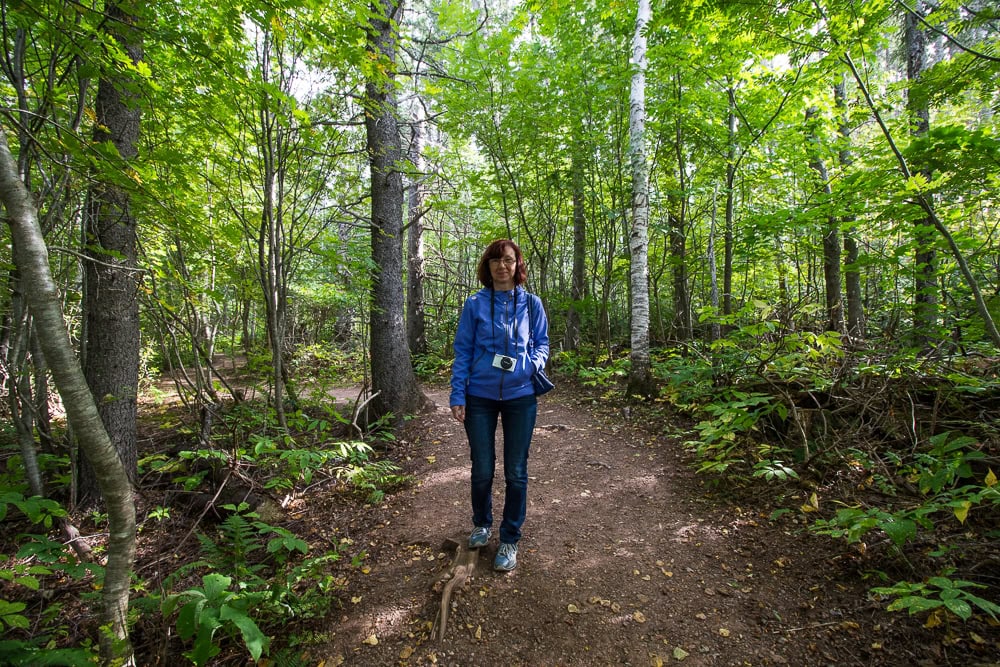
This is one of the lesser-known trails in the park, but all the more worth it for that. Robinsons Island Trail (about 4 km) takes you through wetlands, boreal forest, and meadows — it’s like a miniature cross-section of the entire Atlantic coast ecosystem.
In the wetlands, you can spot flocks of birds — herons, geese, ducks, and if you’re lucky, perhaps even a bald eagle. In spring and autumn, the bird migration here is absolutely spectacular.
The trail is easy and well-marked. It starts at Robinsons Island Campground and is ideal for an early morning walk when mist hangs over the wetlands and the whole place looks like something straight out of Middle-earth.
10. Homestead Trail and Bubbling Springs — a Forest Bath
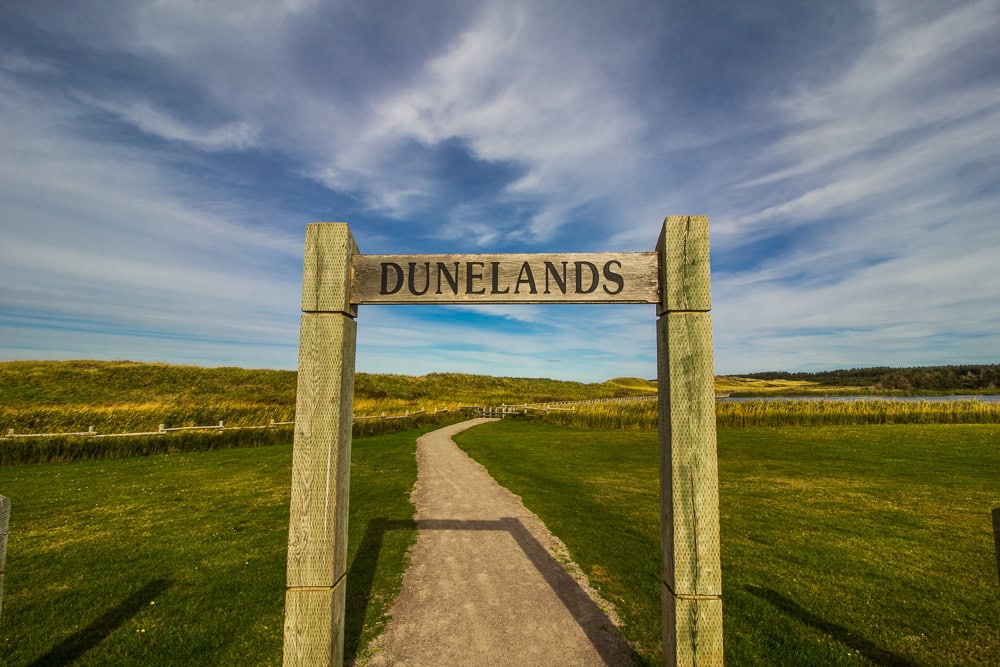
Homestead Trail (about 8 km) is the longest trail in the park and leads through deep forest alongside a stream. It’s the perfect escape from the beaches and sun — especially on hot summer days when you need some shade and quiet.
Along the way, you’ll come across Bubbling Springs — natural springs that bubble up through the red sand. It looks almost magical, and kids absolutely love it. The trail has gentle undulations but nothing strenuous — anyone who can walk 8 km will manage it just fine.
If you’re a fan of hiking and nature walks, Homestead Trail is without question the most beautiful forest trail in the park.

11. Seal Watching and Marine Life
On the park’s beaches and rocky outcrops, with a bit of luck (and patience), you can spot harbour seals basking on the sandstone ledges. Your best chances are early morning on the more remote beaches — particularly around Robinsons Island and the eastern section of the park.
During the summer months, whales occasionally appear in the waters around PEI — mainly humpbacks. You can book whale-watching trips from nearby North Rustico, which take you on a 2–3 hour cruise around the gulf.
And then, of course, there are the lobsters. They’re not really for watching — they’re for eating — but seeing the fishermen hauling traps at Covehead Harbour or North Rustico is quite an experience in itself.
12. North Rustico Harbour — a Fishing Village with Soul
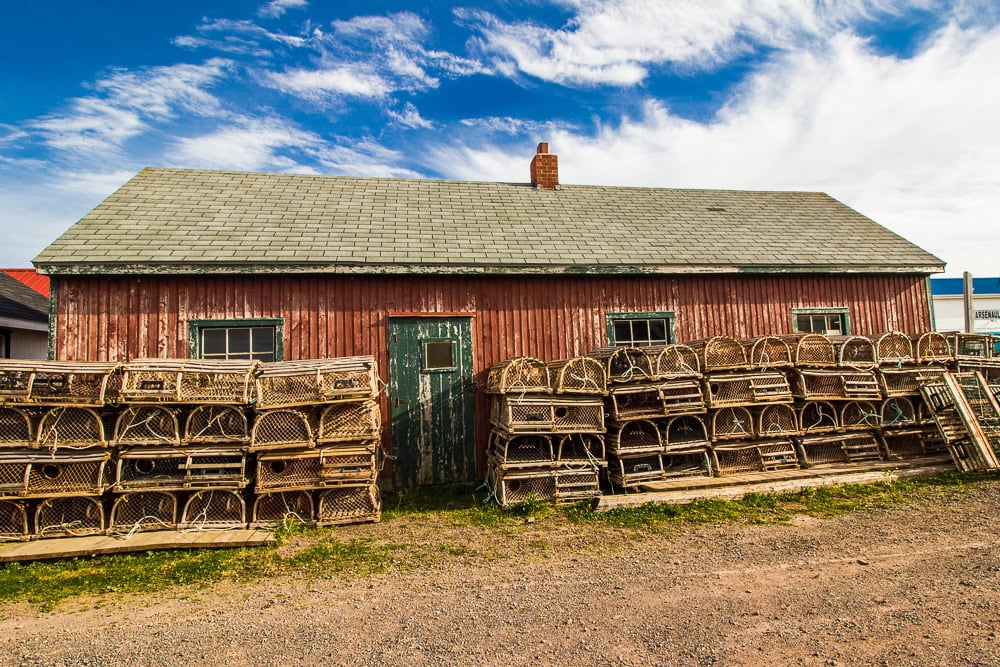
North Rustico Harbour technically sits just outside the park boundary, but it’s a place that’s inseparable from any park visit. This charming fishing village is the heart of the lobster industry on the north shore, and the atmosphere is wonderfully authentic.
On the wharf, you can watch fishermen unloading their catch. The harbourside restaurants serve mussels, oysters, and lobster so fresh they were swimming an hour ago. Blue Mussel Café right on the wharf is our top pick — mussels in a herb sauce with a harbour view. It doesn’t get better than that.
North Rustico is also the departure point for seal-watching trips and deep-sea fishing excursions. And if you like ice cream (who doesn’t?), Cow’s Ice Cream — the island’s legendary ice cream parlour — has a branch right in the village centre.
13. Sunset at Cavendish Cliffs — the Perfect End to Your Day
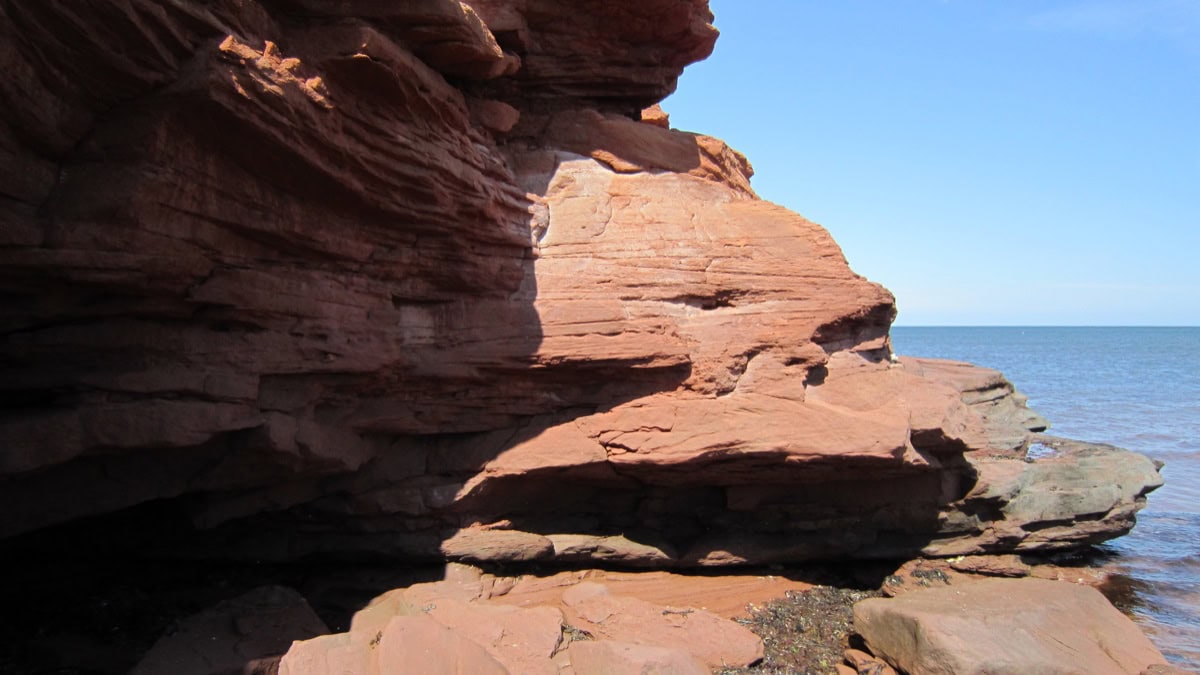
I’ve saved this tip for last because it’s also the perfect way to cap off any day in the park. Watching the sunset over the red cliffs at Cavendish is probably the most beautiful natural spectacle you’ll experience on PEI.
The best vantage point is the lookout above Cavendish Beach (accessible from the car park), where you can see the entire coastline. The sun gradually paints the already-red cliffs in shades of orange, pink, and purple — and you just stand there, jaw on the floor, wondering how so few people seem to know about this place.
Bring a blanket, a bottle of local wine (Rossignol Estate Winery on the island makes surprisingly good whites), and soak it all in. For us, it was one of the most powerful moments of our entire trip through eastern Canada.
Map of points of interest for your phone
What to Eat and Drink: a Foodie Guide
The food on Prince Edward Island is excellent — and above all, fresh. The island is one of Canada’s main producers of lobster, oysters, and mussels, and local restaurants make the most of it. Here’s a rundown of the highlights:
Lobster Suppers — a Traditional Island Feast
Lobster suppers are a PEI institution. These are community dinners where for a fixed price you get a whole lobster, potato salad, homemade bread, soup, and dessert. It’s a social event — you sit at long tables with strangers and wrestle with lobster claws together. 😅
The most famous are New Glasgow Lobster Suppers (running since 1958!) — for about $45–65 CAD (£26–37) you get the complete dinner including lobster. In peak season, you don’t need a reservation, but expect a queue. It pays to arrive around 4:00 pm when it’s least busy.
Other great lobster suppers can be found at Fisherman’s Wharf in North Rustico and St. Ann’s Church Lobster Suppers in Hunter River.
Where to Eat Near the Park
- Richard’s Fresh Seafood (Covehead Harbour) — the best lobster roll we had on the island. Generous, fresh, and reasonably priced (about $22 CAD / £13).
- Blue Mussel Café (North Rustico Harbour) — mussels, oysters, fish. Seasonal menu, beautiful waterfront setting.
- Dalvay by the Sea Restaurant — fine dining with local ingredients. For a special evening.
- The Pearl Eatery (Charlottetown, 40 min away) — if you head to the capital, this is one of the best restaurants on the island. Farm-to-table concept.
- Cow’s Ice Cream (several locations) — legendary island ice cream. The “Gooey Mooey” flavour is dangerously addictive.
Drinks
PEI has a surprisingly vibrant craft beer scene. Upstreet Craft Brewing in Charlottetown brews excellent IPAs, and for local wines, I’d recommend trying something from Rossignol Estate Winery — their whites are surprisingly good for such a northerly region.
Practical Tips for Visiting Prince Edward Island National Park
Admission and Parking Fees
Prince Edward Island National Park is not free. Daily admission is $8.50 CAD per adult (about £5), $7.25 CAD for seniors, and children under 17 get in free. Family admission (up to 7 people in one car) is $17 CAD (about £10).
If you’re travelling through Canada for longer and plan to visit multiple national parks, it’s worth getting a Parks Canada Discovery Pass — an annual pass to all national parks for $72.25 CAD per person (about £41) or $145.25 CAD per family (about £83). It pays for itself in about 9 days of visits.
The Three Hour Rule
You may have come across the question “What is the 3 hour rule in Prince Edward Island?” — it’s an informal rule that says you can’t be more than 3 hours’ drive from anywhere on PEI. The island is so small (280 km end to end) that driving from one end to the other takes a maximum of three hours. In practice, this means you can stay anywhere on the island and still comfortably visit the park on day trips.
eSIM and Internet
Mobile internet works solidly in populated areas on the island, but in the more remote sections of the park (especially Greenwich) the signal can drop out. If you’re heading to Canada and don’t want to deal with expensive roaming, check out our Holafly eSIM review — it worked brilliantly for us travelling through North America.
What to Pack
The weather on PEI is changeable — even in summer, it’s worth having a fleece and a windproof jacket, especially for evening walks along the beach. For a complete packing guide, check out our post on how to pack carry-on only.
Flights and Travel Insurance
For cheap flights to Canada, we like using Kiwi or Skyscanner. From the UK, there are no direct flights to PEI — the most common connections are via Toronto, Montreal, or Halifax.
For a longer trip across Canada, we recommend SafetyWing travel insurance, which covers activities like hiking and water sports.
FAQ — Frequently Asked Questions About Prince Edward Island National Park
Is Prince Edward Island National Park Free?
No, park entry requires a fee. A daily pass costs $8.50 CAD per adult (about £5), and children under 17 get in free. Family admission is $17 CAD (about £10). If you plan to visit multiple Canadian national parks, the Parks Canada Discovery Pass at $72.25 CAD per year (about £41) is great value. Admission is paid at the park entrance or visitor centres.
Where is the Most Beautiful Spot on Prince Edward Island?
That’s subjective, of course, but for us it’s hands down Greenwich Dunes — monumental shifting dunes, an empty beach, and wilderness you won’t find elsewhere in the park. For the most iconic views, the red cliffs at Cavendish Beach are the most photogenic spot on the island. And for atmosphere and charm, we love Covehead Harbour and North Rustico.
What is the 3 Hour Rule on Prince Edward Island?
It’s an informal rule that says you can get anywhere on the island within a maximum of 3 hours by car. PEI is a small island (about 280 km long), so even from the westernmost to the easternmost point it’s only about 2.5–3 hours’ drive. In practice, this means you can stay anywhere and still comfortably visit everything.
What are Some Interesting Facts About Prince Edward Island National Park?
Here are a few fun facts: The park was established in 1937 and is one of the smallest national parks in Canada (just 27 km²). The red colour of the sandstone comes from a high iron oxide content — essentially rust. 😊 Greenwich Dunes is one of the few shifting dune systems in eastern North America. The park is home to the endangered piping plover, which is why some beach sections are closed during nesting season. And finally — Anne of Green Gables is set in the very landscape that’s now part of the park, making it a literary pilgrimage site.
When is the Best Time to Visit Prince Edward Island National Park?
The best time is July and August, when the weather is warmest (22–26 °C) and the gulf water reaches a pleasant 18–20 °C. If you’d prefer fewer tourists and lower prices, we recommend June (fresh green landscapes, half-empty beaches) or September (early autumn foliage, still pleasant temperatures). Most park services (campgrounds, visitor centres) operate from early June to late September.
Can You Camp in Prince Edward Island National Park?
Yes! The park has three campgrounds: Cavendish (the largest, closest to attractions), Stanhope (quieter, by a beautiful beach), and Robinsons Island (the most basic and most peaceful). Prices are around $28–36 CAD per night (£16–21). Important: In peak season, campgrounds fill up fast — book at reservation.pc.gc.ca as soon as January when reservations open. July weekends in particular sell out months in advance.
How Much Time Do I Need for Prince Edward Island National Park?
At a minimum, 2–3 full days if you want to see the main beaches (Cavendish, Brackley, Stanhope), cycle the Gulf Shore Parkway, and visit Greenwich Dunes. Ideally, 4–5 days if you want to add cycling trips, kayaking, a visit to Green Gables, lobster suppers, and exploring nearby villages like North Rustico. If you’re combining it with Charlottetown and the rest of the island, plan for a full week.
Tips and Tricks for Your Vacation
Don’t Overpay for Flights
Search for flights on Kayak. It’s our favorite search engine because it scans the websites of all airlines and always finds the cheapest connection.
Book Your Accommodation Smartly
The best experiences we’ve had when looking for accommodation (from Alaska to Morocco) are with Booking.com, where hotels, apartments, and entire houses are usually the cheapest and most widely available.
 🚗 Car rental on the roadVerified rental cars in Canada
Search with the DiscoverCars comparison engine — it compares prices from dozens of local and international rental companies, and most bookings come with free cancellation.
Compare car prices in Canada →Don’t Forget Travel Insurance
Good travel insurance will protect you against illness, accidents, theft, or flight cancellations. We’ve had a few hospital visits abroad, so we know how important it is to have proper insurance arranged.
Where we insure ourselves: SafetyWing (best for everyone) and TrueTraveller (for extra-long trips).
Why don’t we recommend any Czech insurance company? Because they have too many restrictions. They set limits on the number of days abroad, travel insurance via a credit card often requires you to pay medical expenses only with that card, and they frequently limit the number of returns to the Czech Republic.
Find the Best Experiences
Get Your Guide is a huge online marketplace where you can book guided walks, trips, skip-the-line tickets, tours, and much more. We always find some extra fun there!


