

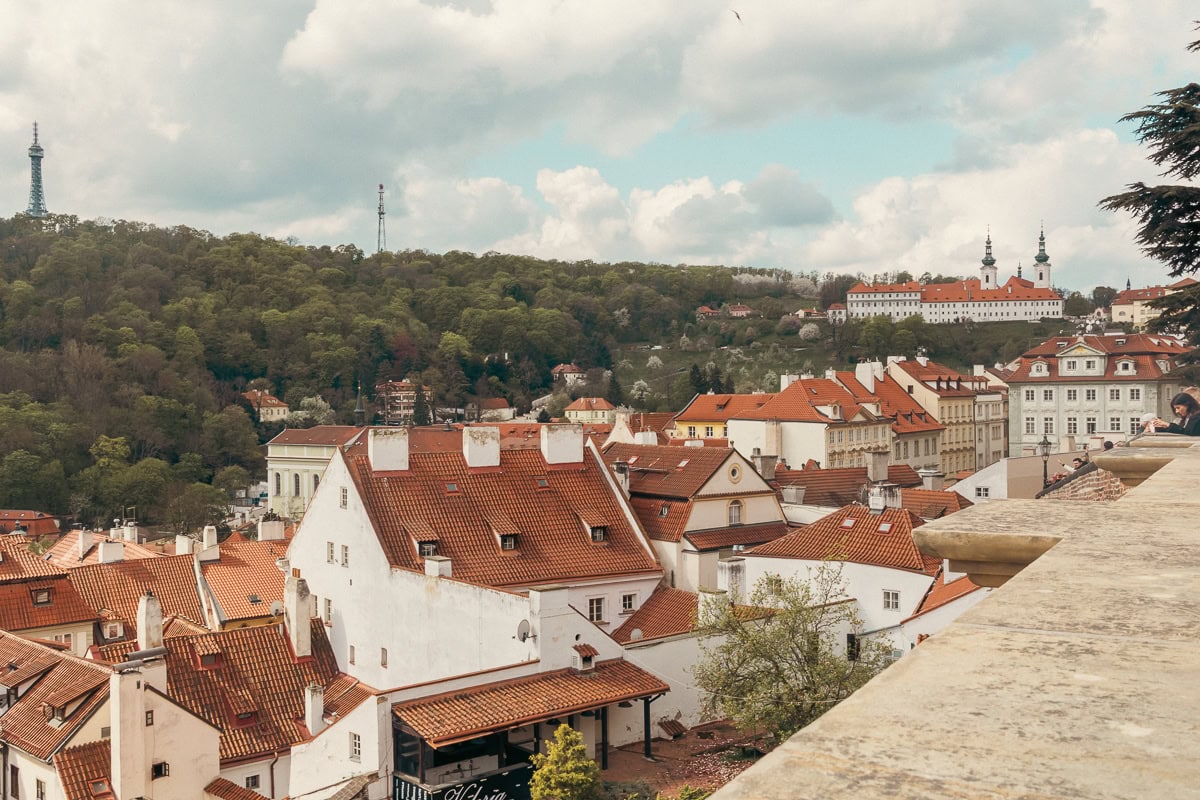
When I think of Prague monuments, I remember damp autumn leaves sliding across the cobblestones as Lukáš and I climbed Nerudova Street for the very first time. We went there for a walk on one of our earliest dates. It was magical — even though I’d attended secondary school right in the historic centre and then simply crossed the river for university. I grew up in the heart of Prague, yet it never stops fascinating me. Come along as I walk you through the best Prague monuments — 20 places you absolutely must see.
TL;DR
- Prague Castle and St Vitus Cathedral are the absolute essentials — set aside at least half a day.
- Charles Bridge is only peaceful early in the morning; during the day it feels like a busy motorway.
- The Astronomical Clock show on Old Town Square lasts exactly 45 seconds — don’t build your entire itinerary around it.
- Vyšehrad is a perfect alternative for families with children, offering wide paths and stunning views without the crowds.
- The Jewish Quarter (Josefov) holds fascinating history; a combined ticket for the synagogues is well worth it.
- The Dancing House is best admired from outside — for the view, head to the top-floor bar instead of paying for the observation deck.
- Vrtba Garden is an absolute gem hidden just steps from the centre — a baroque terraced garden that hardly anyone knows about.
- The Klementinum houses one of the most beautiful historic libraries in the world — tickets sell out fast.
- Tram 22 is our secret weapon: it passes the Castle, Malá Strana and Vyšehrad, all for a fraction of the cost of a taxi.
The full destination guide: Czechia — guide and what to see
When to visit Prague monuments
Choosing the right time to visit is half the battle. The city transforms not just with the seasons, but practically with every hour. Most people picture summer sunshine bouncing off those red rooftops, but the reality of sweltering cobblestone streets can be exhausting.
Spring and summer in full swing
April and May paint the slopes of Petřín Hill pink with cherry blossoms and bring the first outdoor terraces to life. May is personally my favourite month — the days stretch out and temperatures are perfect for long walks without a jacket. Try getting up early and heading to the river before the rest of the city wakes up.
From June to August, summer heat floods the streets and the historic centre bursts at the seams. Whenever I need to escape the overheated cobblestones, I head for Stromovka park or Riegrovy sady.
Autumn light and winter melancholy
September is objectively my winner. The golden light of an Indian summer falls softly on the façades and temperatures drop to a comfortable level. Classical music lovers can tick off the Dvořák Prague Festival, running 5–23 September 2026.
For a visual feast, look out for the Signal Festival on 15–18 October 2026. January and February, on the other hand, reveal the city’s raw side. The tourists vanish, the streets darken, and the biting cold will quickly drive you into the nearest pub for a hearty bowl of goulash.
How much time you will need
A weekend is enough for the most essential golden triangle. In two days you can cover the Castle, walk through the Old Town and peek at Malá Strana.
Four to five days, though, is the sweet spot. You’ll comfortably tick off the must-sees, spend your third day climbing up to Vyšehrad, and dedicate the rest to aimless wandering through Vinohrady or Karlín.
Where to stay
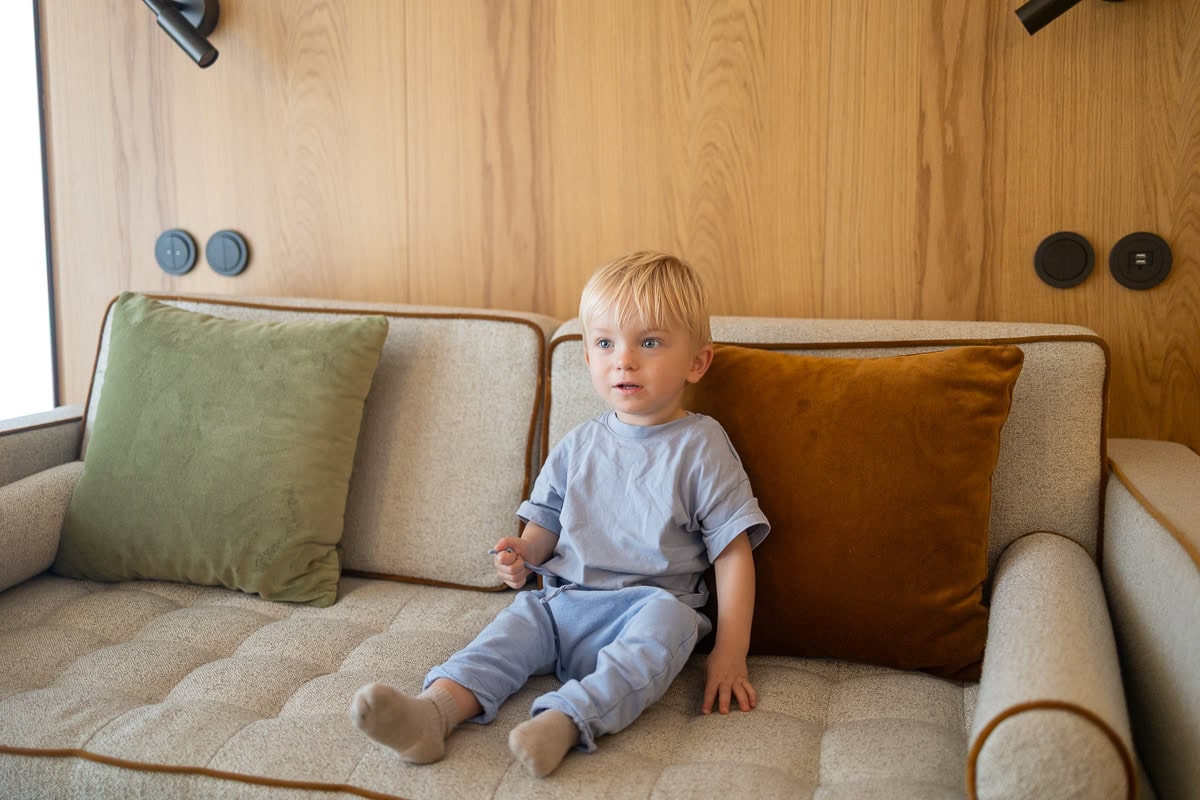
If you’re looking for a base that puts all the main monuments within reach while avoiding the worst of the nighttime noise, I recommend The Julius Hotel on Senovážné Square. We stayed here during our last visit in a spacious One Bedroom Suite, which gave us exactly the comfort we needed with little Jonáš. The interior was so calm that Jonáš fell asleep before we’d even finished unpacking, and the staff remembered us by name the next day — that always wins me over. ☺️ As a vegetarian, I also loved their generous and creative breakfast spread, where meat was far from the only star. The hotel is a ten-minute walk from Wenceslas Square or the Powder Tower. You can check current prices and availability and book via Booking.com.
Crown jewels: The best of historic Prague
This is the part of the guide where I can’t bear to skip a thing. Even as a local who walked these streets to school every day, I still feel something like pride — or at least a pang of nostalgia — when I see the Castle rooftops from the river. 😁 If it’s your first time in the city, these are the famous monuments in Prague you simply can’t miss. I’d suggest spreading them across several days so the sightseeing doesn’t turn into mechanical box-ticking.
Prague Castle
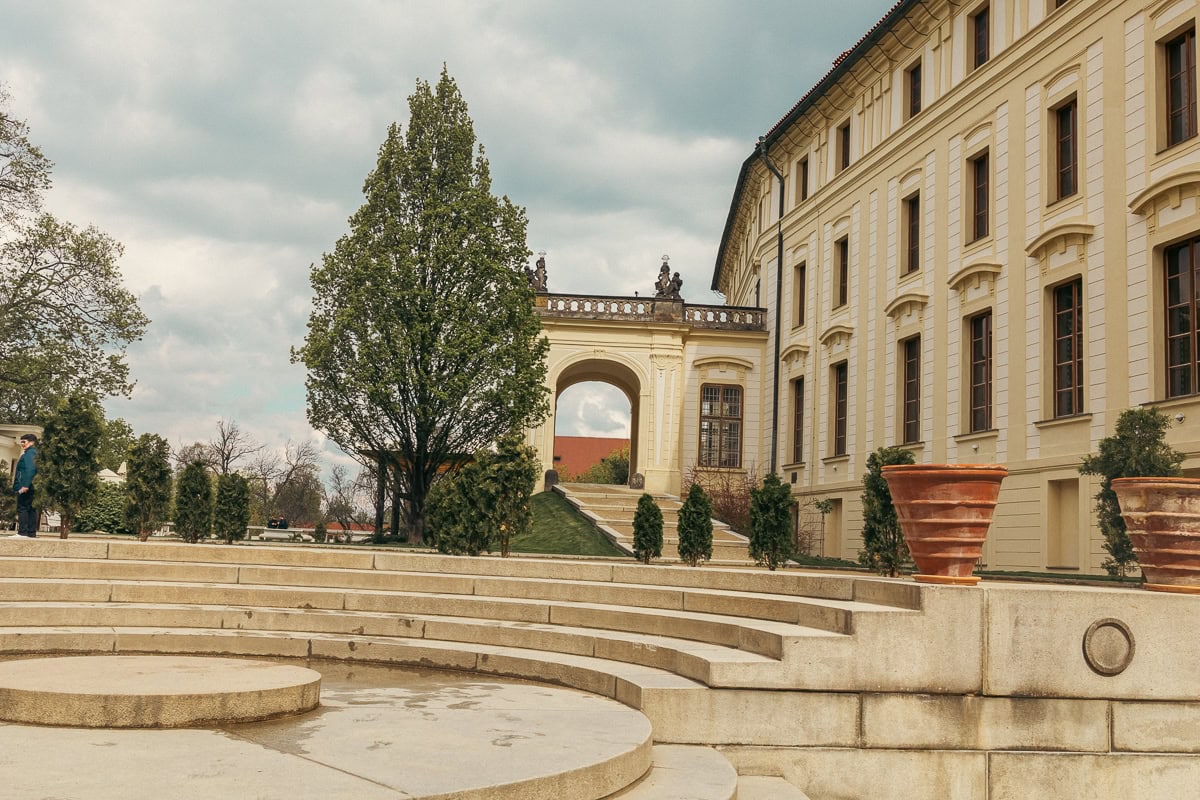
The Prague Castle complex is essentially a city above the city. Walking through its courtyards is like leafing through an architecture textbook, from Romanesque foundations all the way to Josip Plečnik’s twentieth-century modifications. This is where Lukáš and I had our very first date, and I still remember the particular stillness that settles over Golden Lane in the late afternoon once the biggest crowds have left.
The basic circuit includes the Old Royal Palace, St George’s Basilica, Golden Lane and the cathedral. Tickets cost 18 € and the grounds open at 6:00 am, although the historic buildings don’t admit visitors until 9:00. The easiest way up is by tram 22 to the Pražský hrad stop. For a deeper exploration, I recommend booking a guided tour via GetYourGuide.
St Vitus Cathedral
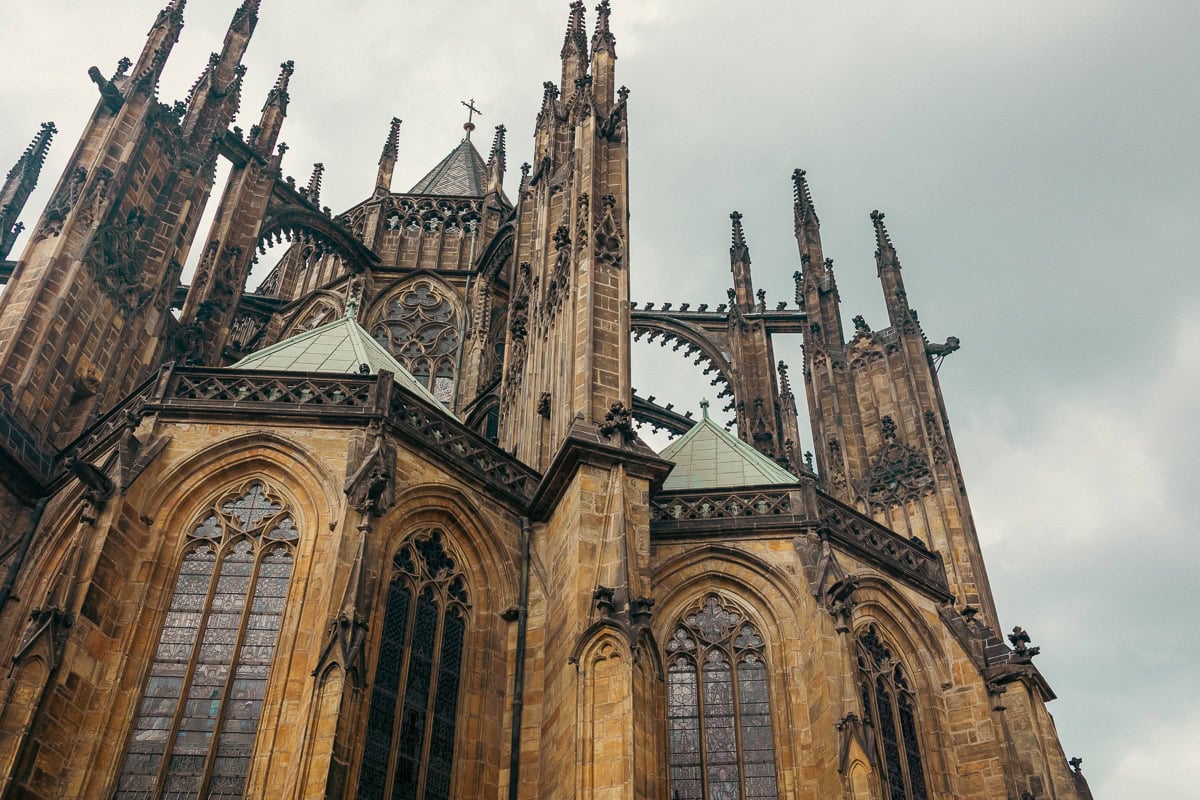
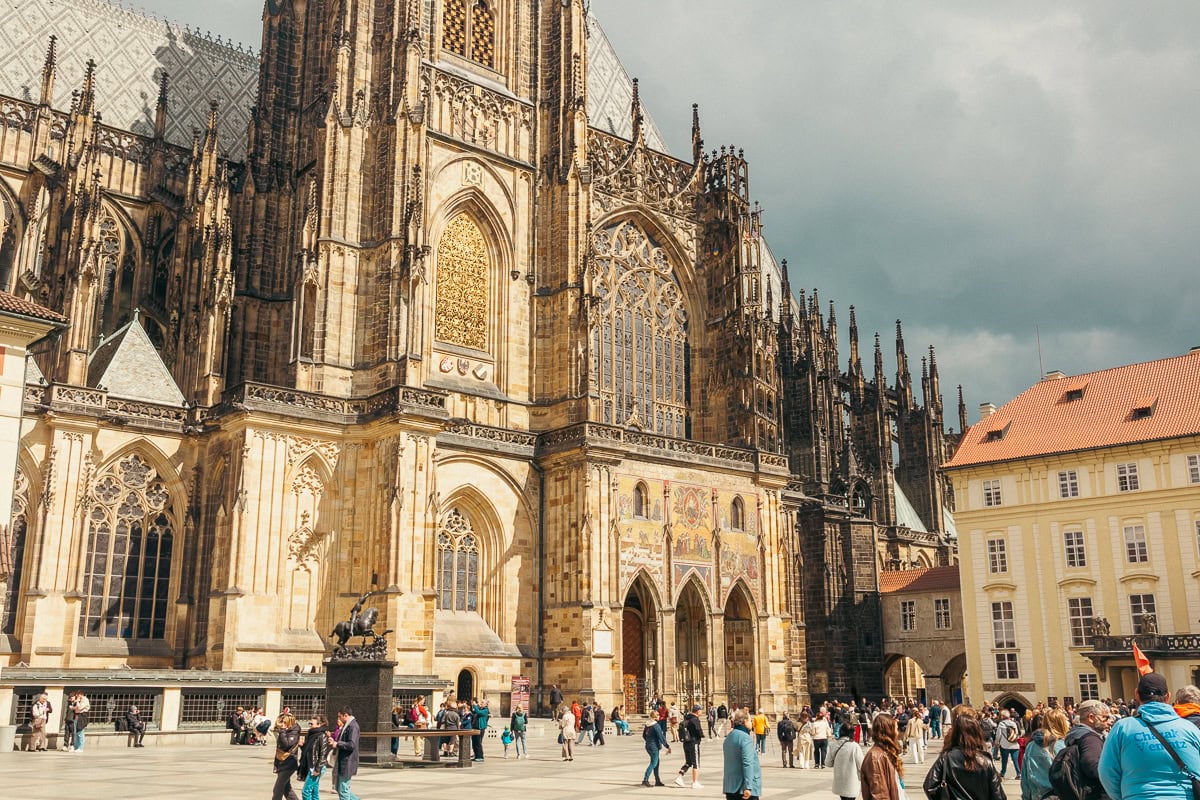
St Vitus Cathedral isn’t just the largest church in the country — it’s the undisputed centrepiece of the entire castle complex. When I was studying photography at university, I’d spend hours watching how the morning light fractured into colour through the enormous stained-glass windows, one of which was designed by Alfons Mucha. Construction spanned nearly six centuries, which is reflected in the exquisite blend of architectural styles.
Inside you’ll find the tombs of Czech kings and the stunning Chapel of St Wenceslas, its walls encrusted with semi-precious stones. The front section of the nave is free to enter, but access to the main body and the royal tombs requires a ticket as part of the Prague Castle circuit. Opening hours are daily 9:00–17:00, Sundays from 12:00 due to services. 💡 Local’s tip: The cathedral’s south tower offers what I think is the best view in all of Prague. It’s 287 narrow spiral steps to the top, a separate ticket (8 €) and quite a workout — but absolutely worth it.
Charles Bridge
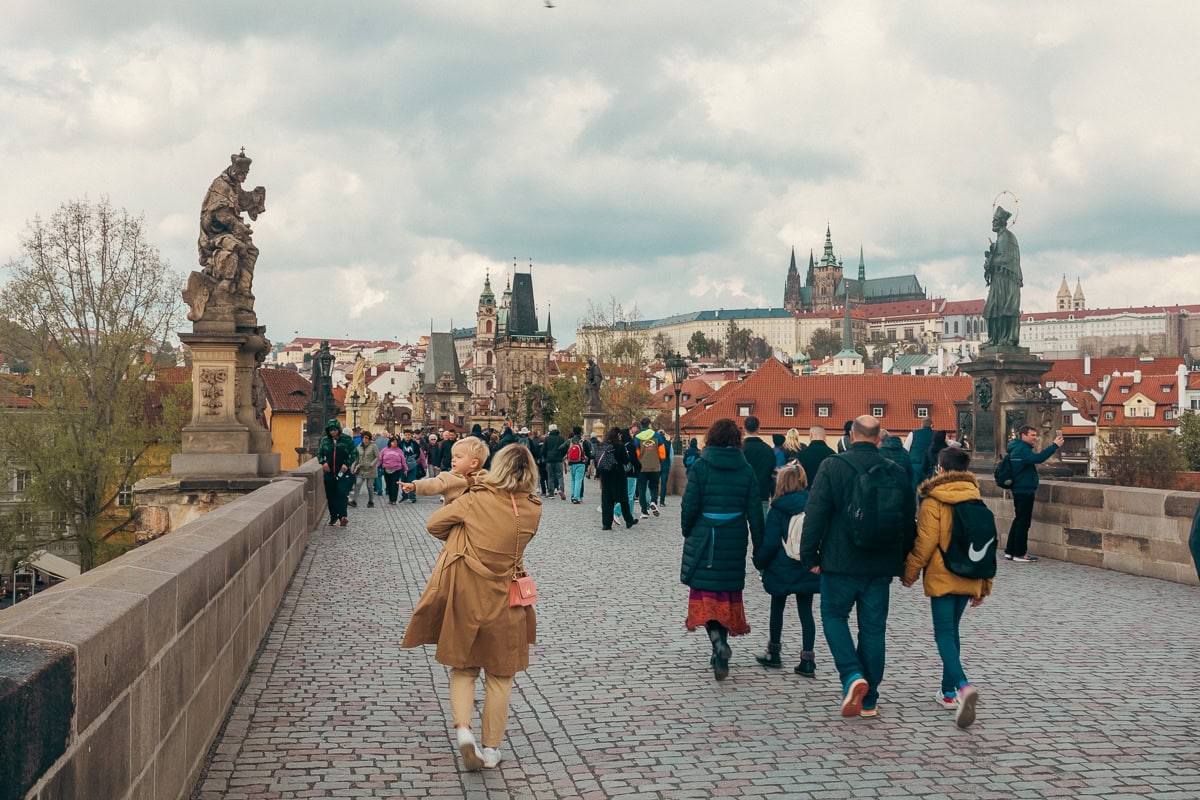
The oldest surviving bridge across the Vltava has connected the Old Town with Malá Strana since the fourteenth century. Its thirty baroque statues form an open-air gallery that looks almost mystical in the morning mist. During the day, though, the bridge transforms into a pulsing artery packed with caricaturists, buskers and thousands of visitors.
Walking across is free, of course, and the bridge is accessible around the clock. If you’d like a calmer experience, consider booking via GetYourGuide for an early-morning guided tour or a wooden-boat cruise that glides right under its arches. For more detail, check out our dedicated article on Charles Bridge. 💡 Local’s tip: Come before 7 am. It’s the only way to admire the statues without elbowing through a crowd — and you’ll spot photographers waiting for just the right light reflecting off the water.
Old Town Square and the Astronomical Clock
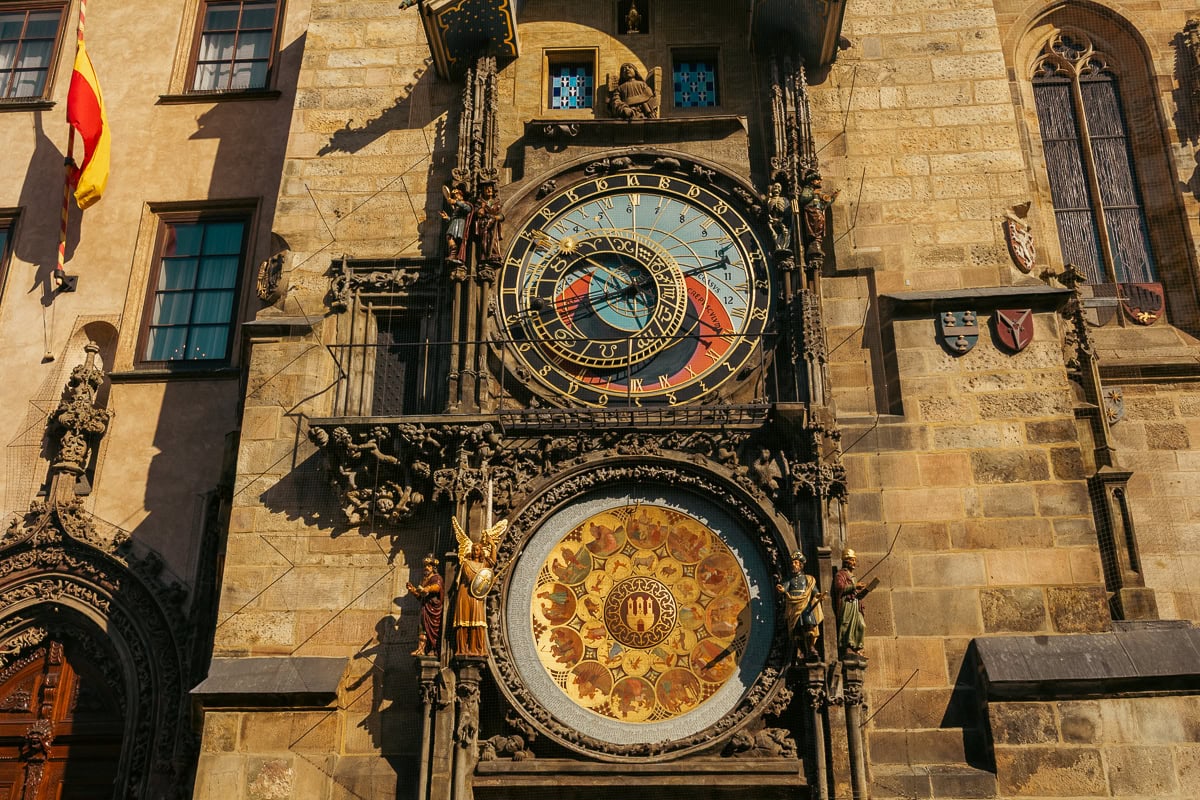
The heart of the historic centre beats at Old Town Square. Ringed by gorgeous palaces and dominated by the monument to Jan Hus, it’s crowned by the Gothic tower of the Old Town Hall and its famous Astronomical Clock. Every hour on the hour, hundreds of people gather below to watch the procession of the Apostles.
I’ll be honest — don’t plan your whole day around the clock. It’s a 45-second show that catches many visitors off guard with its brevity. What is worth paying for, though, is the 12 € entrance to the Town Hall tower, which offers a fantastic 360-degree view of the square. Open daily 9:00–21:00 (Mondays from 11:00). More details in our article on Old Town Square. 💡 Local’s tip: Instead of standing in the crowd below the clock, grab a coffee on the first floor of the café in the House at the Minute across the square. From the window you’ll see the Apostles right at eye level.
Vyšehrad
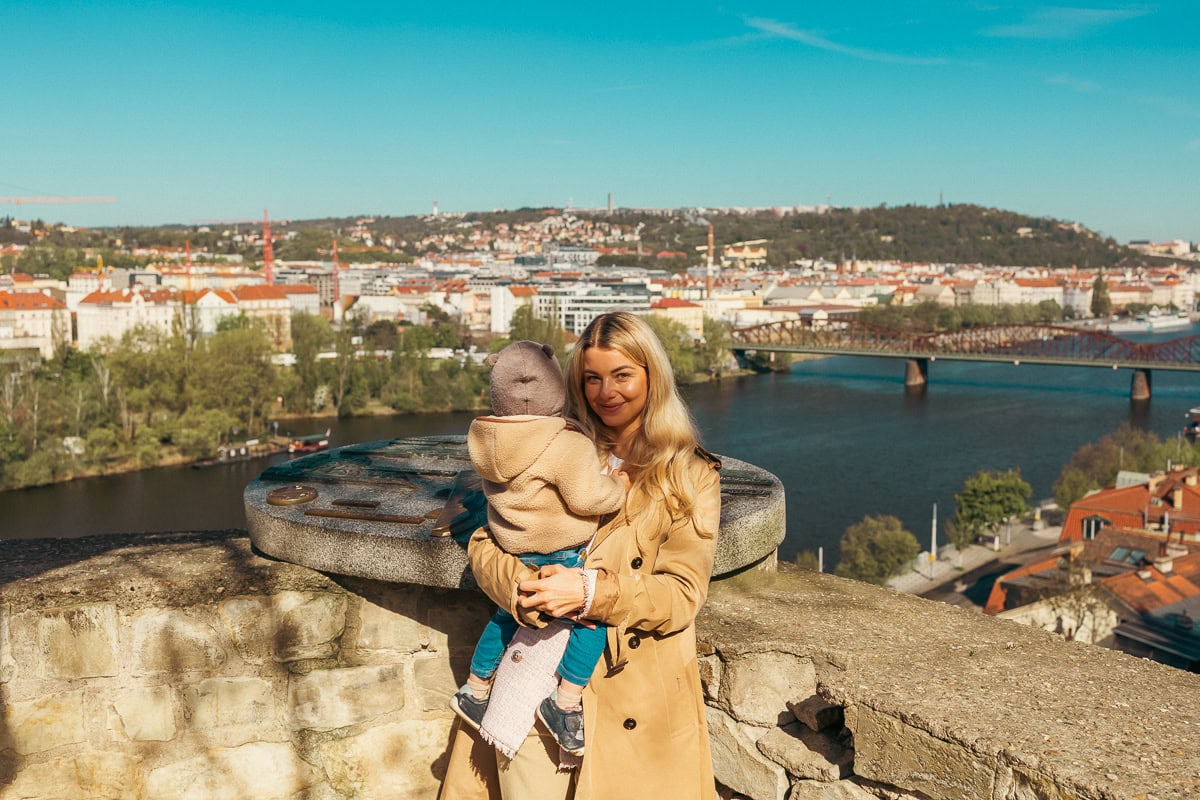
Vyšehrad holds a special place in my heart — it’s where I regularly escape the overcrowded centre. According to legend, it’s the oldest seat of Czech princes. Today it’s a sprawling park enclosed by baroque ramparts, home to the impressive Basilica of Sts Peter and Paul and the adjacent Slavín cemetery, the final resting place of major Czech figures from composer Antonín Dvořák to writer Karel Čapek.
With little Jonáš, we particularly appreciated the wide tarmac paths — perfect for pushchairs — and the spacious lawns ideal for a picnic. Entry to the grounds is free; you only pay a small admission for the basilica (5 €) and the casemates. Take metro line C to Vyšehrad station and it’s a ten-minute walk to the gates. Find our detailed guide in the article Vyšehrad. 💡 Local’s tip: The ramparts offer some of the best views of the Vltava and Prague Castle. Grab a takeaway coffee from the Čekárna café below Vyšehrad and drink it up on the walls by the brick bastions.
Petřín Hill and the Lookout Tower
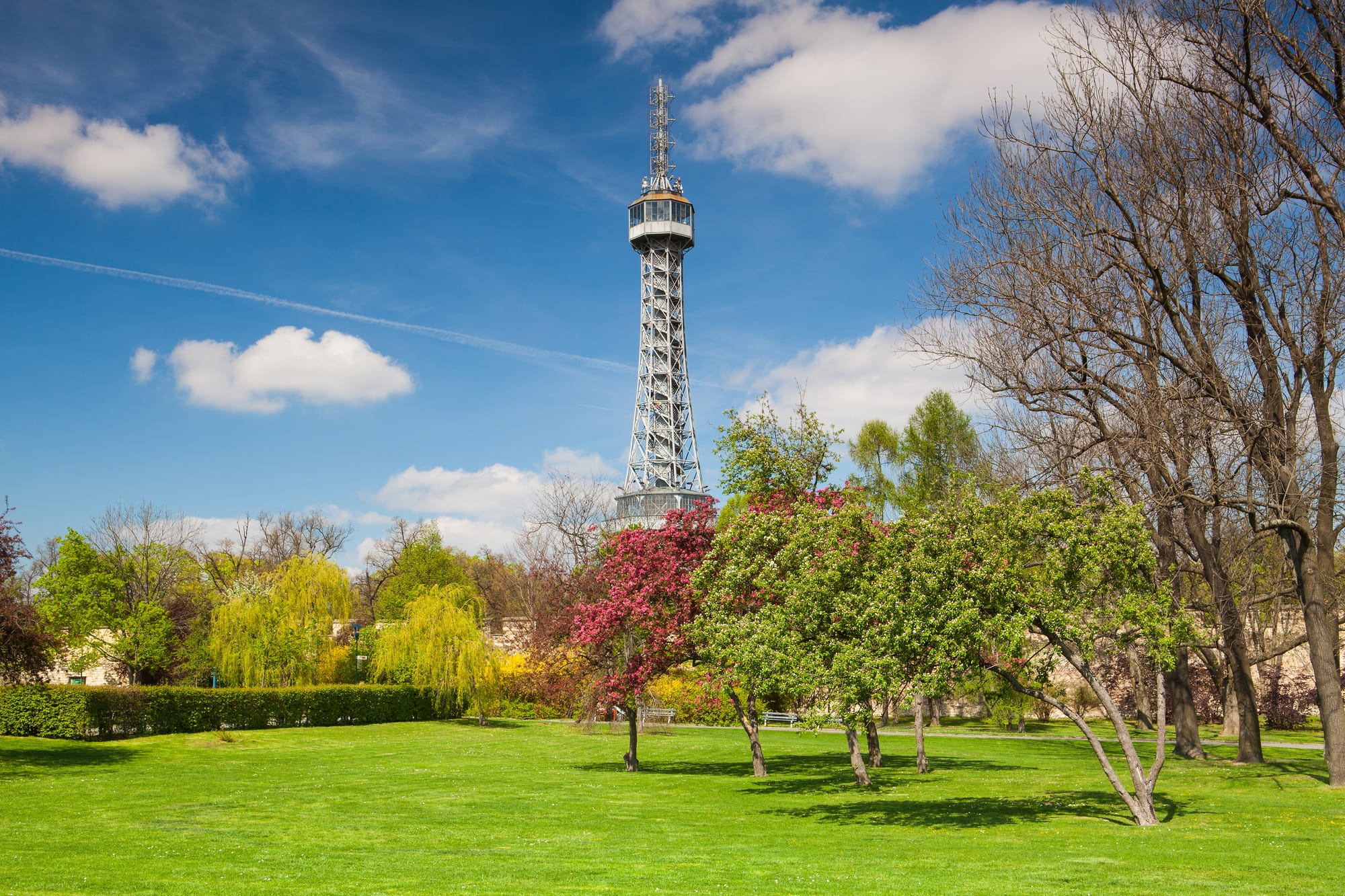
This green hill rising above Malá Strana is a year-round refuge for anyone ready to swap cobblestones for dirt paths and trees. At the summit stands the Petřín Lookout Tower, a scaled-down replica of the Eiffel Tower built in 1891, along with the popular Mirror Maze nearby.
The Petřín funicular is undergoing reconstruction in 2026, so the best way up is by tram 22 to the Pohořelec stop followed by a pleasant downhill walk, or on foot through the Strahov Gardens. The lookout tower entrance costs 9 € and it’s open 9:00–20:00 in season. Read more in our article Petřín and the Lookout Tower. 💡 Local’s tip: Skip the main tarmac paths and stroll through Kinský Garden on Petřín’s southern slope instead. You’ll find beautiful ponds, a wooden Carpathian church and hardly a soul around.

Sacred treasures and spiritual centres
Prague’s churches aren’t just for the devout. They’re galleries of period art, showcases of masterful engineering and, more often than not, venues with incredible acoustics. If you’d like deeper context, have a look at our overview Prague churches and synagogues.
Church of Our Lady before Týn
The Church of Our Lady before Týn, with its iconic asymmetrical spires, dominates Old Town Square right next to the Town Hall. It’s a fascinating Gothic structure whose interior later underwent baroque modifications. Inside lies the tomb of the Danish astronomer Tycho Brahe.
Despite the church’s enormous size, finding the entrance trips up many visitors — it’s hidden behind the arcade of houses on the square. Admission is by donation (a contribution of around 2 € is suggested) and it’s usually open Tuesday to Sunday, with a midday break. 💡 Local’s tip: Notice how the right tower (called Adam) is slightly wider and more robust than the left one (Eve). Deliberate asymmetry was common in Gothic architecture and symbolised the male and female principles.
St Nicholas Church, Malá Strana
This masterpiece by father-and-son architects the Dientzenhofers is the absolute pinnacle of Prague baroque. Honestly, that enormous dome covered in frescoes still hypnotises me — I always stop and just stare upwards, even on my hundredth visit. Mozart himself once played the organ here, which lifts the whole place to another level. 😁
The interior is beautifully lit and every element of the decoration has its clear purpose. Admission is 5 € and it’s open daily 9:00–17:00. Trams stop right in front of the church at Malostranské náměstí, a huge advantage when your legs are already aching. 💡 Local’s tip: For a separate fee you can climb the adjacent bell tower. During the communist era it served as an observation post for the secret police, who monitored Western embassies in the surrounding streets.
The Loreto
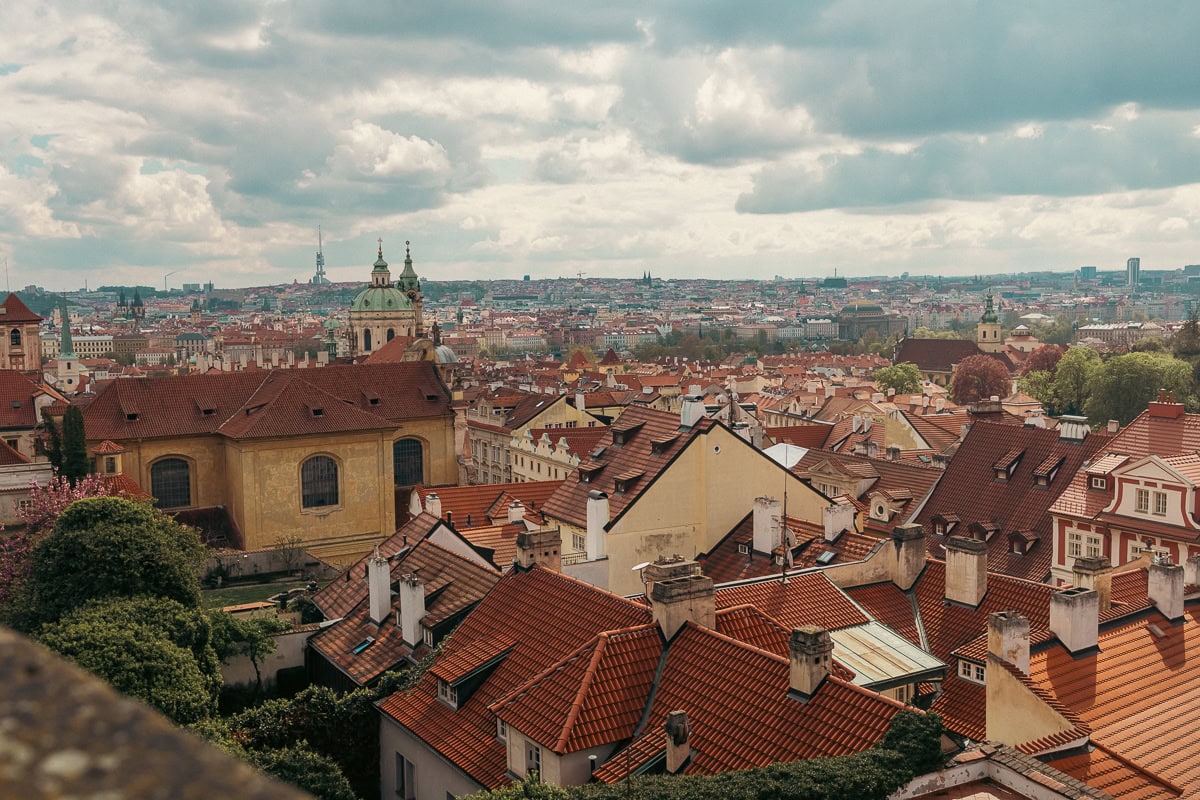
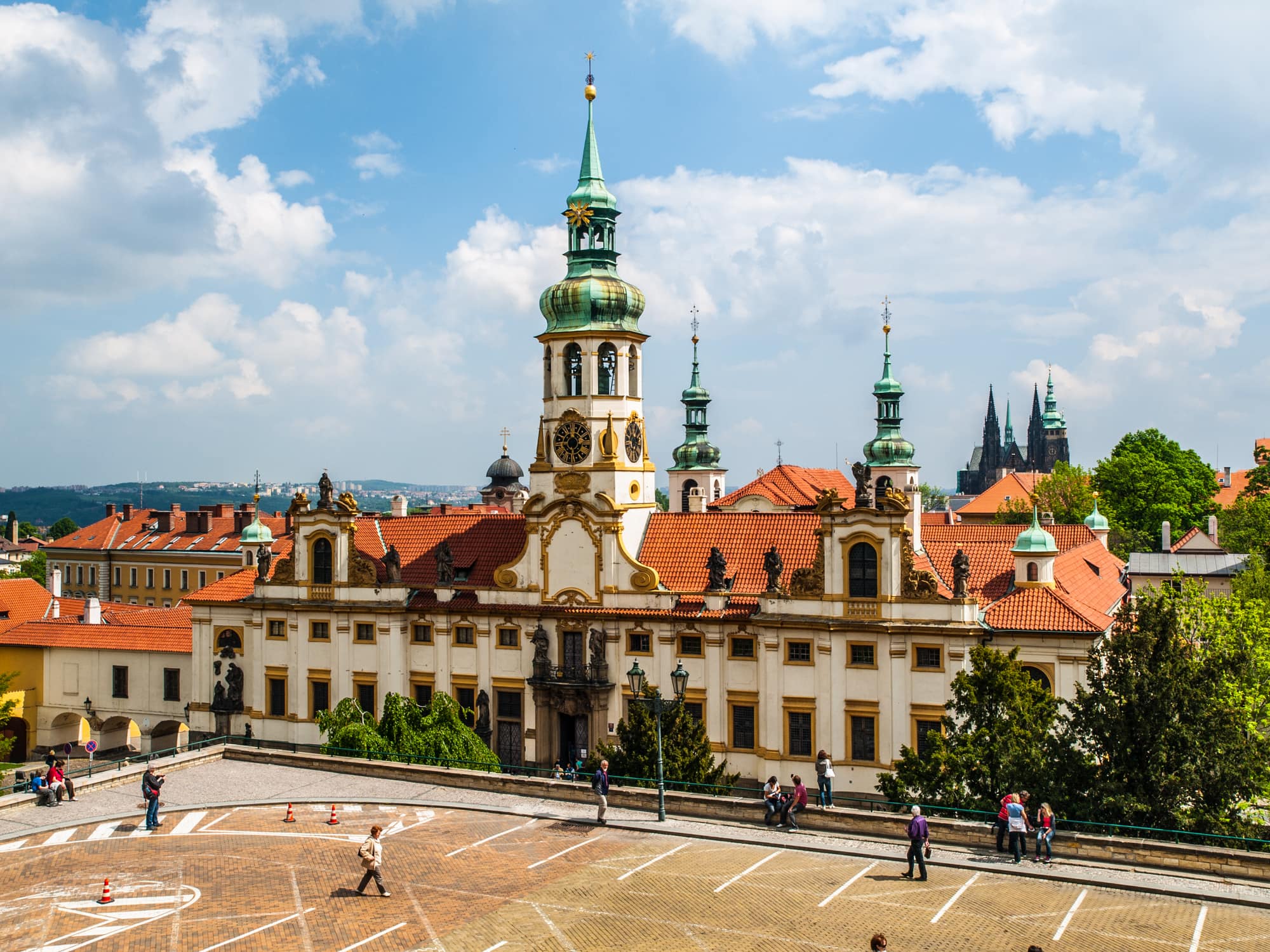
The Loreto in the Hradčany quarter is a pilgrimage site with a unique atmosphere, best known for its famous carillon. Every hour on the hour, the courtyard fills with the melody of a Marian hymn played by 27 bells dating from the late seventeenth century. The complex includes a replica of the Holy House, the baroque Church of the Nativity and a treasury displaying the Prague Sun — a monstrance set with over six thousand diamonds.
The stroll through the picturesque surroundings is an experience in itself. Full admission is 9 €, open daily except Mondays 10:00–17:00. We cover the area in more detail in our article Strahov and the Loreto. 💡 Local’s tip: The treasury is pleasantly cool in summer. In the courtyard, walk through the cloistered corridors with frescoes depicting rather brutal stories of martyrs — a striking contrast to the otherwise peaceful setting.
Strahov Monastery
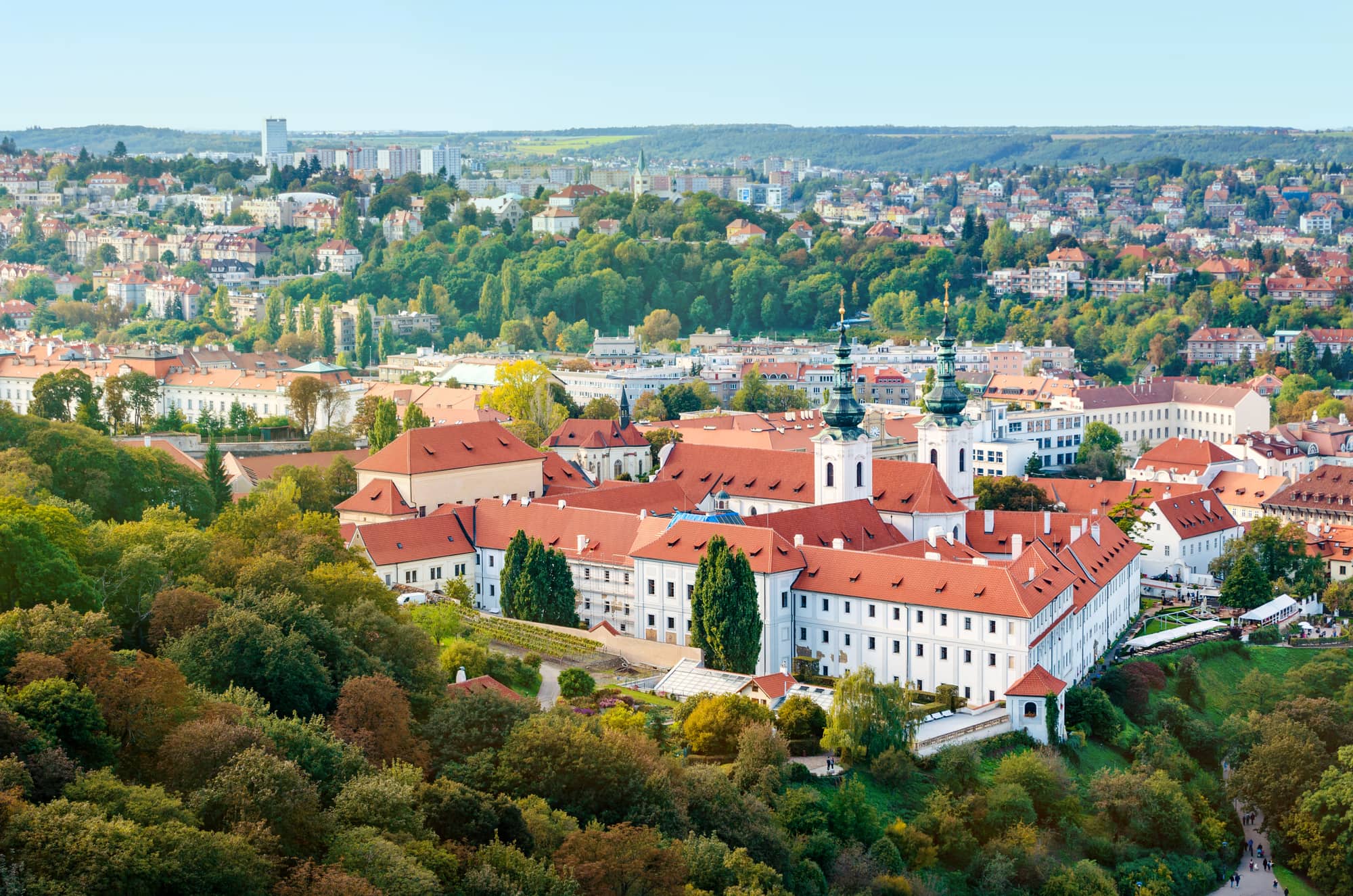
Just steps from the Loreto you’ll find the Premonstratensian Strahov Monastery. Its biggest draw is the jaw-dropping library, divided into the Philosophical and Theological Halls. Intricately carved wooden shelves, antique globes and ceiling frescoes look like something straight out of a Harry Potter film.
Standing here in the late-afternoon quiet, you can almost feel history breathing. A library ticket costs 6 €, open daily 9:00–17:00 (with a midday break). Take tram 22 to Pohořelec to get here. 💡 Local’s tip: The monks have been brewing beer here for centuries. The Strahov Monastic Brewery right next to the courtyard serves an excellent amber St Norbert special. They also have great vegetarian options on the menu, which is why I keep coming back.
Map of points of interest for your phone
The Jewish Quarter: Josefov
Josefov is one of those neighbourhoods that takes my breath away every time I visit — not because of the architecture, but because of what happened here. Most of the original ghetto was demolished during a major urban-renewal programme at the turn of the twentieth century, yet the most precious monuments were preserved. I recommend buying a combined ticket for the Jewish Museum. For broader context, read our guide Josefov and the Jewish Quarter.
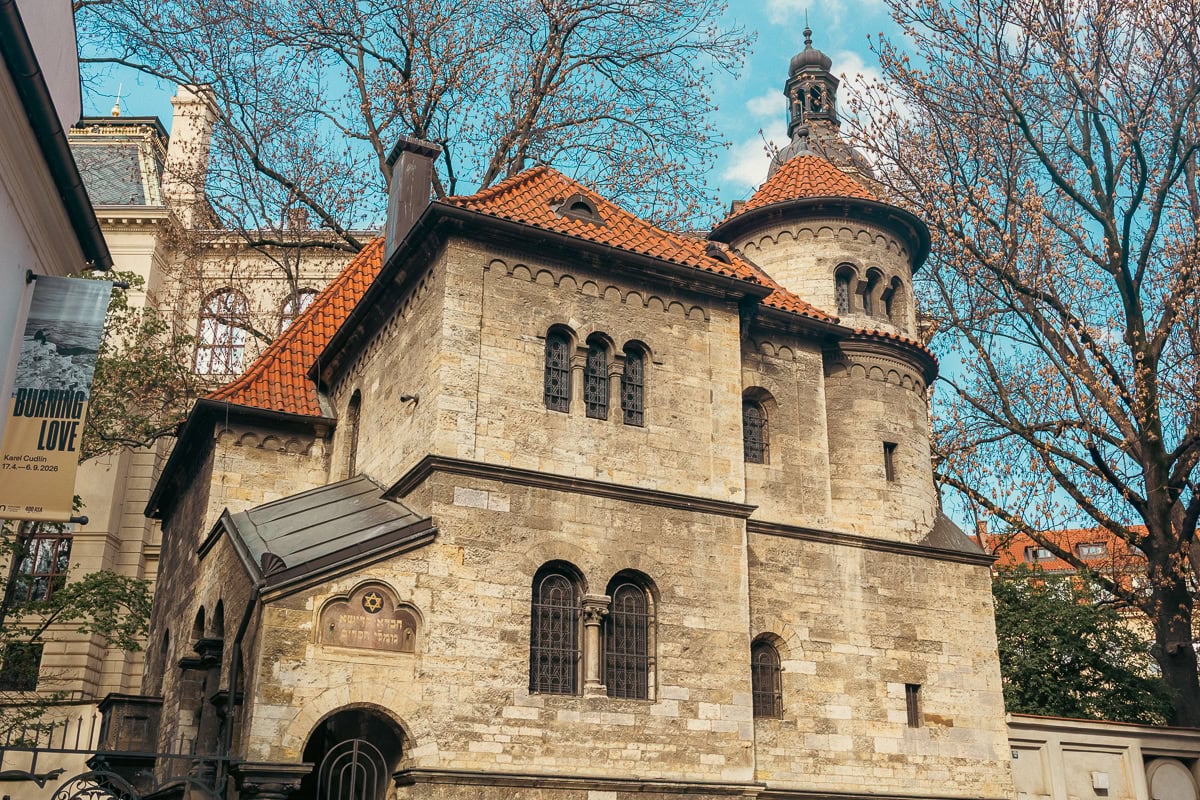
Old-New Synagogue
One of the oldest functioning synagogues in Europe dates from the thirteenth century. Unlike many other Prague buildings, it has retained its original Early Gothic character. It’s steeped in legend — the most famous being the tale of the Golem, which Rabbi Löw supposedly laid to rest in the synagogue’s attic.
The interior is dark, austere and deeply moving. Tickets can be bought separately for 11 € or as part of an extended circuit. Open daily except Saturdays and Jewish holidays. 💡 Local’s tip: Notice the small windows in the walls. In the past, women watched the services through them, as they were barred from the main hall and sat in adjacent annexes instead.
Old Jewish Cemetery
Walking through this cemetery is one of the most powerful experiences Prague has to offer. Due to a lack of space, burials took place in multiple layers on top of one another over the centuries — up to twelve deep in some spots, so they say. The result is a haunting cluster of more than twelve thousand tilting headstones covered in ivy.
You’ll also find the grave of Rabbi Löw, where people still leave slips of paper with their wishes. Access is included in the Jewish Museum circuit (ticket 22 €). It’s well worth booking tickets — and possibly a guided tour — in advance, for example via GetYourGuide. 💡 Local’s tip: The entrance to the cemetery leads through the Pinkas Synagogue, which serves as a Holocaust memorial. The walls inscribed with victims’ names will silence you before you even step among the headstones.
Spanish Synagogue
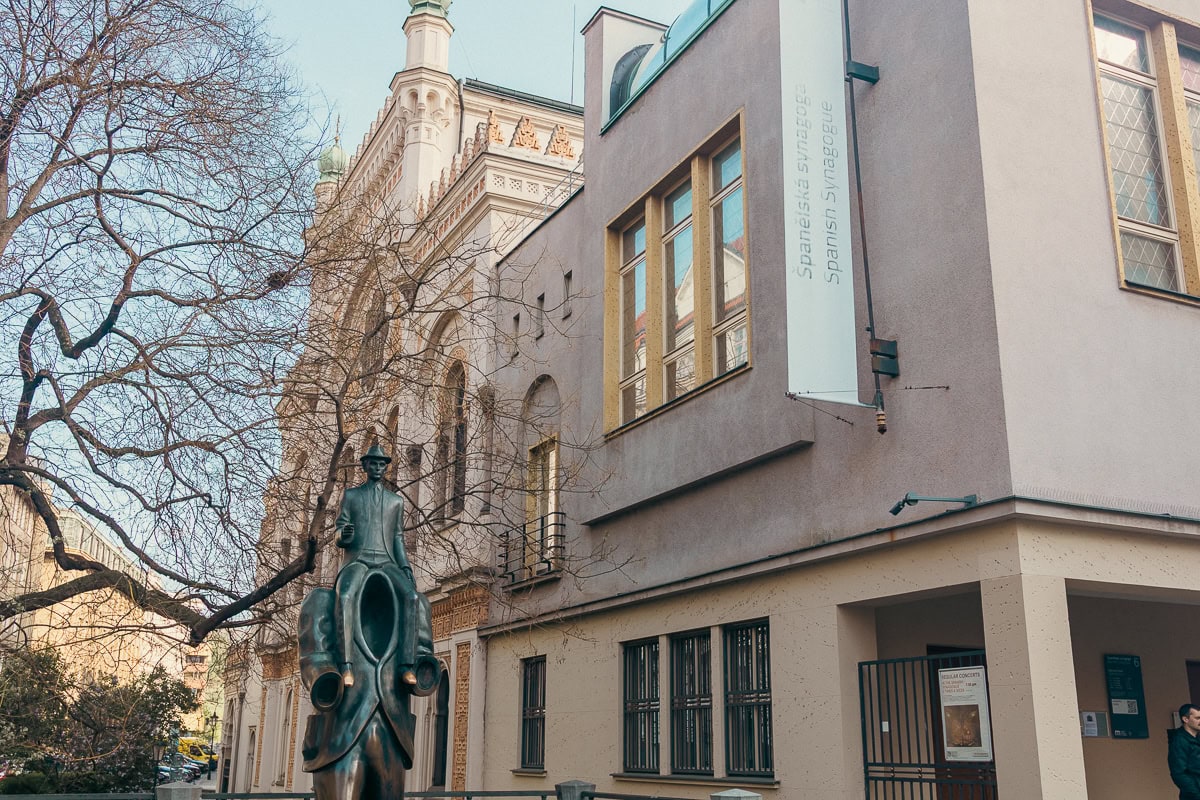
If the Old-New Synagogue is a study in austere Gothic, the Spanish Synagogue is its polar opposite. Built in a Moorish style in the nineteenth century, its interior shimmers with gold, intricate geometric patterns and stained glass.
It feels more like a palace in the Andalusian Alhambra than a Central European prayer house. It also falls under the Jewish Museum circuit, and after a recent restoration it looks absolutely breathtaking. Personally, I recommend this stop to anyone who loves detailed, richly ornamented architecture. 💡 Local’s tip: Classical music concerts are often held here in the evenings. The acoustics are superb and the illuminated golden interior takes the musical experience to another level entirely.
Modern landmarks and controversial buildings
It’s not just towers and baroque that make Prague what it is. Modern architecture here often emerged amid heated debate — and gradually became an inseparable part of the cityscape.
Dancing House
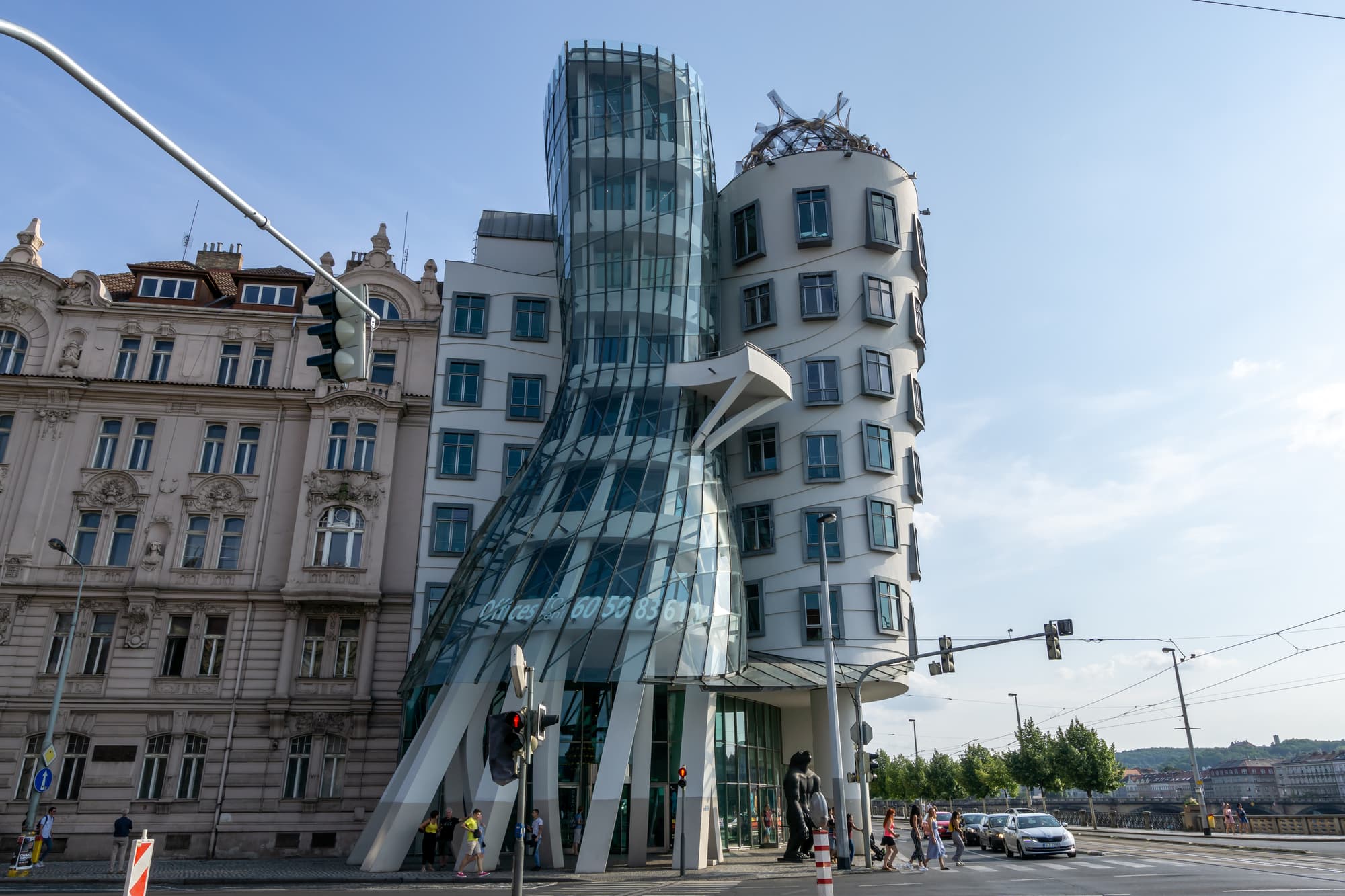
This creation by Frank Gehry and Vlado Milunić from the golden nineties split public opinion right down the middle. Today, nobody can imagine the Jiráskův Bridge embankment without this deconstructivist building, inspired by the dancing duo of Fred Astaire and Ginger Rogers.
Inside you’ll find offices, a gallery and a restaurant with panoramic views on the top floor. I cover the building in detail in the article Dancing House. 💡 Local’s tip: Don’t buy the overpriced observation-deck ticket. Take the lift up to Glass Bar on the top floor, order a coffee or a drink, and the view comes included in the price of your beverage.
Žižkov Television Tower
The tallest structure in the city (216 metres) still stirs strong opinions. This futuristic transmitter with observation cabins looks like a spaceship parked among the old Žižkov tenement buildings. From a distance you’ll spot giant black babies crawling up the tower — fibreglass sculptures by artist David Černý that gave the structure a much-needed touch of lightness.
The observation deck at 93 metres offers an unrivalled 360-degree panorama. Basic admission is 12 € and it’s open until midnight. The sheer height really lets you grasp how sprawling and wonderfully hilly the city is. 💡 Local’s tip: Directly below the tower are Mahlerovy sady park and the excellent Miminoo restaurant with an outdoor terrace. There’s also a playground for kids, so Jonáš and I spend quite a bit of time there, gazing up at the tower from below.
Rotating Head of Franz Kafka
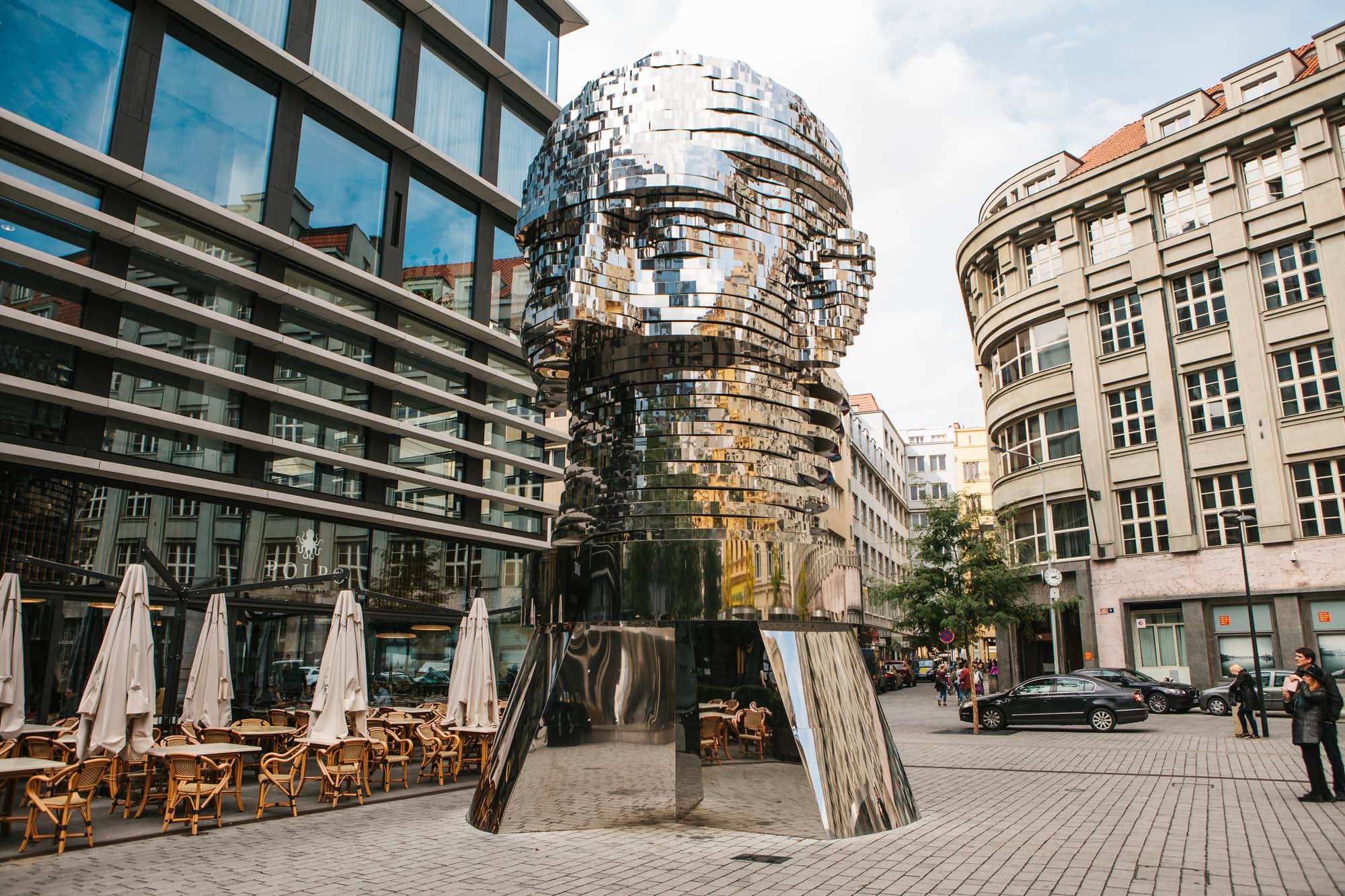
Yet another creation by David Černý, this one installed on a busy square outside the Quadrio shopping centre above Národní třída metro station. The kinetic sculpture weighs 39 tonnes and is composed of 42 moving layers that rotate at regular intervals, rearranging Kafka’s face into mesmerising patterns.
It’s a modern tribute to the famous writer and a fascinating feat of engineering that’s simply worth seeing in person. Watching it is, of course, free. 💡 Local’s tip: The sculpture comes to life every hour on the hour for about fifteen minutes. Go in the evening, when it’s lit up and the polished surface reflects the city lights around it.
Hidden gems and escapes from the crowds
Sometimes you just need to switch off and hide. After years of living in the centre and walking to school through these streets, I’ve built up a list of bolt-holes for those moments when Charles Bridge is a sardine tin.
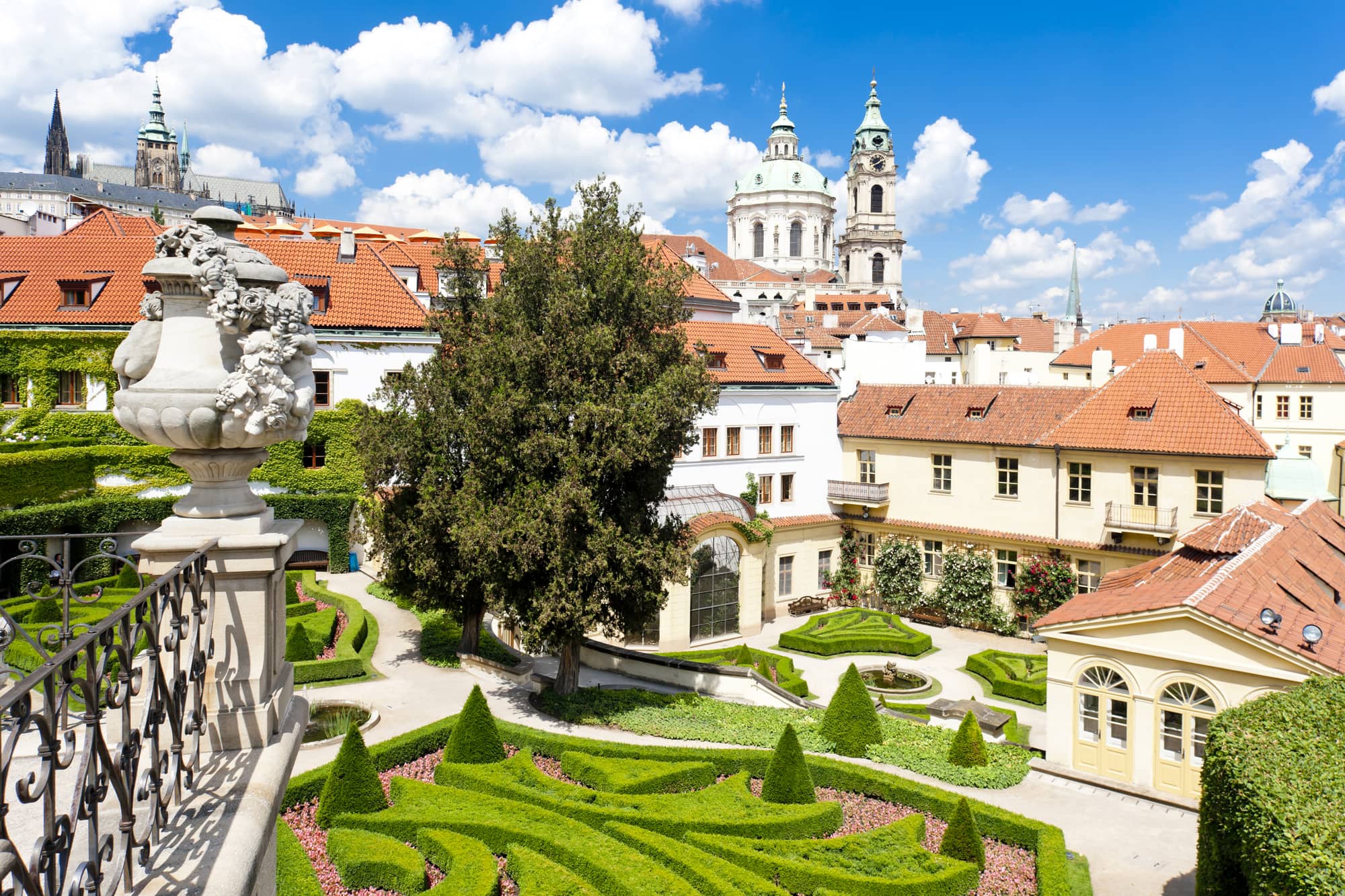
Vrtba Garden
This is an absolute gem. An unassuming entrance on Karmelitská Street leads you into one of the most beautiful baroque terraced gardens in Europe. Built on the slopes of Petřín Hill, it features perfectly symmetrical flowerbeds, sculptures by Matyáš Bernard Braun and a gorgeous view of St Nicholas Church.
Every time I step inside, I feel transported to another world — far from the noise of traffic and tourist crowds. The garden is open April to October; admission is 5 €. 💡 Local’s tip: The garden is a popular spot for wedding photos. Aim for a weekday morning if you can — at weekends you’ll be dodging brides.
Nový Svět
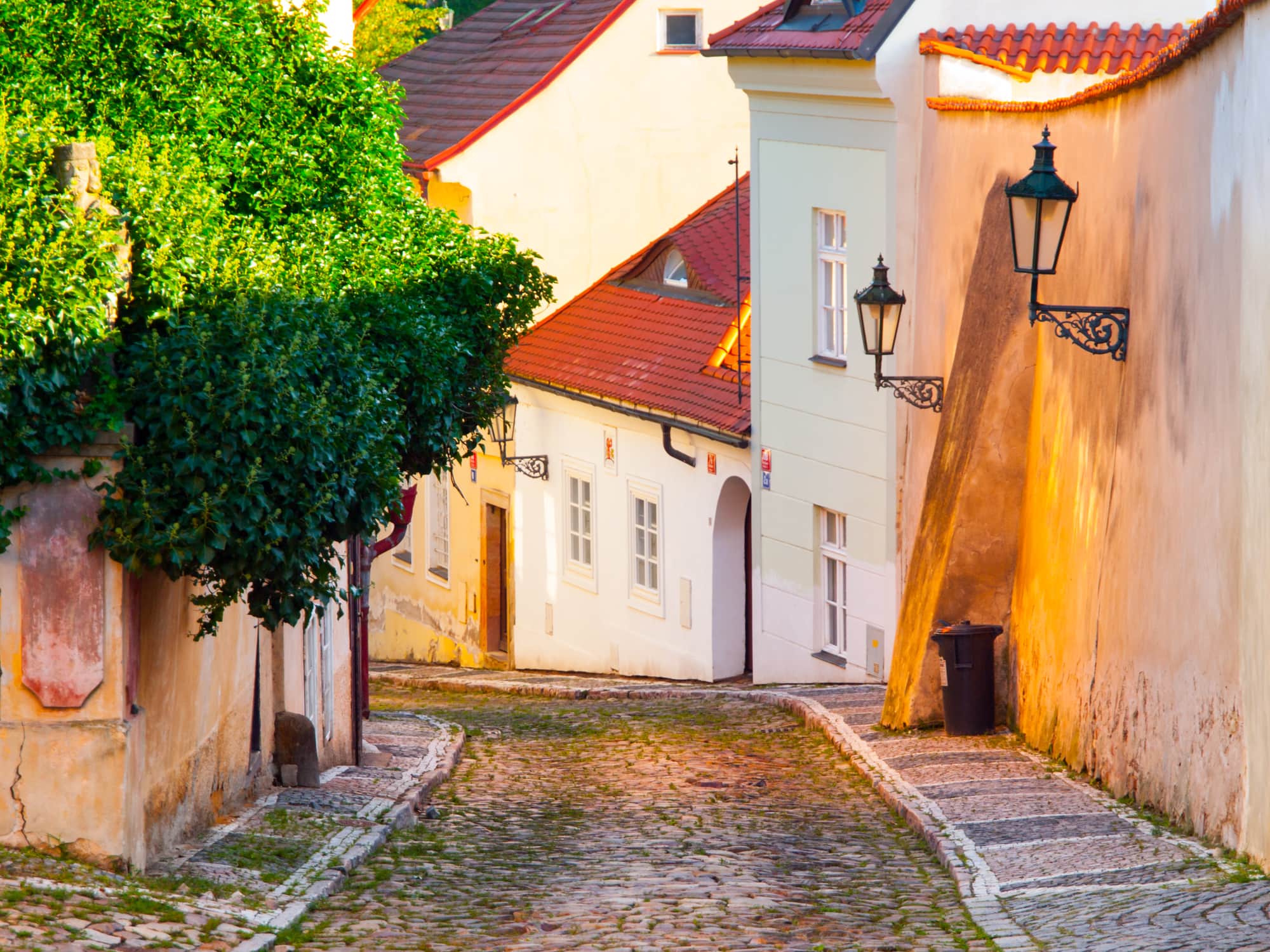
This tiny neighbourhood tucked behind Prague Castle feels like it belongs to another century. Winding lanes, small cottages, complete silence. It was once home to the castle’s poorest residents, and today it is, in my opinion, the purest glimpse of old Prague — no museums, no shop windows, no crowds.
There isn’t really an official tourist attraction here, and that’s precisely what makes it so wonderful. Just peace, cobblestones and an unbelievable charm. 💡 Local’s tip: Pop into the little Kavárna Nový Svět. They serve excellent speciality coffee and have a quiet courtyard.
Klementinum and the Baroque Library
This vast former Jesuit college complex right next to Charles Bridge offers tours of the Baroque Library, the Meridian Hall and the Astronomical Tower. The library, complete with historic globes, is simply breathtaking and feels impossibly grand.
Tours are guided only and tickets at 15 € often sell out fast. If you love the history of science or old books, this is one visit you absolutely cannot miss.
Wallenstein Garden
The seat of the Czech Senate hides a freely accessible garden filled with peacocks, fountains and a huge artificial stalactite wall (grotta) where, if you look closely, you’ll spot monstrous faces lurking in the stone.
It’s a wonderful spot to rest after exploring Malá Strana. The greenery and murmuring water are incredibly refreshing. Open April to October, admission free. 💡 Local’s tip: The peacocks are used to people, but please don’t feed them. Instead, take a seat on the bench facing the Sala terrena and soak up the calm.
Where to eat
After a full day of pounding the cobblestones, you’re guaranteed to be ravenous. That’s exactly what happens to Lukáš and me every time we walk the length of the city centre. Thankfully, there’s no shortage of places that go well beyond overpriced tourist-trap beer — spots with genuinely great food and the kind of cosy atmosphere we look for.
As a vegetarian, I’m also fairly particular about what I consider a good lunch, so I tend to skip the traditional pubs with their heavy cream sauces. Here are my favourite spots that keep me coming back.
Eska in Karlín and cosy bistros
When we need a change of scene and an escape from the packed centre, the whole family hops on a tram and heads to Karlín. The star here is Eska, a place that combines a fantastic bakery with modern Czech gastronomy. They cook with local ingredients, and their pastries and wood-fired bread are legendary. It’s exactly the kind of bistro where you feel relaxed and at home.
If you fancy something more upscale, try the restaurant at The Julius Hotel, which also has a vegetarian menu. It’s never too busy and is just a stone’s throw from Náměstí Republiky.
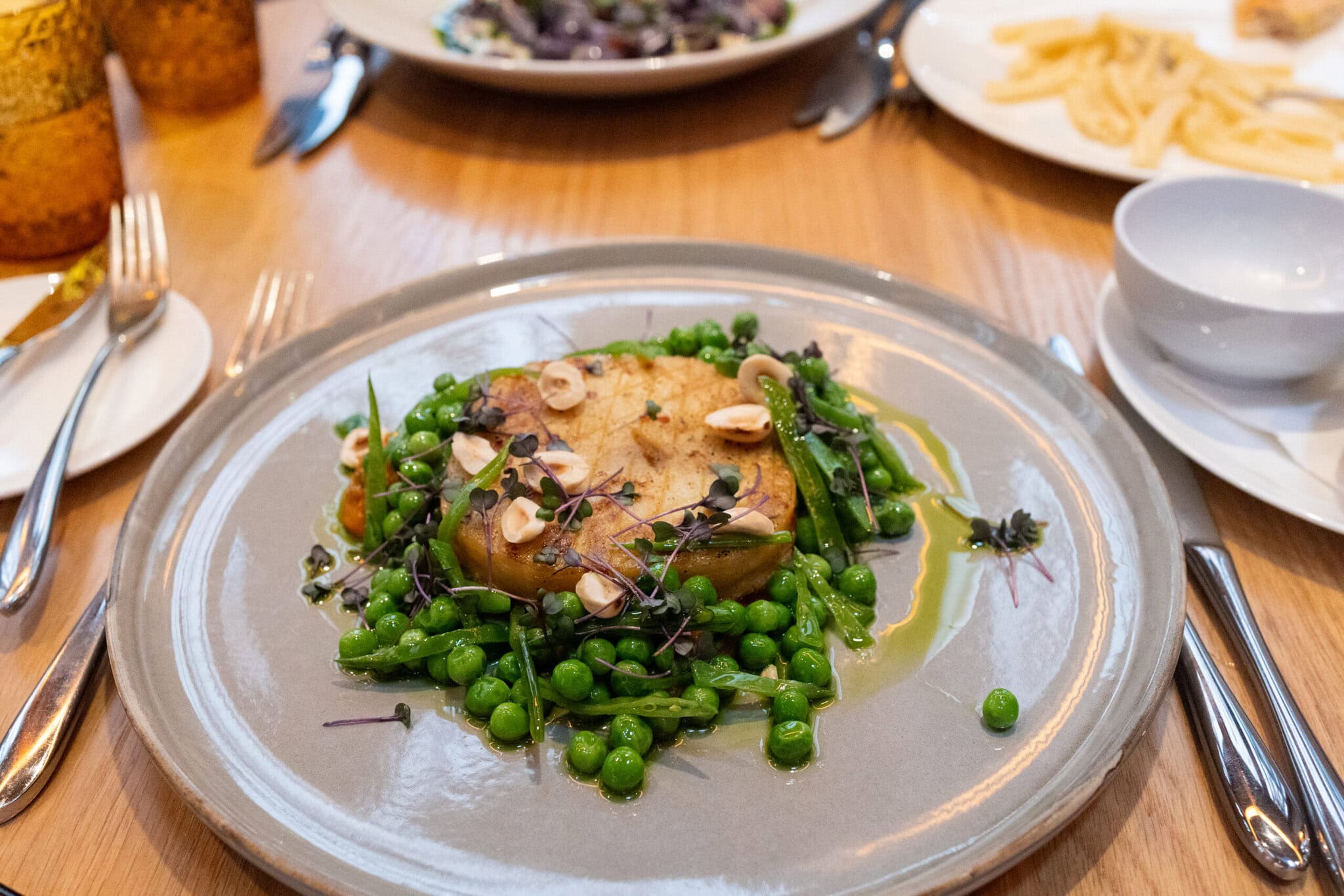
Another favourite of mine is Maitrea, not far from Old Town Square. It’s a fantastic vegetarian restaurant tucked down a side street, with a beautiful interior full of wood and a calming energy. They serve meat-free versions of traditional dishes alongside Asian fusion — a lifesaver on more than one exhausting ramble through the historic streets.
Practical information
Prague is a wonderfully compact city and public transport works brilliantly, so you really don’t need a car. With Jonáš in the pushchair, we covered most of the centre on foot and hopped on a tram whenever the hills got the better of us. 😅 A basic 30-minute ticket costs 1.20 €, a 90-minute ticket 1.60 €, and a 24-hour pass comes in at 6 €. You can buy tickets from machines, the PID Lítačka app, or by tapping your contactless card on the orange validators inside trams and buses.
If you’re planning to visit several paid attractions (the Astronomical Clock tower, Petřín, the Jewish Quarter), work out whether the Prague Visitor Pass might save you money. It doubles as a transport ticket and attraction pass, and will also spare you queuing.
Getting to Prague from the UK is straightforward. Direct flights from London (Heathrow, Stansted and Luton) take around two hours, with carriers like British Airways, Ryanair, easyJet and Wizz Air all serving the route. You can often find return flights for under £50 if you book early. Prague’s Václav Havel Airport is well connected to the centre by bus 119 to Veleslavín metro station (line A), and the whole transfer takes about 45 minutes.
Frequently asked questions
What are the most important Prague monuments?
The absolute essentials include Prague Castle with St Vitus Cathedral, Charles Bridge, Old Town Square with the Astronomical Clock, and the historic Jewish Quarter of Josefov. These sites form the core of Prague’s UNESCO-protected heritage.
How much time do I need to visit Prague?
For a basic introduction and visits to the main sights, I recommend at least three days. If you also want to soak up the atmosphere of the cafés, parks and outlying neighbourhoods like Karlín or Vinohrady, set aside four to five days.
Which Prague monuments are free?
You can walk across Charles Bridge, explore the Prague Castle courtyards (and the front section of the cathedral), stroll around Vyšehrad and Wallenstein Garden, or admire modern sculptures and installations in public spaces — all completely free.
How does public transport work in Prague?
The system comprises the metro, trams and buses. Tickets are transferable and time-based (30 minutes, 90 minutes, 24 hours). You can buy them via the app, from ticket machines, or directly on board by tapping a contactless bank card.
Tips and Tricks for Your Vacation
Don’t Overpay for Flights
Search for flights on Kayak. It’s our favorite search engine because it scans the websites of all airlines and always finds the cheapest connection.
Book Your Accommodation Smartly
The best experiences we’ve had when looking for accommodation (from Alaska to Morocco) are with Booking.com, where hotels, apartments, and entire houses are usually the cheapest and most widely available.
Don’t Forget Travel Insurance
Good travel insurance will protect you against illness, accidents, theft, or flight cancellations. We’ve had a few hospital visits abroad, so we know how important it is to have proper insurance arranged.
Where we insure ourselves: SafetyWing (simple monthly subscription) and TrueTraveller (for extra-long trips).
Find the Best Experiences
Get Your Guide is a huge online marketplace where you can book guided walks, trips, skip-the-line tickets, tours, and much more. We always find some extra fun there!
More from Czechia
Full guide → Day trips · most readMikulov, Czech Republic: 10 Best Things to Do and See
 When to goBrno Christmas Markets 2026 – Tree Lighting, Opening Hours & Programme
 With kidsBest Water Parks in the Czech Republic: 13 Family Tips for 2026
 FoodPrague, Czech Republic: 10 Best Things to Do and See with a Toddler
 Where to stayPrague, Czech Republic: 10 Best Family Hotels for Your Stay with Children


