

As the city stirs awake and you’re planning to visit the best Paris museums, you feel like the whole world is at your feet. The streets slowly fill with the clatter of metal shutters rising and the scent of freshly baked butter croissants drifting from the nearest corner bakery. You’re sitting on a bench with a cup of hot coffee, your toddler dozing contentedly in the pushchair beside you, and you know a day filled with art lies ahead. These are exactly the moments Lukáš and I live for. The City on the Seine has an incredible gift for pulling you into its history so naturally that you feel like you’ve stepped into an old French film. But then you reach the vast open square in front of the glass pyramid, spot that endless, snaking queue of people from every corner of the globe, and all the morning poetry vanishes in an instant.
The art scene here operates like a vast, constantly pulsating organism. You could spend a solid month just wandering from one famous canvas to the next and still discover you haven’t seen even half of it. We used to spend hours in galleries, reading every label and analysing every brushstroke. These days, our main currency is the attention span of a toddler. And you know what? It’s actually incredibly liberating. It forces you to choose carefully, slow down and stop racing through your holiday ticking items off a list. You’ll find that small, quiet places with creaky wooden floors often give you far more than the biggest and most famous institutions.
This year is also a truly groundbreaking one for culture, and a lot of the old rules no longer apply. The city has taken a deep breath after the enormous Olympic effort and sprung back to life. Major Impressionist anniversaries are being celebrated, the legendary Notre-Dame cathedral is finally welcoming visitors again, and this summer people will be swimming in the river for the first time in a century. On the other hand, some famous buildings have closed for years-long renovations, and for me as a vegetarian, there was huge news in the form of a fully plant-based menu at the celebrated restaurant Arpège. It’s a year of changes you need to be ready for.
TL;DR
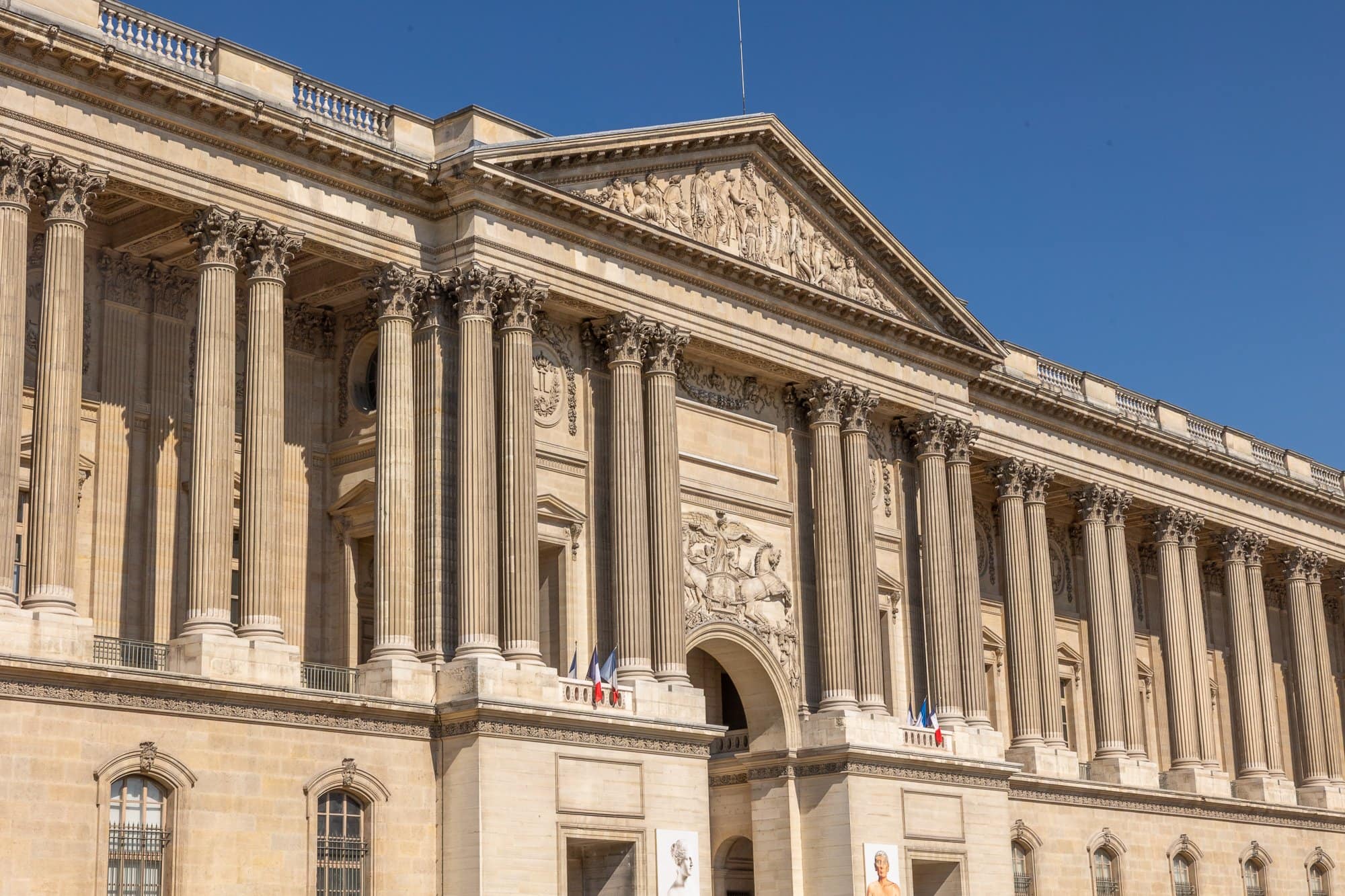
- Biggest disappointment of 2026: The iconic Centre Pompidou is completely closed for asbestos removal until 2030. Don’t go anywhere near it — you’ll find nothing but a building site.
- Never enter the Louvre through the main Pyramid entrance. Use the secret Porte des Lions entrance, where the queues are virtually non-existent, and buy a timed-entry ticket online in advance — the easiest way is through GetYourGuide.
- This year, you absolutely must see Musée d’Orsay. The former railway station is celebrating 40 years since opening, with fantastic exhibitions of Renoir and Mary Cassatt.
- Monet’s Water Lilies at Musée de l’Orangerie require a strict online reservation for a specific time slot, even if you have free entry or a tourist pass — the easiest way to book is in advance through GetYourGuide.
- If you’ve got a pushchair and small children, the garden at Musée Rodin is an absolute lifesaver. Entry costs just a few euros, you’ll see the famous Thinker, and your child can safely toddle along the wide paths.
- Watch out for scams near the landmarks. Ignore anyone trying to push a friendship bracelet on you, showing you a “lost” gold ring, or asking you to sign a fake charity petition.
- Cité des Enfants in La Villette park has its section for ages 2 to 7 closed for renovation until 9 June 2026.
- Always — and I mean always — say Bonjour. Without this magic word, the staff at ticket desks and gallery attendants simply won’t engage with you.
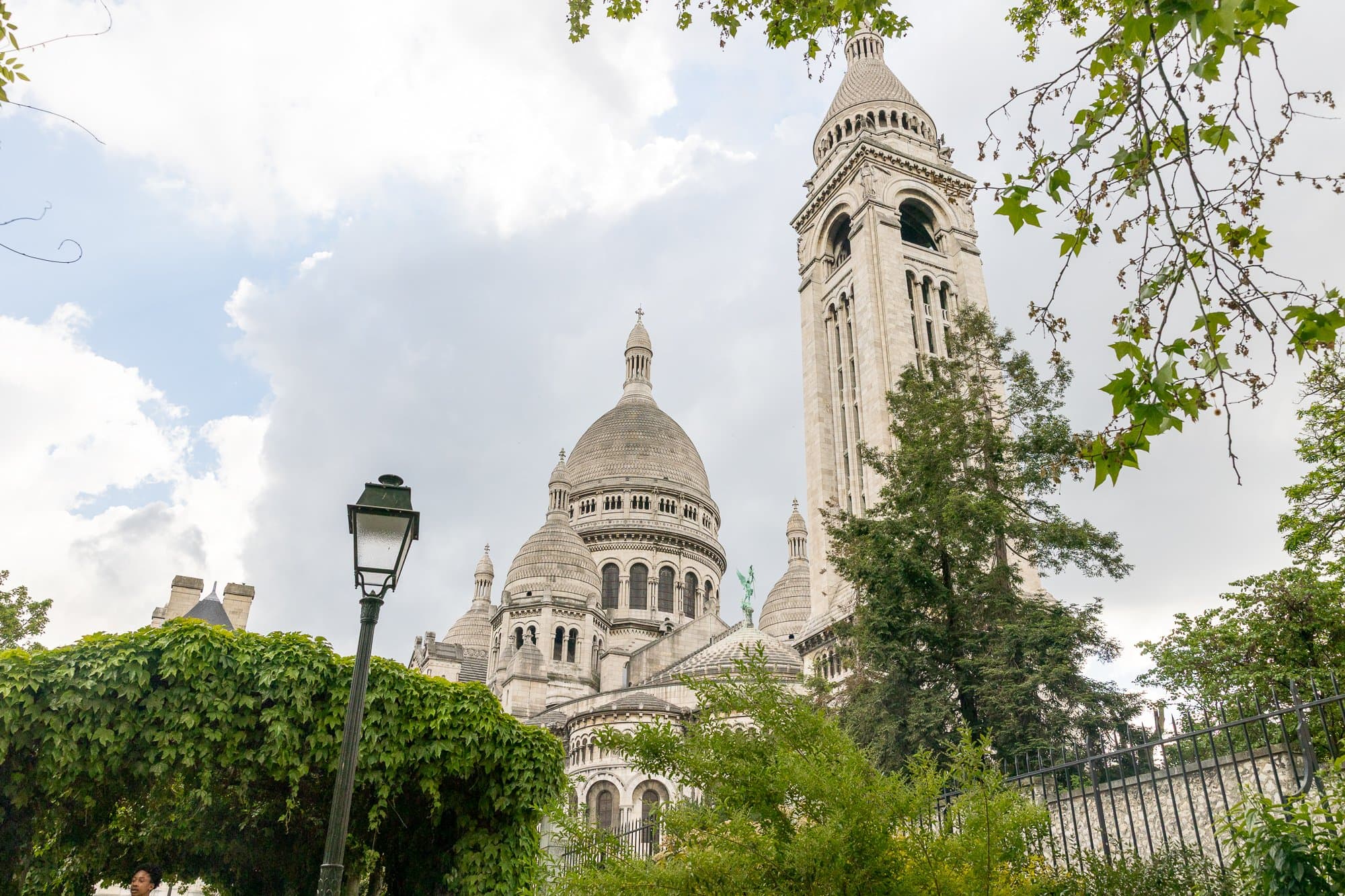
When to visit Paris museums: Seasons and 2026 calendar
Choosing the right month for a culture trip is absolutely crucial. Paris is a completely different city in February than it is in July, and we learned that the hard way. We once arrived in August only to find that half of our favourite bistros had a fermeture annuelle sign on the door. Lukáš and I love those moments when you can hop between exhibitions in a light jumper and afterwards sit down at an outdoor terrace with a view of the street.
Spring and autumn: a safe bet
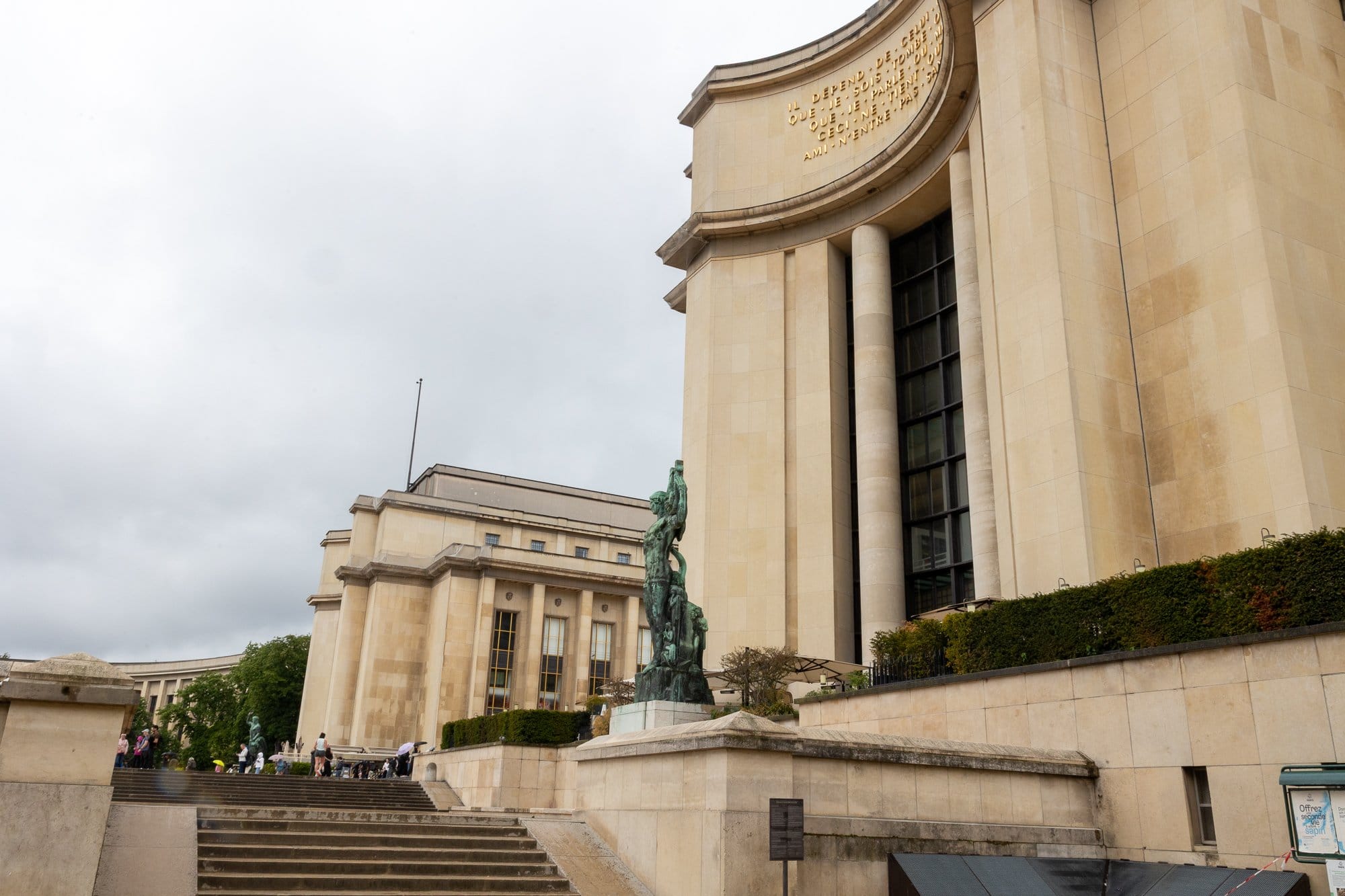
If you can, plan your trip for spring or autumn. May is probably the single most beautiful month of the year. The chestnut trees are in bloom, the days stretch out pleasantly, and the light inside glass-roofed palaces is absolutely perfect. September and October are equally magical. The period known as la rentrée (the return from holidays) brings a fresh energy to the streets, the year’s biggest and most anticipated exhibitions open, and the trees in the parks turn incredible shades of amber and gold. You’ll always need to pack a windbreaker and an umbrella for October, but the atmosphere makes it more than worthwhile.
💡 Insider tip: On the first Sunday of each month from November to March, many state-run institutions — including the famous Panthéon — offer completely free entry. It’s a brilliant way to save money, but don’t expect to have the place to yourself.
Blind spots and when to stay home
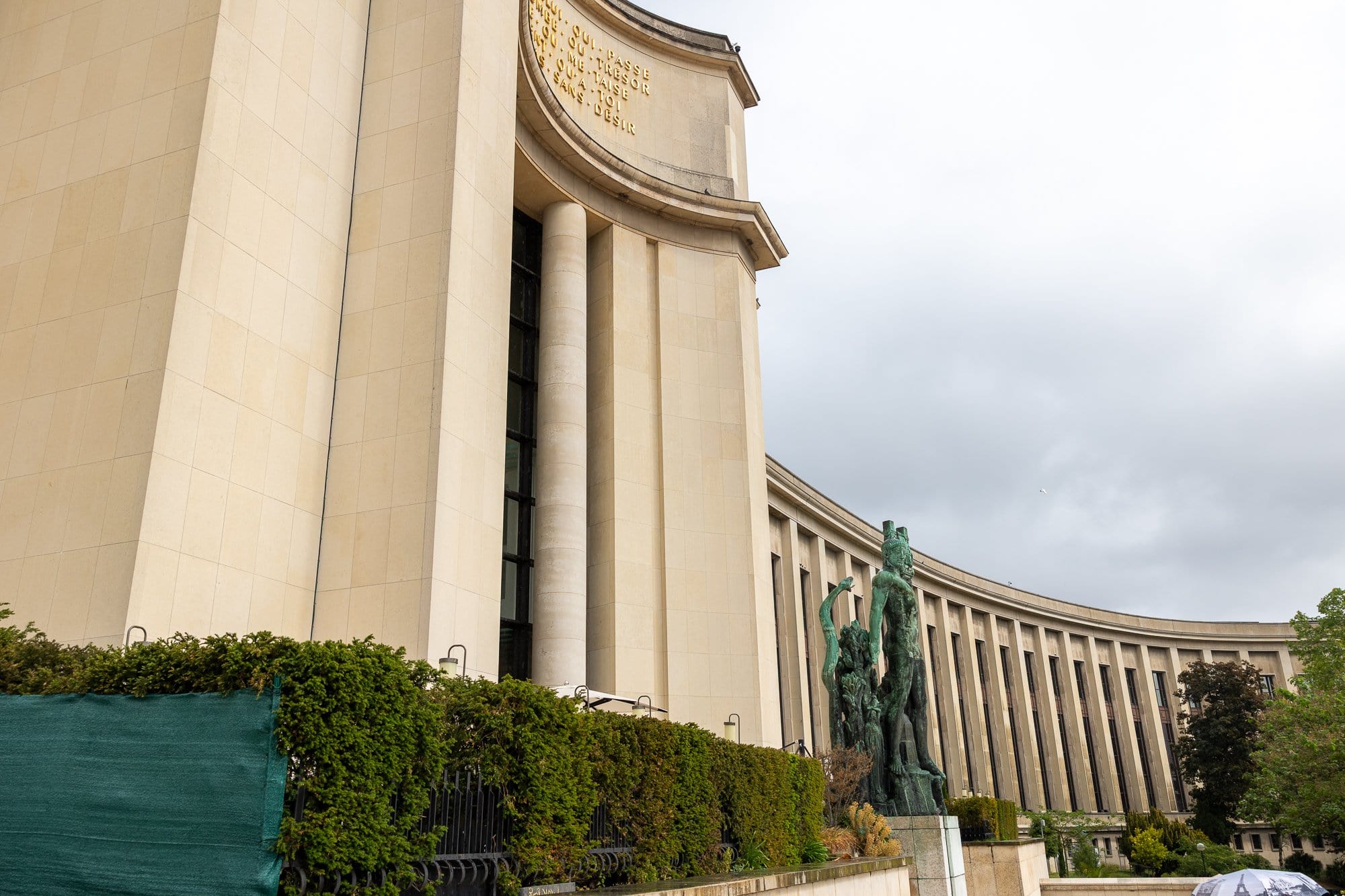
Steer well clear of August. The locals flee the city en masse, heading for the coast or the countryside. The streets empty of residents but fill with tourists instead. Many of the best independent bistros and small galleries will have a fermeture annuelle (annual closure) sign on the door. The tarmac melts under the scorching heat and the air conditioning in old historic buildings often can’t cope. Also watch out for the weeks at the turn of February and March, when Paris Fashion Week sends hotel prices rocketing to frankly absurd levels.
💡 Insider tip: A critical date for autumn trips is the weekend of 19–20 September 2026 — the European Heritage Days (Journées du Patrimoine). Normally off-limits government palaces open their doors, but if you’re planning a trip to Monet’s gardens in Giverny, be aware they’re exceptionally and strictly closed on these two days.
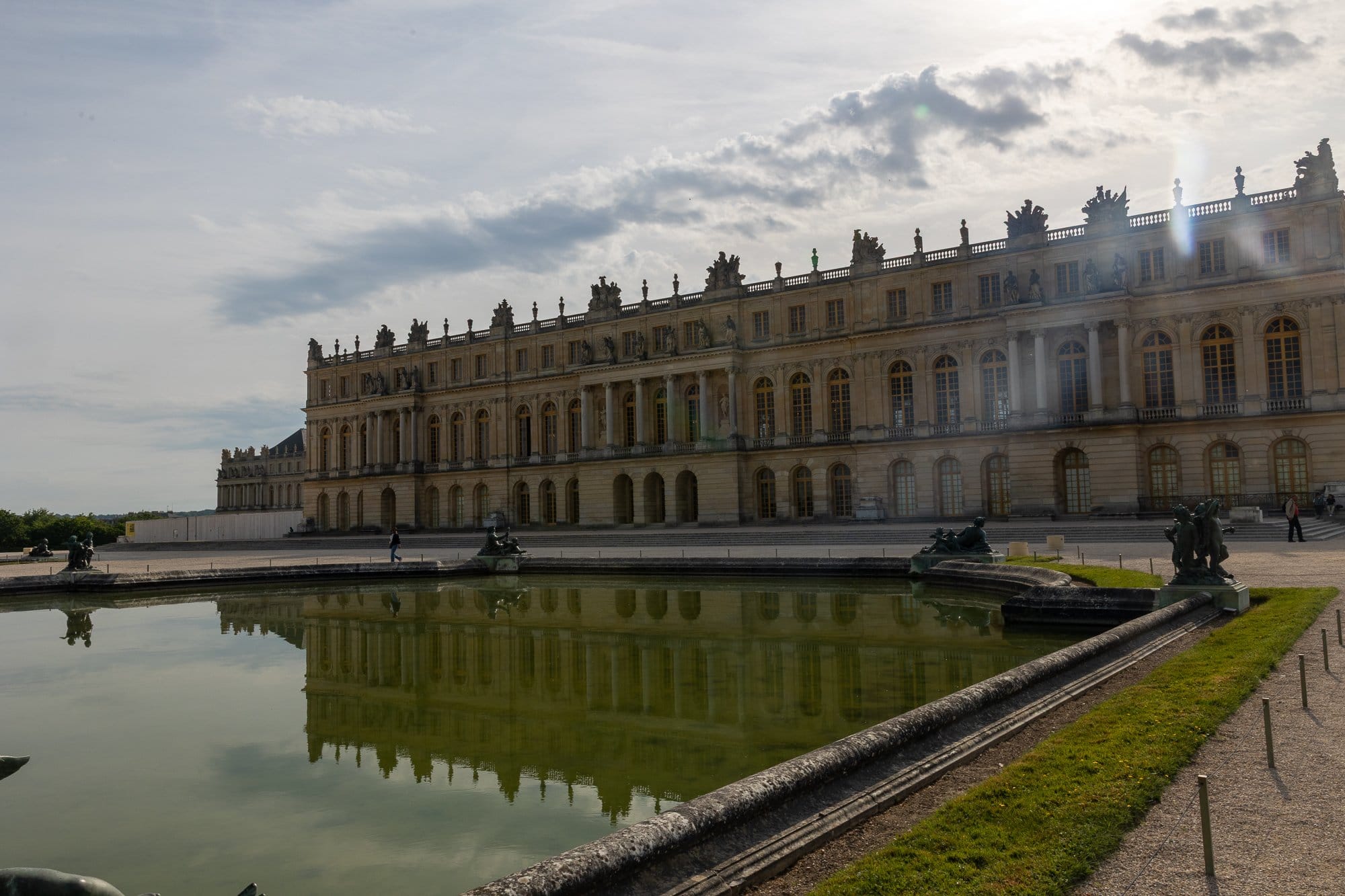
Where to stay in Paris
Your choice of neighbourhood will make or break your entire experience of the city — and your budget. Paris is divided into twenty arrondissements that spiral clockwise from the historic centre around the Louvre. Finding cheap accommodation in the centre is virtually impossible, but if you know where to look, you can find a great compromise between price, safety and accessibility.
If you’ve got a pushchair and a toddler, give a wide berth to the northern part of the 10th arrondissement around Gare du Nord and Pigalle in the 18th at night. We once got lost there at 2 a.m. with a friend and with a two-year-old in tow — definitely not something we’re keen to repeat. 😅
After a long search, we settled on Hôbou, an authentic French boutique hotel in Boulogne-Billancourt (you can book it here). It looks almost unassuming at first glance, but within the first few hours you’ll fall head over heels for it.
Hotels that actually make sense
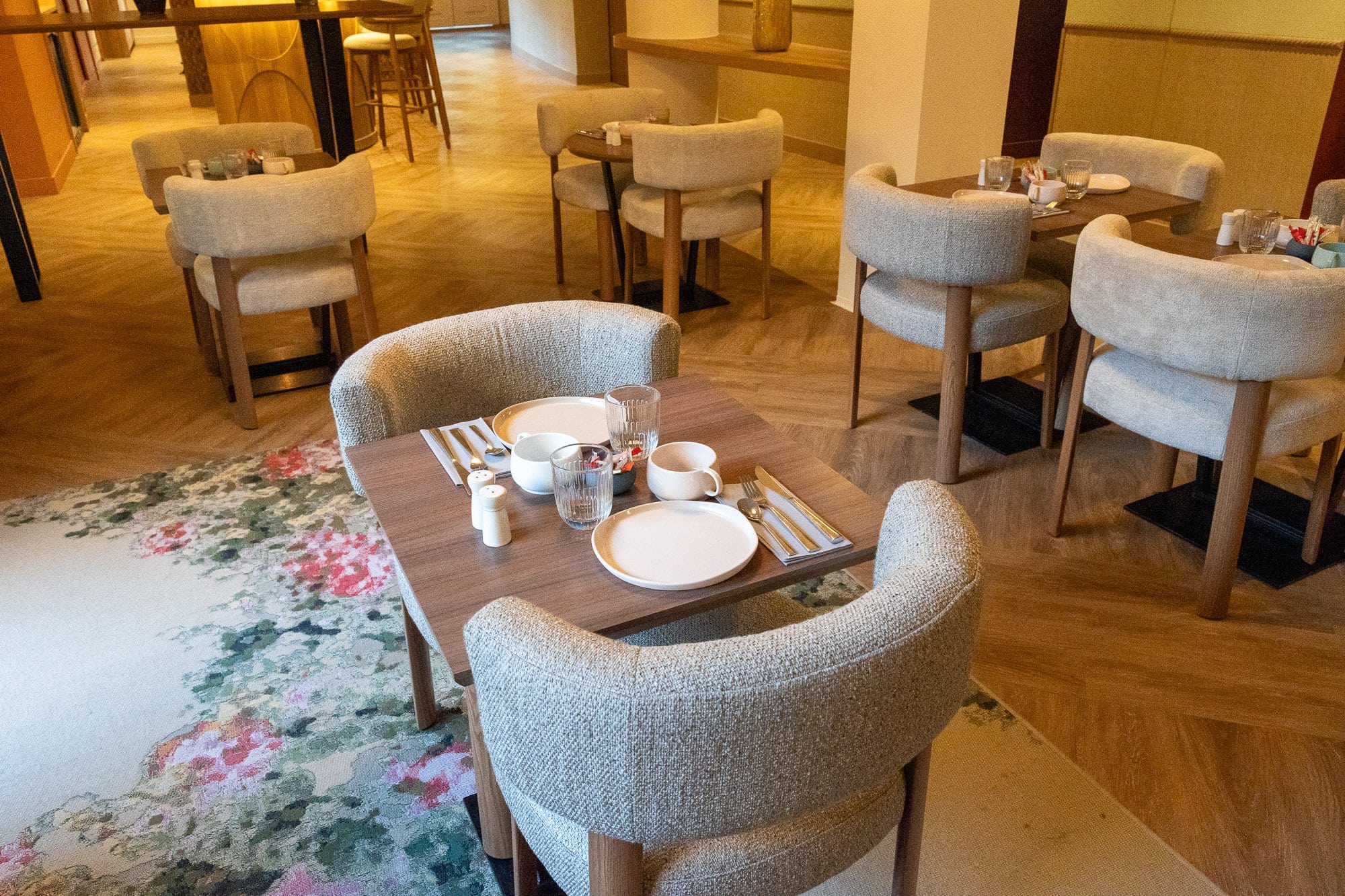
Processing the visual overload from major galleries takes a bit of time and, above all, an environment free from further distractions. We loved that the family-run Hôbou is relatively close to Fondation Louis Vuitton and provided much-needed peace and quiet after a day at the galleries. You’ll find the full story about our stay in a separate review, and you can compare current prices right here.
Heavyweights and Impressionist masters
Before our first trip with Jonáš, Lukáš and I asked ourselves the same question: three giants, one toddler — how much can we realistically get through? The answer surprised us. Managing them with a small child takes a pretty solid tactical plan, but the result is absolutely breathtaking.
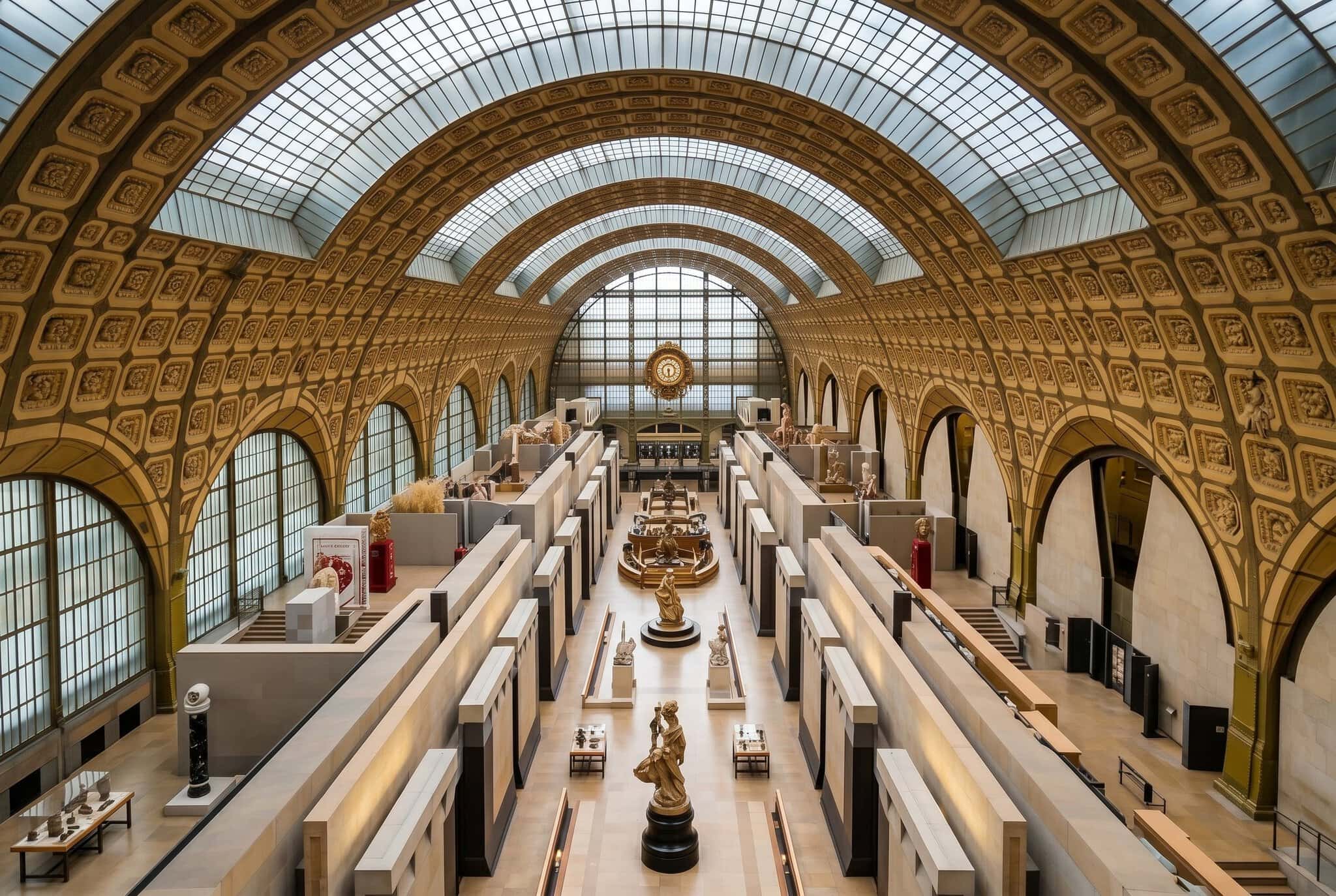
Musée d’Orsay: The year you simply must visit
If you can only pick one major institutional museum for 2026, make it Musée d’Orsay. The former railway station with its iconic giant glass clocks is buzzing with incredible energy this year. It’s celebrating exactly 40 years since its grand opening, and it also marks one hundred years since the death of the painter Claude Monet. The atmosphere beneath the enormous steel vault is far airier and lighter than in other historic palaces. The space is more contained, more logically organised and far friendlier to navigate with a small child. The collection of more than four thousand works covers the absolute cream of late nineteenth- and early twentieth-century art.
The crown jewel of the permanent collection is Monet’s series of Rouen Cathedral paintings. They hang beautifully side by side, so you can see with your own eyes how the master captured the very same stone façade in different daylight and weather conditions. I stood in front of those canvases for so long that Lukáš silently pressed a coffee from our travel mug into my hand without saying a word. That’s what looking at art feels like when you truly see it. And then, of course, there’s Vincent van Gogh — two canvases that take your breath away: Starry Night over the Rhône and his famous, penetrating self-portrait. What you absolutely cannot miss this year are the special exhibitions. A major Renoir retrospective is planned for spring, and autumn will belong to the fascinating American Impressionist Mary Cassatt.
A standard ticket costs €16, and even here it pays to have a timed-entry ticket bought in advance — the easiest way is through GetYourGuide. It’s open daily except Monday from 9:30 to 18:00. The building is at 1 Rue de la Légion d’Honneur, and the nearest metro stations are Solférino (line 12) or RER C directly beneath the museum.
💡 Insider tip: If your toddler is happy in a carrier, leave the pushchair in the cloakroom as soon as you arrive. The wooden gallery floors handle wheels without a problem, but on Thursdays — when the doors don’t close until 21:45 — it gets quite tight in front of the Van Goghs, and with a child on your chest you’ll be far more nimble in the crowd.
Musée de l’Orangerie: An intimate meditation among the Water Lilies
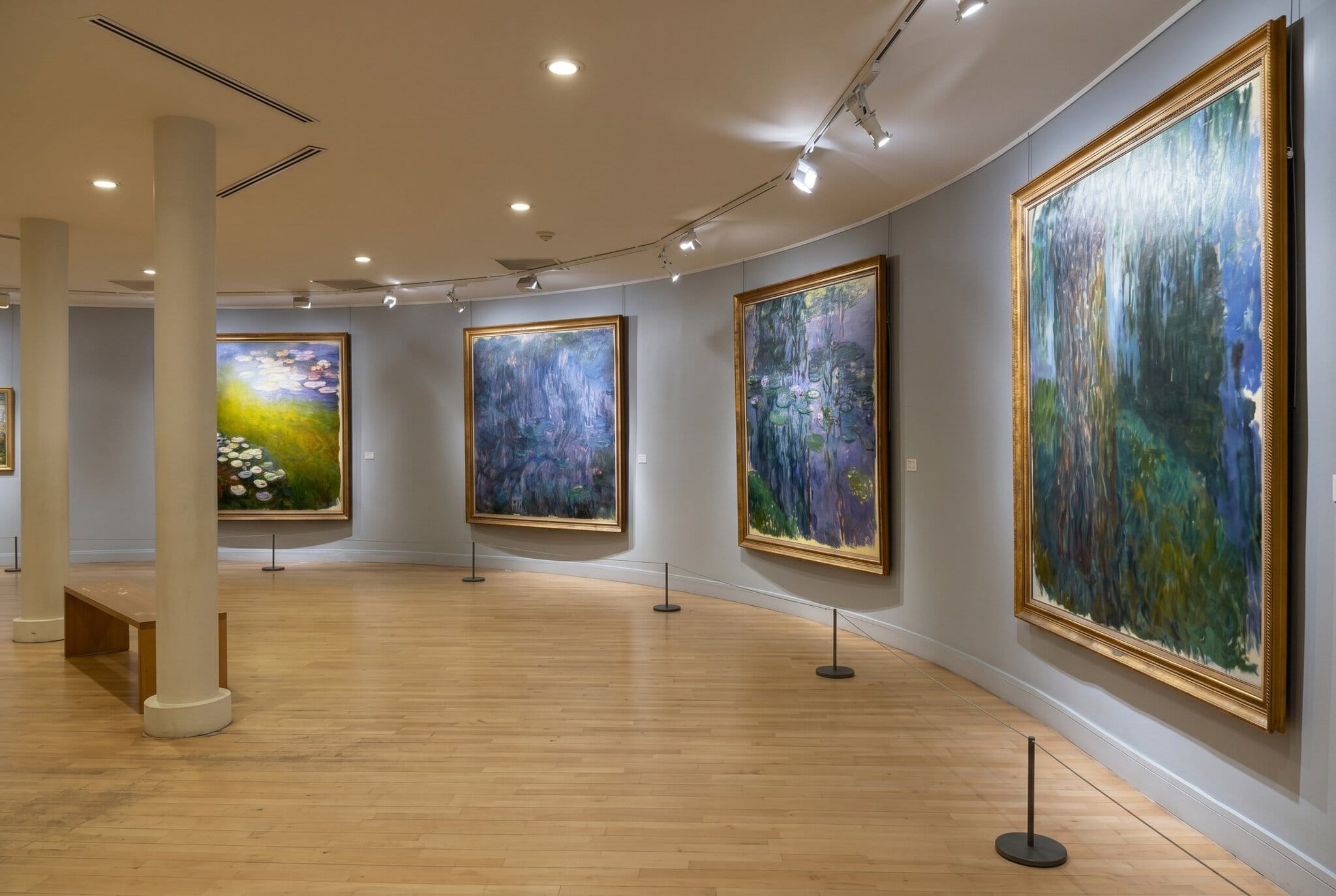
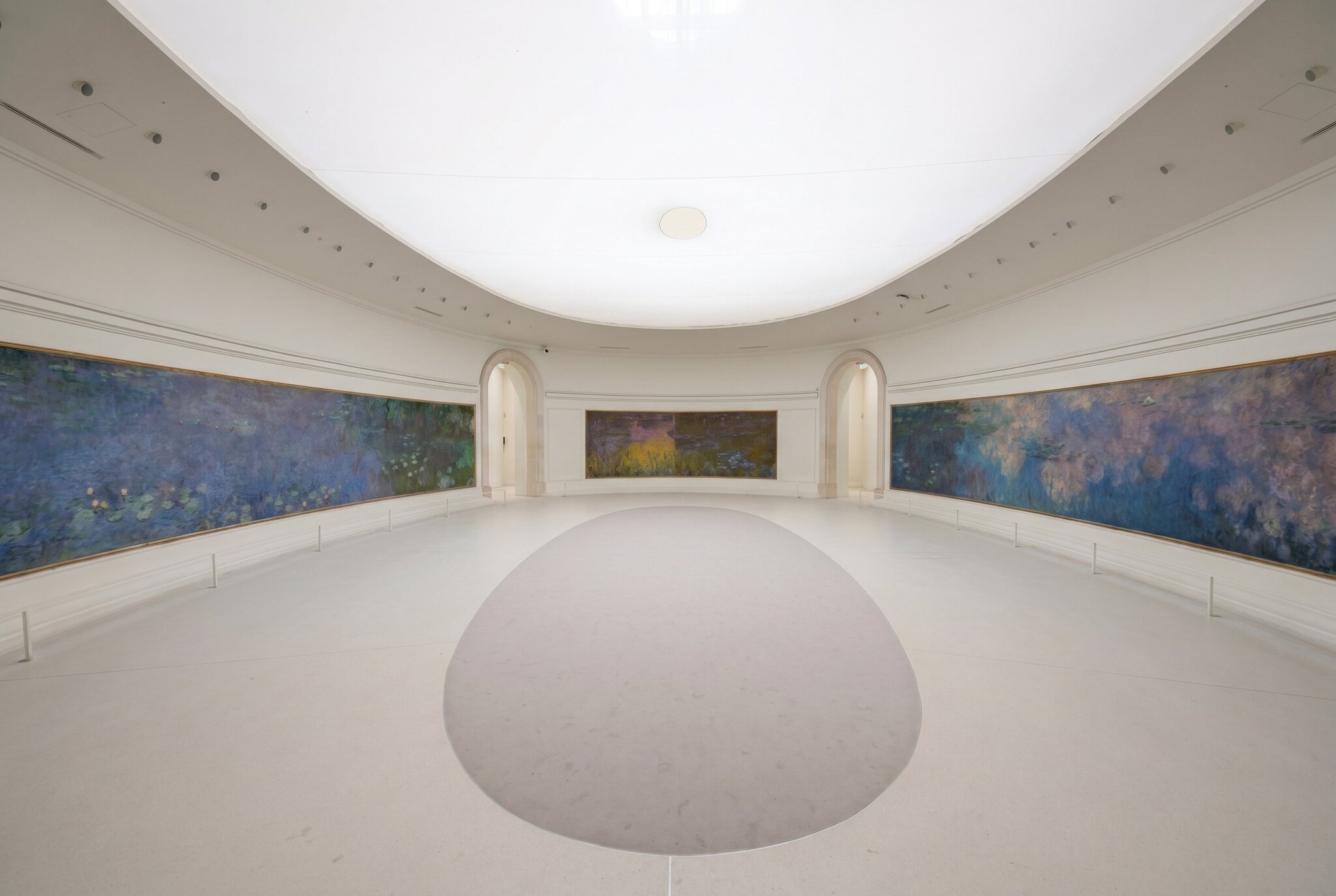
On the very edge of the sprawling Tuileries Gardens in the 1st arrondissement, an unassuming, low-slung old orangery shelters one of the most powerful and purest art experiences in the entire city. The Orangerie is home to eight enormous, panoramic canvases of Monet’s Water Lilies (Nymphéas). They’re installed in two connected oval rooms flooded with natural daylight, arranged exactly according to the artist’s strict instructions. The moment you step inside, the noise of the city vanishes as if by magic.
The canvases surround you completely. For toddlers, it’s a visually mesmerising space — the gentle transitions of colour, the reflections of water and the shapes of the flowers draw them in like a magnet. You just need to keep a close eye on those inquisitive little fingers trying to grab a painted frog from touching the priceless canvas. The lower floor houses the Jean Walter and Paul Guillaume collection, featuring works by Cézanne, Renoir, Picasso, Matisse and Modigliani. It’s an intimate, deeply concentrated collection you can comfortably see in under two hours — an ideal time frame. There’s also a major event for 2026: from 25 March to 20 July, an exhibition dedicated to Henri Rousseau (Le Douanier) showcases the complete work of this fascinating customs officer turned painter and his profound influence on Surrealism.
Tickets cost €12.50. Open daily except Tuesday from 9:00 to 18:00. You’ll find it on Place de la Concorde; the nearest metro is Concorde (lines 1, 8, 12).
💡 Insider tip: The cardinal rule here is that entry requires a mandatory online reservation for a specific time slot (timed-ticket) — even if you have free entry or a tourist pass. Without a reservation, they simply won’t let you through the door. Book your timed ticket in advance — the easiest way is via GetYourGuide. My secret tip? Book a slot just after a rain shower, when tourists scatter to the cafés and you’ll have the Water Lily rooms almost to yourself.
Louvre: A survival strategy for the world’s largest palace
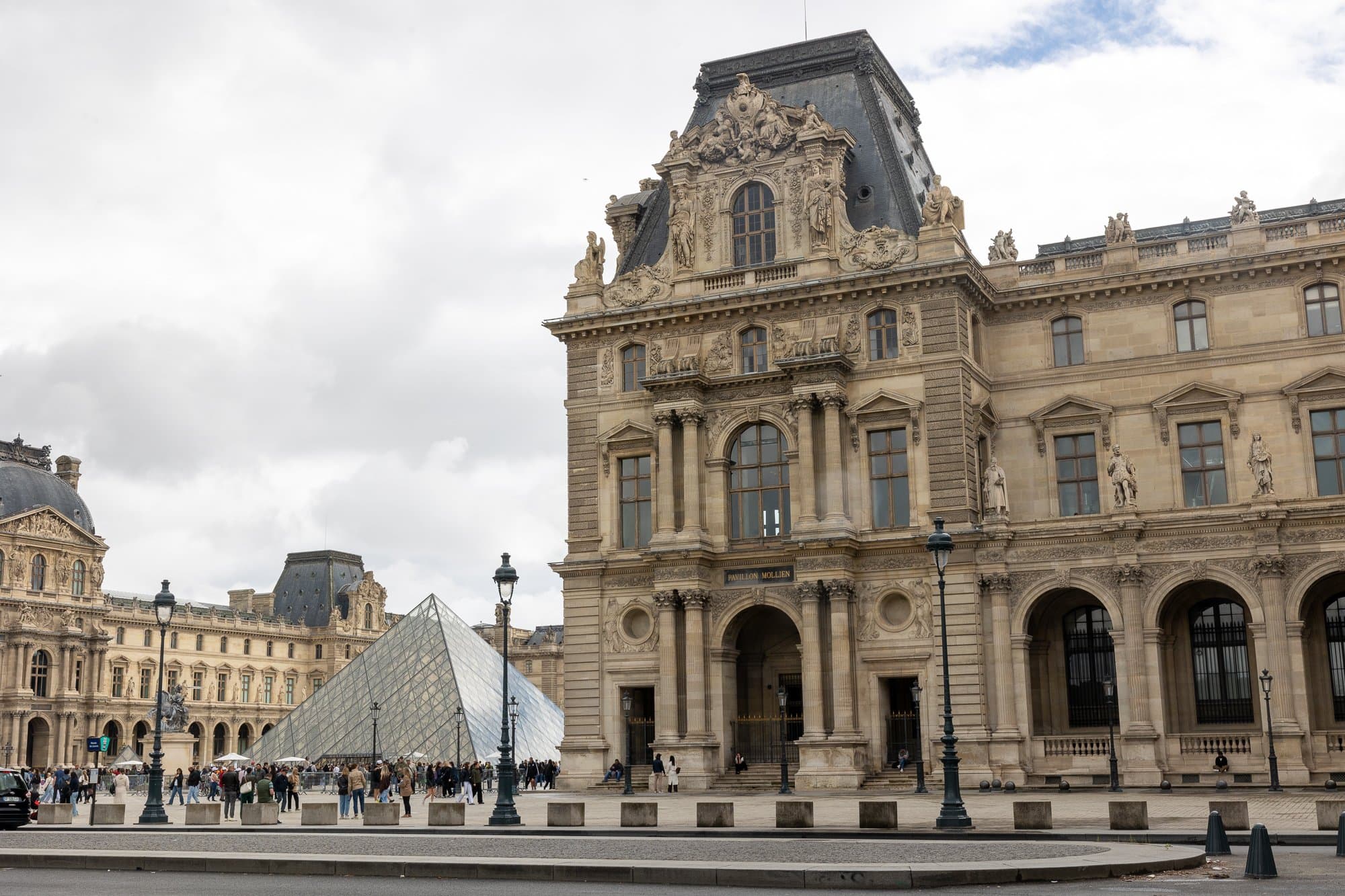
Writing a guide to Paris museums and leaving out the enormous complex on the banks of the Seine would be a cardinal sin — but with a toddler, it’s a challenge that borders on an extreme sport. This is simply the largest institution of its kind in the world. Forget seeing everything. The bare minimum for a speed-run past the biggest hits — the surprisingly small Mona Lisa, the Venus de Milo and the majestic Winged Victory of Samothrace — is three hours of brisk walking. A serious visit to the Louvre takes six to eight hours, and with a two-year-old that’s simply not going to happen without tears on both sides.
The key to success is careful selection and smart timing. The worst day for a visit is unquestionably Saturday, when hordes of international tourists mingle with local families. Avoid it at all costs. The best days are Wednesday and Friday evenings, when the doors stay open until 21:45. After six o’clock, visitor numbers drop by more than sixty per cent and the halls take on an incredibly atmospheric quality. If you want to see the Mona Lisa’s famous smile without the insane crush, you need to be there either at exactly 9:00 right when the doors open, or on Wednesday and Friday late in the evening. The rest of the time, it’s just a sea of raised mobile phones.
A standard ticket costs around €22 and must be purchased exclusively as an online timed-entry ticket — the easiest way is to buy it in advance through GetYourGuide. The queue for people without a ticket often means hours of frustrating waiting. Open daily except Tuesday. The main metro station is Palais-Royal Musée du Louvre (lines 1 and 7).
💡 Insider tip: Here’s a trick that will save you a mountain of stress. Don’t use the main entrance through the big glass Pyramid in the courtyard. Head instead to the little-known Porte des Lions entrance in the southern Denon wing near the river. It’s the closest entrance to the Mona Lisa room, and the security-check queues here are a tiny fraction of what you’ll face at the Pyramid.
Oases of calm: Institutions made for tired parents
If you’re after beauty and history but also desperately need a space where your child can breathe, run about, and you won’t end up with a stress-induced stomach ulcer, the following three addresses are an absolute bullseye.
Musée Rodin: Bronze sculptures and rose bushes
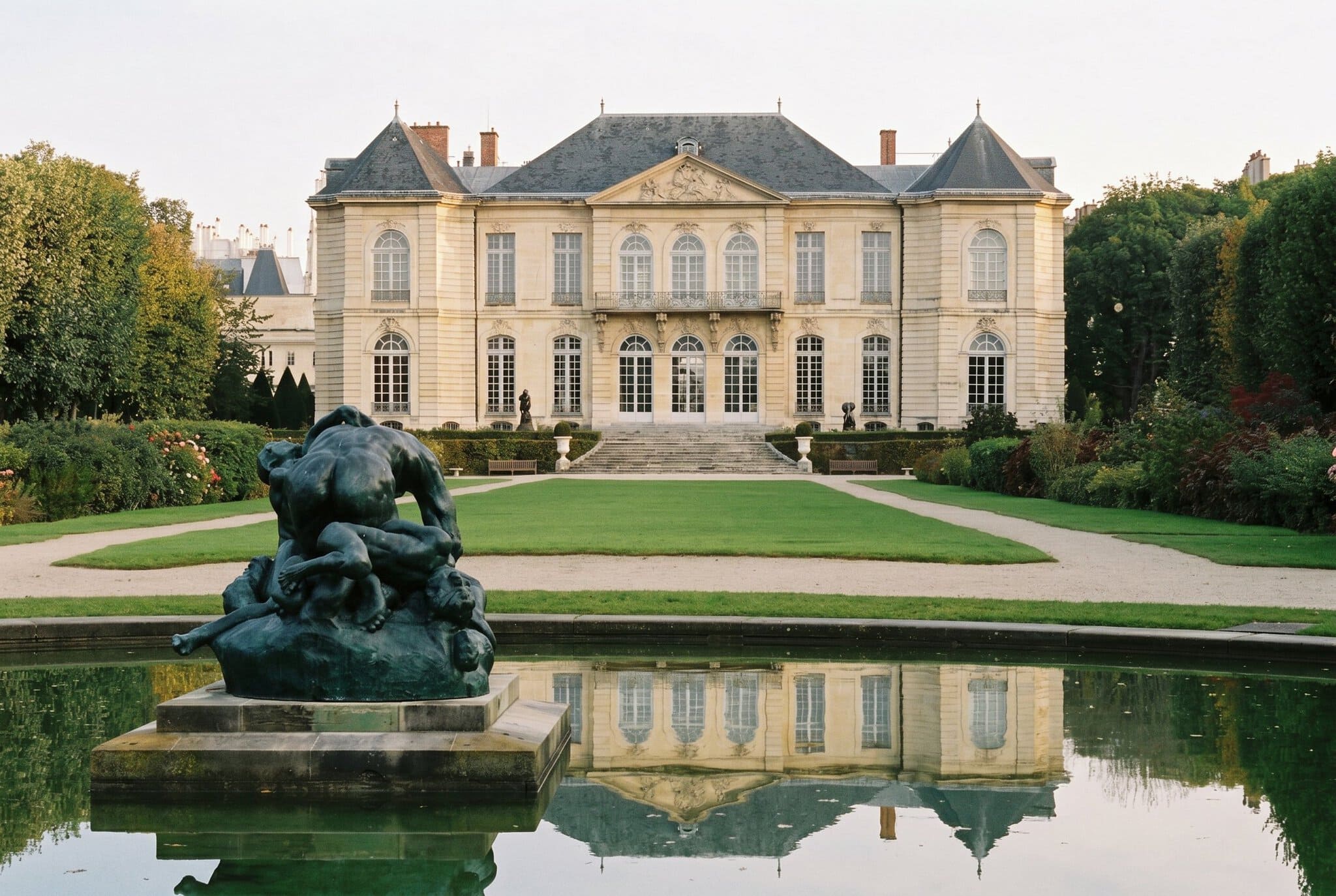
The gorgeous Hôtel Biron, an eighteenth-century aristocratic mansion surrounded by expansive, beautifully maintained gardens in the quiet 7th arrondissement, is my absolute favourite for family outings. The Musée Rodin collection includes over six thousand sculptures and thousands of drawings. Inside the historic building you’ll find the iconic marble Kiss (Le Baiser) and a deeply moving room dedicated to Camille Claudel — the brilliant sculptor with an immensely tragic fate who was Rodin’s muse. The interior has beautiful old wooden floors and large French windows.
For us, though, the real magic happens outside behind the house. The garden hides the famous bronze Thinker and the dark Gates of Hell, but while everywhere else in a museum you’re on tenterhooks worrying about what your toddler might knock over, here you simply let them loose on the sandy paths between the roses and watch as they gleefully collect white pebbles while you admire Rodin in peace. This is the moment that makes travelling to Paris with a child truly worth it.
Full entry costs €14, but if you only want the outdoor area, a garden-only ticket is just €4. Open Tuesday to Sunday from 10:00 to 18:30. The nearest metro is Varenne (line 13).
💡 Insider tip: That €4 garden ticket is one of the best-value escapes from the city’s hustle in all of Paris. Grab a coffee from a nearby café, find a bench under the trees and just let time drift by.
Musée Marmottan Monet: A secret collection on the edge of a wood
While the tourist crowds cram into the big institutions in the centre, you can head to the supremely calm and elegant 16th arrondissement near the sprawling Bois de Boulogne. A quiet hôtel particulier (private mansion) that once belonged to a wealthy collector houses the world’s largest collection of Claude Monet’s works at Musée Marmottan Monet. It was bequeathed here by his son Michel. You’ll find over a hundred paintings, and the atmosphere is worlds apart from anything in the centre.
It’s on the walls of this unassuming house that the legendary painting Impression, soleil levant (Impression, Sunrise) hangs — the very canvas that gave the entire Impressionist movement its name. Alongside Monet, you’ll encounter the delicate works of Berthe Morisot, who offers a remarkable female perspective in what was then an exclusively male art world, as well as canvases by Degas, Sisley and Pissarro. Carpets muffle your footsteps, the rooms feel more like a richly furnished apartment than a sterile gallery, and it’s never bursting at the seams.
Tickets cost €14. Open Tuesday to Sunday from 10:00 to 18:00, with Thursday hours extended to 21:00. The nearest metro is La Muette (line 9).
💡 Insider tip: If you’ve bought a weekly Navigo Découverte travel pass, the line 9 metro gets you here very comfortably, but for families with a pushchair I’d recommend taking bus 32 instead — it stops nearby and saves you lugging the buggy up and down underground stairs.
Musée Picasso Paris: Cubism and the best falafel
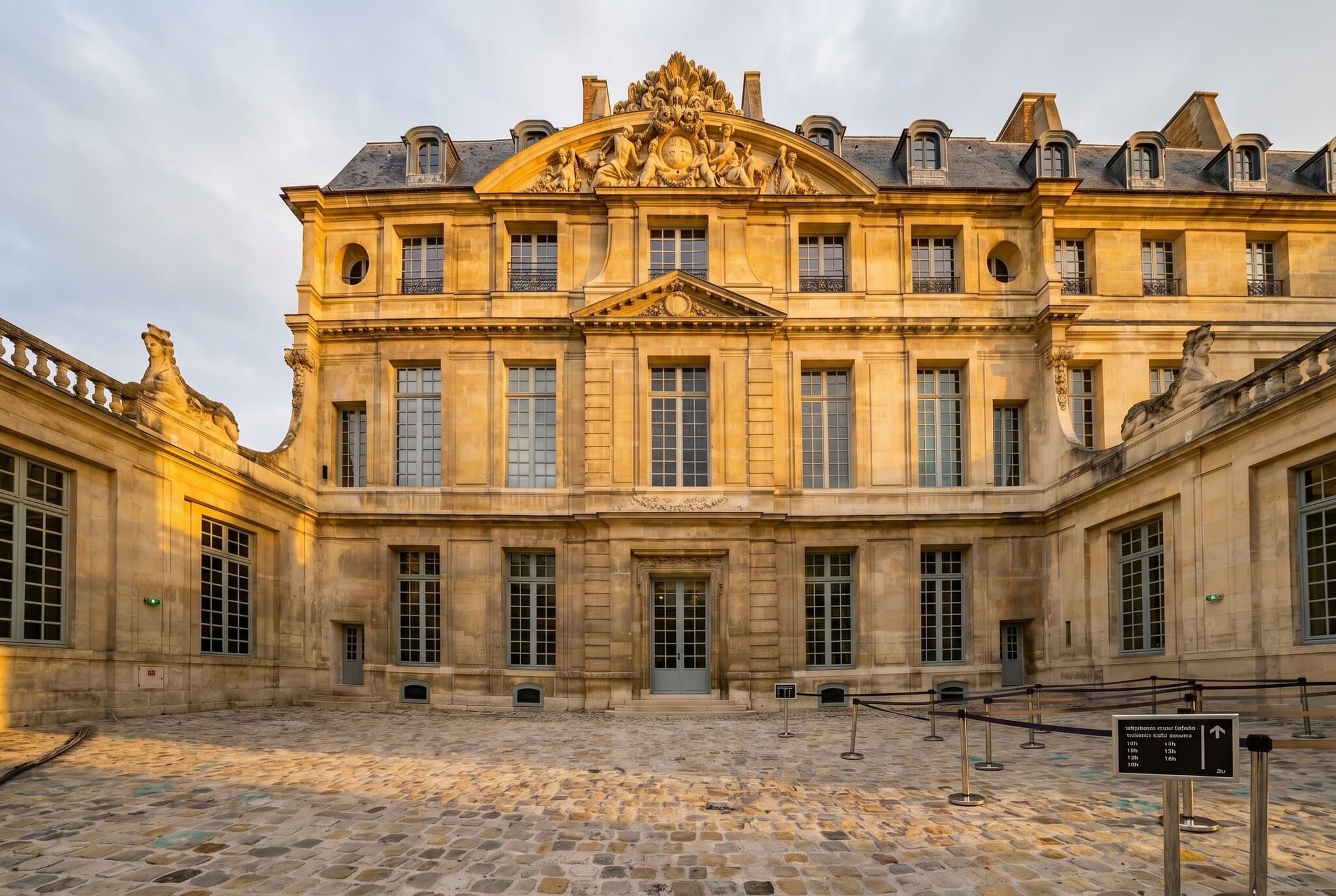
Based in Le Marais? Then Picasso is literally just a short stroll away. The entire collection is housed in the beautifully restored seventeenth-century Hôtel Salé, one of the finest historic buildings in the neighbourhood. It holds over five thousand works and forms one of the most comprehensive Picasso collections in the world. The displays rotate and change their arrangement fairly often, so the interior constantly offers fresh perspectives on the painter’s Blue, Rose, Cubist and late Surrealist periods.
Equally fascinating is Picasso’s personal private collection, which is also exhibited here. You’ll see astonishing works by Cézanne, Matisse and Rousseau that the Spanish master had hanging on the walls of his own home and drew inspiration from. The spaces feature beautiful old staircases with wrought-iron railings, and the whole place has a wonderfully relaxed feel.
Tickets cost €14. Open Tuesday to Sunday from 10:30 (weekends from 9:30) to 18:00. The nearest metro stations are Saint-Paul (line 1) or Saint-Sébastien – Froissart (line 8).
💡 Insider tip: This is the perfect combo for vegetarians. After browsing the Cubist canvases, just wander down a few narrow lanes to Rue des Rosiers. Queue up for the legendary street falafel at L’As du Fallafel, or duck into the nearby Marché des Enfants Rouges — Paris’s oldest covered market — where you’ll find excellent vegetable tagines. The little one eats outside on a bench and you get to enjoy top-notch street food.

Map of points of interest for your phone
Modern art, immersive experiences and one big disappointment
Modern art has a massive presence in Paris, but this year has brought the biggest and most painful changes in precisely this area. Planning a trip to Pompidou? Read on carefully.
⚠️ Centre Pompidou: Critical status for 2026
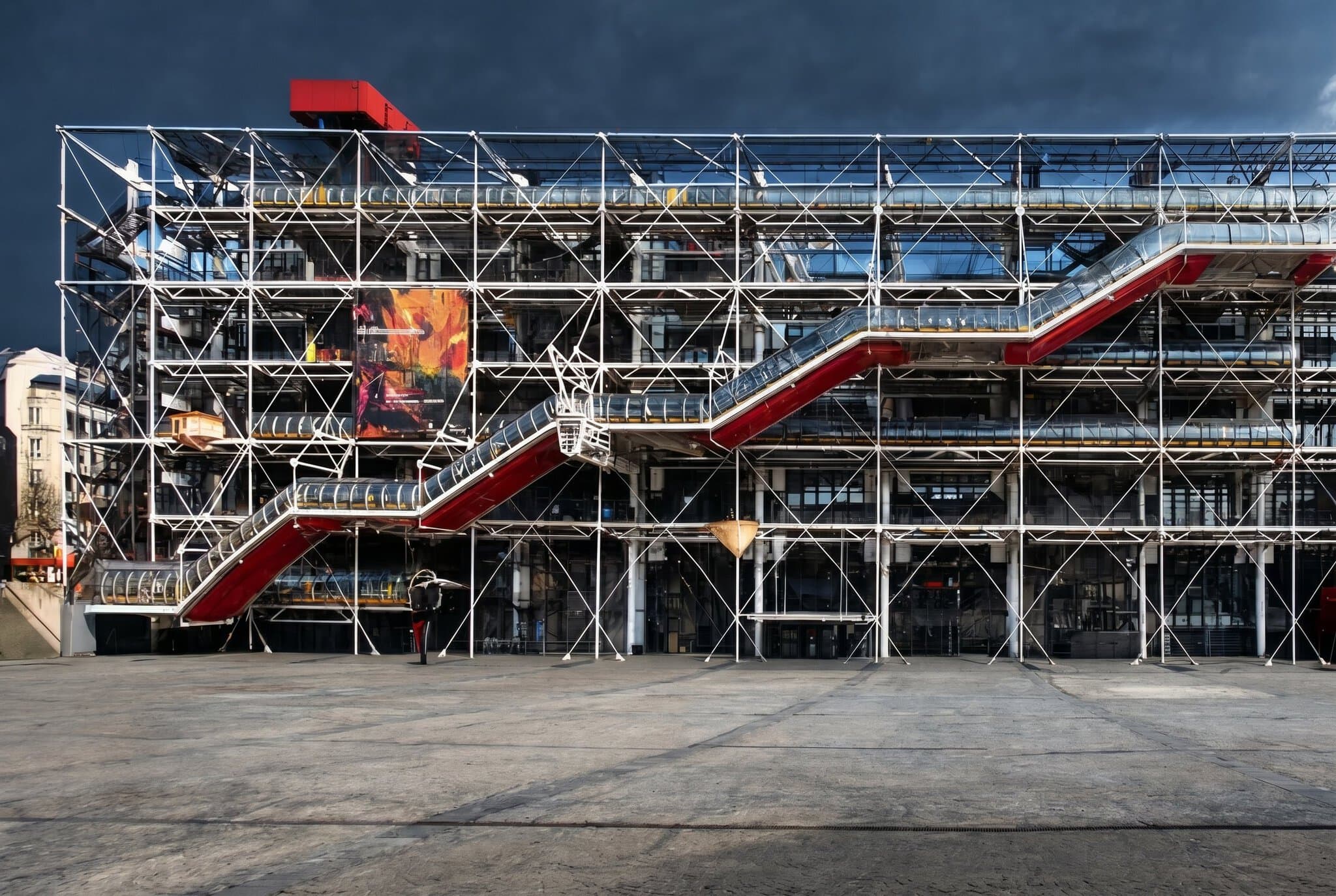
This is absolutely crucial information that will save you a huge disappointment and a lot of wasted steps. The iconic inside-out building with its giant colourful pipes on the façade and external escalators — known to locals as Beaubourg — is completely closed for a major renovation from the end of 2025 until the first quarter of 2030. The five-year, mega-budget shutdown is required for asbestos removal, new fire safety systems and a complete technology overhaul. Don’t go anywhere near it this year — you’ll find nothing but a tall fence and a massive building site.
💡 Insider tip: The institution hasn’t gone entirely dormant, though. It has moved its enormous archive to other venues. If you’re looking for the brilliant public library (Bpi) that used to be inside, it has temporarily relocated to the Lumière building in the 12th arrondissement near Bercy.
Fondation Louis Vuitton: A glass sailing ship in the woods
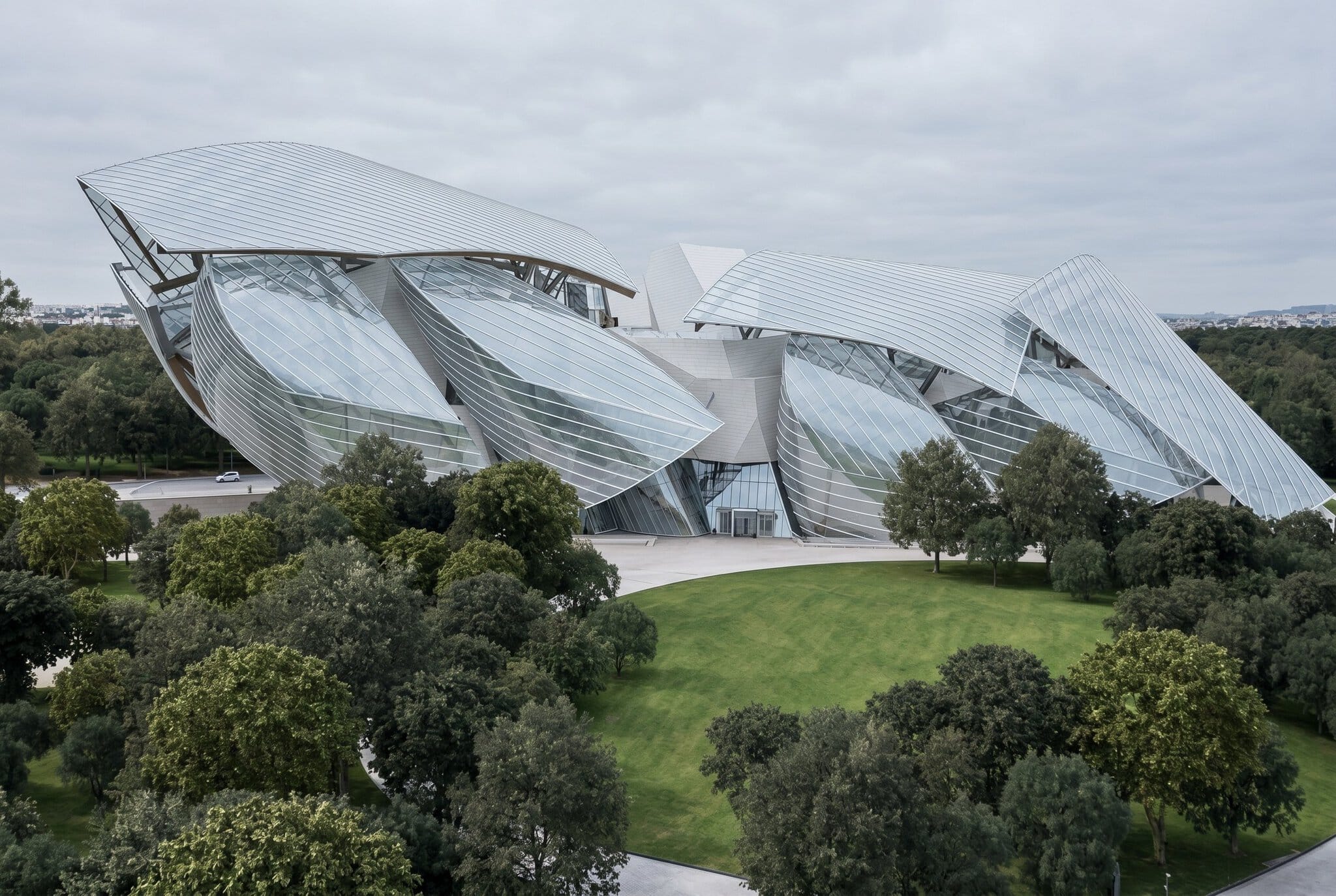
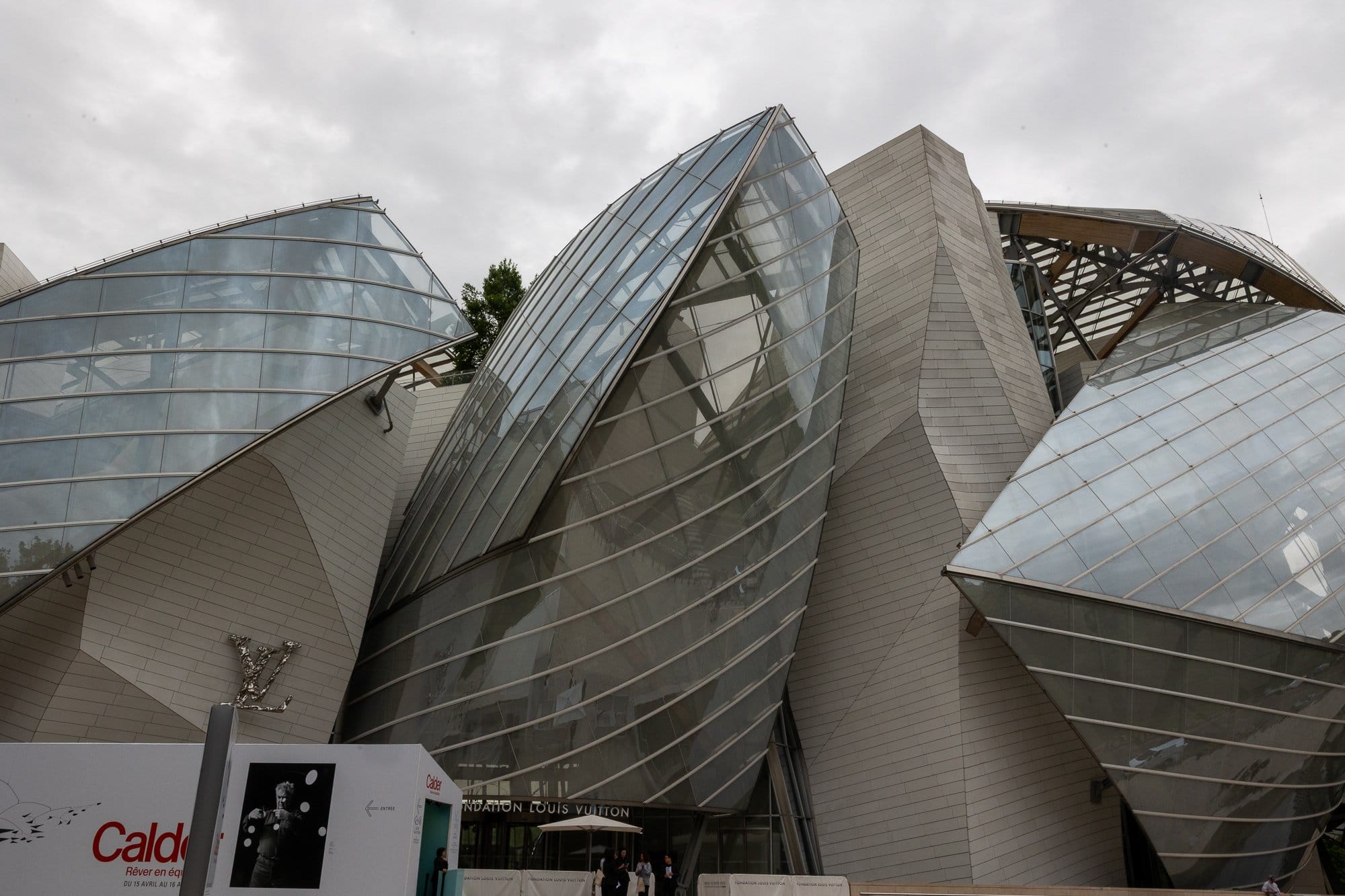
If you can’t get into Pompidou, head straight to the western edge of the city in the Bois de Boulogne. The foundation building by the celebrated Canadian-American architect Frank Gehry resembles a giant futuristic sailing ship assembled from glass, timber and steel. The architecture alone is a jaw-dropping experience. The enormous glass sails shift colour depending on how the sunlight hits them, reflecting the surrounding sky. Inside you’ll find spacious, light-filled galleries devoted to modern art.
The programme for 2026 is particularly packed. From April to mid-August 2026, a major exhibition — Calder. Rêver en équilibre — marks one hundred years since the sculptor’s arrival in France. You’ll see a huge number of his famous hanging wire mobiles gently swaying in the air, which is, incidentally, another thing that visually captivates small children.
Tickets cost €16. Open Wednesday to Monday; closed on Tuesdays. The nearest metro is Les Sablons (line 1), from where it’s about a fifteen-minute pleasant walk.
💡 Insider tip: The building sits right next to Jardin d’Acclimatation, the city’s best historic amusement park for small children. You can elegantly combine high art with a ride on old wooden boats. A handy electric shuttle bus also runs directly from the Arc de Triomphe (Étoile) for a few euros, saving your legs.
Atelier des Lumières: Digital magic in an old foundry
An abandoned industrial foundry in the 11th arrondissement was transformed a few years ago into a colossal digital projection canvas. Immersive exhibitions may be popping up all over the world these days, but the Parisians do it with unbelievable musical and visual grace. Classic paintings literally come alive, flowing down the rough brick walls and spreading across the concrete floors, accompanied by perfectly chosen, enveloping music.
For a two-year-old, it’s pure visual sorcery. In the dimness, where colours dance across the walls and floor and the music completely engulfs you, children instinctively start chasing the light, and you can finally savour the art without simultaneously acting as a safety brake. This year’s spring programme features the breathtaking Renaissance masters Da Vinci, Raphael and Michelangelo, and from April a family favourite with dinosaurs kicks off. If your child is going through a dinosaur phase, this will guarantee a grin from ear to ear.
Adult entry costs €14.50. Open daily, usually from 10:00 to 18:00. The nearest metro stations are Voltaire (line 9) or Père Lachaise (lines 2 and 3).
💡 Insider tip: Always try to book the very first morning slot right after opening. The air is still fresh and there’s plenty of floor space to sit on, so you can enjoy the experience in peace before the big afternoon groups arrive.
Palais de Tokyo: Raw concrete and late nights
If you’re looking for cutting-edge independent work in a no-holds-barred industrial setting, this is the place. The enormous building near the Trocadéro features exposed concrete walls, towering ceilings and art that often provokes and pushes boundaries. It’s not your typical polished gallery — think of it as a giant experimental laboratory.
The real standout feature is the opening hours. It’s one of the few places that stays alive well into the night, which is brilliant if you manage to find a babysitter and fancy an evening of culture with your partner. The space is so vast that people naturally spread out.
Tickets cost €12. Open daily except Tuesday from noon until midnight. The nearest metro stations are Iéna or Alma-Marceau (line 9).
💡 Insider tip: Inside the building you’ll find an old-fashioned analogue photo booth (photomaton). It produces absolutely fantastic, raw black-and-white photo strips — the best and most authentic little souvenir Lukáš and I bring home every single time.
Hidden gems and smaller galleries with local soul
Honestly? I first went to these places out of sheer desperation, because Jonáš was on the verge of a meltdown in the Louvre. It ended up with them becoming my favourite addresses in the entire city.
Musée Carnavalet: The complete history of the city
This wonderful place in the heart of Le Marais is dedicated entirely to the history of Paris itself. You’ll wander through an enormous maze of interconnected old palaces and see everything from ancient Roman excavations and original painted signs from old bakeries and taverns to personal belongings from the French Revolution. There’s even a fully reconstructed jewellery shop interior designed by Alphonse Mucha. The inner courtyard gardens are beautifully maintained and filled with meticulously trimmed hedges.
The permanent collection is completely free for everyone. You only pay for special temporary exhibitions. Open Tuesday to Sunday from 10:00 to 18:00. The nearest metro is Saint-Paul (line 1).
💡 Insider tip: During the warmer spring and summer months, a lovely pop-up café opens in one of the courtyards. The coffee and pastries aren’t exactly bargain-priced, but sitting under old trees in a historic courtyard is an experience well worth those extra euros.
Musée des Arts Forains: The magic of old carousels
This isn’t your typical exhibition hall — it’s more like a dream made real. In the quiet 12th arrondissement, in old wine warehouses, hides a private collection of historic fairground attractions: antique wooden carousels, mirror mazes and mechanical figurines from the turn of the nineteenth and twentieth centuries. It’s dark, magical and deeply poetic. You can even ride many of the old attractions during your visit, which is the absolute highlight for children.
Entry costs around €18, and visits take the form of guided group tours. The nearest metro is Cour Saint-Émilion (line 14).
💡 Insider tip: This place is only rarely open to the general public — you need to book your visit well in advance through their website. Your best chances are during the Christmas holidays and the September European Heritage Days, when they throw the doors wide open.
Musée de la Vie Romantique: A tearoom beneath the trees
At the foot of the Montmartre hill in the 9th arrondissement, at the end of a small cobbled drive lined with trees, sits an old house with a pink façade and green shutters. The painter Ary Scheffer once lived here, and the artistic elite of the day — including George Sand and Chopin — used to gather under its roof. Today the house holds a small collection devoted to the Romantic period. Creaky stairs, antique furniture and display cases filled with jewellery transport you to another era entirely.
Entry to the permanent collection is free. Open Tuesday to Sunday from 10:00 to 18:00. The nearest metro is Saint-Georges (line 12) or Blanche (line 2).
💡 Insider tip: The real draw is hidden in the small courtyard. There’s a charming little café run by the well-known Rose Bakery. You sit at iron tables beneath mature trees, sipping tea and eating superb lemon cake. It’s the perfect pit stop after a strenuous climb through the surrounding streets.
Musée Jacquemart-André: Luxury and privacy
If you want to see how the crème de la crème of nineteenth-century Parisian society lived, head near Boulevard Haussmann. This opulent private palace was built by a couple who devoted their lives to collecting art from around the world. You’ll find gorgeous frescoes, a winter garden brimming with marble, and rare Italian Renaissance canvases. Everything has been kept exactly as if the owners might walk in for dinner at any moment.
Tickets cost €17. Open daily from 10:00 to 18:00, Mondays until 20:30. The nearest metro is Miromesnil (lines 9 and 13).
💡 Insider tip: Pick up the free audio guide at the entrance. The story of the couple and how they secretly transported priceless frescoes from Italy is more gripping than many a detective novel and gives the whole marble palace a human face.
Where to eat: Our favourite bistros and cafés
Art can drain you so thoroughly that suddenly you’re standing in the middle of the street and the only thing on your mind is a massive plate of good food. Over the years, Lukáš and I have learned that searching for a restaurant on an empty stomach with a tired child in the pushchair is a direct route to a marital crisis. That’s why we already have our tried-and-tested spots — places that truly understand the meaning of hospitality.
Parisian gastronomy is a chapter all its own. As a vegetarian, I used to struggle here quite a bit, but these days it’s thankfully a completely different story. Here are two addresses we return to every single trip.
L’As du Fallafel and a breather in Le Marais
I touched on this earlier when talking about the Picasso museum, but this place truly deserves its own chapter. In the heart of the Jewish quarter on Rue des Rosiers, you’ll find a green shopfront with a long queue perpetually stretching outside. Don’t let that put you off — the staff out front work at lightning speed, and before you know it, you’re holding the best falafel in the entire city.
It’s street food in its purest form. A pitta stuffed to bursting with crispy falafel balls, aubergine and a genius tahini sauce that Lukáš and I reliably smear behind our ears every single time. We always grab Jonáš plain hummus with bread and head to the nearest little park to eat on a bench. This is what real Paris tastes like.
Le Potager de Charlotte: Plant-based heaven
When we want a proper romantic evening without the kids and manage to find a babysitter for Jonáš, we head straight here. This bistro in the revitalised 9th arrondissement was founded by two brothers and cooks exclusively with local plant-based ingredients. No artificial substitutes — just honest, creative work with vegetables that genuinely blows you away.
Their roasted aubergine or chickpea pancake are so good that even Lukáš, a committed carnivore, wolfs them down happily. Prices are still surprisingly reasonable by Parisian standards, and the atmosphere is wonderfully intimate and warm. Make sure to book ahead, though — locals love this place just as much as we do, and it’s always packed.
What NOT to do in Paris galleries: Warnings and scams
This city can enchant you, but it can also be pretty harsh and unforgiving towards unprepared visitors. If you want your memories to stay purely positive, you need to follow a few basic survival rules.
Fake tickets and street scams
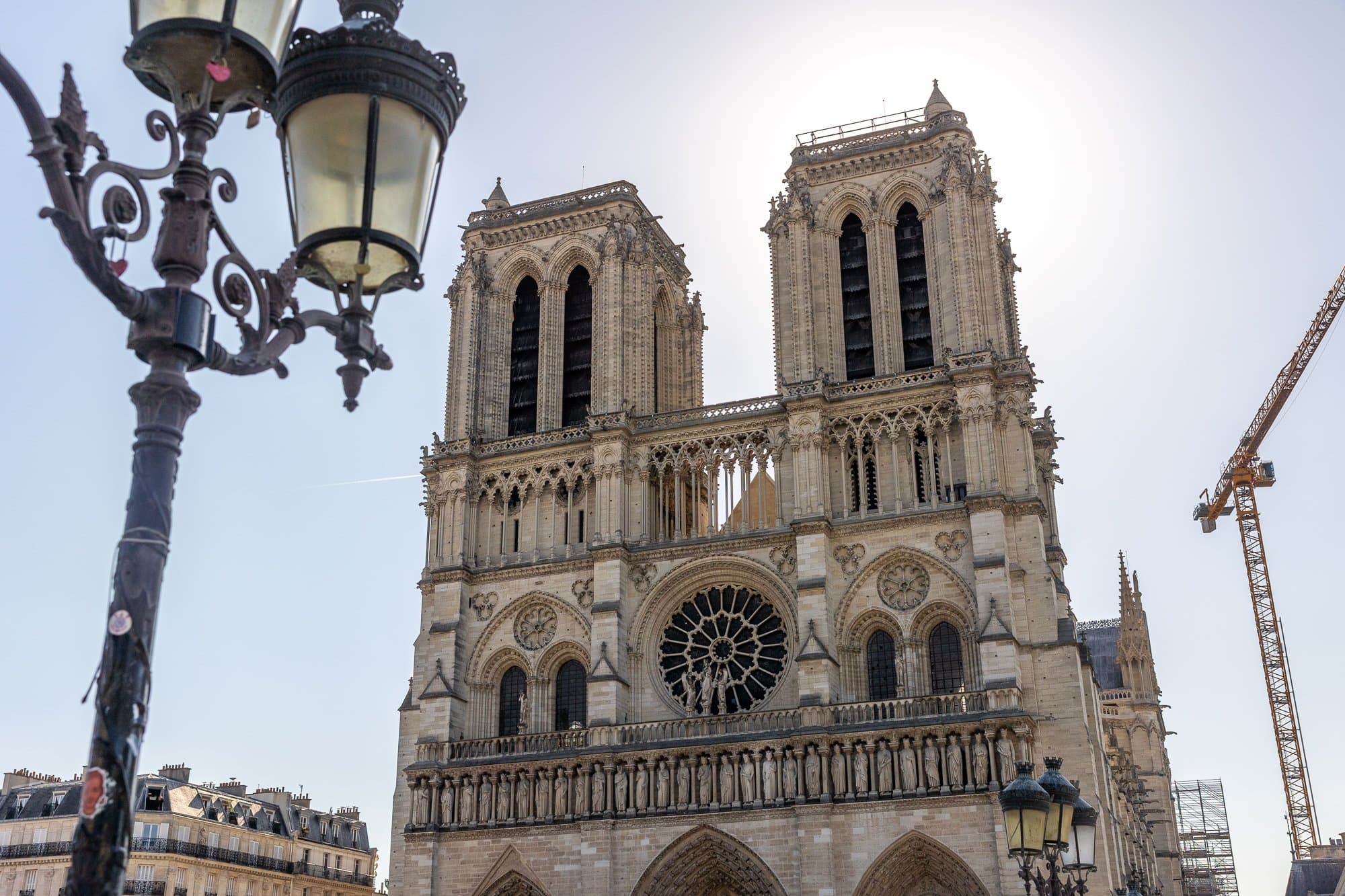
The areas around famous landmarks — particularly the Louvre, the Eiffel Tower and Montmartre — attract not just art lovers but also very well-organised groups of scammers. This year, be especially wary of people selling so-called skip-the-line tickets. They’ll stop you on the street claiming to sell a ticket that lets you bypass the queue. It’s a scam. The tickets are either expired or outright fake, and you’ll just lose tens of euros. The same goes for the famous Notre-Dame cathedral — entry is always and for everyone completely free, so if anyone offers you a priority ticket, walk away immediately.
💡 Insider tip: If someone approaches you near a landmark speaking perfect English and opens with “Do you speak English?”, just ignore them and keep walking. A real Parisian would never accost you on the street like that. It’s usually the opening gambit of a fake charity petition scam.
The golden rule of Bonjour
This is the single most important piece of advice in this entire article. France has a very strict social etiquette. Whenever you enter any smaller gallery, a souvenir shop, or approach a ticket desk, you must look the staff member in the eye and say a clear “Bonjour” (or “Bonsoir” in the evening). If you just walk up to the counter and blurt out in English that you want two tickets, the locals will consider it deeply rude and will treat you accordingly. Try it, and watch the frowning faces of the gallery attendants instantly transform into smiles.
It took us quite a while to get used to this rule. Back home we’re sometimes used to heading straight to the counter and rattling off our order, but that simply doesn’t fly here. Lukáš once tried it at the entrance to the Picasso museum and the cashier acted as if we didn’t exist. Once you learn to greet people properly first, doors open and people become surprisingly helpful.
Don’t overload your daily itinerary
The biggest mistake you can make is to schedule three major museums in a single day. Trust me — it doesn’t work. Physically you might manage to walk it, but your brain simply can’t process that volume of visual input. You’ll end up with what’s known as museum fatigue. The ideal pace for adults is one large and one smaller institution per day. With a toddler in the pushchair, plan strictly just one exhibition for the morning and leave the afternoon free for parks or lounging in a café.
We made this very mistake ourselves years ago when we tried to cram everything in, and by the afternoon we couldn’t even remember whether we’d been looking at Monet or Manet. Ever since Jonáš came along, we’ve been much slower. We do one gallery, then go for a long walk, buy a fresh baguette and simply soak up the city’s atmosphere.
Practical info: Transport, pushchairs and smart passes
Logistics are half the battle in this city. The better you prepare for getting around and buying tickets, the more energy you’ll have left for the art itself and a great dinner. Always buy tickets for major museums online in advance — we like to get ours through GetYourGuide, where you get a timed-entry ticket with a straightforward cancellation policy, all on your phone.
Is the Paris Museum Pass worth it? (2026 calculator)
This official tourist pass grants entry to more than fifty institutions and monuments across the entire region. For 2026, the two-day version costs €60, the four-day is €90 and the six-day is €120. The question is whether it actually pays off.
If you’re travelling with children and know you’ll manage one place per day at most, the pass won’t pay for itself financially (Louvre is €22, Orsay is €16 — that’s €38 over two days, while the pass costs €60). But if you’re child-free and plan to visit the Louvre, Orsay, climb the Arc de Triomphe, pop into Sainte-Chapelle and head out to Versailles, the four-day pass at €90 will save you a decent amount of money — and, more importantly, the hassle of buying individual tickets.
💡 Insider tip: Even with a Museum Pass, many venues (such as the Louvre or Orangerie) still require you to book a free time slot on their website. The pass no longer means you can simply turn up and walk straight in. I’d recommend buying the physical paper version of the pass rather than the digital one — it scans much more easily at the turnstiles.
Getting around and the pushchair struggle
The Paris metro is old, deep and riddled with endless staircases. For parents with a pushchair, it’s a nightmare. The only line that’s completely modern, automatic and fully step-free with spacious lifts is line 14. For all other lines, don’t rely on the lifts even if they’re marked on the map — they’re frequently out of service.
We gave up on the metro with Jonáš after the first trip, when I was dragging the pushchair down the stairs and quietly weeping. Buses are a lifesaver: the driver will lower the ramp without a word, Jonáš gets a street-level view, and I can finally see where we’re actually going. The T+ ticket works on both the metro and buses.
⚠️ Important warning for parents: Cité des Enfants
If you’re planning to take your little ones to the popular science and play centre in La Villette park in the northeast of the city, pay attention this year. The fantastic section designed for the youngest children (ages 2 to 7) is completely closed for extensive renovation until 9 June 2026. The older section is still open, but with a toddler it’s best not to bother at all right now.
💡 Insider tip: Instead of the closed centre, take your toddler to Jardin du Luxembourg for the traditional puppet show (Théâtre des Marionnettes). For under €3 you’ll see a classic Guignol performance. Shows run on weekends and public holidays. It’s in French, of course, but the visual slapstick is universal and children laugh their heads off.
Frequently asked questions
Which Paris museums are free?
The permanent collections at all city-run institutions (Musées de la Ville de Paris) are completely free. These include the wonderful Musée Carnavalet (city history), Musée de la Vie Romantique, Petit Palais and Maison de Victor Hugo. National institutions (Louvre, Orsay) offer free entry on the first Sunday of each month, but only from November to March. The Louvre also has free entry on the first Saturday of each month from 18:00 to 21:45.
Do I always need to buy tickets online in advance?
For the biggest venues (Louvre, Orsay, Orangerie), it’s now essentially mandatory. Without an online timed-entry ticket, you risk either being turned away entirely or spending several hours in the walk-up queue. The easiest way is to buy tickets in advance through GetYourGuide. For smaller galleries (Marmottan, Picasso) it isn’t strictly required, but it will still save you a lot of time.
Which day are Paris museums closed?
Most split into two camps. The Louvre, Orangerie and Centre Pompidou (which is entirely closed until 2030 anyway) are shut on Tuesdays. Conversely, Musée d’Orsay, Musée Rodin and the Palace of Versailles close on Mondays. That’s why it’s ideal to plan your Louvre visit for a Monday and Orsay for a Tuesday.
Which museum is best for small children and toddlers?
Among the art museums, Musée Rodin wins hands down, thanks to its huge, safe garden full of wide sandy paths where children can run freely. The immersive Atelier des Lumières is also a massive hit, with moving images and music captivating kids in its darkened space.
Can you take a pushchair into the Louvre?
Yes, you can. Lifts are available inside, although finding them in the labyrinthine building can be a touch frustrating at times. Staff will usually let you use the lift at the Pyramid entrance as a priority with a pushchair. That said, if you have the option, a baby carrier is far more practical and manoeuvrable in the crowds around the Mona Lisa.
Does the Museum Pass still let you skip the queue?
The pass saves you money on admission, but it’s no longer an all-access VIP fast-track. At the busiest venues, even with a valid pass you need to reserve a free time slot on their website in advance. You’ll also still have to go through the regular security check, which nobody can skip.
Can I take photos inside the galleries?
In most permanent collections (including the Louvre and Orsay), personal photography is allowed, but the use of flash and tripods is strictly prohibited. For temporary and special exhibitions, photography is often banned entirely due to copyright on loaned works. Always look for the crossed-out camera pictogram at the entrance to each room.
Is it safe to walk near the landmarks in the evening?
Yes — the areas around the major institutions in the centre (1st, 6th, 7th arrondissements) are very safe even after dark, with beautifully lit streets full of people. You need to watch out for pickpockets mainly on the crowded metro and in the evening around northern Montmartre or near the large railway stations in the north of the city.
Tips and Tricks for Your Vacation
Don’t Overpay for Flights
Search for flights on Kayak. It’s our favorite search engine because it scans the websites of all airlines and always finds the cheapest connection.
Book Your Accommodation Smartly
The best experiences we’ve had when looking for accommodation (from Alaska to Morocco) are with Booking.com, where hotels, apartments, and entire houses are usually the cheapest and most widely available.
 🚗 Car rental on the roadVerified car rentals in Paris
Search with the DiscoverCars comparison engine — it compares prices from dozens of local and international rental companies, and most bookings come with free cancellation.
Compare car prices in Paris →Don’t Forget Travel Insurance
Good travel insurance will protect you against illness, accidents, theft, or flight cancellations. We’ve had a few hospital visits abroad, so we know how important it is to have proper insurance arranged.
Where we insure ourselves: SafetyWing (best for everyone) and TrueTraveller (for extra-long trips).
Why don’t we recommend any Czech insurance company? Because they have too many restrictions. They set limits on the number of days abroad, travel insurance via a credit card often requires you to pay medical expenses only with that card, and they frequently limit the number of returns to the Czech Republic.
Find the Best Experiences
Get Your Guide is a huge online marketplace where you can book guided walks, trips, skip-the-line tickets, tours, and much more. We always find some extra fun there!


