

I’ll admit it — Montreal had me the moment we landed. We stepped off the plane, headed to passport control, and the border officer greeted us with “Bonjour! Hi!” — as if he wasn’t quite sure which language we were living in. And that’s exactly what Montreal is like. A city that’s half French, half North American, and one hundred percent its own thing. It’s like being transported to Paris, but with wider pavements, better food, and people who actually smile at you. 😊
Wandering the cobblestone lanes of Old Montreal, we felt like we were in Europe. On the Plateau, we discovered little cafés we’d happily visit every single day. And at Schwartz’s, we queued for a smoked meat sandwich that made us swear we’d fly back just for another bite. If you’re looking for the best Montreal Canada things to do, you’re in the right place.
In this article, you’ll find 15 best things to see and do in Montreal — from historic landmarks and hipster neighbourhoods to street art and food you’ll be dreaming about for months after you get home. I’ll also share the best time to visit, where to stay, how much it all costs, and what to watch out for so nothing catches you off guard.

TL;DR
- Old Montreal is an absolute must — cobblestone streets, Place Jacques-Cartier, and Notre-Dame Basilica with its breathtaking blue-and-gold interior.
- Mont Royal offers the best views of the city. The climb takes about 30 minutes, and on Sundays you can experience the legendary Tam-Tams drum circle.
- Plateau Mont-Royal and Mile End are the most interesting neighbourhoods for local atmosphere — cafés, street art, vintage shops.
- Schwartz’s Deli, St-Viateur Bagel, and La Banquise — three essential food stops. You haven’t truly been to Montreal without them.
- The best time to visit is June to October — summer for the festivals, September and October for the stunning autumn colours.
- UK citizens need an eTA (Electronic Travel Authorization, 7 CAD / around £4) to enter Canada.
- Allow at least 3–4 days for Montreal, ideally 5.
- Budget roughly €1,300–1,800 for 5 days for two (excluding flights).
- Public transport is excellent — metro + buses, and in summer we highly recommend BIXI bikes.
- You’ll get by in Montreal with both English and French — but locals really appreciate it when you at least say “bonjour.” ☺️
The full destination guide: North America — guide and what to see
When to visit Montreal and how to get there
Montreal is a city that transforms dramatically with the seasons — and trust me, timing your visit can make or break the whole experience. In summer, it’s a buzzing metropolis packed with festivals, street music, and outdoor terraces. Come January, temperatures plunge to -20 °C and the city retreats underground. Literally — into the underground city called RÉSO. Let’s walk through the best time to go, how much flights cost, and how to get around once you’re there.
Best time to visit
Summer (June–September) is hands down the best time. Temperatures hover around a pleasant 20–28 °C, the city is alive with festivals (Jazz Festival, Just for Laughs), the streets are buzzing, restaurant patios are packed, and Montreal in summer is nothing short of magical. Peak season is July and August — expect higher accommodation prices and more tourists.
Indian summer (September–October) is our personal favourite. We visited right at the turn of September and October and it was perfect. The trees on Mont Royal were glowing in every shade of orange, red, and gold, there were far fewer tourists, and temperatures around 12–18 °C were ideal for walking. Honestly — those colours need to be seen in person; photos don’t do them justice.
Winter (December–March) isn’t one I’d recommend unless you’re properly hardy. Temperatures regularly drop to -15 to -25 °C, arctic winds blow through the streets, and being outside for more than 20 minutes is a genuine ordeal. The one exception is Igloofest in January/February — if you’re into electronic music and don’t mind dancing in a snowsuit, it’s quite the experience. Otherwise? Give winter a miss. 😅
How to get to Montreal
There are direct flights from London to Montreal with Air Canada and British Airways, typically taking around 7–8 hours. You can also find competitive fares with connecting flights via Paris, Frankfurt, or Amsterdam. Return flights from London usually start around £350–500 per person depending on the season — use a comparison site like Skyscanner or Google Flights and set up a price alert to grab the best deals.
Don’t forget the eTA (Electronic Travel Authorization) — UK citizens don’t need a full visa for Canada, but an eTA is mandatory. You can sort it online in minutes, it costs 7 CAD (around £4), and it’s valid for 5 years. Without it, you won’t be allowed to board.
From Montréal-Trudeau Airport, you can get into the city centre by the 747 Express bus for about 11 CAD (around €7.50), which takes 45–60 minutes depending on traffic. A taxi or Uber will cost 40–55 CAD (€27–37).
Getting around the city
The STM Metro is fast, reliable, and covers most of the city. A single ride costs 3.75 CAD (around €2.50), but it’s worth buying a day pass for 11 CAD (€7.50) or a three-day pass for 22.25 CAD (€15). We walked most days and only hopped on the metro a handful of times.
In summer, I’d highly recommend BIXI bikes — the city’s bike-sharing system, which works brilliantly. A single ride costs 1 CAD to unlock + 0.10 CAD/minute, or you can grab a day pass for 7 CAD (around €5). Montreal is very bike-friendly, cycle paths are everywhere, and it’s probably the most enjoyable way to explore the Plateau and Lachine Canal.
If you’re planning day trips outside the city (say to the Laurentians or Quebec City), renting a car is a good idea. We’ve had consistently good experiences with DiscoverCars, where you can compare prices from multiple agencies in one place.
Where to stay in Montreal and how much it costs
Montreal has accommodation for every budget, from luxury hotels in the old town to cosy Airbnbs in residential neighbourhoods. Prices are lower than Toronto or Vancouver, but it’s still Canada — don’t expect European rates. As a general rule, a night in a good hotel runs around €130–220 for two, while hostels cost about €35–55 per person. Let’s run through the best neighbourhoods to base yourself in.
Old Montreal — for romantics and history lovers
Staying right in Old Montreal is magical — you wake up, step onto the cobblestone streets, and feel like you’re in France. It is, however, the most expensive area in the city. Our recommendations:
- Hotel Nelligan — a stunning boutique hotel in a 19th-century stone building, from around €185–260/night. The rooftop terrace overlooking Notre-Dame Basilica is superb for a sunset drink.
- Le Petit Hotel — smaller, cosier, and slightly more affordable, from around €150/night. Rooms are modern, clean, and the location is perfect.
Plateau Mont-Royal — best value for money
This is our recommended neighbourhood for staying. The Plateau is full of local life — cafés, restaurants, parks — and you’re just 10 minutes by metro from Old Montreal. Prices are 30–40% lower than in the old town and the atmosphere feels more authentic. Search on Booking.com, where we found plenty of lovely apartments with kitchenettes from €95–130/night.
Budget tip
HI Montreal — one of the best hostels in North America (and we’re not usually hostel people, but this one is genuinely brilliant). A dorm bed from around €37/night, a private room from €75. It has a shared kitchen, a bar, and a fantastic location near Old Montreal.
Approximate budget for 5 days for two
- Accommodation (5 nights, mid-range): €650–930
- Food and drink (restaurants + groceries): €370–560
- Public transport and BIXI bikes: €75
- Entrance fees and activities: €110–185
- Total (excluding flights): €1,200–1,750
Tipping in Canada is essentially mandatory — expect to add 15–20% on top of every restaurant bill. It’s easy to forget about and it can really add up.
15 best things to see and do in Montreal
Let’s get to the main event — 15 best things to see and do in Montreal. The city is surprisingly compact, you can reach most attractions on foot or by bike, and every neighbourhood has a completely different character. From historic Old Montreal to the bohemian Plateau and the peaceful Lachine Canal — here’s our pick of the places you simply can’t miss.
1. Old Montreal (Vieux-Montréal) — the heart of the city where it all began
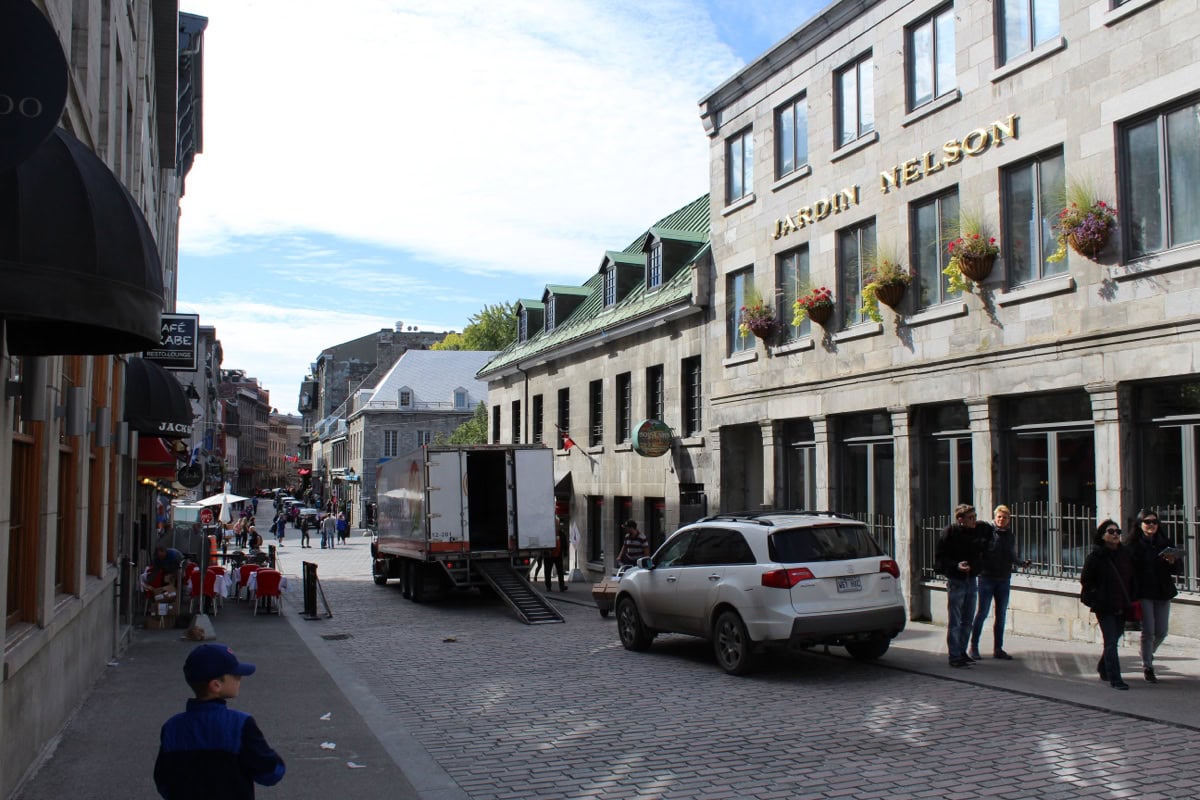
Old Montreal is the kind of place that makes you fall in love. Narrow cobblestone lanes, stone buildings from the 17th and 18th centuries, old lanterns, small galleries, street performers — honestly, there were moments when we forgot we were in North America.
Start at Place Jacques-Cartier — the main square that transforms into one big terrace of restaurants and street artists in summer. From there, stroll over to Place d’Armes, home to the iconic Notre-Dame Basilica (more on that in a moment) and a beautiful fountain. Make sure to duck into the side streets too — Rue Saint-Paul is the oldest street in the city and is lined with small galleries, local art shops, and cosy little bistros.
Tip: Come here early in the morning (around 8–9 am) when the streets are empty and you can photograph the city without the crowds. In the evening, the atmosphere is gorgeous too thanks to the beautifully lit buildings.
Bear in mind that the restaurants right on Place Jacques-Cartier are overpriced and mediocre — a classic tourist trap. Head a few streets away for your meals instead.
2. Notre-Dame Basilica — a jaw-dropping interior
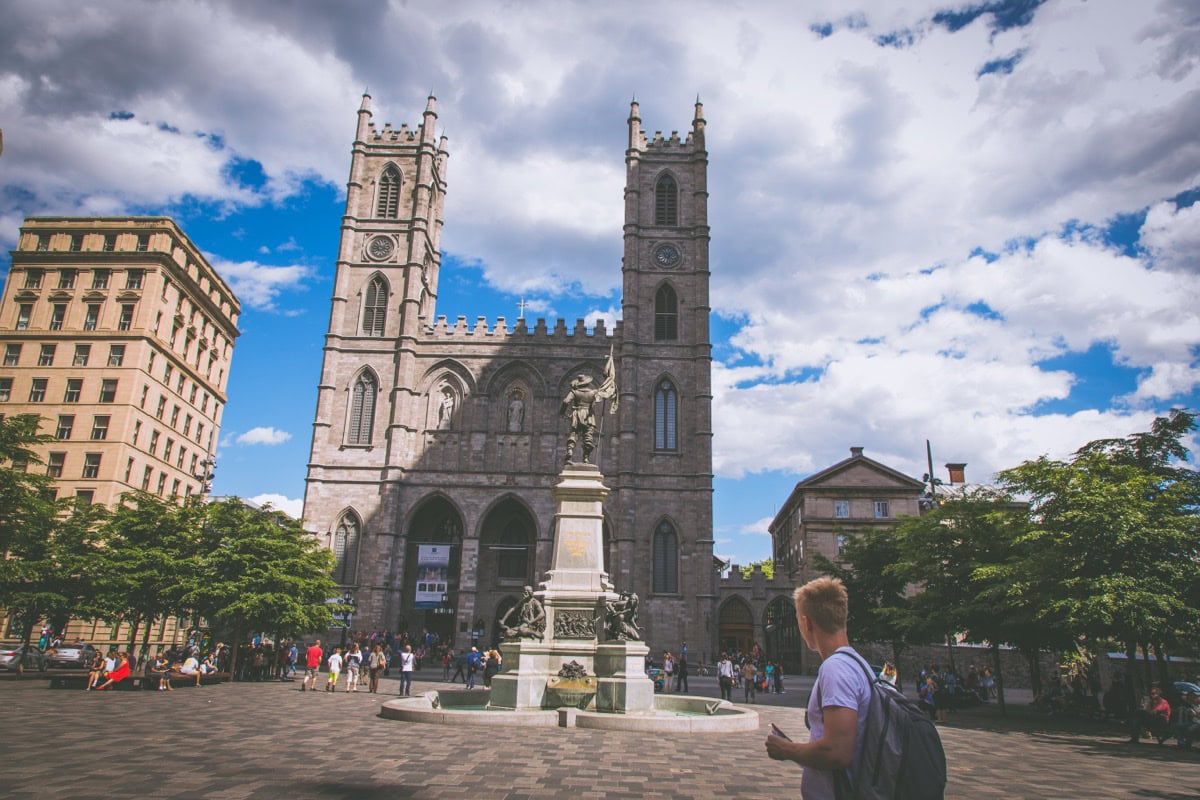
I’m not sure a more beautiful church interior exists. Seriously. When we walked in, we both just stood there with our mouths open. While the outside looks relatively understated, the interior is an explosion of cobalt blue, gold, and turquoise — from the vaulted ceiling all the way to the altar. It’s like stepping inside a jewellery box.
Admission is 18 CAD (around €12) for a standard visit. If you get the chance, definitely book the evening AURA light show for 26 CAD (€17) — it’s a 45-minute immersive projection inside the basilica set to music, and it’s an absolutely extraordinary experience. We went to the last show of the evening and walked out covered in goosebumps.
Practical tip: Buy AURA tickets in advance online, especially in summer when shows sell out fast. For the regular visit, no reservation is needed — queues aren’t too bad if you arrive in the morning.
3. Mont Royal — the best city views
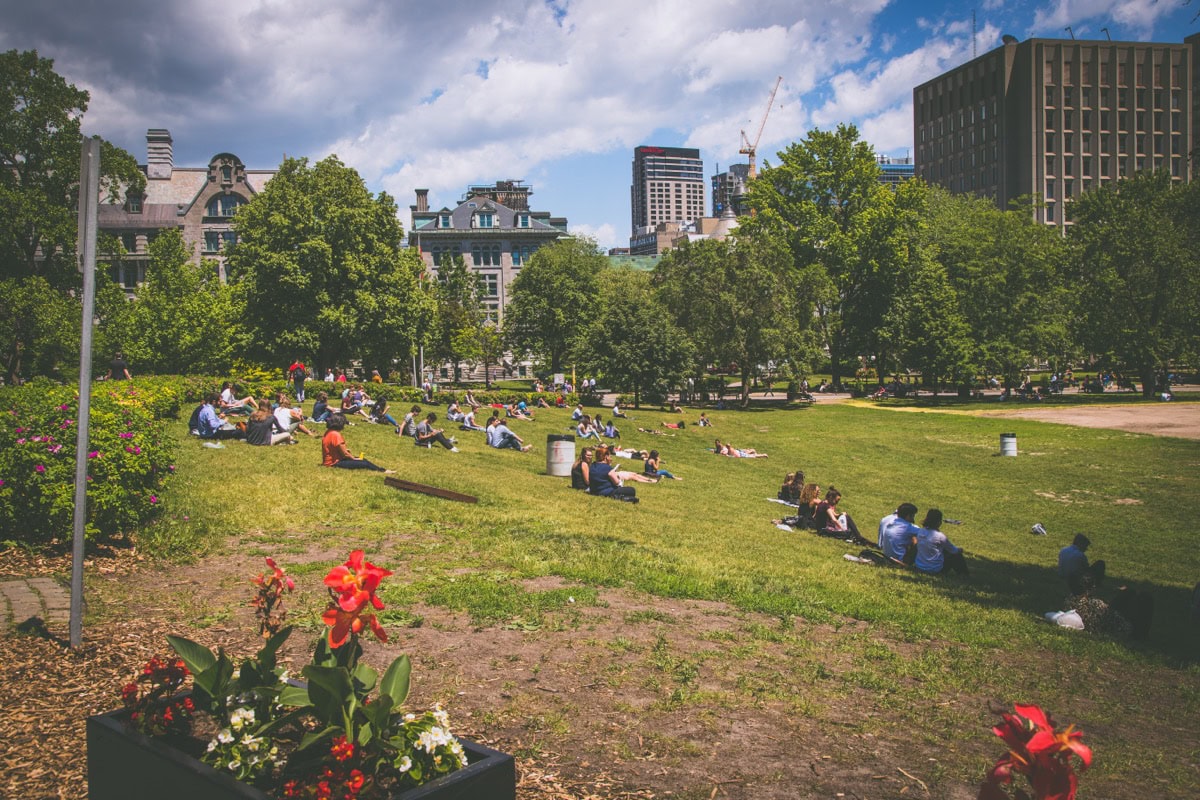
Mont Royal (233 m) is the green heart of Montreal — in fact, the city is named after it. The walk up to Kondiaronk Belvedere takes a leisurely half hour from Peel Street and is absolutely worth it. Your reward is a panoramic view of the entire city, the St. Lawrence River, and on a clear day you can see all the way to the Adirondack Mountains in New York State.
We went up in the early evening and caught the sunset over the city — one of those places where you just sit quietly, take it all in, and don’t say a word. 😊
If you’re in Montreal on a Sunday in summer, you absolutely have to come here for Tam-Tams. It’s a spontaneous gathering of drummers and musicians that takes place at the foot of the mountain every Sunday afternoon. Hundreds of people sit on the grass, playing music, dancing, picnicking — it’s a completely unique Montreal tradition and it’s free. This is the kind of thing you won’t find in most guidebooks.
Tip for the less energetic: Bus number 11 runs to the top. Same views, no sweat. 😅
4. Plateau Mont-Royal and Mile End — a hipster paradise you’ll want to move to
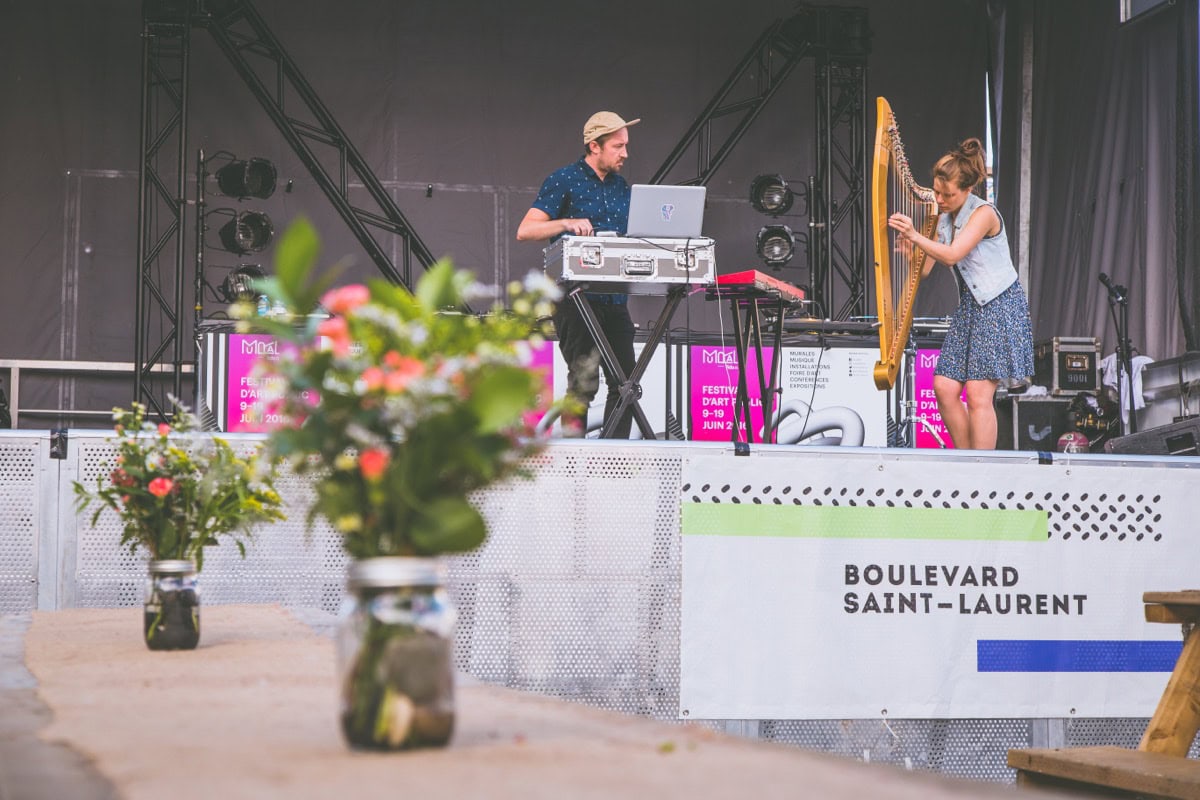
If you’re anything like us and get to know cities through their cafés, street art, and local markets, then Plateau Mont-Royal is your neighbourhood. Colourful row houses with their signature wrought-iron outdoor staircases (quintessentially Montreal architecture!), indie shops, vintage boutiques, and restaurants where you’ll hear more French than English.
Right next to the Plateau lies Mile End — even more bohemian, even more hipster. This is where the world’s best bagel is baked (more on that in the food section), where you’ll find independent bookshops, microbreweries, and loads of artist studios. Boulevard Saint-Laurent, connecting the two neighbourhoods, is an open-air street art gallery.
We spent an entire afternoon here simply wandering, stopping at murals, sipping a flat white at Café Olimpico (a local legend since 1970 — no hipster pretensions, just excellent coffee and old men playing cards), and browsing vinyl records in the shops along Saint-Laurent.
Don’t miss: Avenue Fairmount and Rue Bernard — packed with brilliant restaurants and shops, miles away from the tourist crowds.
5. Jean-Talon Market — a real Montreal market where the locals shop
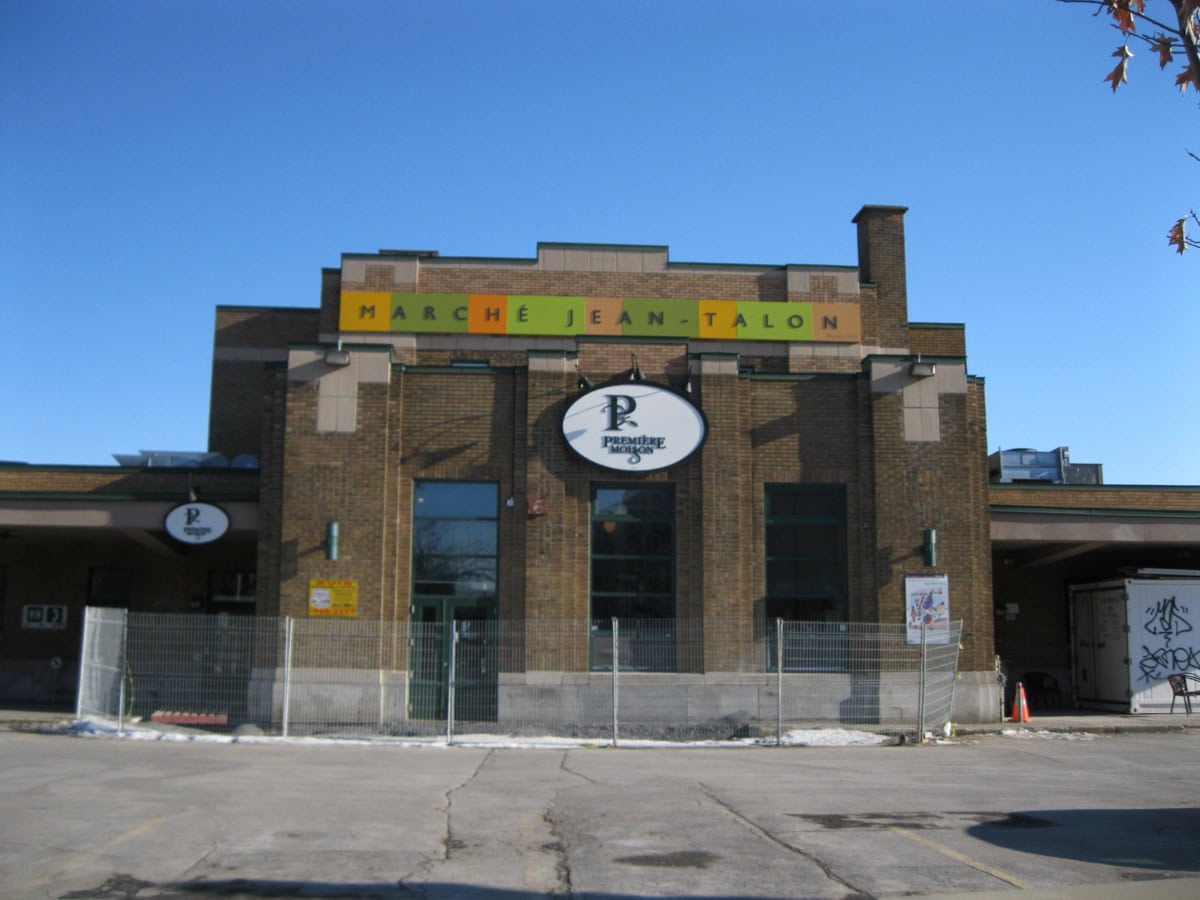
Jean-Talon Market is one of the largest farmers’ markets in all of North America, and it’s a place that will tell you more about Montreal than any museum. Under its open roof you’ll find stalls bursting with local fruit and vegetables (Québec strawberries in summer are divine), dozens of varieties of Québec cheese, fresh herbs, maple syrup straight from the farm, and plenty of small bistros where you can grab lunch.
We picked up a baguette, a couple of cheeses, some strawberries, and a bottle of Québec cider and turned it into a picnic in the park. Best lunch for 15 CAD (around €10) we had in the whole city.
Tip: Come on a Saturday morning for the biggest selection, but be prepared for crowds. If you prefer a quieter experience, try a weekday.
There’s also the smaller but equally lovely Atwater Market on the other side of town — if you’re staying closer to the Lachine Canal, it’s a great alternative.
6. Biodôme — four ecosystems under one roof
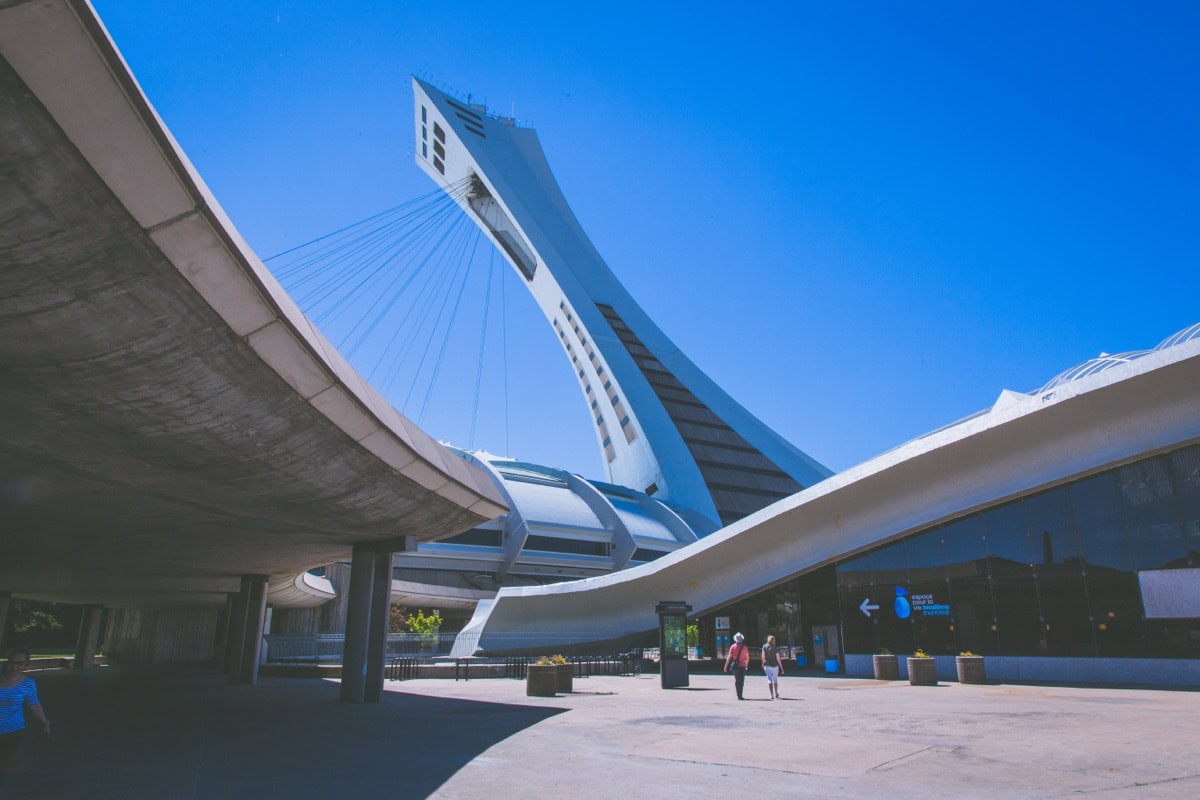
The Biodôme is housed in a building that originally served as the velodrome for the 1976 Olympic Games — which is pretty cool in itself. Today it contains four realistically recreated ecosystems of the Americas: a tropical rainforest, a Canadian forest, the St. Lawrence coast, and sub-Antarctic islands complete with penguins.
Honestly — if you’re travelling without children, the Biodôme is pleasant but not a must-see. We spent about an hour and a half there and mostly enjoyed the penguins and the rainforest section. But if you’re travelling with kids, it’s an absolute winner — little ones love it.
Admission is 25.75 CAD (around €17) for adults. There’s a combined ticket covering the Botanical Garden, Insectarium, and Planetarium for 41.25 CAD (€28), which is definitely worth it if you’re planning to visit more than one of these attractions.
7. Montreal Botanical Garden — one of the world’s finest
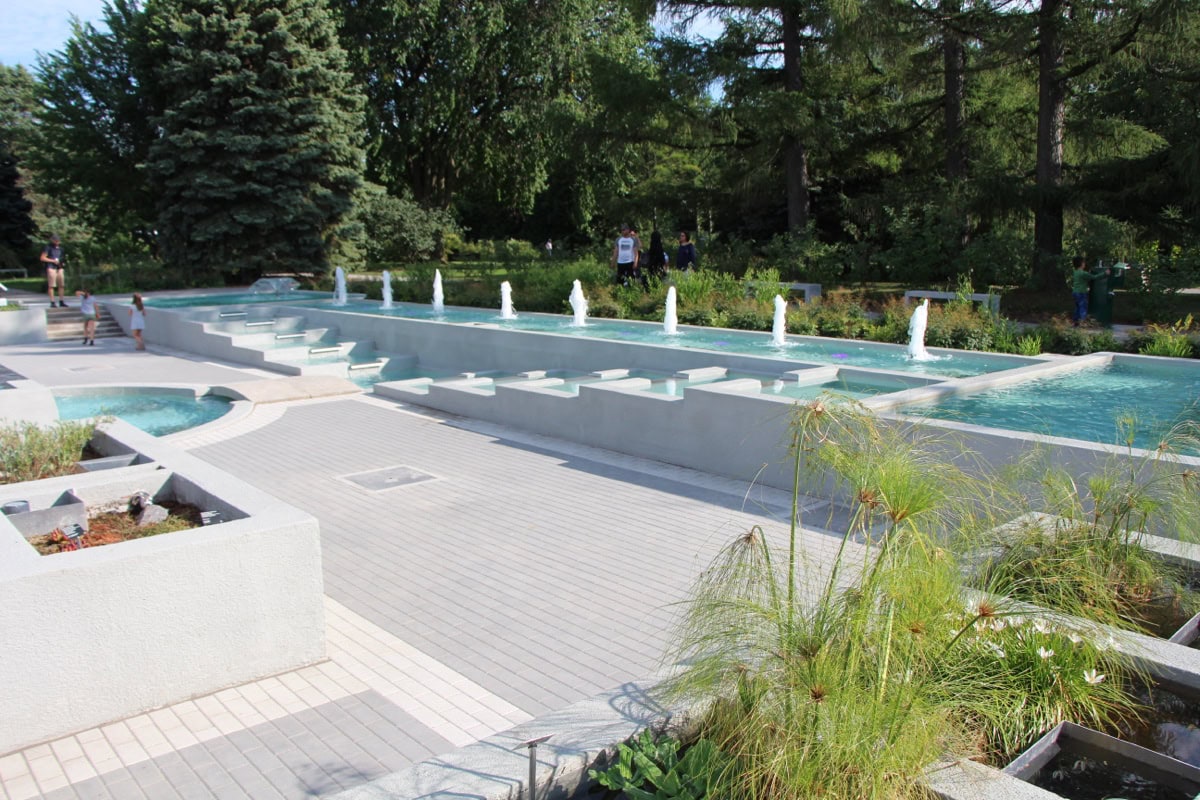
Here’s a surprise — Montreal’s Jardin botanique is the third-largest botanical garden in the world (after London’s Kew Gardens and Berlin’s) and it is absolutely stunning. Across 75 hectares you’ll find over 22,000 plant species, a Chinese garden with pavilions and ponds, a Japanese garden with a meditative atmosphere, and so much more.
If you’re visiting Montreal in autumn (September–October), don’t miss the Gardens of Light festival — after dark, the garden is illuminated with hundreds of lanterns and light installations, and it’s one of the most beautiful autumn experiences we’ve ever had. We visited around eight in the evening and practically had the place to ourselves — most tourists don’t seem to know about it.
Admission to the garden is 23 CAD (around €15), for Gardens of Light 27 CAD (€18).
Tip: You can see the garden in 2–3 hours, but if you’re a keen gardener, you could easily spend an entire day here.
8. Old Port — the waterfront where everything happens
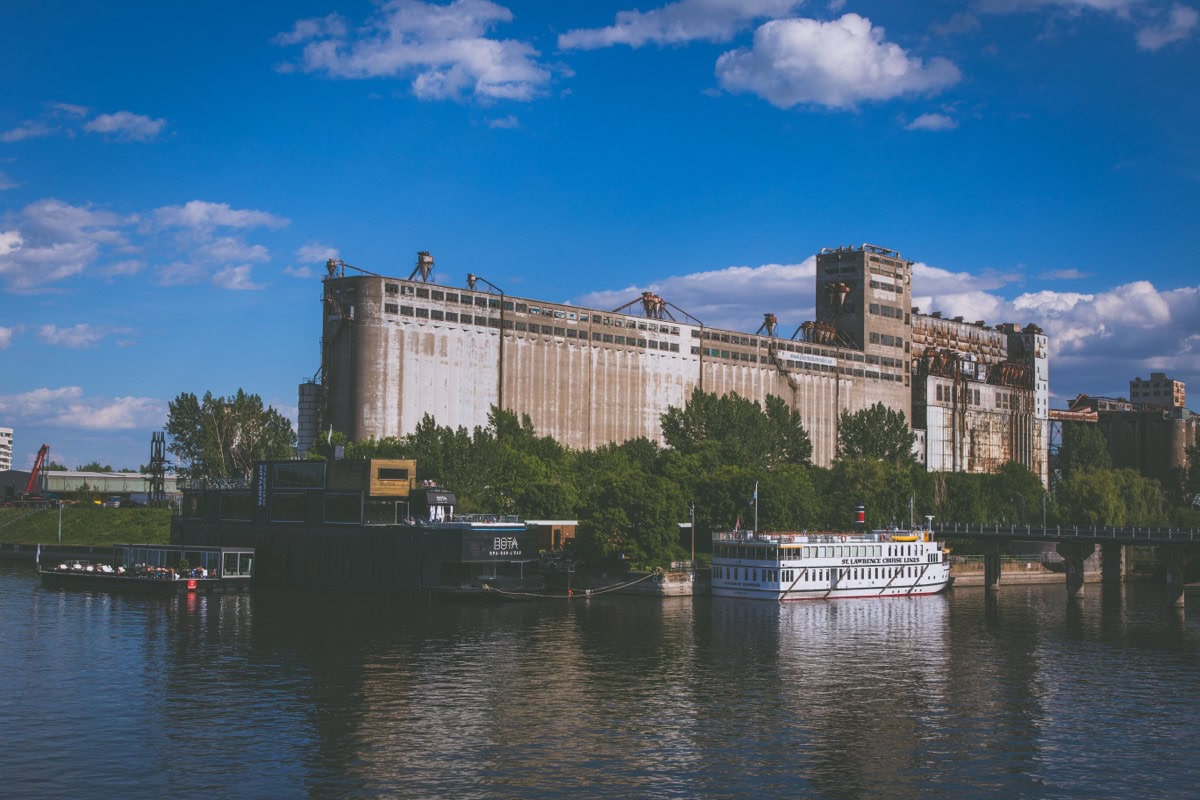
The Old Port is a natural extension of Old Montreal towards the river, and in summer it’s arguably the liveliest part of the city. Along the waterfront you’ll find the Grande Roue de Montréal — a giant observation wheel (inspired by the London Eye, but smaller), the Centre des sciences science museum, an open-air summer cinema, and loads of food trucks.
The waterfront is gorgeous for an evening stroll — with views of the St. Lawrence River on one side and the illuminated buildings of Old Montreal on the other. One evening we ended up here with crêpes and wine on a bench and it was absolutely perfect.
In winter an outdoor ice rink opens here, and in summer the area hosts various festivals and concerts. Access to the waterfront is free — you only pay for specific attractions.
The Grande Roue costs 28 CAD (around €19) and the ride lasts about 20 minutes. Honestly — the view from Mont Royal is better and it’s free. But if you’d rather skip the uphill walk, it’s a pleasant alternative. 😉
9. Pointe-à-Callière — where Montreal was founded
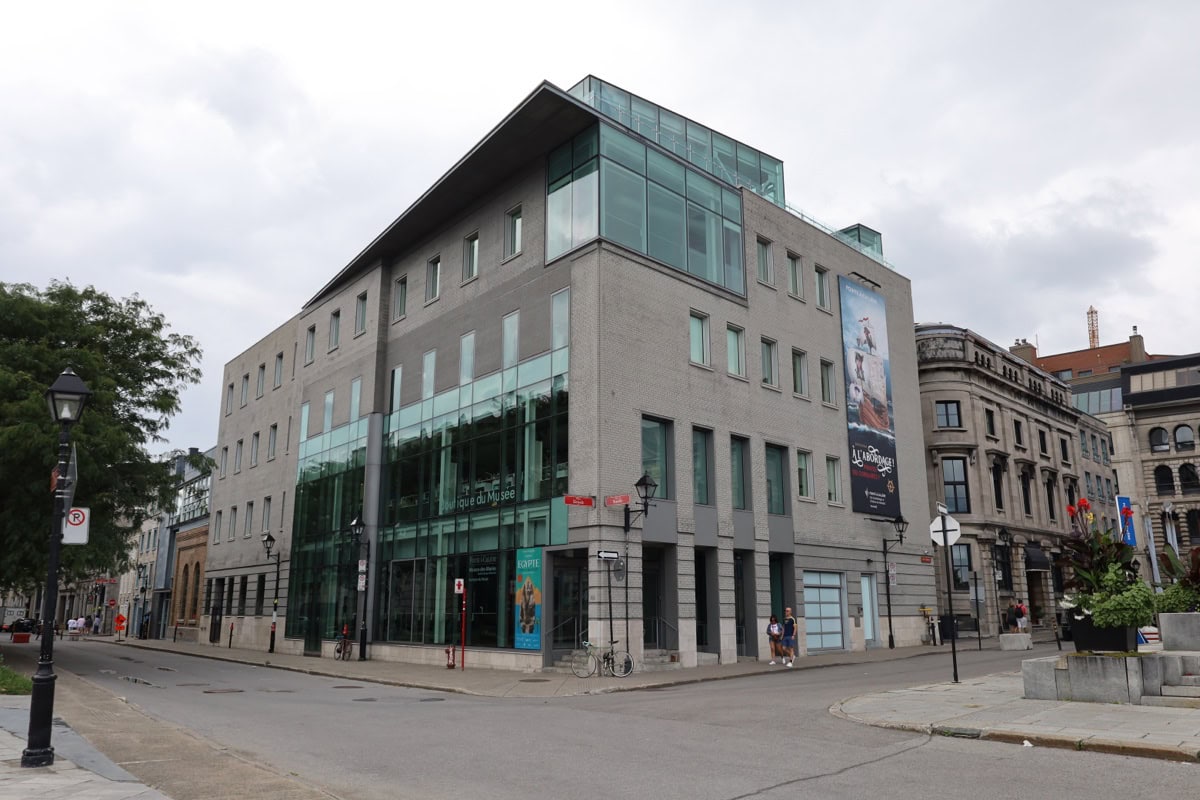
For me, this is the most fascinating museum in all of Montreal. Pointe-à-Callière stands on the exact spot where Montreal was founded in 1642, and underground you can see real archaeological excavations — foundations of the original buildings, old sewers, Indigenous artefacts.
The visit starts with a multimedia show (in English or French) that draws you into the story of how the city came to be, then you walk through underground spaces filled with original finds. It’s not a dry museum — it’s genuinely well done and takes about 2 hours to get through.
Admission is 26 CAD (around €17). Children under 12 get in free (yet another reason Montreal is brilliant for families).
10. Underground City (RÉSO) — 33 km of underground tunnels
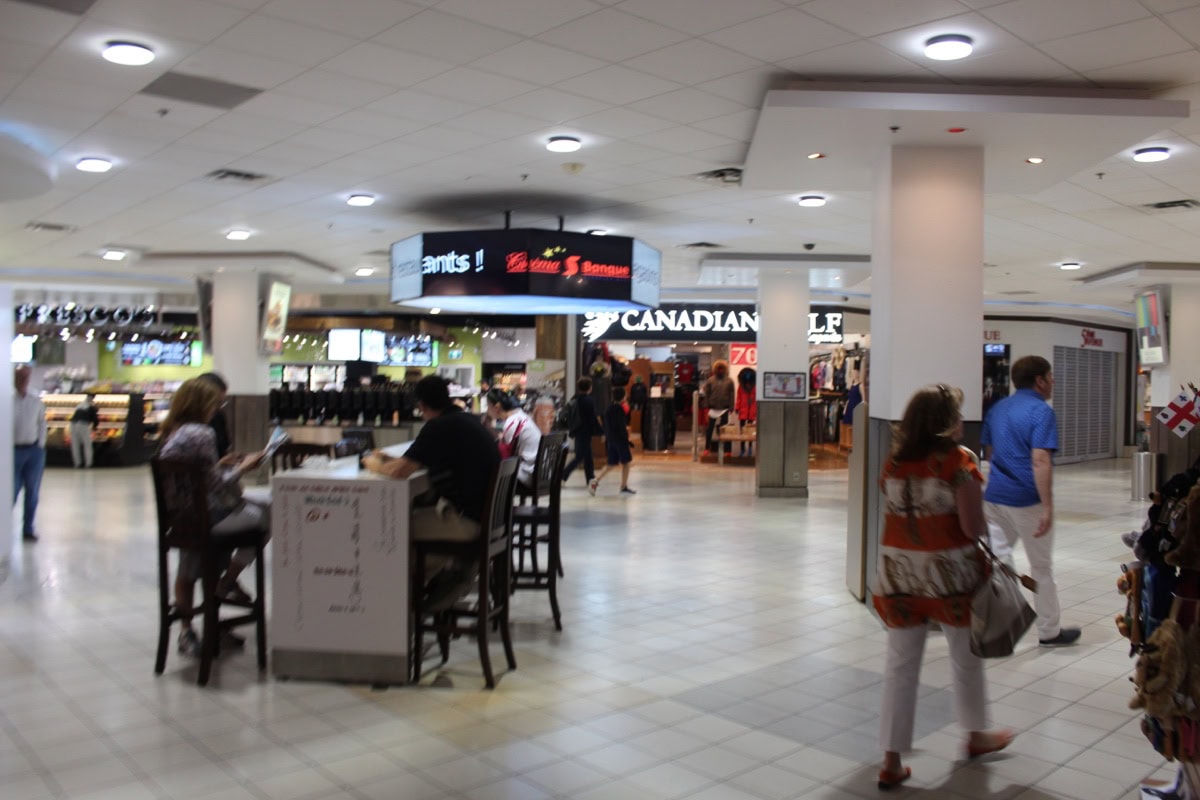
This is probably the most unique thing about Montreal. Beneath the city runs 33 kilometres of underground tunnels connecting metro stations, shopping centres, office buildings, hotels, cinemas, and restaurants. The entire system is called RÉSO and it was built as a response to Montreal’s brutal winters — so people could move around the city without ever stepping outside.
To be honest — don’t expect anything visually spectacular. These aren’t underground palaces; they’re more like connected shopping malls and corridors. But it’s a fascinating piece of urban planning, and if you’re into quirky city infrastructure, it’s well worth exploring. We wandered around for about an hour, promptly got lost (as nearly everyone does 😅), and emerged somewhere entirely different from where we’d intended.
Tip: If you’re curious, start at McGill or Bonaventure metro station and walk towards Place Ville-Marie. Entry is free — it’s simply part of the city.
11. Musée des beaux-arts de Montréal — for art lovers
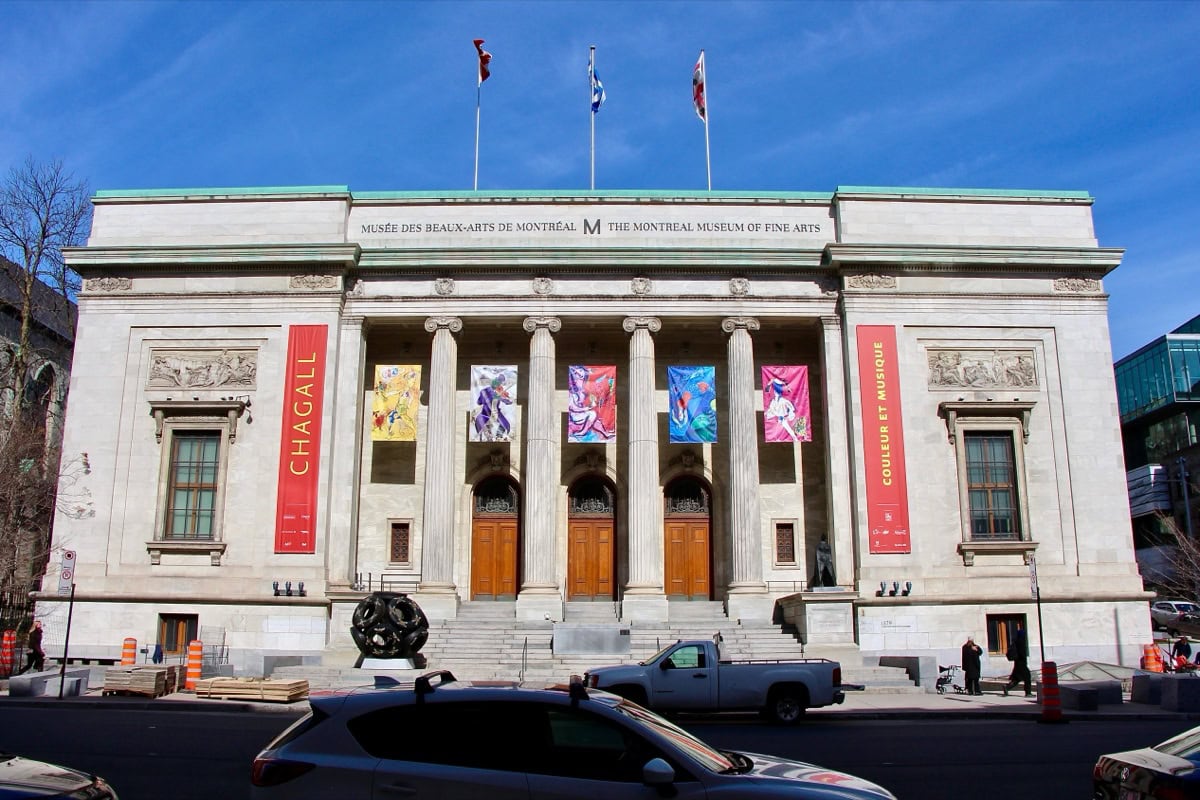
Montreal’s Museum of Fine Arts is the largest art museum in Canada, spanning five buildings. The collections range from ancient art through Canadian painters to contemporary art and design. The permanent collection is free (you only pay for temporary exhibitions), which is quite exceptional for a museum of this calibre.
We spent about two hours here and were most drawn to the Canadian art and design section — it’s fascinating to see how Canada defines its artistic identity relative to both the US and Europe. Even if art isn’t your main passion, it’s worth popping in for an hour — especially when entry is free.
The museum is on Rue Sherbrooke, Montreal’s main boulevard, so you can easily combine it with a city stroll.
12. Gay Village — one of Montreal’s liveliest neighbourhoods
Montreal’s Gay Village (locals simply call it “The Village”) is one of the largest and liveliest LGBTQ+ neighbourhoods in North America. In summer, the main street Rue Sainte-Catherine Est is transformed into a pedestrian zone packed with bars, restaurants, terraces, and regular cultural events.
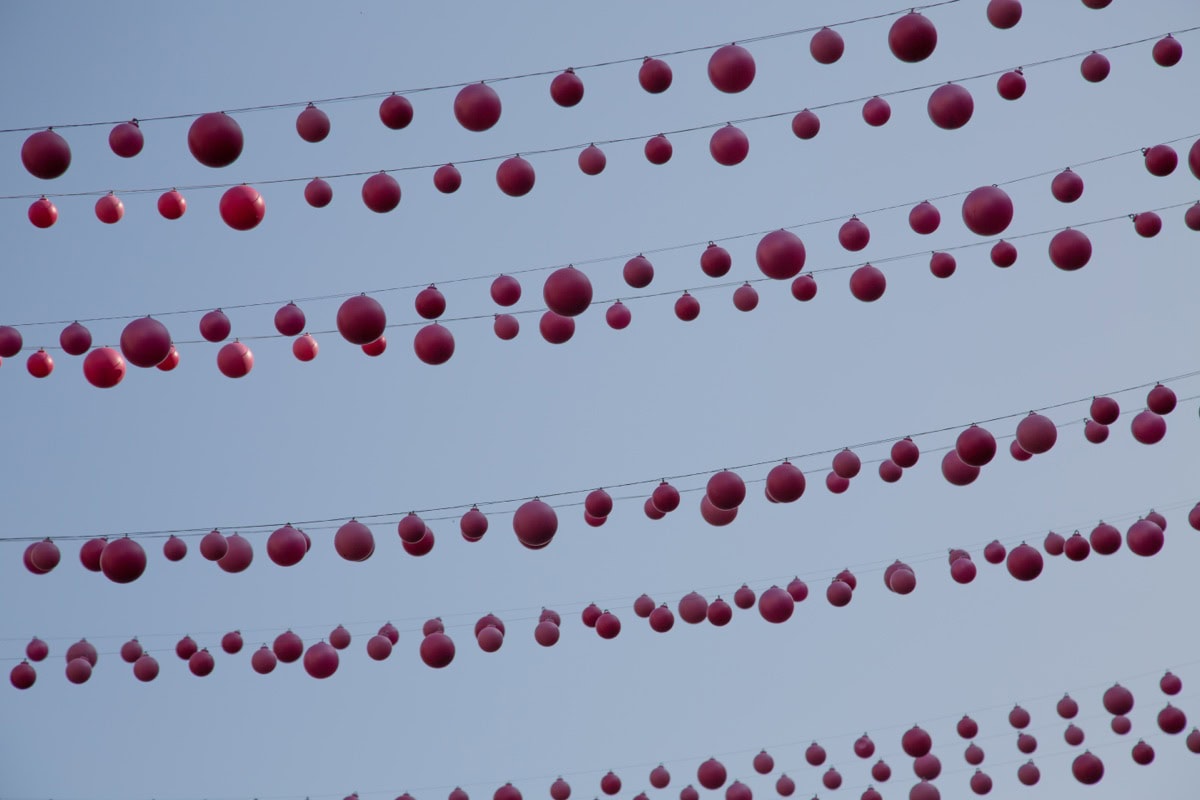
Even if you’re not part of the LGBTQ+ community, the Village is well worth a visit for the atmosphere alone — it’s livelier than anywhere else in the city, people are friendly, and there are some fantastic restaurants and bars. In autumn, there’s a beautiful installation of pink balls hanging above the entire street, creating a gorgeous colourful tunnel overhead.
13. Street art and murals — Montreal as an open-air gallery
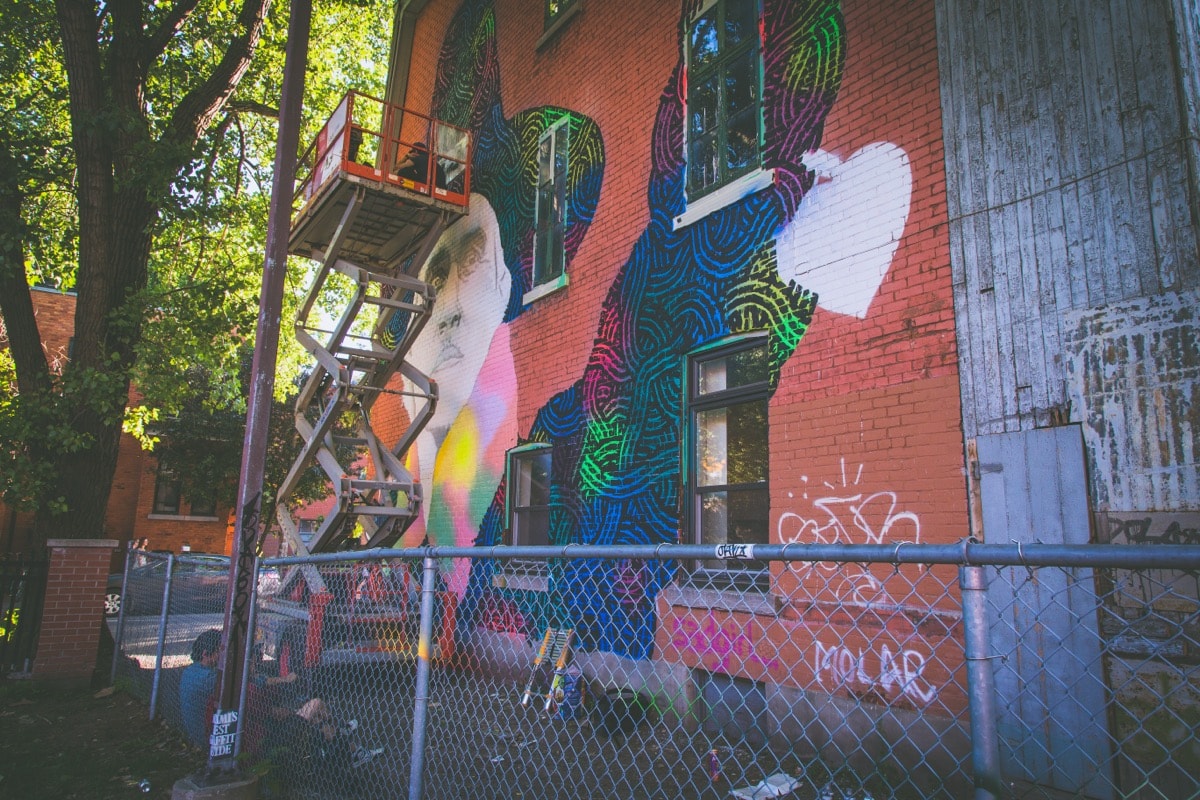
Montreal is one of the best cities in the world for street art — and that’s no exaggeration. The city actively encourages public art, and in some neighbourhoods you’ll find enormous murals covering entire building walls. Key hotspots:
- Mile End and the Plateau — practically on every corner
- Boulevard Saint-Laurent — the main artery of street art
- Festival MURAL (every June) — one of the biggest street art festivals in North America, where artists create new works live on the street
We made our own street art walk through Mile End — just followed our feet and stopped every 50 metres at another mural. You don’t need a guide, just open eyes. But if you want context and the stories behind the works, there are guided street art tours available on GetYourGuide.
14. Day trip to Île Sainte-Hélène and La Ronde
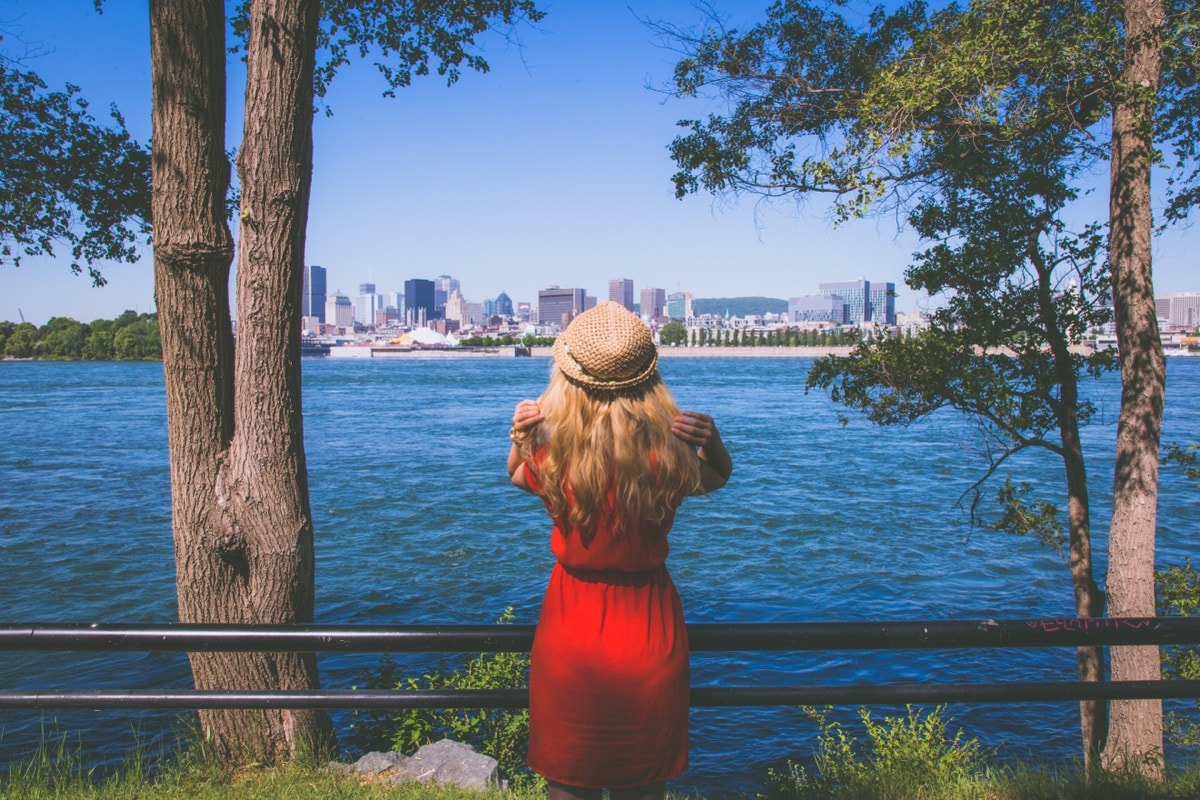
Île Sainte-Hélène is an island in the middle of the St. Lawrence River, just a short hop from downtown Montreal. Here you’ll find:
- Biosphère — the iconic geodesic dome (originally the American pavilion from Expo 67), now an environmental museum. Admission 15.75 CAD (around €10).
- Parc Jean-Drapeau — a beautiful park for picnics and strolls with views of the Montreal skyline.
- La Ronde — a Six Flags theme park. If you love roller coasters, it makes for a fun afternoon. Admission from around 55 CAD (€37), but online advance tickets are usually discounted.
You can reach the island by metro (Jean-Drapeau station, yellow line) in just a few minutes. It’s a pleasant escape from the city, especially on a hot summer day.
Honest take: The Biosphère is visually stunning (that dome!), but the exhibition inside is a bit disappointing — it’s aimed more at kids and students. If you’re short on time, skip it and head to Mont Royal instead.
15. Lachine Canal — walks, cycling, and brewery trails
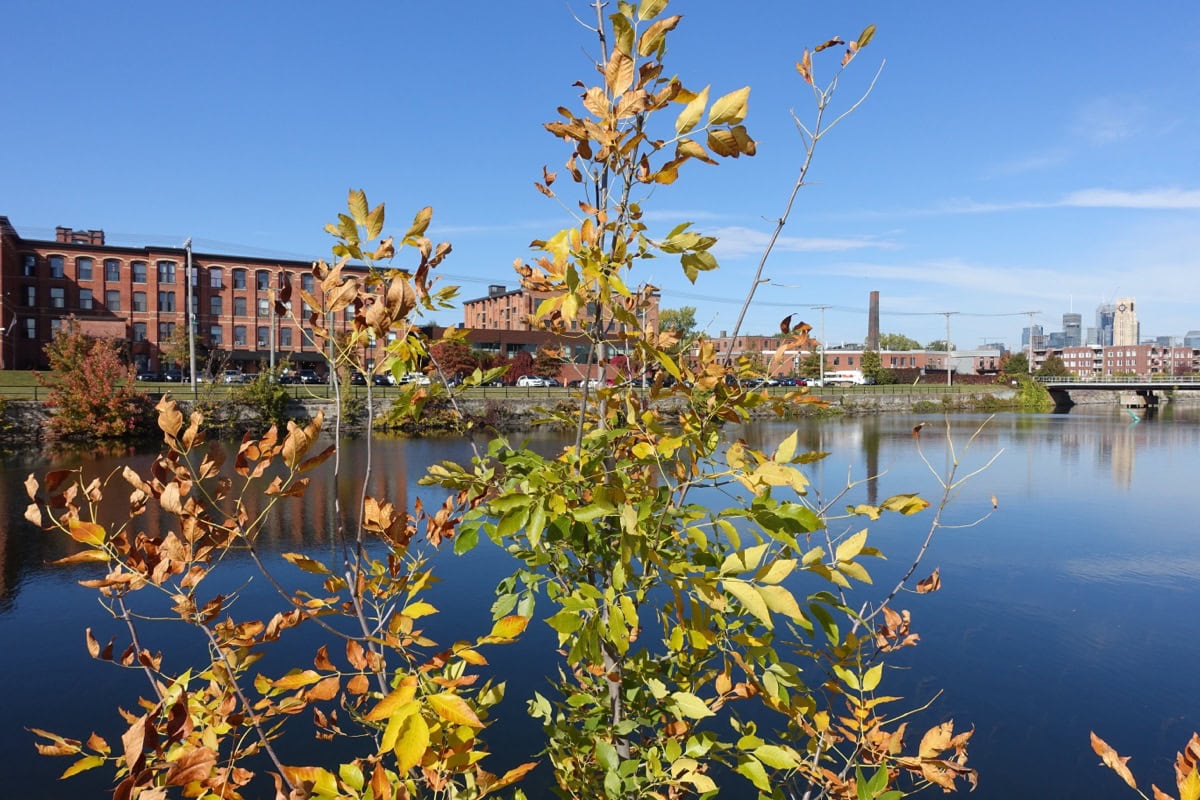
The Lachine Canal is an 8.5 km waterway running southwest from the Old Port, lined with one of Montreal’s most beautiful cycle paths. Once an industrial zone, it’s now a gorgeous green oasis dotted with cafés, galleries, and — most importantly — microbreweries.
We rented BIXI bikes and cycled the whole canal there and back in an afternoon. Along the way we stopped at the Atwater Cocktail Club (okay, it’s a bar not a brewery, but it’s excellent 😅) and at Atwater Market, where we refuelled with cheese and cider.
Tip: The entire route along the canal is flat and easy — perfect even if you’re not the sporty type. By bike it takes about an hour, on foot 2–3 hours. In summer you can also go paddleboarding and kayaking here.

Map of points of interest for your phone
What to eat and drink in Montreal: a foodie’s guide
Montreal is a gastronomic paradise. Full stop. A city where French culinary tradition meets North American generosity in portion sizes, with added influence from immigrants from around the globe — the result is food you’ll be reminiscing about long after you get home. Here are the essential stops:
Smoked meat at Schwartz’s
Schwartz’s Deli has been going since 1928 and is the most famous deli in all of Canada. Their smoked meat sandwich (cured meat on rye bread with mustard) is a work of art. The meat is marinated for 10 days, then smoked and finally steamed — and the result is so tender and juicy that I ordered a second one. 😁
Expect a queue — we waited about 25 minutes, but it moves quickly. A sandwich costs around 14 CAD (about €9) and it’s worth every minute of waiting. Inside it’s tiny, cramped, they’ll seat you at a table with strangers, and the service is brusque — but that’s exactly how it should be. No fuss, no frills, just legendary food.
Alternative: If you’d rather skip the queue, Main Deli a few streets away is nearly as good and much quieter.
Bagels — St-Viateur vs. Fairmount
Montreal bagels are completely different from New York ones — smaller, sweeter, denser, and baked in a wood-fired oven. And in Montreal, a fierce rivalry has raged for decades: St-Viateur Bagel vs. Fairmount Bagel. Both bake 24 hours a day, 7 days a week, and both claim to be the best.
We tried both (obviously — what else would you expect? 😅) and our verdict? St-Viateur edges it for the sesame bagel, while Fairmount wins with the all-dressed variety. But honestly — both are fantastic, and a bagel for 1.25 CAD (less than £1) is probably the cheapest gastronomic experience in the entire city.
Tip: Buy them fresh and warm, straight from the oven. No spread, no filling — just the bagel on its own. You’ll understand what all the fuss is about.
Poutine at La Banquise
Poutine — chips smothered in brown gravy and topped with squeaky cheese curds — is the unofficial national dish of Quebec. And La Banquise on the Plateau is its temple. They serve over 30 varieties of poutine, from the classic to wild combinations with pulled pork, Mexican style, or merguez sausage. And they’re open 24 hours a day, 7 days a week.
We turned up around eleven at night (as you do) and ordered the classic and one with pulled pork. The portions are enormous — one poutine for 12–16 CAD (€8–11) can easily feed two people. This isn’t haute cuisine; it’s comfort food at its finest.
BeaverTails and maple syrup
BeaverTails (Queues de Castor) are flat fried dough stretched into the shape of a beaver’s tail and topped with sugar, cinnamon, Nutella, or maple syrup. You’ll find a kiosk at the Old Port and it’s the perfect street food snack at around 7 CAD (about €5).
And while we’re at it — buy your maple syrup at Jean-Talon Market directly from the farmers, not in the tourist souvenir shops. The quality is incomparably better and the price is lower too.
Where to go for a great dinner and coffee
- Joe Beef — a legendary Montreal restaurant if you want to treat yourself (mains from 40–70 CAD / €27–47). Book weeks in advance.
- L’Entre-Pots — a cosy French bistro on the Plateau with excellent value for money.
- Mon Lapin — natural wines and shared plates; hipster vibe, but the food is fantastic.
- Crew Collective & Café — coffee in a former bank with marble columns and 20-metre ceilings. One of the most beautiful café spaces in the world, no exaggeration. The coffee is average, but you go for the setting. 😊
- Café Olimpico — a local legend in Mile End. No Wi-Fi, no tourists, just excellent espresso and authentic atmosphere since 1970.
Festivals worth visiting
Montreal is the number one festival city in North America — and that’s not hyperbole. If you can time your visit to coincide with one of the major festivals, the experience is amplified tenfold.
Montreal International Jazz Festival (June–July)
The biggest jazz festival in the world. Yes, the entire world. Over two million visitors, hundreds of concerts, and — here’s the best part — most outdoor concerts are free. The entire city centre turns into one massive music venue for 10 days. Even if you’re not a jazz fan, the atmosphere will sweep you up.
Just for Laughs / Juste pour rire (July)
The biggest comedy festival in the world. Street performances, stand-up comedy, improv — and again, loads of free entertainment on the streets. In July the city is literally filled with laughter on every corner.
Igloofest (January–February)
If you’re a bit mad (like me) and fancy visiting Montreal in winter, Igloofest is your reason. An outdoor electronic music festival at -15 °C where people dance in snowsuits and ridiculous outfits. It’s absurd, bonkers, and utterly unforgettable. 😅
Nuit Blanche (February/March)
An all-night festival of art and culture — galleries, museums, and cultural spaces stay open through the night while dozens of art installations and performances pop up across the city.
Practical tips and advice
To wrap up, here are some practical tips that’ll come in handy when planning your trip to Montreal. Everything from language and safety to where to find the cheapest flights.
Language — “Bonjour/Hi”
Montreal is officially a French-speaking city, but in practice it’s bilingual. In the centre and tourist areas you’ll get by perfectly in English. Locals in shops and restaurants will typically greet you with “Bonjour! Hi!” and you choose the language. But — and this is important — Montrealers really appreciate it when you at least try a bit of French. A simple “bonjour,” “merci,” or “s’il vous plaît” will make faces light up. 😊
Safety
Montreal is a very safe city. Use common sense of course (don’t leave belongings unattended, watch for pickpockets on the metro), but generally you can walk around late at night without worry. We walked back from La Banquise around midnight through the Plateau and felt completely at ease.
Tipping
Tipping in Canada is essentially mandatory. In restaurants, 15–20% is expected; in bars, 1–2 CAD per drink; for taxi drivers, 10–15%. Leave less than 15% and the server will assume something went wrong. Yes, it adds up significantly — factor it into your budget.
Plug adapter
Canada uses North American plugs (Type A/B) — if you’re travelling from the UK, you’ll need an adapter. Buy one before you go; they cost three times as much at the airport.
Travel insurance
Definitely travel to Canada with insurance. Healthcare for foreigners in Canada is astronomically expensive — even a simple trip to A&E can cost thousands of pounds. Have a look at our travel insurance review where we compare different options.
What to pack
It depends on the season. In summer, light clothing is fine, but always throw in a lightweight jacket or hoodie — the air conditioning in buildings is fierce, and evenings by the river can be chilly. In autumn, layer up — mornings can be 5 °C and afternoons 18 °C. Comfortable walking shoes are essential as you’ll be on your feet a lot. And if you’re not sure what to bring, check out our guide on how to pack carry-on only.
Where to find flights
For cheap flights to Montreal, search on Skyscanner or Google Flights — set up price alerts and keep an eye out for deals. Direct flights from London Heathrow to Montreal run year-round with Air Canada and British Airways. You can sometimes find bargains on connecting flights too — routes via Reykjavík with Icelandair or via Dublin with Aer Lingus can be surprisingly good value.
Car hire
If you’re planning day trips out of Montreal (the Laurentians, Quebec City, the Eastern Townships), a car is very handy. We regularly use DiscoverCars.com, where you can compare prices from all the major agencies at once. By the way, if you’re planning a road trip across Canada, a rental car is absolutely essential.
Booking accommodation
Booking.com is our go-to for finding hotels — it’s clear, reliable, and most properties offer free cancellation.
Mobile data and eSIM
To stay connected in Canada without any hassle, we recommend getting an eSIM from Holafly. You activate it before you fly and the moment you land, you have data — no hunting for a local SIM card.
And if you’re thinking of extending your trip with a visit to Niagara Falls, it’s definitely worth it — it’s a fair distance from Montreal, but you can easily combine it with a stopover in Toronto.
FAQ — 7 most common questions about Montreal
To finish, here are the answers to the most frequently asked questions from readers planning a trip to Montreal.
How many days do I need for Montreal?
Three days is the minimum, but ideally 4–5. In three days you can cover Old Montreal, Mont Royal, the Plateau, and the main food stops. With five days you can take things at a slower pace, visit Île Sainte-Hélène, cycle the Lachine Canal, and really explore the city in depth. If you’re planning day trips out of the city (Quebec City is 2.5 hours by car and absolutely worth it), add another 2–3 days.
Is Montreal expensive?
Montreal is cheaper than Toronto, Vancouver, or New York, but still pricier than most European cities. Lunch at a restaurant costs 15–25 CAD (€10–17) plus tip, dinner 25–50 CAD (€17–34). Accommodation from around €95/night (mid-range). Where you can save: admission to the Musée des beaux-arts is free, many outdoor festivals are free, and food at the markets is significantly cheaper than in restaurants.
Do people speak English in Montreal?
Yes, in the centre and tourist areas you’ll get by in English without any problems. Montreal is essentially a bilingual city. Some restaurants on the Plateau or in Mile End may have French-only menus, but the staff will always switch to English. Locals appreciate it if you at least try a few words of French.
When is the best time to visit Montreal?
June to October. Summer (June–August) is peak season with festivals and the best weather. September and October (Indian summer) are even more beautiful — fewer tourists, stunning autumn colours, pleasant temperatures. Avoid January to March unless you thrive in freezing cold.
Do I need a visa for Canada?
UK citizens don’t need a visa, but you must obtain an eTA (Electronic Travel Authorization) in advance for 7 CAD (around £4). You can apply online in minutes at the official Canadian government website (canada.ca). Beware of third-party sites that charge inflated fees.
How do I get from the airport to downtown Montreal?
The cheapest option is the 747 Express bus, which runs from Trudeau Airport directly to downtown (stops at Lionel-Groulx and Berri-UQAM metro stations). The journey takes 45–60 minutes, costs 11 CAD (around €7.50), and includes unlimited public transport rides for 24 hours. A taxi or Uber costs 40–55 CAD (€27–37) and takes 20–40 minutes depending on traffic.
Is Montreal safe?
Yes, Montreal is one of the safest major cities in North America. Violent crime is low, public transport is safe even in the evening, and you can walk through most neighbourhoods without worry. As anywhere — keep an eye on your valuables on the metro and in touristy areas, but otherwise you’ll feel completely safe.
Tips and Tricks for Your Vacation
Don’t Overpay for Flights
Search for flights on Kayak. It’s our favorite search engine because it scans the websites of all airlines and always finds the cheapest connection.
Book Your Accommodation Smartly
The best experiences we’ve had when looking for accommodation (from Alaska to Morocco) are with Booking.com, where hotels, apartments, and entire houses are usually the cheapest and most widely available.
 🚗 Car rental on the roadVerified rental cars in Canada
Search with the DiscoverCars comparison engine — it compares prices from dozens of local and international rental companies, and most bookings come with free cancellation.
Compare car prices in Canada →Don’t Forget Travel Insurance
Good travel insurance will protect you against illness, accidents, theft, or flight cancellations. We’ve had a few hospital visits abroad, so we know how important it is to have proper insurance arranged.
Where we insure ourselves: SafetyWing (best for everyone) and TrueTraveller (for extra-long trips).
Why don’t we recommend any Czech insurance company? Because they have too many restrictions. They set limits on the number of days abroad, travel insurance via a credit card often requires you to pay medical expenses only with that card, and they frequently limit the number of returns to the Czech Republic.
Find the Best Experiences
Get Your Guide is a huge online marketplace where you can book guided walks, trips, skip-the-line tickets, tours, and much more. We always find some extra fun there!


