

Berlin is a city that gets under your skin. Whether you’re visiting for the first time or the third, you’ll always discover something new — a new alley, new graffiti, a new café with the best flat white. As the capital of Germany, Berlin offers an incredible mix of history, art, street food, and nightlife. Lukáš and I visit regularly, and every time we leave feeling like we still haven’t seen everything. In this guide, you’ll find 35+ things to see in Berlin, Germany in 2026 — from classic landmarks and hidden gems to the best spots for kebabs and coffee.
Practical info: how to prepare for Berlin
Before we dive into the tips themselves, let’s cover a few practical things. Berlin is a big city and a little preparation definitely pays off — you’ll save both time and money.
How to get to Berlin
There are several ways to reach Berlin from the UK. By plane, direct flights from London to Berlin BER airport take around 1 hour 45 minutes, with airlines like easyJet, Ryanair, and British Airways operating regular services. You can also fly from Manchester, Edinburgh, and other UK cities. Tickets typically cost £30–80 for a return if booked in advance. Read our guide on finding cheap flights.
By train, you can take the Eurostar from London St Pancras to Brussels, then connect to Berlin via high-speed trains — the entire journey takes around 8–9 hours. It’s a great option if you enjoy scenic travel and want to reduce your carbon footprint.
By bus, FlixBus operates routes from London and other European cities to Berlin, though the journey is long (14+ hours). It’s the cheapest option, with tickets often starting from £20.
Public transport in Berlin and Berlin WelcomeCard 2026
You can’t get by without public transport in Berlin, and fortunately it works brilliantly here. The city has an extensive network of underground trains (U-Bahn), city trains (S-Bahn), trams, and buses. The easiest way to buy tickets is through the BVG app, or at ticket machines in metro stations (card payment accepted). Tram ticket machines only accept cash.
A tip for buses: in Berlin, you need to wave at the driver, otherwise they won’t stop for you even at a bus stop. Night lines (marked N) run every 30 minutes from approximately 0:30 to 4:30.
If you’re planning to spend several days in Berlin, it’s worth getting a Berlin WelcomeCard. It includes unlimited public transport and discounts on dozens of attractions. Here are the approximate prices for 2026:
|
Option |
Zone AB (city centre) |
Zone ABC (+ airport) |
|
48 hours |
€25 |
€29 |
|
72 hours |
€33 |
€37 |
|
5 days |
€41 |
€46 |
|
6 days |
€47 |
€52 |
If you want to save on museum admission, consider the WelcomeCard + Museum Island variant, which for a surcharge includes entry to the entire Museum Island. Taxis in Berlin are fairly expensive — the base fare is €3.90 plus around €2/km. For short distances up to 2 km, there’s a flat rate of €6, but you must tell the driver in advance.
Where to stay in Berlin
Lukáš and I have long preferred the hotel chain Motel One Berlin-Potsdamer Platz in Germany, where the rooms are on the smaller side but spotlessly clean, great value, and they serve some of the best hotel breakfasts around.
If you travel frequently, you know that a good hotel breakfast is essential. This hotel chain also has an excellent location in most cities, and if you love designer interiors without paying a premium for them, it’s a no-brainer.

Check availability
Check availability
Weather and when to visit
The best time to visit Berlin is in late spring, summer, or early autumn. The rest of the year tends to be rather grey and chilly.
|
Month |
Average temperature |
Maximum temperature |
|
January |
0.6 °C |
2.9 °C |
|
February |
1.4 °C |
4.2 °C |
|
March |
4.8 °C |
8.5 °C |
|
April |
8.9 °C |
13.2 °C |
|
May |
14.3 °C |
18.9 °C |
|
June |
17.1 °C |
21.6 °C |
|
July |
19.2 °C |
23.7 °C |
|
August |
18.9 °C |
23.6 °C |
|
September |
14.5 °C |
18.8 °C |
|
October |
9.7 °C |
13.4 °C |
|
November |
4.7 °C |
7.1 °C |
|
December |
2.0 °C |
4.1 °C |
How much does Berlin cost: budget for 2–3 days
Berlin is relatively affordable by Western European standards. Here’s an approximate breakdown of costs per person per day in 2026:
|
Category |
Budget (hostel) |
Mid-range (3* hotel) |
Comfort (4* hotel) |
|
Accommodation/night |
€25–40 |
€80–120 |
€150–250 |
|
Food/day |
€15–25 |
€35–50 |
€60–90 |
|
Transport/day |
€8 (day pass) |
€8 (day pass) |
€15 (transit + taxi) |
|
Entrance fees/day |
€0–10 |
€15–25 |
€30–50 |
|
Total/day |
€48–83 |
€138–203 |
€255–405 |
For 2–3 days in the mid-range category, budget around €300–600 per person (including accommodation). A currywurst for €3–4 and a döner for €5–7 are excellent ways to save on food without sacrificing the experience. Don’t forget travel insurance — we highly recommend SafetyWing, which offers flexible monthly insurance ideal for frequent travellers.
Top landmarks and attractions in Berlin
Berlin has so many landmarks and attractions that you could spend a week here and still have plenty to discover. Let’s look at the ones you absolutely shouldn’t miss — from iconic city symbols to lesser-known spots that are well worth your time.
Brandenburg Gate
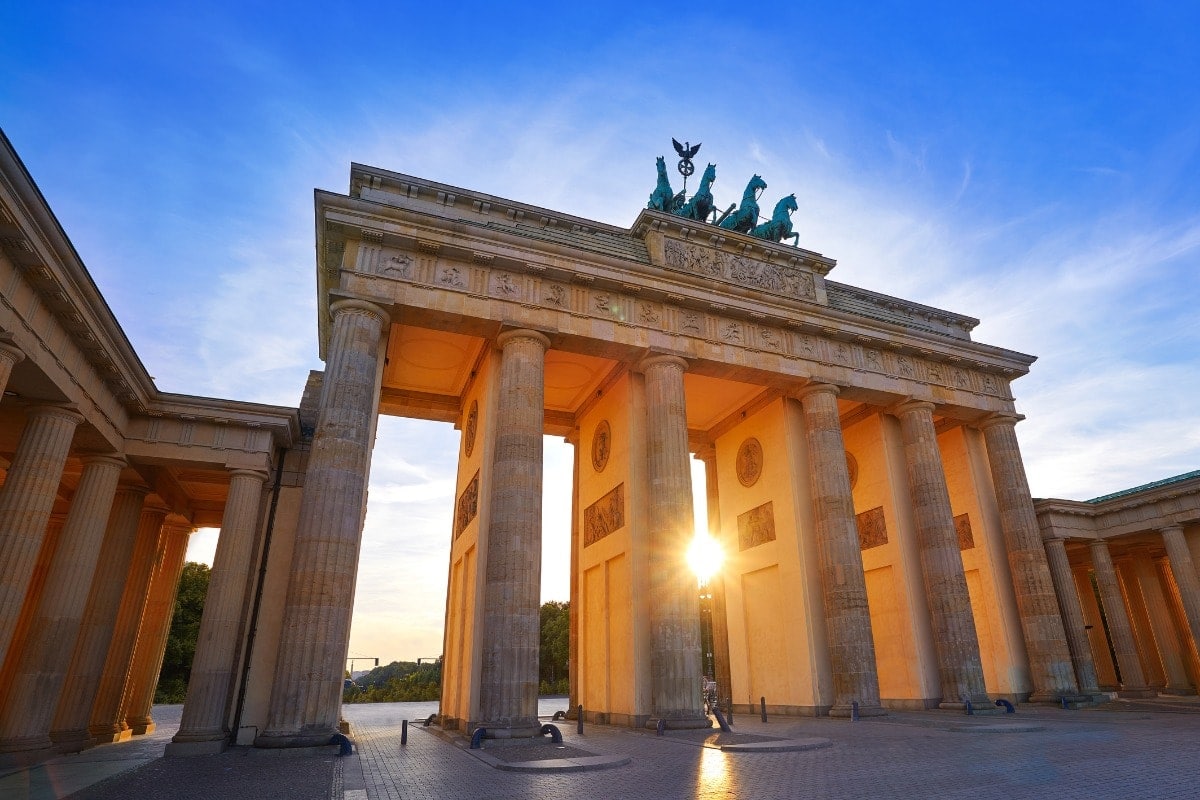
Arguably the most famous symbol of Berlin, the Brandenburger Tor stands right in the city centre. It’s 26 metres tall and 11 metres long. The gate consists of six columns and five passageways, topped by a sculpture of a chariot driven by Victoria, the goddess of victory, entering the city.
The gate was built in 1734 and originally served as a customs gate in the city’s fortifications. On 30 January 1933, a parade by the NSDAP passed through the gate, having just seized power in Germany. Today, New Year’s Eve celebrations are held around the gate annually, and it’s one of the most photographed spots in all of Berlin. I recommend coming early in the morning or in the evening, when there are fewer crowds and the light is at its most beautiful.
Berlin TV Tower
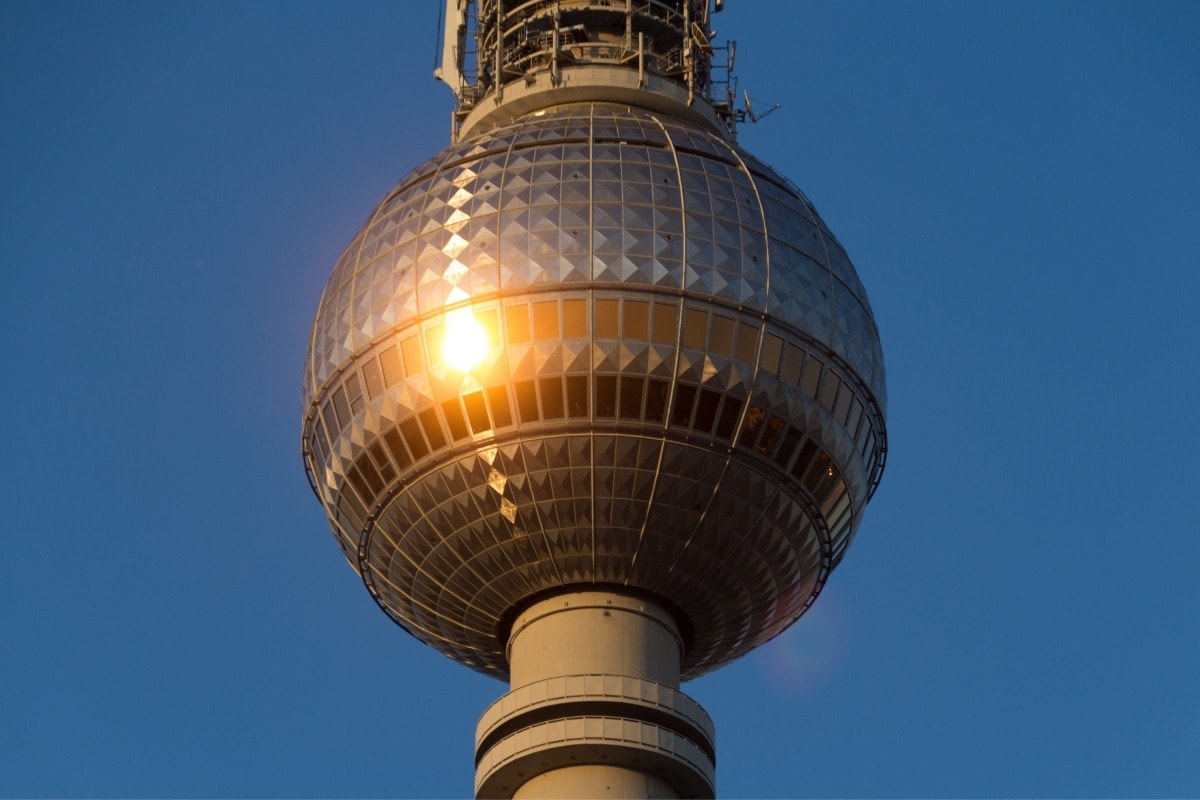
At 368 metres, this tower holds the title of the tallest freestanding structure in the European Union. At a height of 203 metres, there’s a large sphere containing an observation deck and, a bit higher up, a revolving restaurant. I recommend buying your ticket online in advance — the queues can be up to an hour long. Entry costs around €22–28 depending on the ticket type.
Reichstag
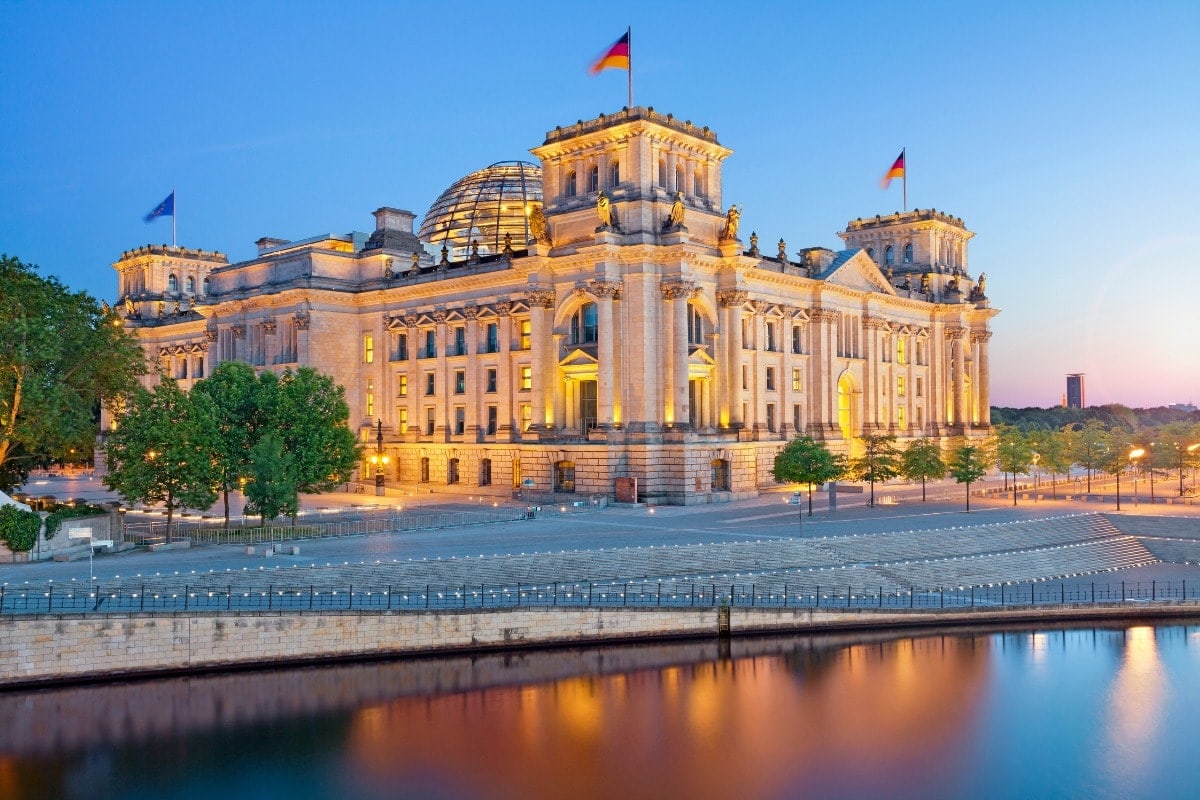
The Reichstag building serves as the seat of the German parliament. The building is notable for its glass dome, which houses an observation terrace. From there, visitors can enjoy views over Berlin and look down into the main debating chamber — even during parliamentary sessions. Access to the dome is free, but you need to register on the Bundestag website in advance — ideally at least 2–3 weeks ahead, especially during peak season.
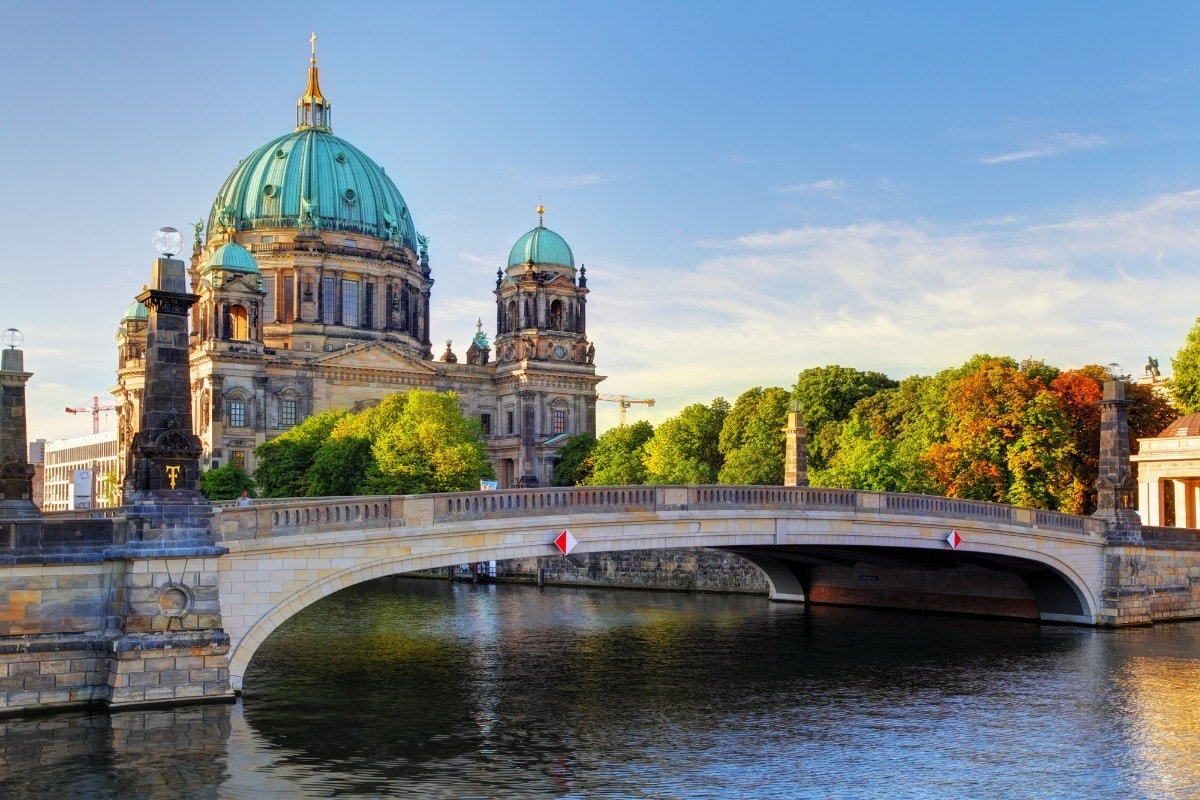
Berlin Cathedral
This Protestant church is the tallest Christian cathedral in Berlin, standing right in the city centre on Museum Island. Construction began in the 15th century and, after several renovations, was completed in 1905. The building will impress you both with its façade and interior — climb up to the dome for a stunning view of the surroundings. Admission is €9 and it’s absolutely worth it.
Holocaust Memorial
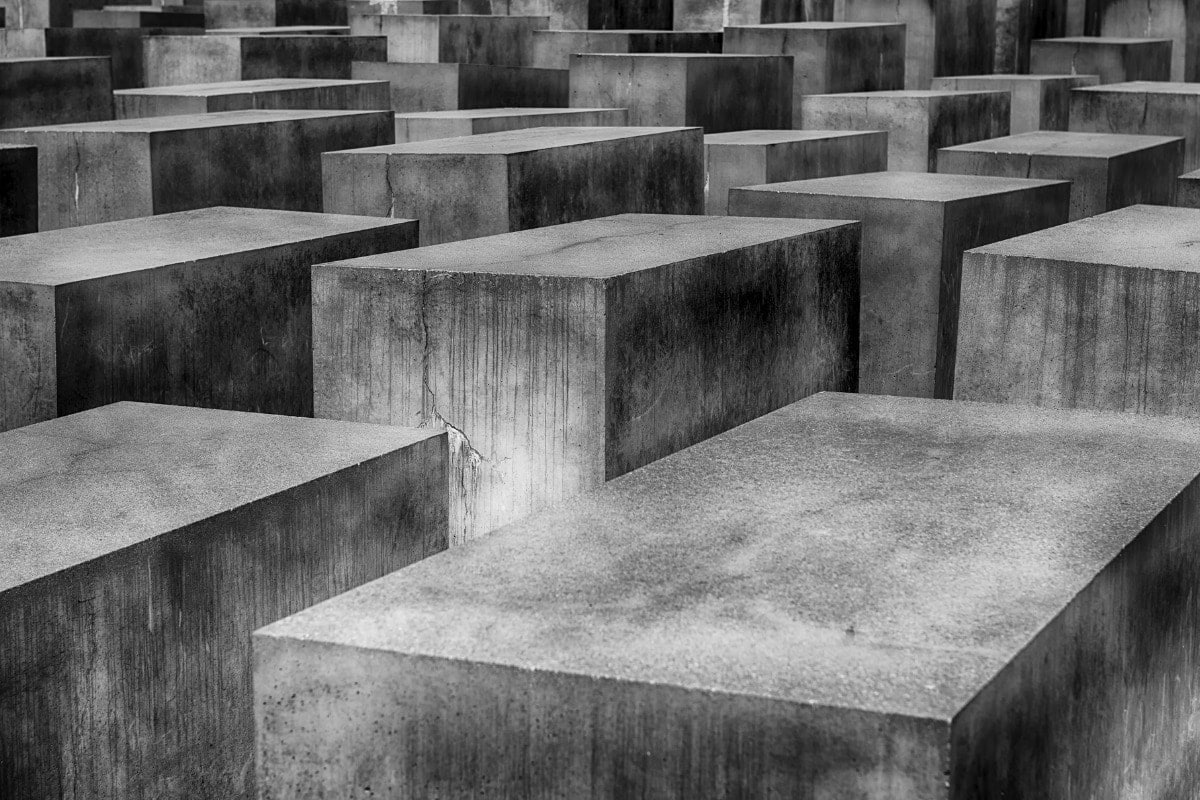
The official name is the “Memorial to the Murdered Jews of Europe,” and it was officially unveiled on 10 May 2005. It serves to commemorate the six million Jews who perished in concentration camps during World War II. The architect, Peter Eisenman, designed it as a field of nearly 3,000 concrete stelae, evoking a cemetery. Each block is a different size and has a different angle relative to the ground — this is intentional.
Eisenman wanted the site to feel both calm and chaotic at the same time. If you want to learn more about the concept behind the memorial and the Holocaust itself, visit the underground exhibition directly beneath the concrete blocks. Entry to the underground exhibition is free.
Checkpoint Charlie
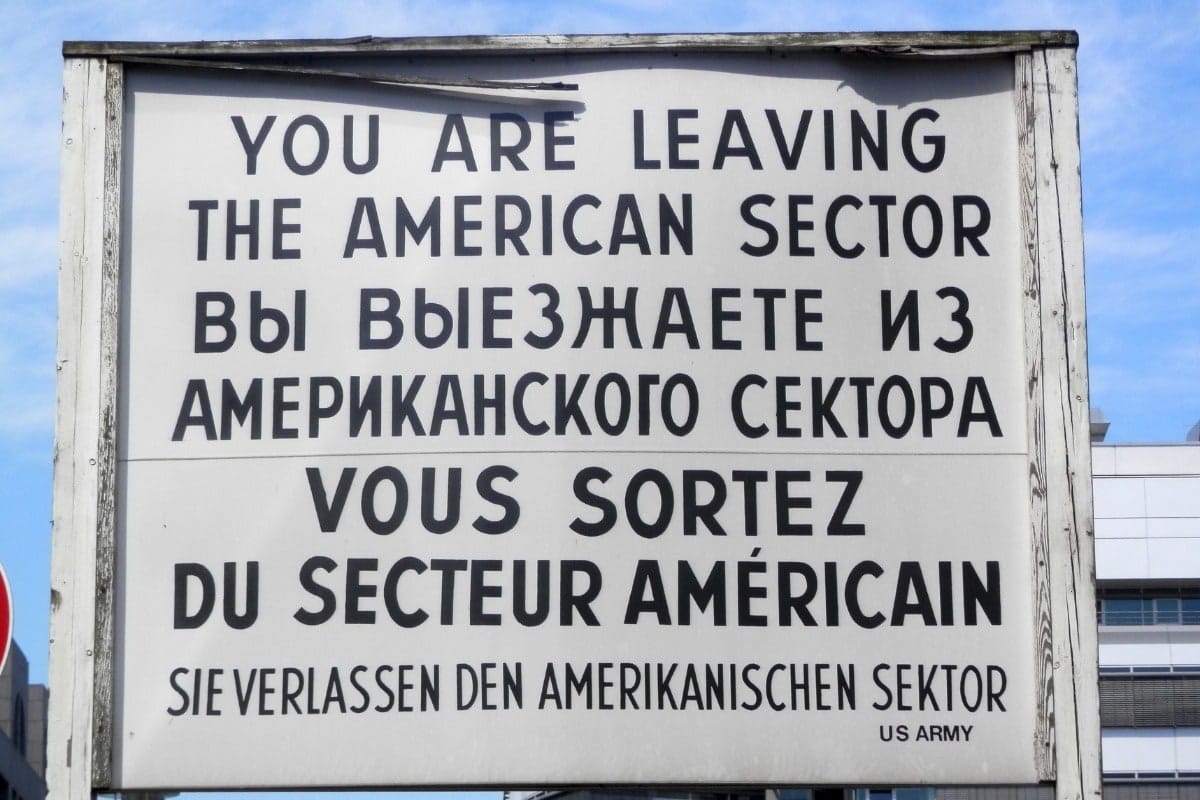
Checkpoint C, commonly known as Checkpoint Charlie, is the only border crossing between East and West Berlin located right in the city centre — the other two (Checkpoint A and Checkpoint B) are outside Berlin.
On site stands a guardhouse that was returned here after German reunification in 2000. In front of it, soldiers dressed in period uniforms hold the flags of the occupying forces. If you’d like a photo with them, you can do so for a small fee. The original guardhouse was removed from the site after the fall of the Berlin Wall in 1990. Honestly — the checkpoint itself is quite touristy, but the nearby museum and information boards are well worth a visit.
Charlottenburg Palace
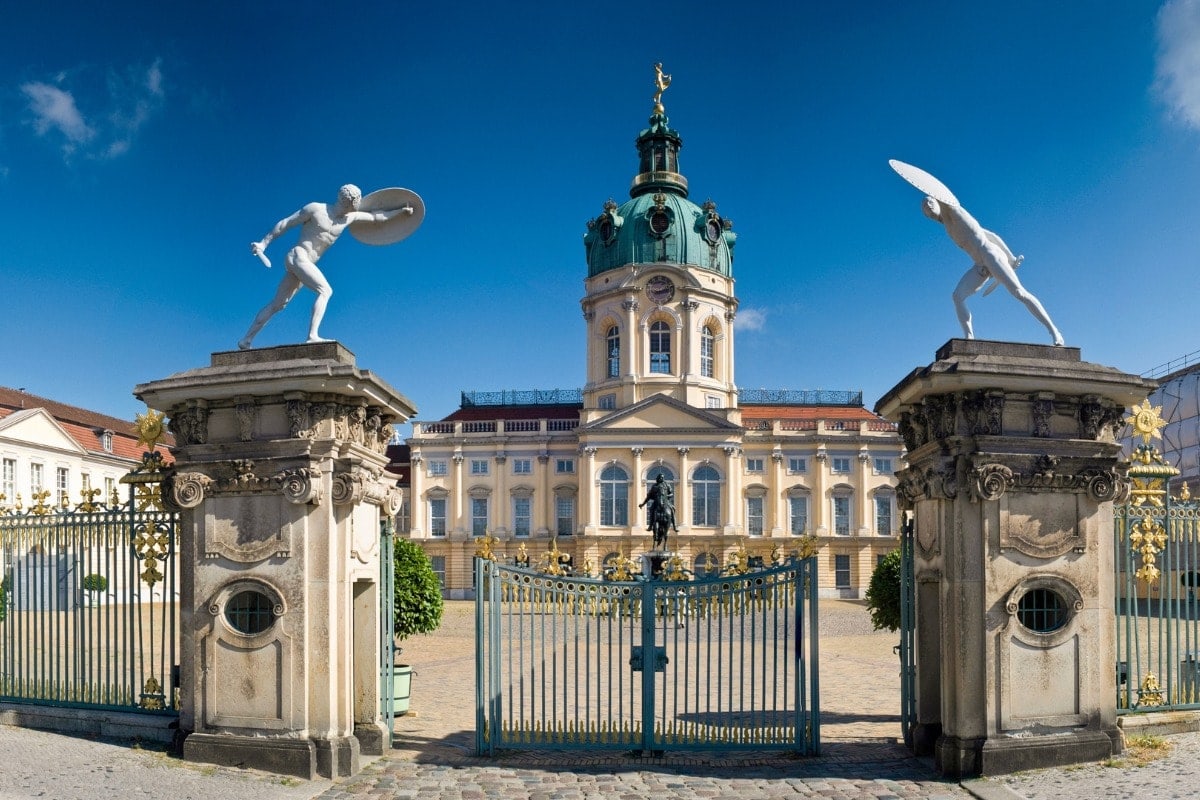
Charlottenburg is the largest royal complex in Berlin, originally the summer residence of Queen Sophie Charlotte, after whom it was named. Today you’ll find the Porcelain Museum and the Museum of Prehistory and Early History here. The palace is a UNESCO World Heritage Site. The gardens around the palace are free to enter and are gorgeous, especially in spring and summer — an ideal spot for a picnic.
Berlin Wall and East Side Gallery
The Berlin Wall divided Germany’s capital into two parts — West Berlin and East Berlin. It stood from 1961 until 1989, and crossing between the two sides was forbidden throughout that period.
Today, the Berlin Wall Memorial stands along Bernauer Strasse. You’ll find a reconstructed section of the wall and information panels with extensive details about this history. You can also visit the Berlin Wall Memorial museum.
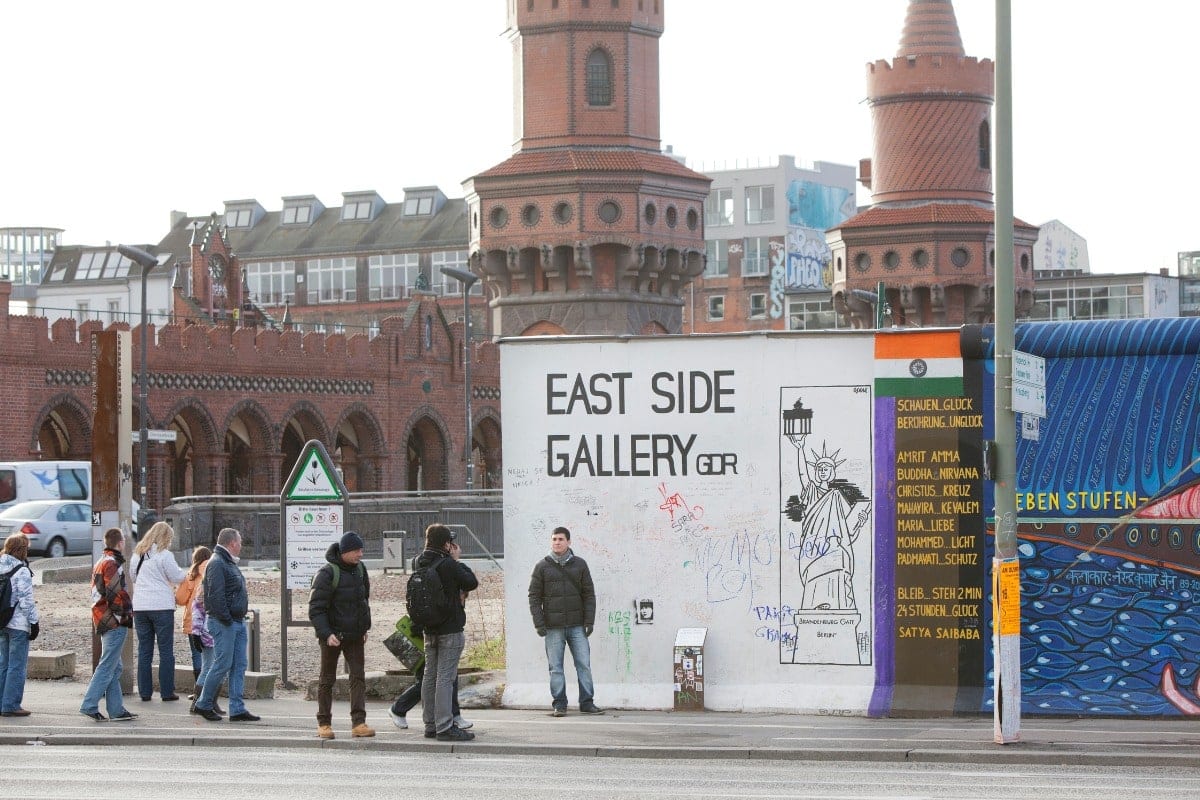
The longest continuous stretch of the Berlin Wall now serves as the East Side Gallery — an open-air gallery. The first artists began painting here in 1990, and you can view works by over a hundred artists from around the world, all relating to the wall’s history. Walking along the 1.3 km gallery is an experience — the most famous piece is probably the painting of the fraternal kiss between Brezhnev and Honecker. Entry is of course free, and I recommend coming in the morning before the crowds arrive.
Alexanderplatz
One of Berlin’s most famous squares was once a symbol of East Germany, and later of reunified Germany. It takes its name from Russian Tsar Alexander I. You’ll find significant landmarks and architecture here, including the Neptune Fountain and Marienkirche. Today, Alexanderplatz is a major transport hub and bustling commercial centre — you don’t need to spend hours here, but it’s definitely worth a wander.
Hackescher Markt and Mitte district
Hackescher Markt in the Mitte district is the city’s cultural and commercial heart. Every Thursday and Saturday, traditional markets are held here and they’re well worth checking out. Beyond the markets, you’ll enjoy a vibrant nightlife scene — Hackescher Markt is today a rich cultural area full of galleries, boutique shops, and restaurants.
Mitte is the centre of Berlin, which until 2001 was an autonomous district. It’s the “heart of Berlin,” the hub of cultural, commercial, and nightlife activity. This area is home to many important buildings and landmarks, including Museum Island, Brandenburg Gate, Checkpoint Charlie, and much more. The River Spree flows through it, and it borders Tiergarten, Wedding, and Kreuzberg. If you have limited time in Berlin, Mitte is the district where you should spend most of it.
Kreuzberg
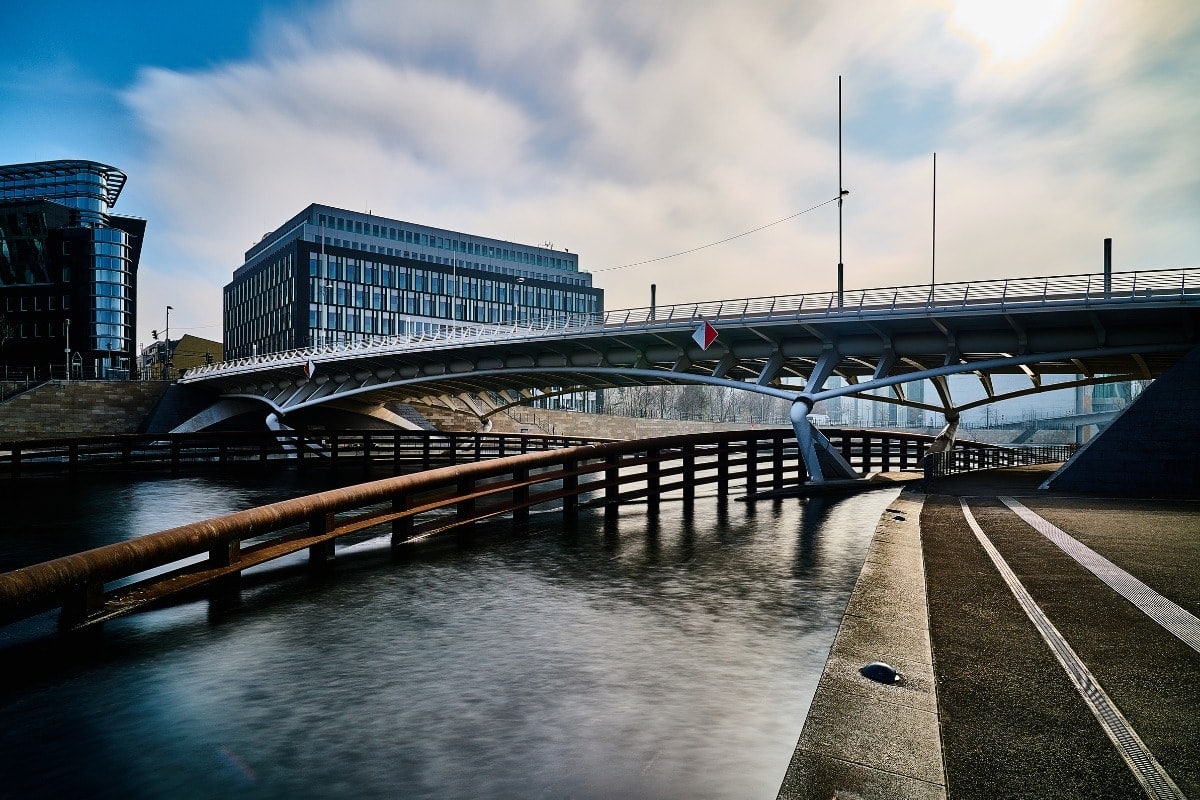
A Berlin neighbourhood known for its cafés, nightclubs, gay bars, and bohemian atmosphere. If you want to enjoy the nightlife and treat yourself to great coffee, head to Kreuzberg. It sits along the banks of the River Spree and is home to around 150,000 residents. It was historically a Jewish neighbourhood, but today it’s primarily home to a large Turkish community — which means you’ll find some of the best döners in all of Germany here. The Jewish Museum and Jerusalem Church are also worth visiting. In summer, it’s wonderful to sit by the canal on Admiralbrücke and watch all of Kreuzberg come together.
Best museums in Berlin
Berlin has a truly impressive number of museums and galleries — whether you’re into history, contemporary art, or science, there’s something for everyone.
Museum Island
In the centre of Berlin lies the Mitte district, and within it you’ll find the famous Museum Island. The island comprises five museums: the Neues Museum, Altes Museum, Alte Nationalgalerie, Bode Museum, and Pergamon Museum.
- Neues Museum — houses the third-largest collection of ancient Egyptian artefacts in the world.
- Altes Museum — the oldest museum on the island, featuring Etruscan art and replicas of ancient sculptures.
- Alte Nationalgalerie — modern art, including paintings by Cézanne, Monet, and other major artists.
- Bode Museum — a collection of coins, medals, and exhibits from antiquity to the 19th century.
- Pergamon Museum — a collection of artefacts from ancient empires, including Babylon and Uruk. The famous Ishtar Gate of Babylon is displayed here.
If you want to visit multiple museums on the island, get the combo ticket (€18), which grants entry to all five. Otherwise, individual museum tickets cost around €10–14.
DDR Museum (GDR Museum)
This unconventional museum recreates everyday life in East Germany as accurately as possible. It opened in 2006 and is particularly fascinating because the creators gathered as many authentic period items as possible to faithfully reconstruct ordinary flats and shops. Most of the exhibition is interactive — you can sit in a Trabant car or see what a typical GDR living room looked like. It’s a great experience for children too. Admission is around €12.50.
Hamburger Bahnhof
Hamburger Bahnhof is one of the oldest railway stations in Germany, and operations ceased in 1884. Today it houses the Museum of Contemporary Art, featuring works by Andy Warhol, Joseph Beuys, and other greats. If you’re a fan of modern art, this place will thrill you — the building itself is stunning, and the exhibitions are regularly refreshed.
“The Story of Berlin” museum
The “Story of Berlin” museum presents the city’s history across 23 rooms, spanning from the 13th century (the first mentions of Berlin) to 1990 (Berlin’s reunification). This interactive exhibition is entertaining for children too and shows everyday life of Berliners across the centuries. You’ll learn, for example, how ordinary Berliners experienced daily life during World War II. The tour also includes an authentic Cold War nuclear bunker.
Best viewpoints in Berlin
If you’re wondering where to get the best photo of the city, try one of the spots from our list:
Welt Ballon — most unique viewpoint in Berlin
The Welt Ballon (World Balloon) is one of the most unique viewpoints in Berlin. From a height of 150 metres, you’ll get an unforgettable panoramic view of the city from one of the largest tethered balloons in the world.
It’s located near Checkpoint Charlie in central Berlin and rises above all the surrounding skyscrapers. From it, you can see the Brandenburg Gate, the Reichstag, Tempelhof Airport, Tiergarten, and much more. A 15-minute flight costs €29.
Teufelsberg
Another fascinating viewpoint awaits at the summit of Teufelsberg, a hill made from wartime rubble, located in the Grunewald area. At the top stand long-abandoned buildings that served as an American-British listening station during the Cold War. Nowadays, these buildings are open to the public, so besides the views you can soak up some fascinating history. Entry costs around €8.
Humboldthain Flak Tower
The anti-aircraft towers were built by Nazi Germany in Berlin, Hamburg, and Vienna. They served as shelters and for defence against air raids. Berlin had three such towers — one near the zoo, one in Friedrichshain, and a third in Humboldthain. The first two no longer exist, but the third can still be visited. The tower was partially demolished after the war, and the remaining section now features a viewing platform over the city. The interior is also open to the public.
Panoramapunkt
A spot offering spectacular views over Berlin. The building is located on Potsdamer Platz, and Europe’s fastest lift whisks you to the top. You’ll see the Brandenburg Gate, the Victory Column, and other city sights. The last lift departs daily at 17:30. Besides the observation platform, you can also visit a café and museum in the building. An hour of views starts from €7 per person.
Best parks in Berlin
Tiergarten Park
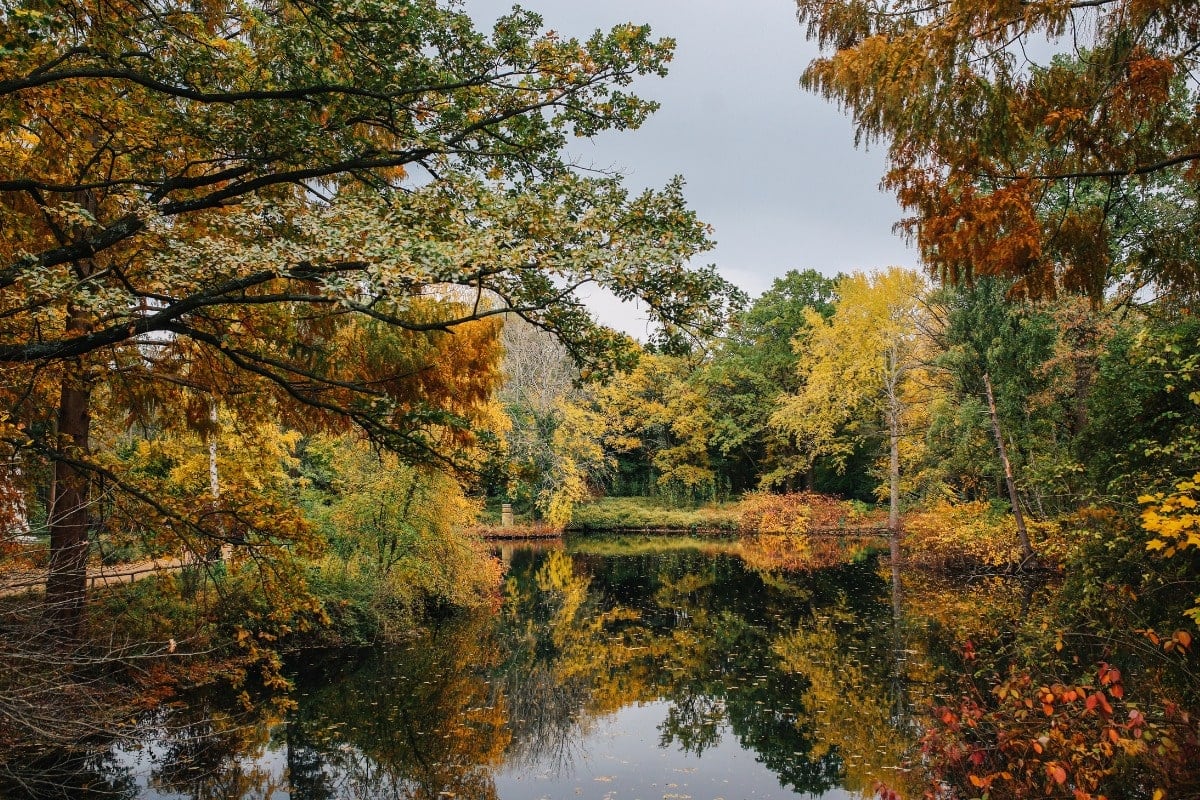
The third-largest urban park in all of Germany, with the 19th-century Victory Column standing at its centre. The park was once a royal hunting ground, and since the 18th century it has been a public park.
The park is particularly great to visit with children, as it’s home to the oldest zoo in all of Germany. The zoo includes an impressive aquarium, and among the enclosures you’ll find a giant panda — not found in any other German zoo.
Botanical Garden and Botanical Museum
Berlin’s Botanical Garden is one of the most significant in the world, with over 22,000 plant species. It’s the largest botanical garden in all of Europe. Highlights include the cactus pavilion and the world’s largest water lily, Victoria amazonica. The Botanical Museum is also part of the complex — the only one of its kind in Western Europe, dedicated to flora and its cultural and natural history.
Gärten der Welt
The Gärten der Welt park in Berlin originally opened under a different name in 1987. The current name translates as “Gardens of the World,” as the park contains sections styled after gardens from around the globe.
The Chinese garden was the first to be created in 2000, while the English garden was the last, added 18 years later. You can visit Chinese, Japanese, Balinese, Oriental, Korean, Italian, and English gardens. The largest is the Oriental garden.
Tempelhofer Feld
Tempelhofer Feld is a former Berlin airport that mainly served commercial flights, and during the Cold War it was West Berlin’s only air connection to the outside world. The airport ceased operations in 2008 and is now the world’s largest inner-city public park. Berliners cycle, rollerblade, fly kites, and barbecue here. The runways are still intact, so you can have a picnic right on the tarmac — an experience you won’t get anywhere else. Entry is free, and it’s open from dawn to dusk.
Things to see in Berlin for free
Berlin offers plenty of fascinating places you can visit without spending a penny. Walk along the East Side Gallery to see unique and beautiful graffiti on the remains of the Berlin Wall. Visit the Holocaust Memorial or enjoy the view from the Reichstag dome (advance booking required).
Many museums, such as the Topographie des Terrors, offer free admission. If you love nature, head to Tiergarten, Tempelhofer Feld, or take a walk along the Spree.
Free walking tours are an excellent way to explore Berlin without paying entrance fees. Companies like Sandemans New Europe and Berlin Free Tour offer 2–3 hour tours led by English-speaking guides who work on a tips-only basis. You’ll hear fascinating historical and contemporary stories, and the guides are usually brilliant storytellers.
More free tips: on Sundays, Mauerpark hosts a legendary flea market with open-air karaoke (it’s a blast!). Tempelhofer Feld is perfect for an entire afternoon — bring a blanket, some food, and enjoy the vast space of the former airport. And don’t miss a stroll along Unter den Linden, Berlin’s most famous boulevard stretching from Brandenburg Gate to Museum Island.
Where to eat in Berlin: street food, restaurants, and cafés
Berlin is a paradise for food lovers. It’s not a city of haute cuisine (though you’ll find that too), but rather a city where you’ll stumble upon the best street food of your life. And crucially — food here is much cheaper than in Paris or London.
Currywurst
Currywurst is a Berlin classic — sliced sausage with curry ketchup, usually served with chips. It sounds simple, but Berliners argue passionately about who makes the best one. Our two favourite spots: Curry 36 on Mehringdamm in Kreuzberg (open late, perfect after a night out) and Konnopke’s Imbiss in Prenzlauer Berg — a legendary stand operating since 1930, right under the U-Bahn tracks. A currywurst costs around €3–4.
Berlin döner kebab
Berlin is the döner capital of Europe — and that’s no exaggeration. The Turkish community has lived here since the 1960s, and a Berlin döner is in a completely different league to what you’ll find in the UK. Mustafa’s Gemüse Kebap on Mehringdamm is probably the most famous — but expect to queue for up to an hour. If you don’t want to wait, try Rüyam Gemüse Kebab (often rated even higher) or Imren in Kreuzberg. A döner costs around €5–7 and is a full meal.
Markthalle Neun and street food markets
At the covered market Markthalle Neun in Kreuzberg, you’ll get to taste food from all over the world, browse interesting shops, and enjoy cultural events. During the daily markets, you’ll find fresh produce and great coffee. Every Thursday, the popular Street Food Thursday takes over, transforming the hall into a gastronomic paradise with stalls from around the globe — from Vietnamese bao buns to Argentine empanadas. Expect to pay €8–15 per portion.
Other great street food markets: Bite Club (by the canal, mainly in summer), Thai Park in Preußenpark (authentic Thai food for just a few euros), and the weekend market at Mauerpark.
Café recommendations
Berlin is a coffee lover’s paradise. If you appreciate good coffee, here are our favourite roasters and cafés:
- The Barn — one of Berlin’s most famous roasters with several locations. The flat white here is perfection. The main branch is on Schönhauser Allee.
- Five Elephant — a Kreuzberg roaster famous not only for coffee but also for cheesecake. Definitely try it.
- Bonanza Coffee — pioneers of Berlin’s third-wave coffee scene. Their Kreuzberg roastery has an industrial interior and superb coffee.
- Chapter One — a cosy café in Mitte with excellent food and coffee. Perfect for brunch.
Where to find beer and cocktails
Berlin has an incredible bar scene. BRLO Brwhouse (near Gleisdreieck Park) is a brewery in converted shipping containers with its own craft beers and excellent burgers — the atmosphere is amazing, especially in summer on the terrace. For classic German beer in a historic setting, head to Prater Garten in Prenzlauer Berg — Berlin’s oldest beer garden (since 1837!).
In summer, it’s wonderful to sit by the canal in Kreuzberg — grab a beer from a Späti (corner shop) and join the locals on the bank. It’s free and the atmosphere is priceless.
Berlin nightlife: bars, clubs, and the alternative scene
Berlin’s nightlife is legendary — and deservedly so. People don’t go clubbing at 11 pm here; they start at 2 am on Saturday and finish on Sunday afternoon. If you’re interested in Berlin’s nightlife, here are some tips.
Berghain and techno culture
Berghain is the world’s most famous techno club, housed in a former power station near Ostbahnhof. The queue is long and entry isn’t guaranteed — the legendary bouncer Sven doesn’t care where you’re from or what you look like; it’s all about the “vibe.” A few tips: go in a small group (ideally 1–2 people), dress inconspicuously in black, don’t take photos in the queue, and above all — be calm and authentic. Entry costs around €20. Inside, there’s a strict no-photography policy (they put tape over your phone camera). The sound and atmosphere are unforgettable.
If Berghain doesn’t let you in (or you’d rather not risk it), try Tresor (another legendary techno club in a former bank vault), ://about blank, or Sisyphos (a former bread factory with an outdoor swimming pool).
Best bars
Klunkerkranich is a bar on the roof of a car park in Neukölln with views of the sunset over Berlin — in summer, it’s an absolutely magical spot. Monkey Bar at the 25hours Hotel near the Zoo offers cocktails with views of Tiergarten and the monkey enclosure (yes, really). Prater Garten is for lovers of classic German beer in a historic setting.
For cocktail bars, I recommend Buck and Breck (speakeasy style, only 14 seats) or Rum Trader in Schöneberg (you’re not allowed to order — the barman mixes a drink based on your mood).
RAW Gelände
RAW Gelände in Friedrichshain is a former industrial complex that has transformed into the epicentre of Berlin’s alternative culture. You’ll find street art, flea markets, bars, clubs, a bouldering hall, and a skatepark. In the evening, several clubs and bars come alive — it’s a place where tourists mix with locals and the atmosphere is relaxed and creative. In summer, the outdoor biergarten is fantastic. Just watch out for pickpockets, especially late at night.
Berlin in 2–3 days: itinerary
If you only have a few days in Berlin, here’s our tried-and-tested itinerary. Of course, you can adjust it to suit your preferences — the important thing is not to overstuff your schedule and leave time for spontaneous discoveries.
Day 1 — historic centre
Start at the Brandenburg Gate — best to arrive in the morning when it’s not yet crowded. Walk over to the Reichstag (if you’ve booked the dome, excellent), continue to the Holocaust Memorial, and then on to Potsdamer Platz.
In the afternoon, head to Alexanderplatz, check out the TV Tower and Berlin Cathedral. If you have time, visit one of the museums on Museum Island. End the day with a walk along the East Side Gallery at sunset — it’s a moment worth savouring.
Day 2 — wall, street food, alternative Berlin
In the morning, visit the Berlin Wall Memorial on Bernauer Strasse — it’s an emotional and important site. Continue to Prenzlauer Berg for brunch at one of the local cafés (or a currywurst at Konnopke’s).
In the afternoon, head to Kreuzberg — walk along the canal, try a döner at Mustafa’s or Rüyam, explore Markthalle Neun. If it’s Thursday, you’re in luck for Street Food Thursday. In the evening, enjoy Kreuzberg’s nightlife or head to RAW Gelände in Friedrichshain.
Day 3 — day trip or relaxation
On the third day, you have two options. If you want a day trip, head to Potsdam to visit Sanssouci Palace (S7 train, 40-minute journey) or to the Sachsenhausen concentration camp memorial (S1 + short walk).
If you prefer to take it easy, visit Charlottenburg Palace and its gardens, check out contemporary art at Hamburger Bahnhof, or simply spend the afternoon on Tempelhofer Feld — bring a blanket, some food, and enjoy the space. End the day with sunset views from Klunkerkranich with a cocktail in hand.
Things to see in Berlin with kids
Berlin is a fantastic city for families with children, offering plenty of fun and educational activities. Head to the Berlin Zoo, one of the oldest and finest zoological gardens in Europe, where kids will also love the large aquarium.
The Natural History Museum (Museum für Naturkunde) draws visitors with its giant dinosaur skeleton and fascinating space exhibitions. For interactive experiences, the Science Center Spectrum is ideal, where kids can try out various scientific experiments. If you want to spend time outdoors, Tempelhofer Feld is a great choice for cycling, rollerblading, or kite-flying. For younger children, consider a visit to Legoland Discovery Centre or one of the many playgrounds, such as the giant pirate ship in Monbijoupark.
Day trips from Berlin
If you want to explore the area around Berlin, consider a day trip. Here are our recommendations:
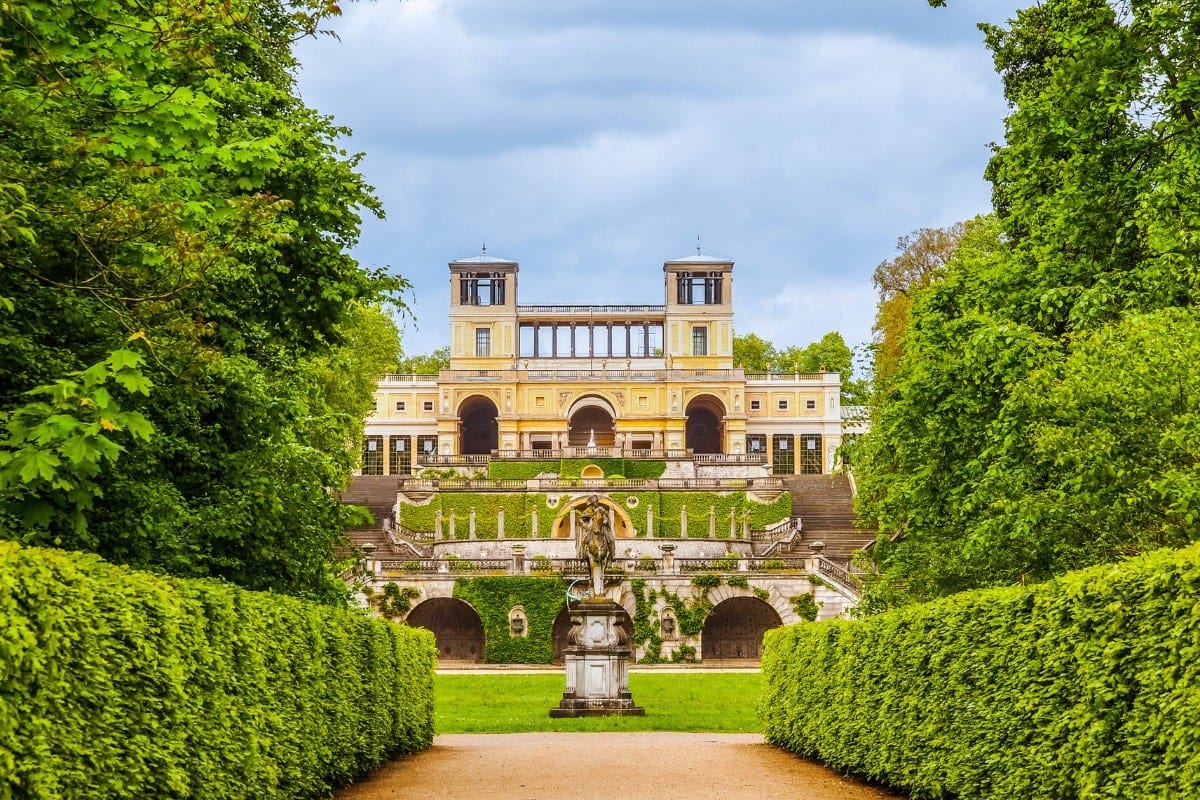
- Potsdam and Sanssouci Palace — A historic city just 40 minutes by train from Berlin. Sanssouci Palace, the former summer residence of Prussian kings (UNESCO), is surrounded by breathtaking gardens. In Potsdam, also check out the small Brandenburg Gate, the Russian quarter of Alexandrowka, and the Holländisches Viertel with its charming brick houses. Another interesting site is the Weberviertel (Czech colony Nowawes), which was founded as a refuge for Czech Protestant emigrants — in the centre square stands a church and a statue of Jan Amos Comenius.
- Sachsenhausen — A Nazi concentration camp 25 km from central Berlin. Built in 1936, it became the administrative headquarters for all concentration camps two years later. Today it houses a memorial and museum. I recommend setting aside an entire morning for the visit.
- Tropical Islands — The largest indoor water park in Europe, ideal for families with children and anyone wanting to enjoy a tropical atmosphere with sandy beaches and lagoons. It’s about an hour’s drive from Berlin.
- Spreewald — A beautiful natural area with canals where you can take a ride on traditional wooden boats or rent a kayak to explore the local villages and forests.
- Beelitz-Heilstätten — A mysterious abandoned sanatorium with guided tours and a treetop walkway. The site is popular among history enthusiasts.
- Wittenberg — A city associated with Martin Luther and the Reformation. You can visit Luther’s House, the famous church where he nailed his 95 theses, and the beautiful historic centre.
Festivals and events in Berlin
Dozens of festivals take place in Berlin throughout the year. Here are some of the most notable:
- Berlinale — Berlin’s international film festival, held in February, showcasing the latest films from filmmakers around the world.
- Karneval der Kulturen — An annual festival celebrating the city’s cultural diversity, featuring carnival costume parades, dance performances, and markets.
- Maifest — May is celebrated in Berlin each year with this festival, featuring traditional German food, beer, music, and dancing.
- Fête de la Musique — An international music festival held in June, offering free concerts by various musical groups at locations across the city.
- Christopher Street Day — Berlin’s annual LGBTQ+ celebration, held every July, featuring a large parade, dance parties, and other events.
- Berlin Music Week — Held in September, this event offers numerous concerts and music festivals, including the Berlin Festival at the former Tempelhof Airport.
- Festival of Lights — An annual festival of light installations held in October, bringing the city to life with evening illuminations of monuments and buildings.
Christmas markets in Berlin
Christmas markets in Berlin take place at various locations across the city from November to December. Among the most popular are the markets at Gendarmenmarkt (romantic atmosphere in the heart of the city), in front of Charlottenburg Palace (advent wreaths, candles, and decorations), and at Alexanderplatz (one of the largest in all of Berlin). The smaller, more authentic markets in Rixdorf and at Potsdamer Platz are also worth a visit. You’ll find a detailed guide in our article about Berlin Christmas markets.
Berlin Germany map with points of interest
Save the map of the best places in Berlin straight to your phone. After purchasing, you’ll receive a link to a private Google Map that you can save by clicking “Follow”. This will copy it to your Google account and display it on all devices where you use Google Maps.
Whether you’re heading to Berlin for a long weekend or planning to explore Germany far and wide, don’t underestimate travel insurance. It’s not just about medical costs — it also covers delayed luggage, trip cancellation, or injuries on excursions. From personal experience, we recommend checking out travel insurance for Germany from AXA, where you can choose the ideal plan in just a few minutes based on the length of your stay, activities, and budget. Then you can explore Berlin stress-free — and maybe even a little more adventurously.
Tips and Tricks for Your Vacation
Don’t Overpay for Flights
Search for flights on Kayak. It’s our favorite search engine because it scans the websites of all airlines and always finds the cheapest connection.
Book Your Accommodation Smartly
The best experiences we’ve had when looking for accommodation (from Alaska to Morocco) are with Booking.com, where hotels, apartments, and entire houses are usually the cheapest and most widely available.
Don’t Forget Travel Insurance
Good travel insurance will protect you against illness, accidents, theft, or flight cancellations. We’ve had a few hospital visits abroad, so we know how important it is to have proper insurance arranged.
Where we insure ourselves: SafetyWing (best for everyone) and TrueTraveller (for extra-long trips).
Why don’t we recommend any Czech insurance company? Because they have too many restrictions. They set limits on the number of days abroad, travel insurance via a credit card often requires you to pay medical expenses only with that card, and they frequently limit the number of returns to the Czech Republic.
Find the Best Experiences
Get Your Guide is a huge online marketplace where you can book guided walks, trips, skip-the-line tickets, tours, and much more. We always find some extra fun there!


