

You’re standing in the Paradise car park, fog rolling around you, and you half wonder whether you’ve accidentally wandered onto a Lord of the Rings film set. Then, for one single second, the clouds part — and there it is. That colossal glaciated volcano soaring over 4,300 metres into the sky, looking like someone painted it onto the horizon. Mount Rainier. The mountain that dominates Seattle’s skyline, yet it’s only here, from these blooming alpine meadows in Mount Rainier National Park, that it truly takes your breath away. 😮
Lukáš and I headed to Mount Rainier as a day trip from Seattle — and honestly, we wished we’d had more time. It’s one of those places where you could easily spend a week and still keep discovering new trails, waterfalls, and viewpoints. The mountain is surrounded by 26 glaciers, hundreds of kilometres of hiking trails, and ancient Douglas fir forests so dense they feel like another planet entirely.
In this article, you’ll find a complete guide to Mount Rainier National Park — from practical tips on getting there from Seattle and where to stay, to the most beautiful spots and trails, and how much the whole thing will cost. I’ve put together 15 tips for places you absolutely can’t miss, plus a few insider tricks to save you time and hassle. Let’s dive in! ☺️
TL;DR
- Mount Rainier National Park is about a 2.5-hour drive southeast of Seattle in Washington State. A day trip is doable, but 2–3 days is ideal.
- The most stunning area is Paradise — alpine meadows, wildflowers, the Skyline Trail, and glacier views. It gets absolutely packed in summer, so arrive as early as possible or in the late afternoon.
- Sunrise is a less crowded alternative to Paradise, offering the closest drive-up views of the glaciers and breathtaking sunrises.
- Park entrance fee is $30 per vehicle (valid for 7 days) or $80 for the America the Beautiful Pass covering all US national parks for a year.
- The best time to visit is July and August, when roads are open, meadows are in full bloom, and snow is at its minimum. Most roads and areas are only accessible in summer.
- Among the best trails, I’d recommend the Skyline Trail (the most popular), Grove of the Patriarchs (ancient trees), and Naches Peak Loop (with views over Tipsoo Lake).
- Accommodation in the park is limited — the historic Paradise Inn and National Park Inn in Longmire. Book months in advance! Cheaper and more readily available options are hotels in Ashford and Packwood.
- Food in the park is limited — either the restaurant at Paradise Inn, or bring a packed lunch. There are a few decent restaurants in Ashford.
- If you’re based in Seattle, Mount Rainier combines brilliantly with a visit to Olympic National Park or a trip to the San Juan Islands.
The full destination guide: North America — guide and what to see
When to visit Mount Rainier and how to navigate the park
Mount Rainier is a bit of a diva — for much of the year, the park is buried under snow and most roads and areas are closed. To really make the most of your visit, timing is everything. And honestly, nothing ruins a trip faster than discovering that the road to Sunrise is still under a metre of snow. 😅
Best months to visit
July and August — hands down the best time. The roads to both Paradise and Sunrise are open, the alpine meadows explode with wildflower colour (lupins, Indian paintbrush, lilies — it’s absolutely spectacular), and most trails are snow-free. Temperatures at Paradise hover around a pleasant 15–20 °C, dropping to about 5 °C at night.
The downside? Crowds. Paradise on a July weekend looks like a shopping centre on Boxing Day. The car parks fill up by about 10 am and rangers will turn you away. The solution: arrive as early as you can (ideally before 8:00) or go later in the afternoon (after 3 pm). Weekdays are noticeably quieter.
September and early October — an excellent alternative. Fewer visitors, autumn colours, and clear skies. The wildflowers have gone, but the mountains take on a more dramatic, moody atmosphere. Sunrise usually closes at the end of September, but the road to Paradise stays open longer.
October–June — most of the park is under snow. The road to Paradise remains open year-round (only as far as Narada Falls / Paradise), but from Longmire upwards you’ll need snow chains. Sunrise, Mowich Lake, and Carbon River are all closed. If you love winter hiking or snowshoeing, it can be magical — but it requires proper gear and experience.
How to get to Mount Rainier from Seattle
By car — the most convenient option and practically the only realistic one. From Seattle to the Nisqually Entrance (the southwest gate, closest to Paradise) takes about 2 hours via I-5 South and Highway 706. To reach Sunrise, take the northeast entrance via Enumclaw and Highway 410 — allow about 2.5–3 hours.
A car is essentially a must here — the park is huge, distances between areas are significant, and public transport is virtually non-existent. Lukáš and I have had great long-term experiences with DiscoverCars, which we use all over the world — it compares deals from all the rental agencies right at Seattle-Tacoma Airport. For UK visitors flying into Seattle, you can easily pick up a hire car at the airport.
Organised day trip from Seattle — if you’d rather not drive (or don’t have a car), there are one-day tours from Seattle that take you through the main highlights at Paradise. It’s comfortable and you don’t need to worry about parking — but you lose flexibility and won’t see as much.
Public transport — practically non-existent. There’s an occasional summer shuttle from Ashford to Paradise, but the reliability and frequency are… let’s say questionable. Don’t count on it.
How many days to spend in the park
- 1 day (day trip from Seattle) — you’ll manage Paradise, Narada Falls, Reflection Lakes, and one shorter trail. It’ll be rushed, but still gorgeous.
- 2 days — the ideal compromise. Day 1: Paradise and surroundings. Day 2: Sunrise or the southeast section (Grove of the Patriarchs, Ohanapecosh).
- 3+ days — if you love hiking, Carbon River, Mowich Lake, longer trails, and the park’s less-visited corners.
If you’re doing a day trip from Seattle, I’d recommend leaving as early as possible (ideally before 7:00 from Seattle) and focusing entirely on the Paradise area.
Entrance fees and passes
- Entrance fee: $30 per vehicle, valid for 7 days (roughly £24 / €28)
- America the Beautiful Pass: $80 for annual entry to all US national parks (roughly £64 / €75) — if you’re planning to visit more than two parks, it’s a no-brainer
- Free entry days: a few days per year (e.g. Martin Luther King Jr. Day, the first day of National Park Week in April)
You pay the entrance fee at the gate — cash or card accepted. During summer, expect a 15–30 minute queue at the Nisqually Entrance.
Where to stay near Mount Rainier and how much it costs
Accommodation inside the park is very limited — you essentially have two options, both run by the same operator, and both sell out months ahead in summer. Fortunately, just outside the park gates there are several small towns where you’ll find everything from campgrounds to cosy mountain lodges at reasonable prices.
Accommodation inside the park
Paradise Inn — a historic mountain lodge dating from 1916, right in the heart of Paradise. Rustic elegance with massive timber beams, a fireplace in the lobby, and views of Rainier from some rooms. Prices run around $200–$350 per night (roughly £160–280 / €185–325). There’s no WiFi and zero mobile signal — which is either a nightmare or a blessing, depending on your perspective 😄. Open only from May to early October.
National Park Inn at Longmire — smaller and simpler, open year-round. It’s at a lower elevation (closer to the entrance), making it a good base for trails around Longmire. Prices around $150–$250 per night (roughly £120–200 / €140–230).
Book both as far in advance as you can — in summer they sell out 3–6 months ahead. If you want Paradise Inn in July, ideally book as soon as reservations open (usually January/February).
Camping in the park
The park has several campgrounds — Cougar Rock (near Paradise, 173 pitches, reservations required), Ohanapecosh (southeast, 188 pitches, beautiful riverside setting), White River (near Sunrise, 112 pitches, first-come-first-served). Prices are around $20–$25 per night (roughly £16–20 / €18–23).
Cougar Rock sells out within minutes of reservations opening on recreation.gov — set a reminder and be ready to click at the exact moment they go live. I’m not exaggerating. 😅
Accommodation outside the park — Ashford and Packwood
Ashford — a tiny town right at the Nisqually Entrance, the most practical base for Paradise. You’ll find mountain cabins, B&Bs, and a few hotels. Prices range from about $120–$250 per night (roughly £96–200 / €110–230). Worth checking out:
- Whittaker’s Motel & Historic Bunkhouse — a legendary spot tied to Rainier’s mountaineering history (Lou Whittaker, famed American climber). Simple, clean, and affordable.
- Nisqually Lodge — a comfortable motel with forest views, just minutes from the entrance.
- Mountain Meadows Inn — a cosy B&B with a homely feel.
Packwood — a smaller town on the southeast side of the park. Handy if you want to combine Paradise with Ohanapecosh/Grove of the Patriarchs. Slightly cheaper than Ashford.
Enumclaw / Crystal Mountain — a good choice if you’re focusing on Sunrise. Crystal Mountain Resort also offers a summer gondola with views of Rainier.
How much does a trip to Mount Rainier cost — budget for 2 days for two
| Item | Price (USD) | Price (GBP approx.) |
| Park entrance fee (per vehicle, 7 days) | $30 | £24 |
| Accommodation (2 nights, Ashford, mid-range) | $300–$500 | £240–400 |
| Petrol (from Seattle and back + around the park) | $40–$60 | £32–48 |
| Food (2 days, mix of restaurants + picnic) | $80–$120 | £64–96 |
| Total for 2 days for two | $450–$710 | £360–570 |
If you camp, you’ll save significantly on accommodation — camping works out to about $40–$50 for two nights. A day trip from Seattle (no overnight stay) will cost roughly $70–$100 for petrol and entrance fee (about £56–80).
Paradise and surroundings: 7 places that will take your breath away
Paradise is the heart and soul of Mount Rainier National Park — and it’s no accident it’s called “Paradise.” When the wife of pioneer James Longmire arrived here in 1885, she reportedly exclaimed: “Oh, what a paradise!” And the name stuck. You’ll find the park’s most famous trails, the best glacier views, and in summer, meadows bursting with wildflowers that look straight out of a fairy tale. It’s also the most visited area — so strategic planning is key.
1. Skyline Trail — the most famous trail in the park
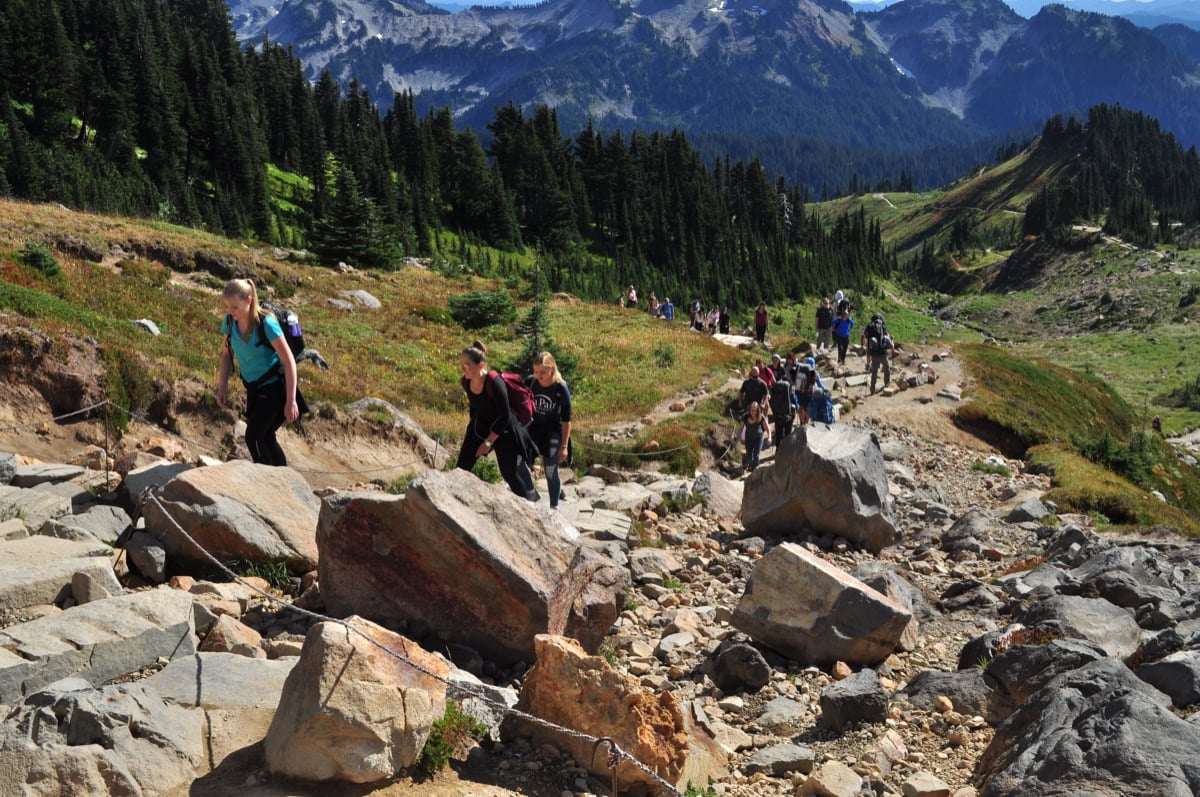
If you only have time for one trail in Mount Rainier, make it this one. Skyline Trail is a loop of about 9 km with roughly 500 metres of elevation gain that takes you through alpine meadows, past Myrtle Falls, across snowfields, and up to Panorama Point — from where you get a view of Nisqually Glacier so close you can hear the ice cracking. That’s not an exaggeration.
The trail starts right at the Henry M. Jackson Visitor Center in Paradise, and the full loop takes 3–5 hours depending on your fitness and how many times you stop for photos (a lot, trust me). I’d recommend going clockwise — up first past Myrtle Falls to Panorama Point, then back down via the Golden Gate Trail. The ascent is steeper, but the reward at the top is worth every drop of sweat.
Important: Even in July and August, you’ll encounter snowfields covering the trail. Wear proper hiking boots with good grip — trainers will slide on the snow, and we saw a few people take some pretty nasty falls. Trekking poles are also a good idea. And don’t forget sunglasses — the glare off the snow is fierce.
During wildflower season (usually mid-July to mid-August), the Skyline Trail is pure magic — the entire route is lined with lupins, Indian paintbrush, and mountain lilies. The exact timing depends on how much snow fell during winter, so check the ranger reports on the NPS website for updates.
2. Myrtle Falls — the iconic waterfall with a Rainier view
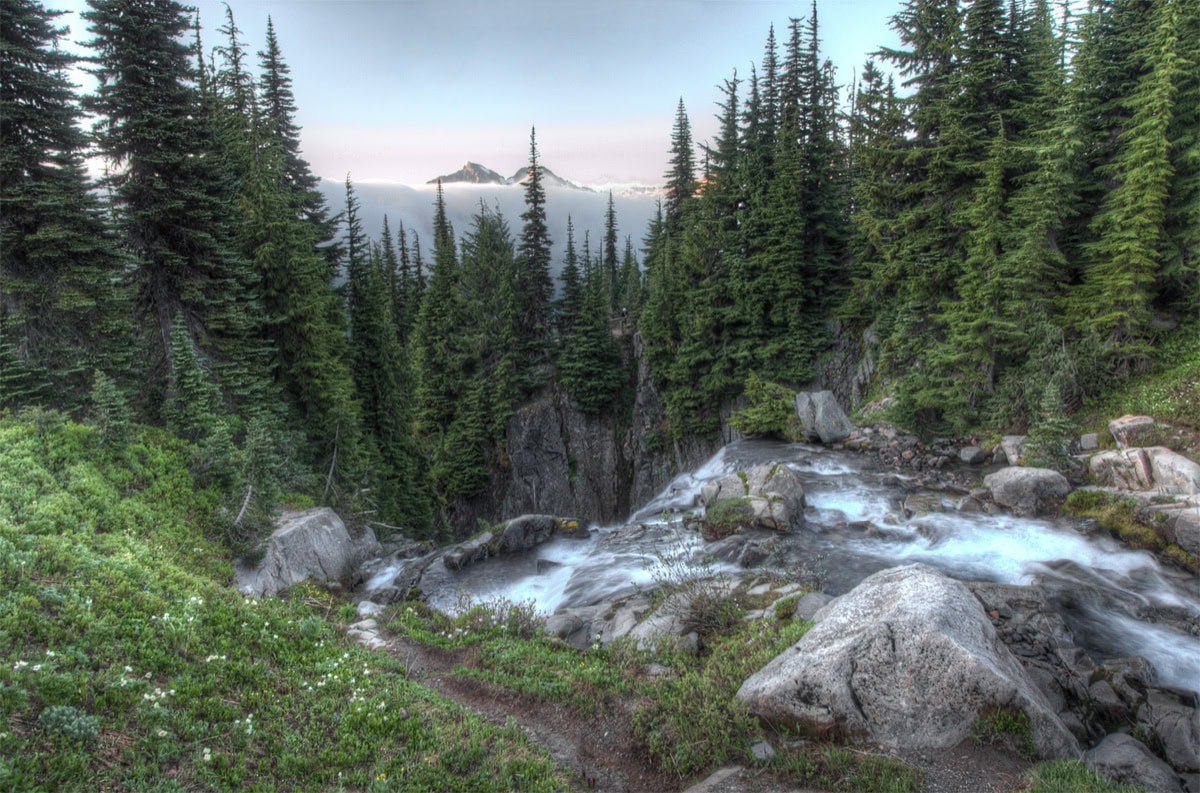
You’ve seen this waterfall in every other Mount Rainier photo — and for good reason. Myrtle Falls is easily accessible from the Paradise car park (about 800 metres along a paved path), making it ideal for families with children or anyone who doesn’t fancy hiking all day.
The waterfall is “only” about 22 metres tall, but the magic is in the context — it cascades over a rocky ledge with the entire bulk of Rainier and its glaciers rising behind it (on a clear day). It’s one of those moments when you truly understand why they named this place Paradise. The best light for photography is early morning or late afternoon.
Myrtle Falls is also the first stop on the Skyline Trail, so if you’re planning the full loop, you’ll pass it automatically. If not, at least make the trip here — it takes 30 minutes round trip and is worth every step.
3. Reflection Lakes — mirror image of the volcano
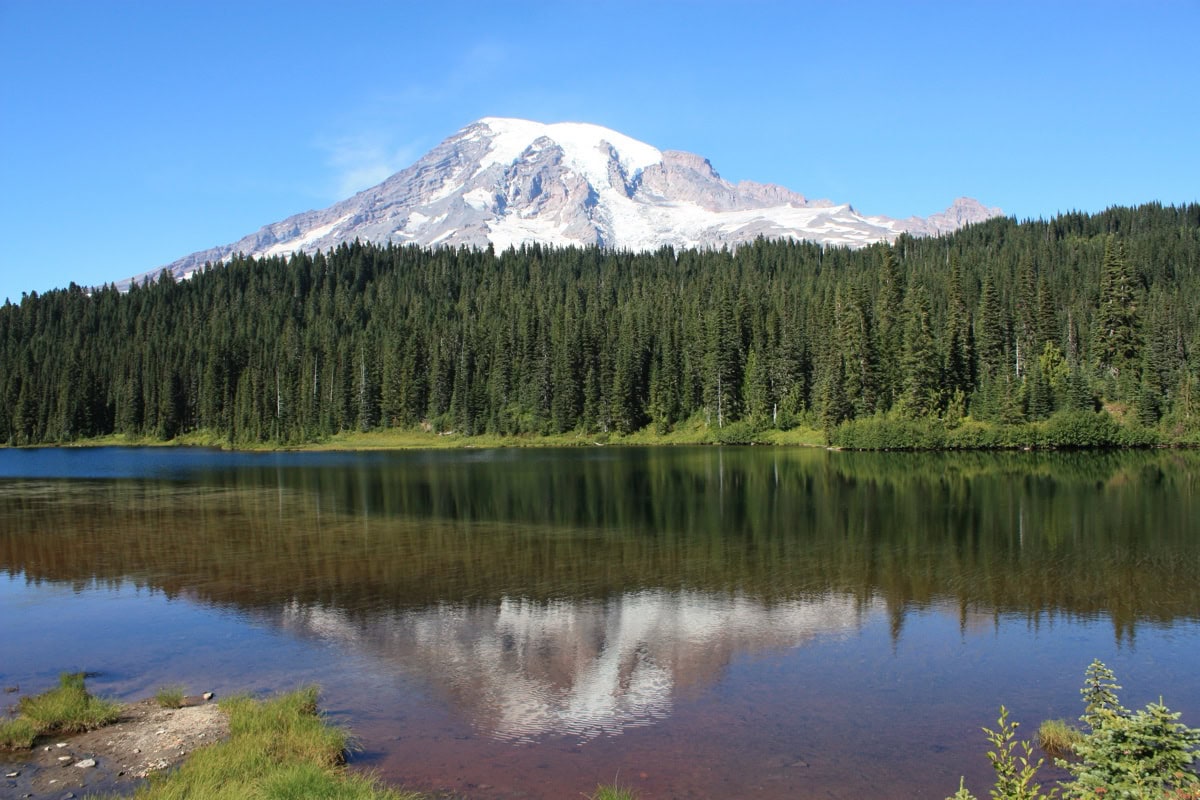
One of the most photogenic spots in the entire park, and all you have to do is pull over by the road and walk a few steps. Reflection Lakes are a cluster of small mountain lakes about 5 km from Paradise (along Stevens Canyon Road), where on a calm day, the whole of Mount Rainier and its glaciers are mirrored perfectly in the water. It’s the kind of view that people won’t believe isn’t Photoshopped.
The best conditions for that mirror-like reflection are early morning, when the surface is calmest and the light is soft. By midday, the wind usually picks up and the reflection disappears. The lakes are surrounded by meadows and forest — in summer, you might spot deer or marmots here.
From Reflection Lakes, you can continue along the Lakes Trail back up to Paradise (about 4 km, a decent bit of elevation gain) — it’s a lovely alternative route if you don’t fancy driving back.
4. Narada Falls — a powerful waterfall you can feel on your skin
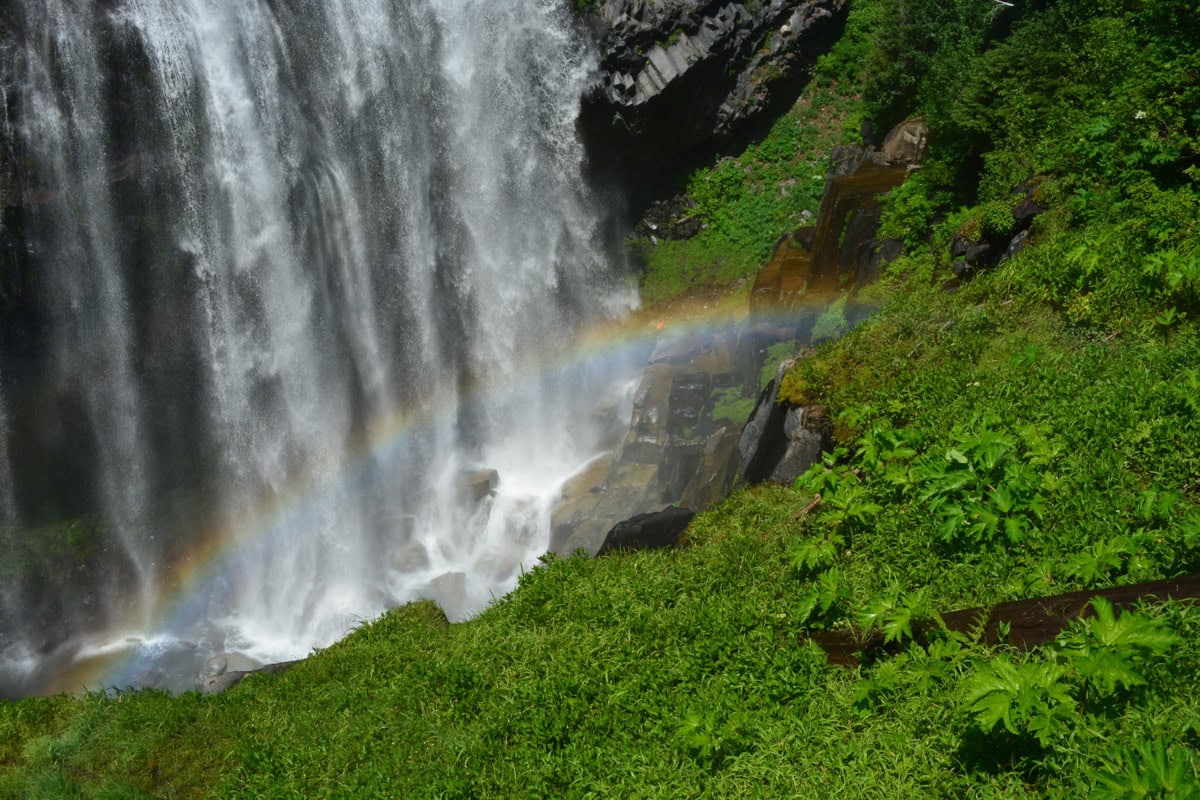
Narada Falls is one of the most impressive waterfalls in the park — 57 metres tall and so powerful in summer that the spray will soak you from dozens of metres away. Seriously, pack a waterproof jacket or be prepared for a shower. 😅
The car park is right on the road between Paradise and Reflection Lakes, and the viewpoint is just a short descent down some steps (about 200 metres). To reach the lower viewpoint, where you’re closest to the falls, it’s a steeper descent down more steps — and remember, what goes down must come back up. The steps are wet and slippery from the spray, so watch your footing.
Narada Falls is at its most dramatic in June and July, when the snowmelt is in full flow and the waterfall is at peak volume. Later in summer the water drops off, but it’s still impressive.
5. Nisqually Vista Trail — an easy trail to a glacier
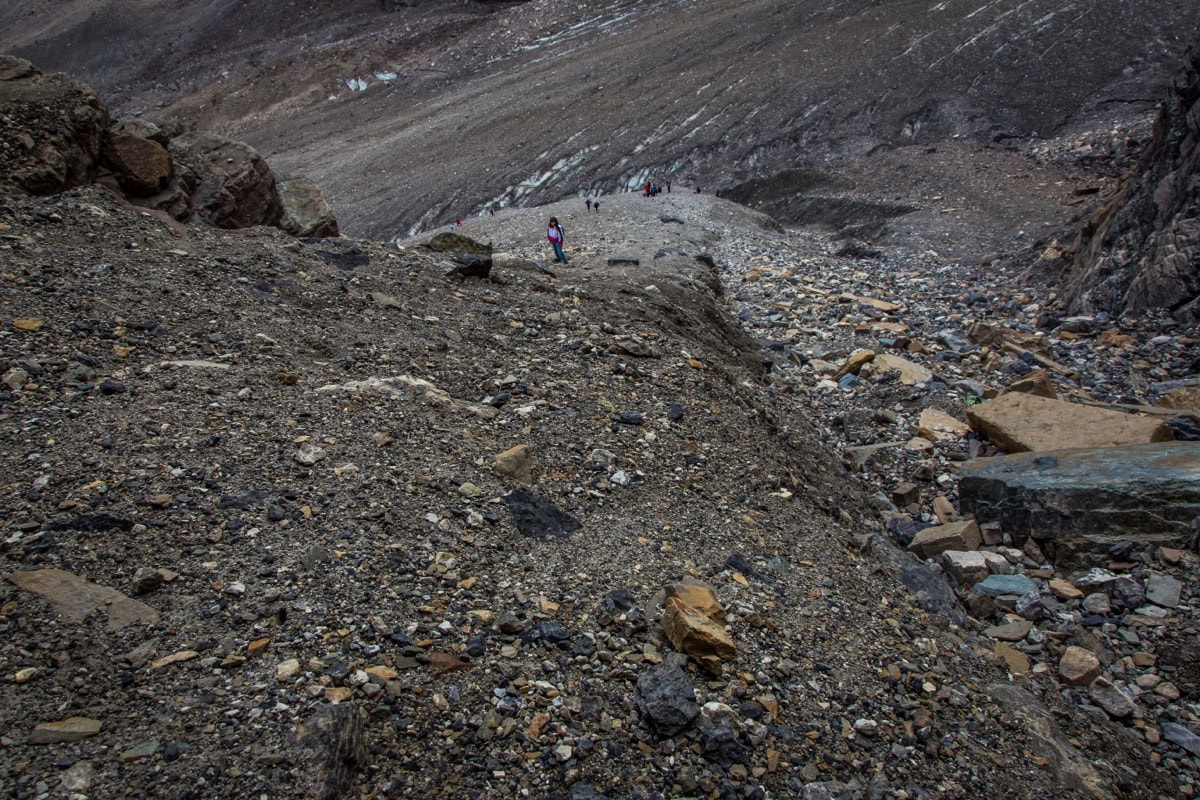
If you don’t have the time or the fitness for the Skyline Trail but still want a close-up look at a glacier, Nisqually Vista Trail is the perfect compromise. It’s a short, 2 km loop along a paved path that brings you to a viewpoint of Nisqually Glacier — one of the most famous and most accessible glaciers in the park.
The trail is relatively flat (gentle incline), suitable for families with children, and takes about 30–45 minutes. From the viewpoint, you can see the glacial river, moraines, and — if you’re lucky — hear the ice cracking. Information boards explain just how much the glacier has shrunk over the past century (spoiler: a lot, and it’s a bit depressing).
6. Henry M. Jackson Visitor Center — orientation and exhibits
The Visitor Center at Paradise is a great starting point, especially if it’s your first time in the park. Inside, you’ll find exhibits on geology, glaciers, and the volcanic activity of Rainier (yes, it’s still an active volcano — which is a tad unnerving), a 360° film about the park, and rangers who can advise you on current trail conditions.
Most importantly, this is where you’ll find out which trails are open and where snow still lies — this changes from week to week, so always ask before you head out. There are also toilets and a small snack bar.
Open daily during summer season (usually May–October), weekends in winter.
7. Paradise Meadows and wildflowers — meadows from a fairy tale
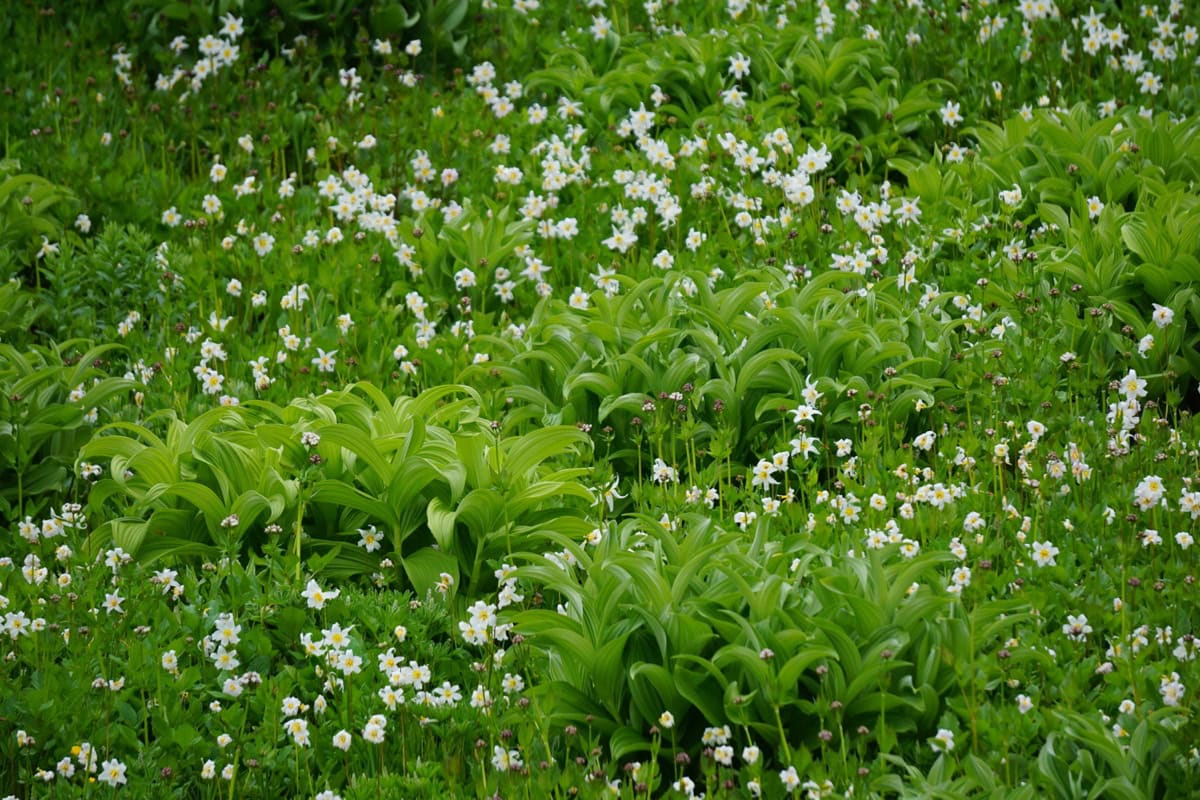
You don’t need to hike the entire Skyline Trail to see the famous wildflowers. A network of shorter trails right around Paradise Visitor Center — Alta Vista Trail (2.7 km loop), Dead Horse Creek Trail, or Golden Gate Trail — will lead you through meadows that in July and August look like a living carpet of colour. Lupins, Indian paintbrush, mountain asters, lilies… it’s simply incredible.
Wildflowers bloom depending on elevation and how much snow fell during winter. As a general rule: the more snow, the later the bloom. Rangers on the NPS website update a “Wildflower Report” — keep an eye on it and time your visit for peak bloom. Trust me, it’s worth the effort.
For photographers: The best light is early morning (6–8 am) or during golden hour before sunset. At midday, colours look washed out and the contrast is too harsh.
Sunrise and the north of the park: 3 experiences away from the crowds
Sunrise is the park’s second most popular area, but it’s still significantly quieter than Paradise. Located on the northeast side of the mountain at over 1,900 metres elevation, it’s the highest point in the park accessible by car. The views from here are different from Paradise — you can see Emmons Glacier (the largest glacier in the contiguous US), a string of other Cascade Range peaks, and on a clear day even Mount Adams and Mount Baker. The road to Sunrise is usually open from July to September.
8. Sunrise Point and Sunrise Visitor Center — closest views of the glaciers
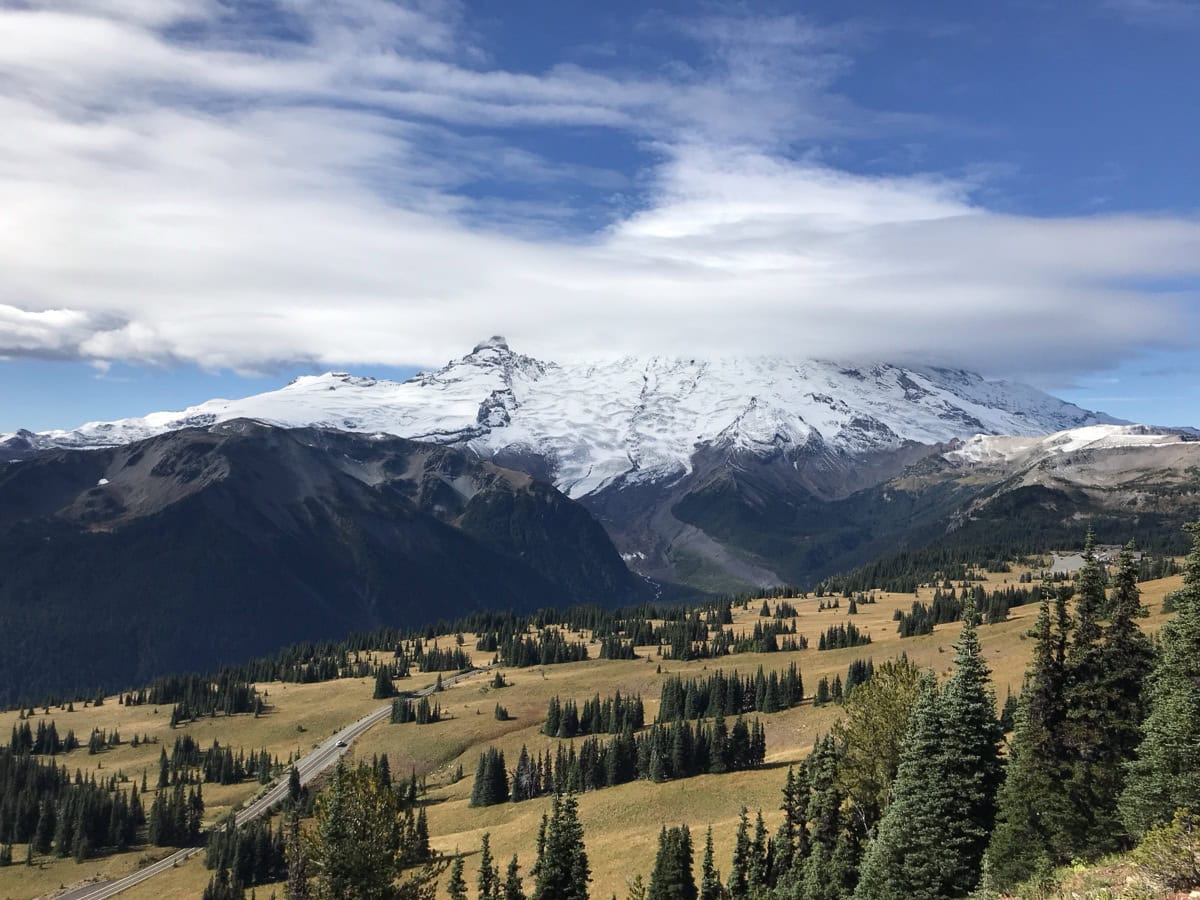
Sunrise Point is a viewpoint right on the road before you reach Sunrise itself — stop here on your way up. The view over Emmons Glacier and White River Valley is fantastic, and there tend to be fewer people here than at the top.
From the Sunrise Visitor Center itself, you get a 360° panorama that will literally take your breath away. On a clear day, you can see not only Rainier with its glaciers but also Mount Adams, Mount Baker, and even Mount St. Helens (the volcano that erupted in 1980). The Visitor Center has a small exhibition, and rangers offer guided walks.
Timing tip: As the name suggests, sunrise from Sunrise is an unforgettable experience. But beware — you need to arrive while it’s still dark (the road closes overnight, but if you’re already there camping at White River Campground, it’s just a few minutes away). Alternatively, sunset is beautiful too, when the mountain turns pink and orange.
9. Naches Peak Loop — an easy circuit with Tipsoo Lake views
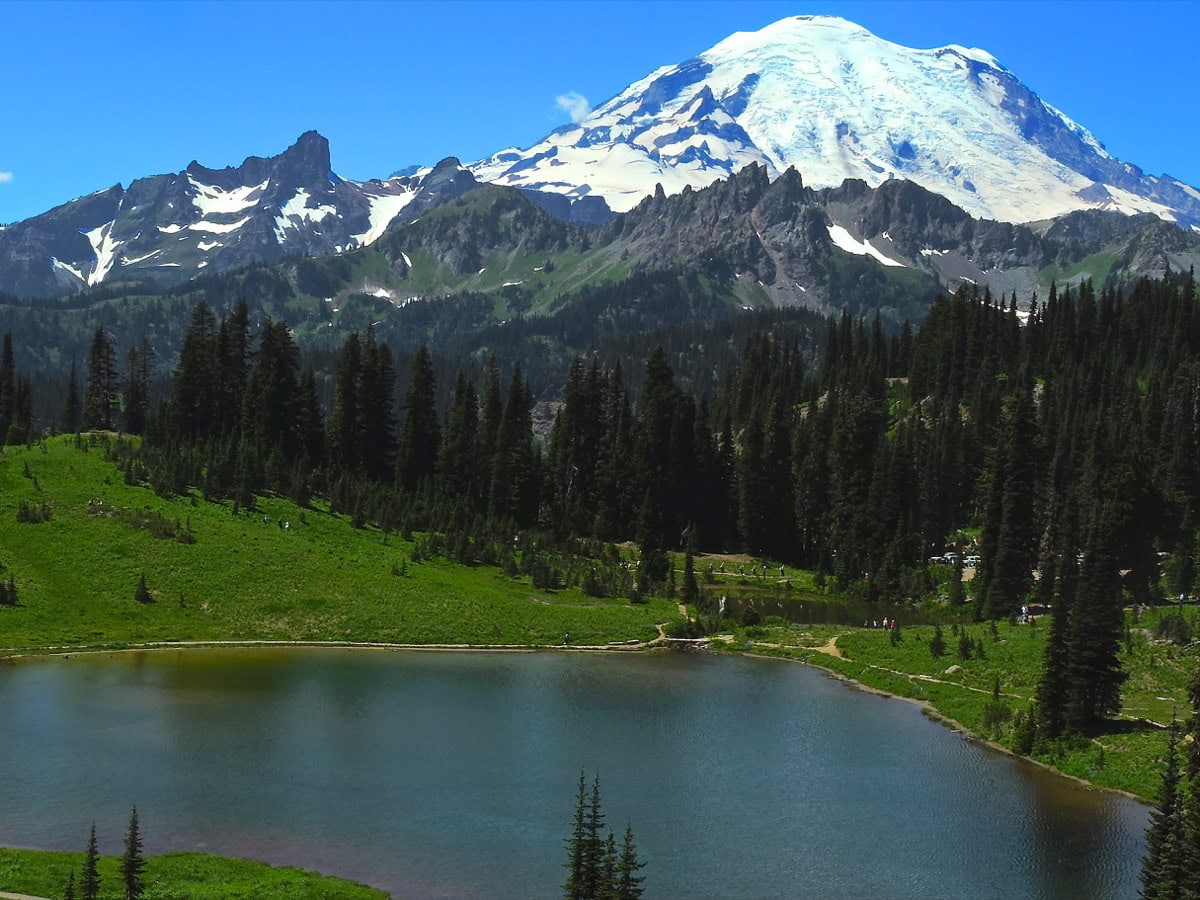
Naches Peak Loop is one of my favourite trails in the park — and it’s relatively easy. It’s a 5.5 km loop with gentle elevation gain (about 180 metres) starting at Tipsoo Lake on Chinook Pass (Highway 410), passing through alpine meadows full of wildflowers with views of Rainier.
The trail is accessible even for less experienced hikers and takes about 2–3 hours. Tipsoo Lake itself is gorgeous — on a calm day, the mountain is reflected in its surface, much like at Reflection Lakes. In August, the surrounding meadows are ablaze with purple lupins — it’s one of the most photogenic corners of the park, yet you’ll encounter a fraction of the crowds compared to Paradise.
10. Emmons Glacier Viewpoint — the largest glacier outside Alaska
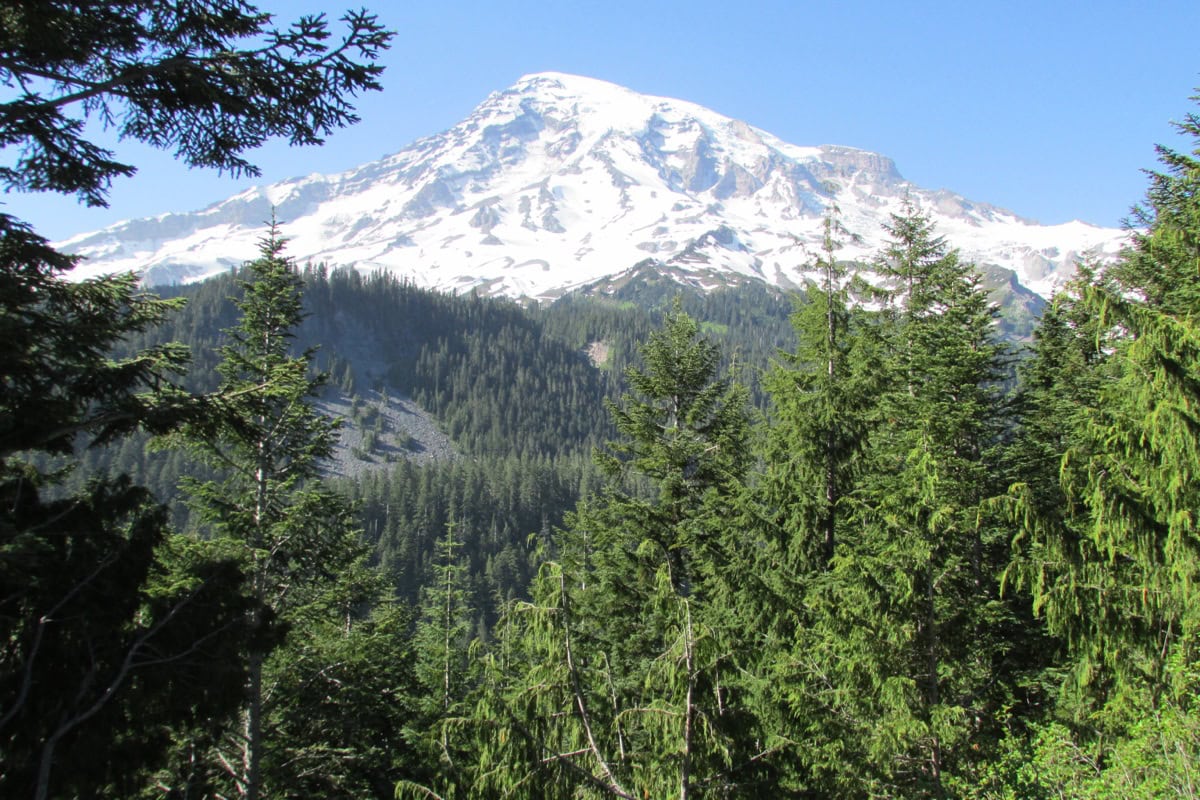
From the Sunrise area, you can set off on the Emmons Moraine Trail — an easy hike that leads to a viewpoint of Emmons Glacier, the largest glacier in the contiguous United States. The trail is about 5 km round trip and follows the moraines (piles of rock and debris left behind by the glacier).
The sight of that vast ice field with meltwater streams flowing from its base is both awe-inspiring and slightly unsettling — you really grasp the sheer force at work here. The moraine terrain is uneven, so make sure you’re wearing proper boots.

Map of points of interest for your phone
South and east of the park: 3 hidden gems
Most visitors focus on Paradise and Sunrise — yet the southern and eastern sections of the park hide spots that are equally beautiful and often virtually deserted. If you have more than one day in the park, definitely head this way.
11. Grove of the Patriarchs — a walk among thousand-year-old trees
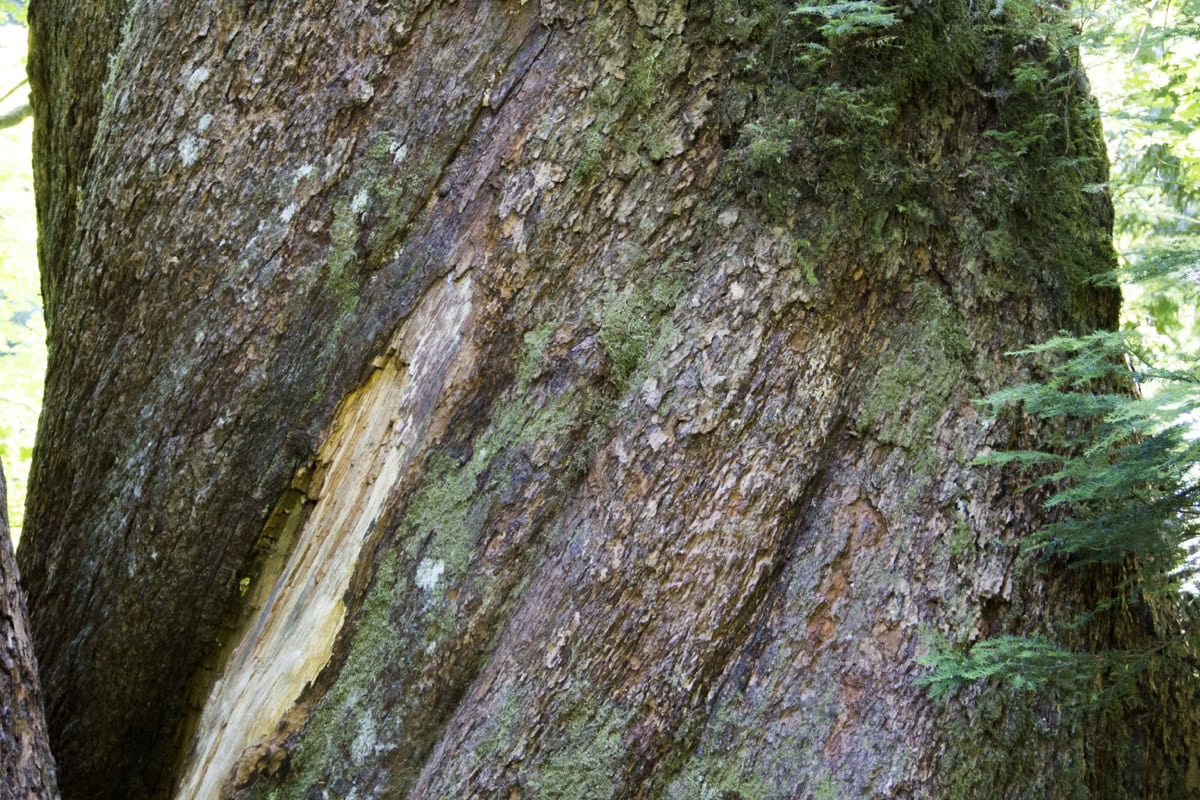
This is one of those places that gets you with its sheer stillness. Grove of the Patriarchs is a grove of ancient Douglas firs, western red cedars, and hemlocks, some over 1,000 years old with trunk diameters exceeding 5 metres. You stroll among them on a boardwalk and a footbridge over the Ohanapecosh River, and it feels like stepping into a cathedral — except instead of columns, there are enormous moss-covered trunks.
The trail is short and easy — about 2.5 km round trip along a flat path, manageable even for small children. It starts along Stevens Canyon Road, near the southeast entrance to the park.
⚠️ Note: In 2021, flooding damaged the footbridge across the river. The trail was closed for a long time — check the current status on the NPS website (nps.gov/mora) before visiting. Rangers at the visitor centre will tell you whether it’s accessible. It would be a shame to drive out here for nothing.
12. Ohanapecosh and Silver Falls — forest tranquillity
Ohanapecosh is an area in the park’s southeast corner — quieter, more forested, and with a completely different vibe from the alpine meadows of Paradise. Here you’ll find gorgeous old-growth forests, the crystal-clear Ohanapecosh River, and Silver Falls — a 12-metre waterfall accessible via an easy trail (about 5 km loop via the Silver Falls Loop Trail).
There’s also a lovely campground (Ohanapecosh Campground, 188 pitches) right on the river — one of the most beautiful camping spots in the whole park. And the historic Ohanapecosh Visitor Center with exhibits on the local ecosystem.
This area is a great alternative when Paradise is rammed, or if you want a quieter day wandering through the forest. It’s also a touch warmer thanks to the lower elevation.
13. Stevens Canyon Road — the most scenic drive in the park
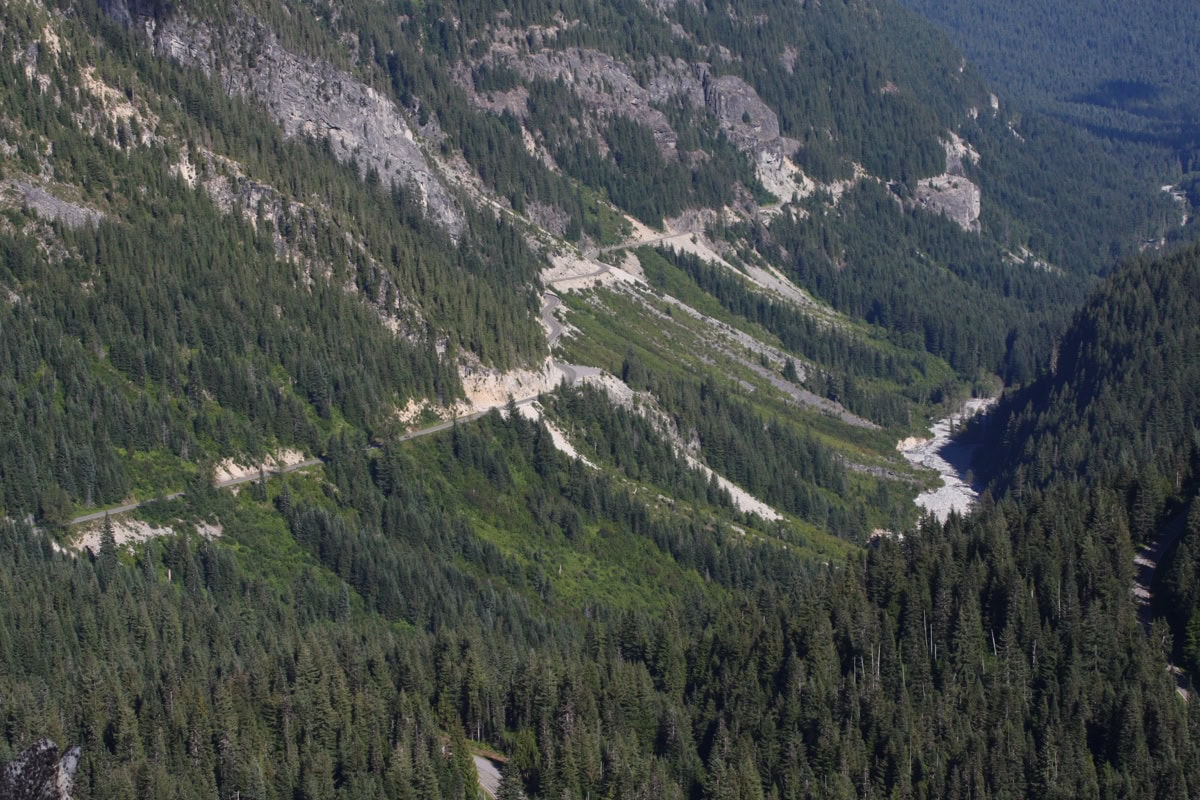
If you’re driving from Paradise eastward (toward Grove of the Patriarchs or Ohanapecosh), you’ll travel along Stevens Canyon Road — and honestly, the drive itself is an experience. The road winds through a canyon with views of waterfalls, rock faces, and deep valleys. Pull over at Louise Lake (a beautiful, tranquil little lake) and at Box Canyon — a narrow gorge where the Muddy Fork Cowlitz River has carved a canyon 30 metres deep but only a few metres wide. There’s a short walkway over a bridge — the view down is slightly terrifying but fascinating.
Stevens Canyon Road is usually open from June/July to October. It’s roughly 30 km one way from Paradise to the southeast entrance — allow about an hour with stops.
More tips for adventurers: Wonderland Trail and Carbon River
For those who want more than a day trip, Mount Rainier has a few more aces up its sleeve. These tips are for more experienced hikers and travellers who don’t mind a bit of wilderness.
14. Wonderland Trail — a dream loop around the entire mountain
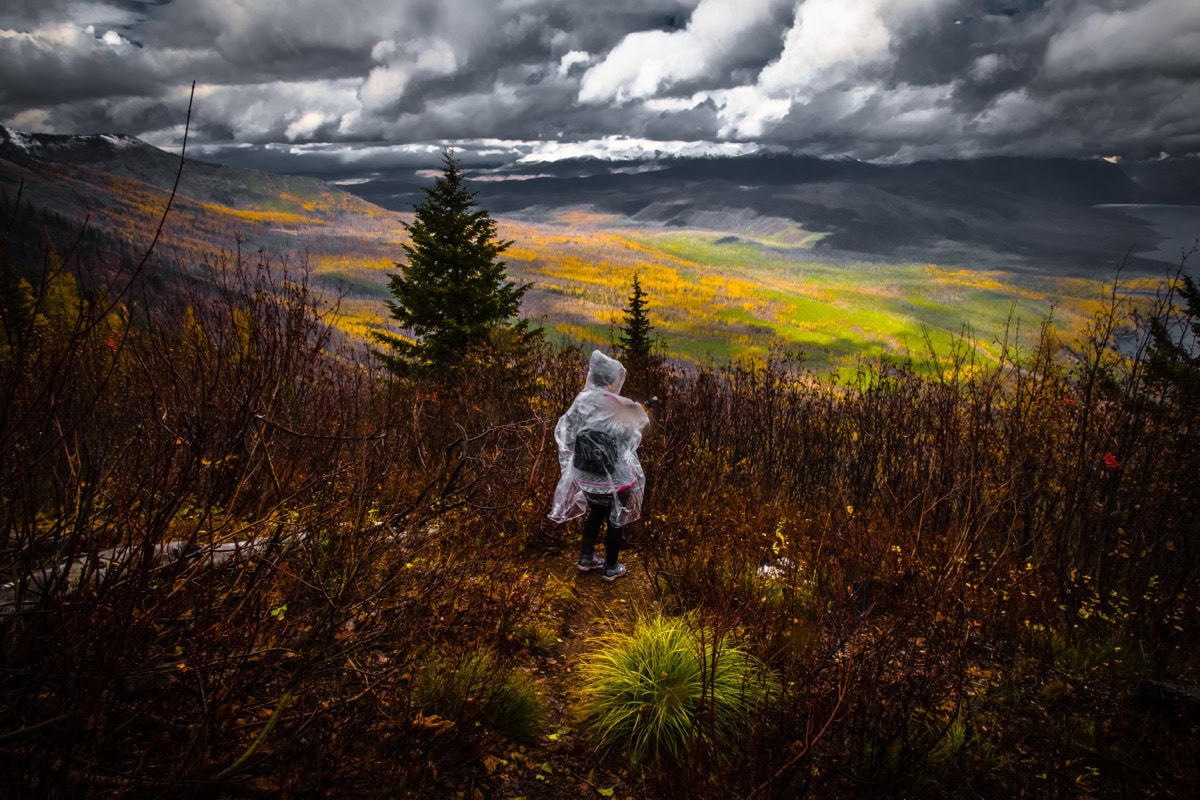
The Wonderland Trail is a legendary trek — a 150 km loop circling the entire Mount Rainier with a total elevation gain of over 6,700 metres. Most people complete it in 10–14 days, and it’s widely regarded as one of the most beautiful long-distance hikes in the United States.
The trail passes through every type of landscape in the park — alpine meadows, deep forests, glacial rivers, past waterfalls and beneath glaciers. You’ll need a backcountry camping permit (wilderness permit), which is distributed by lottery — applications open in spring, and your chances of securing one are limited.
Even if you don’t want to tackle the entire loop, you can hike individual sections as day trails. Popular choices include the section from Mowich Lake to Spray Falls, or from Sunrise to Indian Bar.
15. Carbon River and Mowich Lake — wilderness in the northwest
Carbon River is the least visited area of the park — and also the wildest. Here you’ll find the park’s only temperate rainforest (yes, in a national park with a volcano!), Carbon Glacier (the lowest-elevation glacier in the contiguous US), and stunning waterfalls.
Mowich Lake is the largest lake in the park and is accessible via an unpaved road — the drive in is adventurous, and I wouldn’t recommend it for large motorhomes or low-clearance cars. But the reward is worth it — a lake surrounded by forest, the Tolmie Peak Lookout with views of Rainier and Eunice Lake, and a feeling like you’ve reached the edge of the world.
Both areas are for those who crave solitude and don’t mind less comfort. Basic facilities, no food vendors, limited services.
What to eat and drink: a guide for hungry travellers
I’ll be straight with you — Mount Rainier isn’t a foodie paradise. The park is all about nature, not dining, and your options are limited. But with a bit of planning, you can eat well.
Dining in the park
Paradise Inn Restaurant — the only “proper” restaurant in the park. It serves breakfast, lunch, and dinner in a historic setting with a view. The food is… decent, but nothing extraordinary. Burgers, steaks, salads, pasta. Expect to pay $15–$30 per main course (roughly £12–24 / €14–28). During peak season, I’d recommend booking for dinner, especially on weekends.
Paradise Camp Deli (in the Jackson Visitor Center) — quick bites, sandwiches, soups, coffee. Perfect for a fast lunch between trails.
National Park Inn at Longmire — a smaller restaurant with a similar menu to Paradise Inn. Open year-round.
At Sunrise, there’s a small snack bar with a limited selection — don’t expect a gourmet experience here.

Dining outside the park — Ashford
Copper Creek Restaurant — a popular restaurant right in Ashford, serving hearty American breakfasts with pancakes, plus lunch and dinner. Generous portions and fair prices.
Wildberry Restaurant — a lovely spot for brunch or lunch, with homemade baked goods and pies.
Whittaker’s Café — a coffee shop steeped in mountaineering history, good coffee and sandwiches. The atmosphere is brilliant.
Picnic — the best strategy
Honestly, the best strategy for Mount Rainier is to bring your own food. Stop in Ashford or — better yet — on your way from Seattle (Safeway, Whole Foods, Trader Joe’s) and stock up on:
- Sandwiches or wraps
- Fruit, nuts, energy bars
- Plenty of water (drinking water sources in the park are limited)
You’ll find picnic tables at most visitor centres and trailheads. Eating lunch with a glacier view is better than any restaurant anyway. 😉
Practical tips and tricks
Weather and what to pack
Mount Rainier creates its own weather — literally. The mountain is so massive that it generates its own microclimate. It might be sunny in Seattle and pouring with rain at Paradise, or vice versa. Dress in layers and always carry:
- A waterproof jacket (even in summer — showers arrive without warning)
- Proper hiking boots (not trainers! They slip on snow)
- Sunglasses and sun cream (UV radiation at altitude is intense)
- A warm layer (fleece or light down jacket) — it can be 5 °C on the trail even in August
- Plenty of water and snacks
If you’re flying from the UK, have a look at our guide on how to pack everything into carry-on luggage.
Safety
- Bears live in the park — carry food in bear canisters and never leave it in your car or tent. Make noise while hiking.
- Snowfields on the trails — even in summer. Without proper boots (or ideally microspikes), they can be dangerous.
- Altitude and exertion — Paradise sits at 1,600 m, Sunrise at 1,900 m. If you’re not used to elevation, take it easy at first.
- River crossings — on backcountry trails, you may need to ford glacial rivers. Don’t underestimate them.
- Mobile signal — virtually non-existent in the park. Download offline maps beforehand. An eSIM from Holafly will help with signal across the US generally, but don’t expect miracles inside the park.
Flights to Seattle
From the UK, you can fly direct to Seattle-Tacoma International Airport (SEA) with airlines like British Airways, Virgin Atlantic, or Icelandair (via Reykjavík). Direct flights from London Heathrow take roughly 9.5 hours. Return flights typically cost £400–£700 if you book ahead and catch a deal. Budget comparison sites like Skyscanner or Google Flights are great for finding the best fares.
If you’re planning to visit Seattle alongside Mount Rainier, I’d recommend at least 5–7 days in the region. Seattle itself is a wonderful city that deserves a minimum of 2 days.
Travel insurance
Don’t even think about travelling to the US without travel insurance — American healthcare costs are astronomically expensive. For shorter trips, a standard UK travel insurance policy with good medical cover will do the job. For longer journeys, we personally use SafetyWing, which offers flexible monthly plans ideal for extended travel.
Car hire
A car is absolutely essential for Mount Rainier. Lukáš and I have had consistently great experiences with DiscoverCars, which we use all over the world — it compares deals from all the rental agencies in Seattle and beyond. A standard car rental runs about $40–$80/day (roughly £32–64). You don’t need a 4×4 for the park’s roads — a regular saloon or SUV will do just fine.
FAQ — Frequently asked questions about Mount Rainier National Park
Can you visit Mount Rainier as a day trip from Seattle?
Yes, and it’s actually the most common way to visit. From Seattle to Paradise takes about 2.5 hours, so if you leave early (around 7:00), you can fit in Paradise, Narada Falls, Reflection Lakes, and one shorter trail in a single day. Ideally though, allow 2–3 days — a day trip is rushed and you won’t have time for Sunrise or the eastern section of the park.
When is the best time to visit Mount Rainier?
Without a doubt, July and August — when all roads and trails are open, wildflowers are in bloom, and the weather is most stable. September is an excellent alternative with fewer tourists and autumn colours. Most of the park is buried under snow from October to June.
How much is the entrance fee for Mount Rainier National Park?
The entrance fee is $30 per vehicle (about £24), valid for 7 days. If you’re planning to visit multiple US national parks, the America the Beautiful Pass at $80 (about £64) is well worth it — it’s valid for a year and covers entry to every national park in the country.
Is Mount Rainier a dangerous volcano?
Mount Rainier is considered one of the most dangerous volcanoes in the US — not because an eruption is imminent, but because of its enormous volume of glacial ice. In the event of an eruption, melting ice would create massive mudflows (lahars) that could threaten towns in the valleys below. The last eruption was about 1,000 years ago. Seismologists monitor the volcano continuously, and the park has an early warning system in place. So yes, it’s an active volcano — but the probability of something happening during your visit is extremely low.
Can I climb to the summit of Mount Rainier?
Technically yes, but it’s definitely not for casual hikers. Reaching the summit (4,392 m / 14,411 ft) requires mountaineering experience, technical equipment (ice axe, crampons, rope), excellent fitness, and a guide. Most people use the services of Rainier Mountaineering, Inc. — a two-day guided climb costs around $1,200 (about £960) per person. The success rate is roughly 50% — weather and conditions often force turnarounds. It’s a serious mountaineering feat, not a hike.
Where can I find current information about open roads and trails?
The official NPS website — nps.gov/mora — has a “Current Conditions” section with up-to-date information on roads, trails, campgrounds, and visitor centres. It’s updated daily during the season. I’d recommend checking it right before you set off, as conditions can change rapidly (especially at the beginning and end of the season).
Can you combine Mount Rainier with other parks in Washington?
Absolutely! Washington State has stunning natural scenery. The most popular combination is Mount Rainier + Olympic National Park (on the Olympic Peninsula, about 3–4 hours from Seattle) — there you’ll find temperate rainforest, wild Pacific coastline, and mountain lakes. If you have more time, add North Cascades National Park (north of Seattle) or Mount St. Helens (the volcano that erupted in 1980, about 2.5 hours south of Seattle).
Tips and Tricks for Your Vacation
Don’t Overpay for Flights
Search for flights on Kayak. It’s our favorite search engine because it scans the websites of all airlines and always finds the cheapest connection.
Book Your Accommodation Smartly
The best experiences we’ve had when looking for accommodation (from Alaska to Morocco) are with Booking.com, where hotels, apartments, and entire houses are usually the cheapest and most widely available.
 🚗 Car rental on the roadVerified rental cars in the United States
Search with the DiscoverCars comparison engine — it compares prices from dozens of local and international rental companies, and most bookings come with free cancellation.
Compare car prices in the United States →Don’t Forget Travel Insurance
Good travel insurance will protect you against illness, accidents, theft, or flight cancellations. We’ve had a few hospital visits abroad, so we know how important it is to have proper insurance arranged.
Where we insure ourselves: SafetyWing (best for everyone) and TrueTraveller (for extra-long trips).
Why don’t we recommend any Czech insurance company? Because they have too many restrictions. They set limits on the number of days abroad, travel insurance via a credit card often requires you to pay medical expenses only with that card, and they frequently limit the number of returns to the Czech Republic.
Find the Best Experiences
Get Your Guide is a huge online marketplace where you can book guided walks, trips, skip-the-line tickets, tours, and much more. We always find some extra fun there!


