

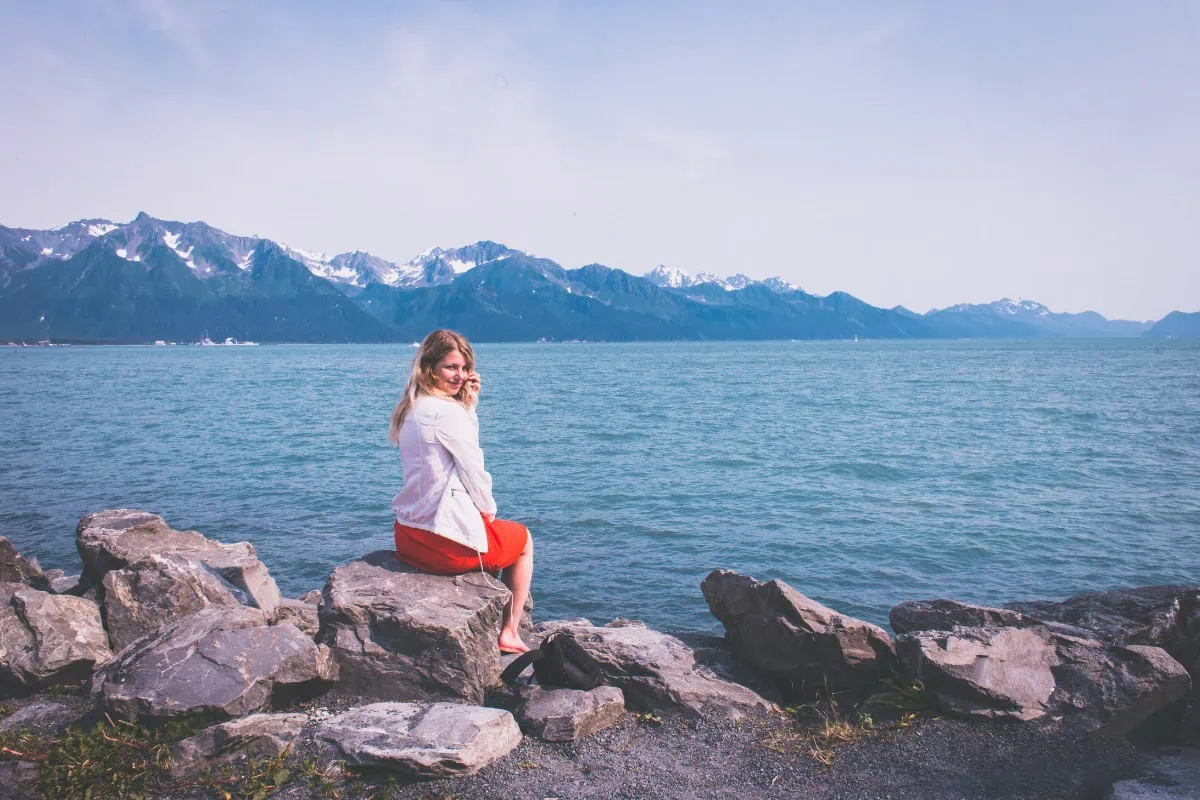
When Lukáš and I drove out of Anchorage heading south and first caught a glimpse of the glacially blue waters of Turnagain Arm framed by snow-capped peaks, I knew this trip was going to be different from anything before. But what awaited us at the end of the Seward Highway — a tiny town nestled against Resurrection Bay, surrounded by mountains, glaciers, and the wildest nature I’ve ever seen — that completely blew me away. 😁
Seward, Alaska was probably the biggest surprise of our entire Alaska trip. You know how it goes — you plan the big cities, the famous national parks, all the well-known spots. And then you arrive at a little town of three thousand people, where sea lions lounge at the harbour, you watch glaciers calving from a boat, and at the local restaurant they serve you halibut that was literally pulled from the sea an hour ago. And suddenly you understand why people travel here from all over the world.
In this article, you’ll find 12 best things to see and do in Seward, Alaska — from unforgettable boat tours to tidewater glaciers in Kenai Fjords, to a trek with views over a massive ice field, to where to eat so well you’ll be reminiscing for years. I’ll tell you the best time to visit, where to stay, how much it all costs, and what to watch out for.
If you’re planning a trip to Alaska, I recommend starting with our guide to Anchorage — most travellers fly in there and Seward is the perfect follow-up stop, just a 2.5-hour drive along one of the most beautiful roads in the world.
TL;DR
- Seward is the gateway to Kenai Fjords National Park — a boat tour to tidewater glaciers is an absolute must-do and the main reason to come here. Book in advance, summer sells out fast!
- The best time to visit is June to September, with July and August being the warmest (but also the priciest and most crowded). For whales, aim for May to July.
- From Anchorage, it takes about 2.5 hours via the Seward Highway — one of the most beautiful roads in all of North America. Stop along the way, the drive is an experience in itself.
- Exit Glacier is the only glacier in Kenai Fjords accessible by car — a short walk gets you to the face of a massive glacier. For the more adventurous, the Harding Icefield Trail offers views of an ice field spanning 700 square miles.
- Allow at least 2–3 days for Seward, ideally 3–4. One day for the boat tour, one for the glacier and hiking, and one for the town, kayaking, or fishing.
- Book kayaking, dog sledding, and similar activities in advance, for example through GetYourGuide — they sell out quickly.
- Expect higher prices — Alaska isn’t cheap. A boat tour costs around $200–300/person, accommodation from about $190/night.
- A car is absolutely essential. You simply can’t get around Alaska without one.
- Bring layers and a waterproof jacket — even in summer it can be bitterly cold on the water and near glaciers.
When to Visit Seward and How to Get There
Seward is a typical seasonal Alaskan destination — the town essentially hibernates in winter and comes alive with the arrival of summer, when thousands of visitors flock here for glaciers, whales, and incredible nature. Timing your trip is crucial, because the difference between May and August can determine whether you see orcas or humpback whales, whether the trail to the glacier is still buried under snow, or whether you pay double for accommodation. And then there’s the question of how to actually get to Seward — because the journey itself is one of the best experiences in all of Alaska.
Best Time to Visit Seward
The season in Seward runs roughly from May to September, and each month has its pros and cons:
June is in my opinion the best compromise — the days are endlessly long (around the summer solstice, Seward gets nearly 19 hours of daylight!), nature is awakening, whales are active, and there are noticeably fewer tourists than in July and August. The downside? The Harding Icefield Trail may still have significant snow and some trails might not be fully passable.
July and August are peak season — the warmest months (averages around 57–63°F / 14–17°C, but on the water and near glaciers easily below 50°F / 10°C), everything is open, trails are accessible. On the other hand — accommodation prices skyrocket, boat tours sell out weeks in advance, and popular spots are packed with cruise ship crowds.
May and September are shoulder season — fewer tourists, lower prices, but weather is unpredictable and some services may not yet (or no longer) be operating. If whale watching is your priority, May to July is the best time for humpback whales, and mid-May to mid-June is the ideal window for spotting orcas. Grey whales migrate as early as March and April.
How to Get to Seward from Anchorage
Seward lies about 127 miles (204 km) south of Anchorage and is connected by the Seward Highway — a road that holds the designation of All-American Road and National Scenic Byway, officially making it one of the most beautiful roads in the entire United States. And rightfully so — the drive took our breath away.
The drive takes approximately 2.5 hours, but honestly — plan on at least 4 hours, because you’ll want to stop every other mile. 😅 The road runs along fjords, past snow-covered mountains, through mountain passes and alongside glaciers. Along the way, I recommend stopping at these places:
- Potter Marsh (mile 117) — a wetland where in summer you can spot moose, eagles, and dozens of bird species.
- Bird Point (mile 96) — a viewpoint over Turnagain Arm, where there’s a chance to spot belugas (white whales)! We were lucky enough to see a group of belugas right from the roadside — an incredible experience. ☺️
- Alaska Wildlife Conservation Center (mile 79) — a rescue centre for bears, moose, bison, and wolves. A great stop, especially if you’re travelling with kids.
- Girdwood — a charming ski village with the Alyeska Resort, where you can take a tram ride up to a viewpoint.
A car is absolutely essential in Alaska. Without one, you simply can’t get anywhere, and that goes double for Seward and its surroundings. We’ve had consistently good experience with RentalCars, which we use all over the world. Renting an SUV or crossover in Anchorage runs about $80–150 per day during peak season, and you can find cheaper rates off-season. Fill up in Anchorage — petrol is more expensive in Seward.
Another option is the Alaska Railroad — a legendary train that runs from Anchorage to Seward along fjords and through mountain passes. It’s a gorgeous scenic experience, the journey takes about 4 hours and costs around $120–150 one way for the Coastal Classic train. The downside is that you’ll be without a car in Seward, and in Alaska that’s something you really don’t want.
Where to Stay in Seward and How Much It Costs
Honestly — Seward isn’t a place where you’ll find cheap hotels. It’s a tiny town with limited capacity, and during peak season (July–August) prices climb quite high. On the other hand — the quality of accommodation is generally very good, because competition in such a small city forces operators to maintain high standards. The key is to book as early as possible — popular hotels in Seward, Alaska sell out months in advance during summer.
Harbor 360 Hotel
This is probably the most practical choice if you’re planning a boat trip to Kenai Fjords — the hotel is located right at the harbour, so in the morning you literally walk across the road to your boat. Rooms are modern, clean, and some have views of the harbour and mountains. Prices in season run around $200–350 per night. For that harbour-side convenience it’s worth it, especially if you have an early morning boarding at 7 AM and don’t fancy trekking across town.
Seward Windsong Lodge
If you prefer nature over town, Windsong Lodge is set in the valley near Exit Glacier, surrounded by trees and mountains. It’s a beautiful place with a true Alaskan wilderness atmosphere — wooden cabins, peace and quiet, and you might spot a moose from your window. Prices are a bit higher, $250–400 per night, but the feeling of waking up in the middle of the wilderness is priceless. The downside — it’s about a 15-minute drive to downtown Seward and the harbour.
Van Gilder Hotel
For those looking for something with character — Van Gilder is a historic hotel dating back to 1916, listed on the National Register of Historic Places. Rooms are smaller and simpler (no lift, no flashy modern amenities), but prices are friendlier at around $150–250 per night, and the atmosphere of old Seward is unforgettable. If you don’t mind sacrificing a bit of luxury for an authentic experience, it’s a great choice.
We searched for accommodation on Booking.com, our favourite hotel search engine. In Seward, I recommend filtering by “free cancellation” — Alaska’s weather can be unpredictable and plans sometimes change.
How Much Does Seward Cost — Sample Budget
To give you an idea of how much to budget for a stay in Seward for two people over 3 days / 2 nights:
- Accommodation (2 nights): $400–700
- Kenai Fjords boat tour (2 people): $400–600
- Food (3 days, restaurants + occasional self-catering): $200–350
- Petrol (Anchorage–Seward round trip): $40–60
- Exit Glacier entrance + other fees: $30–50
- Total for two over 3 days: approximately $1,100–1,800
Yes, Alaska isn’t cheap. 😅 But the experience is absolutely worth it, I guarantee you.
Seward, Alaska: 12 Best Things to See and Do
Let’s finally dive into the best things to do in Seward and its surroundings. From majestic glaciers and whales to hikes with jaw-dropping views, to fishing and kayaking in the crystal-clear waters of Resurrection Bay. Be warned — you’ll want to stay longer than planned. We extended by a day and it still wasn’t enough. ☺️
1. Kenai Fjords National Park — Boat Tour to Glaciers
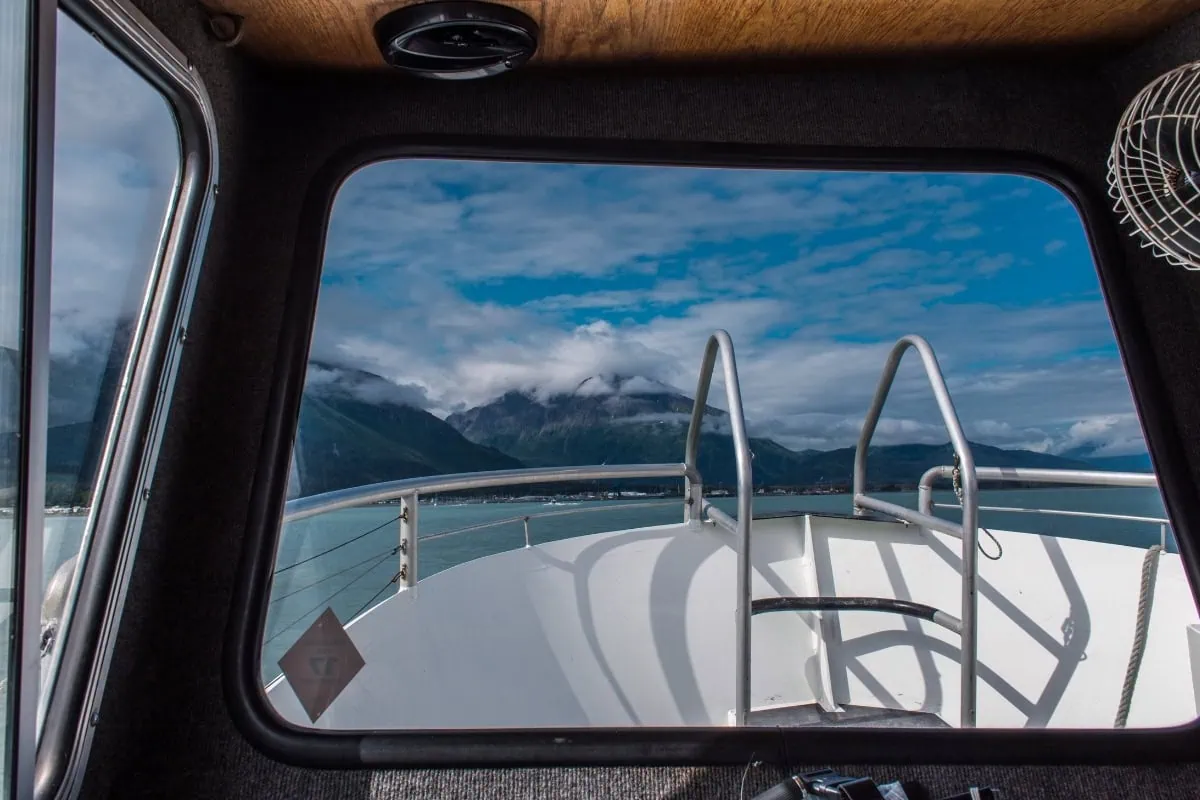
This is unquestionably the number one tip and the main reason to visit Seward. Kenai Fjords National Park is home to massive tidewater glaciers — glaciers that flow from the mountains directly into the sea, where enormous chunks of ice break off with a thunderous roar and crash into the water. It’s one of the most awe-inspiring natural phenomena I’ve ever witnessed, and photos and videos simply don’t do it justice.
Boat tours depart from the harbour in Seward and come in two main types. A full-day cruise (6–9 hours) takes you deep into the fjords to several tidewater glaciers (typically Aialik Glacier or Holgate Glacier), along coastlines teeming with sea lions, seals, and puffins, with a high chance of whale sightings. A half-day trip (3–5 hours) usually stays within Resurrection Bay, where you’ll see marine wildlife but won’t reach the big glaciers.
The main operators are Kenai Fjords Tours (part of Alaska Collection, the largest and most well-known) and Major Marine Tours. Prices for a full-day trip run around $200–300 per person, half-day around $100–180. Most include a snack or lunch on board.
My most important tip: Book in advance! In July and August, tours sell out weeks ahead, especially the full-day ones. We booked about 3 weeks in advance and there were only a few spots left. And one more thing — bring warm clothing and a waterproof jacket, even if it’s sunny in town. On the water and near the glaciers it’s 15–25°F colder and it can rain unexpectedly. 😉
2. Whales, Sea Lions, Puffins — Marine Wildlife Watching
Seward is one of the best places in all of Alaska for marine wildlife watching, and if you’re taking a boat tour to Kenai Fjords, it’s essentially “included” — because animals are everywhere around you.
Humpback whales are the stars of the show and you’ll most commonly see them from May to July. Watching a humpback whale breach or raise its tail above the surface against a backdrop of snow-capped mountains — that’s one of those moments when you forget to breathe. Orcas (killer whales) appear most frequently around Seward from mid-May to mid-June, but they’re less common than humpbacks, so it’s a bit of a lottery. We didn’t see orcas, but we counted about six humpback whales — and that was more than enough for absolute excitement. 😁
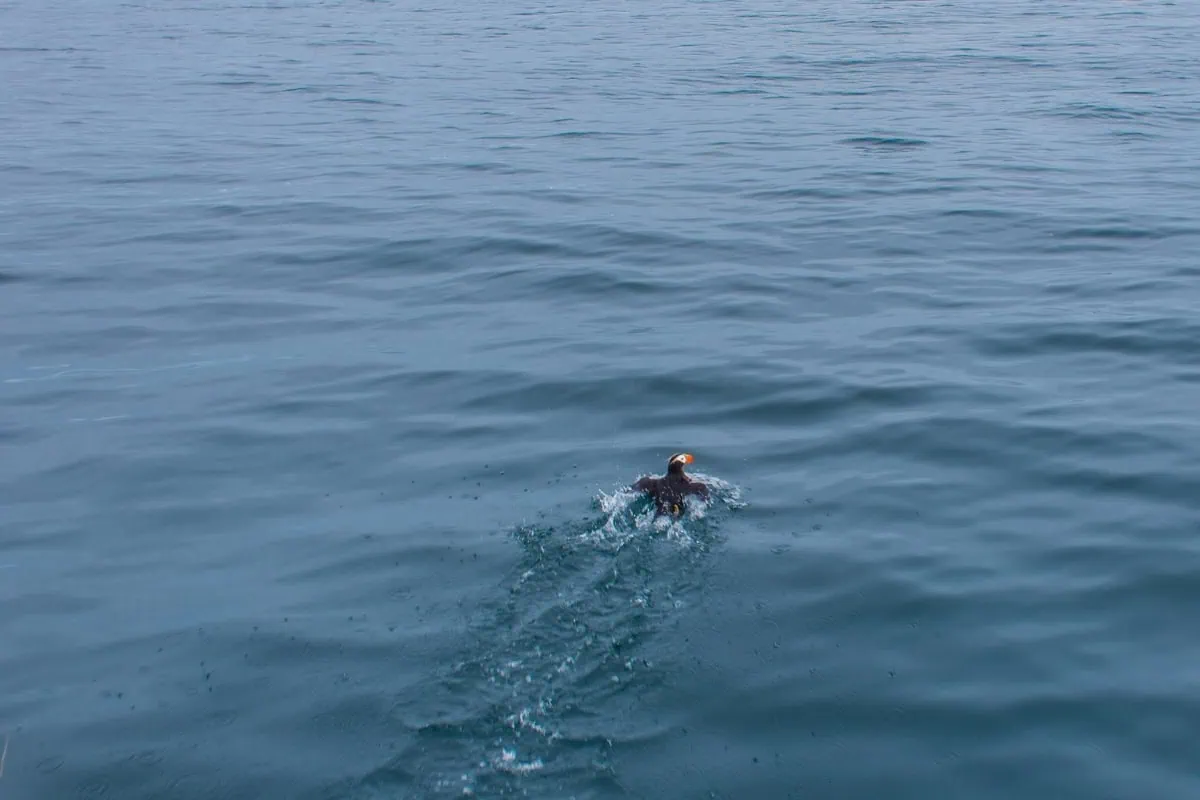
What you can count on seeing throughout the season are Steller sea lions — massive creatures resting on rocks, and the boat captain will bring you close at a safe distance. Then there are sea otters, floating on their backs cracking open shellfish — possibly the most adorable creatures on the planet. And then puffins — small black-and-white birds with orange beaks that are an icon of Alaska. They nest on cliffs and rocky islets, and we saw dozens. Harbour seals sit on ice floes near the glaciers looking like they own the place. Which they probably do.
If you want to focus your trip specifically on whales, ask the operator about current sightings — boat captains share information about where animals are spotted on any given day.
3. Exit Glacier — A Glacier Within Reach
Exit Glacier is the only glacier in all of Kenai Fjords National Park that you can reach by car, and that’s precisely why it’s so popular. It lies about a 20-minute drive from Seward at the end of Exit Glacier Road, in a stunning valley surrounded by mountains.
From the car park, several trails of varying difficulty branch out. The easiest, the Toe of the Glacier Trail, is roughly 1 mile (1.5 km) long, on flat terrain, and leads you to a viewpoint right at the glacier’s face. Even this short walk is fascinating, because along the way you pass markers with dates showing where the glacier’s edge was in past decades. In 1990, the glacier extended hundreds of metres further than it does today — a rather sobering visualisation of climate change.
The glacier itself is enormous, blue, and literally glowing in the sunlight. The sounds of cracking ice in the silence of the valley are almost… otherworldly. We spent about an hour there just staring. It’s worth the trip even if you do nothing else.
Park entrance costs $15 per person or is free with an America the Beautiful Pass ($80 per year, valid for all US national parks — if you’re planning to visit multiple parks, it’s an absolute no-brainer). The ranger station at the car park offers information about current trail conditions and bear activity in the area — I recommend stopping by before heading out.
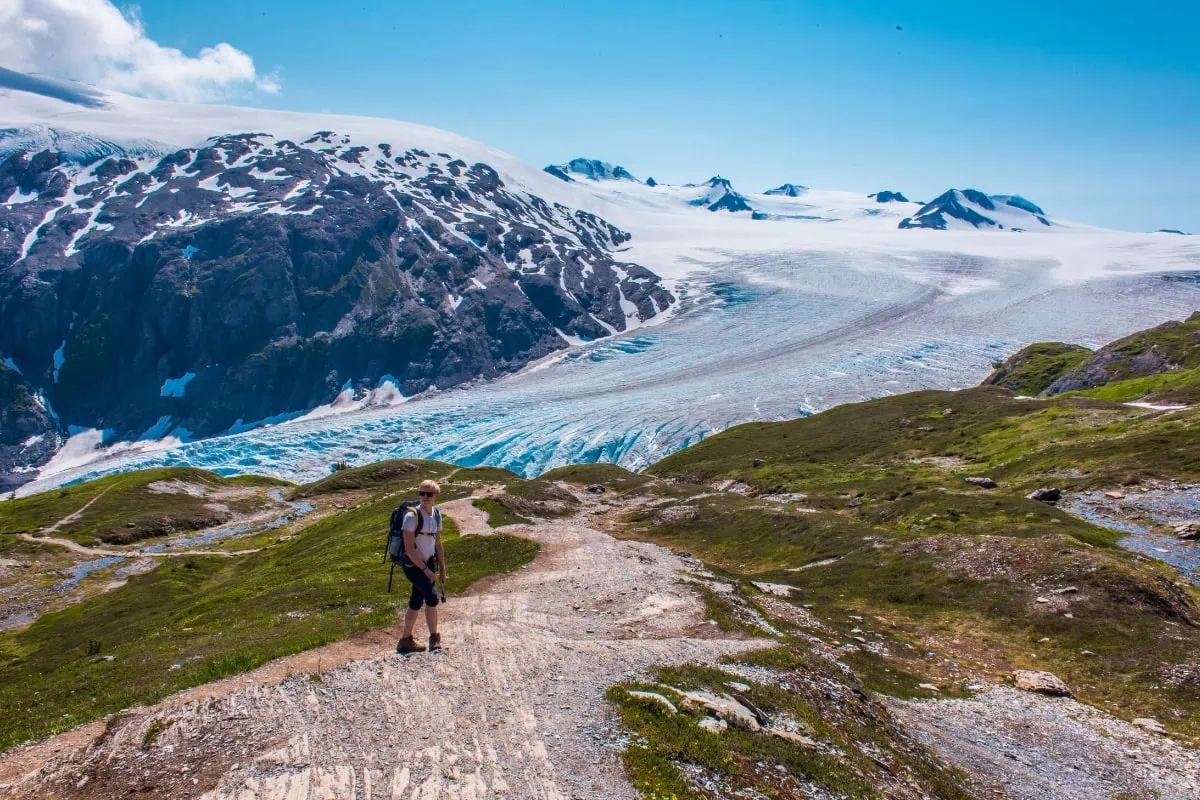
4. Harding Icefield Trail — A Hike You’ll Never Forget
If Exit Glacier is the glacier “taster,” the Harding Icefield Trail is the full-blown main course — and it ranks among the most breathtaking hikes I’ve ever done. Full stop.
The trail is approximately 8.8 miles (14 km) round trip, with an elevation gain of about 3,300 feet (1,000 metres), and takes 5–8 hours depending on fitness and how much time you spend at the top (spoiler: a lot, because you won’t want to leave). The trail starts at Exit Glacier and gradually climbs through forests, alpine meadows full of wildflowers, and eventually emerges above the tree line where a view opens up of Harding Icefield — a massive ice field spanning over 700 square miles (1,800 km²), from which dozens of glaciers flow in all directions.
Standing on a rocky outcrop and gazing at an endless expanse of ice and snow covering entire mountain ranges, with glaciers flowing into valleys like frozen rivers — that’s one of those moments when you realise just how incredible this planet is. Lukáš and I sat up there for about 45 minutes, just silently taking it all in.
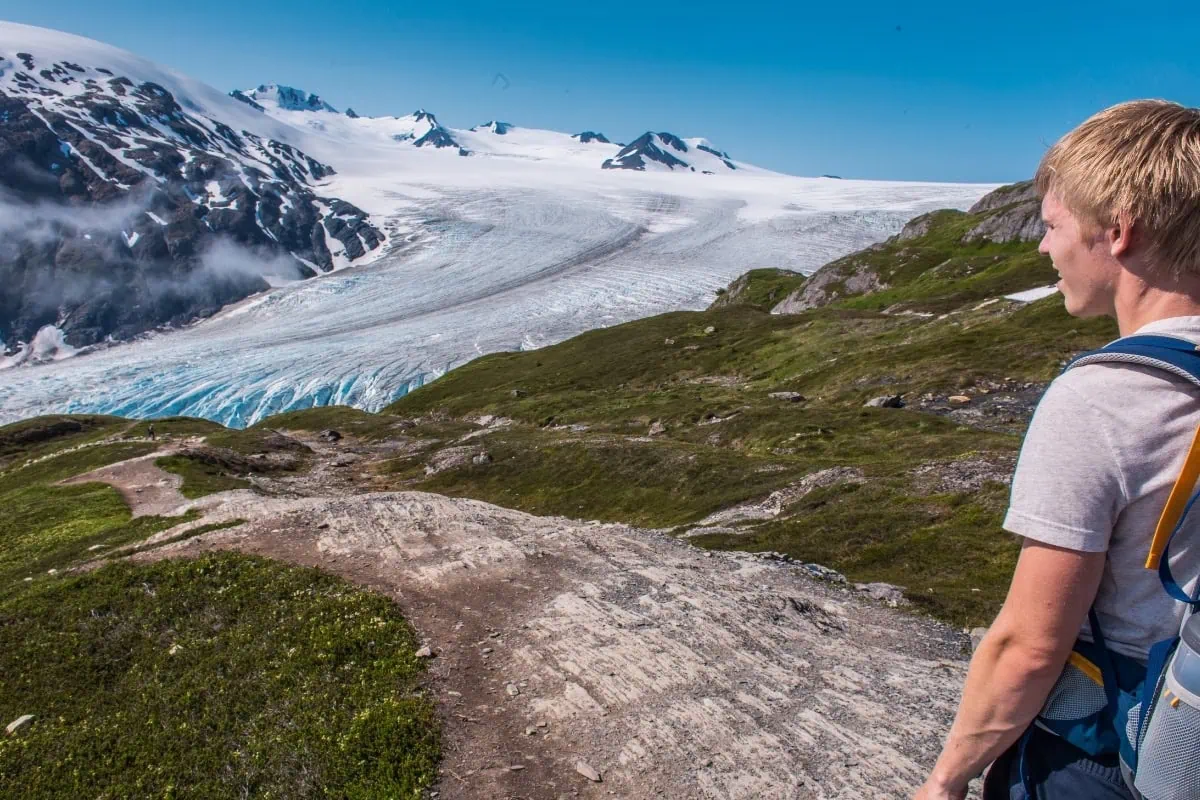
Important tips for the Harding Icefield Trail:
- Snow on the trail can persist until early July, especially in the upper sections. Check conditions on the NPS website or with the rangers.
- Layer your clothing — at the bottom in the forest it can be a pleasant 60°F (15°C), at the top near the ice field 35°F (2°C) with wind. Bring a hat, gloves, waterproof jacket and windbreaker even in summer.
- Bear spray — grizzly bears roam this area, particularly in summer. We didn’t encounter any, but bear spray is good insurance.
- Proper hiking boots are essential — the trail is steep, rocky, and slippery in places. If you’re looking for hiking boot advice, I have a detailed guide to choosing hiking boots on the blog.
- Bring plenty of water and snacks — there’s nothing to buy up there and the hike is physically demanding.
- The trail is not suitable for complete beginners or small children — but if you have average fitness and aren’t afraid of a solid climb, you’ll manage.
5. Seward Highway — The Most Beautiful Road in Alaska
I know I already mentioned the Seward Highway in the transport section, but this road deserves its own tip because it’s an experience in itself, not just a way to get from A to B.
The Seward Highway is 127 miles (204 km) long and runs from Anchorage to Seward along Turnagain Arm — a dramatic fjord where tidal bore waves surge through the inlet and where there’s a chance to spot belugas. It then climbs over Turnagain Pass between snow-capped peaks and descends along lakes and rivers into Seward. The road holds the designation All-American Road and National Scenic Byway, the highest American accolades for scenic roads — and deservedly so.
Our best stops along the way:
Potter Marsh Bird Sanctuary (mile 117, just outside Anchorage) — expansive wetlands where we observed bald eagles, herons, and there are reportedly occasional moose sightings too. A lovely boardwalk for a short stroll.
Bird Point (mile 96) — a viewpoint directly above Turnagain Arm. This is where we spotted belugas — a group of white whales swimming just a few hundred metres from shore! It’s a bit of a lottery, but if you stop and patiently scan the water for a while, the chances are fairly good, especially around incoming tide. We stood there about 20 minutes and saw at least 4 belugas — it was an absolutely magical moment. ☺️
Alaska Wildlife Conservation Center (mile 79) — a rescue centre where you can see grizzly and black bears, moose, bison, wolves and other animals up close. Admission is about $15. Great especially if you’re travelling with kids or if you don’t manage to spot wildlife in the wild.
Girdwood — a charming mountain village with the Alyeska Resort. You can ride the aerial tram up to a viewpoint or have lunch at the Seven Glaciers restaurant with views of… yes, seven glaciers.
6. Alaska SeaLife Center — An Aquarium at the Edge of the World
If you have a rainy day (and in Alaska you’ll have more of those than you’d like 😅), the Alaska SeaLife Center in Seward is the perfect programme saver. But honestly — it’s worth visiting even on a sunny day, because this isn’t an ordinary aquarium.
The Alaska SeaLife Center Seward is a combination of a public aquarium and a marine wildlife rescue centre — they help injured seals, sea otters, birds, and other animals, and you can see some of them during rehabilitation. The stars of the show are puffins, which you can see remarkably close — through glass panels as they swim underwater. They also have sea otters, Steller sea lions, octopuses, and a range of aquariums showcasing local marine fauna.
Admission is $27 for adults, children aged 4–11 $16, and little ones under 3 are free. Open daily from 9:00 AM to 5:00 PM in season (reduced hours off-season). Allow 1.5–2 hours for a visit.
For families with children, it’s a top pick — kids can see animals that they’d otherwise only glimpse from a boat deck (and from a greater distance), and the interactive exhibits will keep them entertained.
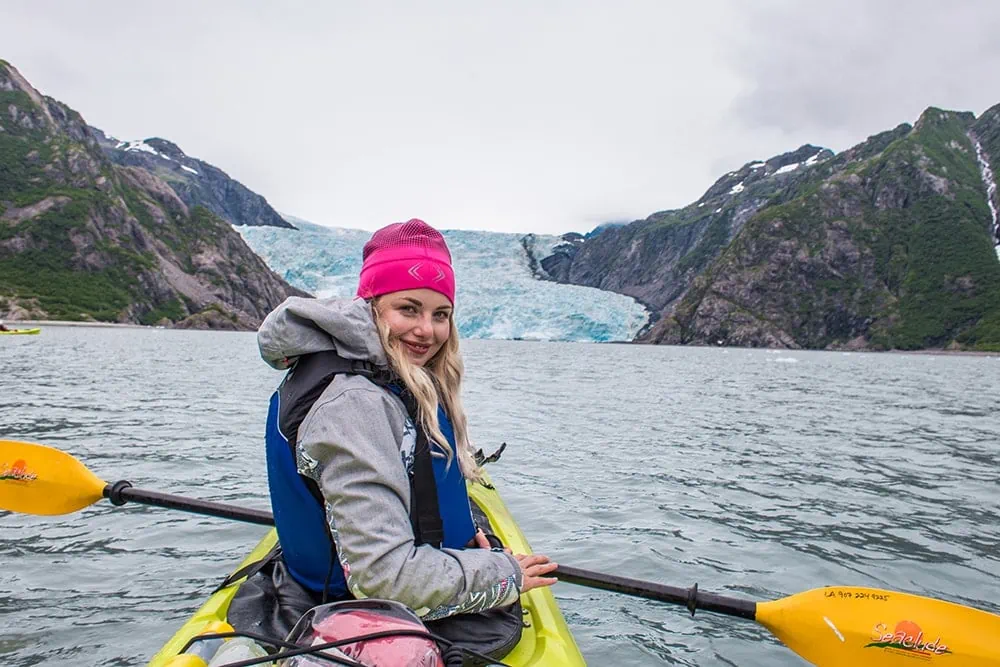
7. Kayaking in Resurrection Bay
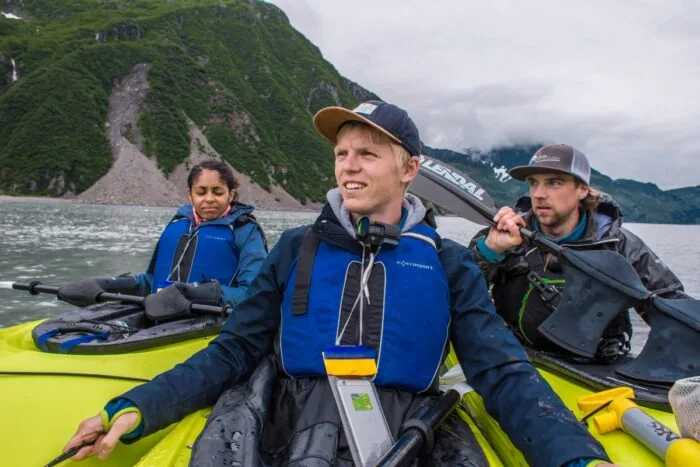
If you want to see Seward and its surroundings from a different perspective — literally from the water’s surface — kayaking in Resurrection Bay is an experience I’d rank right alongside the boat tour to the glaciers. It’s simply a different kind of beauty.
From the water, you see the town of Seward as a tiny dot against a backdrop of enormous mountains, sea otters float around you (looking like they couldn’t care less about your presence), an occasional seal pops up, and if you’re lucky, salmon swim beneath your kayak on their way to the river. The bay is calm most of the time and the surrounding fjord is sheltered from open ocean waves, making kayaking here safe even for beginners.
Guided kayak tours are offered by several local companies — Miller’s Landing and Kayak Adventures Worldwide are among the most popular. A half-day trip (3–4 hours) costs around $100–170 per person and includes equipment and instruction. Full-day trips head to more remote fjords and are priced accordingly.
We chose the half-day option and it was one of those calm, meditative experiences you remember not because anything dramatic happened, but because the tranquility and beauty completely enveloped you. Don’t forget to book your kayaking in advance, for example through GetYourGuide.
8. Fishing in Seward — Silver Salmon Derby and Halibut
Seward calls itself the “Salmon Capital of the World” — and while that might be a slight exaggeration (roughly every other town in Alaska seems to claim that title 😅), the fishing here really is fantastic.
The main season for silver salmon (coho) is August and September, while king salmon (chinook) are best caught in June and July. Beyond salmon, the halibut fishing here is excellent too — halibut is that enormous flat fish you’ll taste at every restaurant in town, and catching one with your own hands is an experience in itself. These fish can weigh over 110 lbs (50 kg)!
If you want to try fishing, the easiest option is to book a charter fishing trip — a full-day outing with captain, equipment, and licence costs around $250–400 per person. Many restaurants in Seward offer a “cook your catch” service — you bring your catch and they prepare it for you. You’ll never eat fresher fish in your life.
The Silver Salmon Derby is a legendary fishing competition held annually in August (usually the second weekend) that attracts thousands of anglers from across Alaska. The top prize is around $10,000 and the atmosphere in town at that time is absolutely electric.
9. Historic Seward and the Harbour — A Town Walk
Seward is a town of about 2,700 permanent residents and has that indescribable charm of small Alaskan coastal towns — colourful wooden houses, a harbour full of fishing boats, galleries of local artists, and souvenir shops that are a notch above the usual tourist tat.
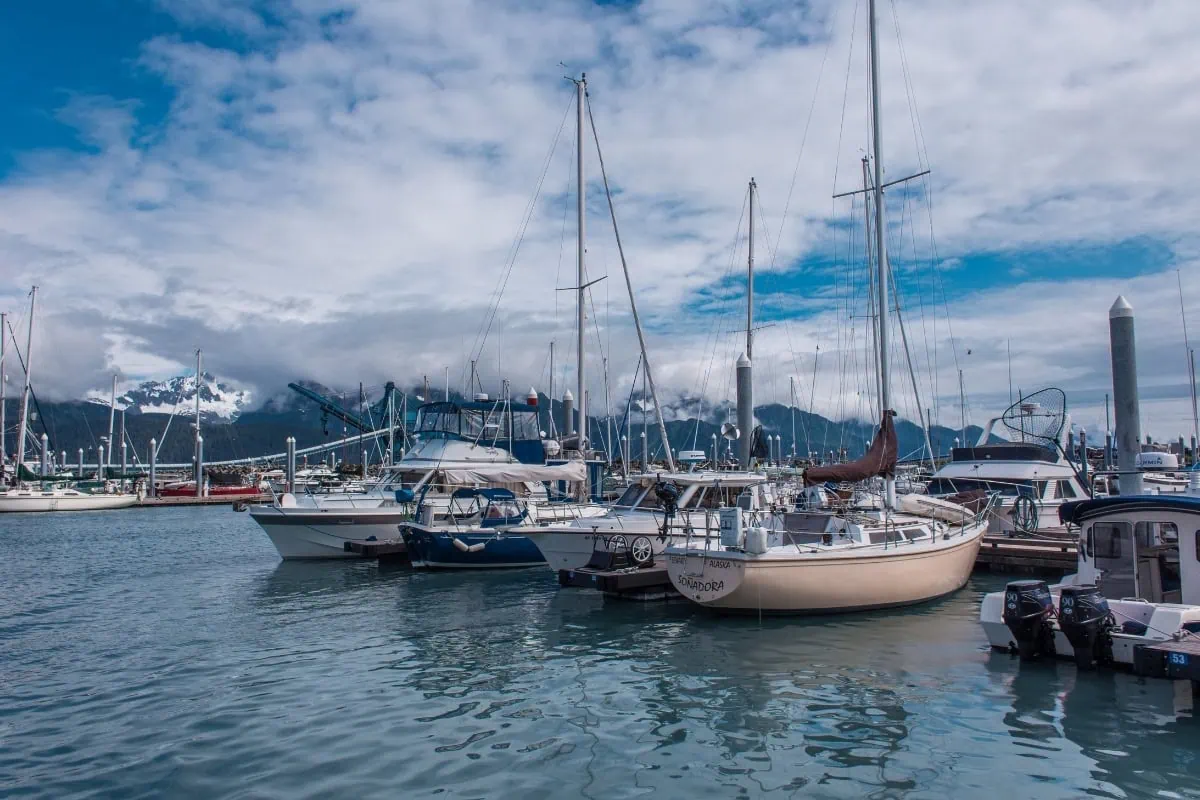
Take a stroll along the waterfront promenade by the harbour, where sea lions lounge on the docks and fishermen clean their catch. At the end of the harbour, you’ll find Seward Small Boat Harbor — a lovely spot for watching boats and birds. In the town centre, check out the Seward Mural Society murals — large-scale paintings on buildings that tell the city of Seward’s history.
Seward has a fascinating history — it was founded in 1903 as the starting point of the Alaska Railroad and served as the main port for supplying Alaska’s interior. The massive earthquake of 1964 (the Good Friday Earthquake, magnitude 9.2!) severely damaged the town and a tsunami destroyed the harbour. The city recovered, but traces of the disaster are still visible today in museums and memorials.
Mt. Marathon Race — every year on 4th July (Independence Day), the legendary race up Mt. Marathon and back takes place here. It’s one of the oldest mountain races in America, and on that day the little town is absolutely packed. If you’re in Seward on 4th July, it’s a brilliant experience — but expect accommodation to be extremely expensive and booked out months in advance.
10. Dog Sledding on a Glacier — Summer Mushing
This is one of those quintessentially Alaskan experiences that sounds a bit mad — riding a dog sled on a glacier in the middle of summer. And that’s exactly what you can do near Seward. Just make sure to book in advance, for example through GetYourGuide.
Here’s how it works: a helicopter picks you up and flies you to a remote glacier where there’s a camp with huskies and a musher (sled driver). You ride across the glacier on a sled pulled by an enthusiastic pack of Alaskan huskies and learn about the tradition of mushing in Alaska. The whole excursion lasts approximately 2–3 hours (including the helicopter flight) and costs around $500–600 per person. Yes, it’s not exactly cheap — but the experience is absolutely unique.
We tried dog sledding and I have to say, the energy of those dogs is absolutely incredible. When they see a run is about to start, they bark with excitement and pull as though they want to fly. And that helicopter ride over the glaciers… looking down at crevasses in the ice and blue tunnels is simply unreal.
11. Caines Head State Recreation Area — A Trek with Bay Views
If you’re looking for a hike off the beaten track, Caines Head is a fantastic alternative to (or complement to) the Harding Icefield Trail. The trail follows the coast of Resurrection Bay to the ruins of Fort McGilvray from World War II — an abandoned military fortress on a cliff above the sea.
The entire route is about 8.8 miles (14 km) round trip, but beware — part of the trail runs along a beach that is only passable at low tide! This is absolutely critical information — check tide charts beforehand, otherwise you could find yourself in a dangerous situation. The ranger station in Seward can help you with timing.
The trek is moderately challenging, running through forests and along the coastline, with views across the bay and surrounding mountains. The ruins of Fort McGilvray are fascinating — you walk through abandoned concrete bunkers with views of the ocean and imagine the soldiers who guarded access to Alaska during the war. Allow 5–7 hours for the whole trip.
12. Fox Island and Resurrection Bay — A Boat Trip Away from the Crowds
If you don’t have the time (or budget) for a full-day cruise to Kenai Fjords, an alternative is a shorter trip into Resurrection Bay to Fox Island — a tiny island in the middle of the bay where there’s an excursion lodge.
Several operators offer half-day trips to Fox Island, which include a cruise around the bay (with the chance to see whales, otters, and sea lions), a stop on the island with lunch or a salmon cookout, and the return to Seward. Prices run around $120–200 per person and it’s a gentler, calmer alternative for those who don’t fancy an entire day on a boat or are travelling with small children.
Resurrection Bay is a sheltered inlet, so the water is calmer than on the open ocean — if you’re prone to seasickness, this is the safer option.
Where to Eat in Seward — A Foodie’s Guide
Seward is a tiny town, but the food here is surprisingly excellent — mainly because the seafood comes straight from the harbour. Halibut, salmon, prawns… all caught that day or the day before. When I first tasted the halibut at Ray’s and then recalled what I’d been served as “halibut” at a restaurant back home, I had to laugh at myself. 😅 Here are a few places to eat:
Ray’s Waterfront
This is probably the most famous restaurant in Seward and rightfully so — you sit by the window with views of the harbour and mountains, eating fresh halibut or salmon that was literally caught that day. Portions are generous, prices match (mains around $25–45), but for the quality and atmosphere it’s absolutely worth it. Book a table in advance, especially for dinner in season — otherwise you’ll be waiting.
The Cookery
Probably our favourite spot in Seward. 😁 The Cookery is a smaller restaurant focused on local, seasonal ingredients — they have fantastic oysters, halibut in various preparations, and creative cocktails. The menu changes with the season and ingredient availability. Prices are a bit higher (mains $30–50), but the quality is absolutely top-notch. This is the place for a special dinner.
Highliner
If you’re after a casual and quicker option, Highliner is great for lunch — halibut sandwich, fish and chips, or halibut tacos at reasonable prices ($15–25). Nothing fancy to look at, but flavour-wise it’s brilliant.
Exit Glacier Salmon Bake
A rustic restaurant on the road to Exit Glacier, where they grill salmon over an open fire Alaskan-style. The atmosphere is pleasantly outdoorsy — you sit outside under the trees, the smell of grilled salmon in the air, mountains all around. Brilliant for lunch after a day of hiking. Expect about $20–35 for a main course.
Railway Cantina
For a break from seafood — a small stand serving tacos and burritos, though they also have halibut and salmon versions. Quick, affordable ($12–18), and surprisingly good. Ideal for a quick lunch between activities.
Practical Tips and Advice for Visiting Seward
To make the most of Seward and Alaska in general (and avoid unnecessary hassles), here are some practical tips we learned from experience.
Weather and Clothing
Alaskan weather is… let’s say, specific. 😅 Even in summer you can have sunshine in the morning and rain in the afternoon, or 65°F (18°C) in town and 40°F (5°C) on the water near a glacier — all in one day. The golden rule is to dress in layers:
- Moisture-wicking base layer (merino or synthetic)
- Fleece or wool mid layer
- Waterproof jacket — this one is absolutely essential, don’t go to Alaska without it
- Hat and gloves — yes, even in July, especially on boat tours and glacier hikes
- Comfortable hiking boots — essential for treks, lighter shoes are fine for town
If you’re wondering how to fit it all in your bag, I have a detailed guide on how to pack into carry-on luggage on the blog.
Flights to Anchorage
You can’t fly directly to Seward — the nearest major airport is Anchorage (ANC). Direct flights from the UK don’t exist; the most common connections are via Seattle, Minneapolis, or other American cities. For affordable flights, I recommend searching on Kiwi — it’s our favourite search engine and they often find the best prices, even for more complex routes.
Travel Insurance
Healthcare in the US is astronomically expensive — even a simple A&E visit can cost thousands of dollars. Travel insurance is an absolute must for Alaska, and not just for medical costs but also for potential tour cancellations due to weather. For details and insurance comparisons, check out our SafetyWing travel insurance review.
Mobile Data and eSIM
Mobile signal in the town of Seward itself is generally fine, but as soon as you leave town (on the road to Exit Glacier, on hikes, on the water) — signal is practically non-existent. I recommend downloading offline maps and having all necessary information saved beforehand. For mobile data in the US, I recommend an eSIM — find details in our Holafly eSIM review.
Car Rental
I’m saying this for the third time, but it’s important — a car is absolutely essential in Alaska. Seward has no public transport in the traditional sense, and you can’t reach Exit Glacier or the stops along the Seward Highway without one. We’ve had consistently good experience with RentalCars — the comparison tool finds the best prices from all rental agencies in Anchorage.
Bears — Safety
Bears live in Alaska — both black bears and grizzlies — and they roam the Seward area, especially in summer near rivers with salmon. On hikes:
- Make noise (talk, clap, carry bear bells)
- Carry bear spray and keep it accessible (not at the bottom of your backpack!)
- Never approach a bear
- Store food in bear-proof containers
We didn’t encounter a bear on the trails around Seward, but during our Alaska trip we saw several from a safe distance from the car. It’s an awe-inspiring and slightly spine-tingling experience all at once.
Frequently Asked Questions About Seward (FAQ)
How to get to Seward from Anchorage?
The most convenient option is driving the Seward Highway — it’s approximately 127 miles (204 km) and takes about 2.5 hours (without stops). The road is stunning and is an attraction in itself. The second option is the Alaska Railroad, which takes about 4 hours and costs around $120–150 one way. We recommend having a car, as you’ll need it in and around Seward.
When is the best time to visit Seward?
The season runs from May to September. The best compromise between weather, prices, and availability is June. July and August are the warmest but most expensive and crowded. For humpback whale watching, May to July is ideal, and orcas are most commonly spotted from mid-May to mid-June.
How much does a Kenai Fjords boat tour cost?
A full-day tour (6–9 hours) to tidewater glaciers costs approximately $200–300 per person, while a half-day trip around Resurrection Bay runs about $100–180. Most include a snack or lunch on board. We recommend booking at least 2–3 weeks in advance — in peak season, tours sell out fast.
Is Harding Icefield Trail suitable for beginners?
The Harding Icefield Trail is not suitable for complete beginners — it’s 8.8 miles (14 km) with 3,300 feet (1,000 metres) of elevation gain, which is physically demanding. However, if you have average fitness and can handle a full-day hike, you’ll manage. The trail is well-marked and maintained. Snow may linger in the upper sections until early July. For an easier alternative, choose the shorter Toe of the Glacier Trail directly to Exit Glacier.
What wildlife can I see in Seward?
On a boat tour or from a kayak, you may see humpback whales, orcas, sea otters, Steller sea lions, harbour seals, puffins, dolphins, and various seabirds. On hikes and driving, you might encounter moose, bald eagles, marmots, mountain goats, and in more remote areas, bears. Belugas can sometimes be spotted from Bird Point on the Seward Highway.
How many days do I need for Seward?
The minimum is 2 days — one for a Kenai Fjords boat tour and one for Exit Glacier and the town. Ideally, allow 3–4 days so you have time for kayaking, the Harding Icefield Trail hike, fishing, or simply soaking up the atmosphere of the town without rushing. An extra day also serves as a good buffer in case of bad weather.
Is Seward safe?
Seward is a very safe small town with low crime. The main safety risks are natural — bears on trails (carry bear spray and make noise), weather (can change rapidly, especially on the water and in the mountains), and tidal conditions on some coastal trails (particularly Caines Head). Always check current conditions, ask the rangers, and have proper clothing. On the water, wear a life jacket and follow the boat captain’s instructions.
Tips and Tricks for Your Vacation
Don’t Overpay for Flights
Search for flights on Kayak. It’s our favorite search engine because it scans the websites of all airlines and always finds the cheapest connection.
Book Your Accommodation Smartly
The best experiences we’ve had when looking for accommodation (from Alaska to Morocco) are with Booking.com, where hotels, apartments, and entire houses are usually the cheapest and most widely available.
Don’t Forget Travel Insurance
Good travel insurance will protect you against illness, accidents, theft, or flight cancellations. We’ve had a few hospital visits abroad, so we know how important it is to have proper insurance arranged.
Where we insure ourselves: SafetyWing (best for everyone) and TrueTraveller (for extra-long trips).
Why don’t we recommend any Czech insurance company? Because they have too many restrictions. They set limits on the number of days abroad, travel insurance via a credit card often requires you to pay medical expenses only with that card, and they frequently limit the number of returns to the Czech Republic.
Find the Best Experiences
Get Your Guide is a huge online marketplace where you can book guided walks, trips, skip-the-line tickets, tours, and much more. We always find some extra fun there!


