

Planning a trip to Thailand can be a real headache. How do you fit in a buzzing metropolis, the temples of the north, and those picture-perfect beaches without spending half your holiday on a bus? If you’re looking for the ultimate Thailand roadtrip itinerary, you’ve come to the right place.
We’ve put together this Thailand roadtrip itinerary so you can see all the highlights while still having time for an iced coffee in Chiang Mai or a coconut on the beach. Forget the frantic rush. Travelling through Thailand should be sabai sabai – relaxed and stress-free.
TL;DR
- Watch out for new visa rules (ETA): From 2025/2026, entry often requires an Electronic Travel Authorization (ETA) or a Thailand Digital Arrival Card (TDAC). Apply online at least 3 days before your flight.
- Cash is king (but QR codes rule): While cards are accepted at 7-Eleven, you’ll need cash at markets and Pad Thai stalls. QR code payments are a great hack if you have a Thai banking app, but as tourists, rely on ATM withdrawals (ATM fee is around 220 THB / approx. €5.50).
- Download Grab and Bolt: Haggling with tuk-tuk drivers is an experience, but for actual transport use the Grab or Bolt apps. They’re cheaper, safer, and you know the price upfront.
- Choose the right coast: In summer (July–August), it rains on the Andaman coast (Phuket, Krabi), so opt for the Gulf of Thailand islands (Koh Samui, Koh Tao) instead. In winter, it’s the other way around.
- Respect the culture: Always cover your shoulders and knees when visiting temples. Never step on money (the King’s portrait is on it) and don’t raise your voice – Thai people consider losing your temper a serious loss of face.
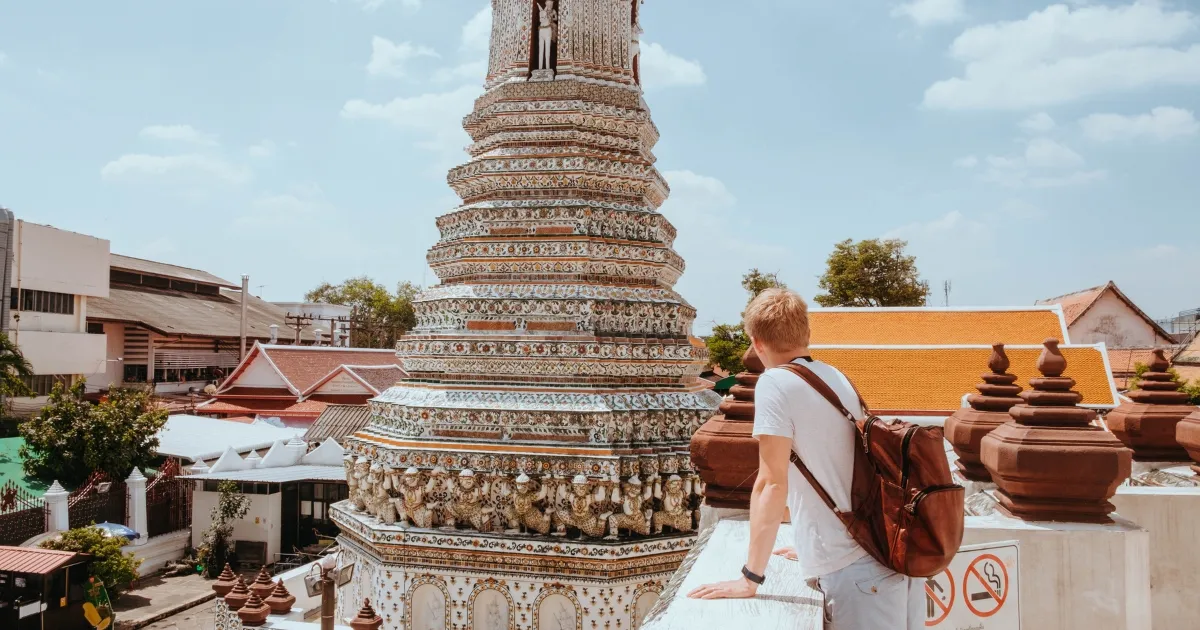
How to Prepare Before Starting Your Thailand Roadtrip
Before you toss your flip-flops into your suitcase, let’s sort out the paperwork. Thailand used to be a country where British travellers could simply fly in with a passport. That’s changed slightly. For 2026, keep an eye on the new ETA (Electronic Travel Authorization) system, which aims to streamline immigration but requires pre-registration. Also don’t forget the Thailand Digital Arrival Card (TDAC), which has replaced the old paper forms. Without these documents, your dream Thailand roadtrip could fall apart right at the airport.
As for health, no vaccinations are mandatory, but Hepatitis A and B and typhoid are strongly recommended. If you’re sticking to tourist areas, there’s no need to worry about malaria, but a quality mosquito repellent (buy it locally at 7-Eleven – European ones don’t work on Thai mosquitoes) is essential because of dengue fever. Travel insurance is an absolute must – Thai hospitals are excellent, but the bills can be eye-watering. For staying connected on the go, consider picking up an eSIM from Holafly or Yesim before you leave – it’ll save you the hassle of hunting for a local SIM card.
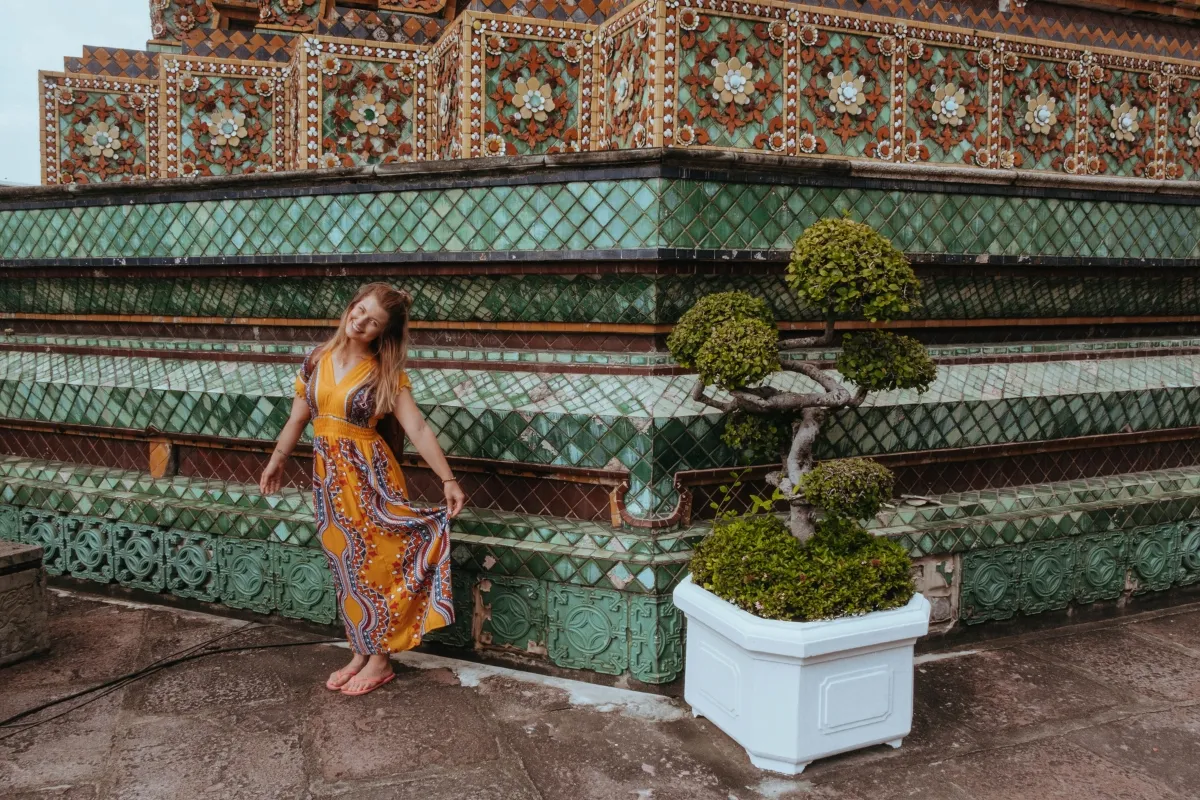
Days 1–3: Bangkok – The City of Angels That Never Sleeps
Your Thailand roadtrip logically begins in Bangkok. Many people flee the city immediately, and that’s a huge mistake. Give the city a chance and it will reward you. Stay ideally near the Chao Phraya River or around Sukhumvit, so you’re close to the BTS Skytrain.
Spend your first day acclimatising and ticking off the must-sees. The Grand Palace and Wat Phra Kaew (the Emerald Buddha) are breathtaking, but be prepared for crowds. Tip for you: Right next door is Wat Pho with the Reclining Buddha. It’s quieter and home to the oldest massage school in the country. Getting your stiff back massaged here after a long flight is an experience you won’t forget. In the evening, hop on a boat and cross over to Wat Arun at sunset – the view is pure magic.
On day two, dive into Chinatown. It’s a gastronomic heaven. Sit on a plastic stool, order a noodle soup or grilled prawns, and watch the chaos unfold around you. In the evening, treat yourself to a drink at one of the rooftop bars (Sky Bars), where you can see Bangkok spread out beneath you. For the adventurous, there’s always the legendary Khao San Road, where you can try a fried scorpion if you have enough courage (and enough drinks in you).
Where to stay: If you’re looking for a luxury hotel, check out Ascott Embassy Sathorn Bangkok. For a cheap but fantastic hostel, there’s Khao San Social Capsule. And the happy middle ground? Probably Naga Residence.
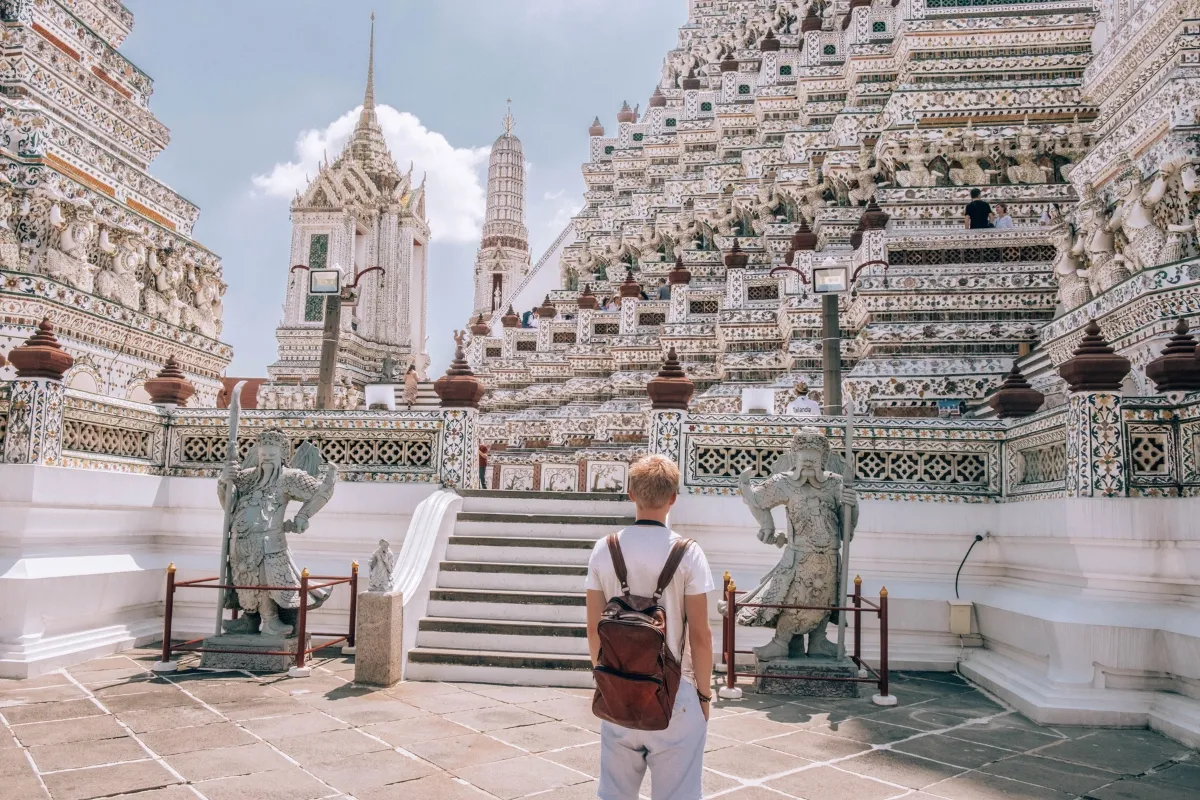
Days 4–5: Ayutthaya and a Journey into the Past
On day three, board a morning train from Krung Thep Aphiwat station (formerly Bang Sue) and head north. Your destination is Ayutthaya, the ancient capital of Siam, which was burned down by the Burmese in 1767. The train journey takes only about an hour and a half and costs next to nothing. It’s an authentic experience – open windows, ceiling fans, and vendors offering cold drinks right in the carriage.
In Ayutthaya, rent a bicycle or hire a tuk-tuk for a few hours. Cycling between the brick ruins of temples like Wat Mahathat (yes, that’s the one with the famous Buddha head entwined in tree roots) has an unforgettable atmosphere. Unlike Bangkok, there’s peace and space to breathe here.
If you want to inject some adventure into your Thailand roadtrip, don’t continue by bus – instead, hop on the overnight sleeper train from Ayutthaya to Chiang Mai. It’s legendary among backpackers. The beds are surprisingly comfortable and clean, and in the morning you’ll wake up to misty mountain views across northern Thailand. Book tickets well in advance online though – they sell out weeks ahead.
Where to stay: For a budget option, take a look at Auntie House985. If you prefer something more upscale, try Baan Canalee.
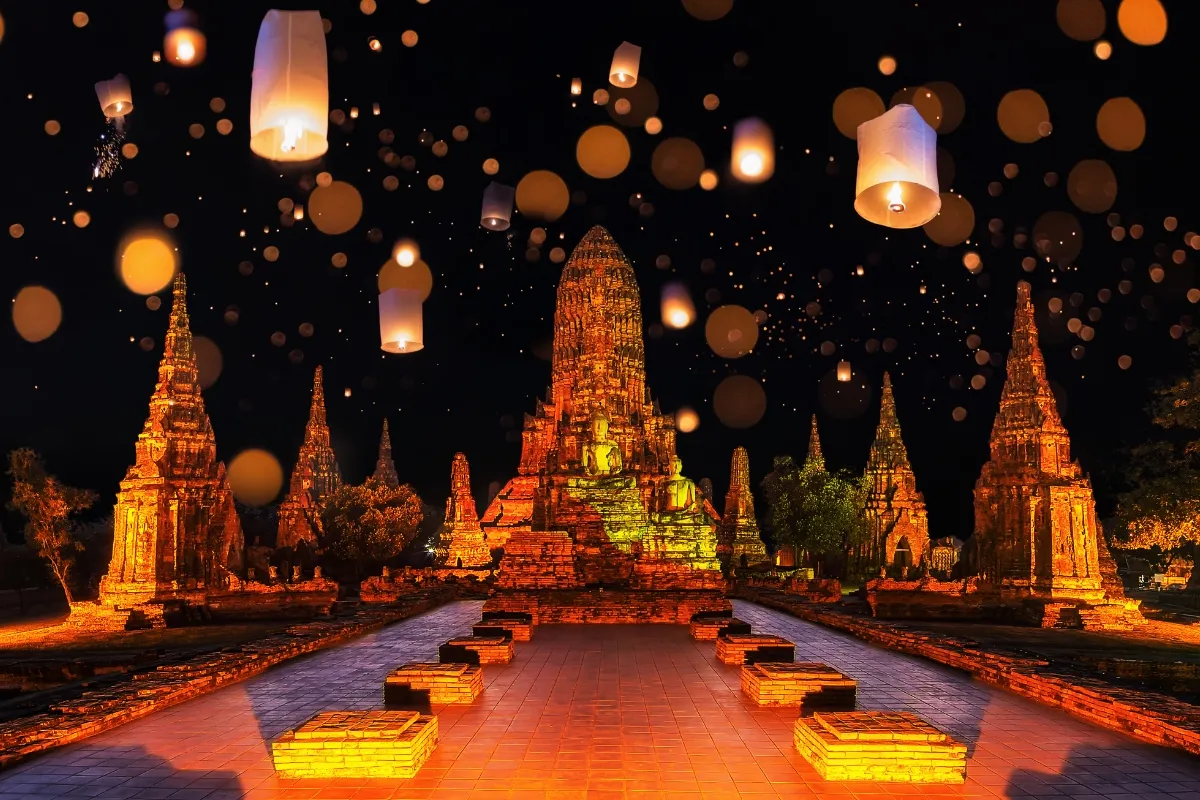
Days 6–9: Chiang Mai – Heart of the North and Digital Nomad Haven
Welcome to Chiang Mai, a city with a completely different energy to Bangkok. Nobody rushes here. The old town is surrounded by a moat and remnants of ancient walls, and inside you’ll find hundreds of temples. Wat Chedi Luang and Wat Phra Singh are must-sees, but try to seek out the smaller, tucked-away temples where you’ll have the place to yourself. Northern Thailand is also home to excellent coffee – the café culture here is world-class.
What you absolutely must include in this part of your Thailand roadtrip is the food. The northern speciality Khao Soi (a curry soup with egg noodles and chicken) is an absolute culinary revelation. Try it at Khao Soi Khun Yai, if you find it open.
Set aside one day for a trip into the mountains. You can visit Doi Suthep, the golden temple towering above the city, or venture further to Doi Inthanon National Park – the “roof of Thailand.” If you want to see elephants, please choose carefully. Avoid places that offer elephant riding. Choose an ethical sanctuary where the animals are cared for, fed, and not having their spirits broken for tourist entertainment.
Where to stay: A budget-friendly option is Tree Boutique Resort, or for something far more luxurious with an infinity pool, try Astra Sky River Chang Khlan Chiang Mai.
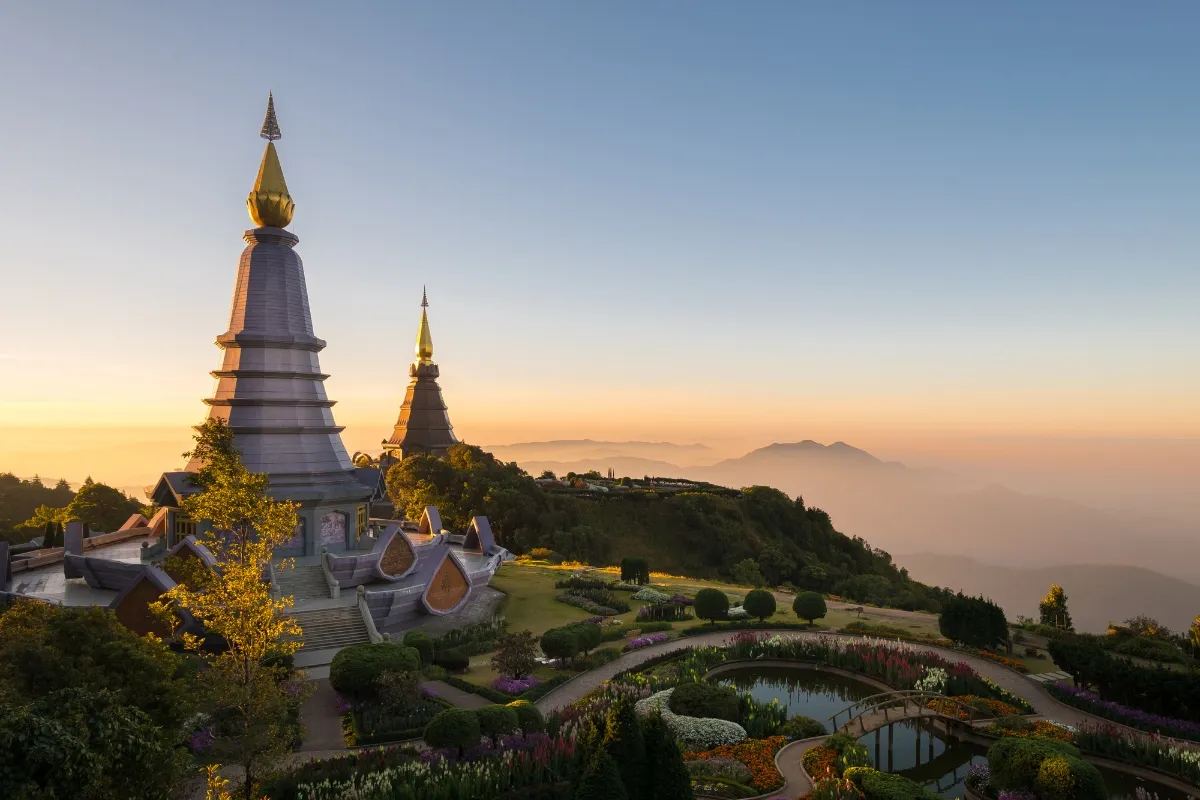
Days 10–14: Southern Thailand – Well-Deserved Relaxation in Paradise
Now comes the toughest decision of your Thailand roadtrip: Which island to pick? Thailand has hundreds of islands and each one is different. Your choice should depend on the time of year you’re travelling.
November – April (Andaman Sea)
Fly from Chiang Mai directly to Phuket or Krabi. From there, take a boat to Koh Lanta (peaceful, family-friendly, long beaches), Koh Phi Phi (parties, stunning scenery, but crowds), or the Railay peninsula (rock climbing, only accessible by boat). The sea will be calm and the sky blue.
May – October (Gulf of Thailand)
During this period, it rains on the west coast. Head to the eastern islands instead: Koh Samui (luxury, has an airport, lively), Koh Phangan (not just the Full Moon Party – also amazing yoga retreats and a peaceful north), or Koh Tao (a diver’s and snorkeller’s paradise). The weather here is much more stable in summer.
Picture this: you spend your last days with your feet in the sand, sipping fresh coconut water, and your only dilemma is whether to have a massage before lunch or after. I’d recommend not leaving your return to Bangkok until the last minute. Flying back to the capital a day before your flight home gives you peace of mind and saves your nerves.

Transport and Practical Tips for a Smooth Trip
To keep your Thailand roadtrip running like clockwork, make the most of modern technology. For long-distance travel (trains, buses, ferries), the website 12Go Asia is an absolute lifesaver. You can find timetables, prices, and buy tickets right there.
In cities, avoid standing on the kerb and flagging down taxis unless you want to hear an inflated “tourist price.” The Grab and Bolt apps work reliably. With Bolt, you can often get a motorbike ride (sitting behind the driver), which is the fastest and cheapest way to get around in Bangkok’s traffic jams. Just don’t forget to wear a helmet!
And a small warning: If someone outside a temple tells you it’s “closed today” and offers you a cheap tuk-tuk ride elsewhere, don’t believe them. It’s the oldest trick in the book. The temples are open, and you shouldn’t fall for it.
How Much Will It Cost? Budget for Your Thailand Roadtrip
Thailand isn’t as cheap as it was ten years ago, but it still offers excellent value for money. Here’s a realistic estimate for 2026:
- Accommodation: A nice double room in a guesthouse or 3-star hotel costs from 800 to 1,500 THB (roughly €20–€37).
- Food: Street food (Pad Thai, rice with meat) costs 60–100 THB (€1.50–€2.50). A meal in an air-conditioned restaurant runs 200–400 THB (€5–€10).
- Transport: Domestic flights between north and south (e.g. AirAsia) cost around €25–€50 if booked early.
- Total budget: For a comfortable holiday without counting every baht, budget roughly €600–€850 per person for 14 days (excluding international flights). You can do it cheaper on a shoestring, or spend much more at luxury resorts.
FAQ – Frequently Asked Questions
Is it safe to eat street food in Thailand?
Yes, and it’s often safer than eating in restaurants because you can see the ingredients being prepared right in front of you. Ingredients are turned over quickly thanks to high demand. Just avoid ice in remote areas and tap water – always drink bottled water.
What should I wear to temples?
Respect is essential. Both men and women must have their shoulders and knees covered. No tank tops, no short shorts. It’s a good idea to carry a light scarf (sarong) in your backpack that you can wrap around yourself before entering. You always remove your shoes before entering the inner shrine.
Can I rent a scooter in Thailand?
You can, but there’s a catch. Police in tourist areas (Phuket, Chiang Mai, Samui) run daily checks on tourists. You need an International Driving Permit with a motorcycle endorsement (Category A). A standard car driving licence doesn’t cover scooters in Thailand, and your insurance won’t pay out in the event of an accident. If you don’t have experience, Thai traffic is not the place to learn.
When is the best time to visit Thailand?
The peak season is generally considered to be November to February, when the weather is dry and temperatures are bearable (around 30°C). From March to May, it’s extremely hot. If you can only travel in summer (July/August), head to the Gulf of Thailand islands (Koh Samui), where it rains less than in Phuket.
Do credit cards work in Thailand?
In large hotels, supermarkets, and shopping centres, yes. Everywhere else (markets, tuk-tuks, small restaurants, park entrance fees), cash rules. ATMs are widely available, but they charge a withdrawal fee (around 220 THB / €5.50), so it’s better to withdraw larger amounts at once.
Tips and Tricks for Your Vacation
Don’t Overpay for Flights
Search for flights on Kayak. It’s our favorite search engine because it scans the websites of all airlines and always finds the cheapest connection.
Book Your Accommodation Smartly
The best experiences we’ve had when looking for accommodation (from Alaska to Morocco) are with Booking.com, where hotels, apartments, and entire houses are usually the cheapest and most widely available.
Don’t Forget Travel Insurance
Good travel insurance will protect you against illness, accidents, theft, or flight cancellations. We’ve had a few hospital visits abroad, so we know how important it is to have proper insurance arranged.
Where we insure ourselves: SafetyWing (best for everyone) and TrueTraveller (for extra-long trips).
Why don’t we recommend any Czech insurance company? Because they have too many restrictions. They set limits on the number of days abroad, travel insurance via a credit card often requires you to pay medical expenses only with that card, and they frequently limit the number of returns to the Czech Republic.
Find the Best Experiences
Get Your Guide is a huge online marketplace where you can book guided walks, trips, skip-the-line tickets, tours, and much more. We always find some extra fun there!


